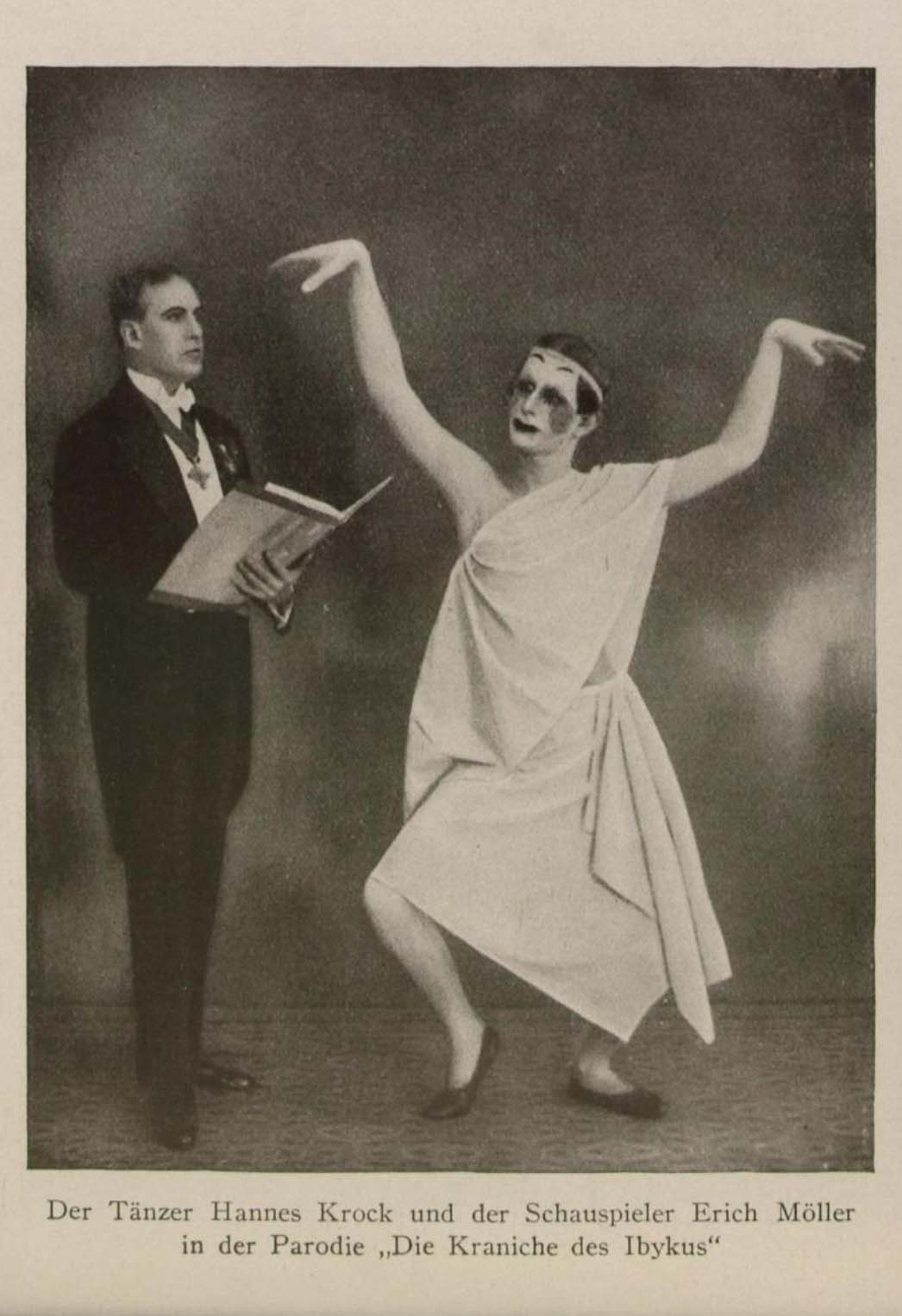
Parodistischer Tanz
images that haunt us
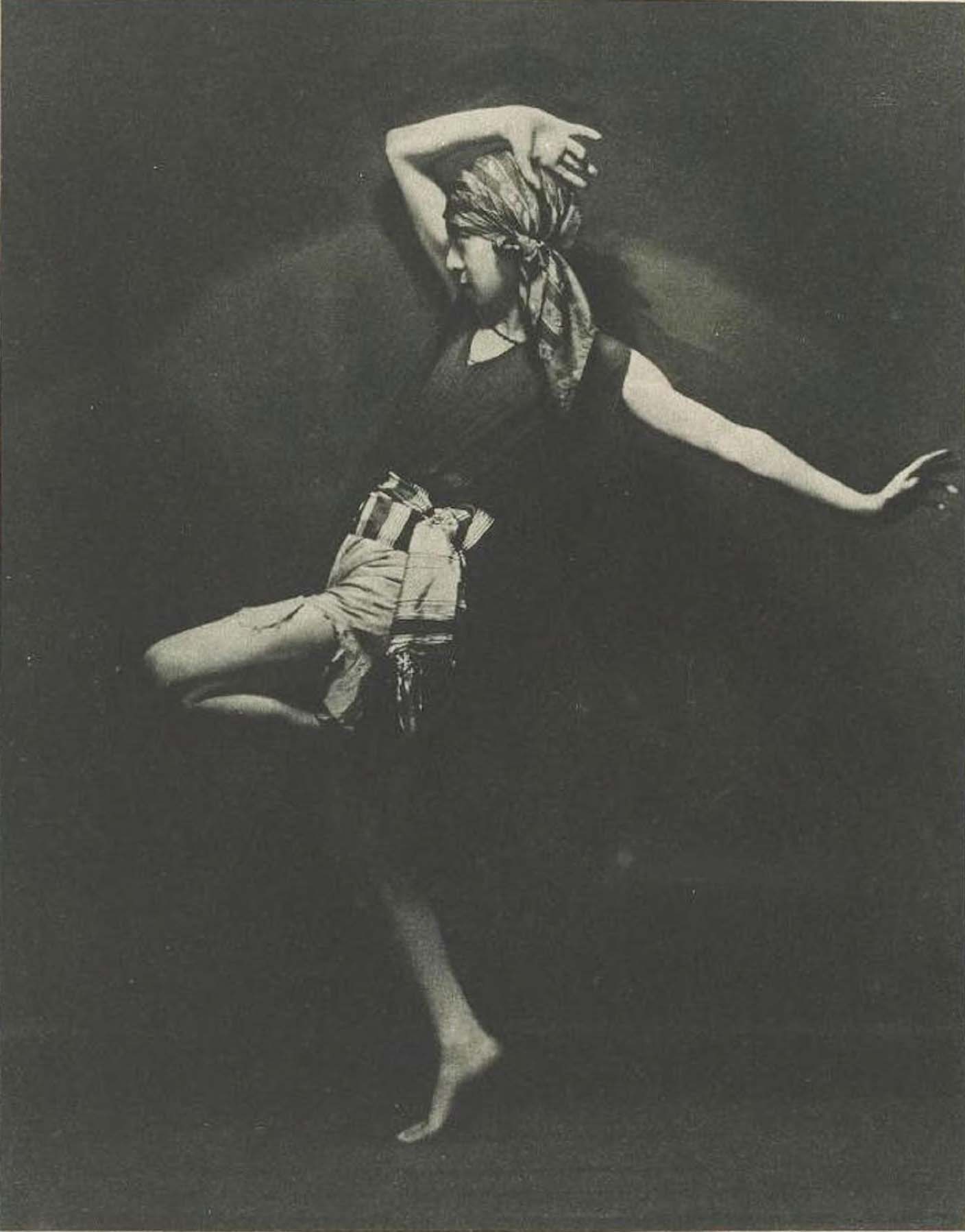


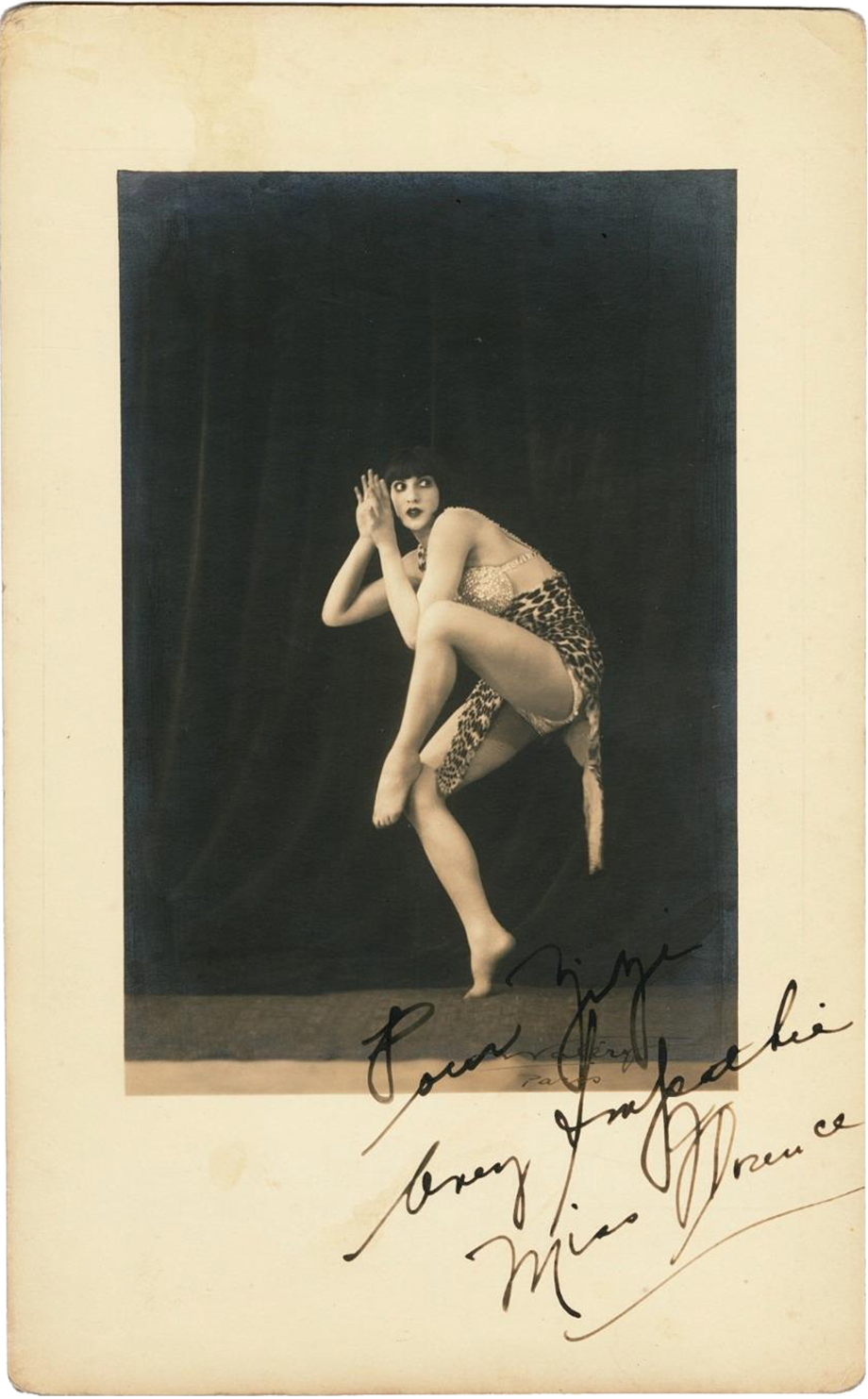
The stunningly beautiful and dark haired ‘Miss Florence’ startled Parisian audiences as a member of the Gertrude Hoffman troupe in 1924 when she came on stage on an elephant as the Queen of Sheba. She became a popular celebrity in her own right, before teaming with Julio Avarez in a dancing partnership that proved highly successful mainly in New York and Miami cabarets in the 1930s.
Miss Florence was born Florence Kolinsky in Philadelphia, but there is some debate about the exact date although 4th July 1906 appears to be correct. She was the daughter of Russian and Polish immigrants. Because she had an older sister and brother who were doted on by their parents, Florence was a little lonely as a child and so amused herself by doing tricks and dancing. Her father was a tailor so she often would watch herself dance in a huge mirror in his shop. Her mother took her to see Anna Pavlova and she was entranced and wanted to be like her. Her mother took her next to the Keith theatre on Chestnut Street in Philadelphia and here she received training by Miss Rose, a dance instructor. Each summer she would perform in her Rosebuds troupe on the Million Dollar pier in Atlantic City. She was so good that she received further training from William J. Herman, an acrobatic dance instructor also based in the Keith building. One summer she appeared with three young men in a stage show act that preceded a film screening in movie theatres.
When the dancer and choreographer Gertrude Hoffman was looking for new talent, Herman suggested Florence but Hoffman was initially put off by her age. She soon relented and although Florence was only 13 she quickly became 16 and became a member of the Gertrude Hoffman Girls dance troupe and toured the East coast. There is also the suggestion that they appeared in a Shuberts show – possibly the Passing Show of 1923 (launched in June). Florence did a speciality number that was a wild leopard dance with an acrobatic twist that was greatly admired. Later, she appeared with the troupe in the Ziegfeld Follies of 1923 (20/10/23-10/5/24) launched at the Amsterdam Theatre, New York in October 1923. During the run of the show she was selected by Florenz Ziegfeld to dance solo. The troupe left the Ziegfeld Follies to appear in London and Paris, and so Florence escaped mandatory school attendance laws.
The troupe scored a big hit in London in Julian Wylie’s revue Leap Year at the London Hippodrome launched in March 1924 and then in Jacques-Charles’s vast, spectacular revue, New York-Montmartre staged at the Moulin Rouge on 10th September 1924. Alex Rzewuski designed Florence’s costume as the Queen of Sheba that made everyone stand up in their seats and gape as she was almost nude on the head of an elephant. Described as ‘so pretty with the divinest figure’ she instantly became another feted Parisian celebrity.
After their triumph in London and Paris, the Gertrude Hoffman Troupe returned to America in May 1925 and were given star billing in the Shuberts’ show Artists and Models of 1925 (24/6/25-7/5/26) at the Winter Garden Theatre starring Phil Baker. Once again Florence was billed as doing the Leopard speciality dance and the troupe re-created their successful routines from Europe.
The lure of Paris was strong and in early 1927 Florence had returned and was given a place as a featured artist in Paris-New York at the Casino de Paris (from 30th May 1927). She was now called simply ‘Miss Florence’. The show starred the Dolly Sisters and the American eccentric dancer Hal Sherman. She was highly regarded for her great talent of mimicry and bodily suppleness as a ragamuffin organ-grinder, a clog dancer wearing diamonds and silver sandals, a female explorer in the jungle being attacked by a boa constrictor and a Baccante with Gerlys and Zoiga as two fawns.
Miss Florence bought a house in Paris and lived there with her mother Rebecca and brother, who, at the time was described as her dancing partner, her dogs and a cutely intelligent cat who helped her keep order with a paw of iron.
In her next stage appearance, Miss Florence had four featured numbers in the new show at the Casino de Paris – Les Ailes De Paris (from 15/12/27) starring alongside Maurice Chevalier (whom she secretly had a crush on) and Yvonne Valle (his ex-wife). She was Chenille in La Papilion et la Rose, La Marche Indienne in Les Chansons en Marches, L’Amour in Mysteries of the Night and Les Petites Hermines in Women in Furs. The show ran through 1928 and in June 1928 she was one of the performers in a late night show at the American ball at Claridges along with other major American performers such as Harry Pilcer, the Dodge Twins and Gypsy Rhoumage. Throughout this time She was feted by many celebrities and danced for and dined with royalty including the Duke of Windsor, the King of Sweden and the Crown Prince of Italy. At some point during this period (late 20s / early 30s), Miss Florence also performed in Copenhagen, Rome, Munich, the Savoy Hotel, London and at the Marigny theatre in Paris in an operetta.
In late 1929 she returned to New York once again and was featured in another Shubert show Artists and Models of 1930 at the Majestic Theatre (10/6/30- 7/30) before returning to Paris. She then opened in the Josephine Baker extravaganza Paris Qui Remue at the Casino de Paris in September 1930. Miss Florence had five featured numbers: in the scene Enchantment of the Lake she played the Poetry of the lake and a dragonfly in ‘The nobility of the car’, she was ‘The Star of cars’ (la Delage); in Algeria she was La Belle Aicha, in Colonial Jazz she Guadeloupe (alongside Algeria, India, Madagscar and the Congo and finally she was a bather in summer waterpolo. However, one of her scenes was a Spanish inspired number and she was trained by the famous dancer Argentinita to play the castanets and at the dress rehearsal Josephine Baker instructed the producer to cut it without a reason. As a result Miss Florence ignored her for the entire run of the show. She believed that she ‘bothered’ Miss Baker and said that she ‘was very false about everything’ and thought that ‘she was not talented… was not a good singer’ and ‘danced so-so.’
However, Miss Florence was still good friends with the Dolly Sisters and in November 1930, when Jenny Dolly opened her lavish couture establishment on the Champs Elysees, she was one of the guest mannequins displaying Jenny’s newest creations along with Rosie Dolly.
Another dancer in Paris Qui Remue was a handsome young man from Mexico called Julio Alvarez who had previously been in a dance team with Cesar Romero. Miss Florence regularly went out on the town with a range of society escorts but one night she was let down and had no-one to escort her to a party so she asked Alverez. They became friends and from then on went out on dates. They were an attractive pair and made a good dancing couple, so much so that Alvarez suggested they became a team. They formed a dancing duo and joined the already well-worn international exhibition dancing circuit. Her daughter described why their partnership was successful: ‘they were very good. She did all the business end of it, and he was in love with her, so he stayed with her. She wasn’t in love with him, so she wouldn’t marry him.’
After Paris Qui Remue finished, their first booking – as a kind of try-out – was in a nightclub on the Champs Elysees and shortly afterward Miss Florence and Alvarez left Europe and made America their base performing in vaudeville and cabaret. Their first appearance in New York (presumably 1932 or 1933) was at the Richmond Club and the St Moritz Hotel where they made a big splash and carefully cultivated the society columnists Ed Sullivan and Walter Wynchall, which helped raise their profile.
In the fall of 1933 they were featured in a ballet called Moods Moderne that formed the stage show at the Capitol Theatre, New York with Vincent Lopez and his Hotel St. Regis Orchestra; in early 1934 they were featured in the cabaret show at The Hangar, atop the Fleetwood Hotel overlooking Biscayne Bay in Miami along with the Four Diplomats, Lois Revell and Harl Smith and his International Society Orchestra and once again went on the vaudeville trail in the Summer of 1934. During 1935 they became featured dancers at the Biltmore Supper Room (March 1935), Dempsey’s New Supper Room with Morton Downey (July 1935), Versailles Restaurant (Aug-Oct 1935) and Chez Paree (November 1935). This was followed in early 1936 with a further appearance in Miami this time at the Town Casino Club with Paul Sabin and his Orchestra followed by slots at a new show at the New Belvedere Roof of the Hotel Astor, New York.
They also appeared in two films: MGM’s Student Tour (October 1934) with Nelson Eddy and Jimmy Durante and Warner Brother’s Murder with Reservations (1938).
Miss Florence married Dr Harry Maslow, a dentist in 1937 and eventually gave up her career. Julio Avarez chose Mayris Chaney to become the new ‘Florence’ in the dancing team in April 1942. Later, Miss Florence moved to live with her family in Atlanta and died there in 1996. [quoted from source]


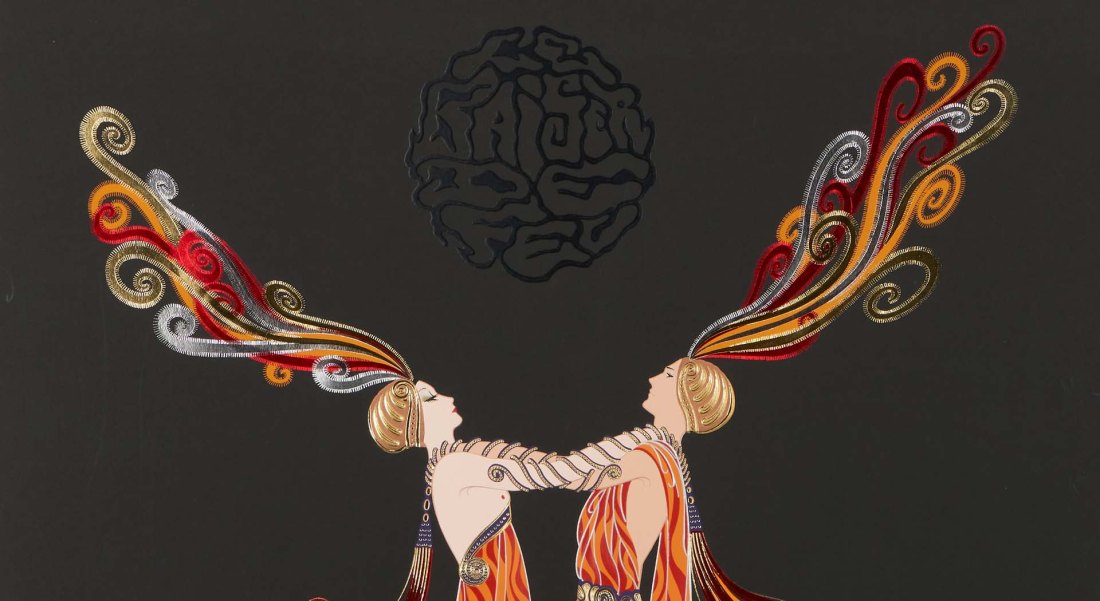
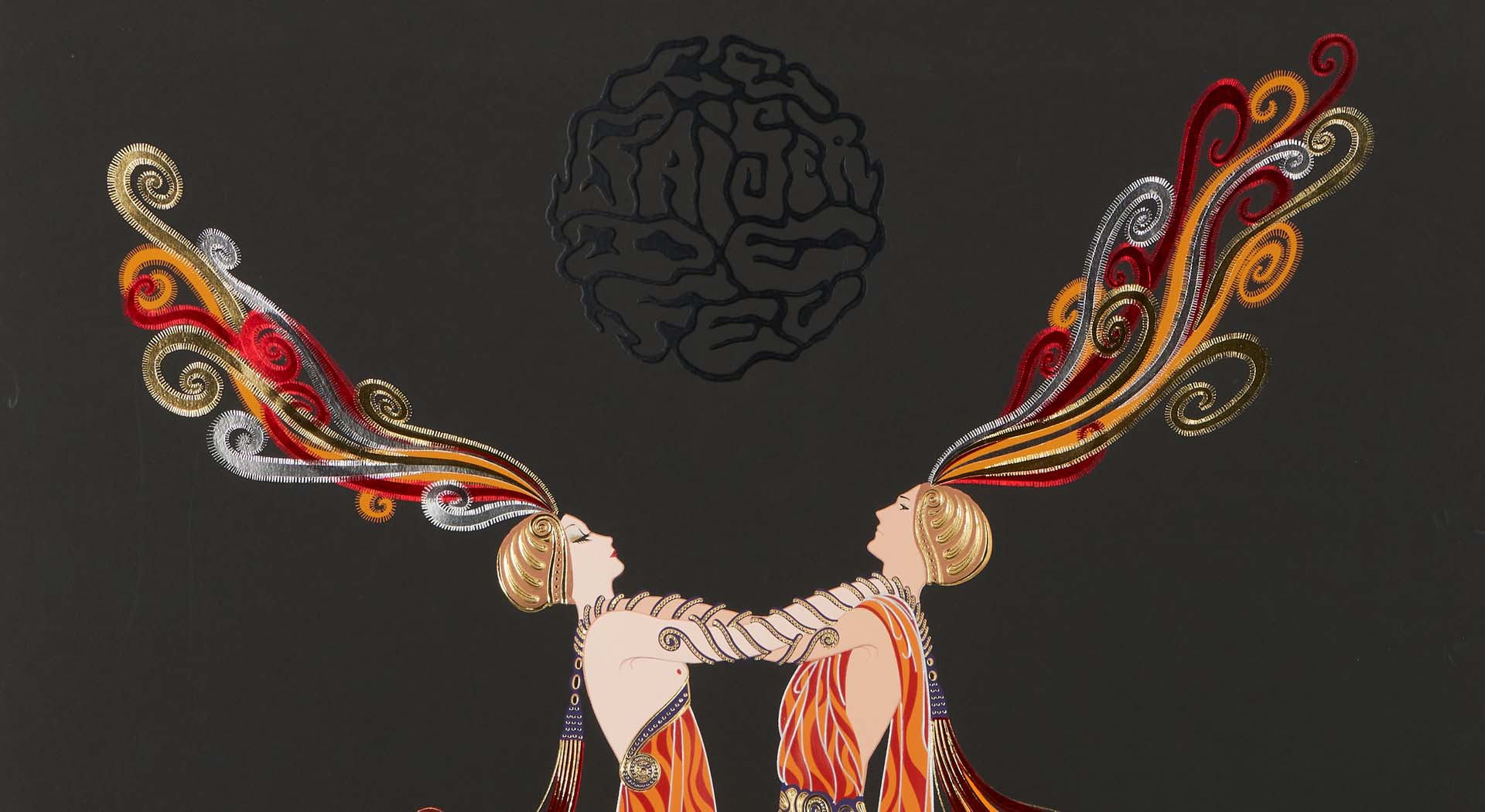
Erté (Romain De Tirtoff, Russian/French, 1892-1990) color serigraph on paper with silver, gold, and red foil embossing titled “Kiss of Fire” from the artist’s Love and Passion Suite, numbered 61/300, published circa 1983. Depicts a partially nude male and a female couple in profile standing on a gold surface and dressed in red, orange, and purple flowing garments and headdresses reminiscent of flames, their arms resting on each other’s shoulders, against a black background with a black circular pattern embossed above. Numbered in white pencil, lower left below image, signed “Erte” in white pencil, lower right below image. | quoted from Case Fine Arts & Antiques


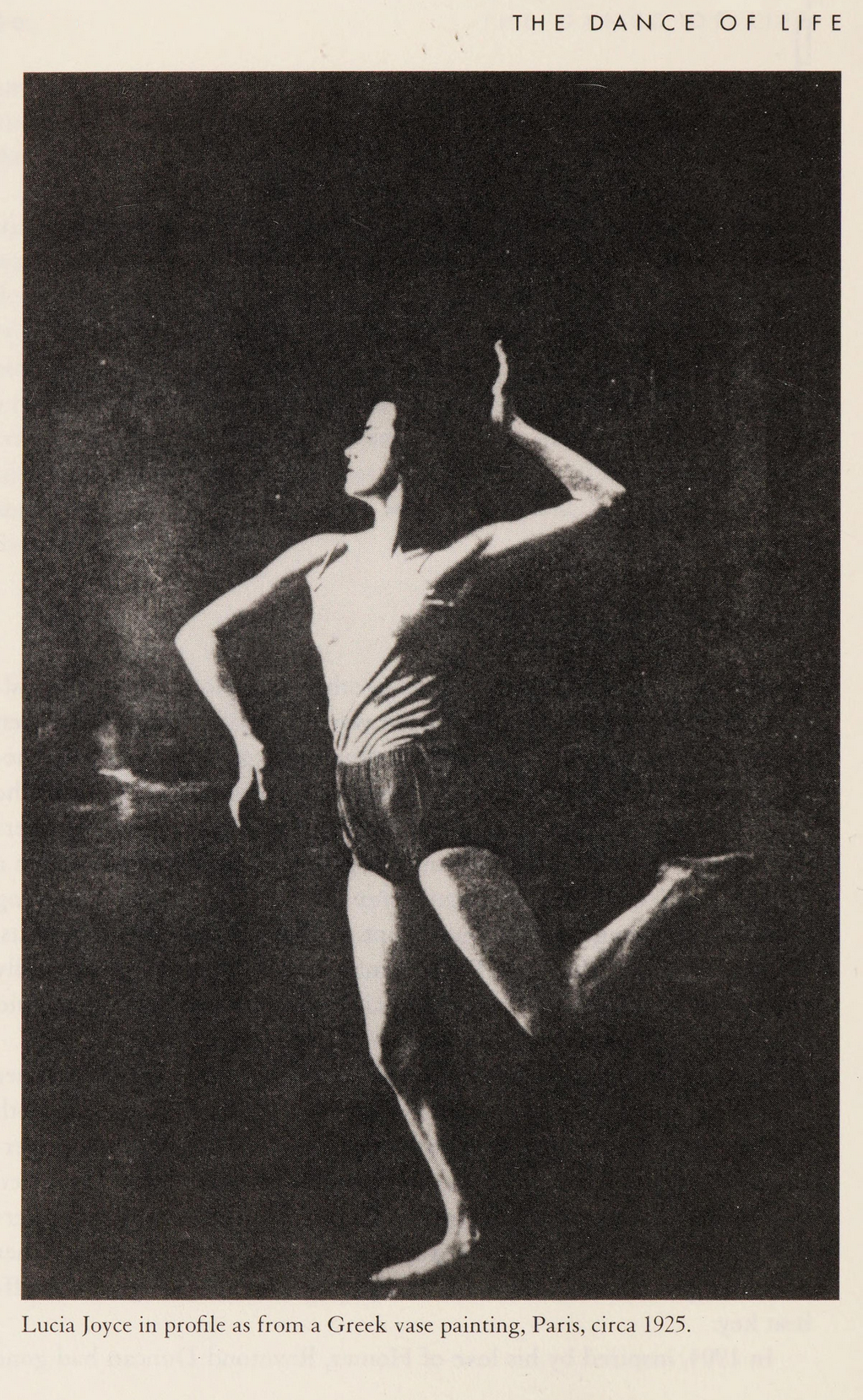
“Most accounts of James Joyce’s family portray Lucia Joyce as the mad daughter of a man of genius, a difficult burden. But in this important new book, Carol Loeb Shloss reveals a different, more dramatic truth: Lucia’s father not only loved her but shared with her a deep creative bond. His daughter, Joyce wrote, had a mind “as clear and as unsparing as the lightning.”” “Born at a pauper’s hospital in Trieste in 1907, educated haphazardly in Italy, Switzerland, and Paris as her penniless father pursued his art, Lucia was determined to strike out on her own. She chose dance as her medium, pursuing her studies in an art form very different from the literary ones celebrated in the Joyce circle and emerging, to Joyce’s amazement, as a harbinger of modern expressive dance in Paris. He described her then as a wild, beautiful, “fantastic being” who spoke to “a curious abbreviated language of her own” that he instinctively understood – for in fact it was his as well. The family’s only reader of Joyce’s work, Lucia was a child of the imaginative realms her father created. Even after emotional turmoil wreaked havoc with her and she was hospitalized in the 1930s, Joyce saw in her a life lived in tandem with his own.” “Though most of the documents about Lucia have been destroyed, Shloss has painstakingly reconstructed the poignant complexities of her life – and with them a vital episode in the early history of psychiatry, for in Joyce’s efforts to help his daughter he sought out Europe’s most advanced doctors, including Jung. Lucia emerges in Shloss’s account as a gifted, if thwarted, artist in her own right, a child who became her father’s tragic muse.”–Jacket, quoted from internet archive


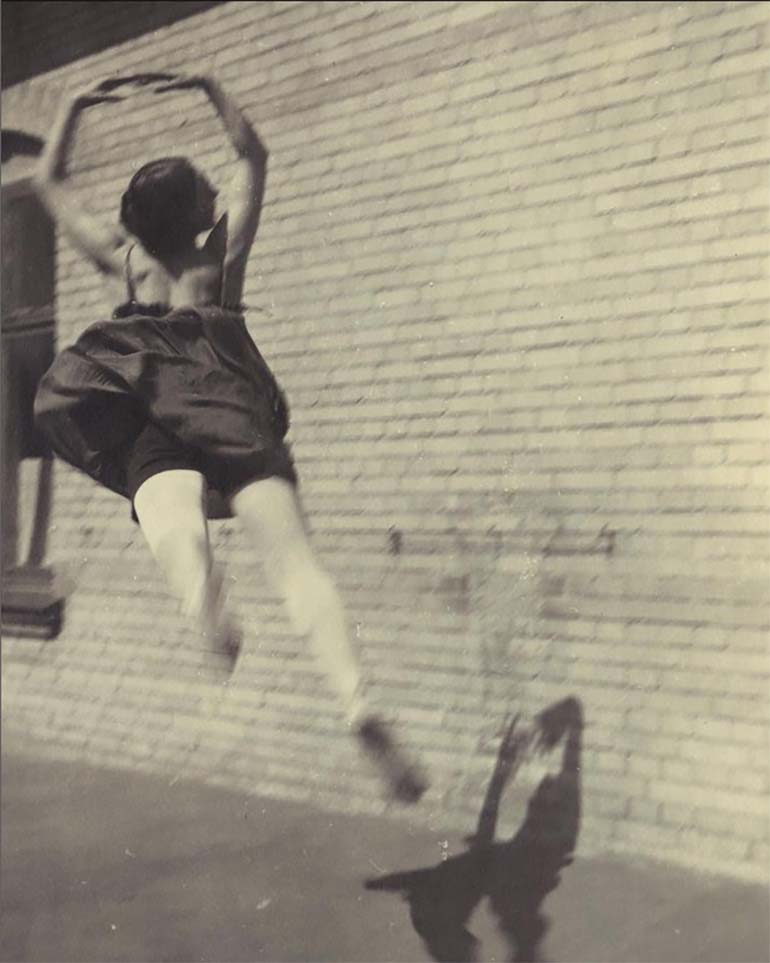
![Jenny Hasselquist på taket till [Jenny Hasselquist on the roof] Théâtre des Champs-Elysées, 29 oktober 1920, Jenny Hasselquists arkiv. | src Dansmuseet · IG](https://unregardoblique.com/wp-content/uploads/2022/05/jenny-hasselquist-pacc8a-taket-till-thecc81acc82tre-des-champs-elysecc81es-29-oktober-1920-jenny-hasselquists-arkiv-dansmuseet.ig_.png)
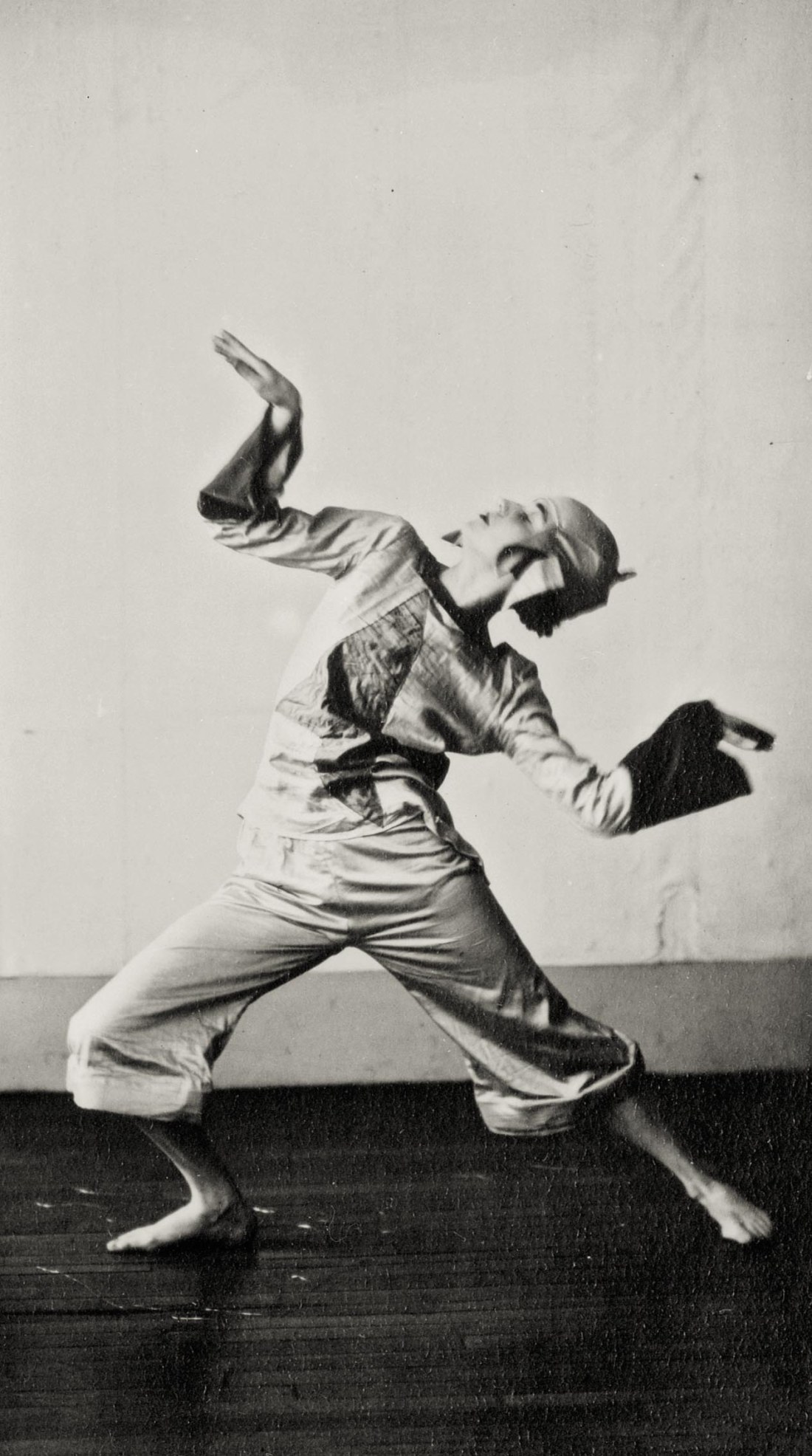
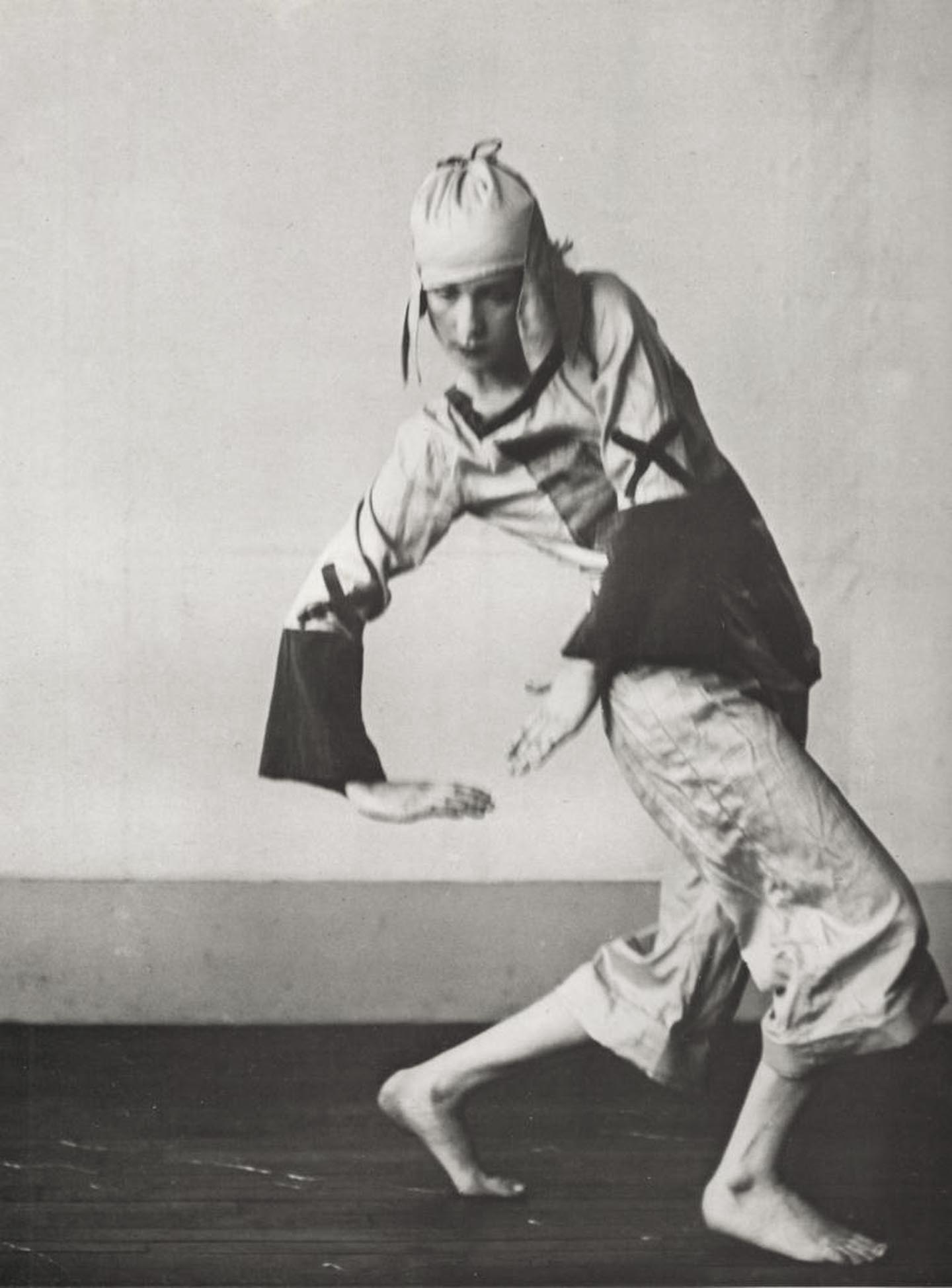
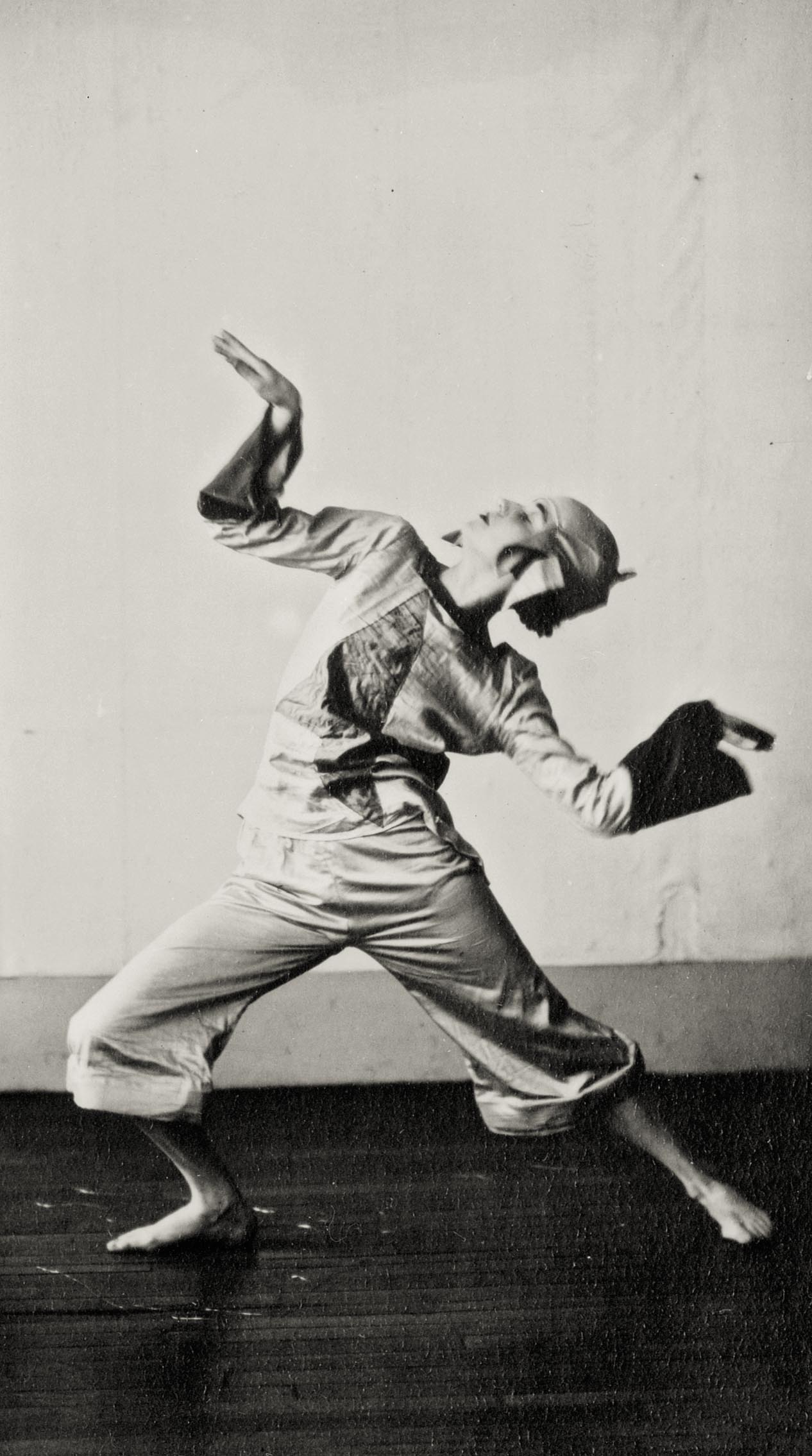
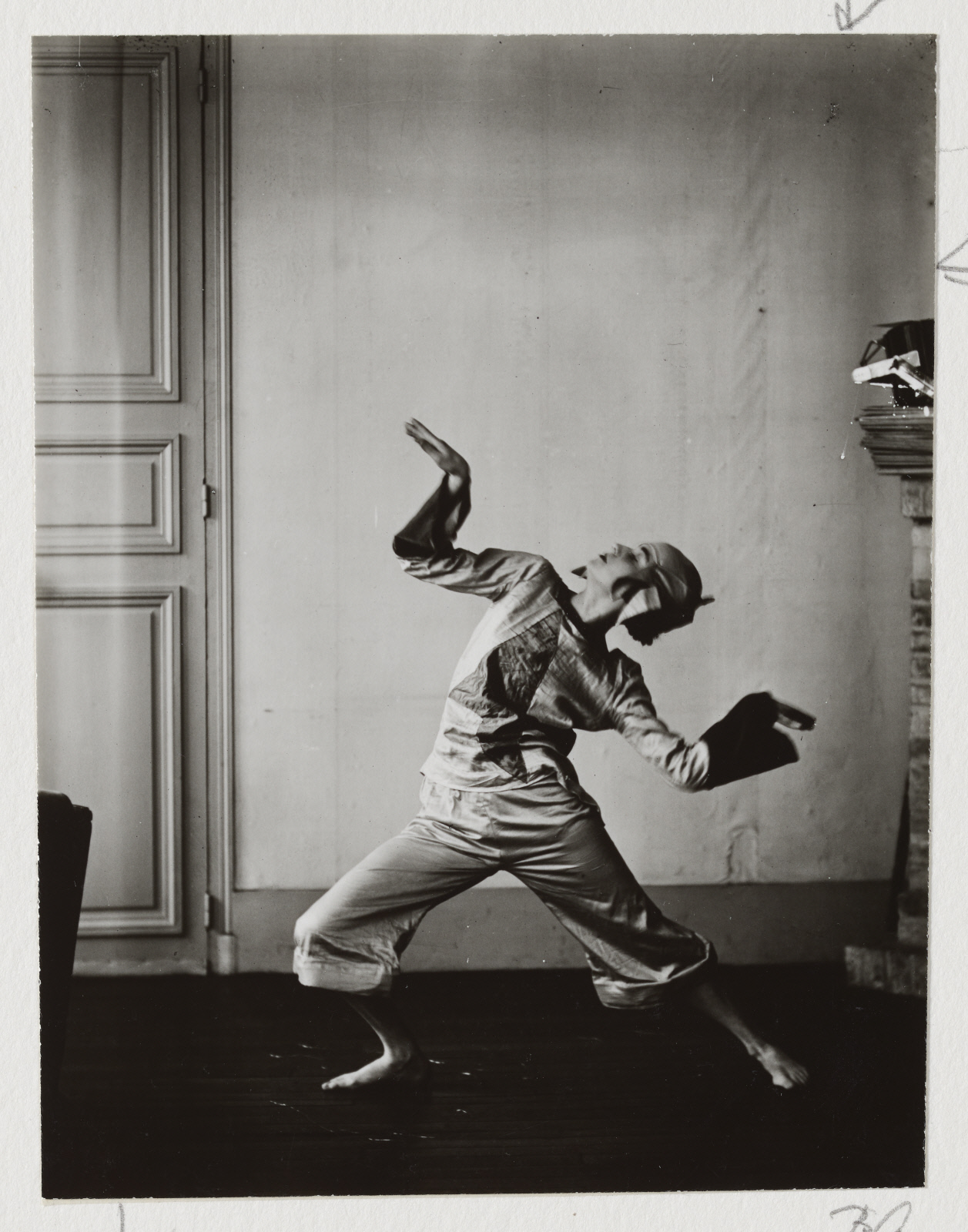
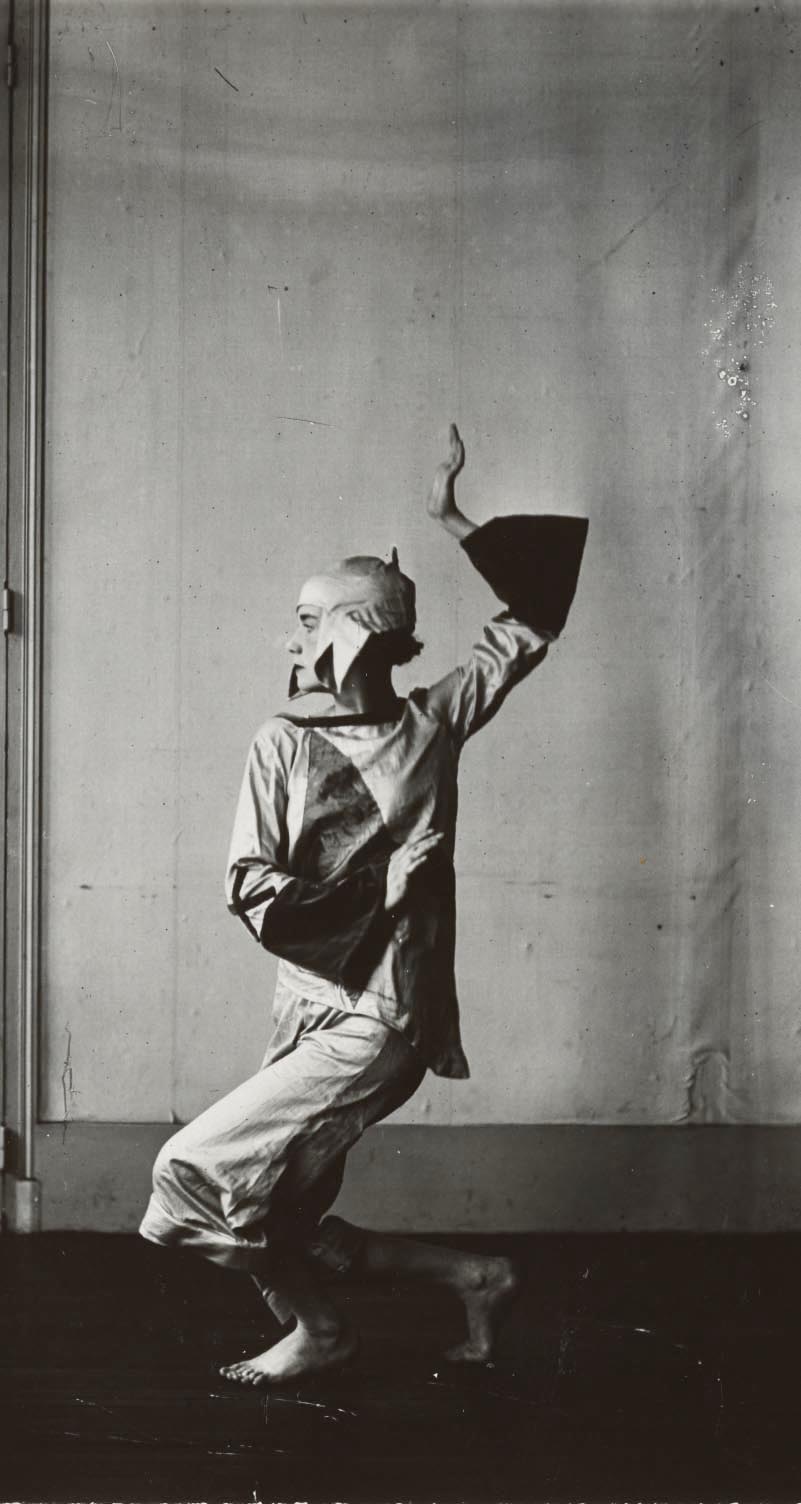
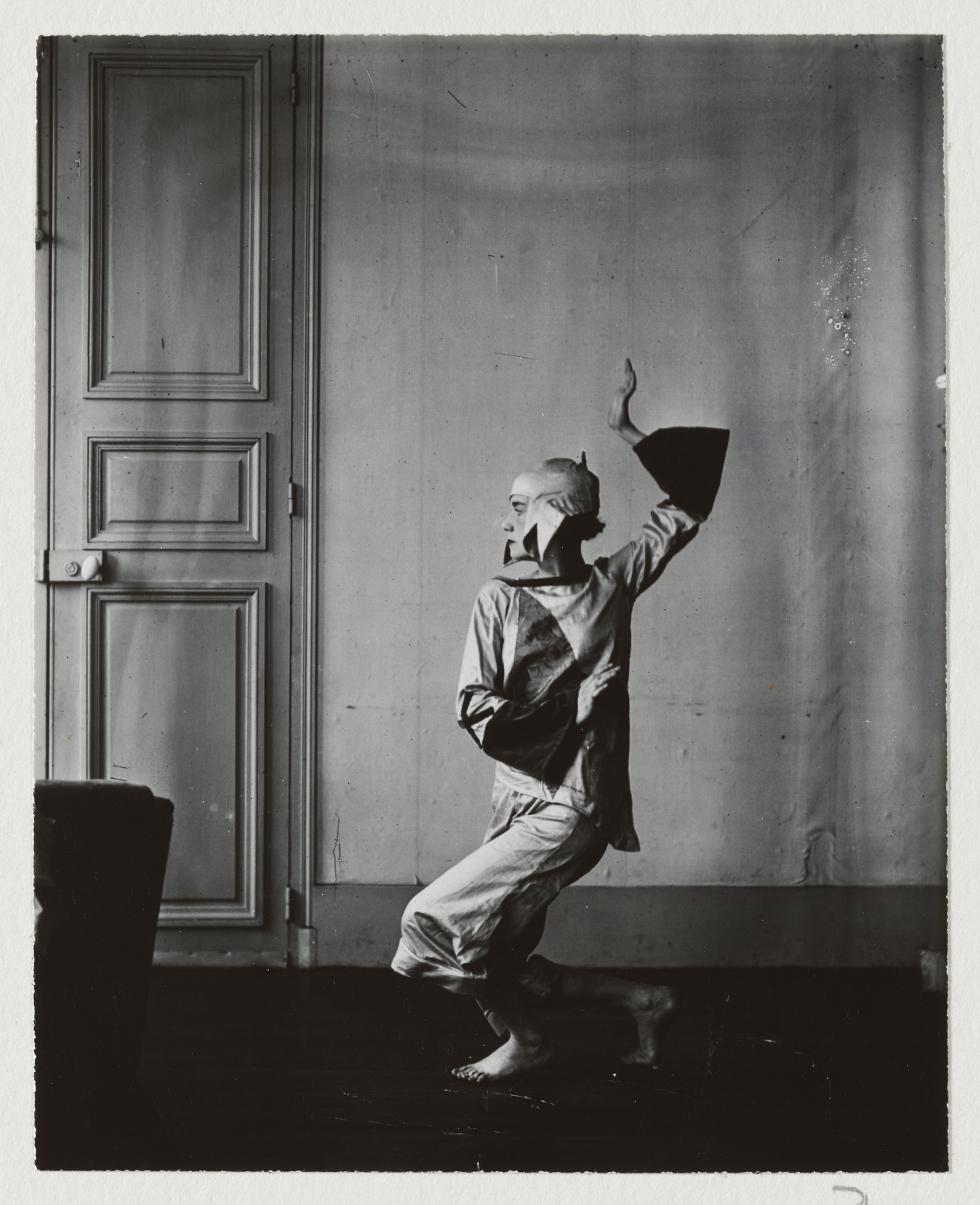
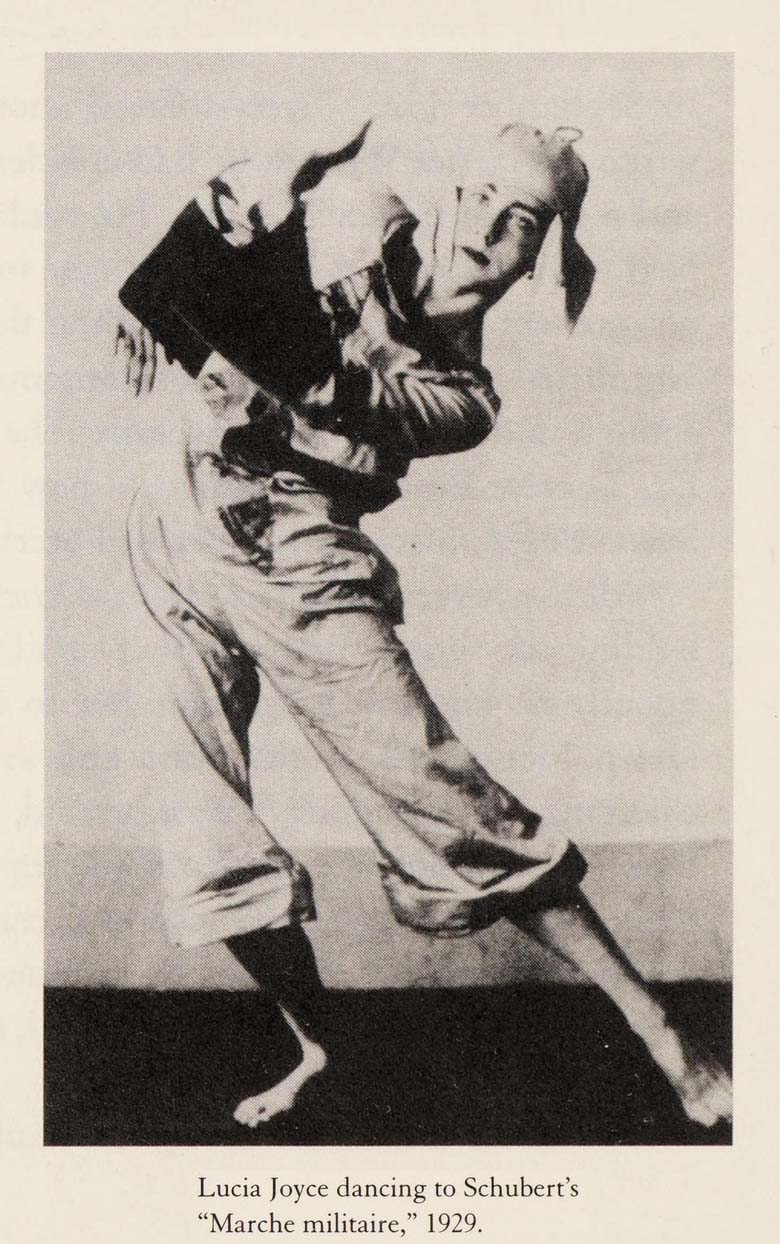
Dancer Áine Stapleton talks about her film Horrible Creature, a ‘creative investigation’ of the life of Lucia Joyce
I’ve been creatively investigating the biography of Lucia Joyce (daughter of the writer James Joyce) since 2014, through both choreography and film.
Lucia once commented to a family friend in Paris that she wanted to ‘do something’. She wanted to make a difference and to creatively have an impact on the world around her. Dancing was her way of having an impact. She trained hard for many years and worked with various avant-garde teachers including Raymond Duncan. She created her own costumes, choreographed for opera, entered high profile dance competitions in Paris, and even started her own dance physical training business after apprenticing with modern dance pioneer Margaret Morris.
Until this time she had lived almost entirely under the control of her family, and had to share a bedroom with her parents well into her teens. I imagine that dancing must have been a revolutionary feeling for her, and would have offered her an opportunity to process her chaotic and sometimes toxic upbringing. It was during these dancing years that she was finally allowed to spend some time away from her family, but this freedom did not last long. Her father’s artistic needs and his sexist disregard for her career choice interrupted her training at a vital stage. She was forced to stop dancing, and the circumstances surrounding this time remain unclear. I do not believe that she herself made the decision to quit dancing. Lucia was incarcerated by her brother in 1934, and then remained in asylums for 47 years. She died in 1982 and is buried in Northampton England, close to her last psychiatric hospital.
I’ve read Lucia’s writings repeatedly over the last four years, and my opinion of her hasn’t changed. She was a kind, funny, intelligent, creative and loving person. After her father James’ death in 1941, she had one visit from her brother and no contact from her mother, yet she only writes good things about her family. She was consistently thankful to those people who made contact with her during her many years stuck in psychiatric care. She appreciated small offerings from friends, such as an additional few pounds to buy cigarettes, a radio to keep her company, a new pair of shoes or a winter coat, all of which seemed to offer her some comfort in her later years.
I have no interest in romanticising Lucia’s relationship with her father. I also don’t believe that she was schizophrenic. I think that whatever mental strain Lucia experienced was brought on by those closest to her. Her supposed fits of rage or out of the ordinary behaviour only brought to light her suffering. We know that many women have been mistreated and silenced throughout history. Why do we still play along with a romanticised version of abuse? And why is James and Lucia’s relationship, or ‘erotic bond’ as Samuel Beckett described it, regarded as an almost tragic love story?
Horrible Creature (2020) examines Lucia’s story in her own words, and also focuses on the environment which shaped her during this time. The work attempts to tap into that invisible energy that can provide each of us with a real sense of aliveness and connectedness to the world around us, even in moments of great suffering.
Quoted from Raidió Teilifís Éireann, Ireland’s National Public Service Media
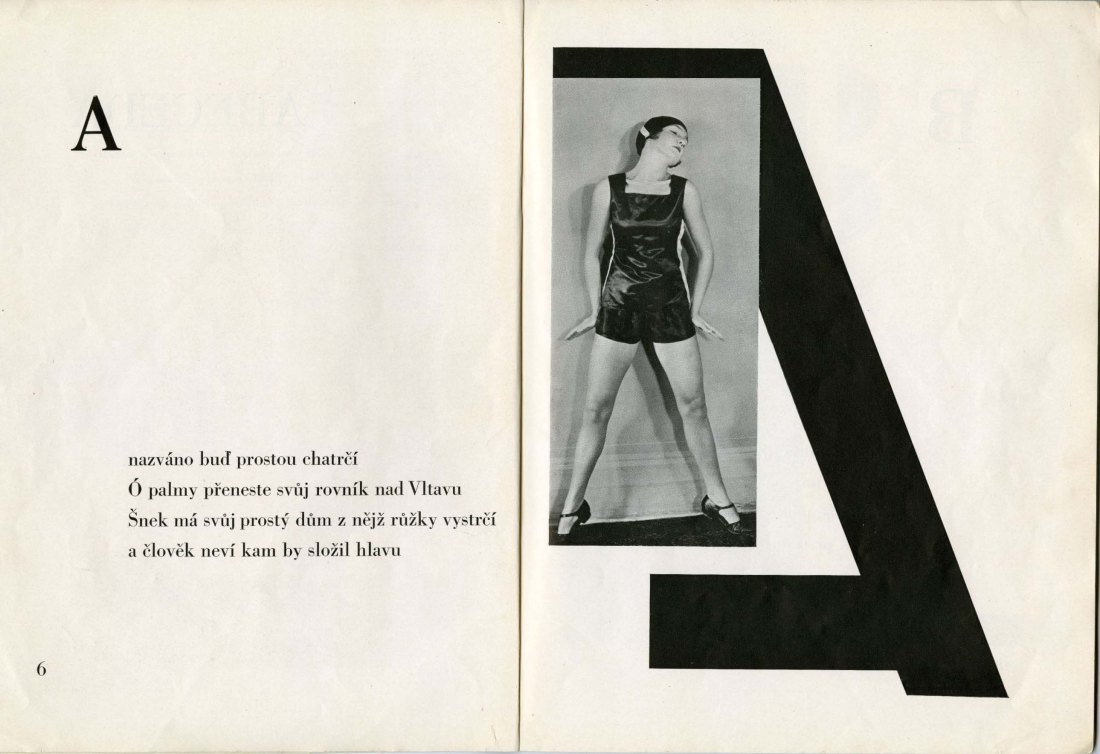
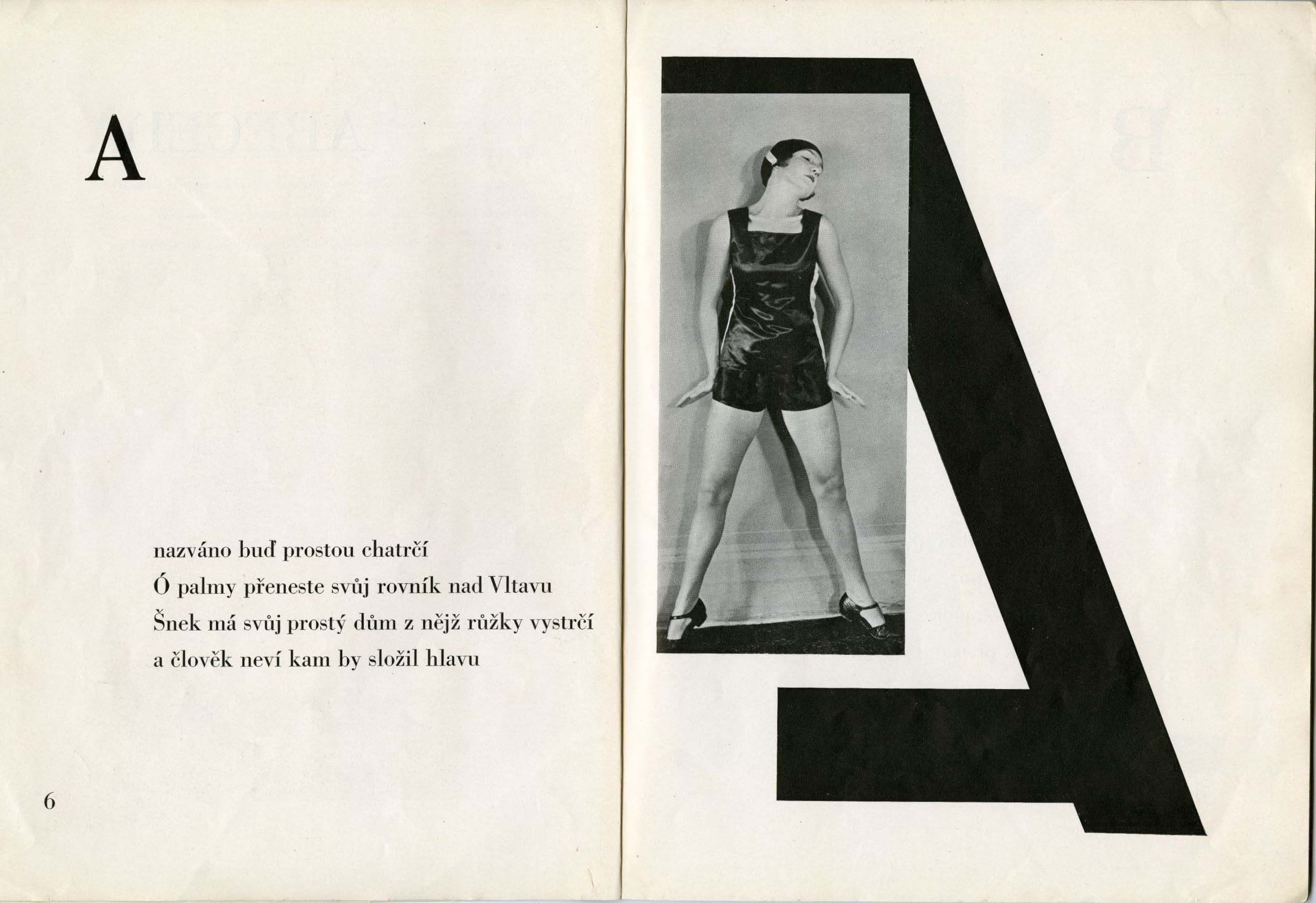
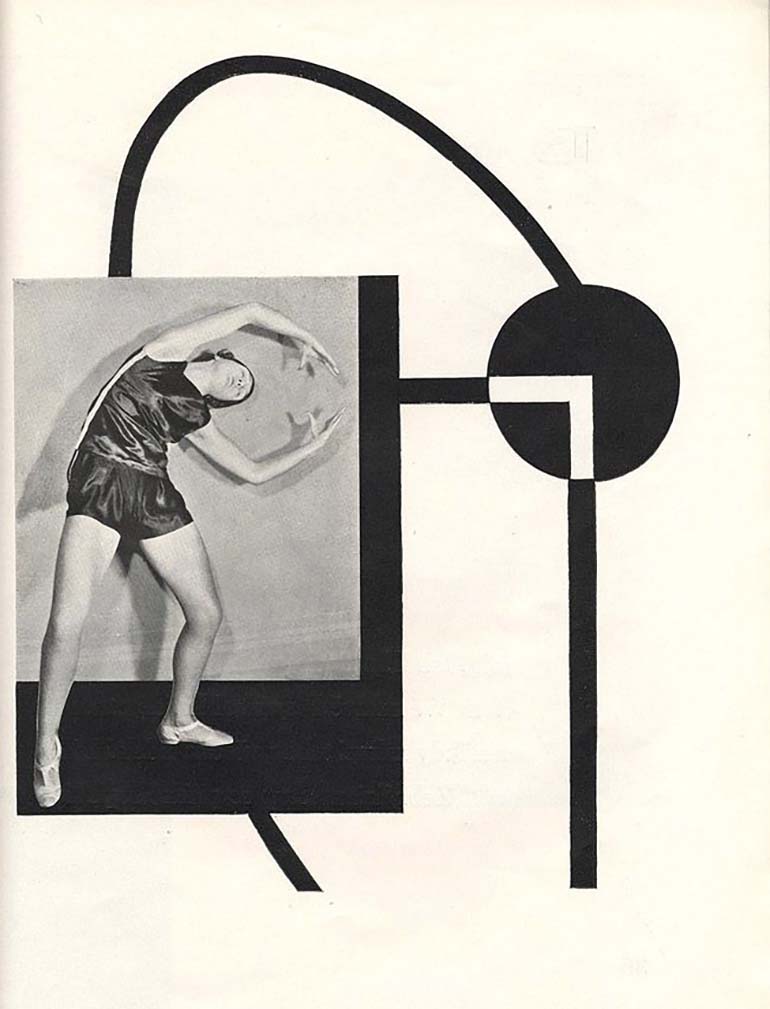
« In Nezval’s Abeceda, a cycle of rhymes based on the shapes of letters, I tried to create a ‹ typofoto › of a purely abstract and poetic nature, setting into graphic poetry what Nezval set into verbal poetry in his verse, both being poems evoking the magic signs of the alphabet. » –Karel Teige, quoted from Abeceda – Index Grafik
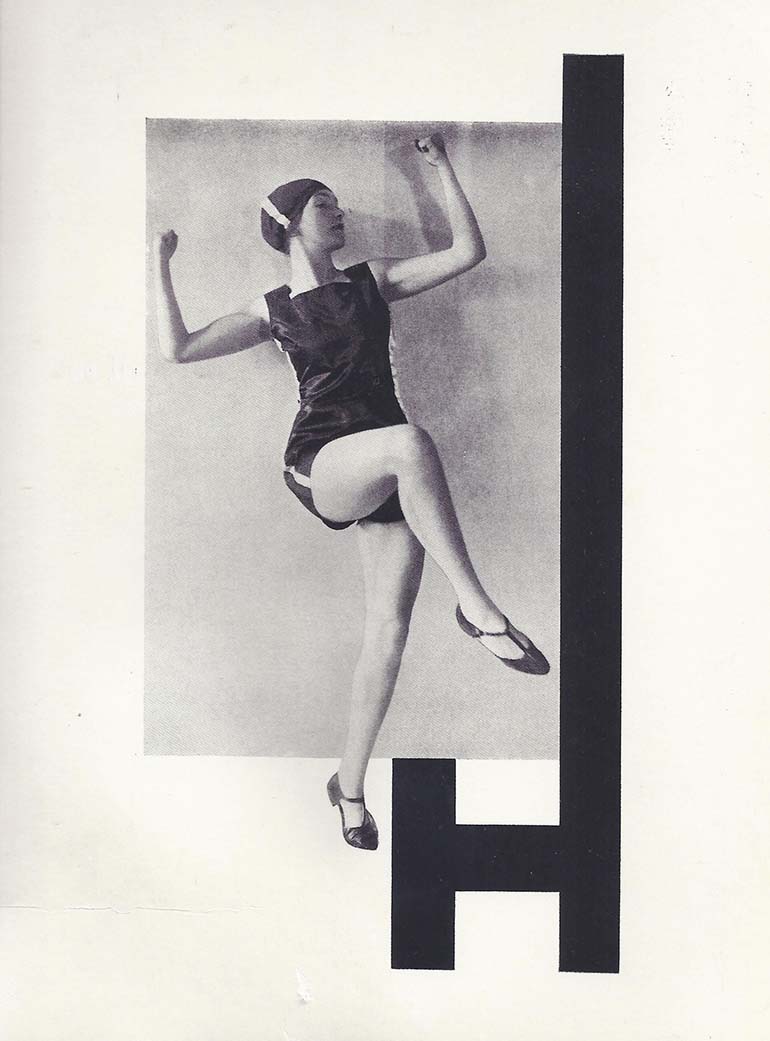
In 1926 the Czech dancer Milca Mayerová choreographed the alphabet as a photo-ballet. Each move in the dance is made to the visual counterpoint of Karel Teige’s typographic music. Teige was a constructivist and a surrealist, a poet, collagist, photographer, typographer and architectural theorist, and his 1926 photomontage designs for the alphabet are a uniquely elegant and witty invention, and one of the enduring masterpieces of Czech modernism. –Quoted from The Guardian
 un regard oblique