Chaja Goldstein by Merkelbach

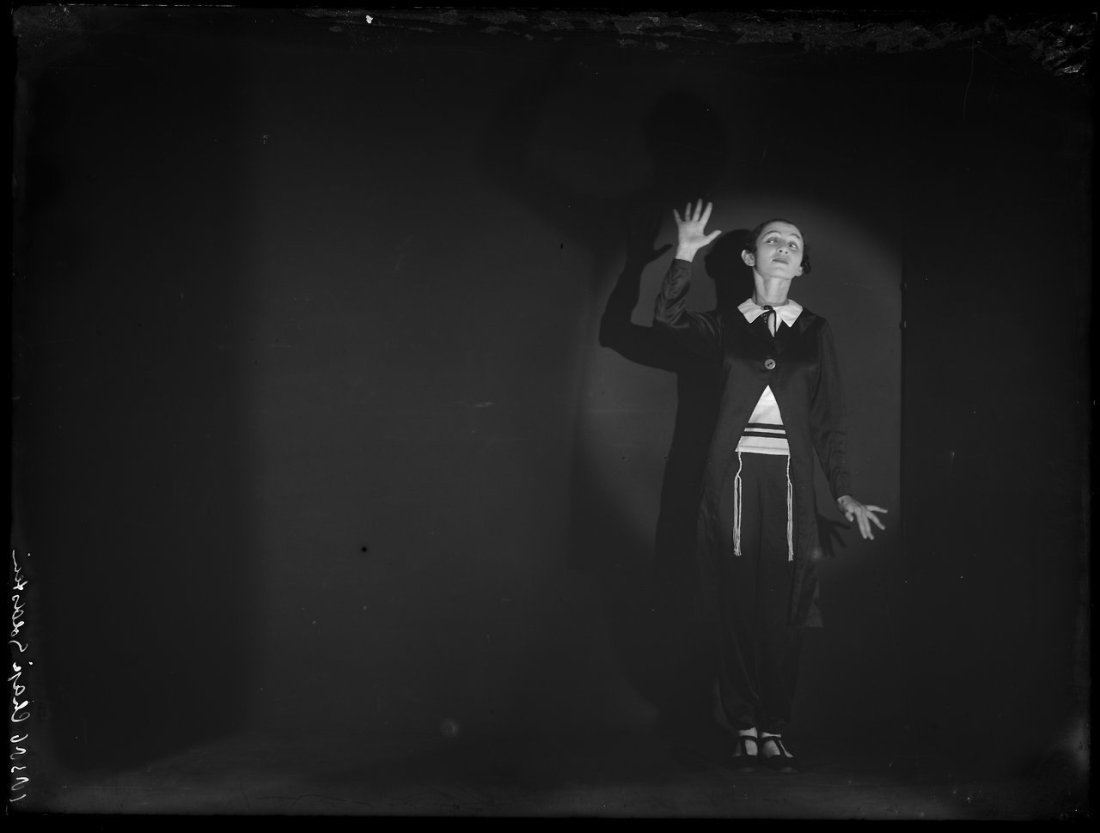
Atelier Jacob Merkelbach - Chaja Goldstein performing, 1930s
Atelier Jacob Merkelbach :: Danseres en zangeres, gespecialiseerd in het Jiddische lied en dans; scenefoto als Jeshiva student | Dancer and singer specialized in Yiddish song and dance; scene photo as Yeshiva student, 1937. | src Stadtsarchief Amsterdam
Atelier Jacob Merkelbach :: Danseres en zangeres, gespecialiseerd in het Jiddische lied en dans; scenefoto als Jeshiva student | Dancer and singer specialized in Yiddish song and dance; scene photo as Yeshiva student, 1937. | src Stadsarchief Amsterdam

Atelier Jacob Merkelbach :: Portrait of Chaja Rachul Goldstein (1908-1999), after 1933. | src Stadtsarchief · Collectie Atelier J. Merkelbach
Atelier Jacob Merkelbach :: Portrait of Chaja Rachul Goldstein (1908-1999), after 1933. | src Stadsarchief · Collectie Atelier J. Merkelbach

Chaja Goldstein was born in a Polish ghetto, in the town of Rypin in 1908. […] When she was ten years old, Chaja moved to Berlin with her Orthodox parents, brother Eli and baby sister Sally, fleeing the pogroms in Eastern Europe.

She made her debut in Berlin in 1931 as Hanna Goldstein with dances such as Der reiche und der arme Jude and the Hebräische Lied. The Berliner Tageblatt praised her performances. Shortly afterwards she also performed in the Kaftan, a small Jewish theater on Kurfürstendamm, where she sang Yiddish songs. Over the next few years Goldstein grew into a famous dancer and singer, connecting the Yiddish folk culture of her childhood with modern Western culture. She soon led a lavish life in Berlin’s artistic avant-garde circles. She lived with the Hungarian painter György Kepes (1906-2001) and had a love affair with the Dutch artist Wijnand Grays (1906-1995).

In 1933, Chaja Goldstein fled to the Netherlands as a result of the rise of the Nazi party. In April 1933 she appeared for the first time under the name ‘Chaja Goldstein’ on the stage of the Amsterdam Conservatory and the Rotterdam Studio 32, with her Yiddish dances and songs. [quoted from Huygens Instituut]
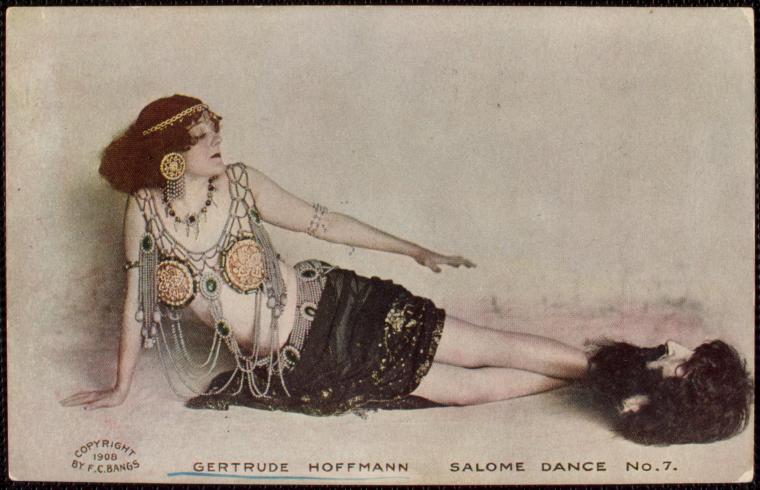
G. Hoffmann by Frank C. Bangs

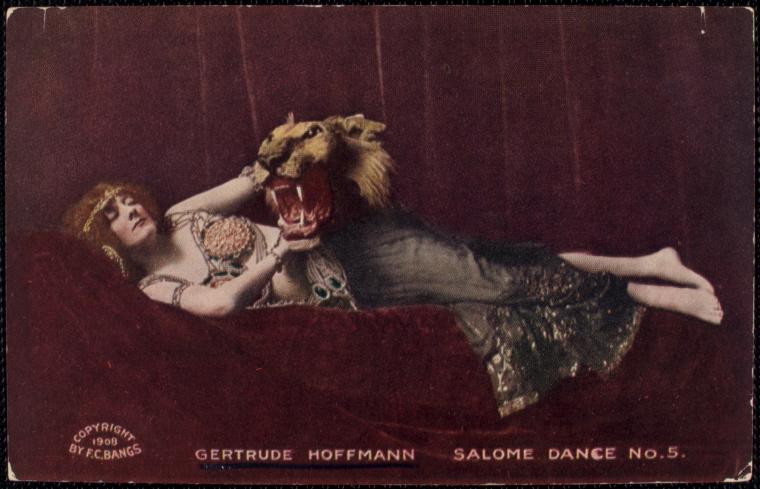
Frank C. Bangs :: Gertrude Hoffmann, Salomé dance, nº 7, 1908. Vintage postcards. Publisher Theatre Magazine Co. | src NYPL
Frank C. Bangs :: Gertrude Hoffmann, Salomé dance, nº 1 & 2, 1908. Vintage postcards. Publisher Theatre Magazine Co. | src NYPL
Frank C. Bangs :: Gertrude Hoffmann, Salomé dance, nº 5, 1908. Vintage postcards. Publisher Theatre Magazine Co. | src NYPL

Storyville portraits · E.J. Bellocq

E.J. Bellocq (1873-1949) ~ [Storyville Portrait], New Orleans, 1911-1913. Gold toned printing out paper, printed 1973 by Lee Friedlander | src Bonhams

Ernest Joseph Bellocq was a native New Orleans French Creole photographer, whose Storyville portraits captured the vibrant scene in Storyville, the city’s red-light district, circa 1912. The glass plate negatives were not discovered until after his death in 1949, which is why so many of the images are cracked, scratched, and damaged. It is said that some of the damages were deliberately inflicted by Bellocq while the emulsion was still wet, in order to protect the identity of the sex workers.

Ernest Joseph Bellocq (1873-1949) ~ [Storyville Portrait], New Orleans, 1911-1913 | src Swann & the photographers’ gallery

A lifelong resident of New Orleans, Ernest J. Bellocq was a commercial photographer who undertook a personal quest to photograph the prostitutes of Storyville. In these frank and intimate photographs, women are not portrayed as prey to the camera’s gaze, but rather seem to participate willingly and confidently in the photographic act. Rumored to be eccentric and reserved, Bellocq told only a handful of acquaintances about these portraits, which primarily date from 1912 (the negatives were later discovered and printed by photographer Lee Friedlander). This photograph of Bellocq’s desk, therefore, provides an unusual glimpse into his mysterious personality and life. The cluttered arrangement of images of women, juxtaposed with floral wallpaper and languidly posing marble figurines, coheres into a dotingly composed shrine to femininity, hinting at the artist’s admiration for women. | text: AIC

Ernest Joseph Bellocq (1873-1949) ~ Storyville Portraits, ca. 1912. Gelatin silver printing out paper print | src AIC

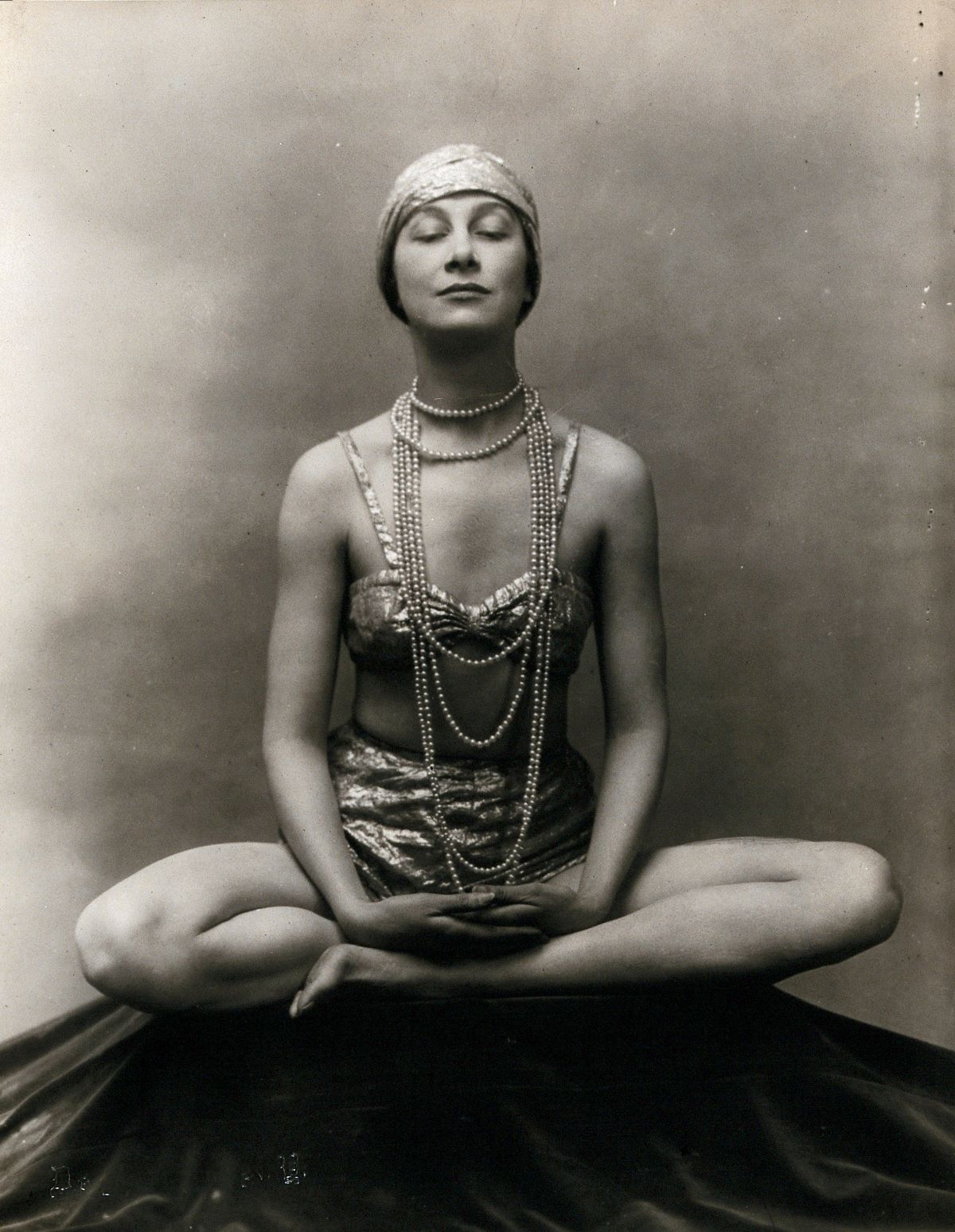
Agniel seated in Buddha position

John de Mirjian Studios ~ Marguerite Agniel seated in a Buddha position, circa 1929. | src Wellcome collection
John de Mirjian ~ Marguerite Agniel seated in a Buddha position, wearing a two-piece costume and matching turban, photographed in studio, ca. 1929 | src Wellcome library

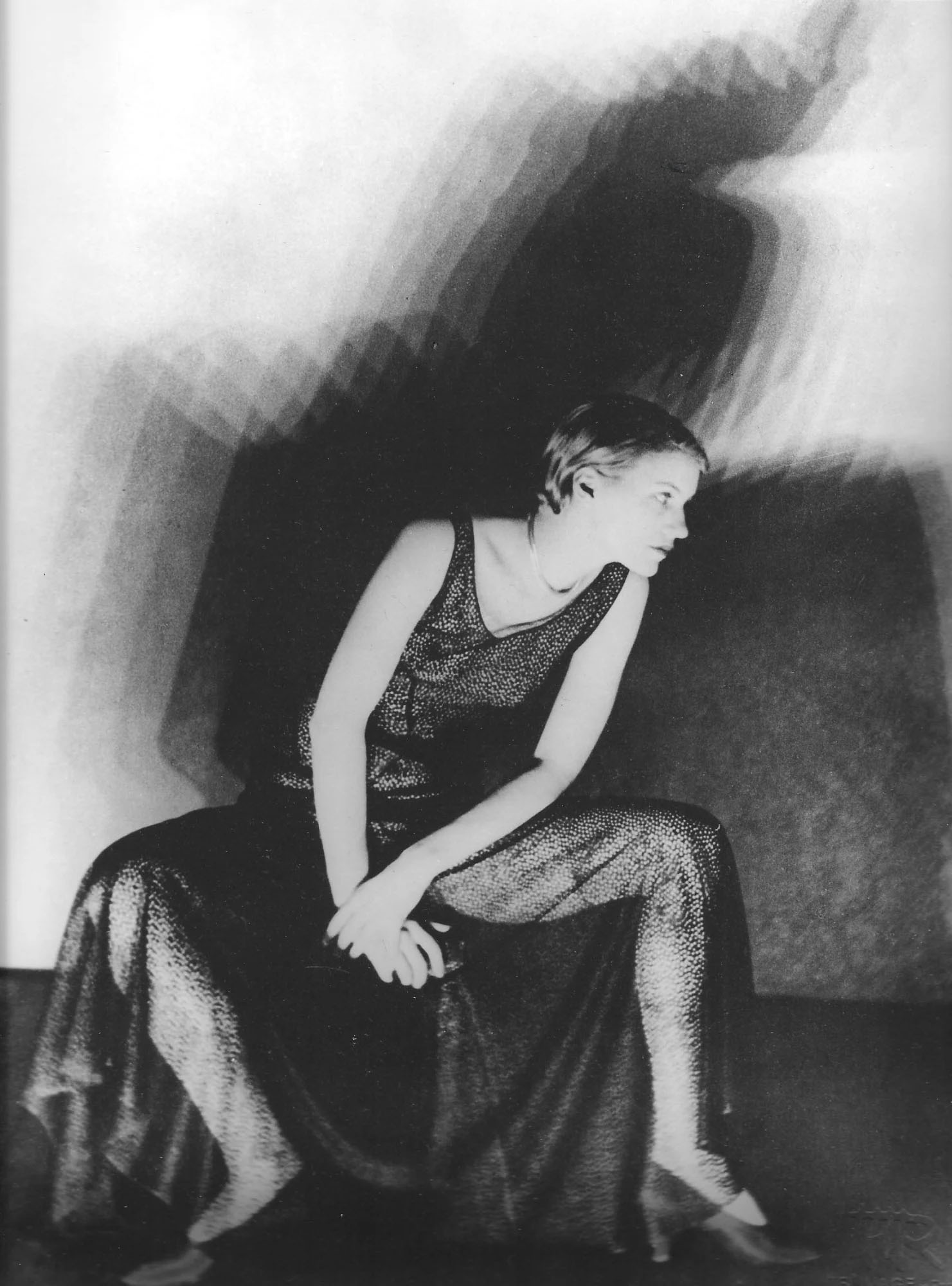
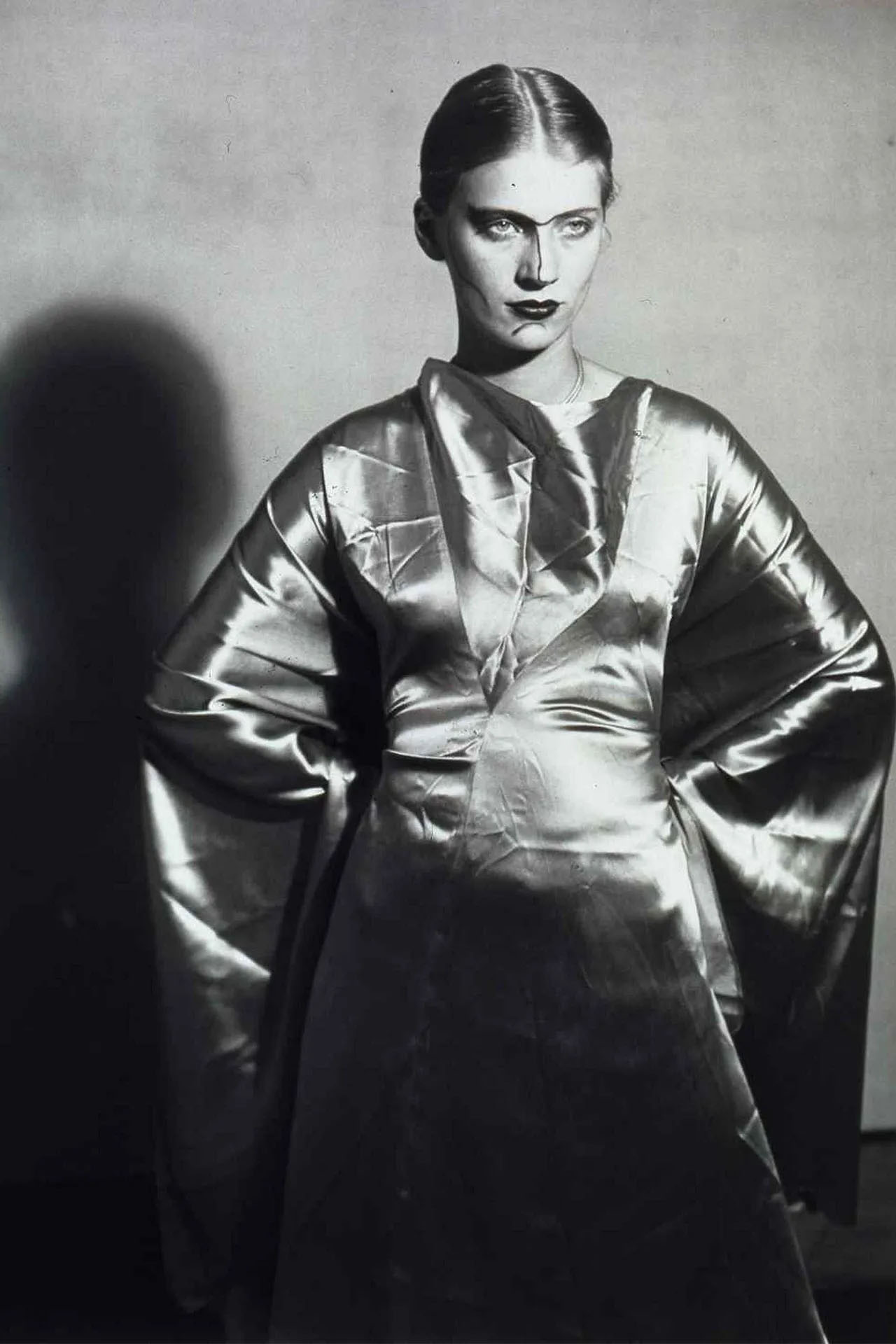
Lee Miller par Man Ray ca 1929

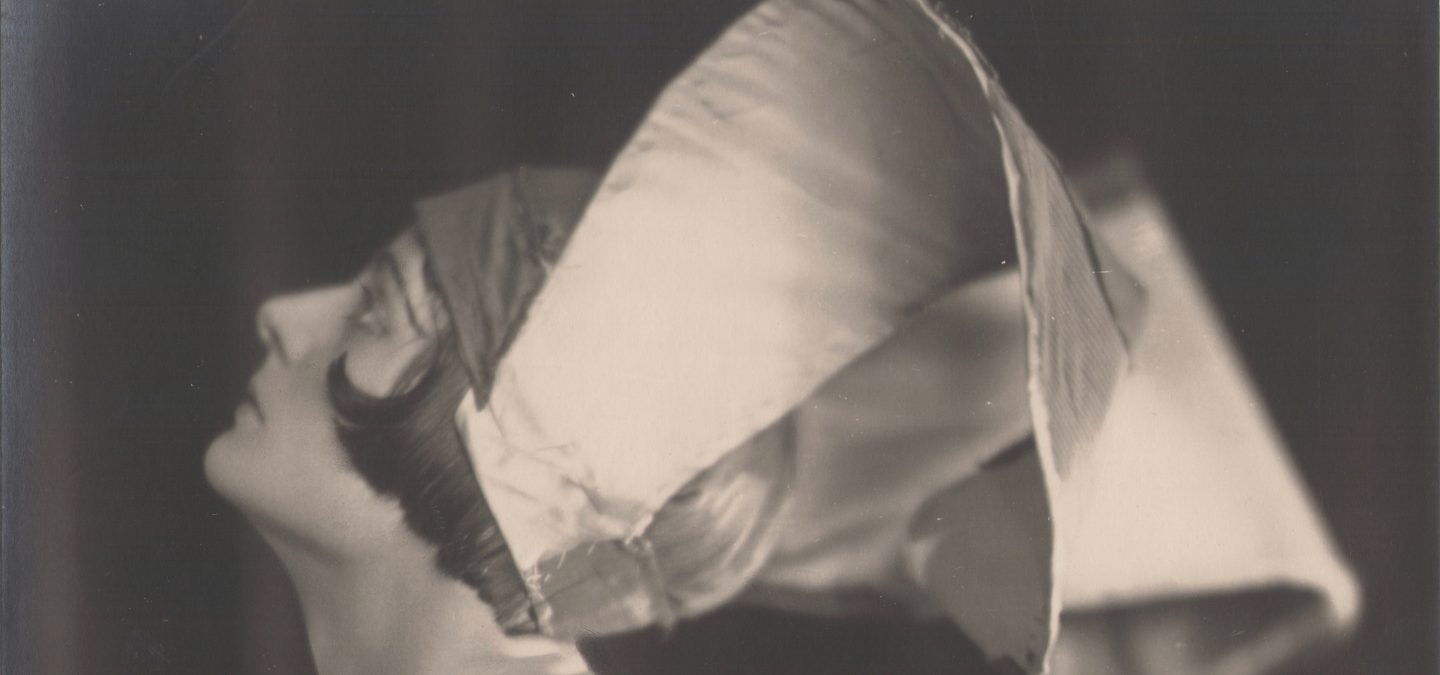
Man Ray (1890-1976) ~ Lee Miller, ca. 1930. From the exhibition ‘Views of the Spirit’, 08/2014 at Mondo Galeria Madrid | src Tarq
Man Ray (1890-1976) ~ Lee Miller, le visage peint, ca. 1929 (alamy) | src The Tatler (2022)

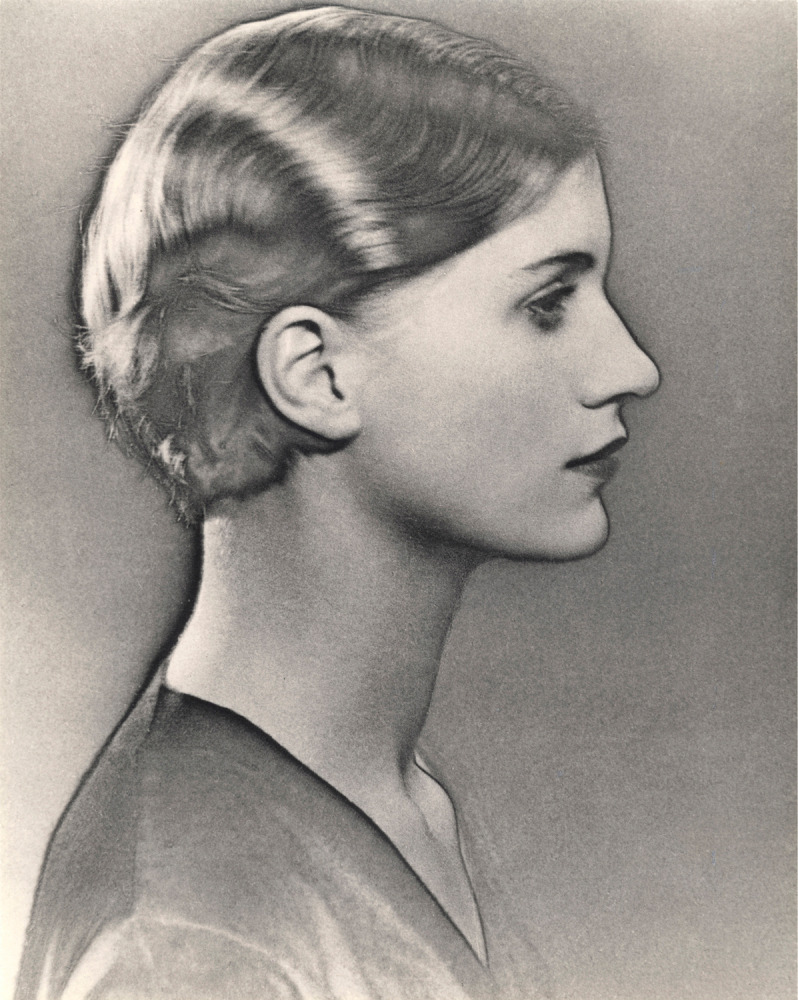
Solarized portrait of Lee Miller

Man Ray (Emmanuel Radnitzky) :: Lee Miller, 1929. Gelatin silver print (solarized) | src MoMA
Man Ray :: Portrait of Lee Miller, ca. 1930. Solarized gelatin silver print. The Penrose Collection. | src The Huffington Post

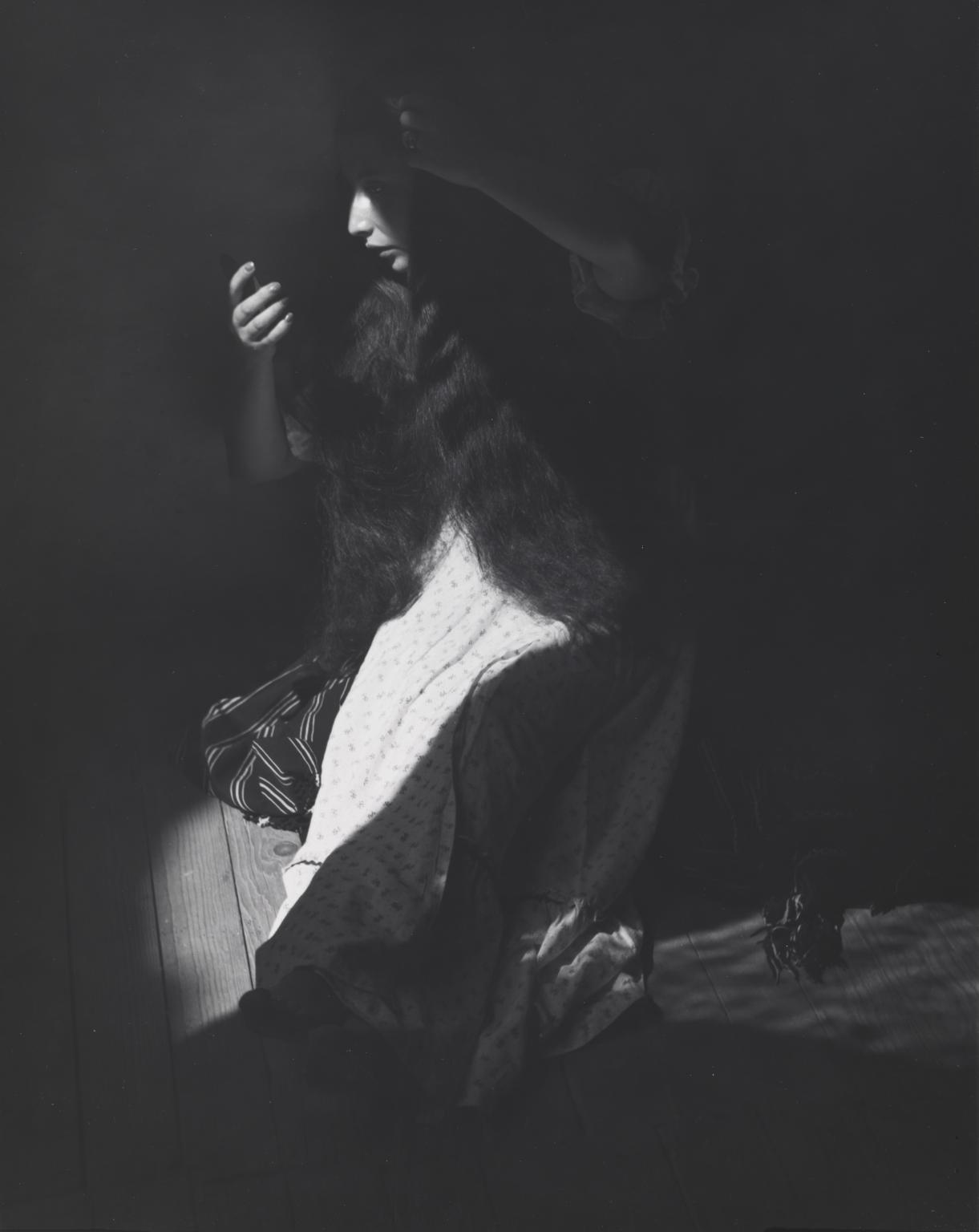
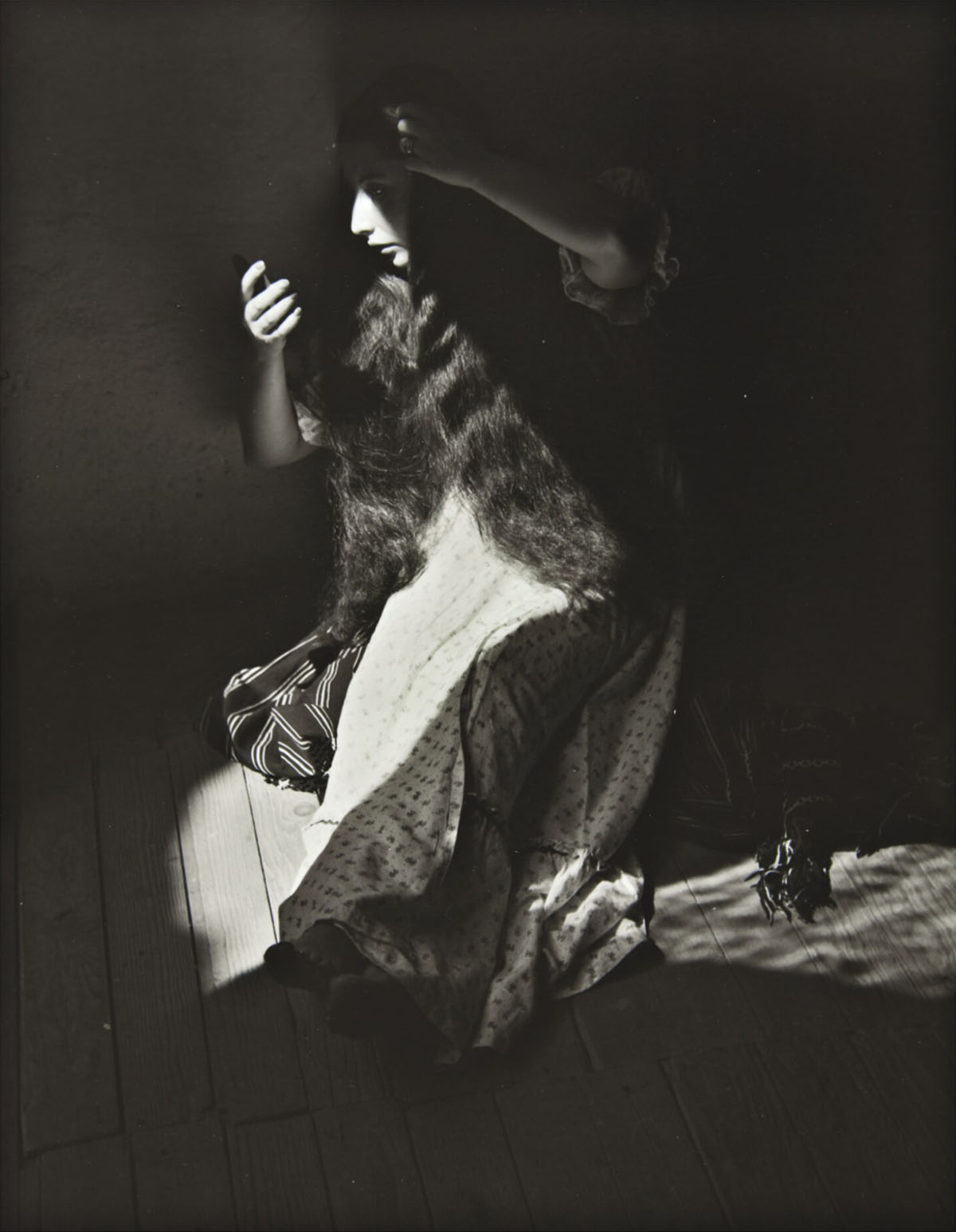
Retrato de lo eterno ca. 1935

Manuel Álvarez Bravo (1902-2002) ~ Retrato de lo eterno (Portrait of the Eternal), Mexico, 1935
Manuel Álvarez Bravo (1902-2002) ~ Retrato de lo eterno (Portrait of the Eternal), Mexico, 1935, printed 1970s | src vintageworks
Manuel Álvarez Bravo (1902-2002) ~ Retrato de lo Eterno (Isabel Villaseñor), 1935, printed ca. 1980s | src Tate galleries
Manuel Álvarez Bravo (1902-2002) ~ Retrato de lo eterno (Portrait of the Eternal), 1930s | src Sotheby’s

In Portrait of the Eternal, Álvarez Bravo fashioned a modern vanitas image of contemplative mystery, which at first appears in line with Surrealist ideas of the female muse. But this was no ordinary choice of model and collaborator: it was Isabel Villaseñor. Already well known as a talented artist and poet, Villaseñor’s distinctive profile, curtain of luxuriant hair, and mestiza (mixed race) heritage resonated with Mexicanidad and an ongoing process of national re-creation during the post-revolutionary period. (text: MMoCA)

Manuel Álvarez Bravo (1902-2002) ~ Retrato de lo eterno (Portrait of the Eternal), 1935 | src MMoCA (Madison Museum of Contemporary Art)

En Retrato de lo eterno, Álvarez Bravo construyó la imagen de una vanitas moderna de misterio contemplativo que a primera vista parece alinearse con ideas surrealistas sobre la musa femenina. Pero la elección de su modelo y colaboradora para esta imagen no fue una opción caprichosa. Se trataba de Isabel Villaseñor, ya para entonces bastante conocida como artista y una poeta talentosa. Su perfil inconfundible, el velo de su cabellera suntuosa y su herencia mestiza resonaban con el concepto de mexicanidad y con los procesos en curso de re-creación nacional durante el periodo posrevolucionario. (text: MMoCA · Madison Museum of Contemporary Art)

Manuel Álvarez Bravo (1902-2002) ~ Woman Combing Her Hair, 1932-33 | src Carnegie museum of art

Dorothy Lee (1920) by Goldberg

Maurice Goldberg :: Theater actress and dancer Dorothy Lee, 1920
Maurice Goldberg :: Theater actress and dancer Dorothy Lee, 1920. This photograph was published in the 19 December 1920 edition of the New York Tribune to promote her appearance as part of the ensemble of F. Ray Comstock and Morris Gest’s musical “Mecca” | src GMGallery on eBay