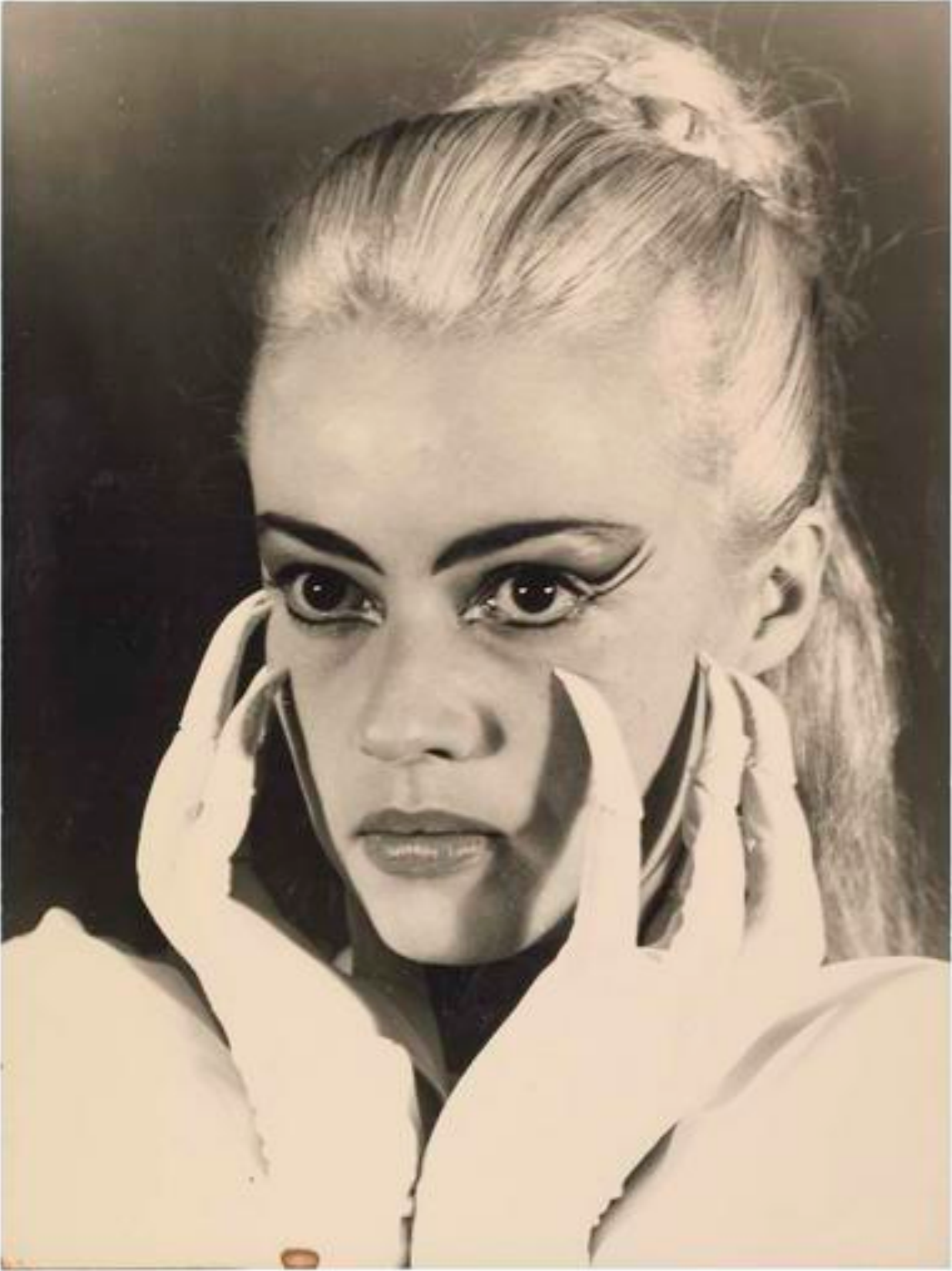
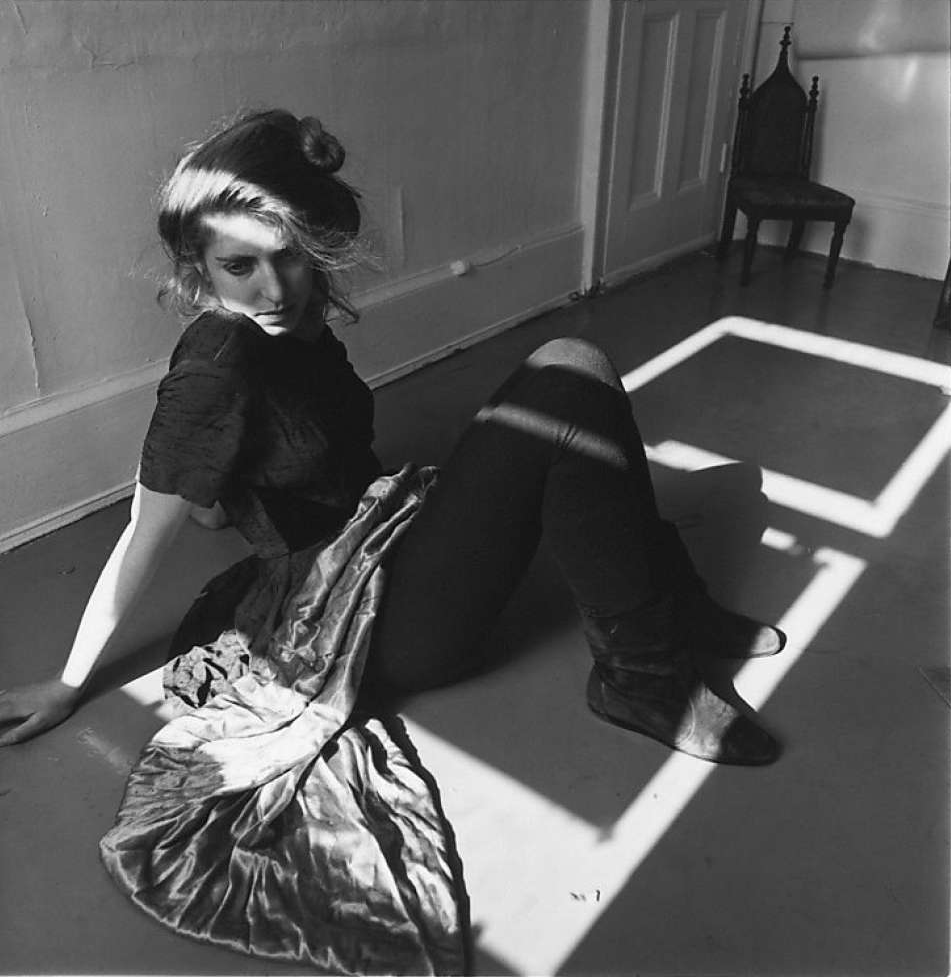
Jeanne Moreau as Le Sphinx, 1954
images that haunt us
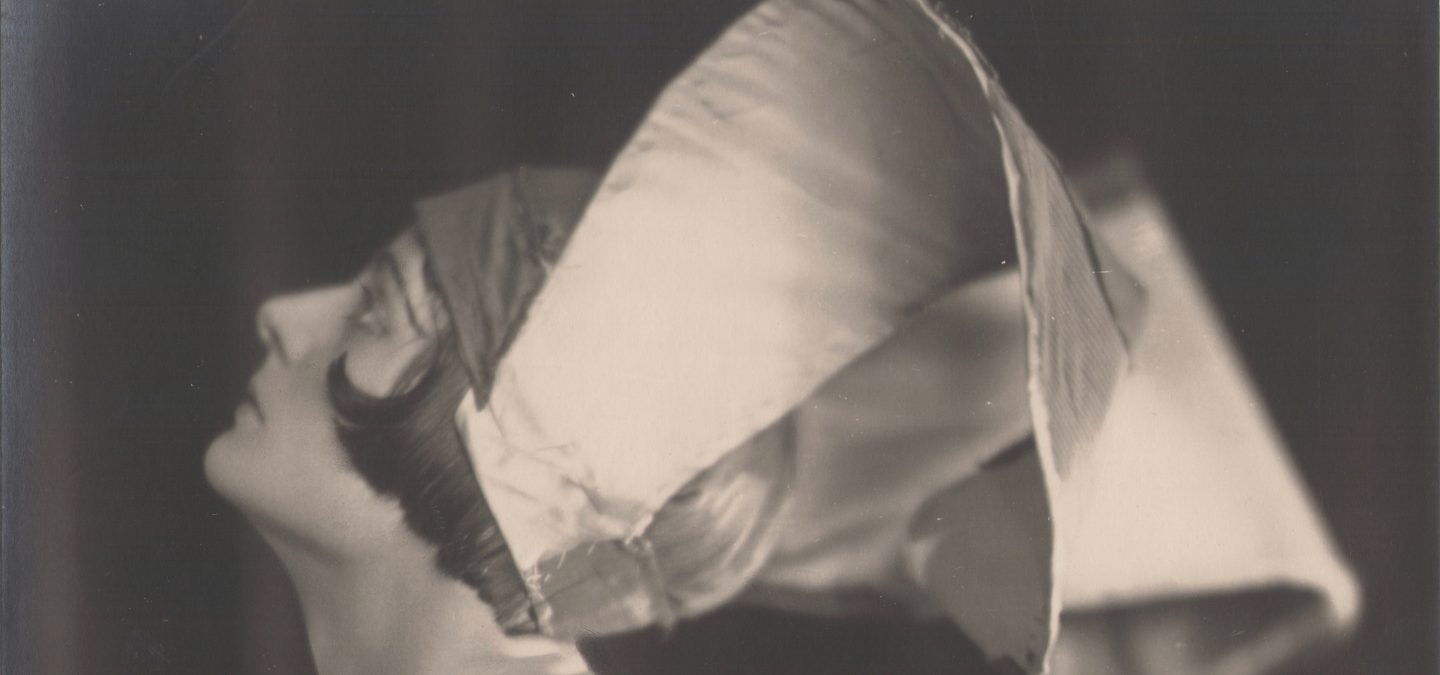
Maurice (1900-1993) and Seymour Zeldman (1902-1995), Russian expatriate photographers, formed the “Maurice Seymour” studio in 1929. Inspired by the example of Maurice Goldberg, the foremost photographer of classical dancers and concert musicians of the 1920s and regular contributor to the New York Times, the brothers chose to make a particular forte of ballet dancers. From 1929 to 1950 they plied their trade in a studio at the St. Clair Hotel in Chicago. In 1950 Seymour Zeldman moved to New York City; both men at this juncture legally changed their names to Maurice Seymour.
The New York brother expanded his clientele from dancers and actors to singers, jazz musicians, and burlesque stars in the 1950s. He for a period partnered with James Kriegsmann, successor to Herbert Mitchell, and a practitioner of in situ photography of singers and musicians in their performance venues. The Chicago Maurice Seymour continued specializing in dance and theatrical photography, although he had, for a period of time in the 1930s, a healthy business from radio personalities as well. Both shuttered their studios in the 1970s.
When in Chicago, they collaborated completely when creating images, sharing the posing and developing work. The images tended to be brightly illuminated, posed against neutral featureless backgrounds, and developed on glossy paper. The studio’s skill at retouching was particularly well known. All of the Chicago portraits were taken with a large accordion portrait camera using 8×10 negatives. From 1935 onward, the brothers were the prefered portraitists of the Ballet Russe de Monte Carlo. In 1947 the studio published Seymour on Ballet, a set of photographic studies, with a foreward by Leonid Massine (Chicago: Pelligrini & Cudahy), and in 1952, an expanded portfolio, Ballet Portraits, featuring Margot Fonteyn (Chicago: Pelligrini & Cudahy). / src broadway library
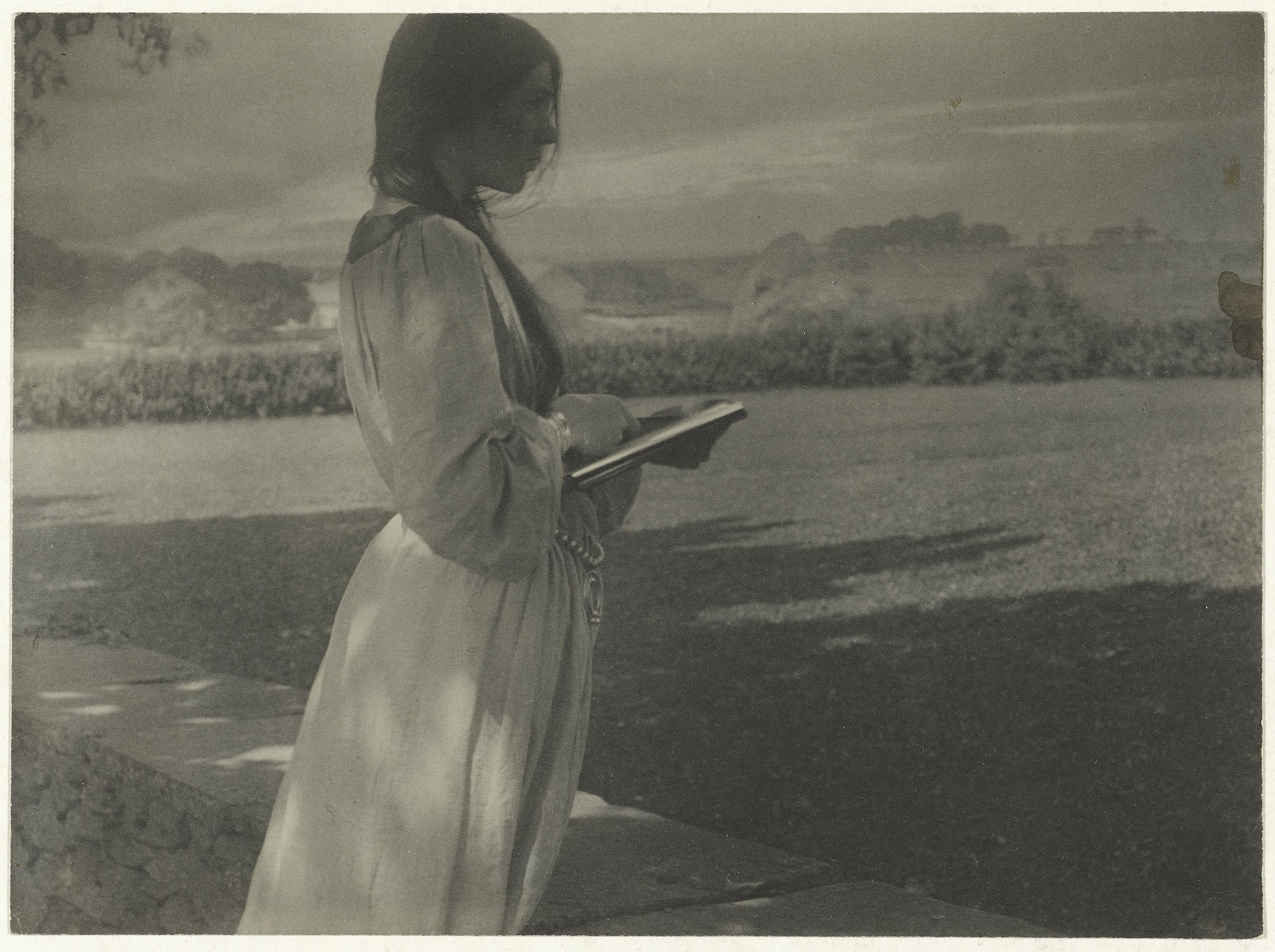
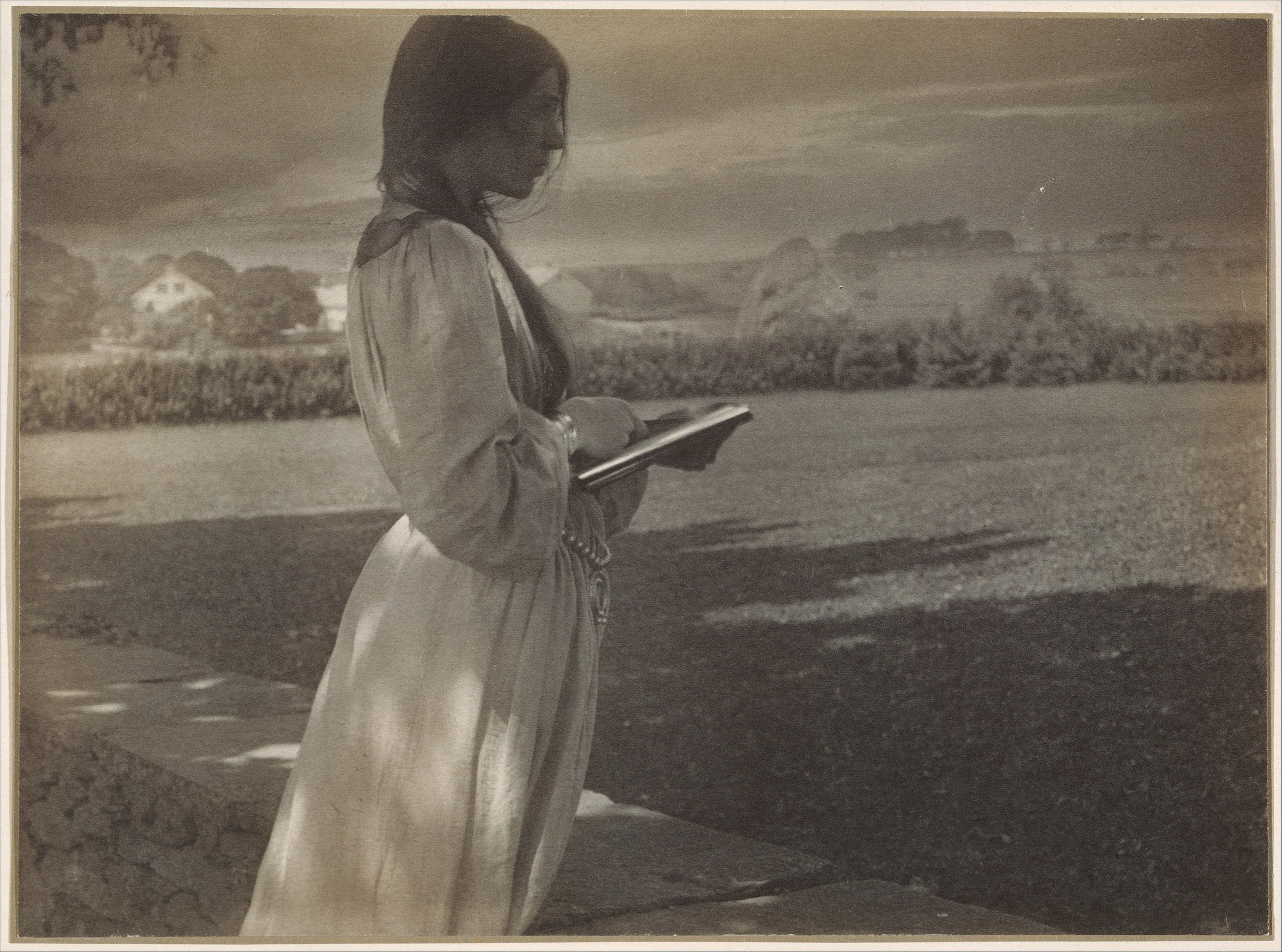
A frequent model for Käsebier and F. Holland Day, Beatrice Baxter Ruyl, who posed here, made illustrations for children’s books and the Boston Herald.
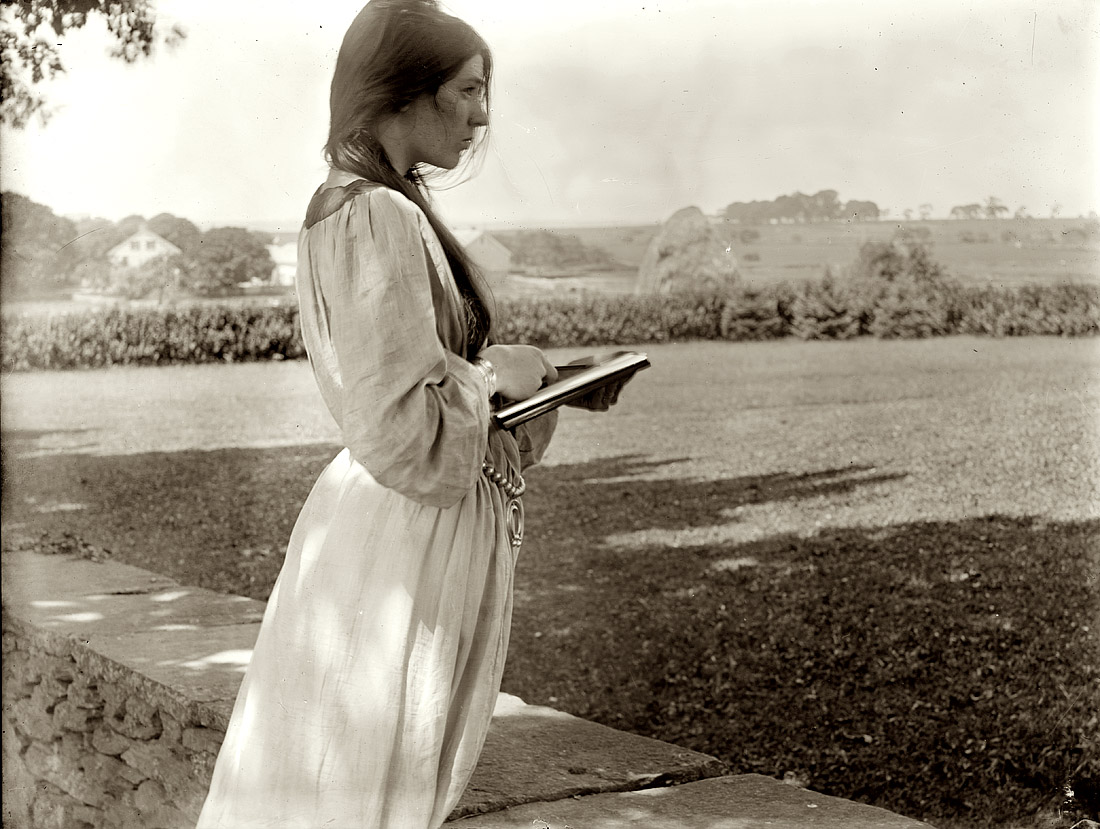
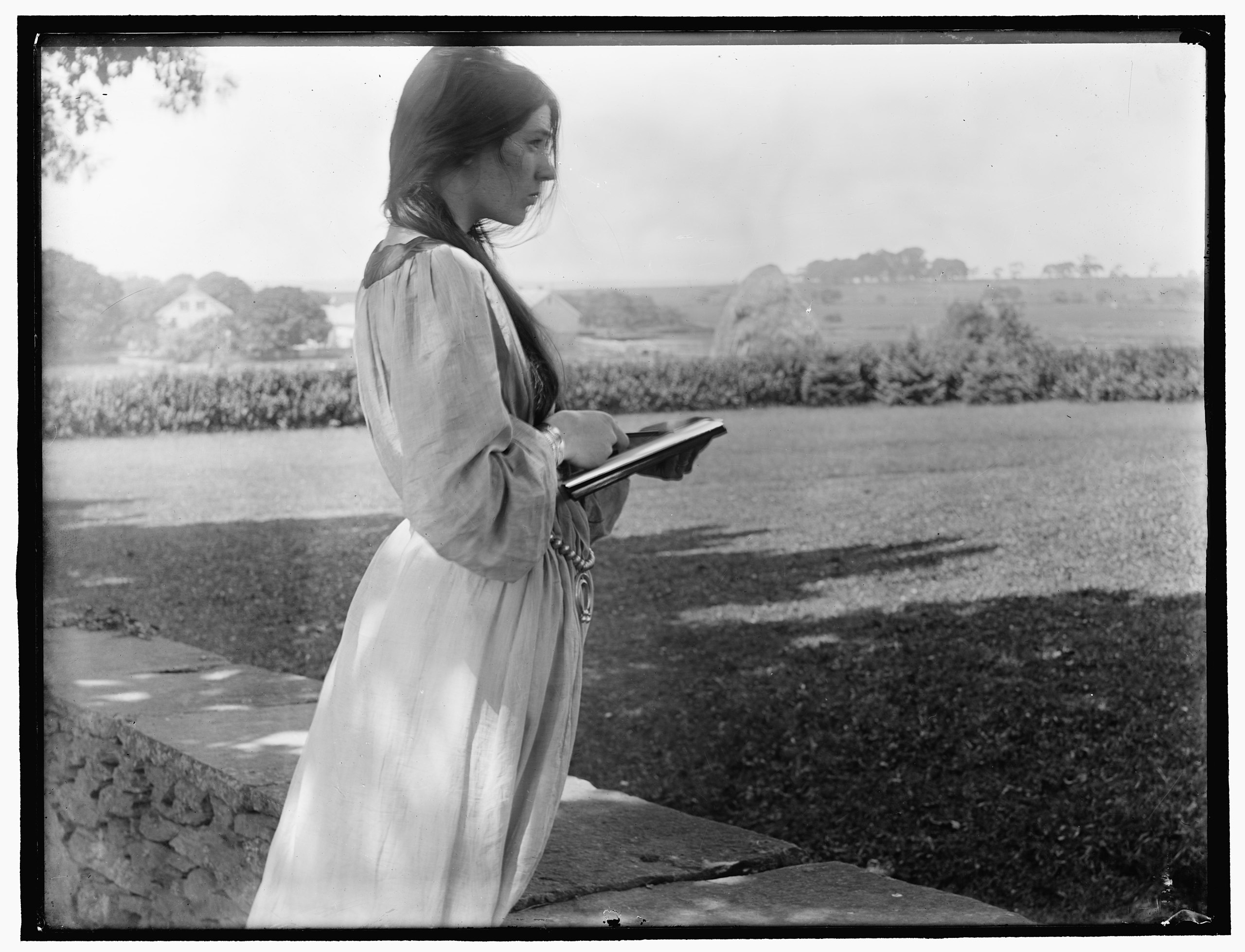
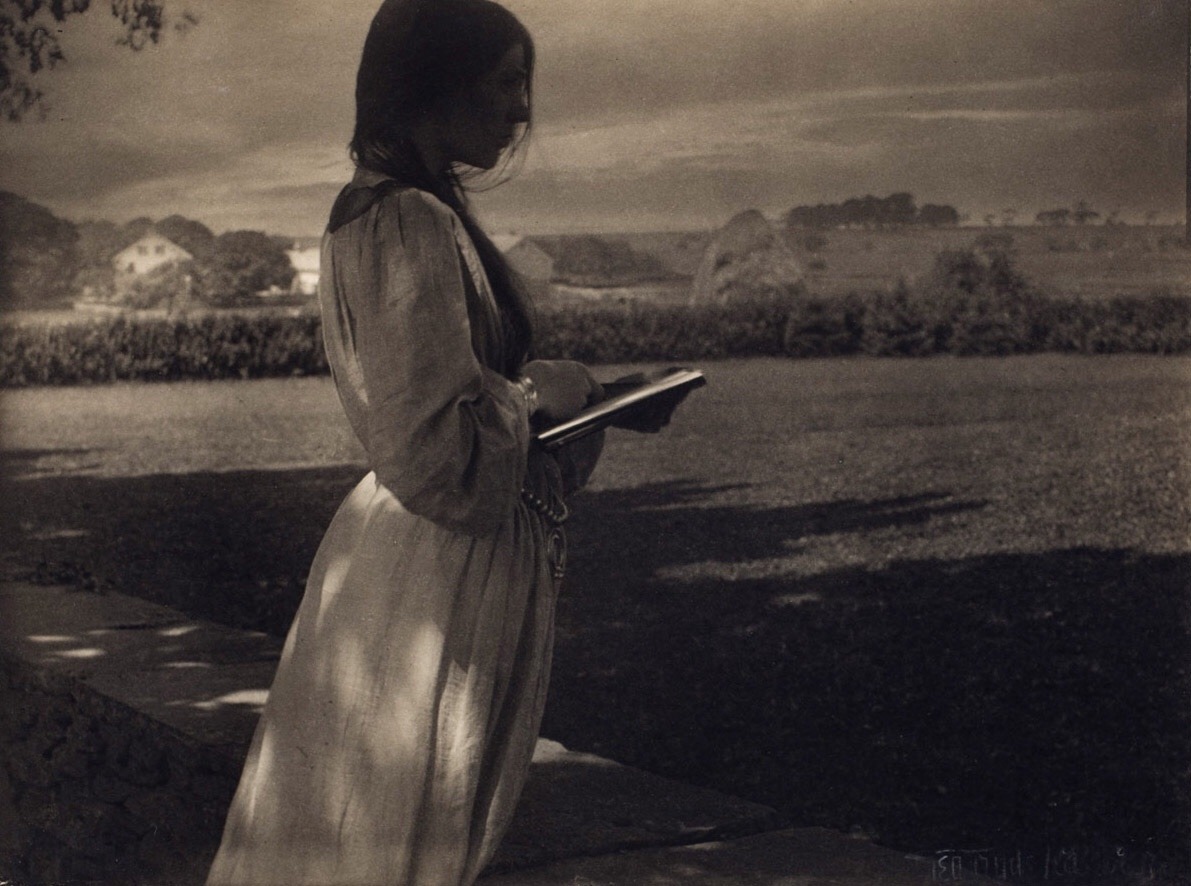
![Rudolf Eickemeyer Jr. (1862-1932) :: The little butterfly , 1901. [detail] | src Library of Congress](https://live.staticflickr.com/65535/52165435770_f327850bdc_b.jpg)
![Rudolf Eickemeyer Jr. (1862-1932) :: The little butterfly [Evelyn Nesbit in Stanford White's Japanese kimono posing sleeping on a polar bear rug at Campbell Art Studio in New York City], 1901. | src Library of Congress](https://live.staticflickr.com/65535/52164949098_35be39730e_o.png)
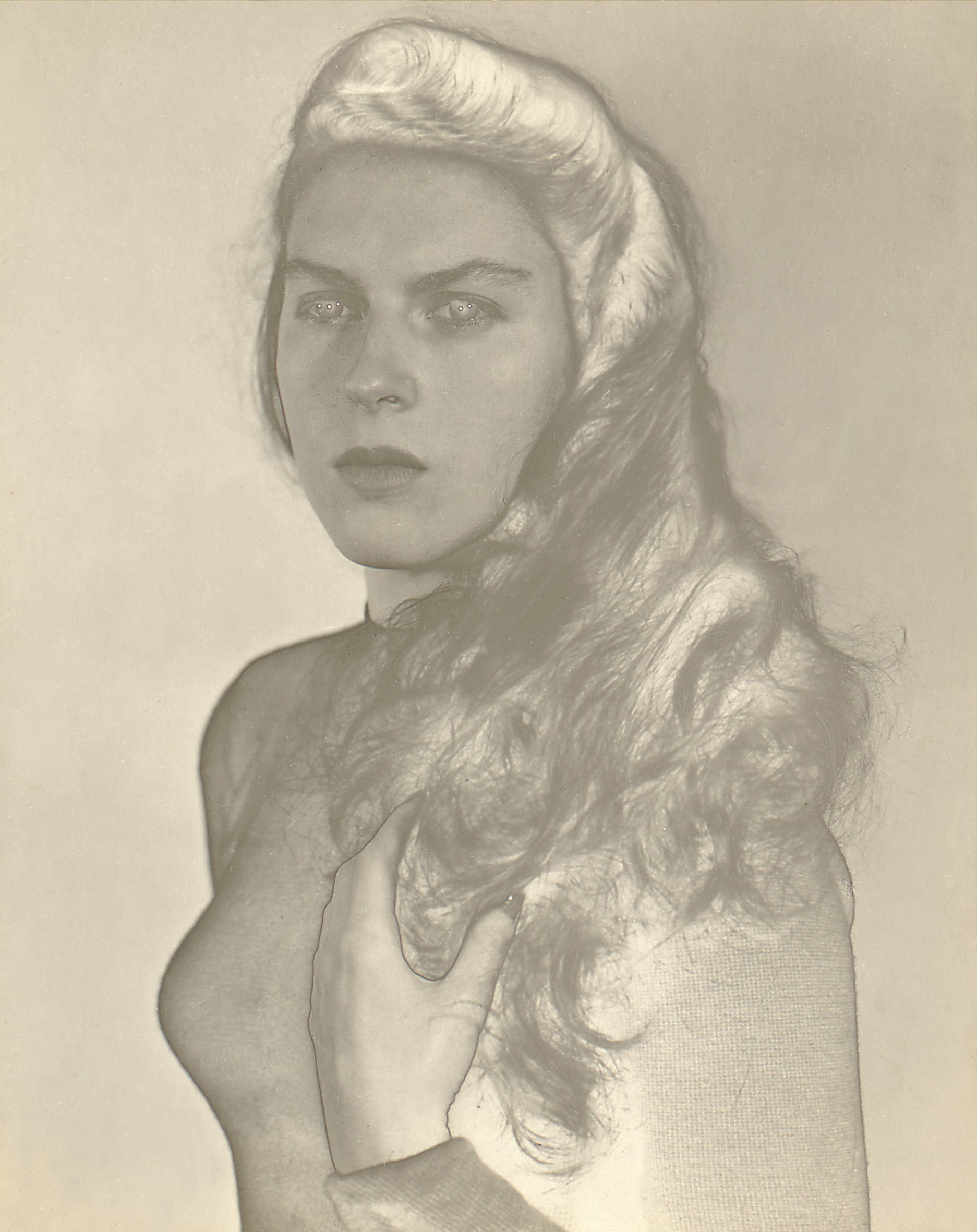
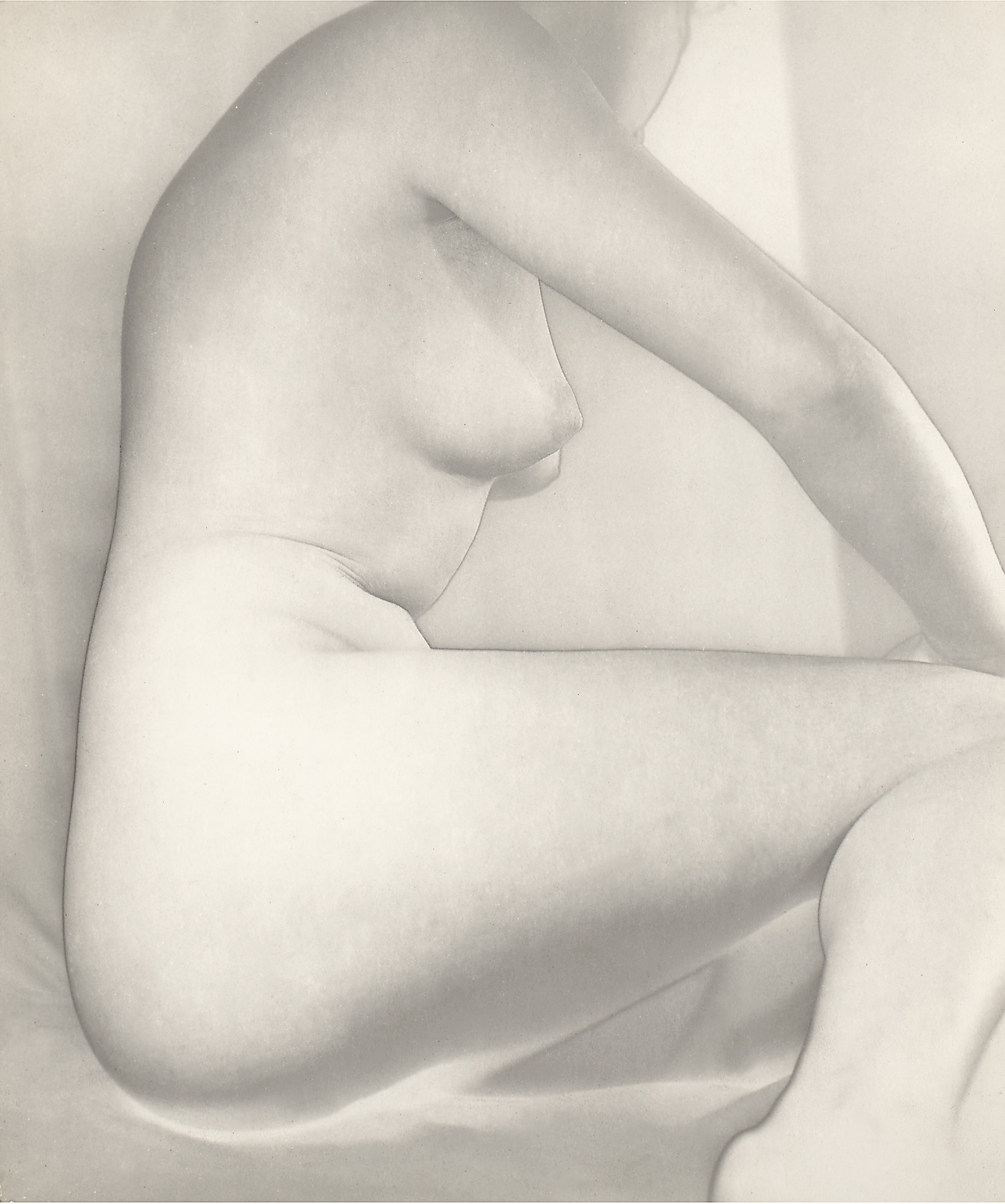
»Destiny Emigration« reconstructs the stories of two Jewish photographers, Gerti Deutsch and Jeanne Mandello. Each left her country when the Nazis took power.
Jeanne Mandello (Frankfurt/Main 1907 – 2001 Barcelona) fled Frankfurt in 1934, heading first for Paris and then for Montevideo in Uruguay.
She had not yet turned 19 when she left home for Berlin in 1926 to train for two years at the Photographische Lehranstalt/Lette-Verein. She obtained her Chamber of Trade certificate with a mark of “very good”. Work experience with Dr Paul Wolff, the Leica pioneer, brought a practical initiation into photojournalism. In 1929 she opened her first studio in Frankfurt, acquired portrait commissions, took pictures for the press, and met the young Arno Grünebaum, who had taken an interest in photography. They married, but aware of the threat posed by Nazi attacks on Jewish institutions, they fled to Paris in January 1934. Here Mandello enjoyed a career she could scarcely have imagined as a fashion photographer, with commissions from companies like Balanciaga, Mainbocher, Maggy Rouff and Chanel, to name but a few.
Her career ended overnight when the Nazis invaded France. Like all German women, she was temporarily interned at the camp in Gurs after the National Socialists occupied Paris in 1940, after which she and her husband managed to escape via Spain and emigrate to Uruguay. Yet again she found the energy for a new beginning: she borrowed a Rolleiflex, and was soon successful with her portraits of artists and pictures for tourist guides. In 1953 Jeanne Mandello separated from Arno Grünebaum, settling in Barcelona in 1959.
The lives of both women photographers were coloured by their fate as refugees and emigrées, while Jeanne Mandello suffered the additional blow of losing almost all her work.
source of text and picture on bottom : Das Verborgene Museum
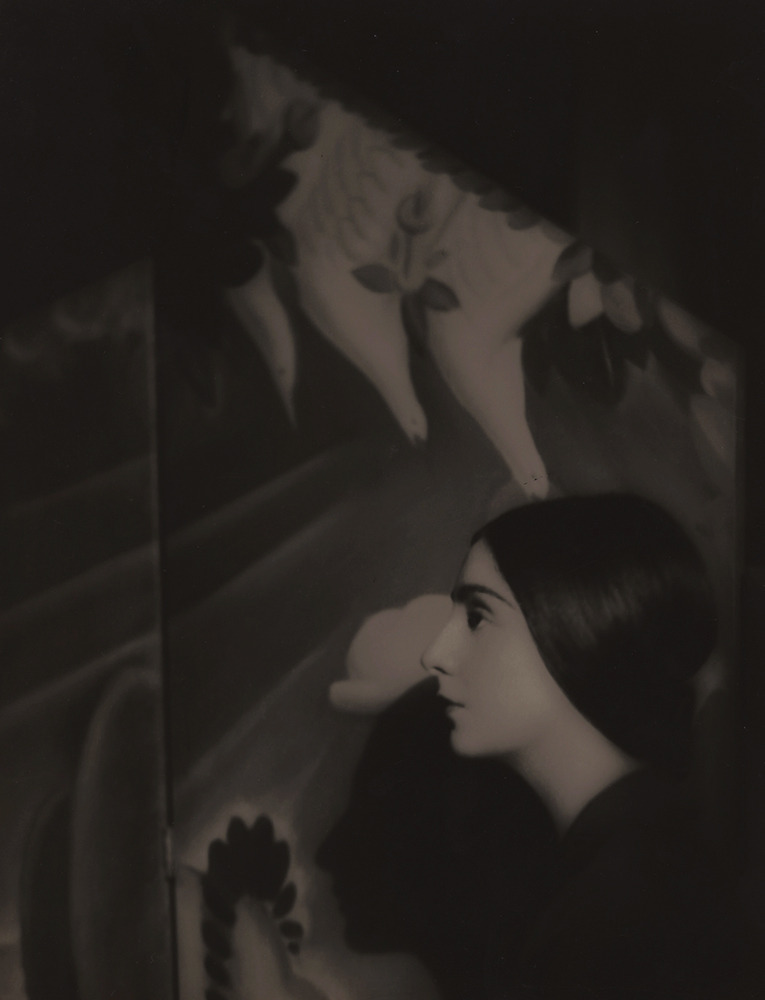
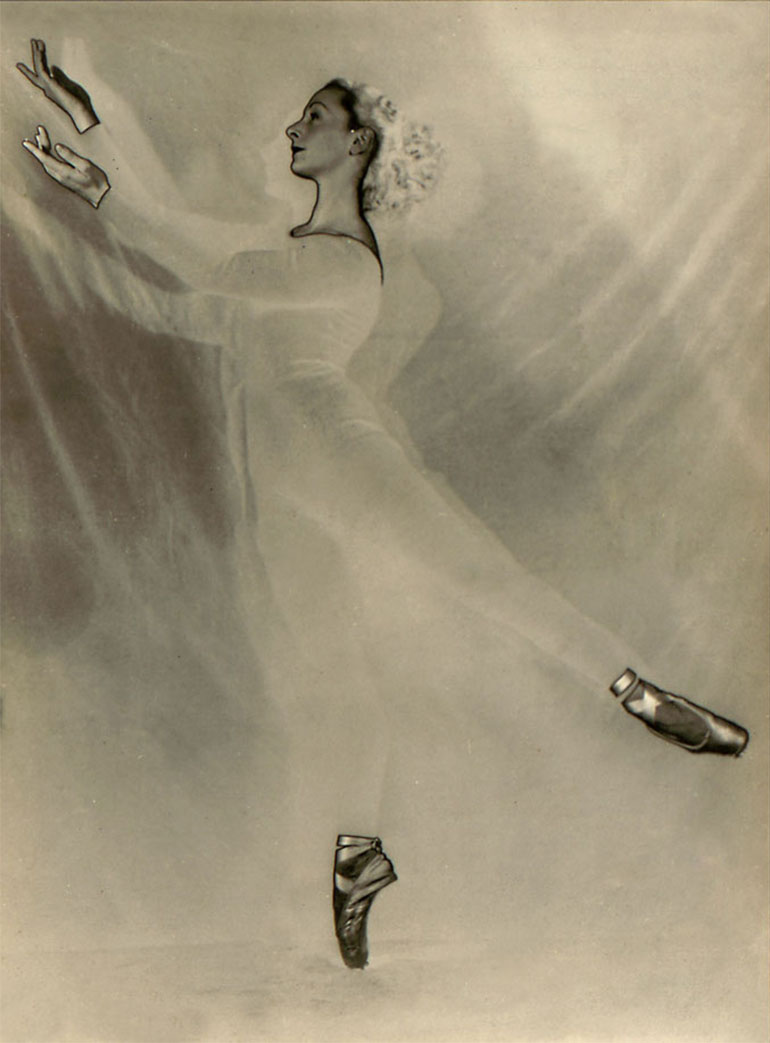
Sunny Lorinczi was born in Uruguay in 1930 to a family of Hungarian origin. A ballet dancer from her early teenage years, she goes on to interpret the starring roles of classical ballet’s repertoire, such as “Giselle”, throughout South America. She becomes the Montevideo’s Sodre’s prima ballerina in 1951, under the direction of Vaclav Veltchek. In 1961, she moves to France with her French husband and son and sets up her own ballet school. | src Jeanne Mandello



 un regard oblique