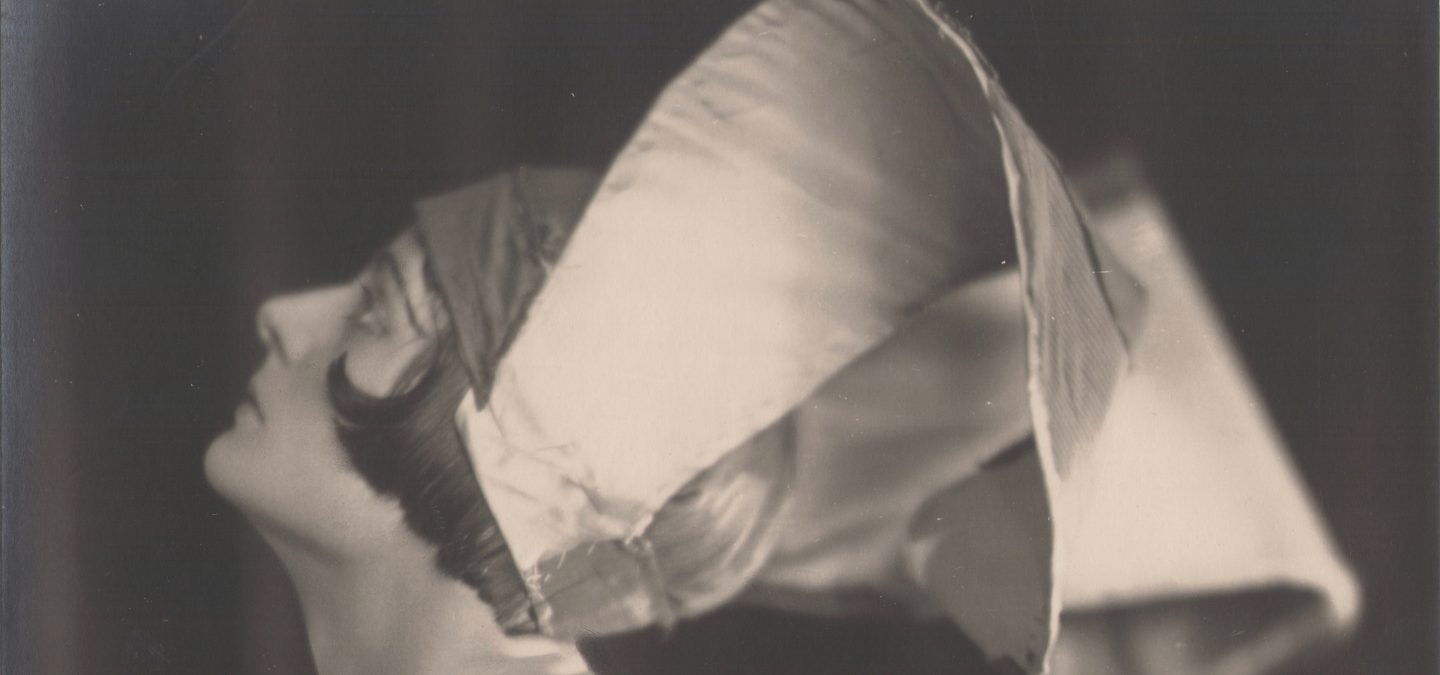
Category: portrait, Porträt, retrato, ritratto, portret, retrat, Bildnis
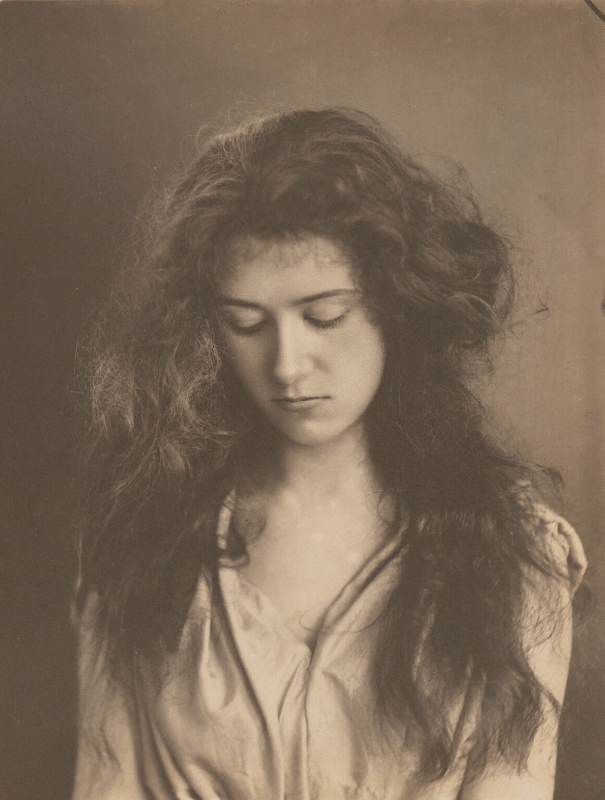
Adelaide Floyd Passingham
Green with violin and snake, 1918


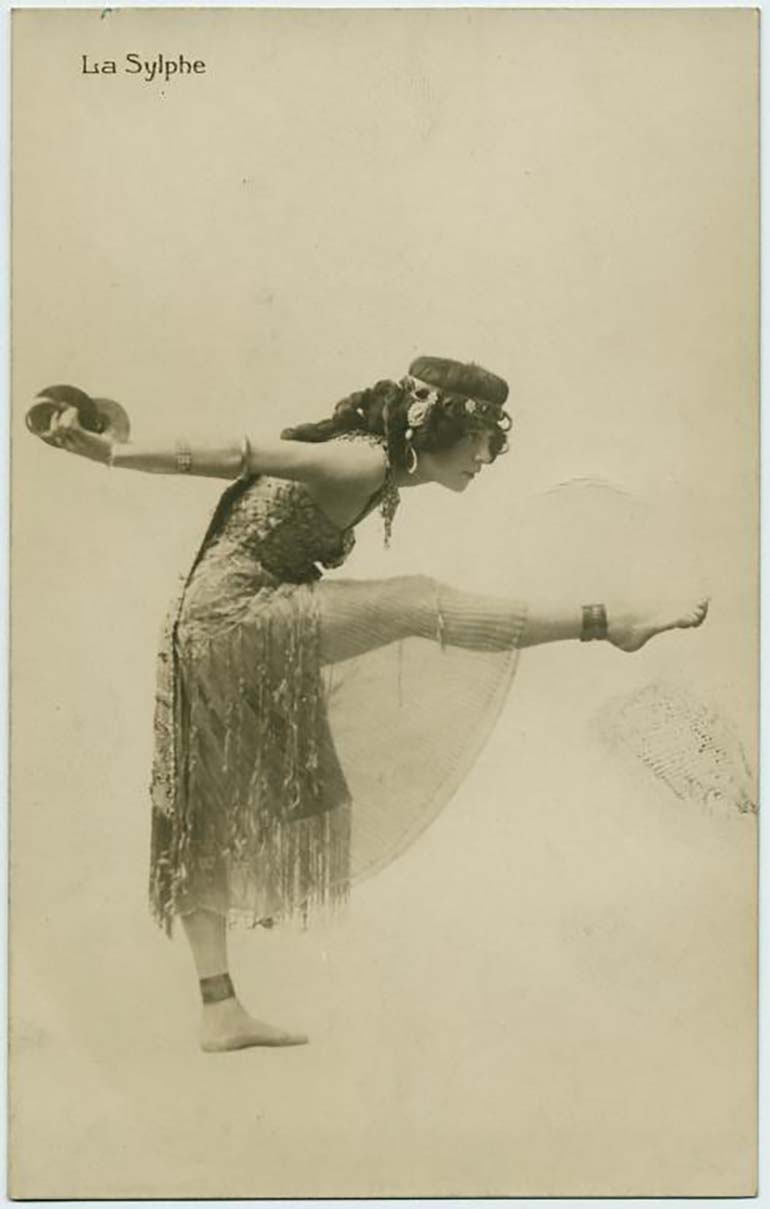
La Sylphe · dancer suffrage
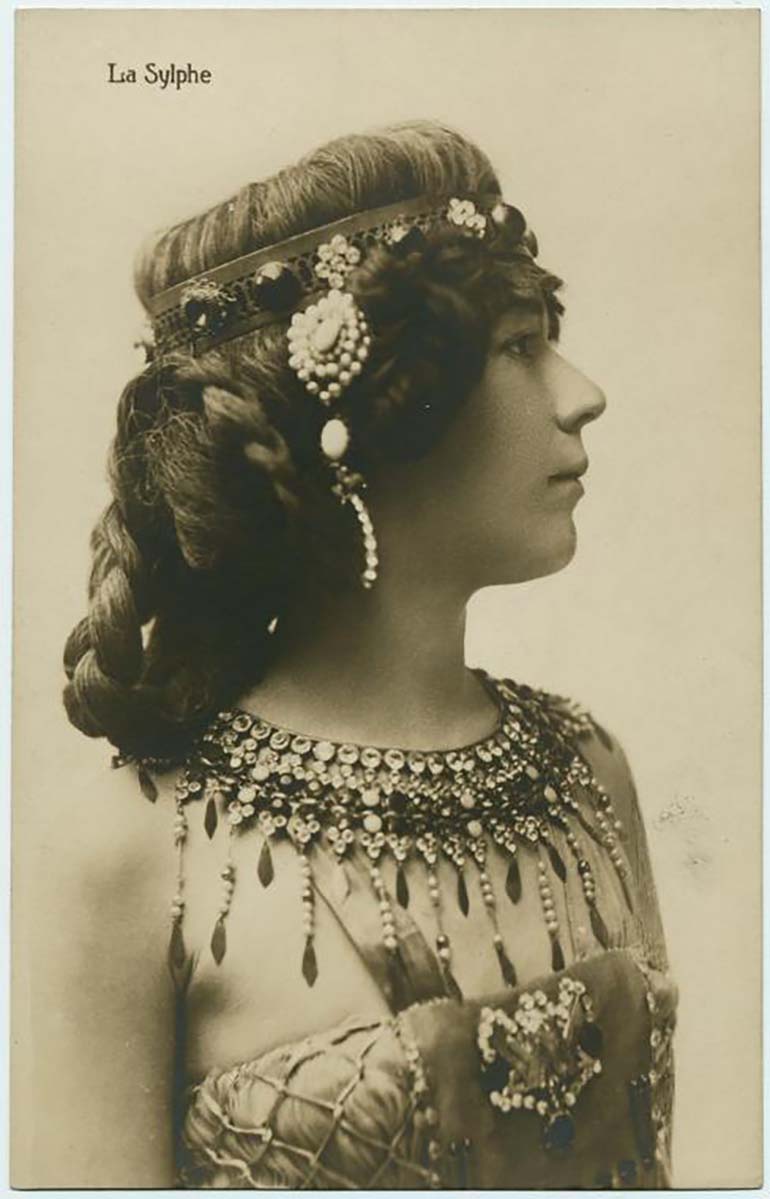
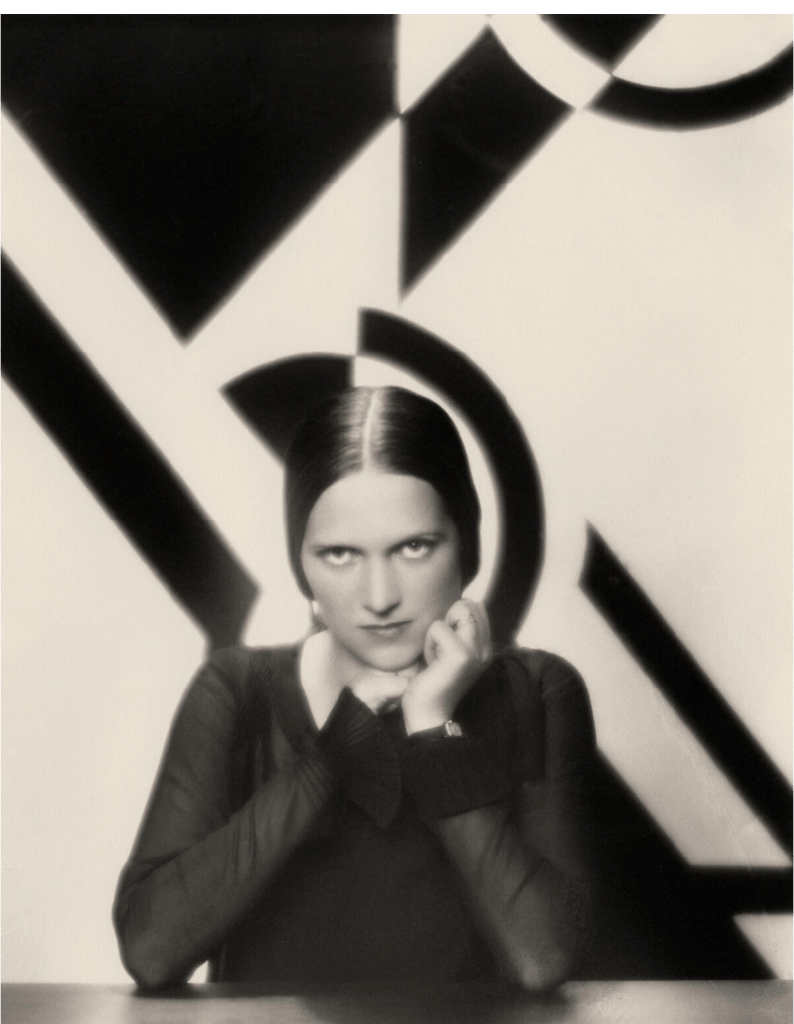
Vera Skoronel by Lotte Jacobi

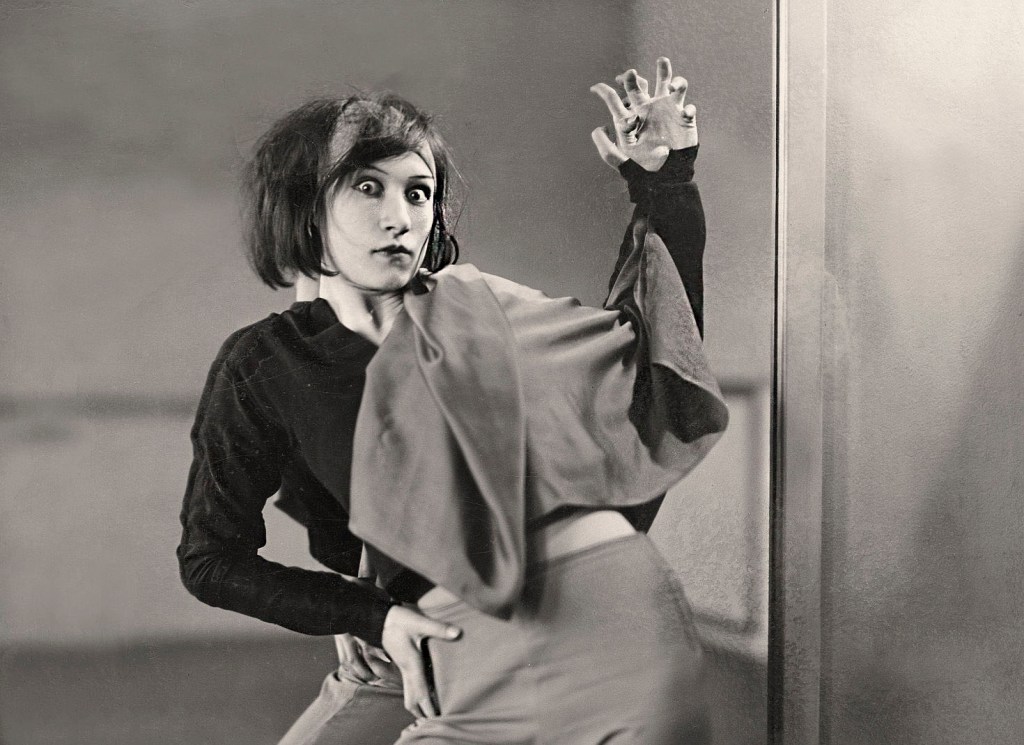
Clara Bow by Ira L. Hill

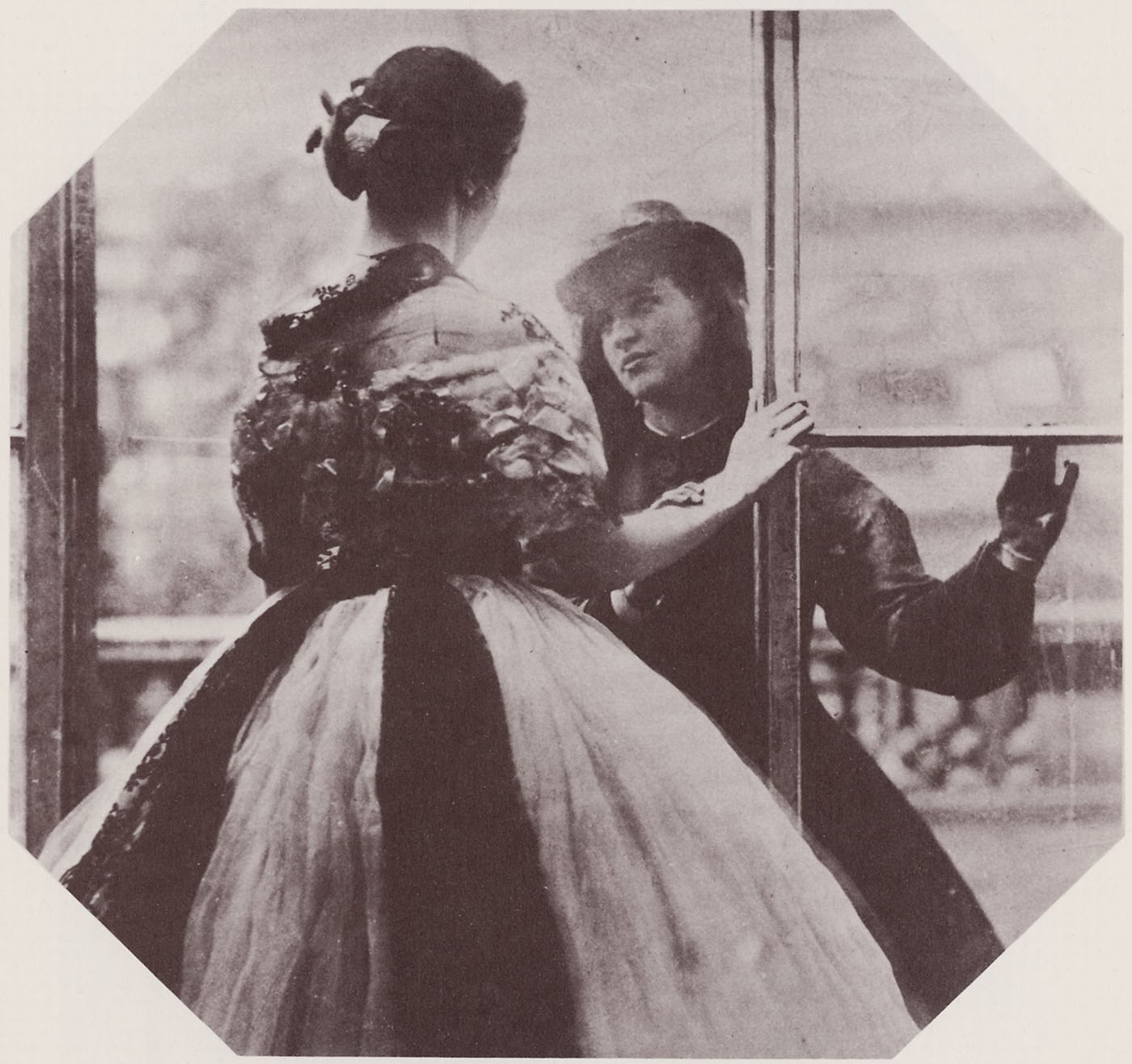
The visit by Lady Hawarden


‘In this photograph as in Ph 380-1947 (image below) her two eldest daughters of Lady Hawarden reaffirm their bond with each other and with their mother. Isabella Grace, in an evening dress, her hair elaborately arranged, with her back to the camera perhaps in order to show the intricacies of her dress and hair to full advantage, stands at the French window to the terrace. Clementina, poised like a mirror before her sister, her expression perhaps reflecting that on Isabella Grace’s face, incongruously wears a riding habit and appears dishevelled. Their rapport is visually strengthened by the lines of the window, which direct our eyes to their arms, gracefully linked.’

Farmer girls by August Sander
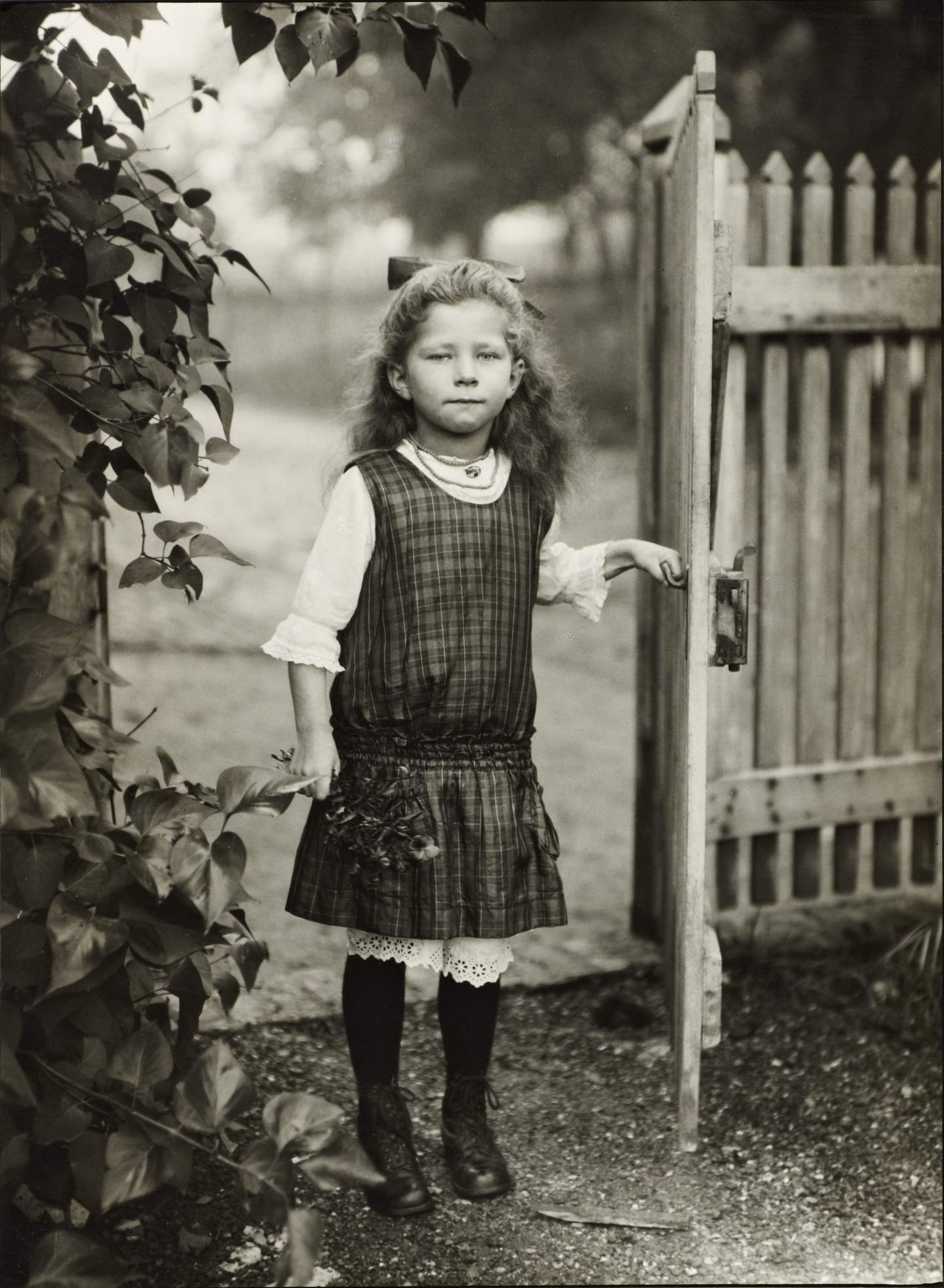
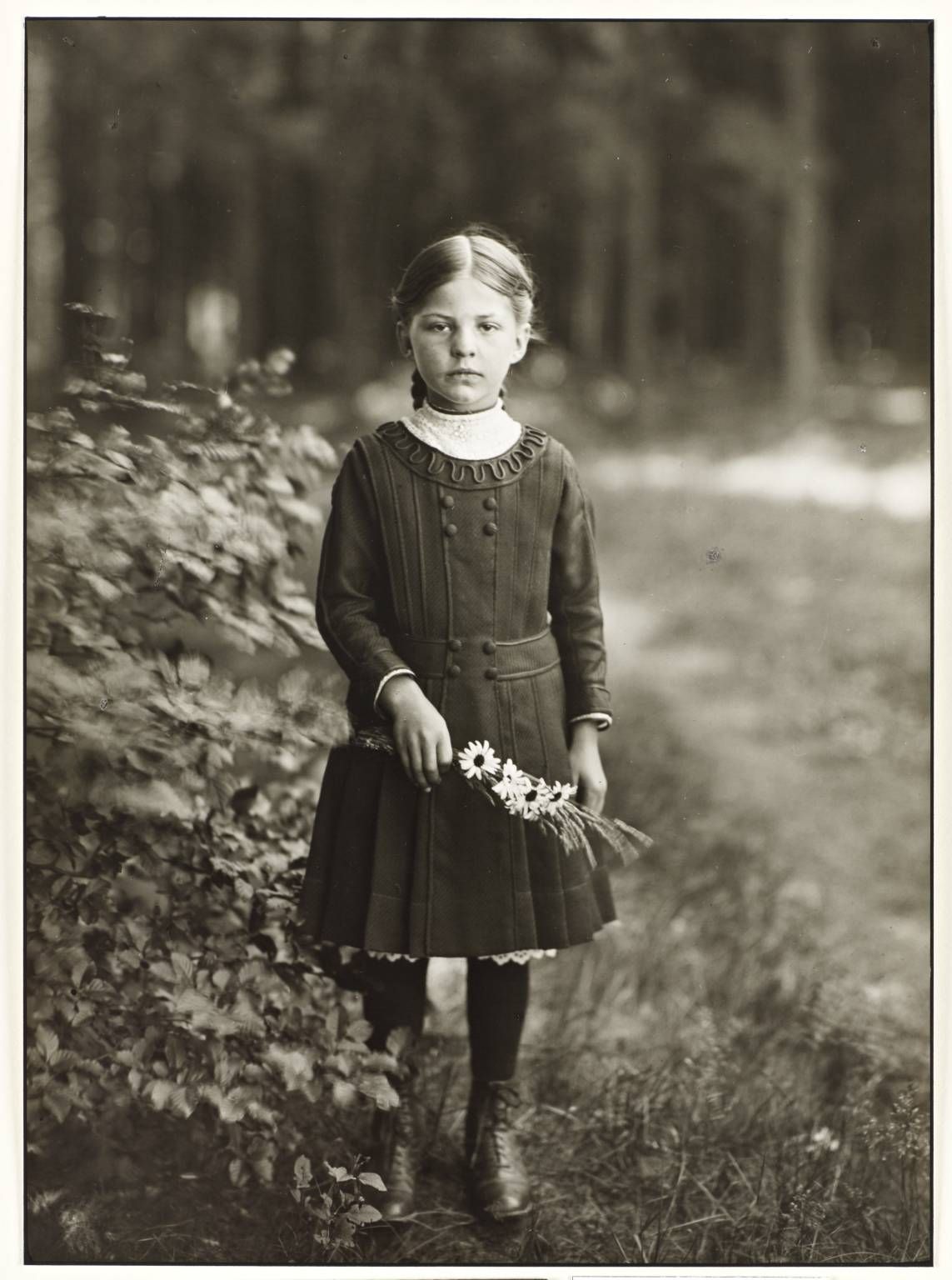
Portraying a Nation, which exhibits Dix and Sander as a pair for the first time, reflects a pivotal point in Germany’s history, as it introduced democratic rule in the aftermath of the First World War. The period was one of experimentation and innovation across the visual arts, during which both artists were concerned with representing the extremes of society, from the flourishing cabaret culture to intense poverty and civilian rebellions.
Featuring more than 300 paintings, drawings, prints and photographs, Portraying a Nation unites two complementary exhibitions. Otto Dix: The Evil Eye explores Dix’s harshly realistic depictions of German society and the brutality of war, while ARTIST ROOMS: August Sander presents photographs from Sander’s best known series People of the Twentieth Century, from the ARTIST ROOMS collection of international modern and contemporary art.
The exhibition focusses on the evolution of Dix’s work during his years in Düsseldorf, from 1922 to 1925, when he became one of the foremost New Objectivity painters, a movement exploring a new style of artistic representation following the First World War. Dix’s paintings are vitriolic reflections on German society, commenting on the country’s stark divisions. His work represents the people who made up these contradictions in society with highlights including Portrait of the Photographer Hugo Erfurth with Dog 1923, Self-Portrait with Easel 1926, as well as a large group of lesser known watercolours. Dix’s The War 1924 will also form a key element of the exhibition, a series of 50 etchings made as a reaction to and representation of the profound effect of his personal experiences of fighting in the First World War.
Sander’s photographs also observe a cross-section of society to present a collective portrait of a nation. Sander commenced his major photographic project People of the Twentieth Century in 1910, an ambitious task that occupied him until the 1950s. The project resulted in more than 600 images in which people were categorised into what he described as ‘types’, including artists, musicians, circus workers, farmers and, in the late 1930s, images of Nazi officers. More than 140 photographs from the ARTIST ROOMS collection will be displayed to create a large-scale timeline of Weimar Germany, placing individual subjects against a backdrop of the era’s tumultuous cultural and political history.
Text quoted from Tate gallery Liverpool: Portraying a Nation: Germany 1919-1933
Alice White by Carsey

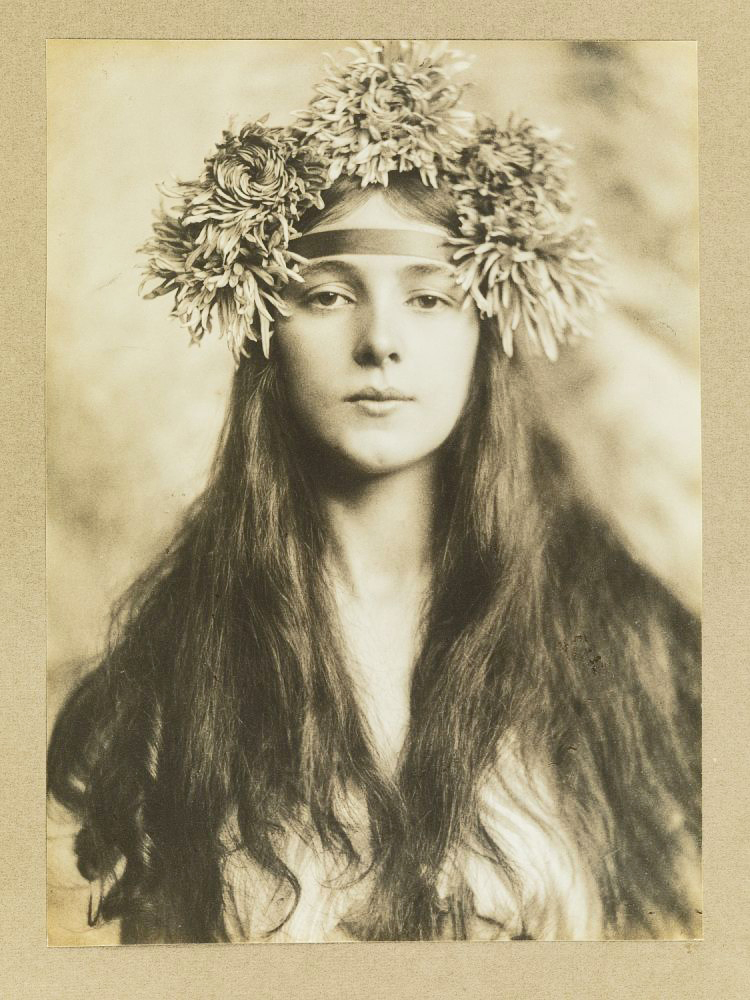
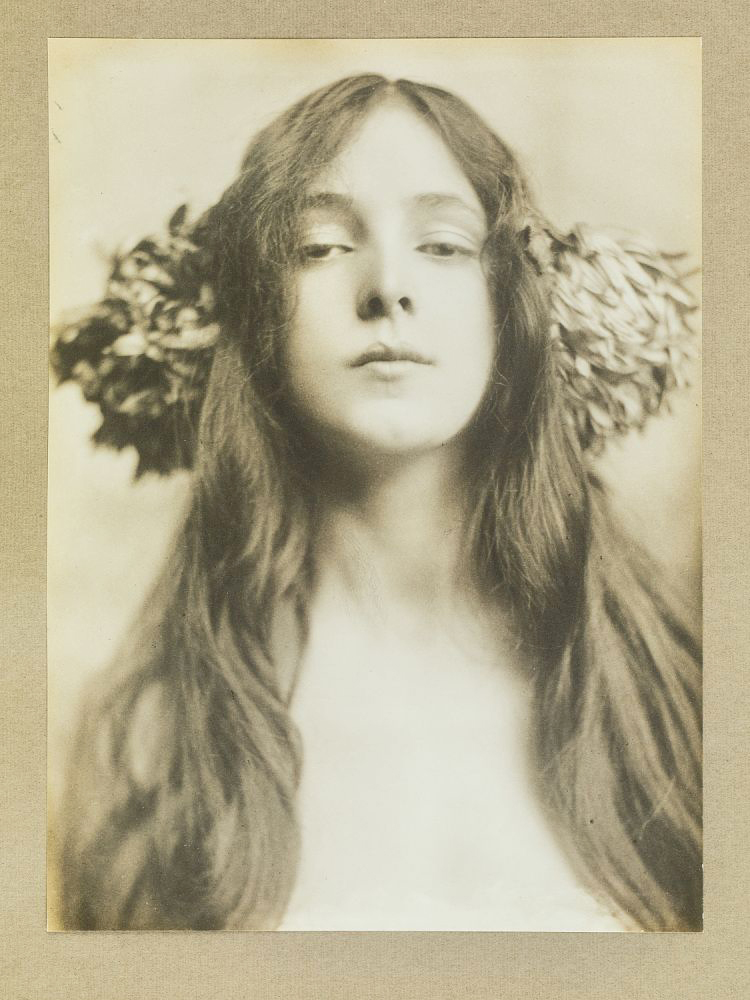
Evelyn Nesbit, 1901
 un regard oblique