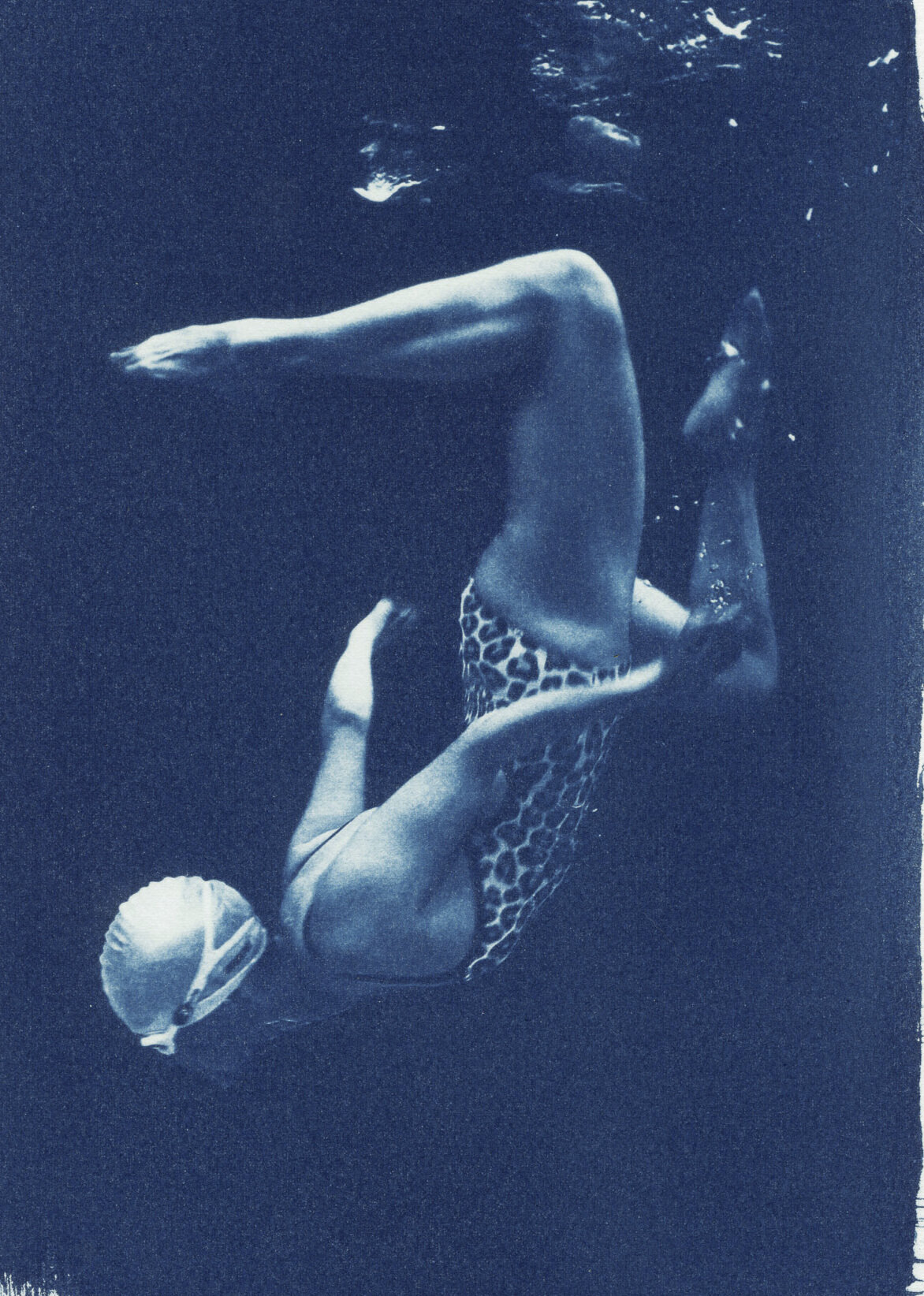
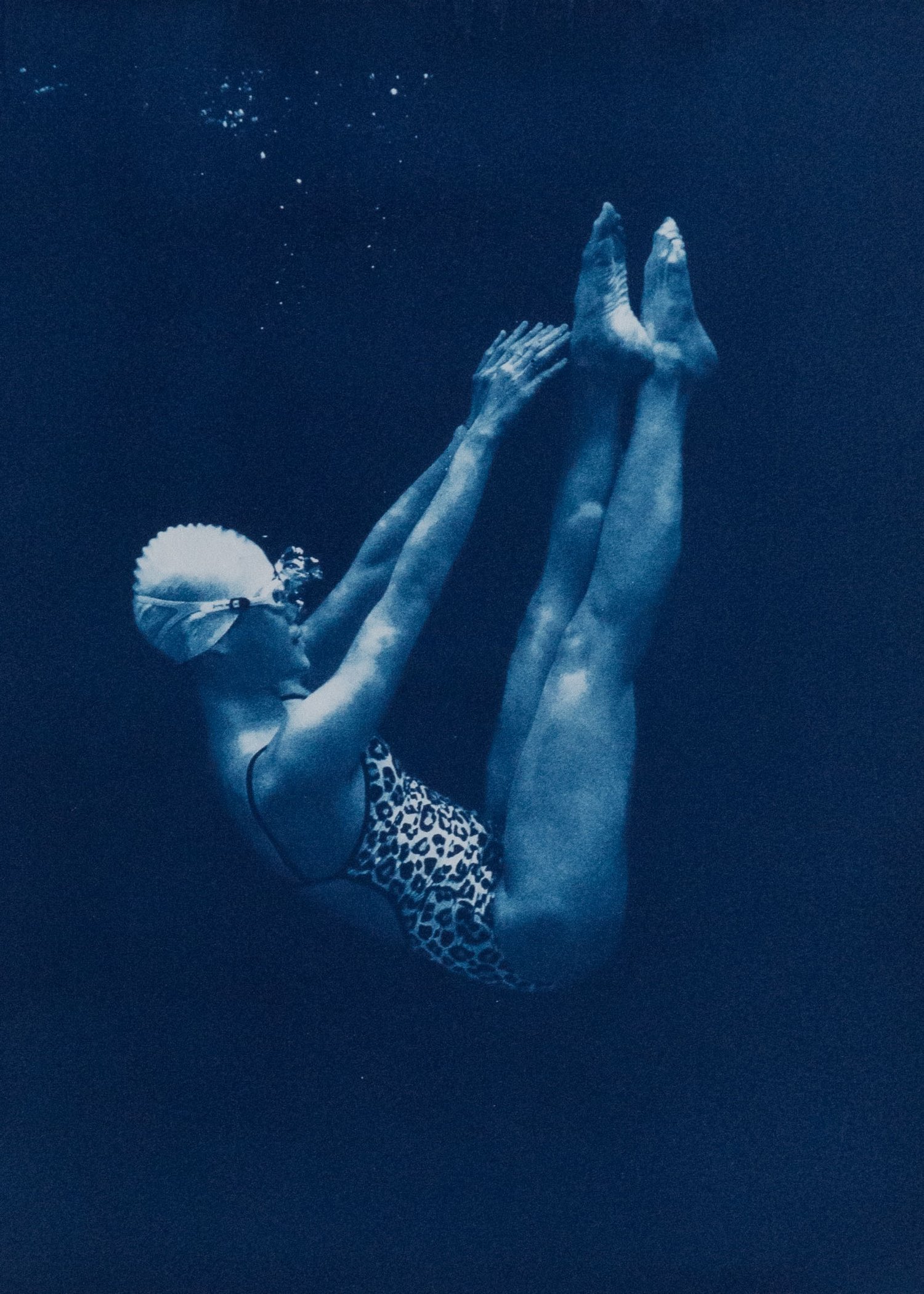
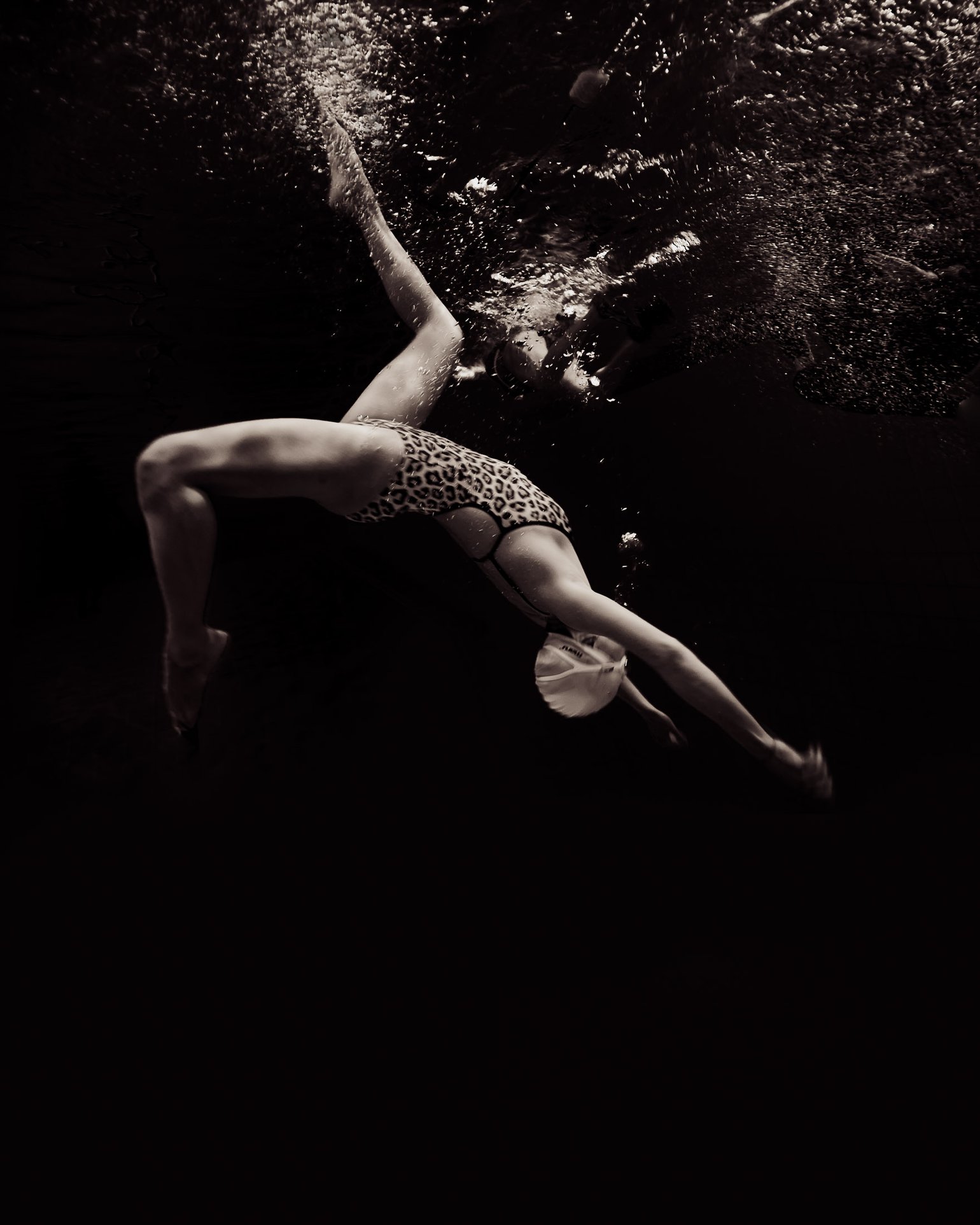
Hobley shot these series before the Covid-19 pandemic. Later, during the lock-down she experimented with different kind of papers, developing processes and toning. The last one of this post is a cyanotype print toned in tea and coffee: “This photograph was taken on a shoot last year and printed using a large format negative and sunlight, during the lockdown.” quoted from Hobley’s Facebook page
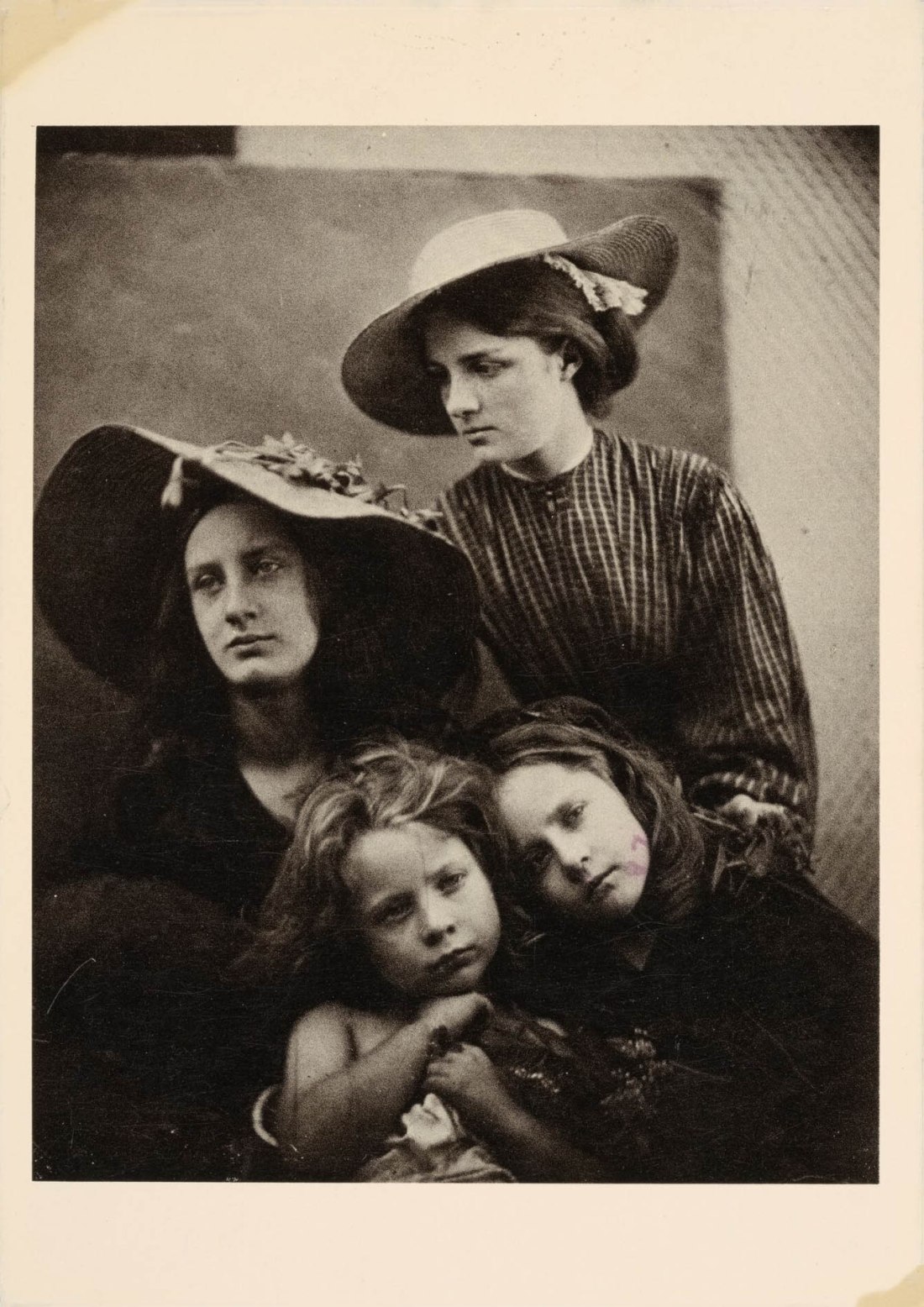
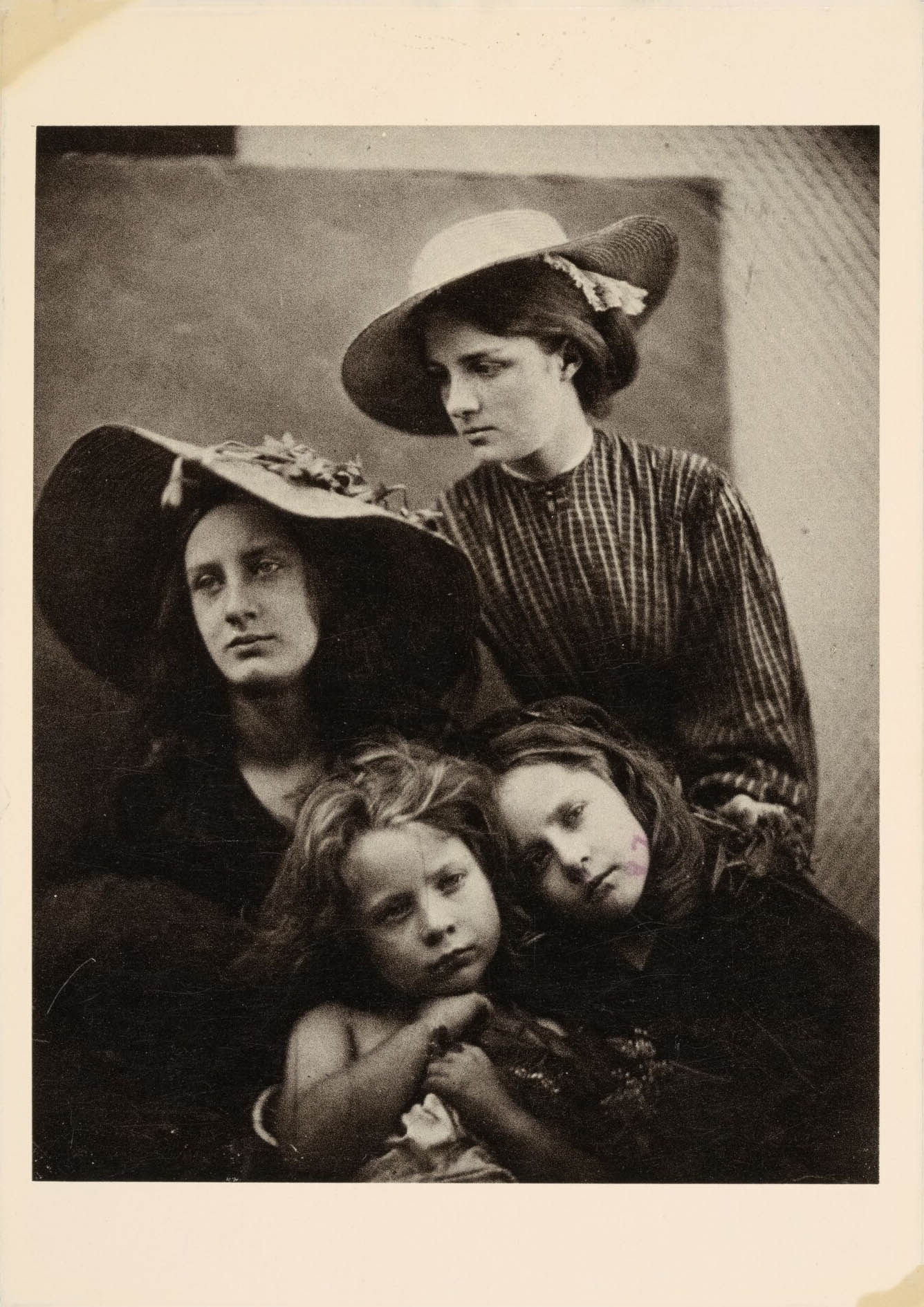
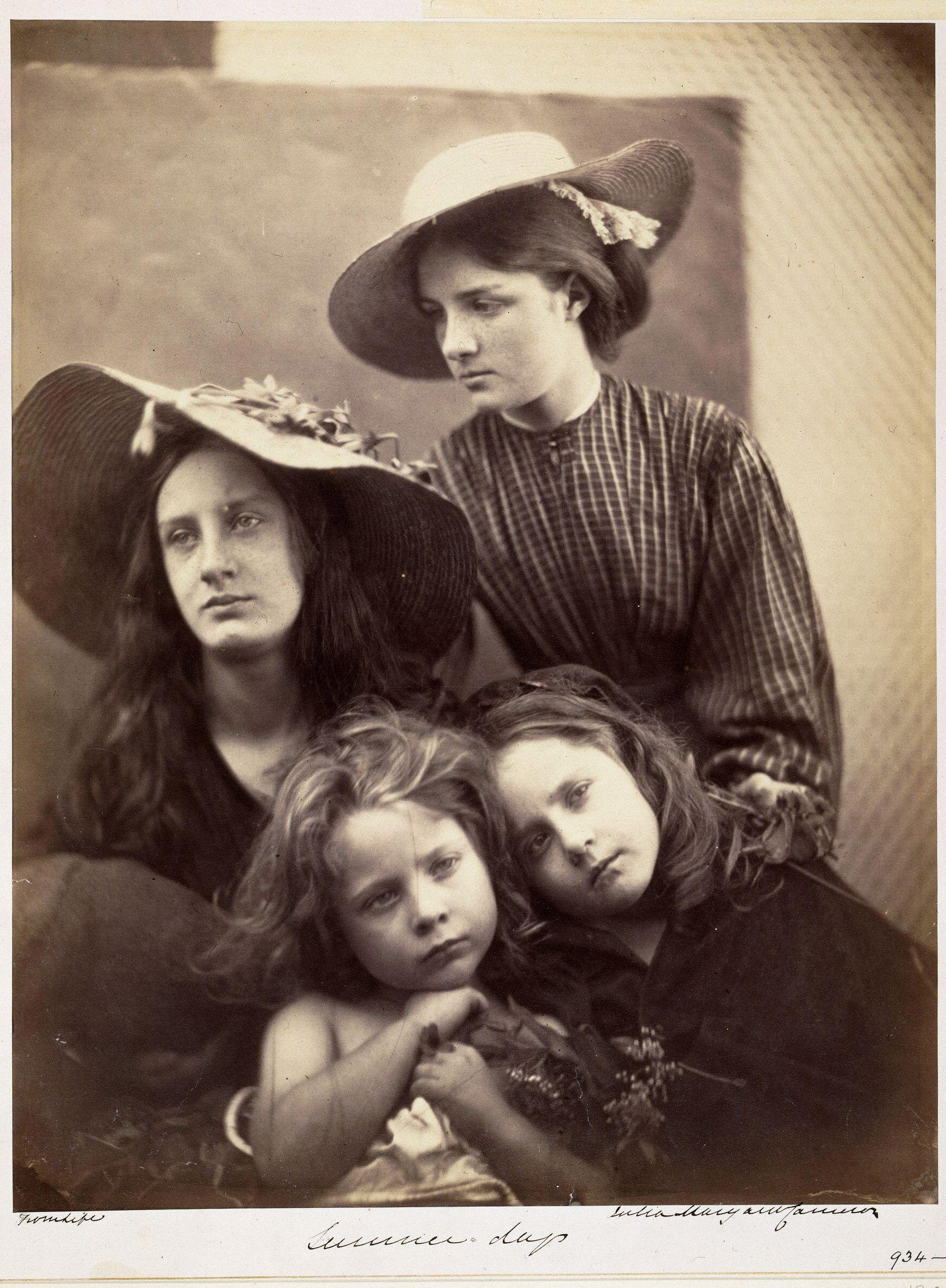
Marni Sandweiss (Amon Carter Museum) postcard sent to Carlotta Corpron. January 28, 1981. From Carlotta Corpron Papers The photograph is a reproduction of “Summer Days” (c. 1866) by Julia Margaret Cameron printed by George Eastman House. Back of the postcard is viewable here as a pdf fileJulia Margaret Cameron :: ‘Summer Days’, ca. 1866. Albumen print from wet collodion glass negative. A photograph of two young women (May Prinsep and Mary Ryan) wearing straw hats, two young children (Freddy Gould and Elizabeth Keown) are seated in front. | V&A Museum
In late 1865, Julia Margaret Cameron began using a larger camera. It held a 15 x 12 inch glass negative, rather than the 12 x 10 inch negative of her first camera. Early the next year she wrote to Henry Cole with great enthusiasm – but little modesty – about the new turn she had taken in her work.
Cameron initiated a series of large-scale, closeup heads that fulfilled her photographic vision. She saw them as a rejection of ‘mere conventional topographic photography – map-making and skeleton rendering of feature and form’ in favour of a less precise but more emotionally penetrating form of portraiture. Cameron also continued to make narrative and allegorical tableaux, which were larger and bolder than her previous efforts.
Cameron’s ability to capture large groups improved with experience as well as with the use of her new, larger lens. Her friend and photographic advisor, the scientist Sir John Herschel, wrote that this picture was ‘very beautiful, and the grouping perfect.’ quoted from V&A
Photographer Carlotta Corpron had a brief but important career as an artist and a decades-long impact as a professor at Texas State College for Women (now Texas Woman’s University). In the 1930s and ‘40s she experimented with light, influenced by the ideals of the Bauhaus and the Institute of Design as brought to Denton, Texas, by László Moholy-Nagy and György Kepes. Her early photographs investigated how light transforms natural objects, but in later projects she took light itself as her subject, capturing its reflection and refraction in abstract compositions that sometimes involved cropping or combining multiple negatives. Corpron bequeathed her archive to the museum, which holds 138 prints, over 800 negatives, and the Carlotta Corpron Papers. [quoted from Amon Carter Museum]
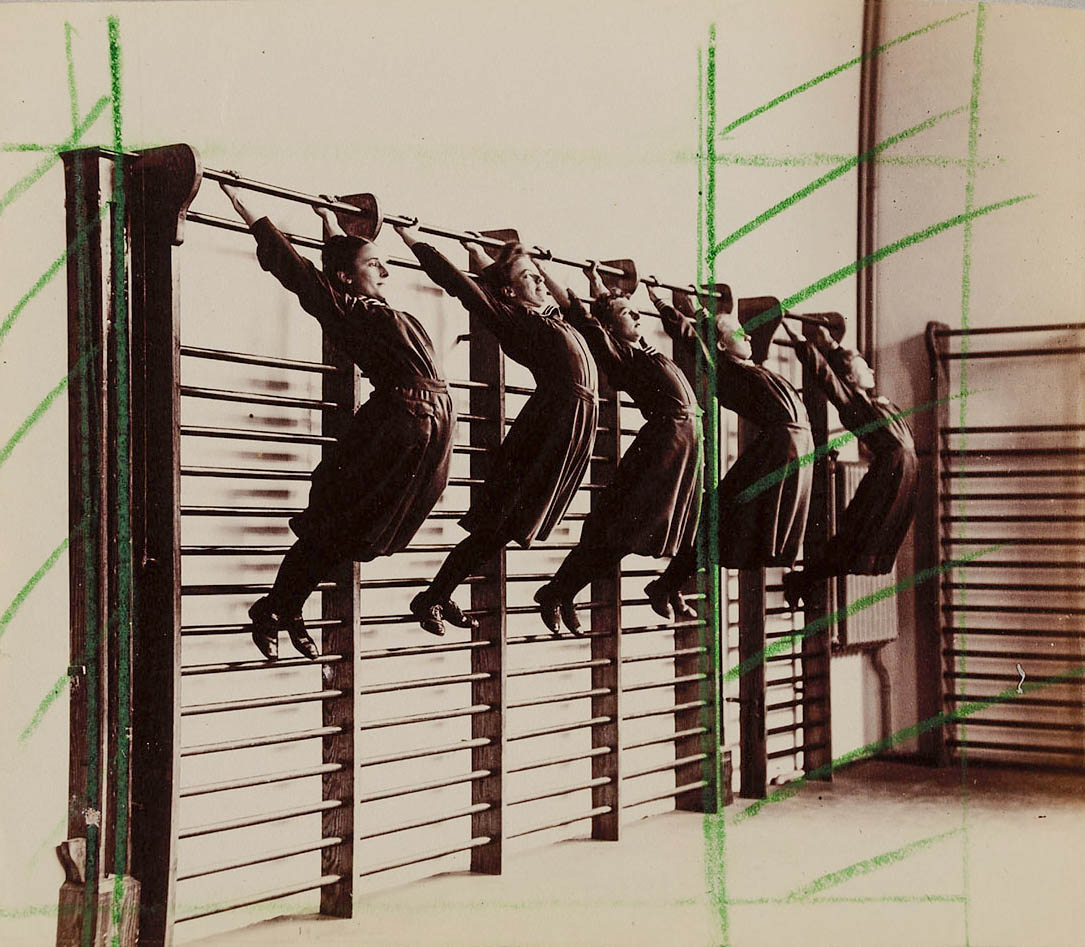
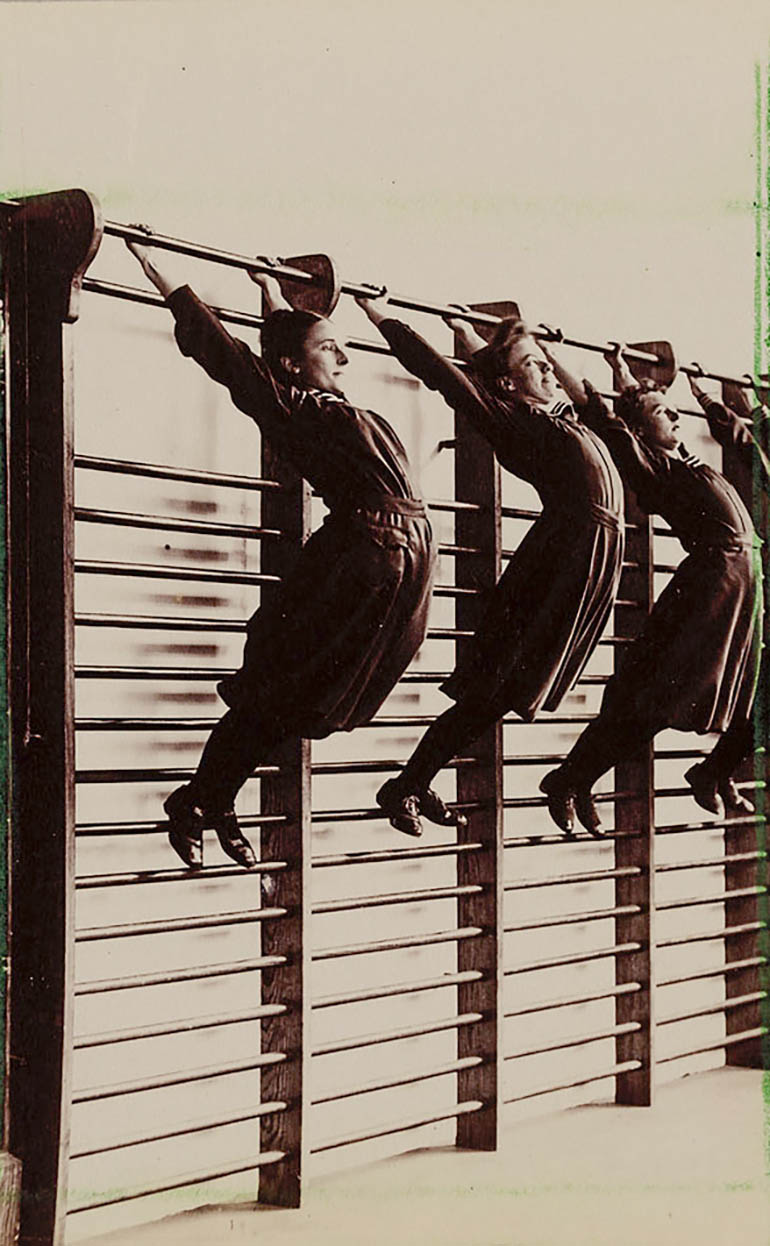
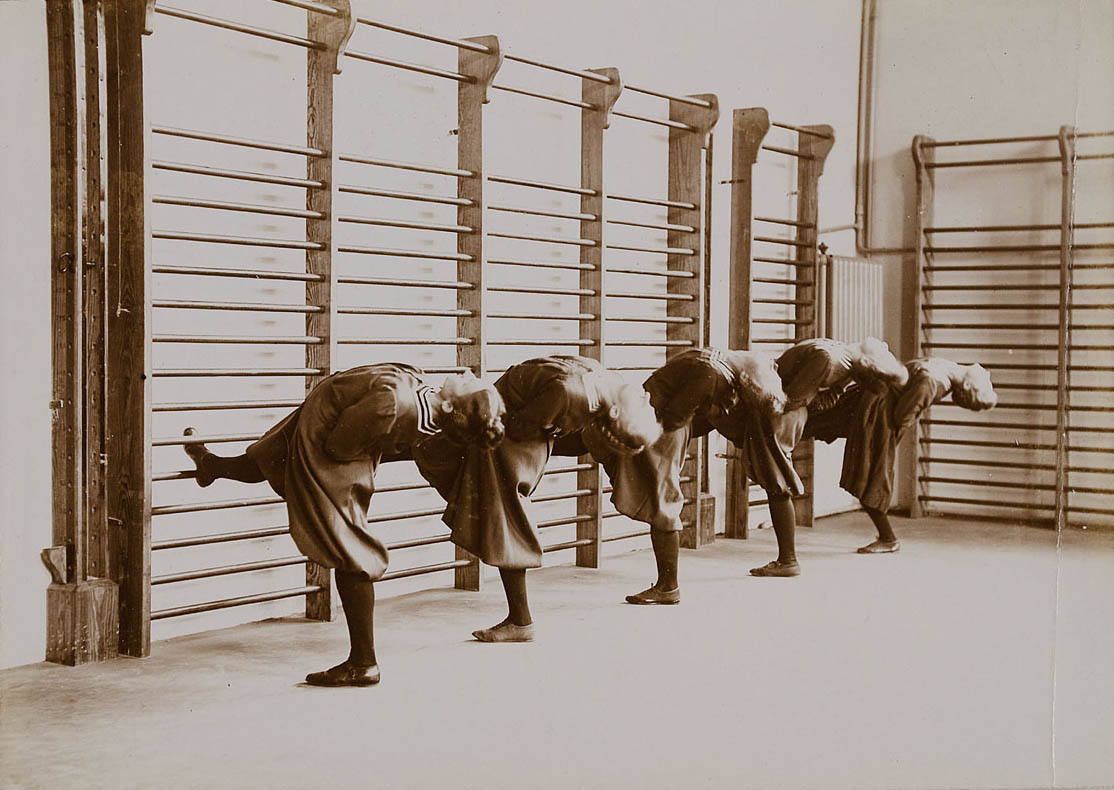
Heinrich Hamann ~ Atelier J. Hamann :: Introduction of Swedish gymnastics in Hamburg by training inspector Carl Möller – hanging exercises on the new Ribbstol, ca. 1909. Albumen print. | MK&GHeinrich Hamann:: Einführung des schwedischen Turnens in Hamburg durch Trainingsinspektor Carl Möller [following cropping marks (our edition)], um 1909Heinrich Hamann ~ Atelier J. Hamann :: Introduction of Swedish gymnastics in Hamburg by training inspector Carl Möller – exercises on the new Ribbstol, ca. 1909. Gelatin silver print. | MK&G
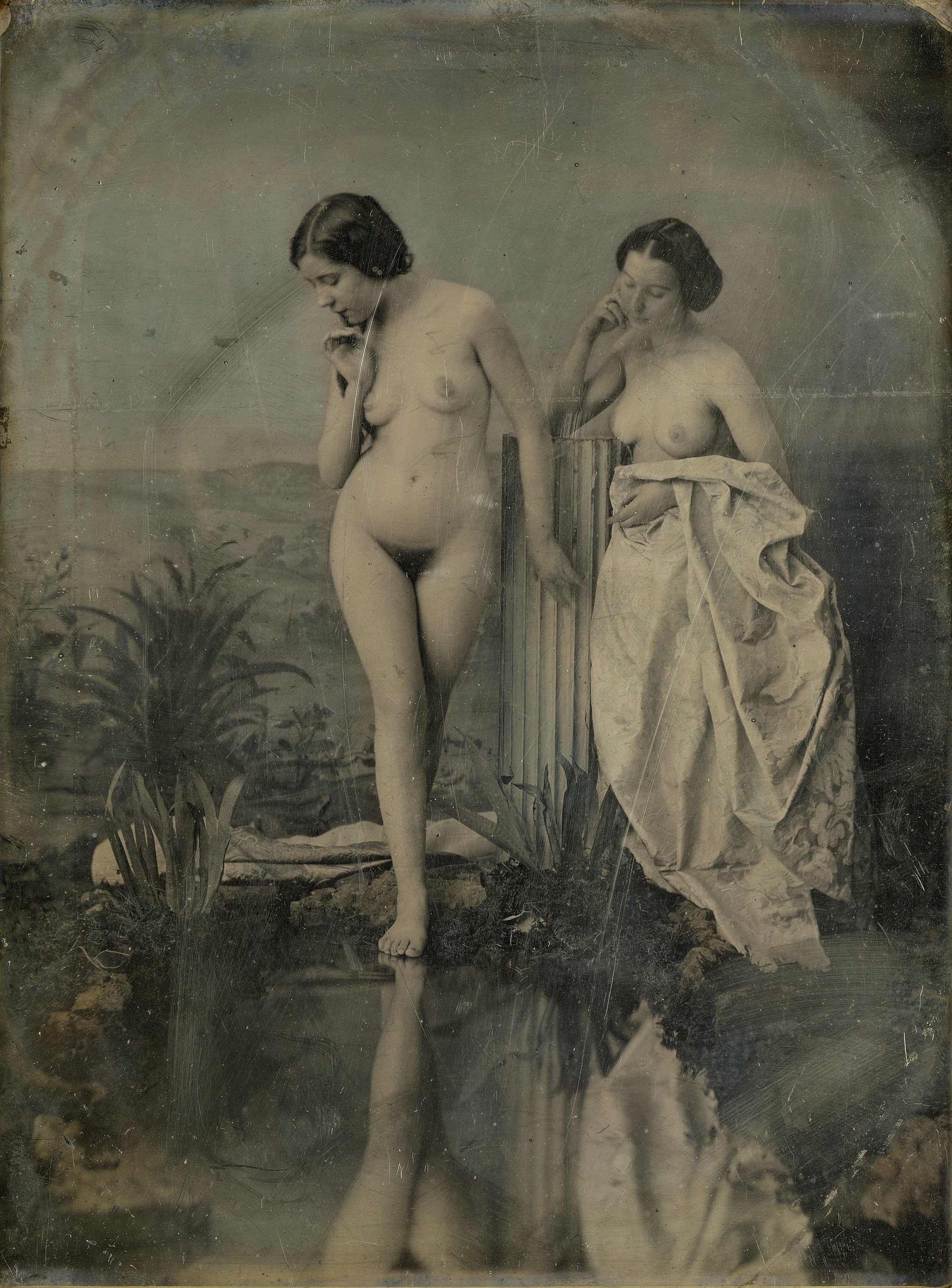
Félix-Jacques Moulin ~ Nude woman, colored daguerreotype, between ca. 1851-1854. Scanned from book | src wikimediaFélix-Jacques Moulin ~ [Les baigneuses : étude de nus dans une composition picturale], 1851-55; daguerréotype coloriée | src BnF
see all related post with photographs by Félix-Jacques Moulin clicking on the category or tag or just clicking here
Félix-Jacques Moulin ~ [Female nude standing with back to full-length mirror], 1851-53. Daguerreotype, hand-colored | src Google Arts
Félix-Jacques Antoine Moulin (1802 – 1875) was a French photographer. In 1849, Moulin opened a photographer’s studio at 31 bis rue du Faubourg Montmartre and started producing daguerreotypes of young girls aged 14 to 16. In 1851, Moulin’s work was confiscated, and he was sentenced to one month imprisonment for the “obscene” character of his works, “so obscene that even to pronounce the titles would violate public morality” according to court records. After his release, Moulin continued his activities more discreetly. He taught photography, sold photographic equipment, and had a backdoor installed to his studio to dodge further legal problems. His works gained esteem from critics. In 1856, Moulin made a photographic trip to Algeria, with a tonne of equipment, backed and financed by the French government, which allowed it to gain benefit from the structures of colonialism. There, he met technical difficulties due to variations in humidity, work in the open, and the quality of water, but managed nonetheless to extensively document the benefit of French colonies in Northern Africa. | quoted from Google Arts & Culture, here
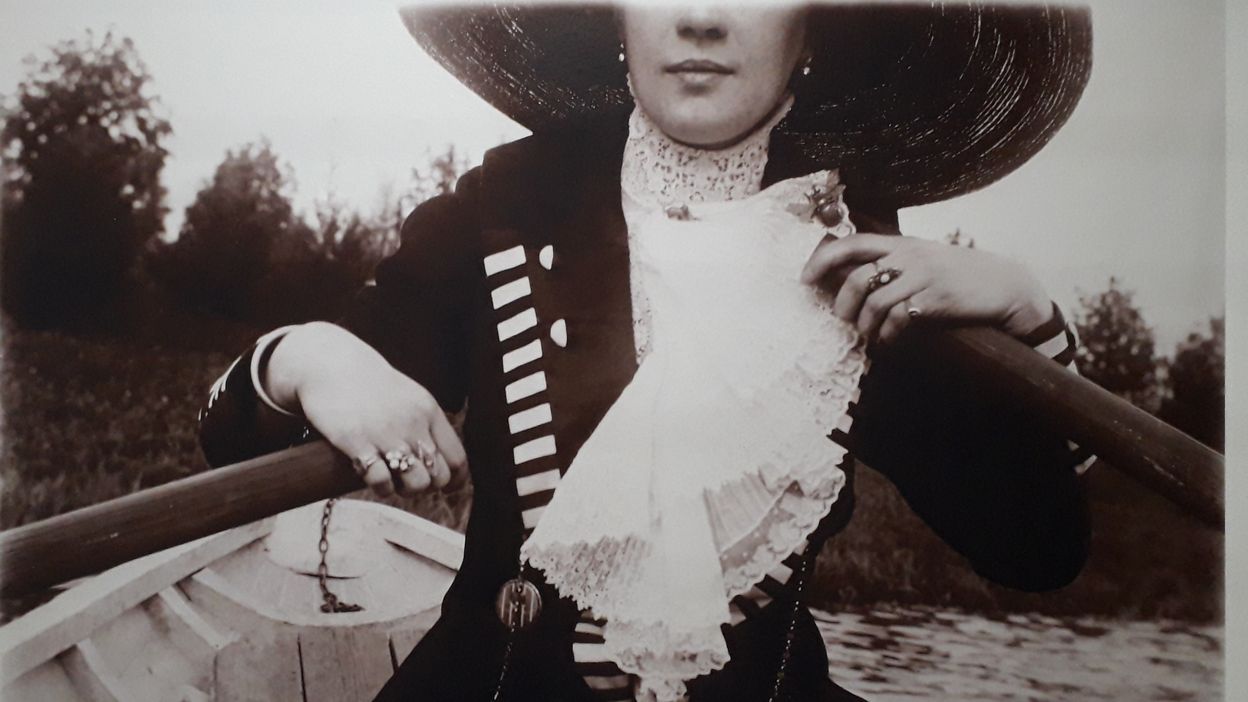
Anonyme, ca. 1910. Coll. Michel F. David, fondateur des éditions Sur la Banquise En dilettante. Histoire et petites histoires de la photographie amateur au Musée de la photo de CharleroiEn dilettante. Histoire et petites histoires de la photographie amateur, au Musée de la Photographie à Charleroi | src Lien site RTBF




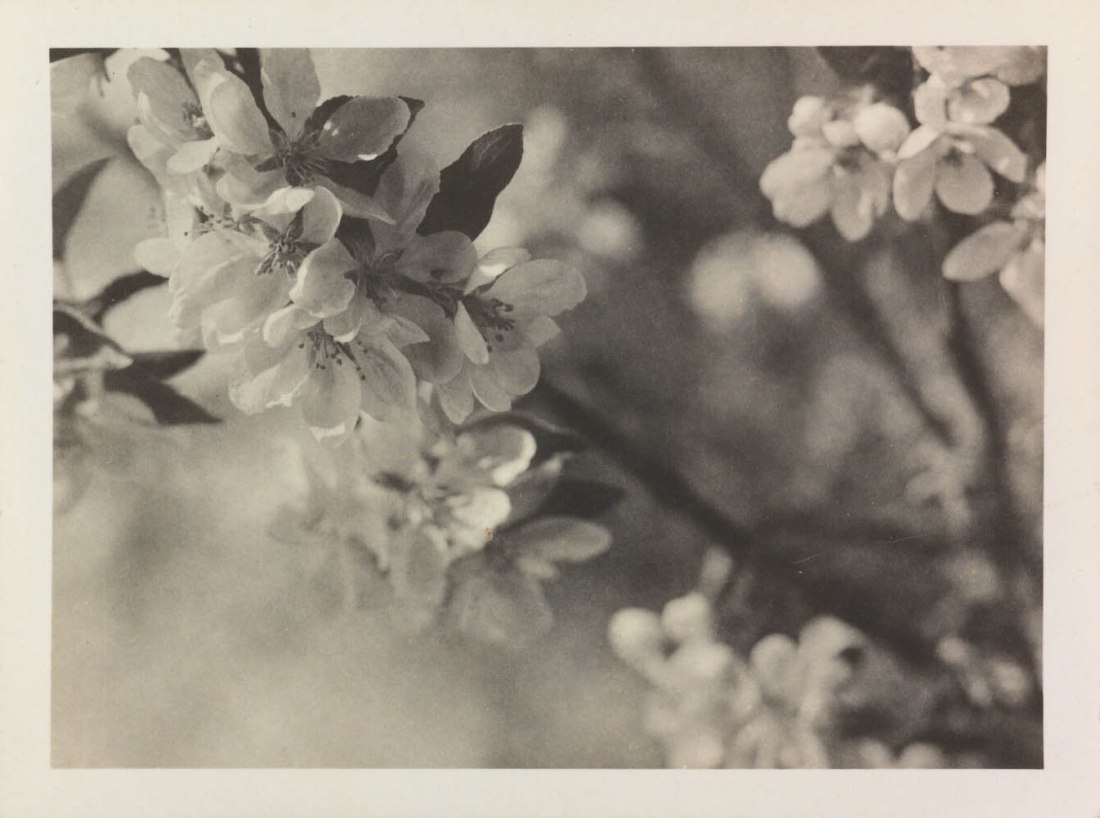
![Carlotta Corpron (1901-1988) :: [Tree blossoms]; ca. 1930s-1940s; Gelatin silver print. | Amon Carter Museum of American Art](https://unregardoblique.com/wp-content/uploads/2022/08/carlotta-corpron-1901-1988-tree-blossoms-1940s-amon-carter-crp.jpg)
![Carlotta Corpron (1901-1988); [Lotus blossoms]; ca. 1930-1940's; Gelatin silver print; Amon Carter Museum of American Art; Fort Worth, Texas; P1988.16.91](https://live.staticflickr.com/65535/52288420343_35f7784786_o.jpg)
![Carlotta M. Corpron (1901-1988); [Lotus blossom]; ca. 1940s; Gelatin silver print; Amon Carter Museum of American Art, Fort Worth, Texas, Bequest of the artist; P1988.16.54](https://live.staticflickr.com/65535/52308183331_76f3f85962_o.jpg)
![Carlotta Corpron (1901-1988); [Magnolia blossoms]; ca. 1930-1940; Gelatin silver print; Amon Carter Museum of American Art; Fort Worth, Texas; P1988.16.52](https://live.staticflickr.com/65535/52288415011_791ac24e22_o.jpg)
![Carlotta Corpron (1901-1988); [Magnolia blossoms]; ca. 1930-1940; Gelatin silver print; Amon Carter Museum of American Art; Fort Worth, Texas; P1988.16.53](https://live.staticflickr.com/65535/52308711980_a0c9e575fb_o.jpg)
![Carlotta Corpron (1901-1988); [Tree blossoms]; ca. 1930's-1940's; Gelatin silver print; Amon Carter Museum of American Art; Fort Worth, Texas; P1988.16.142](https://live.staticflickr.com/65535/52288420378_bb86b19911_o.jpg)





 un regard oblique