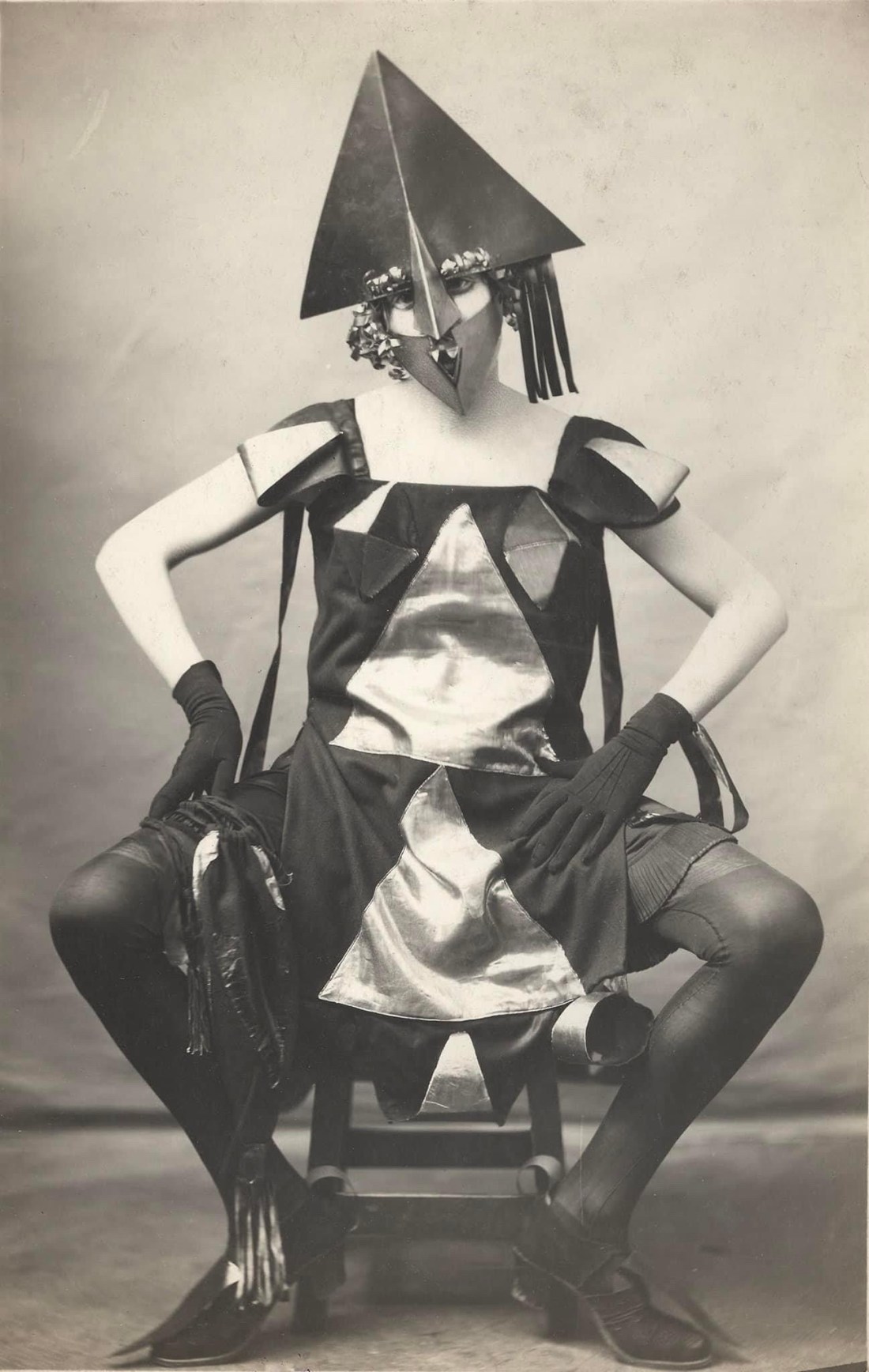
Marie Vassilieff Harlequin costume

cubism, dance costume, ballets suedois, svenska baletten
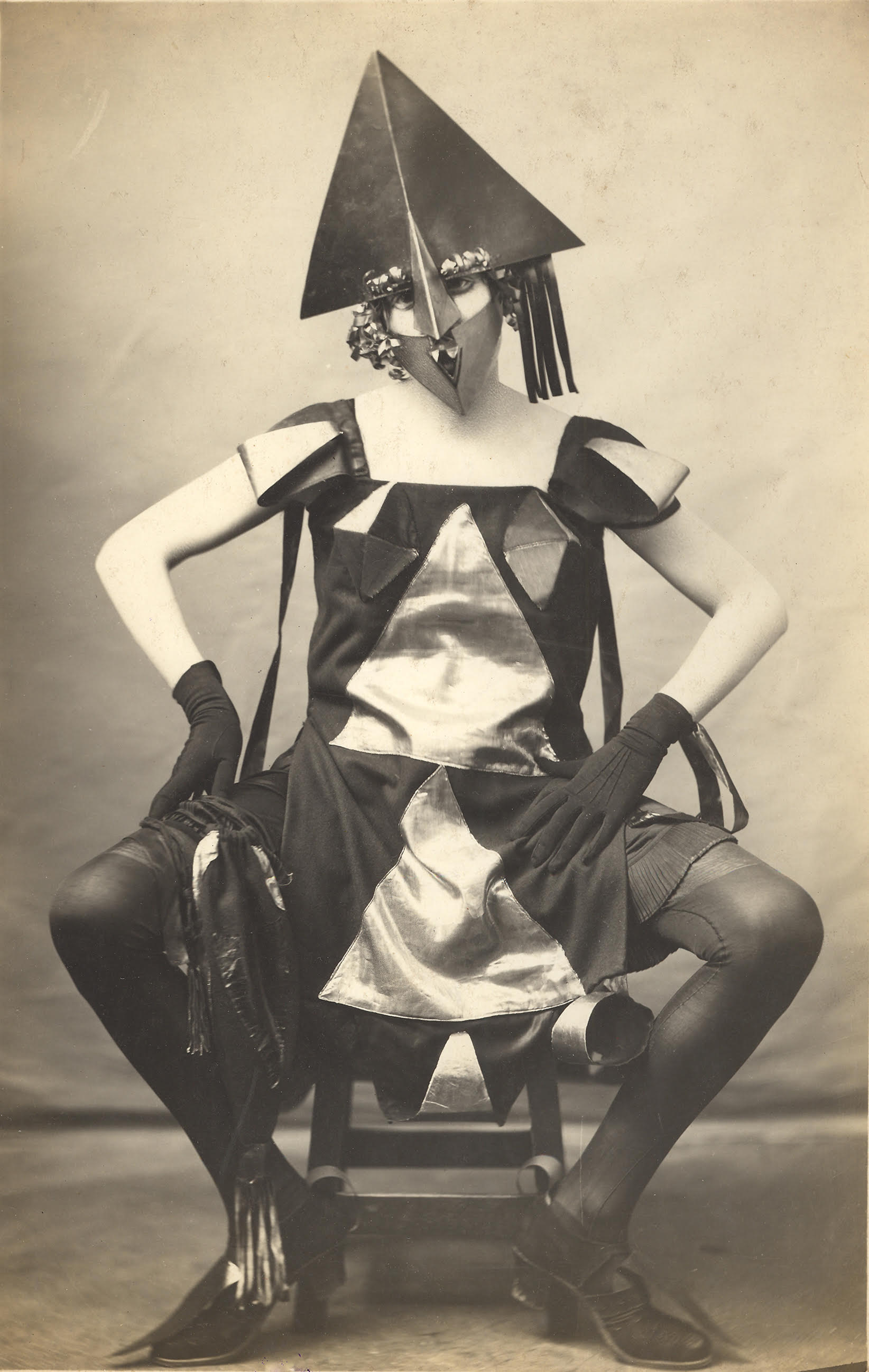
Marie Vassilieff costume Arlequine pour le Bal banal, 1924, photographie Pierre Delbo. Collection de Claude Bernès. | « Une journée avec Marie Vassilieff » Hommage à Marie Vassilieff, artiste oubliée du modernisme
Marie Vassilieff costume Arlequine pour le Bal banal, 1924, photographie Pierre Delbo. Collection de Claude Bernès. | src MABA

Censi in costume di scena

Giannina Censi con un costume di scena di ispirazione medieval-religiosa, ca. 1930 [# 3] | src MART · Fondo Giannina Censi
Giannina Censi con un costume di scena di ispirazione medieval-religiosa, ca. 1930 [# 2] | src MART · Fondo Giannina Censi
Giannina Censi con un costume di scena di ispirazione medieval-religiosa, ca. 1930 [# 1] | src MART · Fondo Giannina Censi
Giannina Censi con un costume di scena di ispirazione medieval-religiosa, ca. 1930 [# 5] | src MART · Fondo Giannina Censi

All these images (plus one more from this series) had been published in:

Vaccarino E., (a cura di) Giannina Censi: danzare il futurismo. Milano: Electa; Museo di arte moderna e contemporanea di Trento e Rovereto, 1998, p.30

Giannina Censi con un costume di scena di ispirazione medieval-religiosa, ca. 1930 [# 3] | src MART · Fondo Giannina Censi
Giannina Censi con un costume di scena di ispirazione medieval-religiosa, ca. 1930 [# 2] | src MART · Fondo Giannina Censi
Giannina Censi con un costume di scena di ispirazione medieval-religiosa, ca. 1930 [# 1] | src MART · Fondo Giannina Censi
Giannina Censi con un costume di scena di ispirazione medieval-religiosa, ca. 1930 [# 5] | src MART · Fondo Giannina Censi

Giannina Censi : portraits

Giannina Censi. Ritratto giovanile, «settembre 1928» di Camuzzi. Lomazzi. Milano, settembre 1928
Giannina Censi. Ritratto giovanile, «settembre 1928» di Camuzzi. Lomazzi. Milano, settembre 1928 | src MART · Fondo Giannina Censi
Ritratto giovanile di Camuzzi. Lomazzi. Milano, [settembre 1928] | src MART · Fondo Giannina Censi
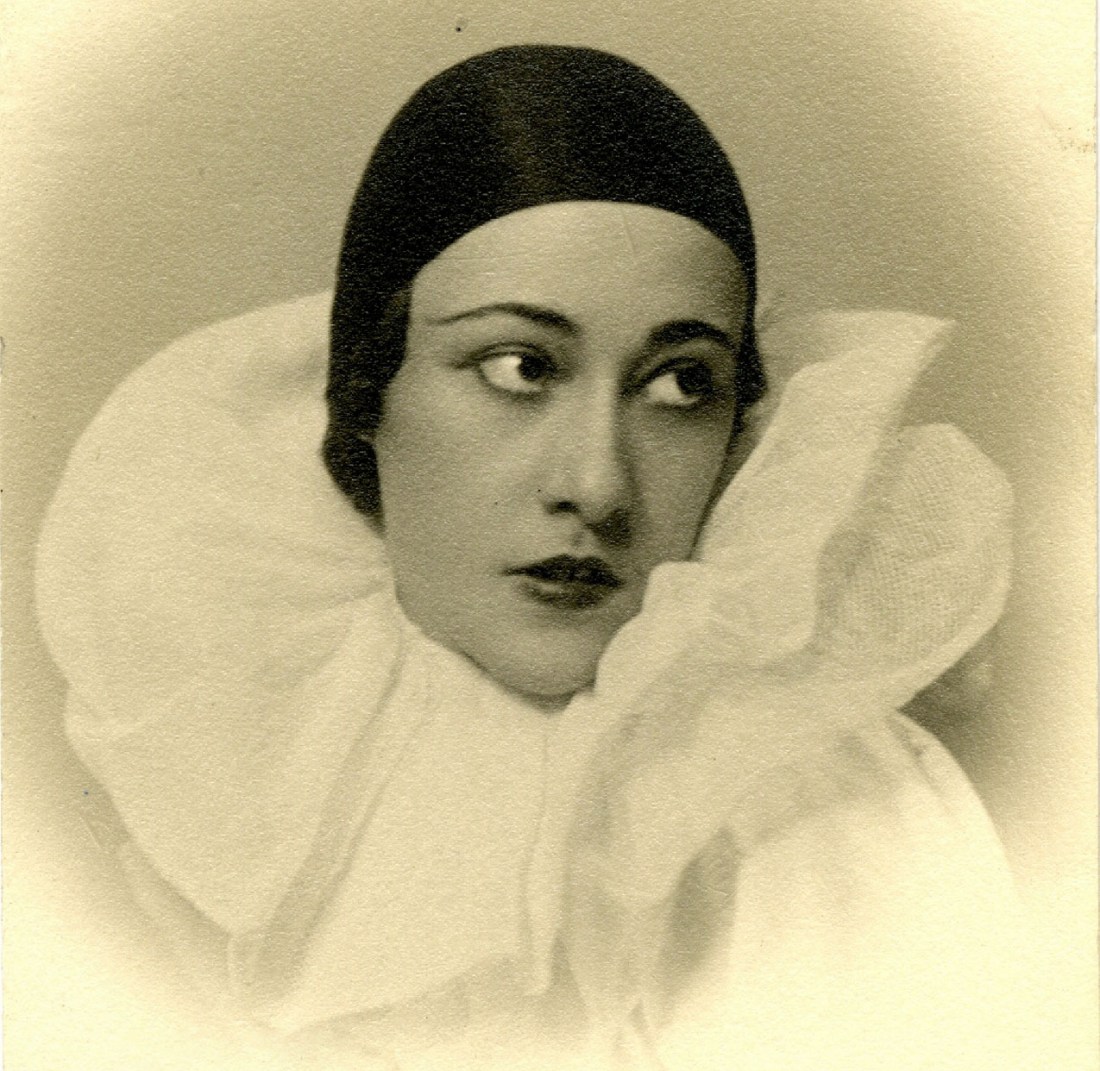
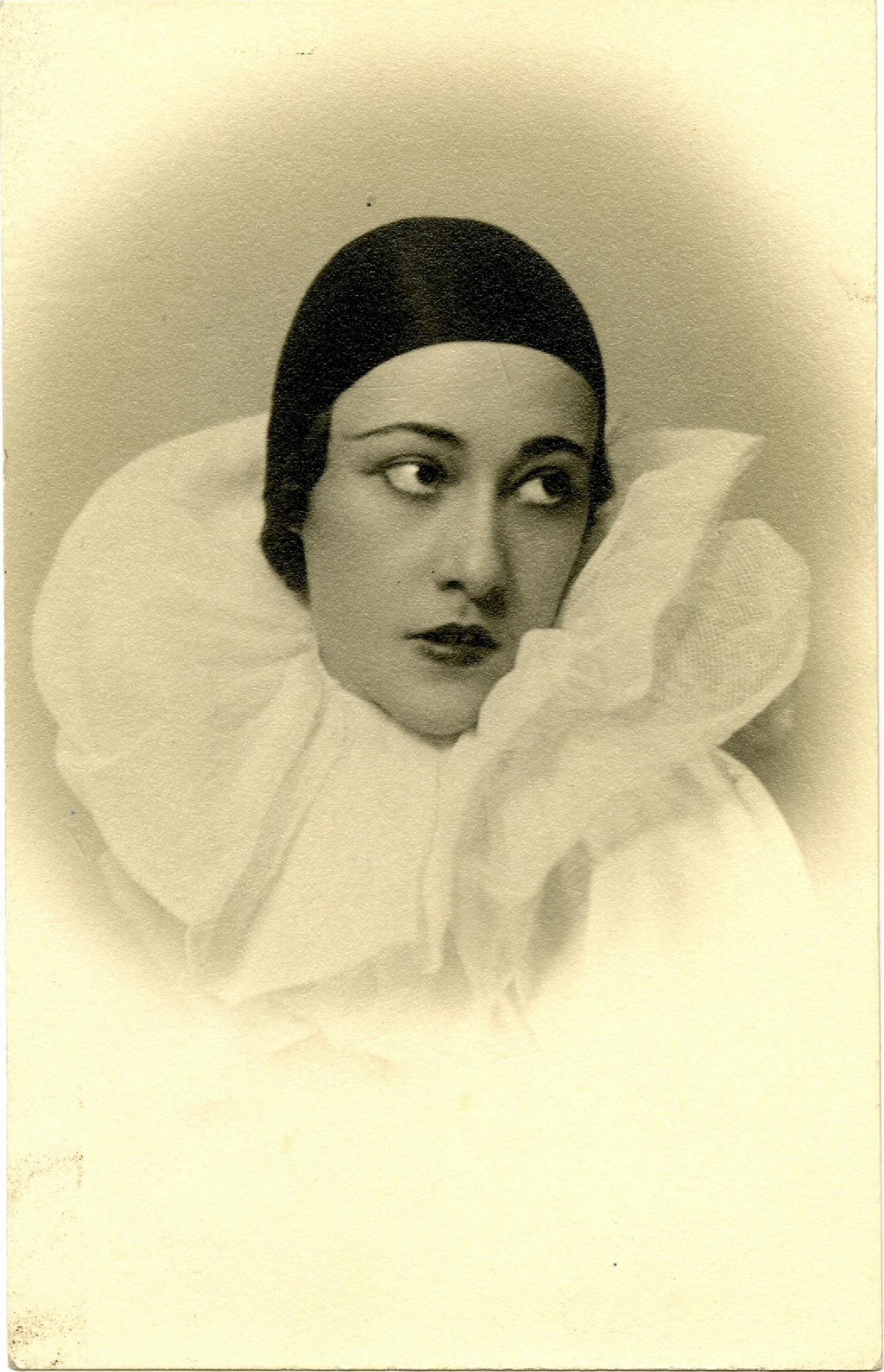
Giannina Censi in costume da Pierrot in Il Carillon Magico di Pick Mangiagalli al teatro San Carlo di Napoli, febbraio 1933
Giannina Censi in costume da Pierrot in Il Carillon Magico di Pick Mangiagalli al teatro San Carlo di Napoli, febbraio 1933 | src MART · Fondo Giannina Censi

Pubblicata in Vaccarino E., (a cura di) Giannina Censi: danzare il futurismo. Milano: Electa; Museo di arte moderna e contemporanea di Trento e Rovereto, 1998, p.40. In verso nota ms. “Milano genn. 933”

Giannina Censi. Ritratto giovanile, «settembre 1928» di Camuzzi. Lomazzi. Milano, settembre 1928 | src MART · Fondo Giannina Censi

In verso nota ms. “Settembre 1928”, “Giannina Censi. Milano. Via P. Umberto 10”. Pubblicata in Vaccarino E., (a cura di) Giannina Censi: danzare il futurismo. Milano: Electa; Museo di arte moderna e contemporanea di Trento e Rovereto, 1998, p. 73

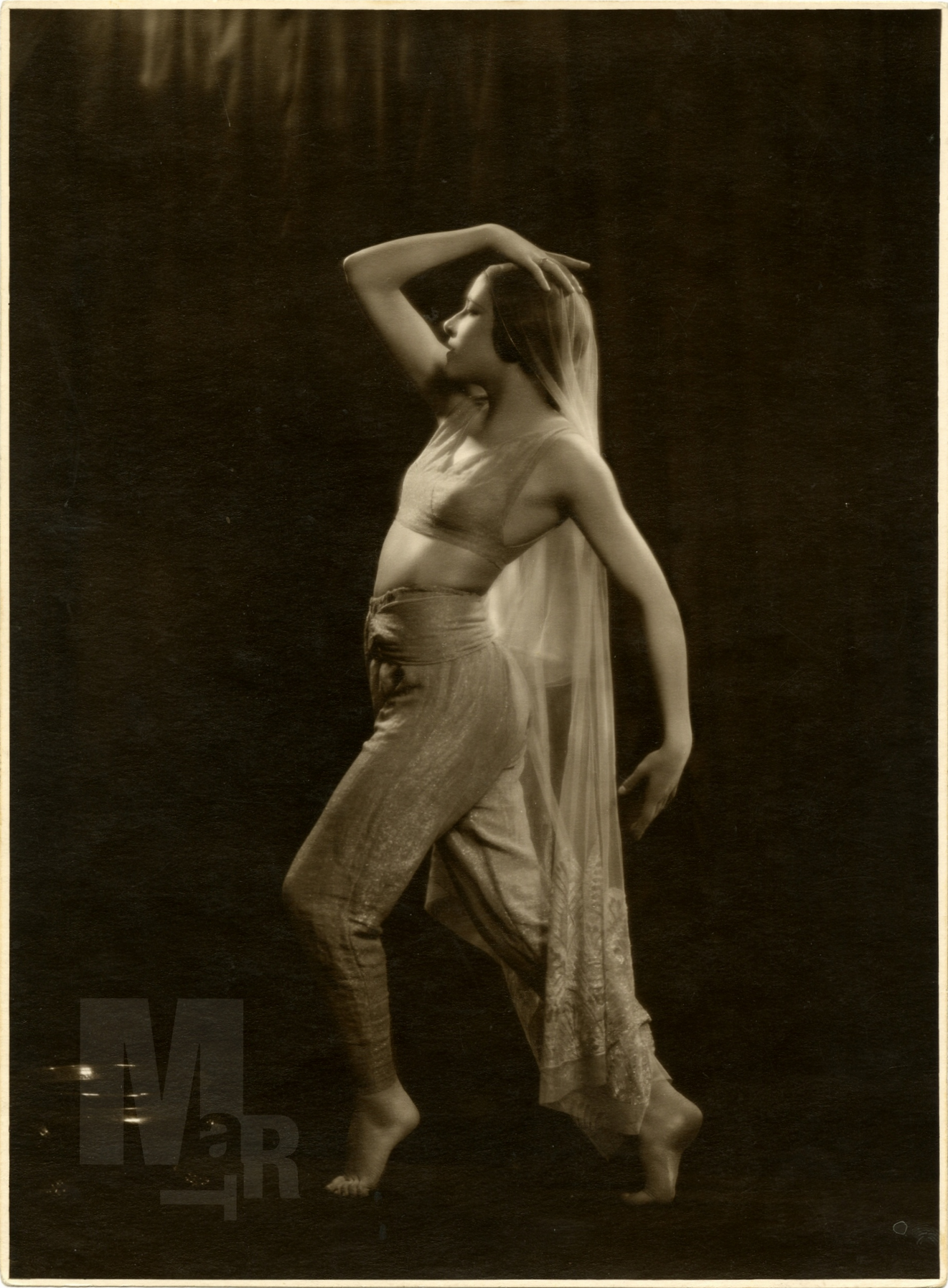
Ritratto giovanile di Camuzzi. Lomazzi. Milano, [settembre 1928]. In verso nota ms. “Giannina Censi. Milano. Via P. Umberto 10” | src MART · Fondo Giannina Censi

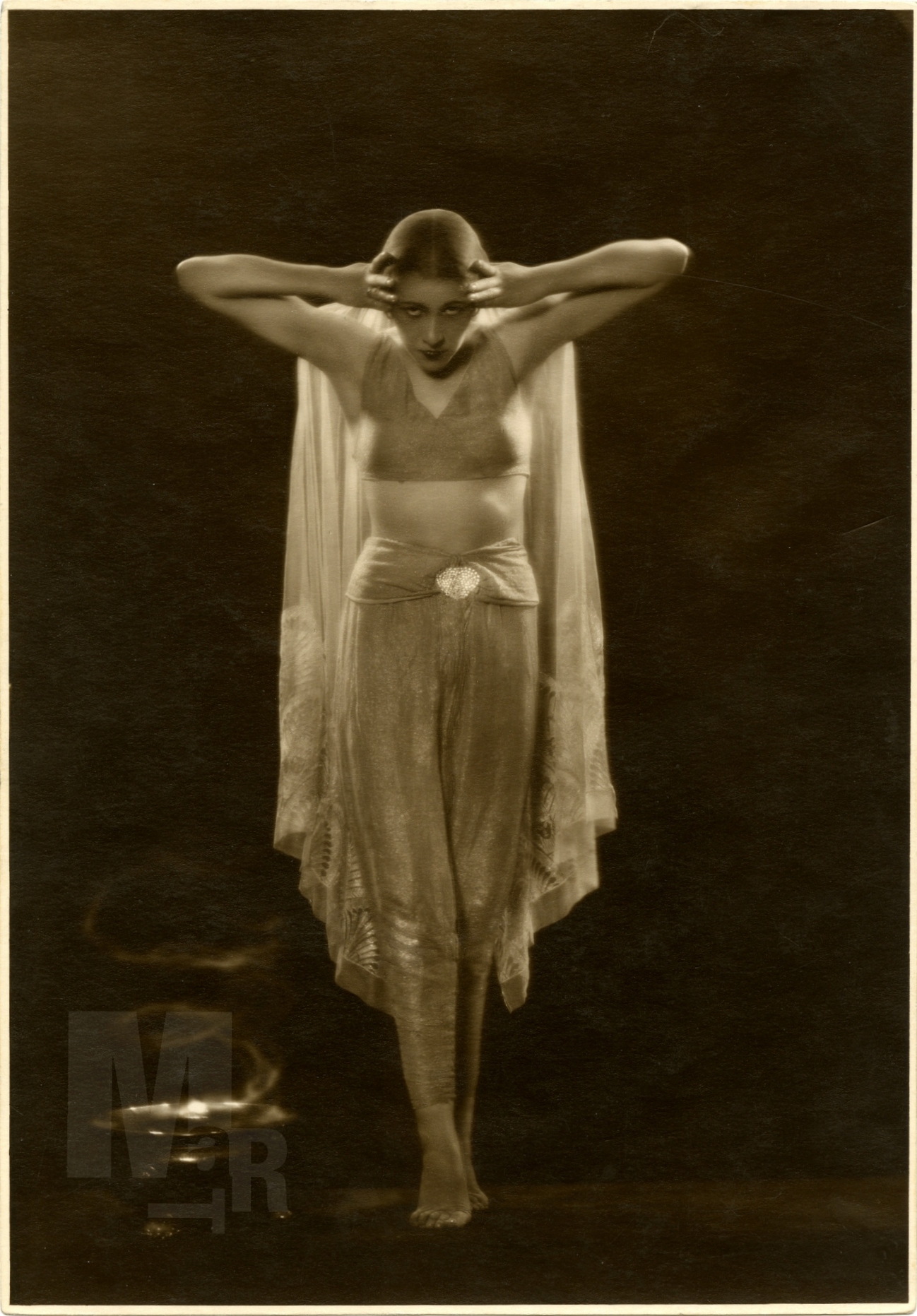
G. Censi · Le danze della jungla

Giannina Censi in costume in "Le danze della jungla" di Mauro Camuzzi. Fotografie, 1930.
Giannina Censi in costume in “Le danze della jungla” di Mauro Camuzzi. Fotografie, 1930.
Giannina Censi in costume in "Le danze della jungla" di Mauro Camuzzi. Fotografie, 1930.
Giannina Censi in costume in “Le danze della jungla” di Mauro Camuzzi. Fotografie, 1930.

Pubblicata in Vaccarino E., (a cura di) Giannina Censi: danzare il futurismo. Museo di arte moderna e contemporanea di Trento e Rovereto, 1998 | src & © MART · Fondo Giannina Censi

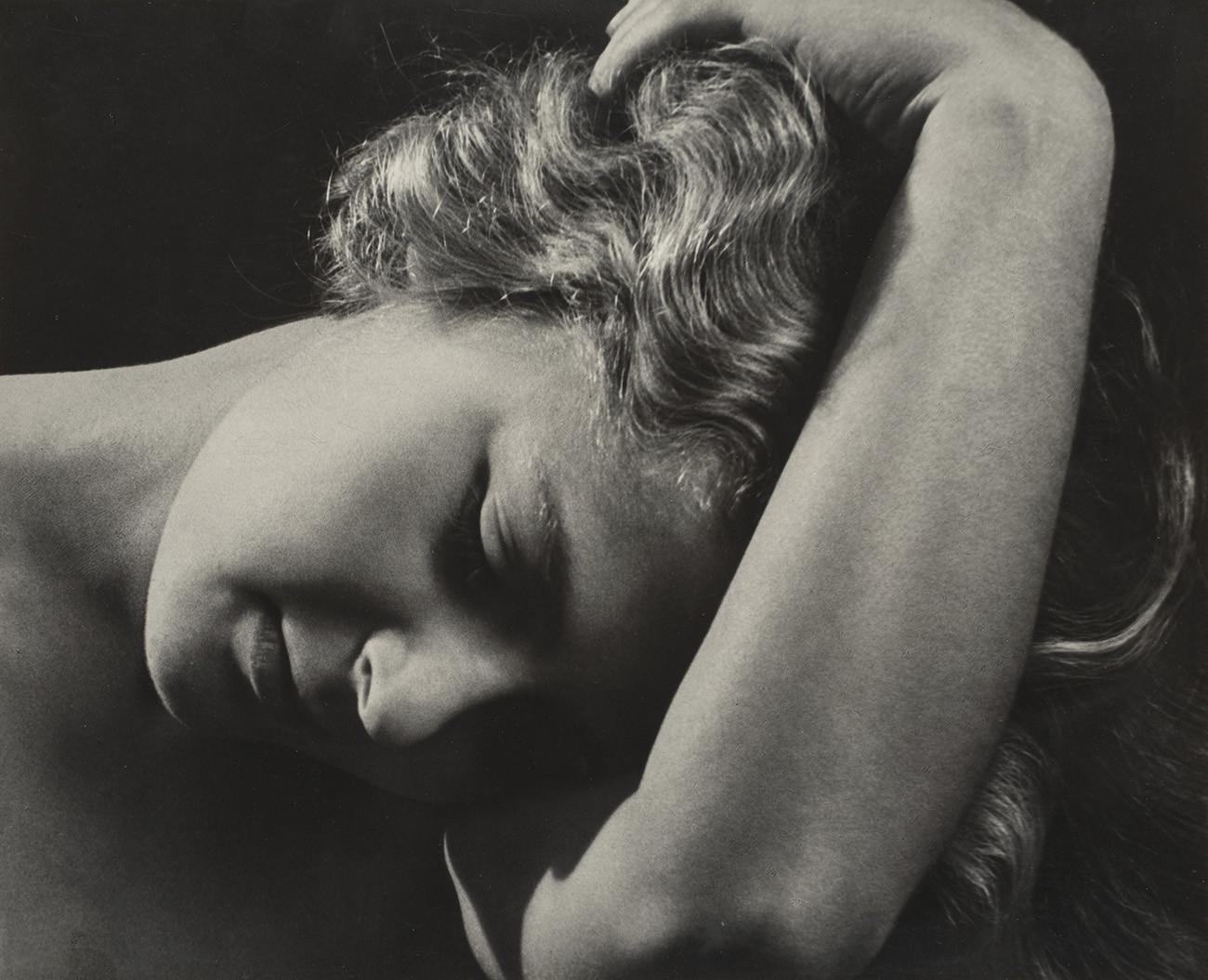
Giannina Censi in costume in "Le danze della jungla" di Mauro Camuzzi. Fotografie, 1930. | detail
Giannina Censi in costume in “Le danze della jungla” di Mauro Camuzzi. Fotografie, 1930. (detail)

Girls with parasol in autochrome

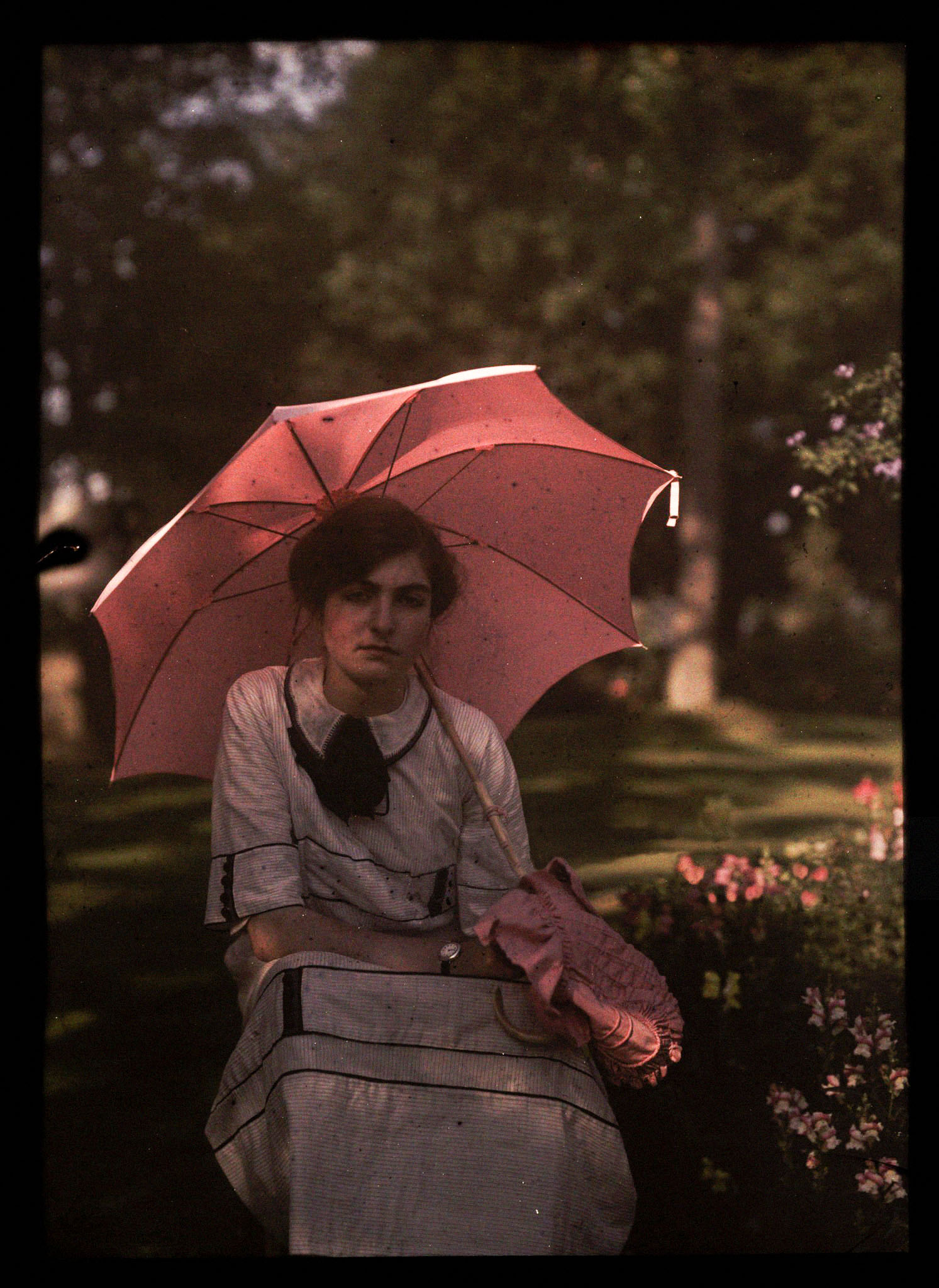
ENGLAND - SEPTEMBER 03:  An autochrome of a young girl, daughter of the photographer, sitting in the shade in a garden, holding a parasol over her shoulder, taken by Etheldreda Janet Laing. In the summer of 1908 Laing took a series of autochrome portraits of her children in the garden of the family home, Bury Knowle.
Etheldreda Janet Laing :: A girl, daughter of the photographer [Janet], sitting in the shade in a garden, holding a parasol over her shoulder, taken in the summer of 1908 at the gardens of Bury Knowle House, Oxfordshire. Autochrome. | Getty Images
ENGLAND - SEPTEMBER 03:  An autochrome of a girl, daughter of the photographer, with a parasol by a flower bed, taken by Etheldreda Janet Laing. In the summer of 1908 Laing took a series of autochrome portraits of her children in the garden of the family home, Bury Knowle.
Etheldreda Janet Laing :: A girl, one of the daughters of the photographer [Janet] wearing a bonnet, with a parasol by a flower bed, taken in the summer of 1908 at the gardens of Bury Knowle House, Oxfordshire. Autochrome. | Getty Images
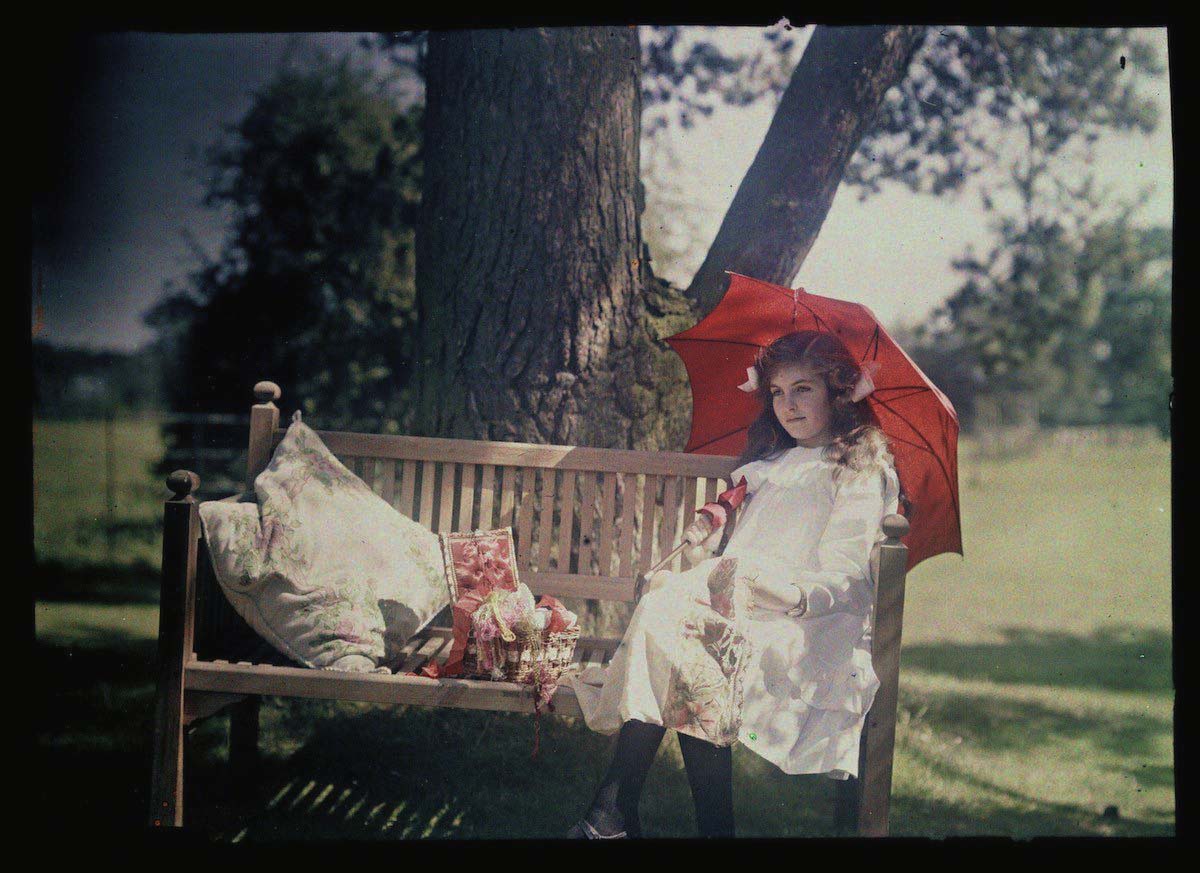
An autochrome of her daughter sitting under a tree, taken by Etheldreda Janet Laing. Next to her, a basket overflows with ribbons and thread as she holds a length of fabric she may be embroidering. She carries a parasol to shade her face from the bright sunshine.
Etheldreda Janet Laing :: A girl, one of Laing’s daughters, Iris, with a parasol, sitting next to a basket of flowers and ribbons at the gardens of Bury Knowle House, Oxfordshire, ca. 1912. Autochrome. | National Science and Media Museum
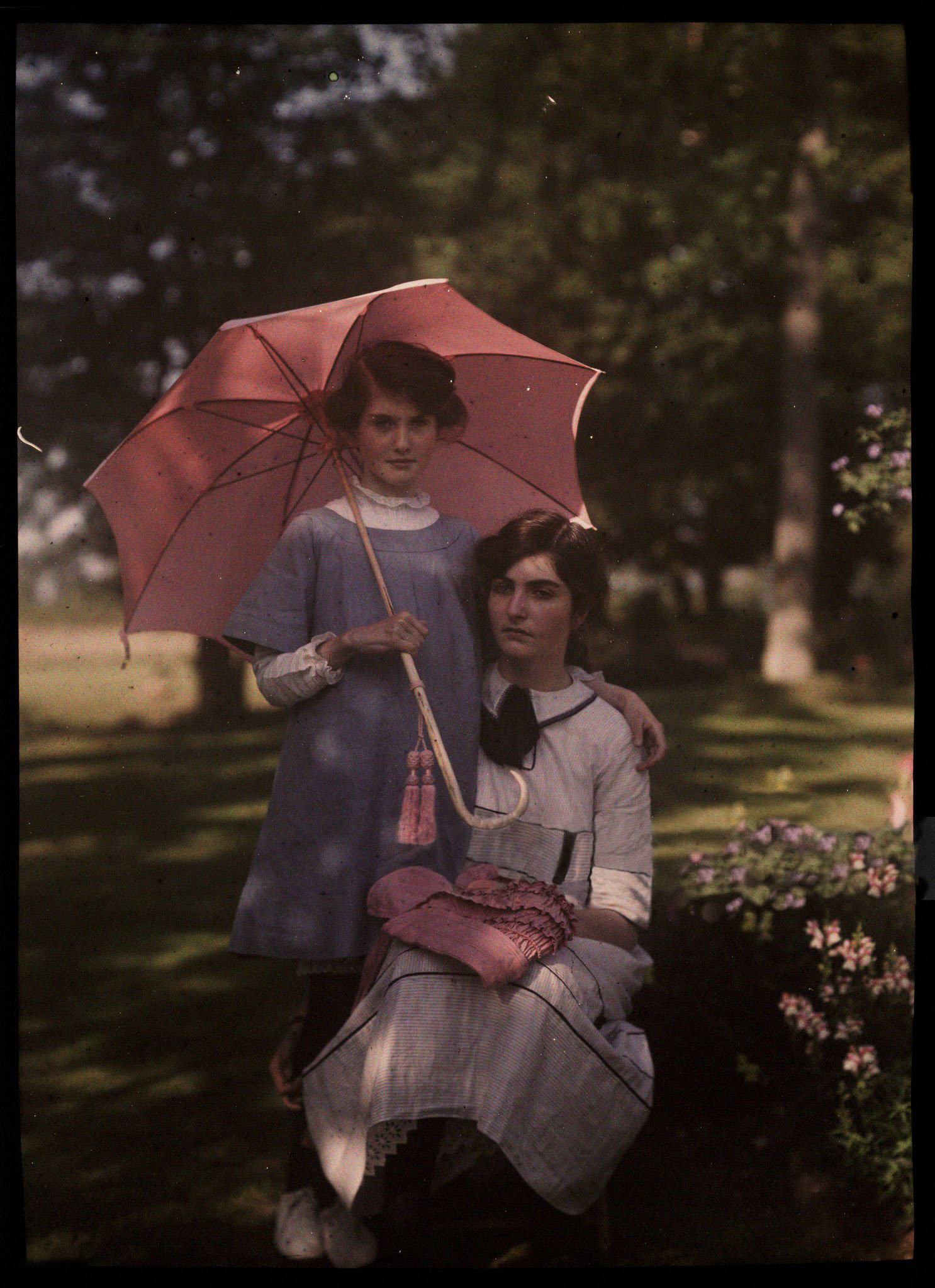
Etheldreda Janet Laing :: Iris and Janet [daughters of the photographer] with parasol at the gardens of Bury Knowle House, Oxfordshire, between 1908-1914. Autochrome. | Getty Images

Please note that the dates in each Autochrome are not as accurate as they may be. The photos are dated as they were found in the respective sources. Also note that while Getty Images dates all Autochromes by Laing in 1908 the Science and Media Museum dates them between 1910-1914. At least the location seems not to be a matter for debate.
Girls in Kimono (1908-1912)

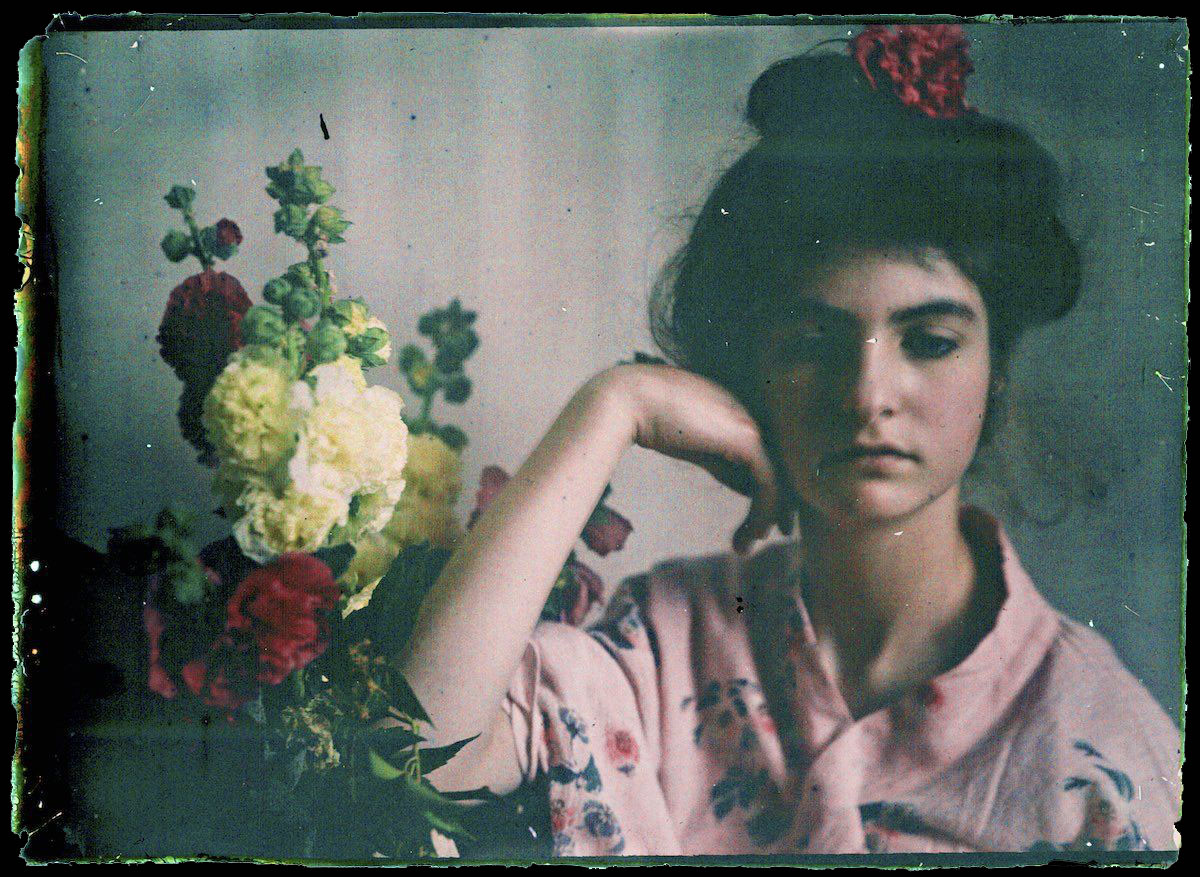
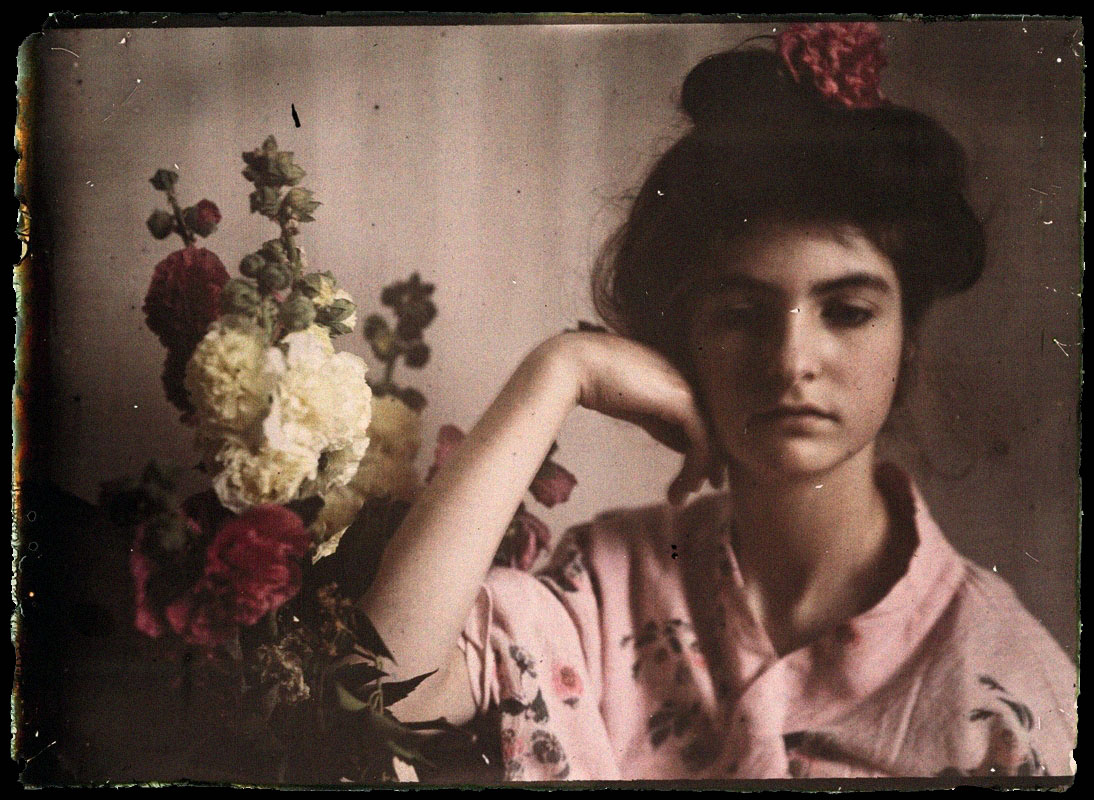
Etheldreda Janet Laing (1872-1960) :: Girl in a Kimono, 1908. An Autochrome portrait of the photographer’s eldest daughter (Janet) dressed in a pink kimono. The design of the kimono is mirrored by the flower arrangement beside her. Japanese style and art became increasingly popular in England at the turn of the twentieth century. | src Getty Images
Girl in a Kimono, ca. 1908. An autochrome portrait of Janet Laing dressed in a pink kimono, taken by Etheldreda Janet Laing. | Getty Images
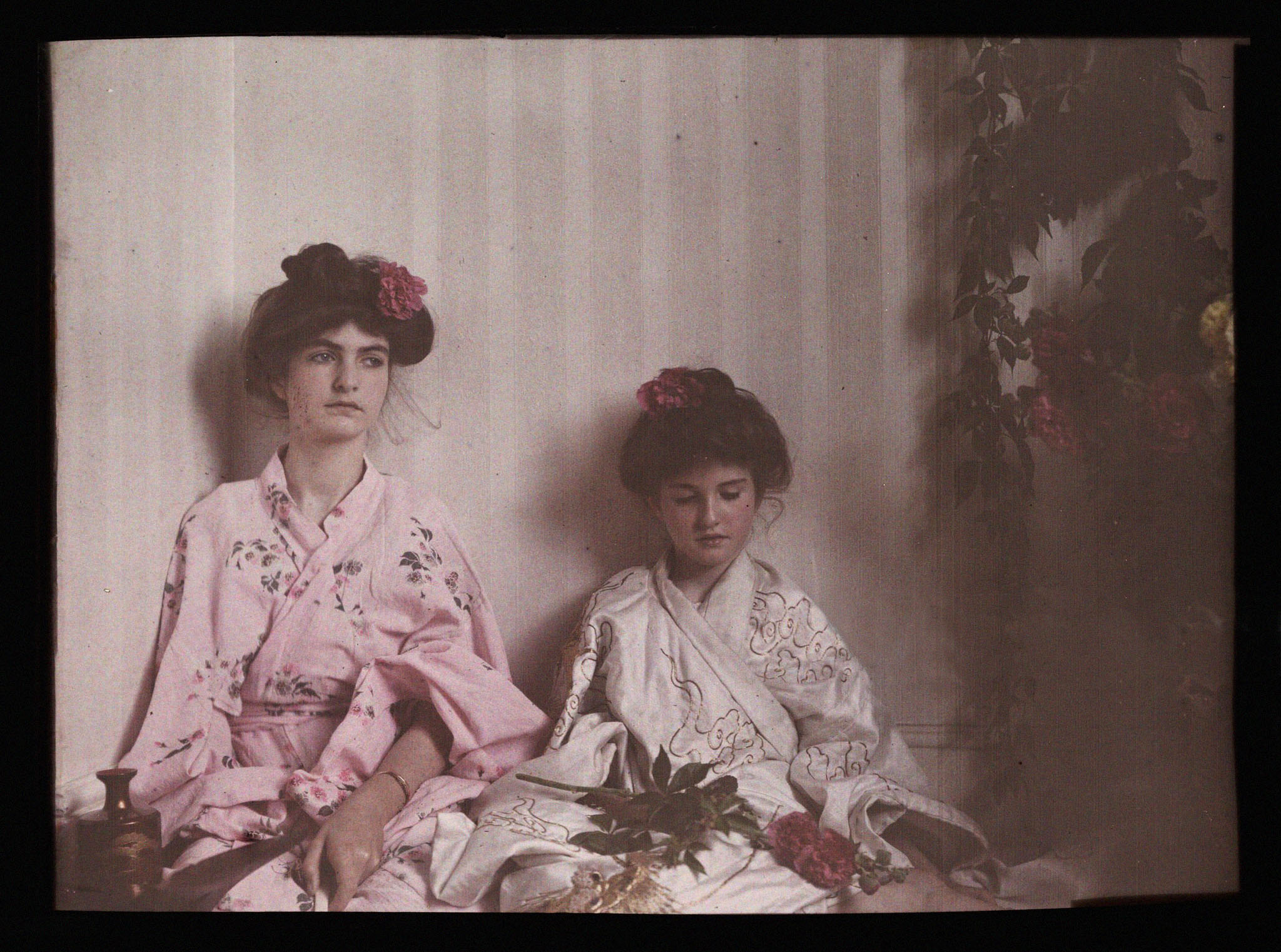
Etheldreda Janet Laing :: Two girls in oriental costume, ca. 1908. An Autochrome of the photographer’s daughters dressed in Japanese-style outfits. They both have flowers in their hair, which is typical in the geisha ‘Shimada’ fashion. | Getty Images
Autochrome photograph by Etheldreda Janet Laing. Image shows Laing’s daughter Janet in Oriental dress. Taken circa 1912. | src Science and Media Museum

Although these Autochromes are dated in Getty Images 1908 (or ca. 1908), the original source: the National Science and Media Museum date them around 1912.

Margaret Bourke-White ca. 1930

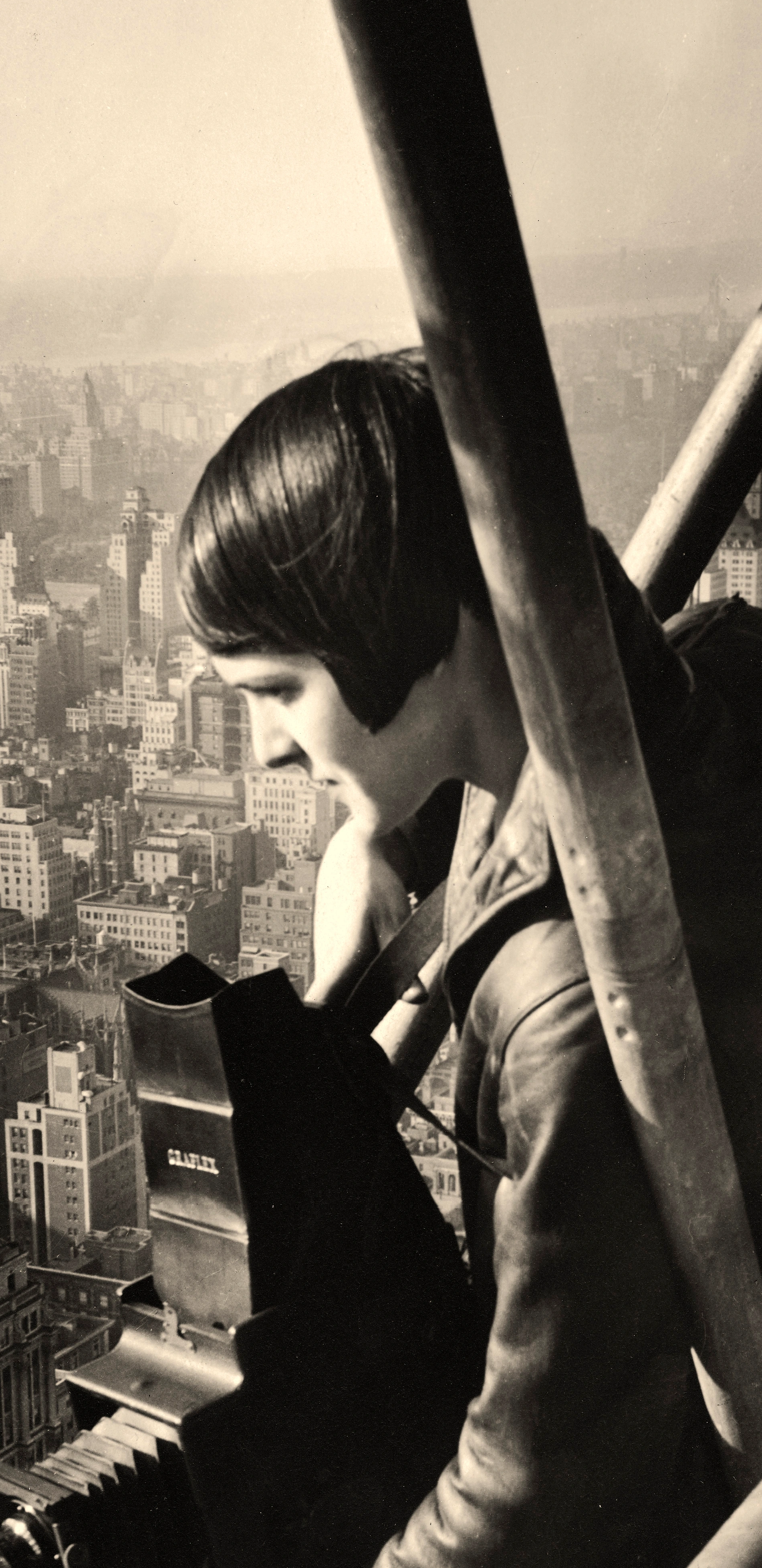
Oscar Graubner (1897-1977) :: Margaret Bourke-White atop the Chrysler Building (close up), circa 1930
Oscar Graubner (1897-1977) :: Margaret Bourke-White with camera at the Chrysler Building (close up), circa 1930
‘The New Woman Behind the Camera’ review on Fortune Mag
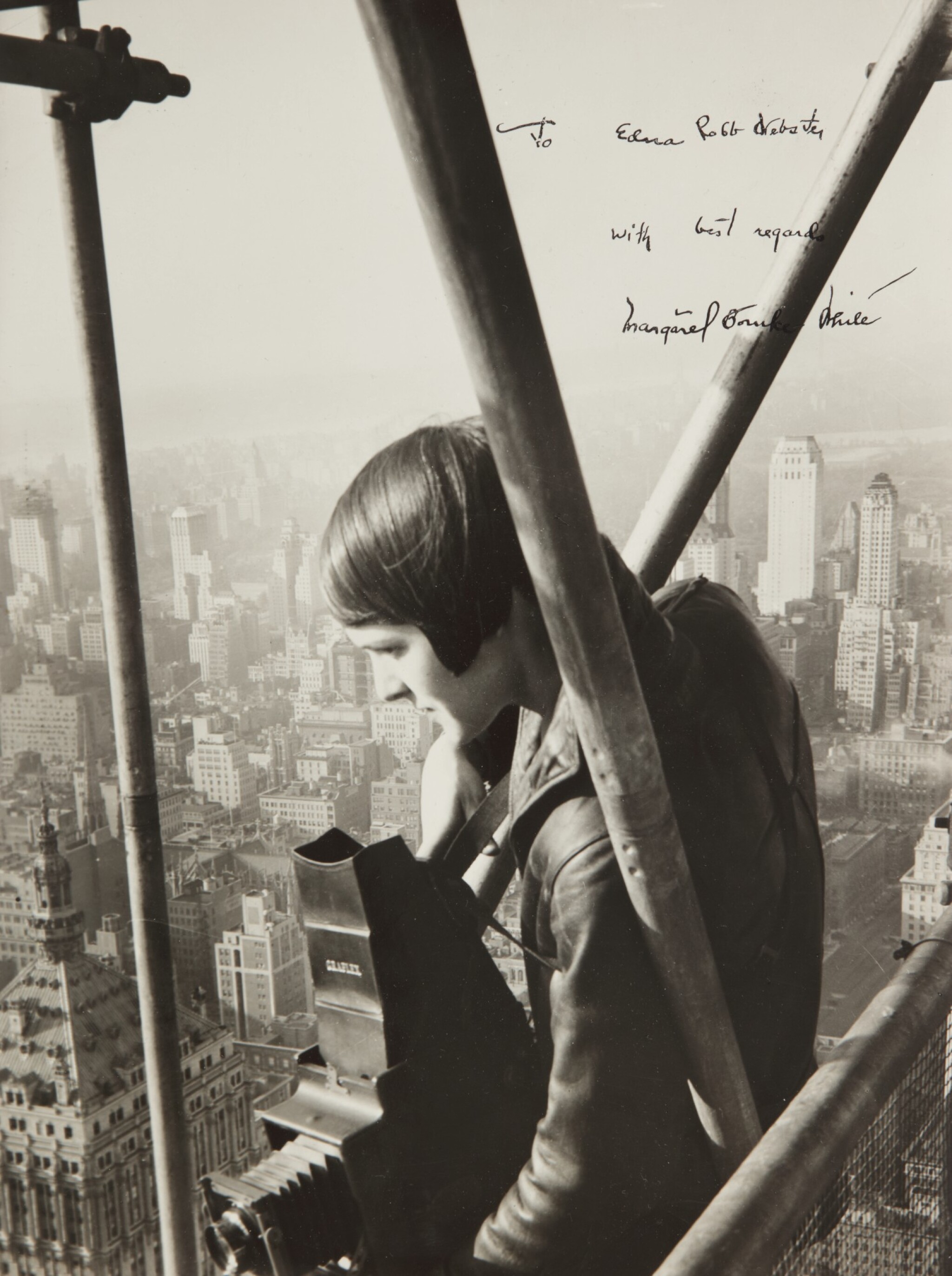
Oscar Graubner (1897-1977)
Margaret Bourke-White atop the Chrysler Building (close up)
ferrotyped gelatin silver print, signed and inscribed 'To Edna Robb Webster with best regards' in ink on the image, framed, circa 1930
src Sotheby's
Oscar Graubner (1897-1977) :: Margaret Bourke-White atop the Chrysler Building (close up), circa 1930
Ferrotyped gelatin silver print, signed and inscribed ‘To Edna Robb Webster with best regards’ in ink on the image | src Sotheby’s
Oscar Graubner (1897-1977) :: Margaret Bourke-White atop the Chrysler Building (close up), circa 1930
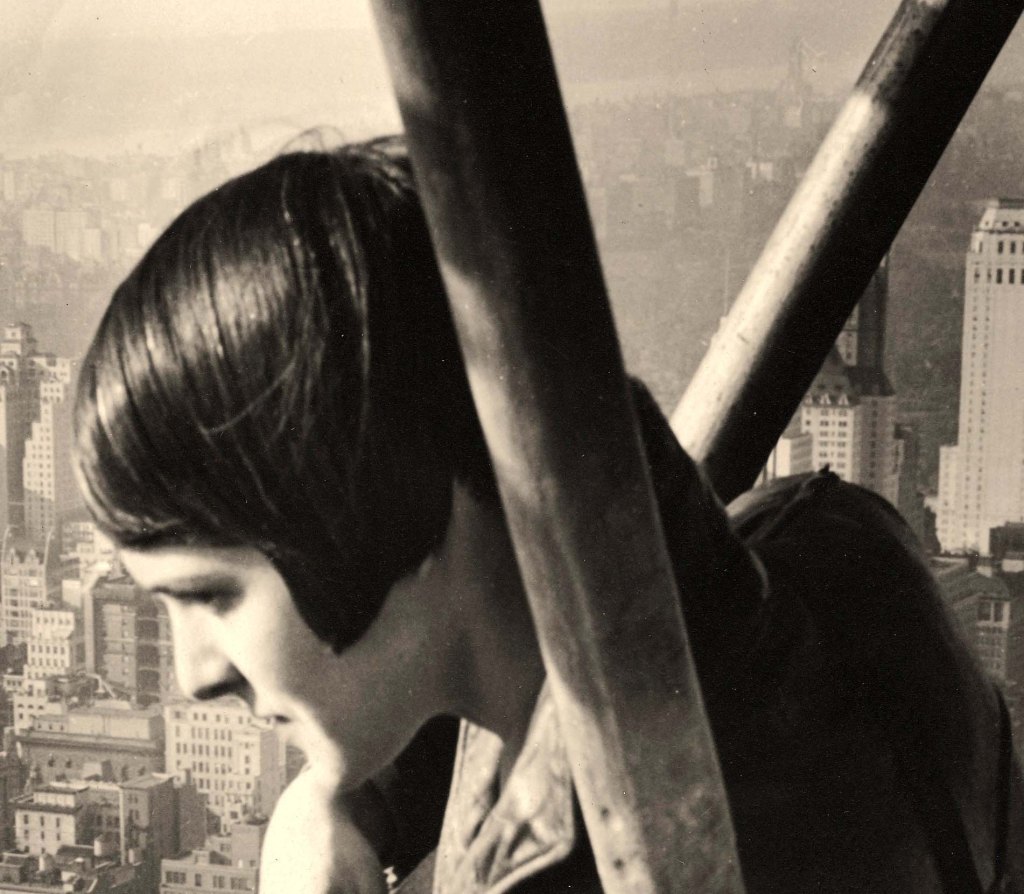
Oscar Graubner (1897-1977) :: Margaret Bourke-White with camera at the Chrysler Building (close up), circa 1930 [detail]

The Rubaiyat of Omar Khayyam

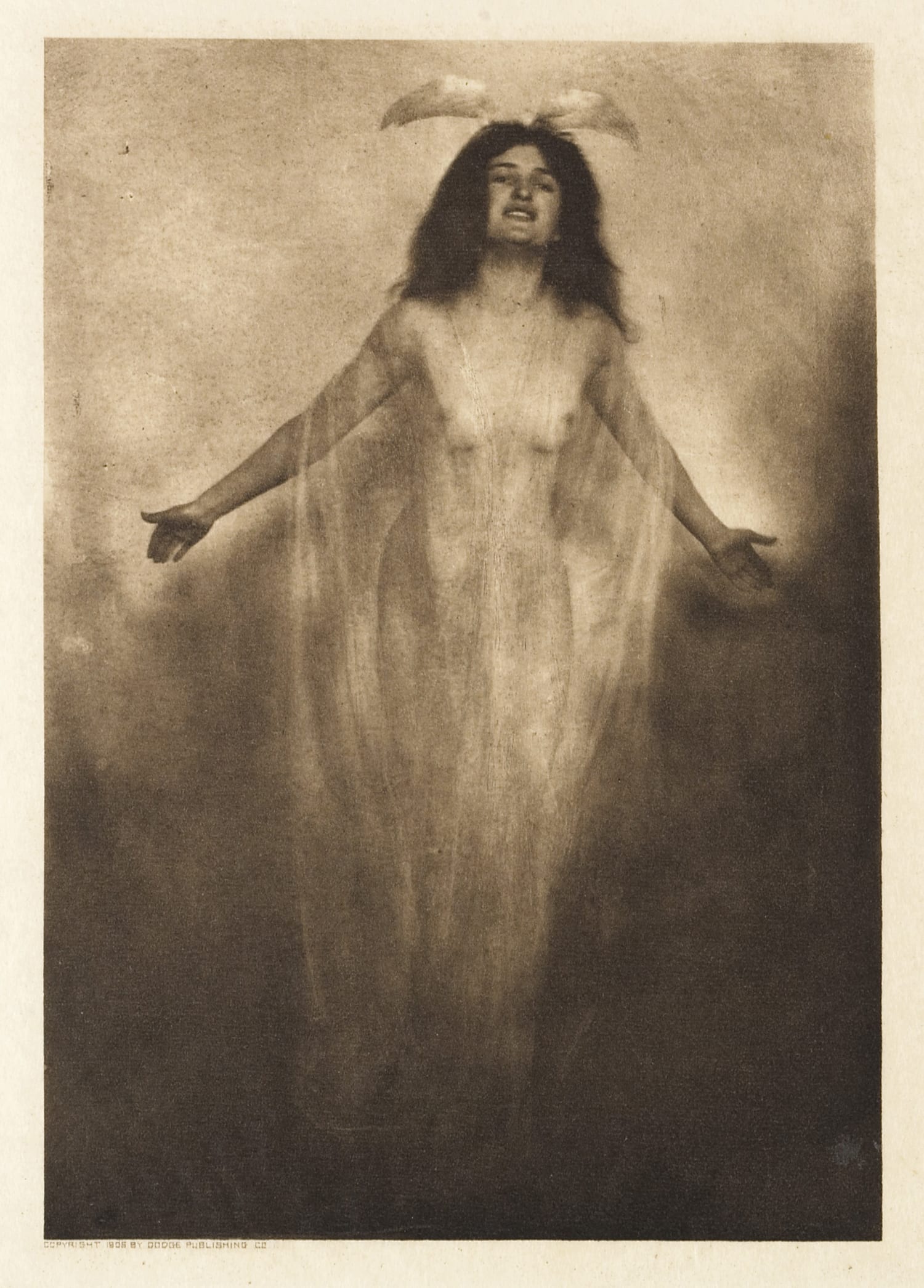
Adelaide Hanscom Leeson :: Frontis. The Rubaiyat of Omar Khayyam, 1905. Photogravure. | src photogravure.com
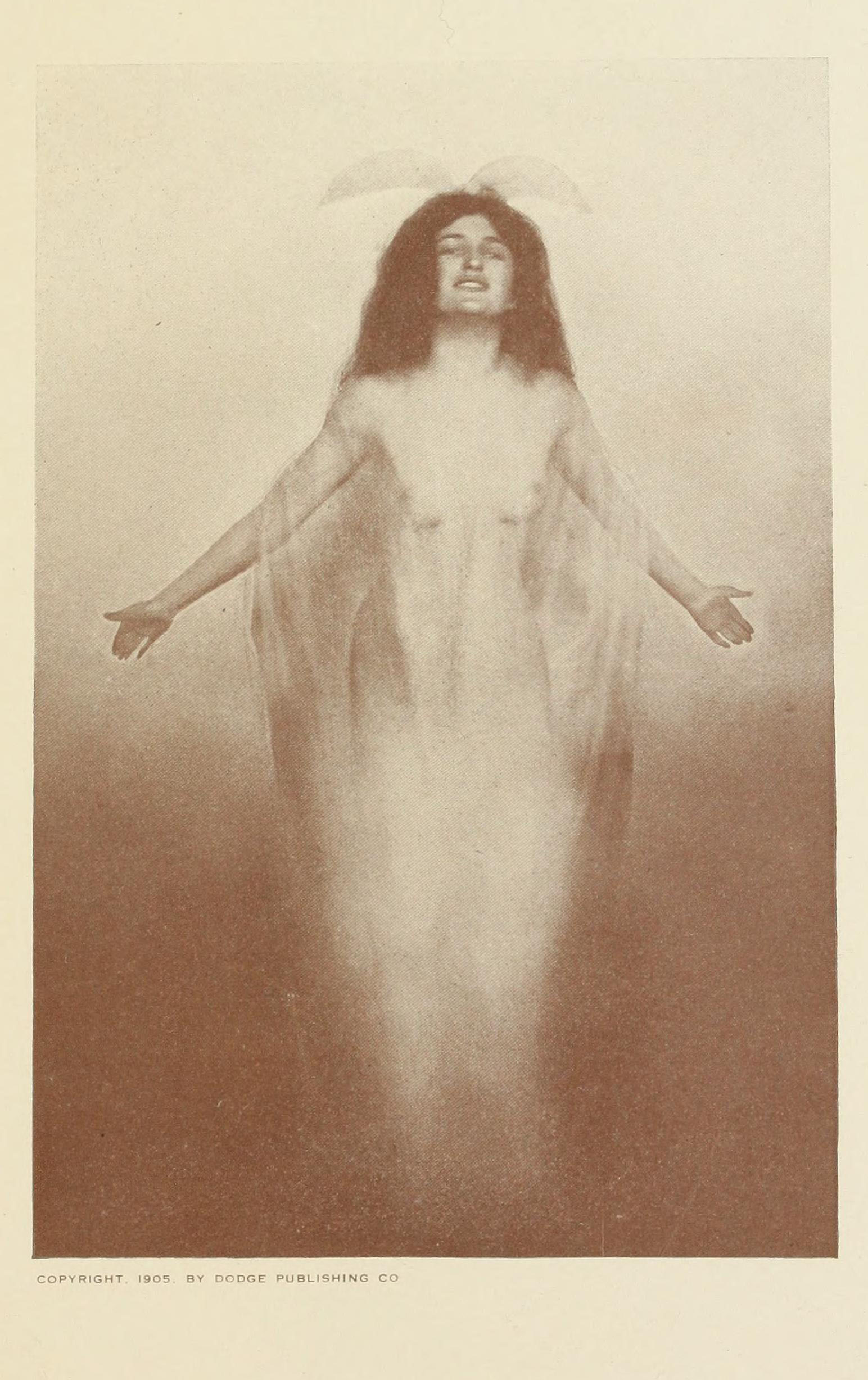
Adelaide Hanscom Leeson :: Plate 2. The Rubaiyát of Omar Kháyyám, 1905. Published by Dodge Publishing Co. Scanned by University of California Libraries | src internet archive
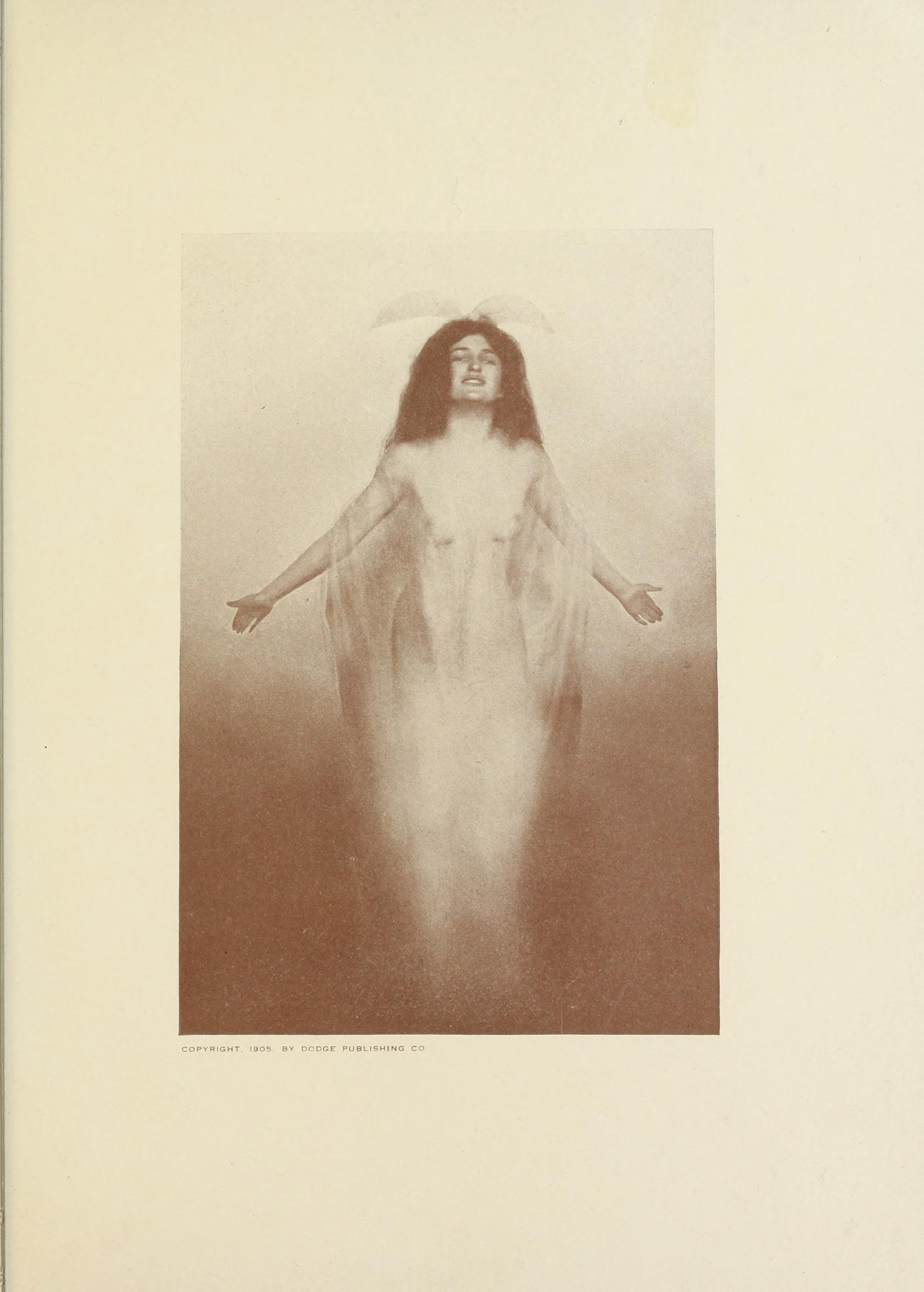
Adelaide Hanscom Leeson :: Plate 2. The Rubaiyát of Omar Kháyyám, 1905. Published by Dodge Publishing Co. Scanned by Getty Research Institute. | src internet archive

Hanscom achieved her luminous and daring visionary allegorical tableaux style through sophisticated manipulation of her photographs including combination printing and painting directly on the glass plate negatives. The delicate gravures are printed on tissue and tipped into the book which is notable for its Arts-and-Crafts design, the subjects (both nudes and artists of the time like Joachim Miller, George Sterling and George W. James).

The first edition was printed on at least two different types of tissue, one limp and thin, and the other stiff and parchment-like. Dodge published many subsequent editions with Hanscom’s photographic illustrations, in at least three smaller sizes, all with halftones, sometimes in color. In a 1912 edition, Blanch Cumming, another San Francisco photographer, was inexplicably also credited, although no additional illustrations appeared. In 1906, the San Francisco earthquake and fire destroyed Hanscom’s entire studio, including her Rubaiyat negatives. A decade later she provided similarly dreamy illustrations for an edition of Elizabeth Barrett Browning’s Sonnets from the Portuguese, but her Rubaiyat images represent most of Hanscom’s print legacy, as her silver prints are rare. [quoted from the Art of the Photogravure]

Publications of The Rubāīyāt of Omar Khayyām available online:

The Rubaiyát of Omar Kháyyám, 1905. Published by Dodge Publishing Co. Scanned by Getty Research Institute

The Rubaiyát of Omar Kháyyám, 1905. Published by Dodge Publishing Co. Scanned by University of California Libraries

The Rubaiyát of Omar Kháyyám, 1914. Published by Dodge Publishing Co. “Popular Edition“. Scanned by Getty Research Institute

The Rubaiyát of Omar Kháyyám, 1905. Published by Dodge Publishing Co. Plates on the Art of Photogravure

The Rubāīyāt of Omar Khayyām, 1912. New York : Dodge Publishing Co. Scanned by Cornell University Library, on Hathitrust