
images that haunt us

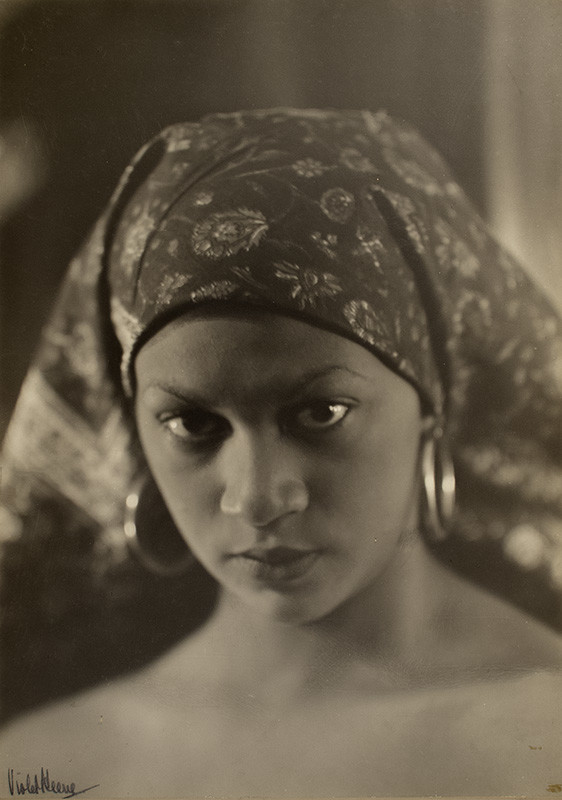
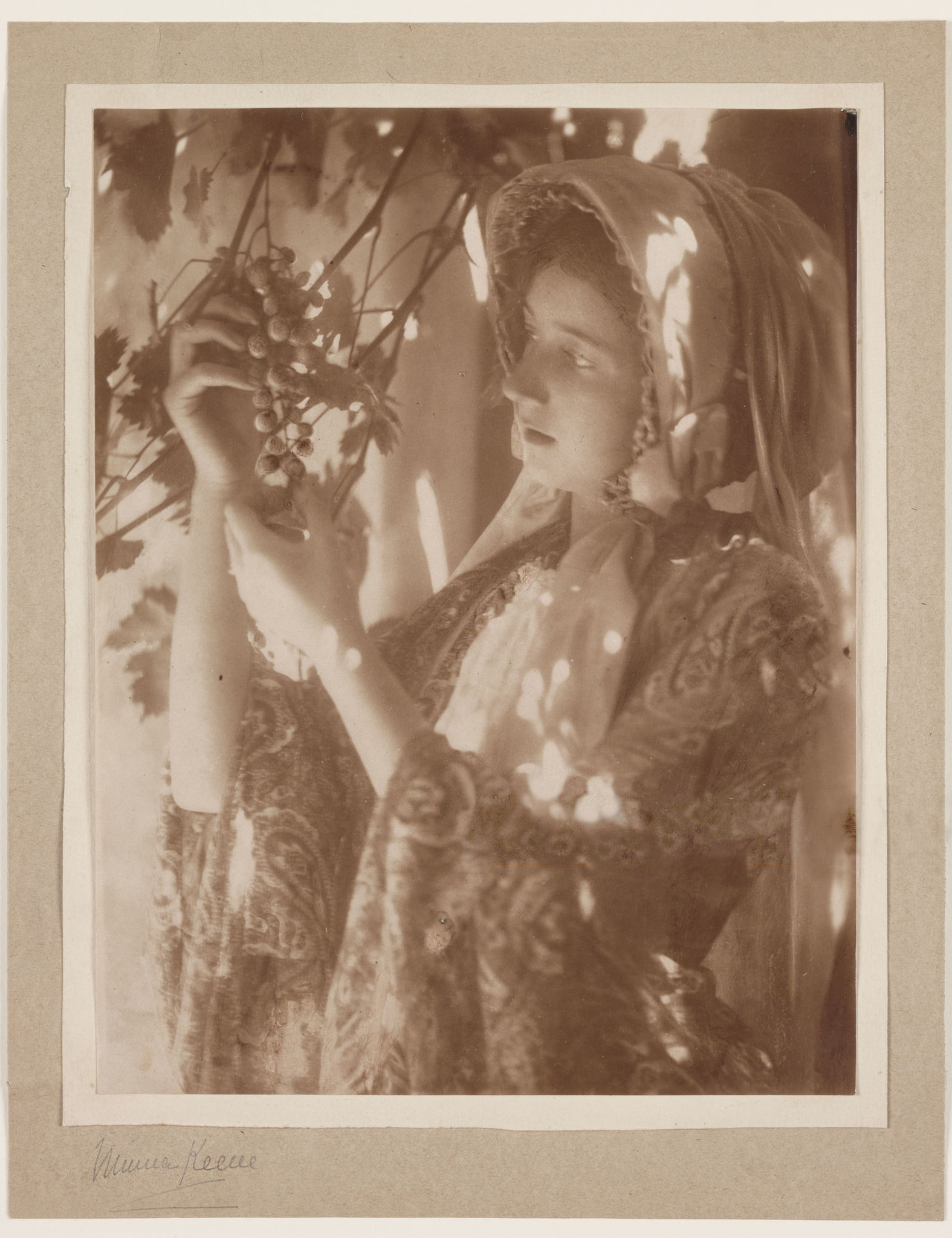
![Violet Keene Perinchief (1893-1967) :: Eastern Beauty. A portrait of a Chinese Lady, silver gelatin print mounted on exhibition board, Toronto, ca. 1933. [Original photograph signed lower left in pencil: Violet Keene] | src Bonhams](https://unregardoblique.com/wp-content/uploads/2022/11/violet-keene-perinchief-eastern-beauty-a-portrait-of-a-chinese-lady-silver-gelatin-print-c.1933-crp.jpg?w=1100)
![Violet Keene Perinchief (1893-1967) :: Eastern Beauty. A portrait of a Chinese Lady, silver gelatin print mounted on exhibition board, Toronto, ca. 1933. [Original photograph signed lower left in pencil: Violet Keene] | src Bonhams](https://unregardoblique.com/wp-content/uploads/2022/11/violet-keene-perinchief-eastern-beauty-a-portrait-of-a-chinese-lady-silver-gelatin-print-c.1933-crp.jpg)

This portrait is an example of one of the many that Violet Keene became famous for. She established and ran a studio in Toronto for her mother’s work from 1933, and later a studio for her own photography. She studied photography under her mother’s guidance from an early age, and this portrait has many of the classic Minna Keene attributes of her portraits taken in Cape Town around 1910, notably the floral background and position of the face looking away from the camera. Violet exhibited her work around the world and had a loyal following. [quoted from source]
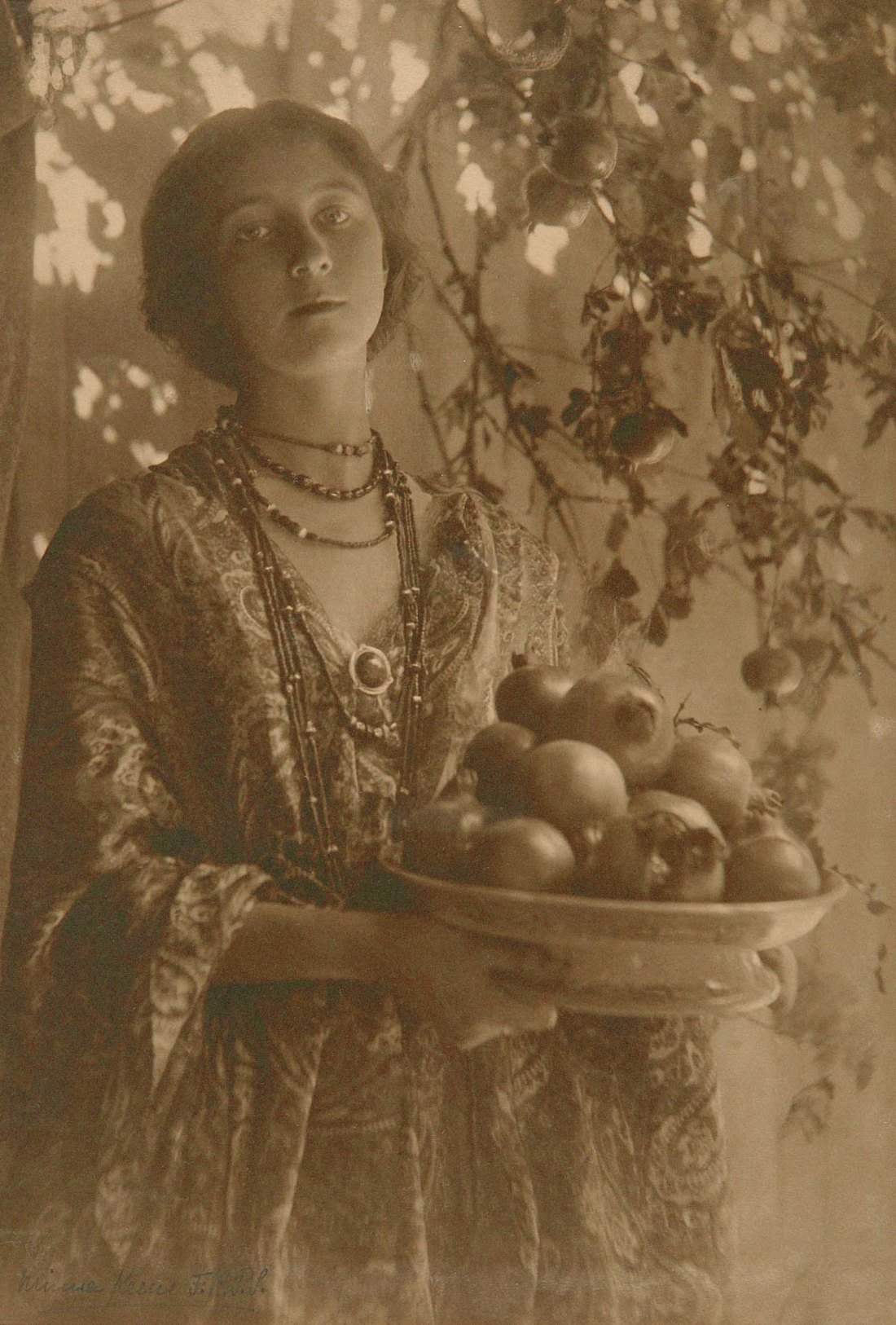
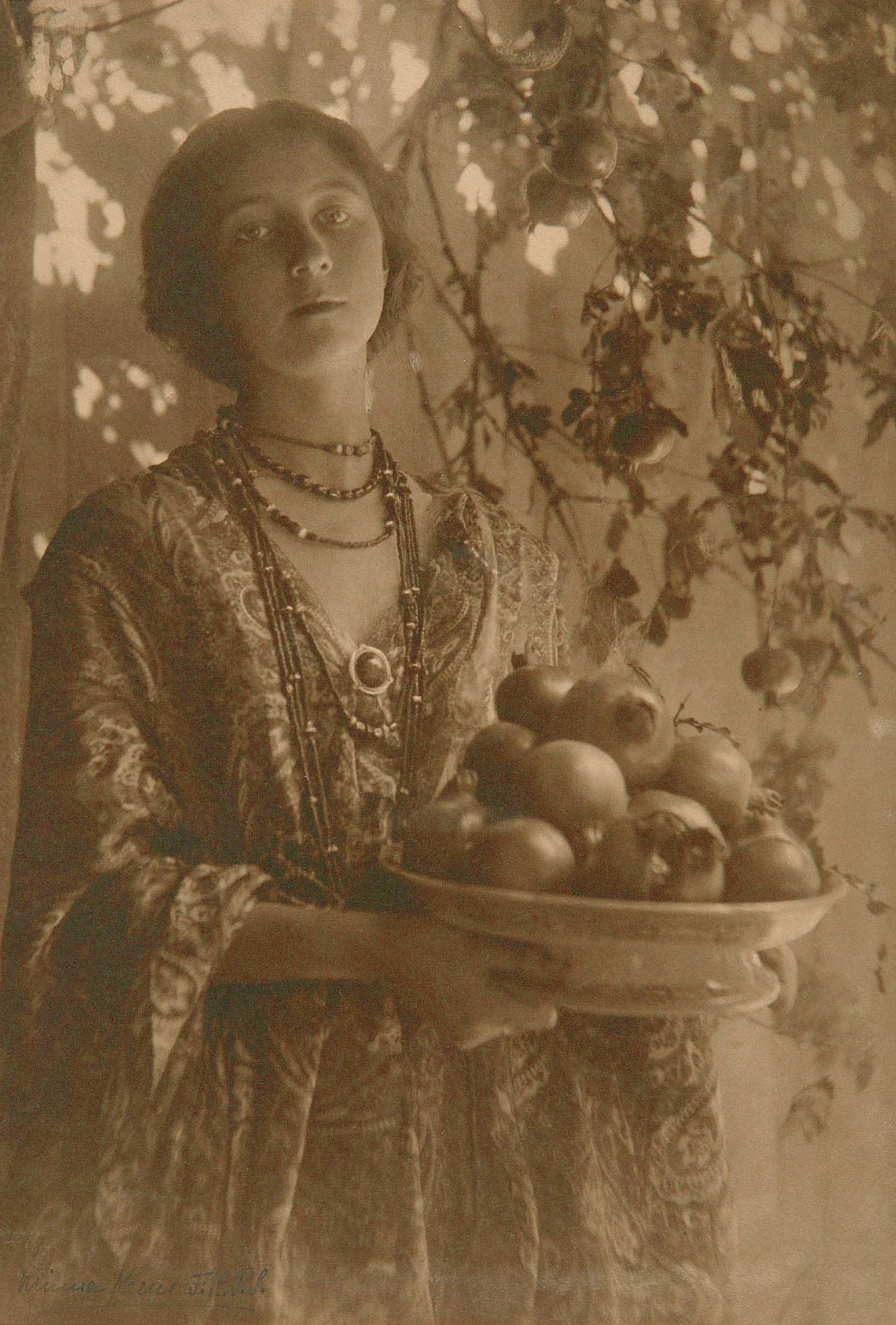

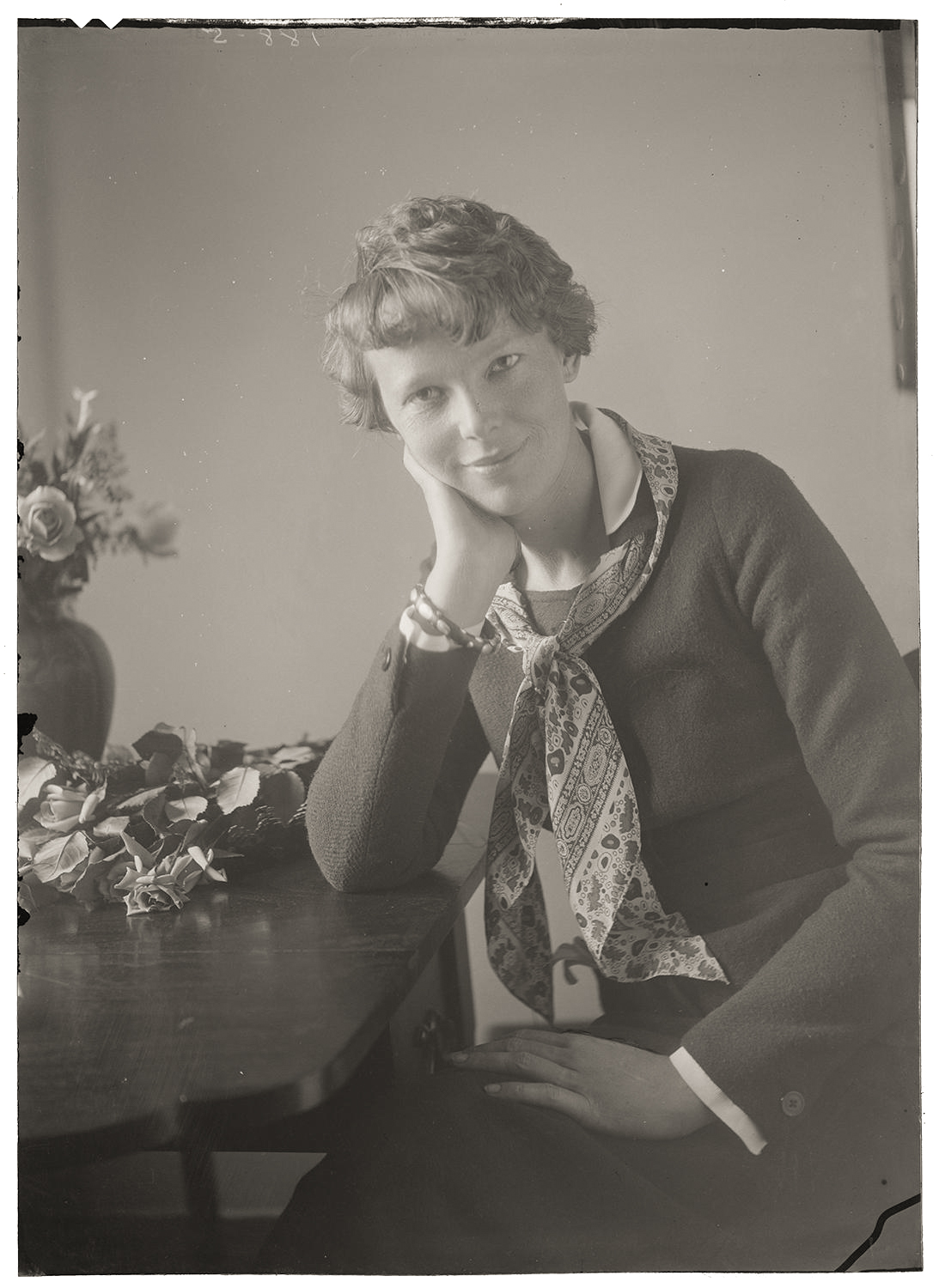
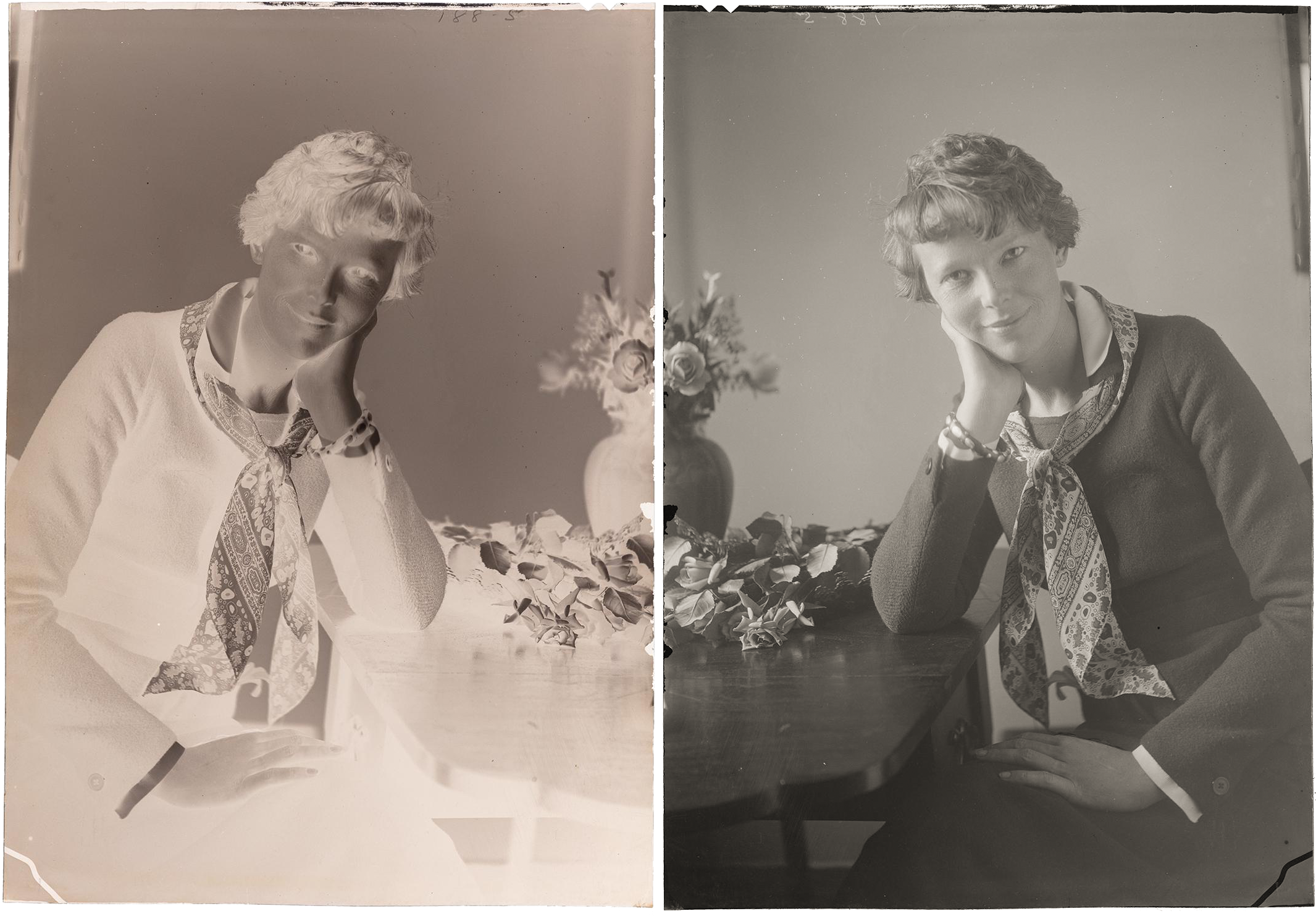
The subject of this photograph is believed to be of Violet Keene, Minna Keene’s daughter, according to Getty Images.

A fine example of a signed exhibition-quality image of one of Minna Keene’s most famous of images, taken at her home in Cape Town. Using her young daughter Violet as the model, she created an iconic Pre-Raphaelite image, combining the beauty of a young girl with nature. This image was included in the famous Tate London Exhibition in 2016, Painting with Light alongside Julia Margaret Cameron, Millais, Emerson, Goodall, Hacker, Rossetti, and others. In 1911, “Pomegranates” was awarded Picture of the Year at the London Photographic Salon. [quoted from source]



![Barbara Morgan :: Valerie Bettis, "Leap" [A woman leaping and twisting in the air, her feet and skirt visible], 1935-1945.
src The J. Paul Getty Museum](https://live.staticflickr.com/65535/52644190170_098f74b247_o.png)
![Barbara Morgan :: Valerie Bettis, "Leap" [A woman leaping and twisting in the air, her feet and skirt visible], 1935-1945.
src The J. Paul Getty Museum](https://unregardoblique.com/wp-content/uploads/2021/11/barbara-morgan-valerie-bettis-leap-1935-45-src-getty-museum.jpg)
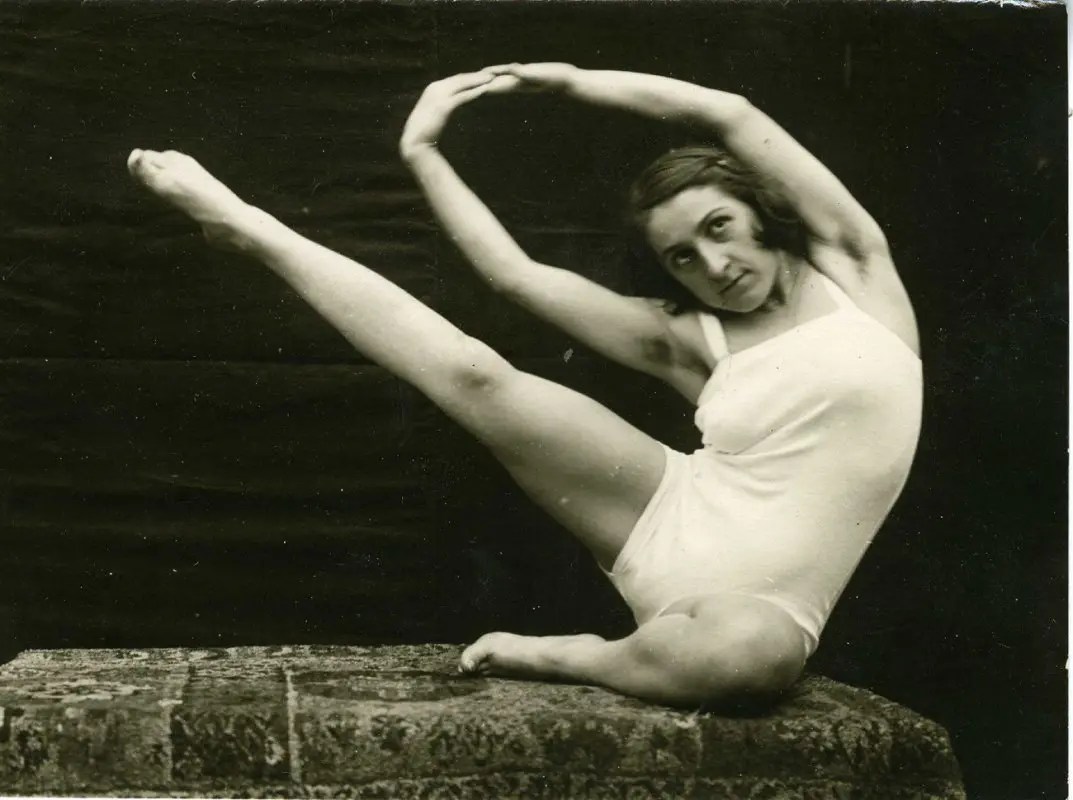
In 1926, Madzsar wrote the book New Ways of Women’s Body Culture, which proved extremely popular. The new 1929 edition was expanded with movement art chapters. Madzsar also plays an important role in Hungarian dance history: she created several public movement art performances with the school’s students and other participants, mostly from a working-class background. The image above was published in: Dr. Madzsarné Jászi Alice: A női testkultúra új útjai, 1926
 un regard oblique