
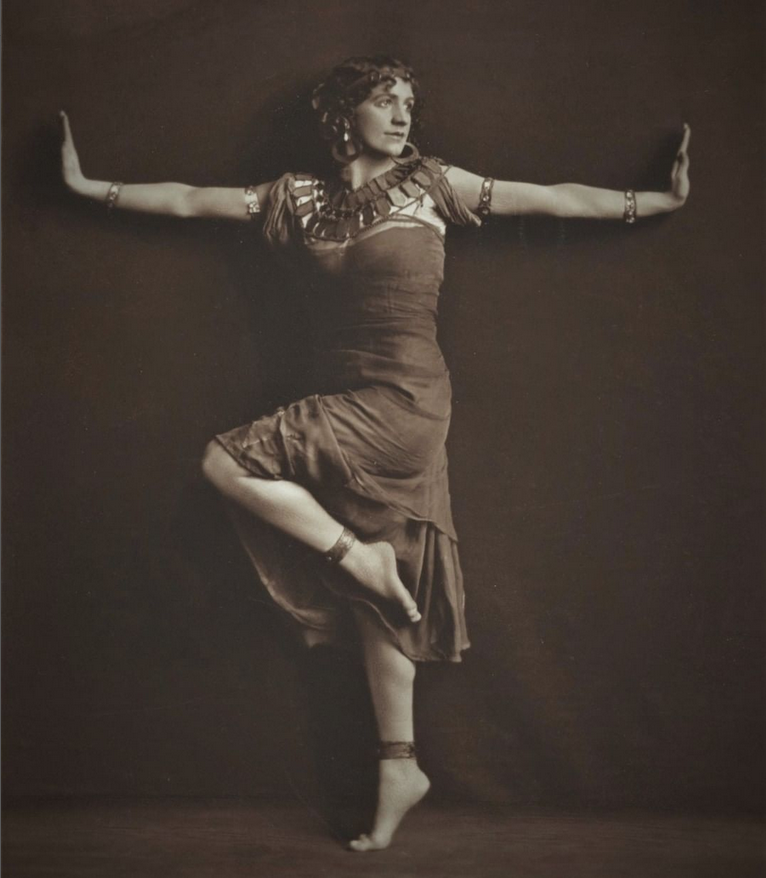
Mary Wigman dancing, 1930
images that haunt us


[26.3.2022 & 27.3.2022] The dancer, sculptor and painter Olga Bontjes van Beek is the sixth and youngest daughter of the painter Heinrich Breling – this scenic reading is part of the exhibition “Heinrich Breling and his daughter Olga Bontjes van Beek” of the Kunstverein Fischerhude in Buthmanns and is dedicated to her creative life and work.
The central feature of the event is the narrative of a selection of Olga Bontjes van Beek’s own texts, letters and notes on her art and on selected events in her life, photos of her choreographies, drawings and pictures by the versatile artist.
Olga Bontjes van Beek (1896-1995) studied dance at the Elizabeth Duncan School in Darmstadt and with Sent M’Ahesa and was later a student of the painter Fritz Mühsam in Paris. Her friends include Bernhard Hoetger, Heinrich Vogeler and Theodor Lessing.
Olga’s sketches, which she herself drew for her dance movements, are brought to life to a Debussy recording by the pianist Walter Gieseking, with whom the expressionist dancer toured in the 1920s. This specially made video animation conveys moving impressions of her art as a dancer. Olga’s stage photos, family pictures, theater programmes, reviews and postcards from the tours and some film excerpts bring the artist’s personality to life. The haunting, deep and powerful images from her later creative period show her as a painter.
Music recordings of the time enrich the event and convey a lively feeling of the epoch. Poems by artist friends and comments by friends such as Helmut Schmidt and Lew Kopelev also testify the fascination for the artist Olga Bontjes van Beek. [quoted from Deutsches Tanzfilminstitut]


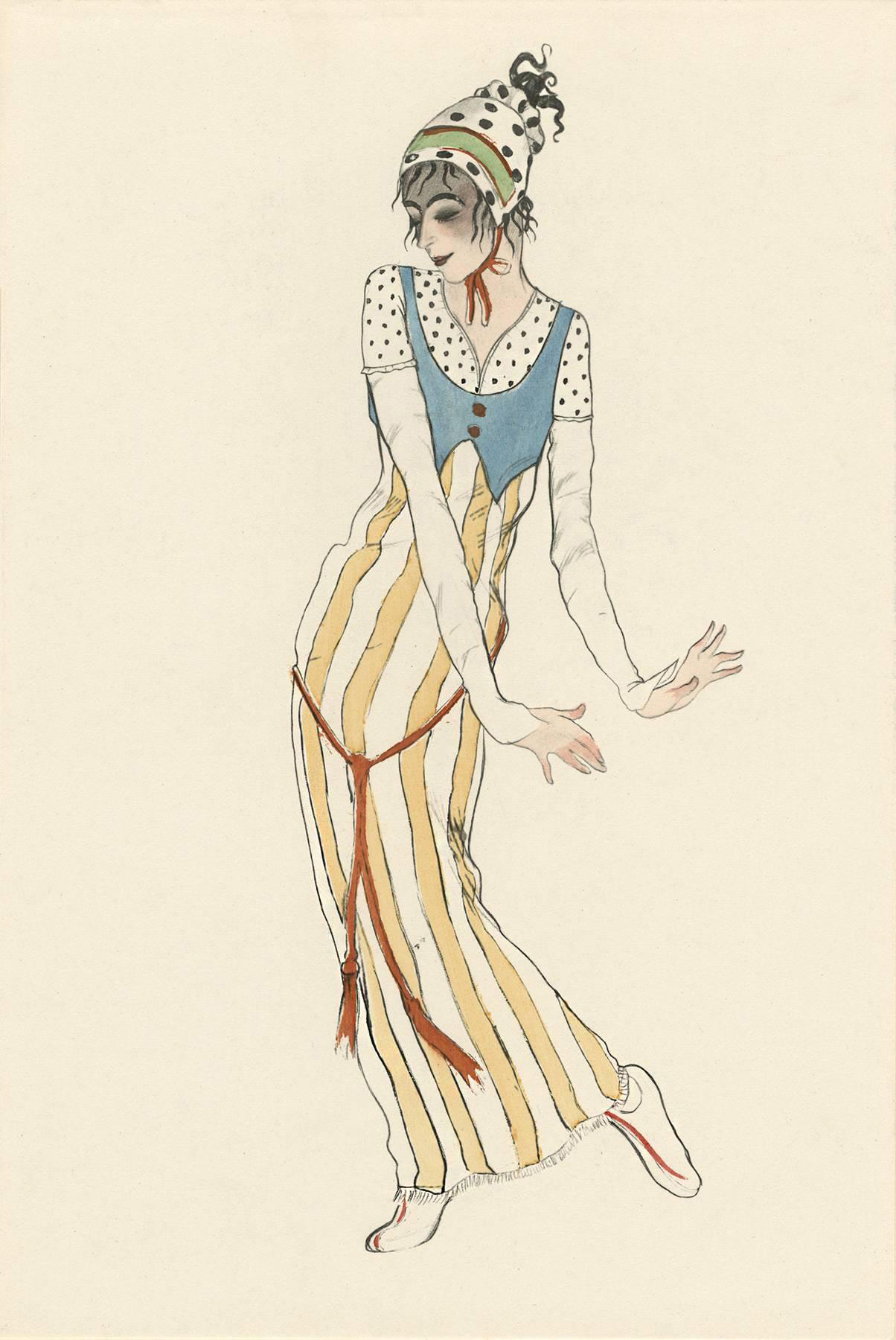
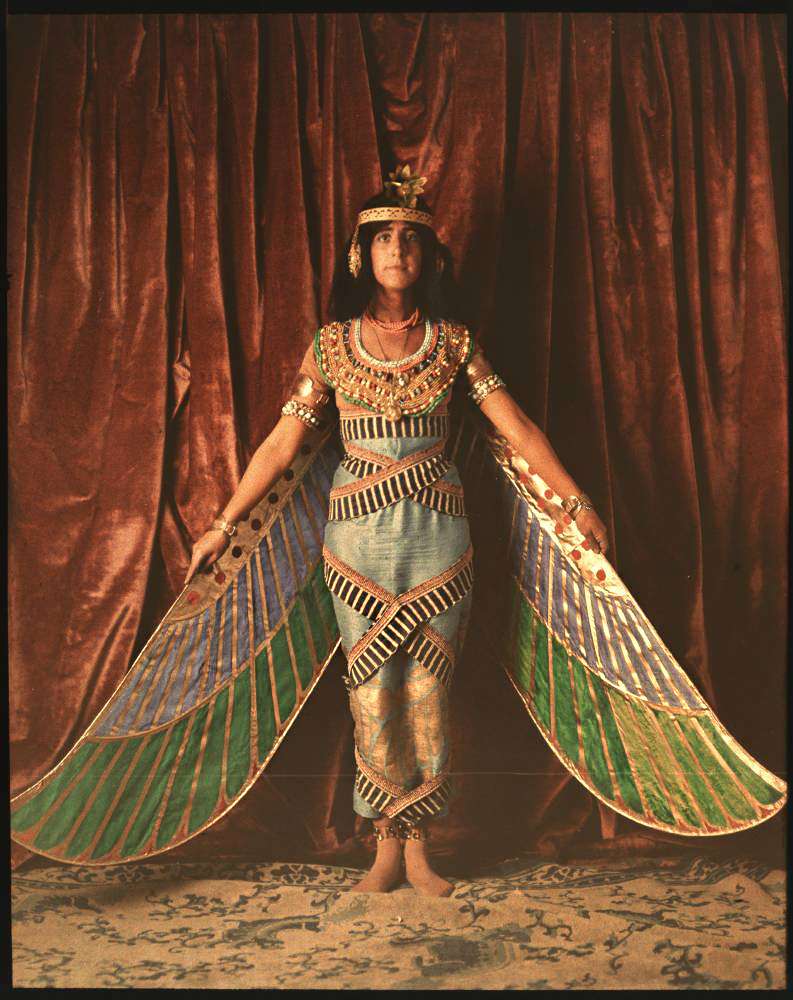
“Schnackenberg was a regular contributor to the German magazines Jugend and Simplicissimus before devoting himself to the design of stage scenery and costumes. In the artist’s theatrical work, his mastery of form, ornamentation, and Orientalism became increasingly evident. He excelled at combining fluid Art Nouveau outlines, with spiky Expressionist passages, and the postures and patterns of the mysterious East.” (quoted from source)

 un regard oblique