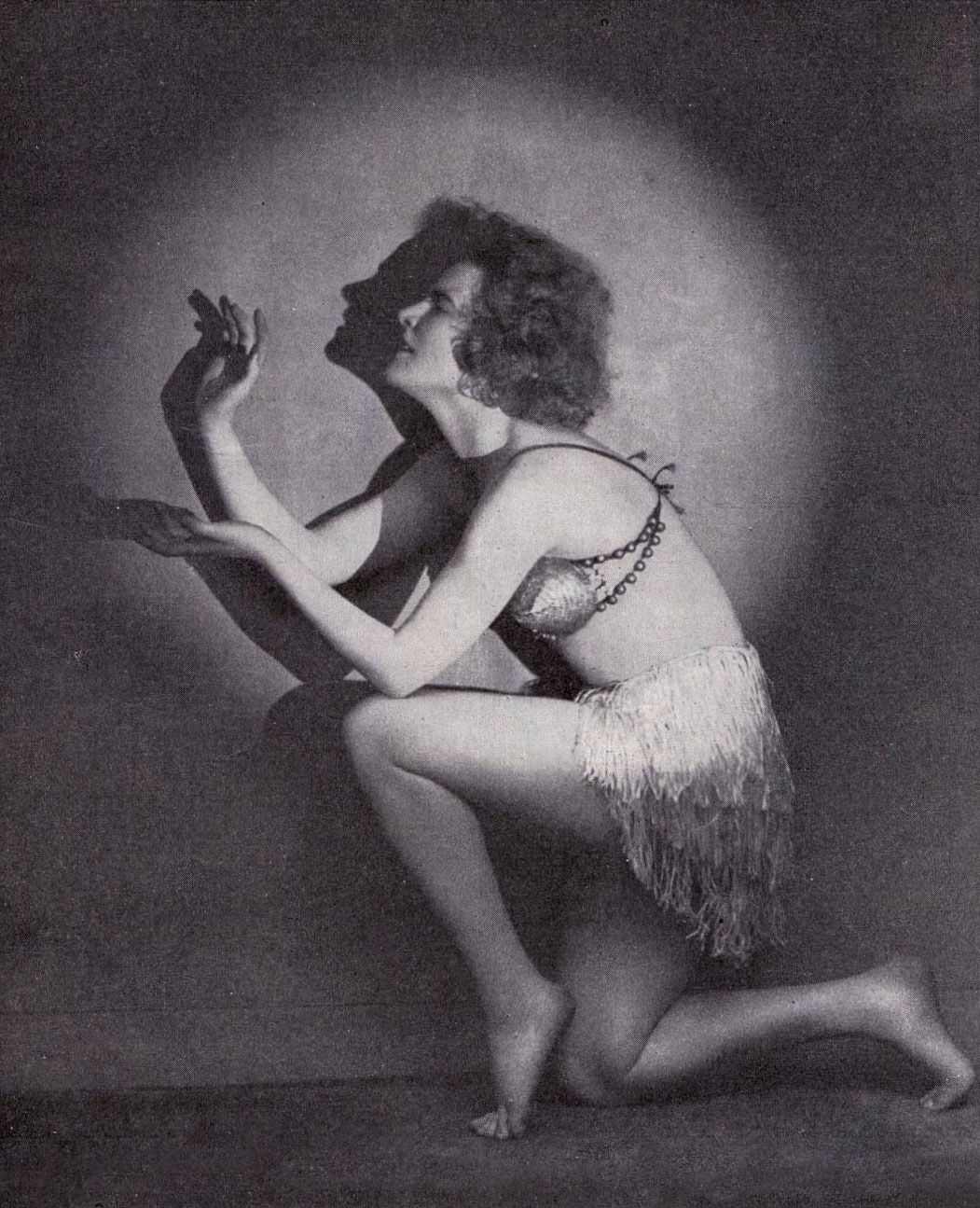
Ella Ilbak in Scenen 1928

Ella Ilbak. Scenen 4/1928, 15 Februari 1928
Ella Ilbak. Scenen 4/1928, 15 Februari 1928 | src Runeberg project

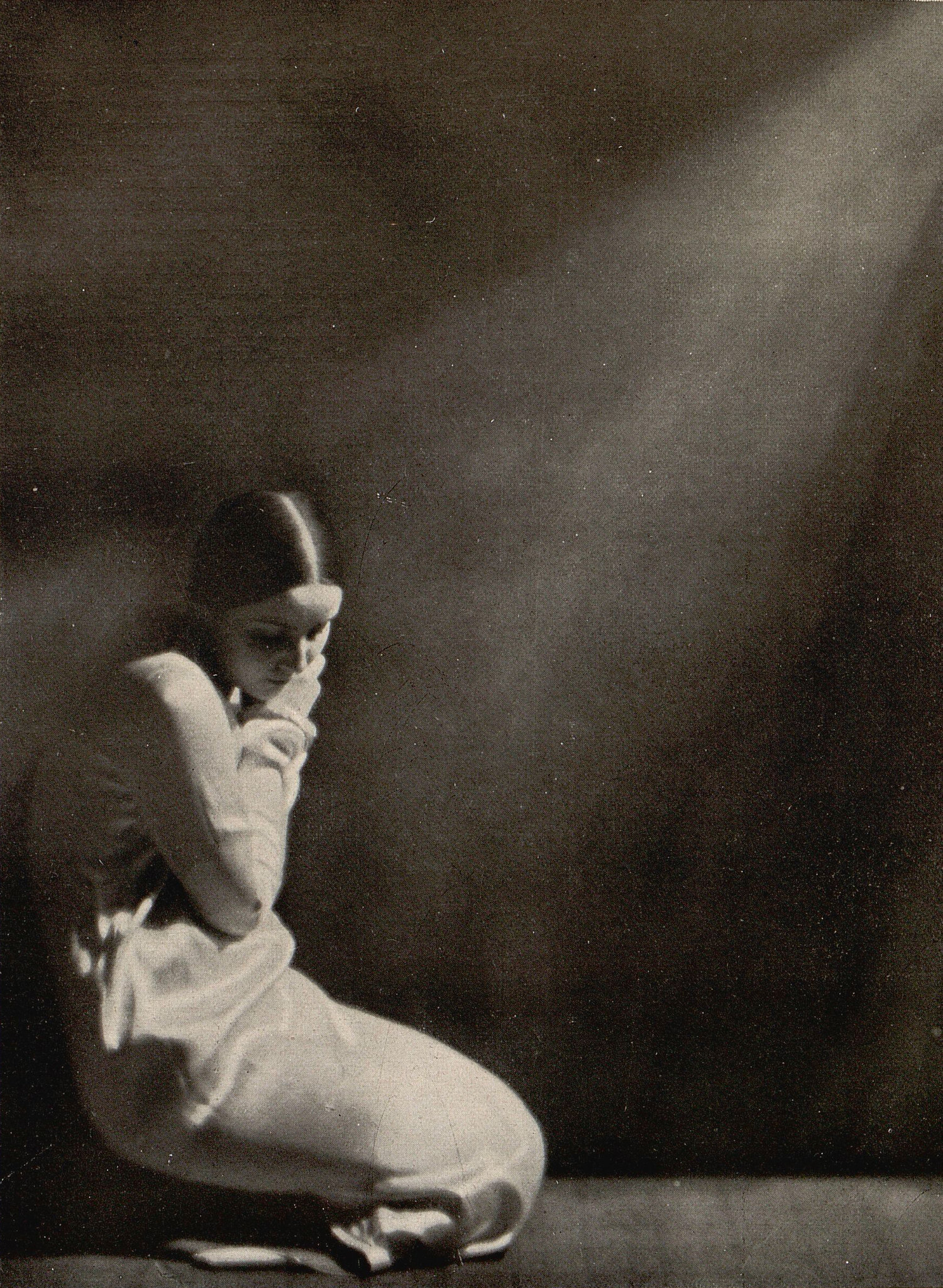
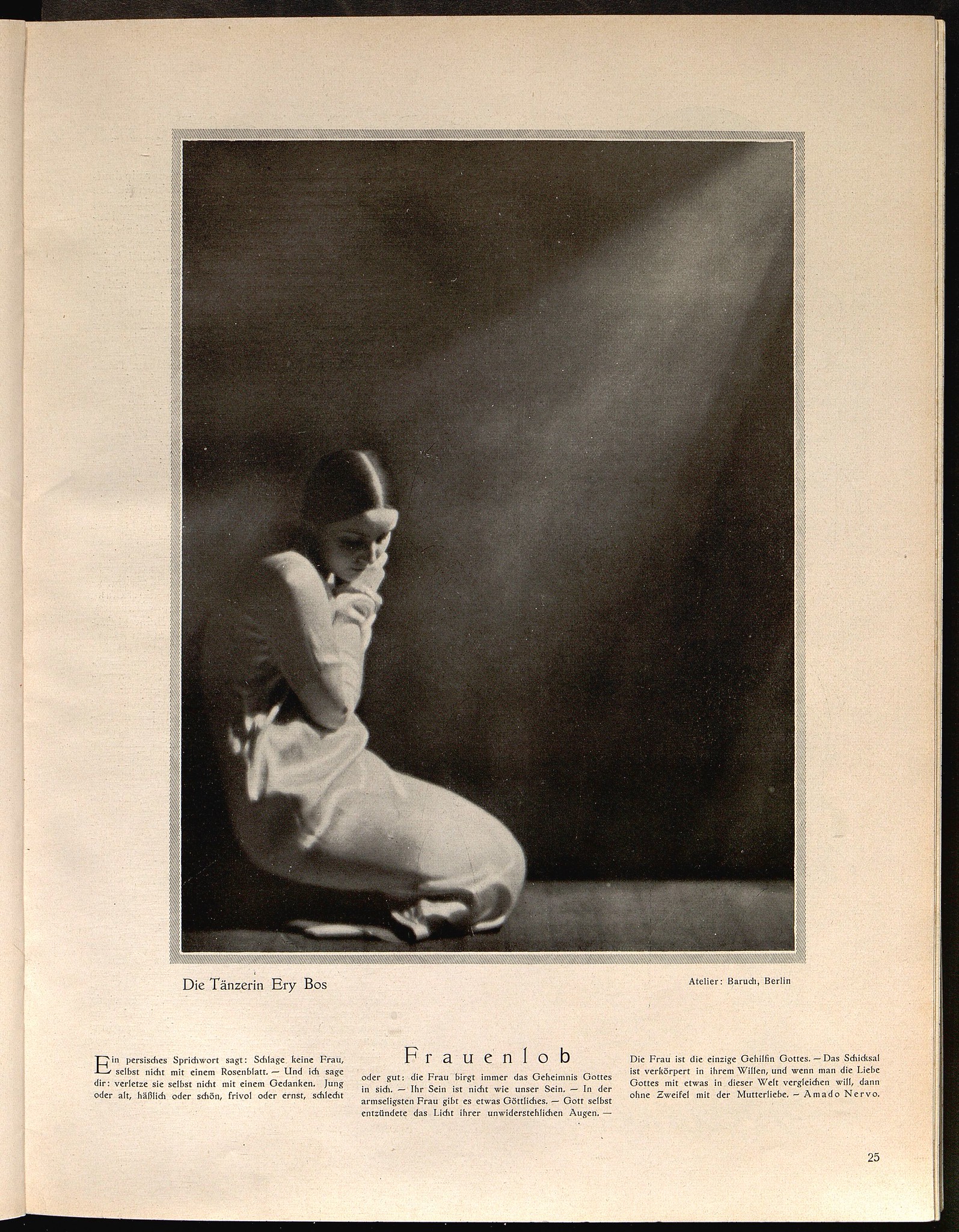
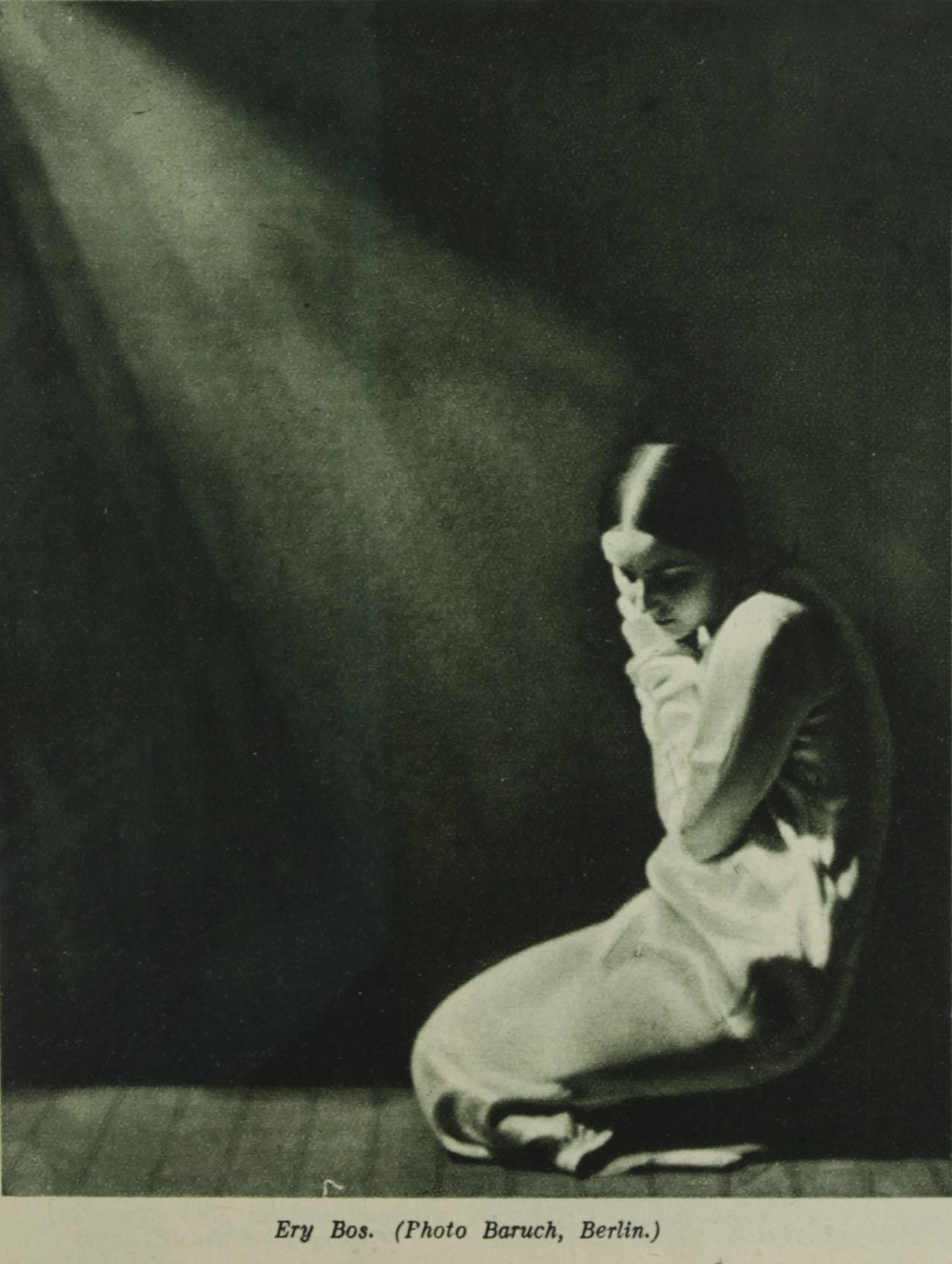
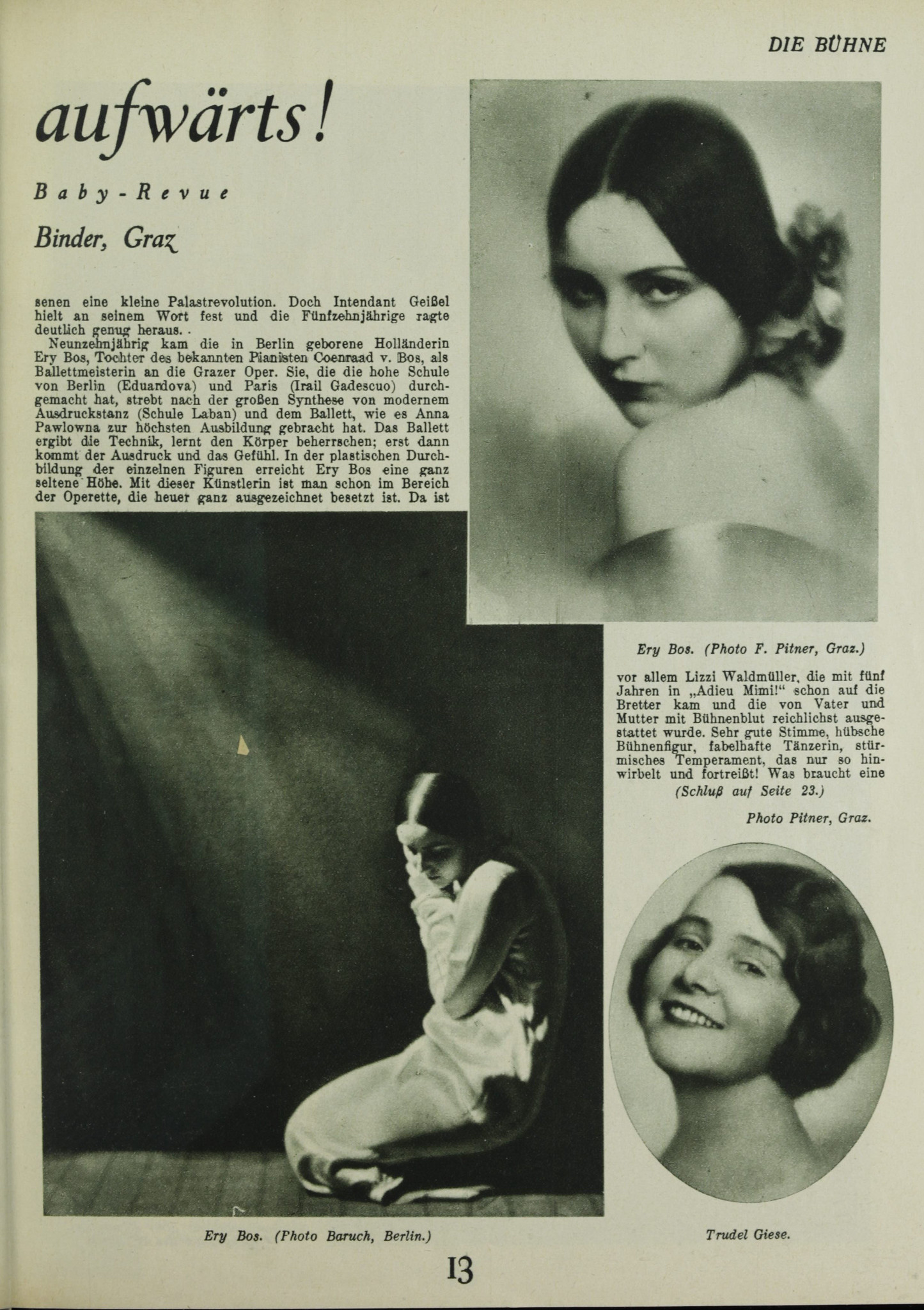
Ery Bos von Lili Baruch

Die Tänzerin Ery Bos by Atelier Baruch (Berlin), ca. 1926. From: Die schöne Frau Nr. 2, 1926
Die schöne Frau Nr. 2, 1926 | src ÖNB
Die Bühne, Heft 222, 1929. Ery Bos (foto: Atelier Baruch, Berlin)
Die Bühne, Heft 222, 1929 | src ÖNB

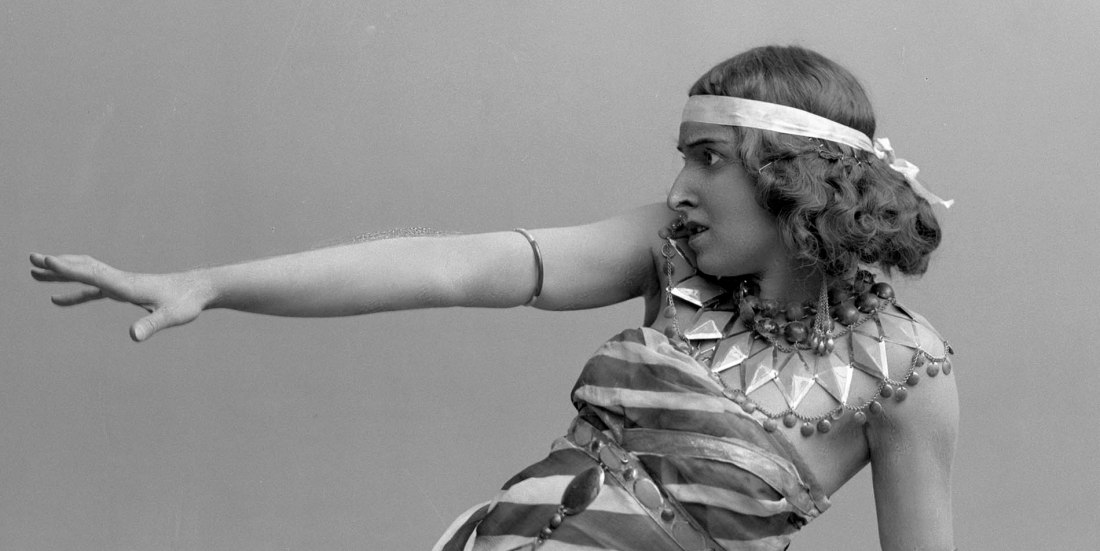
Fokina as Tabor in «Kleopatra»

Vera Fokina i baletten Kleopatra, Kungliga Operan 1913. Glasnegativ Detail
Atelier Jaeger, Stockholm :: Vera Fokina som Tabor i baletten Kleopatra (Cléopâtre), Kungliga Operan, 1913. Skannat glasnegativ | Vera Fokina as Tabor in the ballet Cleopatra (Cléopâtre), the Royal Opera, 1913. Scanned glass negative. | src Musik- och teaterbiblioteket
Atelier Jaeger :: Vera Fokina as Tabor in the ballet Cleopatra (Cléopâtre), the Royal Opera, 1913. Scanned glass negative. | src Musik- och teaterbiblioteket
Atelier Jaeger, Stockholm :: Vera Fokina som Tabor i baletten Kleopatra (Cléopâtre), Kungliga Operan, 1913. Skannat glasnegativ | Vera Fokina as Tabor in the ballet Cleopatra (Cléopâtre), the Royal Opera, 1913. Scanned glass negative. | src Musik- och teaterbiblioteket
Vera Fokina i baletten Kleopatra, Kungliga Operan, 1913. Hofatelier Jaeger. Glasnegativ | src Musik- och teaterbiblioteket
Atelier Jaeger, Stockholm :: Vera Fokina som Tabor i baletten Kleopatra (Cléopâtre), Kungliga Operan, 1913. Skannat glasnegativ | Vera Fokina as Tabor in the ballet Cleopatra (Cléopâtre), the Royal Opera, 1913. Scanned glass negative. | src Musik- och teaterbiblioteket
Atelier Jaeger :: Vera Fokina som Tabor i baletten Kleopatra (Cléopâtre), Kungliga Operan, 1913. Skannat glasnegativ. | src Musik- och teaterbiblioteket
Vera Fokina en tenue de scène dans  Cléopâtre [assise, tendant le bras] / [photo : Atelier Jaeger] Stockholm : Théâtre Royal, 14-03-1913  | src BnF
Vera Fokina en tenue de scène dans Cléopâtre [assise, tendant le bras] drame chorégraphique en 1 acte | chorégraphie de Michel Fokine. [photo : Atelier Jaeger] Stockholm : Théâtre Royal, 14-03-1913 | src BnF

The dancers of Saint-Paul

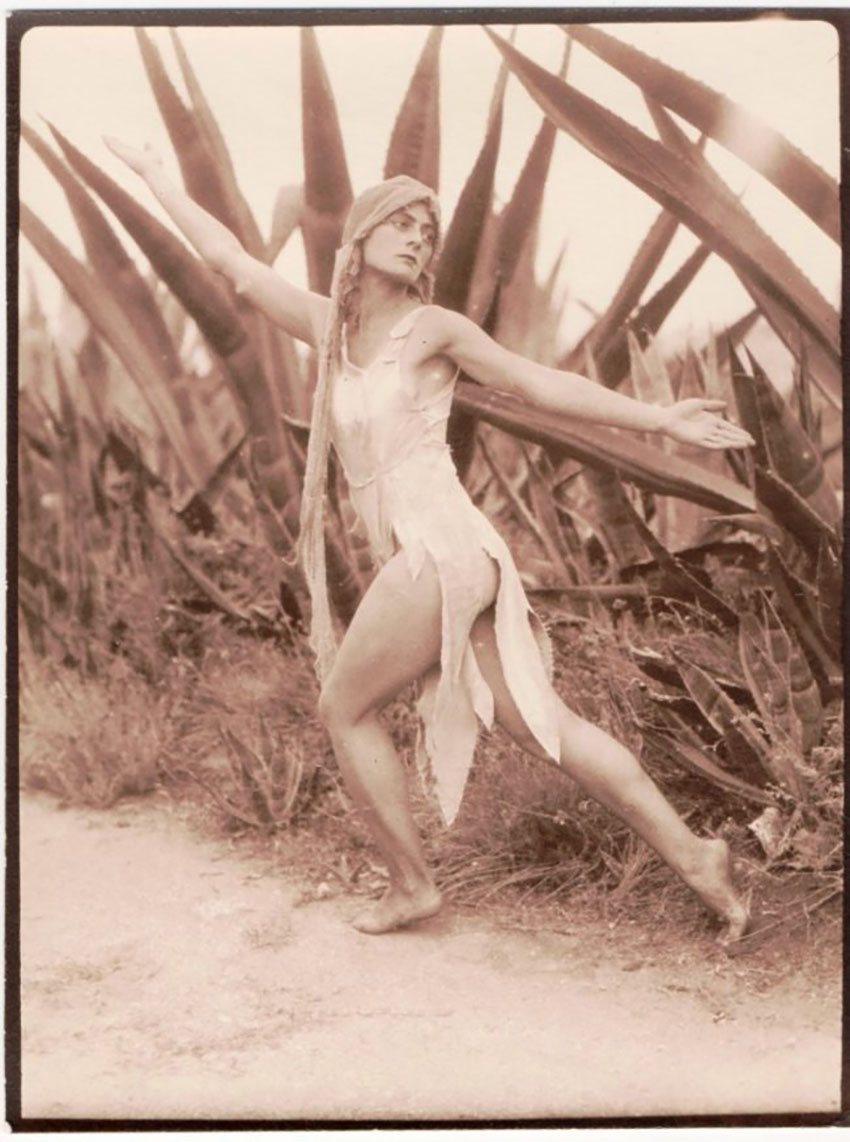
Loïs Hutton in ‘Jardin sous la pluie’ (music: Debussy). © Fred Daniels MMMI | src Hidden story: The dancers of Saint-Paul: FranceToday
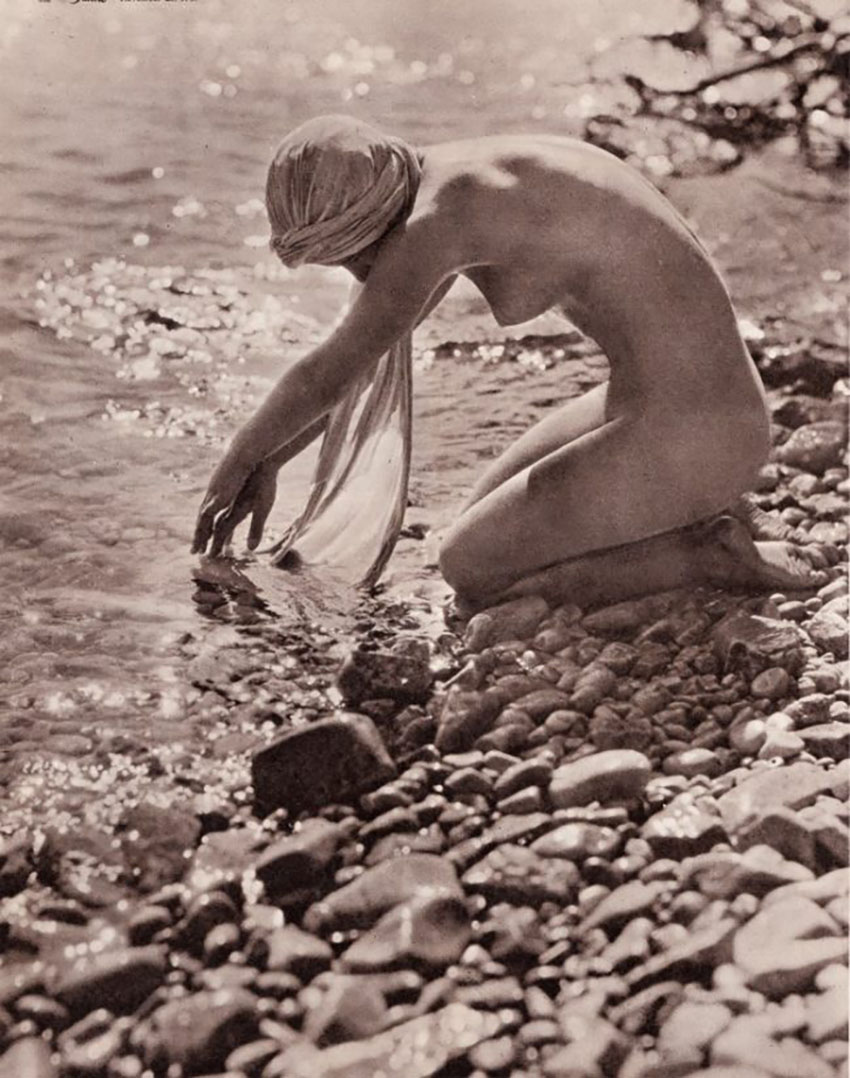
Loïs Hutton at Cap d’Antibes, kneeling on pebbles by the shore, 1924. © Fred Daniels · Richard Emerson. | src FranceToday
Hélène Vanel in ‘Fleur de Lune’, 1930.© Maroussia Vossen. | src Hidden story: The dancers of Saint-Paul
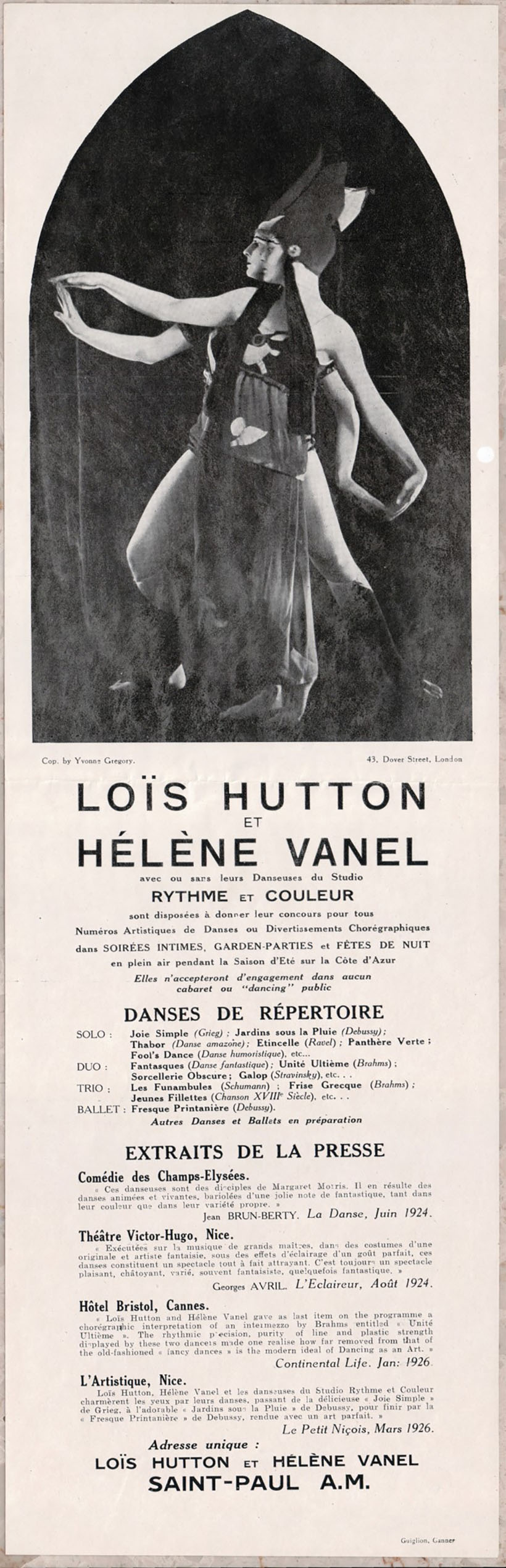
A flyer advertising Loïs Hutton and Hélène Vanel, and the Studio Rythme et Couleur. © Yvonne Gregory. Retrived from The dancers of Saint-Paul

Acrobatic dancers · Nudes

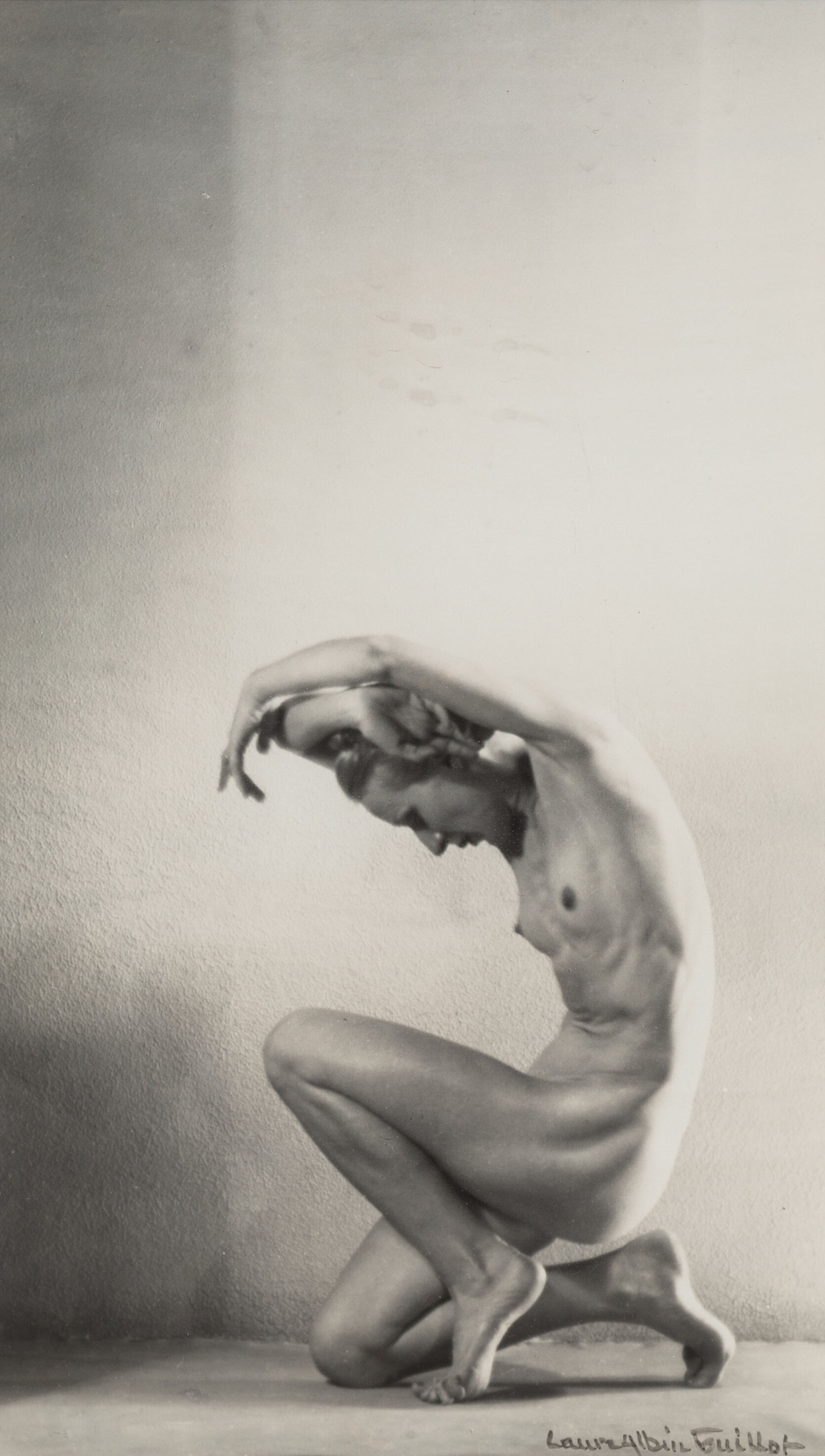
Laure Albin-Guillot ~ Danseuse acrobatique, 1937. Gelatin silver print. | src Heritage Auctions
Laure Albin Guillot (née Laure Meffredi) ~ Étude de nus, ca. 1935. Tirage argentique d’époque signe au crayon en bas a droite.
Indications au crayon pour une reproduction au verso. | src Leclere maison de ventes
Laure Albin-Guillot ~ Danseuse acrobatique, 1937. Gelatin silver print. | src Heritage Auctions

Болт ~ The Bolt, 1931

Болт ~ The Bolt (1931), ballet choreographed by Fyodor Lopukhov. Music by Shostakovich. Following its premiere at the Leningrad Academic Theatre of Opera and Ballet in 1931 it was banned in the Soviet Union. From: Silencing the Avant-Garde: Censorship and Film in the Soviet Union. | src GRAD ~ Gallery for Russian Arts and Design (London)
Болт ~ The Bolt (1931), ballet choreographed by Fyodor Lopukhov. Music by Shostakovich.
Болт ~ The Bolt (1931), ballet choreographed by Fyodor Lopukhov. Music by Shostakovich. Following its premiere at the Leningrad Academic Theatre of Opera and Ballet in 1931 it was banned in the Soviet Union. From: Silencing the Avant-Garde: Censorship and Film in the Soviet Union

‘The Bolt’, written in 1931, is an unruly satire full of skulduggery and drunken conspiracy, populated by a host of comical characters. Following its premiere at the Leningrad Academic Theatre of Opera and Ballet in 1931, an unfavourable reaction from critics saw ‘The Bolt’ promptly pulled off the programme. Any performance of the ballet was thereafter strictly forbidden, and it was 74 years before it saw the stage again, reconstructed for the Bolshoi Ballet by its director Alexei Ratmansky. GRAD’s exhibition brings the neglected story of this tumultuous production to life through a selection of costume designs and period photographs.

The ballet, which is based on a true story, tells of the exploits of Lyonka Gulba (‘Gulba’ in Russian means ‘idler’), an indolent worker who persuades a young man to throw a bolt into the factory machinery, sabotaging the production of his workplace in revenge for his being sacked. In this industrial production, which featured real hammers and machine-inspired choreography, Shostakovich embellished the story with aerobics and acrobatics, with several passages mimicking the swishing and hammering sounds of modern factory machinery.

GRAD’s display will feature the witty and grotesque costume designs by Tatiana Bruni bringing to life the characters that populate the ballet: from the Sportsman, the Textile-Worker or the Komsomol Girl, to the Drunkard, the Loafer and the pompous Bureaucrat. Featuring striking geometrical colour blocking, Bruni’s designs have been called ‘the apogee of postrevolutionary Russian experiments in stage design’ and were inspired by the aesthetics of agit-theatre and ROSTA windows or artist-designed propaganda posters. Shostakovich’s exceptional blend of proletarian music genres play through the gallery space, catapulting the viewer to early 1930s Russia and evoking Fedor Lopukhov’s daring choreography. Constructivist values and aesthetics are reflected in all of the elements of the ballet, from the costume designs to the score, choreography to set design.

Shostakovich was commissioned by the Moscow Art Theatre to compose the score to a ballet that would serve and support the goals of socialism and communism. Combining circus music, waltzes, marches and tangos together with popular tunes, the composer envisaged the piece to be a celebration of the proletariat. Nonetheless, ‘The Bolt’ was banned by the Soviet authorities amongst suspicions that it was a satirical work.

That ‘The Bolt’ was produced in 1931 is significant. Visual art and literature were on the cusp of monumental change in Soviet Russia, after a series of political and artistic revolutions had changed the course of modernist art and modern history. The critical rejection of the ballet can be understood within the context of a progression toward Socialist Realism, and the suppression of the vanguard imagination, accelerated by the 1932 issue of the ‘Decree on the Reconstruction of Literary and Artistic Organisations’, a measure designed to curtail artistic independence. The satirical characters and acid comedy of ‘The Bolt’ stand as a bastion of an experimental spirit, which demonstrated an extraordinary edge and robustness. (quoted from WSI review on GRAD’s exhibition)
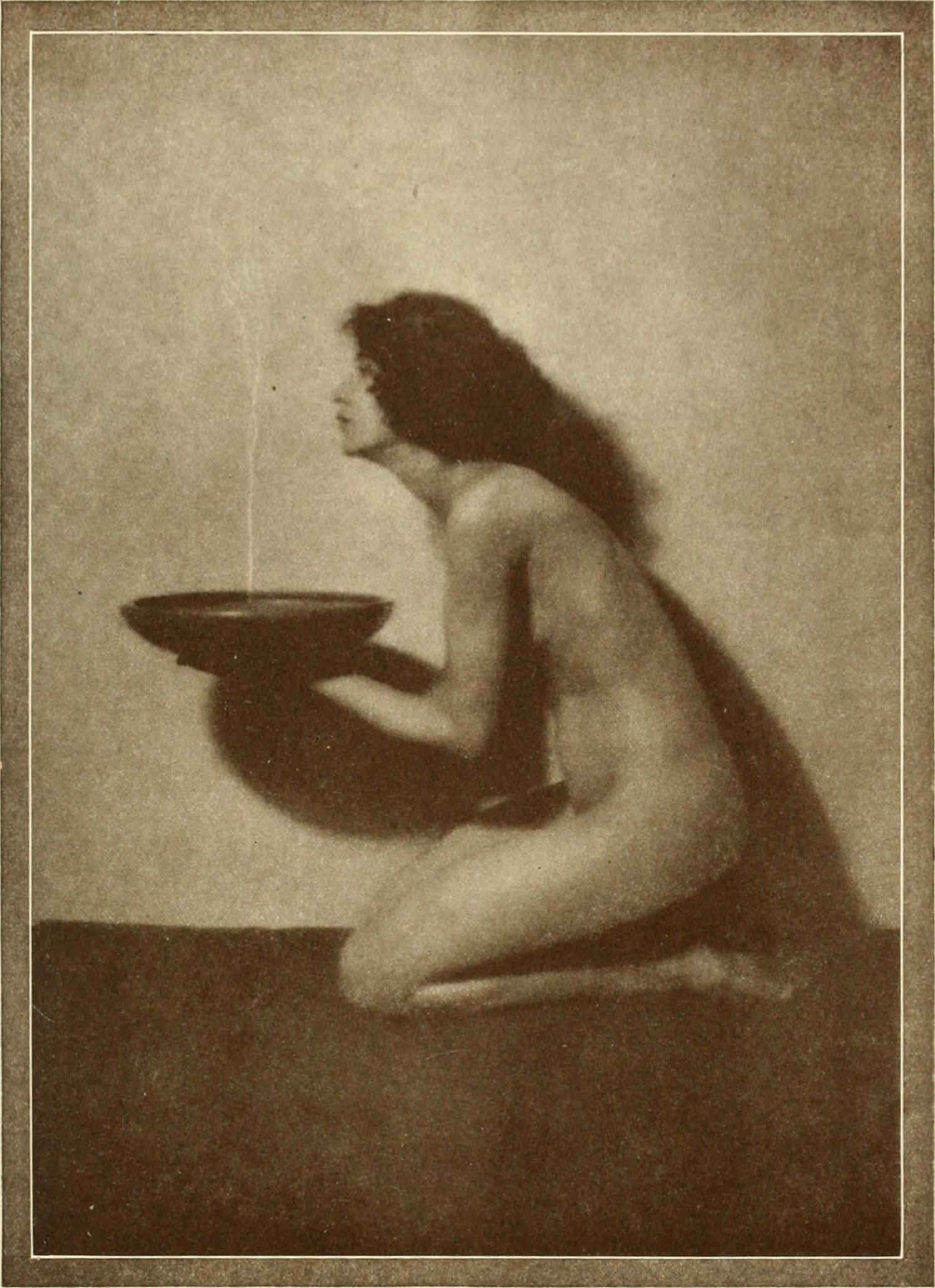
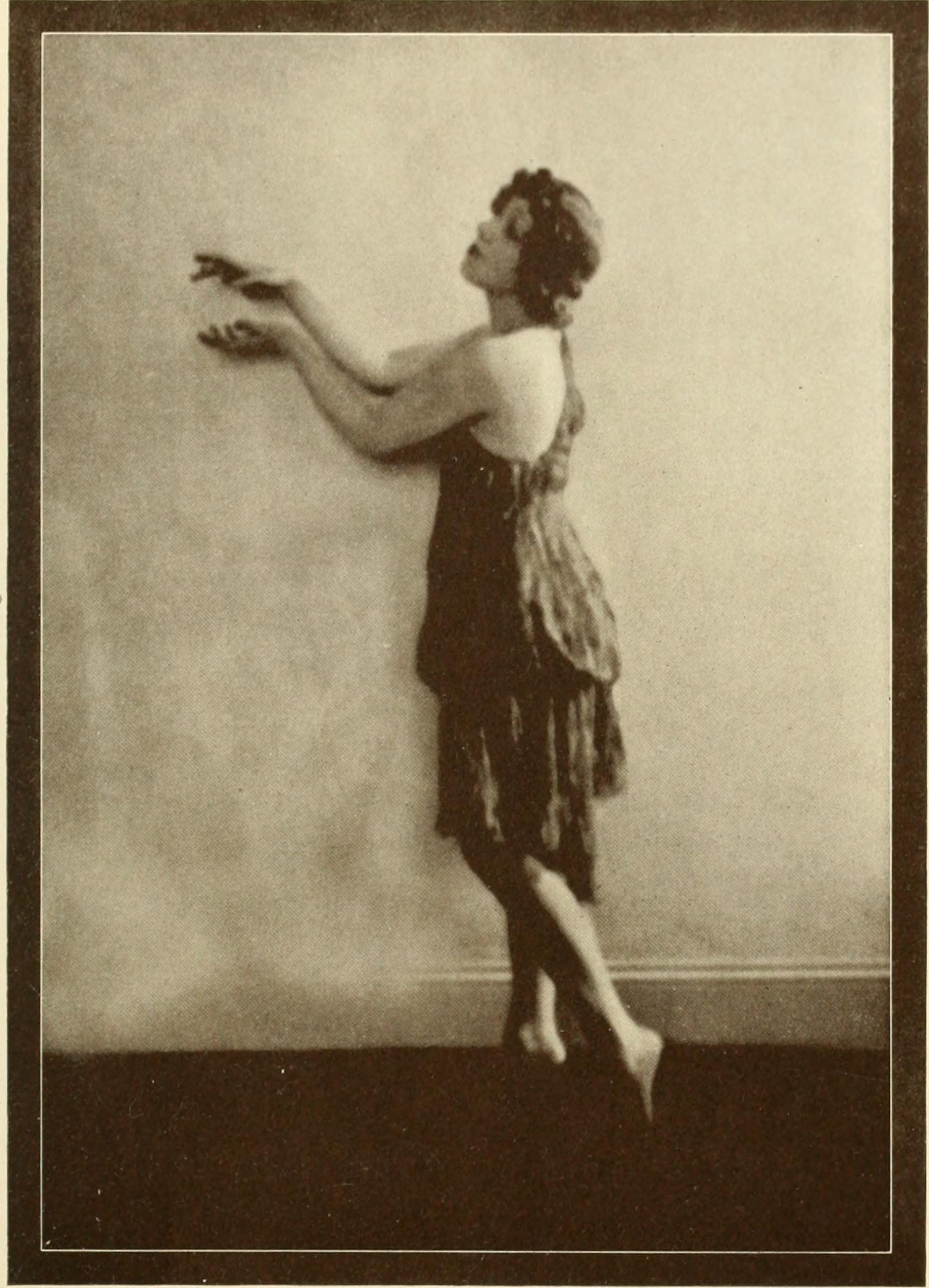
Dancing with Helen Moller, 1918

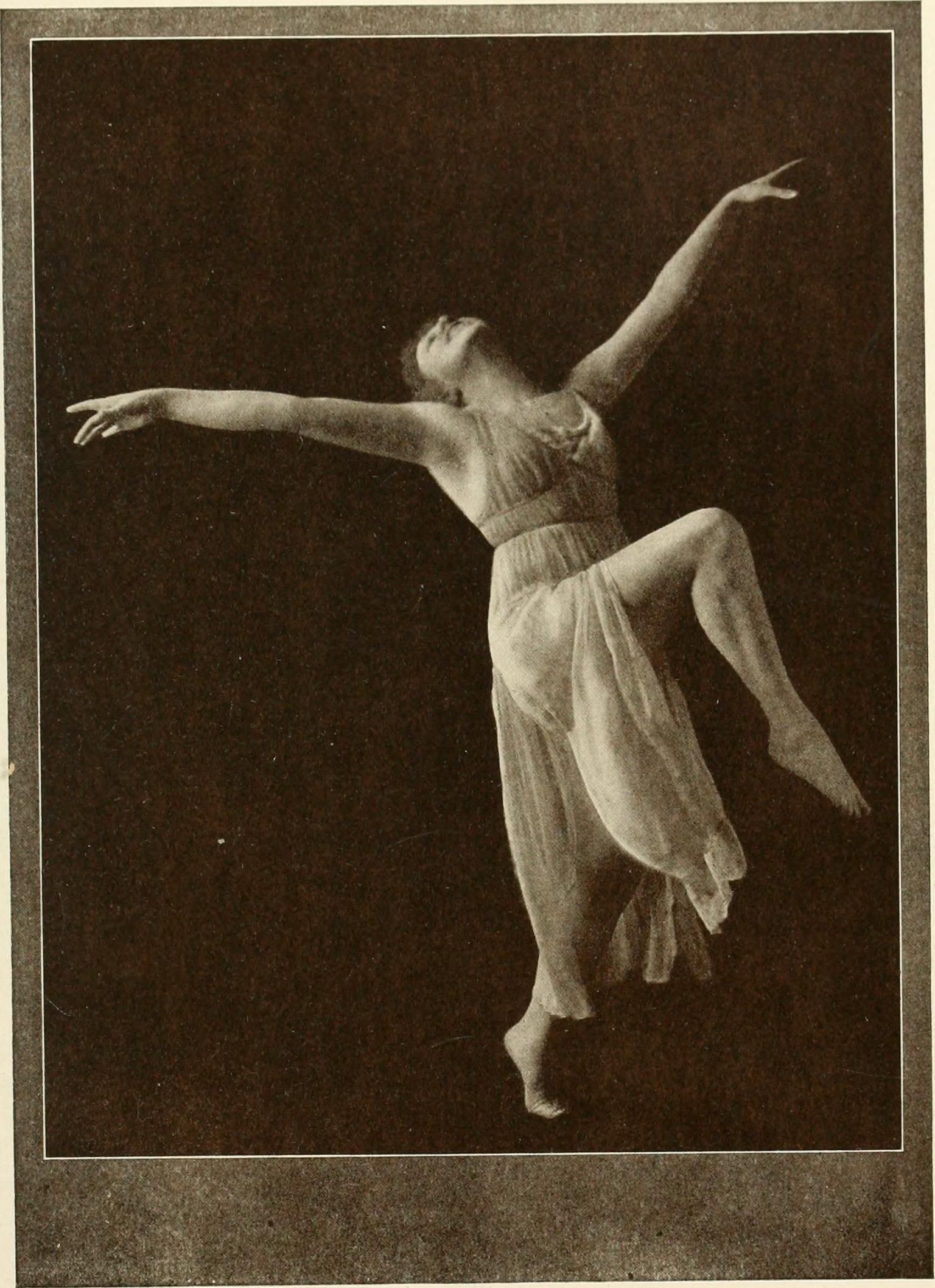
“Votive incense, as from a novice to the Priestess of the Temple — an attitude of graceful humility combined with pride in serving.” From ‘Dancing with Helen Moller’, 1918. Page 62. University of California Libraries. | src internet archive
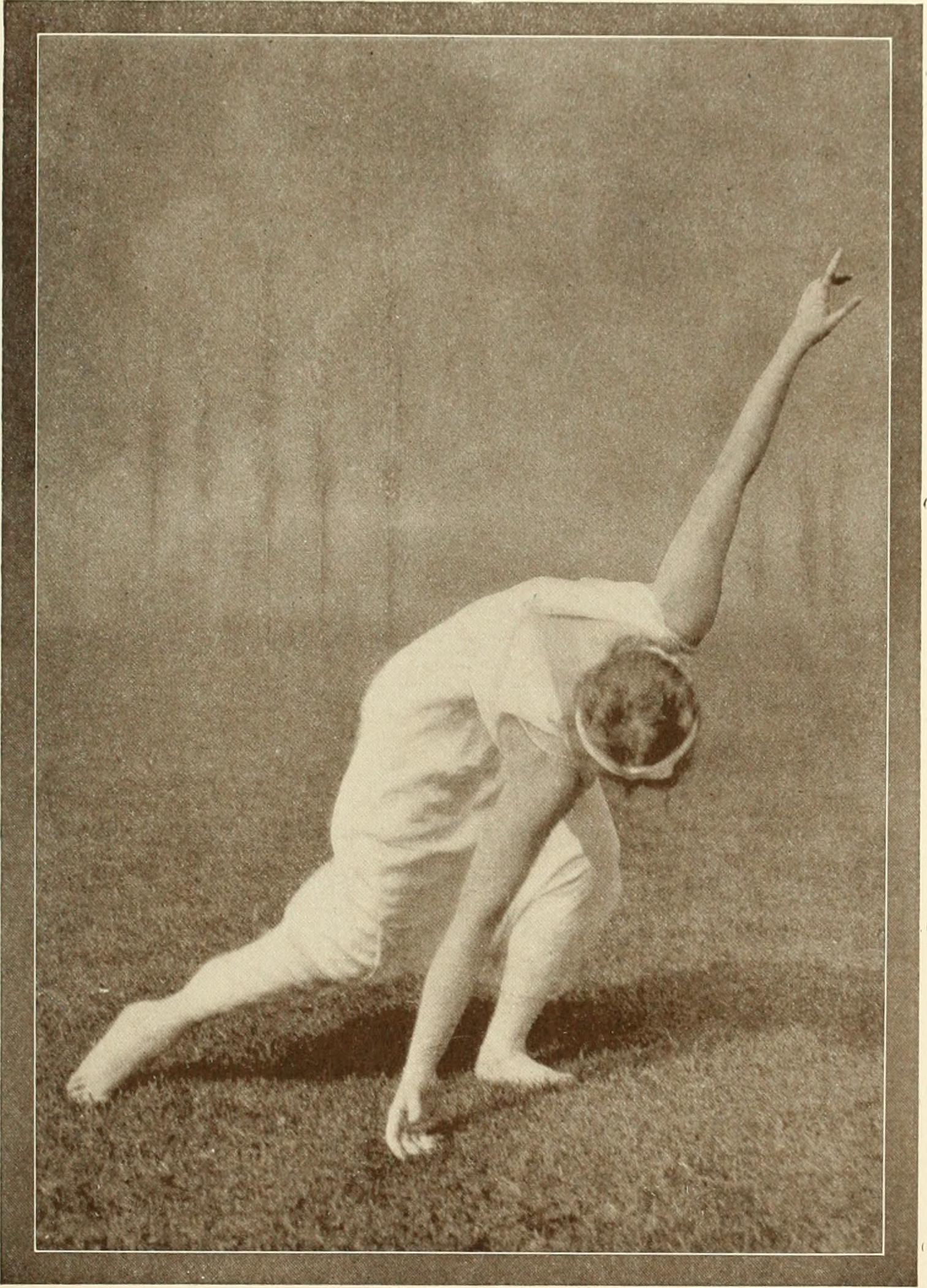
“Expressing wistful expectation — the hands in an upward receptive gesture and the countenance as of hope for some yearned-for gift from above.” From ‘Dancing with Helen Moller’, 1918. Page 22. University of California Libraries. | src internet archive
“Atalanta. Depicting the classical moment of the most intense physical and mental concentration upon two opposing motives — to win the race, yet pause to seize the prize.” From ‘Dancing with Helen Moller’, 1918. Page 24. University of California Libraries. | src internet archive
“Example of a very young dancer unconsciously coordinating movements of arms and torso with remarkably true and forceful expression of countenance.” From ‘Dancing with Helen Moller’, 1918. Page 38. University of California Libraries. | src internet archive
“Children are quick to feel the impulse to rise upon the ball of the foot even when that limb is sustaining the body’s entire weight — one of the principal requisites of Greek dancing.” From ‘Dancing with Helen Moller’, 1918. Page 32. University of California Libraries. | src internet archive
“Representing joyous abandonment to an impulse of Nature’s gently persuasive mood — as of floating forward borne upon a Summer breeze.” From ‘Dancing with Helen Moller’, 1918. Page 90. University of California Libraries. | src internet archive
Arms outstretched, and raised together, in movements which avoid unaesthetic angles, even in the energetic action shown on the left. The open, raised bust in the large figure illustrates the hygienic value of adhering to the heart centre of all true physical expression.”
Helen Moller and Curtis Dunham :: From ‘Dancing with Helen Moller; her own statement of her philosophy and practice and teaching formed upon the classic Greek model, and adapted to meet the aesthetic and hygienic needs of to-day’, 1918. Page 92. University of California Libraries. | src internet archive

ACKNOWLEDGMENT: Many of the photographs reproduced in this book were taken by the author herself. For the privilege of reproducing other fine examples of the photographer’s art, she desires to express her grateful acknowledgments to Moody, to Maurice Goldberg, to Charles Albin and to Underwood and Underwood; also to Arnold Genthe for the plate [lost plate] on Page 36; and to Jeremiah Crowley for his admirable arrangement of the entire series of illustrative art plates. [quoted from source]

Carina Ari in The Moonlight

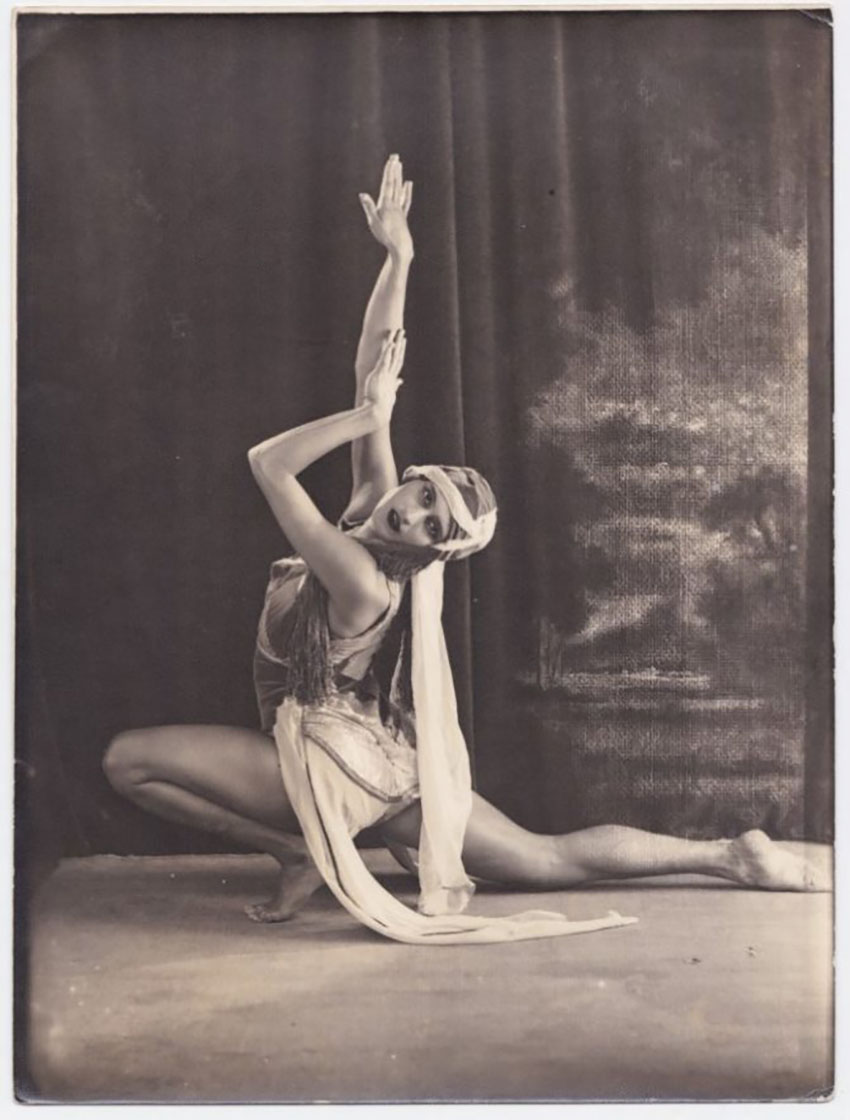
Carina Ari i Månstrålen (in The Moonlight, aka Rayon de lune), Studio Granere, Paris, 1934. | src Dansmuseet on IG
Carina Ari i Månstrålen (Rayon de lune), 1928, foto: Studio Iris, Paris. | Carina Ari in The Moon Ray (Rayon de lune), 1928, photo: Studio Iris, Paris. | src dansmuseet on IG
Balletttänzerin Carina Ari (*), late1920s -early 1930s | src Nordicphotos on eBay
(*) Maria Karina Viktoria Jansson (Stockholm, 1897 – Buenos Aires, 1970)

Lisel Weber, 1918-1923

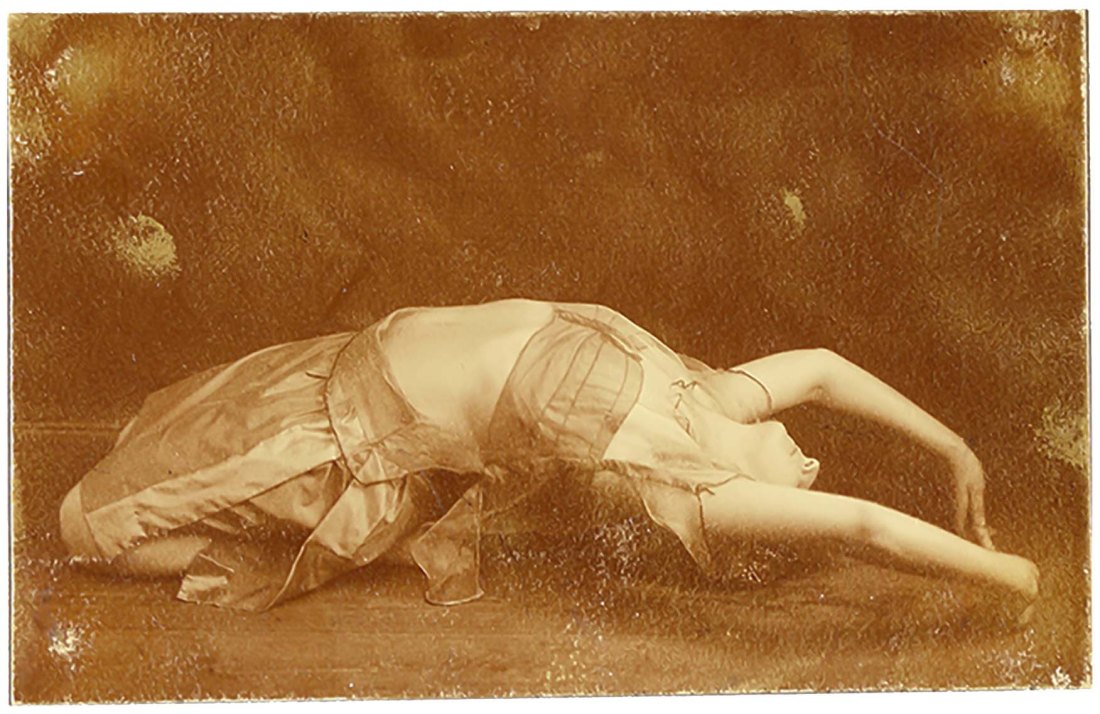
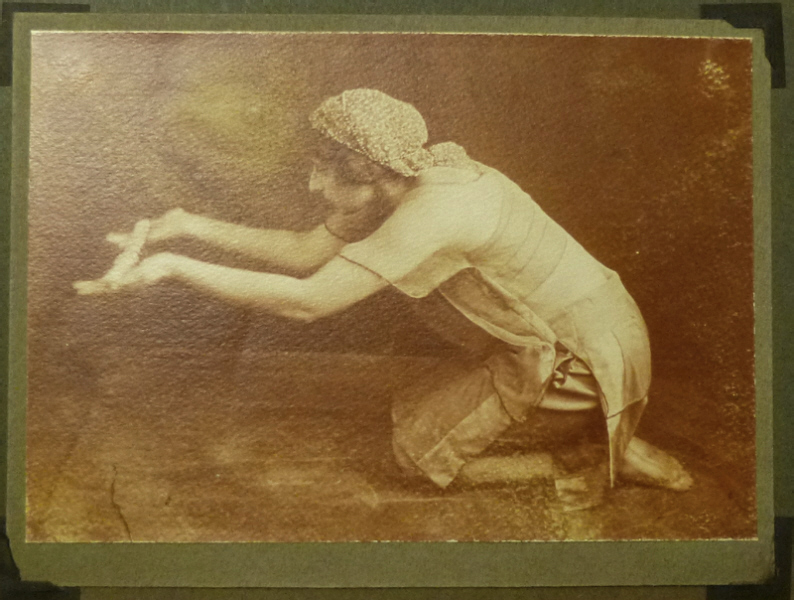
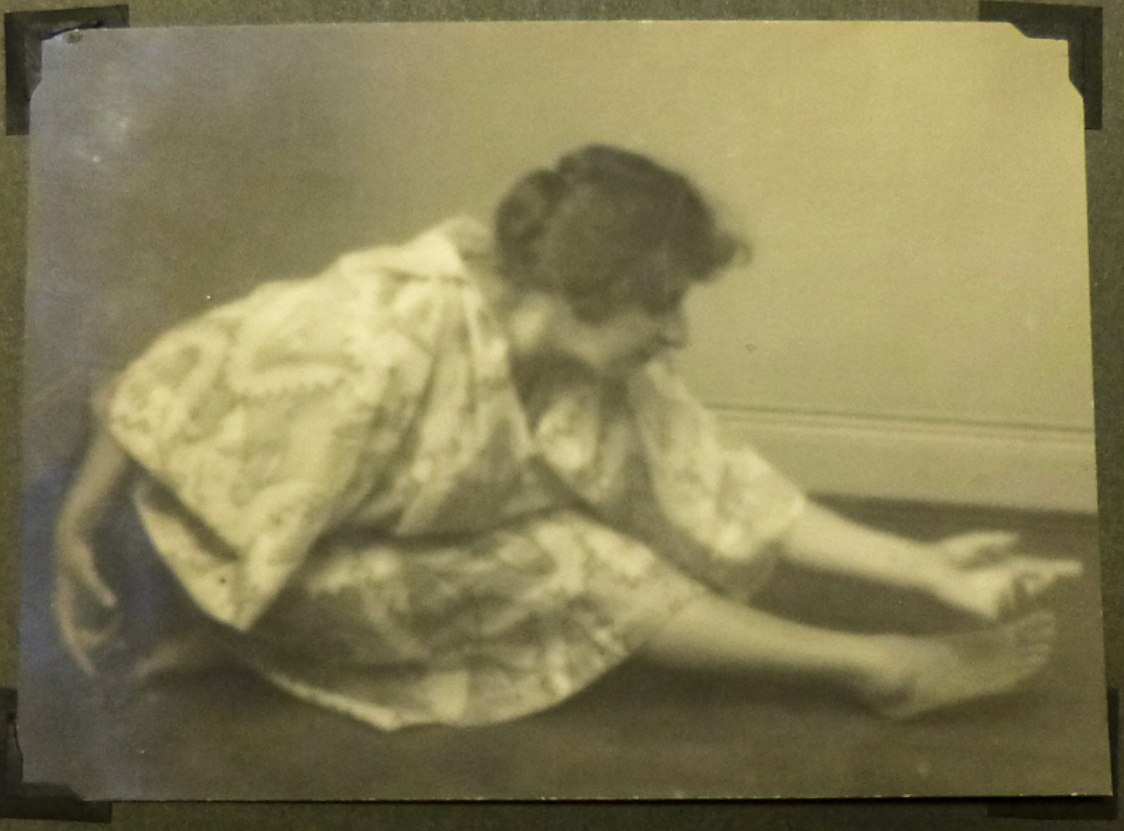
Lisel Weber in einer Tanzpose, zwischen 1918 und 1923. Schenkung des Vereins Lastoria e.V. Bremen. | src and © Jüdisches Museum Berlin
Lisel Weber in einer Tanzpose, zwischen 1918 und 1923. From «Aus dem Müll geborgen: die Fotoalben der Künstlerin Olga Irén Fröhlich».
Lisel Weber (1898-1923) in einer Tanzpose, ca. 1918 bis 1923. Fotoalbum von Olga Irén Fröhlich. | src Jüdisches Museum Berlin
Lisel Weber in einer Tanzpose, ca. 1918 – 1923. | src Jüdisches Museum Berlin
Lisel Weber in einer Tanzpose, ca. 1918 bis 1923
src Jüdisches Museum Berlin