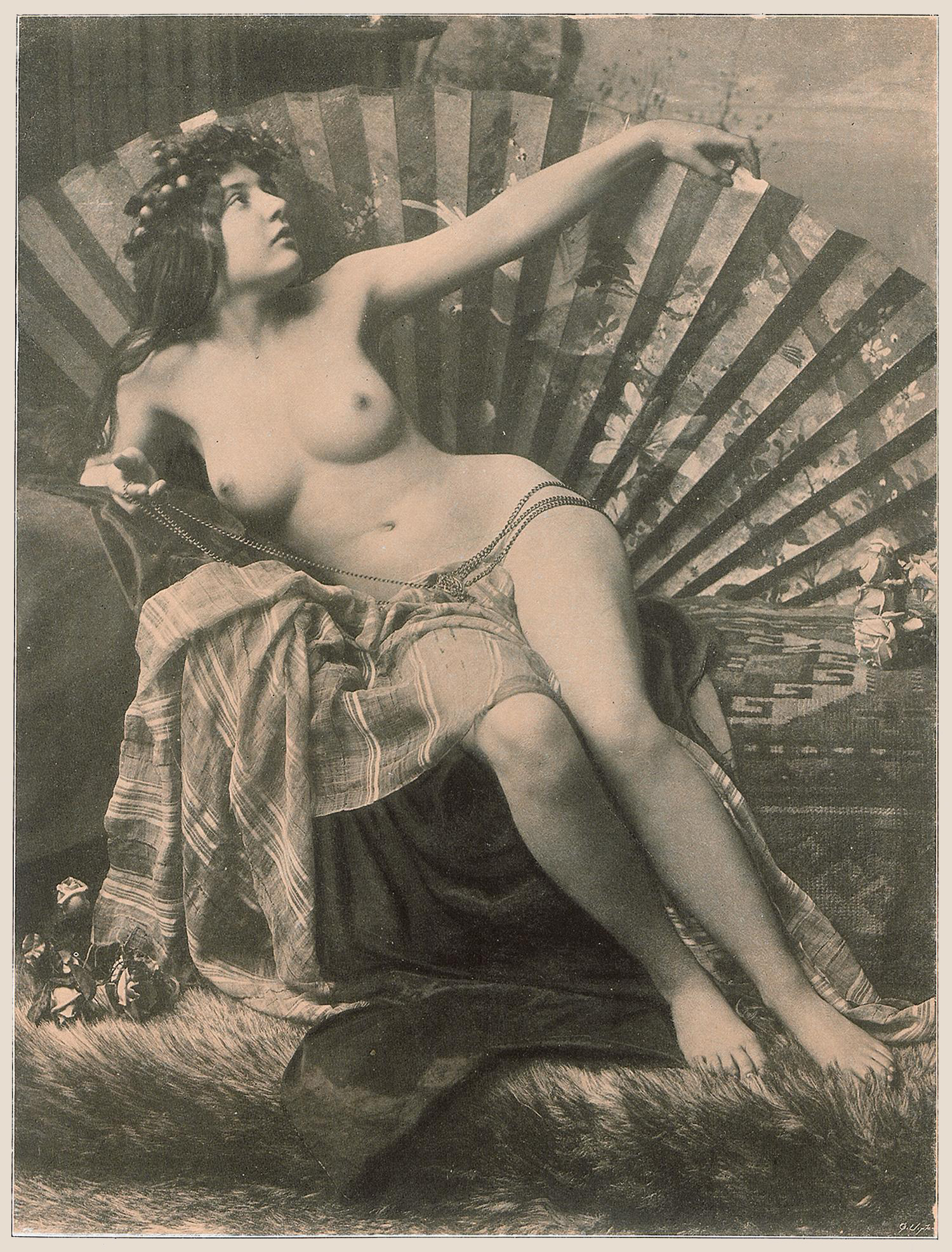
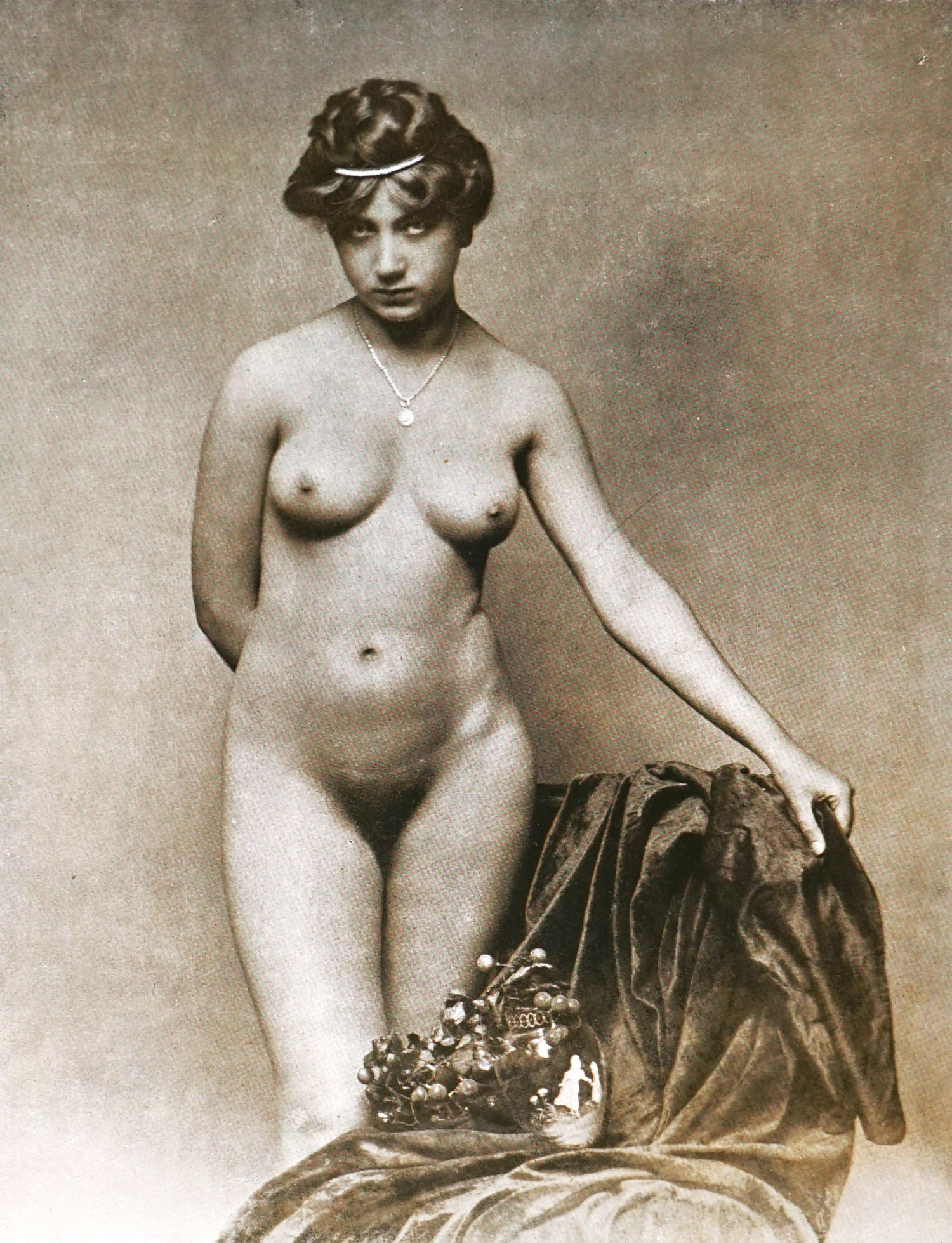
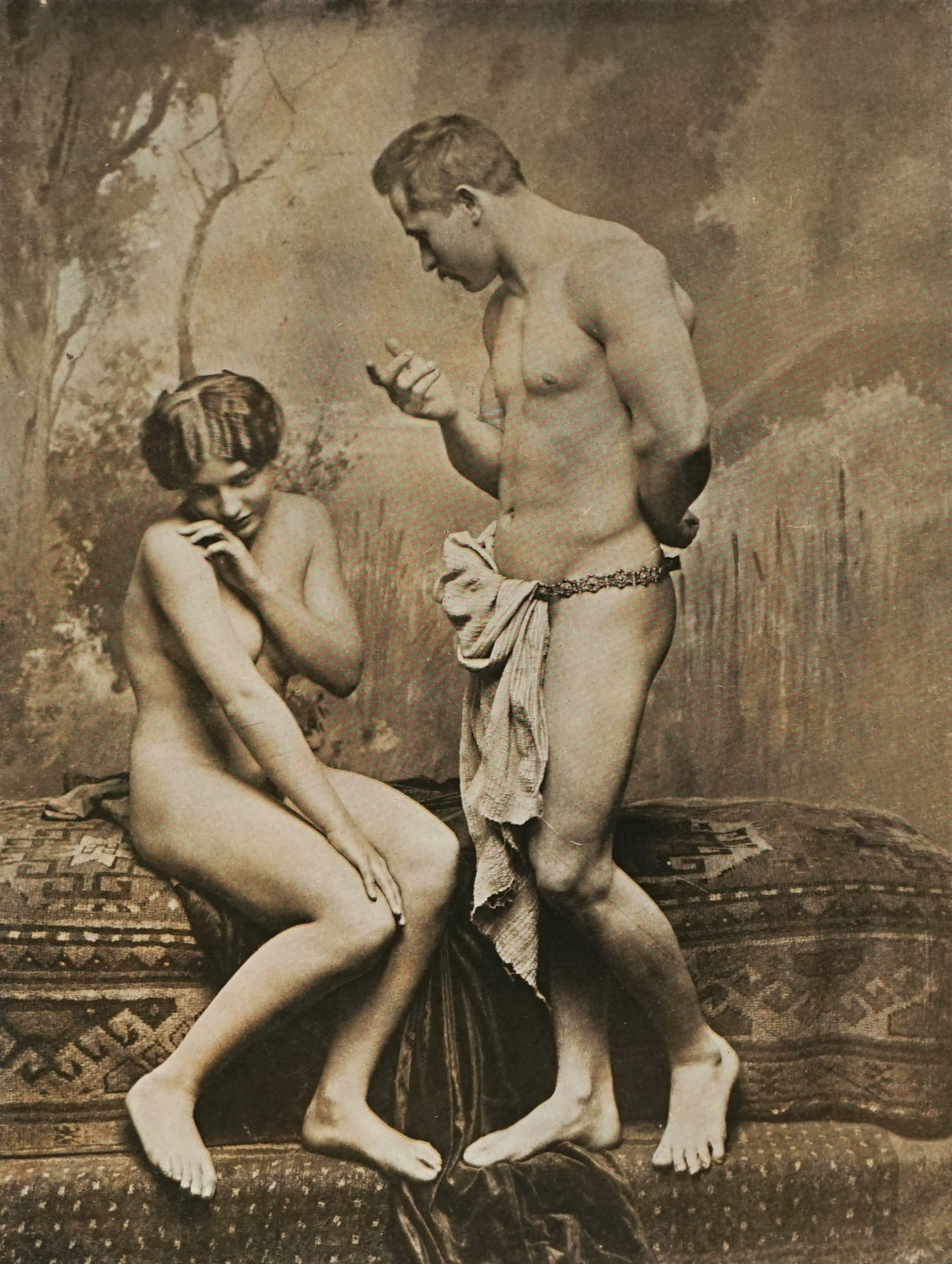
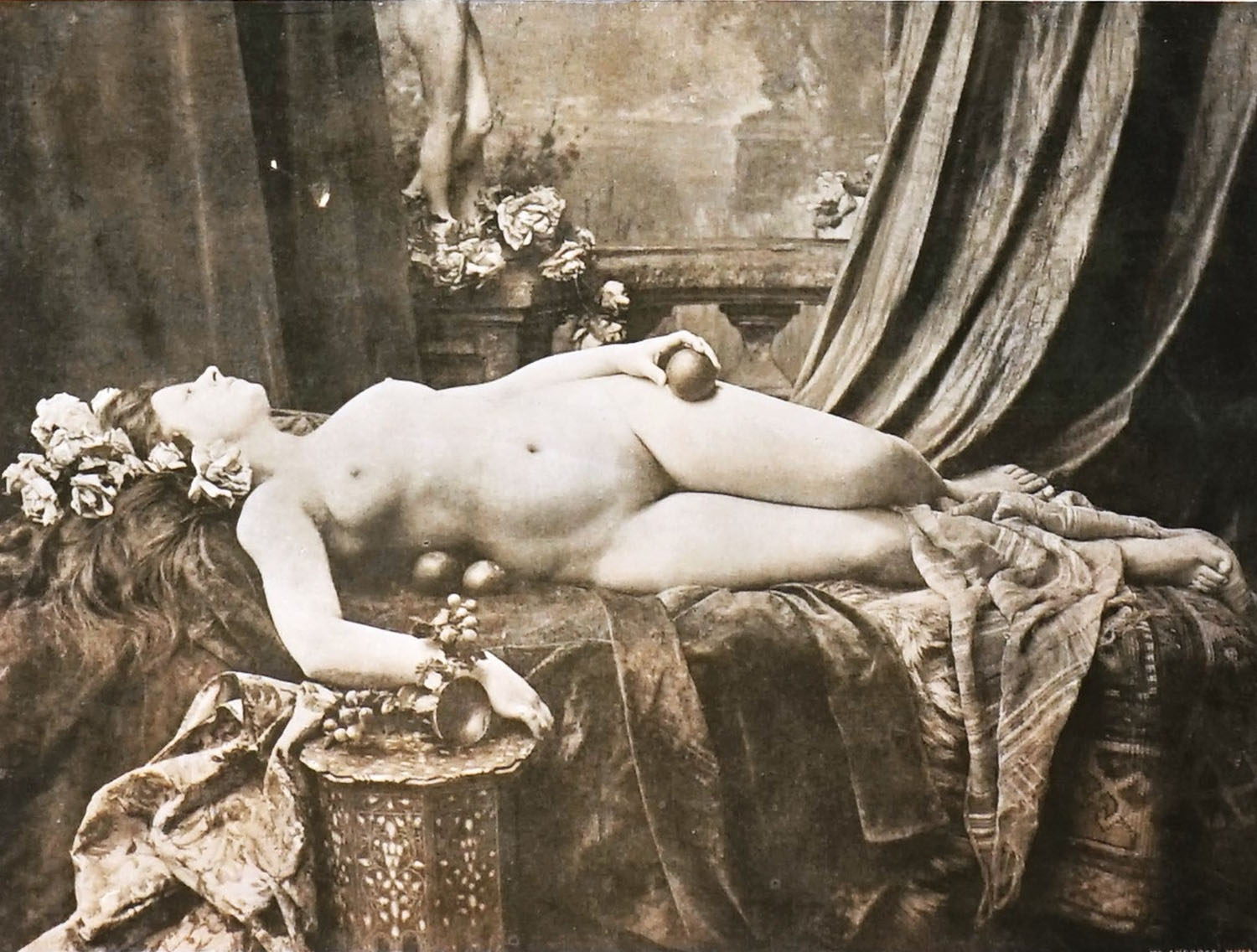
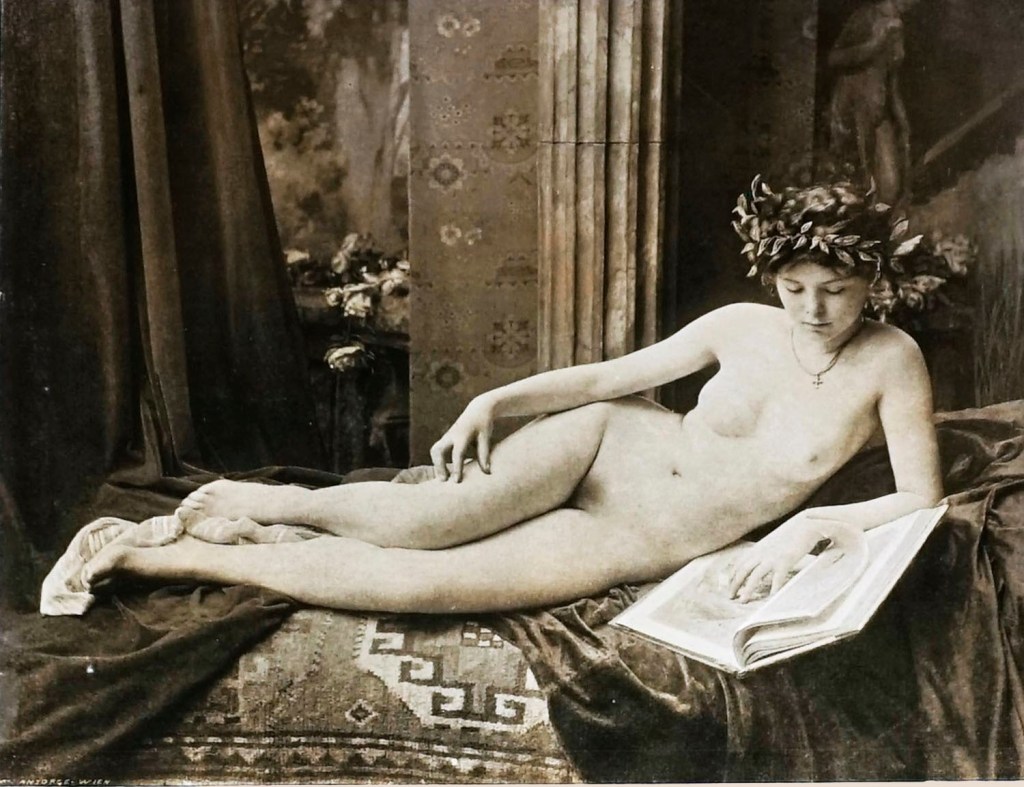
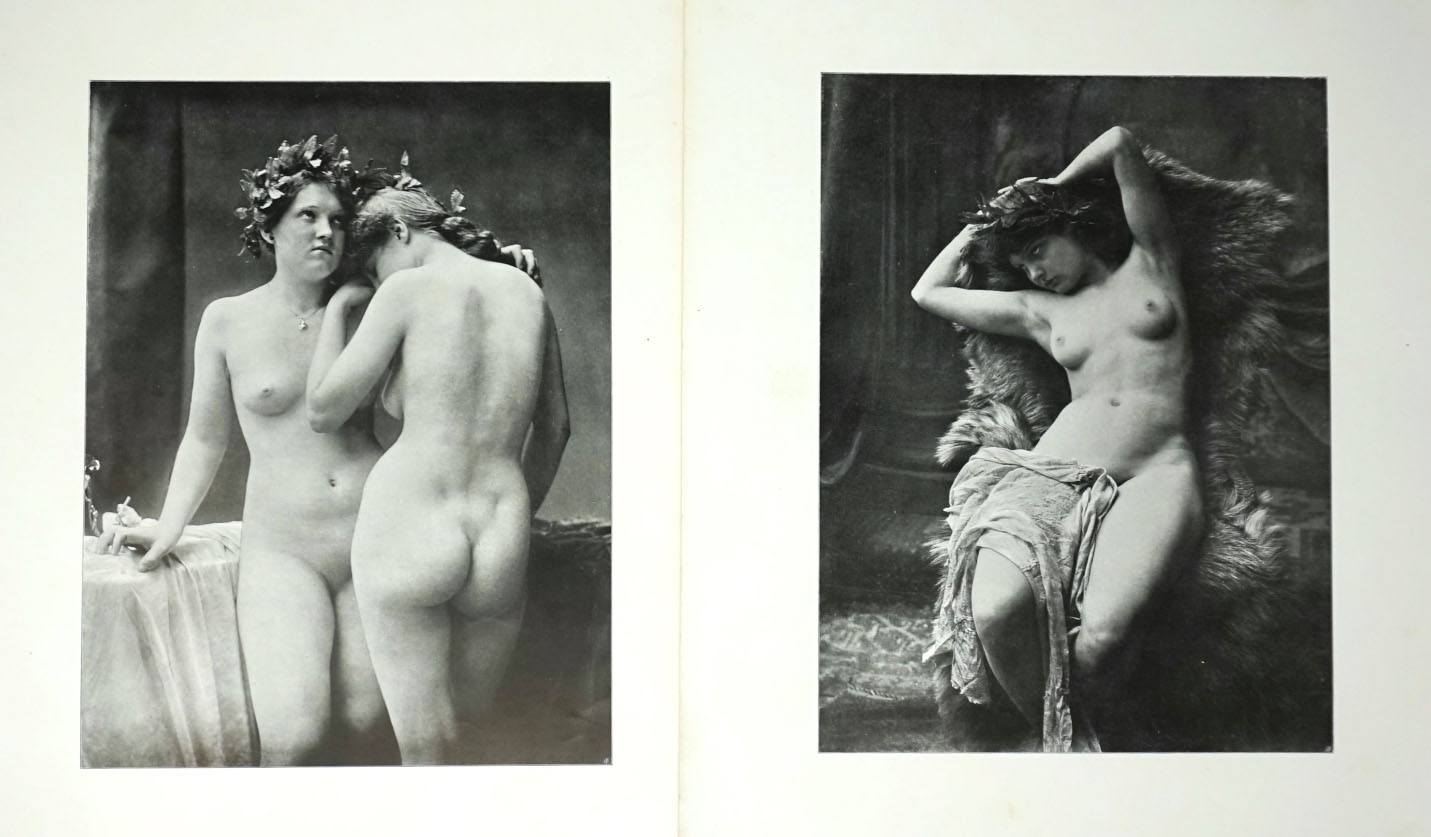
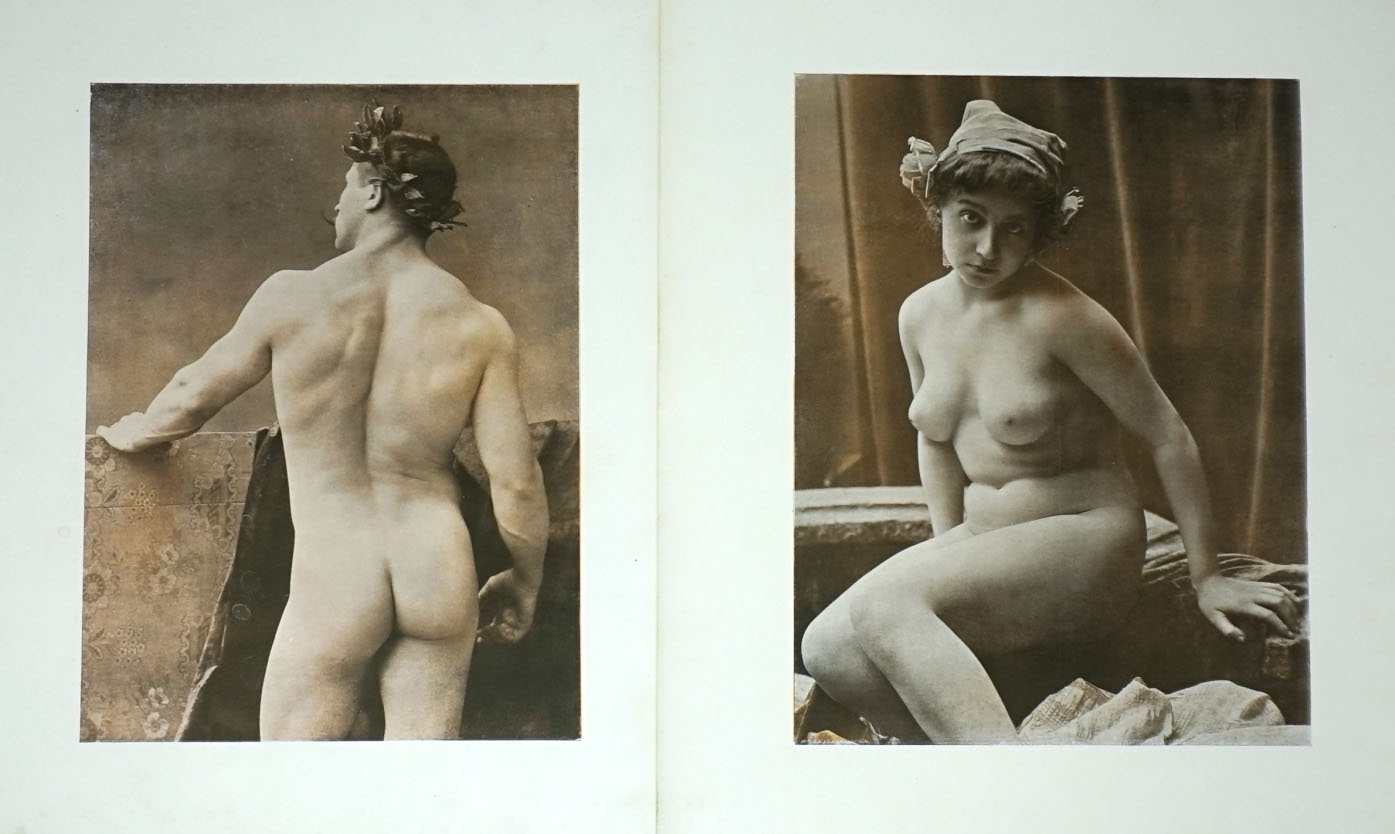
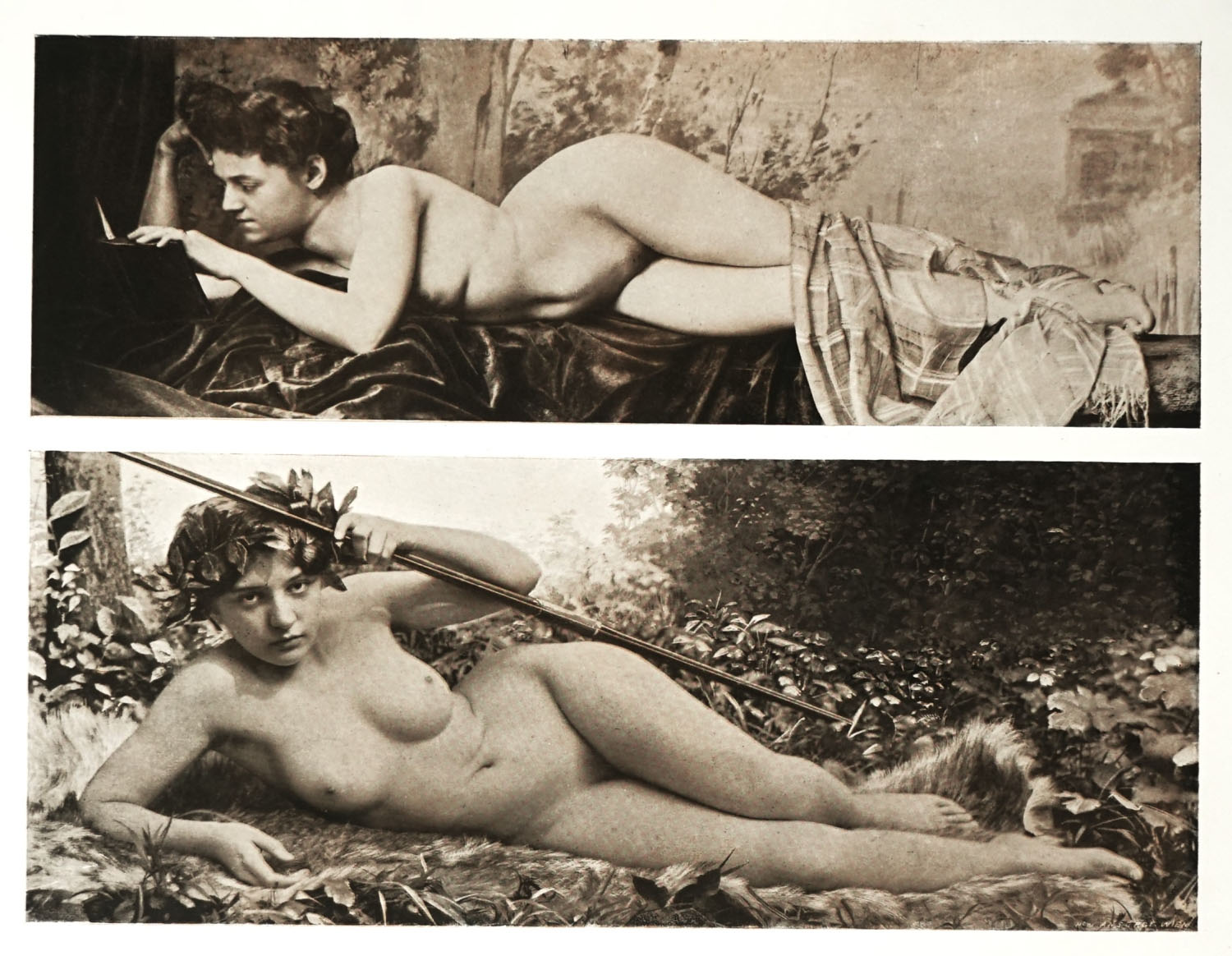
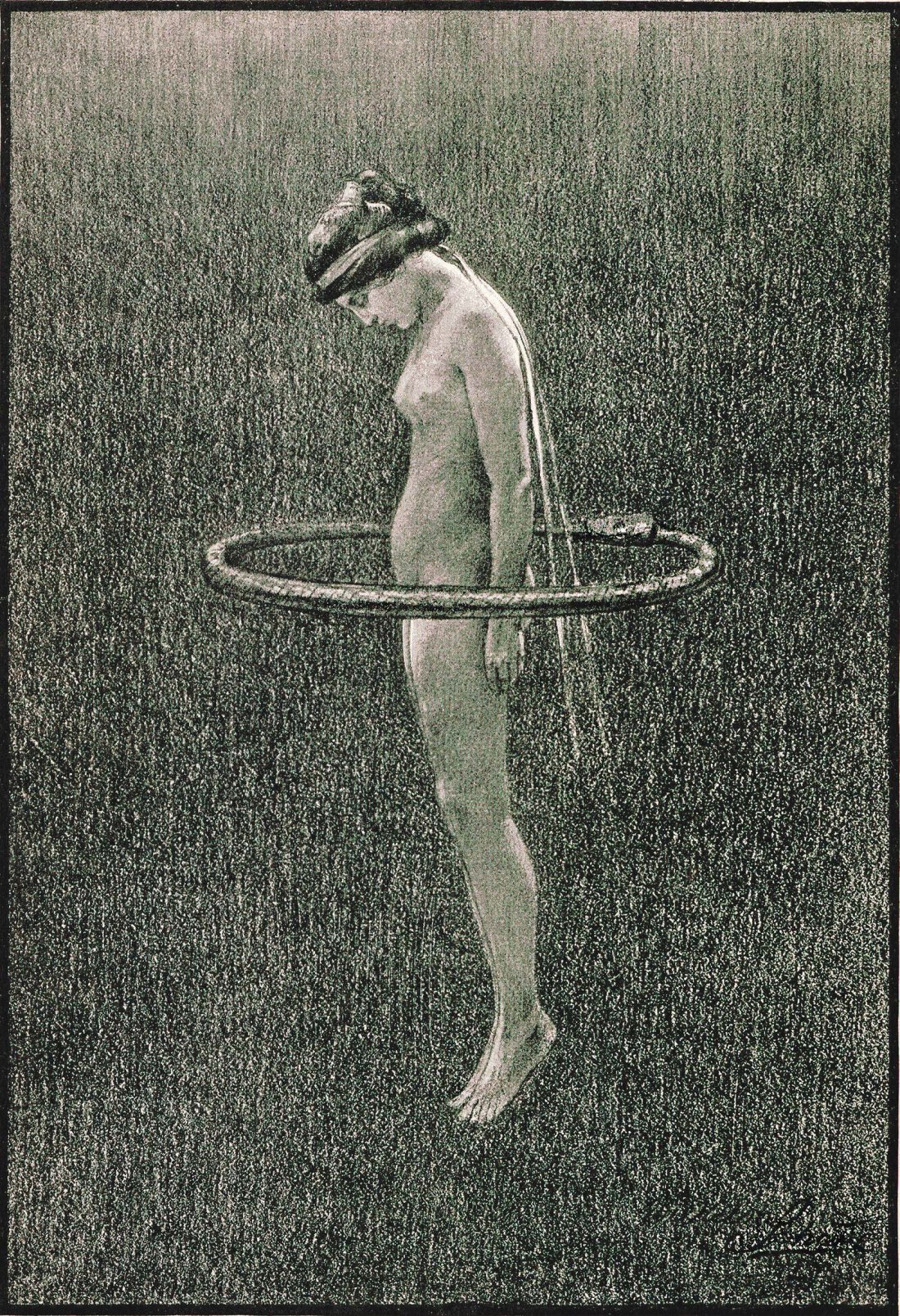
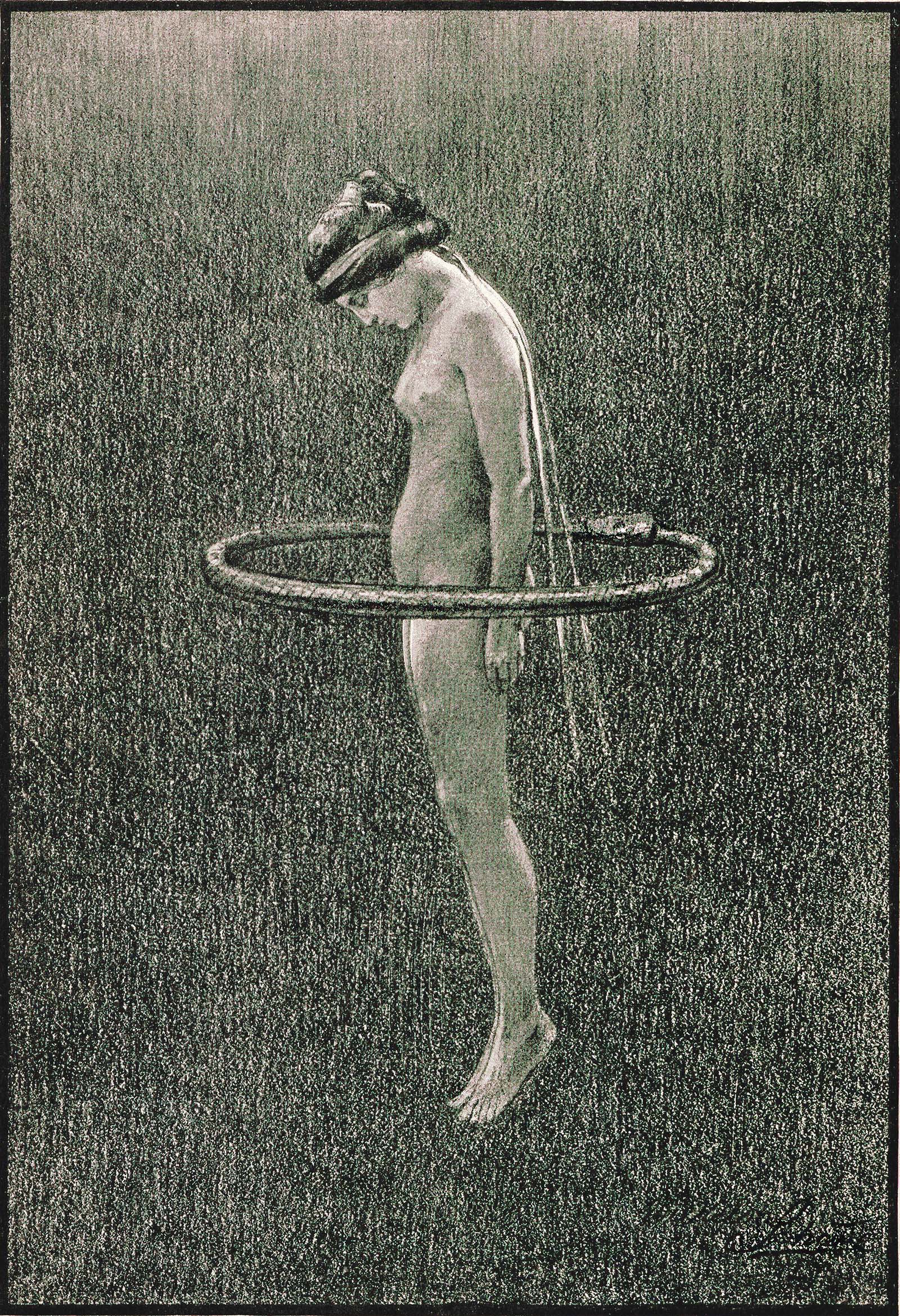
Eduard Büchler & Johann Riediger ~ Der Wiener Akt, Serie I (Wien, Otto Schmidt, 1906) | src Bassenge AuktionenEduard Büchler & Johann Riediger ~ Der Wiener Akt, Serie I (Wien, Otto Schmidt, 1906) | src Bassenge AuktionenEduard Büchler & Johann Riediger ~ Der Wiener Akt, Serie I (Wien, Otto Schmidt, 1906) | src Bassenge AuktionenEduard Büchler & Johann Riediger ~ Der Wiener Akt, Serie I (Wien, Otto Schmidt, 1906) | src Bassenge AuktionenDer Wiener Akt, Serie I. Eduard Büchler & Johann Riediger (Wien, Otto Schmidt, 1906) | src Bassenge AuktionenDer Wiener Akt, Serie I. Eduard Büchler & Johann Riediger (Wien, Otto Schmidt, 1906) | src Bassenge AuktionenDer Wiener Akt, Serie I. Eduard Büchler & Johann Riediger (Wien, Otto Schmidt, 1906) | src Bassenge Auktionen
Der Wiener Akt, Serie I. Fotografische Aufnahmen nach der Natur gestellt von Kunstmaler Eduard Büchler aufgenommen von Johann Riediger (Deckeltitel)
Seltenes Mappenwerk mit 24 Aktphotographien nach Motiven des Wiener Jugendstilmalers Eduard Büchler (1861-1958)
Rare portfolio with 24 nude photographs based on motifs by the Viennese Art Nouveau painter Eduard Büchler (1861-1958).
Eduard Büchler & Johann Riediger ~ Der Wiener Akt, Serie I (Wien, Otto Schmidt, 1906) | src Bassenge AuktionenEduard Büchler & Johann Riediger ~ Der Wiener Akt, Serie I (Wien, Otto Schmidt, 1906) | src Bassenge AuktionenEduard Büchler & Johann Riediger ~ Der Wiener Akt, Serie I (Wien, Otto Schmidt, 1906) | DetailEduard Büchler & Johann Riediger ~ Der Wiener Akt, Serie I (Wien, Otto Schmidt, 1906) | src Bassenge AuktionenEduard Büchler & Johann Riediger ~ Der Wiener Akt, Serie I (Wien, Otto Schmidt, 1906) | src Bassenge Auktionen
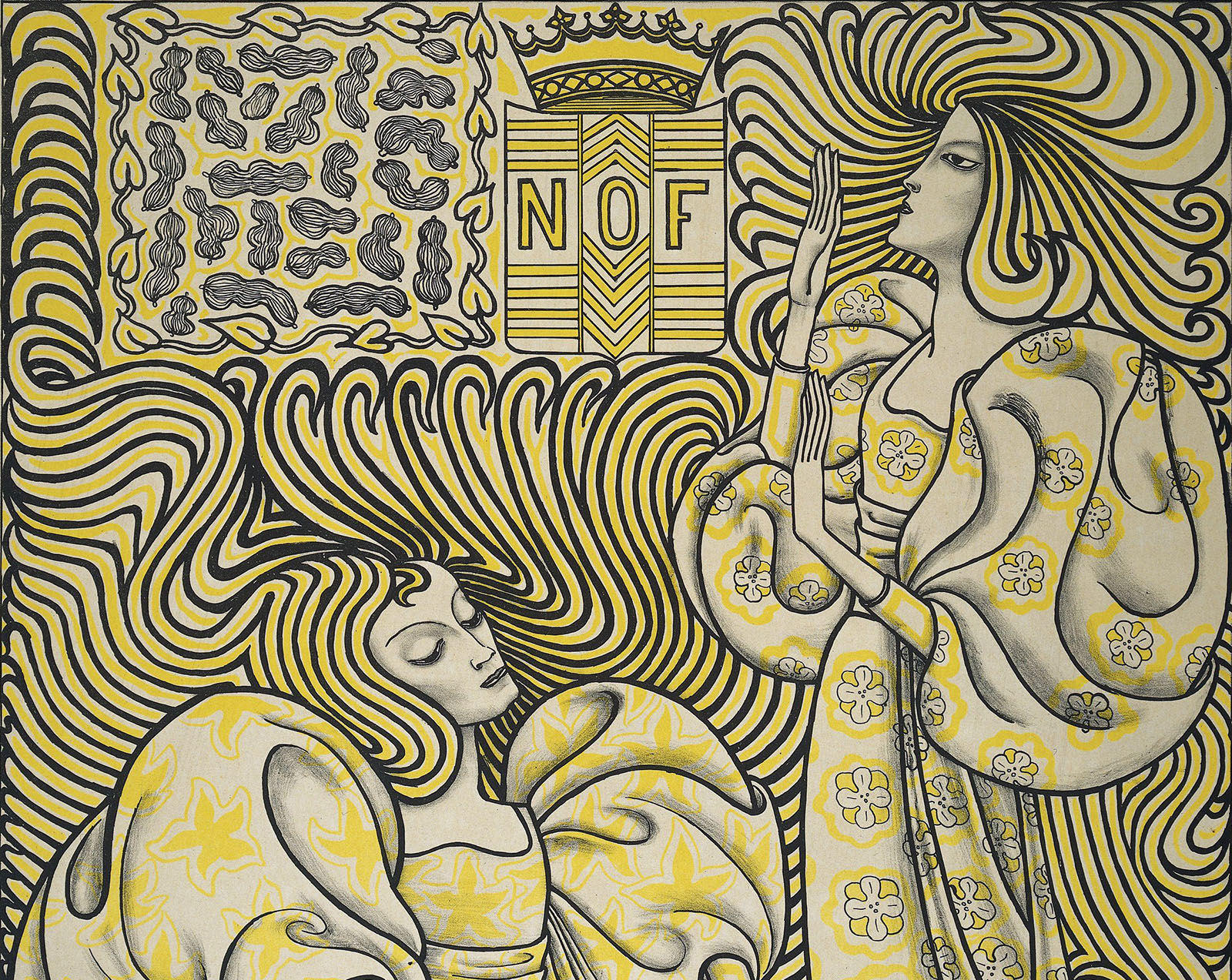
Jan Toorop ~ Poster for Delft Salad Oil, 1894 (RP-P-1912-2395) | src Rijksmuseum
Affiche Delftsche Slaolie (1894) This poster was commissioned by the Nederlandsche Oliefabriek, an oil manufacturer in Delft. Two women with wavy hair and billowing draperies occupy most of the composition. One of them is dressing a salad.
The inscription on top Delftsche Slaolie makes it clear that the advert concerns salad oil, as do the bottles of salad oil on either side of the text. Below it is the crowned coat of arms of the factory (N O F), with a decorative area with peanuts on the left. The majority of the poster is taken up by the two graceful female figures with long hair and billowing draperies. One sits and is dressing a lettuce salad in a large container; the other has her gaze and hands raised. The women with their emphatic contours draw attention away from the actual advertisement, namely for the salad oil. The wavy, rhythmic interplay of lines with which the women’s hair fills the picture surface made such an impression that it became an icon and lent Dutch Art Nouveau its nickname, slaoliestijl, the ‘salad oil style’. | text adapted from Rijksmuseum [x]
Jan Toorop ~ Image Design for a Poster. Wagenaar’s Cantata ‘The Shipwreck’, 1899. Zincograph in blue-black on yellow wove paper | src AICJan Toorop (1858-1928) ~ Two female figures with clock in hand, 1913 (?). Pencil and chalk on paper. | src RijksmuseumJan Toorop ~ Twee gestileerde vrouwelijke figuren met klok in de hand (1894)
Jan Toorop (1858–1928) was born on the island of Java in the Dutch East Indies, Toorop settled in the Netherlands at the age of eleven. After studying art at the Rijksakademie in Amsterdam, he’d spend his time between The Hague, Brussels, England (where his wife was from), and, after 1890, the Dutch seaside town of Katwijk aan Zee. It was during this time that he developed his distinctive style: highly stylized figures, embedded in complex curvilinear designs, with his dynamic line showing influence from his Javanese roots. While perhaps most famous for turning these techniques to his exquisite poster designs, Toorop also produced a substantial body of work far removed from the anodyne demands of the advertising industry, beautiful but haunting works dealing with darker subjects such as loss of faith and death (that you can find in this other post). | text adapted from Public Domain review
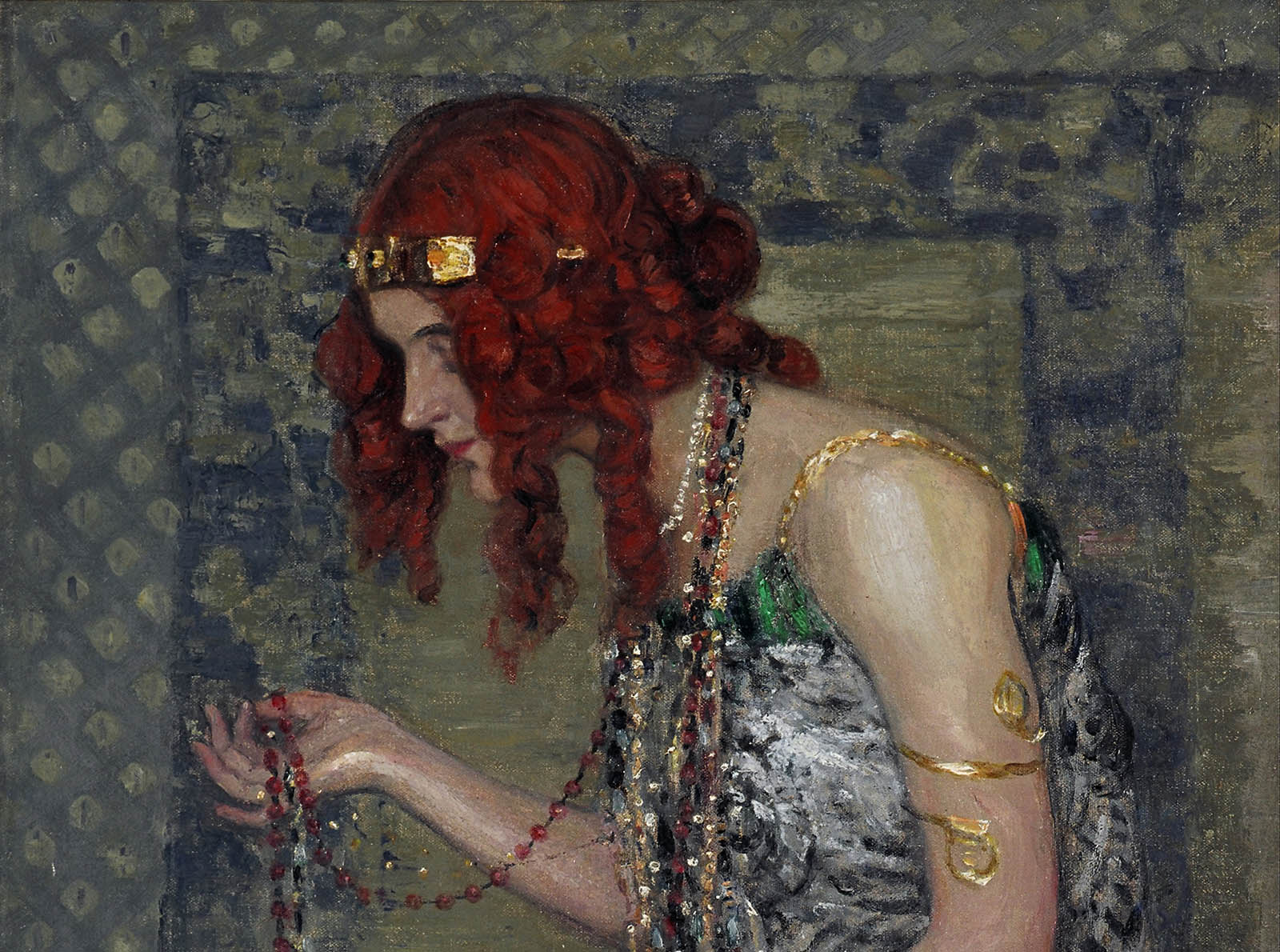
Janis Rozentāls (1866 – 1916) ~ The Princess and the Monkey, 1913, oil on canvas. Latvian National Museum of Art via Google Arts
In the last years of his life, Janis Rozentāls repeatedly returned to the composition with the figures of a princess and monkey. The first of the painting was exhibited in 1913 at the 3rd Baltic Artists Union exhibition and at the international art show in Munich where the Leipzig publisher Velhagen & Klasing acquired reproduction rights ensuring wide popularity for the work. The symbolic content of the decoratively resplendent Art Nouveau composition has been interpreted as an allegory of the relationship between artist and society reflecting the power of money over the artist; on other occasions, the princess is seen as “great, beautiful art” but the monkey as the artist bound by golden chains – its servant and plaything. [quoted from Latvijas Nacionālā bibliotēka (link)]
Janis Rozentāls (1866 – 1916) ~ The Princess and the Monkey, 1913 [DETAIL]
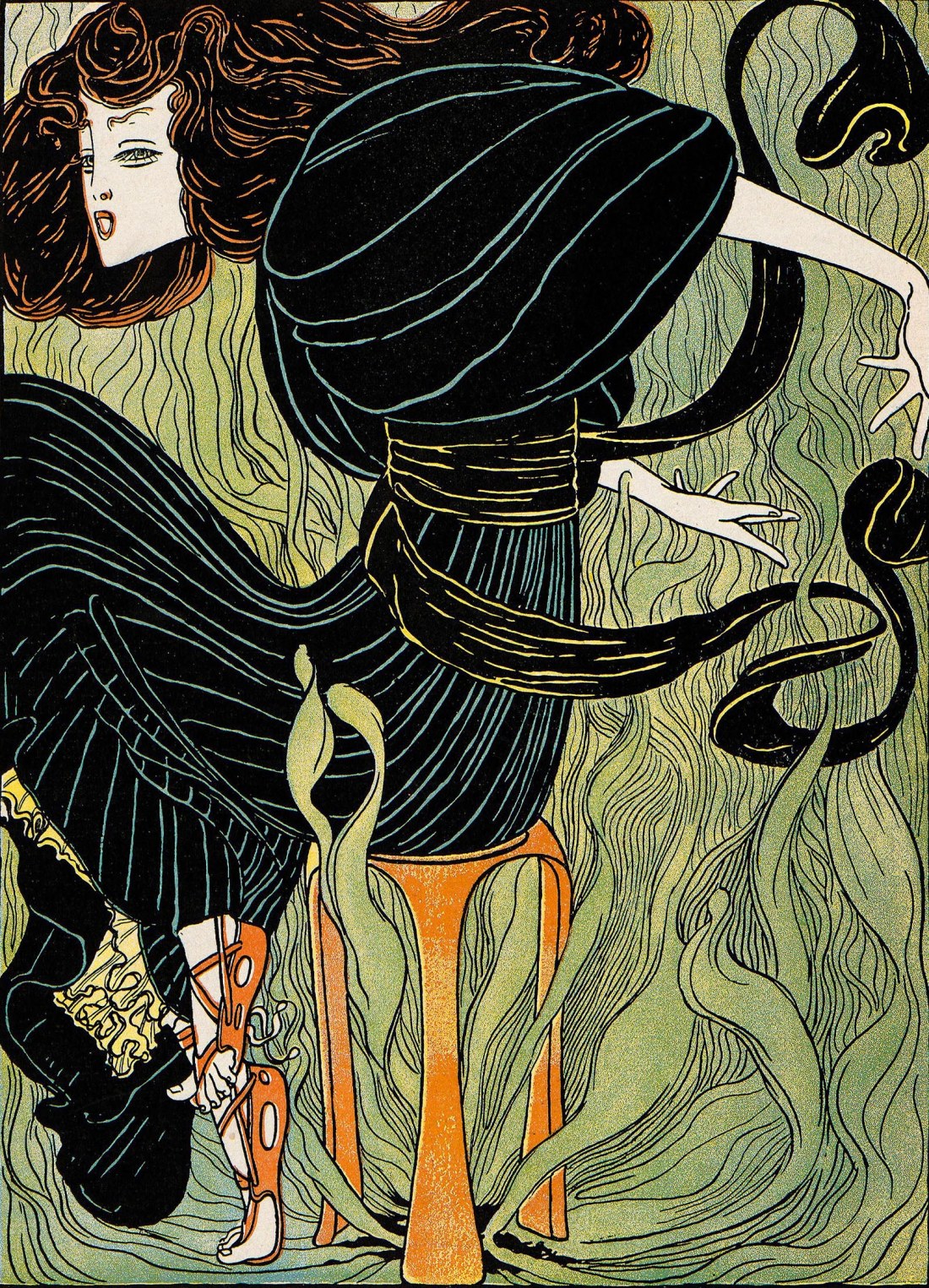
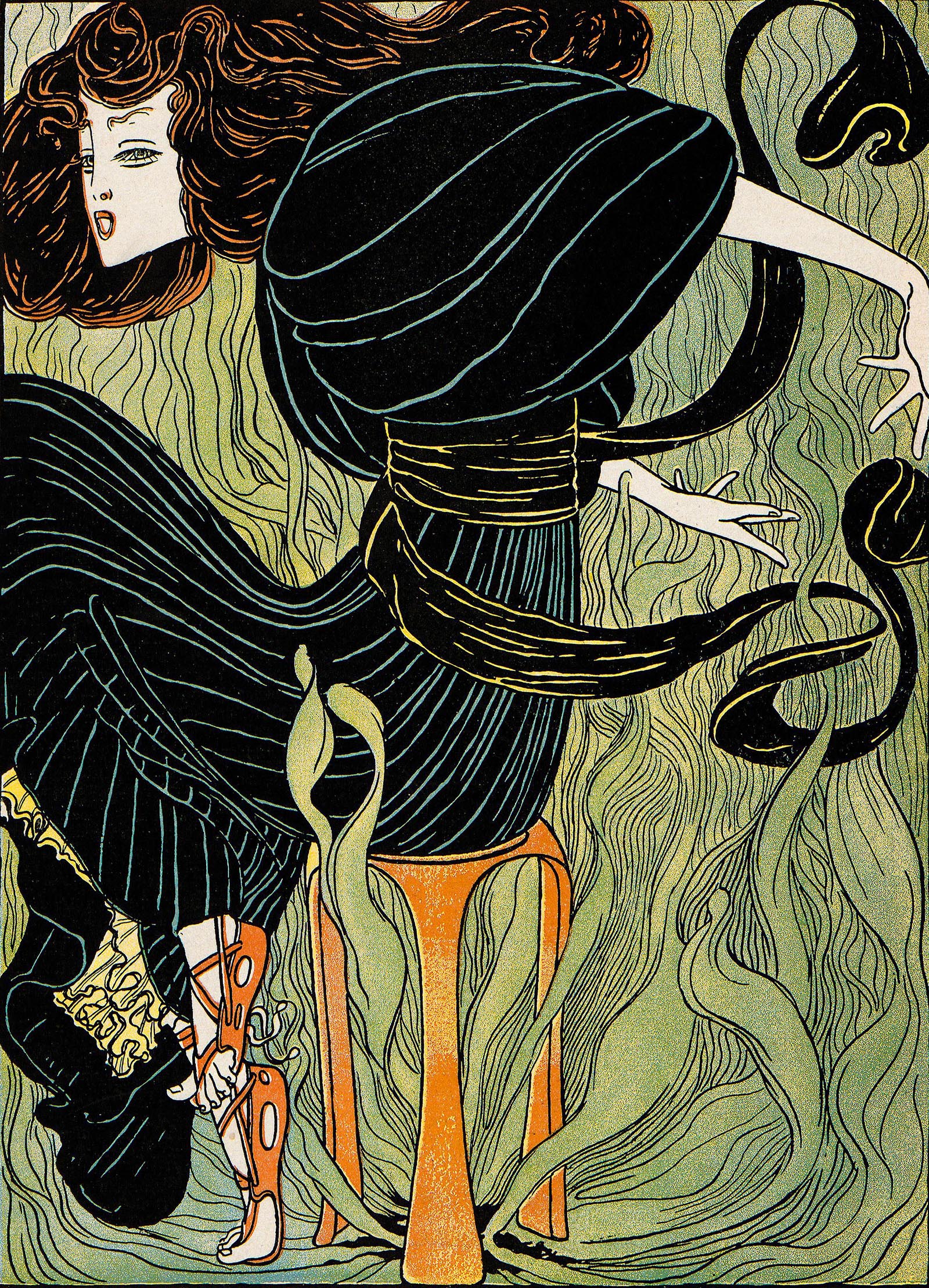
I. Preis im Wettbeweib VI der Jugend: “Pythia”. Auch eine Dreifuß-Affaire. J.R. Witzel (München) I. Prize in the competition VI of Jugend: “Pythia”. Also a three-legged stool affaire J.R. Witzel (Munich). From: Jugend, 1896. Nº 50. | src Universitätsbibliothek HeidelbergJ.R. Witzel :: Pythia. Also a three-legged stool affaire. Jugend Magazin, 1896. Nº 50. | src Universitätsbibliothek Heidelberg
Wilhelm Schade :: Scene im Äades. Jugend: Münchner illustrierte Wochenschrift für Kunst und Leben, 1896, Band 2, Heft 50, Seite 815. | src Universtitätsbibliothek Heidelberg
Scene im Äades Kain: “Gehört die Schlange nicht der Gattung an, die sich gesonnt hat unter’m Baum des Paradieses?” Lucifer: “Ei, Deine Mutter Eva muzt, Du fragen, was für ‘ne Art von Schlange sie versucht!”
Scene in Hades Cain: “Doesn’t the snake belong to the species sunbathed under the tree of paradise?” Lucifer: “Well, your mother Eva must know, you ask what kind of snake she tries!” (Lord Byron, “Cain”)










 un regard oblique