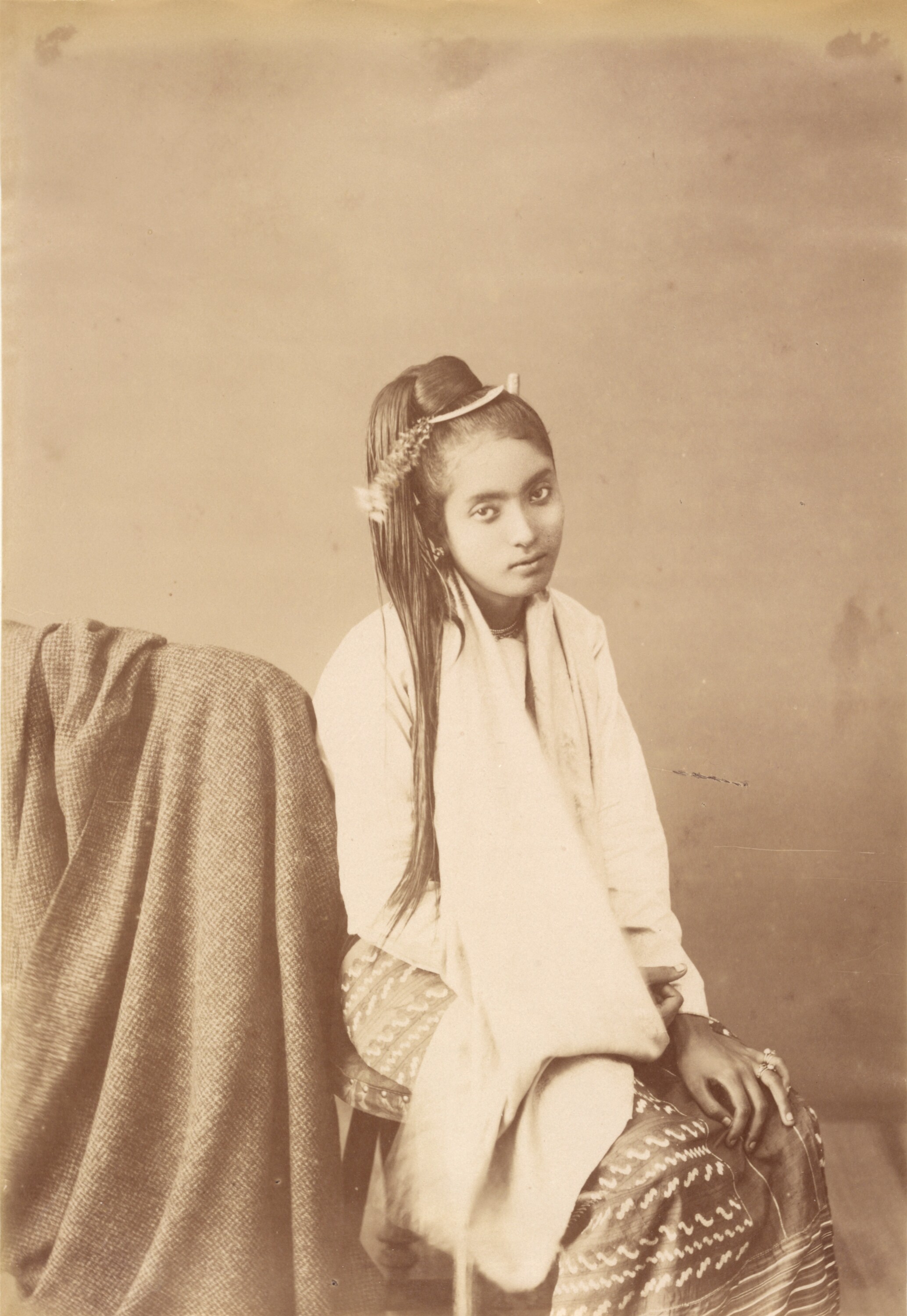
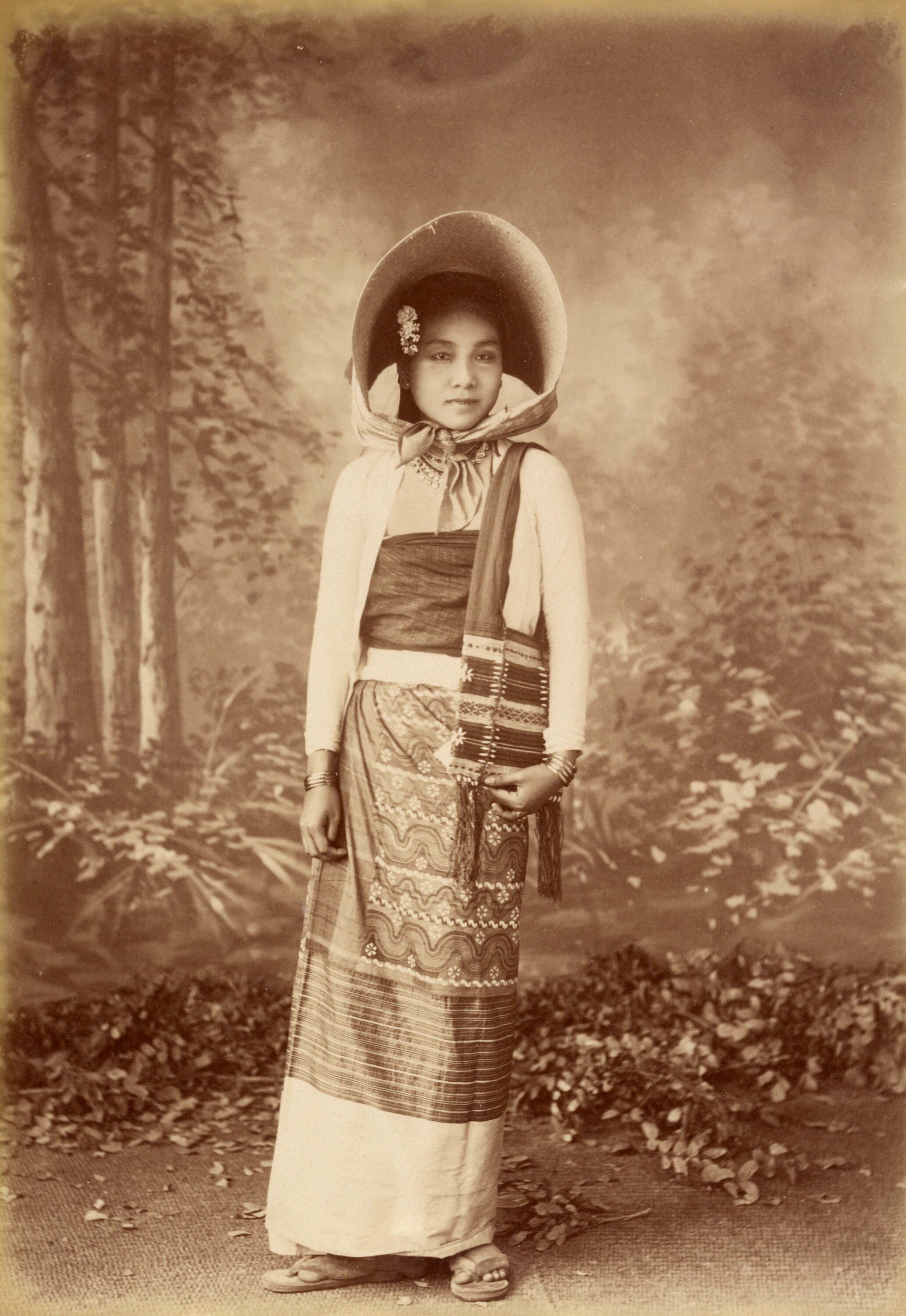
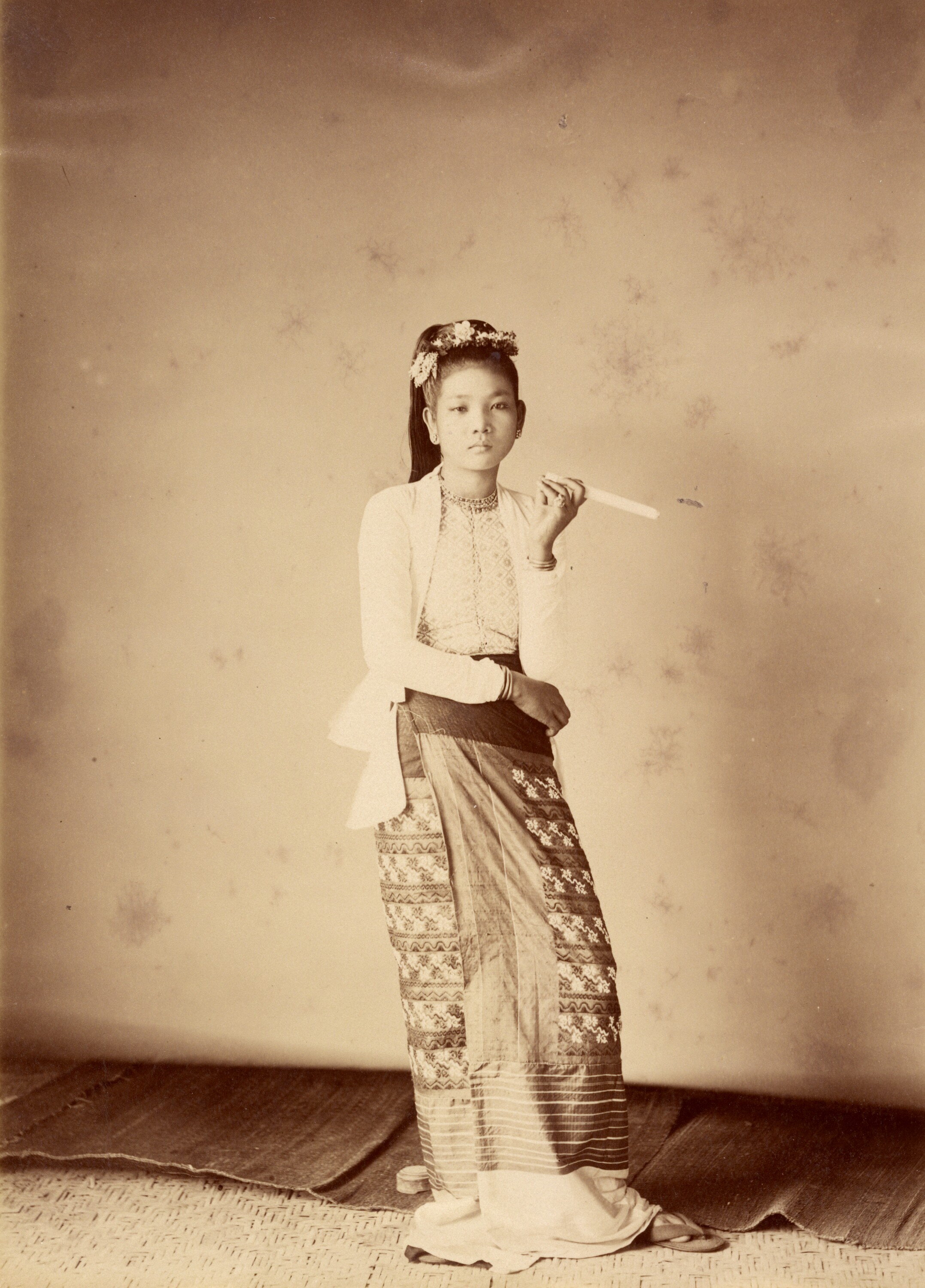
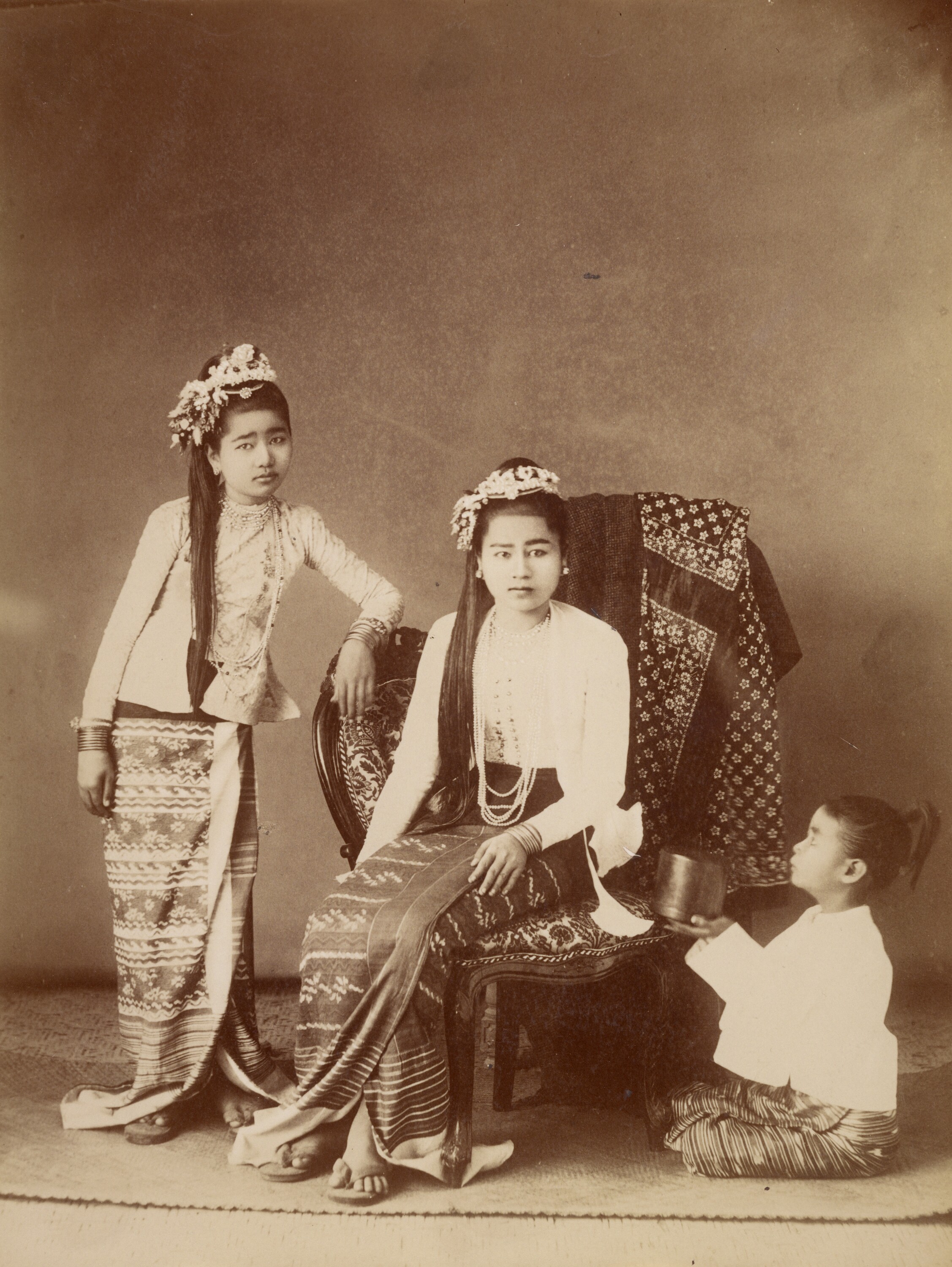
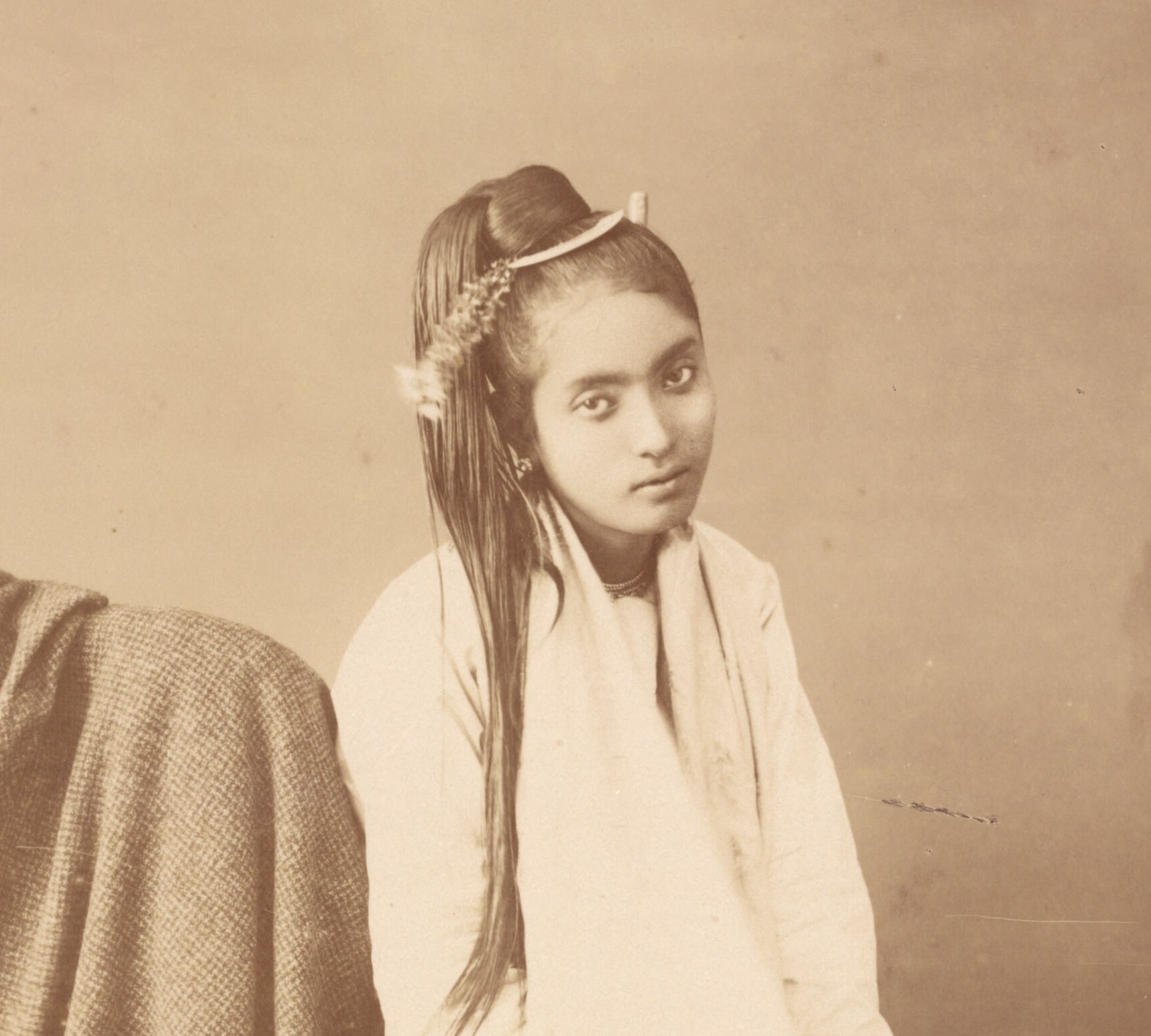
Felice Beato (1832 – 1909) ~ Burmese Type Silk Sitter, Burma, about 1885. Albumen silver print. Portfolio of Views in Burma src Wilson Centre for Photography at Getty MuseumFelice Beato (1832 – 1909) ~ Burmah, about 1885. Albumen silver print. Portfolio of Views in Burma A full length studio portrait of a young woman dressed in Burmese clothing. She holds a parasol over her right shoulder.Felice Beato (1832 – 1909) ~ A Sawbwa Daughter, Burma, about 1885. Albumen silver print. Portfolio of Views in Burma src Wilson Centre for Photography at Getty MuseumFelice Beato (1832 – 1909) ~ An Interpreter’s Wifer, Burma, about 1885. Albumen silver print. Portfolio of Views in Burma A full length studio portrait of a Burmese woman smoking a cheroot.Felice Beato (1832 – 1909) ~ Burmese Girl and her Cheroot, Burma, about 1885. Albumen silver print. Portfolio of Views in Burma src Wilson Centre for Photography at Getty MuseumFelice Beato (1832 – 1909) ~ Burmese Princesses, Burma, about 1885. Albumen silver print. Views in Burma src Wilson Centre for Photography at Getty MuseumFelice Beato (1832 – 1909) ~ Burmese Peasant Girl as Decolté, Burma, about 1885. Albumen silver print. Views in Burma Full length studio portrait of a girl in traditional Burmese clothing with a clay water jug under one arm. In her right hand she holds a coiled rope and basket.Felice Beato (1832 – 1909) ~ Burmese Type Silk Sitter, Burma, about 1885. Albumen silver print. Portfolio of Views in Burma (Group Title) | src Wilson Centre for Photography at Getty Museum
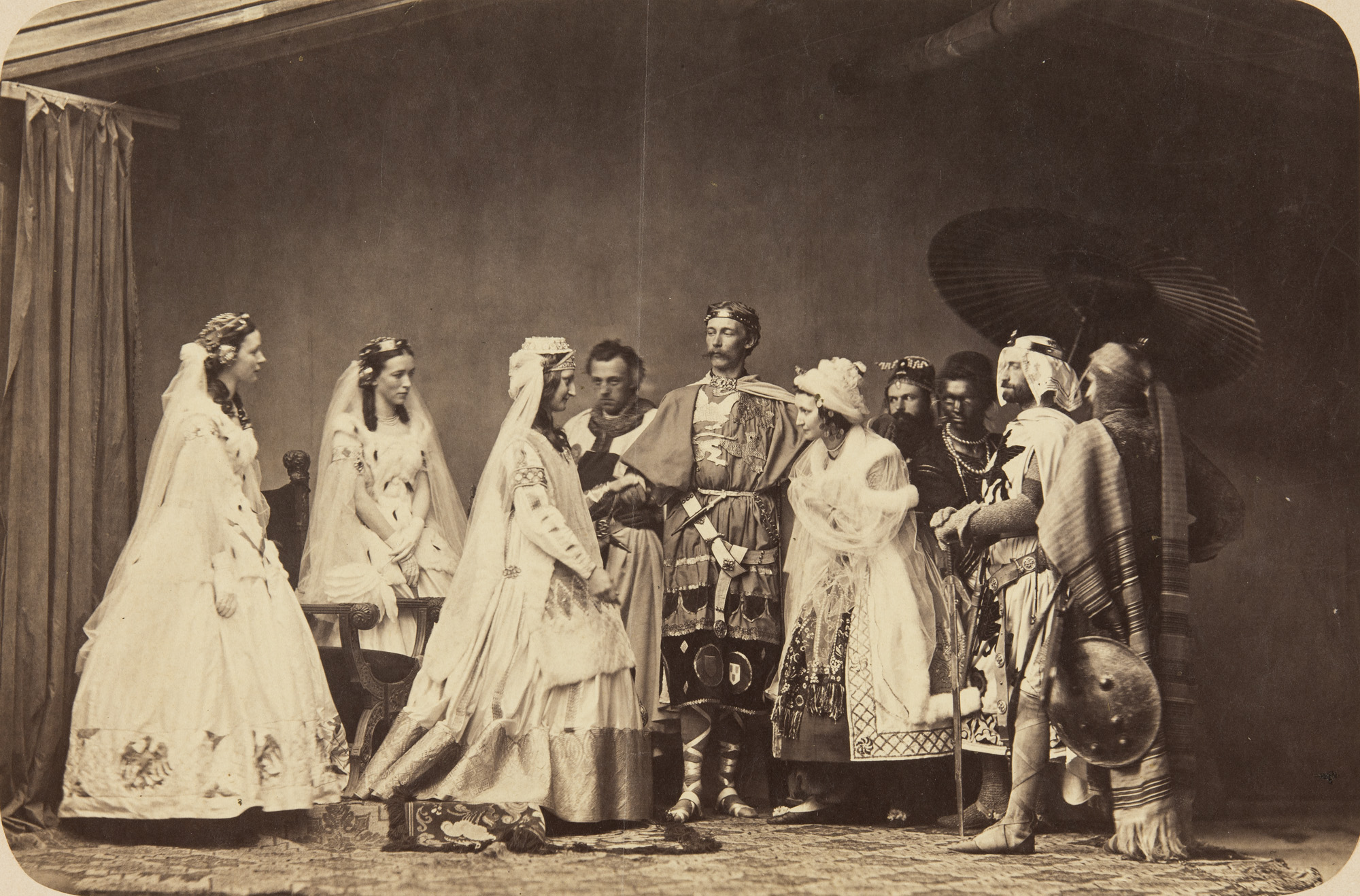
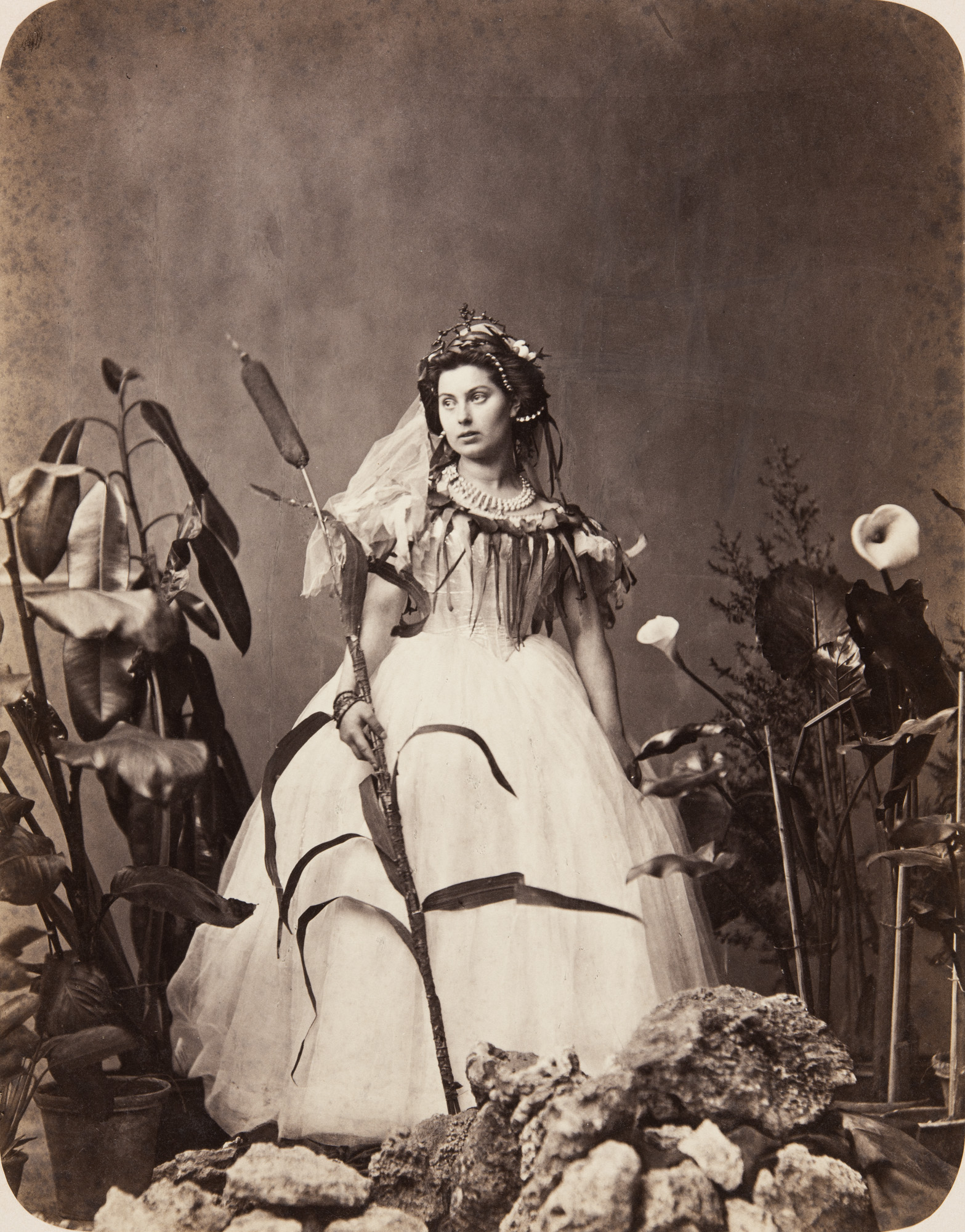
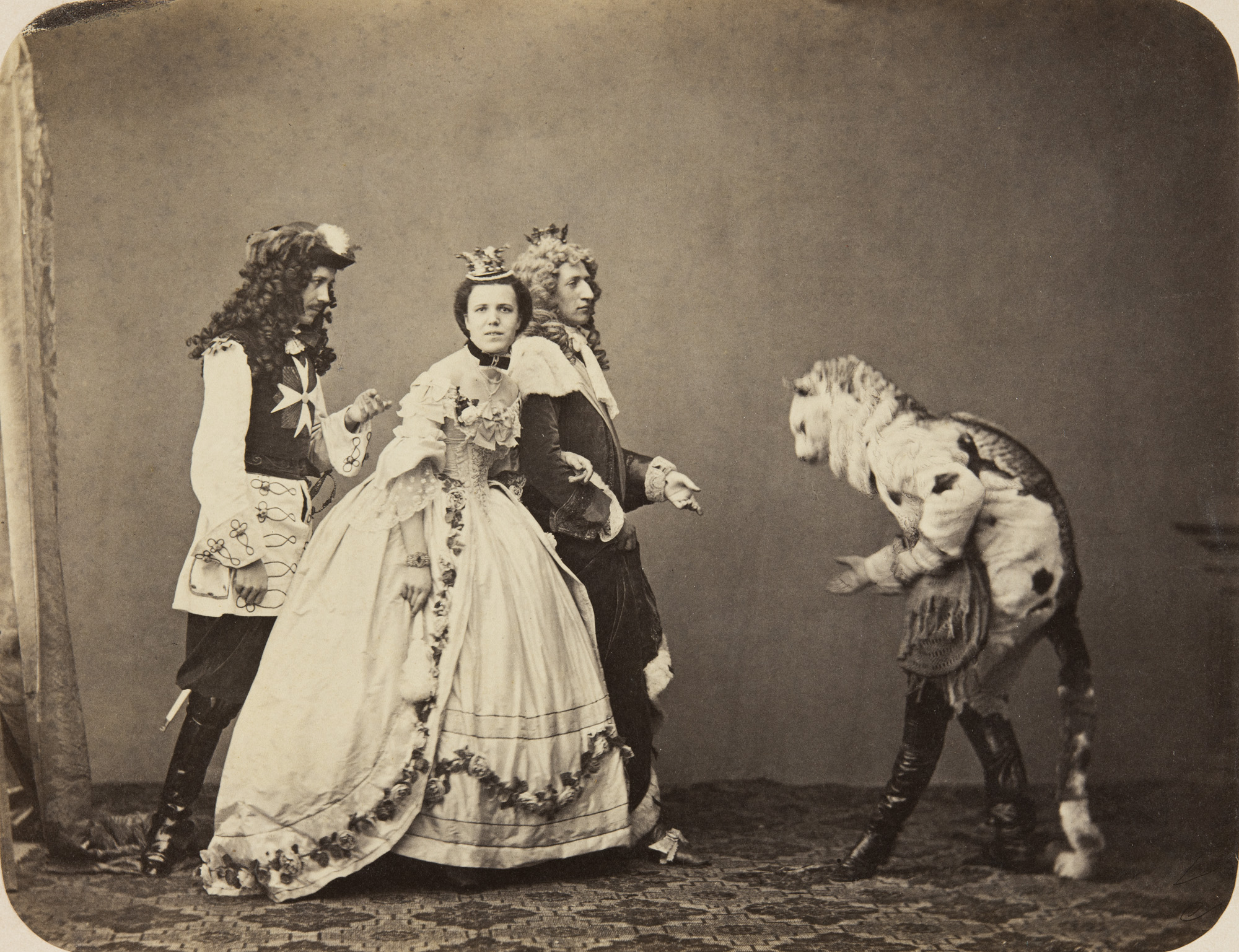
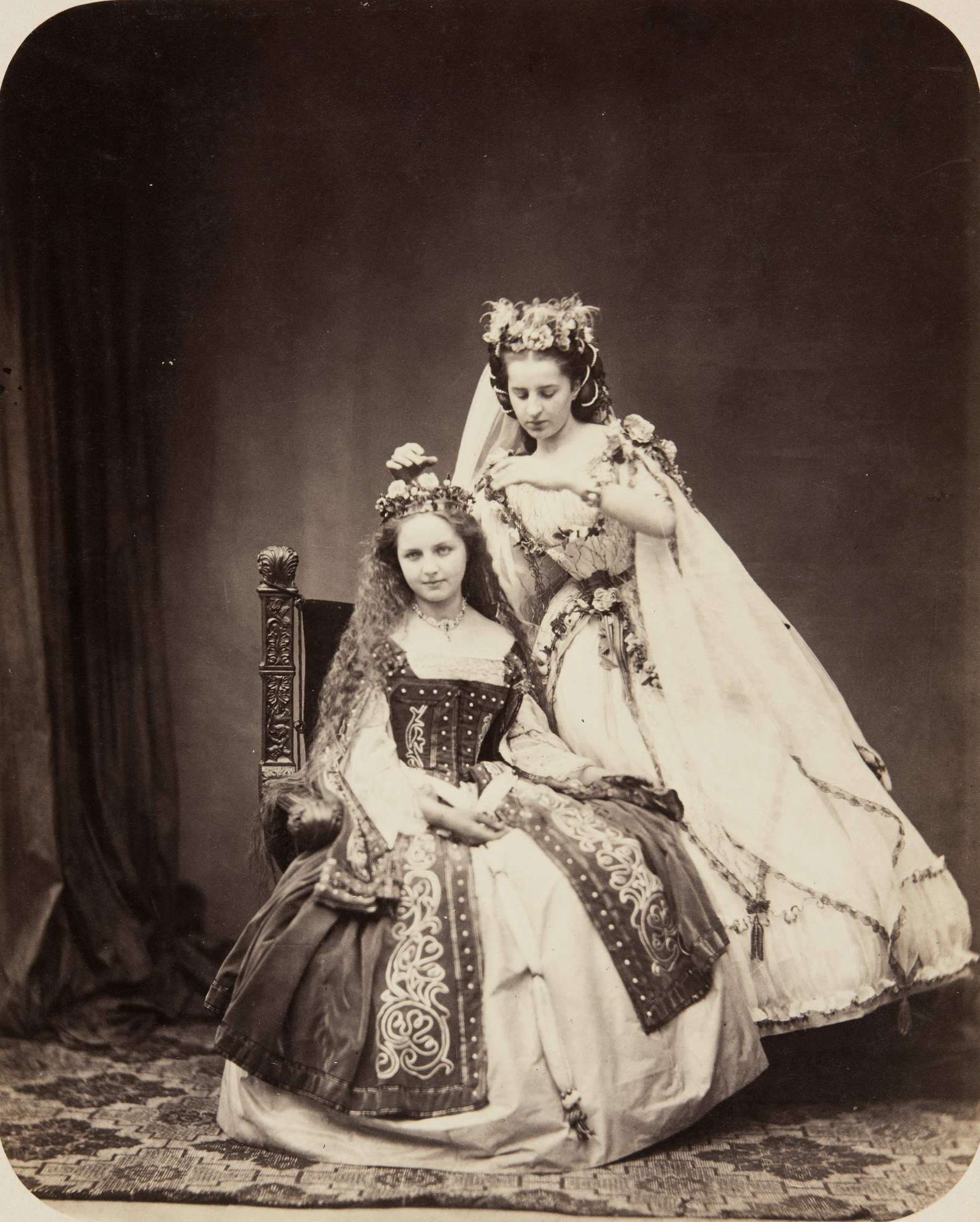
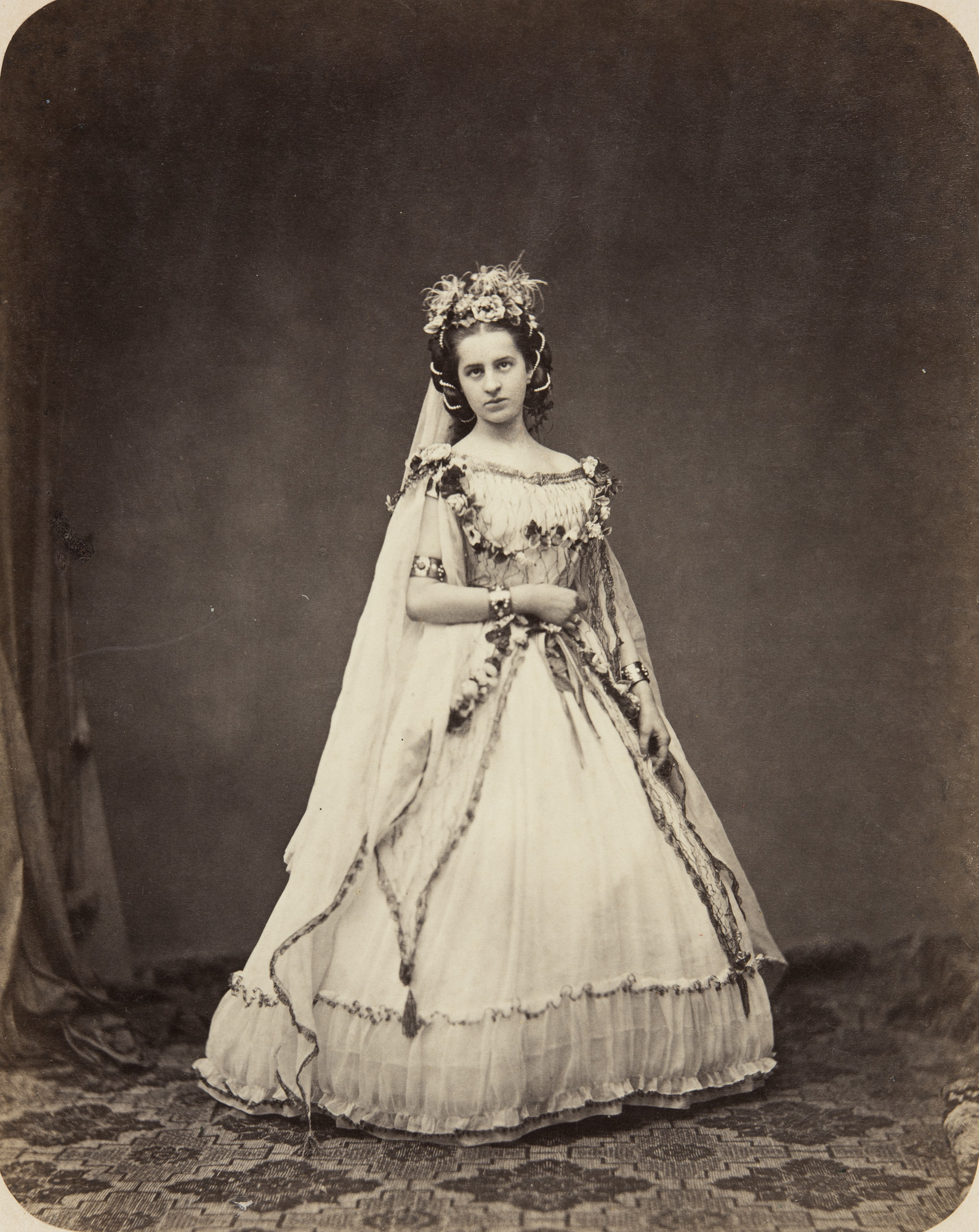
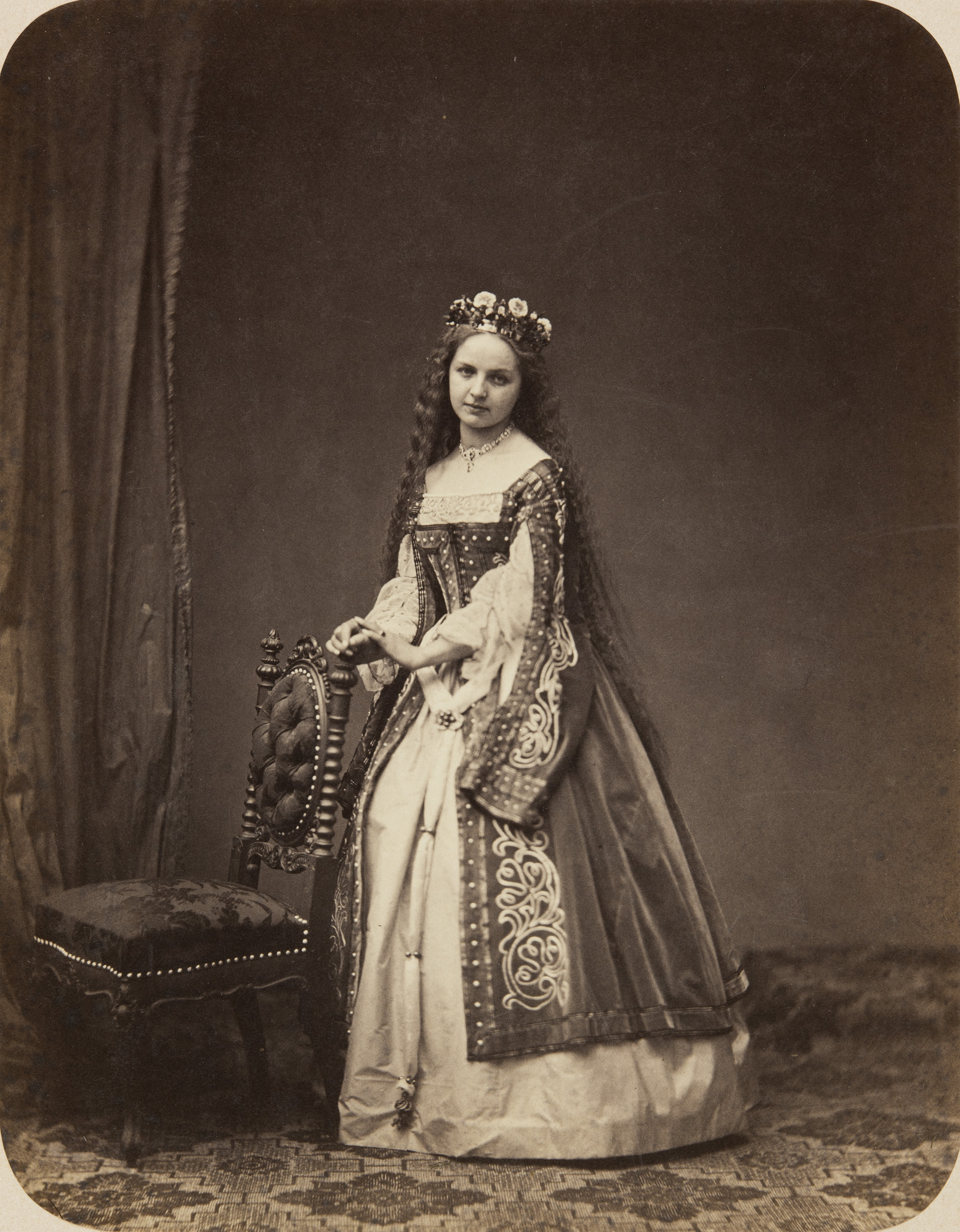
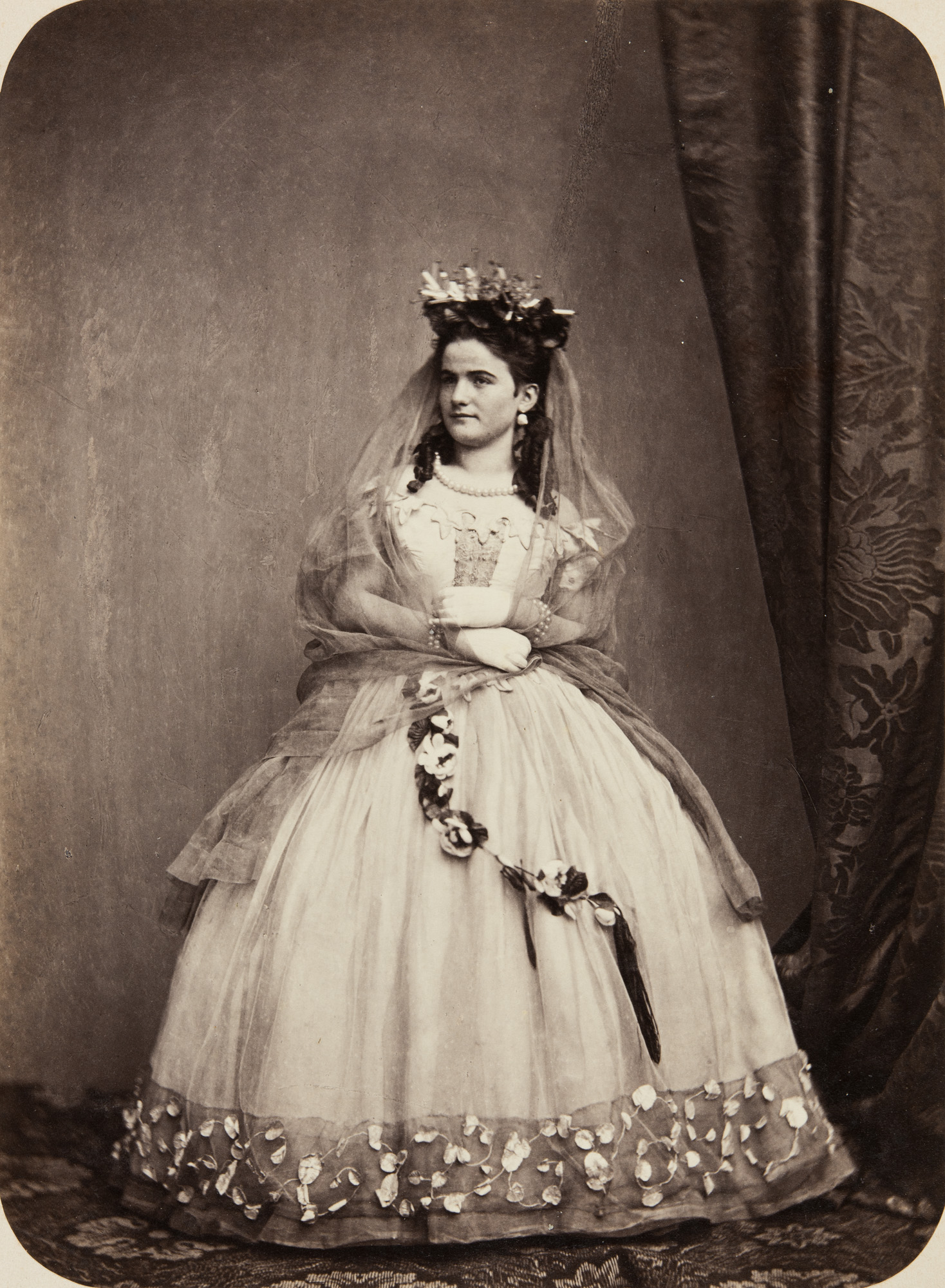
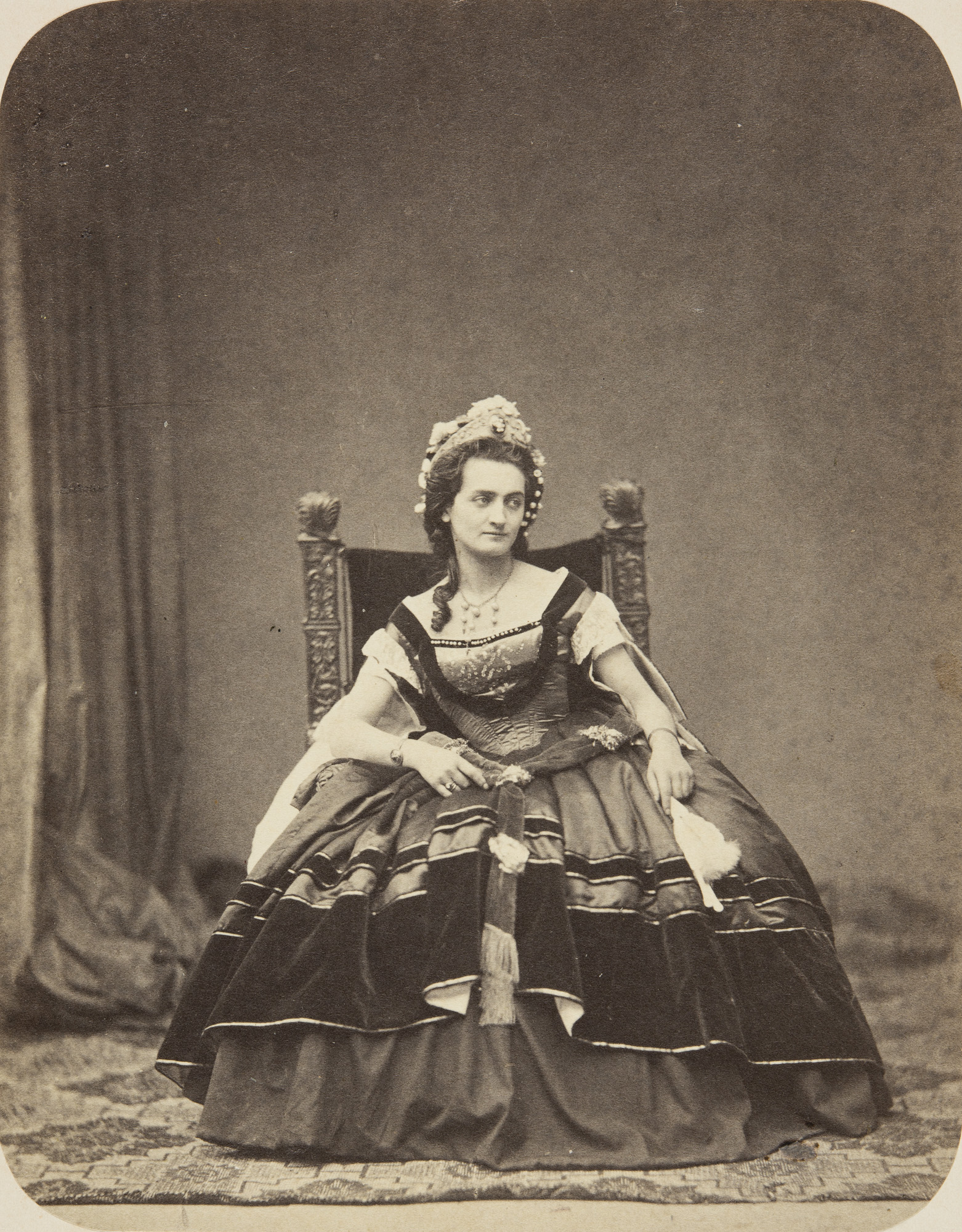
Joseph Albert ~ “Maskenball von ‘Jung-München’ 1862 / Frl. Pfeiffer, Frl. Bischoff, Frl. Pfeiffer, Frl. Bischoff / Aus der Gruppe: ‘Graf v. Gleichen'” (Count of Gleichen), Februar 1862, Albuminpapier / Münchner Stadtmuseum ~ Sammlung Dietmar SiegertJoseph Albert ~ “Maskenball v. ‘Jung-München’ 1862 / Frl. Pfeiffer, Frl. Pfeiffer, Bildhauermeister von Tiesenhausen, Frl. Bischoff, Maler A. Klein und Moosbrugger, Max Stuttgarter, E. Küster / “Maskenball von ‘Jung-München’ 1862 / ‘Gruppe des Grafen von Gleichen'” (Counts of Gleichen), Februar 1862, Albuminpapier Münchner Stadtmuseum ~ Sammlung Dietmar SiegertJoseph Albert ~ “Märchenball von ‘Jung-München’ 1862 / Frau von Passerant, M. v. Liebig, Schlierholz, Frl. Knapp, Frl. Stöger / Gruppe ‘Nixenkönigin'” (Mermaid Queen), Februar 1862, Albuminpapier Münchner Stadtmuseum ~ Sammlung Dietmar SiegertJoseph Albert ~ “Frl. Knapp / Münchener Künstlermaskenfest 1862”, Februar 1862, Albuminpapier Münchner Stadtmuseum ~ Sammlung Dietmar Siegert
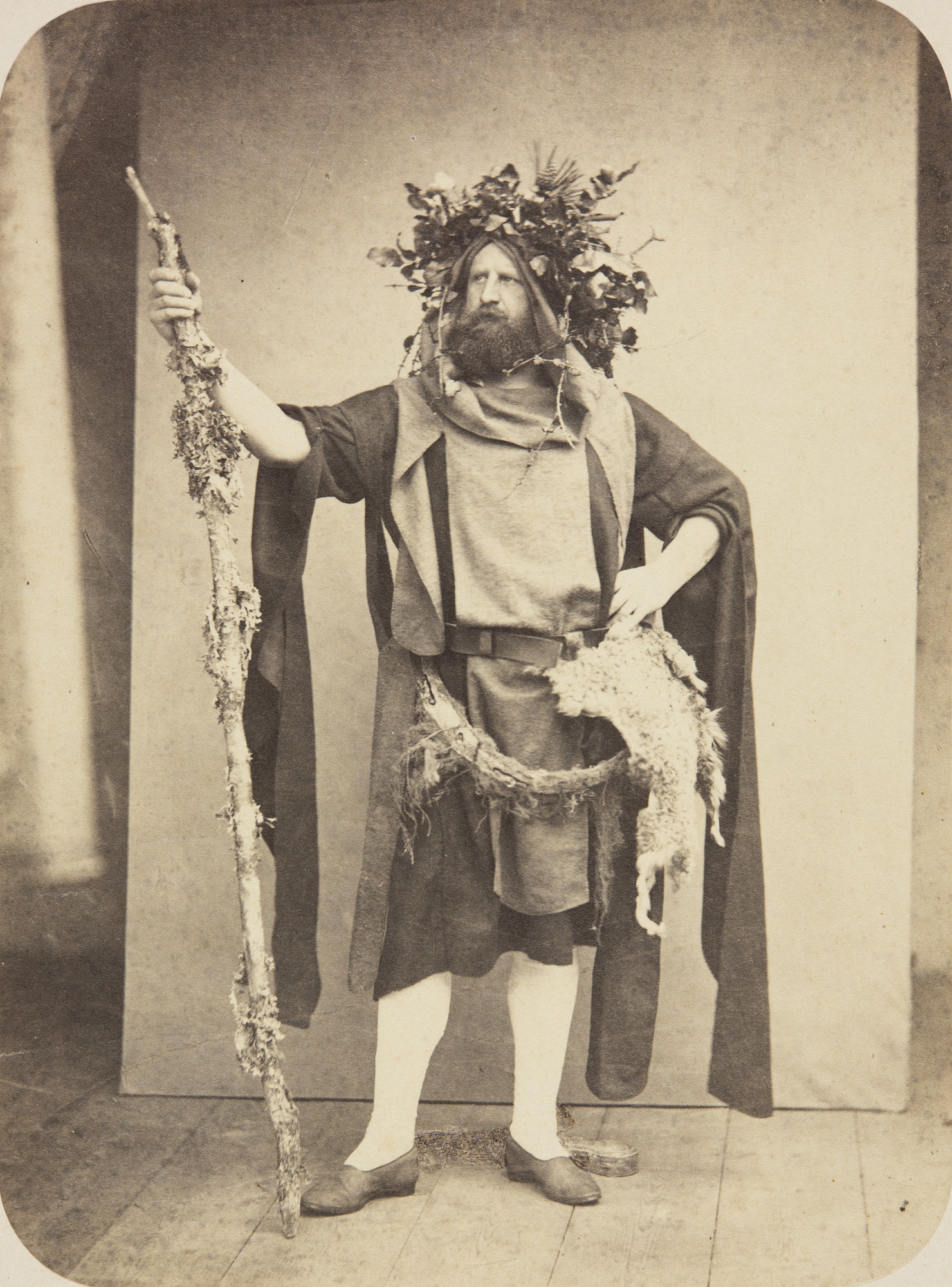
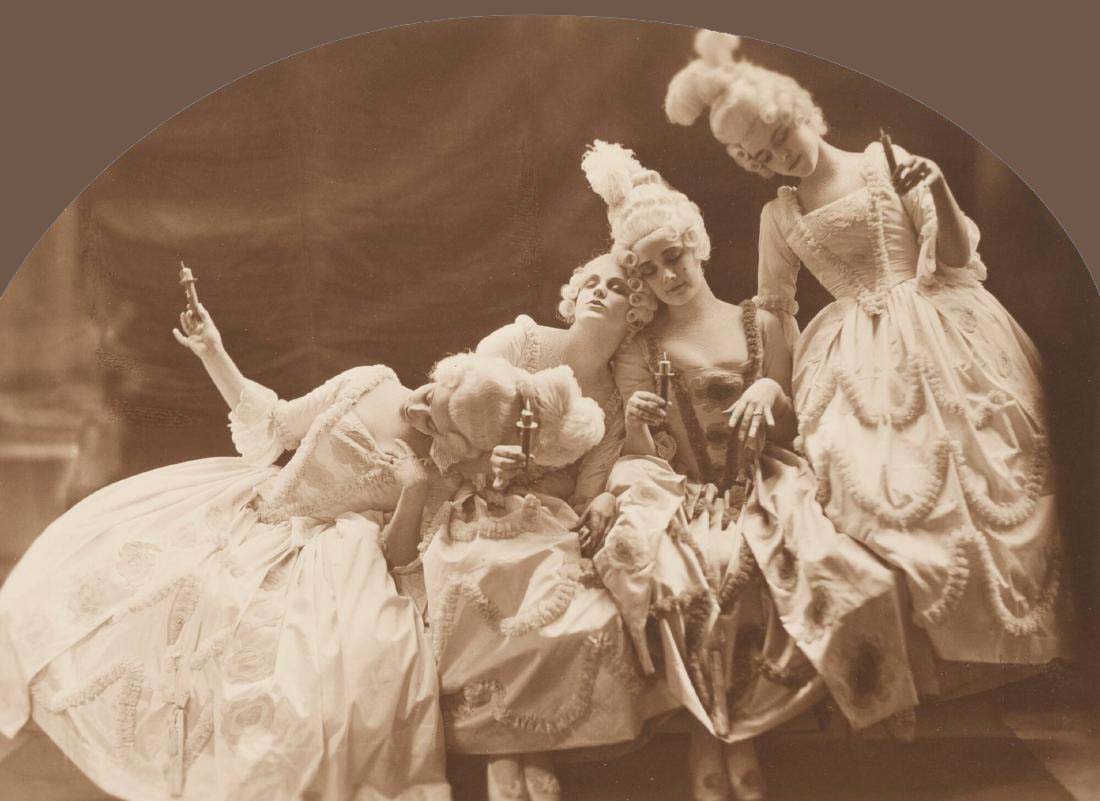
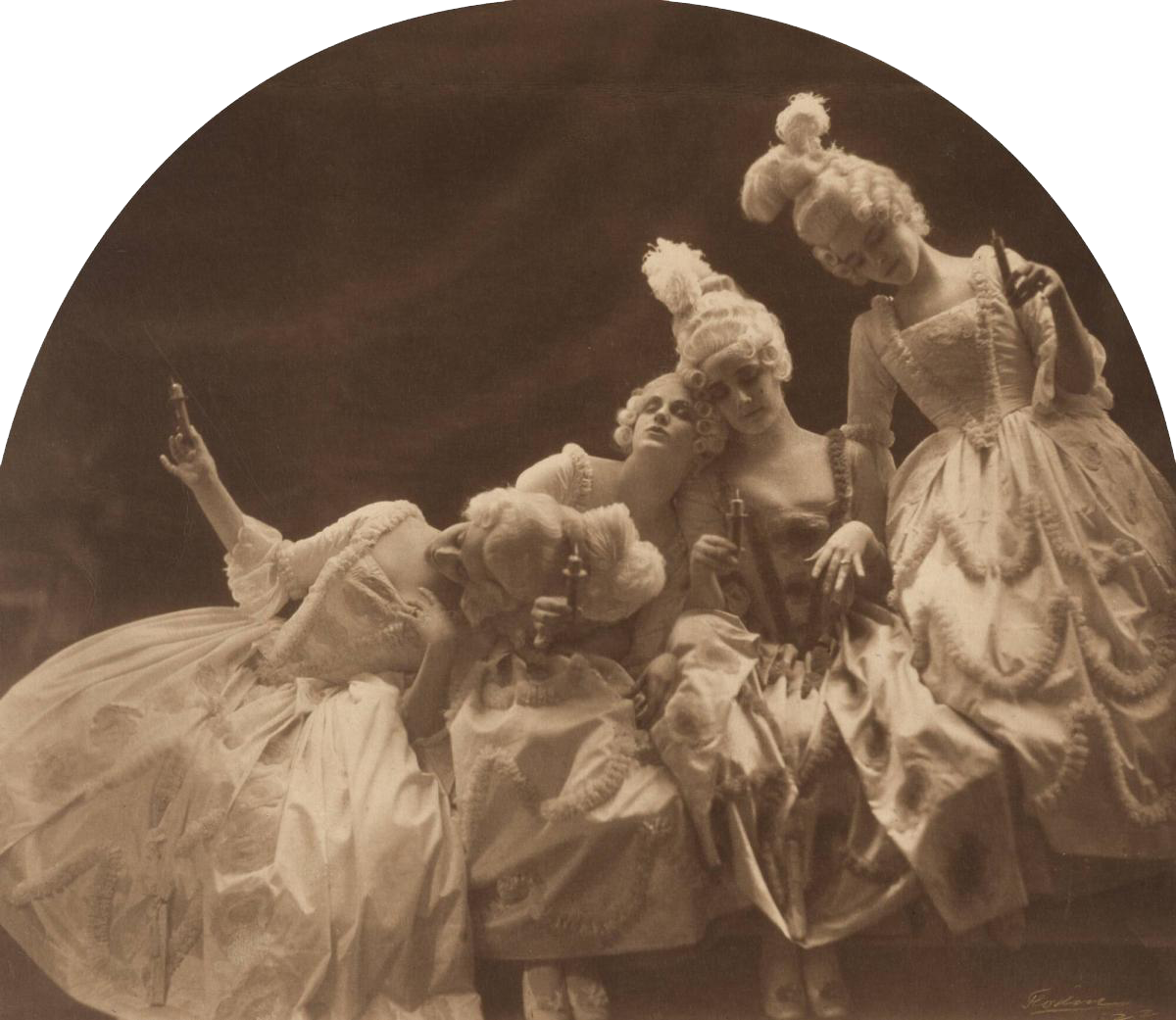
Von Künstlervereinigungen ausgerichtete Maskenfeste waren im 19. Jahrhundert in München überaus populär. Zu den frühen Aufnahmen dieser speziellen Festkultur zählen die fast surreal anmutenden, rund 30 Gruppen- und Einzelporträts, die der Fotograf Joseph Albert (1825–1886) von den Teilnehmenden am Maskenfest “Die Märchen” schuf. Das von der Vereinigung “Jung-München” veranstaltete Fest fand in der Faschingszeit am 15. Februar 1862 statt, geladen wurde in das königliche Odeon, zahlreiche Mitglieder der bayerischen Königsfamilie nahmen daran teil, darunter auch der spätere “Märchenkönig” Ludwig II.
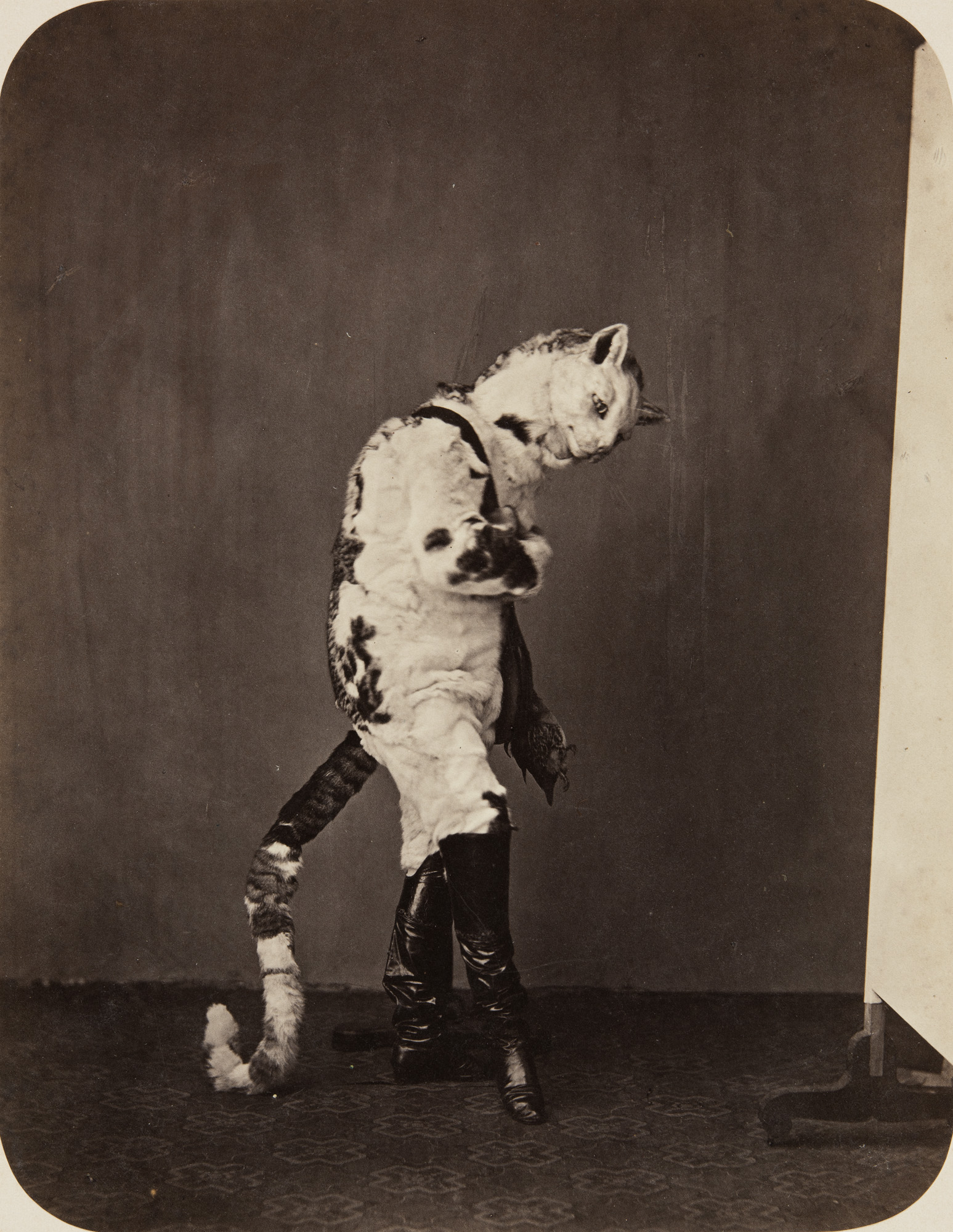
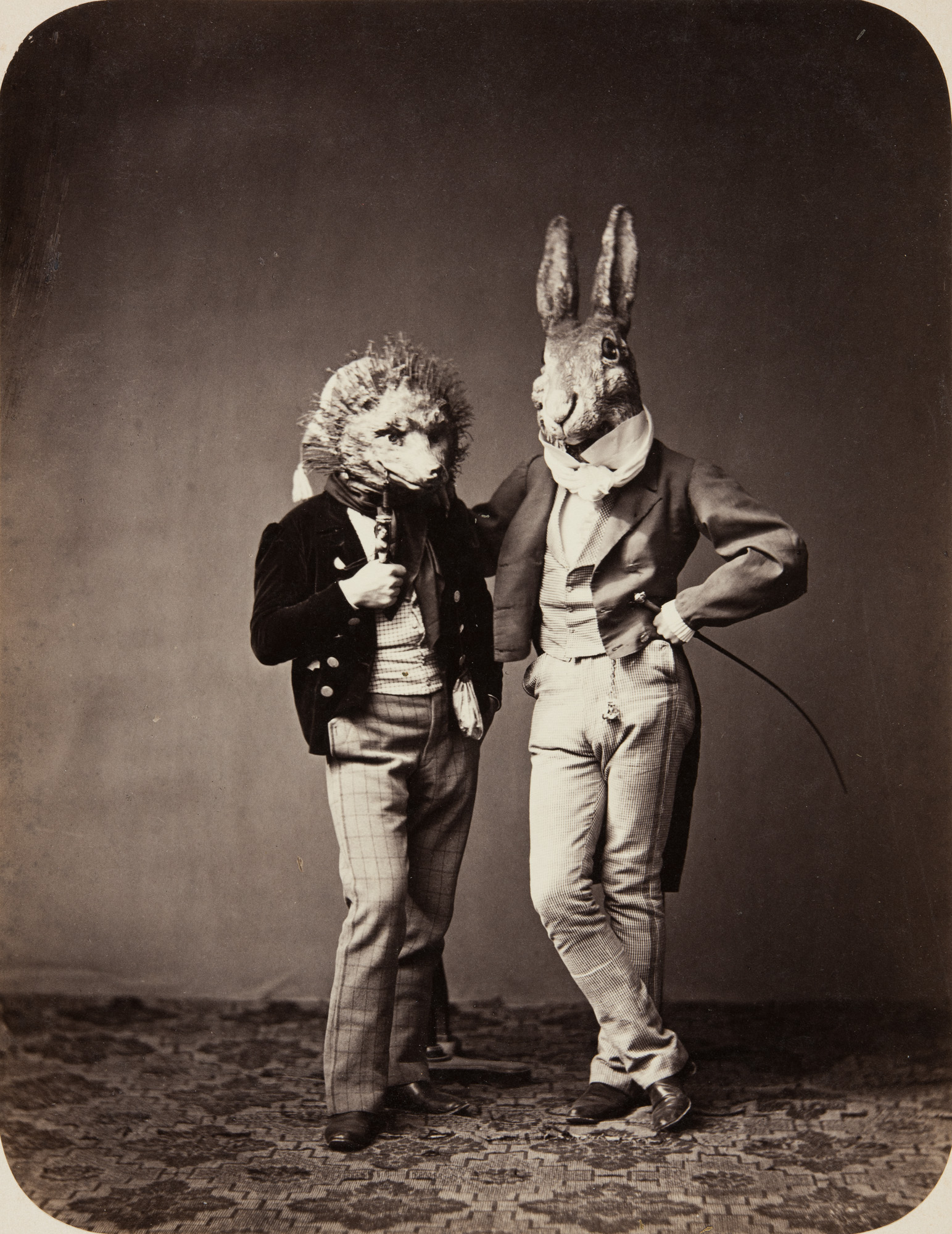
Die Kostüme entsprachen der Vorliebe der Zeit für das mittelalterliche und märchenhafte Genre, das sich auch in der Kunst der Epoche widerspiegelte. Zu den dargestellten Märchen gehörten “Kindermärchen” wie “Hänsel und Gretel”, “Waldmärchen” wie “Rotkäppchen” oder auch “Thiermärchen” wie der “Gestiefelte Kater” oder “Hase und Igel”. Für den Fotografen Albert präsentierten sich die Kostümierten abseits des Geschehens entweder allein in typisch nachempfundener Pose oder zu mehreren für ausgewählte Szenen in der Tradition “lebender Bilder”, den sogenannten “tableaux vivants”. [quoted from : Münchner Stadtmuseum ~ Sammlung Dietmar Siegert]
Joseph Albert ~ “Eduard Lang, Frl. Clara Lang, Seder, Heinrich Lang / Maskenball von ‘Jung-München’ 1862 / Der gestiefelte Kater” (Puss in Boots), Februar 1862, Albuminpapier / Münchner Stadtmuseum ~ Sammlung Dietmar SiegertJoseph Albert ~ “Heinrich Lang / Maskenball von ‘Jung-München’ 1862 / Der gestiefelte Kater” (Puss in Boots), Februar 1862, Albuminpapier. Münchner Stadtmuseum ~ Sammlung Dietmar SiegertJoseph Albert ~ Hermann Oehlmann / Maskenball von ‘Jung-München’ 1862. / Wettlauf des Igels und des Hasen” (Race of the Hedgehog and the Hare), Februar 1862, Albuminpapier / Münchner Stadtmuseum, Sammlung Dietmar Siegert
Mask festivals organized by artists’ associations were extremely popular in Munich in the 19th century. The early photographs of this festival culture include these almost surreal-looking images: around thirty group and individual portraits that the photographer Joseph Albert (1825-1886) created of the participants in the masked festival “The Fairy Tales”, the festival, organized by the “Jung-München” association, took place during the carnival period on February 15, 1862. Among the invited guests were numerous members of the Bavarian royal family, including the later “fairy tale king” Ludwig II.
The costumes corresponded to the period’s penchant for the medieval and fairytale genre, which was also reflected in the art of the period. The fairy tales presented included “children’s fairy tales” such as “Hansel and Gretel”, “forest fairy tales” such as “Little Red Riding Hood” or “animal fairy tales” such as “Puss in Boots” or “Hase and Hedgehog”. The costumed people presented themselves, for the photographer, away from the action either alone in a typically imitated pose or in groups for selected scenes in the tradition of “living pictures”, the so-called “tableaux vivants”.
Marie Haushofer presented roles that women had played in different eras and centuries. At the same time, she also traced the path of women in their cultural-historical development – from servitude and lack of culture, interrupted by a brief flash of female domination in the kingdom of the Amazons […] Read more below
Evas Töchter. Münchner Schriftstellerinnen und die moderne Frauenbewegung 1894-1933
Eve’s daughters. Munich women writers and the modern women’s movement 1894-1933
Around 1900 profound changes took place in all areas of life. There is a new beginning everywhere, in the circles of art, literature, music and architecture. The naturalists are the first to search for new possibilities of representation. They are followed by other groups and currents: impressionism, art nouveau, neo-classical, neo-romantic and symbolism. Even if this epoch does not form a unit, one guiding principle runs through all styles: the awareness of a profound turning point in time.
It is generally known that before the turn of the century Munich became one of the most important cultural and artistic sites in Europe. What is less well known is that Munich has also become a center of the bourgeois women’s movement in Bavaria since the end of the 19th century. At this time, a lively scene of the women’s movement formed in the residence city, which subsequently gained great influence on the bourgeoisie throughout Bavaria.
Since 1894, Munich has been shaped by the modern women’s movement, which advocates the right to education and employment for women. At that time, the city was decisively shaped by women such as Anita Augspurg, Sophia Goudstikker, Ika Freudenberg, Emma Merk, Marie and Martha Haushofer, Carry Brachvogel, Helene Böhlau, Gabriele Reuter, Helene Raff, Emmy von Egidy, Maria Janitschek and many other women’s rights activists and writers and artists, all of whom are members of the Association for Women’s Interests, which is largely responsible for the spread of the modern women’s movement in Bavaria. At that time, they all set out in search of a new self-image for women, questioned the traditional role models in the bourgeoisie and attempted to redefine gender roles.
In this context, on October 1899 the First Bavarian Women’s day was celebrated. The crowning glory of the First General Bavarian Women’s Day in 1899 was a festive evening that took place on October 21, 1899 in the large hall of the then well-known Catholic Casino at Barer Straße 7.
The first part of the festive evening was the performance of an impressive festival play: Cultural images from women’s lives. Twelve group representations [„Zwölf Culturbilder aus dem Leben der Frau“]. The piece was written by the painter a poet Marie Haushofer (1871-1940) especially for this occasion. Sophia Goudstikker directed it and she also played a part. The majority of the roles were played by many other protagonists of the Munich women’s movement. A few days later, Sophia Goudstikker photographed the twelve group portraits in the Elvira photo studio (Atelier Elvira). She glued the photographs into a leather album entitled Marie Haushofer’s festival for the first general Bavarian women’s day in Munich. October 18-21, 1899 [Marie Haushofers Festspiel zum Ersten allgemeinen Bayrischen Frauentag in München, 18. – 21. Oktober 1899]. Those are the 13 surviving scene photos (group portraits) that documented the event; today they are part of the Munich City Archive (Stadtarchiv München).
In her festival play, Marie Haushofer presented roles that women had played in different eras and centuries. At the same time, she also traced the path of women in their cultural-historical development – from servitude and lack of culture, interrupted by a brief flash of female domination in the kingdom of the Amazons, to burgeoning knowledge, to work, freedom and finally the union of women who from then on did their work – but also have to assert powerfully achieved new social status through unity. The present represents the last group in which “modern women” appear in “modern professions”: telephone operators, bookkeepers, scholars, painters, etc. They are accompanied by the allegorical figures of Faith, Love, Hope (*) and the Spirit of Work (**) that liberates all women / working women. Finally, the female audience is called upon to work and to actively shape together the present role of women.
[(*) see photo on bottom of this post (last photo) / (**) last-but-one photo]
Further productions took place in Nuremberg in 1900 and on November 28 and 30, 1902 at the Bayreuth Opera.
But the festive evening of Bavarian Women’s Day did not end with the performance of the festival play. In the second part of the evening, “poems of modern women poets” were presented. There were works by Ada Negri, Lou Andreas-Salomé, Alberta von Puttkammer, Anna Ritter, Ricarda Huch and Maria Janitschek. The short prose text Nordic Birch by the Art Nouveau artist and writer Emmy von Egidy was also read.
[adapted text quoted (an translated) from : Evas Töchter : Frauenmut und Frauengeist : Literatur Portal Bayern]
Szenenfoto aus dem Festspiel, erstes Bild mit der Muse der Geschichtsschreibung Klio (gespielt von Sophia Goudstikker) und der Mutter Erde (gespielt von Therese Schmid) [The muse of history Klio (played by Sophia Goudstikker) and Mother Earth (played by Therese Schmid)]Szenenfoto aus dem Festspiel, zweites Bild: die fünf weisen und die fünf törichten Jungfrauen [The five wise and the five foolish virgins]Marie Haushofers Festspiel zum Ersten allgemeinen Bayrischen Frauentag in München, 18. – 21. Oktober 1899 Szenenfoto aus dem Festspiel, viertes Bild: Orientalinnen [Oriental women]Marie Haushofers Festspiel zum Ersten allgemeinen Bayrischen Frauentag in München, 18. – 21. Oktober 1899 Szenenfoto aus dem Festspiel, fünftes Bild: Germanen und Velleda [Teutons and Velleda]Szenenfoto aus dem Festspiel, sechstes Bild: zwei Benediktinerinnen, Knabe und “Roswitha” [Two Benedictine nuns, boy and “Roswitha”]Marie Haushofers Festspiel zum Ersten allgemeinen Bayrischen Frauentag in München, 18. – 21. Oktober 1899 Szenenfoto aus dem Festspiel, siebtes Bild: Frauenlob wird zu Grabe getragen [The burial of Frauenlob]Szenenfoto aus dem Festspiel, achtes Bild: Renaissance – Ariost, zwei Damen und ein Höfling [Renaissance – Ariosto, two ladies and a courtier]Szenenfoto aus dem Festspiel, neuntes Bild: ein Mann, eine Frau und Kinder des 17. Jahrhunderts [A man, a woman and children of the 17th century]Marie Haushofers Festspiel zum Ersten allgemeinen Bayrischen Frauentag in München, 18. – 21. Oktober 1899 Szenenfoto aus dem Festspiel, zehntes Bild: Königin Luise und ihre Kinder [Queen Louise and her children]Szenenfoto aus dem Festspiel, elftes Bild: Verwundeter Soldat und zwei Krankenschwestern [Wounded soldier and two nurses]Marie Haushofers Festspiel zum Ersten allgemeinen Bayrischen Frauentag in München, 18. – 21. Oktober 1899 Szenenfoto aus dem Festspiel, zwölftes Bild: der Geist der Arbeit [The Spirit of Work] Szenenfoto aus dem Festspiel, dreizehntes Bild: Glaube, Liebe, Hoffnung [Faith, Love, Hope] source of all images Stadtarchiv München
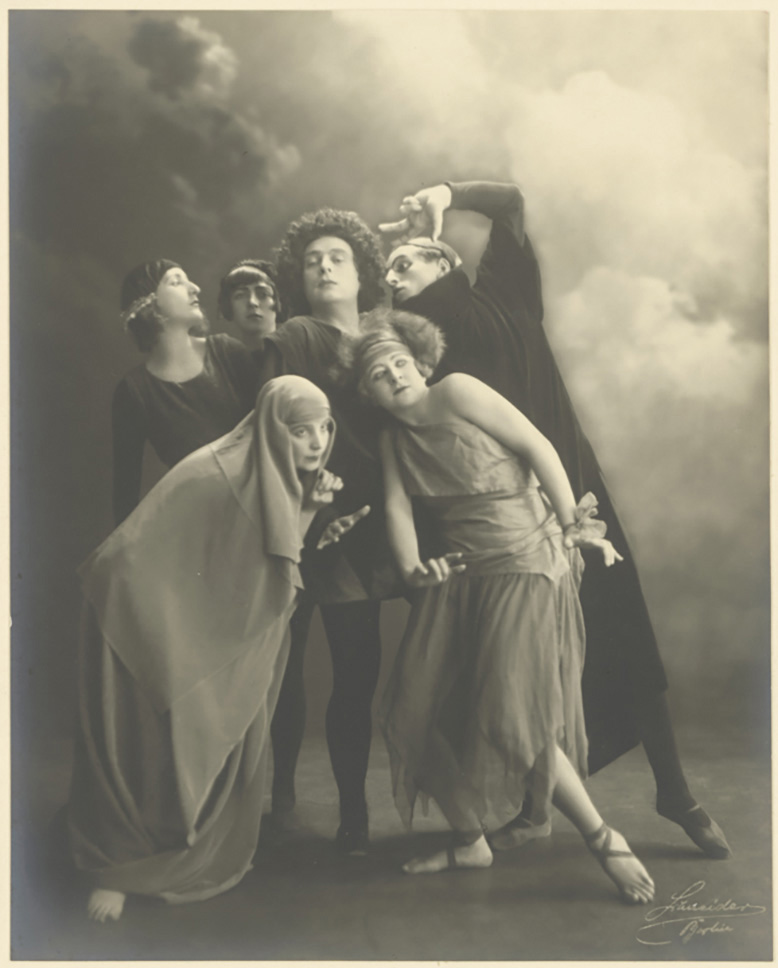
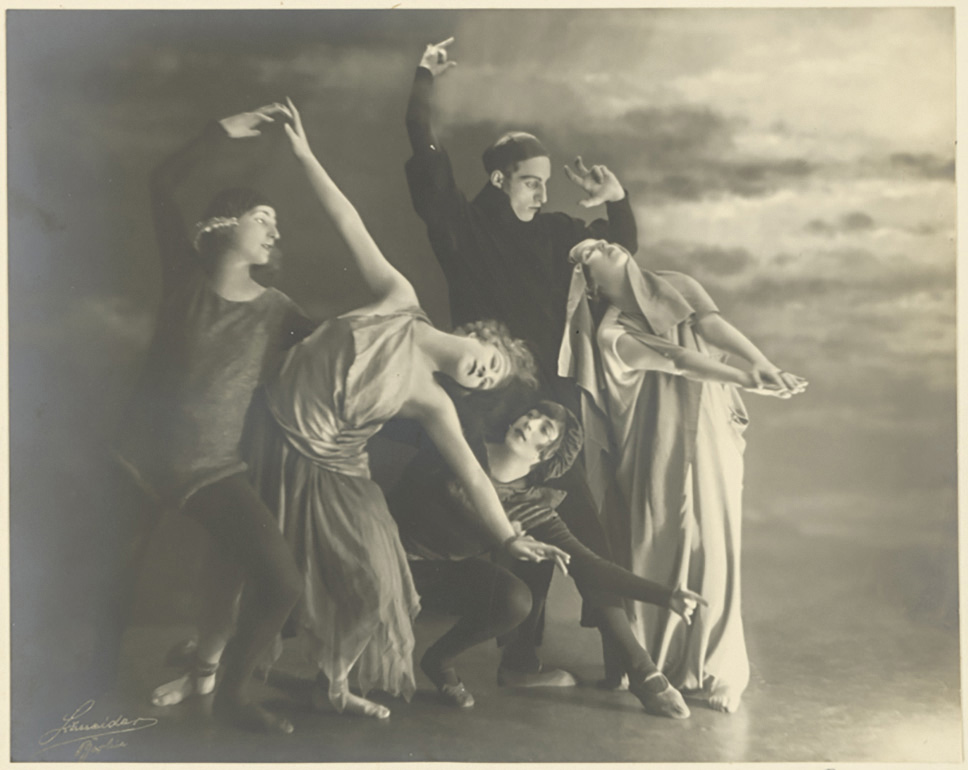
Ernst Schneider :: Tanzbühne Rudolf von Laban: Narrenspiegel, 1926. | src Staatliche Museen zu Berlin, KunstbibliothekErnst Schneider :: Dance scene von Rudolf von Laban: Fool’s Mirror, 1926. | src Staatliche Museen zu Berlin, KunstbibliothekErnst Schneider :: Tanzbühne Rudolf von Laban: Narrenspiegel, 1926. | src Staatliche Museen zu Berlin, Kunstbibliothek
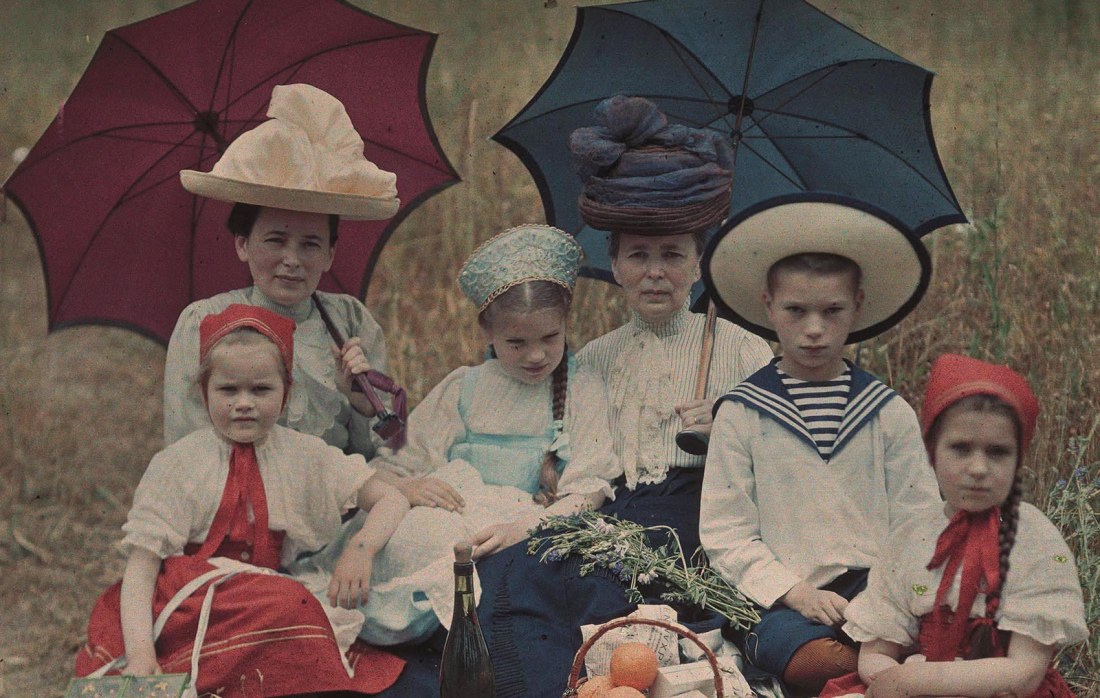
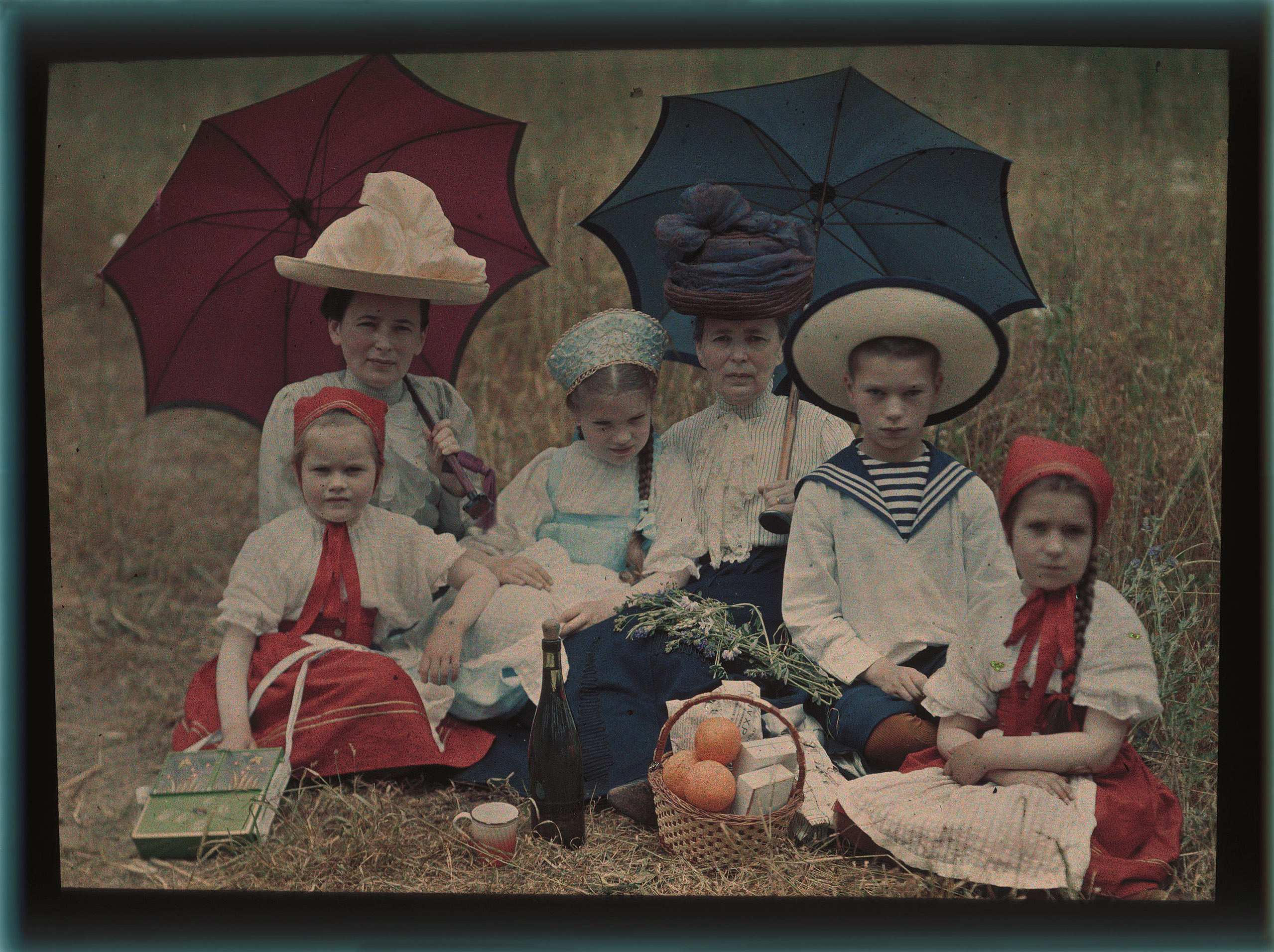
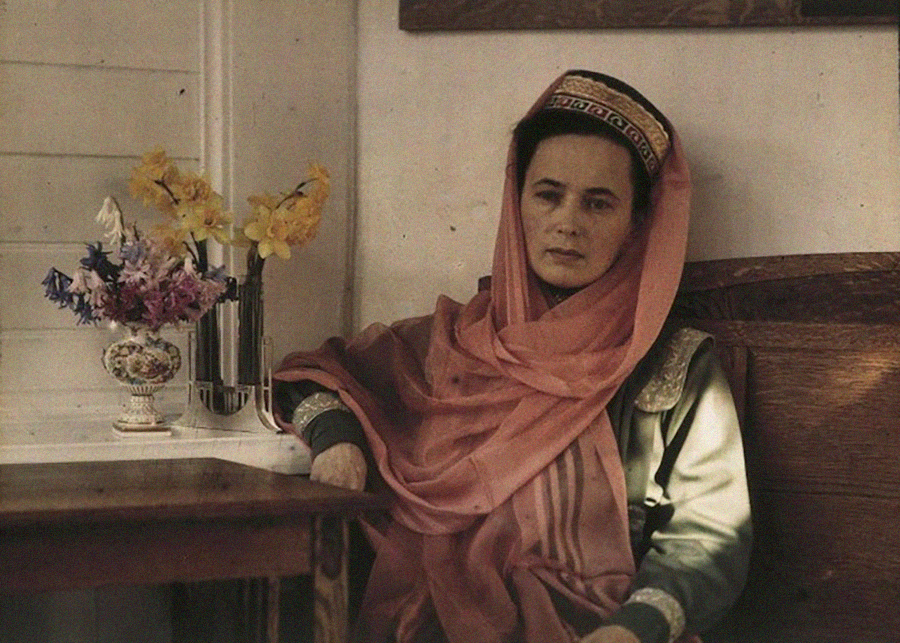
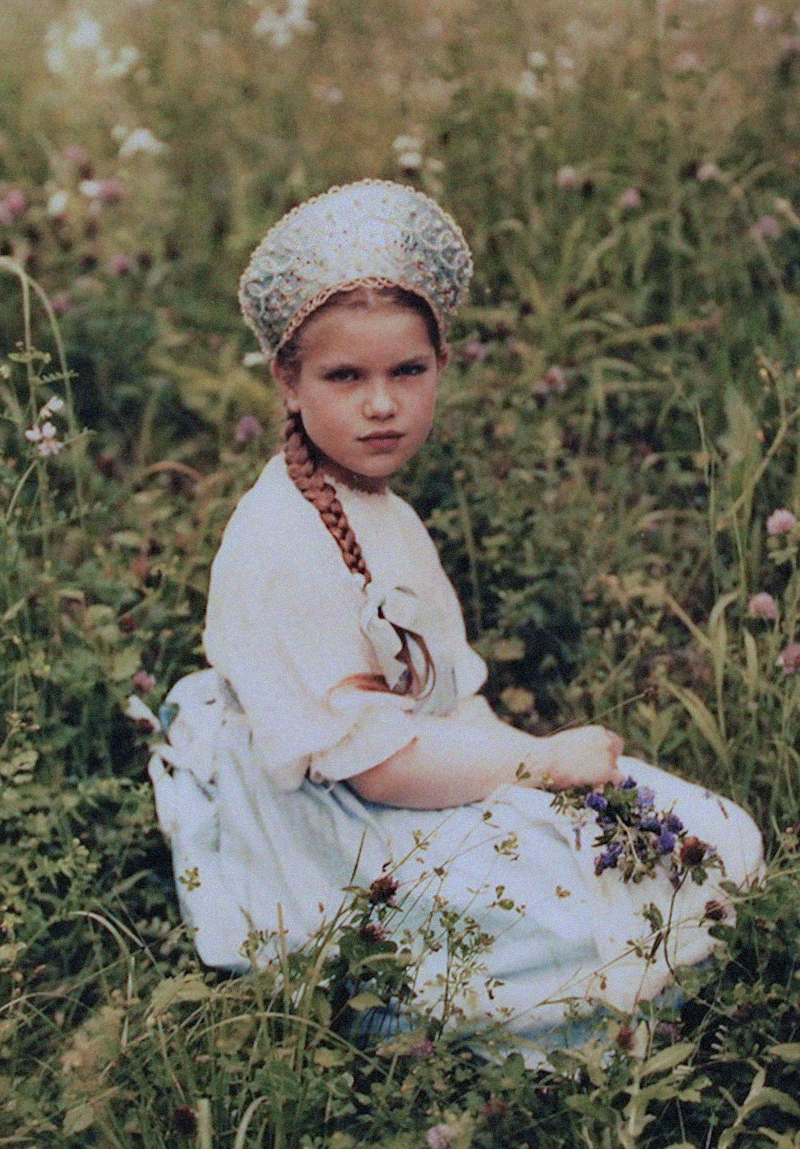
Pyotr Vedenisov :: Tanya, Natasha, Kolya and Liza Kozakov; Vera Nikolaevna Vedenisova and Elena Frantsevna Bazileva, Yalta, 1910-1911. Autochrome. | src l’œil de la photographie and Tatler RussiaPiotr Ivanovich Vedenisov (1866-1937) :: Portrait of Vera Nikolaevna Vedenisova, ca. 1910. Autochrome. | NFKUPyotr Vedenisov (1866-1937) :: Natasha Kozakova, Yalta, 1910-1911. Autochrome. From: Primrose. Early Colour Photography in Russia. NFKUPiotr Ivanovich Vedenisov (1866-1937) :: Vera Nikolaevna Vedenisova in oriental folk dress, 1909-1914. Autochrome. | src FOAM and NFKU
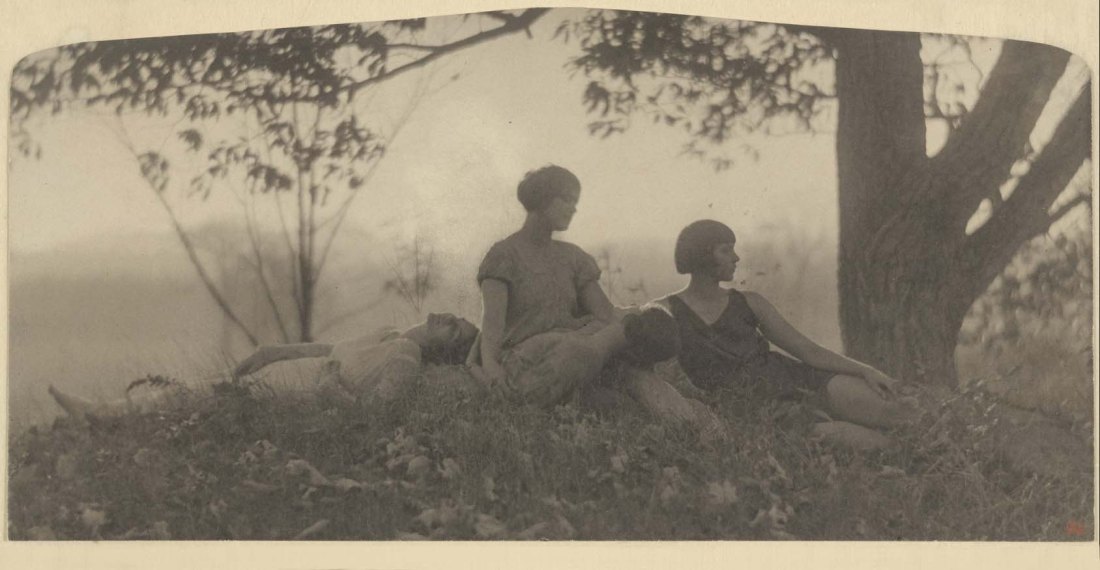
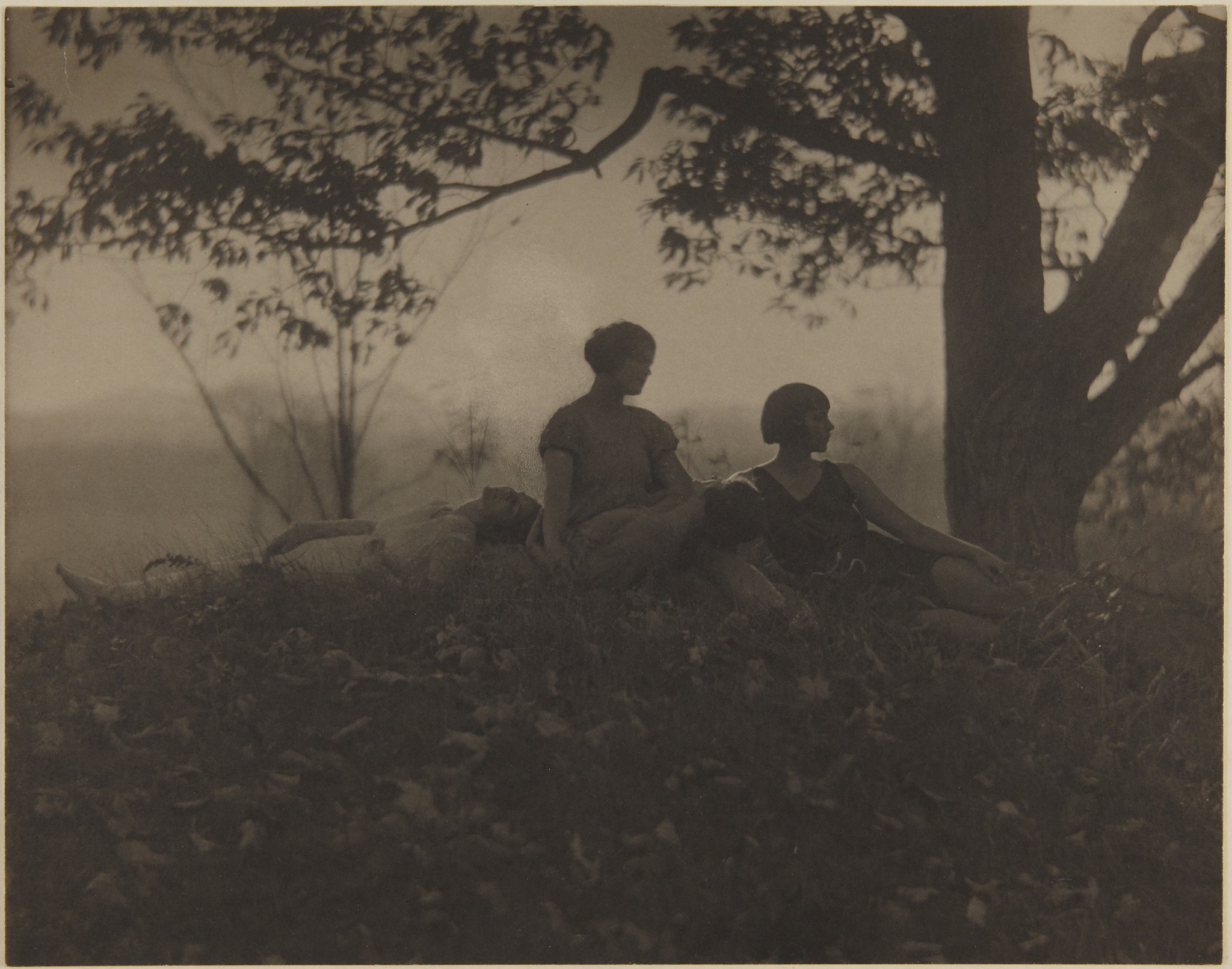
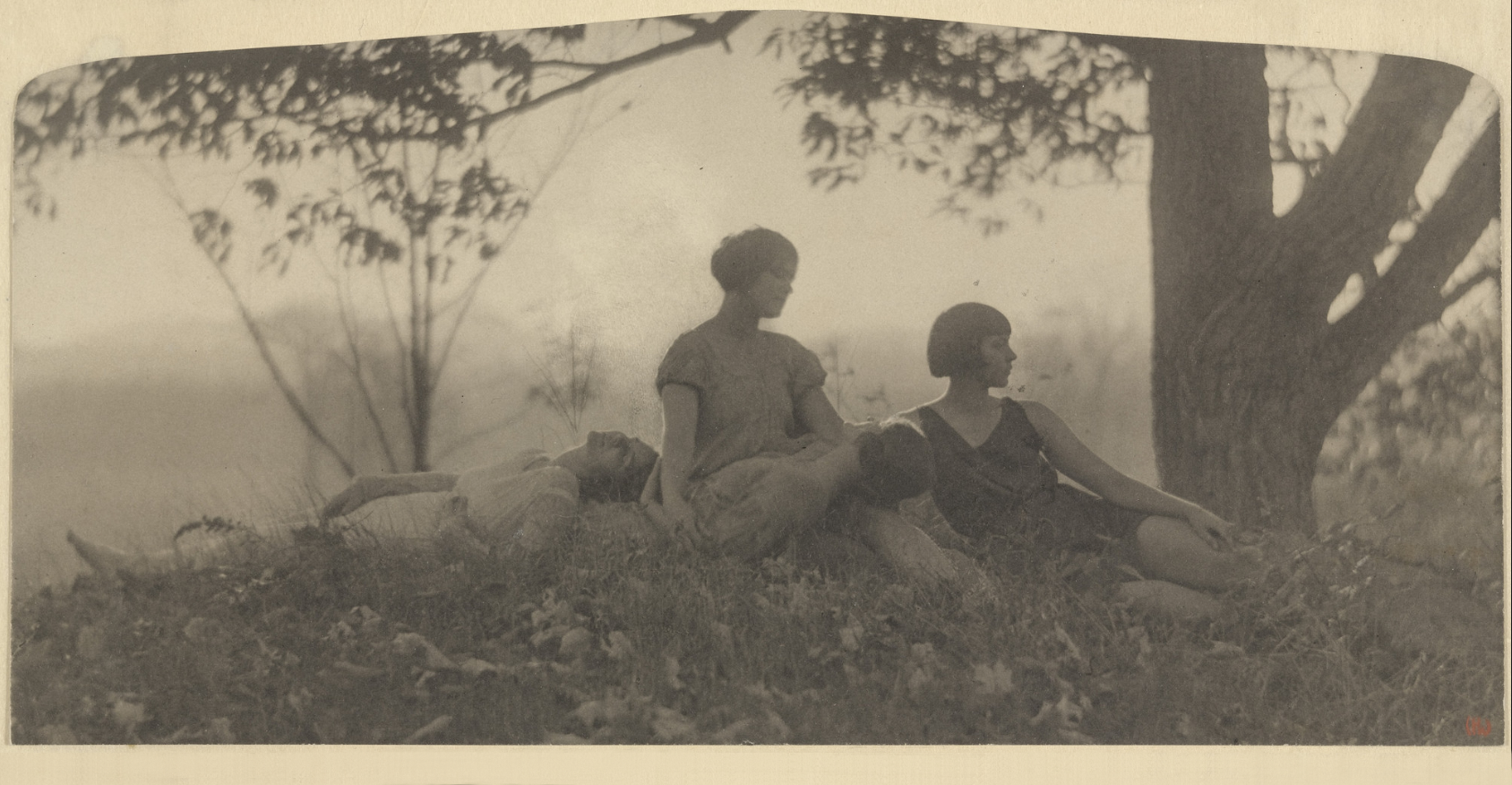
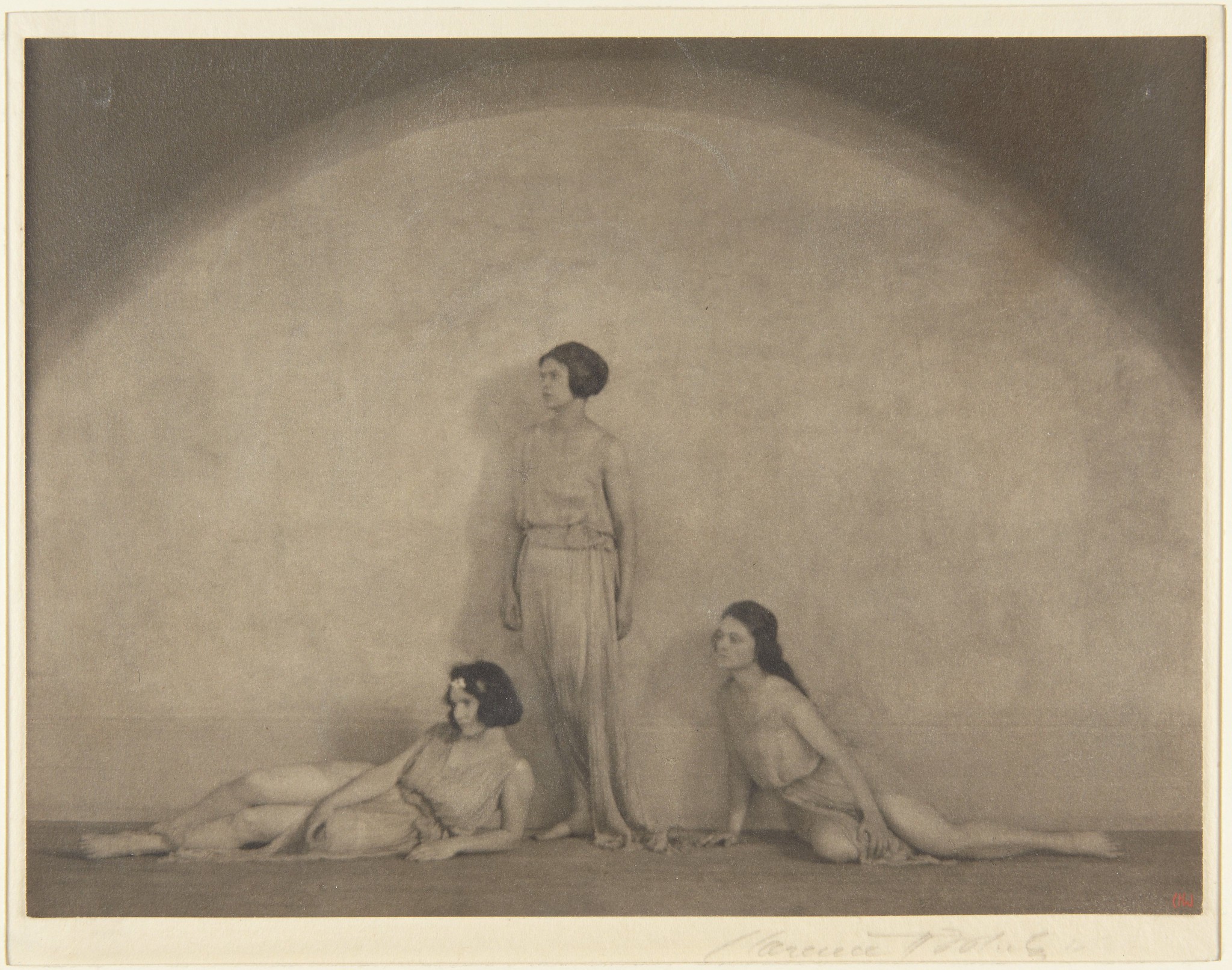
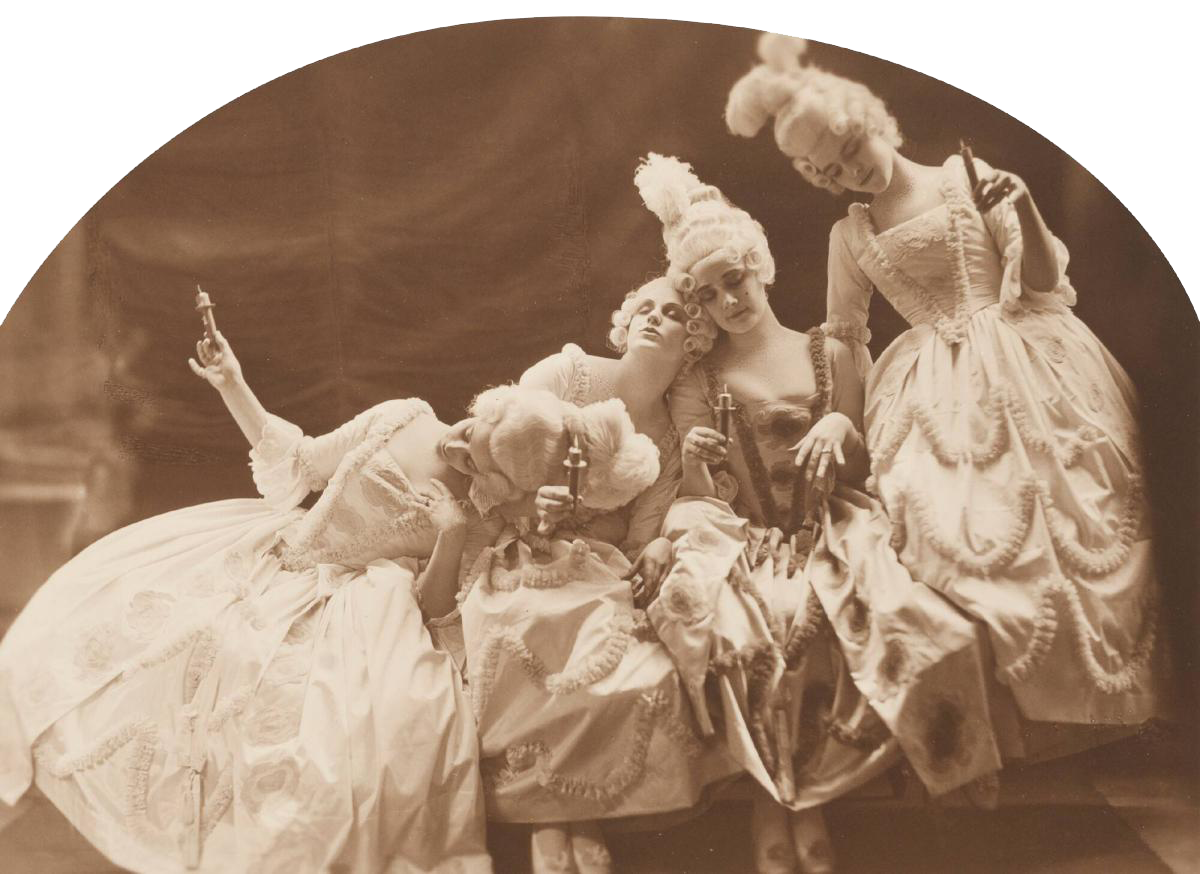
Clarence Hudson White (1871–1925)~ Larsen Dancers [11/11], ca. 1923 – 1924. Platinum print. | Princeton University Art MuseumClarence Hudson White (1871–1925)~ Larsen Dancers [4/11], ca. 1923 – 1924. Platinum print. | Princeton University Art MuseumClarence Hudson White (1871–1925)~ Autumn, the Larsen Dancers, 1924. Palladium print. | src MoMAClarence Hudson White (1871–1925)~ Larsen Dancers [2/11], ca. 1923 – 1924. Platinum print. | Princeton University Art Museum
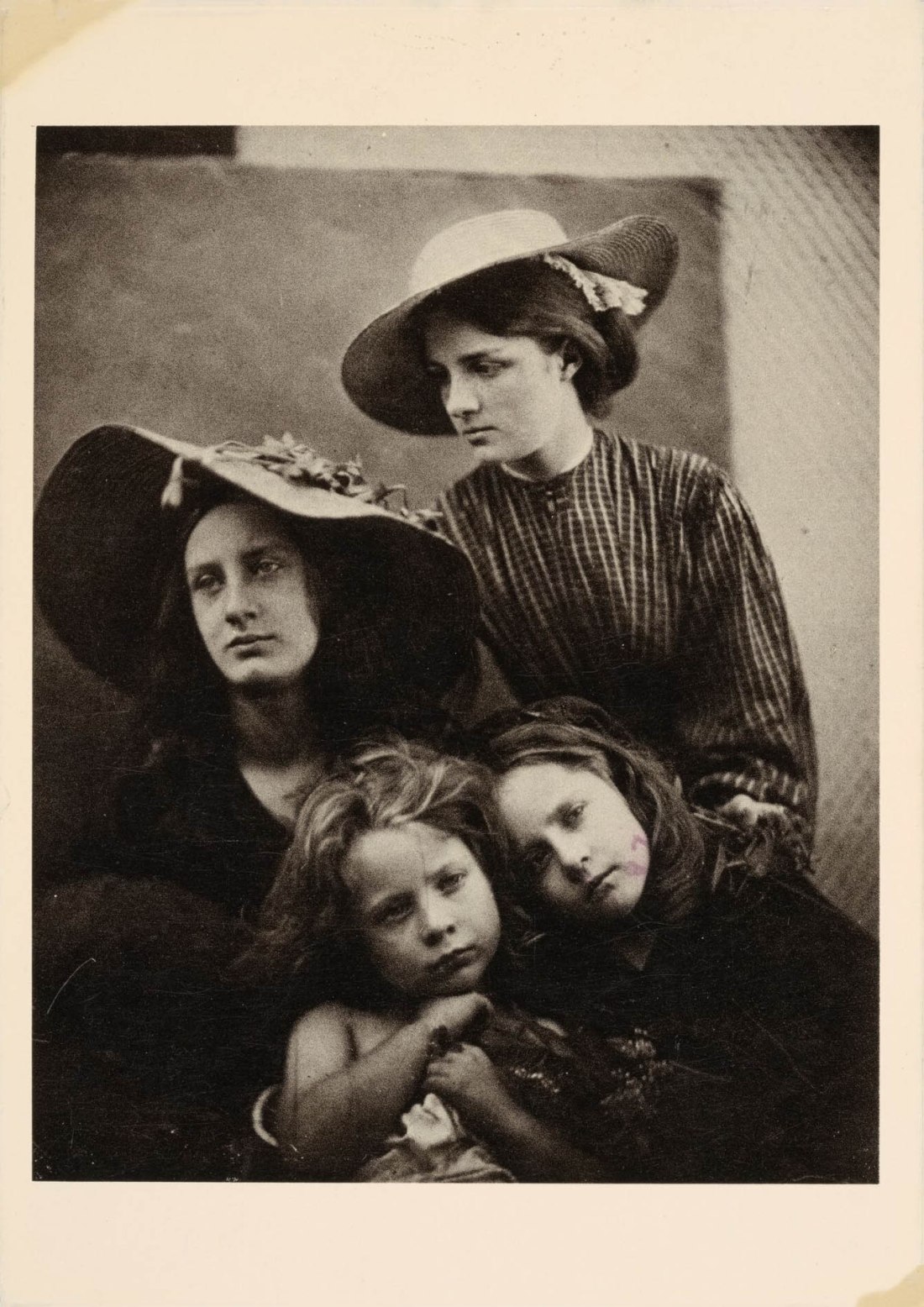
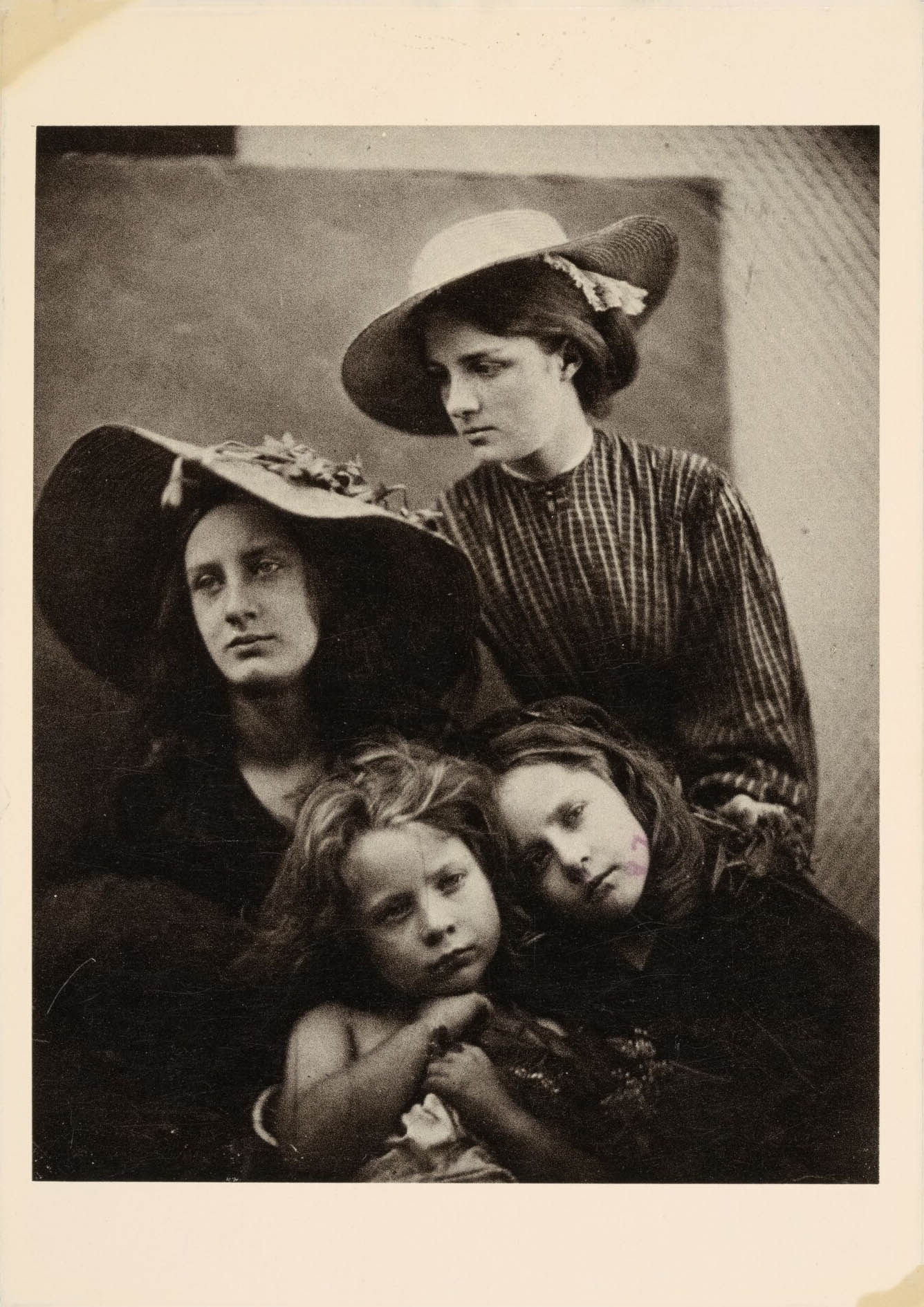
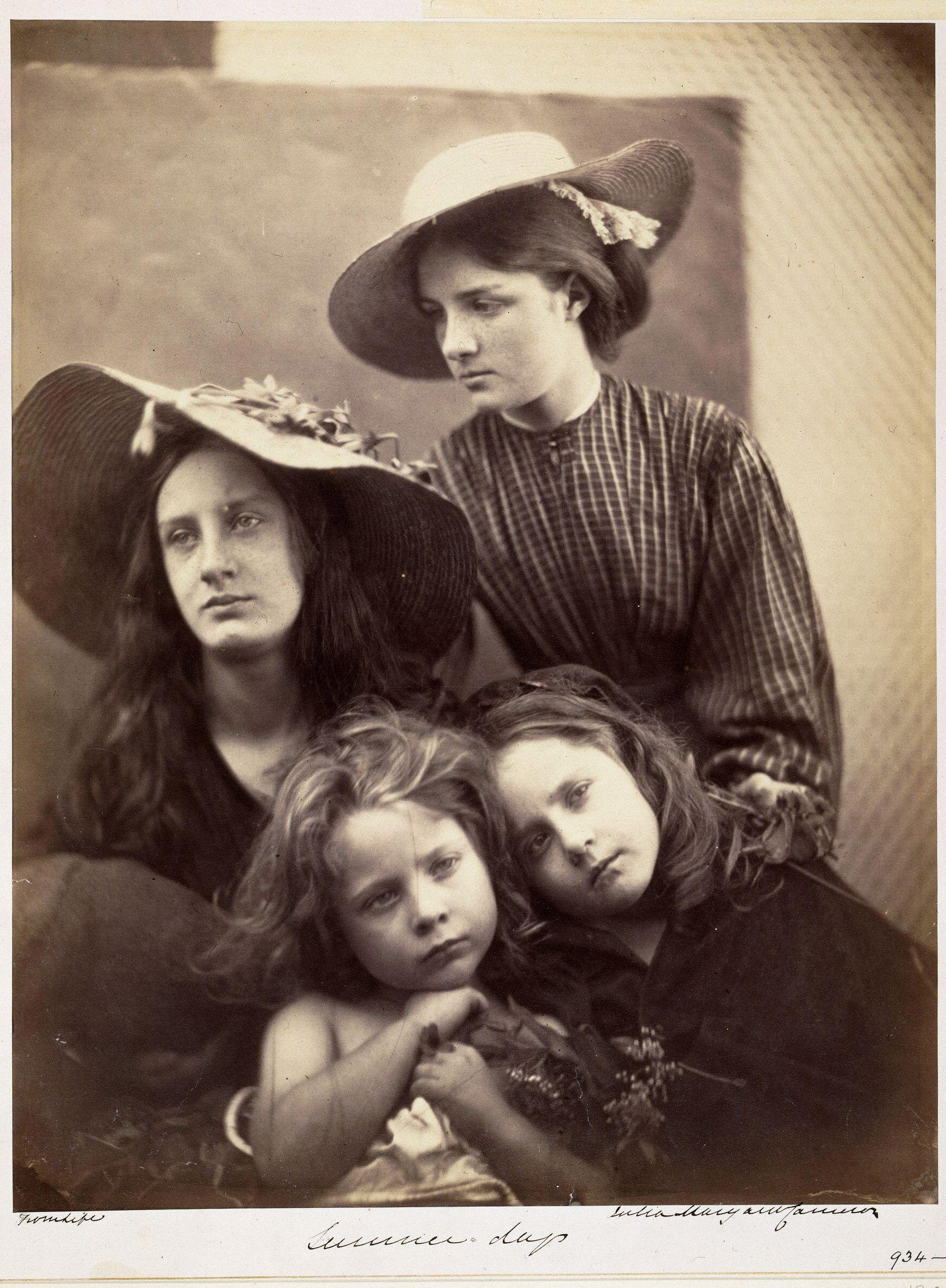
Marni Sandweiss (Amon Carter Museum) postcard sent to Carlotta Corpron. January 28, 1981. From Carlotta Corpron Papers The photograph is a reproduction of “Summer Days” (c. 1866) by Julia Margaret Cameron printed by George Eastman House. Back of the postcard is viewable here as a pdf fileJulia Margaret Cameron :: ‘Summer Days’, ca. 1866. Albumen print from wet collodion glass negative. A photograph of two young women (May Prinsep and Mary Ryan) wearing straw hats, two young children (Freddy Gould and Elizabeth Keown) are seated in front. | V&A Museum
In late 1865, Julia Margaret Cameron began using a larger camera. It held a 15 x 12 inch glass negative, rather than the 12 x 10 inch negative of her first camera. Early the next year she wrote to Henry Cole with great enthusiasm – but little modesty – about the new turn she had taken in her work.
Cameron initiated a series of large-scale, closeup heads that fulfilled her photographic vision. She saw them as a rejection of ‘mere conventional topographic photography – map-making and skeleton rendering of feature and form’ in favour of a less precise but more emotionally penetrating form of portraiture. Cameron also continued to make narrative and allegorical tableaux, which were larger and bolder than her previous efforts.
Cameron’s ability to capture large groups improved with experience as well as with the use of her new, larger lens. Her friend and photographic advisor, the scientist Sir John Herschel, wrote that this picture was ‘very beautiful, and the grouping perfect.’ quoted from V&A
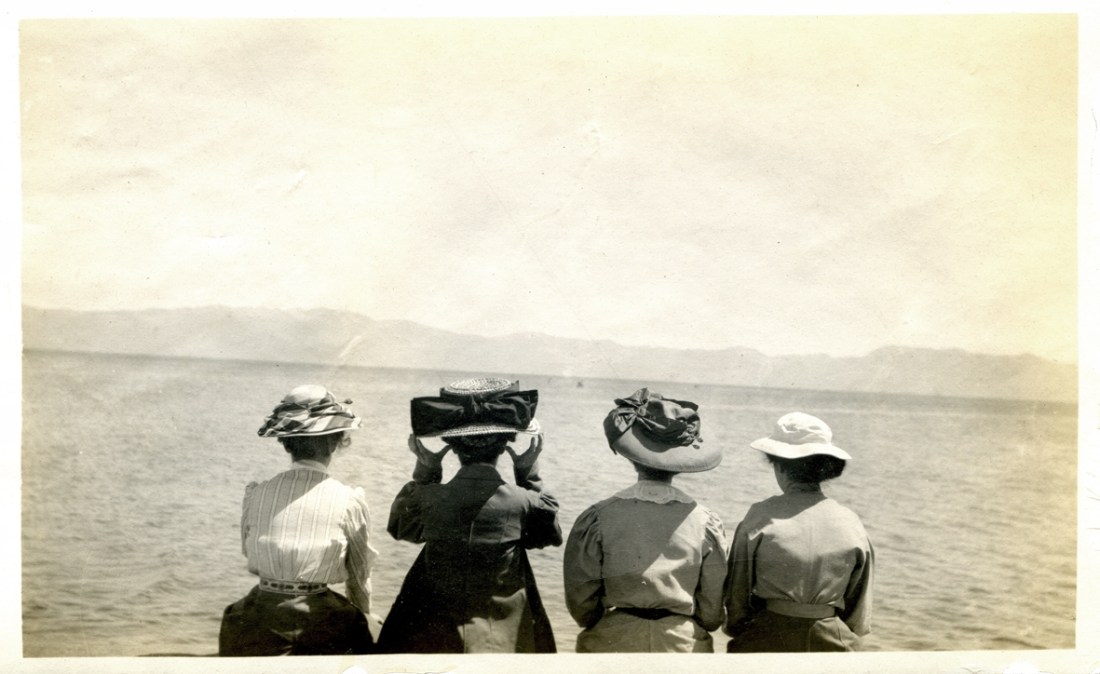
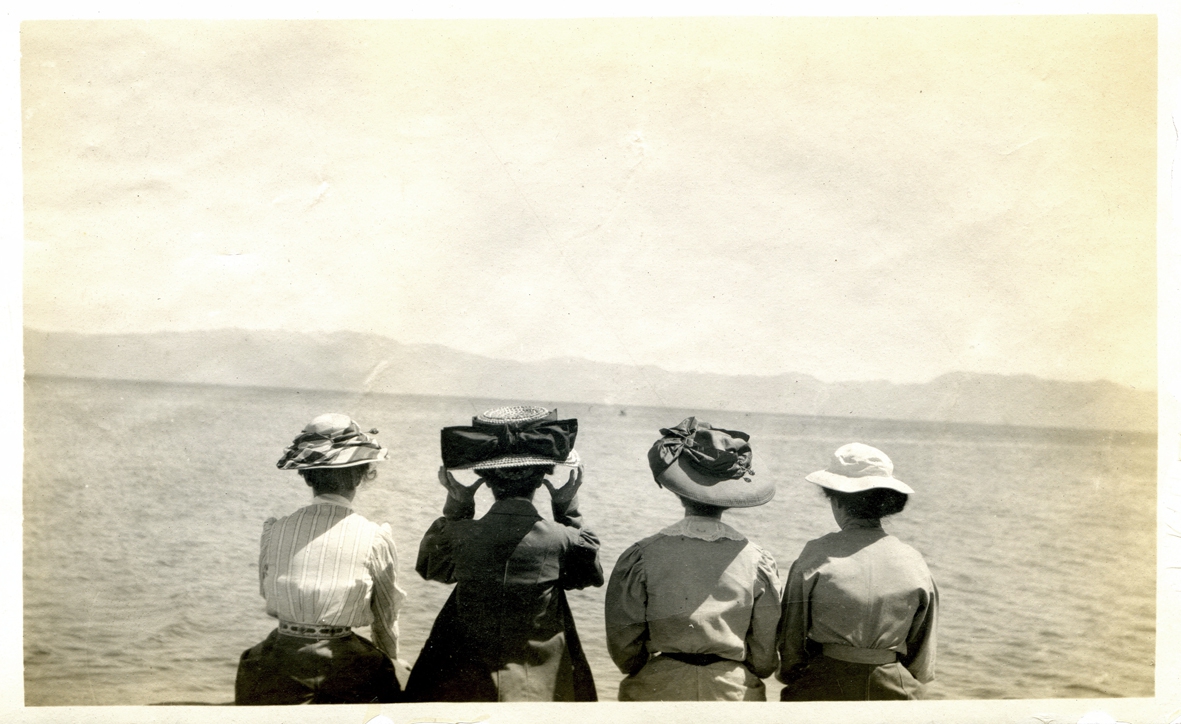
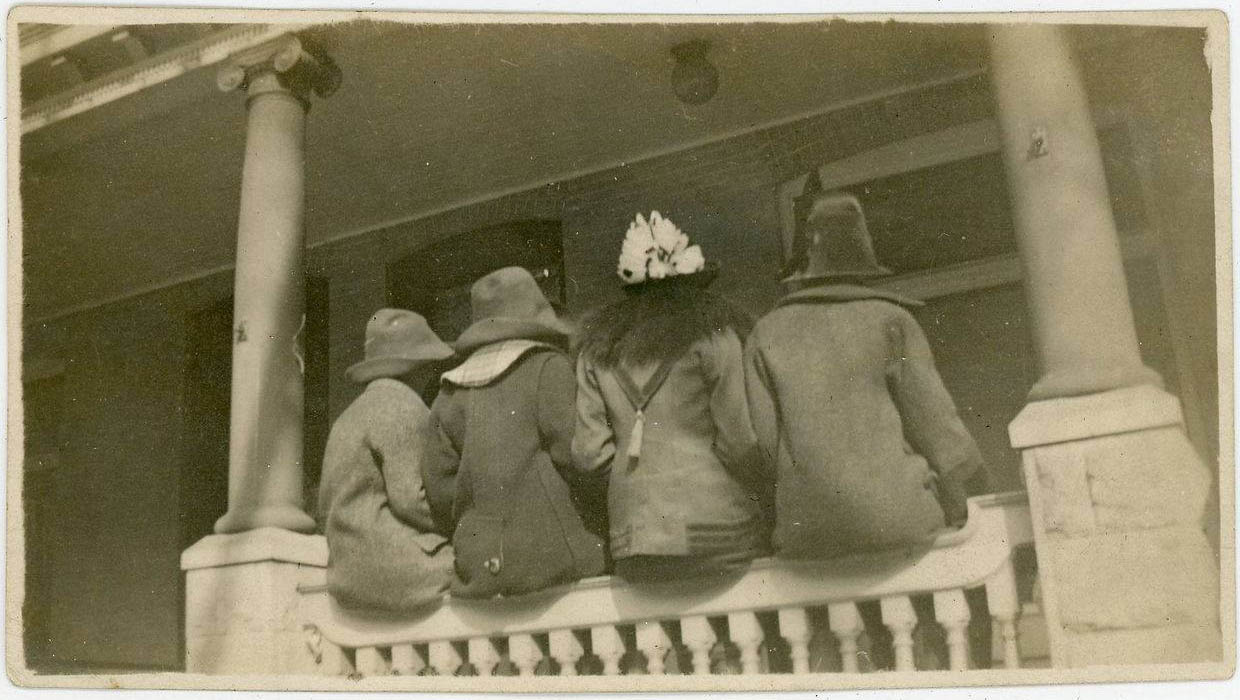
De dos. Des photos anciennes anonymes chinées | Old anonymous vintage photos. Vernacular photography, ca. 1890-1950 (mostly). Coll. Michel F. David. | src éditions Sur la BanquiseDe dos. Des photos anciennes anonymes chinées | Old anonymous vintage photos. Coll. Michel F. David. | src éditions Sur la BanquiseGroup of people on a porch, sitting on railings, undated. | src eBay (broken link)Musée de la photographie de Charleroi: expo En dilettante, les petites histoires de la photo amateur / Ode aux photographes du dimanche
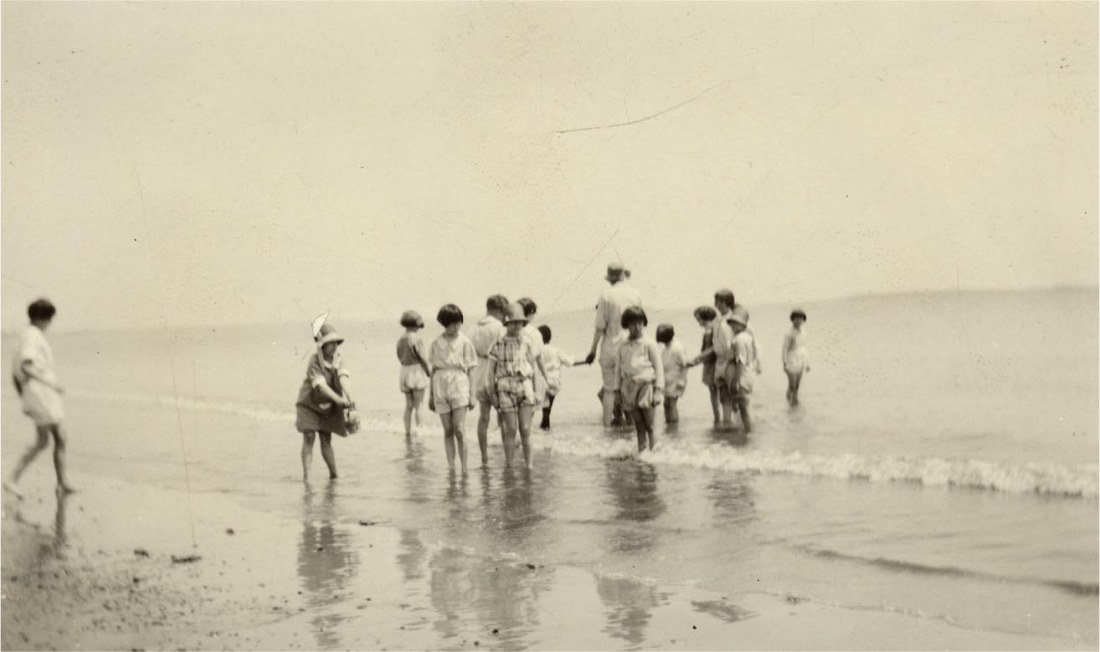
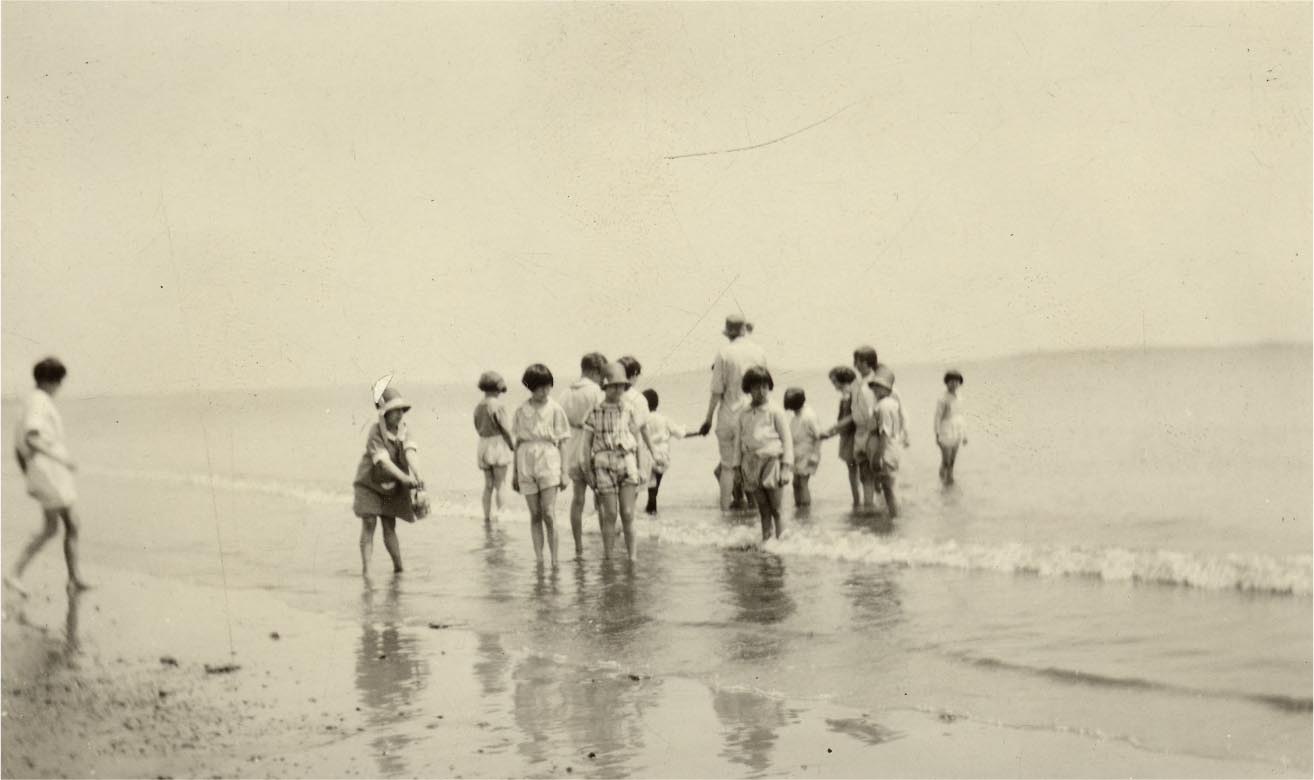
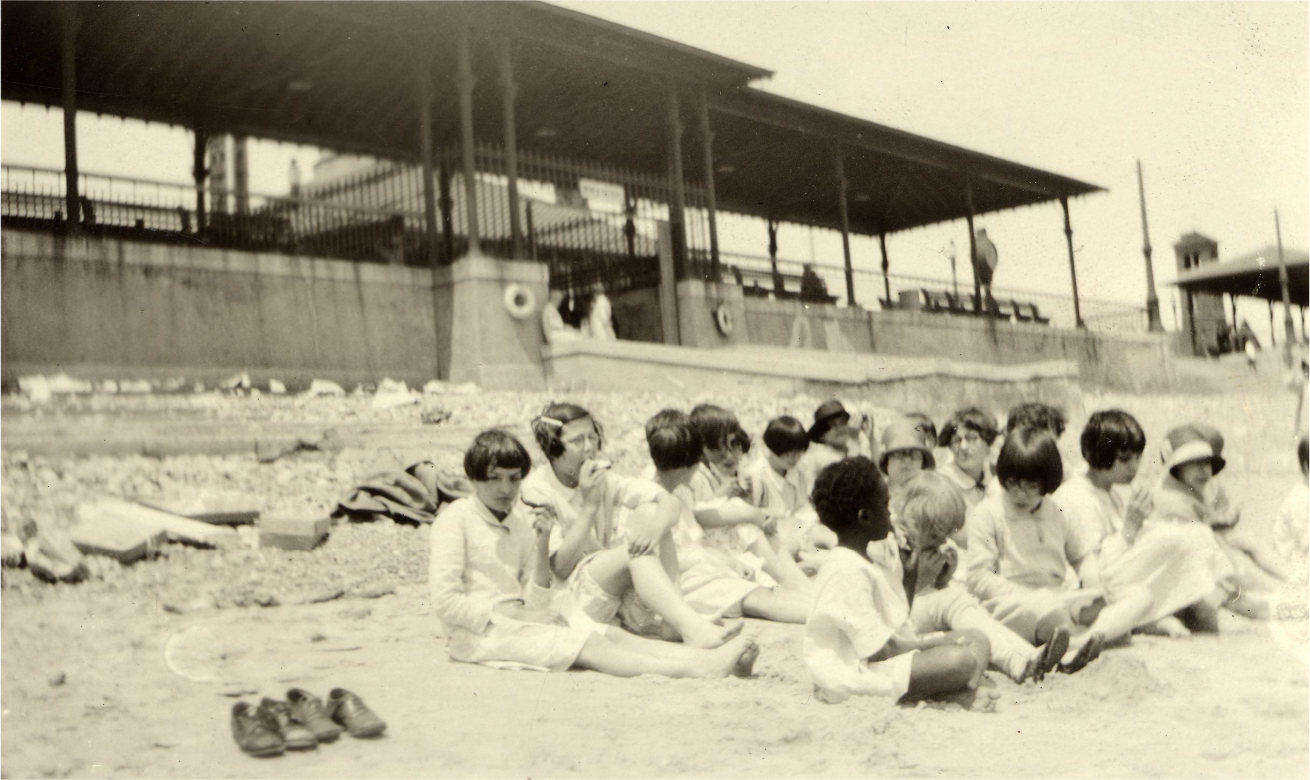
Perkins School for the Blind students in the water at Revere Beach on June 11th, 1928. | src Digital CommonwealthPerkins School for the Blind students having a picnic on Revere Beach on June11th, 1928. | src Digital Commonwealth













 un regard oblique