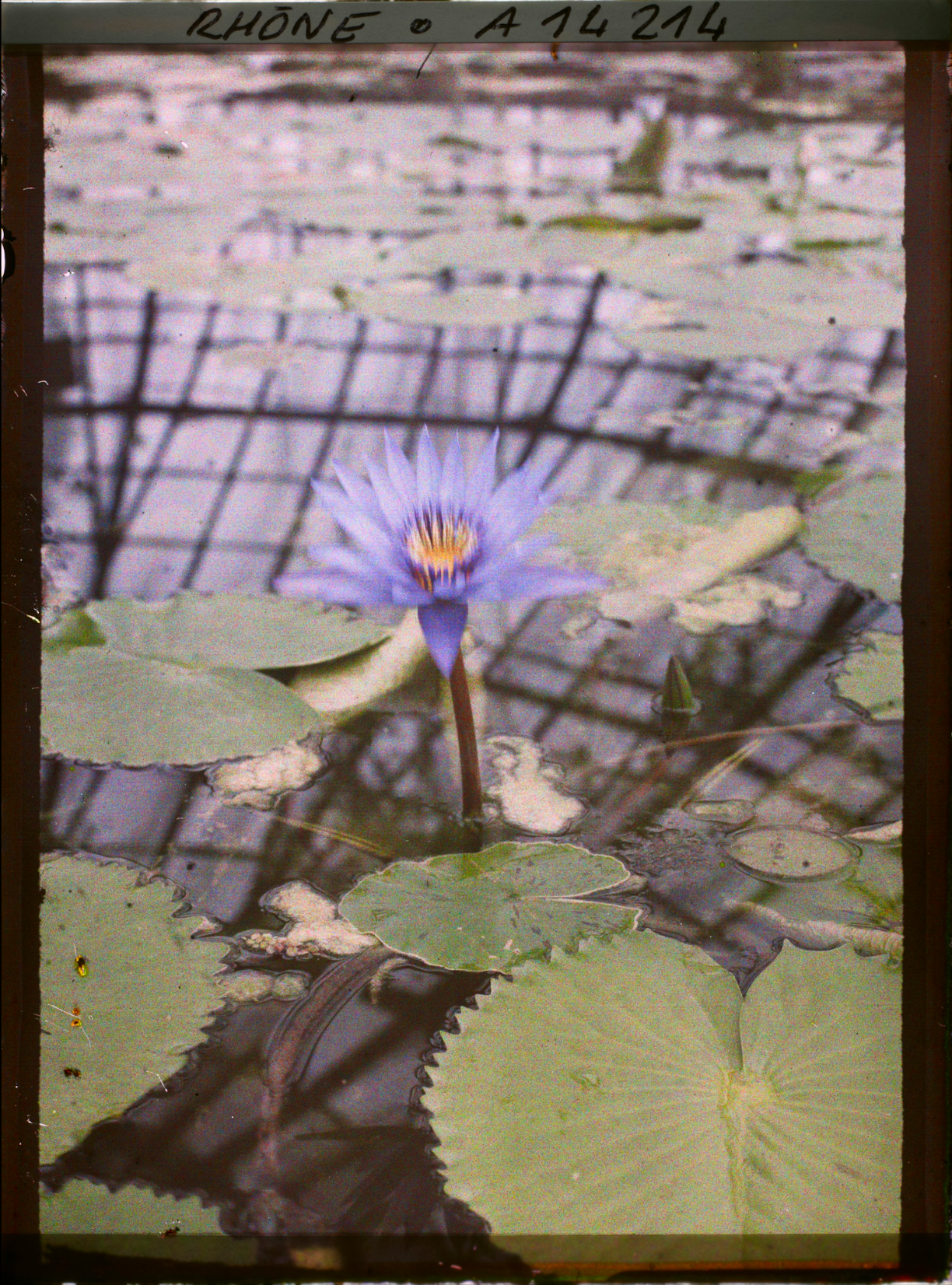
Rhône-Alpes – Léon Busy – (juin 1917-mai 1918)
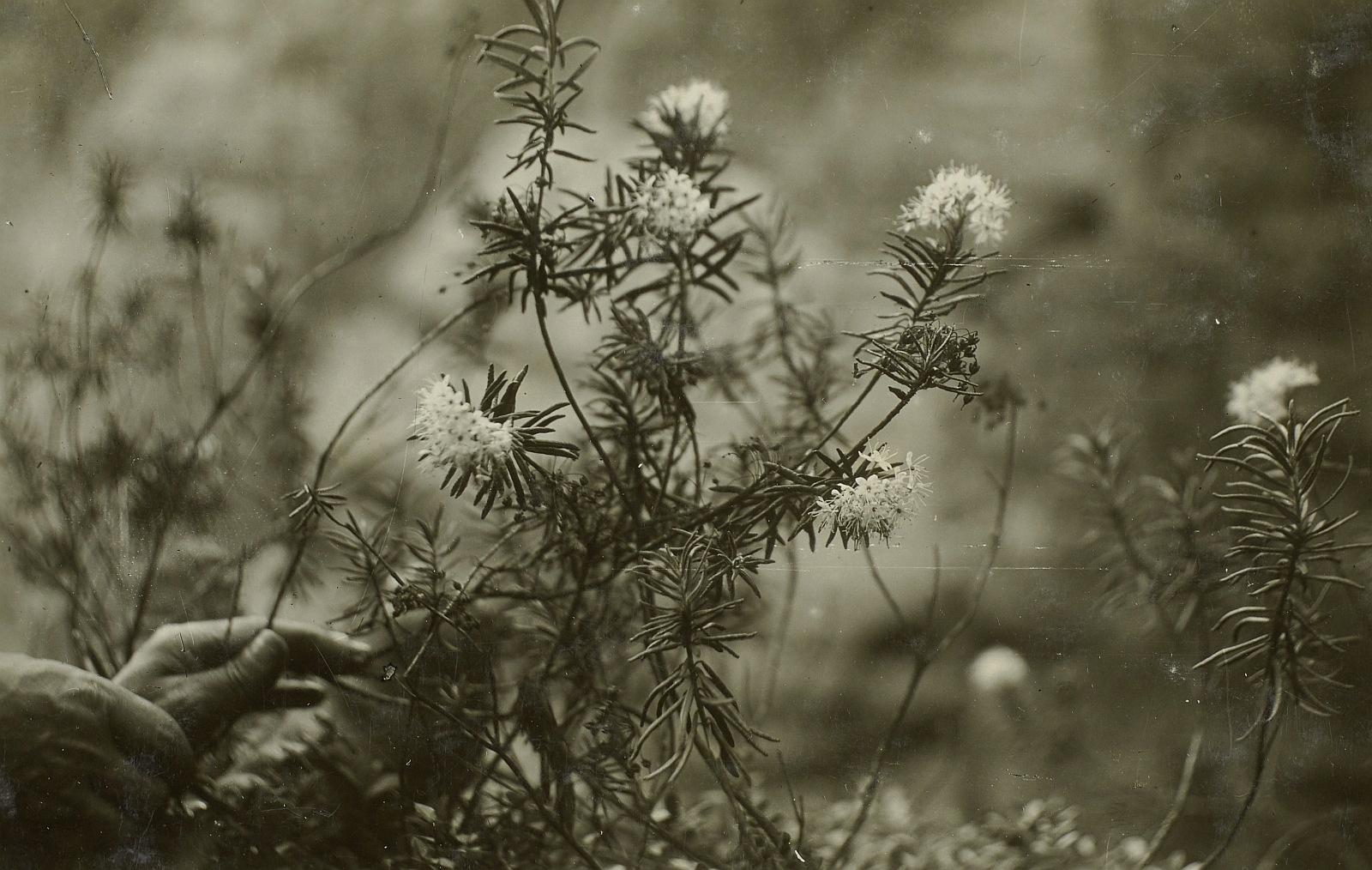
Musée départamental Albert Kahn. Archives de la Planète. Opérateur : León Busy (x)
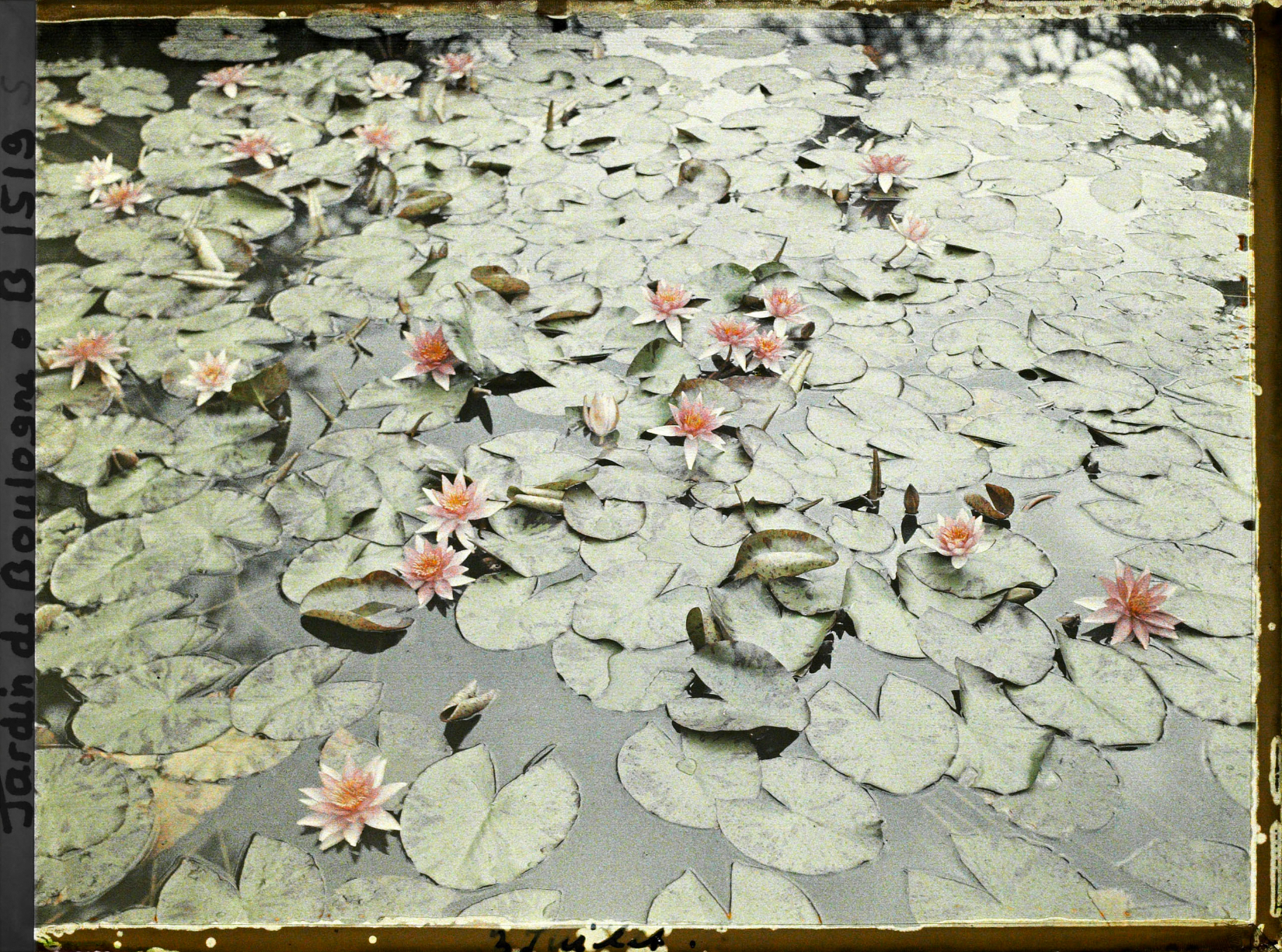
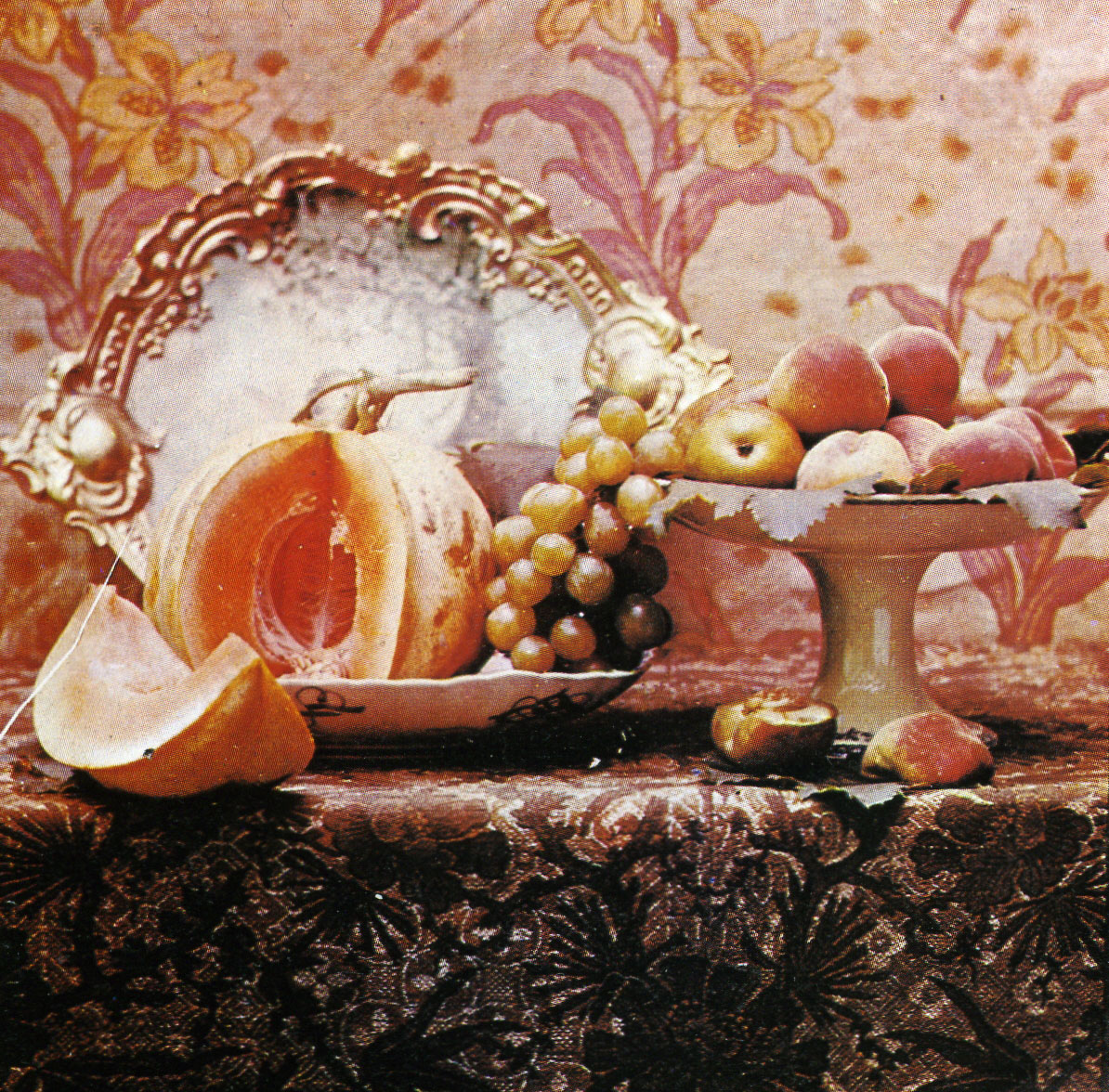
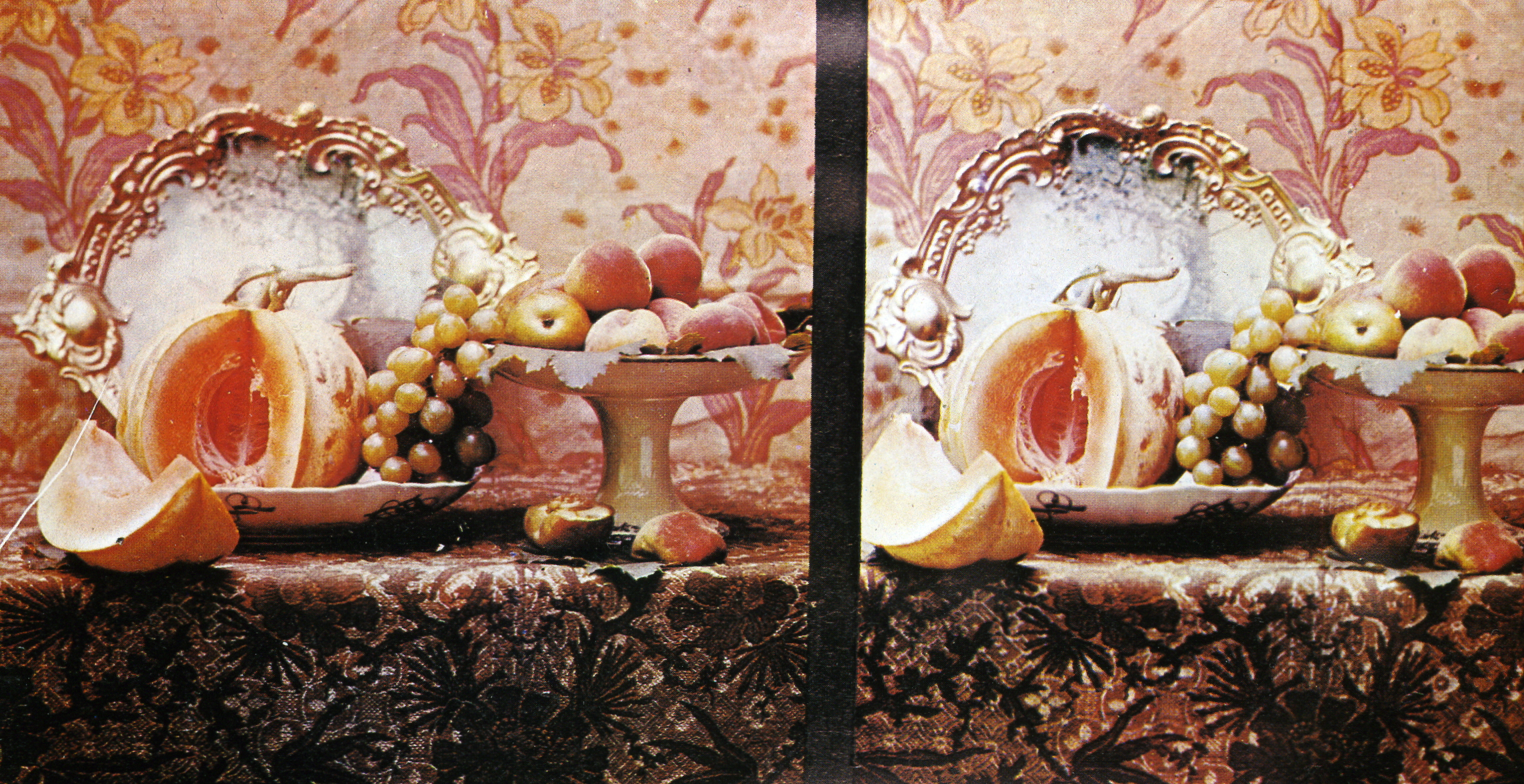
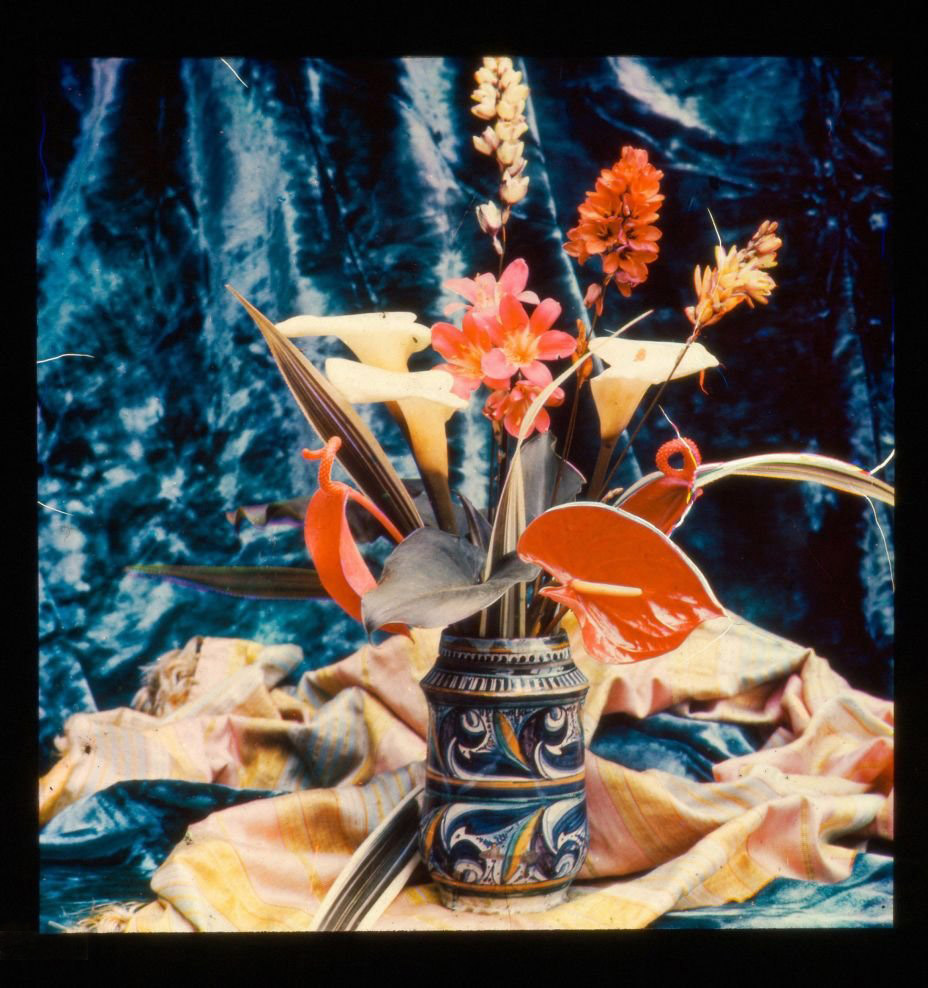
Musée départamental Albert Kahn. Archives de la Planète. Opérateur : Auguste Léon (x)
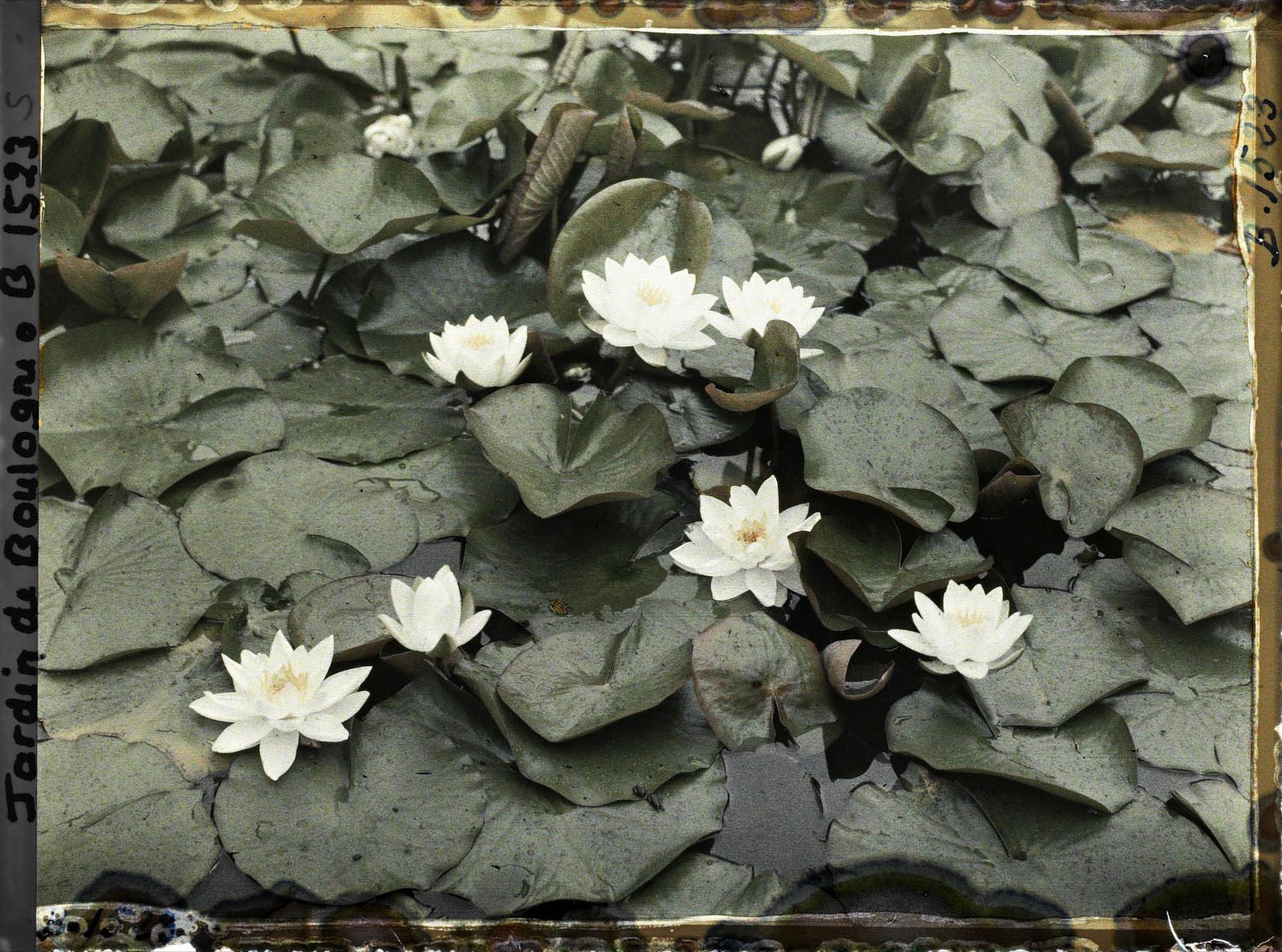
images that haunt us
Musée départamental Albert Kahn. Archives de la Planète. Opérateur : León Busy (x)
Musée départamental Albert Kahn. Archives de la Planète. Opérateur : Auguste Léon (x)
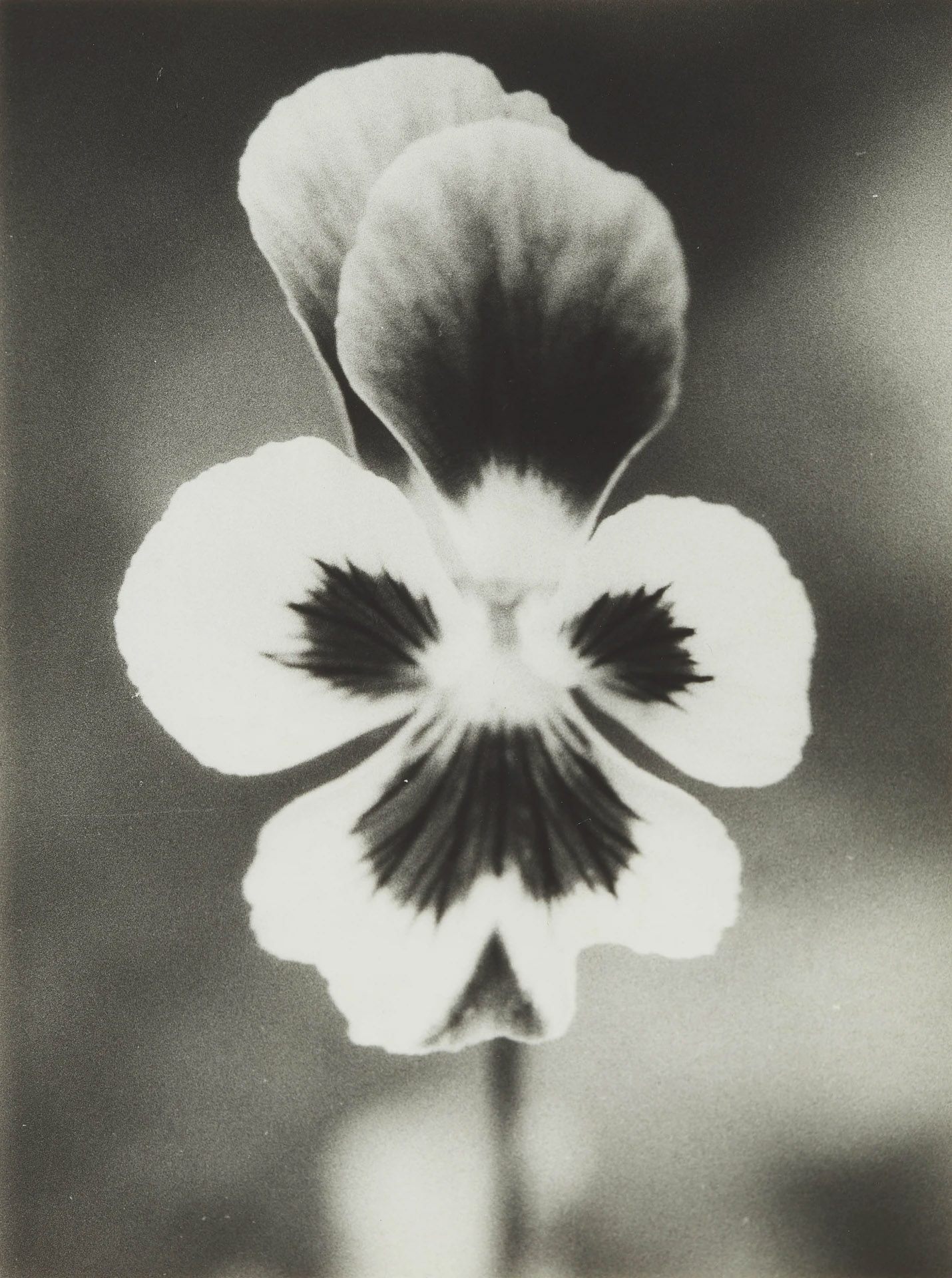
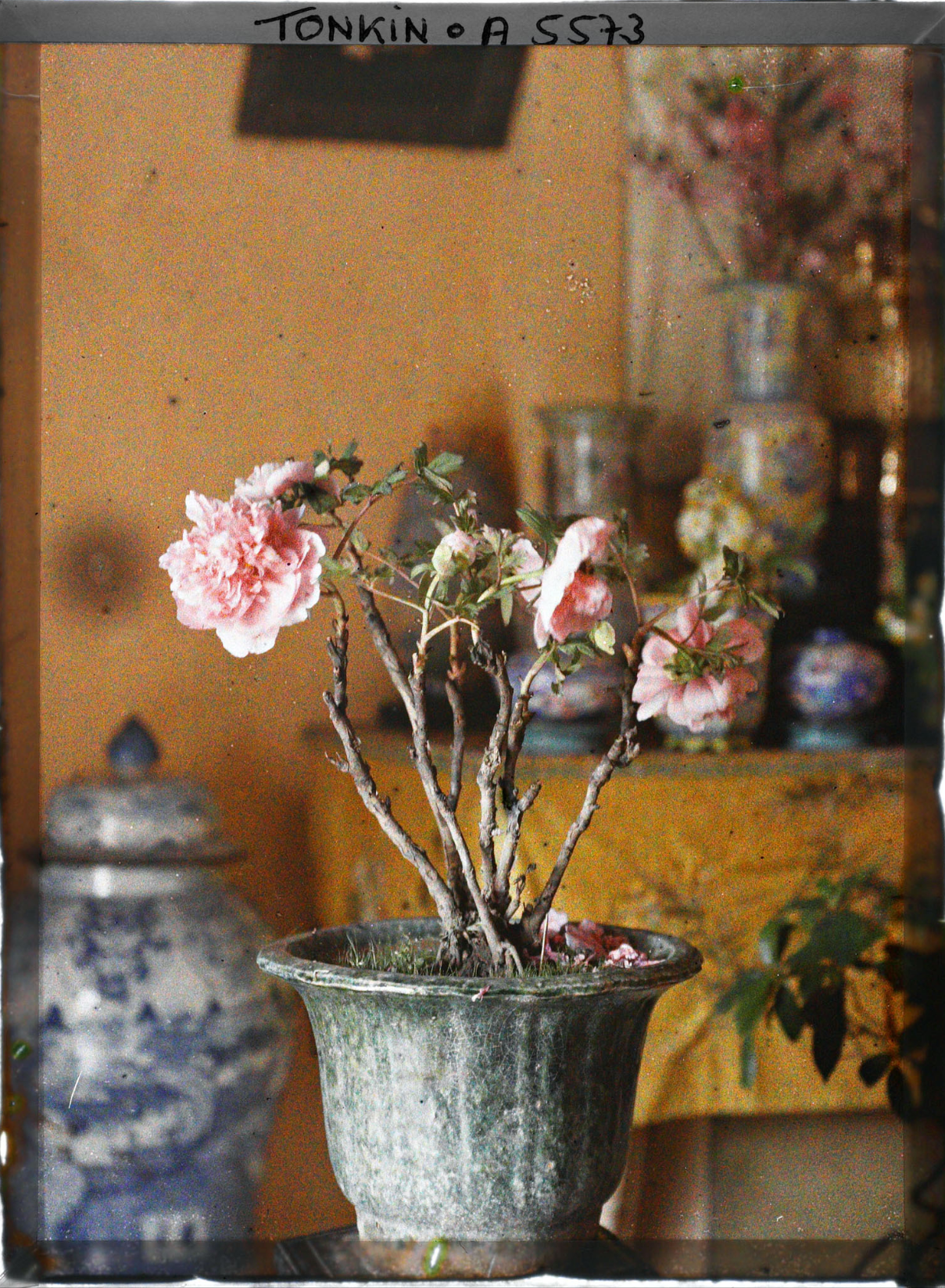
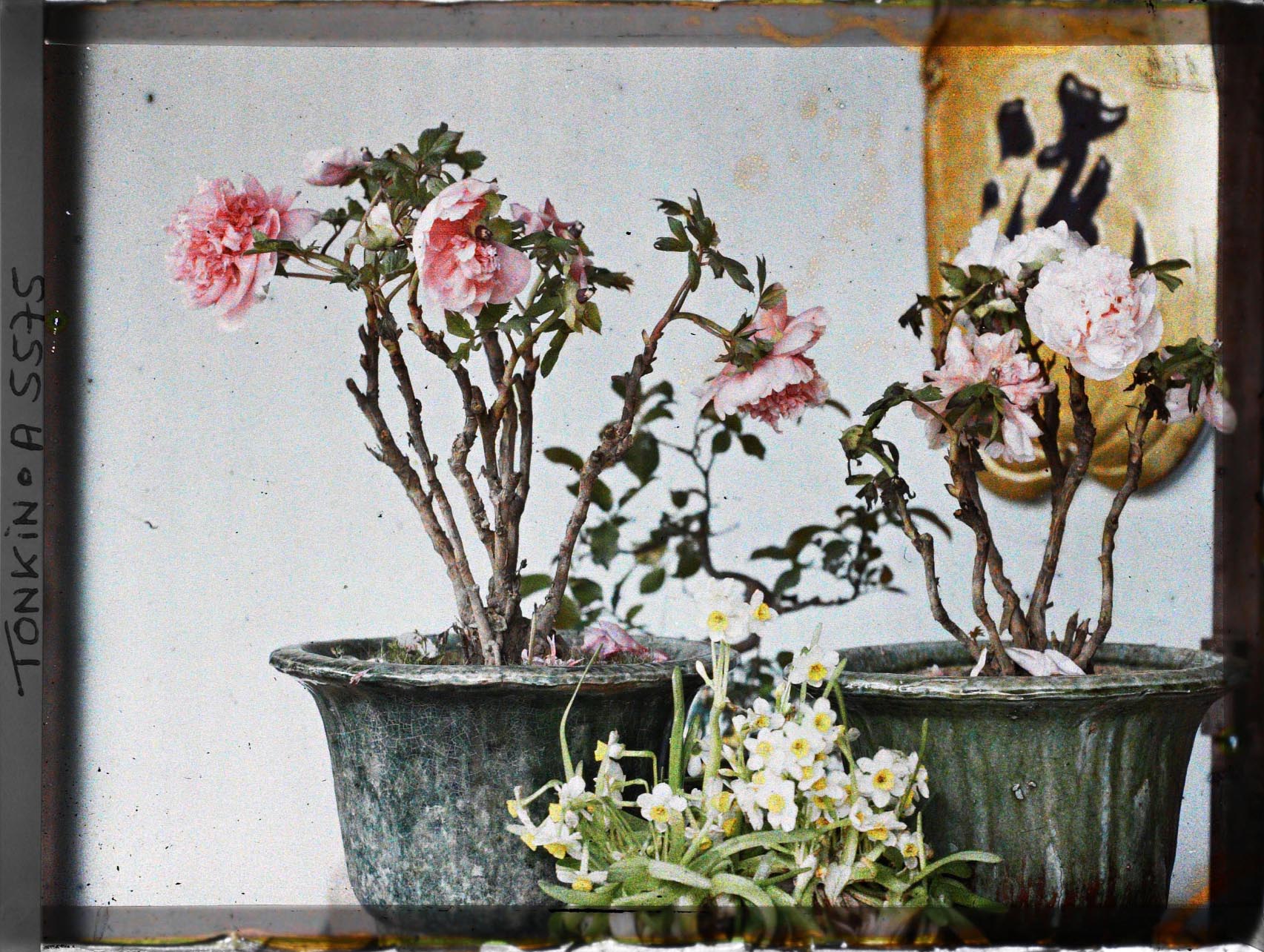
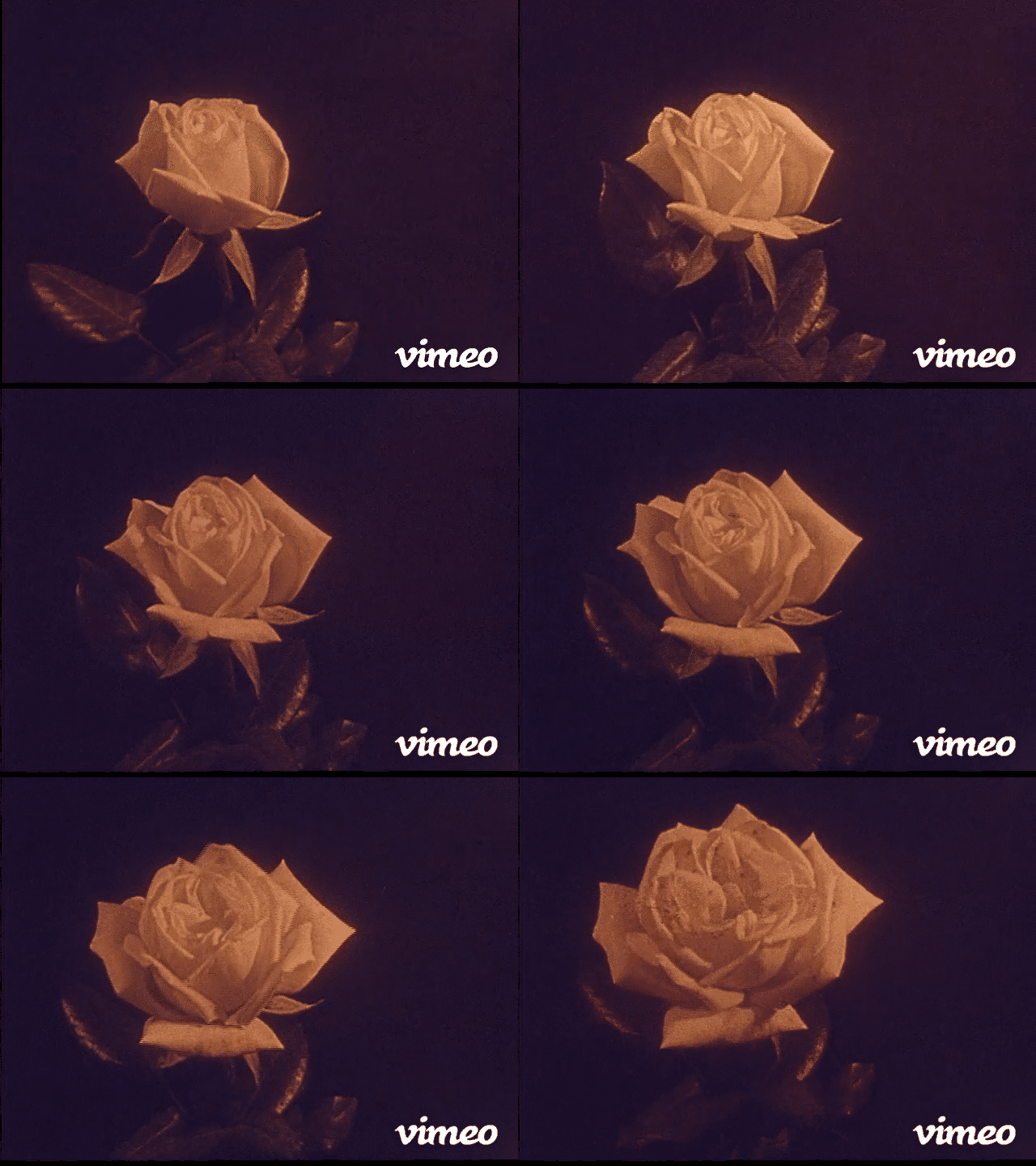
Three views of a Chinese peony blooming at the foot of the altar of the ancestors at the time of the Têt festival, Hà-dông, Tonkin, Indochina, February 1915. Mission : Léon Busy en Indochine

all images from Musée départamental Albert Kahn


![Jaromír Funke ~ Untitled (Hydrangea in blossom in pot), ca. 1920-24 [HGG2-summer 2019]](https://live.staticflickr.com/65535/52008384576_3b52162bf7_o.jpg)
A very rare photograph in a rather pictorialist style among the modern, abstract production by Funke.
![Jaromír Funke ~ Untitled (Hydrangea in blossom in pot), ca. 1920-24 [detail]](https://unregardoblique.com/wp-content/uploads/2023/06/jaromir-funke-untitled-ca.-1920-1924-hgg2summer19-det.jpg)
Jaromír Funke (1896–1945) studied medicine, law and philosophy at Charles University in Prague but did not graduate. Instead he concentrated on becoming a professional freelance photographer. By 1922 he was a leader of the young opposition movement in photography and a founder of the Czech Society of Photography (1924) whose mission was to create photography that would fulfil new social functions. In his work Funke managed to combine some of the leading trends in modernist European photography, uniting constructivism and functionalism with surrealism and social commentary, with traditional Czech aesthetics. His interest in modernist ideas led him to make clearly focused studies of simple objects. As the decade progressed, he turned to the production of carefully arranged still lifes emphasizing abstract form and the play of light and shadow. During this time he also produced several important series of photographs, including two inspired by the images of Eugène Atget: Reflexy (Reflections, 1929) and as trvá (Time Persists, 1930-34).
Funke was also influential as a teacher, first at the School of Arts and Crafts, Bratislava (1931-34/35), which followed a Bauhaus-inspired curriculum, and then at the State School of Graphic Arts, Prague (1935-44). While in Bratislava, he became interested in social documentary photography and joined the leftist group Sociofoto, which was concerned with recording the living conditions of the poor. Throughout his career Funke published articles and critical reviews dealing with photography. From 1939-41 he worked with Josef Ehm to edit the magazine Fotografik obzor (Photographic Horizon).
quoted from HGG ~ Howard Greenberg Gallery / Jaromir Funke
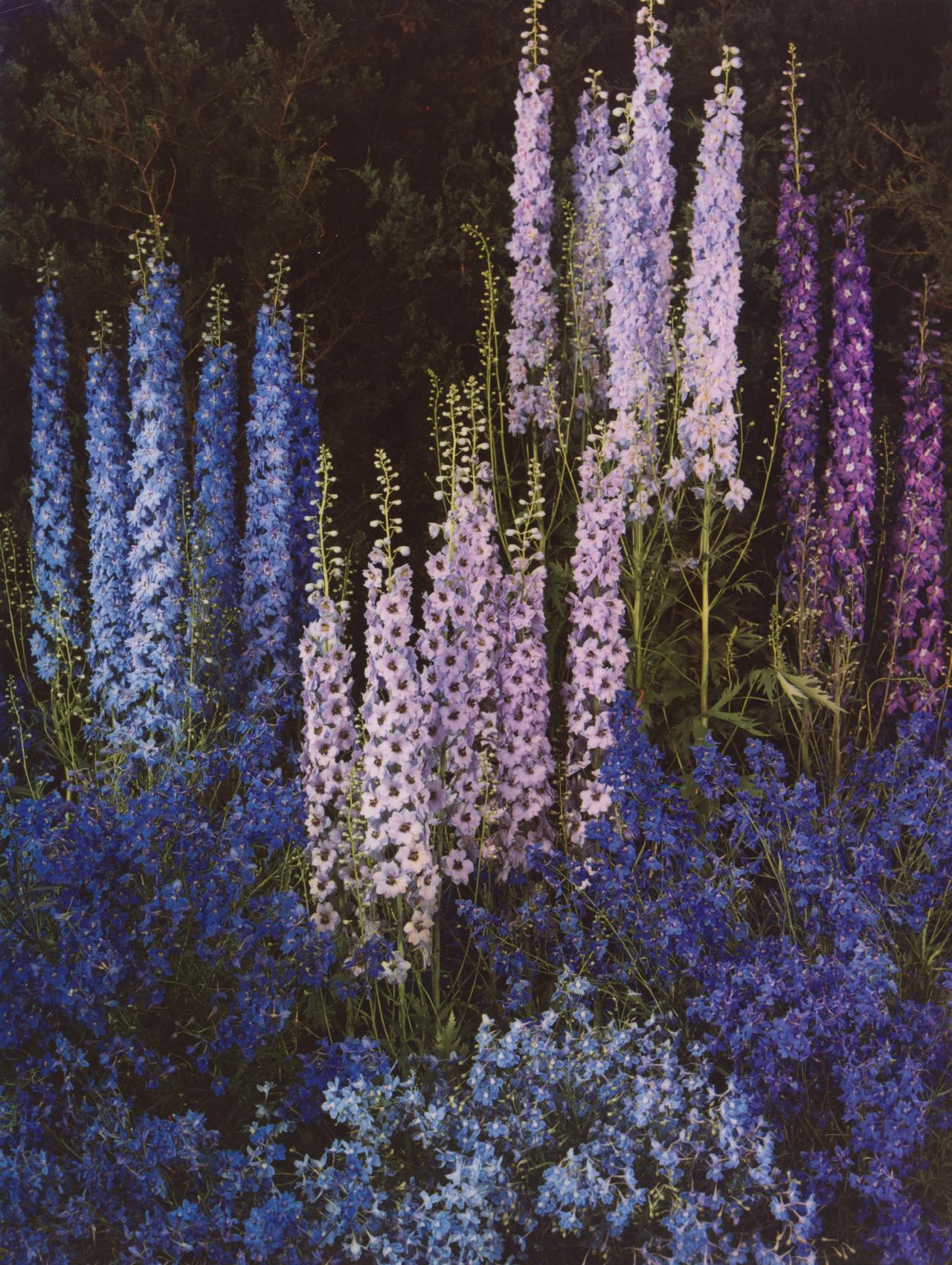
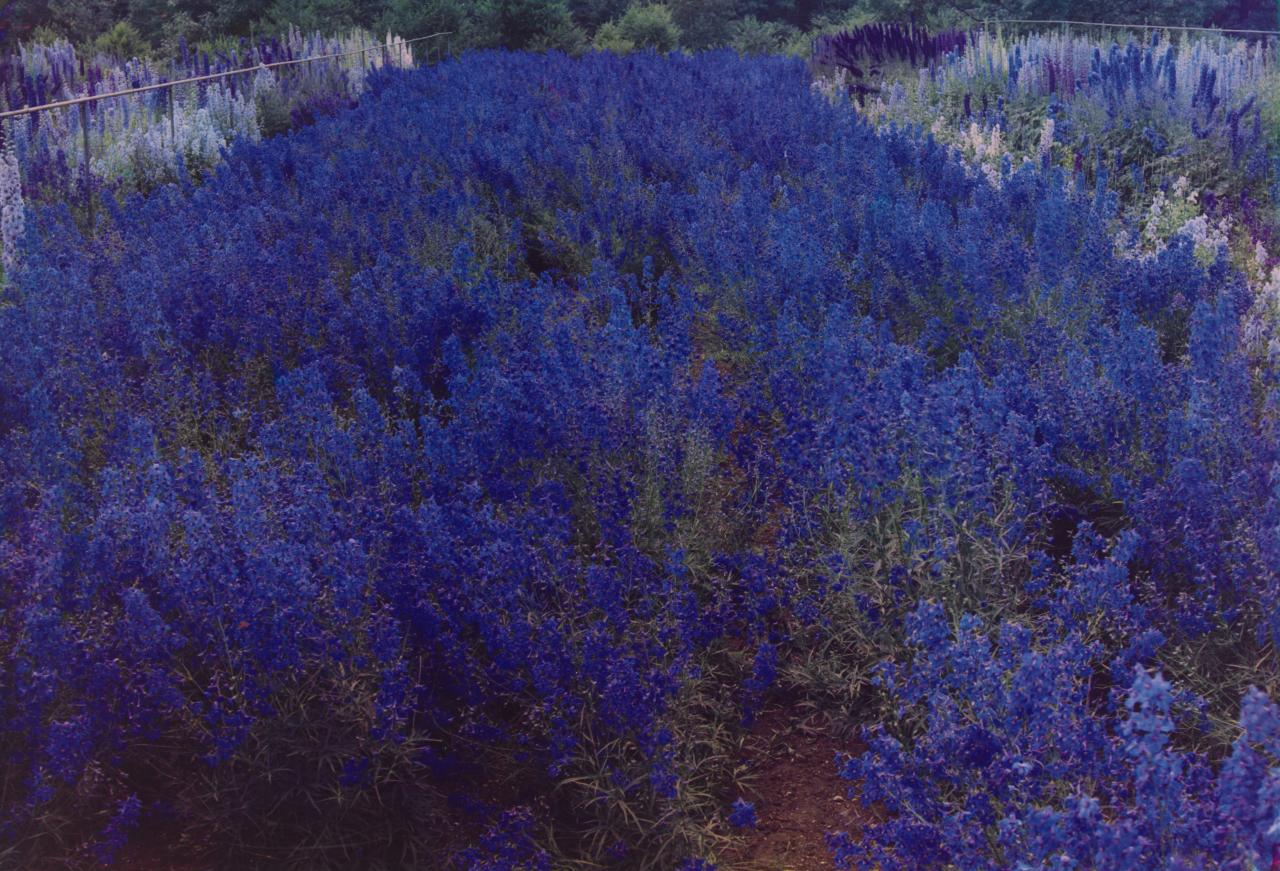

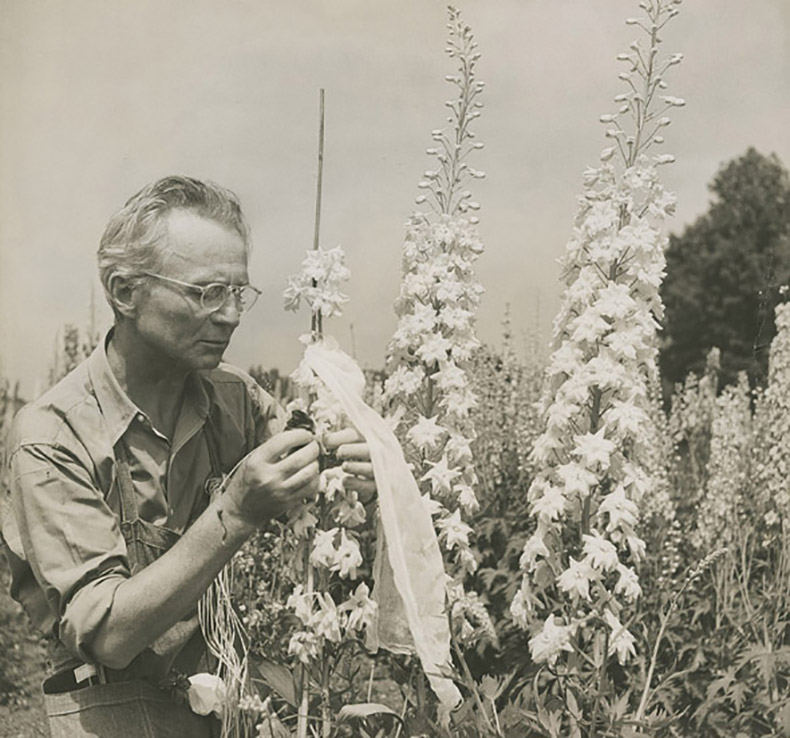
Edward Steichen: painter, photographer, modern art promoter, museum curator, exhibition creator—and delphinium breeder.
Yes, in addition to his groundbreaking career as a visual artist and museum professional, Steichen was also a renowned horticulturist. While he lived in France, the French Horticultural Society awarded him its gold medal in 1913, and he served as president of the American Delphinium Society from 1935 to 1939. In the early 1930s, after leaving his position as chief of photography for the Condé Nast publications—including Vogue and Vanity Fair—and more than 10 years before beginning his career as Director of the Department of Photography at MoMA, he retired to his Connecticut farm to raise flowers.
Among the delphinium breeds Steichen hybridized there were “Carl Sandburg,” named for his brother-in-law and close friend (and Nobel Prize–winning poet and author), and, in the 1960s, “Connecticut Yankees”…
In June 1936, MoMA presented its first and only dedicated flower show, Edward Steichen’s Delphiniums, which exhibited—for one week only—plants Steichen had raised and then trucked to the Museum’s galleries himself. (Read the original press release for the exhibition in MoMA’s online press archives.)
quoted from MoMA blog







 un regard oblique