Tänzerin Maja Lex (1906 ─ 1986)

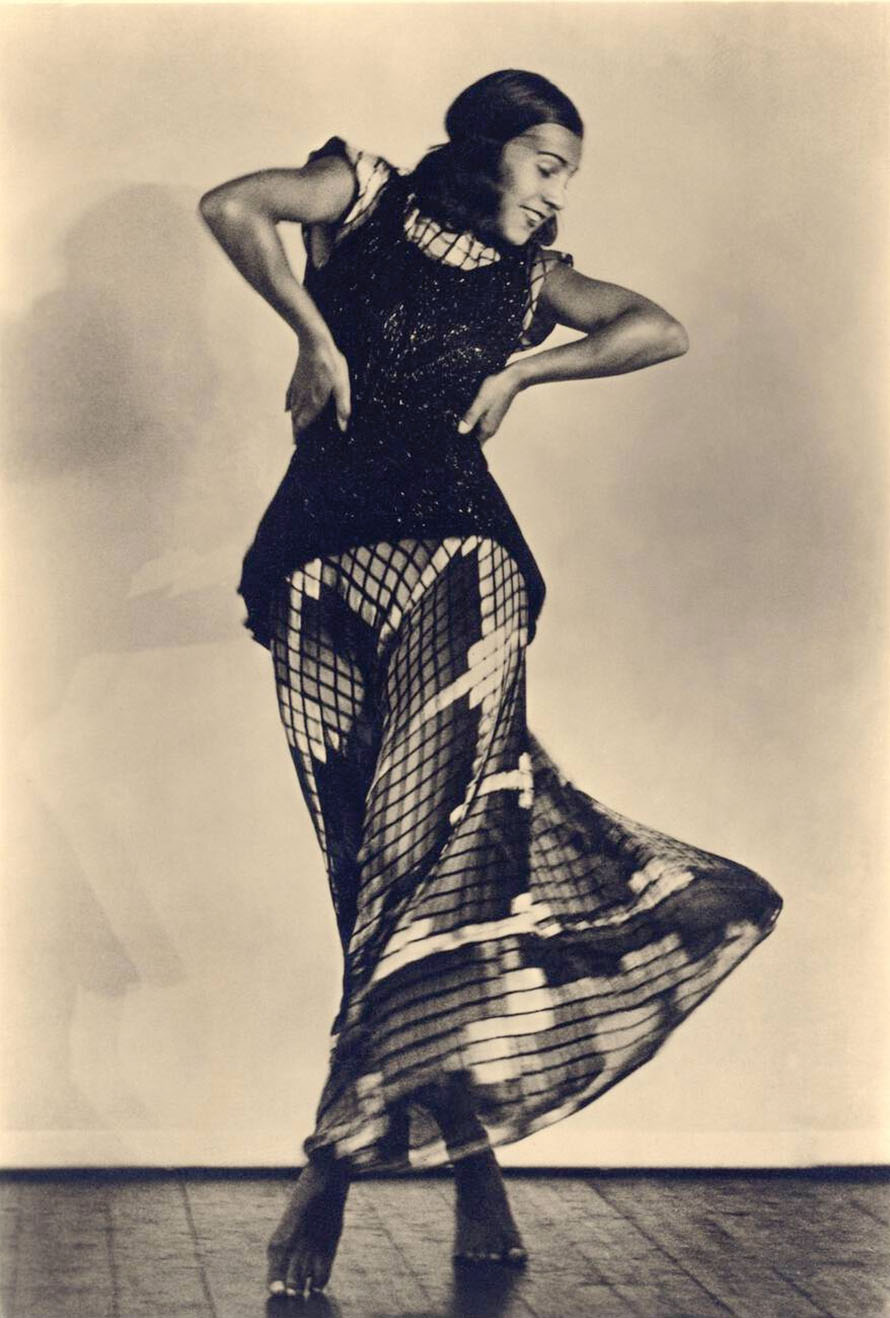
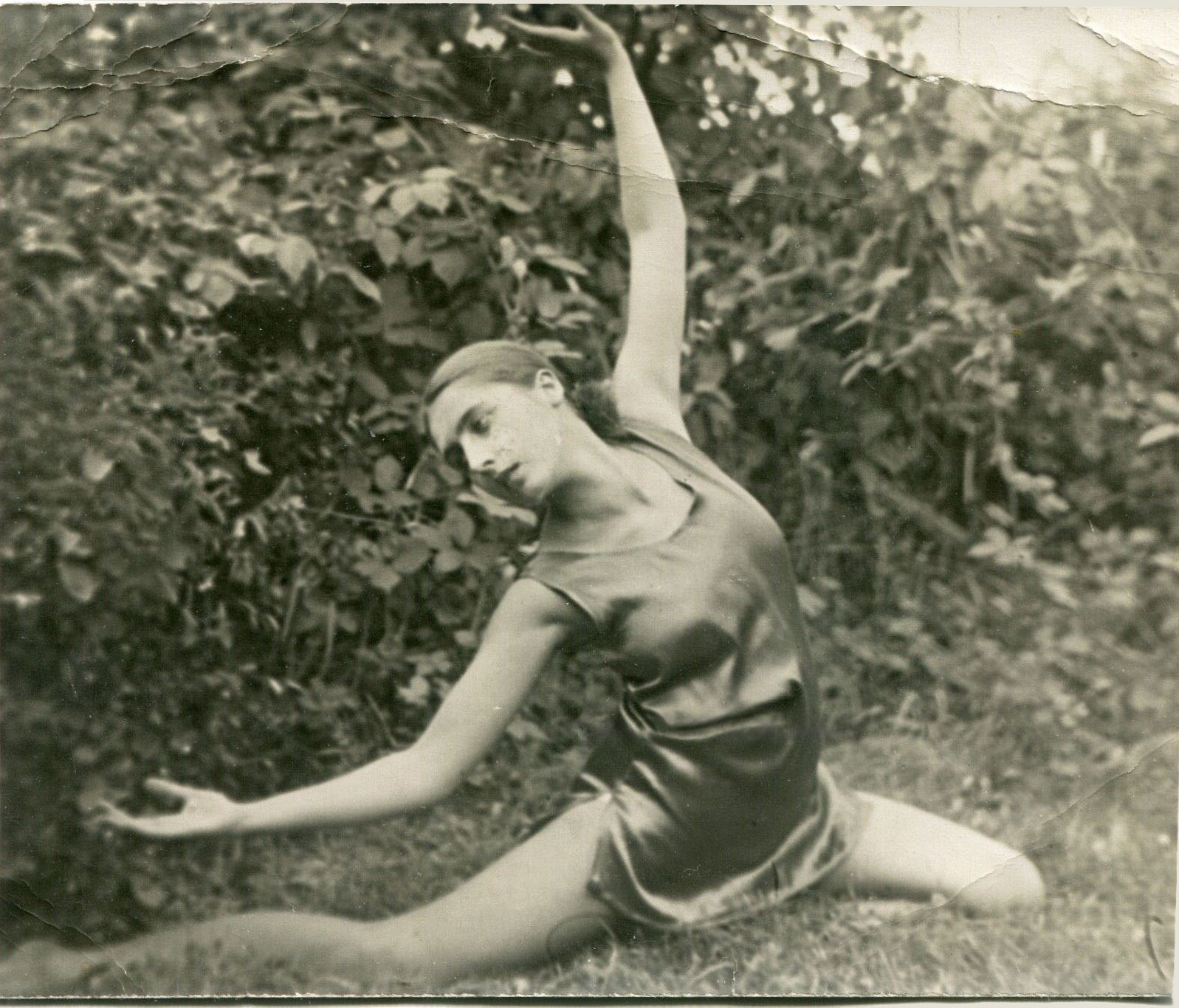
The dancer Maja Lex. Günther-Schule, 1920s | src Carl Orff Stiftung

In Munich, Maja Lex was first a student member but soon, together with Gunild Keetmann and the founders Dorothee Günther and Carl Orff, belonged to the leading teaching staff of the Günther-Schule, a forward-looking school with a trebly diversified training concept of integrative musical and movement education. War events disrupted this unique constellation of artistic and educational personalities.

Maja  Lex developed a new movement and dance education of a timeless pedagogic and artistic value. She liberated herself from the formalized practice/exercise/training and introduced instead the varied movements of rhythmic-dynamic, spatial and formal variation. Structured improvisation, similar to musical improvisation, was established as a definite component of the teaching lesson.

As a solo dancer and choreographer of Tanzgruppe Günther, Maja Lex was a pioneer of the New German Dance (Neuer Deutscher Tanz) in the 1930s. She created a specific dancing style of a ‘thrilling rhythmic intensity’, a definite feeling for form and a high technical dancing discipline. Music and dance became elements of equal value, not least because of the use of rhythm instruments for the dance and for the orchestra of Günther-Schule, where dancers and musicians changed roles. The director of the orchestra was Gunild Keetmann. Maja Lex’s dances belong to the absolute dance. / quoted from Elementarer Tanz
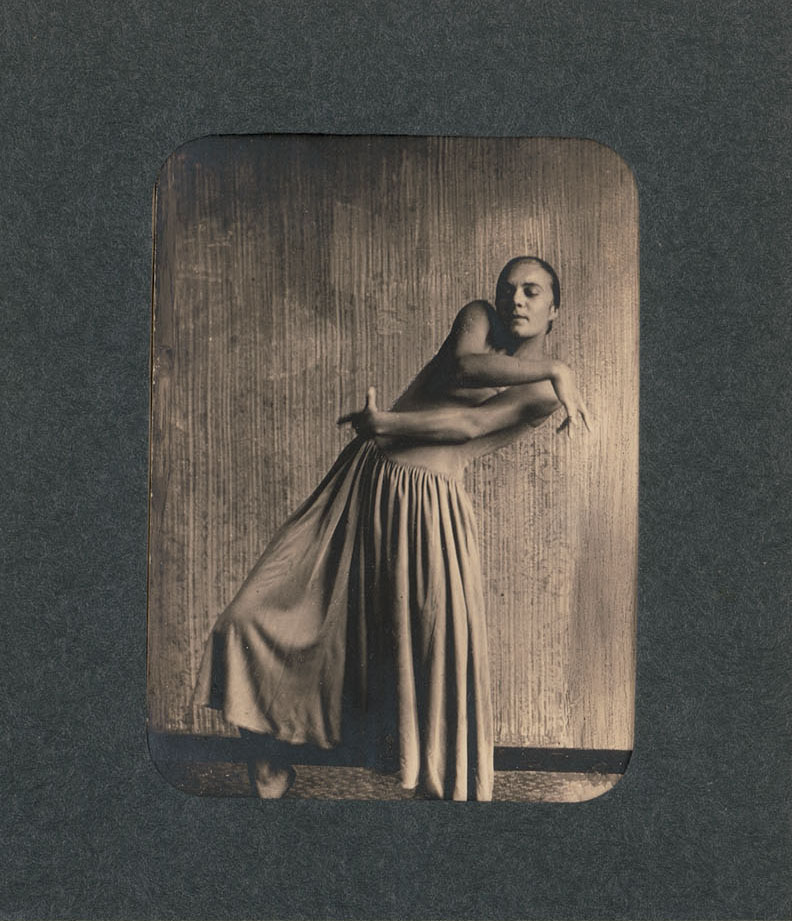
German dancer and choreographer Maja Lex, 1931 | src alamy
Maja Lex. Günther Schule, München, 1924 (Fotografer/in unbekannt) | src Bassenge Auktion 121
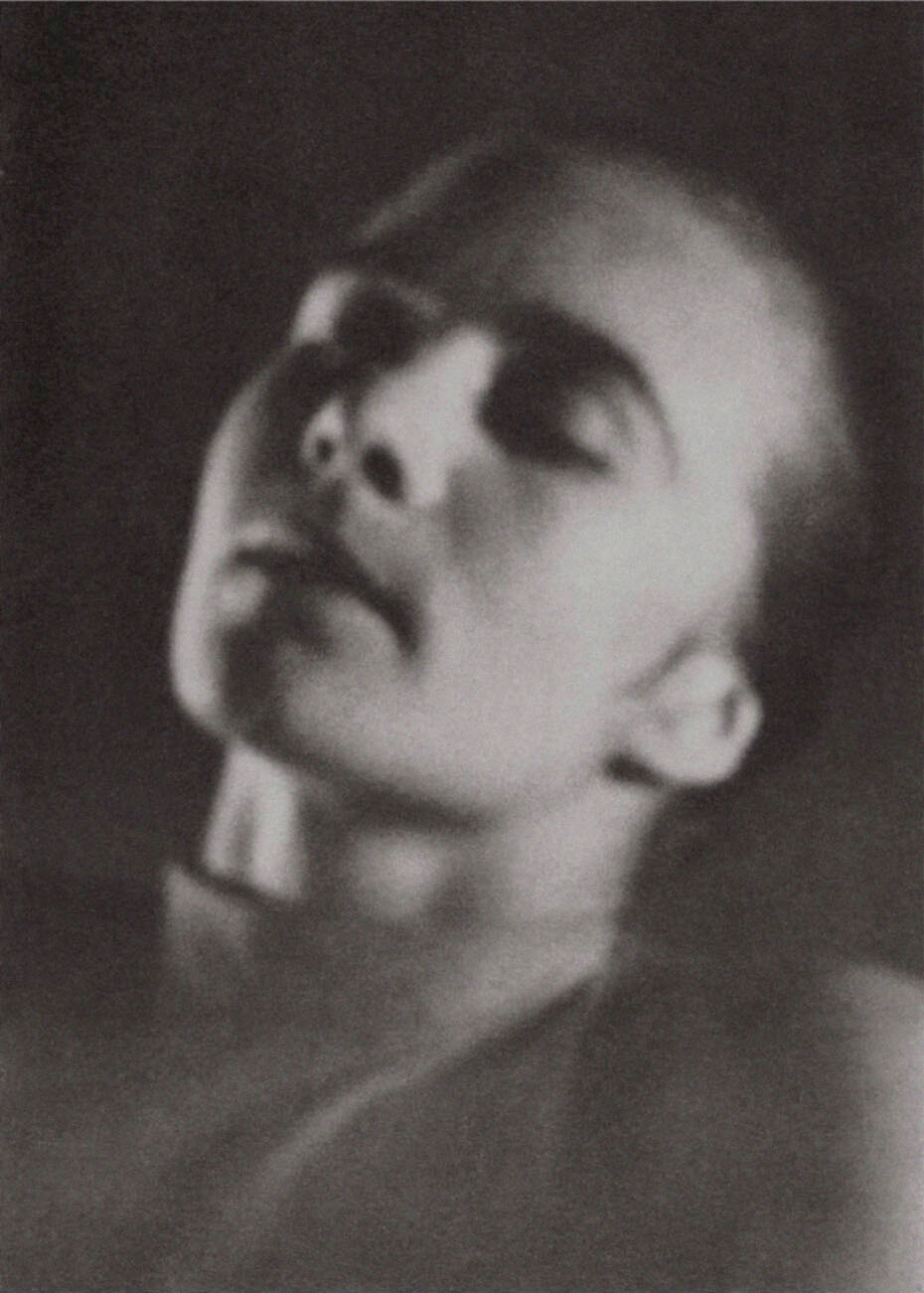
Portrait of Maja Lex (1906 ─ 1986), 1920s | src Elementarer Tanz

From 1927, Maja Lex performed her own choreographies. As a soloist and choreographer of the Tanzgruppe Günther-München (lead by Dorothee Günther), she made her decisive breakthrough in 1930 with the “Barbarian Suite” in collaboration with the musical director of the group, the composer Gunild Keetman. Numerous guest performances and awards at home and abroad followed until the school was forcibly closed in 1944 and finally destroyed in 1945.

Maja Lex, who had been very ill since the beginning of the 1940s, moved to Rome in 1948 and lived there together with Dorothee Günther in the house of her mutual friend Myriam Blanc. At the beginning of the 1950s Maja Lex resumed her artistic-pedagogical work and taught at the German Sport University Cologne at the invitation of Liselott Diem. From the mid-1950s until 1976, she taught the main training subject “Elementary Dance” as a senior lecturer. The concept of elementary dance was further developed by her and later in collaboration with her successor Graziela Padilla at the German Sports University Cologne. / quoted from queer places

Charlotte Rudolph (1896-1983) ~ The German dancer and choreographer Maja Lex, ca. 1930 | src alamy
Siegfried Enkelmann ~ Maja Lex. Günther-Schule, ca. 1930 | src alamy
Maja Lex. Ross Verlag Postcard 755 A (Foto: Siegfried Enkelmann, Berlin) | src eBay
Charlotte Rudolph (1896-1983) ~ The German dancer and choreographer Maja Lex, ca. 1930 | src alamy
Maja Lex (1906 ─ 1986) Günther-Schule, München, um 1924 | src Elementarer Tanz
Maja Lex (1906 – 1986) in the front cover of Der Tanz (photo by Umbo), Dez. 1935 | src alamy

Günther-Orff Schule · 1924

Maja Lex (1906 ─ 1986) Günther-Schule, München, um 1924 | src Elementarer Tanz

In Munich, Maja Lex was first a student member but soon, together with Gunild Keetmann and the founders Dorothee Günther and Carl Orff, belonged to the leading teaching staff of the Günther-Schule, a forward-looking school with a trebly diversified training concept of integrative musical and movement education. War events disrupted this unique constellation of artistic and educational personalities.

Maja  Lex developed a new movement and dance education of a timeless pedagogic and artistic value. She liberated herself from the formalized practice/exercise/training and introduced instead the varied movements of rhythmic-dynamic, spatial and formal variation. Structured improvisation, similar to musical improvisation, was established as a definite component of the teaching lesson.

As a solo dancer and choreographer of Tanzgruppe Günther, Maja Lex was a pioneer of the New German Dance (Neuer Deutscher Tanz) in the 1930s. She created a specific dancing style of a ‘thrilling rhythmic intensity’, a definite feeling for form and a high technical dancing discipline. Music and dance became elements of equal value, not least because of the use of rhythm instruments for the dance and for the orchestra of Günther-Schule, where dancers and musicians changed roles. The director of the orchestra was Gunild Keetmann. Maja Lex’s dances belong to the absolute dance. / quoted from Elementarer Tanz
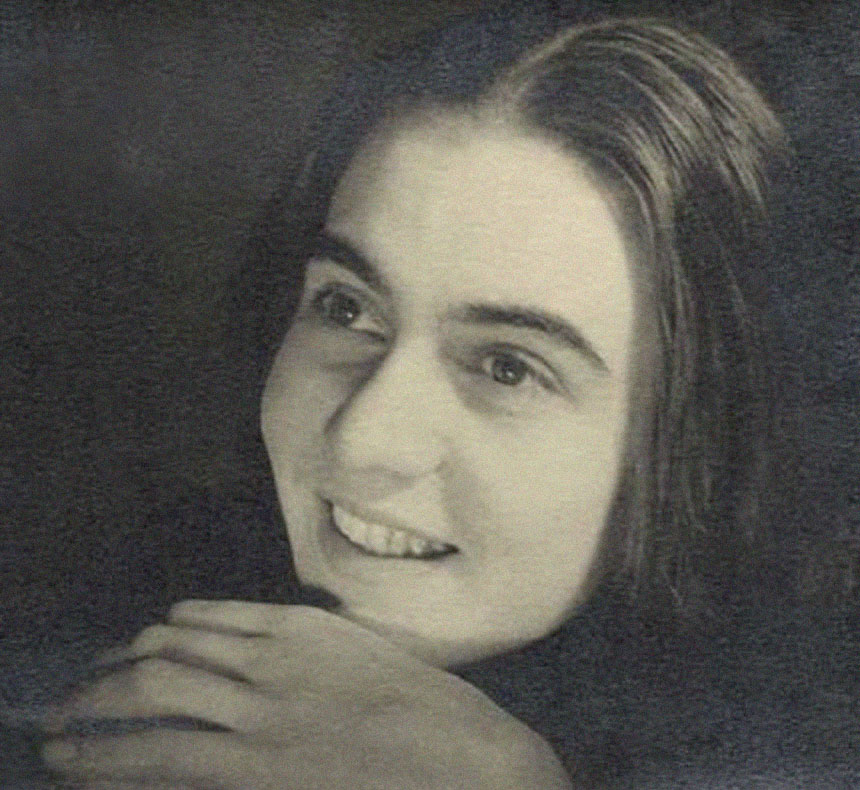
Charlotte Rudolph (1896-1983) ~ The German dancer and choreographer Maja Lex, ca. 1930 | src alamy

From 1927, Maja Lex performed her own choreographies. As a soloist and choreographer of the Tanzgruppe Günther-München (lead by Dorothee Günther), she made her decisive breakthrough in 1930 with the “Barbarian Suite” in collaboration with the musical director of the group, the composer Gunild Keetman. Numerous guest performances and awards at home and abroad followed until the school was forcibly closed in 1944 and finally destroyed in 1945.

Maja Lex, who had been very ill since the beginning of the 1940s, moved to Rome in 1948 and lived there together with Dorothee Günther in the house of her mutual friend Myriam Blanc. At the beginning of the 1950s Maja Lex resumed her artistic-pedagogical work and taught at the German Sport University Cologne at the invitation of Liselott Diem. From the mid-1950s until 1976, she taught the main training subject “Elementary Dance” as a senior lecturer. The concept of elementary dance was further developed by her and later in collaboration with her successor Graziela Padilla at the German Sports University Cologne. / quoted from queer places

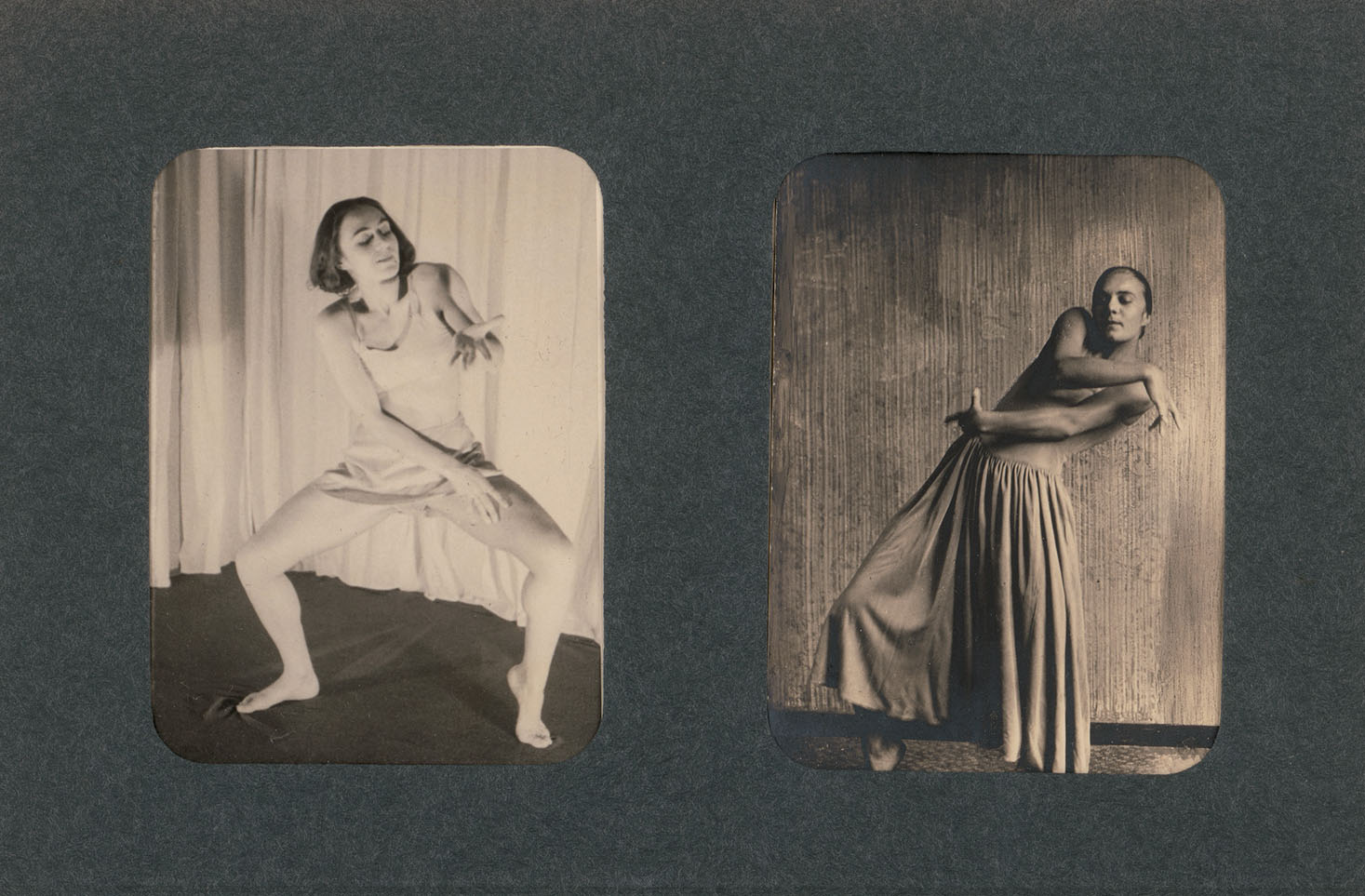
Photographer unknown. Dance scenes of the ‘Günther Schule’, Munich, 1924 | src Bassenge auction 121 lot 4119
Photographer unknown. Maja Lex. Dance scenes of the ‘Günther Schule’, Munich, 1924 | src Bassenge auction 121 lot 4119

These photographs of various sizes, most circa 7,5 x 11 cm, [inserted in window slits] belongs to a bound in paper album with cord binding. The album included various teaching and dance scenes of the “Günther Schule”, Munich, 1924.

The Günther School was founded on the initiative of Dorothea Günther and Carl Orff. The school quickly became known and subsequently expanded. It existed from 1924-1944, with an extensive teaching program, such as gymnastics, rhythmic dance and physical education, modern artistic dance, singing, anatomy, pedagogy, psychology, drawing and much more. [quoted from : Bassenge Auktion 121]

Photographer unknown. Dance scenes of the ‘Günther Schule’, Munich, 1924 | src Bassenge auction 121 lot 4119

Ruth Page in ballet Scaffolding

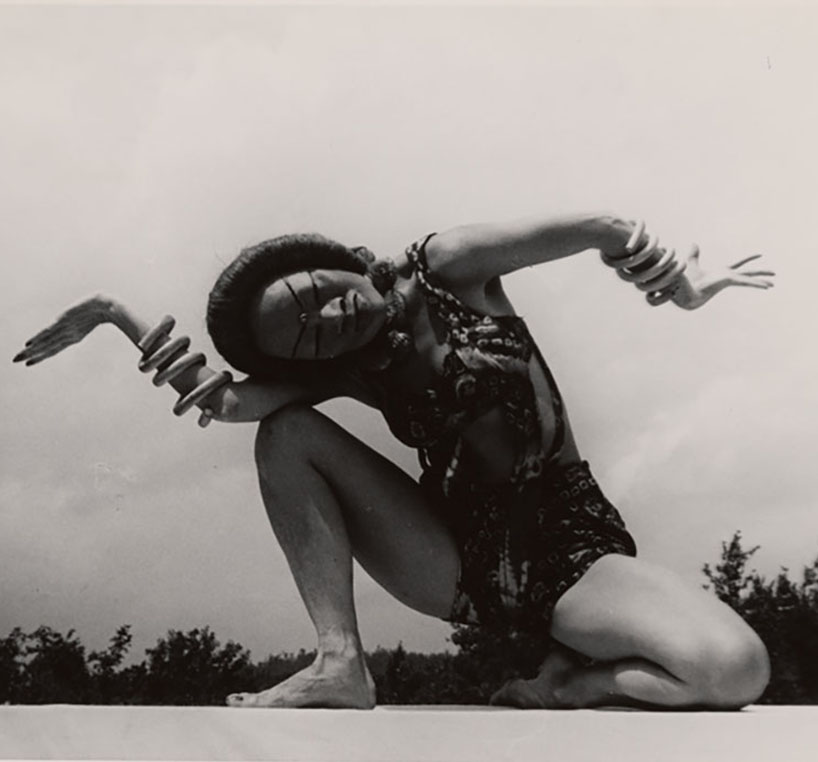
Maurice Goldberg ~ Ruth Page in a photo from her 1929 performance in “Ballet Scaffolding” (Prokofiev) | src Newberry library
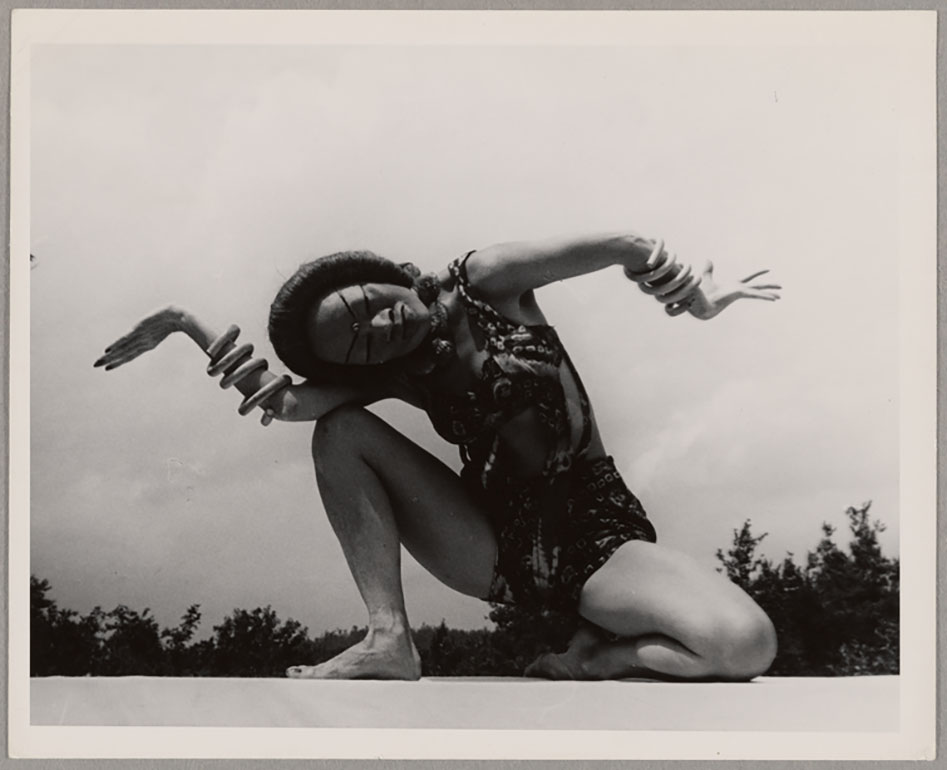
Maurice Goldberg (1881-1949) ~ Dancer Ruth Page in Ballet Scaffolding, 1928. Bromide print | src Ahlers & Ogletree
Ruth Page was known for pushing artistic boundaries, which is coming through loud & clear in this photo from her 1929 performance in “Ballet Scaffolding” (Prokofieff) | src Newberry library
Maurice Goldberg (1881-1949) ~ Studio shot of dancer in costume, from solo by Ruth Page entitled Ballet Scaffolding, 1928. Bromide print | src Ahlers & Ogletree

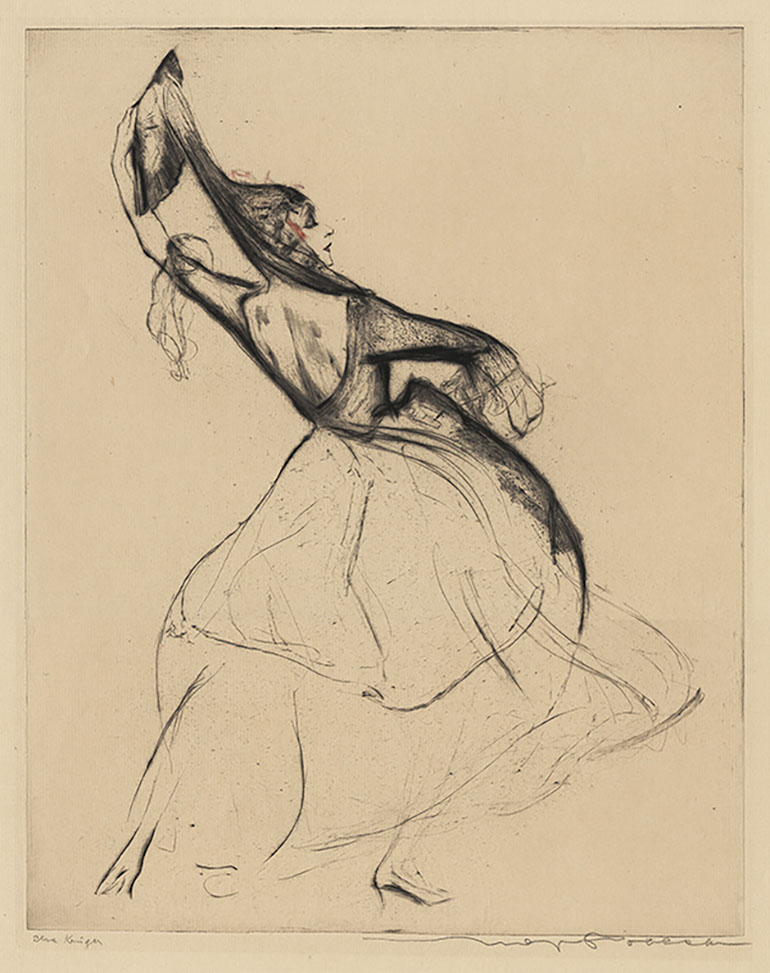
Elsa Krüger by Max Pollak

Max Pollak (1886 – 1970) ~ Elsa Krüger, 1919; drypoint with aquatint printed in color | src Annex galleries

Terpsichore by Max Thorek

Max Thorek (1880 – 1960) ~ Terpsichore. Photograms of the Year 1920s | src flickr
Terpsichore, by Dr. Max Thorek (Chicago). Photograms of the Year 1920s

Loïe Fuller in Tragedy of Salome

Loïe Fuller (1862 – 1928) in the Dance of Fear from Salomé (Lyric Pantomime), 1895 or 1896 (*)

(*) Retrieved from: Fifteen years of a dancer’s life, with some account of her distinguished friends / with an introduction by Anatole France (Boston: Small, Maynard & Co.,1913) | src NYPL Research Catalog

Henri Manuel (1874-1947) ~ Loïe Fuller in Robert d’Humières’ Tragédie de Salomé at the Théâtre des Arts, Paris, 1907 | src Ader
Henri Manuel (1874-1947) ~ Loïe Fuller (1862 – 1928) in attrezzo for the Tragedy of Salome, 1896 | src getty images

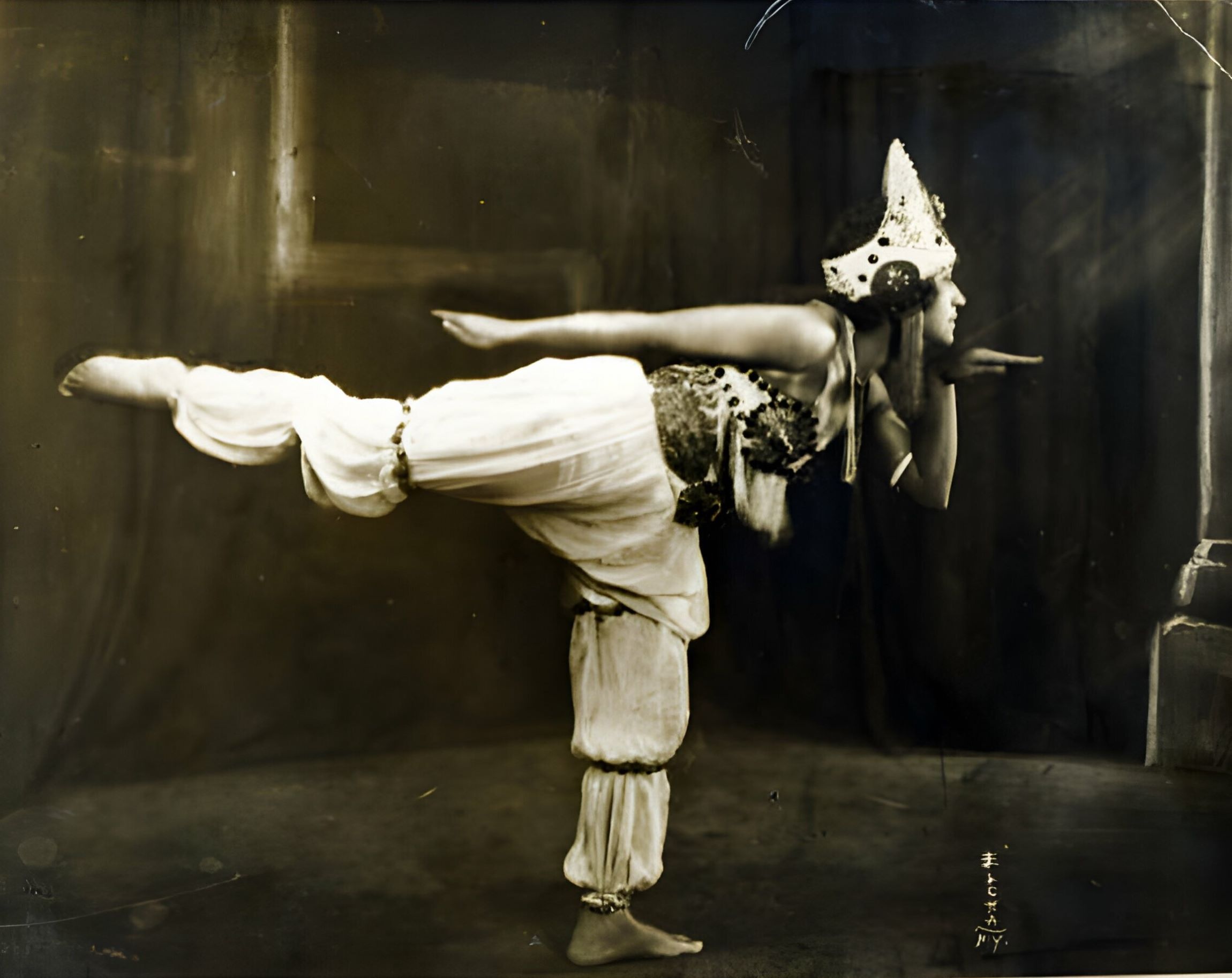
Edna Morton for Elcha studio

Anthony Barboza ~ Portrait of actress Edna Morton, in costume, early 20th century (studio Elcha, NY) | src getty images

Edna Morton (April 2, 1894 – July 31, 1980) was an American actress who was in films in the 1920s. She starred in mainly race films most of them produced by Reol Productions. Her most notable films being Spitfire (1922), Easy Money (1922), and The Call of His People (1921). She was also in a film by Oscar Micheaux called A Son of Satan (1924). She is known to have been in ten films in total. She was referred to as “the colored Mary Pickford”. (text retrieved from wikipedia entry)

Anthony Barboza ~ Portrait of actress Edna Morton, in costume, early 20th century (studio Elcha, NY stamp on bottom right)