
images that haunt us

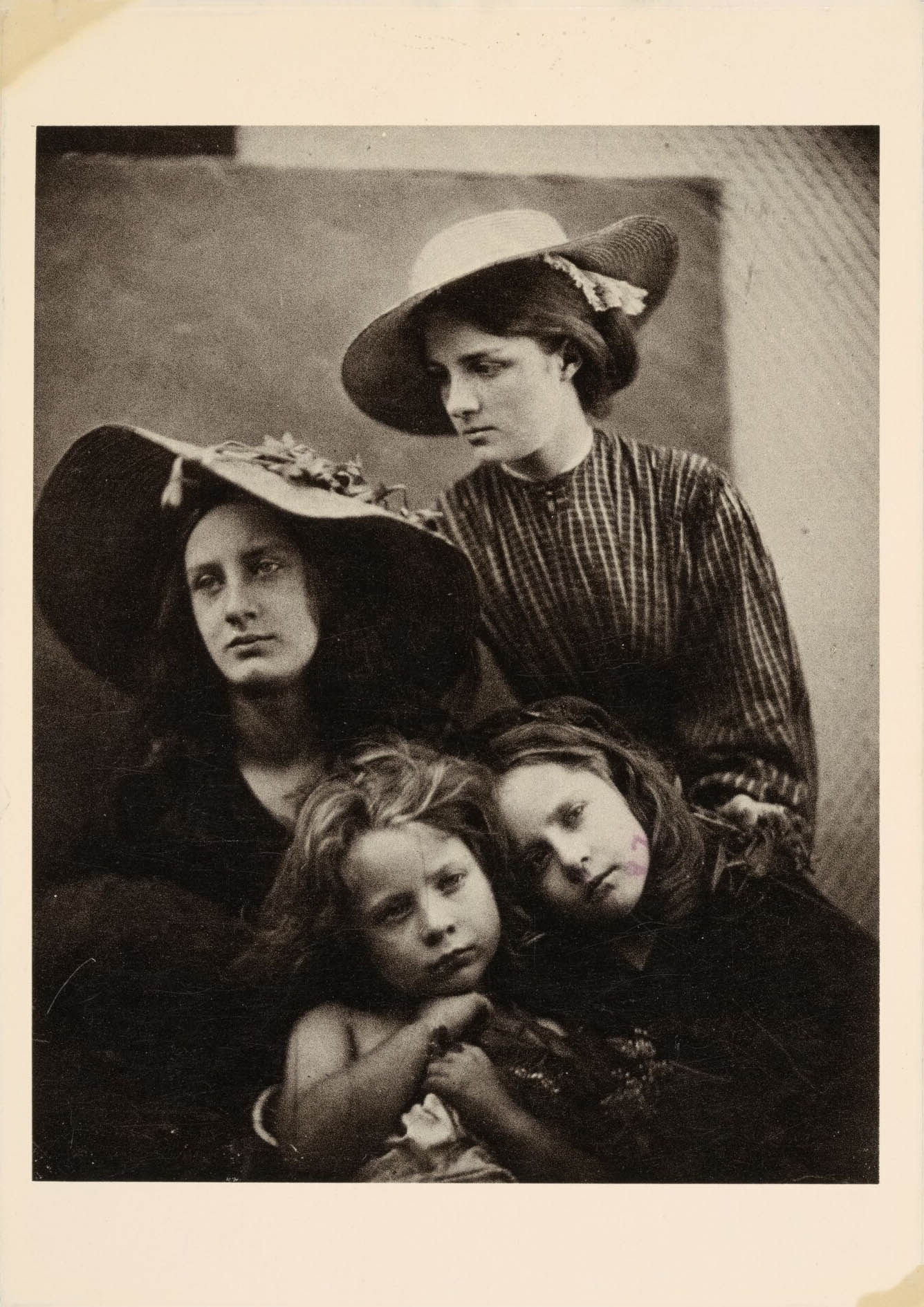
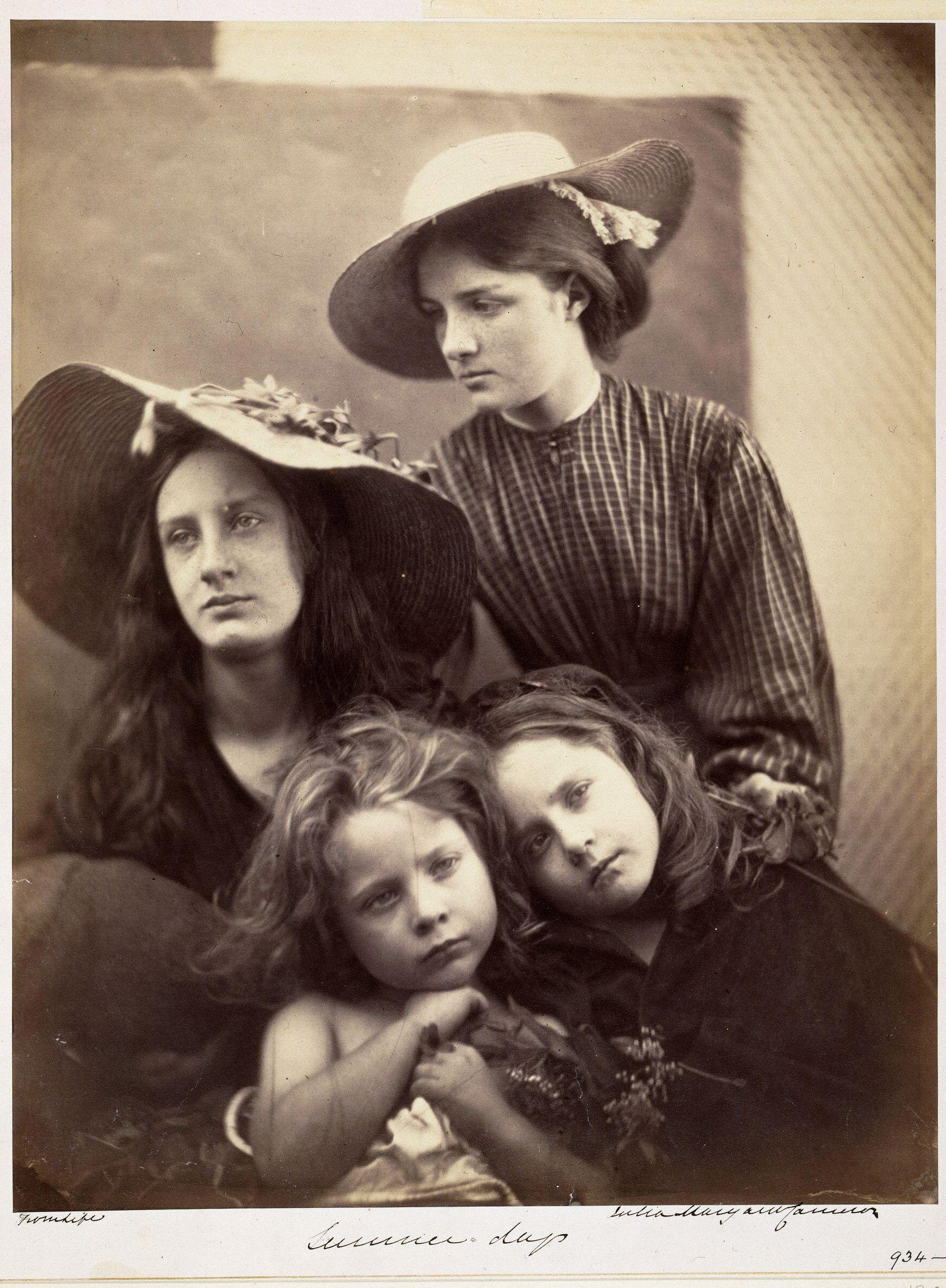
In late 1865, Julia Margaret Cameron began using a larger camera. It held a 15 x 12 inch glass negative, rather than the 12 x 10 inch negative of her first camera. Early the next year she wrote to Henry Cole with great enthusiasm – but little modesty – about the new turn she had taken in her work.
Cameron initiated a series of large-scale, closeup heads that fulfilled her photographic vision. She saw them as a rejection of ‘mere conventional topographic photography – map-making and skeleton rendering of feature and form’ in favour of a less precise but more emotionally penetrating form of portraiture. Cameron also continued to make narrative and allegorical tableaux, which were larger and bolder than her previous efforts.
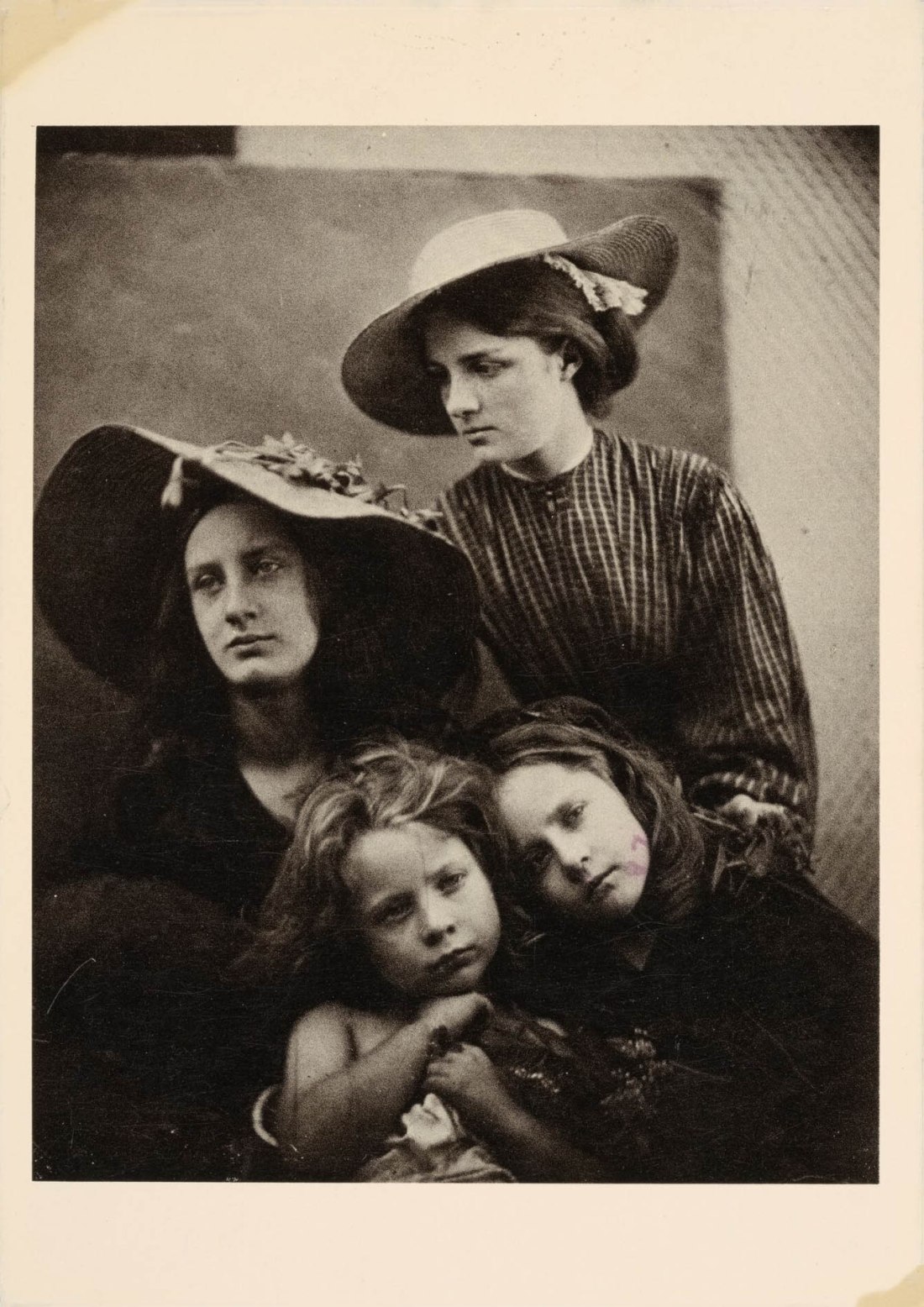
Cameron’s ability to capture large groups improved with experience as well as with the use of her new, larger lens. Her friend and photographic advisor, the scientist Sir John Herschel, wrote that this picture was ‘very beautiful, and the grouping perfect.’ quoted from V&A
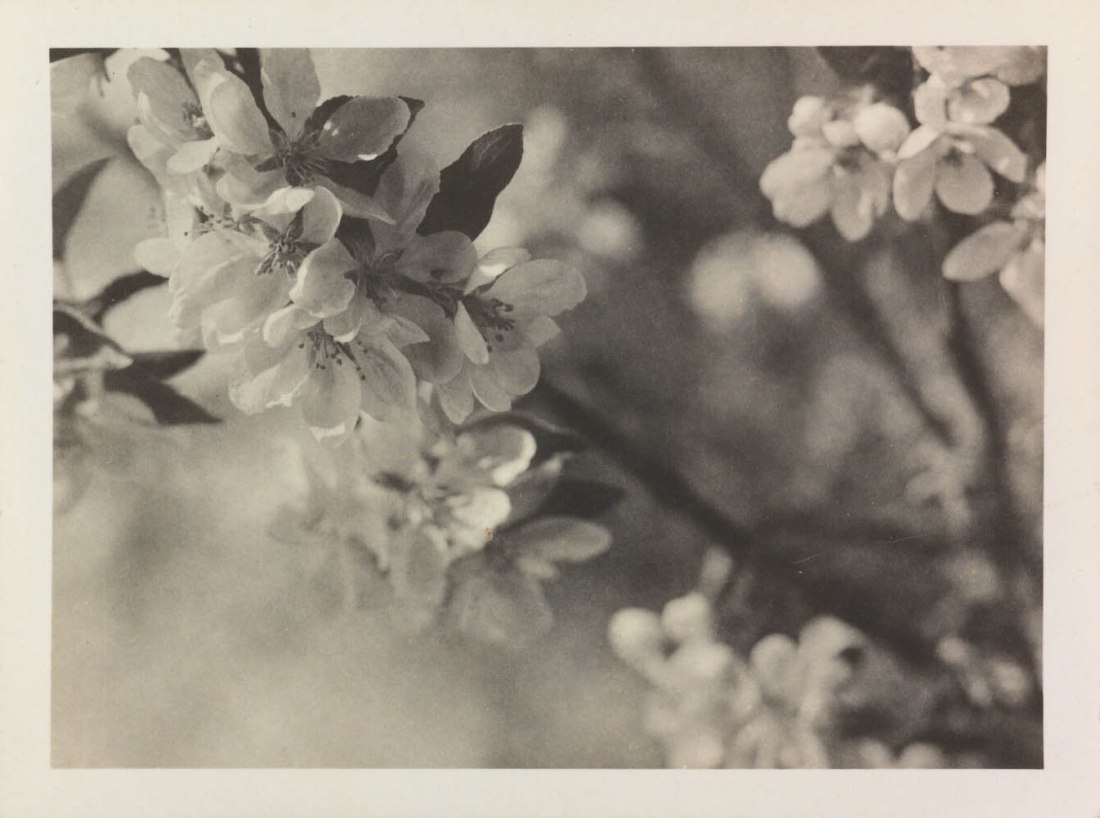
![Carlotta Corpron (1901-1988) :: [Tree blossoms]; ca. 1930s-1940s; Gelatin silver print. | Amon Carter Museum of American Art](https://unregardoblique.com/wp-content/uploads/2022/08/carlotta-corpron-1901-1988-tree-blossoms-1940s-amon-carter-crp.jpg)
![Carlotta Corpron (1901-1988); [Lotus blossoms]; ca. 1930-1940's; Gelatin silver print; Amon Carter Museum of American Art; Fort Worth, Texas; P1988.16.91](https://live.staticflickr.com/65535/52288420343_35f7784786_o.jpg)
![Carlotta M. Corpron (1901-1988); [Lotus blossom]; ca. 1940s; Gelatin silver print; Amon Carter Museum of American Art, Fort Worth, Texas, Bequest of the artist; P1988.16.54](https://live.staticflickr.com/65535/52308183331_76f3f85962_o.jpg)
![Carlotta Corpron (1901-1988); [Magnolia blossoms]; ca. 1930-1940; Gelatin silver print; Amon Carter Museum of American Art; Fort Worth, Texas; P1988.16.52](https://live.staticflickr.com/65535/52288415011_791ac24e22_o.jpg)
![Carlotta Corpron (1901-1988); [Magnolia blossoms]; ca. 1930-1940; Gelatin silver print; Amon Carter Museum of American Art; Fort Worth, Texas; P1988.16.53](https://live.staticflickr.com/65535/52308711980_a0c9e575fb_o.jpg)
![Carlotta Corpron (1901-1988); [Tree blossoms]; ca. 1930's-1940's; Gelatin silver print; Amon Carter Museum of American Art; Fort Worth, Texas; P1988.16.142](https://live.staticflickr.com/65535/52288420378_bb86b19911_o.jpg)
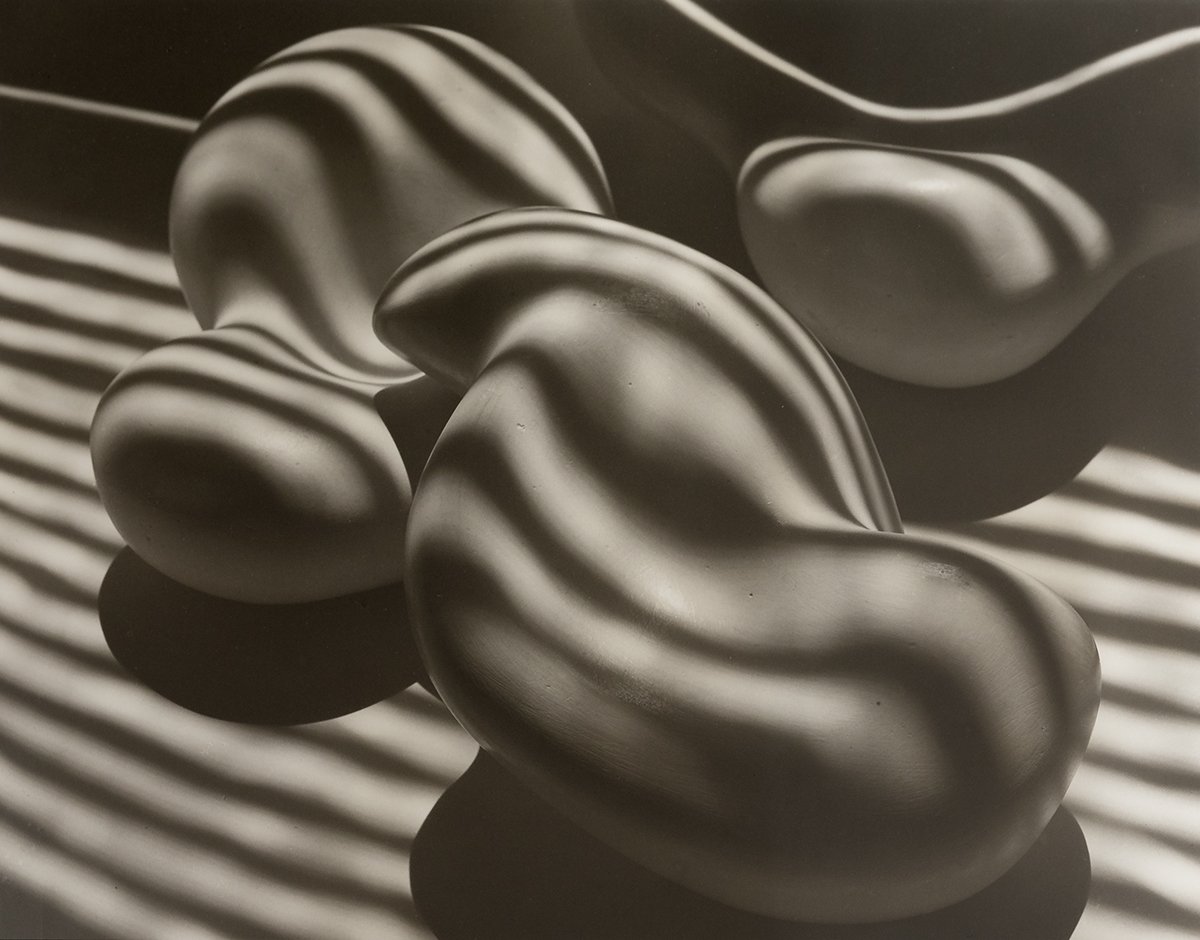
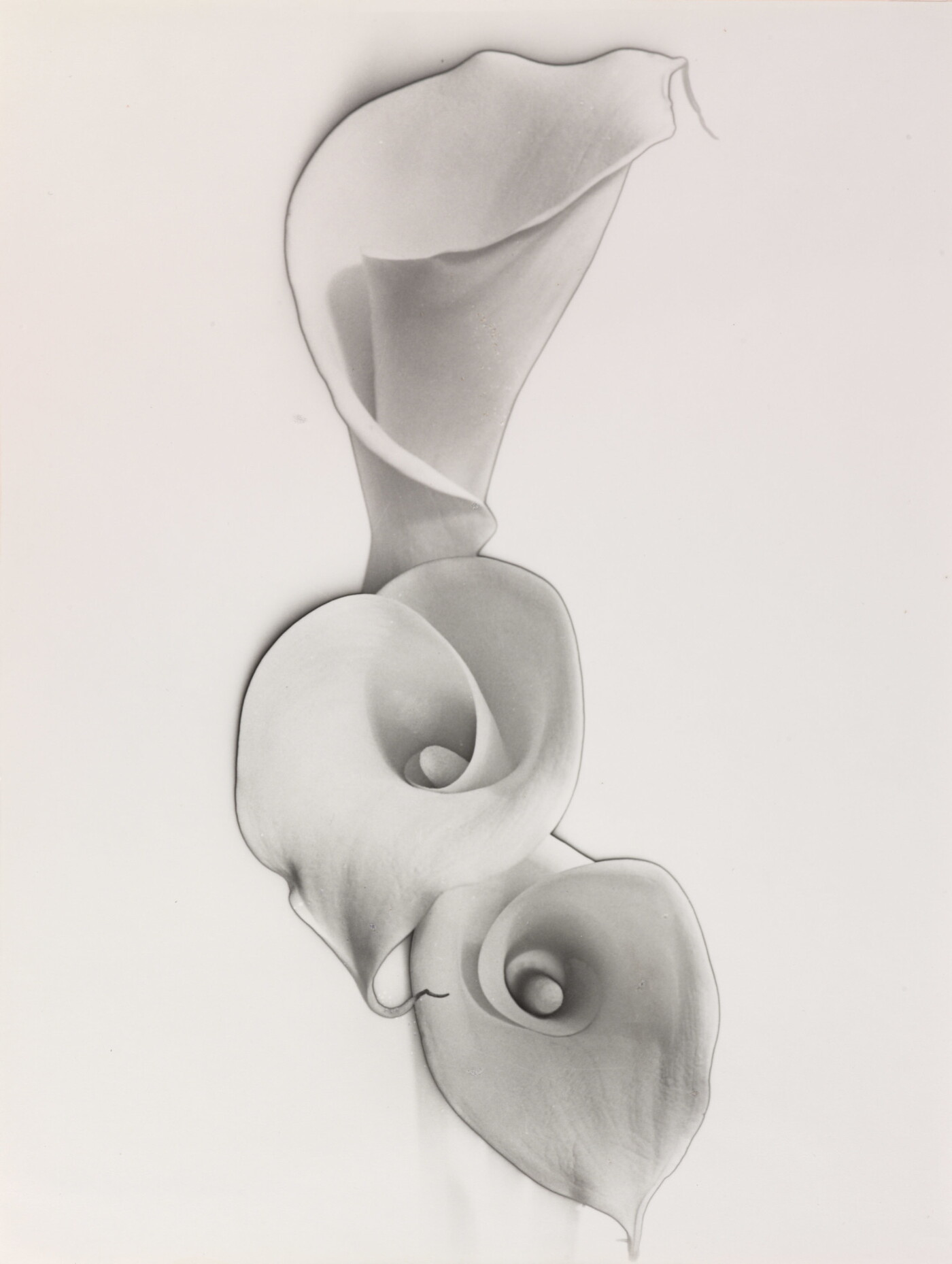
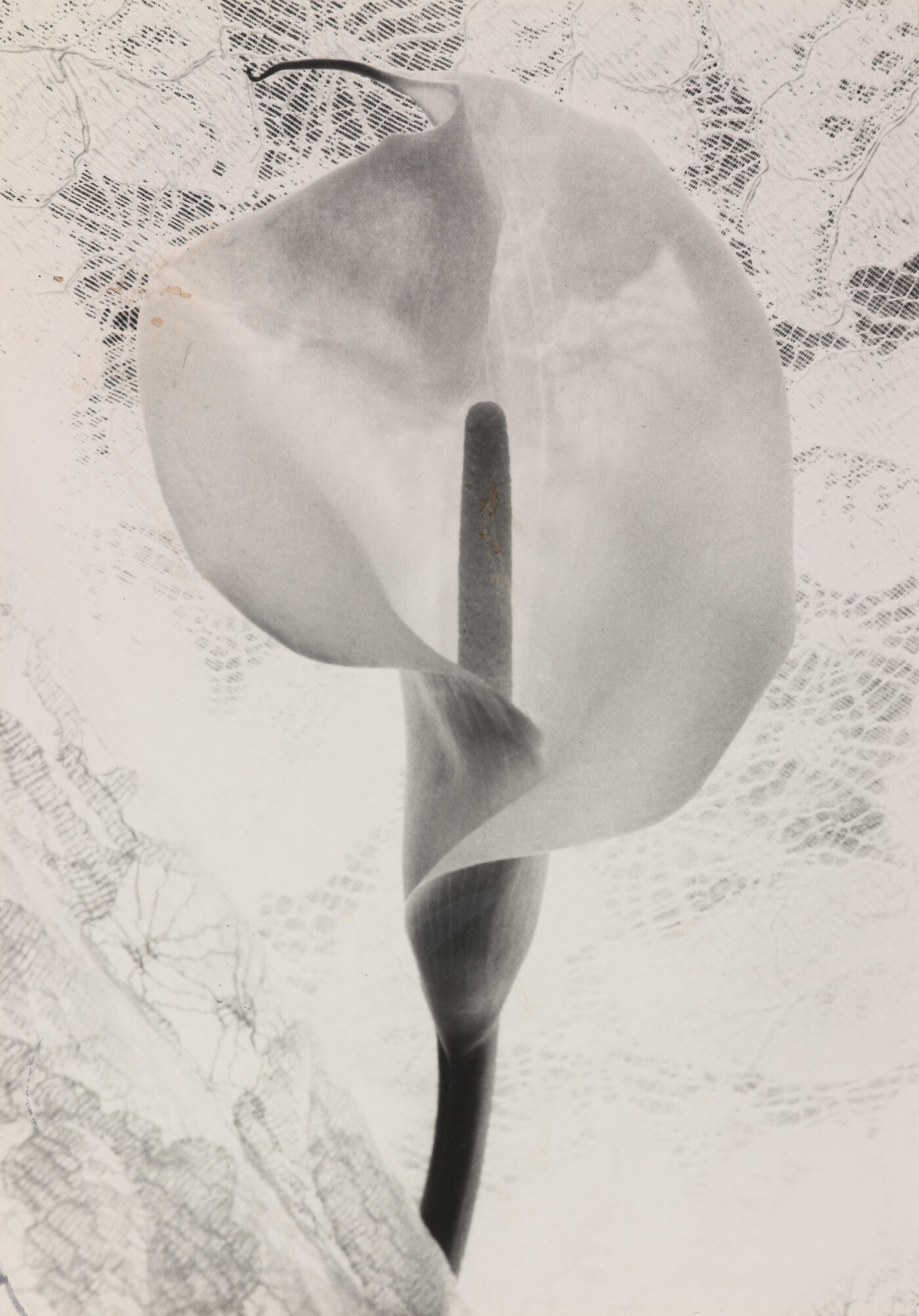
Photographer Carlotta Corpron had a brief but important career as an artist and a decades-long impact as a professor at Texas State College for Women (now Texas Woman’s University). In the 1930s and ‘40s she experimented with light, influenced by the ideals of the Bauhaus and the Institute of Design as brought to Denton, Texas, by László Moholy-Nagy and György Kepes. Her early photographs investigated how light transforms natural objects, but in later projects she took light itself as her subject, capturing its reflection and refraction in abstract compositions that sometimes involved cropping or combining multiple negatives. Corpron bequeathed her archive to the museum, which holds 138 prints, over 800 negatives, and the Carlotta Corpron Papers. [quoted from Amon Carter Museum]
 un regard oblique