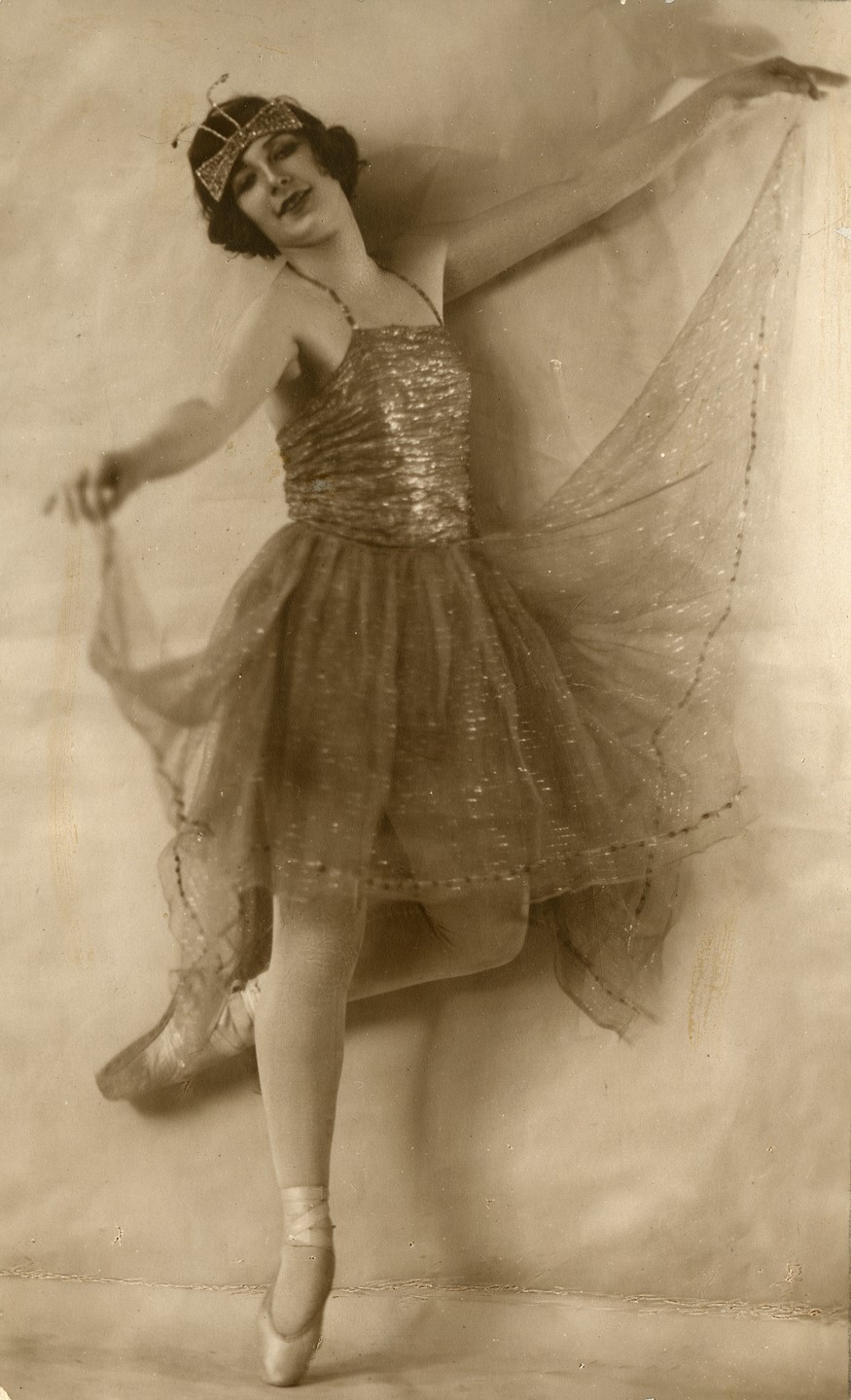
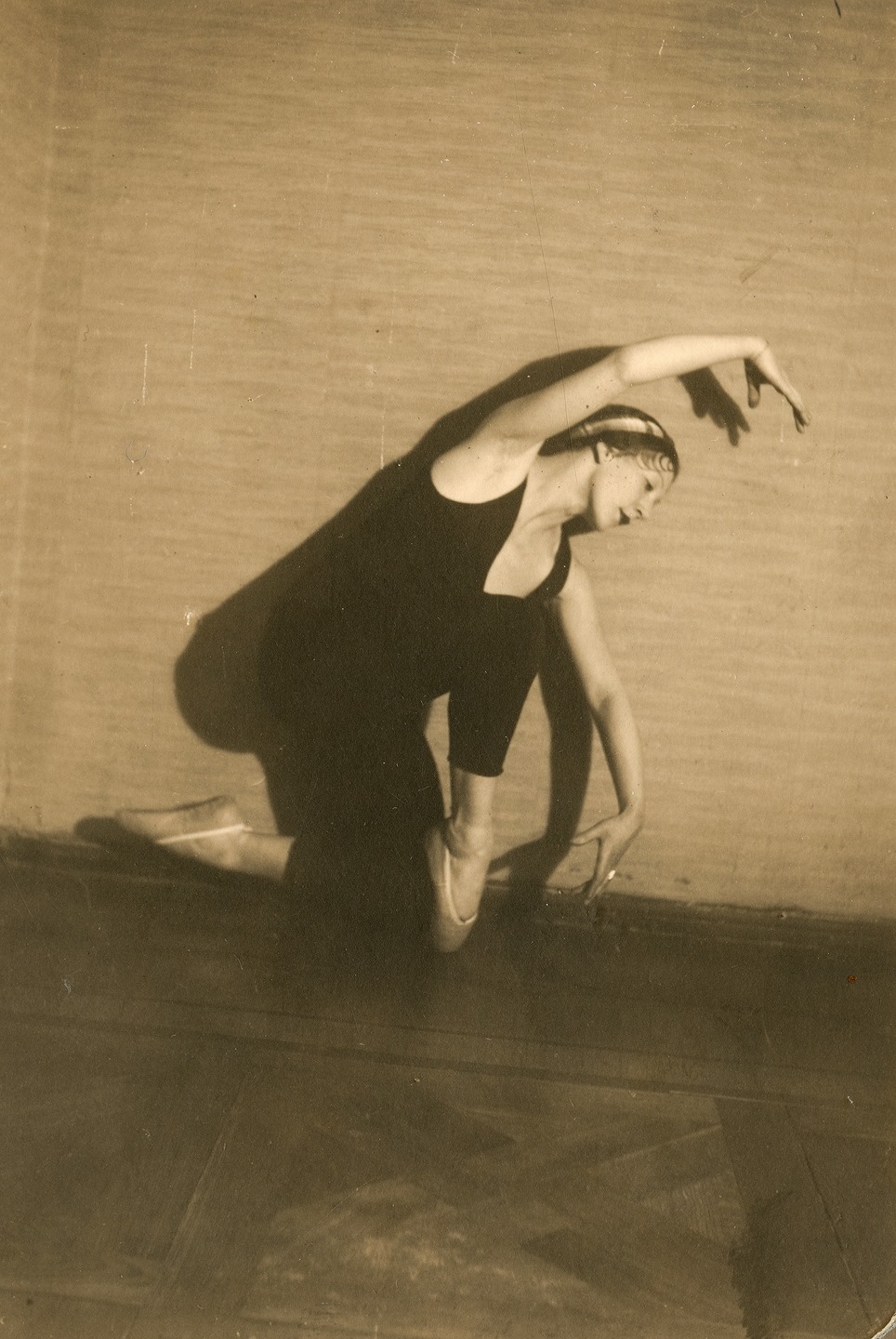
Anna Ekston E. Litvinova balletistuudio õpilasena 1923. | Anna Ekston as a student of Eugenia Litvinova ballet studio in 1923. | src Eesti Teatri- ja Muusikamuuseum on FBAnna Ekston Antverpenis 1929, Flaami Kuningliku Ooperi balletisolist. | Anna Ekston in Antwerp in 1929, ballet soloist at the Flemish Royal Opera. | src Eesti Teatri- ja Muusikamuuseum on FBAnna Ekston E. Litvinova balletistuudio õpilasena 1923. | Anna Ekston as a student of Eugenia Litvinova ballet studio in 1923. | src Eesti Teatri- ja Muusikamuuseum on FB
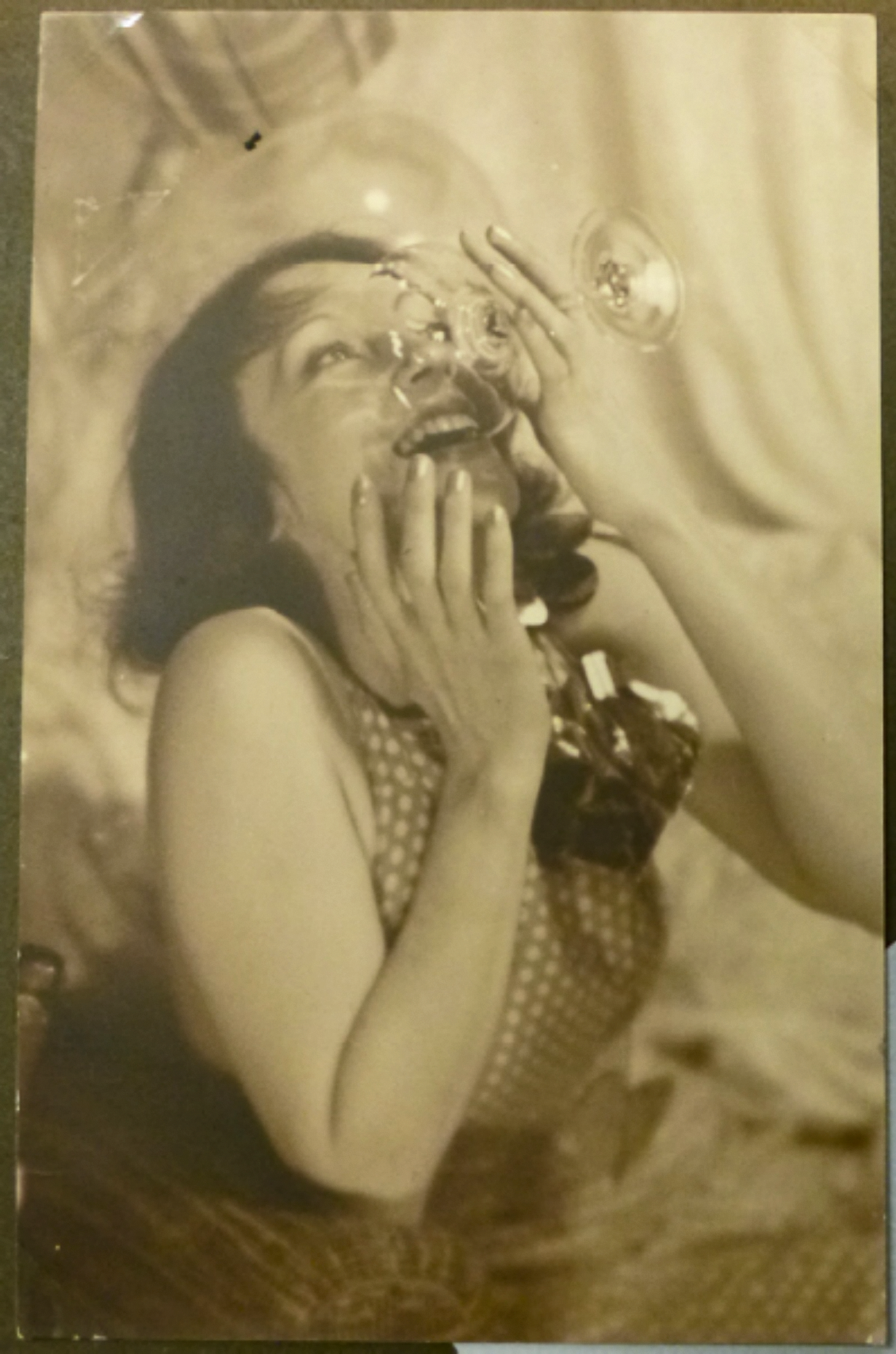
Franz Fiedler :: Olga Irén Fröhlich, Dresden, ca. 1925-1932. Photo of a woman (Olga Irén Fröhlich) drinking from a champagne glass. She is wearing a sleeveless dress with bright dots. In her left hand she holds the glass from which she drinks. Her eyes are closed. On verso: (purple stamp): “phot. Franz Fiedler, Dresden-A., Sedanstr. 7” (handwritten with colored pencil): “Meine Leidenschaft!” | src Jüdisches Museum BerlinFranz Fiedler :: A young woman (Olga Irén Fröhlich) holding a champagne glass in her right hand, the rim touching her lips. Dresden, ca. 1925-1932. On verso: (purple stamp): “phot. Franz Fiedler, Dresden-A., Sedanstr. 7”. | src Jüdisches Museum Berlin
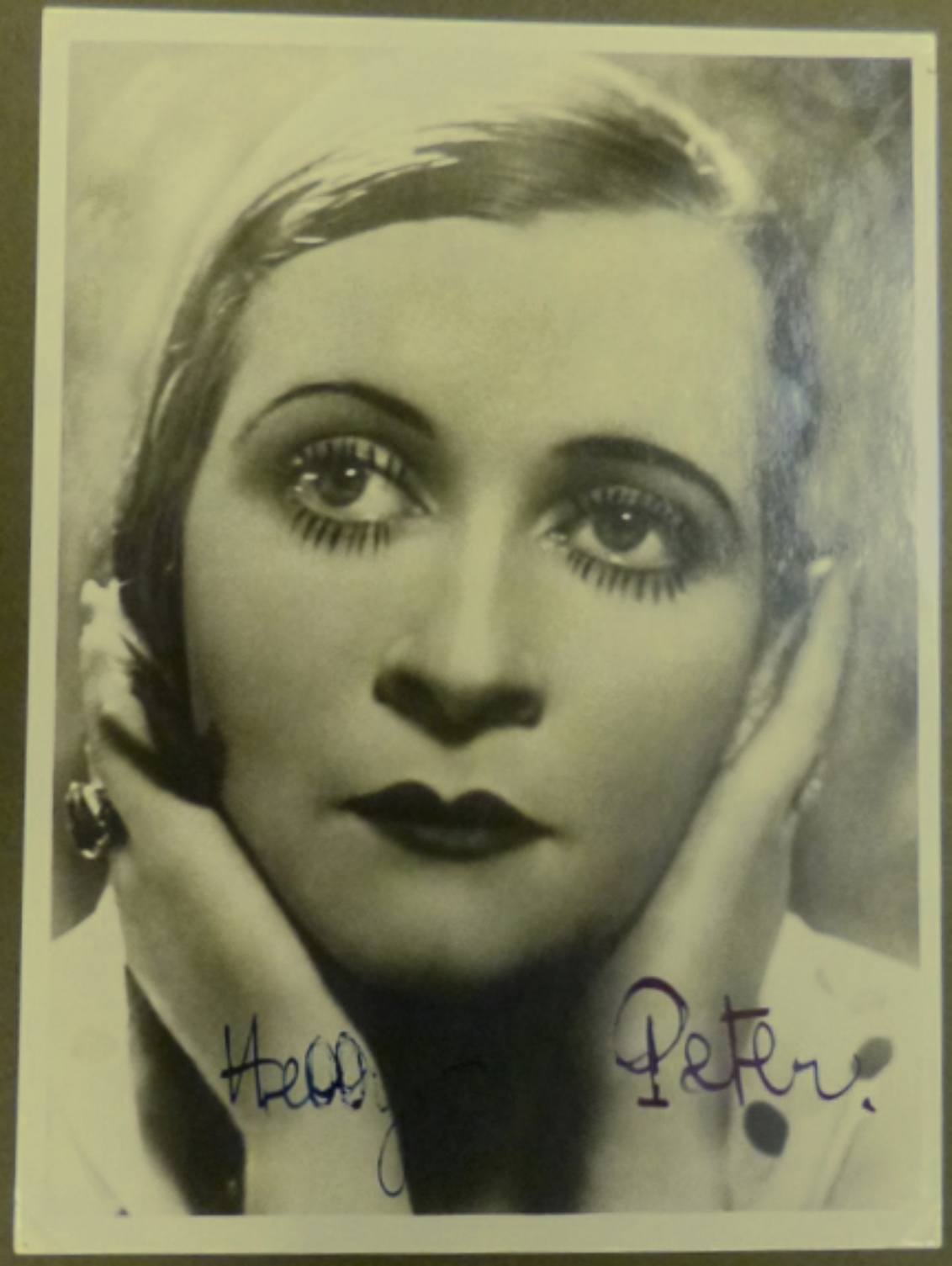
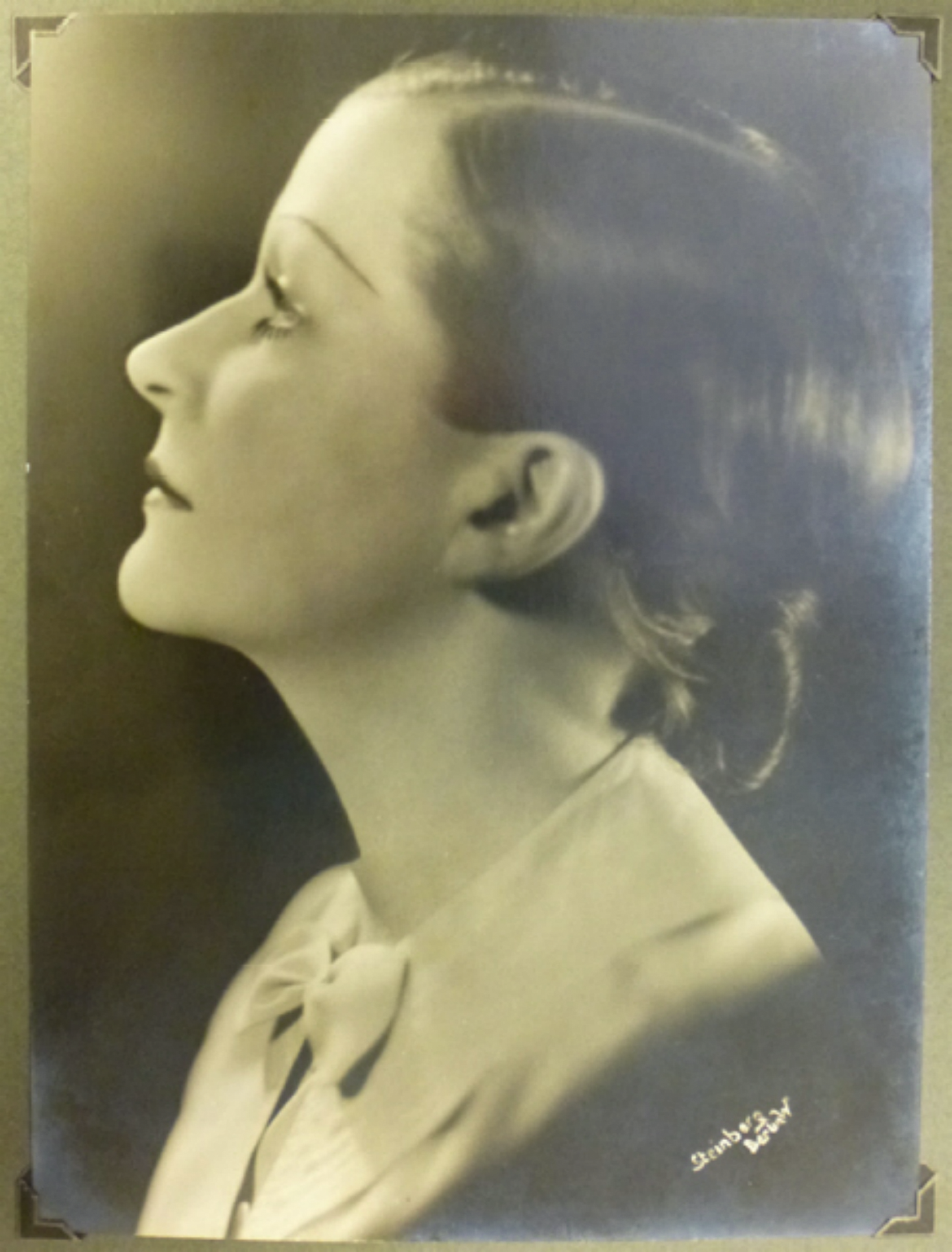
Olga Irén Fröhlich. Studio photo, headshot of Olga Irén Fröhlich in frontal view, with both hands on her ears. She is heavily made up with dark lipstick and eye mascara. Handwritten in blue ink: “He[.]y Peter.”, ca. 1925 bis 1935. | src Jüdisches Museum BerlinStudio photo, half-length portrait of Olga Irén Fröhlich in profile to the left, her head turned upwards. She is wearing a light blouse with a bow on. Her dark hair is tied back. The photo was probably originally taken by Curt Pfeiffer in Breslau and subsequently reproduced in the Steinberg studio in Berlin. Breslau, Berlin, 12-1932. | src Jüdisches Museum Berlin
The British Indian dancer Takka-Takka, who learned her sacred dances in the beautiful temples of Delhi. Now she dances in the cabaret theaters of Berlin, Germany, 1926. Edited photo w/ retouching. (Fotograaf onbekend) | src Fotocollectie Het Leven
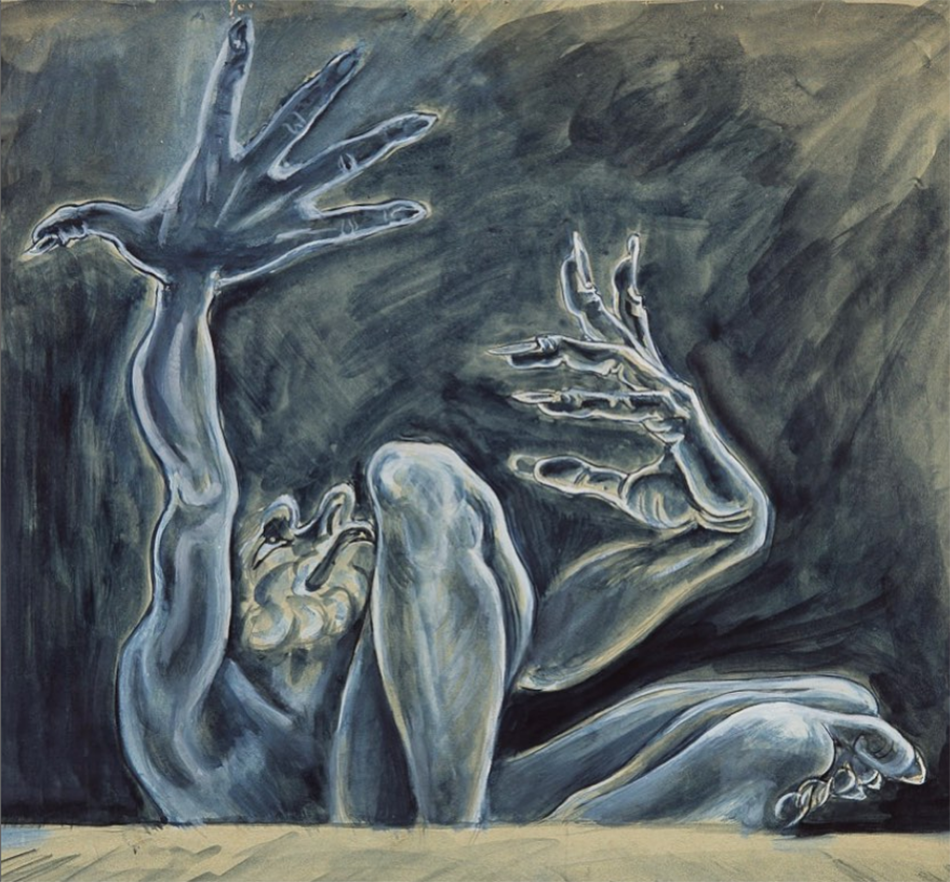
Nils Dardels fondskiss till Dårhuset av Svenska Baletten, 1920, foto: Torkel Edenborg. | Nils Dardel’s background sketch for Madhouse by the Swedish Ballet, 1920 • src Dansmuseet on IGDårhuset av Svenska Baletten, ca. 1920 | Madhouse (also, Nut-house) by the Swedish Ballet, ca. 1920 “Om ni inte gillar det kan ni dra åt helvete” | “If you do not like it, you can go to hell” – Ballets Suédois 1920–1925 • src Dansmuseet
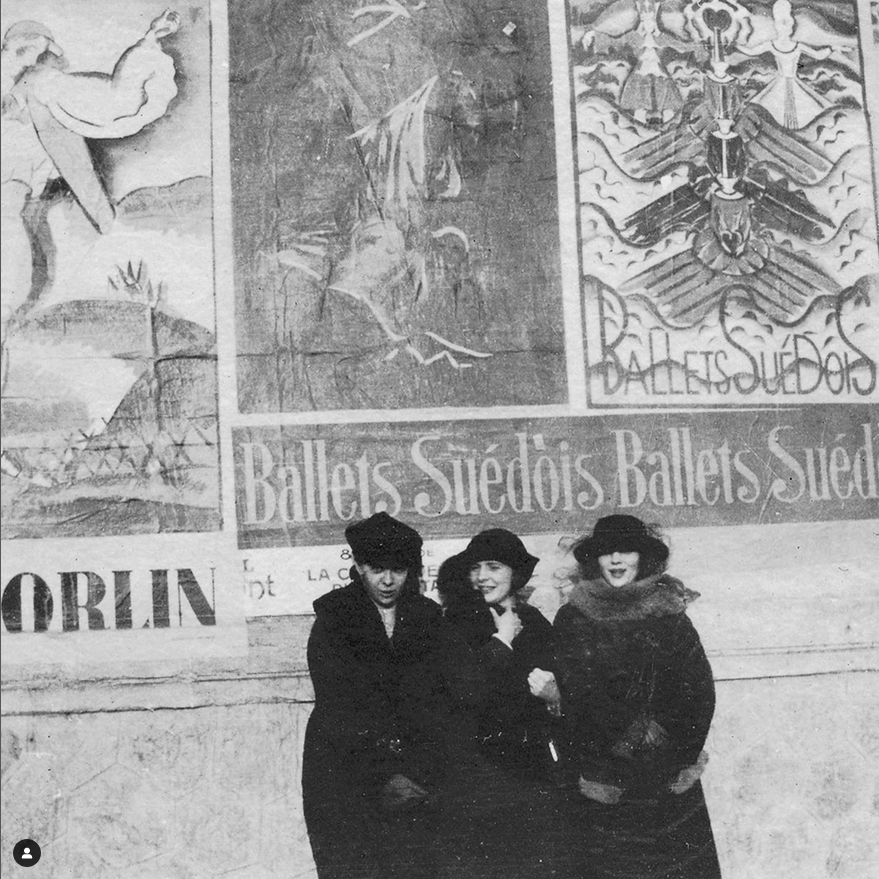
Dancer Carina Ari with two colleagues from the Swedish Ballet in the spring sun in front of (or actually under) four of the Swedish Ballet’s huge posters. The photo was probably taken during the company’s first tour in Spain in 1921. In the background are several of the Swedish Ballet’s color posters, drawn by Pierre Mourgue, Orsi and Eldsten. • src Dansmuseet’s InstagramVarious posters for the Svenska Baletten (Ballets Suédois), ca. 1920. | src Dansmuseet
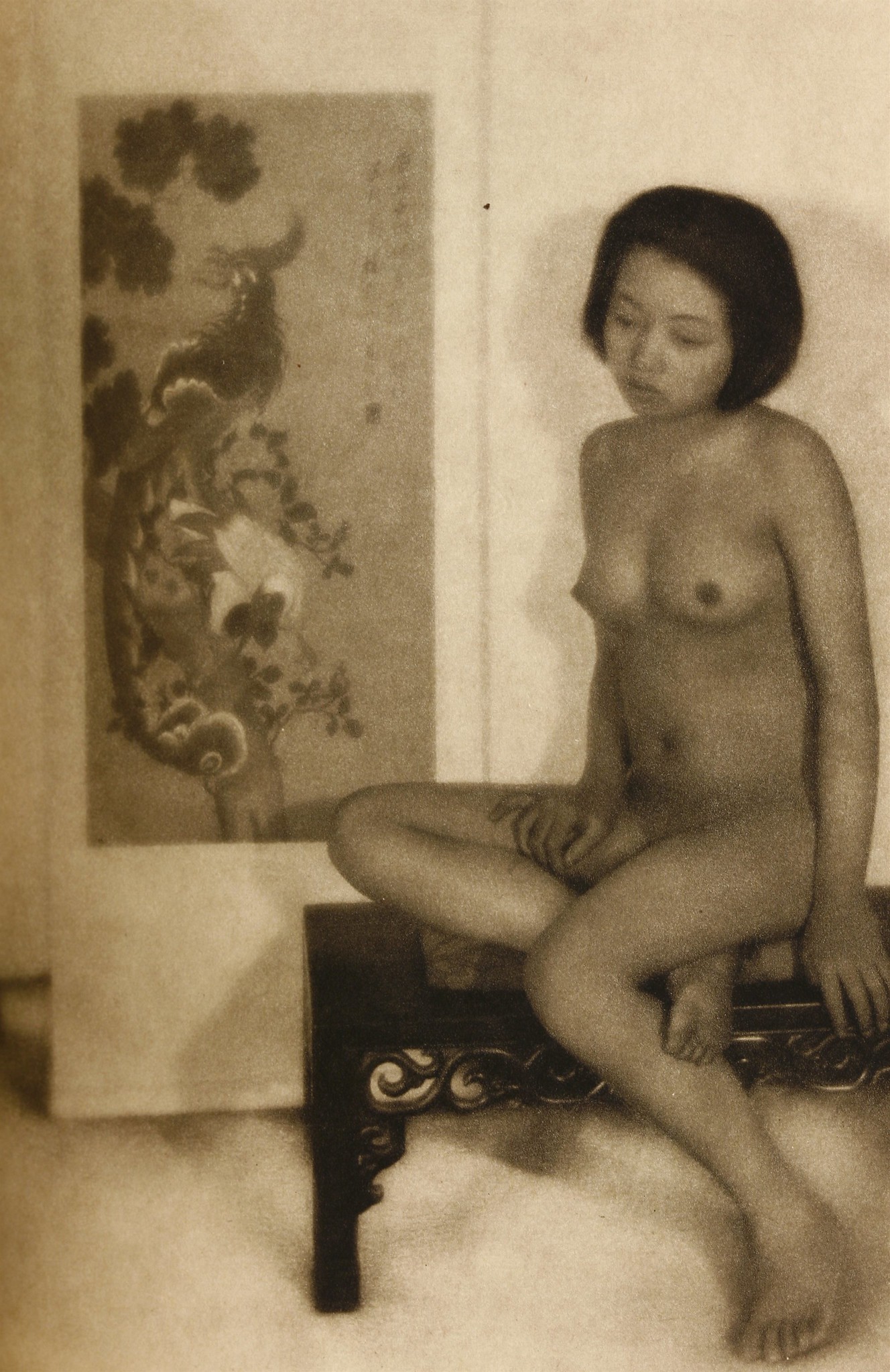
Heinz von Perckhammer :: “Edle Nacktheit in China”, Macao, ca. 1920; photogravure on Japan paper | src Collezione MolinarioHeinz von Perckhammer :: The Culture of the Nude in China. Berlin; Eigenbrodler Verlag, [1928] | src heritage auctionsHeinz von Perckhammer ~ From “Edle Nacktheit in China”. Eigenbrödler Verlag [Berlin, 1928] 1st edition (cover) | src swordersHeinz von Perckhammer ~ From “Edle Nacktheit in China /The culture of the Nude in China”. Eigenbrodler Verlag [Berlin, 1928] Heinz von Perckhammer :: “The culture of the Nude in China”, Macao, ca. 1920; original photogravure on Japan paper | src Collezione Molinario
Heinz von Perckhammer was born in Merano, Austria-Hungary (now Italy) in 1895. During the First World War he served aboard the SMS Kaiserin Elisabeth during the Siege of Tsingtao and between 1917 and 1919 was held as a prisoner of war. It was during this time when he was held captive that his interest in photography began. He apparently remained in China for much of the 1920s, and took these soft-focused and stylized photographs of women from Macao brothels.
In the introduction to Edle Nacktheit in China he writes: ‘Pictures of nude women, setting aside the ugly caricatures of the “Spring pictures” of erotic scenes, simply do not exist in China. Therefore I believe, I have created something entirely new and of value.’ Edle Nacktheit in China was later banned by the Nazis as degenerate art (Entartete Kunst) and appeared on the Liste des schädlichen und unerwünschten Schrifttums [List of harmful and undesirable writing].
Heinz von Perckhammer ~ Nude from “Edle Nacktheit in China”. Eigenbrödler Verlag [Berlin, 1928] Heliogravür | src Koller AuktionenHeinz von Perckhammer ~ Young nude girl. Rotogravure. From “Edle Nacktheit in China”, Berlin, 1928 | src DrouotHeinz von Perckhammer ~ From “Edle Nacktheit in China”. Eigenbrödler Verlag [Berlin, 1928] 1st edition | src swordersHeinz von Perckhammer ~ From “Edle Nacktheit in China”. Eigenbrödler Verlag [Berlin, 1928] 1st edition | src swordersEdle Nacktheit in China (1928); book with 32 original photographs by Heinz v. Perckhammer | src Abebooks









 un regard oblique