
Nude on sand by Iwase

images that haunt us
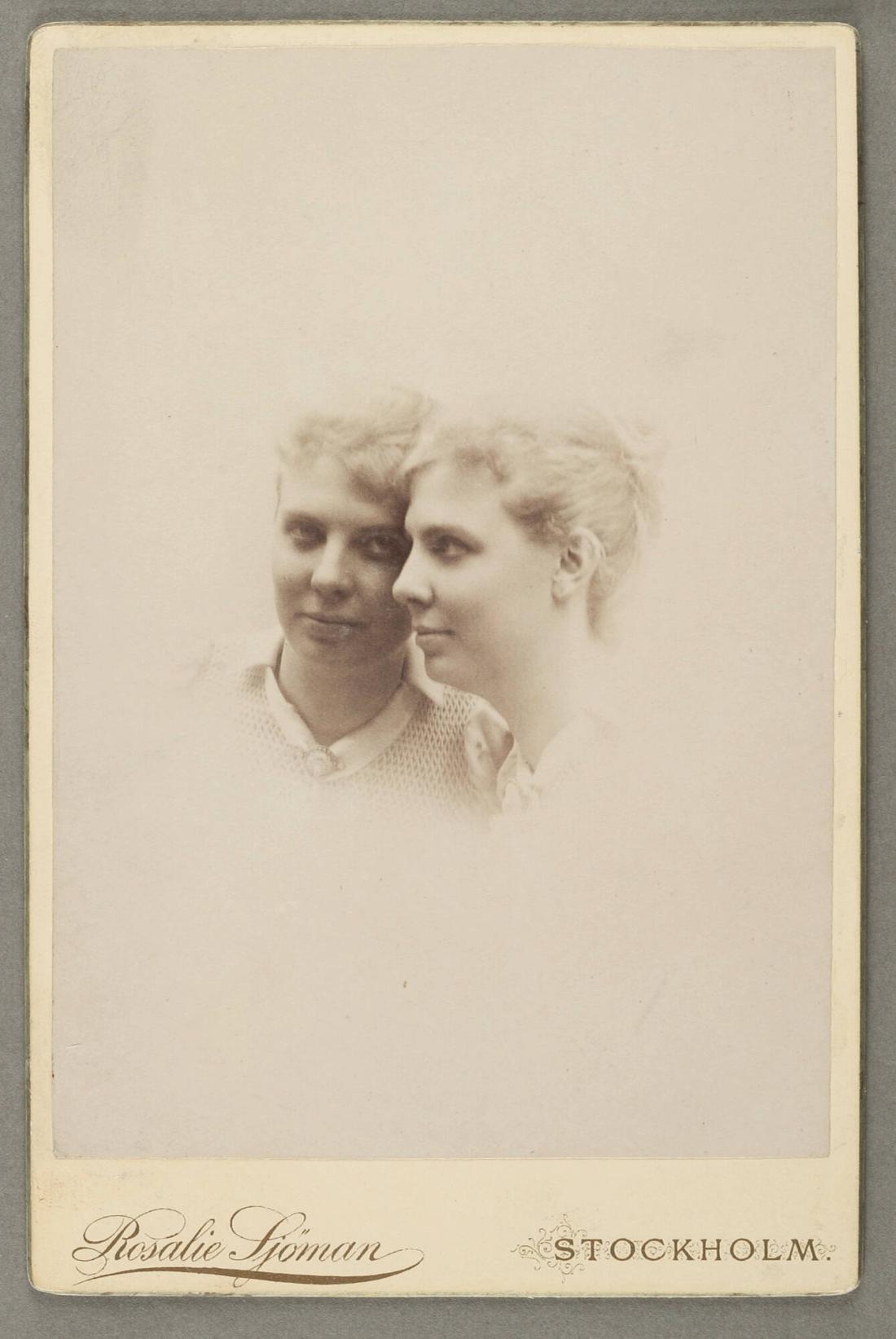
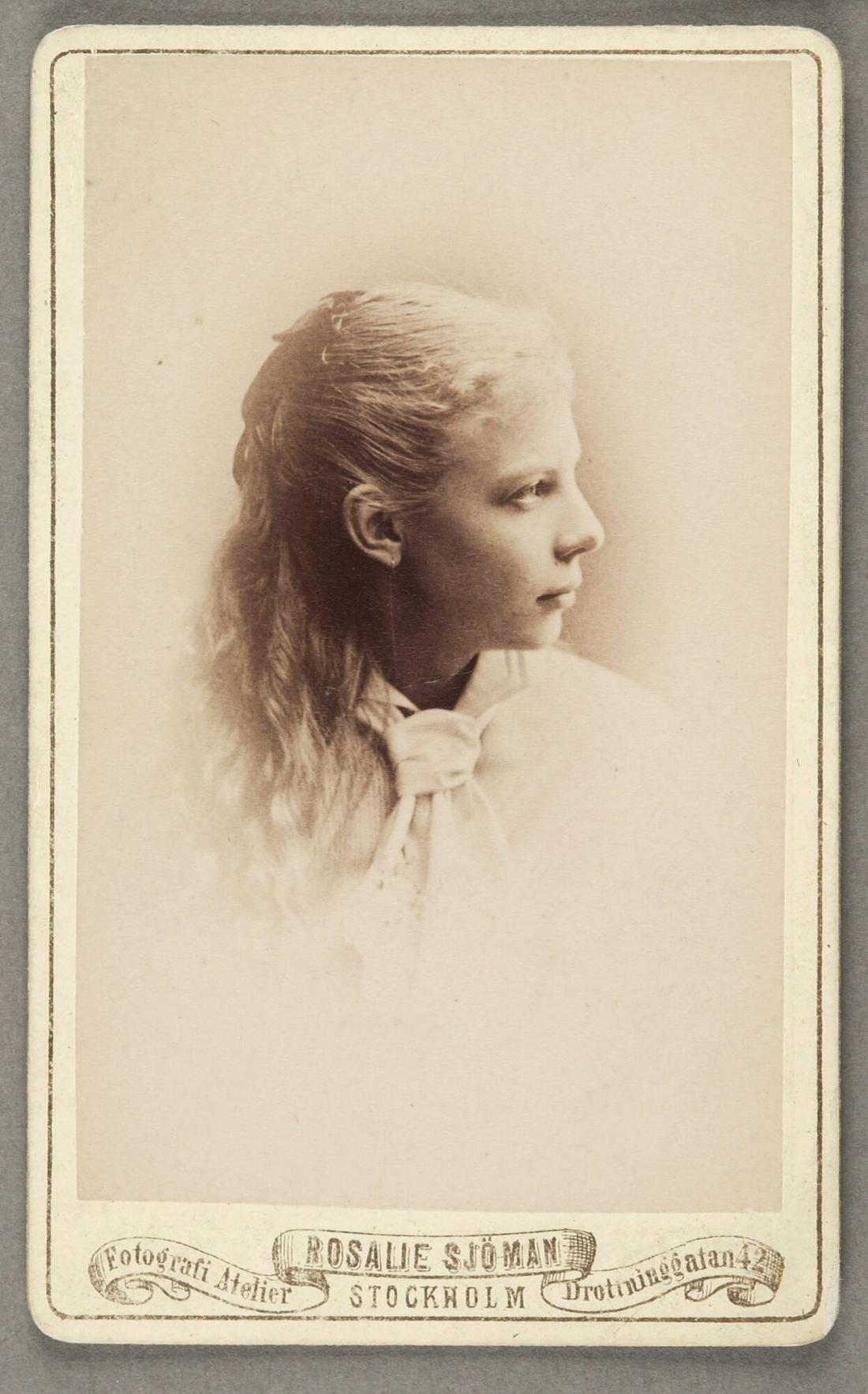
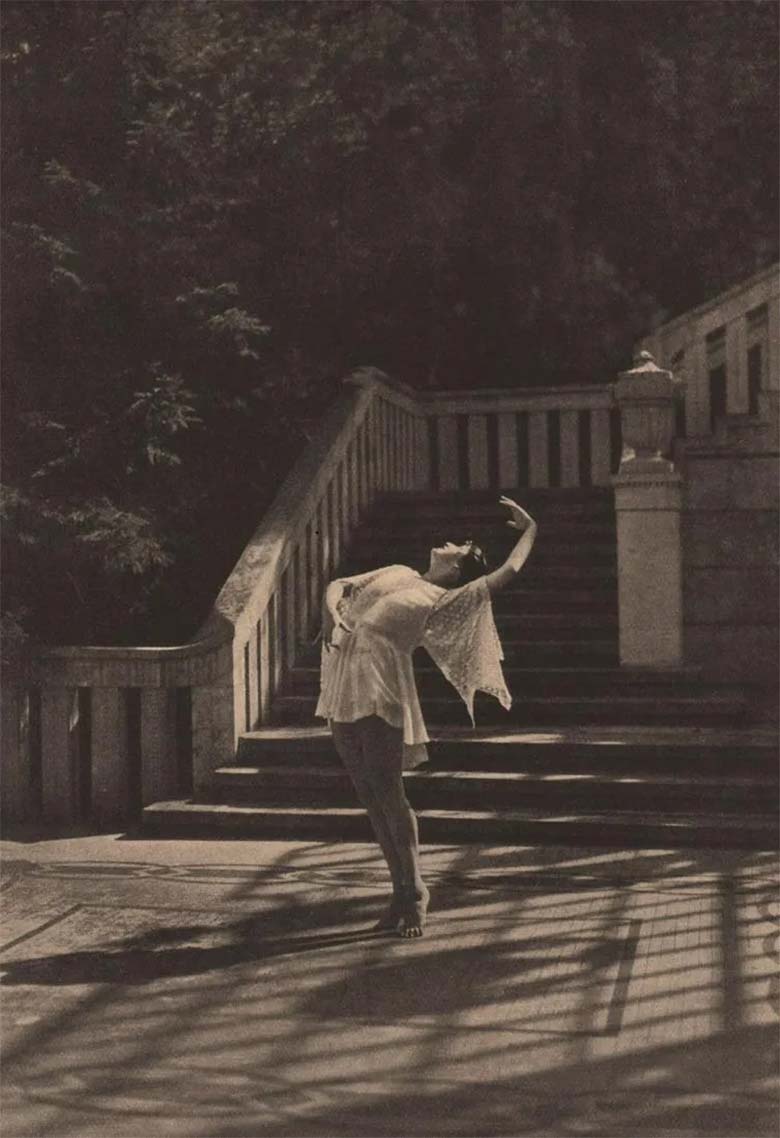
![Louis Froissart (1815-1860) :: [Inondations de Lyon (1856) : vue de la montée des eaux sur le quai Saint-Antoine et le quai des Célestins], 1856-05-19. | src Actu.fr](https://unregardoblique.com/wp-content/uploads/2022/10/la-rive-gauche-de-la-saone-la-presquile-est-sous-les-eaux-des-le-18-mai.-c2a9archives-municipales-de-lyon-image-colorisee-par-actu-lyon.jpg)
![Louis Froissart (1815-1860) :: [Inondations de Lyon (1856) : vue de la montée des eaux sur le quai Saint-Antoine et le quai des Célestins]. 1856-05-19 | src Bibliothèque municipale de Lyon](https://live.staticflickr.com/65535/52425591845_5a0aa8e587_o.jpg)
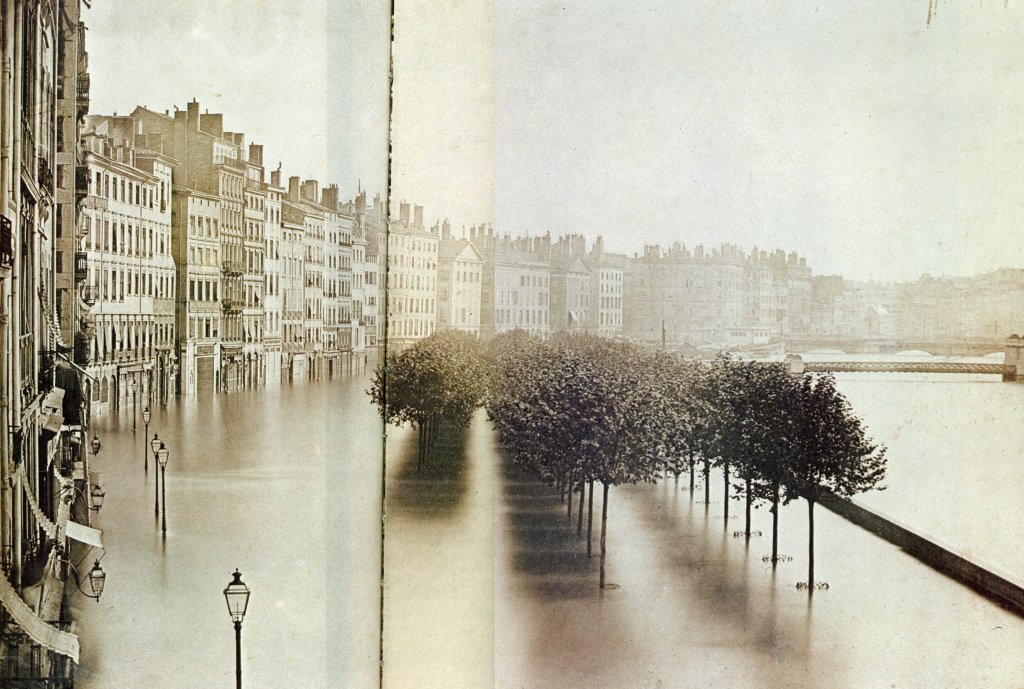
![Louis Froissart (1815-1860) :: [Inondations de Lyon (1856) : vue du quai Saint-Antoine, du quai des Célestins et du quai Tilsitt]; 1856-05-18. | src Bibliothèque municipale de Lyon](https://live.staticflickr.com/65535/52425134056_f327744880_o.jpg)
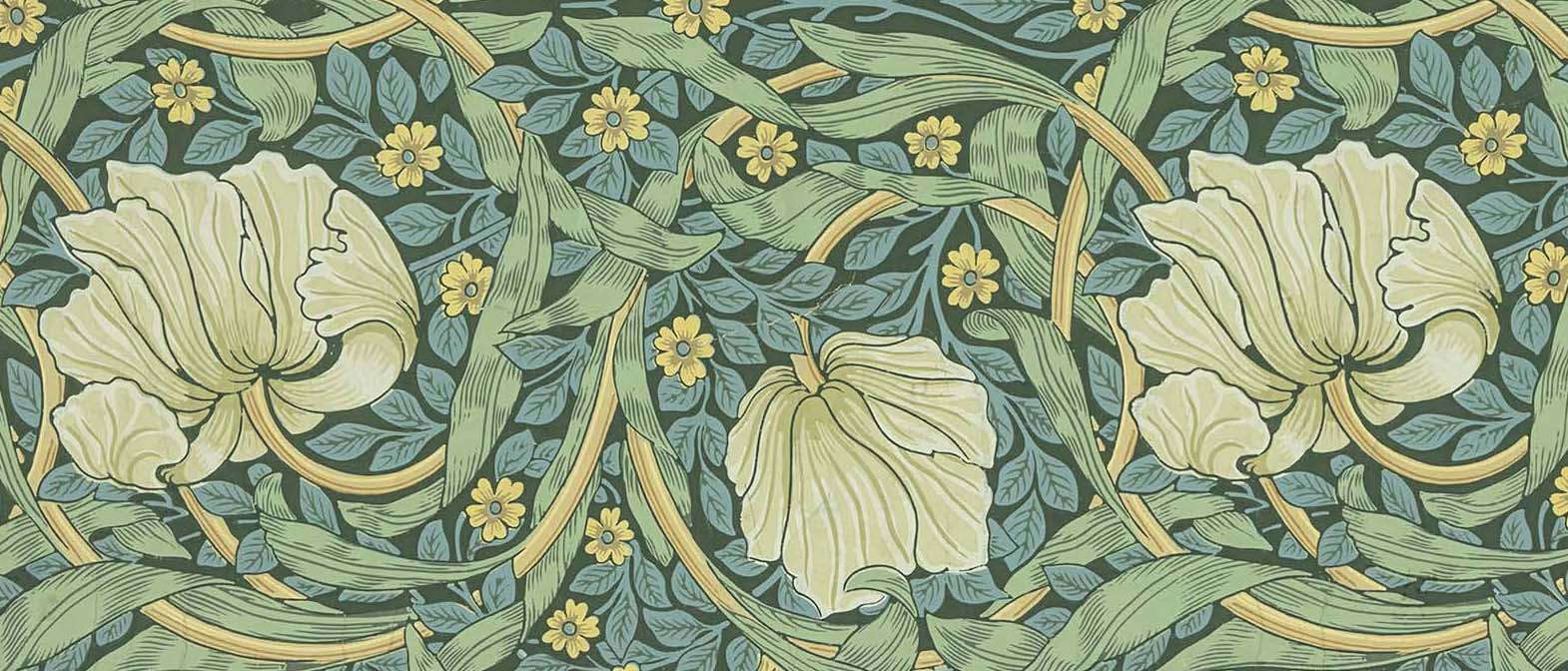

Morris and Company: The Business of Beauty
Artist, designer, and writer William Morris (1834–1896) founded Morris & Co. in 1861. The company quickly became regarded for the objects it designed and made for home interiors—handmade wallpapers, textiles, and furniture—and its style became synonymous with the British Arts and Crafts movement of the late 19th century. Morris was both an avid student of art history and devotee of the natural world, and his and his company’s works were characterized by a design vocabulary drawn from both European and Middle Eastern historical fabric designs and featured, and were titled after, flowers and plants.
Morris and his collaborators—which included his wife Jane Burden Morris, younger daughter May Morris, artisan and designer John Henry Dearle, as well as artists such as Edward Burne-Jones and Dante Gabriel Rosetti—considered themselves design reformers. They were on a mission to bring beauty back into the lives of their consumers through thoughtful design and production that foregrounded the agency of artisans and anti-industrial techniques. Accordingly, they experimented with dye recipes based on natural materials, revived hand-printing methods for fabrics and wallpapers, and reintroduced hand weaving for woven wool and silk textiles as well as pictorial tapestries. [quoted from AIC]

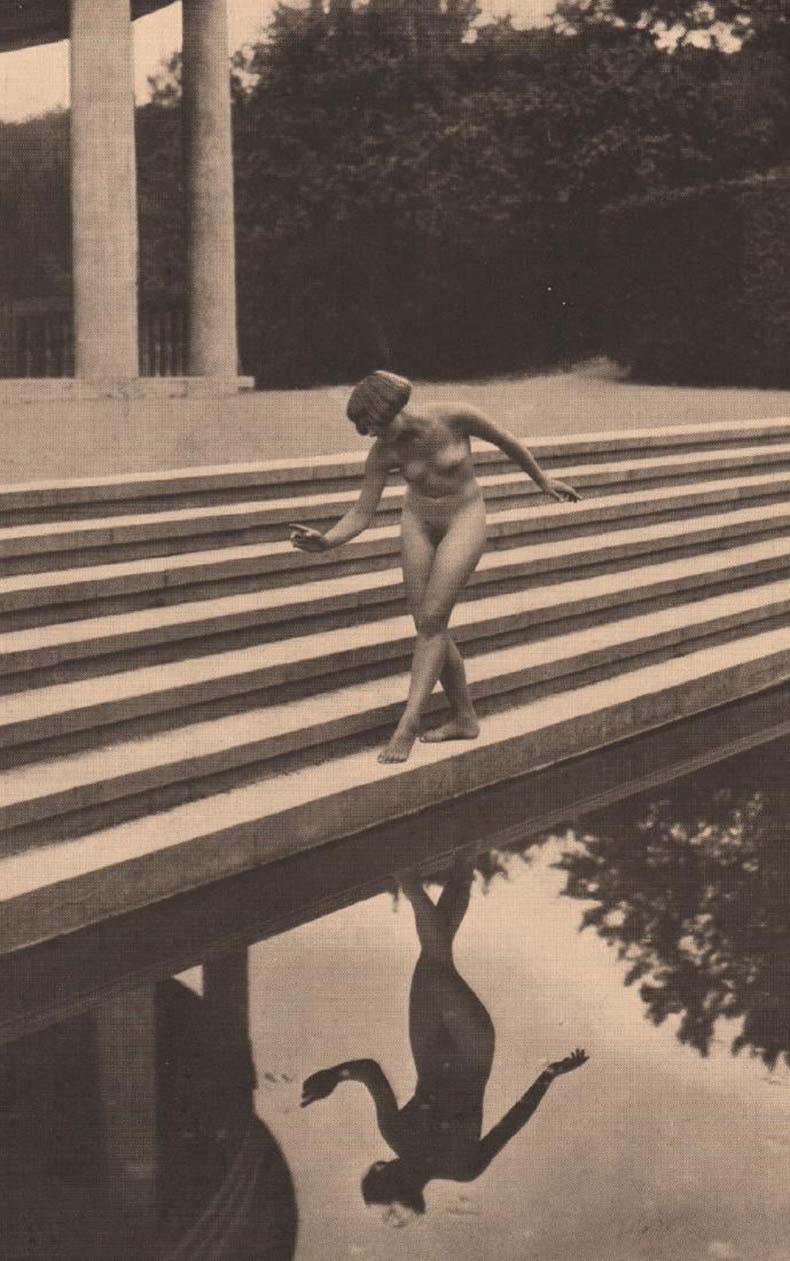
![Paul Jsenfels :: Dancer, Stuttgart Dance School. [Ida Herion dance school]. Photoengraving; printed 1927. | src liveauctioneers](https://unregardoblique.com/wp-content/uploads/2022/10/paul-jsenfels-dancer-stuttgart-dance-school-printed-1927.-photoengraving.-src-liveauctioneers4.jpg?w=790)


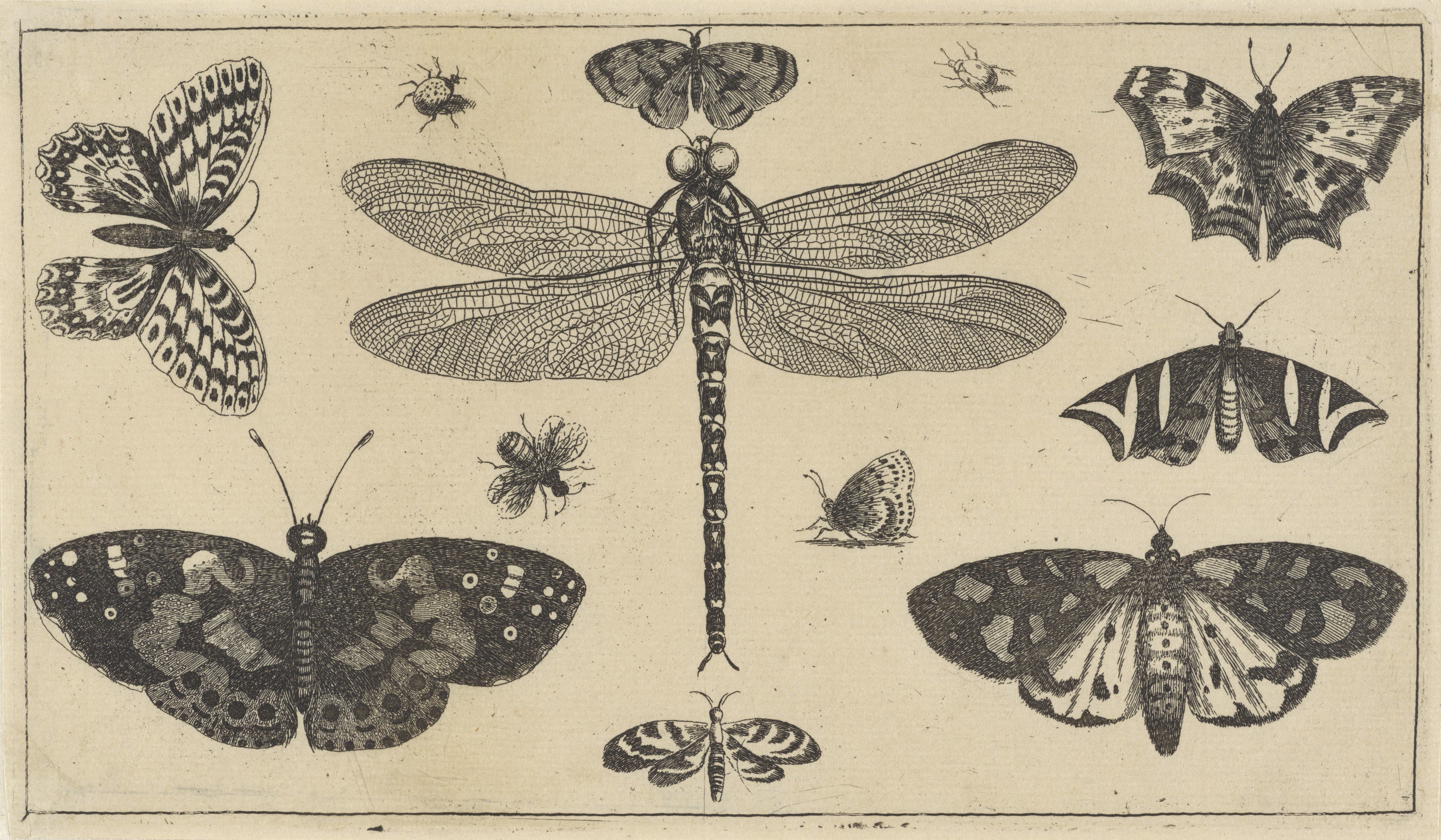
![Wenceslaus Hollar :: Vlinders, torren en een mot [Butterflies, Beetles and a Moth], Antwerp, 1646. Insecten (series title) Muscarum Scarabeorum (series title). Etching. | src Rijksmuseum](https://unregardoblique.com/wp-content/uploads/2022/10/wenceslaus-hollar-insects-rijksmuseum-1.jpg?w=1100)

![Wenceslaus Hollar :: Vlinders, torren en een mot [Butterflies, Beetles and a Moth], Antwerp, 1646. Insecten (series title)
Muscarum Scarabeorum (series title). Etching. | src Rijksmuseum](https://live.staticflickr.com/65535/52423282575_bc2018693b_4k.jpg)
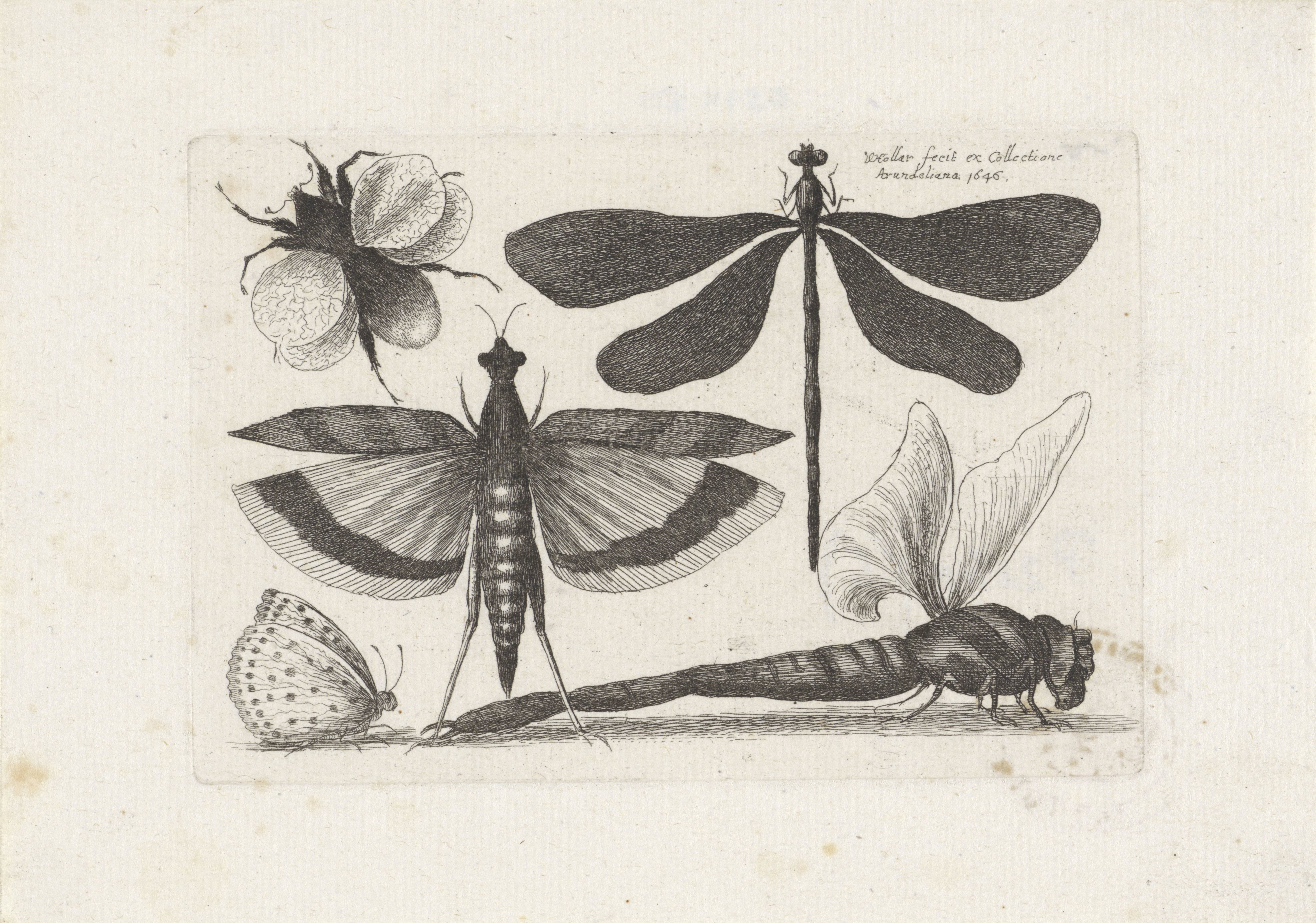
![Wenceslaus Hollar :: Dragonfly [Libellen], Antwerp, 1646. | src Rijksmuseum](https://unregardoblique.com/wp-content/uploads/2022/10/wenceslaus-hollar-insects-rijksmuseum-b1-crp.jpg?w=1100)
![Wenceslaus Hollar :: Dragonfly [Libellen], Antwerp, 1646. | src Rijksmuseum / Detail](https://unregardoblique.com/wp-content/uploads/2022/10/wenceslaus-hollar-insects-rijksmuseum-b1-crp.jpg)
![Wenceslaus Hollar :: Dragonfly [Libellen], Antwerp, 1646. | src Rijksmuseum](https://live.staticflickr.com/65535/52422828411_0ce4850237_3k.jpg)
![Jan Zdzisław Włodek :: Marechal Niel roses in the greenhouse at ul. Pędzichów, Boczna 5, 1925-1926. Autochrome. [full size] | src Fundacja im. Zofii i Jana Włodków](https://unregardoblique.com/wp-content/uploads/2022/10/jan-wlodek-roze-marechal-niel-w-cieplarni-przy-ul.-pedzichow-boczna-5-1925-26-closer.jpg?w=1100)
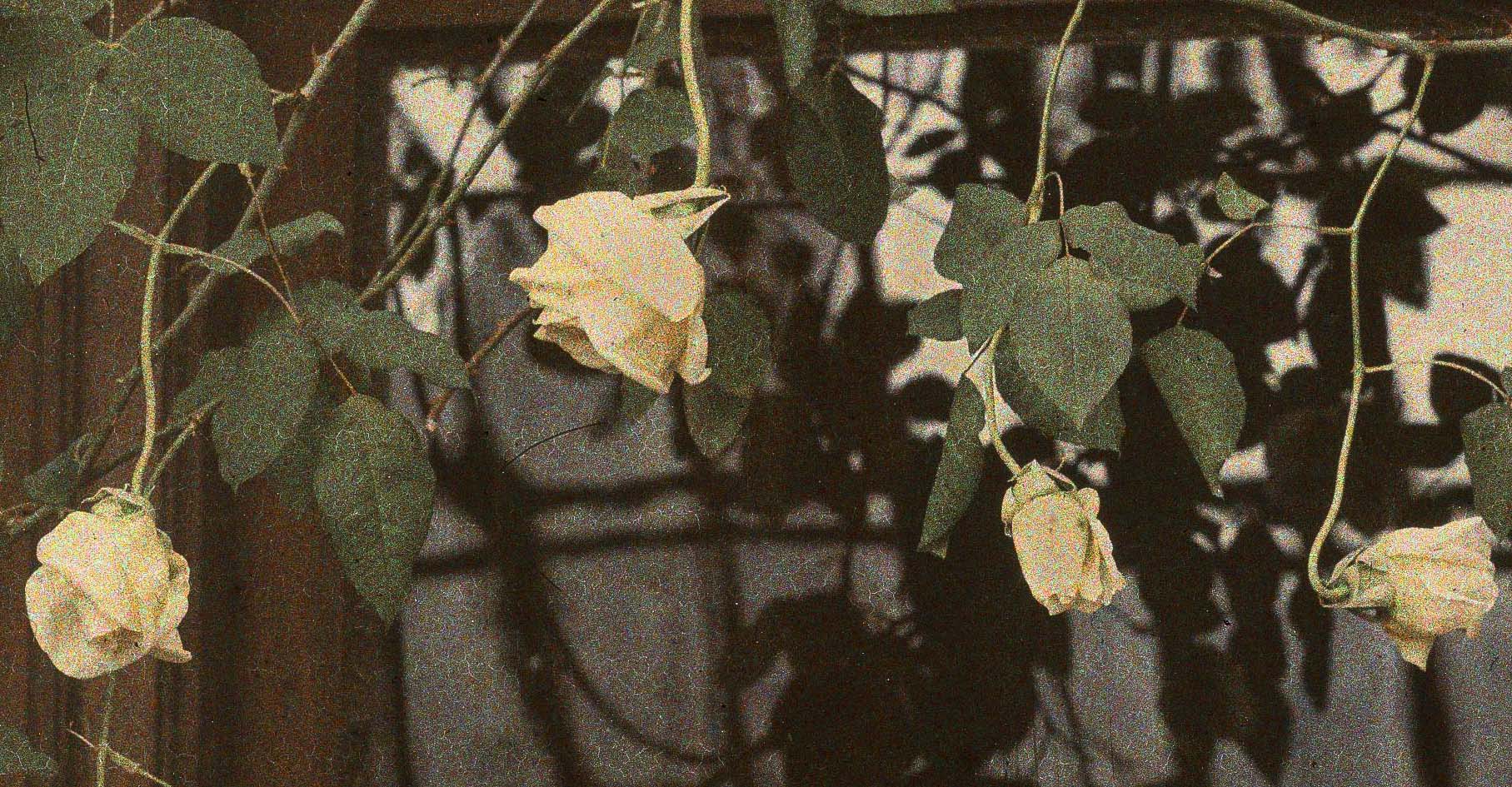

![Jan Zdzisław Włodek :: Róże Marechal Niel w cieplarni przy ul. Pędzichów Boczna 5, 1925-1926. Autochrome. | src Fundacja im. Zofii i Jana Włodków [detail]](https://live.staticflickr.com/65535/52421312099_1a5b770bff_4k.jpg)
 un regard oblique