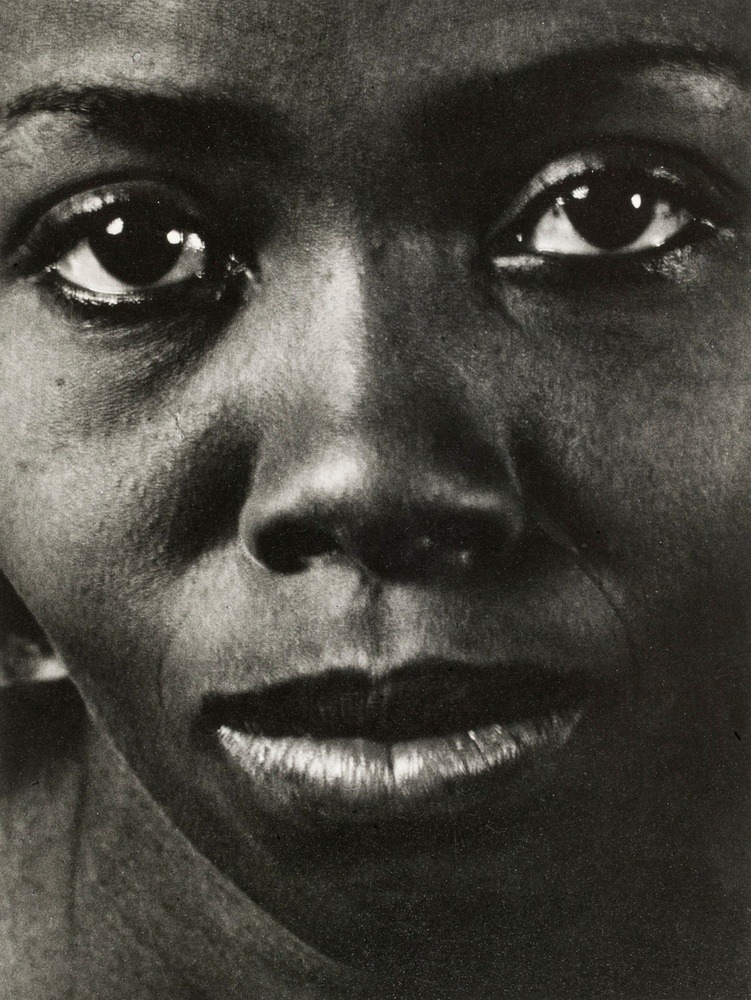
Merriweather by Kanaga, 1936
images that haunt us
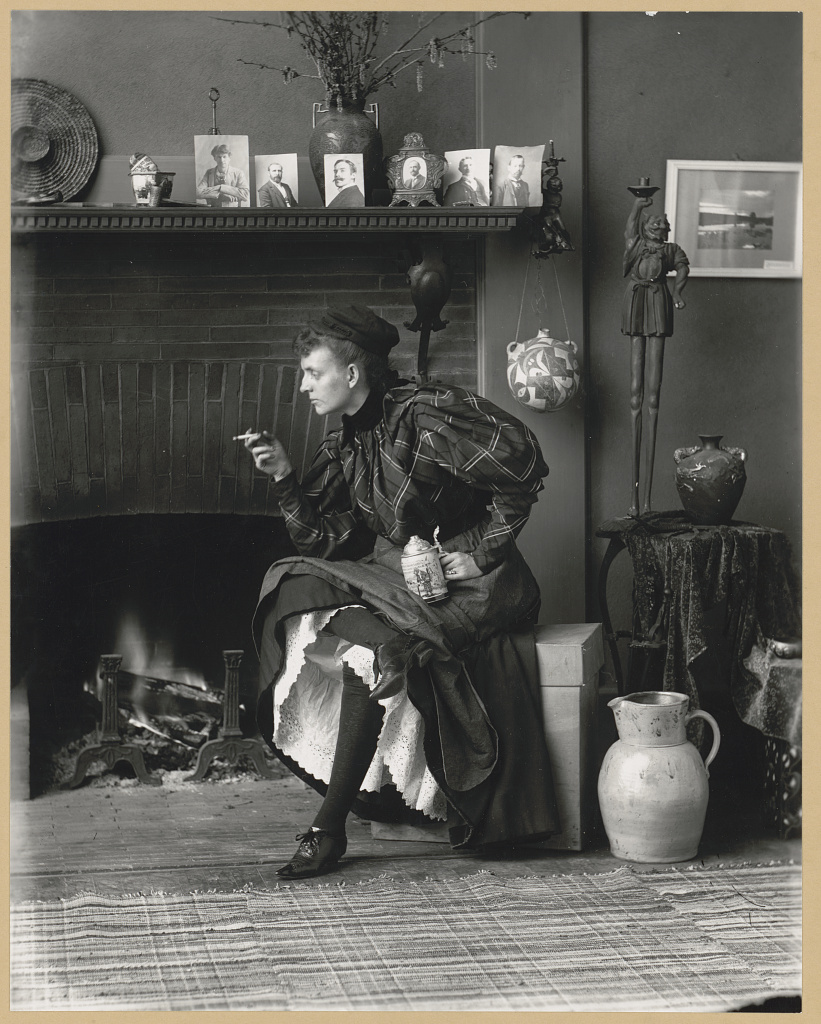

In this self-portrait the photographer Frances Benjamin Johnston poses as an independent ‘new woman.’ On the mantelpiece are six portraits she took of men (from left to right): poet Bliss Carman; A. N. Brown, likely the librarian at the U.S. Naval Academy; Henry Guston Rogers, likely the inventor and playwright Henry Gustave Rogers; architect James Rush Marshall; Smithsonian librarian Frank Phister; and L. M. McCormick, a photographer and member of the Capital Camera Club. [quoted from Library of Congress] permalink

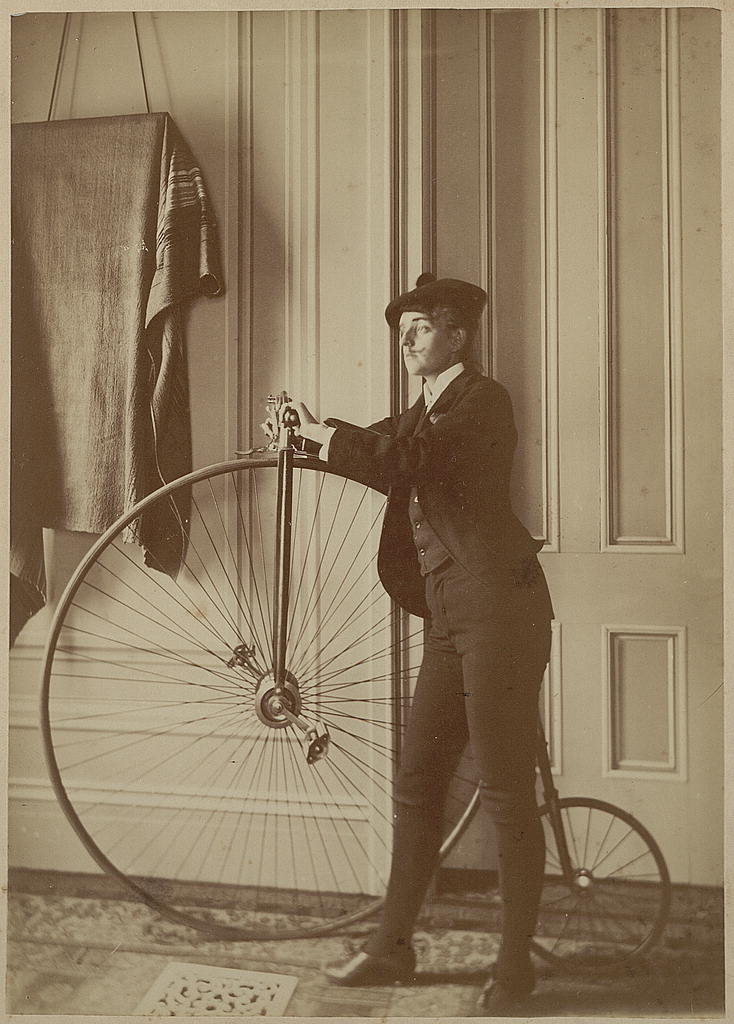
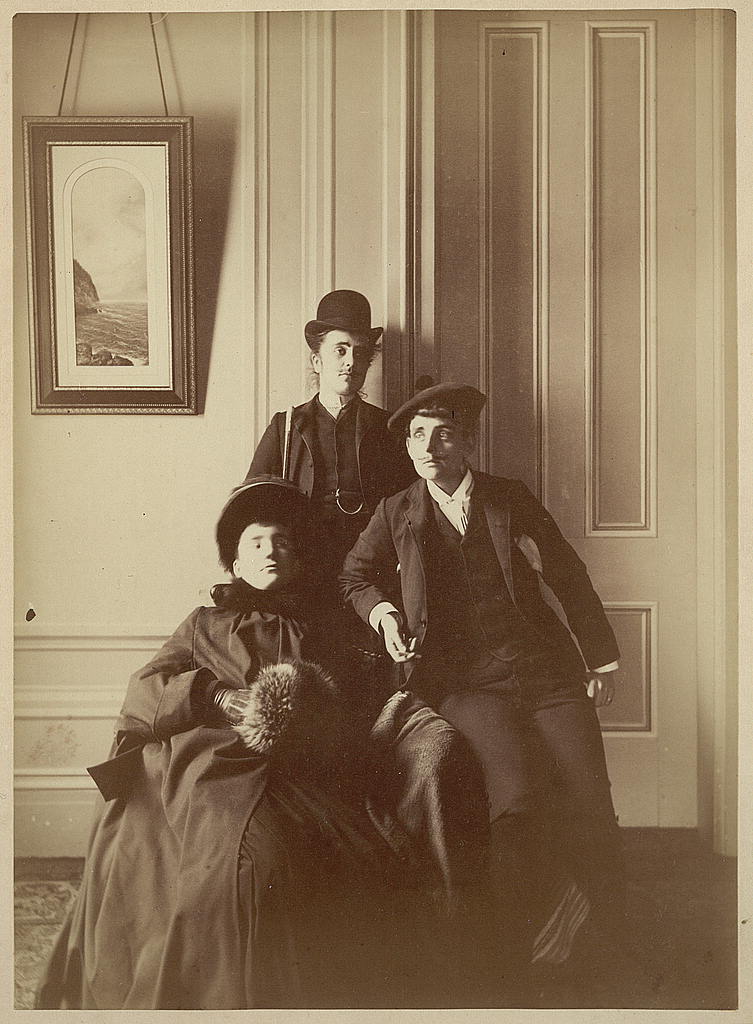
According to Shorpy ─in this website the photograph is titled “Reverso”─ Frances Benjamin Johnston is posing here with two similarly cross-dressing friends. The “lady” is a gent identified in a few other FBJ photos as the illustrator Mills Thompson.
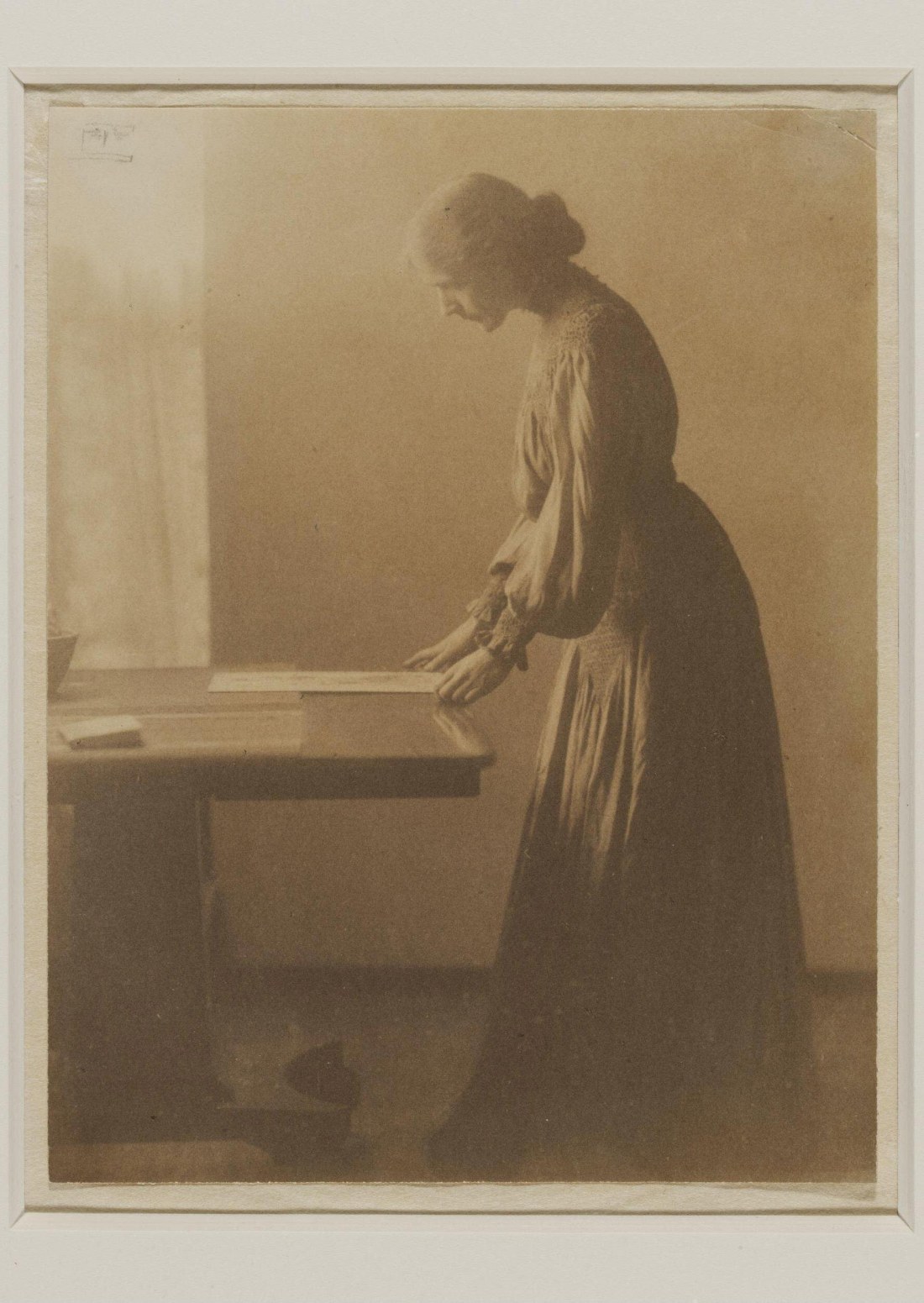
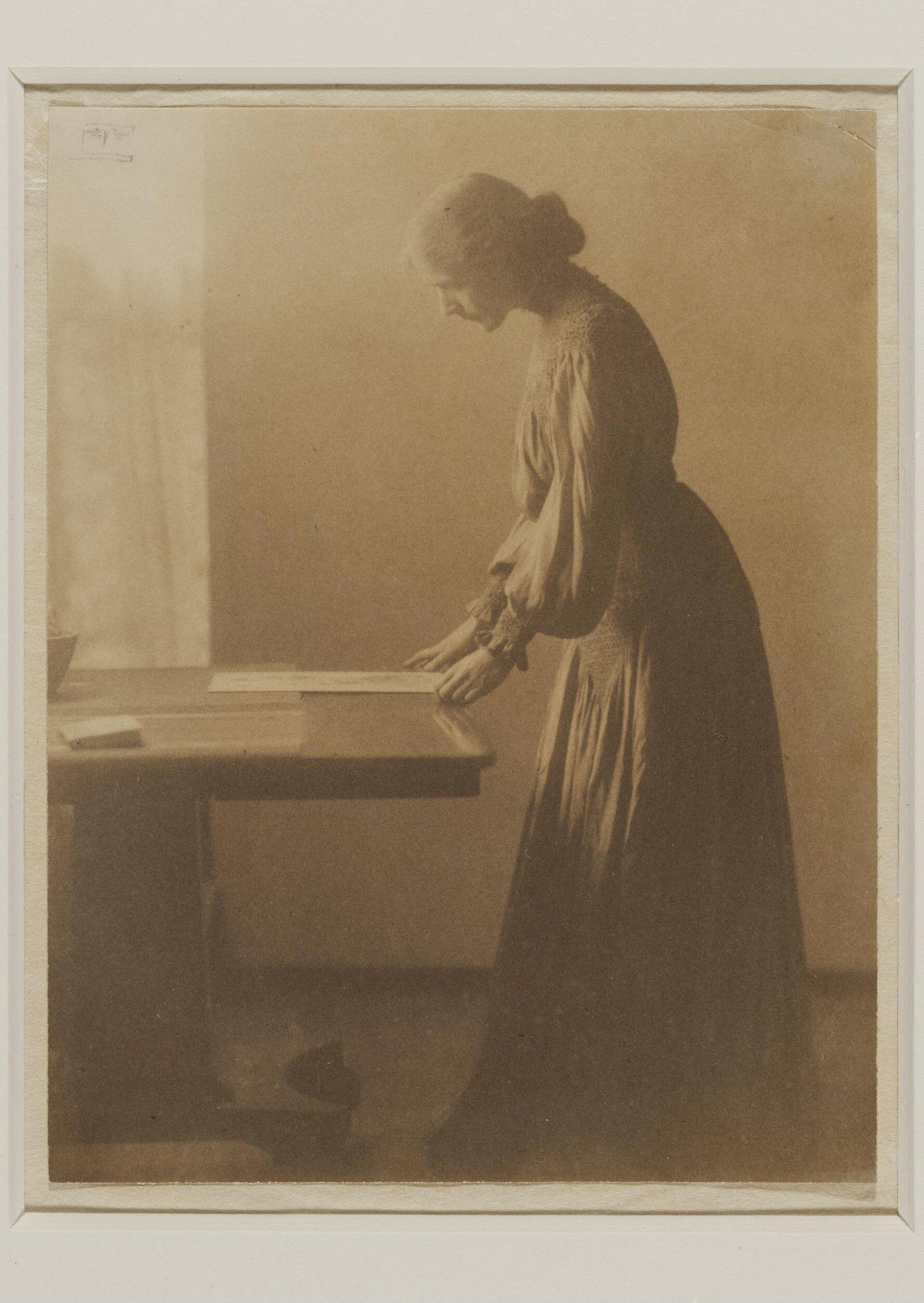
The image shows a woman in full length, wearing a long dress and standing at a table in profile against a blank pale wall, holding the edges of a print which is resting on the table. Bright light from a window in the top left of the photograph lights the front of the woman and the tabletop.
This is an example of the bromoil process invented around 1907, in which a bleached image is re-developed with pigment applied with brushes. ‘Pictorialist’ photographers favoured its broad tonal effects and diffuse detail. The print being ‘admired’ in the image is likely to have been a finely crafted photograph much like this one. [Gallery 100, ‘History of photography’, 2012-2013]
quoted from V&A Museum
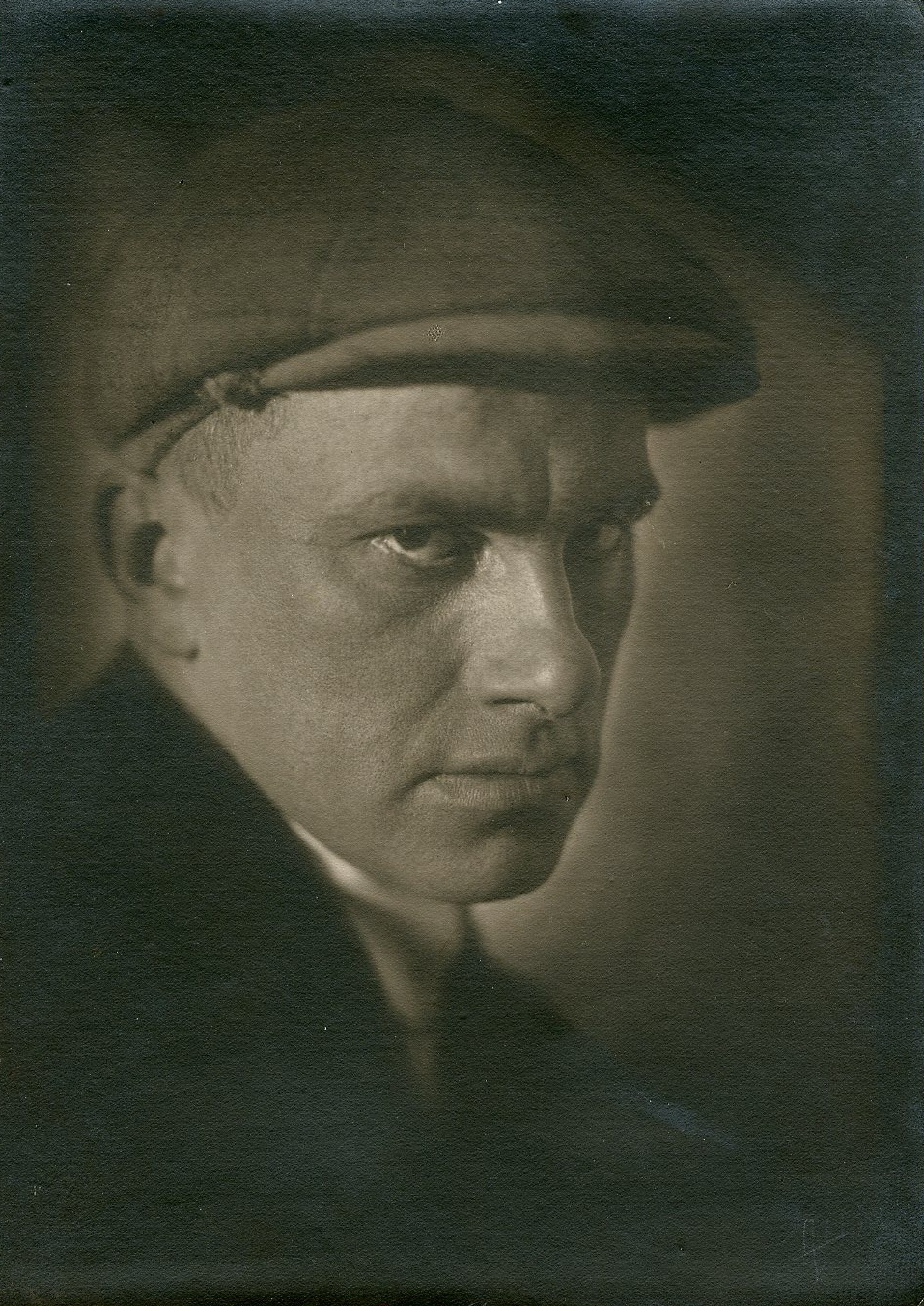
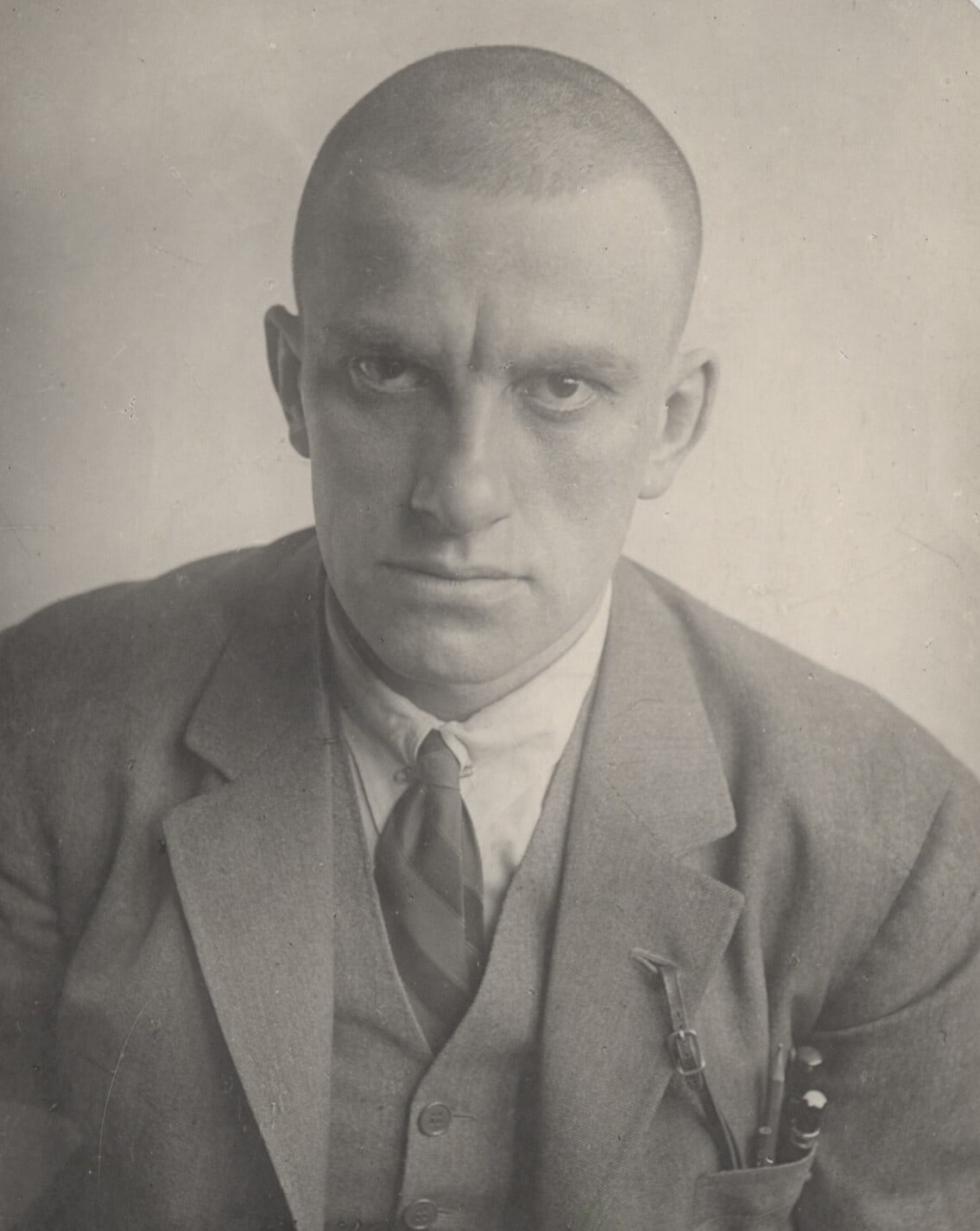
Abram Shterenberg probably was the first photographer who took portraits of Mayakovsky (ca. 1923). Rodchenko used his portraits for the photomontages for “Pro Eto” (About This), the love poem Mayakovsky wrote for his muse Lili Brik.




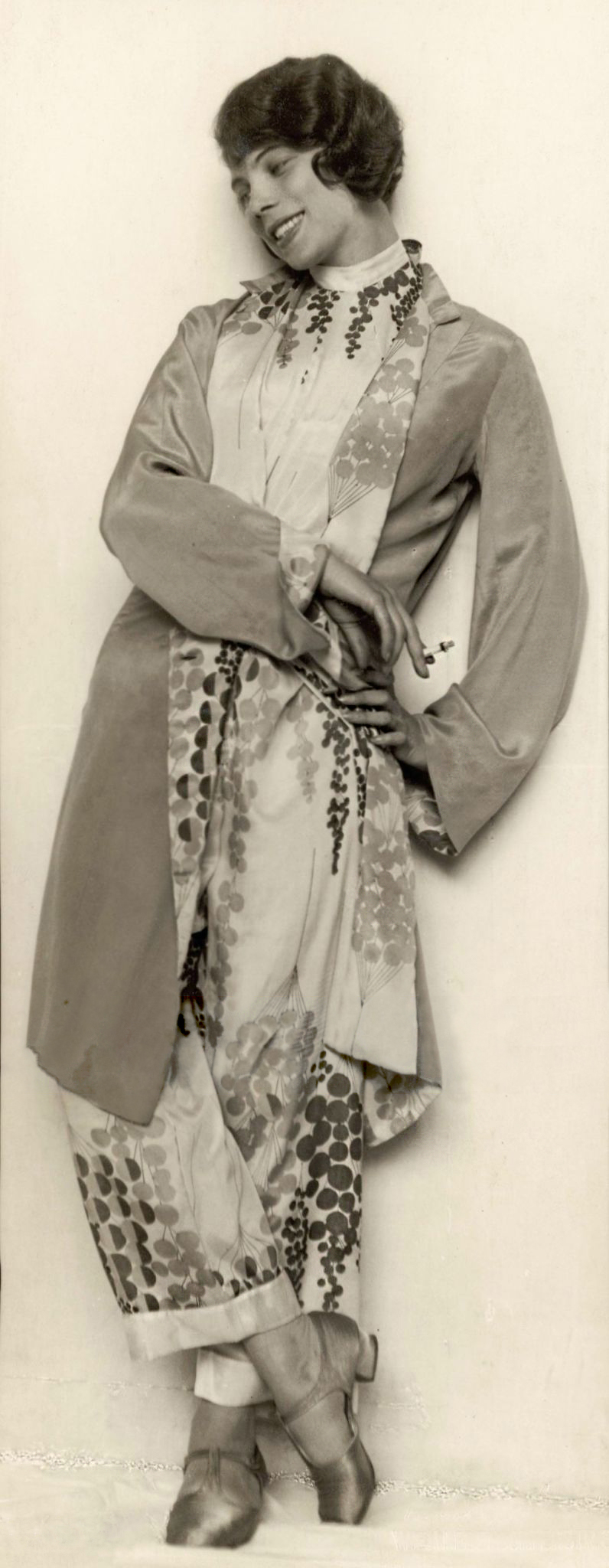
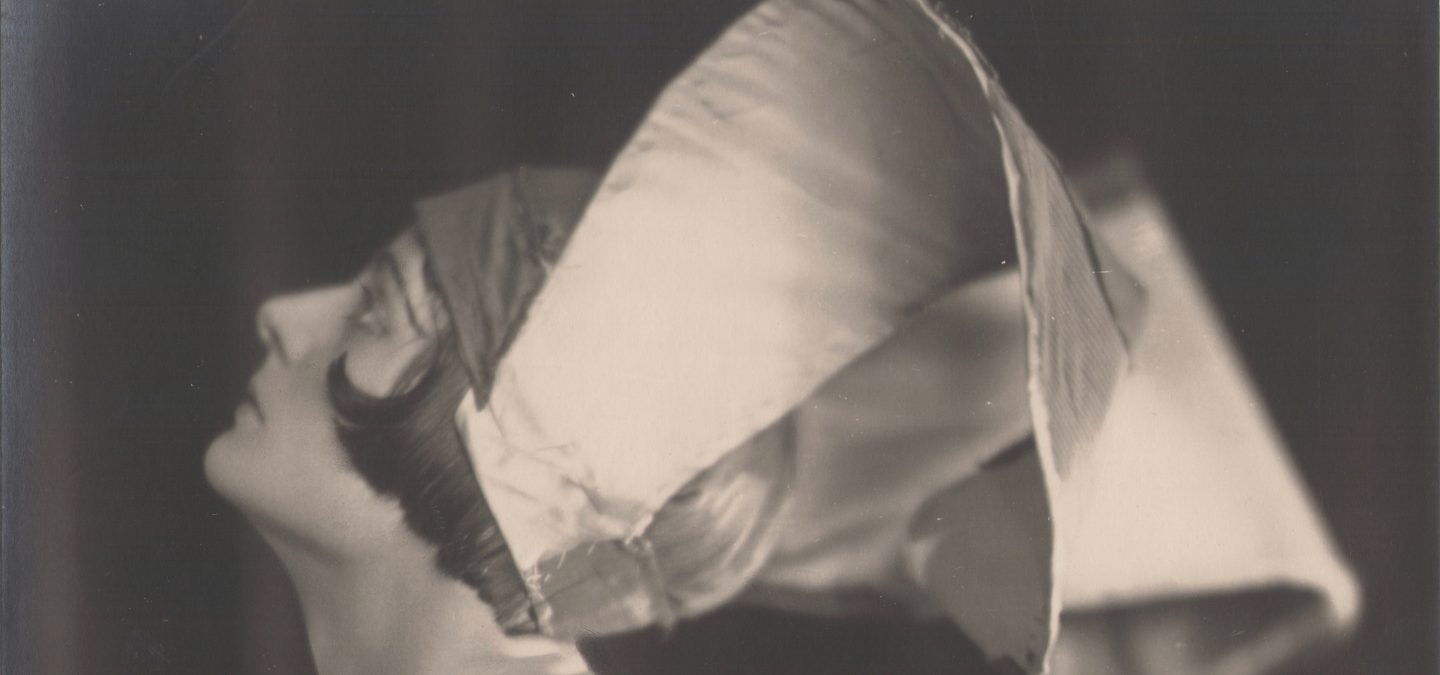
![Trude Fleischmann :: Austrian dancer Tilly Losch photographed around 1930 [Die Tänzerin Tilly Losch, um 1925 (sic)] | src Getty Images](https://unregardoblique.com/wp-content/uploads/2022/02/austrian-dancer-tilly-losch-photograph-around-1930.jpg)

 un regard oblique