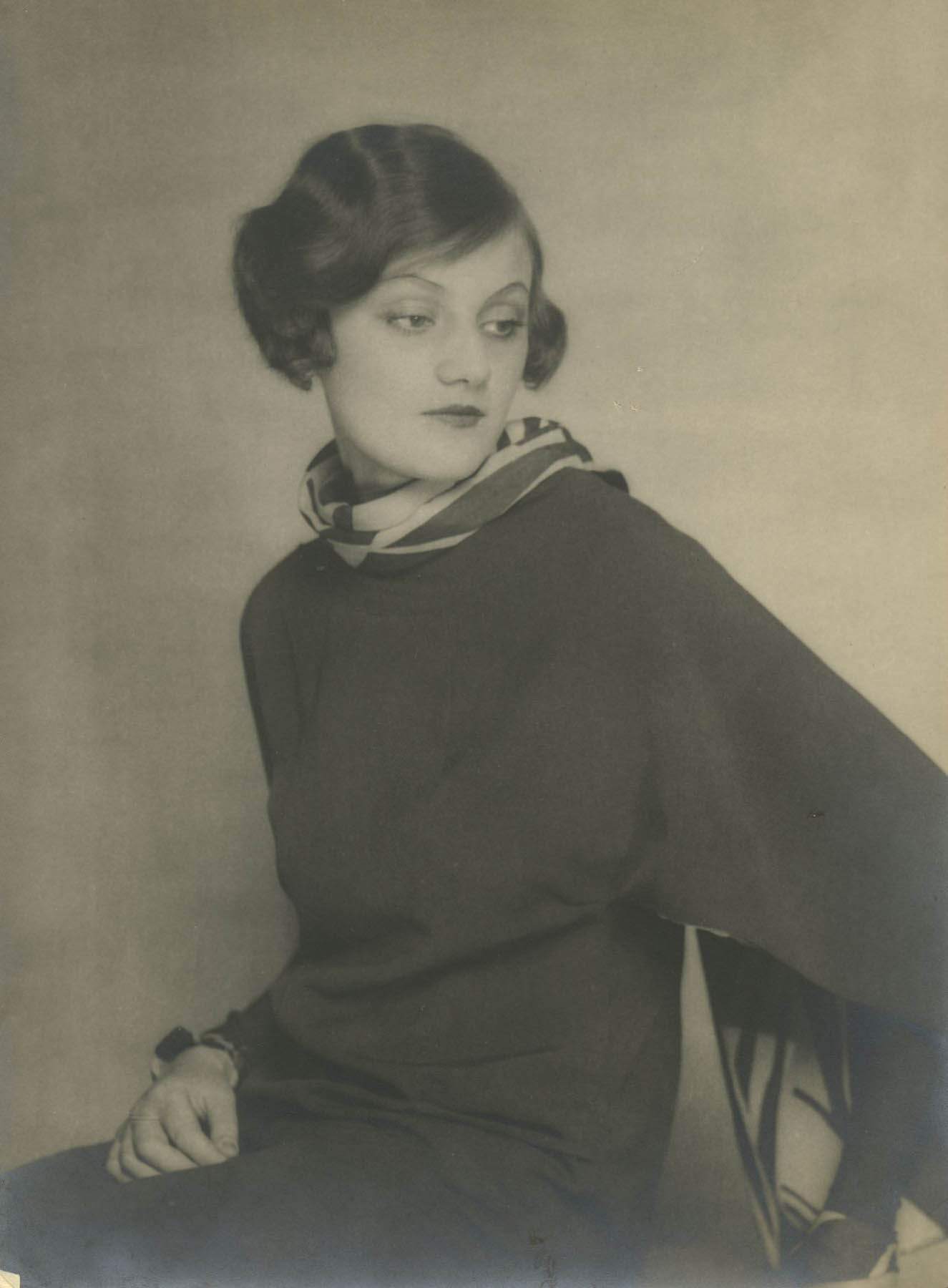
Margaret Michaelis (1902-1985) ~ Margaret Chapple, Sydney, 1950 | src NGA
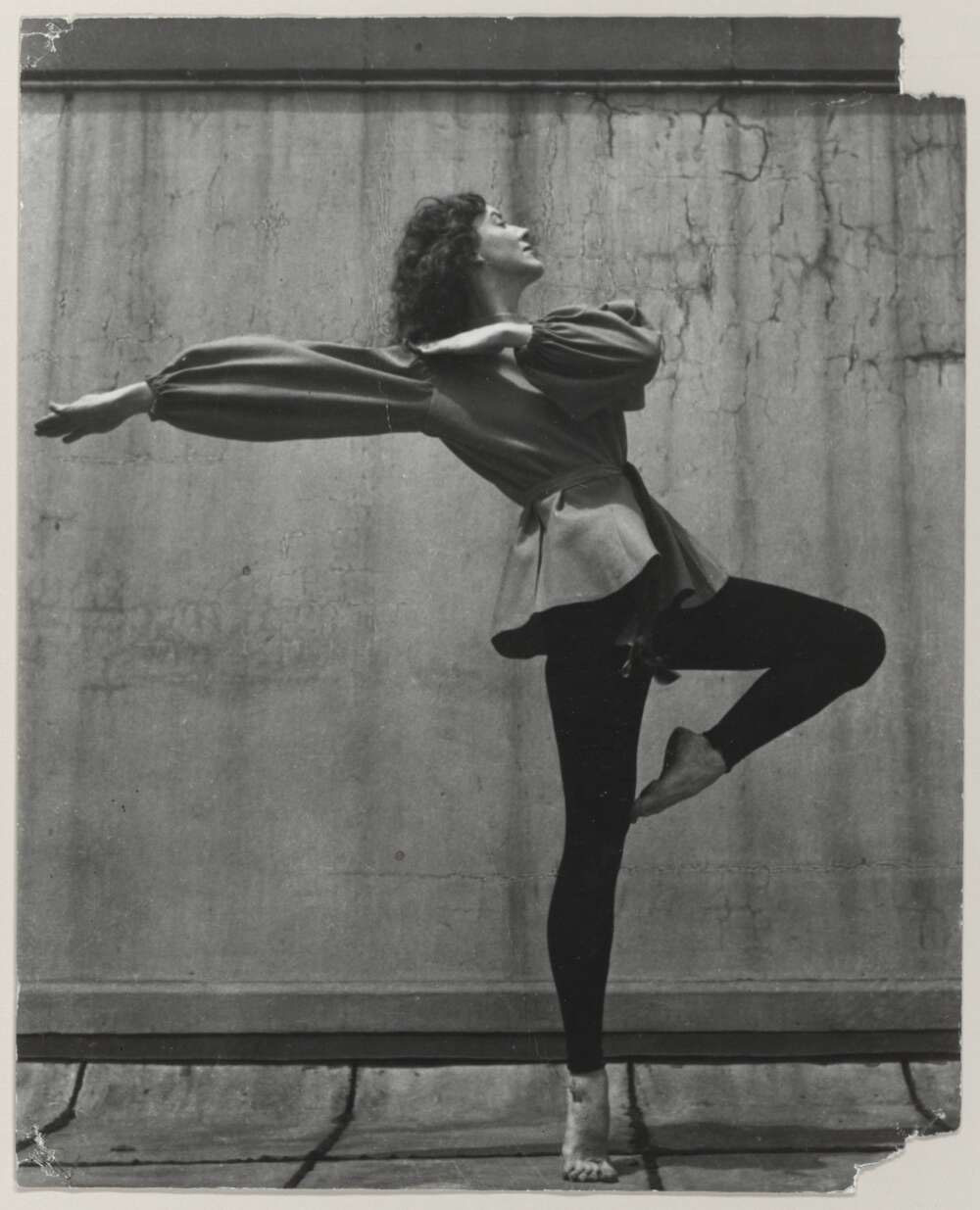
Margaret Michaelis (1902-1985) ~ Bodenwieser Ballet performance of the handicraft scene in Pilgrimage of Truth, featuring Margaret Chapple, ca. 1950 | src NLA
According to source, the image above may have been a promotional photograph taken for the Bodenwieser Ballet’s tour of South Africa in 1950
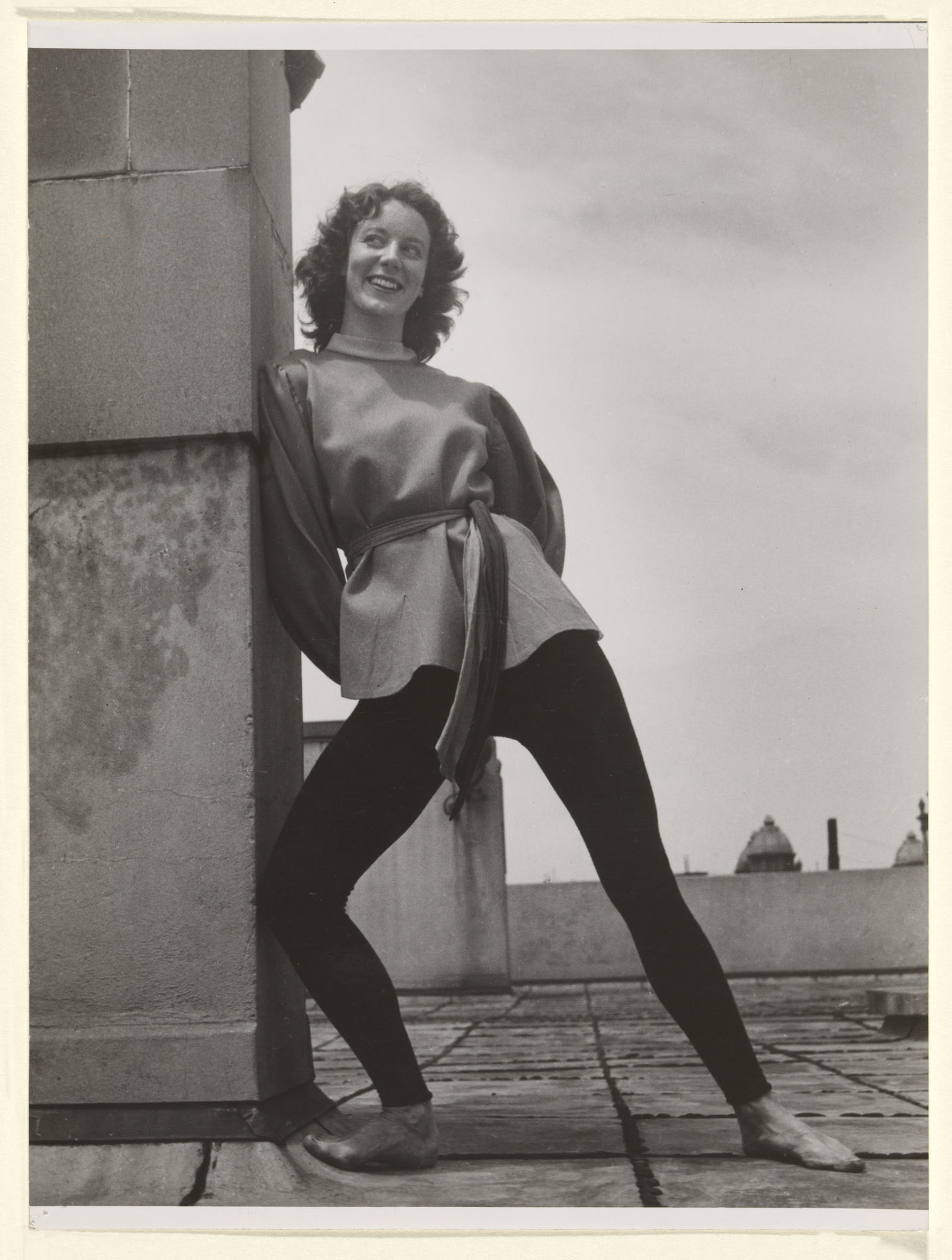
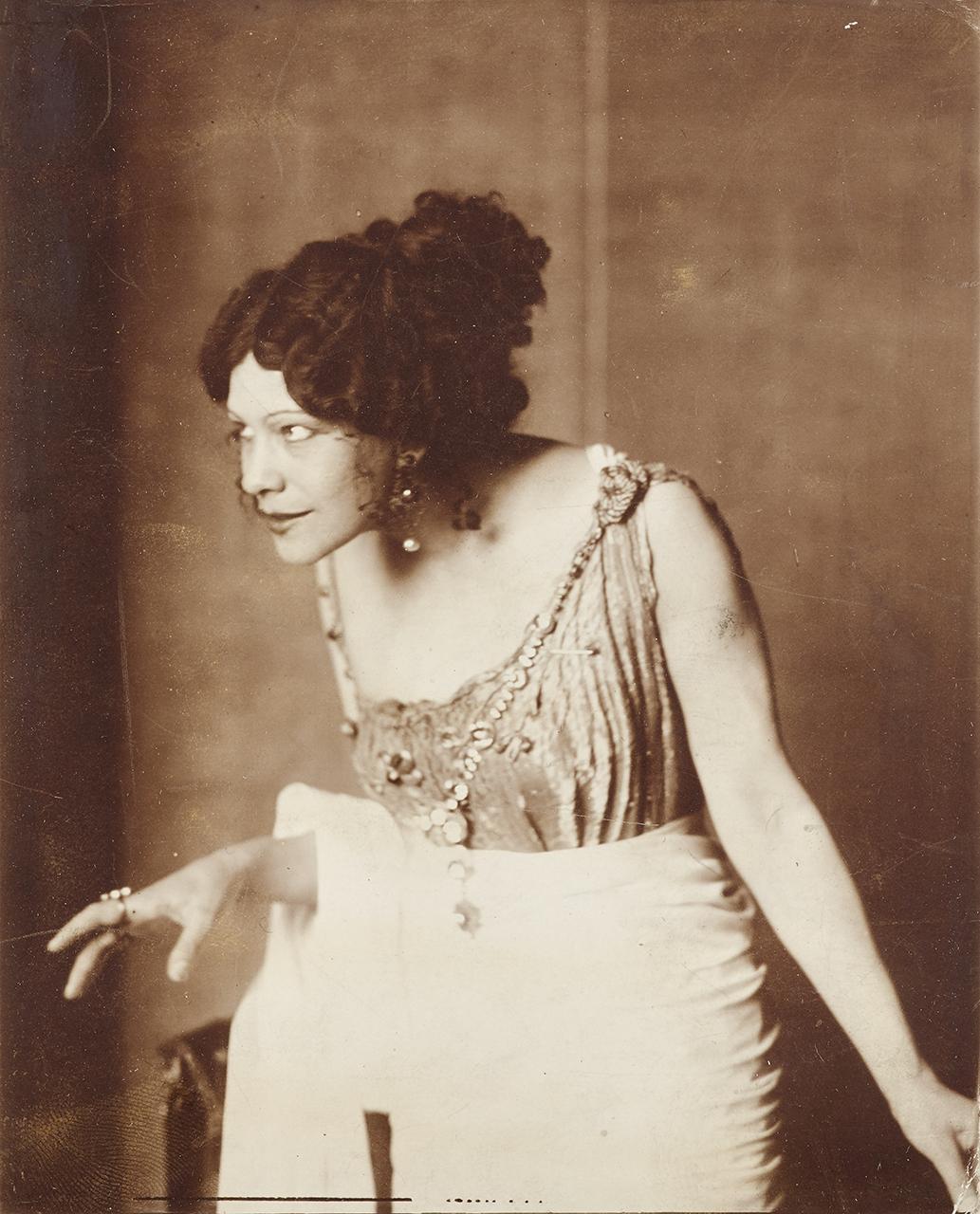
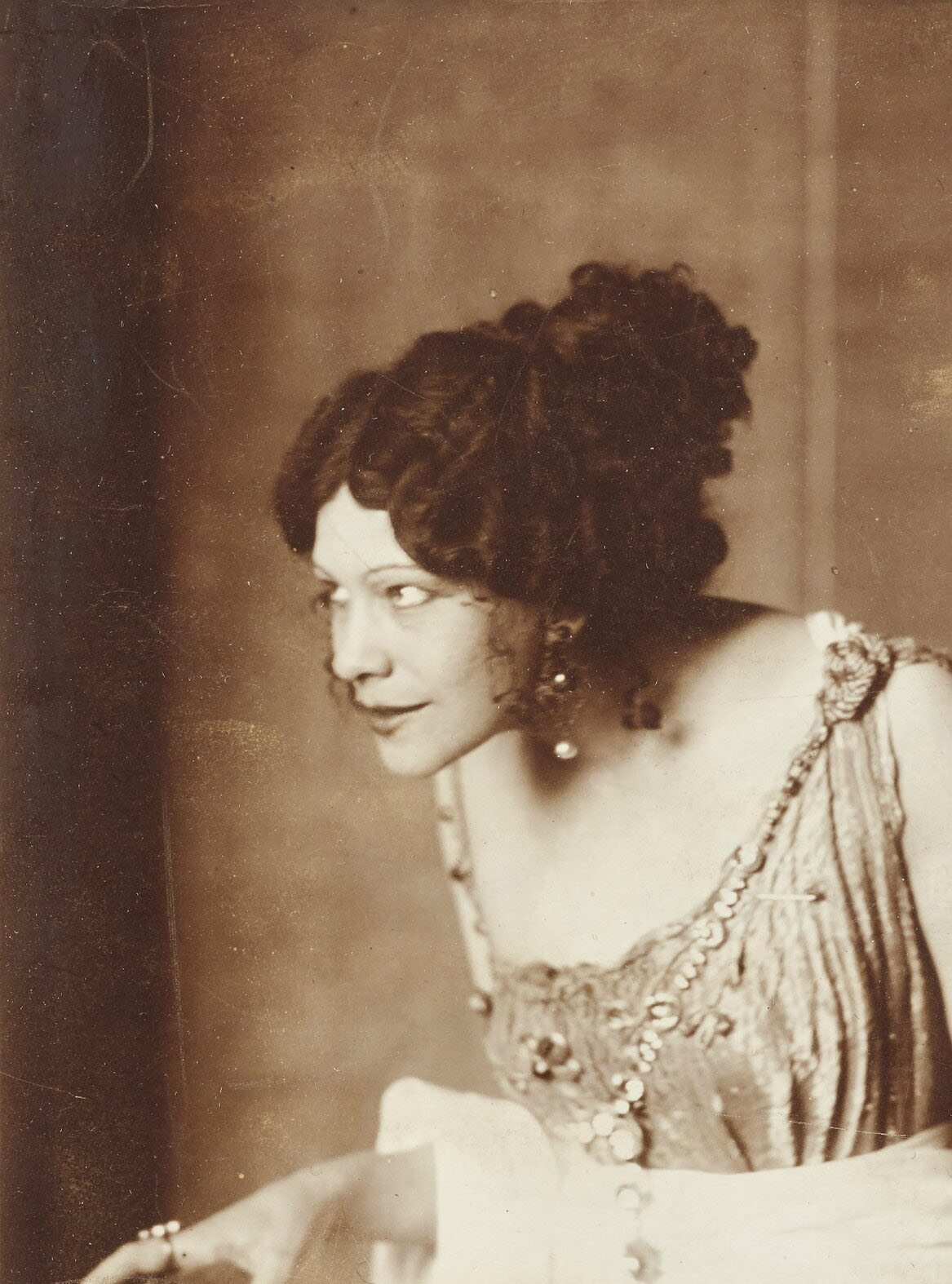
Margaret Michaelis (1902-1985) ~ No title [Margaret Chapple in ‘The Imaginary Invalid’], Sydney, 1950 | src NGAMargaret Michaelis-Sachs (1902-1985) ~ Dancer [Margaret Chapple], Sydney, 1950 | src NGA
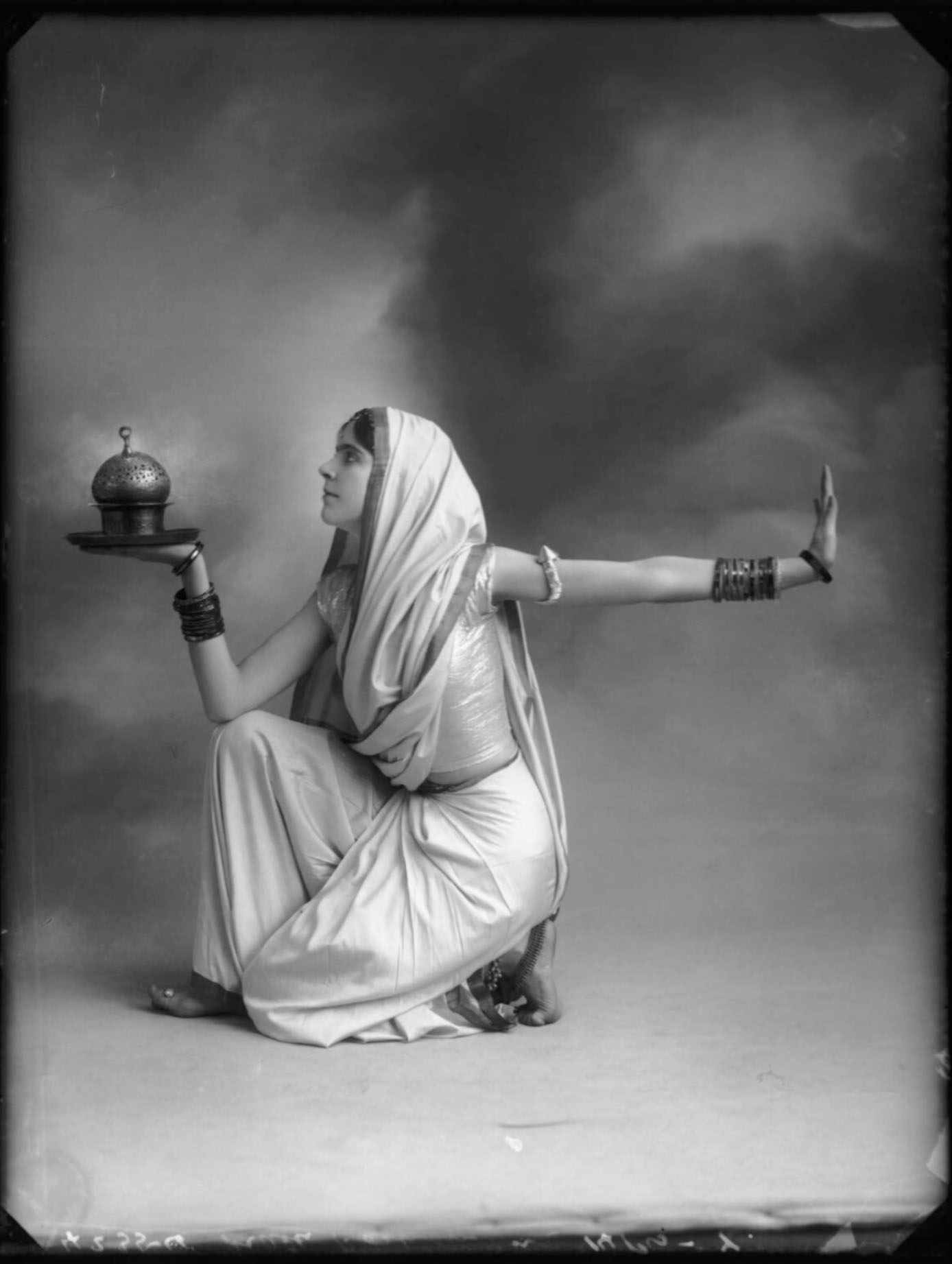
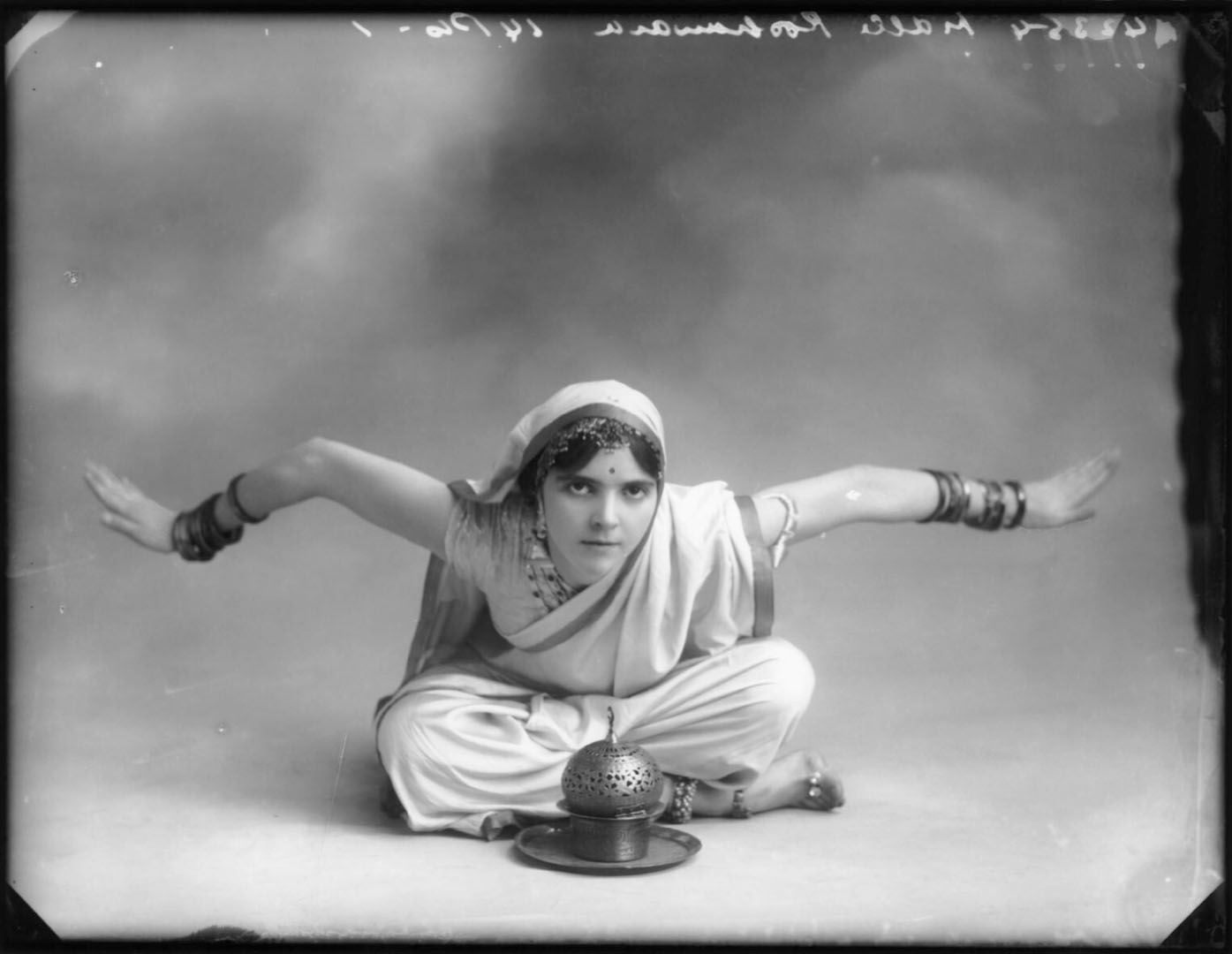
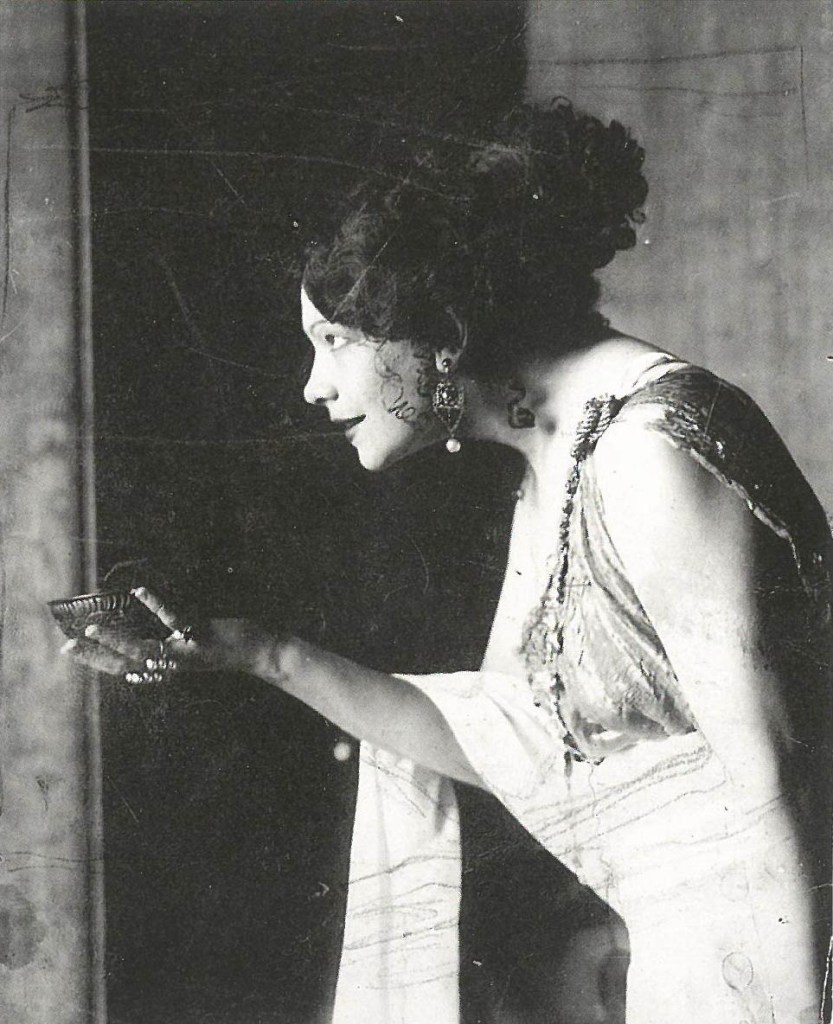
Roshanara occupies a similar position in Britain to that of Ruth St. Denis in the USA, albeit she is far less-widely known. Both aroused an interest in Indian and what was then called oriental dance at a time when there had been little serious study of the art form in Western theatre, although for both theatricality remained more important than authenticity. An important difference from St Denis was that Craddock was born in Calcutta and brought up in India of mixed parentage – an English mother and Anglo-Indian father, of Irish extraction – giving her a serious base rather than fantasy from which to draw her dances. Also, although Roshanara taught, unlike St Denis she never established a formal school to perpetuate her ideas. As Alma Talley wrote in ‘The Story of Roshanara’, The Dance, November 1926, ‘Roshanara has brought to the Western World the spirit of Central India as no one else has ever been able to bring it…India’s dances were a part of her soul. She devoted her life to perfecting them, as an artist in water colors gives years of study to making his art as nearly perfect as perfection is humanly possible’.
Once Craddock had chosen a performing career she adopted the name of a Mughal princess (1617-1671), reputed to have been the first to travel outside her own country. The name means ‘Light-Adorning’. In about 1909 Craddock travelled to Europe with her mother and appears to have worked briefly with Loie Fuller before, in 1911, having studied with Tórtola Valencia, she appeared as the Almah in Kismet at the Garrick Theatre. In 1911 (14, 18, 21, 25m November & 5 December) she appeared five times as Zobeide in Schéhérazade for the Ballets Russes at the Covent Garden, London.
In 1912 Roshanara had a season at the Palace Theatre, London, and in the autumn had a speciality spot on Anna Pavlova’s British regional tour, presenting her Incense, Village and Snake dances. In 1913 Roshanara danced at the Tivoli, London, and in July-August 1914 appeared for two weeks at the London Coliseum. She periodically returned to India to dance. By 1916 she was dancing in the USA where she gave numerous recitals, appeared in productions, danced with Adolph Bolm’s multi-cultural Ballets Intimes and taught. (Bette Davis was for a time one of her pupils). Her life and work are documented in ‘Roshanara “Secrets of Oriental Grace”’, Dance Lovers Magazine, February 1925, pp.35, 36, 66 and substantial obituary articles by Talley: ‘The Story of Roshanara A Short Biography of That Great Englishwoman Who Brought the Art of the Orient to the Eyes of the Western World’, The Dance, November 1926, pp.10-13, 51; and ‘Always a Wanderer, She Brought the Rich Beauty of Oriental Art to Many Lands’, The Dance, December 1926, pp.41, 42, 50. (text : V&A museum)
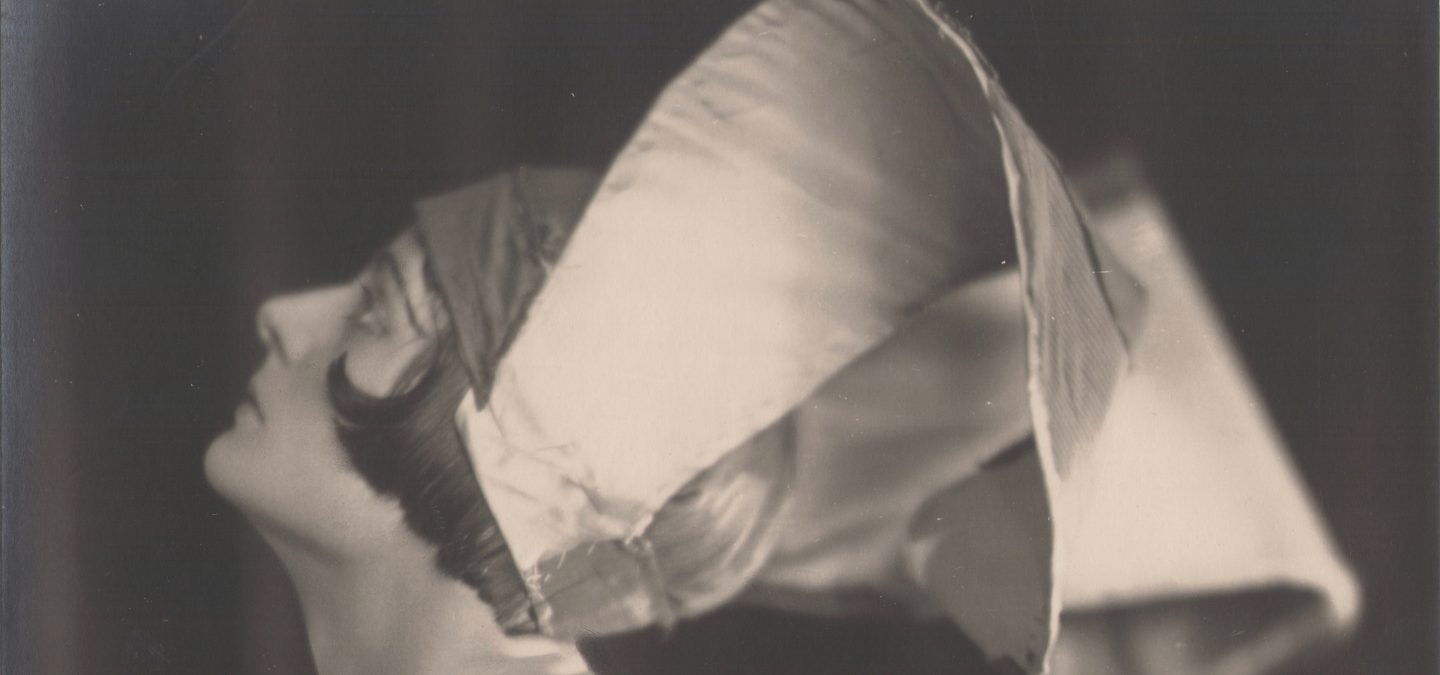
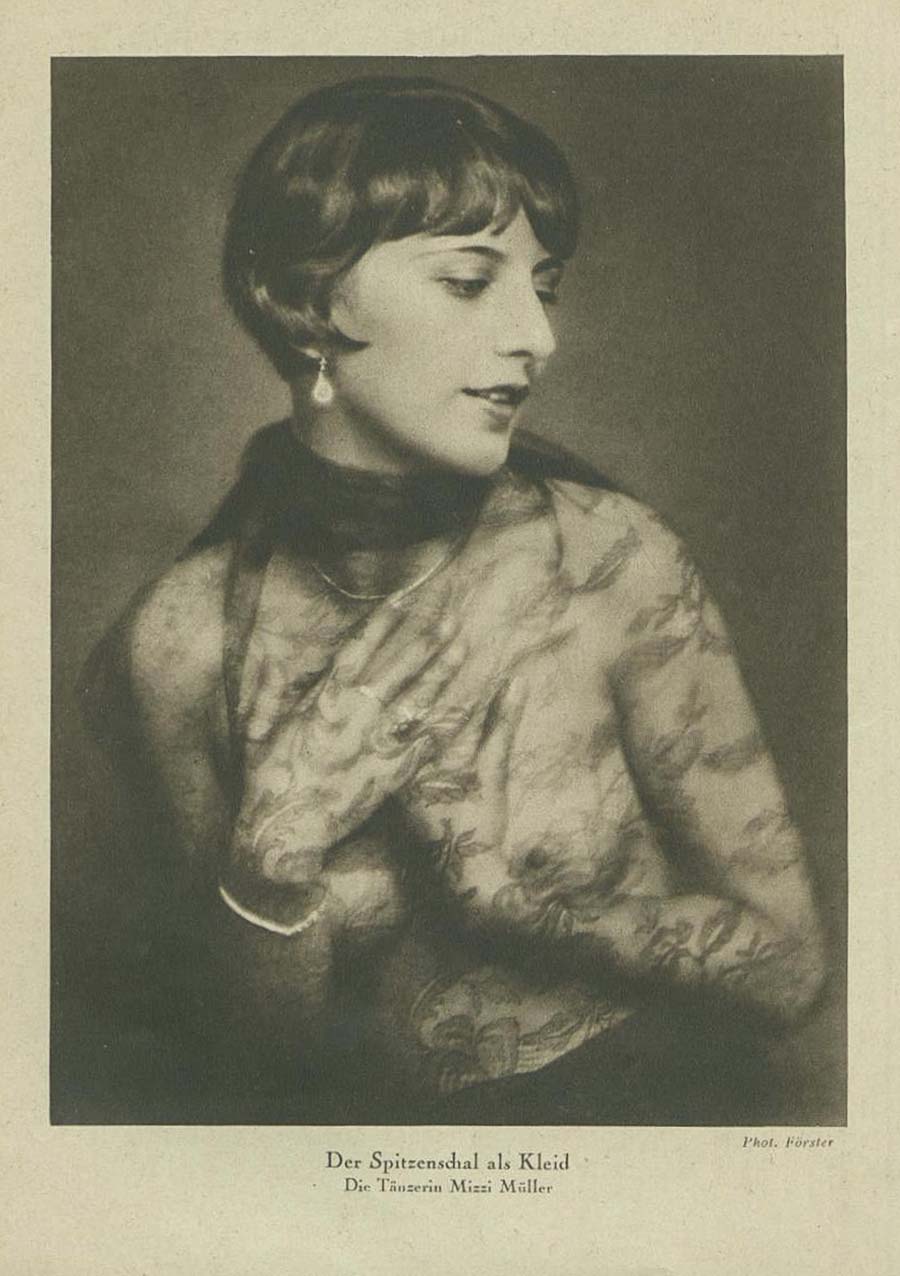
Ernst Förster :: Mizzi Müller. Tänzerin-Portrait mit Spitze über nacktem Oberkörper. veröffentlicht: Uhu Magazin 5/1928 | Dancer portrait with lace top over naked torso, 1928 [for Atelier Adele (?)] | source Getty ImagesDer Spitzenschal als Kleid. Die Tänzerin Mizzi Müller. Phot. Förster. Uhu, Februar 1928 – 5/1928. | Universitätsbibliothek der Humboldt
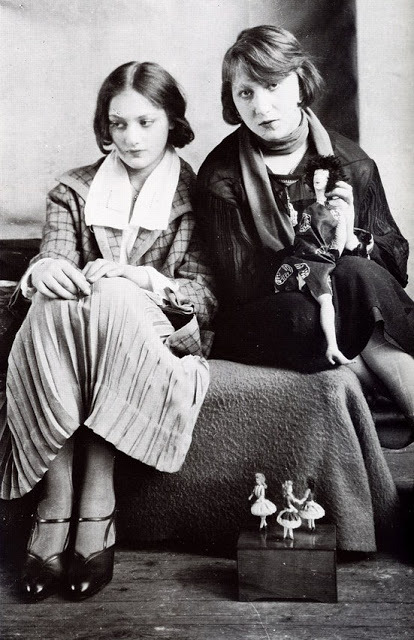
Sisters Bronia (left) and Tylia Perlmutter, 1922 | Scanned from Billy Klüver and Julie Martin’s Kiki’s Paris | src blogspot
“Bronia, the younger sister, demurely averts her eyes while elder sister Tylia stares almost insolently at the camera, holding a boudoir doll in her hand. […] The sisters were Polish Jews raised in the Netherlands who came to Paris in 1922 when Tylia was 18 and Bronia 16. They both found work modelling for various artists in Montparnasse. Bronia was particularly popular with Nils Dardel, Foujita, and Moïse Kisling (she would often act as hostess for Kisling at luncheons he hosted). She also modelled clothes for designers Paul Poiret and Nicole Grolt.” Quoted from source: tales of a mad cap heiress
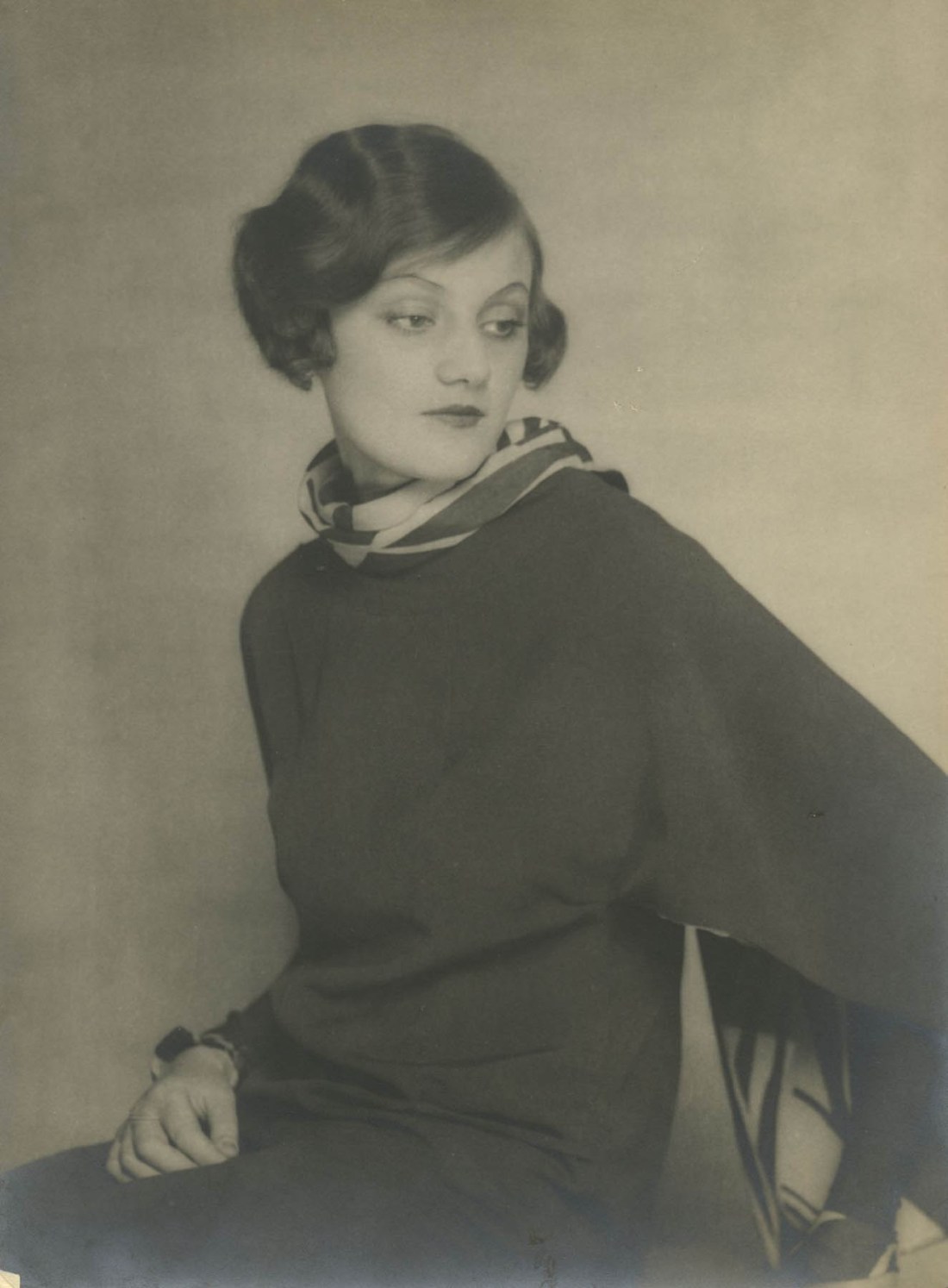
Berenice Abbott (1898-1991) :: Bronia Perlmutter (Madame René Clair), ca. 1926 | src Howard Greenberg Gallery
In December of 1924 Bronia and Tylia Perlmutter were invited by Francis Picabia to attend a performance of the Dadaist ballet Relâche, which included a screening of a short film, Entr’acte, at intermission. Bronia was introduced to the film’s director, René Clair, after the show. Later that same month Picabia asked Bronia to participate in a production, Ciné Sketch, that he and Clair were putting on after the ballet on New Year’s Eve. Bronia agreed, and she and Marcel Duchamp appeared nude—Duchamp did have a strategically placed fig leaf—in a living tabloid of Lucas Cranach’s Adam and Eve, which Man Ray photographed.
A bit part in Clair’s film Le Voyage Imaginaire (1926) followed. The two fell in love and were married in 1926. Quoted from tales of a mad cap heiress (Blogspot)
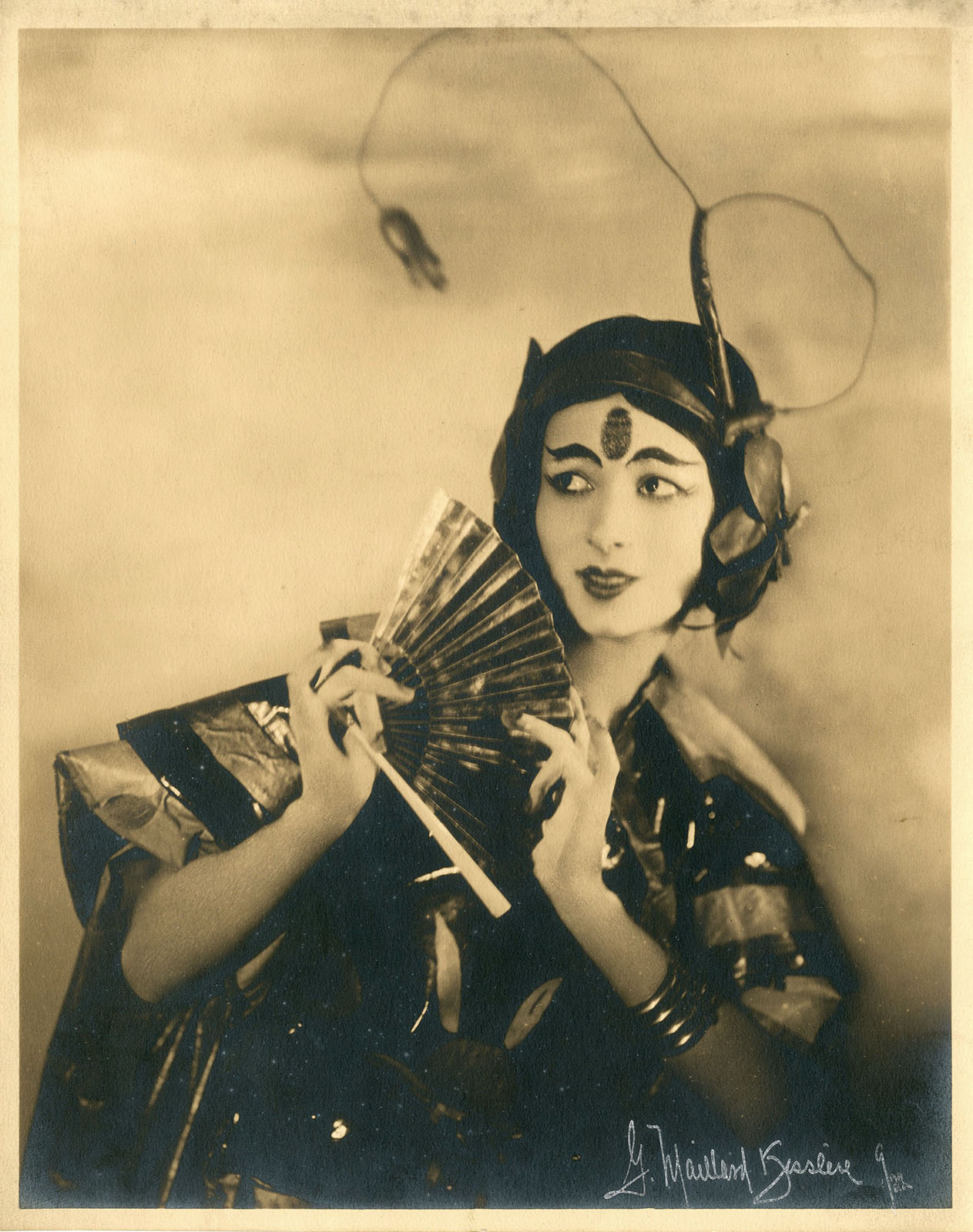
George Maillard Kesslère~ Ruth Page in an Oriental dance number in the Music Box Revue, 1922 (original size) George Maillard Kesslère~ Ruth Page in an Oriental dance number in the Music Box Revue, 1922 | src flickr







![Ernst Förster :: Mizzi Müller. Tänzerin-Portrait mit Spitze über nacktem Oberkörper. veröffentlicht: Uhu Magazin 5/1928 | Dancer portrait with lace top over naked torso, 1928 [for Atelier Adele] | source Getty Images](https://unregardoblique.com/wp-content/uploads/2022/11/gettyimages-545967291-2048x2048-ed2.jpg?w=1100)
![Ernst Förster :: Mizzi Müller. Tänzerin-Portrait mit Spitze über nacktem Oberkörper. veröffentlicht: Uhu Magazin 5/1928 | Dancer portrait with lace top over naked torso, 1928 [for Atelier Adele?] | source Getty Images](https://unregardoblique.com/wp-content/uploads/2022/11/gettyimages-545967291-2048x2048-ed2.jpg)

 un regard oblique