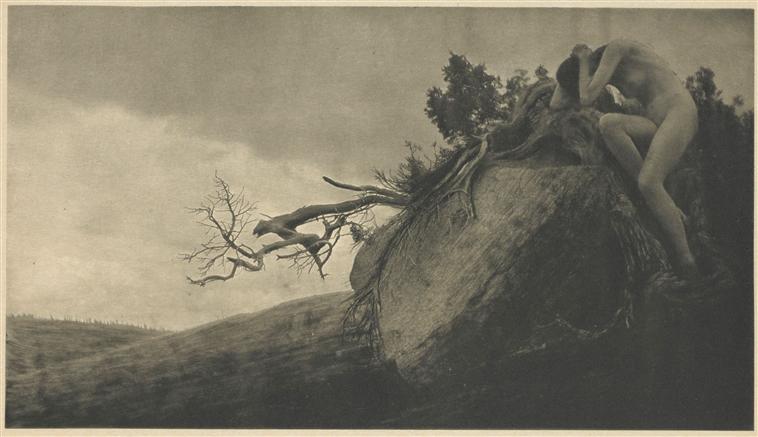
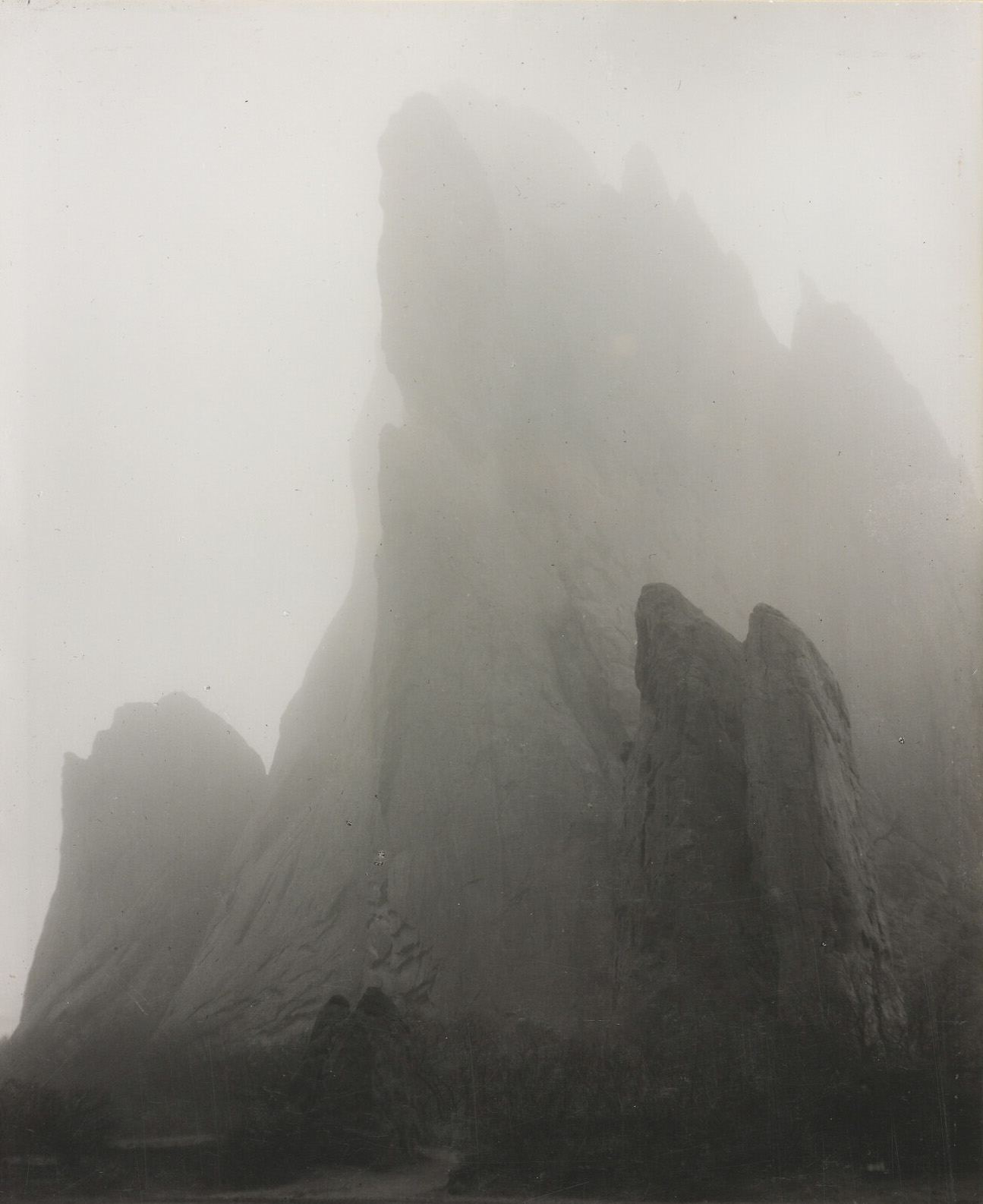
Anne Brigman :: Finis, 1912. Photogravure From Camera Work No. 38. | src KQED Arts and Artnet
more [+] by this photographer
images that haunt us
Anne Brigman :: Finis, 1912. Photogravure From Camera Work No. 38. | src KQED Arts and Artnet
more [+] by this photographer


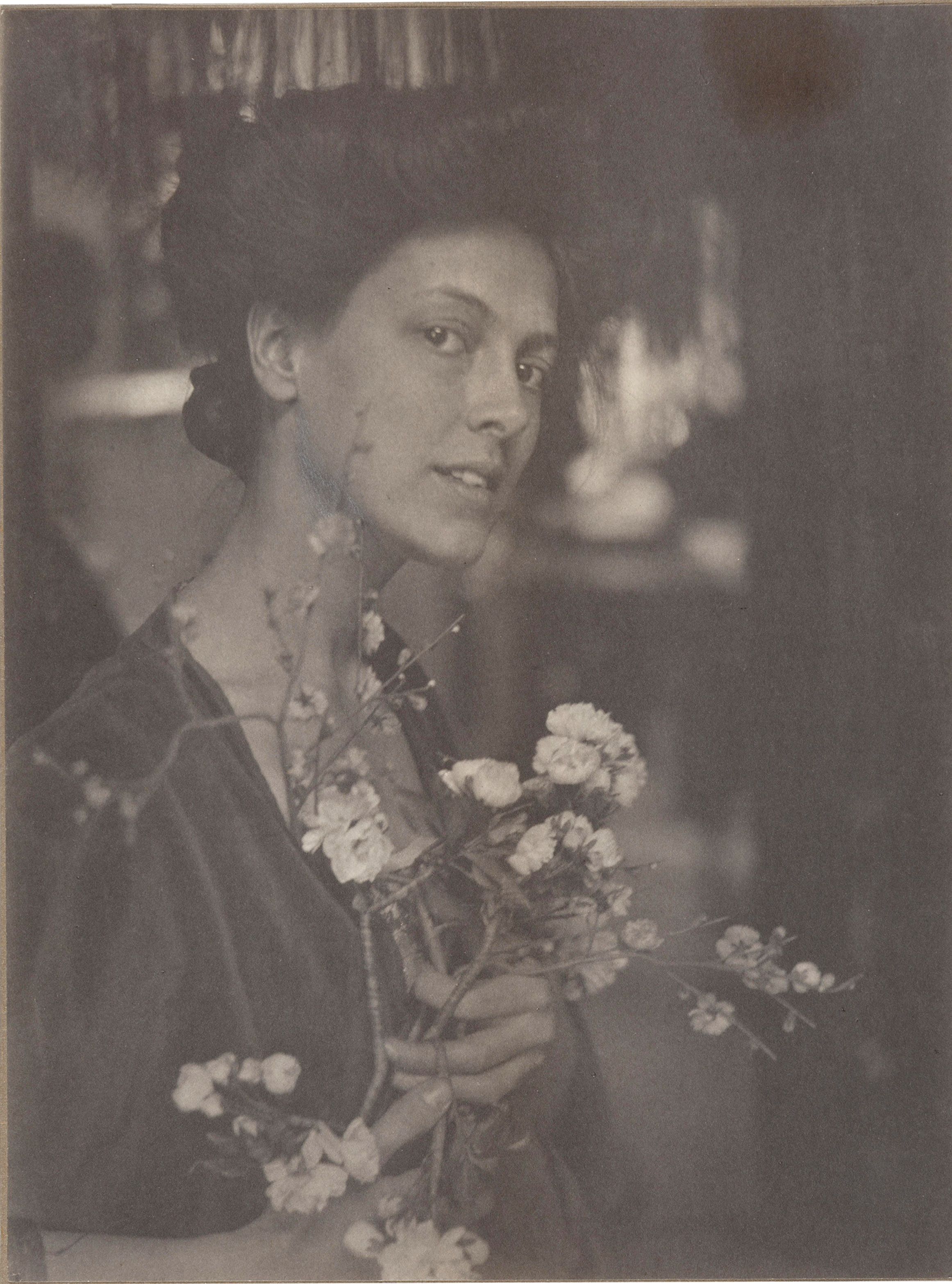
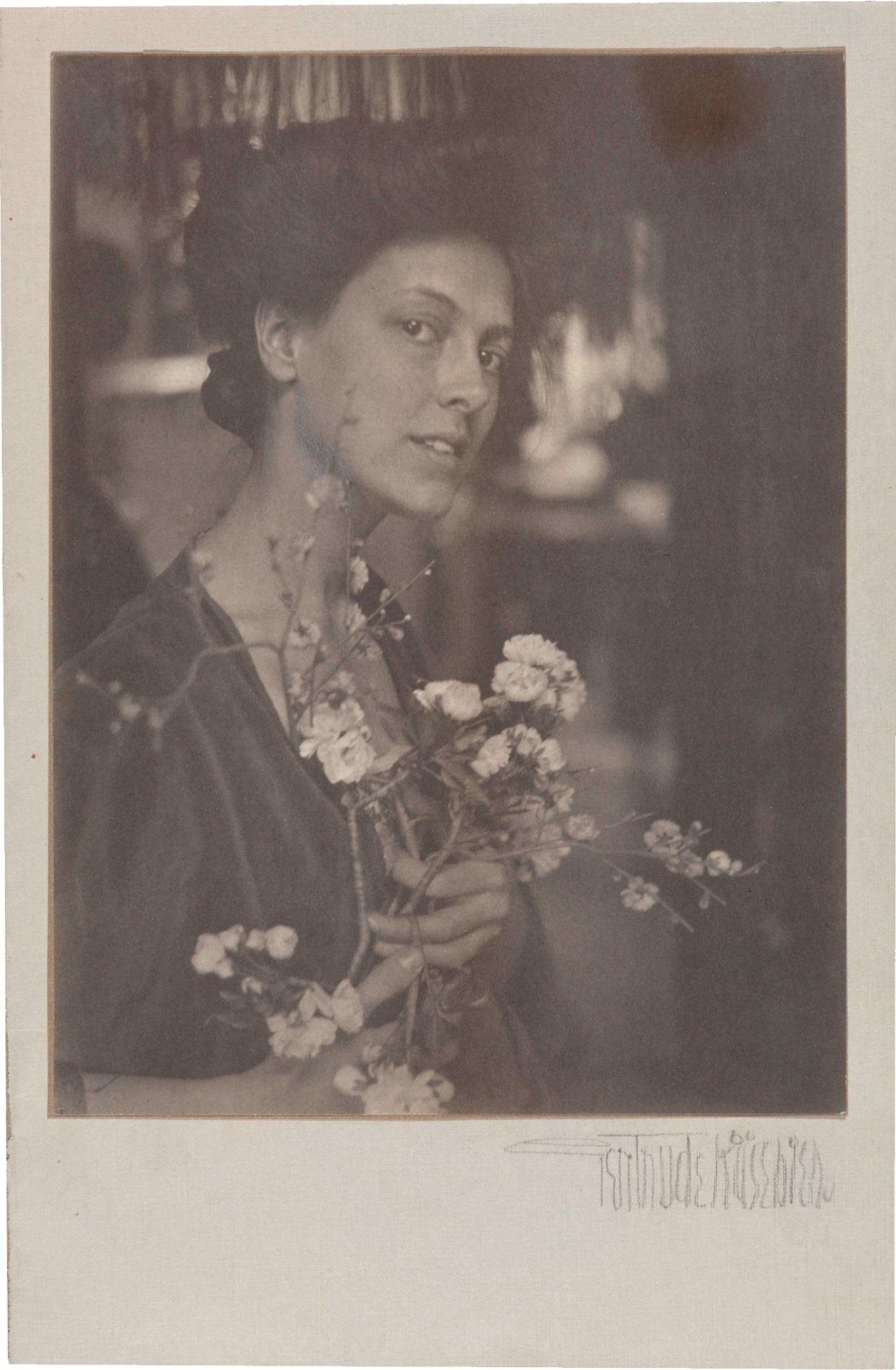
![Gertrude Käsebier :: Portrait of a Lady, ca. 1898. Platinum print. The image was shown at The NY Photography Virtual Fair, sponsored by The Daguerreian Society | src Lunn Ltd. [one of the hosted Dealers]](https://live.staticflickr.com/65535/52157932499_cfbe86a6ae_o.png)
![Gertrude Käsebier :: Portrait of a Lady, ca. 1898. Platinum print. The image was shown at The NY Photography Virtual Fair, sponsored by The Daguerreian Society [full size]](https://live.staticflickr.com/65535/52157699563_56abacba69_o.png)


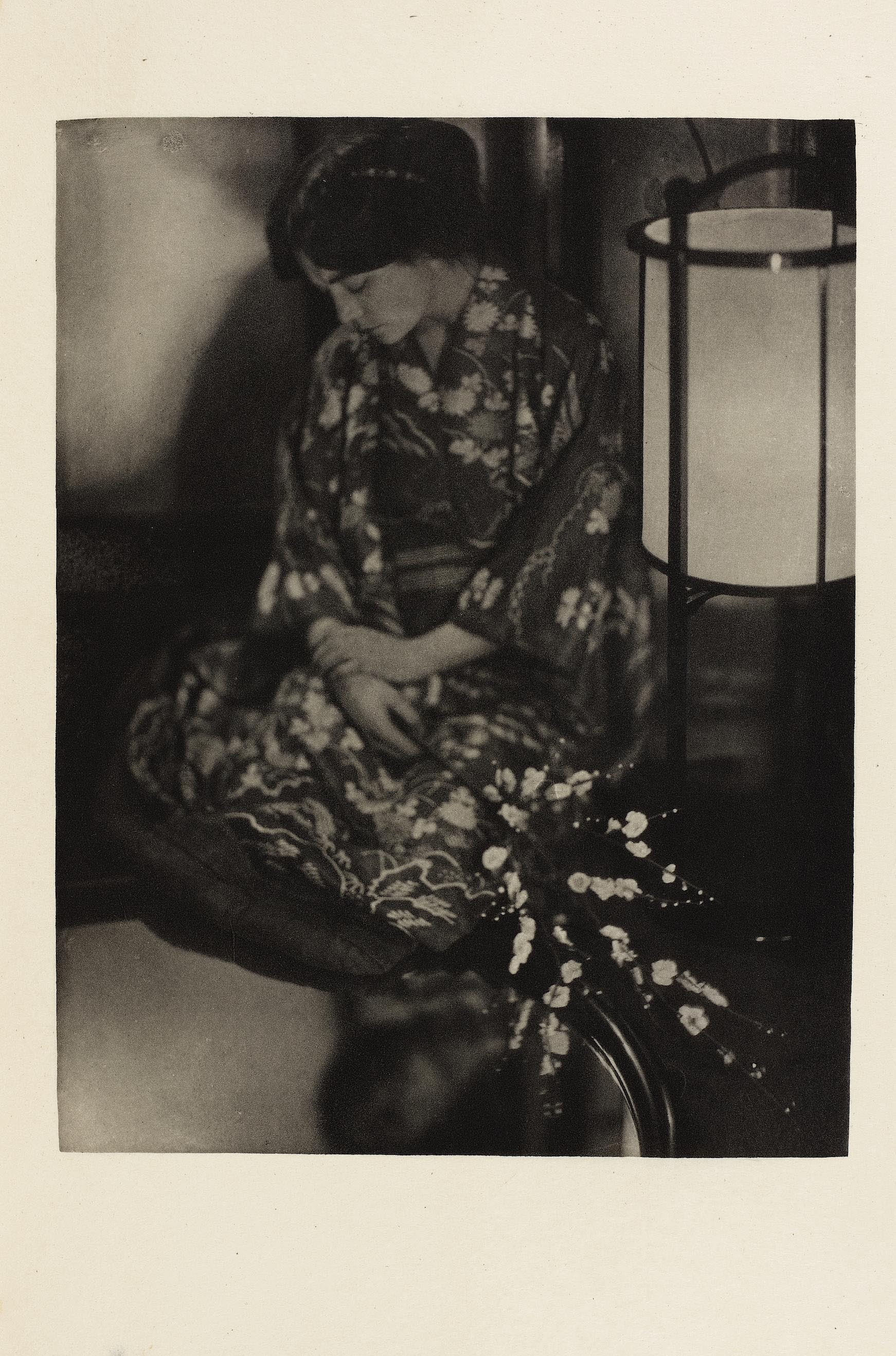


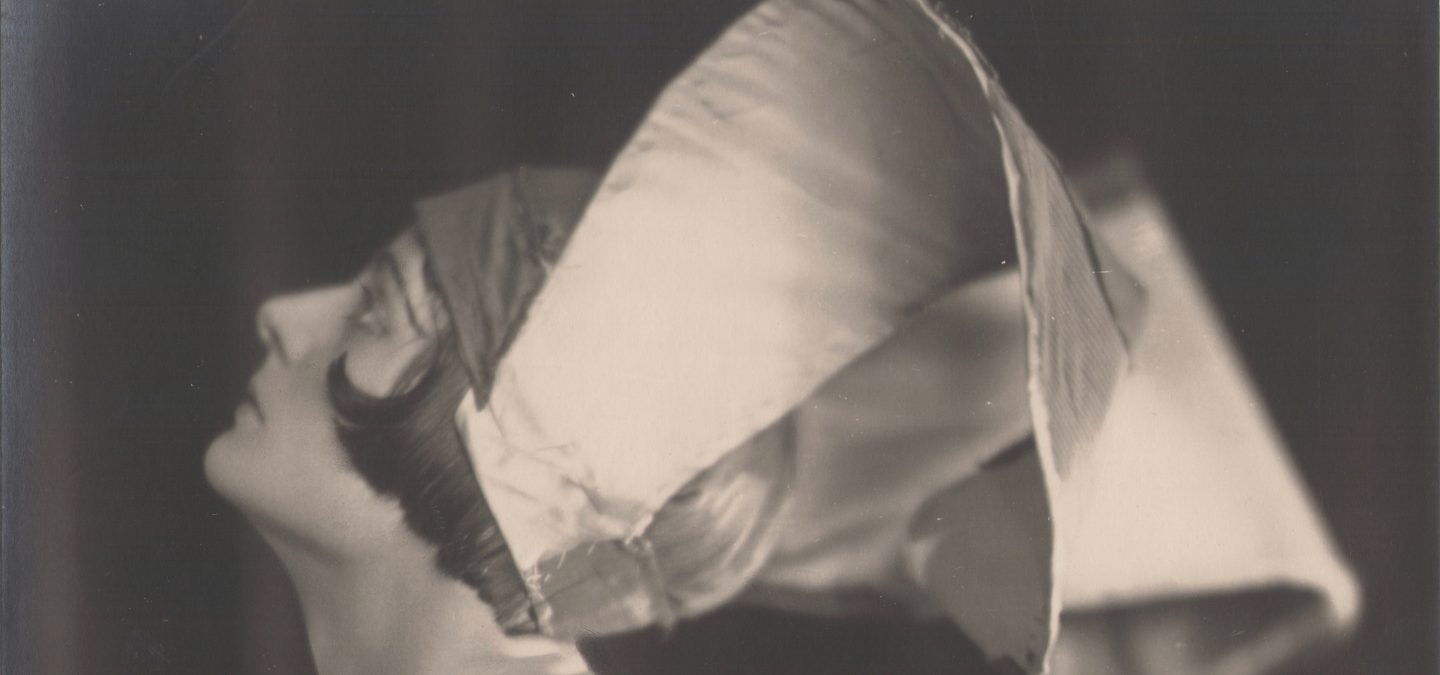
![Nickolas Muray (1892–1965) :: [Desha Deltail **], portrait, ca. 1922. Gift of Mrs. Nickolas Muray. | src Eastman Museum
** born Desha Eva Podgoršek in Ljubljana in 1899](https://unregardoblique.com/wp-content/uploads/2021/12/captura-de-pantalla-2307.png)
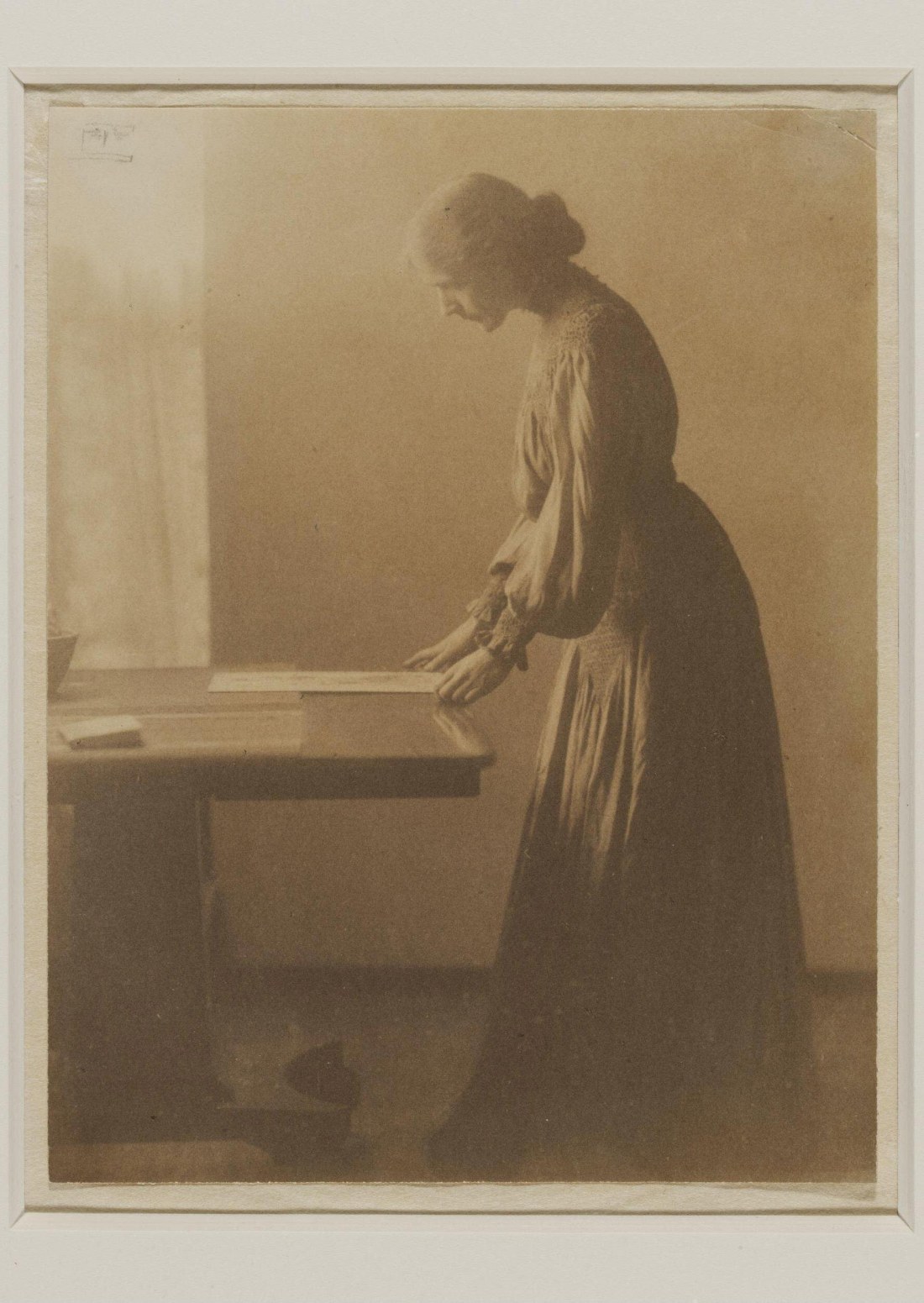
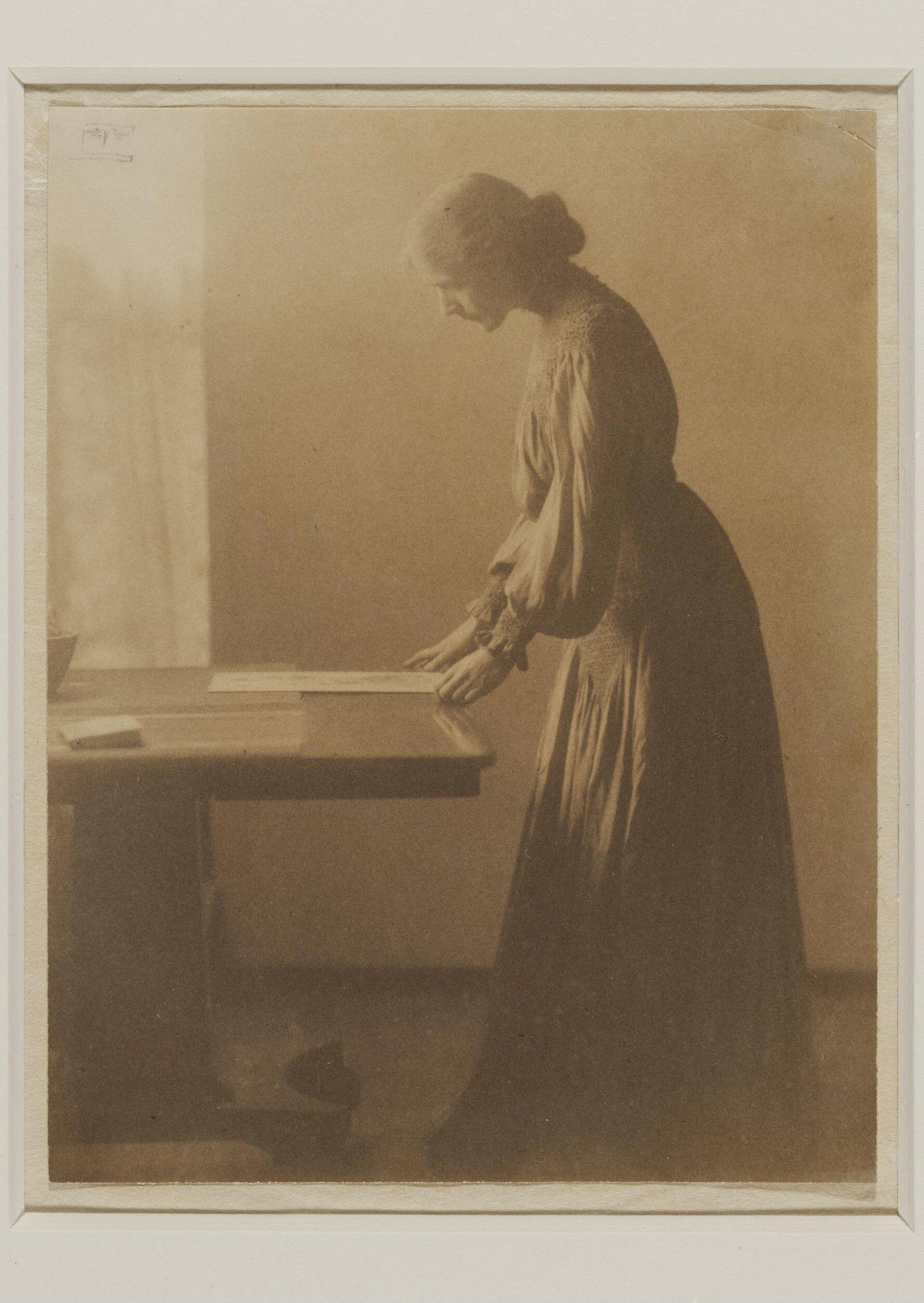
The image shows a woman in full length, wearing a long dress and standing at a table in profile against a blank pale wall, holding the edges of a print which is resting on the table. Bright light from a window in the top left of the photograph lights the front of the woman and the tabletop.
This is an example of the bromoil process invented around 1907, in which a bleached image is re-developed with pigment applied with brushes. ‘Pictorialist’ photographers favoured its broad tonal effects and diffuse detail. The print being ‘admired’ in the image is likely to have been a finely crafted photograph much like this one. [Gallery 100, ‘History of photography’, 2012-2013]
quoted from V&A Museum
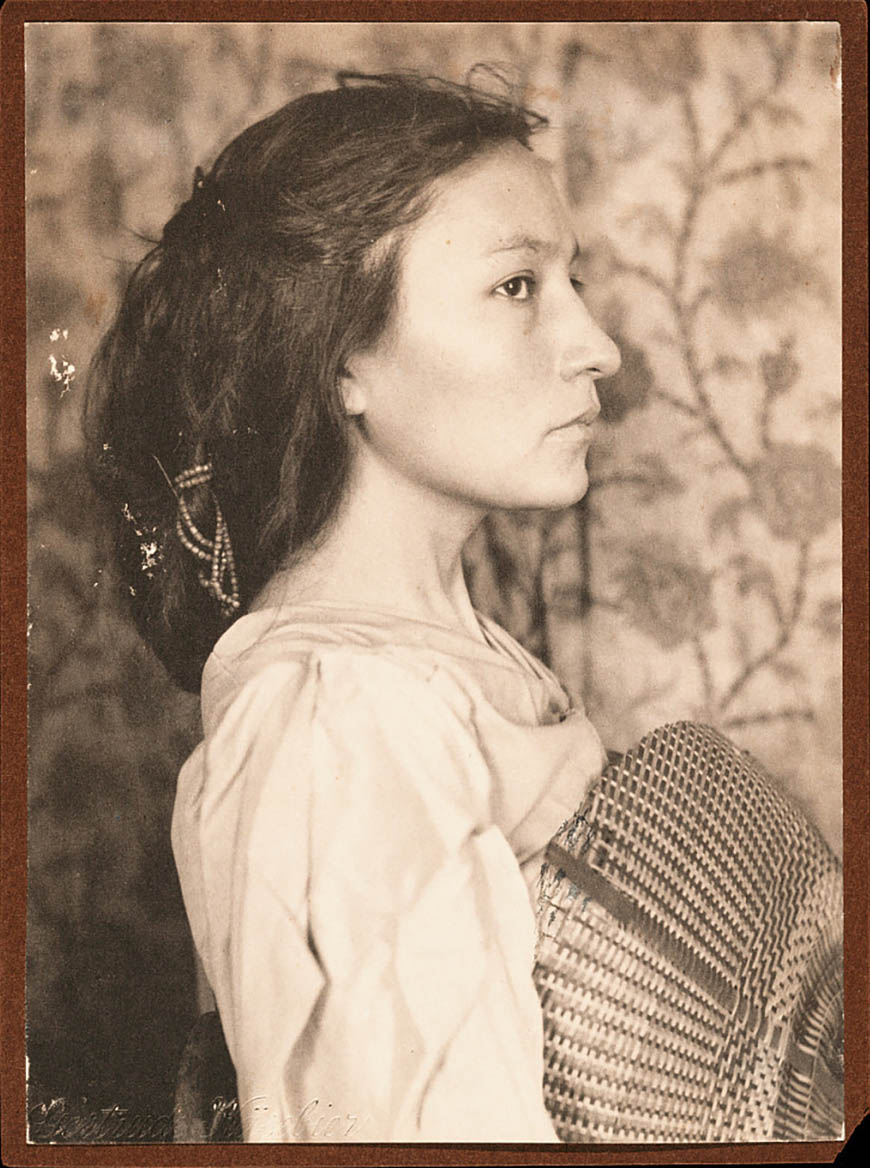
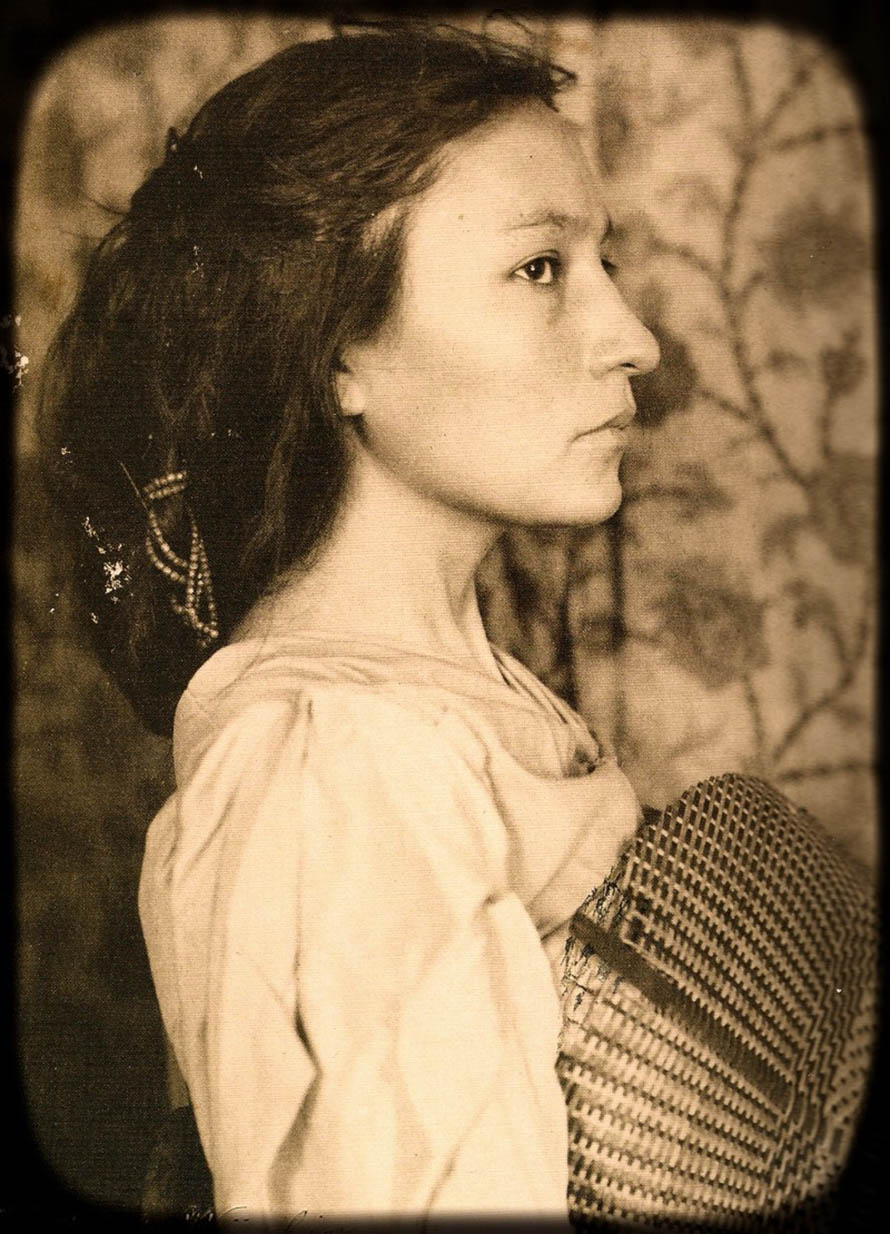
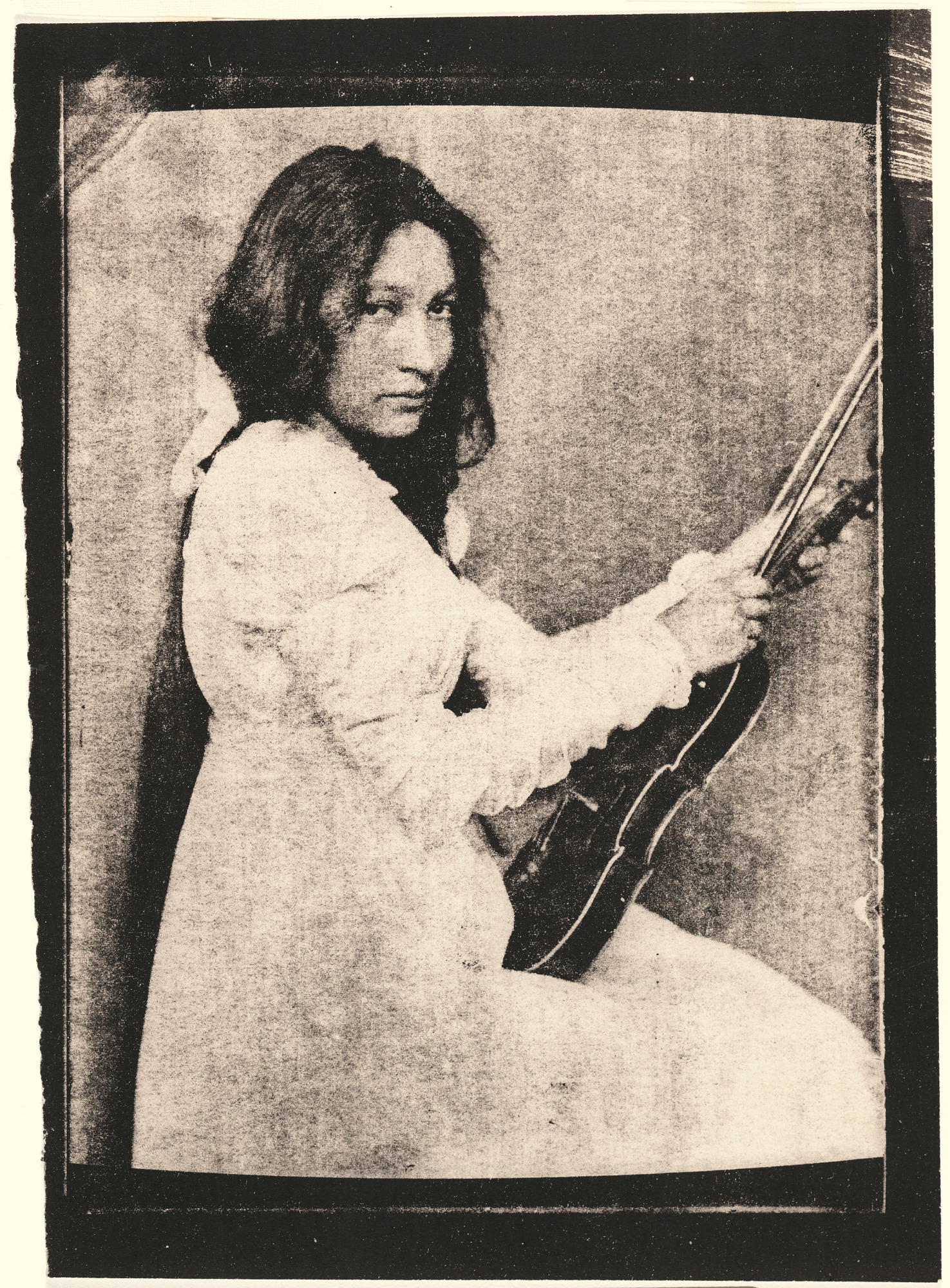
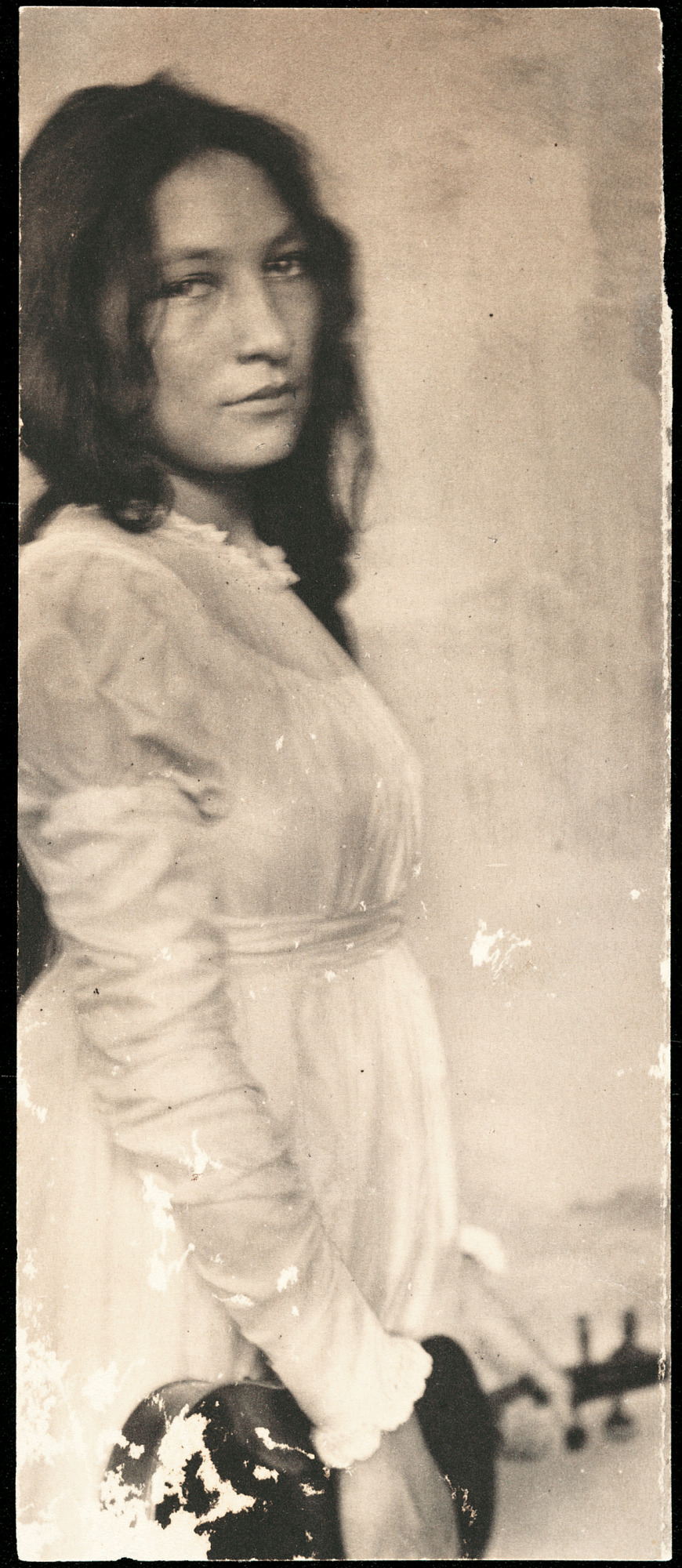
In addition to photographing the Sioux performers sent by Buffalo Bill Cody to her studio, Käsebier was able to arrange a portrait session with Zitkala Sa, “Red Bird,” also known as Gertrude Simmons (1876-1938), a Yankton Sioux woman of Native American and white ancestry. She was born on the Pine Ridge Reservation in South Dakota, like many of the Sioux traveling with the Wild West show. She was well educated at reservation schools, the Carlisle Indian School, Earlham College in Indiana, and the Boston Conservatory of Music. Zitkala Sa became an accomplished author, musician, composer, and dedicated worker for the reform of United States Indian policies.
Käsebier photographed Zitkala Sa in tribal dress and western clothing, clearly identifying the two worlds in which this woman lived and worked. In many of the images, Zitkala Sa holds her violin or a book, further indicating her interests. Käsebier experimented with backdrops, including a Victorian floral print, and photographic printing. She used the painterly gum-bichromate process for several of these images, adding increased texture and softer tones to the photographs. (quoted from NMAH)