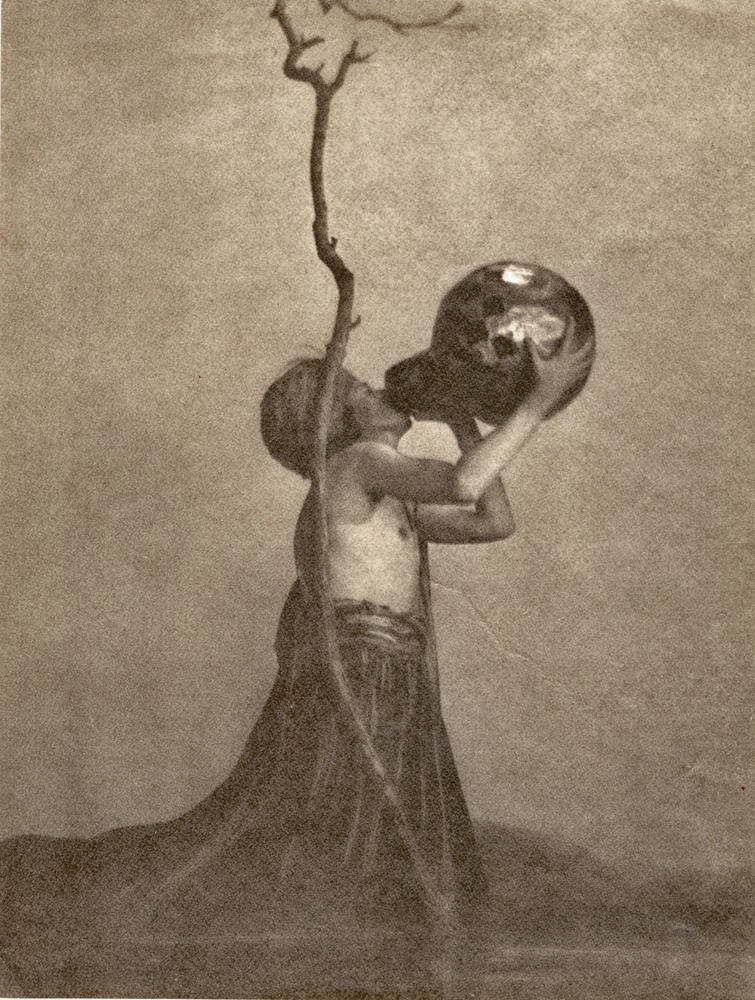
(*) The photographer’s first book. This hand-bound title was produced by Mortensen while he was designing sets for a mid-1920s production of the Rubaiyat entitled ‘A Lovers Oath’. | src hauntedBYstorytelling
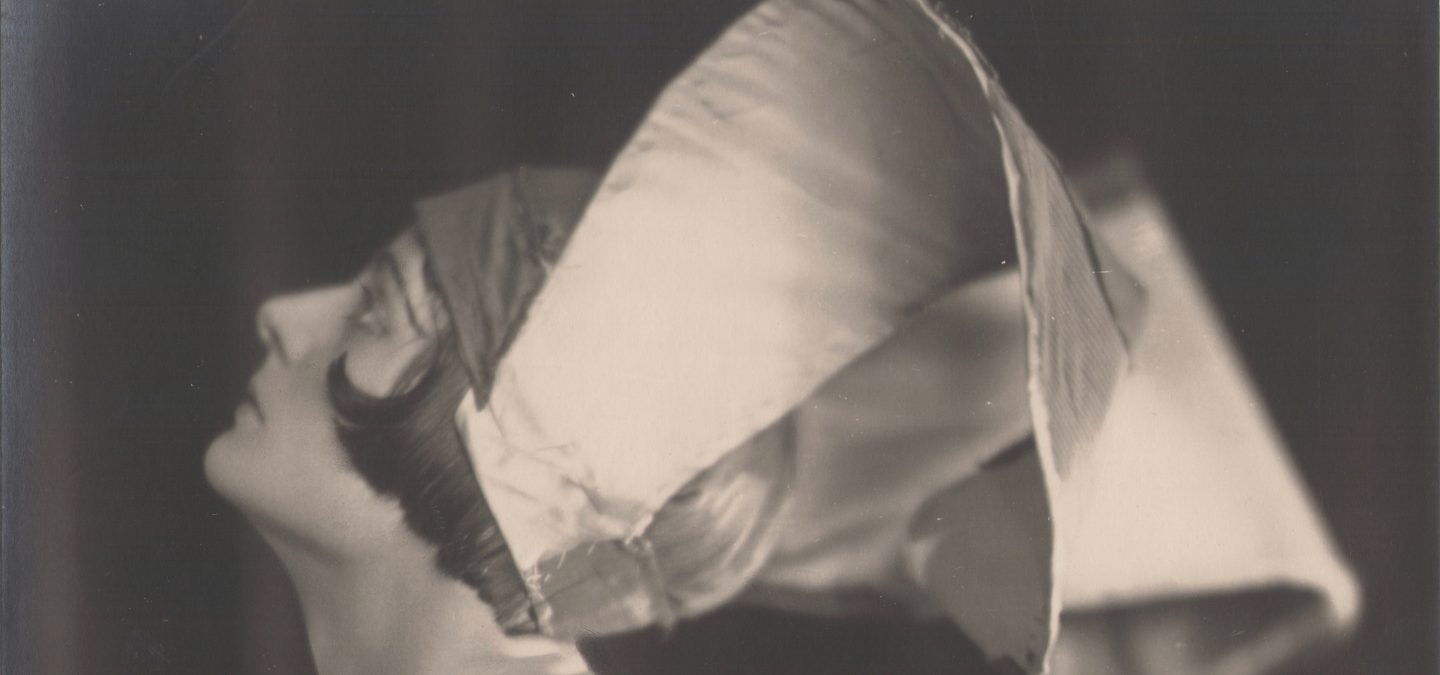
images that haunt us
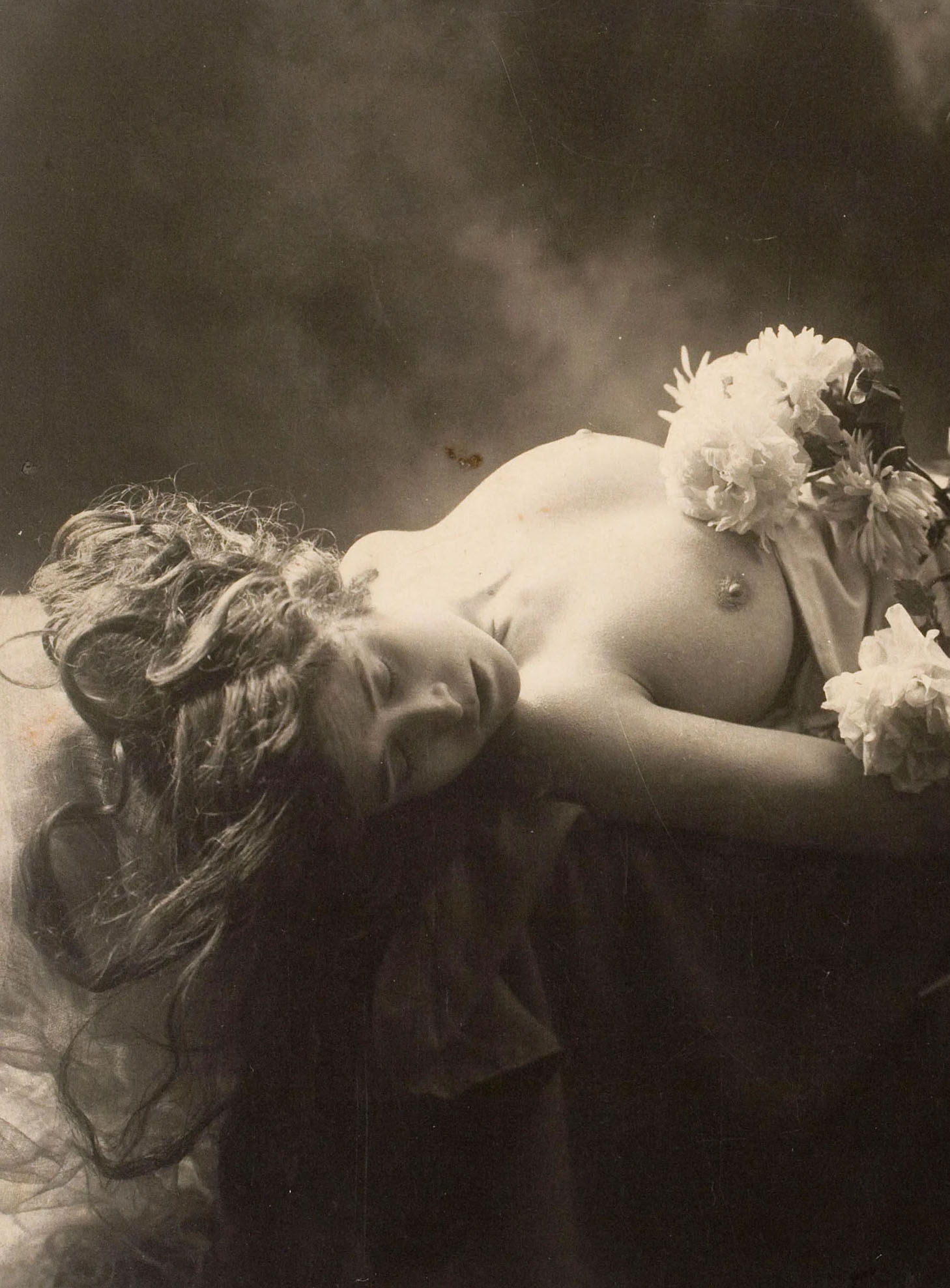
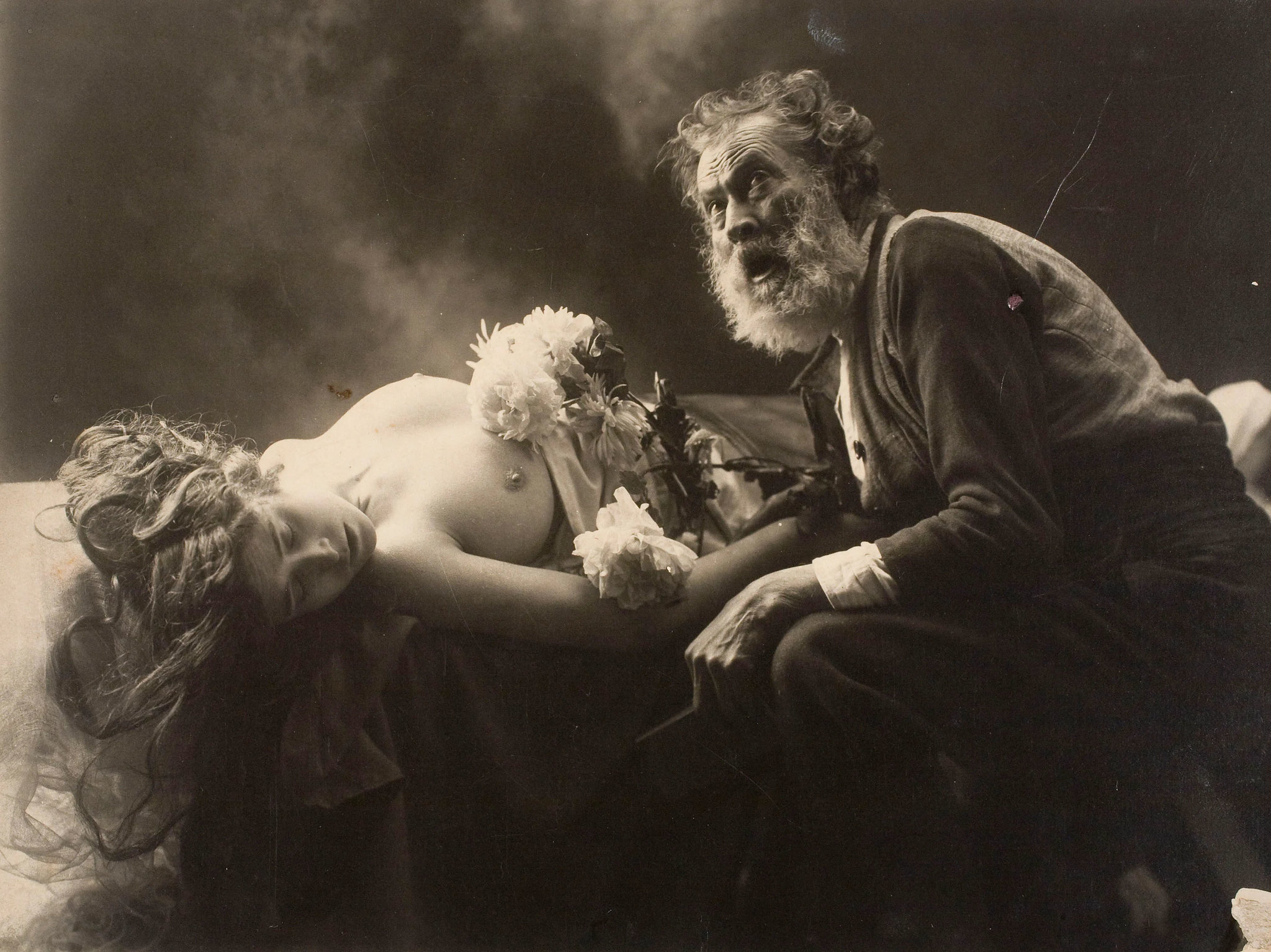
The massive industrialization of the photography based on the new models of Kodak in 1888, marked the birth of amateurism, and what could be considered its elitist complement and counterpart, Pictorialism, understood to be the first discourse of artistic legitimization of photography.
Faced with technological standardization and documental utilitarianism, Pictorialism proposed the use of pigmentary techniques that evoked the manual work of paintings, as well as their symbolic, picturesque or sublime themes, in accordance with the aesthetic paradigms of the modern art of the 19th century, which was based on the romantic principle of genius. In some way the concept of “creation” was introduced into photographic techniques, vindicating the figure of the photographer as an author and interpreter of reality. Within this framework, Joan Vilatobà created a series of works which moved between symbolic allegory and customs, and photography through topics such as beauty, death, love, etc., of which Where in heaven will I find you? is an example. | quoted from MNAC ~ Museu Nacional d’ Art de Catalunya
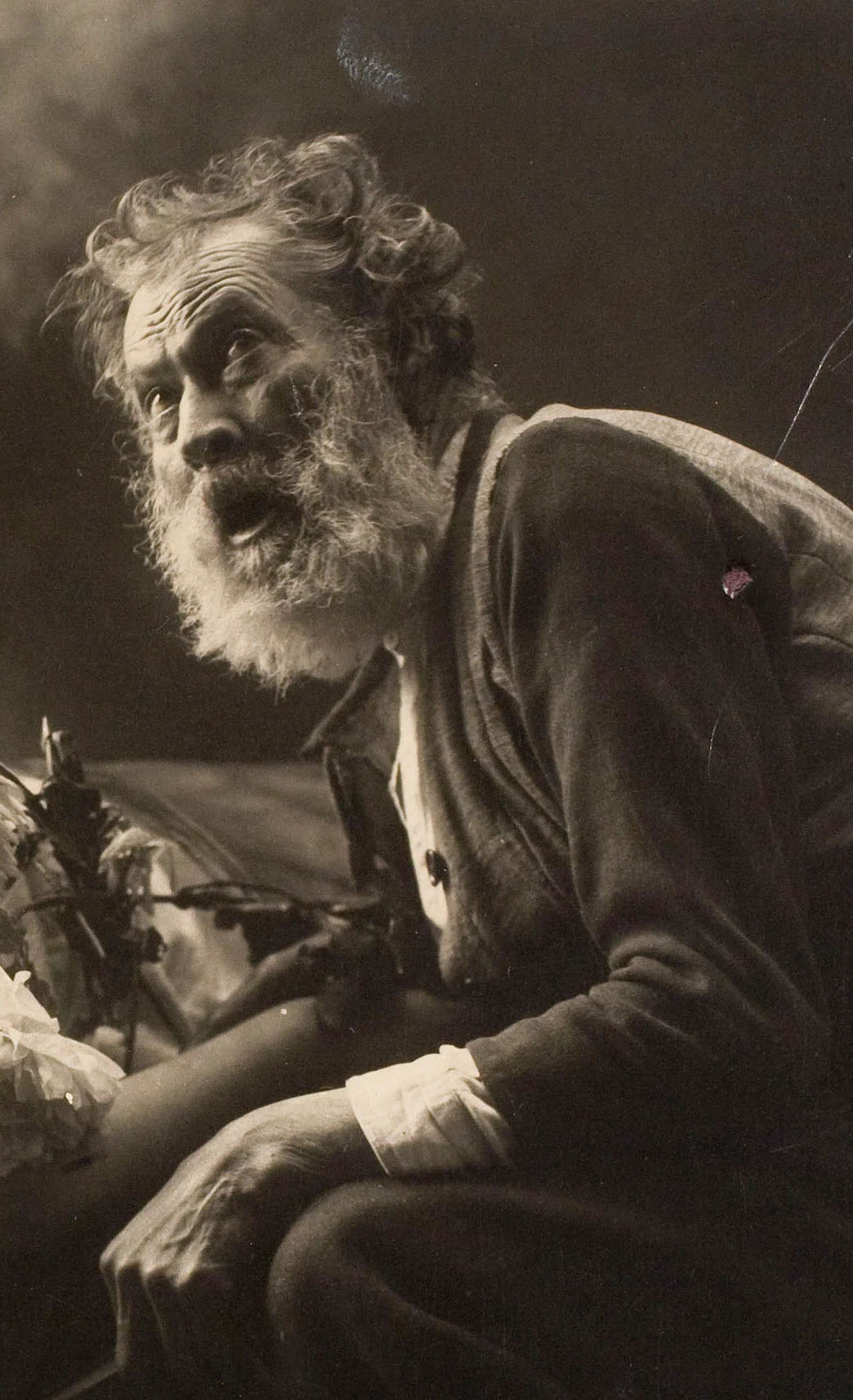

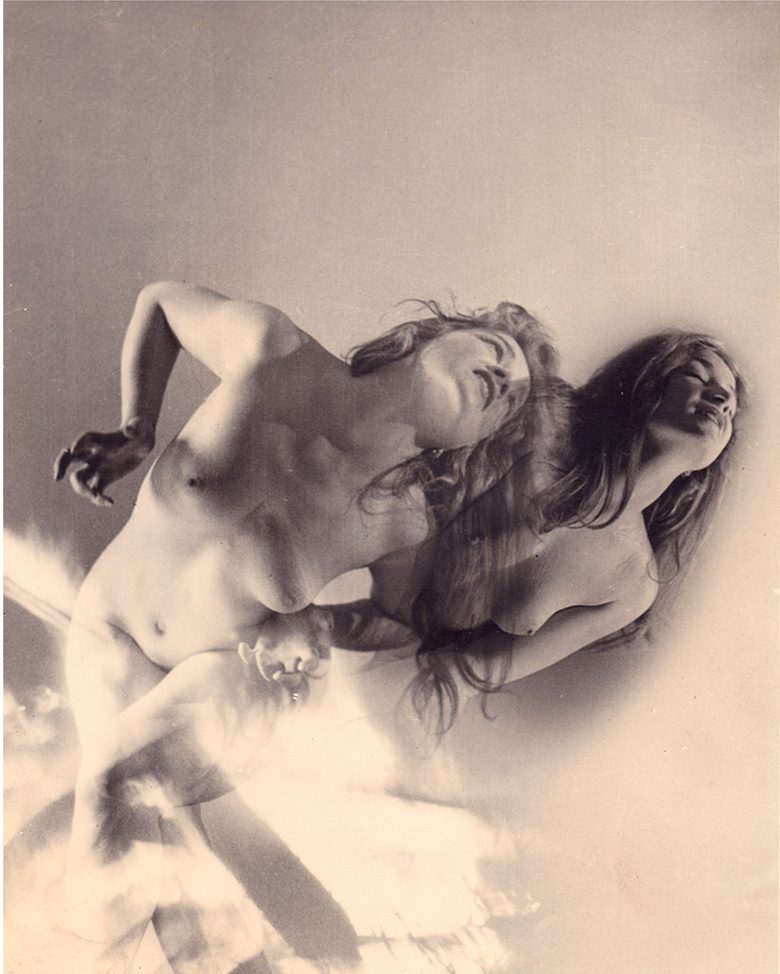
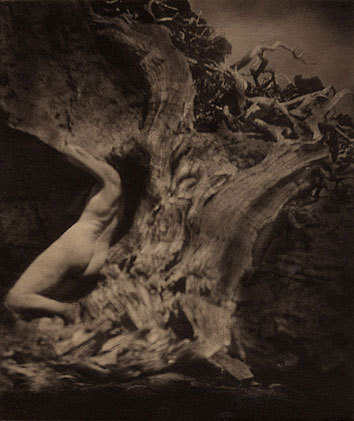
Anne W. Brigman :: Via Dolorosa, 1910, vintage platinum print. | src joseph bellows gallery
more [+] by this photographer
![Eugène Cuvelier :: [Fontainebleau Forest], early 1860s. Salted paper print from paper negative. | src The Metropolitan Museum](https://live.staticflickr.com/65535/52272053715_047e7dfd4d_o.jpg)
In September 1856, at the age of nineteen, Eugène Cuvelier visited Barbizon. This small town on the edge of the ancient Forest of Fontainebleau served as home base for the pre-Impressionists who popularized the practice of plein-air painting. Three years later, he married Louise Ganne, daughter of the Barbizon innkeeper in whose auberge the painters gathered to eat, drink, and talk about art. Although the young couple settled in Arras, they returned often to Barbizon, where Cuvelier explored the village streets and nearby forest with his tripod and camera, just as his painter friends did with their easels and paintboxes.
Blessed with talent, early technical training, and the friendly mentoring of the naturalist painters, Cuvelier created some of the most lyrical and sensitive of all nineteenth-century landscape photographs. Wide-ranging in expression and subject, his sylvan views masterfully render the dappled light of the forest interior, the palpable atmosphere of a misty clearing in the wood, the muscular power of leafless oaks rising against a wintry sky, or the delicacy of a sapling in spring. Like the forest itself, Cuvelier’s exquisite photographs invite us to escape momentarily from the modern urban world and to breathe the air of a place where nature impresses the senses and the soul. [quoted from source]
![Eugène Cuvelier :: [Fontainebleau Forest], ca. 1860s. Salted paper print from paper negative. | src The Metropolitan Museum](https://live.staticflickr.com/65535/52271560861_ef86956ea9_o.jpg)
The Forest of Fontainebleau-and, in particular, the small town of Barbizon within it-was a popular destination for artists seeking refuge from urban, industrial life in the mid-nineteenth century. With its forty thousand acres of dense woods intercut with rocky gorges and dotted with ancient oaks, Fontainebleau provided an idyllic natural setting for plein-air painters, such as Corot and Millet, as well as for photographers, including Gustave Le Gray and Eugène Cuvelier.
Although the process of making salted paper prints from paper negatives was already somewhat antiquated by the 1860s, Cuvelier chose the technique because of its aesthetic qualities-the soft fibrous effect of the paper negative and the velvety mat surface of the print. [quoted from source]
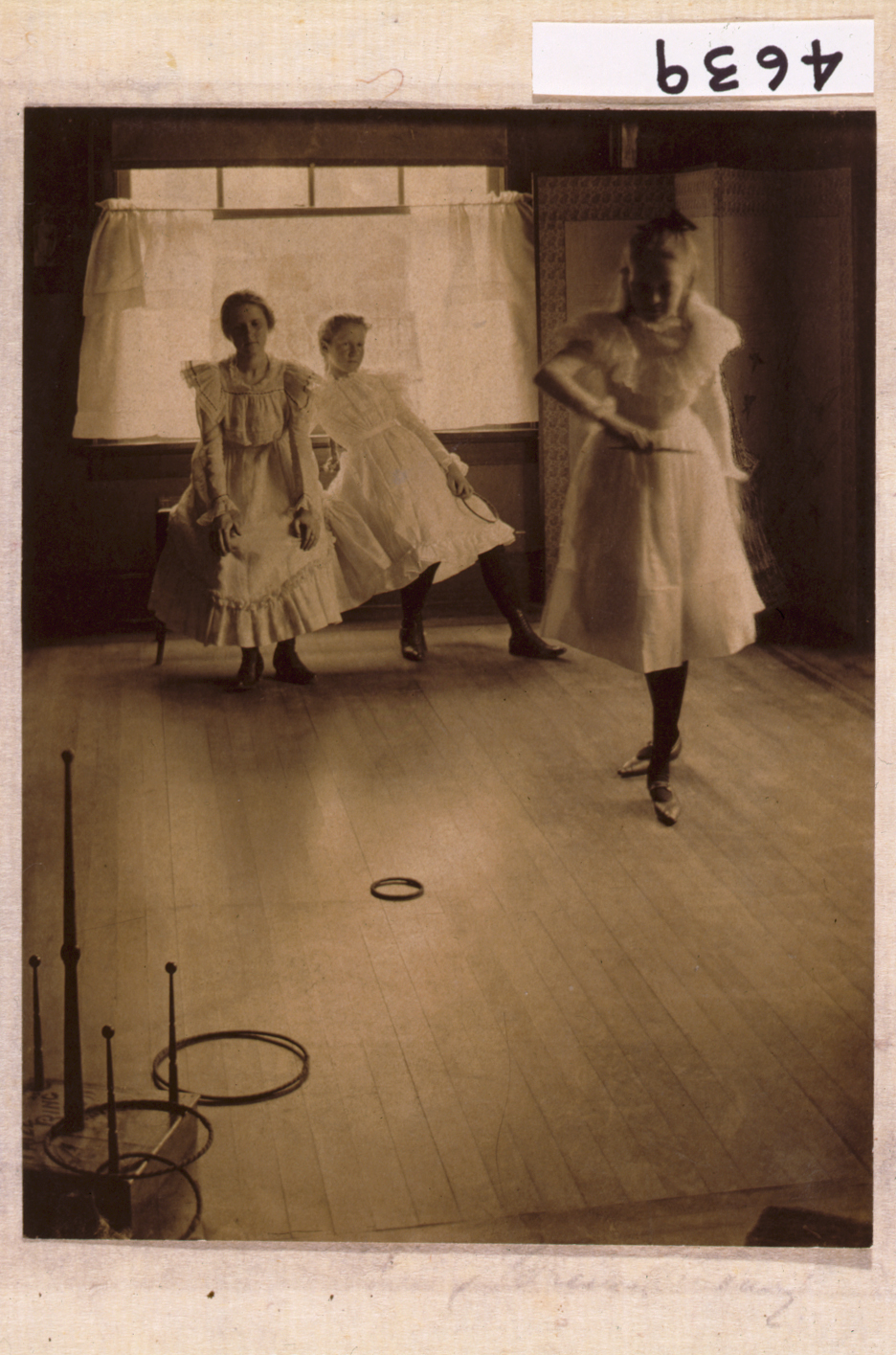


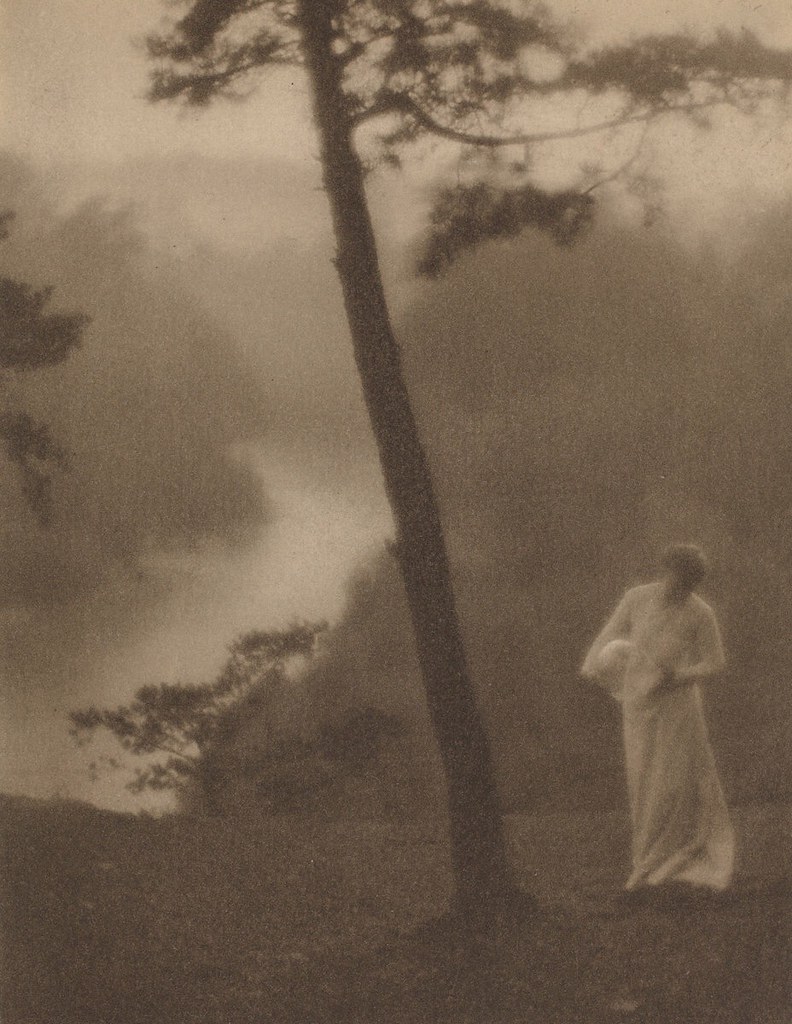
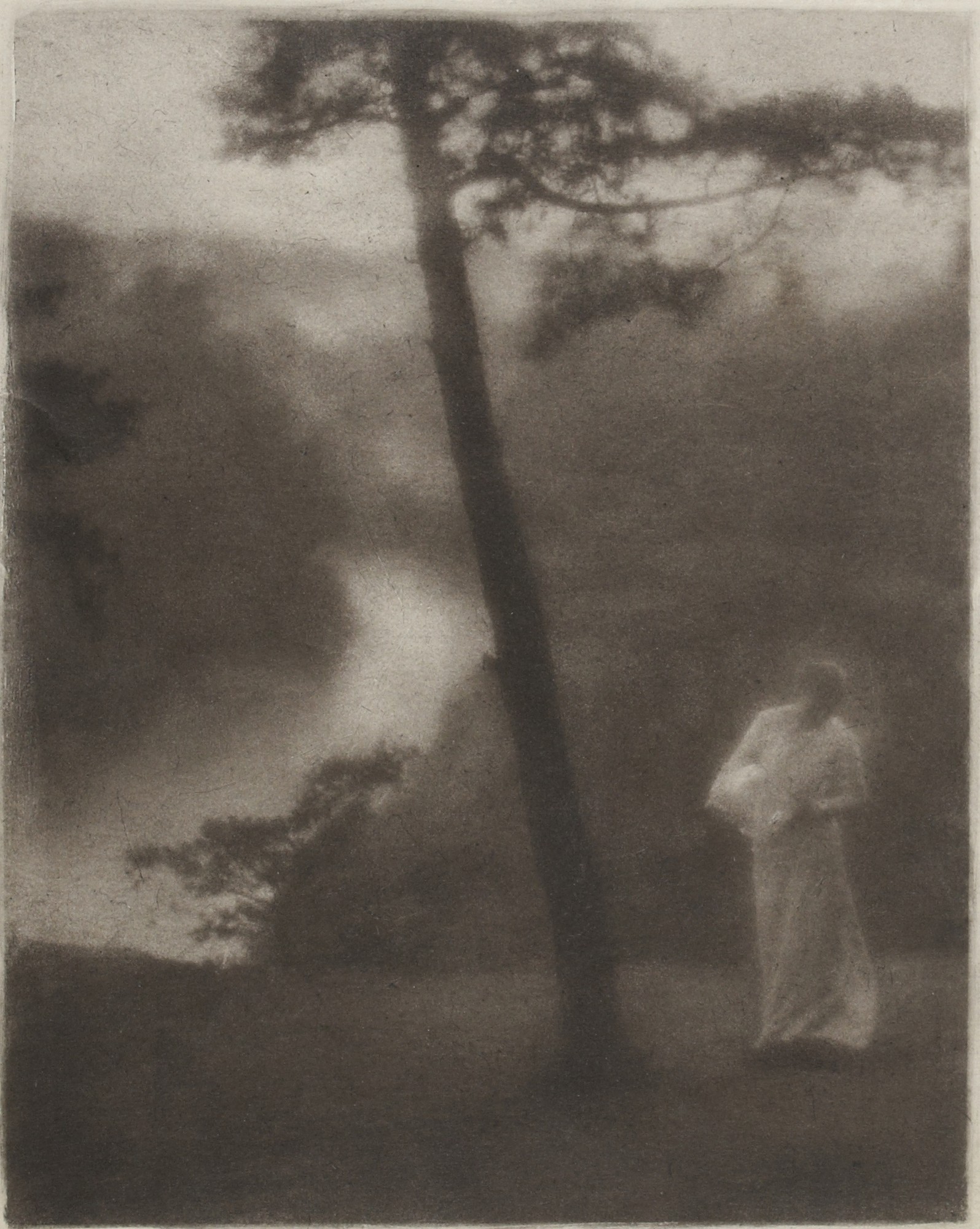
Inscription on verso, by unknown hand in graphite: Woman with Chrystal Globe (Study of Mrs. White) about 1905.
![Émile Joachim Constant Puyo :: 'Les Papillons Blancs', 1900. Platinum print with trimmed decorative corners, mounted to cream paper, the photographer's stylized signature in ink and his blindstamp on the mount. | src Sotheby's [detail]](https://unregardoblique.com/wp-content/uploads/2022/08/constant-puyo-les-papillons-blancs-1900-sothebys-crp.jpg?w=1100)
![Émile Joachim Constant Puyo :: 'Les Papillons Blancs', 1900. Platinum print with trimmed decorative corners, mounted to cream paper, the photographer's stylized signature in ink and his blindstamp on the mount. | src Sotheby's [detail]](https://unregardoblique.com/wp-content/uploads/2022/08/constant-puyo-les-papillons-blancs-1900-sothebys-crp.jpg)


