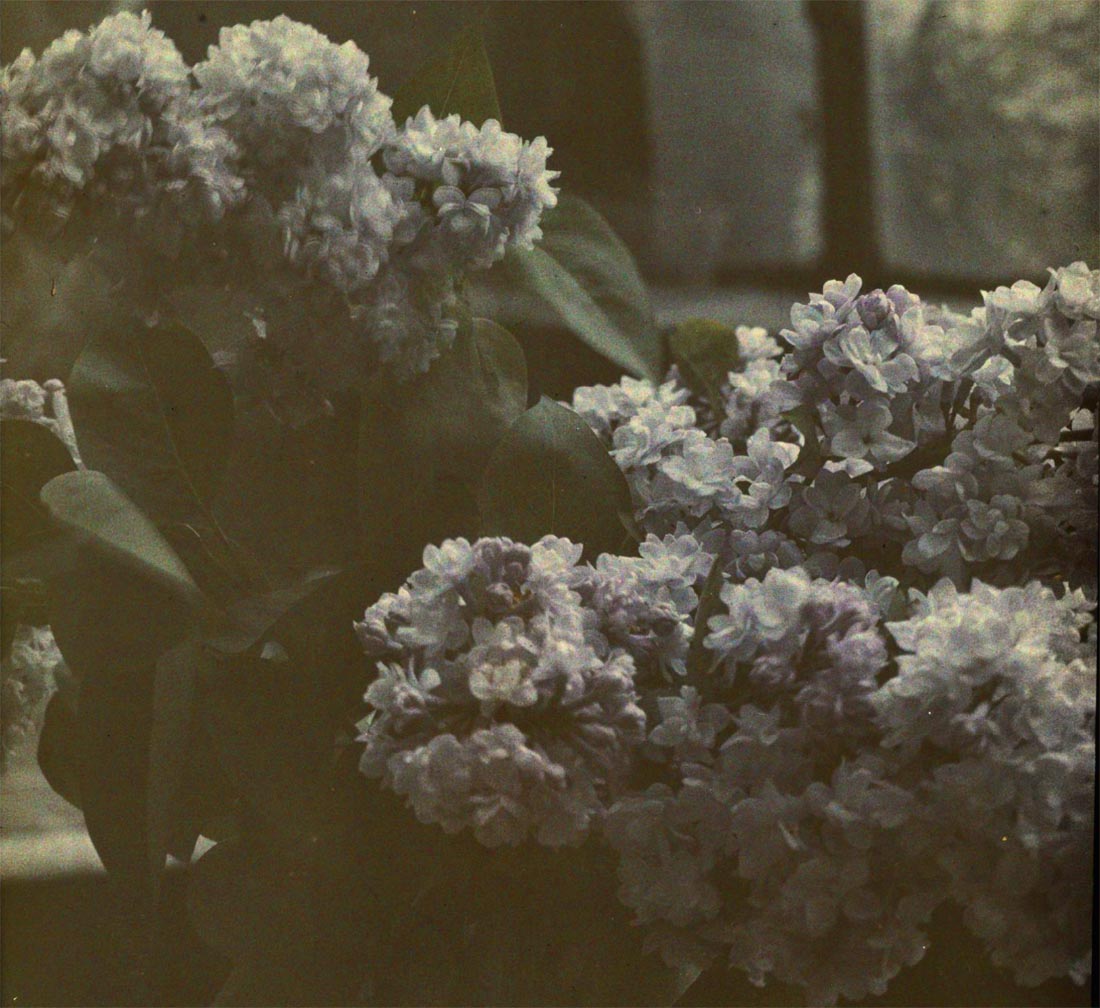
![Jan Zdzisław Włodek :: Photograph of a bouquet of Turkish lilac (Syringa vulgaris flore pleno) in the greenhouse of the Włodków villa in Kraków, 1928. [detail] | Fundacja im. Zofii i Jana Włodków](https://unregardoblique.com/wp-content/uploads/2022/09/jan-wlodek-bez-turecki-pelny-1928-crp.jpg)

images that haunt us
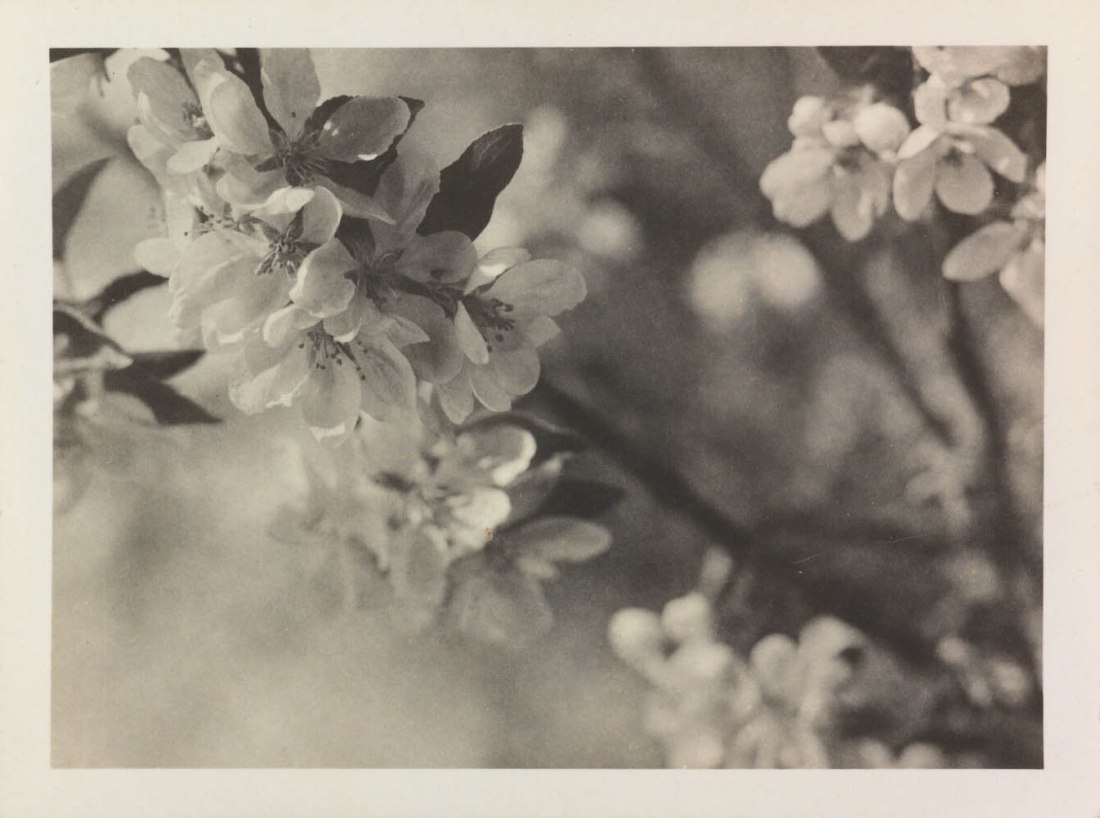
![Carlotta Corpron (1901-1988) :: [Tree blossoms]; ca. 1930s-1940s; Gelatin silver print. | Amon Carter Museum of American Art](https://unregardoblique.com/wp-content/uploads/2022/08/carlotta-corpron-1901-1988-tree-blossoms-1940s-amon-carter-crp.jpg)
![Carlotta Corpron (1901-1988); [Lotus blossoms]; ca. 1930-1940's; Gelatin silver print; Amon Carter Museum of American Art; Fort Worth, Texas; P1988.16.91](https://live.staticflickr.com/65535/52288420343_35f7784786_o.jpg)
![Carlotta M. Corpron (1901-1988); [Lotus blossom]; ca. 1940s; Gelatin silver print; Amon Carter Museum of American Art, Fort Worth, Texas, Bequest of the artist; P1988.16.54](https://live.staticflickr.com/65535/52308183331_76f3f85962_o.jpg)
![Carlotta Corpron (1901-1988); [Magnolia blossoms]; ca. 1930-1940; Gelatin silver print; Amon Carter Museum of American Art; Fort Worth, Texas; P1988.16.52](https://live.staticflickr.com/65535/52288415011_791ac24e22_o.jpg)
![Carlotta Corpron (1901-1988); [Magnolia blossoms]; ca. 1930-1940; Gelatin silver print; Amon Carter Museum of American Art; Fort Worth, Texas; P1988.16.53](https://live.staticflickr.com/65535/52308711980_a0c9e575fb_o.jpg)
![Carlotta Corpron (1901-1988); [Tree blossoms]; ca. 1930's-1940's; Gelatin silver print; Amon Carter Museum of American Art; Fort Worth, Texas; P1988.16.142](https://live.staticflickr.com/65535/52288420378_bb86b19911_o.jpg)
Photographer Carlotta Corpron had a brief but important career as an artist and a decades-long impact as a professor at Texas State College for Women (now Texas Woman’s University). In the 1930s and ‘40s she experimented with light, influenced by the ideals of the Bauhaus and the Institute of Design as brought to Denton, Texas, by László Moholy-Nagy and György Kepes. Her early photographs investigated how light transforms natural objects, but in later projects she took light itself as her subject, capturing its reflection and refraction in abstract compositions that sometimes involved cropping or combining multiple negatives. Corpron bequeathed her archive to the museum, which holds 138 prints, over 800 negatives, and the Carlotta Corpron Papers. [quoted from Amon Carter Museum]
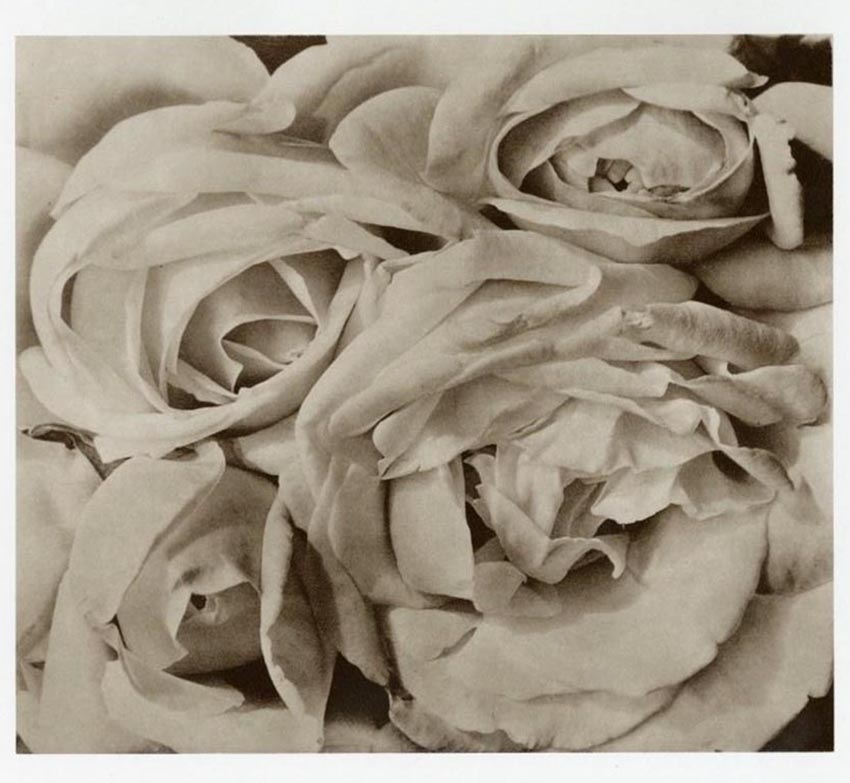
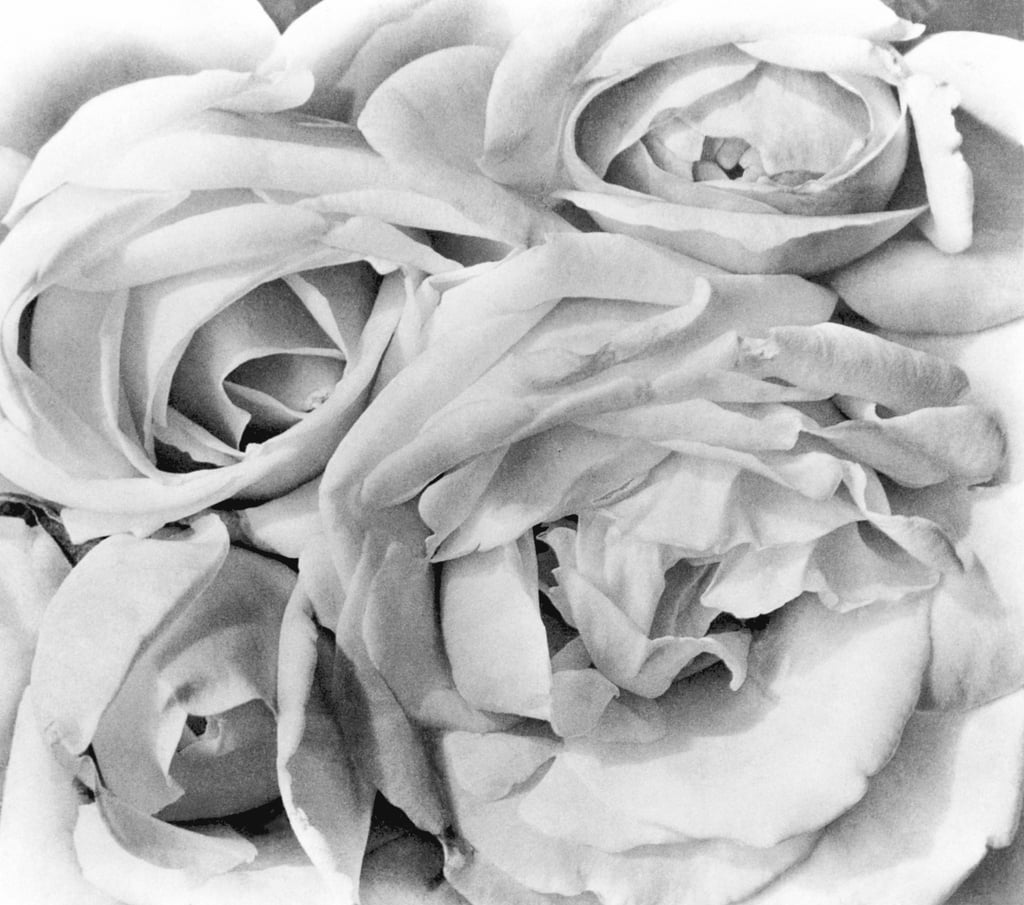
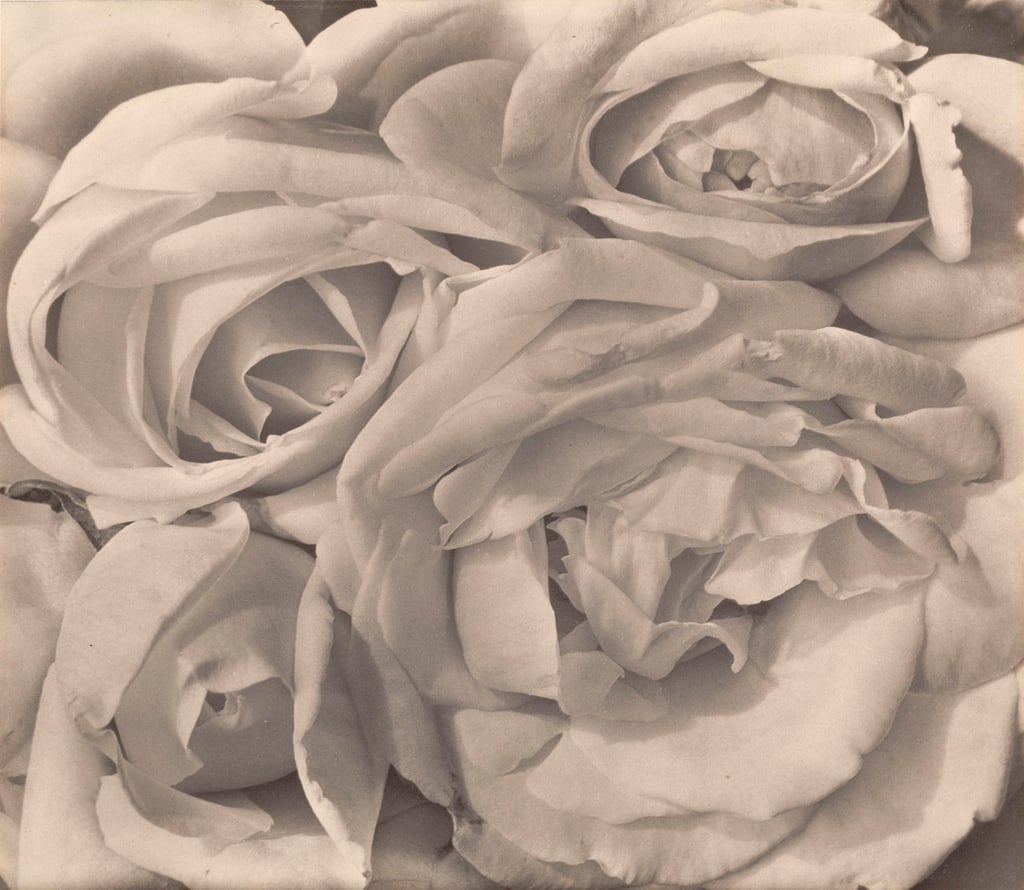
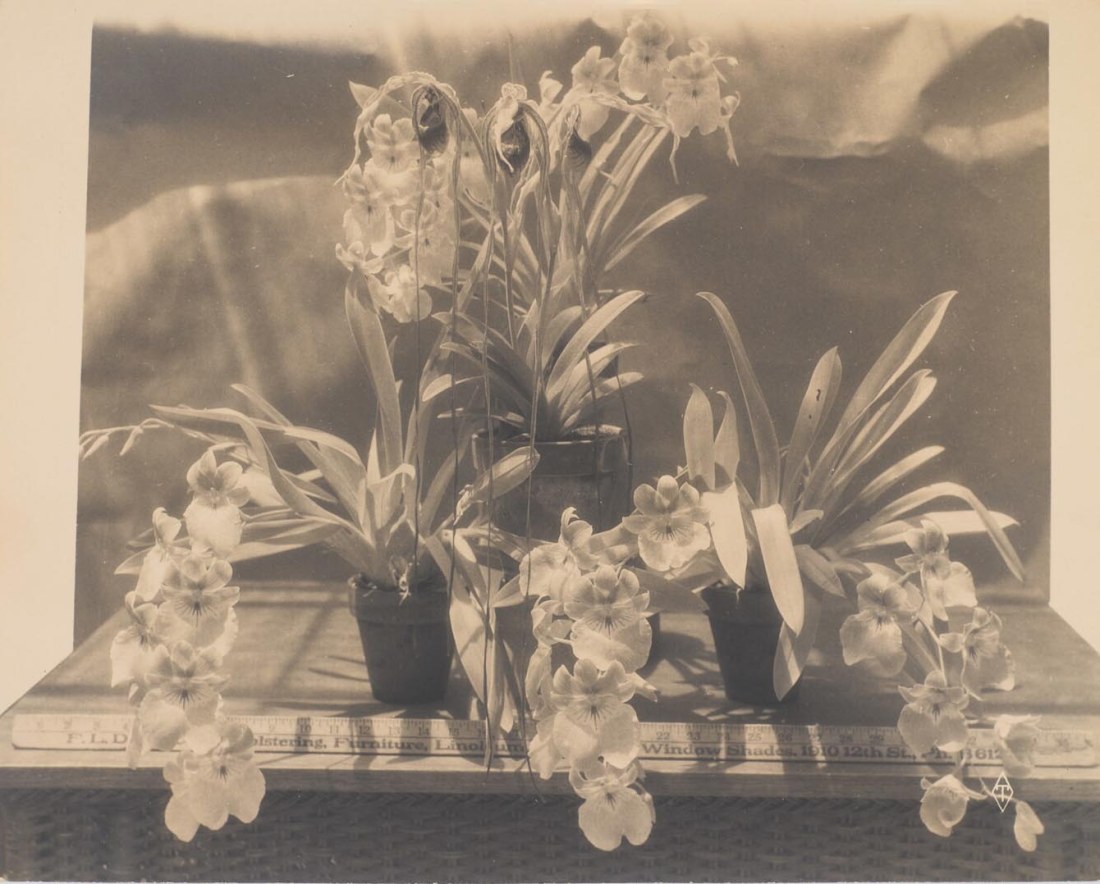
![Ed Tangen (1873-1951); [Orchids in bloom]; ca. 1920's; Gelatin silver print; Amon Carter Museum of American Art, Fort Worth, Texas](https://unregardoblique.com/wp-content/uploads/2022/08/eivind-j.-tangen-1873-1951-orchids-in-bloom-1920s-amon-carter.jpg)
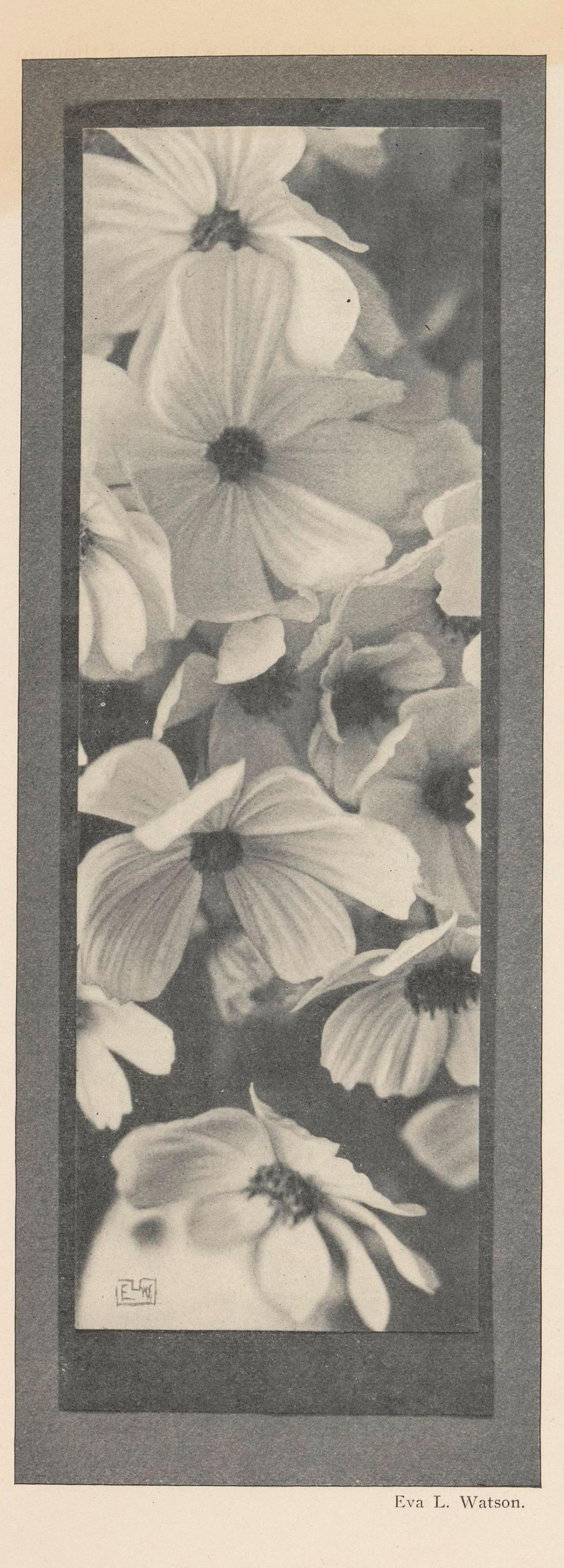
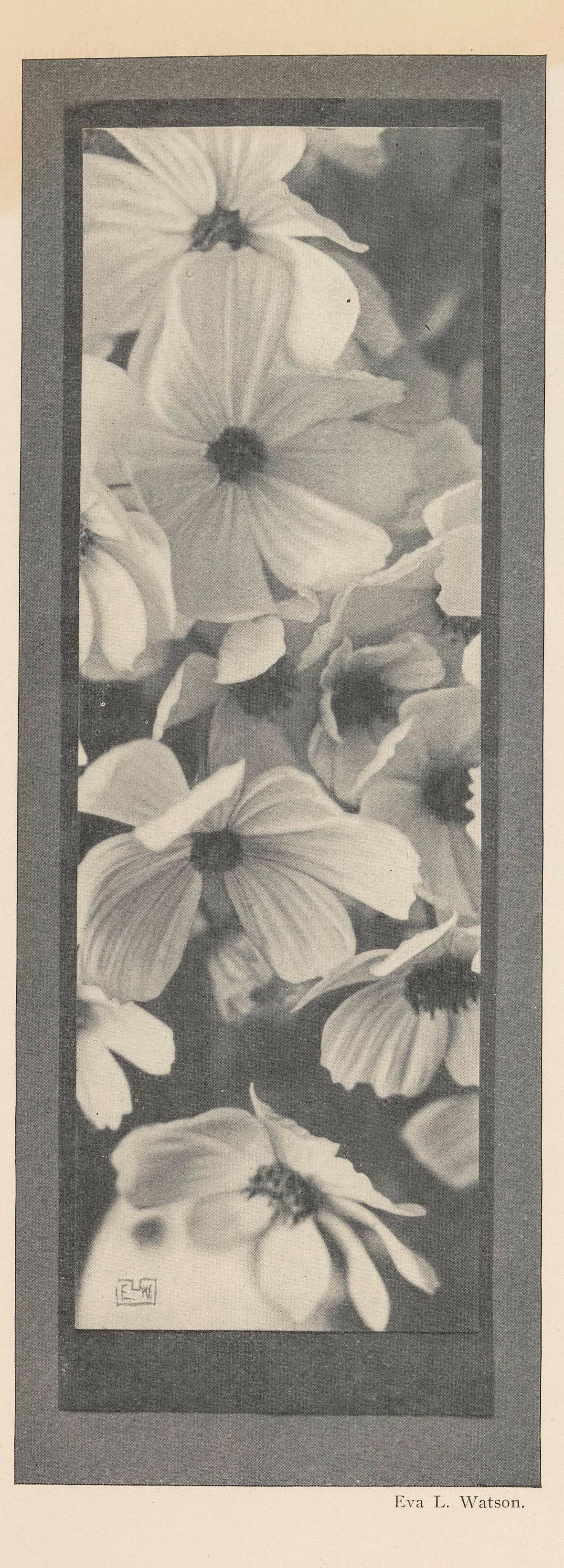

Eva Watson-Schütze (born, Eva Lawrence Watson) (1867–1935)
In 1883, when Eva Watson was sixteen, she enrolled in the Pennsylvania Academy of the Fine Arts in Philadelphia, where she studied under well-known painter and photographer Thomas Eakins. Her interests at that time were watercolor and oil painting, and it’s unknown if she took any interests in Eakins’ photography.
Around the 1890s Watson began to develop a passion for photography, and soon she decided to make it her career. Between 1894 and 1896 she shared a photographic studio with Amelia Van Buren, another Academy alumna, in Philadelphia, and the following year she opened her own portrait studio. She quickly became known for her pictorialist style, and soon her studio was known as a gathering place for photographers who championed this aesthetic vision.
In 1897 she wrote to photographer Frances Benjamin Johnston about her belief in women’s future in photography: “There will be a new era, and women will fly into photography.”
In 1898 six of her photographs were chosen to be exhibited at the first Philadelphia Photographic Salon, where she exhibited under the name Eva Lawrence Watson. It was through this exhibition that she became acquainted with Alfred Stieglitz, who was one of the judges for the exhibit.
In 1899 she was elected as a member of the Photographic Society of Philadelphia. Photographer and critic Joseph Keiley praised the work she exhibited that year, saying she showed “delicate taste and artistic originality”.
The following year she was a member of the jury for the Philadelphia Photographic Salon. A sign of her stature as a photographer at that time may be seen by looking at the other members of the jury, who were Alfred Stieglitz, Gertrude Kasebier, Frank Eugene and Clarence H. White.
In 1900 Johnston asked her to submit work for a groundbreaking exhibition of American women photographers in Paris. Watson objected at first, saying “It has been one of my special hobbies – and one I have been very emphatic about, not to have my work represented as ‘women’s work’. I want [my work] judged by only one standard irrespective of sex.” Johnston persisted, however, and Watson had twelve prints – the largest number of any photographer – in the show that took place in 1901.
In 1901 she married Professor Martin Schütze, a German-born trained lawyer who had received his Ph.D. in German literature from the University of Pennsylvania in 1899. He took a teaching position in Chicago, where the couple soon moved.
That same year she was elected a member of The Linked Ring. She found the ability to correspond with some of the most progressive photographers of the day very invigorating, and she began to look for similar connections in the U.S.
In 1902 she suggested the idea of forming an association of independent and like-minded photographers to Alfred Stieglitz. They corresponded several times about this idea, and by the end of the year she joined Stieglitz as one of the founding members of the famous Photo-Secession.
Since Watson-Schütze’s death there have been two retrospective exhibitions of her photographs: Eva Watson-Schütze, Chicago Photo-Secessionist, at the University of Chicago Library in 1985, and Eva Watson-Schütze, Photographer, at the Samuel Dorsky Museum Art at the State University of New York at New Paltz in 2009.
Her works were also included in exhibits at the National Museum of Women in the Arts in Washington, DC. [quoted from Wikipedia website]
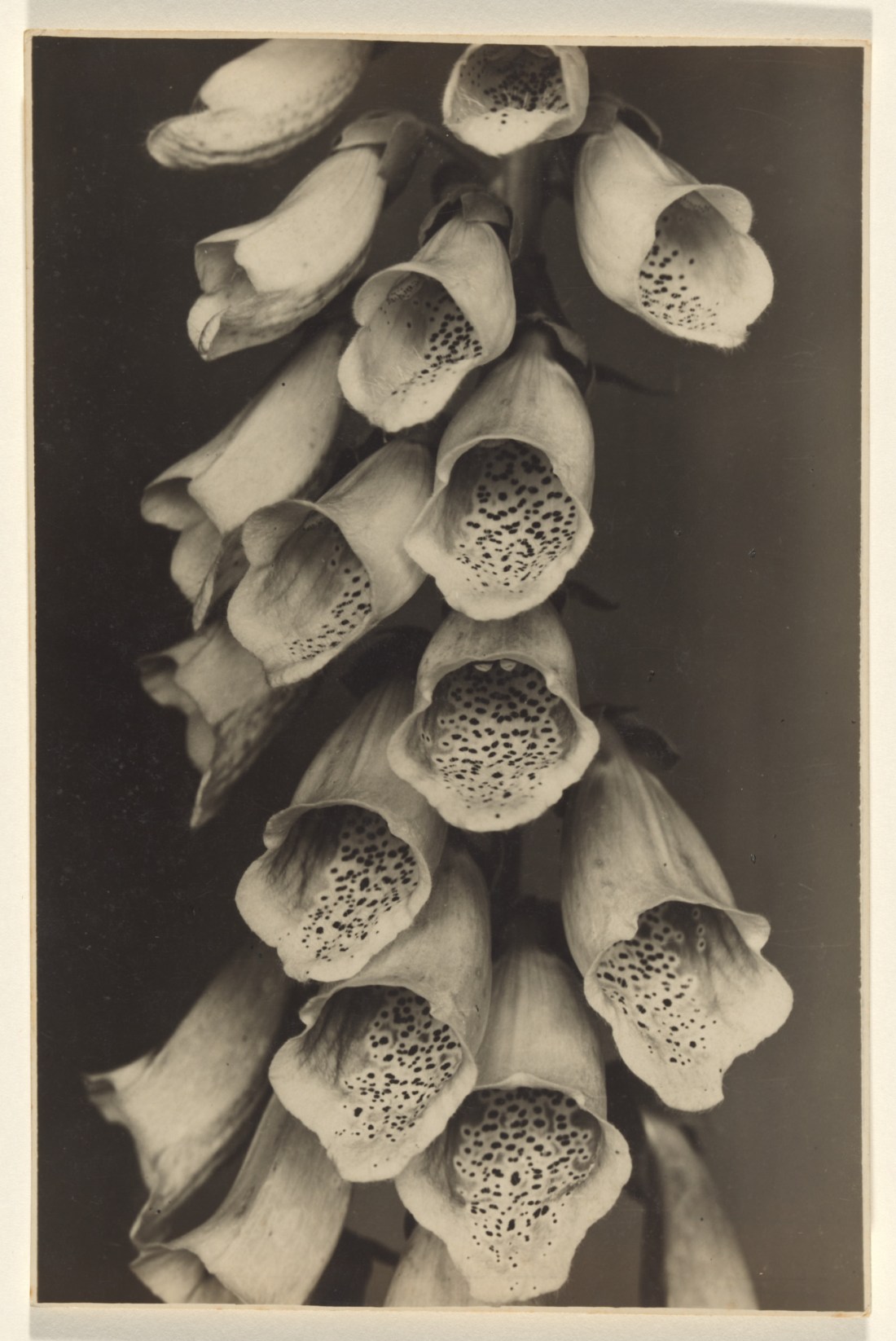
![Albert Renger-Patzsch (1897-1966) :: Digitalis purpurea [location unknown], 1922-1923. National Gallery of Australia](https://unregardoblique.com/wp-content/uploads/2022/08/albert-renger-patzsch-digitalis-purpurea-location-unknown-1922-1923-ngofa.jpg)
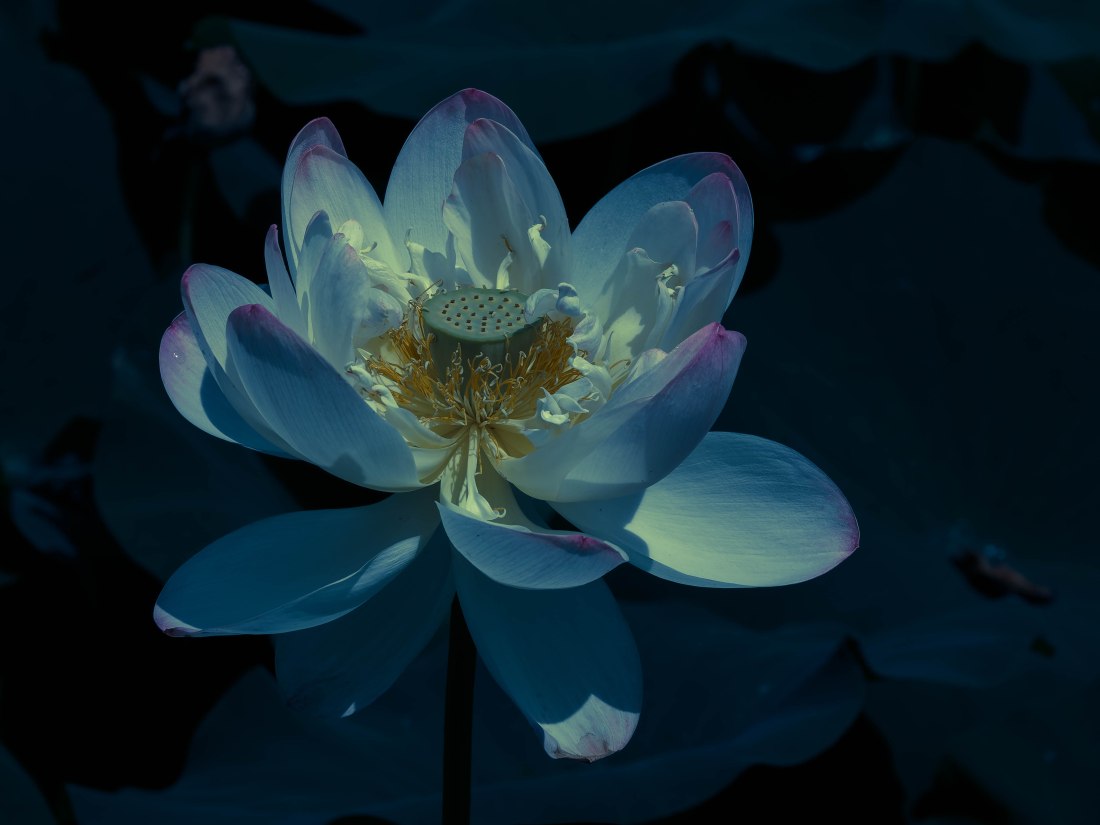
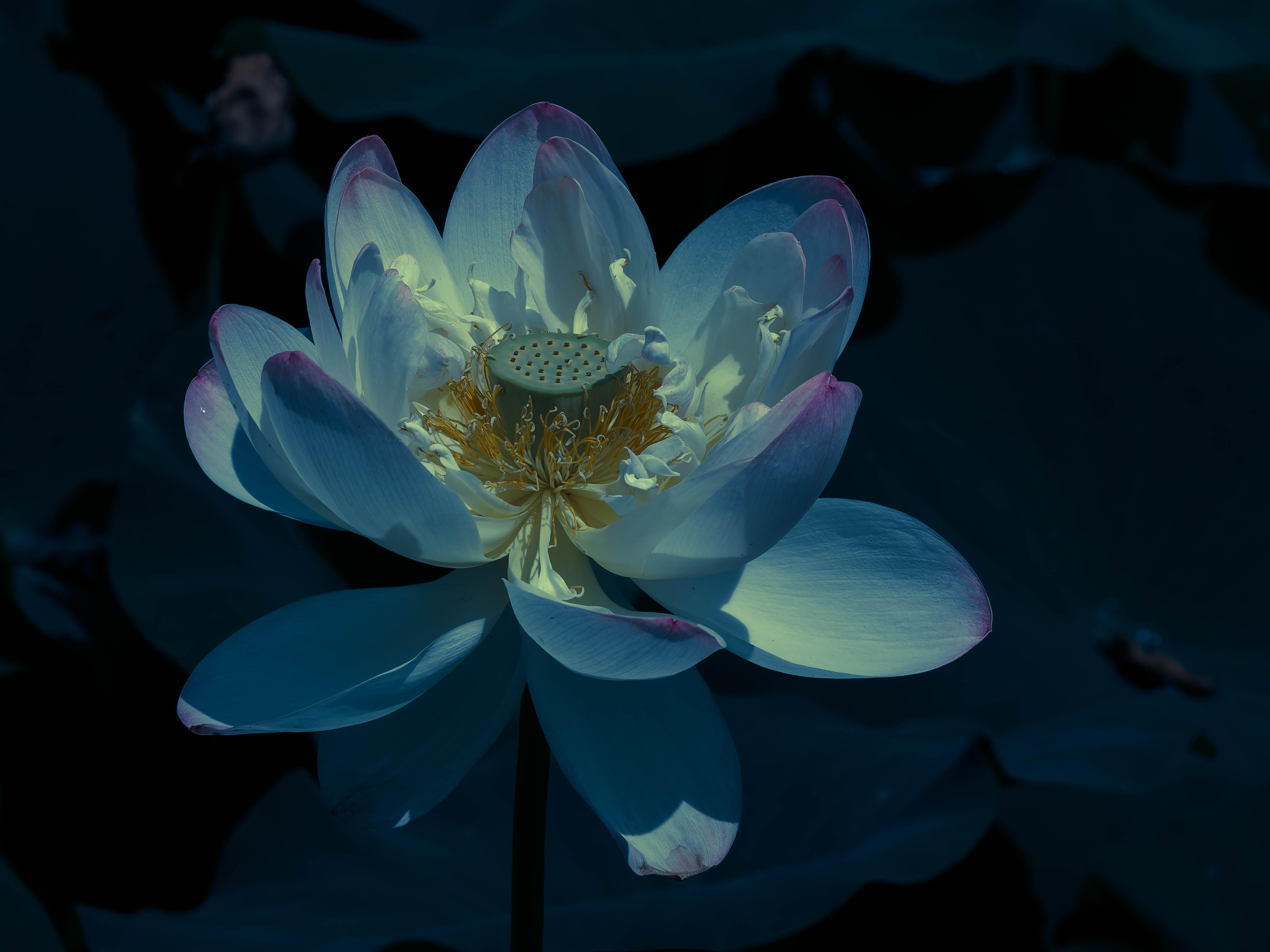


![David Castenson :: Untitled [Lotus blossoming]. Meadowlark Botanical Gardens, Virginia, 2021. © David Castenson / direct link](https://live.staticflickr.com/65535/51363065886_a056a41425_o.jpg)
All four photographs in this post were taken by David Castenson at Meadowlark Botanical Gardens, Virginia, between 2021 and 2022. You can follow the link to his Flickr to view them in hi-res and more detailed information.
David Castenson, born in 1957, is an amateur photographer based on the US, he have only been taking photos since about 2016. You can find him on Flickr or tumblr.

“Amidst the agony of flowers, the present never ends” – Yayoi Kusama
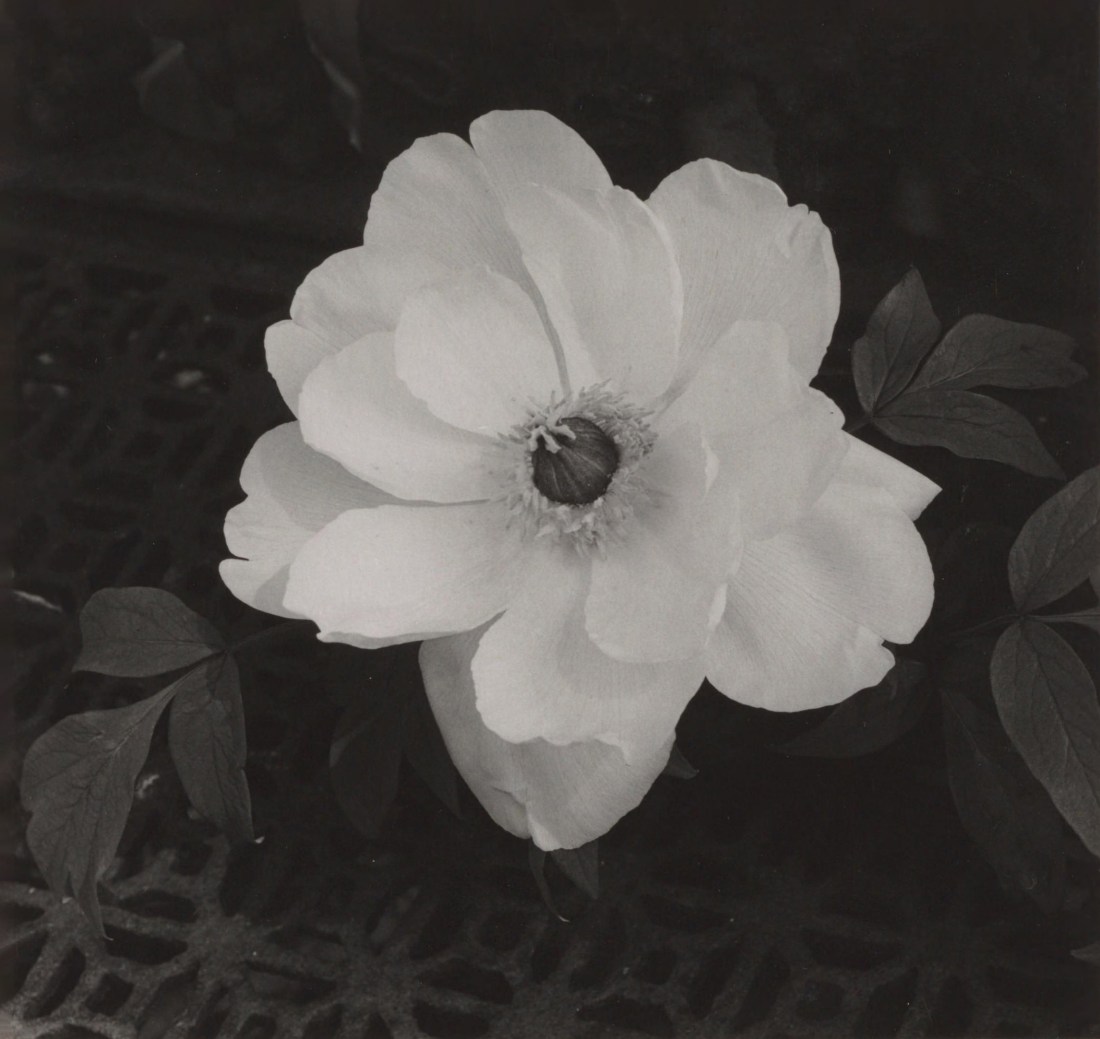
![Minor White :: White tree peony (Jap.), mid 1950s-1960s; published 1968. [Photographs of tree peonies] at internet archive
Album photographs of tree peonies, published: 1968. Presented to the Massachusetts Horticultural Society in 1971 by William Gratwick.
Unsigned black-and-white photographs of black and white tree peonies by Nassos Daphnis, Minor White, and William Gratwick. The prints, which illustrate various species of tree peonies at different stages of their development, including embryo, bud, full flower, and seed pod, were probably made at the Gratwick nursery, Linwood Gardens, in Pavilion, New York, possibly in the mid-1950s and 1960s, and assembled by Gratwick ca. 1968. Gratwick had worked for Arthur P. Saunders, a chemistry professor at Hamilton College and the first significant breeder of peonies and tree peonies in America, who began hybridizing peonies in 1915; and when Saunders died in 1953, Gratwick inherited his stock of tree peonies. He moved them to his nursery in Pavilion, and continued his breeding work with a former New York artist, Nassos Daphnis, who had given up painting for botany in 1946.](https://unregardoblique.com/wp-content/uploads/2022/07/white-tree-peony-jap.-by-minor-white-1968-1.jpg)
Album of photographs of tree peonies, published: 1968. Presented to the Massachusetts Horticultural Society in 1971 by William Gratwick.
Unsigned black-and-white photographs of black and white tree peonies by Nassos Daphnis, Minor White, and William Gratwick. The prints, which illustrate various species of tree peonies at different stages of their development, including embryo, bud, full flower, and seed pod, were probably made at the Gratwick nursery, Linwood Gardens, in Pavilion, New York, possibly in the mid-1950s and 1960s, and assembled by Gratwick ca. 1968. Gratwick had worked for Arthur P. Saunders, a chemistry professor at Hamilton College and the first significant breeder of peonies and tree peonies in America, who began hybridizing peonies in 1915; and when Saunders died in 1953, Gratwick inherited his stock of tree peonies. He moved them to his nursery in Pavilion, and continued his breeding work with a former New York artist, Nassos Daphnis, who had given up painting for botany in 1946.
quoted from Chicago Botanic Garden, Lenhardt Library at internet archive
![Minor White :: White tree peony (Jap.), mid 1950s-1960s; published 1968. [Photographs of tree peonies] at internet archive](https://live.staticflickr.com/65535/52205175341_d2645bb6d6_o.jpg)
![Minor White :: White tree peony (Jap.), mid 1950s-1960s; published 1968. [Photographs of tree peonies] at internet archive](https://live.staticflickr.com/65535/52204406434_080791e9a3_o.jpg)
![Minor White :: Hira no yoki (white) and seedling, mid 1950s-1960s; published 1968. [Photographs of tree peonies] at internet archive](https://live.staticflickr.com/65535/52205175261_a86a50fb05_o.jpg)
![Minor White :: Hira no yoki (white) and seedling, mid 1950s-1960s; published 1968. [Photographs of tree peonies] at internet archive](https://live.staticflickr.com/65535/52203132492_629df032a5_o.jpg)

Our note: the last image is identical as the Hira no yoki photograph above, so datation by Swann Galleries should amended. Maybe the photo was printed ca. 1973 but was clearly shot before 1968 (date of publication of the Gratwick album).
 un regard oblique