
Bathing and eating watermelon
images that haunt us


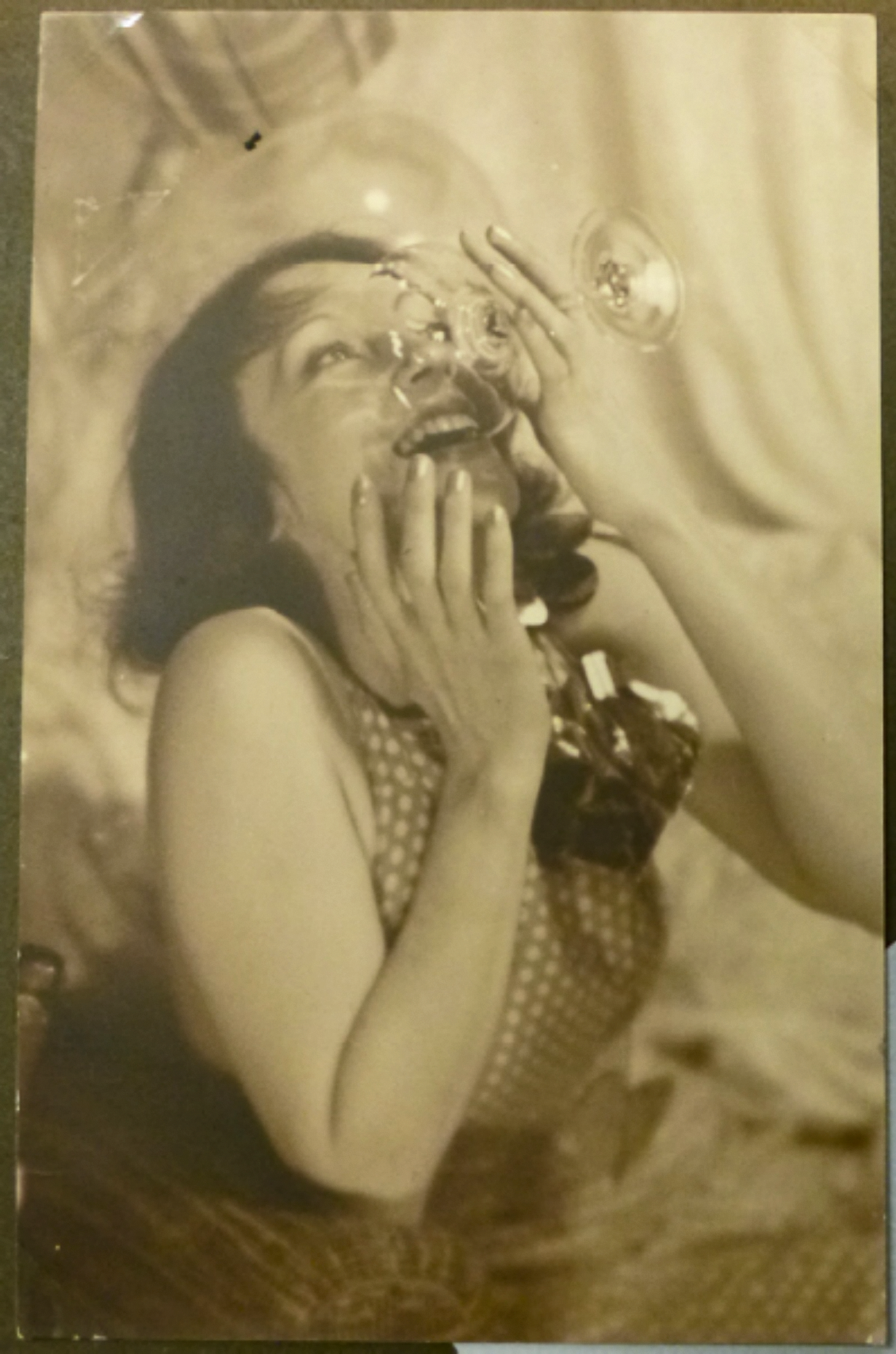
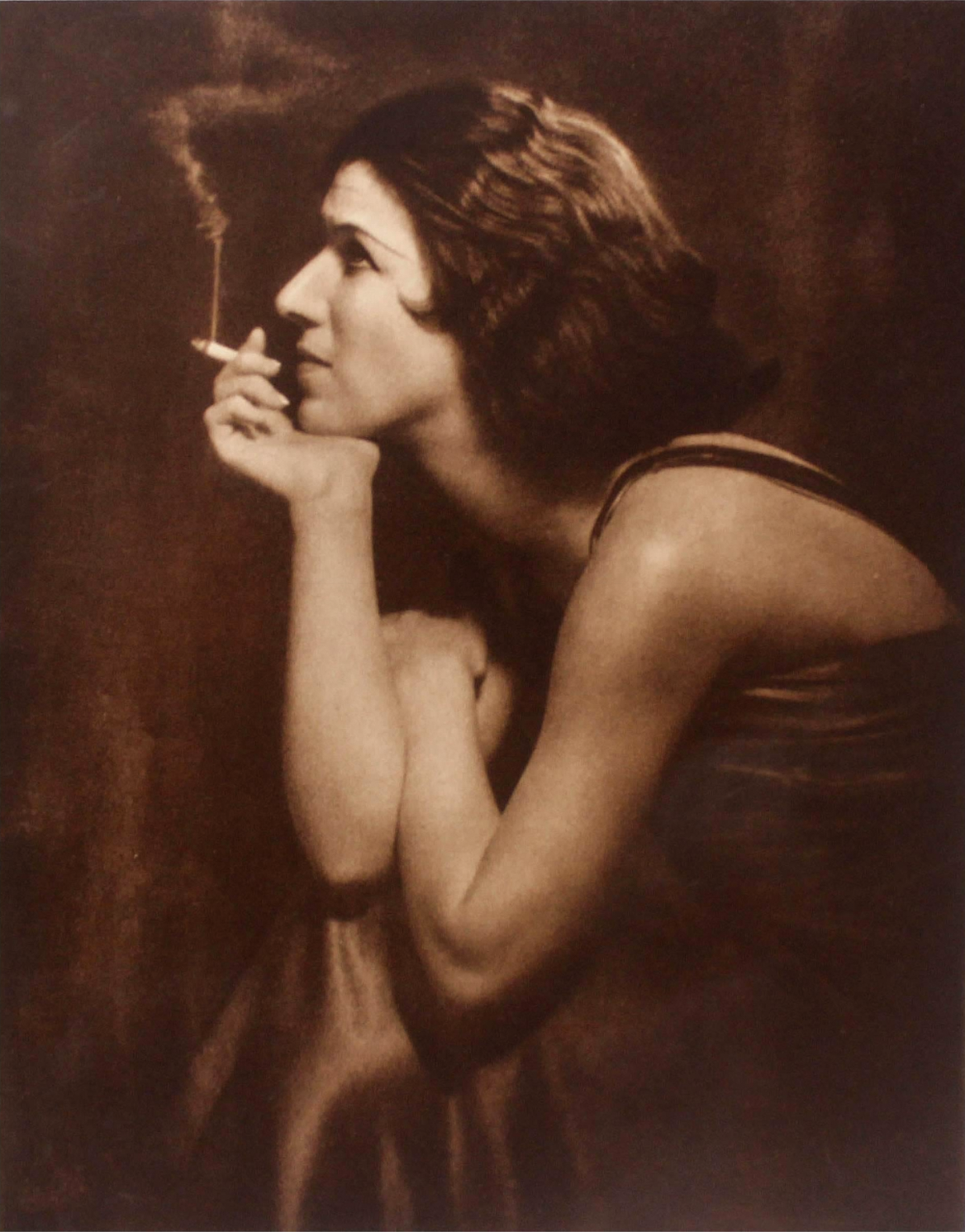
(*) Harold Leroy Harvey exhibited at the San Francisco Salon of 1916 when he was only seventeen. He is believed to have studied with Man Ray in the early 1920s, and the two men did in fact share similar interests in experimental printing techniques. Harvey’s invention of various film developers and toners led eventually to the founding of his own company, the Harvey Chemical Company, in New Jersey. In addition to working as a commercial photographer, he was a painter and an illustrator. | quoted from source


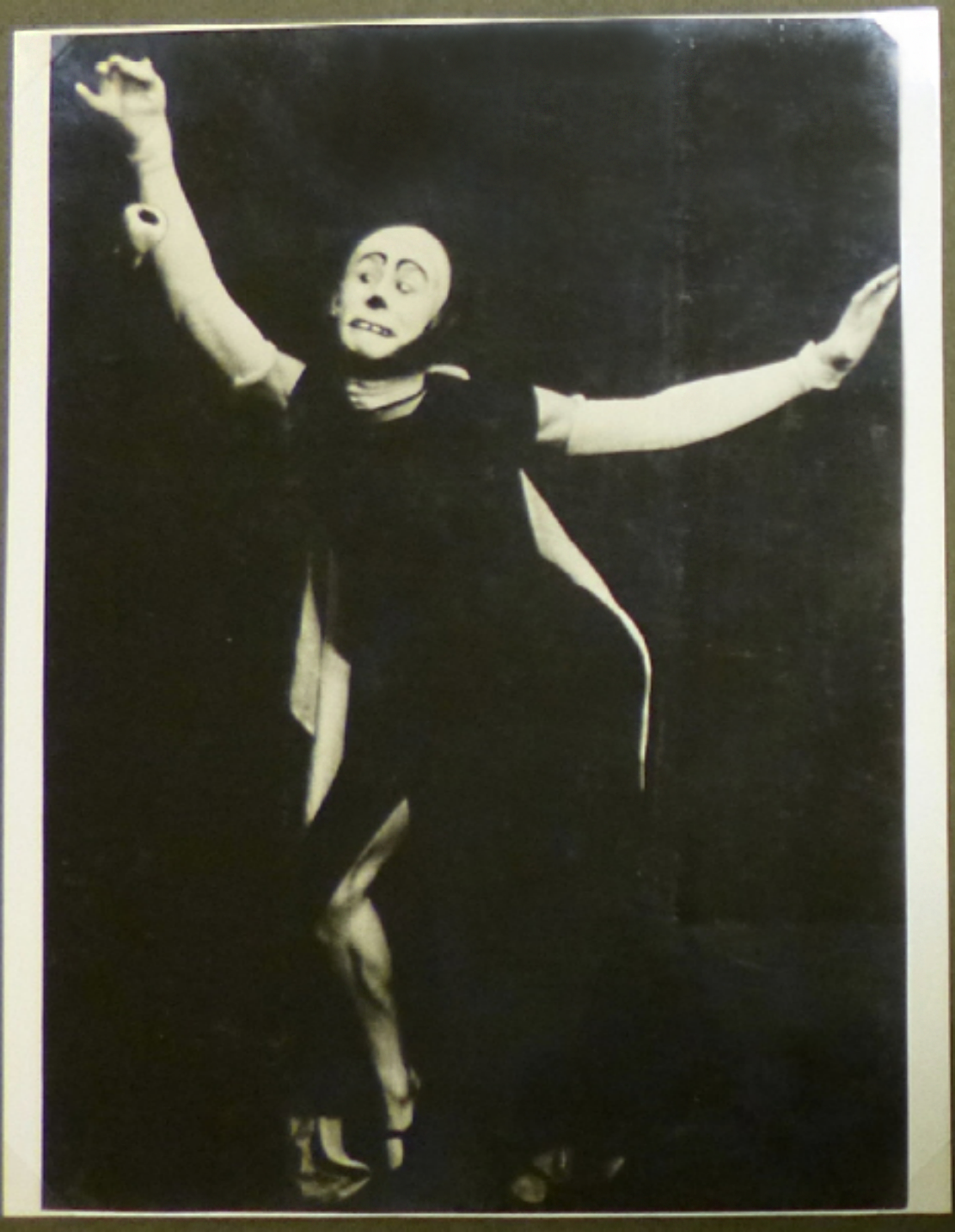
‘The Bolt’, written in 1931, is an unruly satire full of skulduggery and drunken conspiracy, populated by a host of comical characters. Following its premiere at the Leningrad Academic Theatre of Opera and Ballet in 1931, an unfavourable reaction from critics saw ‘The Bolt’ promptly pulled off the programme. Any performance of the ballet was thereafter strictly forbidden, and it was 74 years before it saw the stage again, reconstructed for the Bolshoi Ballet by its director Alexei Ratmansky. GRAD’s exhibition brings the neglected story of this tumultuous production to life through a selection of costume designs and period photographs.
The ballet, which is based on a true story, tells of the exploits of Lyonka Gulba (‘Gulba’ in Russian means ‘idler’), an indolent worker who persuades a young man to throw a bolt into the factory machinery, sabotaging the production of his workplace in revenge for his being sacked. In this industrial production, which featured real hammers and machine-inspired choreography, Shostakovich embellished the story with aerobics and acrobatics, with several passages mimicking the swishing and hammering sounds of modern factory machinery.
GRAD’s display will feature the witty and grotesque costume designs by Tatiana Bruni bringing to life the characters that populate the ballet: from the Sportsman, the Textile-Worker or the Komsomol Girl, to the Drunkard, the Loafer and the pompous Bureaucrat. Featuring striking geometrical colour blocking, Bruni’s designs have been called ‘the apogee of postrevolutionary Russian experiments in stage design’ and were inspired by the aesthetics of agit-theatre and ROSTA windows or artist-designed propaganda posters. Shostakovich’s exceptional blend of proletarian music genres play through the gallery space, catapulting the viewer to early 1930s Russia and evoking Fedor Lopukhov’s daring choreography. Constructivist values and aesthetics are reflected in all of the elements of the ballet, from the costume designs to the score, choreography to set design.
Shostakovich was commissioned by the Moscow Art Theatre to compose the score to a ballet that would serve and support the goals of socialism and communism. Combining circus music, waltzes, marches and tangos together with popular tunes, the composer envisaged the piece to be a celebration of the proletariat. Nonetheless, ‘The Bolt’ was banned by the Soviet authorities amongst suspicions that it was a satirical work.
That ‘The Bolt’ was produced in 1931 is significant. Visual art and literature were on the cusp of monumental change in Soviet Russia, after a series of political and artistic revolutions had changed the course of modernist art and modern history. The critical rejection of the ballet can be understood within the context of a progression toward Socialist Realism, and the suppression of the vanguard imagination, accelerated by the 1932 issue of the ‘Decree on the Reconstruction of Literary and Artistic Organisations’, a measure designed to curtail artistic independence. The satirical characters and acid comedy of ‘The Bolt’ stand as a bastion of an experimental spirit, which demonstrated an extraordinary edge and robustness. (quoted from WSI review on GRAD’s exhibition)


 un regard oblique