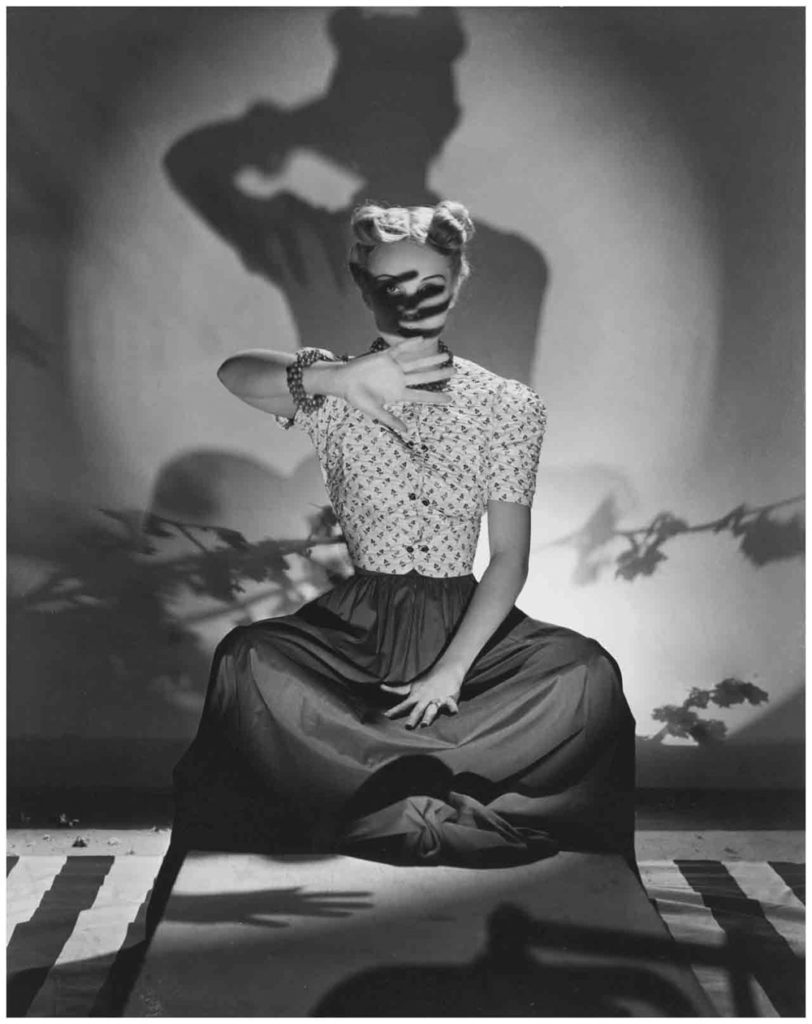
Horst P. Horst :: ‘Bunny Hartley’, Vogue, 1938 / src: amici della fotografia
more [+] by this photographer
images that haunt us
Horst P. Horst :: ‘Bunny Hartley’, Vogue, 1938 / src: amici della fotografia
more [+] by this photographer

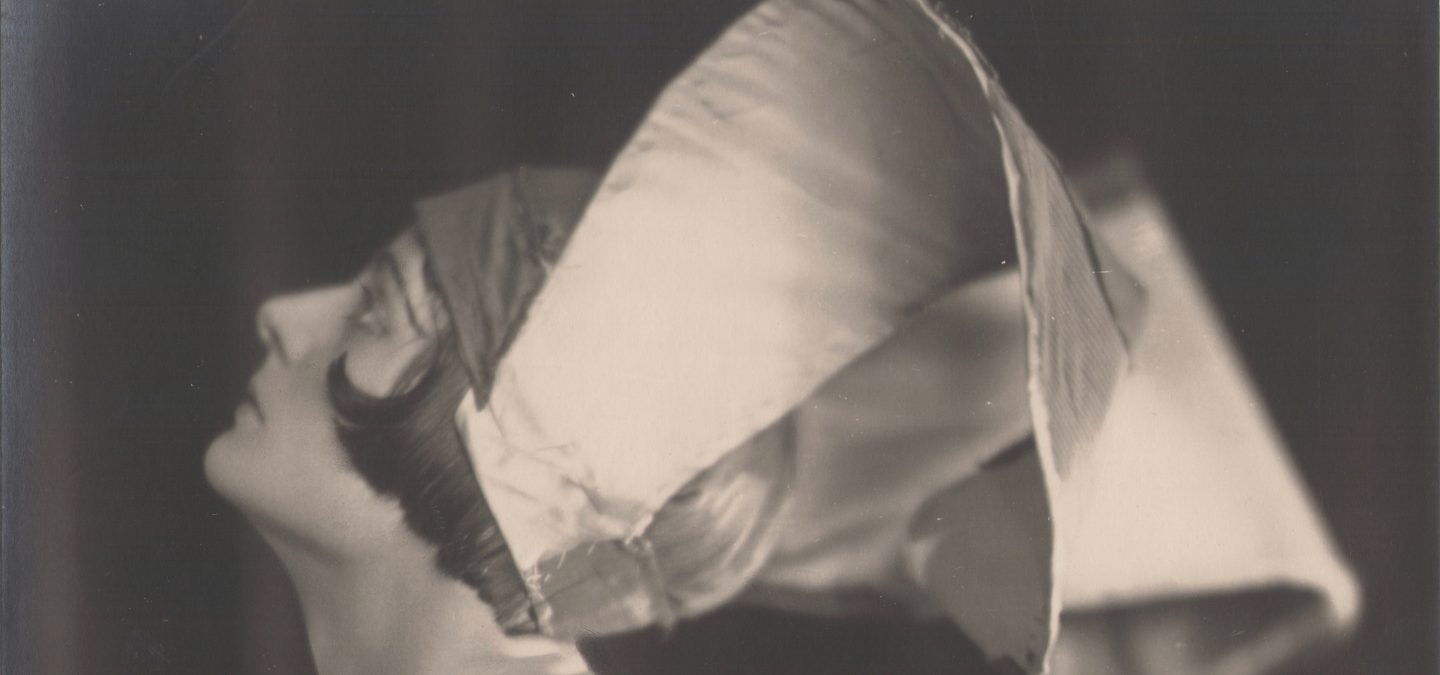
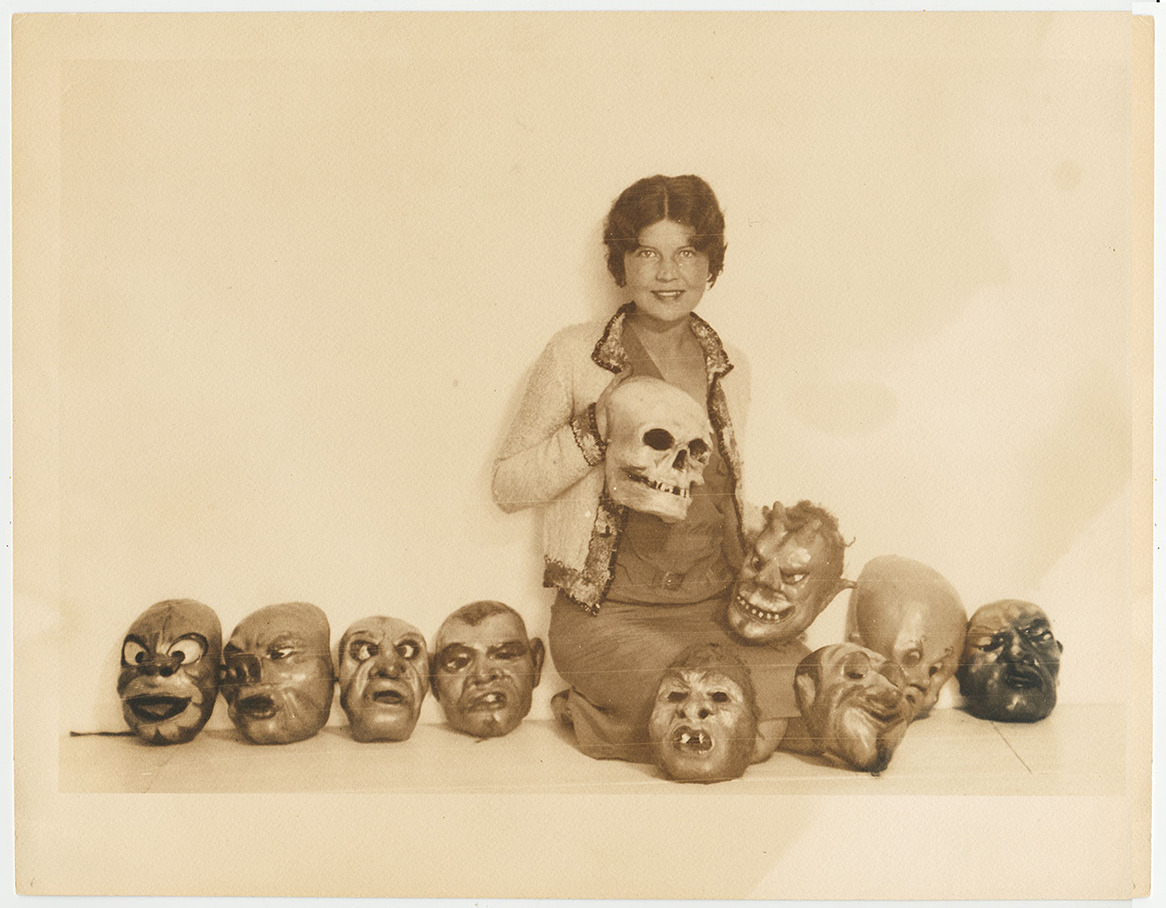
Emmy Hennings with Dada-doll, 1917.
Photo from Hans Richter, Dada and Anti-Art, (Thames and Hudson, 1965)
Emmy Hennings (1885-1948) was a performer and poet, and wife of the Dadaist Hugo Ball. Despite her critical role in the founding of the Cabaret Voltaire which launched the Dada movement, and her centrality in its performances (particularly as its only female member), it is difficult to locate information on her that does not correspond directly to her relationship with Ball.
Thomas F. Rugh describes her as “a primary contributor to the sensual display of bombast at the cabaret”, personifying the spirit of the Dada movement with which she was so intimately involved as “impulsive, enigmatic, creative, and at odds with her materialistic culture”.
The Zürcher Post wrote of her on 7 May, 1916: “The star of the cabaret however, is Mrs. Emmy Hennings. The star of who knows how many nights and poems. Just as she stood before the billowing yellow curtain of a Berlin cabaret, her arms rounded up over her hips, rich like a blooming bush, so today she is lending her body with an ever-brave front to the same songs, that body of hers which has since been ravaged but little by pain”.
via

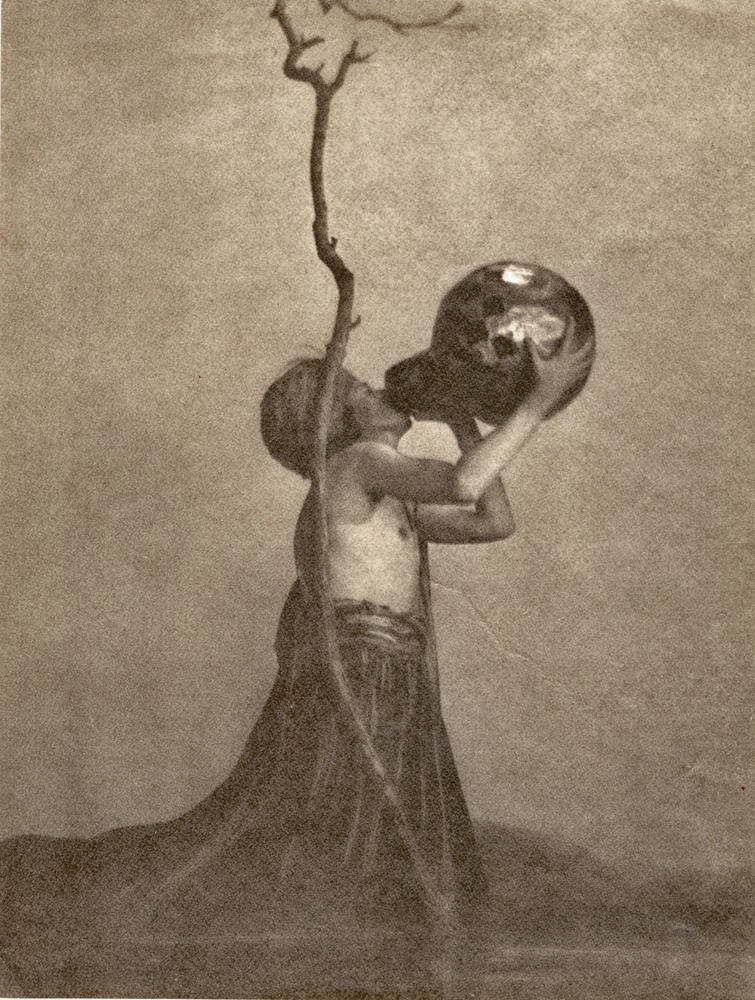
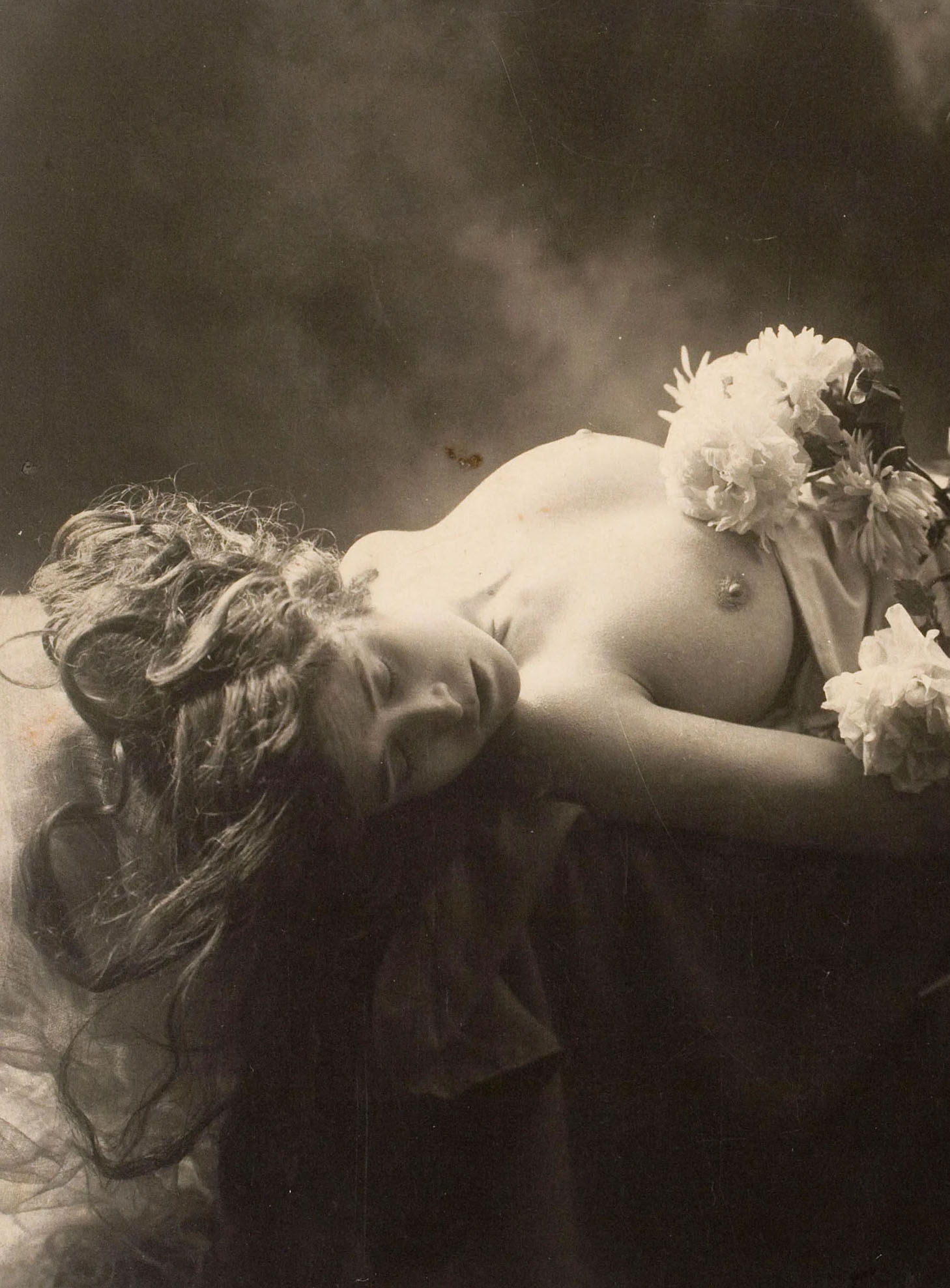
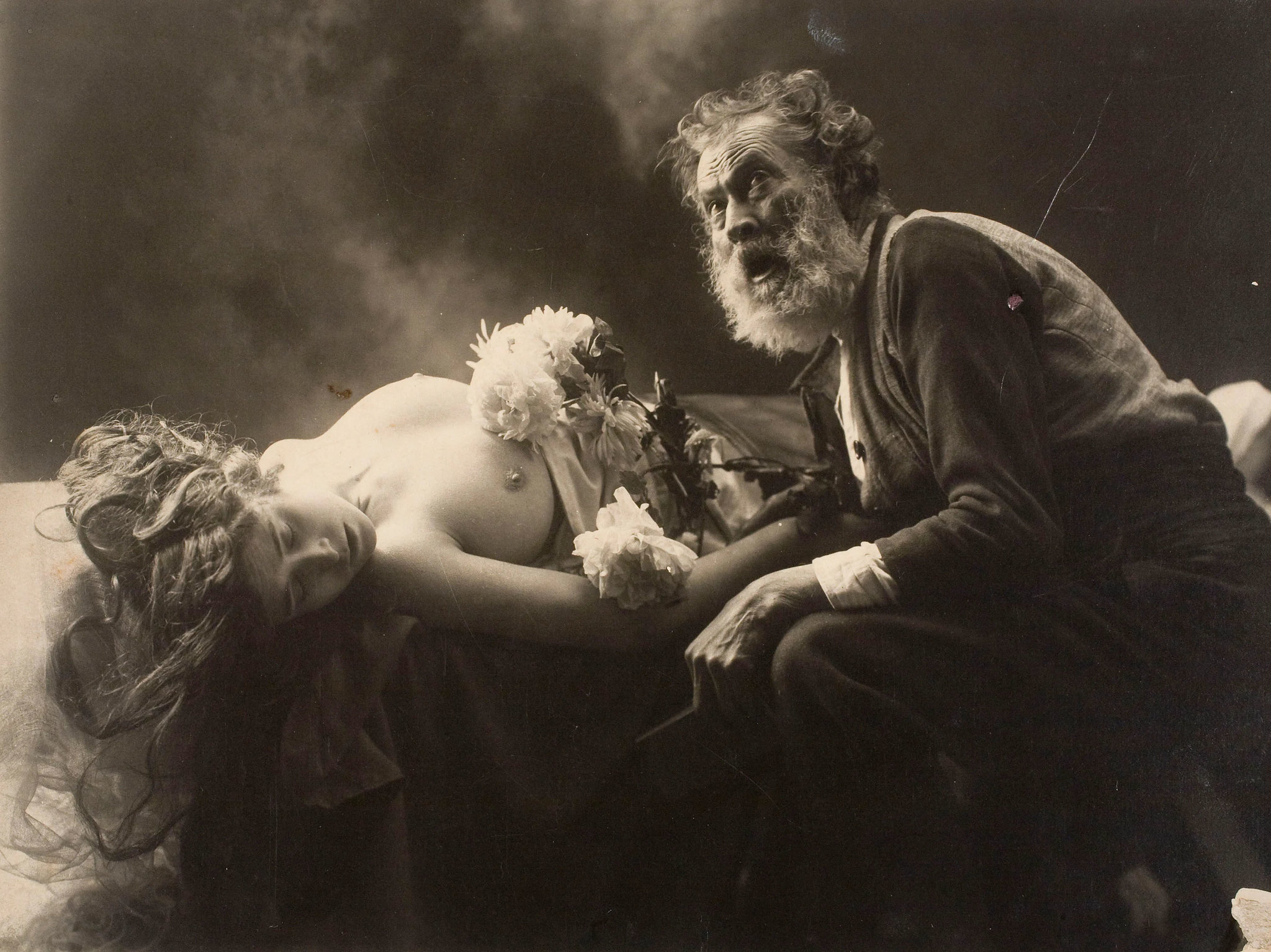
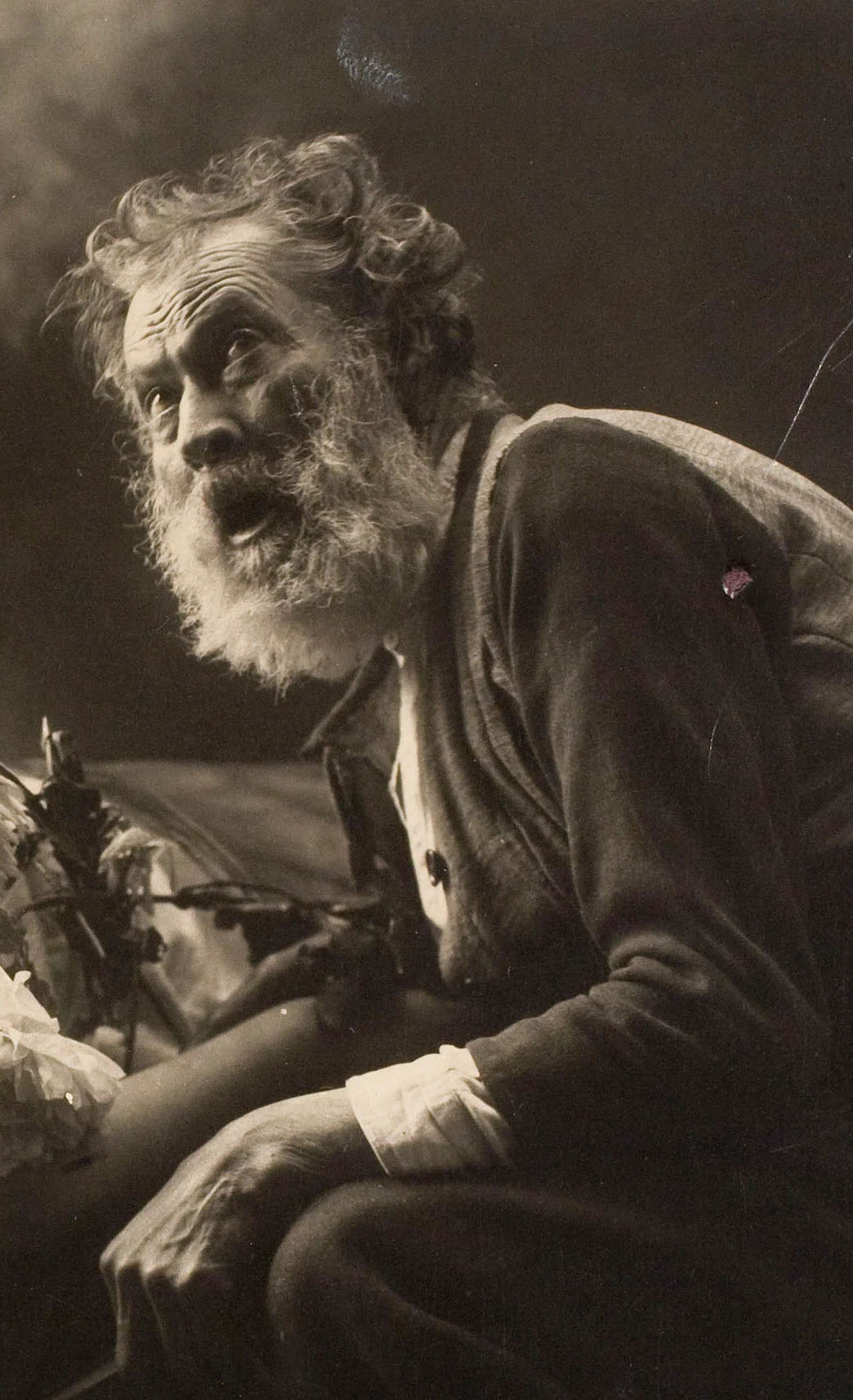
The massive industrialization of the photography based on the new models of Kodak in 1888, marked the birth of amateurism, and what could be considered its elitist complement and counterpart, Pictorialism, understood to be the first discourse of artistic legitimization of photography.
Faced with technological standardization and documental utilitarianism, Pictorialism proposed the use of pigmentary techniques that evoked the manual work of paintings, as well as their symbolic, picturesque or sublime themes, in accordance with the aesthetic paradigms of the modern art of the 19th century, which was based on the romantic principle of genius. In some way the concept of “creation” was introduced into photographic techniques, vindicating the figure of the photographer as an author and interpreter of reality. Within this framework, Joan Vilatobà created a series of works which moved between symbolic allegory and customs, and photography through topics such as beauty, death, love, etc., of which Where in heaven will I find you? is an example. | quoted from MNAC ~ Museu Nacional d’ Art de Catalunya

Nieves Mingueza ::
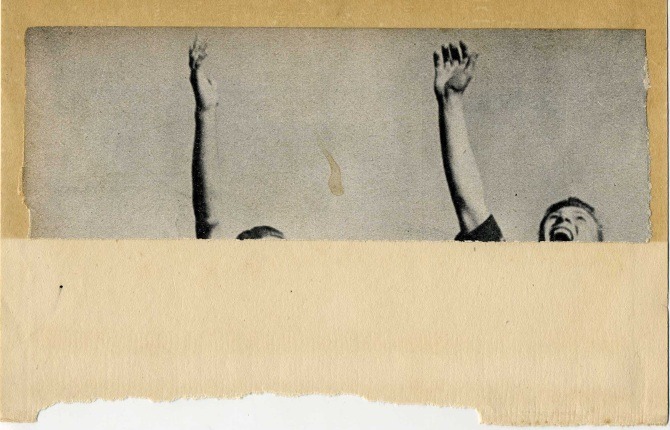
‘the smell of books’, from the series ‘Here I Am’ /
source: nieves mingueza
more [+] by this artist