
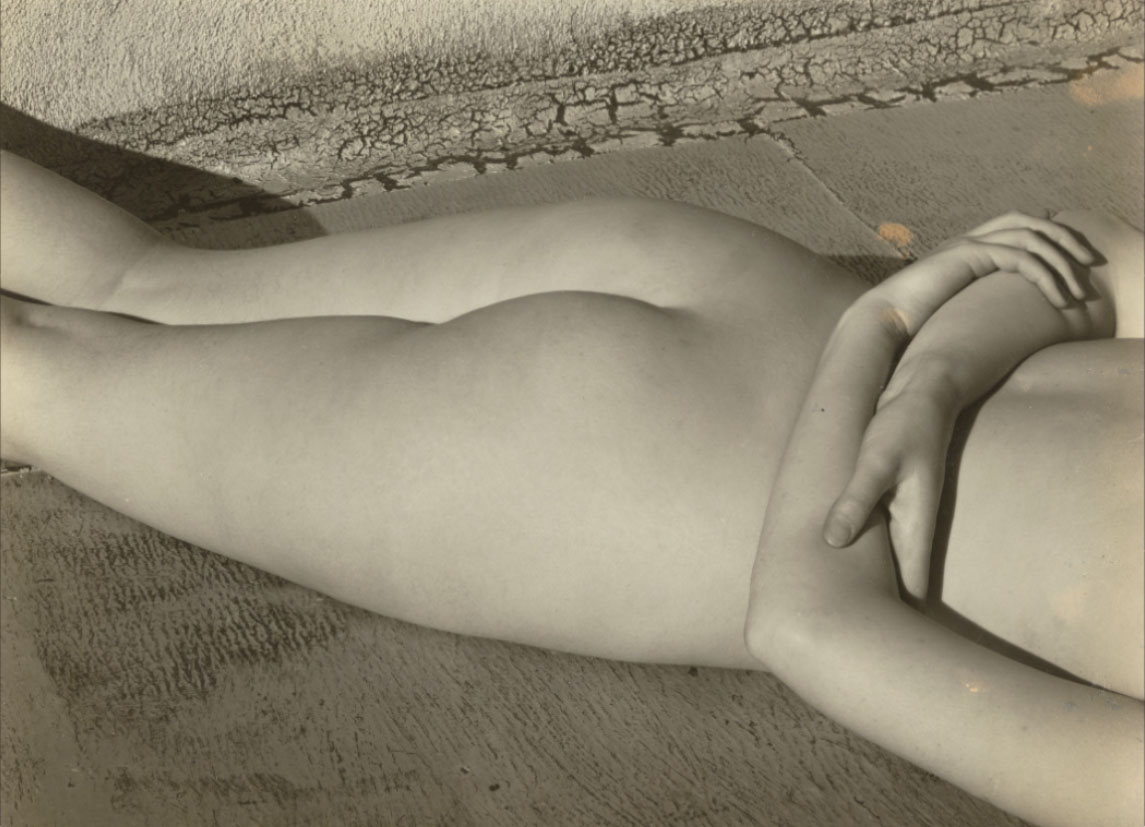
Edward Weston :: Nude [seated on dark couch with arms at each side, legs crossed], 1933 | src CCCP
more [+] by this photographer
images that haunt us
Edward Weston :: Nude [seated on dark couch with arms at each side, legs crossed], 1933 | src CCCP
more [+] by this photographer


Edward Weston :: My Little Grey Home in the West, 1941 [Charis Wilson nude on steps holding sign, her brother Leon in window playing recorder, Edmondson bird sculpture] | src CCCP
more [+] by this photographer

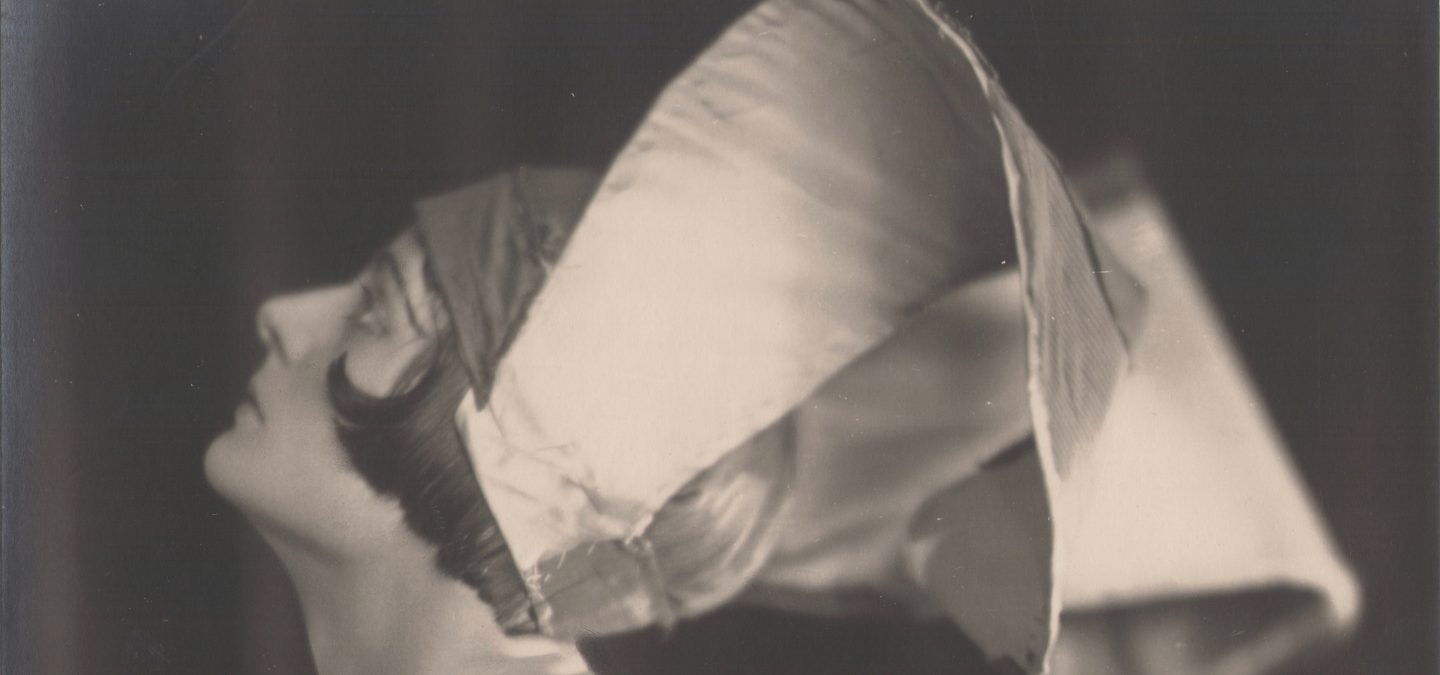
![Edward Weston :: [Margrethe Mather], 1919. Palladium print. Arizona Board of Regents, Center for Creative Photography. | src The J. Paul Getty Trust](https://live.staticflickr.com/65535/52227573719_4ec6523759_o.png)
![Edward Weston :: [Margrethe Mather], 1919. Palladium print. Arizona Board of Regents, Center for Creative Photography. | src The J. Paul Getty Trust](https://unregardoblique.com/wp-content/uploads/2022/02/mather-by-weston-1919.png)

Shomei Tomatsu :: Subway, Tokyo, 1969 | Eyes of an Island exhibition. | src l’oeil de la photographie
more [+] by this photographer

Masahisa Fukase :: Shakotan Peninsula, 1977
| Masahisa Fukase Archives | src l’oeil de la photographie
more [+] by this photographer

Masahisa Fukase :: Nayoro, 1977. From The
Solitude of Ravens. | src l’oeil de la photographie
more [+] by this photographer

This is photomontage number 7 of the series “Dreams”, which Grete Stern made as illustrations for the section: Psychoanalysis will help you for the Buenos Aires magazine “Idilio”, which invited readers to send their dreams with the promise of interpreting them. Grete Stern, as the illustrator, made the visual interpretations of one hundred and forty dreams between October 26, 1948 and July 24, 1951. Combining humor and surrealism, Stern manages to convey powerful messages that denounce the female situation in society at the time , through photomontages that the magazine presented under names such as dreams of imprisonment, dreams of confinement, dreams of silence, dreams of rebirths, dreams of the body, dreams of inescapable elections, dreams of splitting, dreams of identity, dreams of triumph and domination or dreams of inhibitions, among others.

