
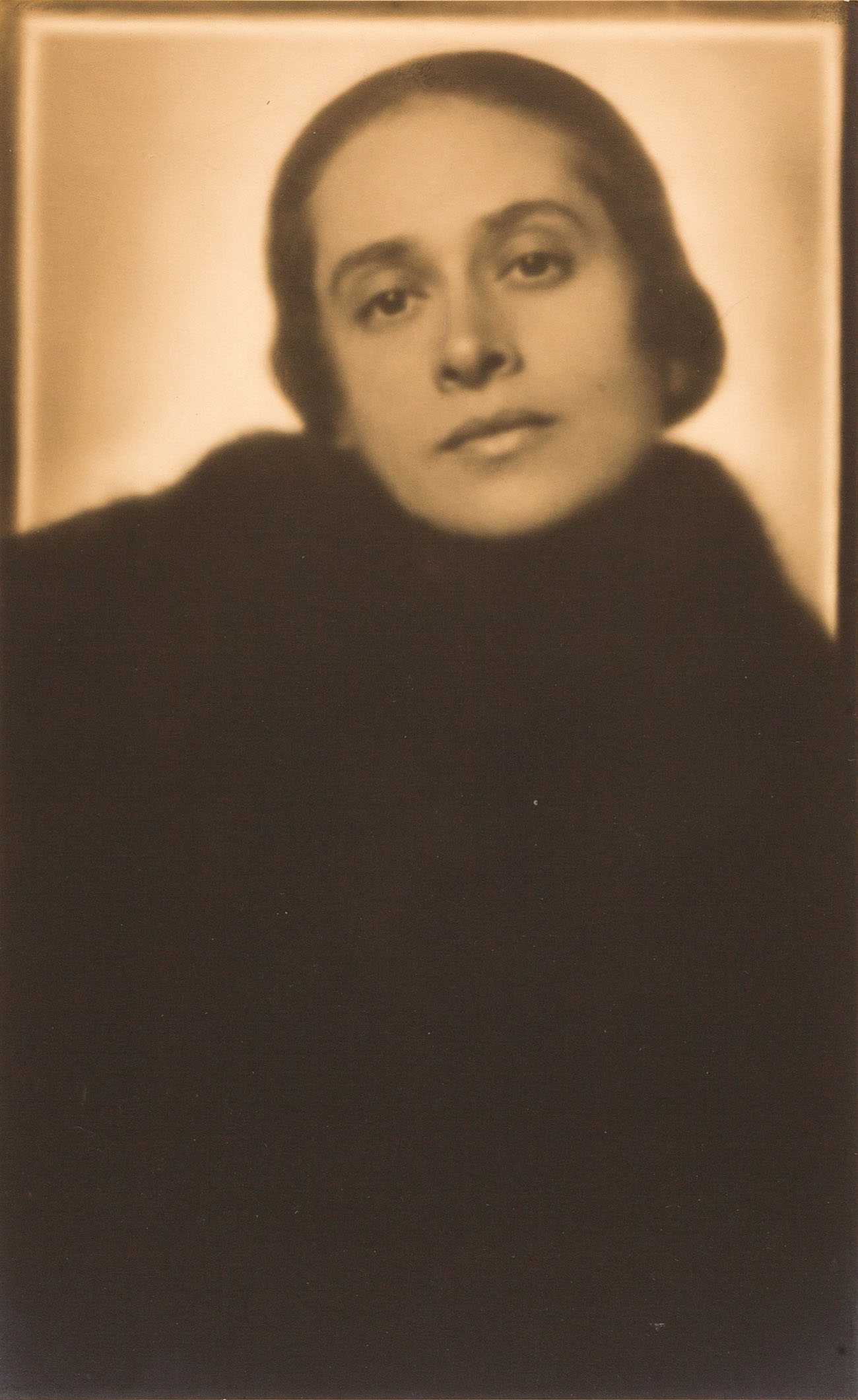
images that haunt us
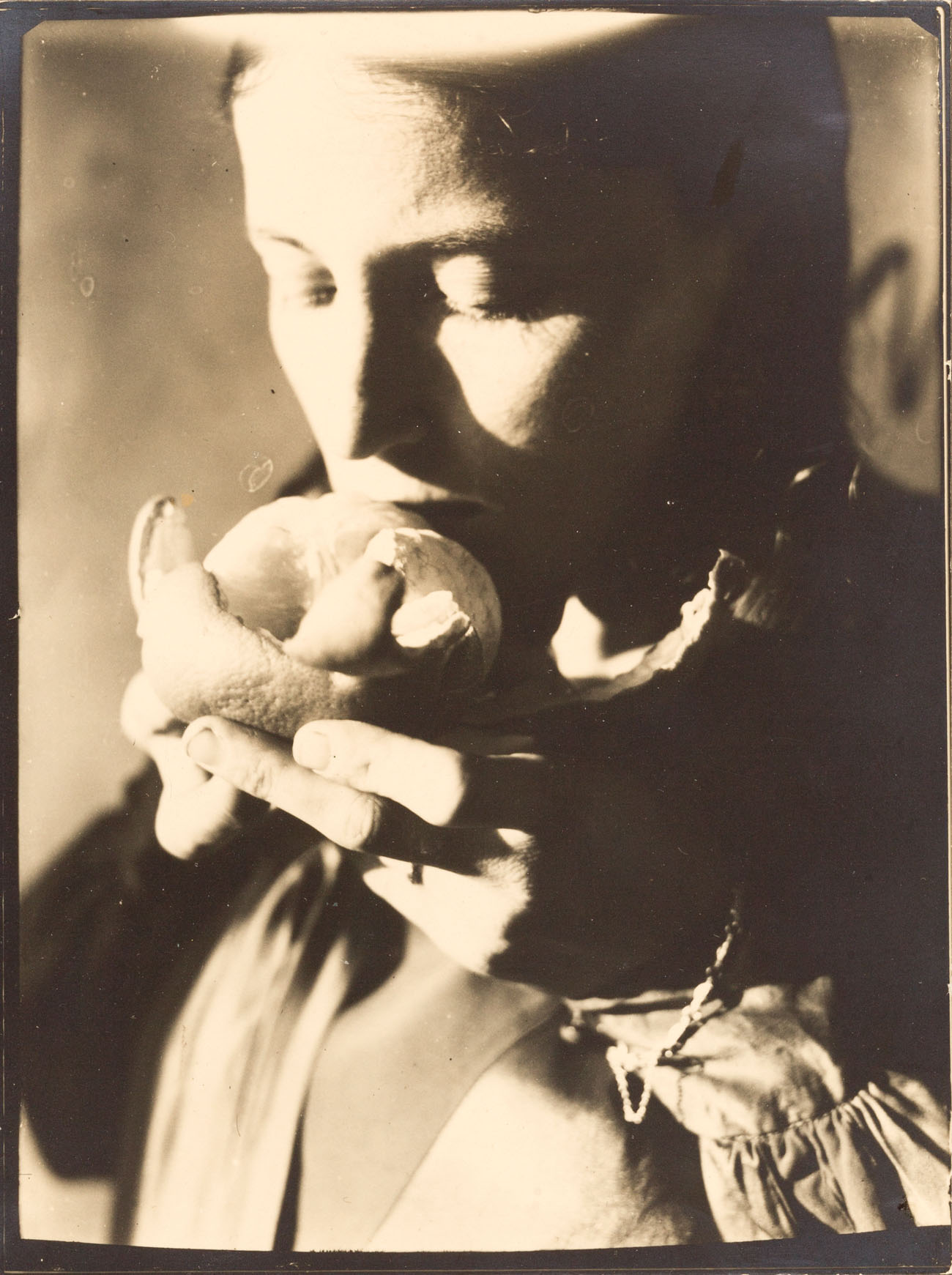
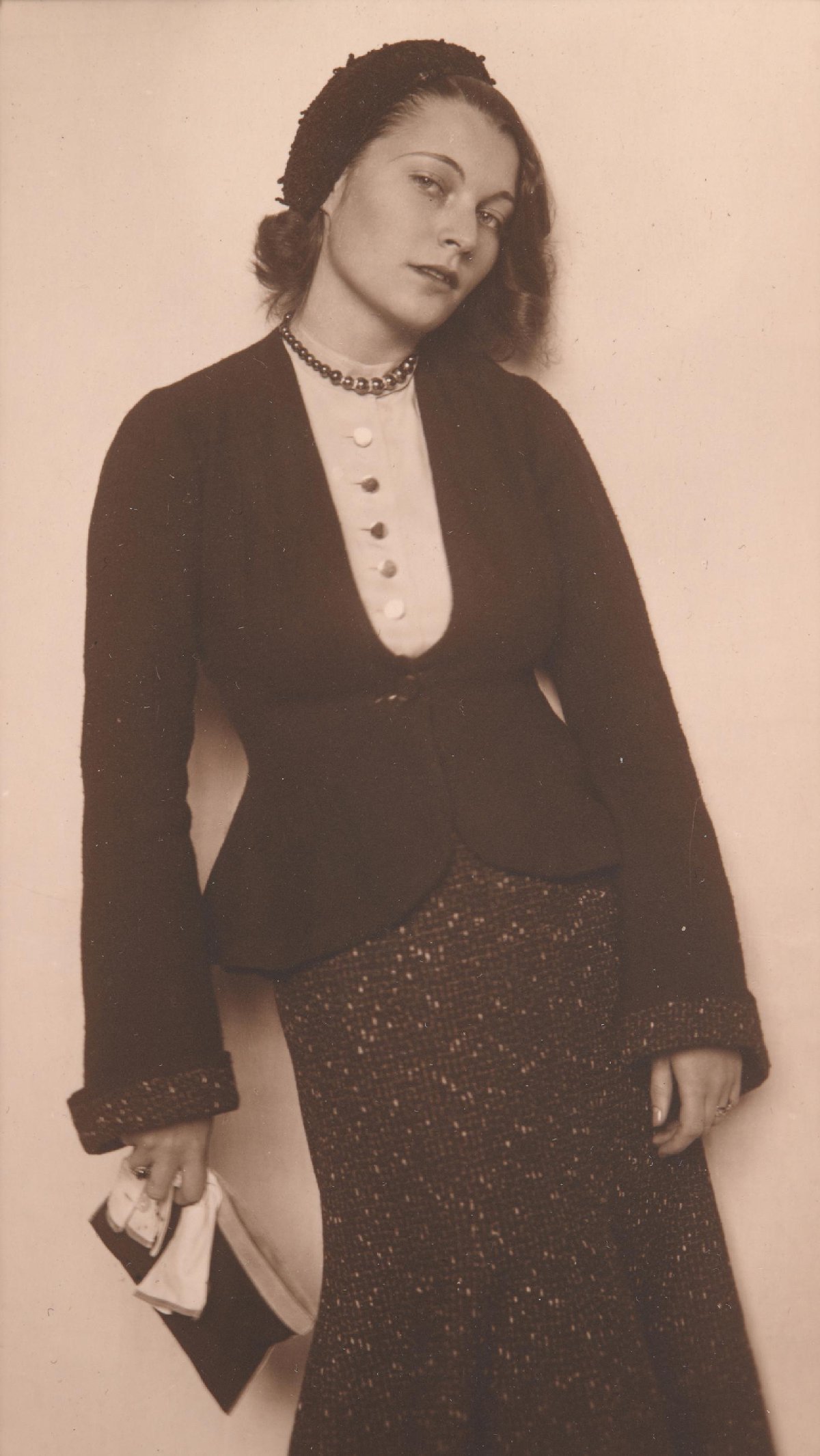
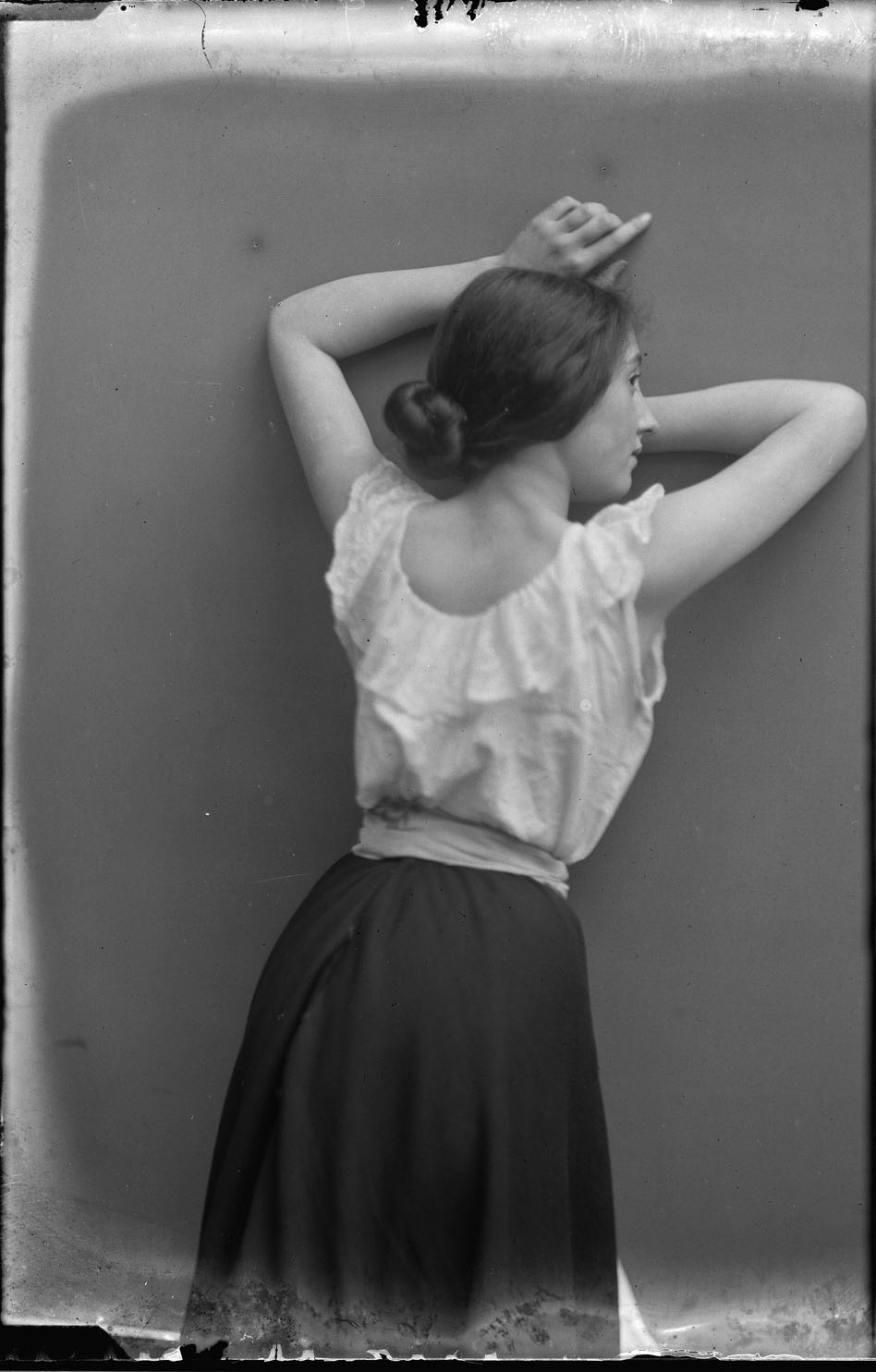
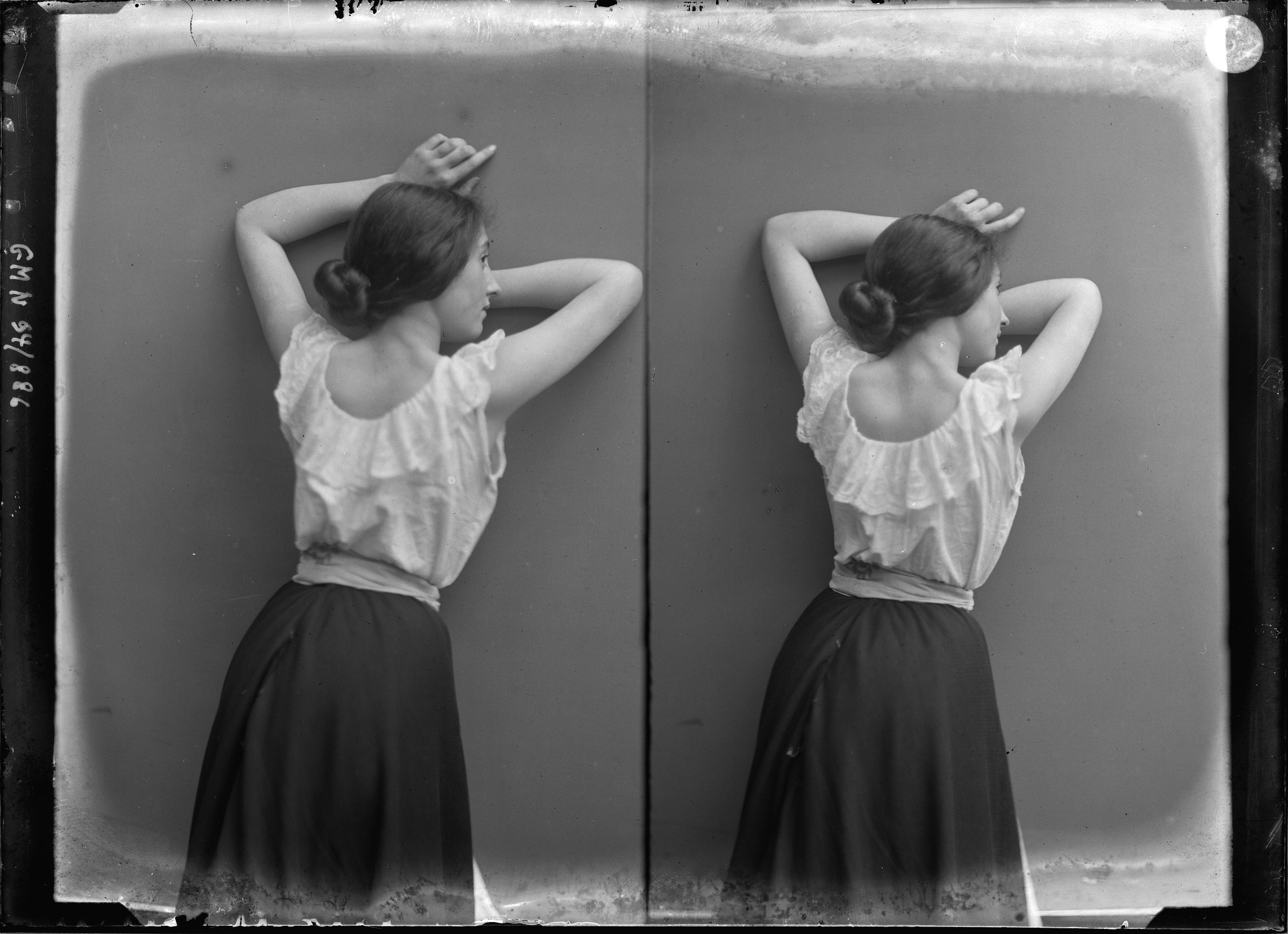
Trained in Munich by Defregger and Kaulbach, the Innsbruck artist enjoyed international success as a landscape painter from 1920 until his career ended with the Nazi takeover. He did not use photography for templates, but as a medium in its own right and experimented in many photographic genres and pictorial languages in his mostly very small-format prints; yet his astonishing photographic oeuvre did not receive attention until the 1980s. This photo features the artist’s second wife Barbara Hoyer (1907–1970), who posed for many of his staged photographs.

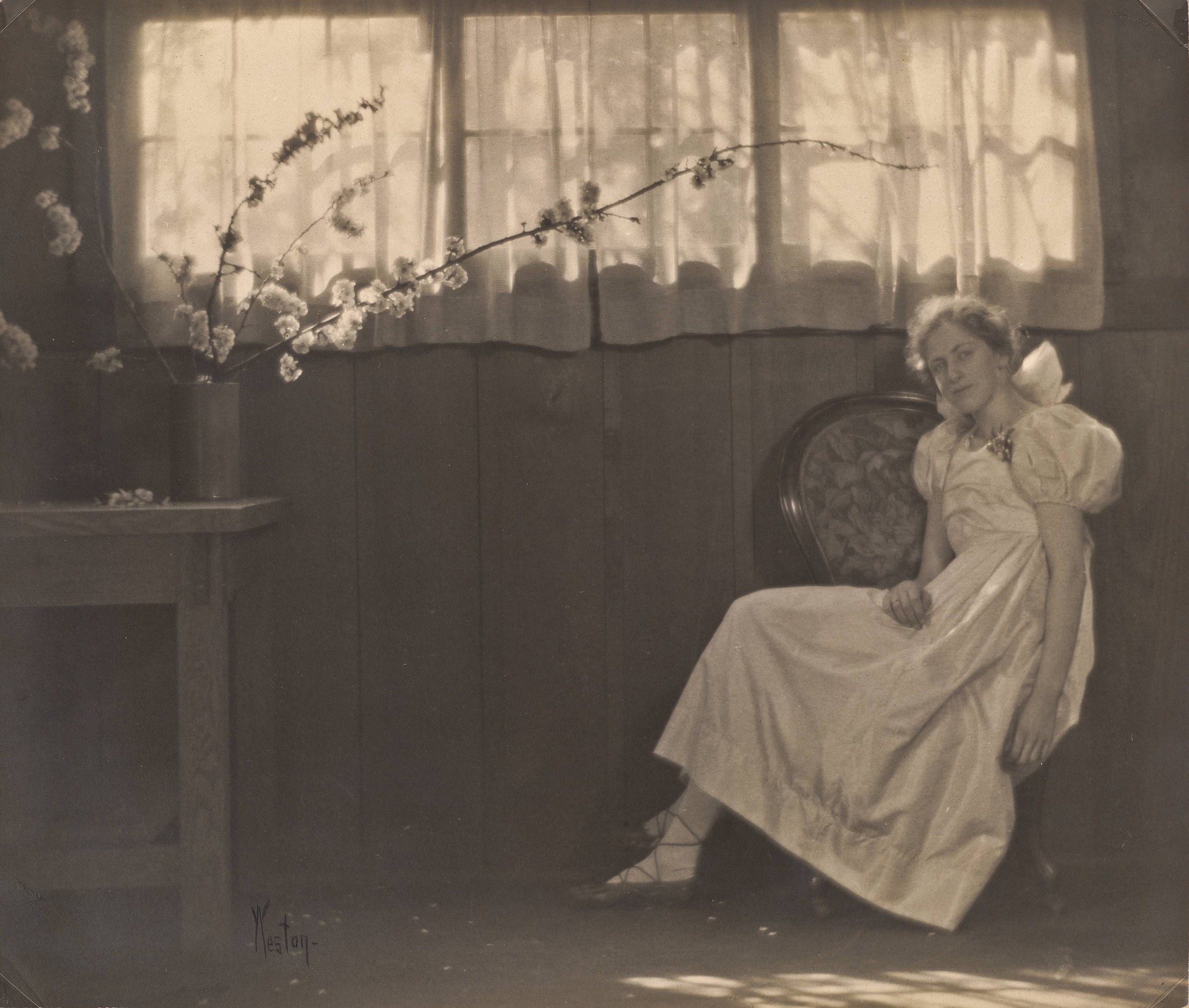
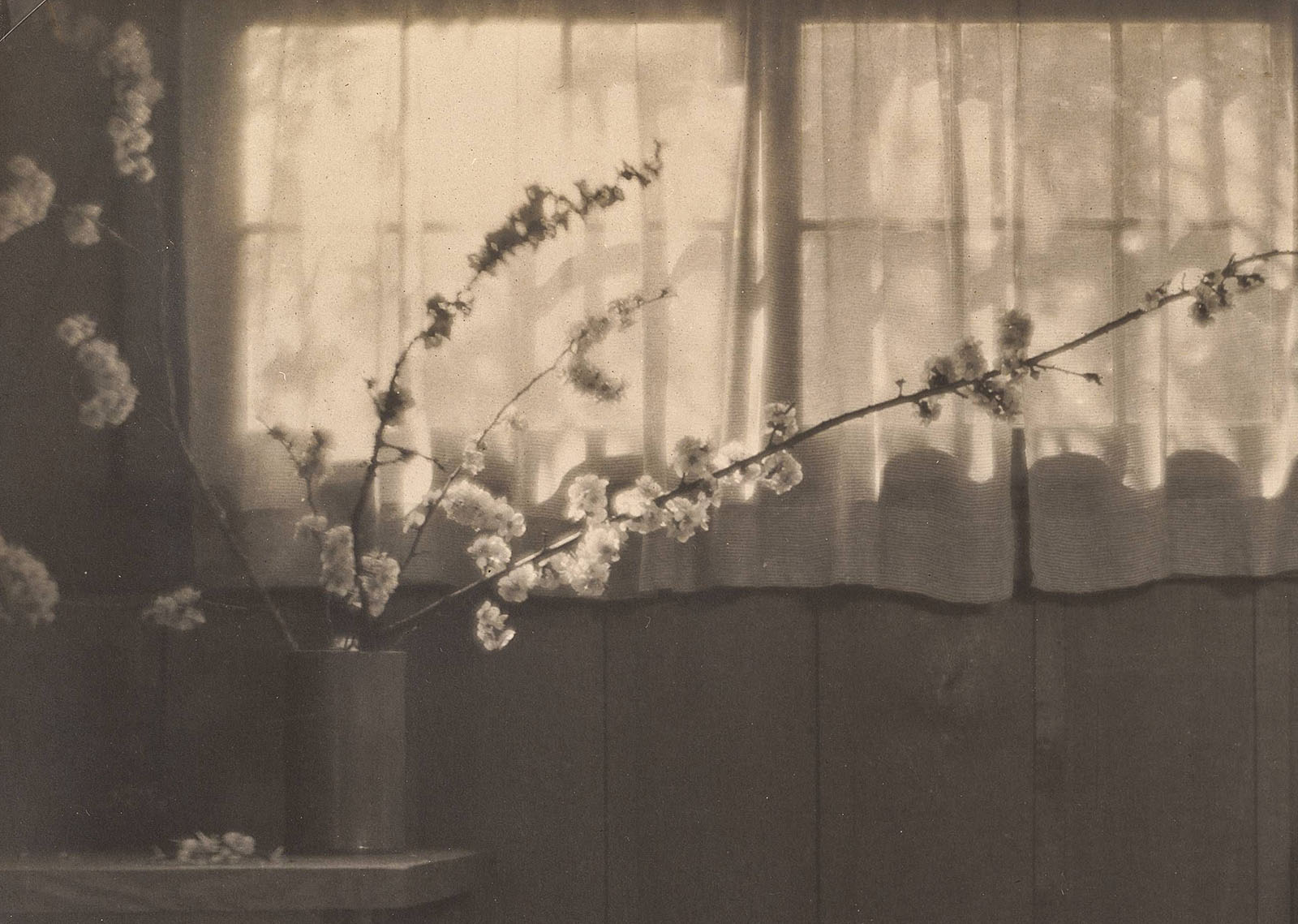

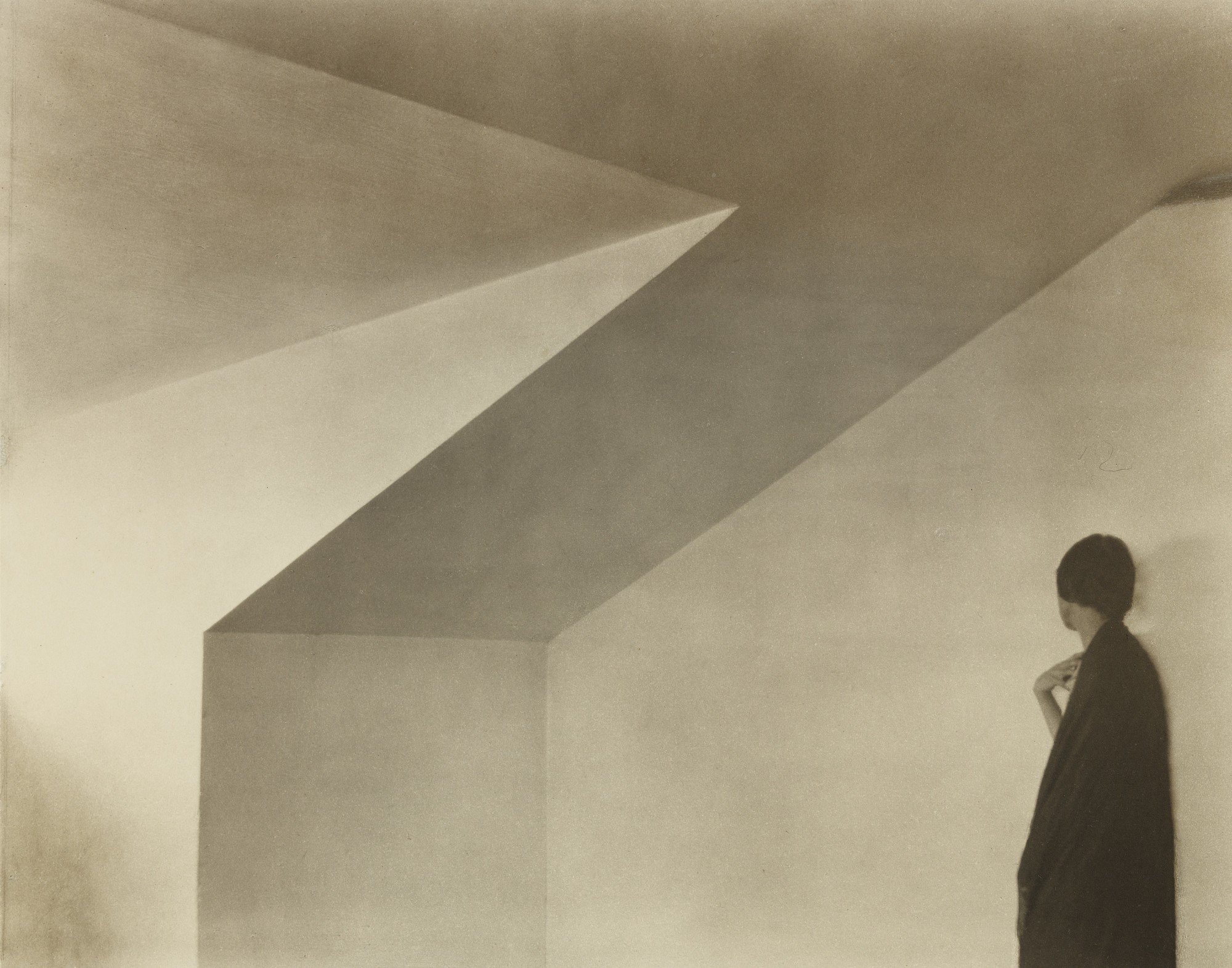
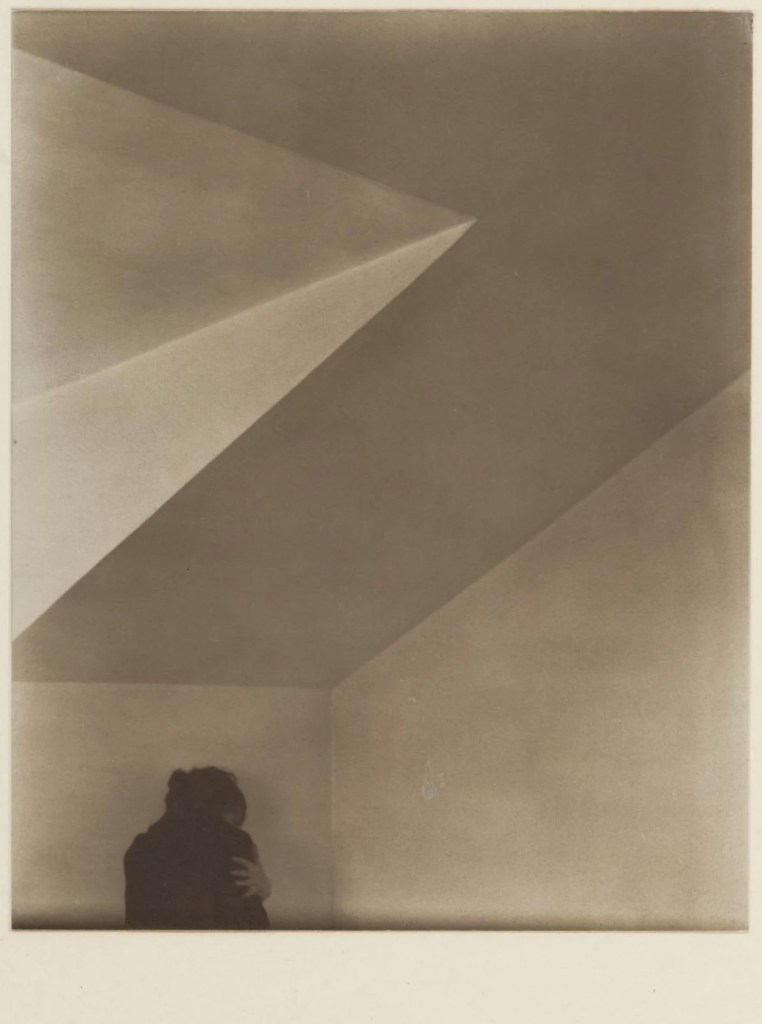
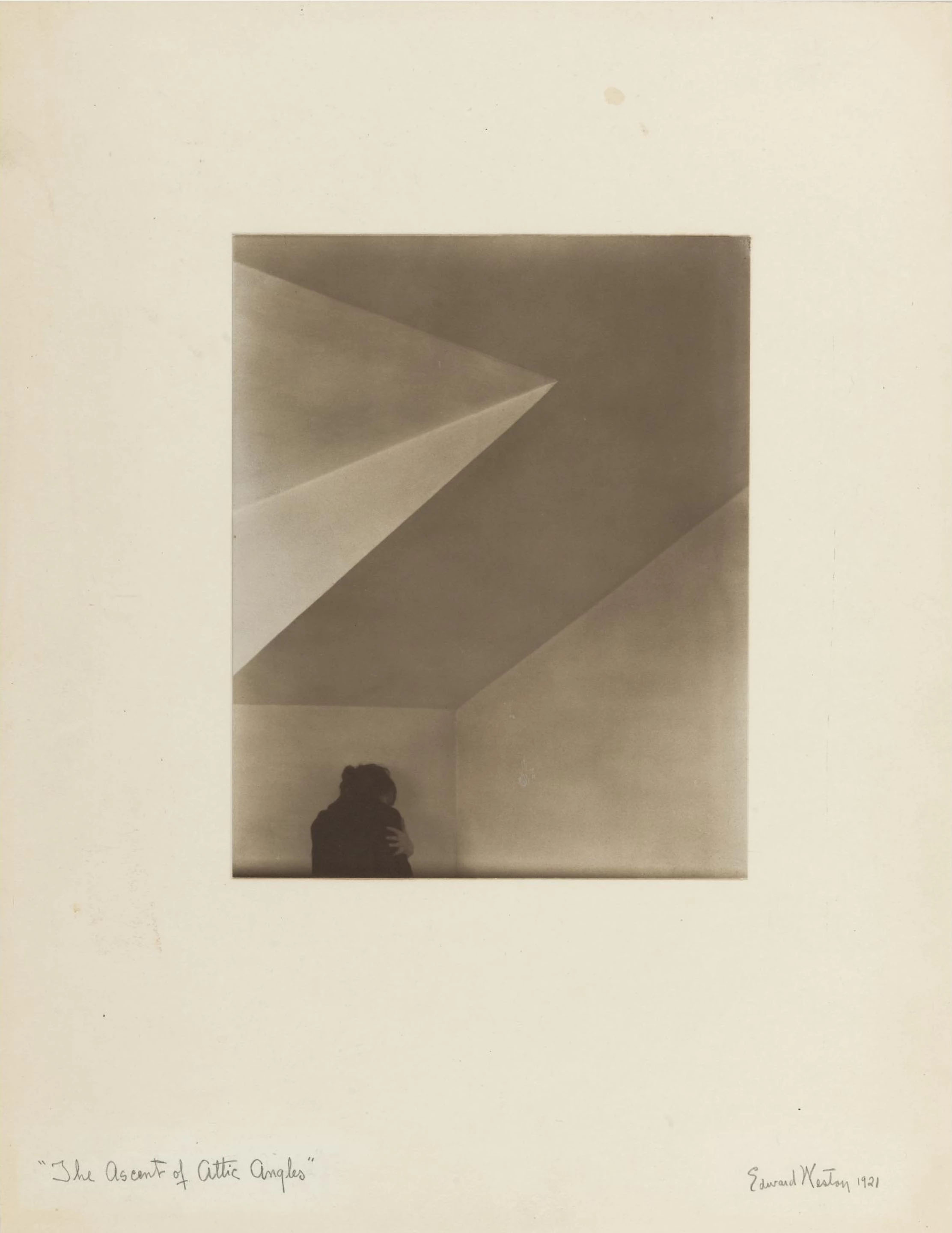
This particular photograph is part portrait and part compositional experiment with Weston’s growing interest in the formal concerns of Modernism. Katz is shown sitting in a niche where a network of large intersecting planes made up of the attic’s floor, walls, and dormers and articulated in varying shades by light entering from an unseen window on the right.
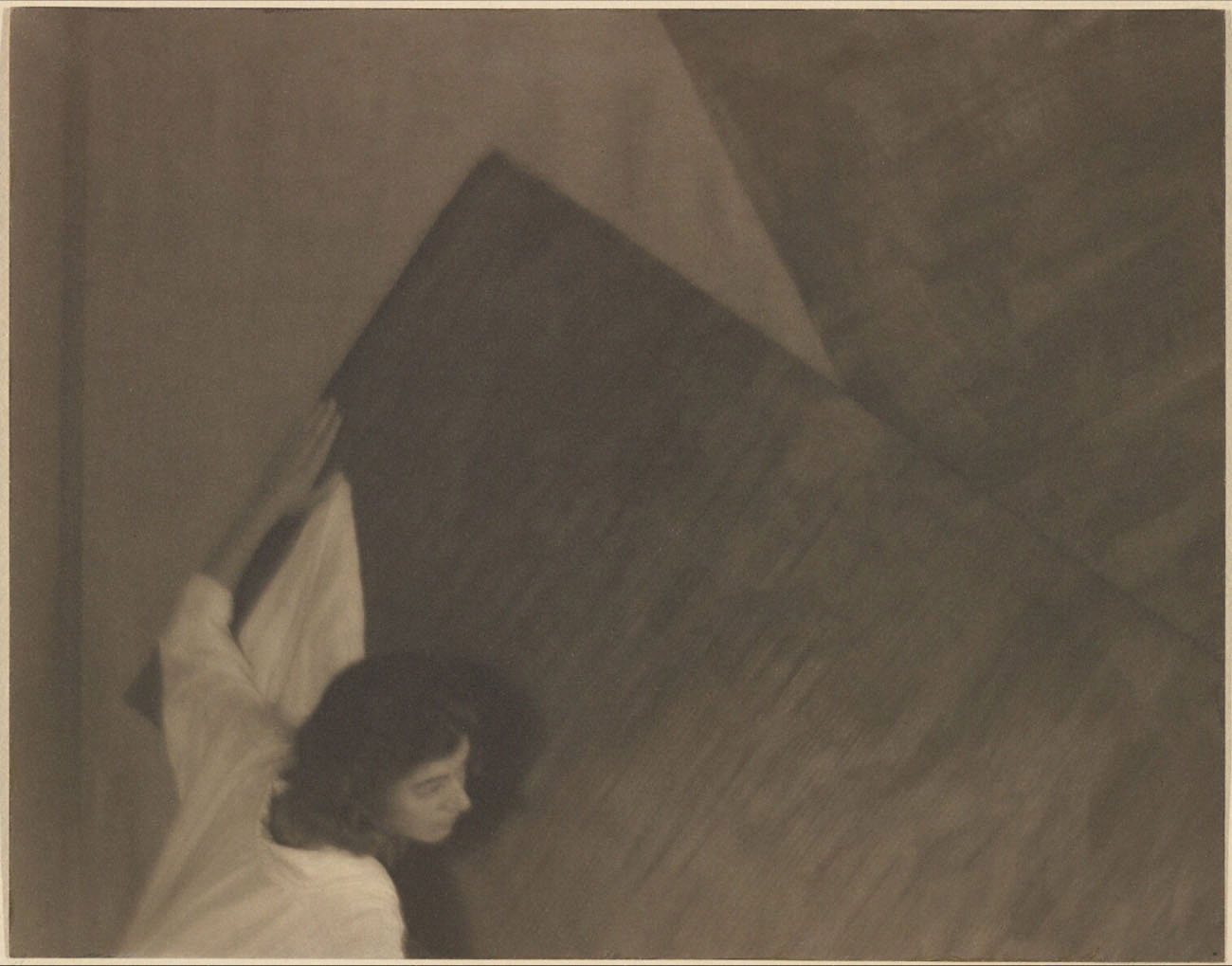
This particular photograph is Pictorialist in its soft focus and compositional arrangement. However, it is also Modernist in its self-conscious use of space and form as subjects of the photograph. Weston subordinated Katz’s figure to the graphic abstraction of the large rectangles that she appears to hold up. The print’s muted tones flatten the image’s depth, reducing the room to a two-dimensional space.
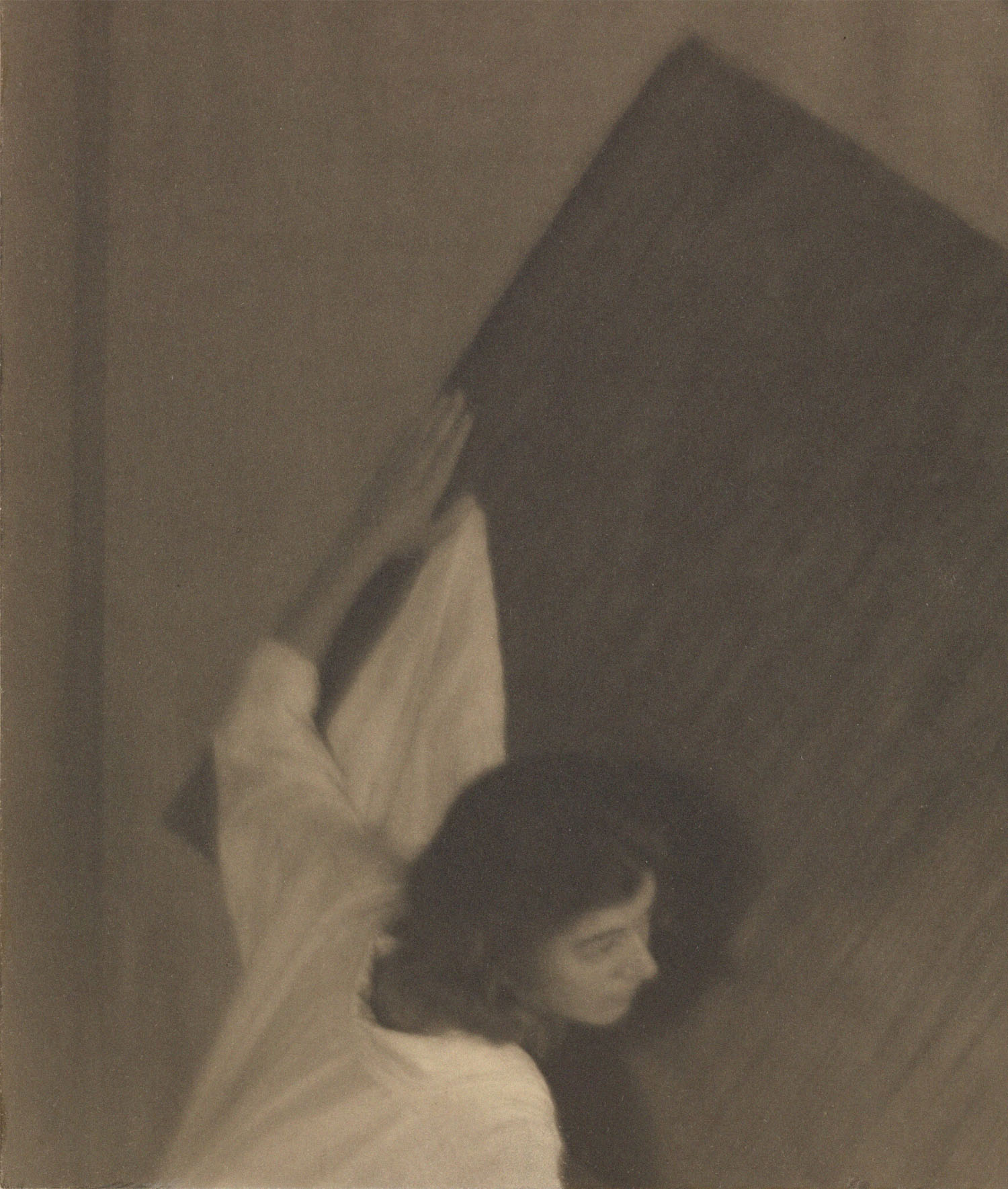
A critic for Pictorial Photography, wrote about this image: “Queerness for its own sake must have obsessed Edward Weston when he recorded the stiff and angular lines in Betty in Her Attic . . . , although there is no denying the truth and beauty of tones of the floors and walls. But the position of the girl!—is there not a touch of cussedness in that?”

This particular photograph is part portrait and part compositional experiment with Weston’s growing interest in the formal concerns of Modernism. Katz is shown tucked into a network of large intersecting planes made up of the attic’s floor, walls, and dormers and articulated in varying shades by light entering from an unseen window on the left.
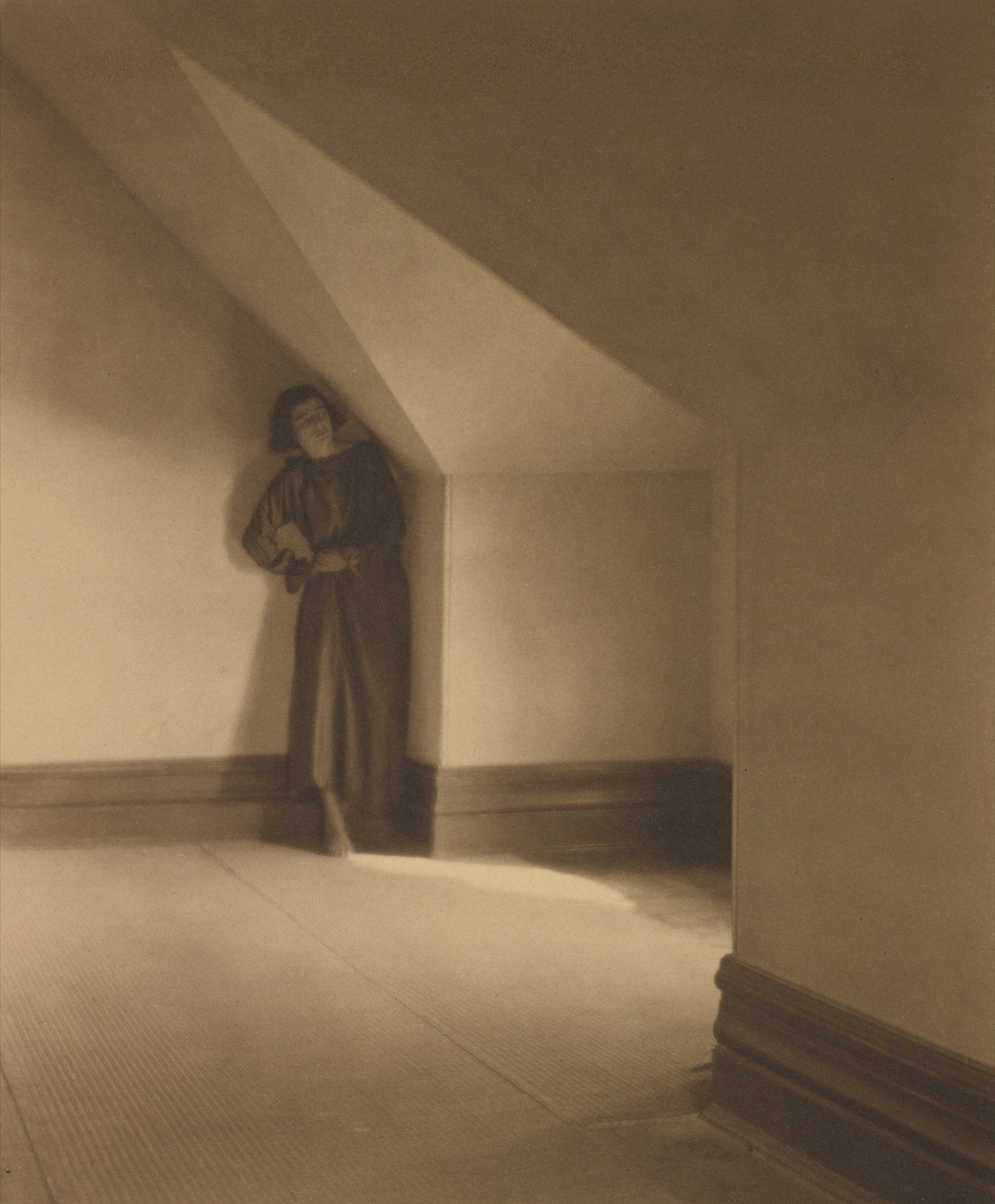
This particular photograph is part portrait and part compositional experiment with Weston’s growing interest in the formal concerns of Modernism. Katz is shown tucked into a network of large intersecting planes made up of the attic’s floor, walls, and dormers and articulated in varying shades by light entering from an unseen window on the right.
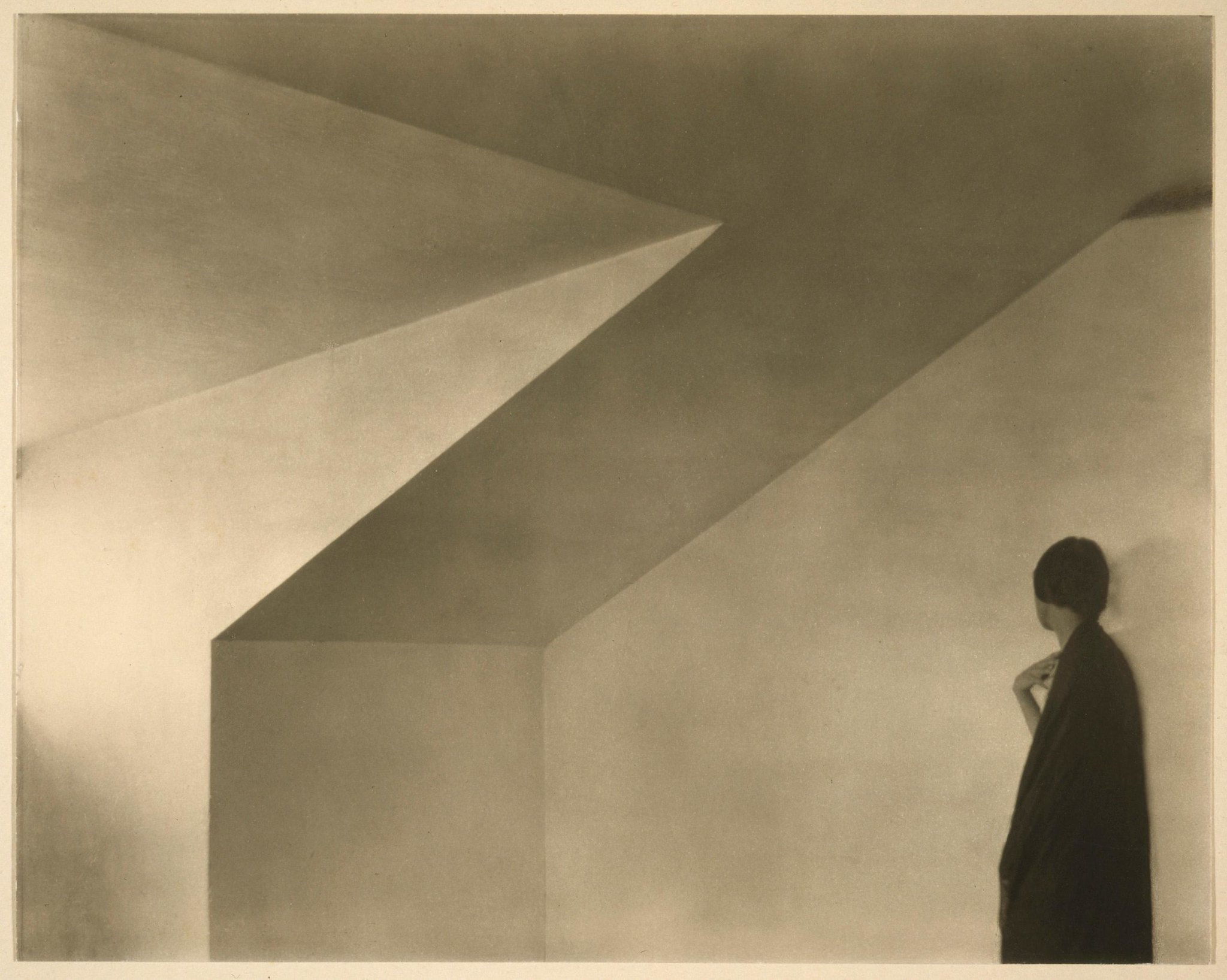
In 1920 Edward Weston began a creative series of pictures made in his friends’ attics. Reactions to these images were mixed. Imogen Cunningham (1883-1976), one of Weston’s friends and fellow photographers, wrote glowingly of one in a letter addressed to him, “It has Paul Strand’s eccentric efforts, so far as I have seen them, put entirely to shame, because it is more than eccentric. It has all the cubistically inclined photographers laid low. It is a most pleasing thing for the mind to dwell on, the mind I say and mean, not the emotions or fancies. It is literal in a most beautiful and intellectual way.”
The woman pictured is Betty Katz (later Brandner, 1895-1982), who was introduced to Weston by his colleague Margrethe Mather (1886-1952). Weston and Katz engaged in a brief affair in October 1920, when he made several other images of her in her attic and out on a balcony.
Text adapted from Brett Abbott. Edward Weston, In Focus: Photographs from the J. Paul Getty Museum [All quotes from this post retrieved from Getty museum]






 un regard oblique