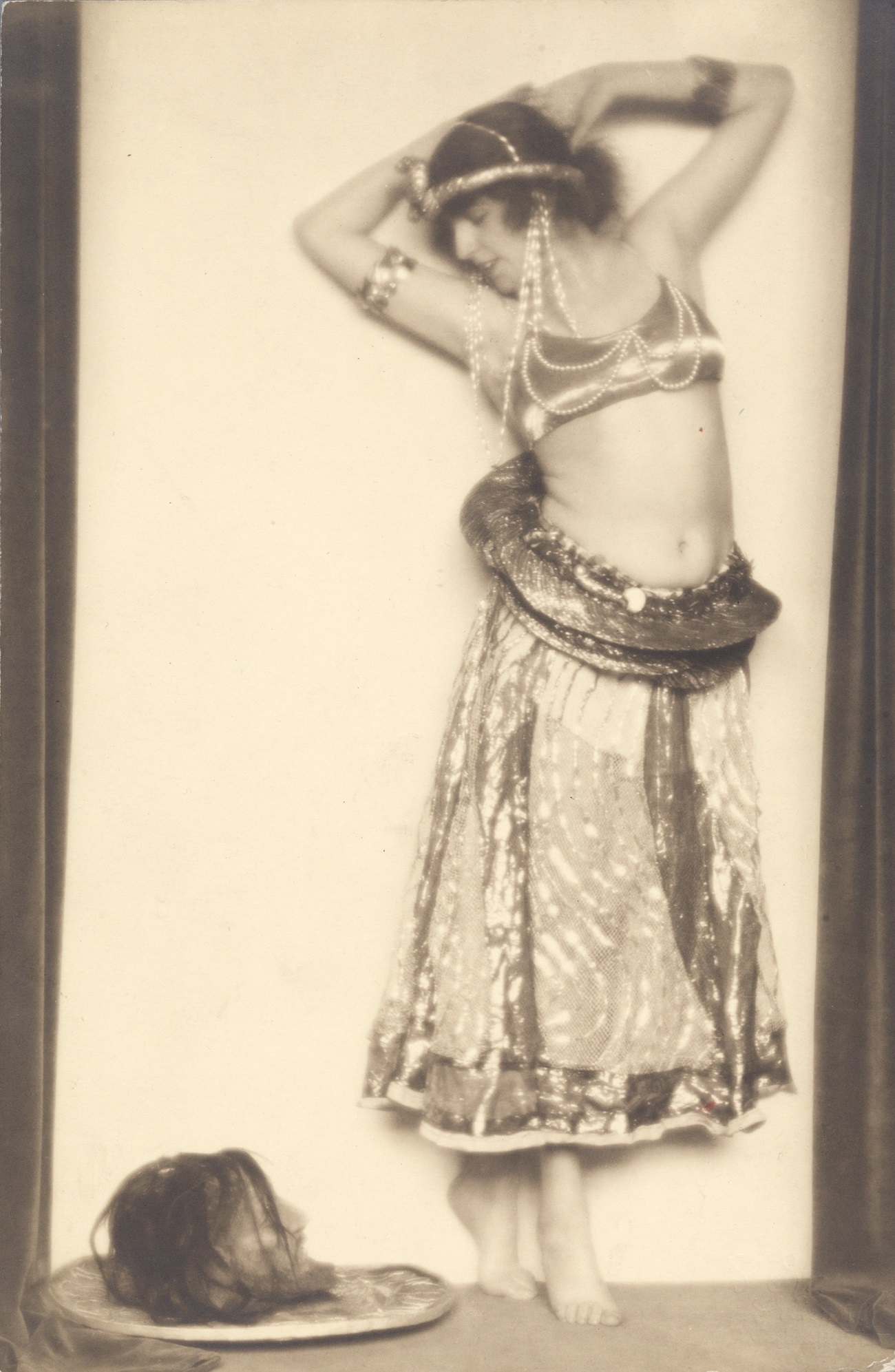
Madame d’Ora (1881–1963) ~ Hedy Pfundmayr in ‘Tanz der Salome’ (Richard Strauss), Vienna, ca. 1924 | src Ostlicht
On verso: “Wiener Foto-Kurier” agency stamp, label with text: “Hedy Pfundmayer (sic), Primaballerina de l’opera a Vienne comme ‘Salome'”. Also, several annotations in pencil on the reverse, as: “Berhümte Solo Tänzerin […] die Tänzerin Pfundmaier (sic)”.
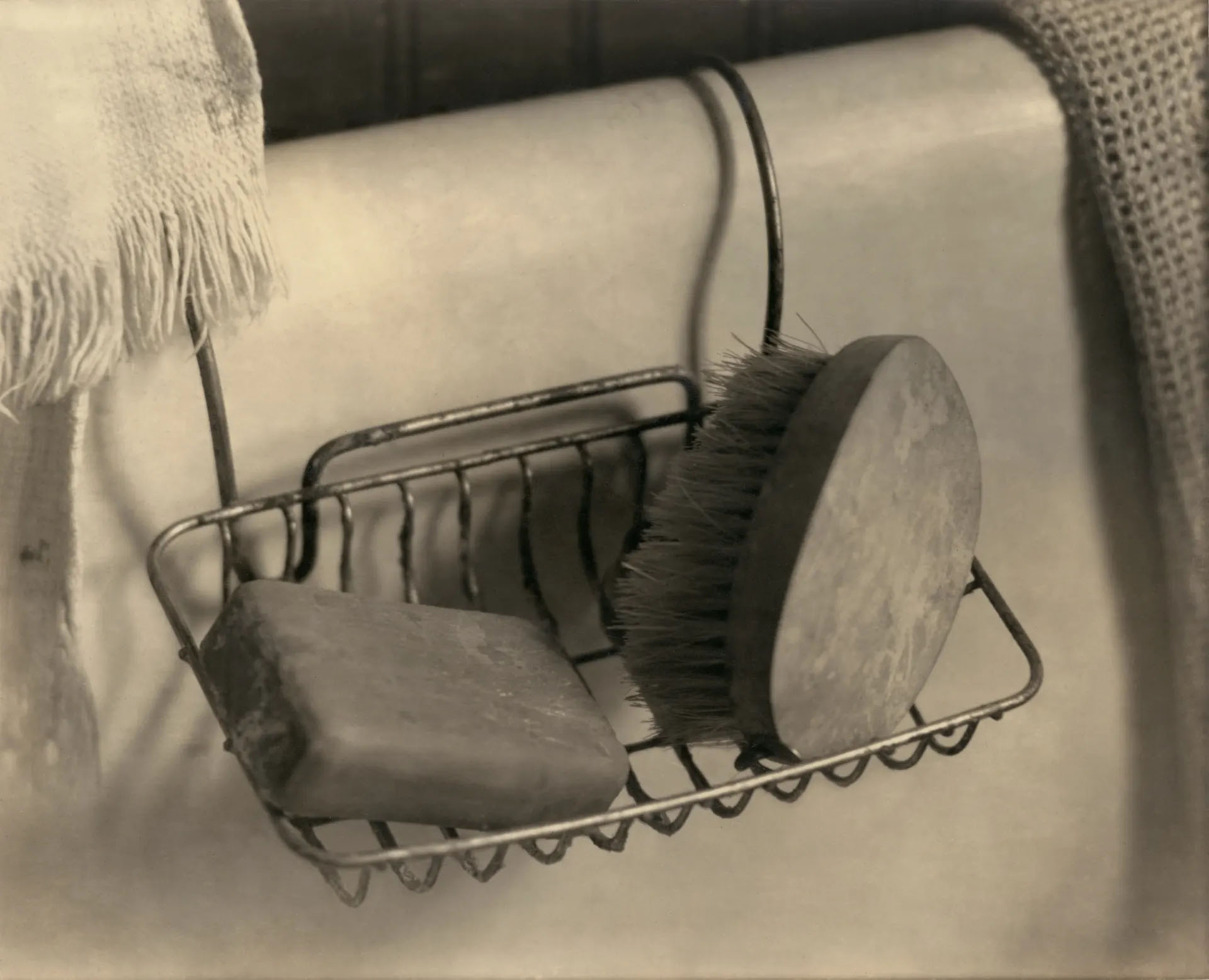
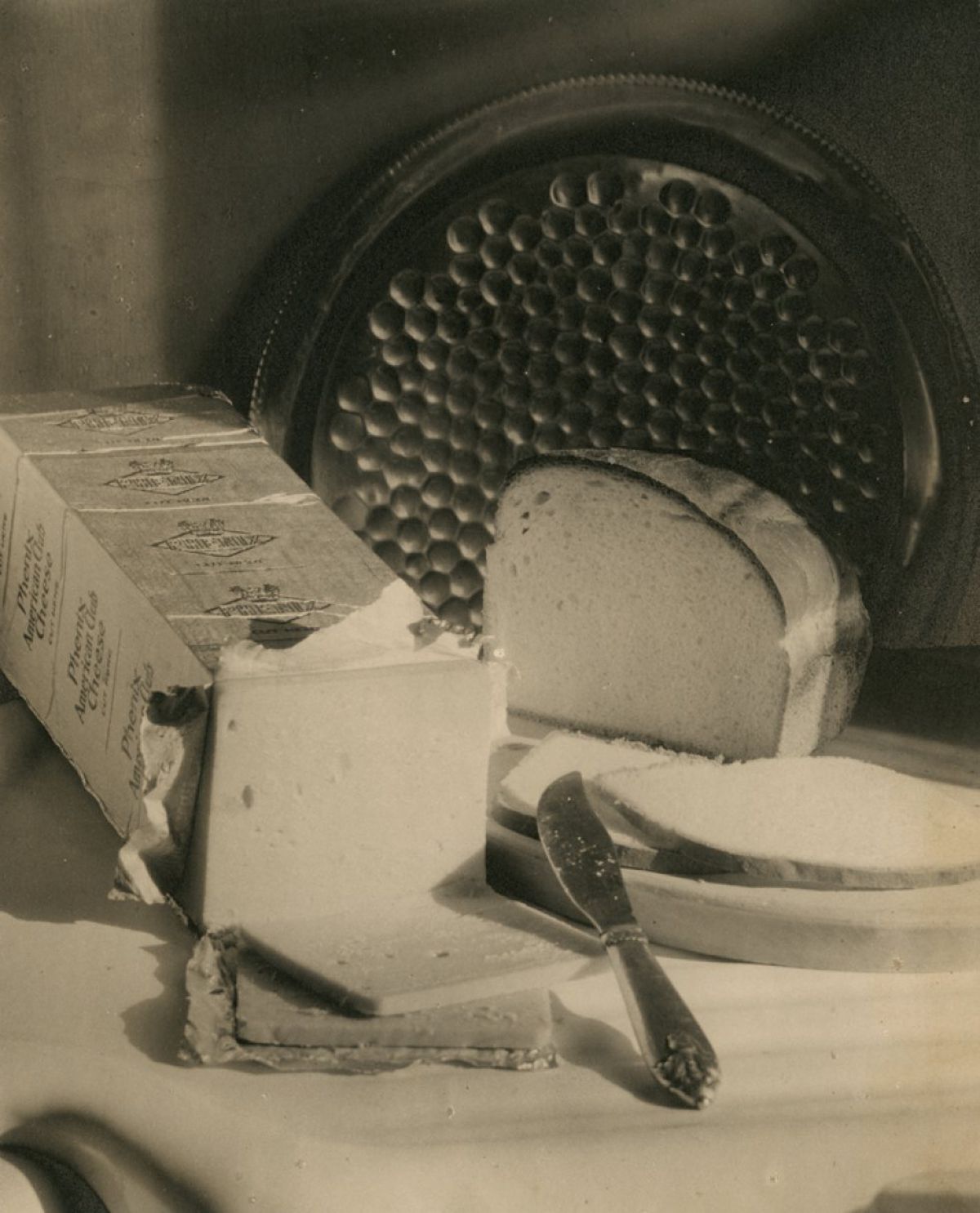
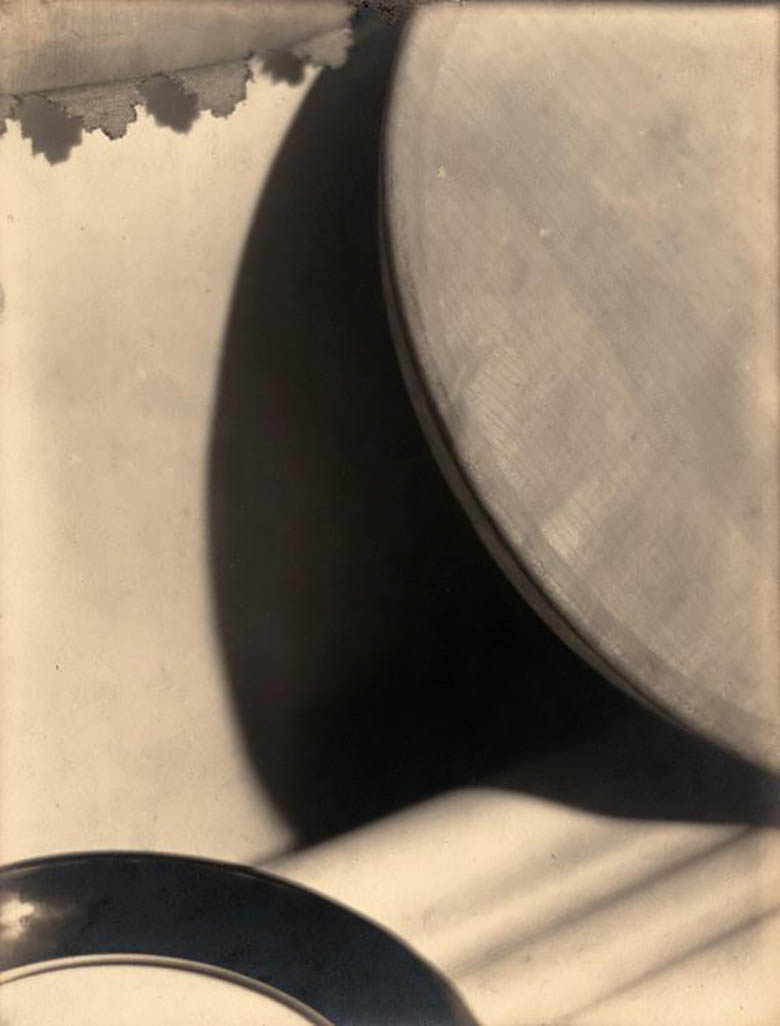
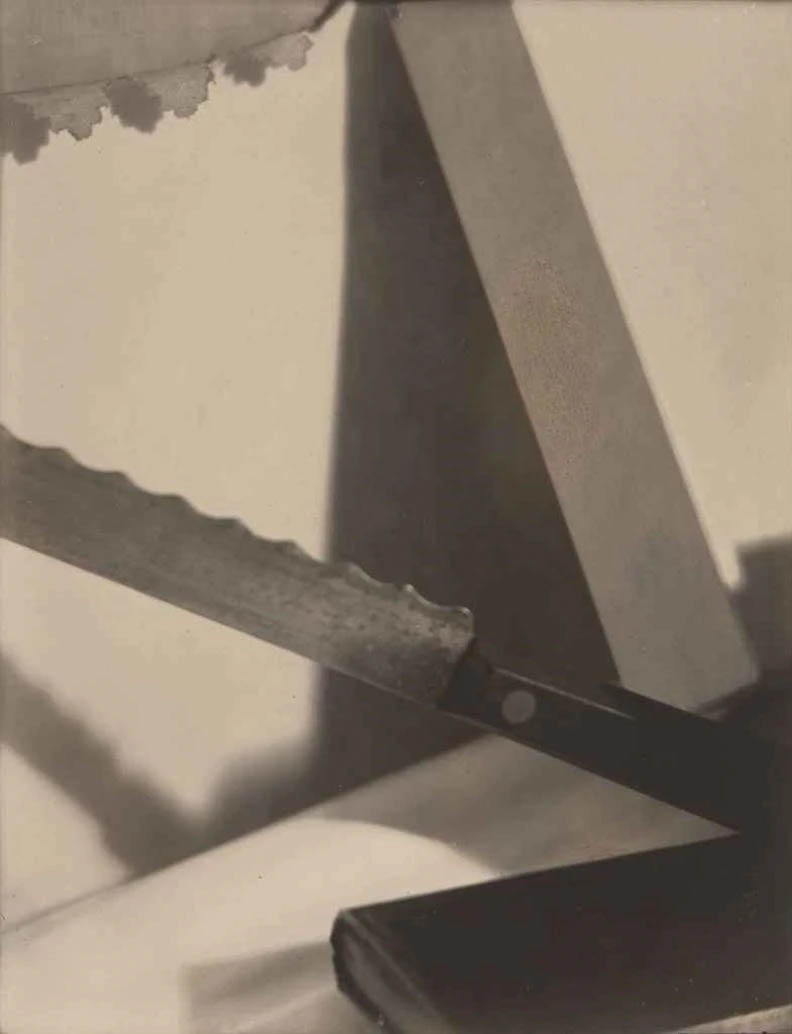
Margaret Watkins (1884-1969) ~ Still Life – Bathtub, New York, 1919 | src The Revolutionary Gaze at The GuardianMargaret Watkins (1884-1969) ~ ‘Phenix Cheese’, 1924 | src El País CulturaMargaret Watkins (1884-1969) ~ Lamp and Mirror, 1924 | src El País Cultura
Watkins was likely influenced by Arthur Wesley Dow, a Columbia University professor of fine arts who was closely associated with the White school. Dow wrote about the beauty of compositions that use curved and straight lines, and alternating light and dark masses. Dow also promoted the ideas of Ernest F. Fenollosa, who believed that music was the key to the other fine arts since its essence was “pure beauty.” Watkins herself used music as a metaphor for visual patterning in an essay about the emergence of advertising photography out of painting: “Weird and surprising things were put upon canvas; stark mechanical objects revealed an unguessed dignity; commonplace articles showed curves and angles which could be repeated with the varying pattern of a fugue.” / Quoted from: Margaret Watkins: Of Sight and Sound (National Gallery of Canada)
Margaret Watkins (1884-1969) ~ Design – Curves, 1919 | src The Nelson-Atkins Museum of Art
Margaret Watkins was a student at The Clarence H. White School of Photography in New York City. The school emphasized the principles of design that were common to all modes of artistic expression. This aesthetic, as seen here, resulted in works that merge realism and abstraction. Watkins received particular praise for her artistic transformation of the most common things: in this instance, the contents of her kitchen sink. / Quoted from The Nelson-Atkins Museum (x)
Margaret Watkins (1884-1969) ~ Design – Angles, 1919 | src MutualArtMargaret Watkins (1884-1969) ~ Domestic Symphony, (1919), palladium print | src Of Sight and Sound at NGC
In 1919 Watkins made her first ground-breaking domestic still lifes, taking as her subject such mundane scenes as a kitchen sink and bathroom fixture. In Domestic Symphony, the graceful curve of the porcelain recalls the fern-like scroll of a violin. Again, the composition is striking: the lower three-quarters of the image is in darkness, anchoring the forms and volumes in the upper portion. / Quoted from: Margaret Watkins: Of Sight and Sound (National Gallery of Canada)
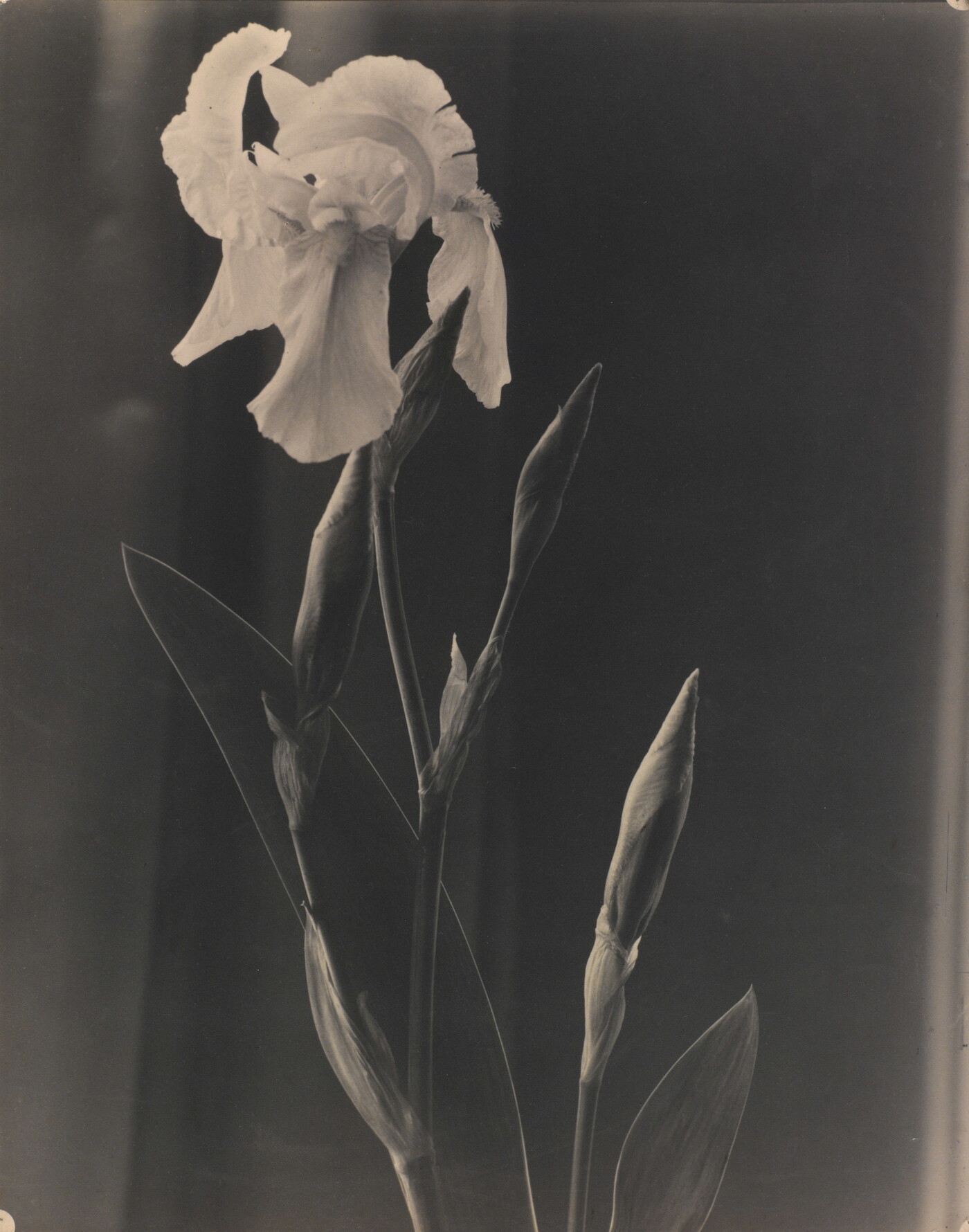
Laura Gilpin (1891-1979) ~ White Iris [Colorado Springs, Colorado]; May 7, 1926. Hand-coated platinum print. | src Amon Carter Museum P1979.141.27Laura Gilpin (1891-1979) ~ White Iris [Colorado Springs, Colorado]; May 7, 1926. Gelatin silver print. | src Amon Carter Museum P1979.141.23Laura Gilpin (1891-1979) ~ [Iris]; 1920’s-1960’s. Platinum print. | src Amon Carter Museum of American Art (P1979.141.47)Laura Gilpin (1891-1979) ~ White Iris [Colorado Springs, Colorado]; May 7, 1926. Handcoated platinum print. | src Amon Carter Museum of American Art P1979.141.24
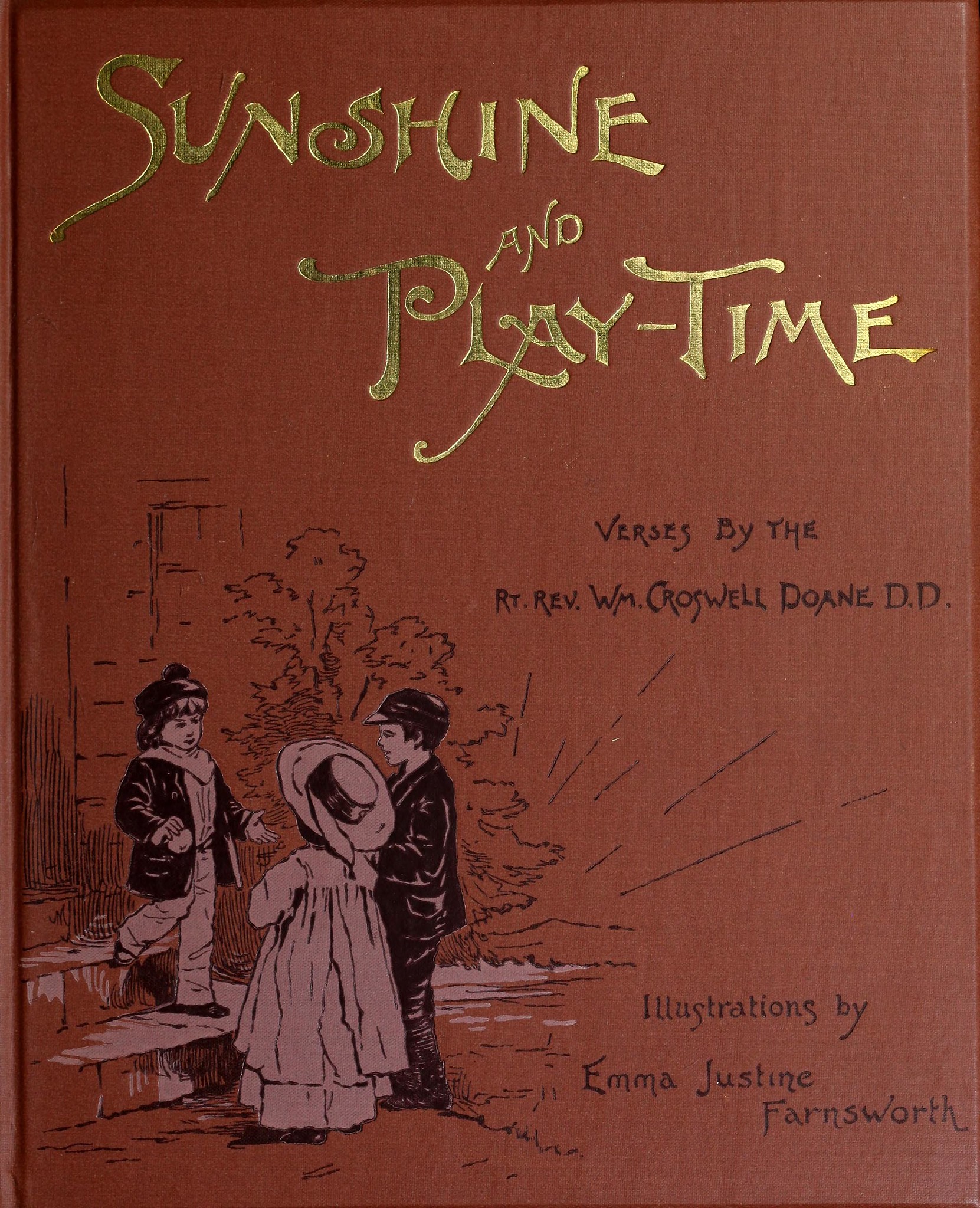
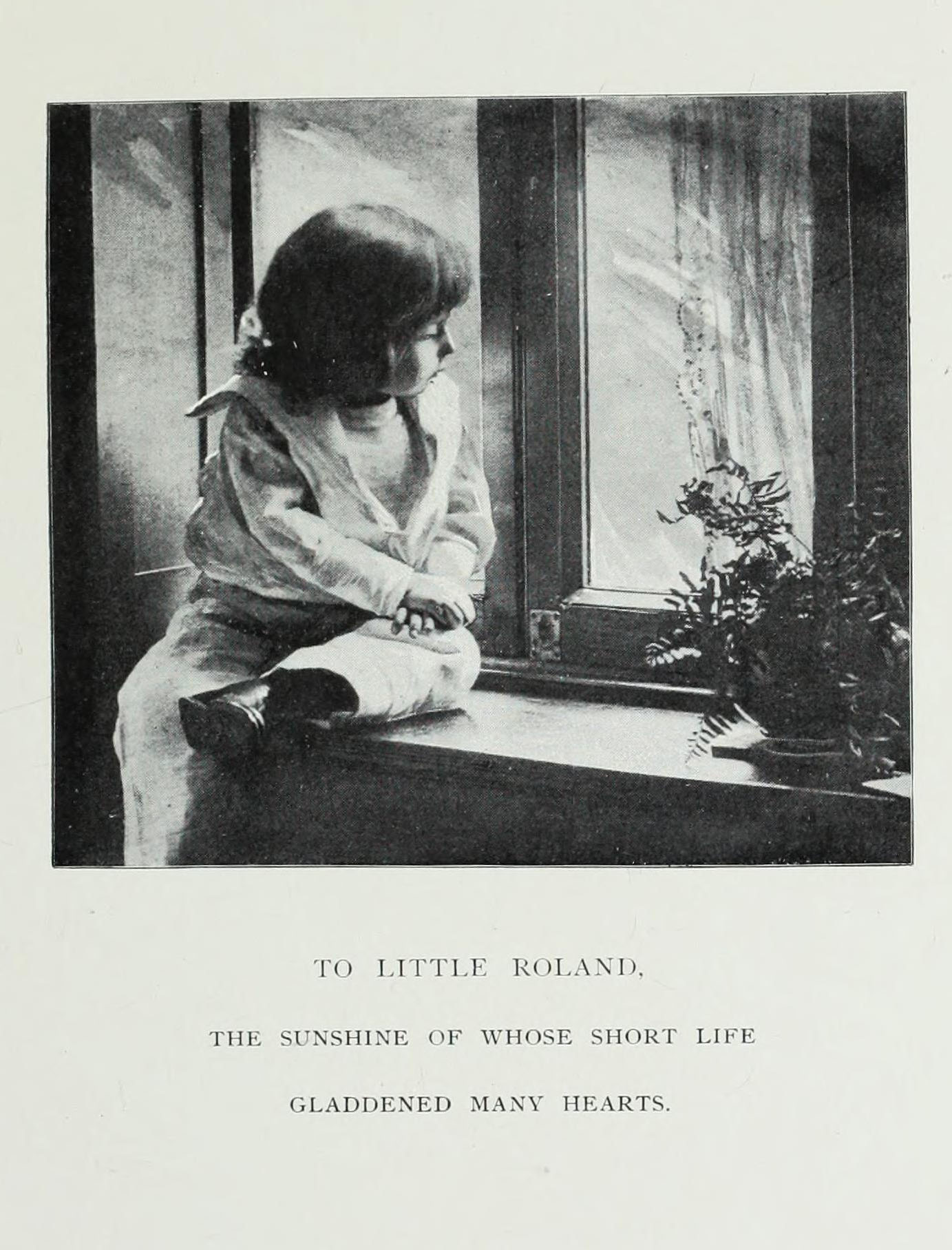
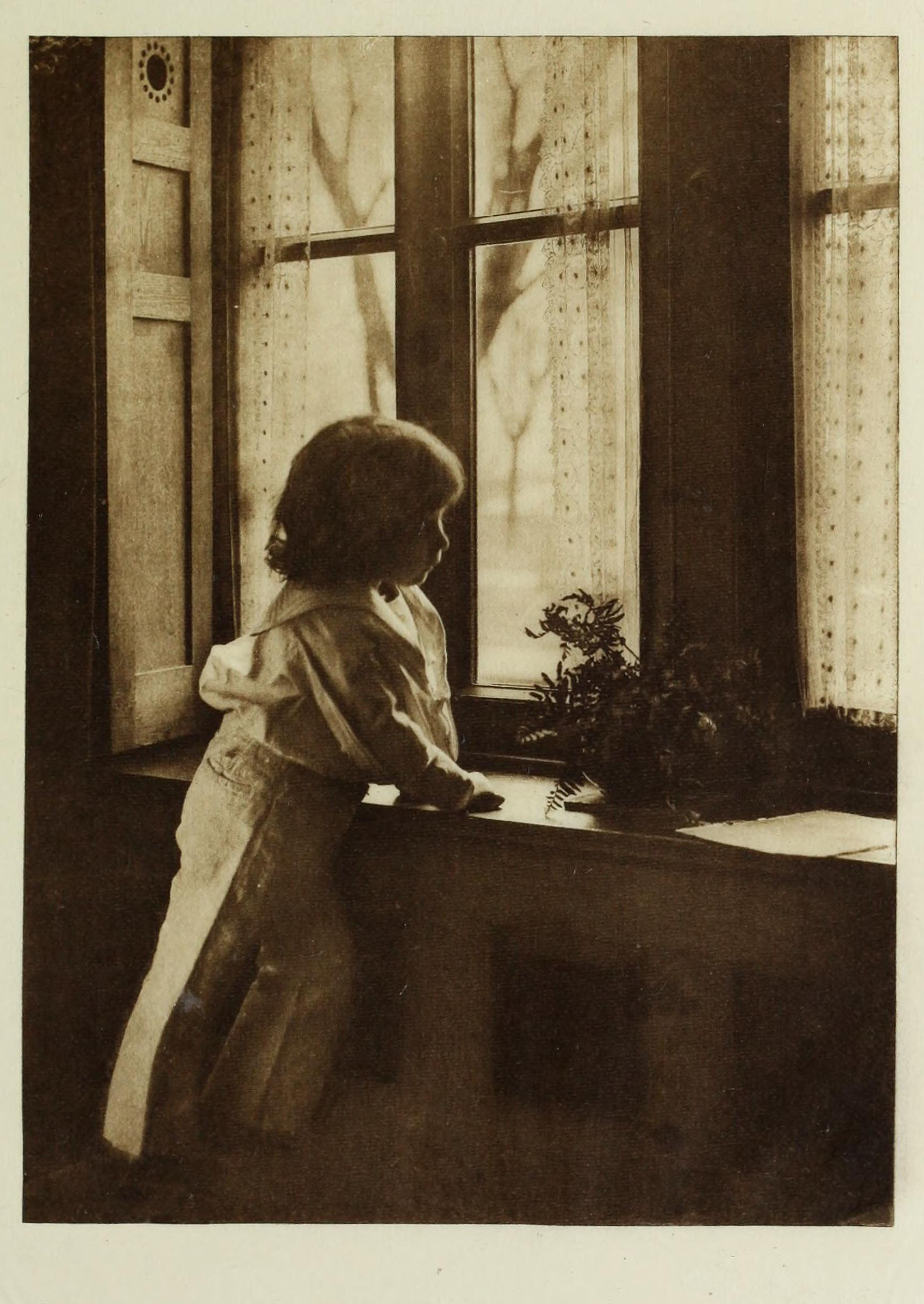
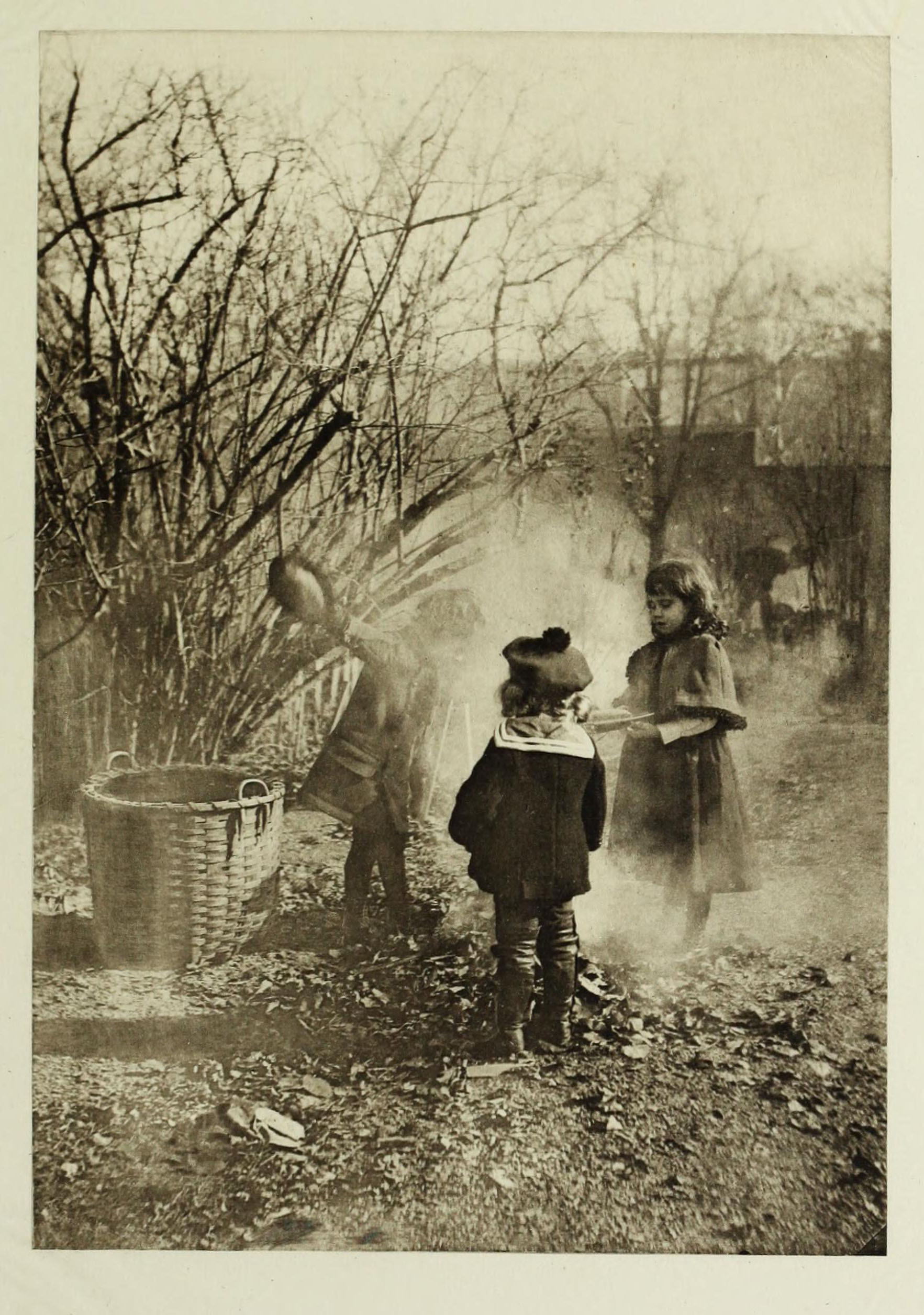
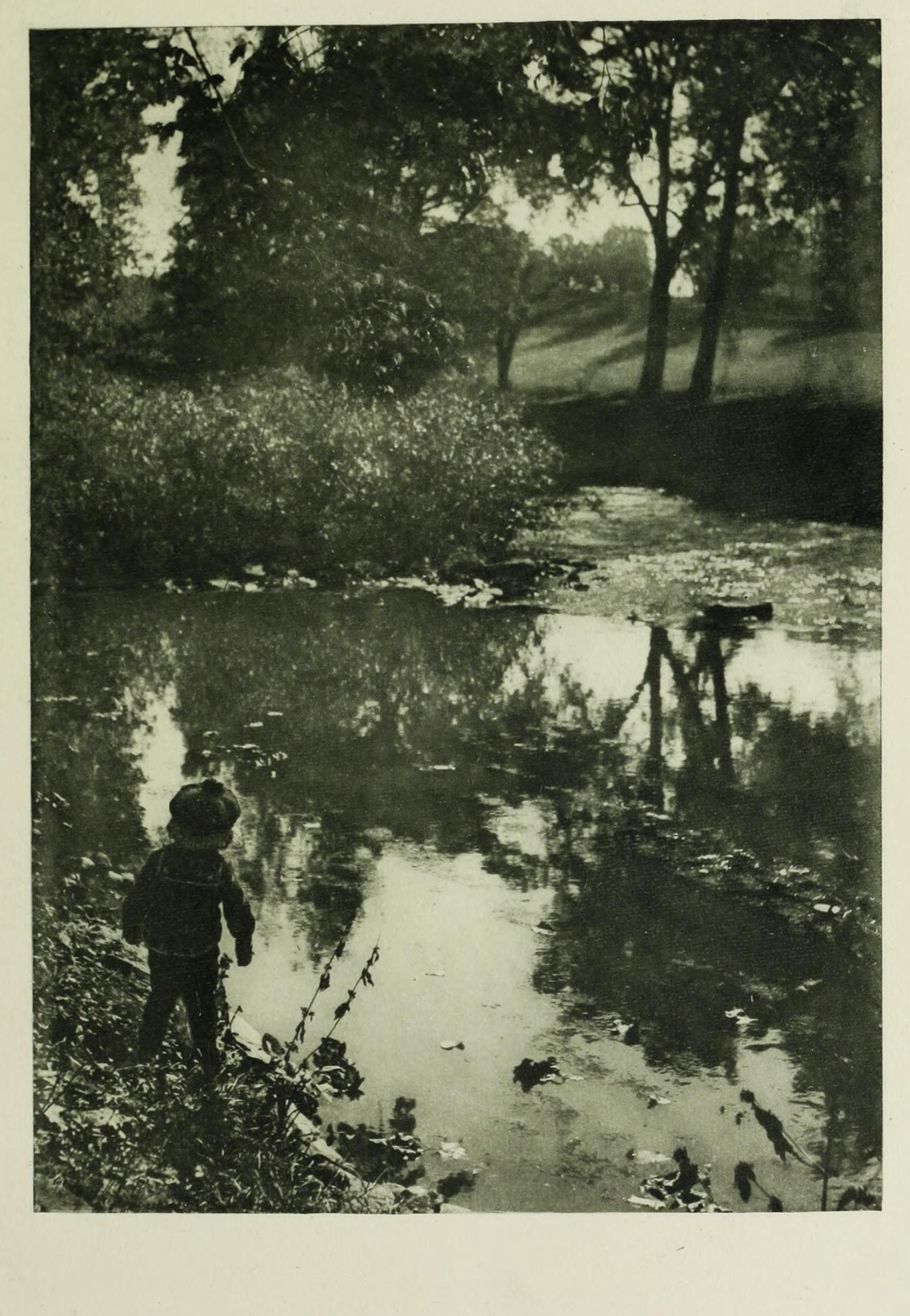
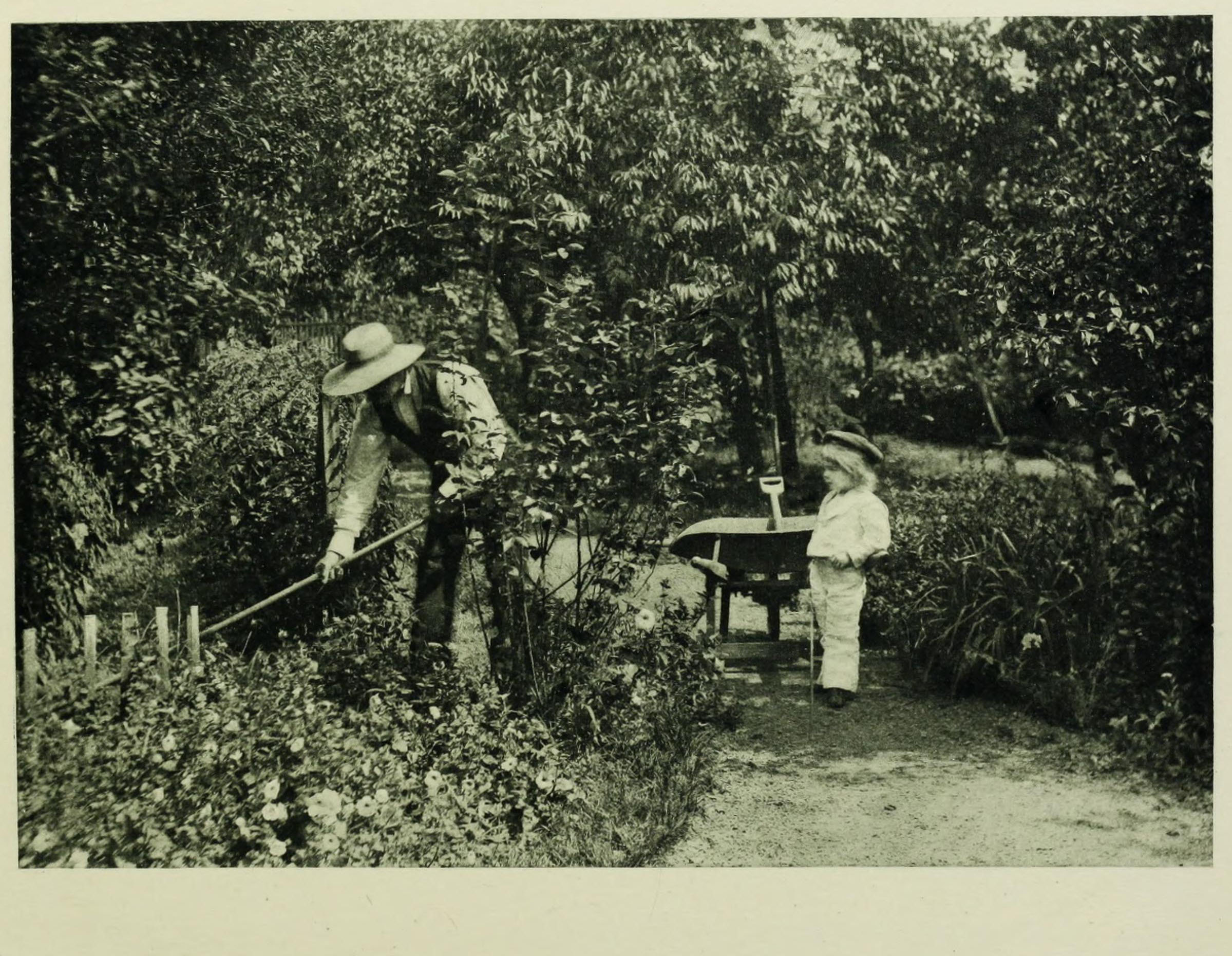
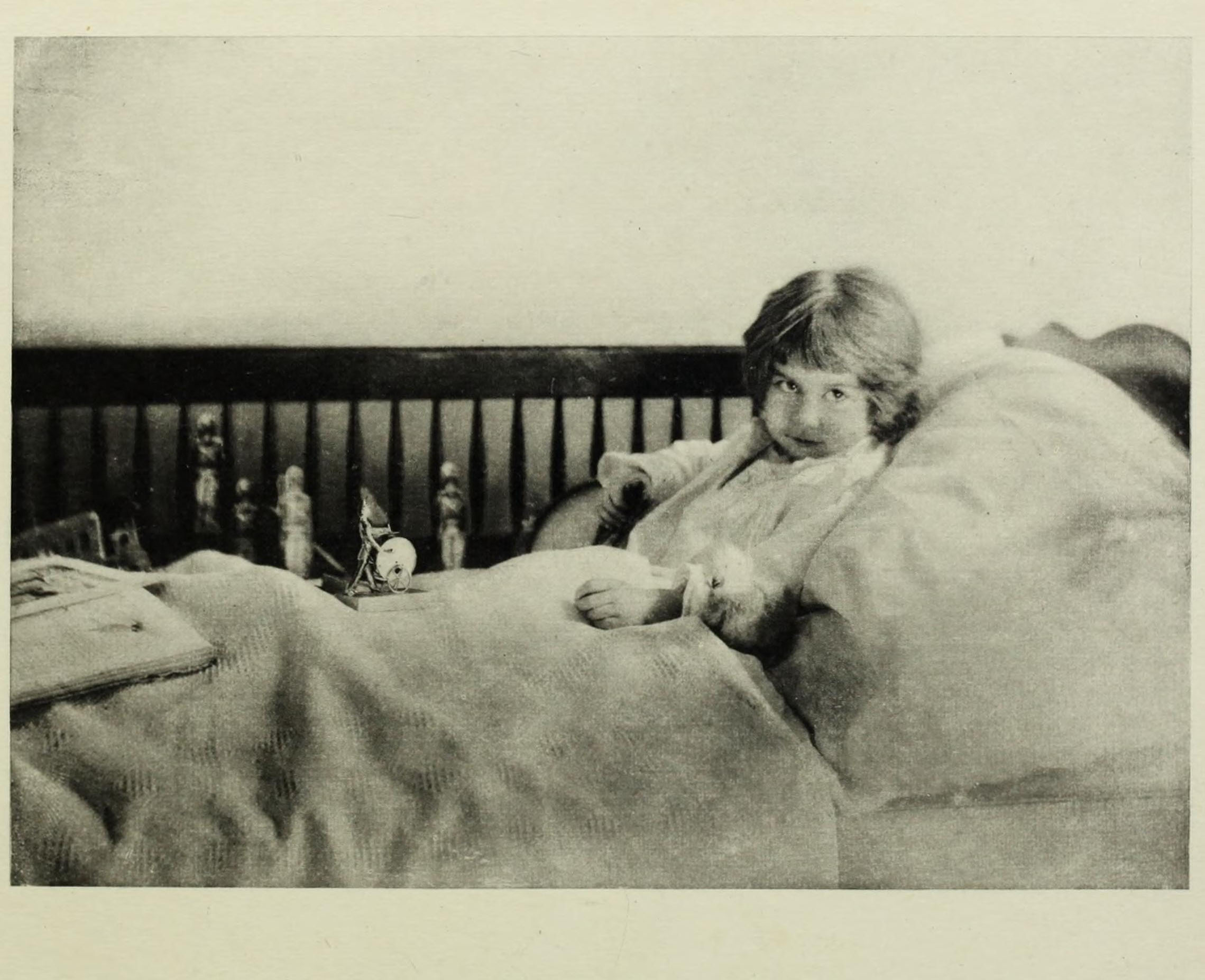
Emma Justine Farnsworth ~ From Sunshine and Playtime, 1893 | src internet archiveEmma Justine Farnsworth ~ From Sunshine and Playtime, 1893 | src internet archiveEmma Justine Farnsworth ~ From Sunshine and Playtime, 1893 | src internet archiveEmma Justine Farnsworth ~ From Sunshine and Playtime, 1893 | src internet archiveEmma Justine Farnsworth ~ From Sunshine and Playtime, 1893 | src internet archive
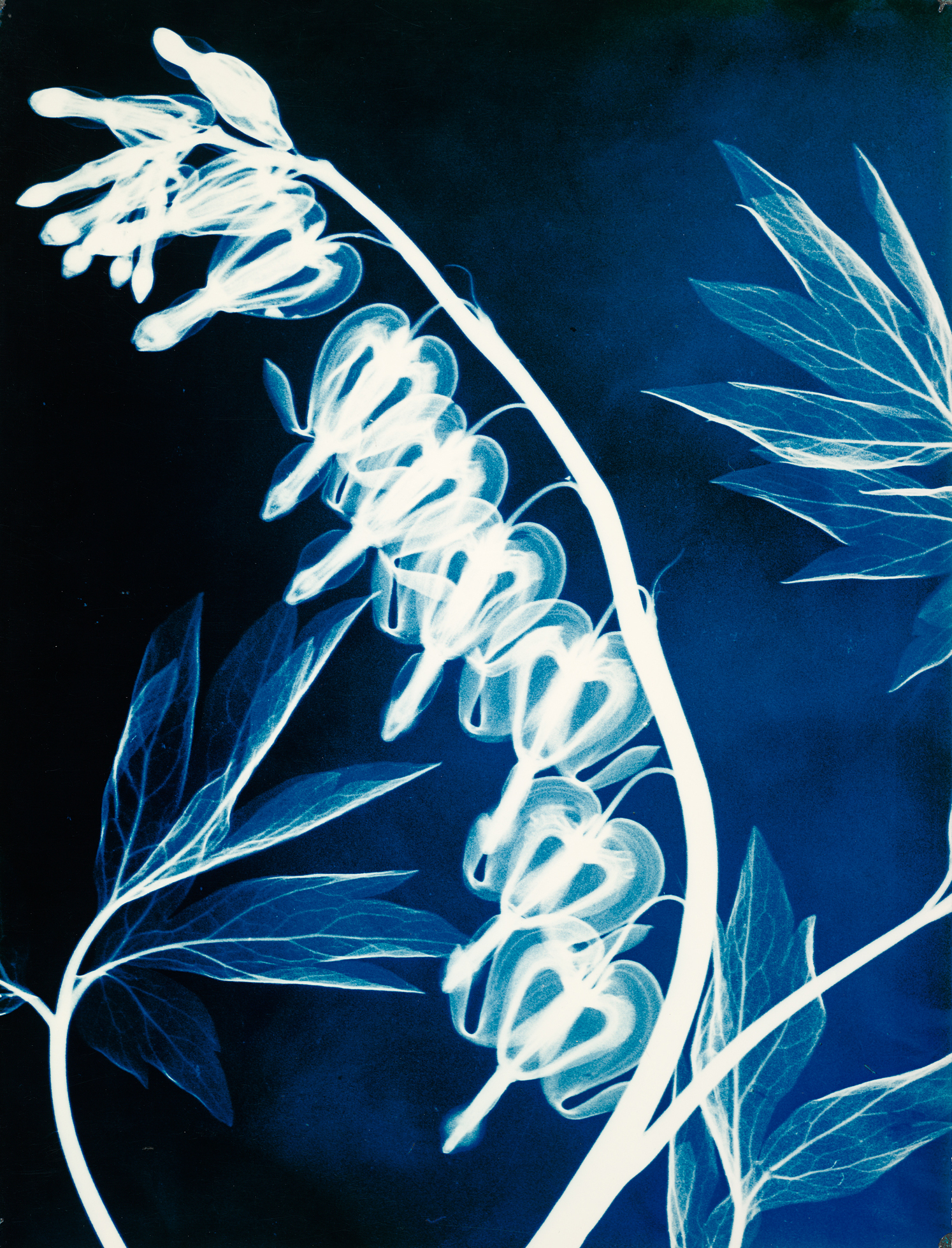
Hilja Raviniemi ~ Untitled (Flowers), 1960s. Collection of the Finnish Museum of Fine Arts | src Valokuvamuseo · IGHilja Raviniemi ~ Shell design, 1970. Suomen valokuvataiteen museon kokoelma. | src Fall 2023 exhibition
Hilja Raviniemi (née Nieminen, 1915–1973) dedicated her life to art photography at a time when it was still a niche phenomenon in Finland. The art photography scenes consisted of amateur photographers’ clubs’ regional and international exhibitions. Letters from international exhibitions addressed to “Mr. Hilja Raviniemi” show that photographers were assumed to be men. Hard work helped “Hili” rise to the top of the male-dominated world of amateur photographers’ clubs. She was the first woman to become chair of the Association of Finnish Camera Clubs, and she was awarded the international honEFIAP title, which was only allowed to be simultaneously carried by a select few photographers in the world.
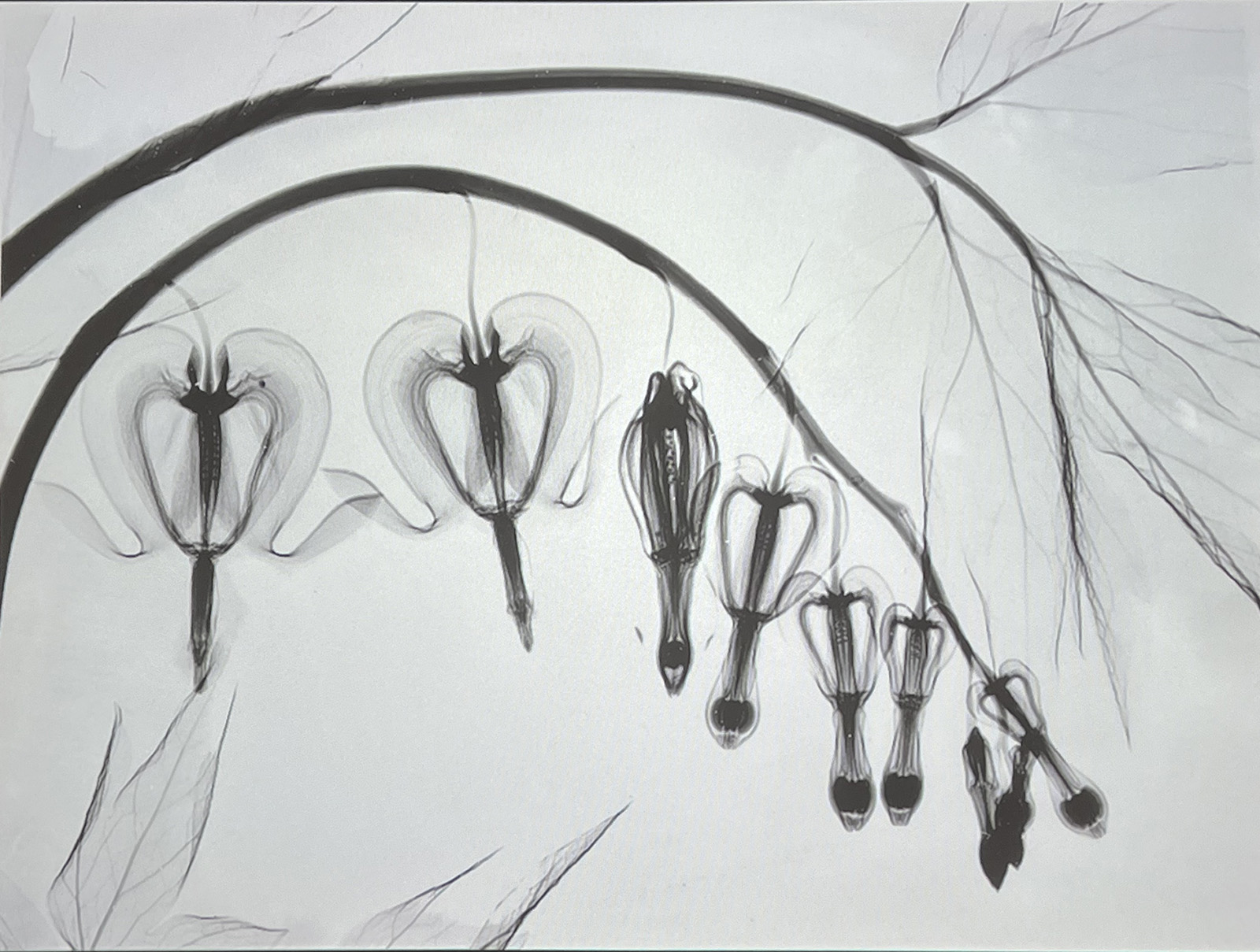
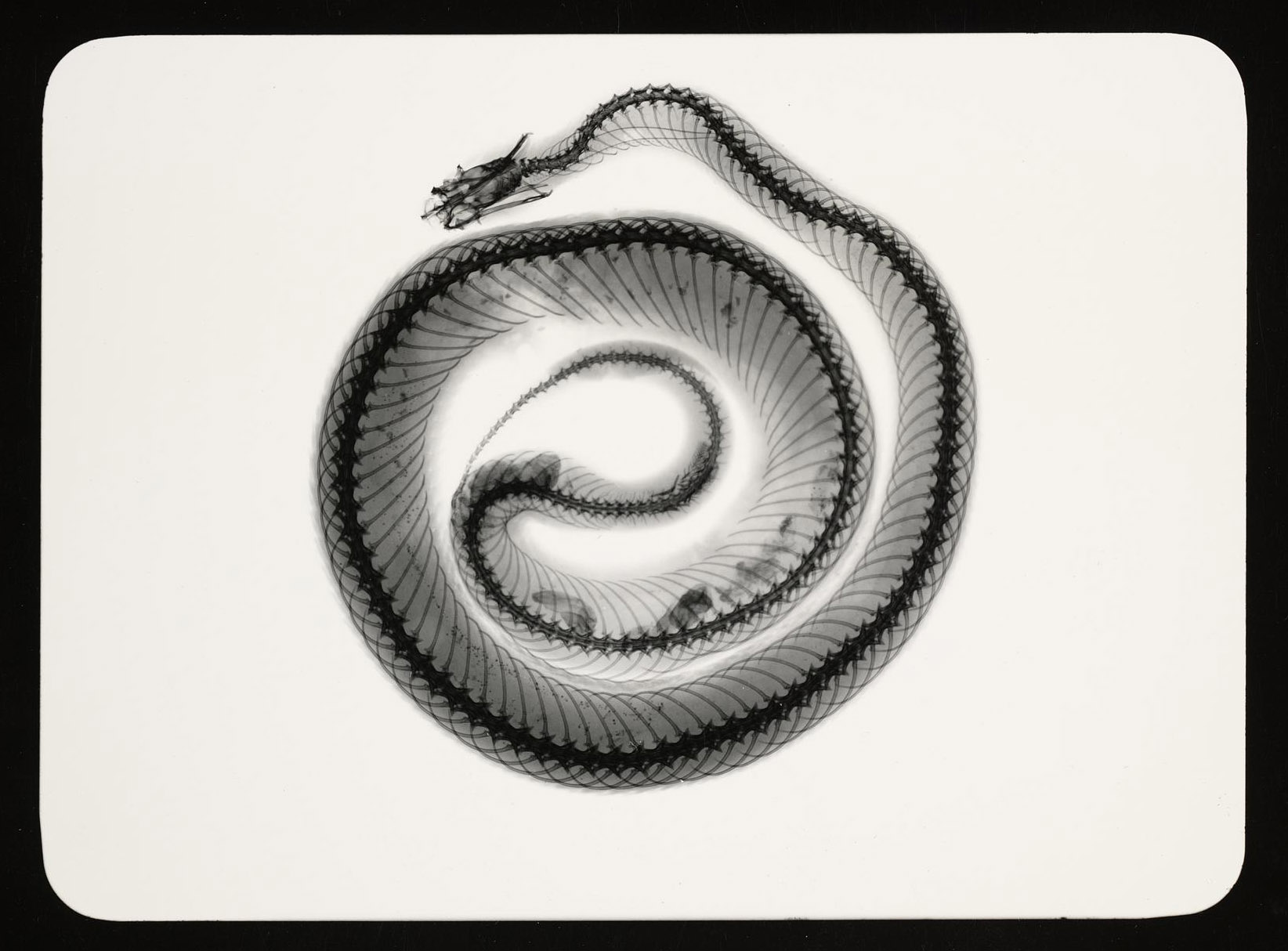
After her more traditional early work, Raviniemi explored the infinite creative possibilities offered by the darkroom, especially in the 1960s. Her recognizable blue era, which differed from the stark black-and-white art photography of the time, began in the late 1960s. Chemist by profession, Raviniemi was an ingenious artist in the darkroom. In addition to blue-tinted prints, she also created completely abstract photographic artworks using different techniques. Raviniemi’s workplace at the University of Helsinki photography department laboratory also allowed her to make the first artistic radiographic images in Finland. Hundreds of Raviniemi’s radiographic works have been preserved and make up an exceptional ensemble of works in the history of Finnish art photography. In the current exhibition, carefully constructed exhibition prints are accompanied by experimental material that grants us a glimpse of Raviniemi’s curious personality and sense of humor, along with eccentric pictures of cats.
Hilja’s husband, chemist Eero Raviniemi (1911–1996) was also an accomplished photographer and pioneer of color photography in Finland. After Eero’s death, the Raviniemi family’s photography collection was donated to the Finnish Museum of Photography.
quoted from: Hilja Raviniemi: Sinisen kosketus (A Touch of Blue). Fall 2023 exhibition at the Finnish Museum of Photography (link)
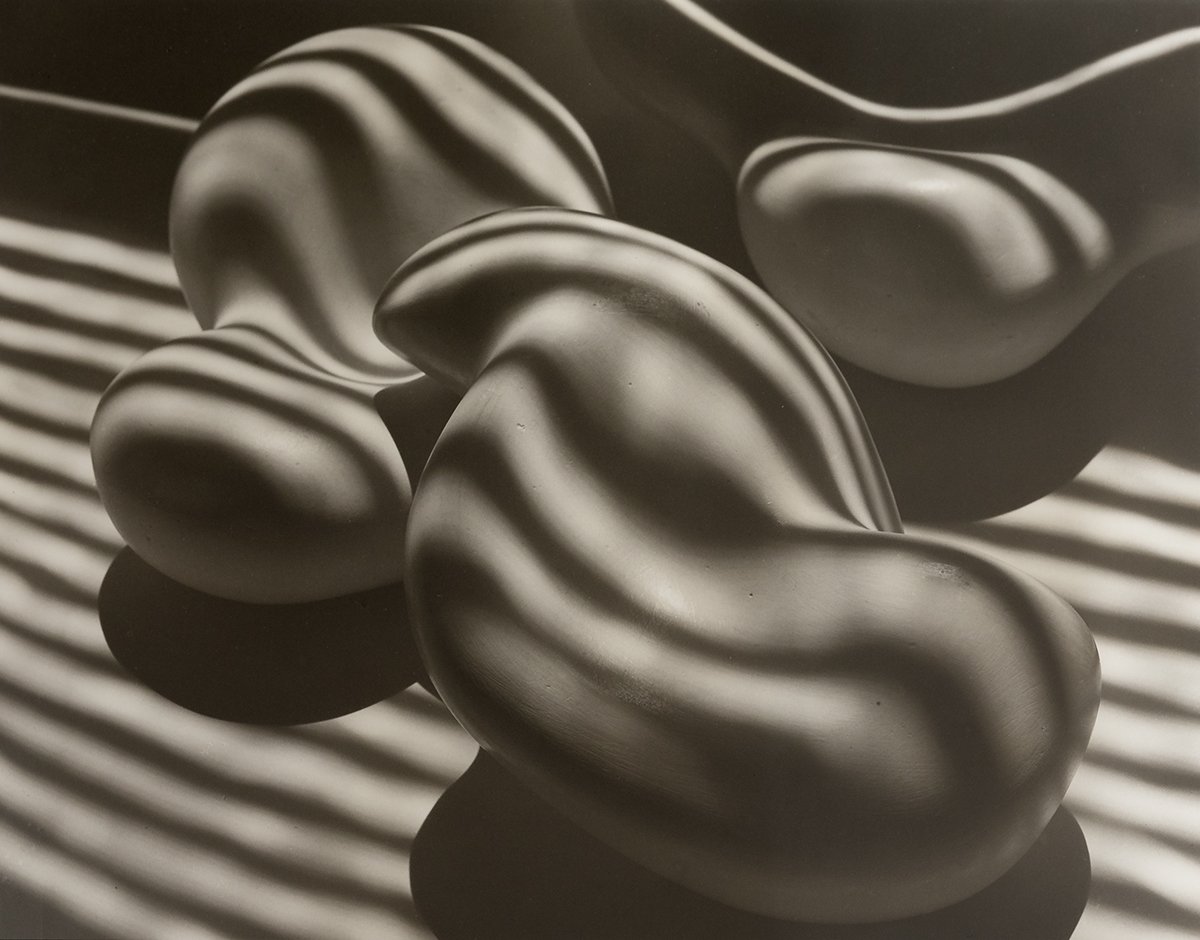
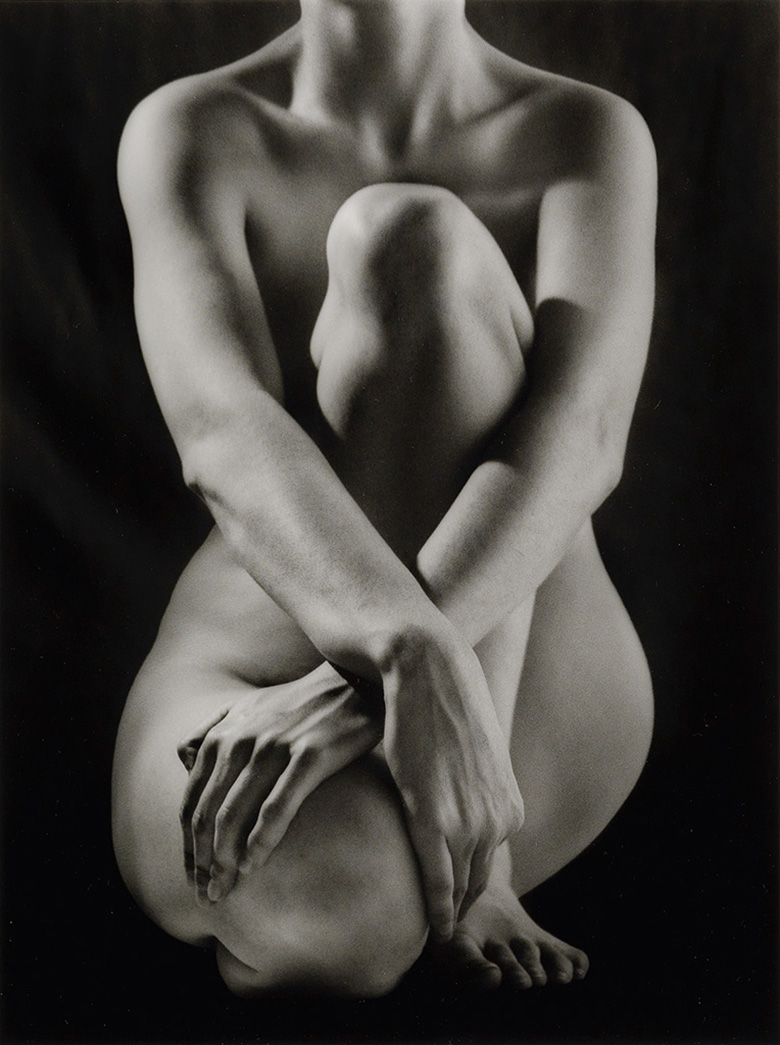
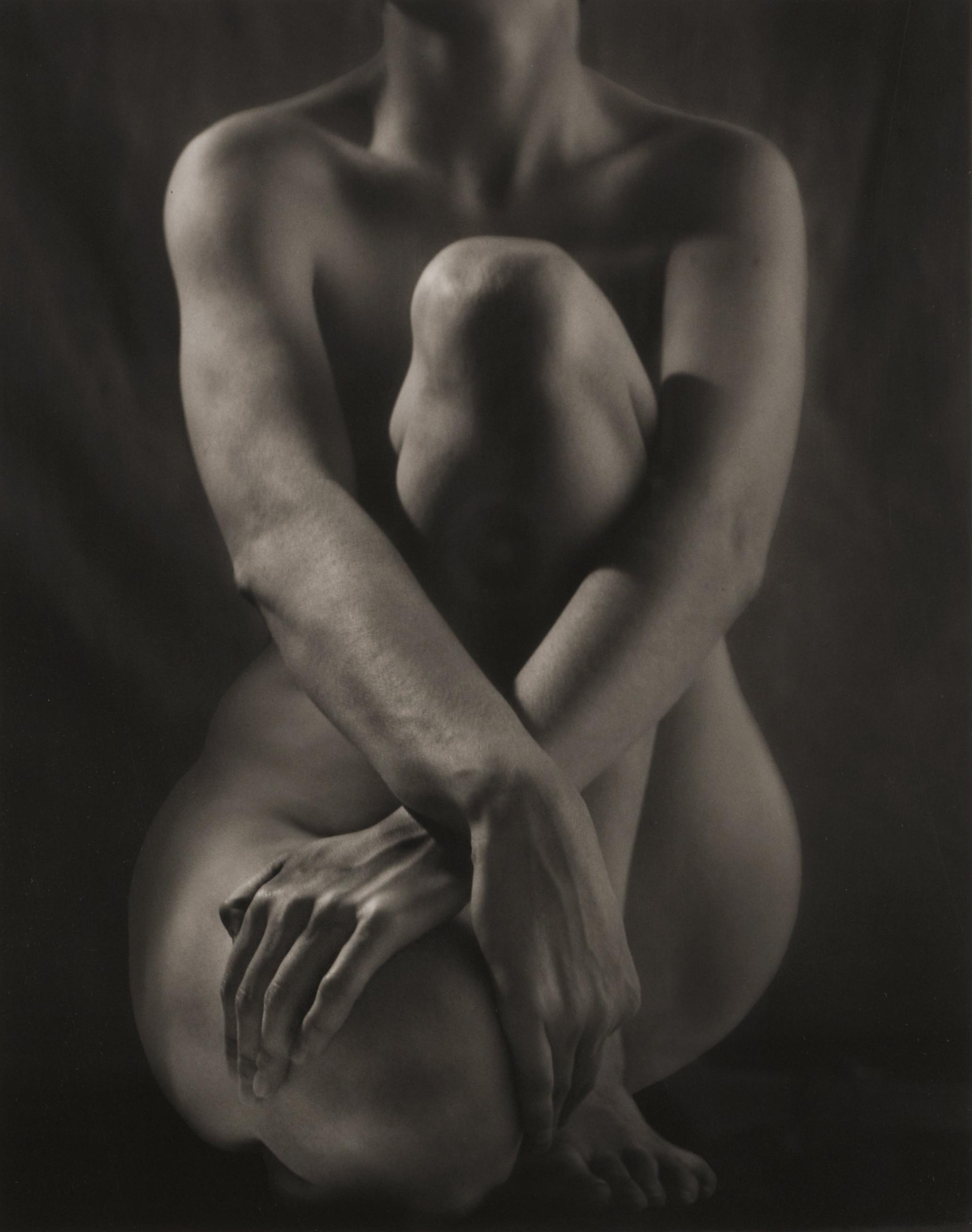
Ruth Bernhard ~ Classic Torso with Hands, 1952. | src Princeton Art Museum INV12612Ruth Bernhard ~ Classic Torso with Hands, 1952. | src Princeton Art Museum INV13053Ruth Bernhard ~ Classic Torso with Hands, 1952. | src Princeton Art Museum INV12636Ruth Bernhard ~ Classic Torso with Hands, 1952. | src Swann GalleriesRuth Bernhard ~ Classic Torso with Hands, 1952. | src Bonhams
















 un regard oblique