


images that haunt us


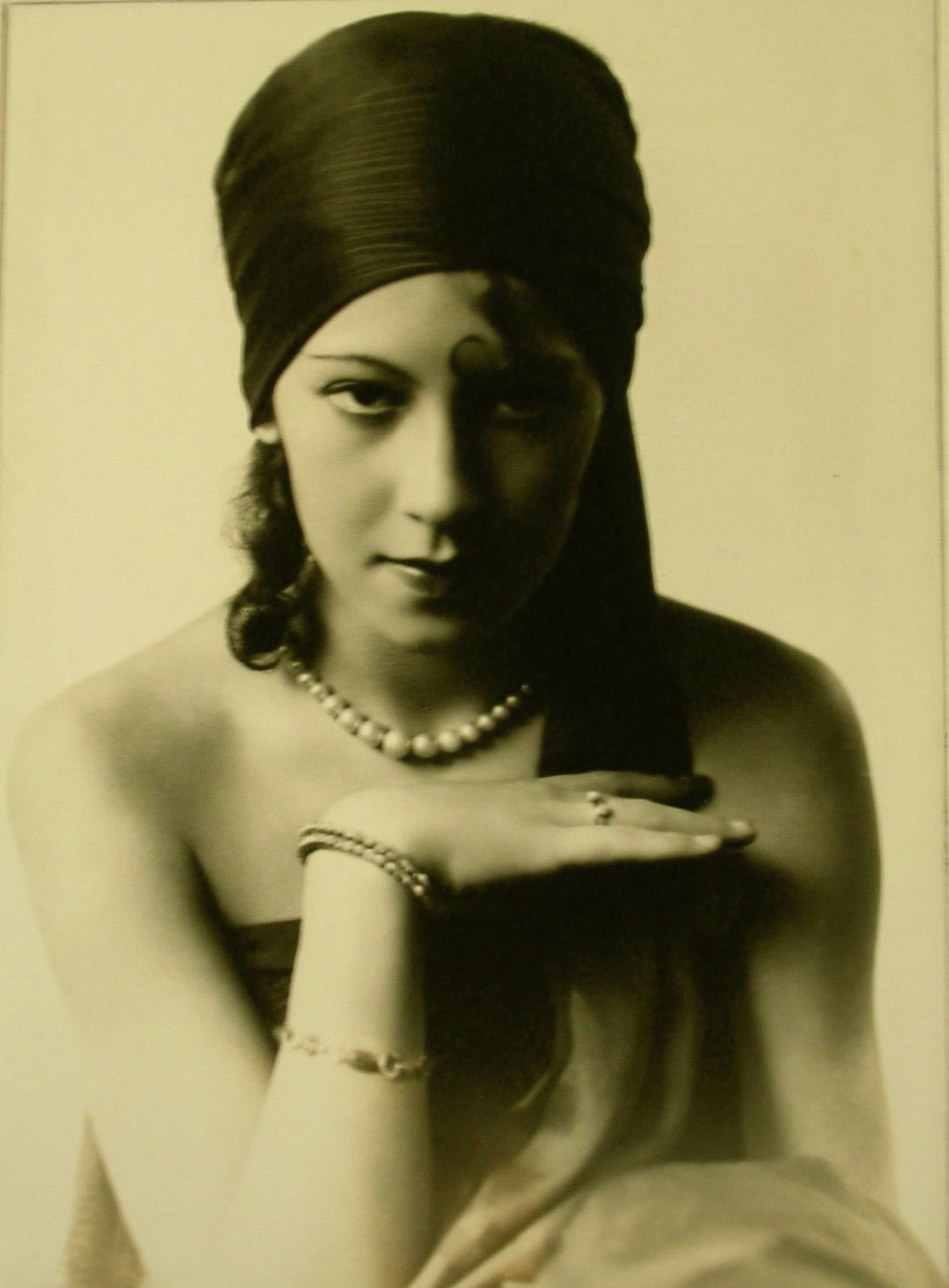

Laure Albin Guillot acted as a bridge between two generations of artists: the pictorialists, who wanted to correlate photography with painting, and, as from the 1920s, the Nouvelle Vision movement, a group of modern-minded photographers.
The artist’s work on nudes shows how cleverly she transitioned from a pictorialist to a modern aesthetics. While she photographed female nudes in classical poses and compositions in the early 1920s, her work saw a formal evolution in its use of whites and framing between 1927 and 1934. She was also one of the few photographers of the 1930s to approach male nudes beyond the domains of sport and allegory. At the exhibition Portraits d’hommes [Male Portraits], (Billiet-Vorms Gallery, Paris, 1935), she presented audacious male nudes alongside classic portraits.
text adapted from: From the Dictionnaire universel des créatrices (retrieved from: AWARE archives of women artists)
![Laure Albin-Guillot :: Étude de fleurs [with stem] [magnolias (?)], ca. 1930. Vintage Fresson print. | src Seagrave Gallery](https://unregardoblique.com/wp-content/uploads/2023/01/seagravegallery-laure-albin-guillot-tude-de-fleurs-with-stem-c.-1930.jpg)
![Laure Albin-Guillot :: Étude de Fleurs [water lilies (?)], ca. 1930. Vintage Fresson print. | src Seagrave Gallery](https://unregardoblique.com/wp-content/uploads/2023/01/seagravegallery-laure-albin-guillot-tude-de-fleurs-c.-1930.jpg)

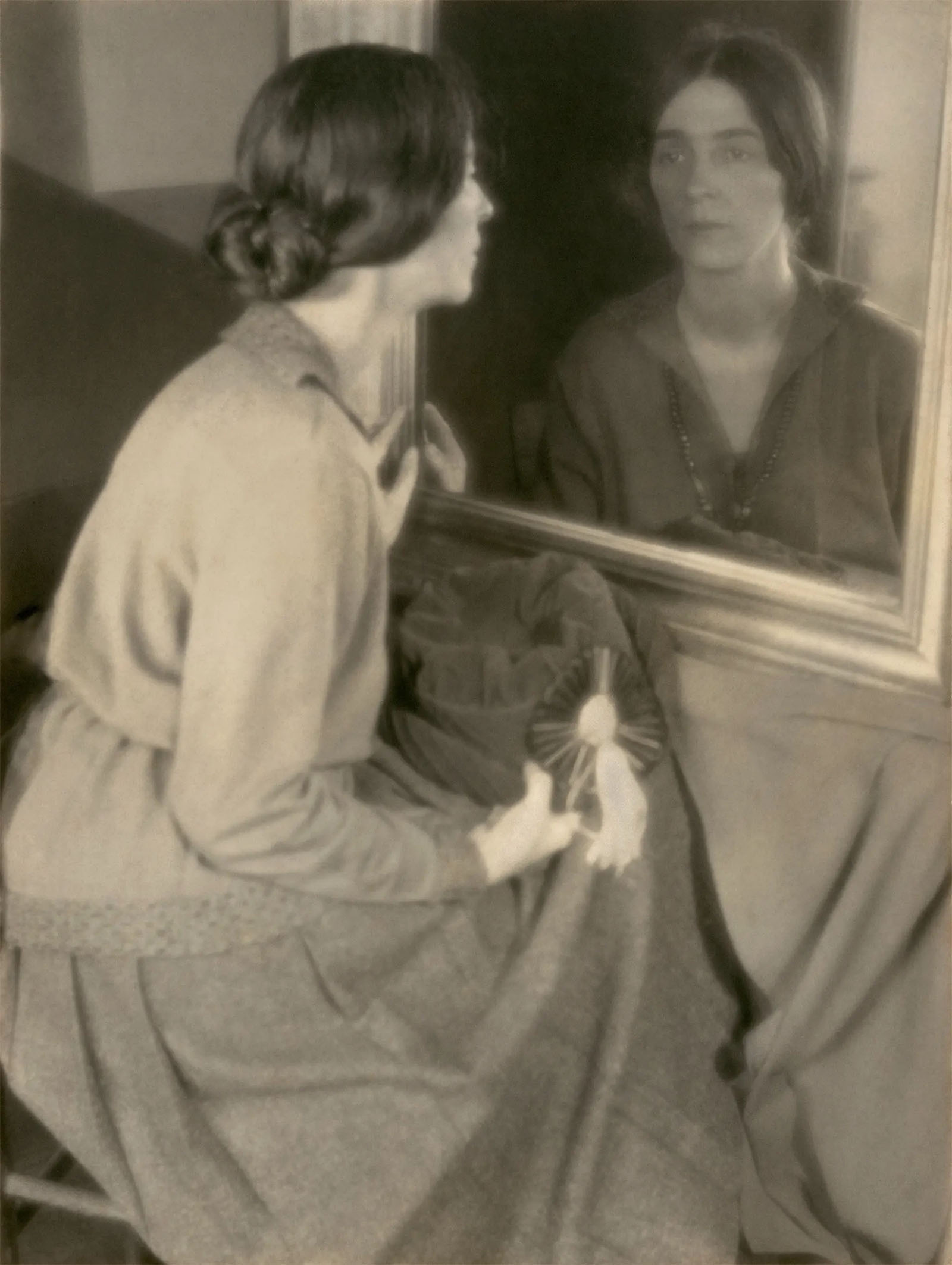
This portrait by Frances Bode was probably taken in the summer of 1921 when Watkins was a teacher at the Clarence H. White School of Photography in New York. It is one of the few portraits of Margaret Watkins

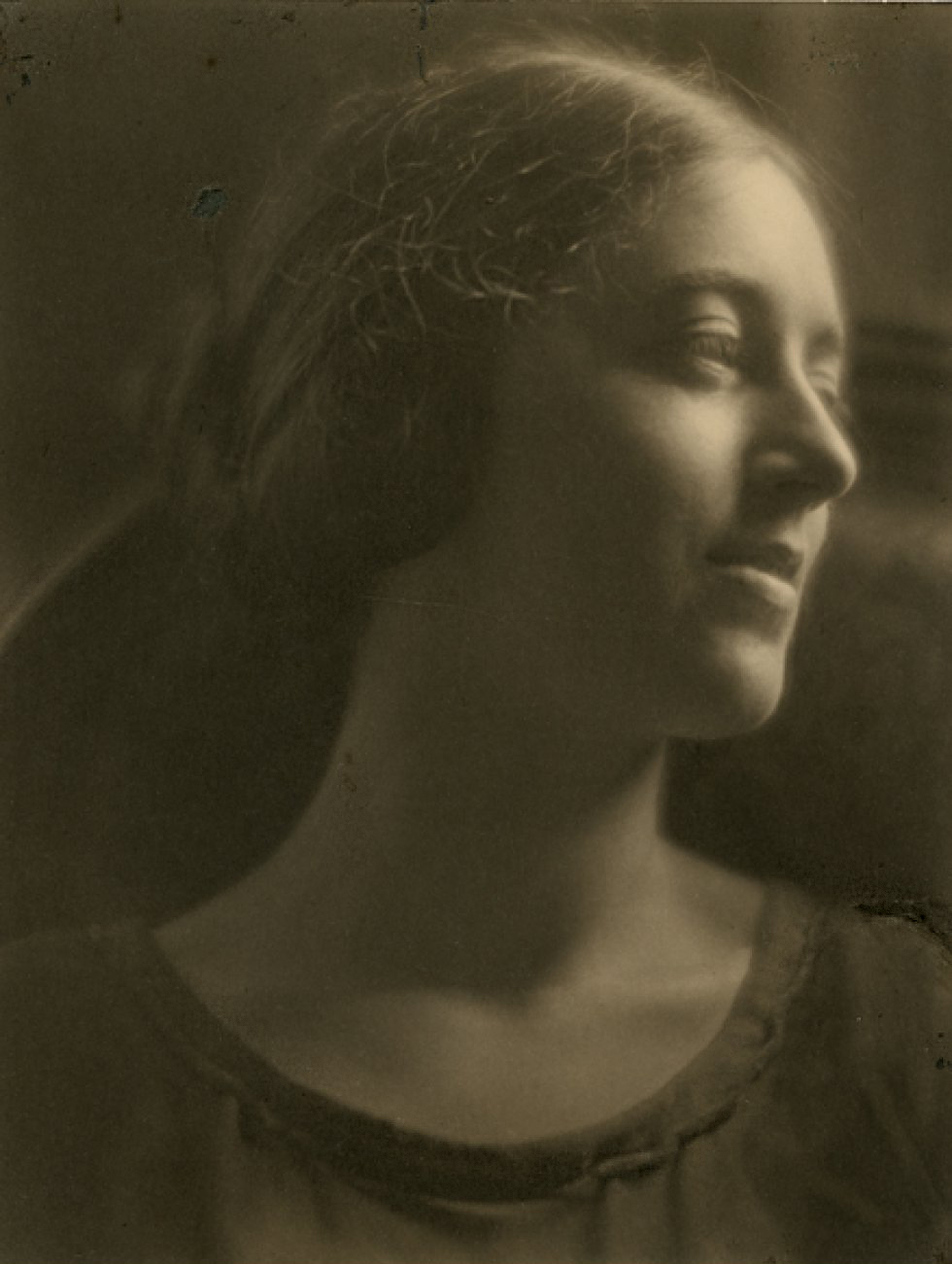
This portrait of Verna Skelton is emblematic of Watkins’ portraits. We see the immediate reference to the Dutch painters, and her extraordinary ability to illuminate her subjects.
A fresh angle: The revolutionary gaze of Margaret Watkins – in pictures: Canadian photographer Margaret Watkins rejected traditional gender roles to become a pioneering modernist photographer with Renaissance flair (The Guardian)
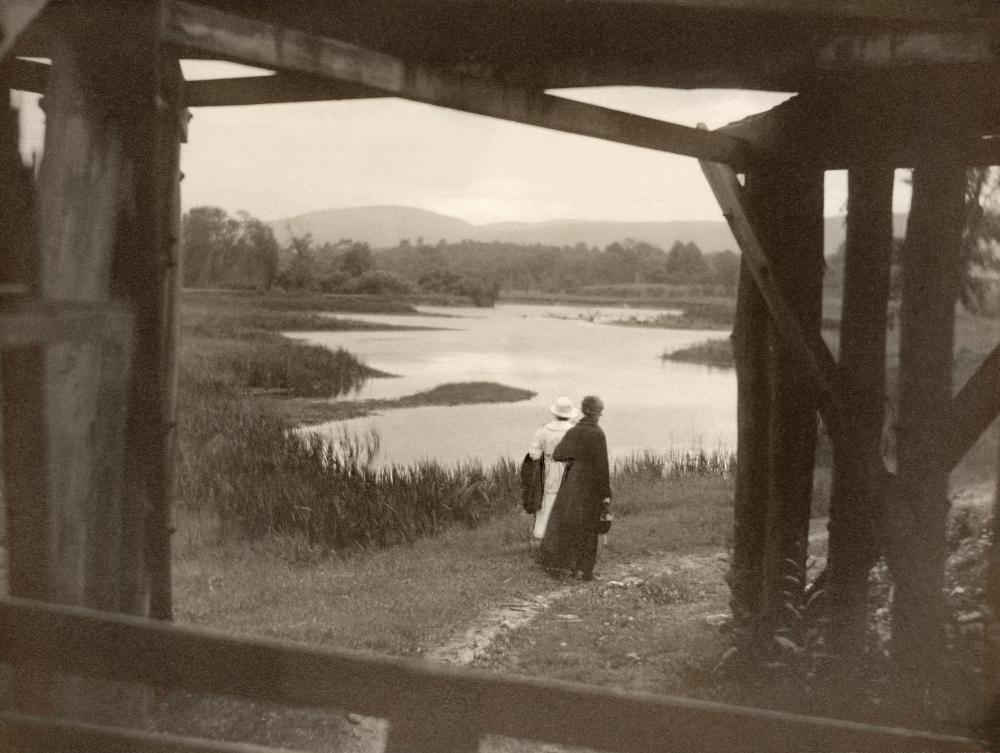
This image, very graphic in its composition, shows the influence of Arthur Wesley Dow, a specialist in Japanese art and in particular in the art of Nōtan [濃淡], the harmony and interplay between light and dark elements (B&W)
 un regard oblique