Baker by Hoyningen-Huene

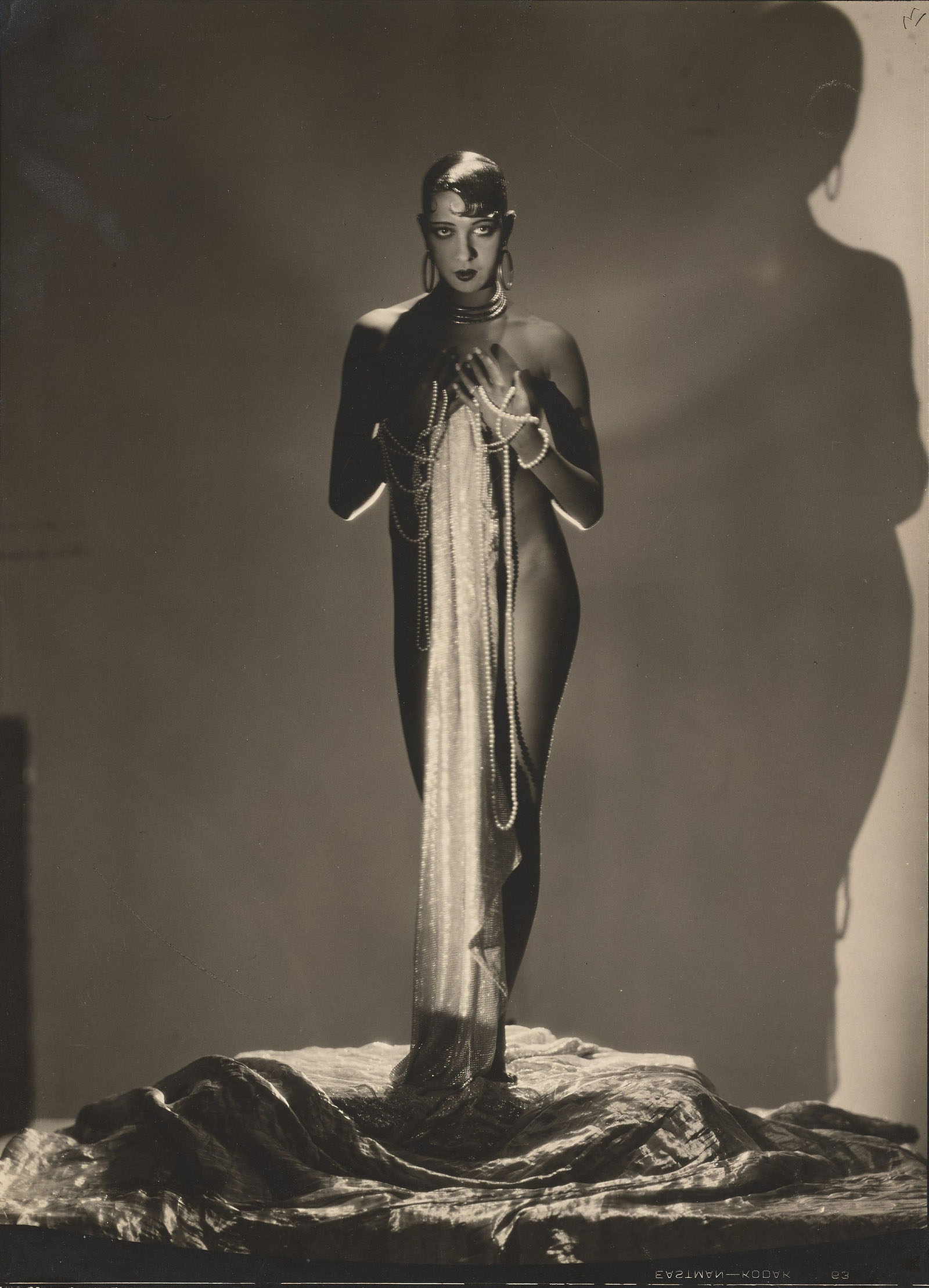
George Hoyningen-Huene ~ Josephine Baker for Vogue Studio, November 1927 | src Yale university library
George Hoyningen-Huene ~ Josephine Baker for Vogue Studio, 10 November 1927 | src Yale university library
George Hoyningen-Huene ~ Josephine Baker for Vogue Studio, November 1927 (full size) | src Yale university library

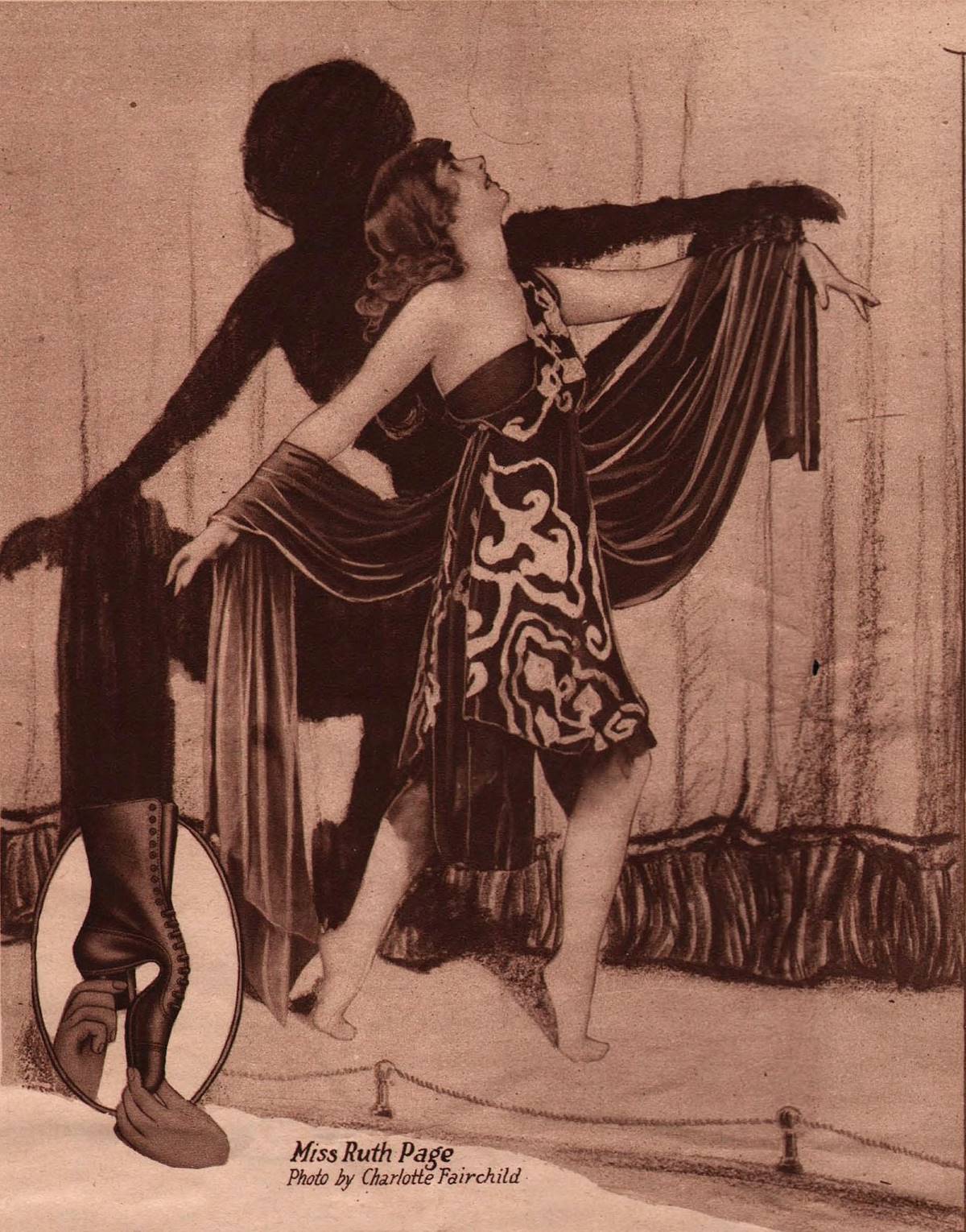
Ruth Page by Charlotte Fairchild

Ruth Page. Photo by Charlotte Fairchild. Advertisement for Cantilever Shoes. Mid-Week Pictorial, Jan. 26, 1922 | src internet archive
Ruth Page. Photo by Charlotte Fairchild. Advertisement for Cantilever Shoes, 1922. NY Times Mid-Week Pictorial, Jan. 26th, 1922 | src internet archive

Lee (Miller) eye by Anna Ostoya

Anna Ostoya ~ Lee No. 1. 2013. Pigmented inkjet print, gold leaf, and newspaper on canvas. From ‘New Photography Exhibition series’ (2013) at MoMA
Anna Ostoya ~ Exposures: 2.02.2011, 2011, Gold leaf, newspaper, and archival print on paper on canvas | src Bortolami gallery
Anna Ostoya ~ Lee No. 3. 2013. Pigment inkjet print, gold leaf, and newspaper on canvas. Courtesy Simone Battisti | src Zacheta National Gallery of Art
Man Ray (1890 – 1976) ~ L’oeil de Lee Miller, vers 1930 | src Centre Pompidou ~ RMN
Anna Ostoya (b. 1978 in Kraków) ~ Lee 6, 2017, oil, gold leaf and archival print on canvas | src Bortolami gallery
Anna Ostoya (Polish, b. 1978) ~ Lee 7, 2017, oil, gold leaf and archival print on canvas | src Bortolami gallery

The visit by Lady Hawarden

Lady Hawarden (1822-1865) ~ Study from Life / Photographic Study ca. 1864. Albumen print from glass negative (detail)
Lady Clementina Hawarden (1822-1865) ~ Study from Life or Photographic Study ca. 1864. Albumen print from glass negative | src V&A Museum
Lady Clementina Hawarden (1822-1865) ~ Study from Life or Photographic Study ca. 1864. Albumen print from wet collodion on glass negative | src V&A Museum

‘In this photograph as in Ph 380-1947 (image below) her two eldest daughters of Lady Hawarden reaffirm their bond with each other and with their mother. Isabella Grace, in an evening dress, her hair elaborately arranged, with her back to the camera perhaps in order to show the intricacies of her dress and hair to full advantage, stands at the French window to the terrace. Clementina, poised like a mirror before her sister, her expression perhaps reflecting that on Isabella Grace’s face, incongruously wears a riding habit and appears dishevelled. Their rapport is visually strengthened by the lines of the window, which direct our eyes to their arms, gracefully linked.’

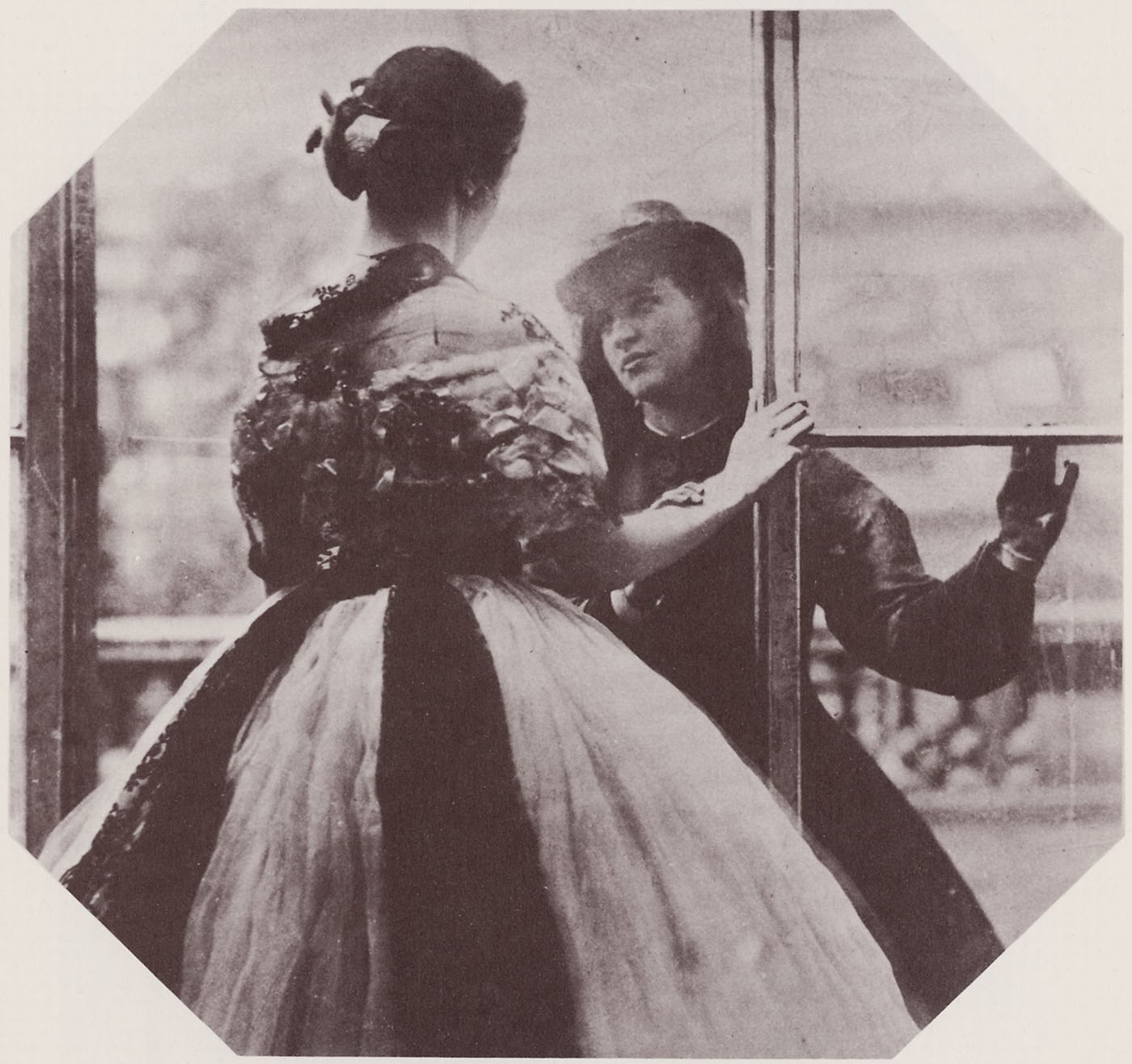
Clementina Hawarden (1822-1865) :: Untitled (Isabella Grace and Clementina), 1864. Albumen print. | src V&A Museum
Clementina Hawarden ~ Der Besuch (The visit) | src Zeno.org

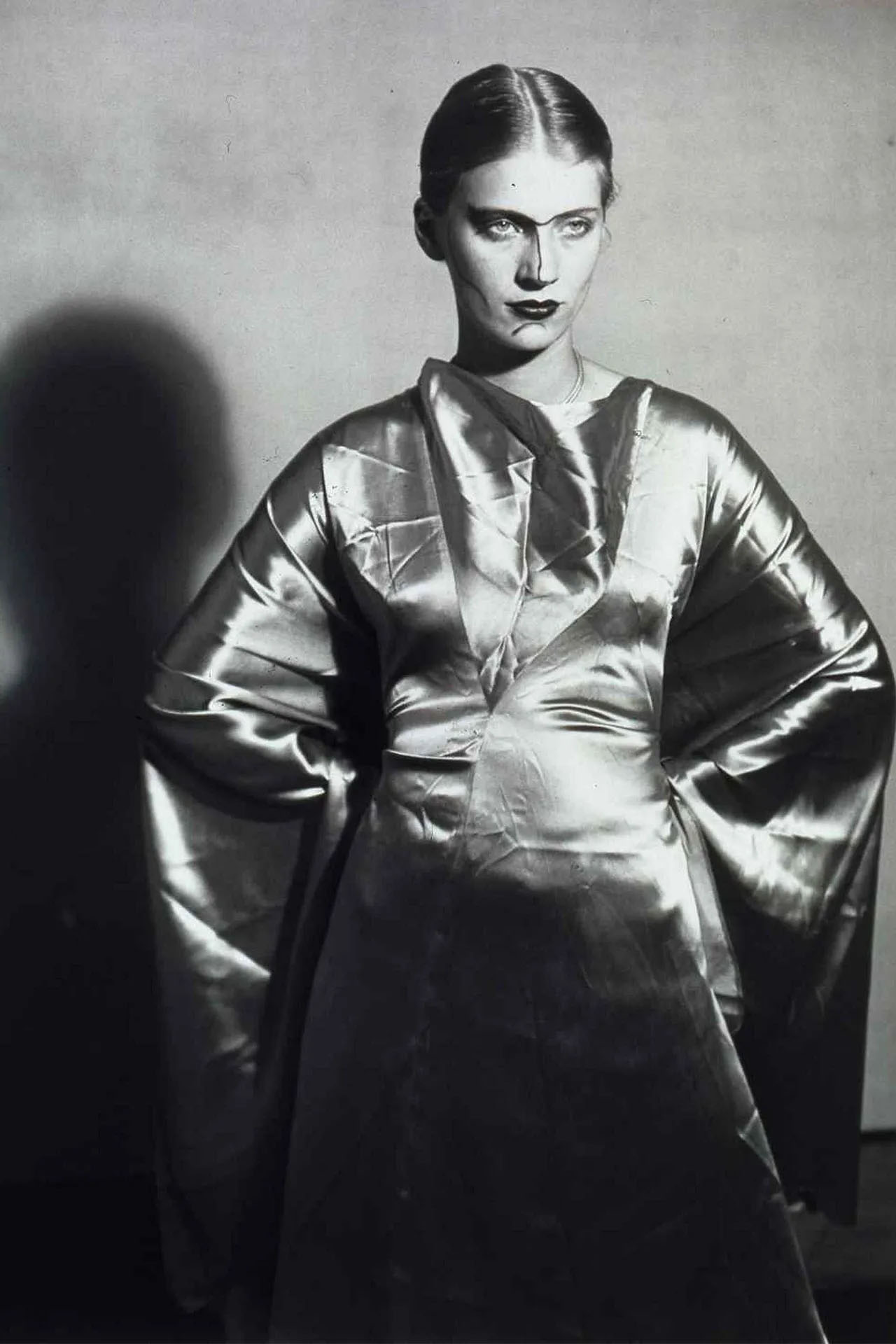
Lee Miller par Man Ray ca 1929

Man Ray (1890-1976) ~ Lee Miller, ca. 1930. From the exhibition ‘Views of the Spirit’, 08/2014 at Mondo Galeria Madrid | src Tarq
Man Ray (1890-1976) ~ Lee Miller, le visage peint, ca. 1929 (alamy) | src The Tatler (2022)

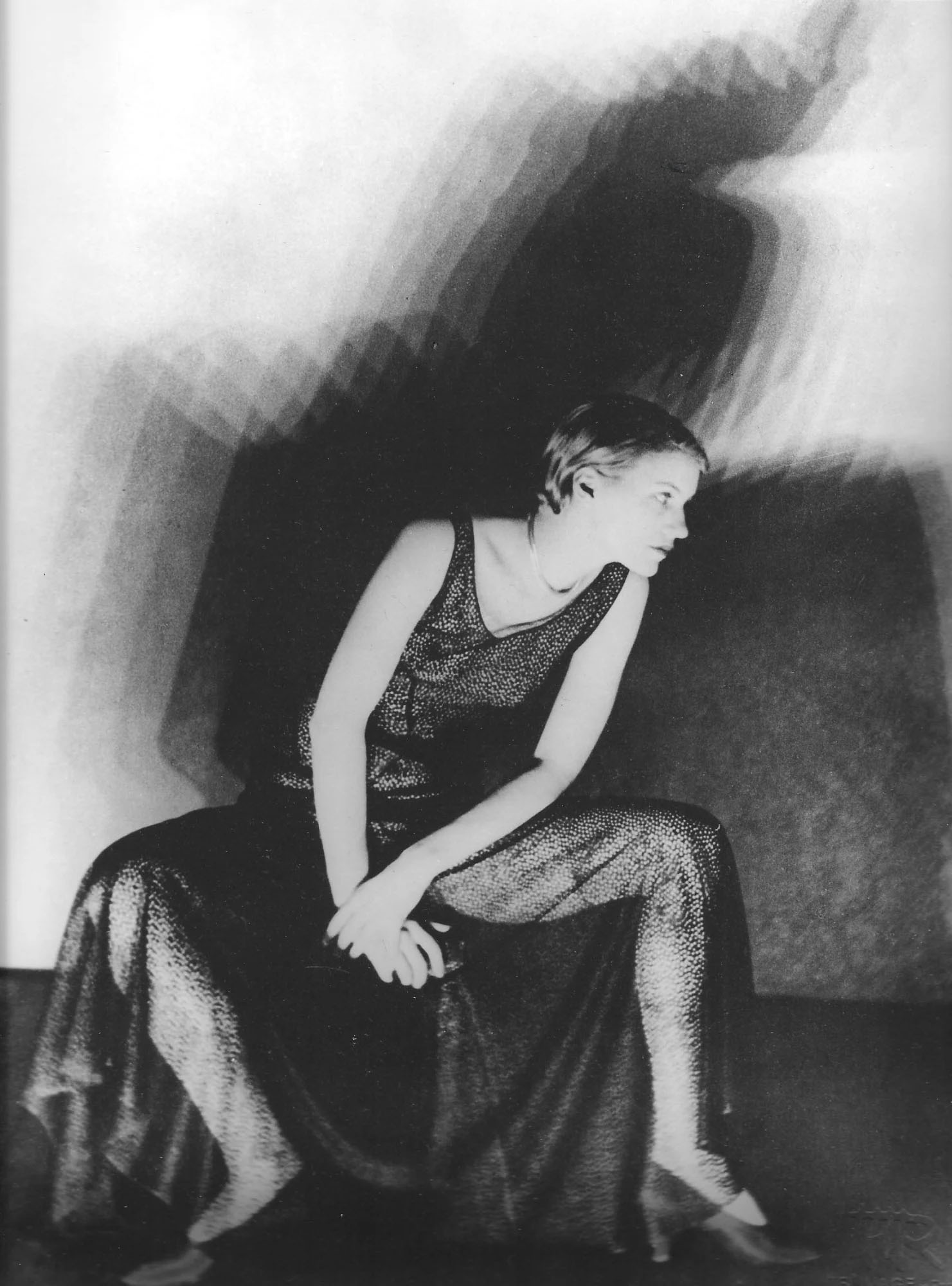
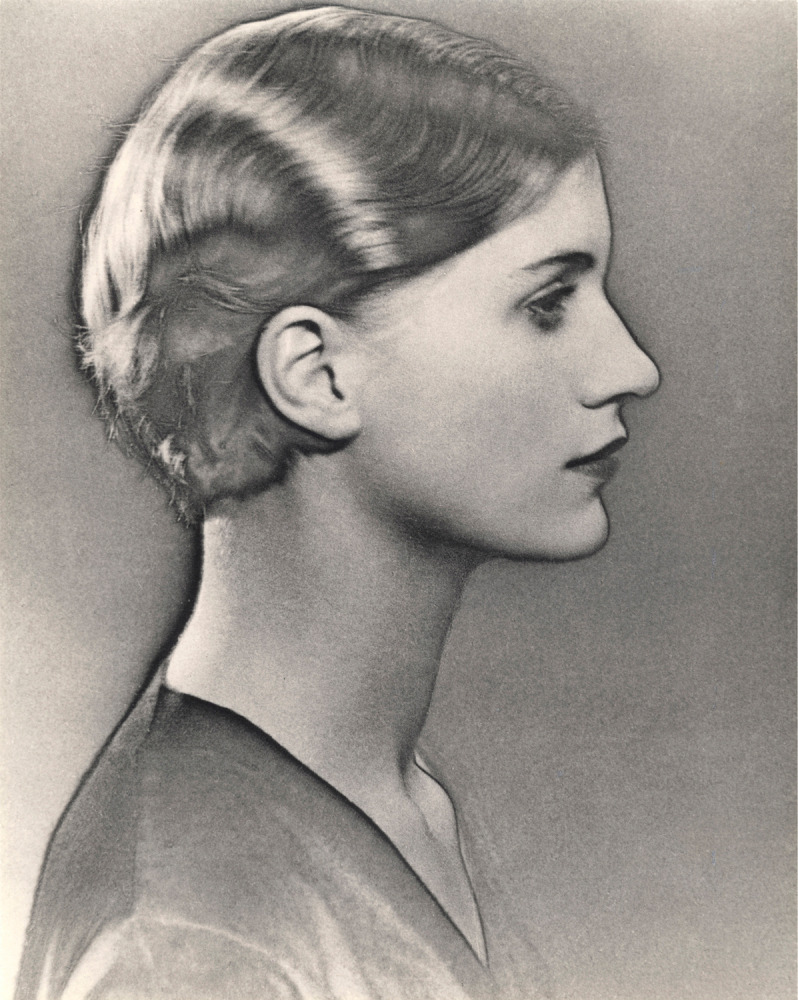
Solarized portrait of Lee Miller

Man Ray (Emmanuel Radnitzky) :: Lee Miller, 1929. Gelatin silver print (solarized) | src MoMA
Man Ray :: Portrait of Lee Miller, ca. 1930. Solarized gelatin silver print. The Penrose Collection. | src The Huffington Post

Loie Fuller ca 1900 by Beckett

Samuel Joshua Beckett (1870–1940) ~ Loïe Fuller (1862 – 1928) dancing, ca. 1900. Gelatin silver print | src the Met

The American dancer Loie Fuller (1862-1928) conquered Paris on her opening night at the Folies-Bergère on November 5, 1892. Manipulating with bamboo sticks an immense skirt made of over a hundred yards of translucent, iridescent silk, the dancer evoked organic forms –butterflies, flowers, and flames–in perpetual metamorphosis through a play of colored lights. Loie Fuller’s innovative lighting effects, some of which she patented, transformed her dances into enthralling syntheses of movement, color, and music, in which the dancer herself all but vanished. Artists and writers of the 1890s praised her art as an aesthetic breakthrough, and the Symbolist poet Stéphane Mallarmé, who saw her perform in 1893, wrote in his essay on her that her dance was “the theatrical form of poetry par excellence.” Immensely popular, she had her own theater at the 1900 Exposition Universelle in Paris, promoted other women dancers including Isadora Duncan, directed experimental movies, and stopped performing only in 1925.
Loie Fuller’s whirling, undulating silhouette, which embodied the fluid lines of Art Nouveau, inspired many images, from the portraits of Toulouse-Lautrec and the posters of Jules Chéret and Alphonse Mucha to the sculptures of Pierre Roche and Théodore Rivière, as well as the photographs of Harry C. Ellis and Eugène Druet.

The pictures shown here depict movements from such dances as “Dance of the Lily” and “Dance of Flame.” These images do not pretend to evoke the otherworldly effect of the performance, which took place on a darkened stage in front of a complex set of mirrors and whose magic was entirely dependent on lighting. Here, the strange shapes, reminiscent of chalices and butterflies, take form, incongruously, in the middle of an urban park, through the efforts of a short, stout figure. Arrested in crude natural light, they still retain, however, their spellbinding energy. Part of a group of thirteen photographs complemented by six others in the Musée d’Orsay, Paris, these images belonged to the sculptor Théodore Rivière (1857-1912), and were previously thought to have been made by him. They have now been reattributed to Samuel Joshua Beckett, a photographer working in London. / quoted from the Met

Samuel Joshua Beckett (1870–1940) ~ Loïe Fuller (1862 – 1928) dancing, ca. 1900. Gelatin silver print | src the Met

Against the Light, 1951

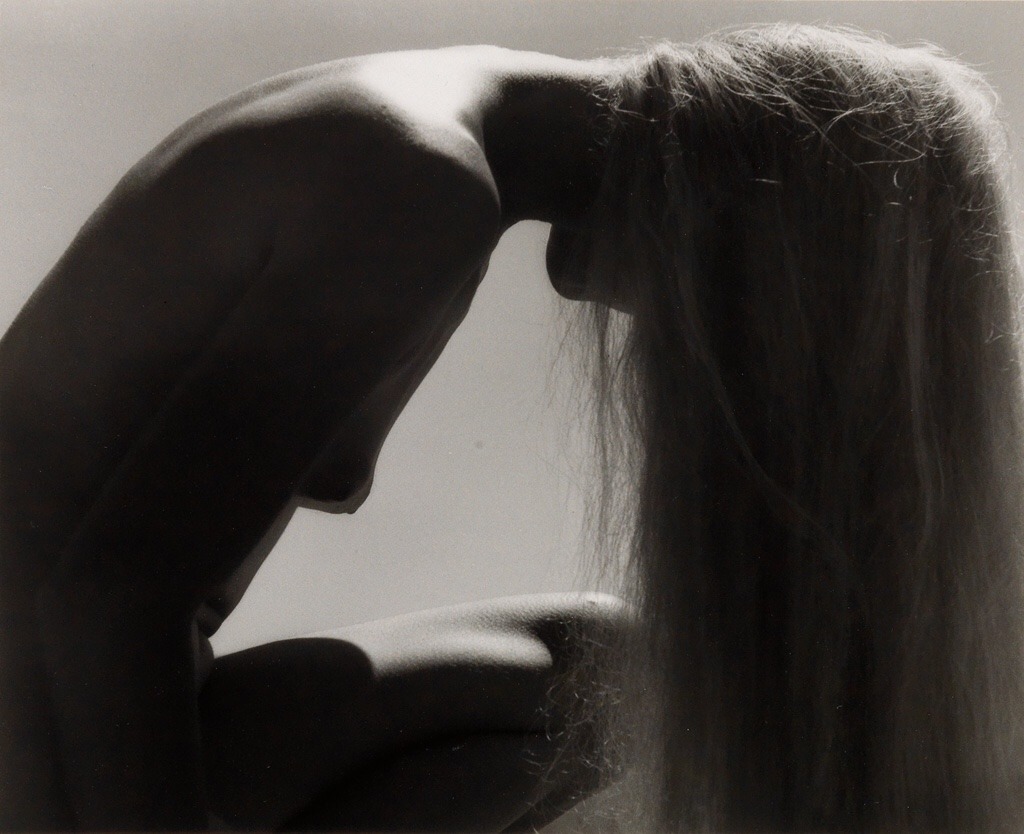
Ruth Bernhard ~ Against the Light, 1951 | src Princeton Art Museum INV12634
Ruth Bernhard ~ Against the Light, 1951 | src Princeton Art Museum INV12607
Ruth Bernhard ~ Against the Light, 1951, printed 1970s. | src Swann Galleries via Luminous lint LL/74154
Ruth Bernhard ~ Against the Light, 1951 | src Princeton Art Museum INV12626

Étude de mains et sein nu, 1930s

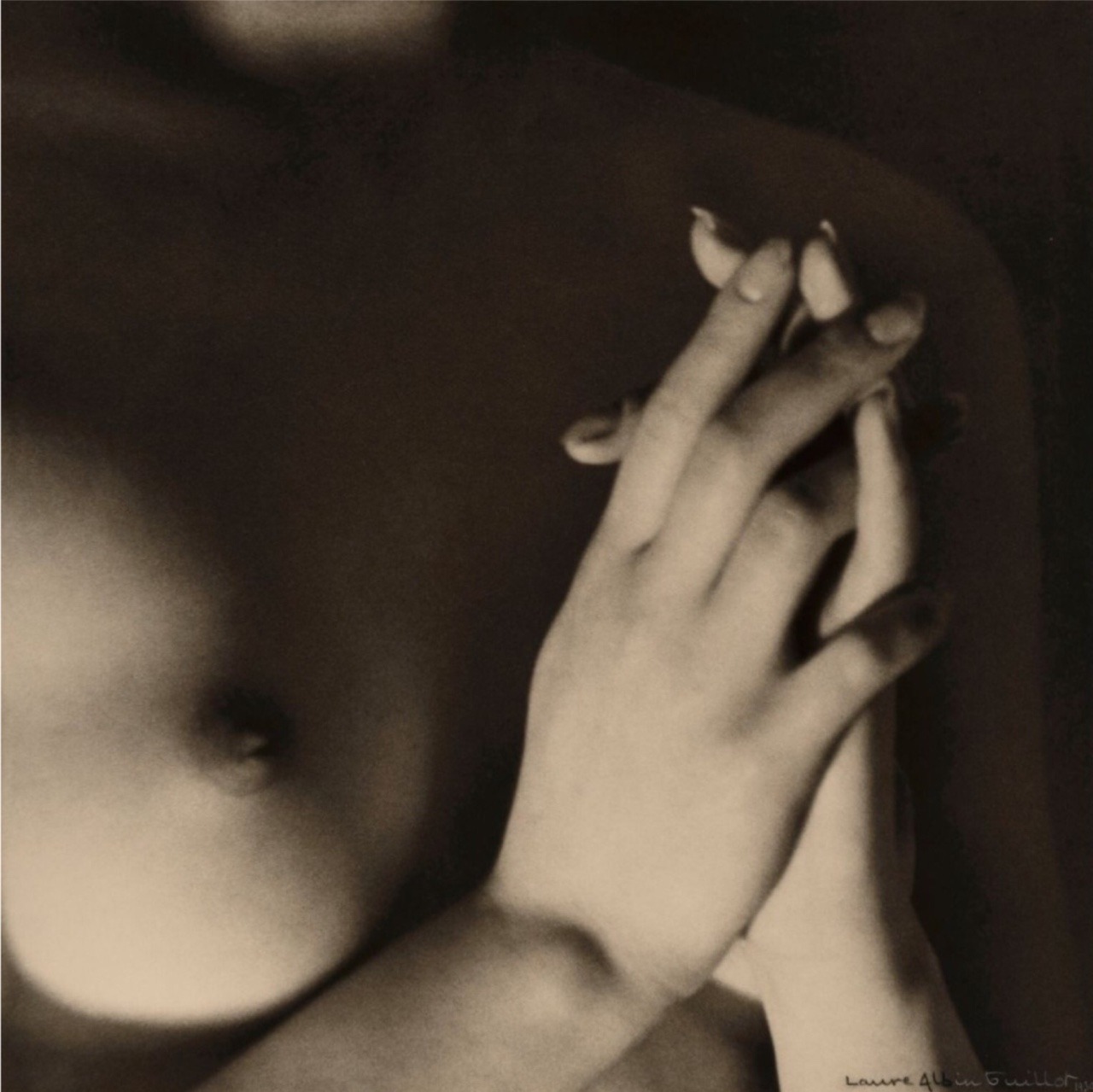
Laure Albin Guillot (1879-1962) ~ Étude de mains et sein nu, ca. 1935. Vintage silver print, signed in the bottom by Laure Albin-Guillot, representing two clasped hands in front of a woman’s naked breast. | src Aguttes · Auction 2017
Laure Albin Guillot (1879-1962) ~ Nude study, ca. 1935
Laure Albin Guillot (1879-1962) ~ Étude de mains et sein nu, ca. 1935. Tirage argentique d’époque,sur papier vergé, signé au recto par Laure Albin-Guillot, représentant deux mains croisées devant le sein nu d’une femme. | src Aguttes · Auction 2018

Beatrice Baxter by Käsebier

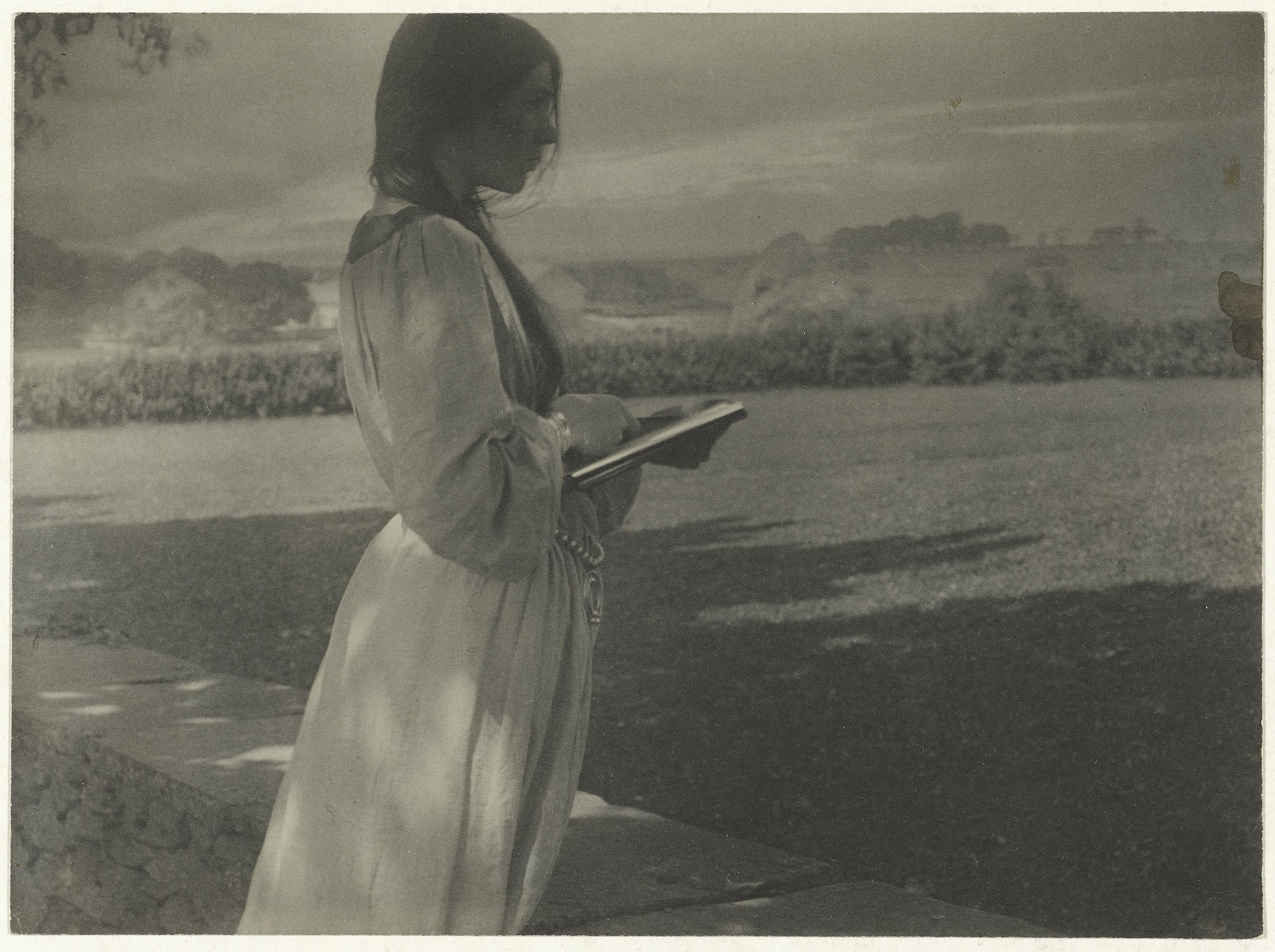
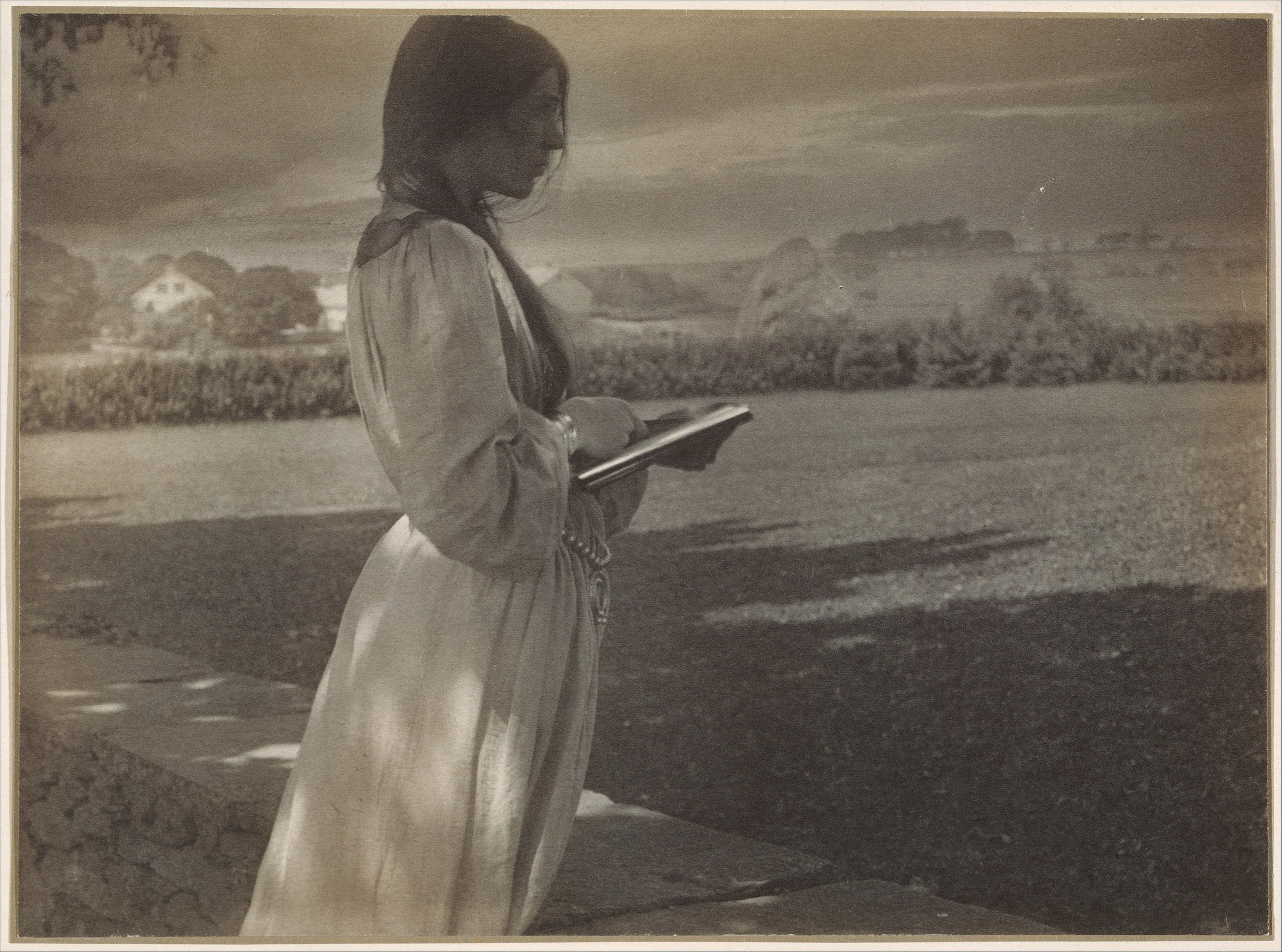
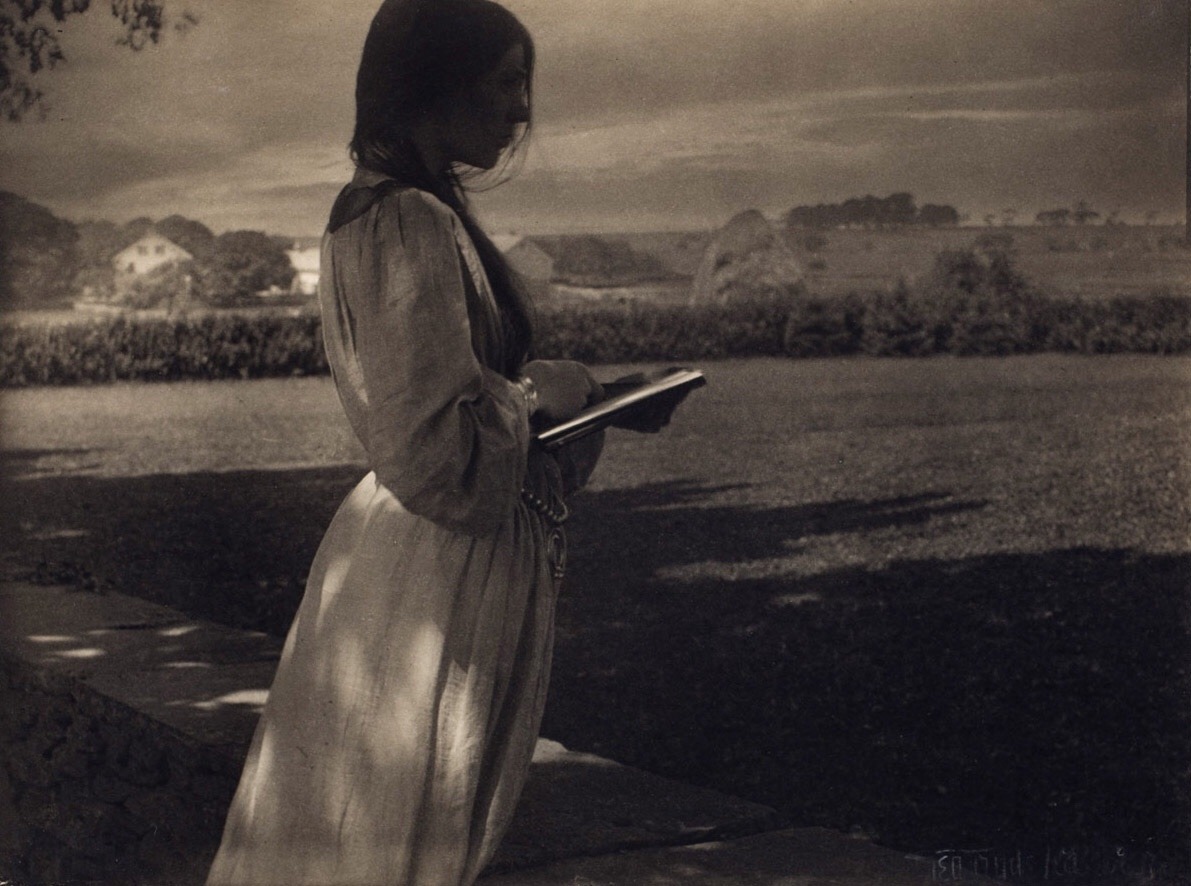
Gertrude Käsebier ~ The sketch (Beatrice Baxter Ruyl), 1902 | src Rijksmuseum
Gertrude Käsebier (1852-1934) ~ The Sketch, 1903. Platinum print. | src The Met

A frequent model for Käsebier and F. Holland Day, Beatrice Baxter Ruyl, who posed here, made illustrations for children’s books and the Boston Herald.
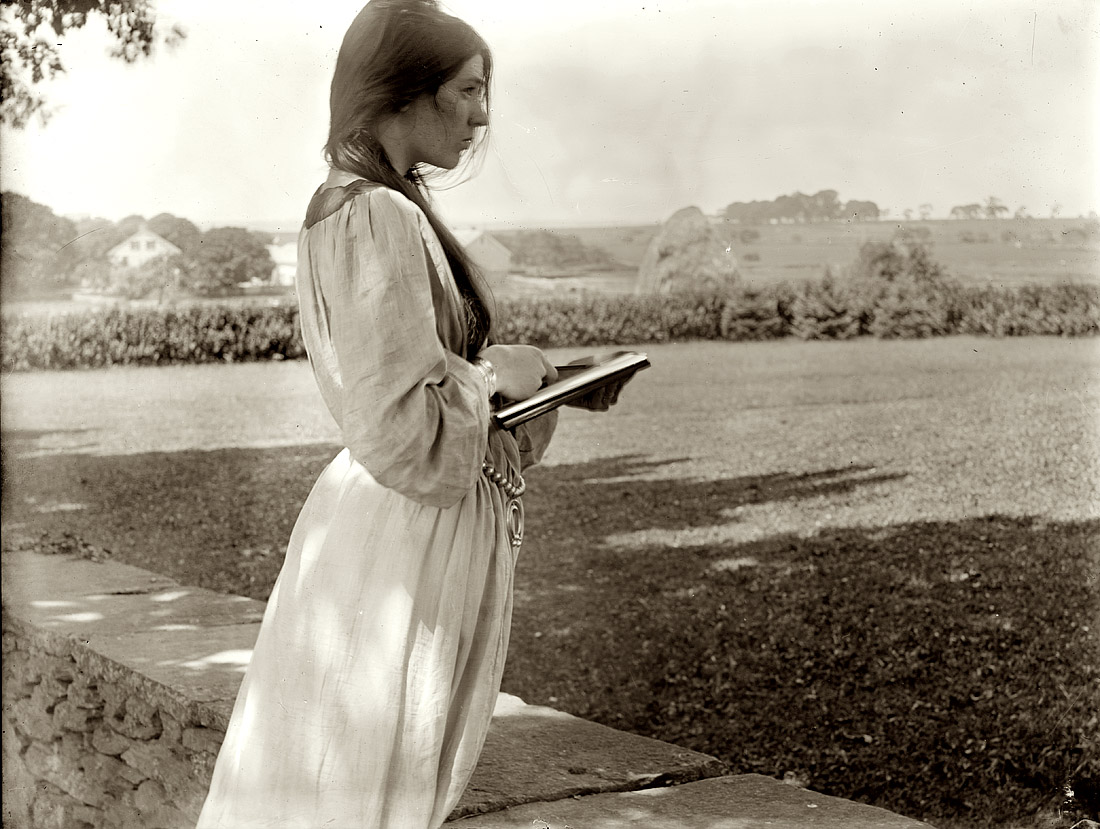
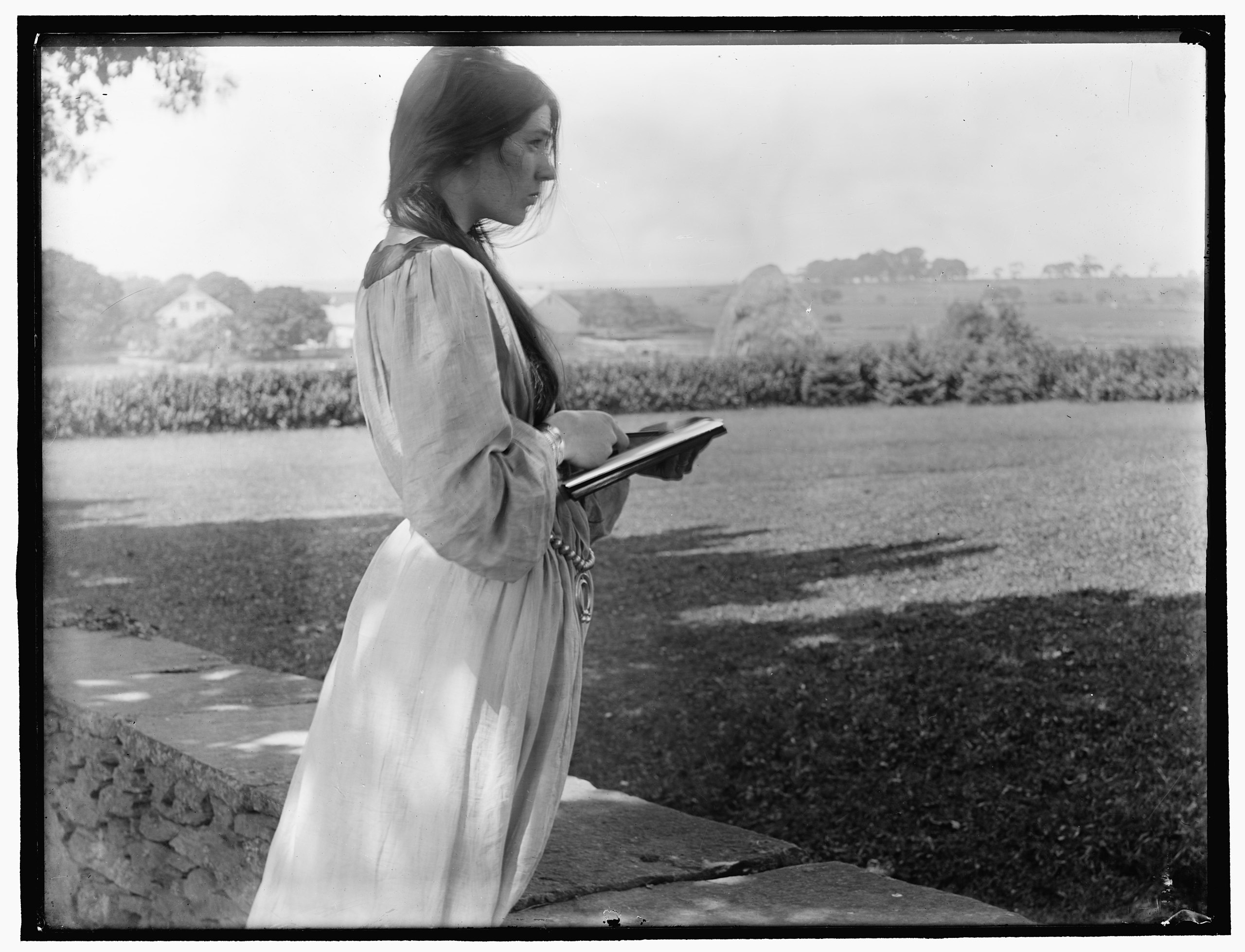
Gertrude Käsebier ~ The Sketch (Beatrice Baxter), 1903. Platinum print
Gertrude Kasebier ~ The Sketch, posed by Beatrice Baxter in Newport, Rhode island, 1902. Glass negative | src Library of Congress
Gertrude Käsebier ~ The Sketch (Beatrice Baxter), 1903. Platinum print. | Collection of George Eastman House