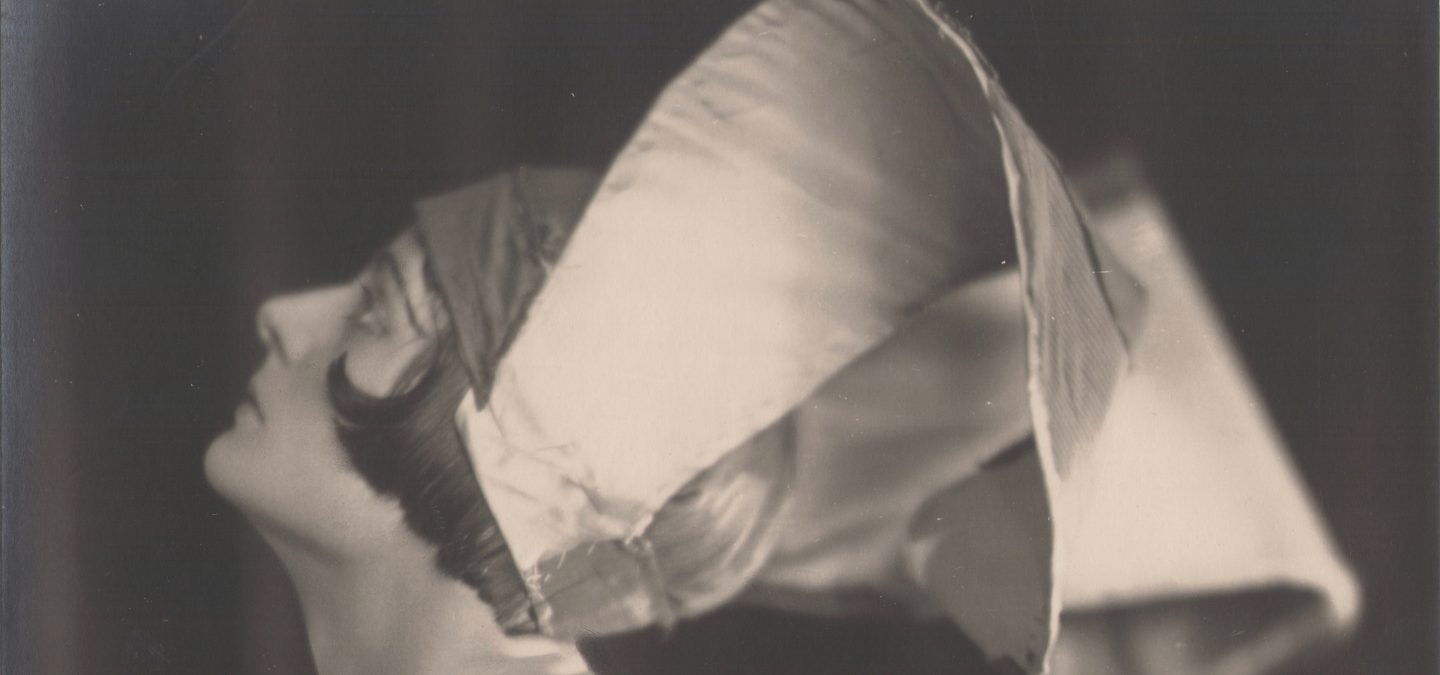
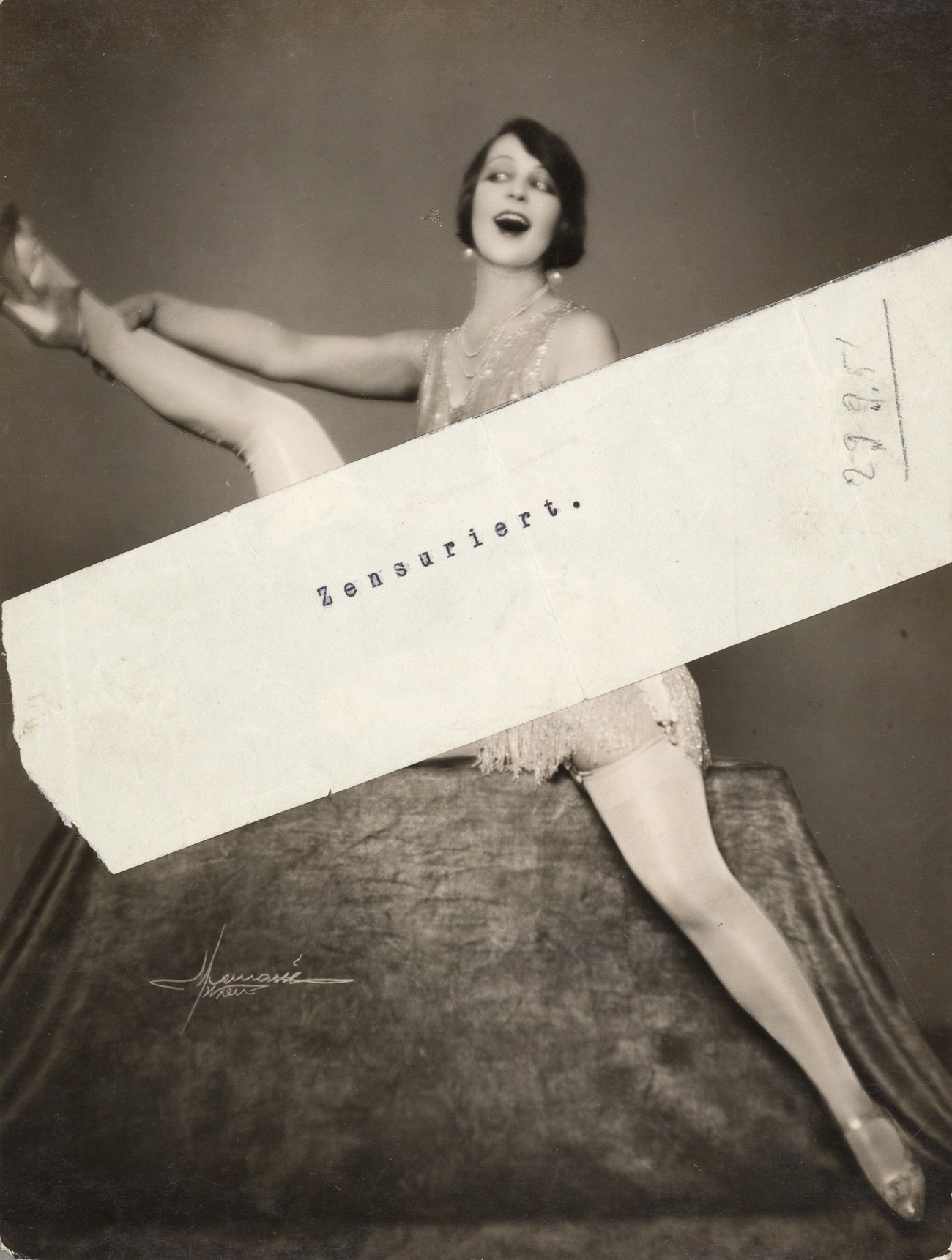
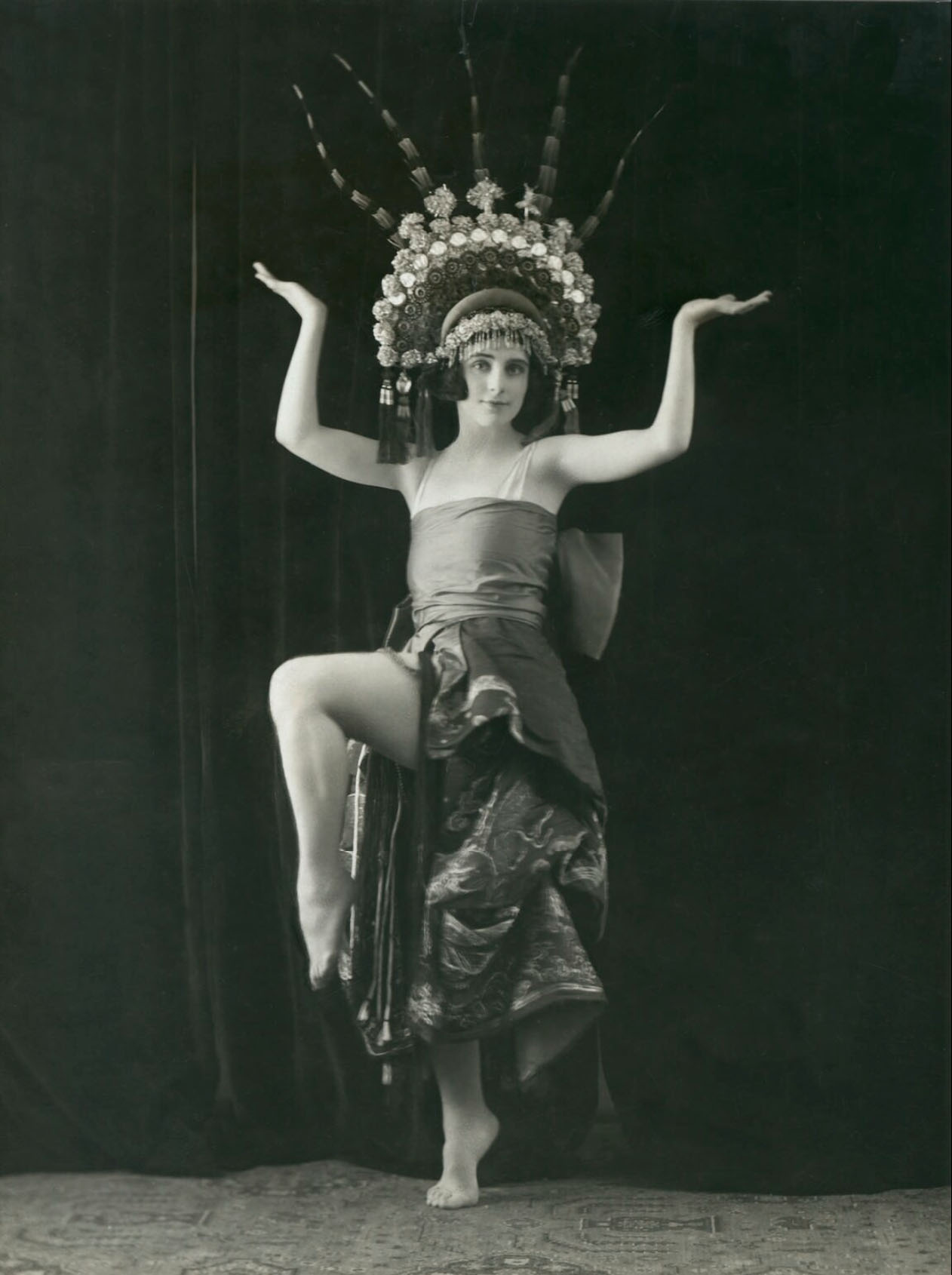
Atelier Manassé (active between 1922–1938) ~ ‘Studie’ (Posing with an artificial leg), ca. 1926 | src Ostlicht
Studio’s signature “Manassé Wien” in the negative, with a vintage paper label with typewritten mention “Zensuriert”. “Foto-Salon ‘Manassé'” copyright stamp, “Wiener Foto-Kurier” agency stamp as well as “Ag. Schostal” agency label, and annotated “Studie” in pencil on the reverse.
Atelier Manassé ~ ‘Studie’ (with a paper label with typewritten mention “Zensuriert”), ca. 1926. Vintage silver print | src OstlichtAtelier Manassé (active between 1922–1938) ~ ‘Studie’. Art Deco dance pose, ca. 1927 | src Ostlicht
Photographer’s copyright stamp with handwritten number “4949” in pencil, annotation “Tanzgruppe Trude Goodwin” and handwritten numbers in pencil on the reverse.
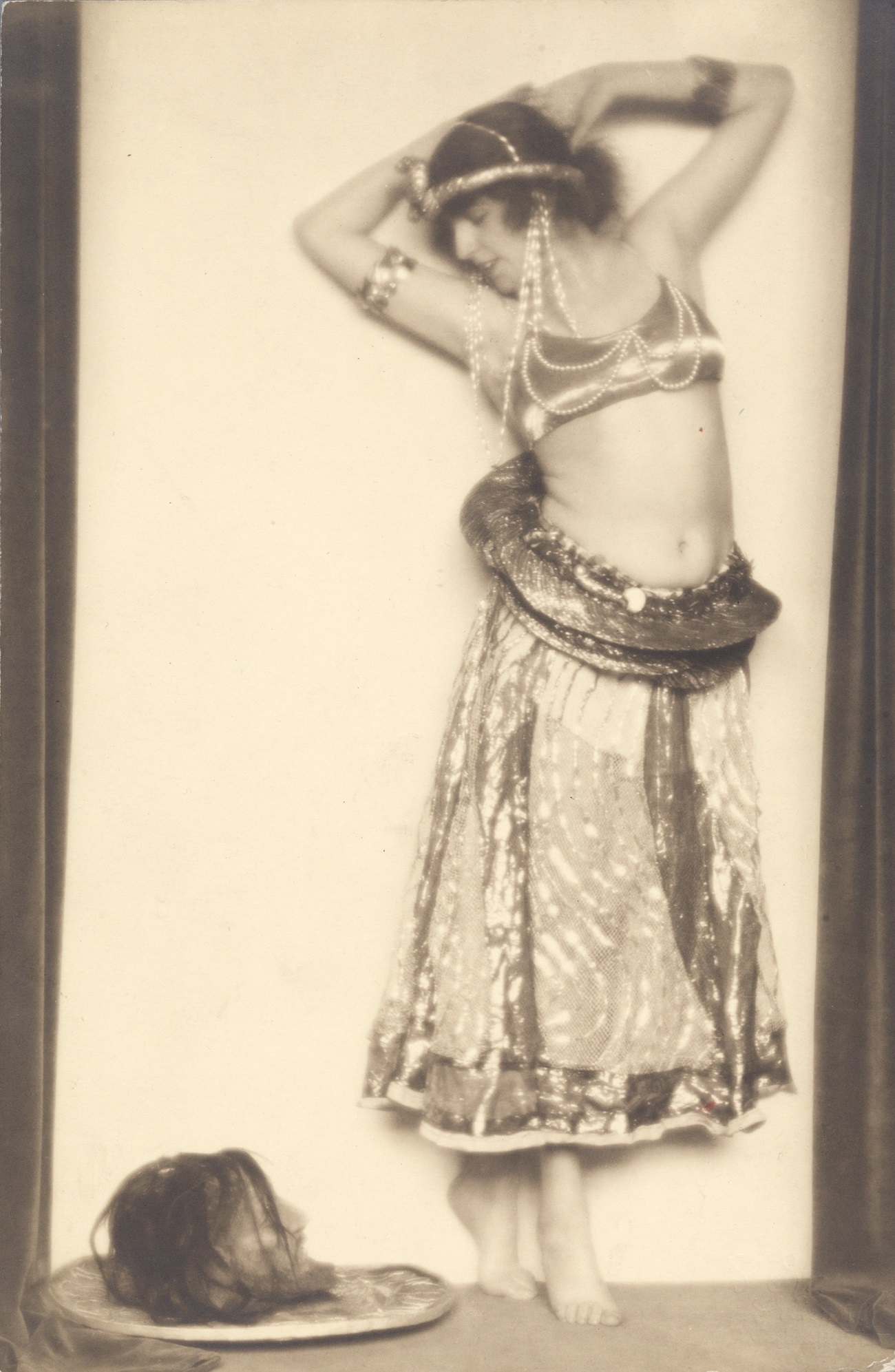
Madame d’Ora (1881–1963) ~ Hedy Pfundmayr in ‘Tanz der Salome’ (Richard Strauss), Vienna, ca. 1924 | src Ostlicht
On verso: “Wiener Foto-Kurier” agency stamp, label with text: “Hedy Pfundmayer (sic), Primaballerina de l’opera a Vienne comme ‘Salome'”. Also, several annotations in pencil on the reverse, as: “Berhümte Solo Tänzerin […] die Tänzerin Pfundmaier (sic)”.
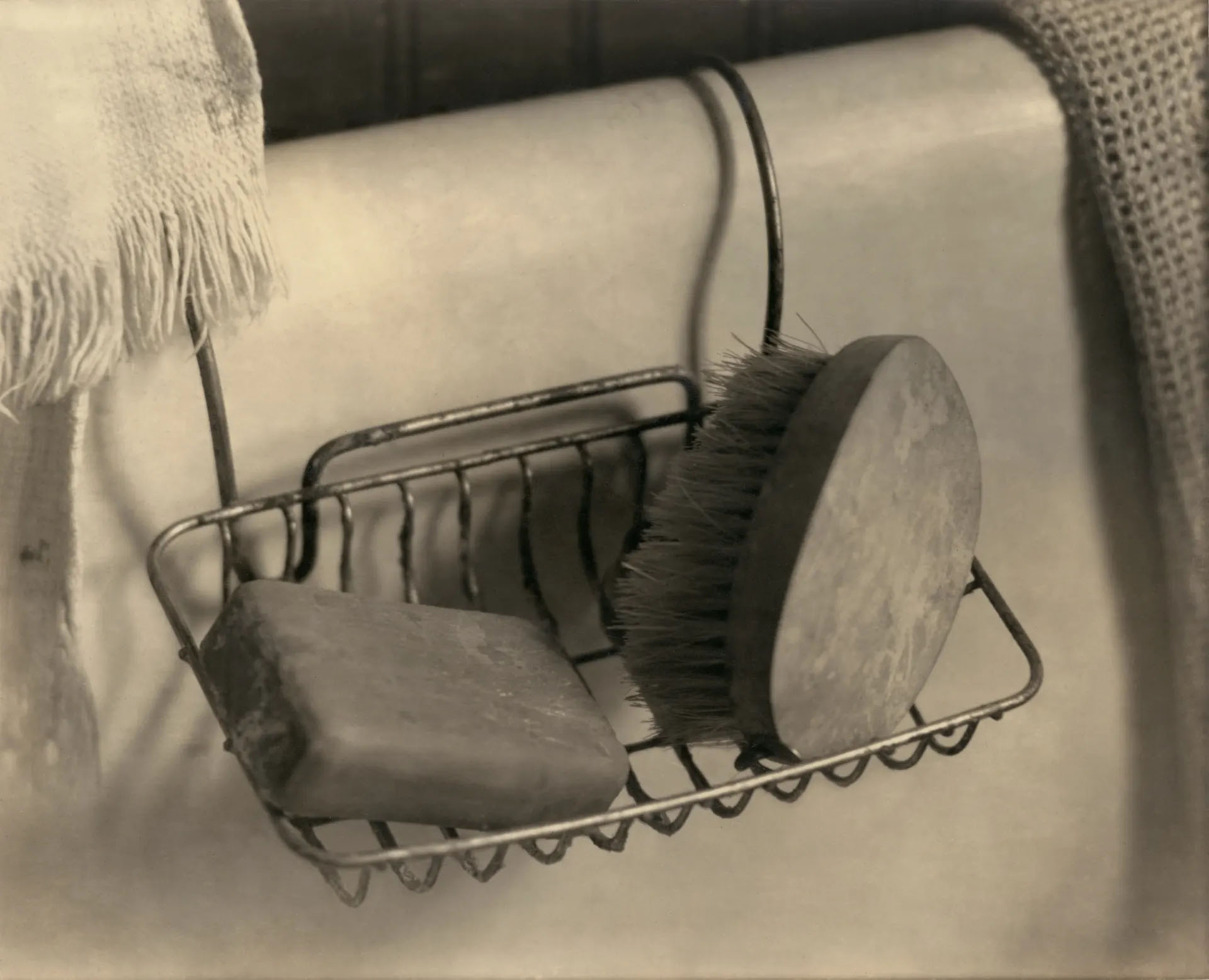
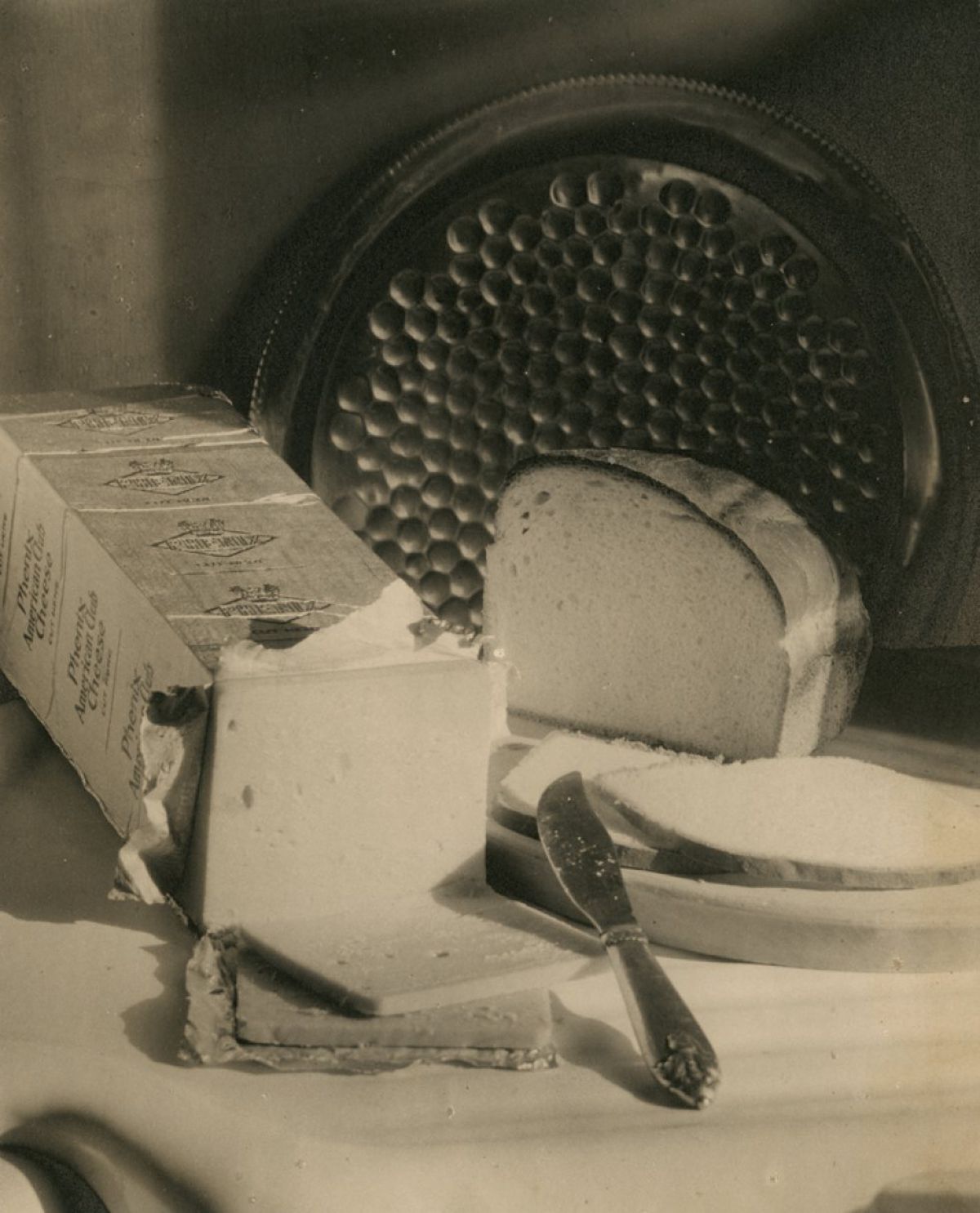
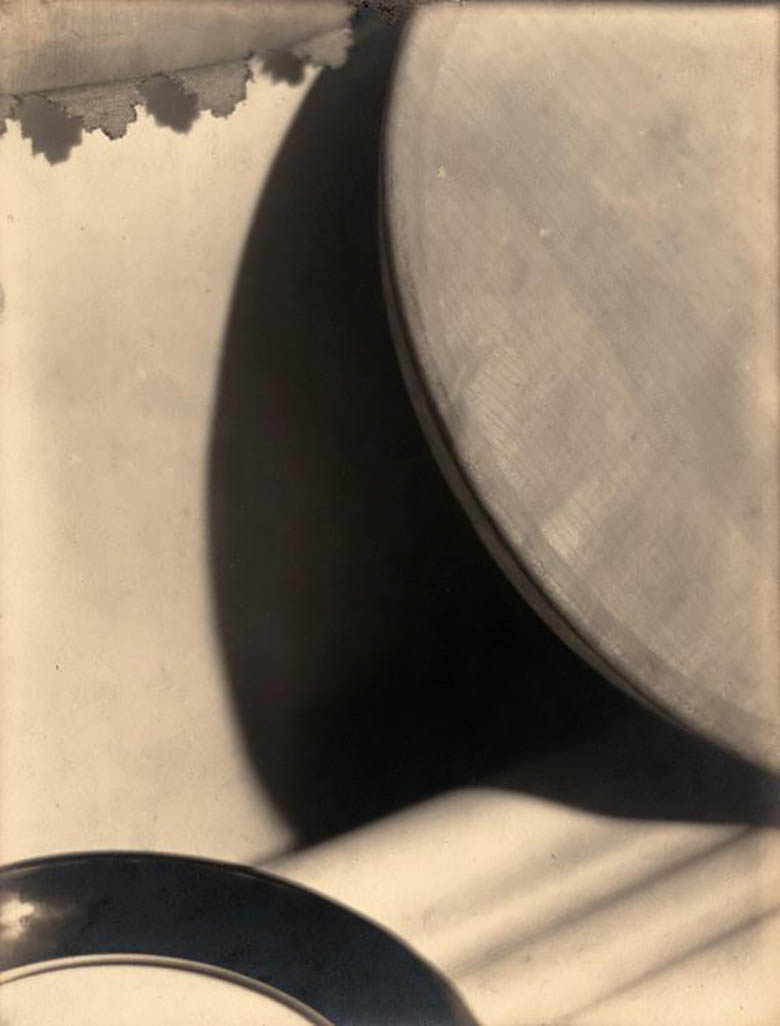
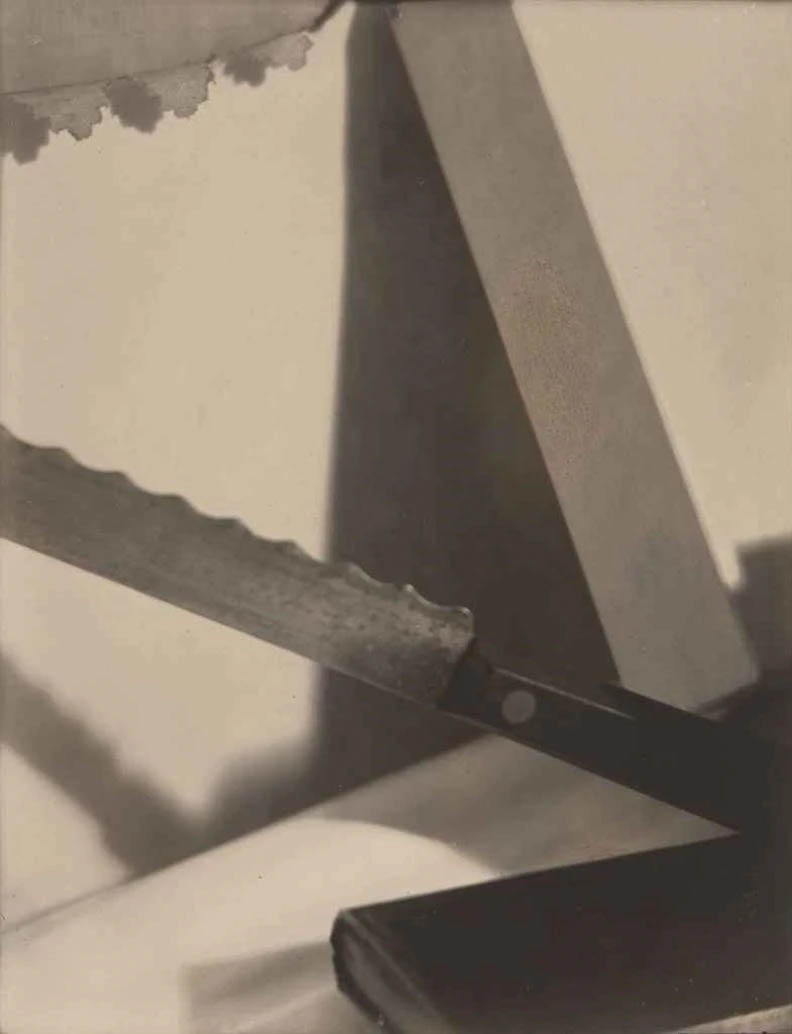
Margaret Watkins (1884-1969) ~ Still Life – Bathtub, New York, 1919 | src The Revolutionary Gaze at The GuardianMargaret Watkins (1884-1969) ~ ‘Phenix Cheese’, 1924 | src El País CulturaMargaret Watkins (1884-1969) ~ Lamp and Mirror, 1924 | src El País Cultura
Watkins was likely influenced by Arthur Wesley Dow, a Columbia University professor of fine arts who was closely associated with the White school. Dow wrote about the beauty of compositions that use curved and straight lines, and alternating light and dark masses. Dow also promoted the ideas of Ernest F. Fenollosa, who believed that music was the key to the other fine arts since its essence was “pure beauty.” Watkins herself used music as a metaphor for visual patterning in an essay about the emergence of advertising photography out of painting: “Weird and surprising things were put upon canvas; stark mechanical objects revealed an unguessed dignity; commonplace articles showed curves and angles which could be repeated with the varying pattern of a fugue.” / Quoted from: Margaret Watkins: Of Sight and Sound (National Gallery of Canada)
Margaret Watkins (1884-1969) ~ Design – Curves, 1919 | src The Nelson-Atkins Museum of Art
Margaret Watkins was a student at The Clarence H. White School of Photography in New York City. The school emphasized the principles of design that were common to all modes of artistic expression. This aesthetic, as seen here, resulted in works that merge realism and abstraction. Watkins received particular praise for her artistic transformation of the most common things: in this instance, the contents of her kitchen sink. / Quoted from The Nelson-Atkins Museum (x)
Margaret Watkins (1884-1969) ~ Design – Angles, 1919 | src MutualArtMargaret Watkins (1884-1969) ~ Domestic Symphony, (1919), palladium print | src Of Sight and Sound at NGC
In 1919 Watkins made her first ground-breaking domestic still lifes, taking as her subject such mundane scenes as a kitchen sink and bathroom fixture. In Domestic Symphony, the graceful curve of the porcelain recalls the fern-like scroll of a violin. Again, the composition is striking: the lower three-quarters of the image is in darkness, anchoring the forms and volumes in the upper portion. / Quoted from: Margaret Watkins: Of Sight and Sound (National Gallery of Canada)
The Norwegian actress Sofie Parelius Krohn began her career as a dancer in 1911 at the Norwegian National Theatre. She trained with her mother, who was a choreographer and ballet teacher, and for a time with Michel Fokine. She took leading roles in Max Reinhardt’s productions in Berlin, including Prima Ballerina and Sumurun. Married to Tancred Ibsen, film director and screenwriter and grandson of Henrik Ibsen, she later became one of Norway’s most distinguished stage actresses, appearing in many works by Shaw, Wilde, Shakespeare and Ibsen.
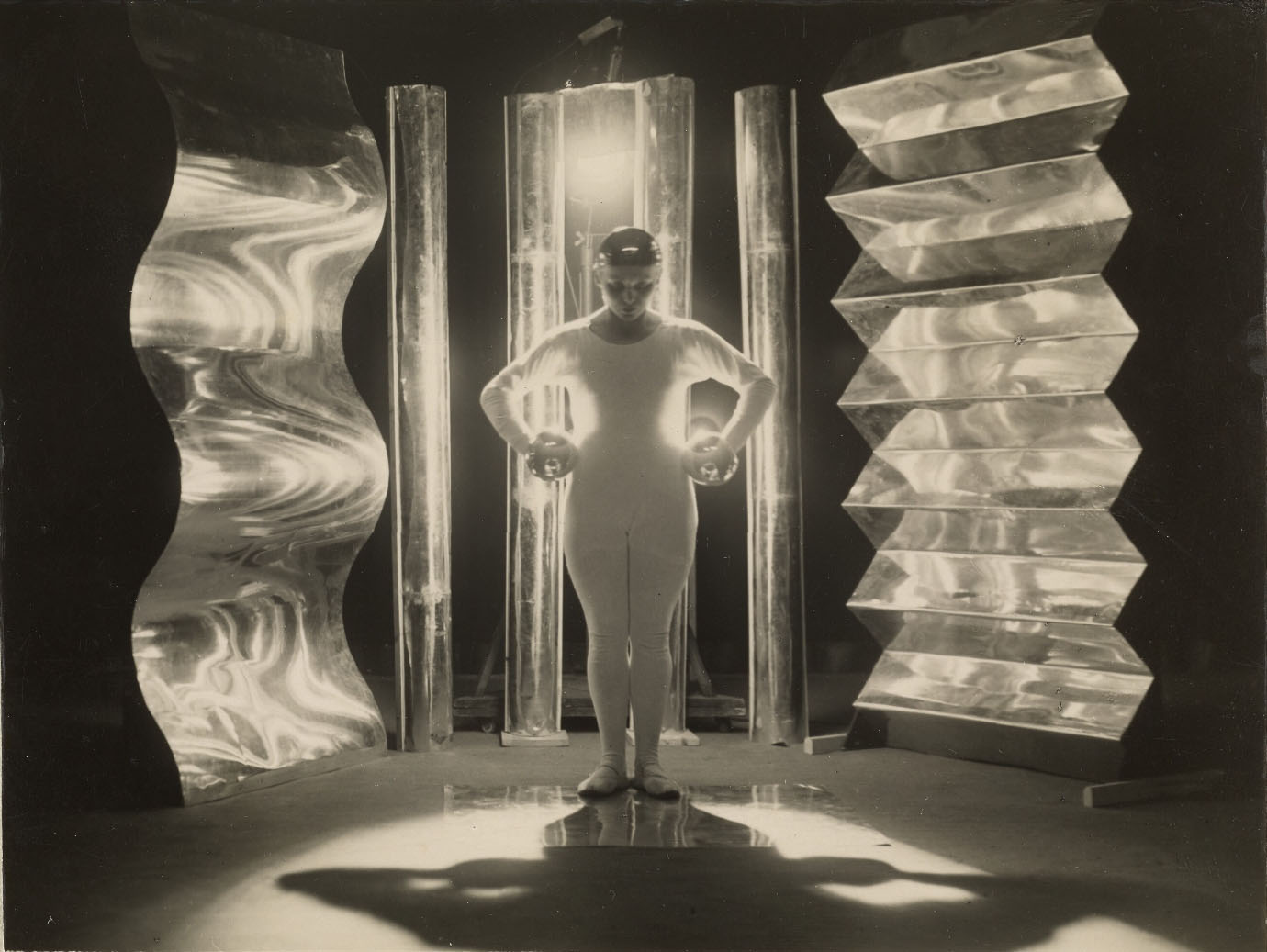
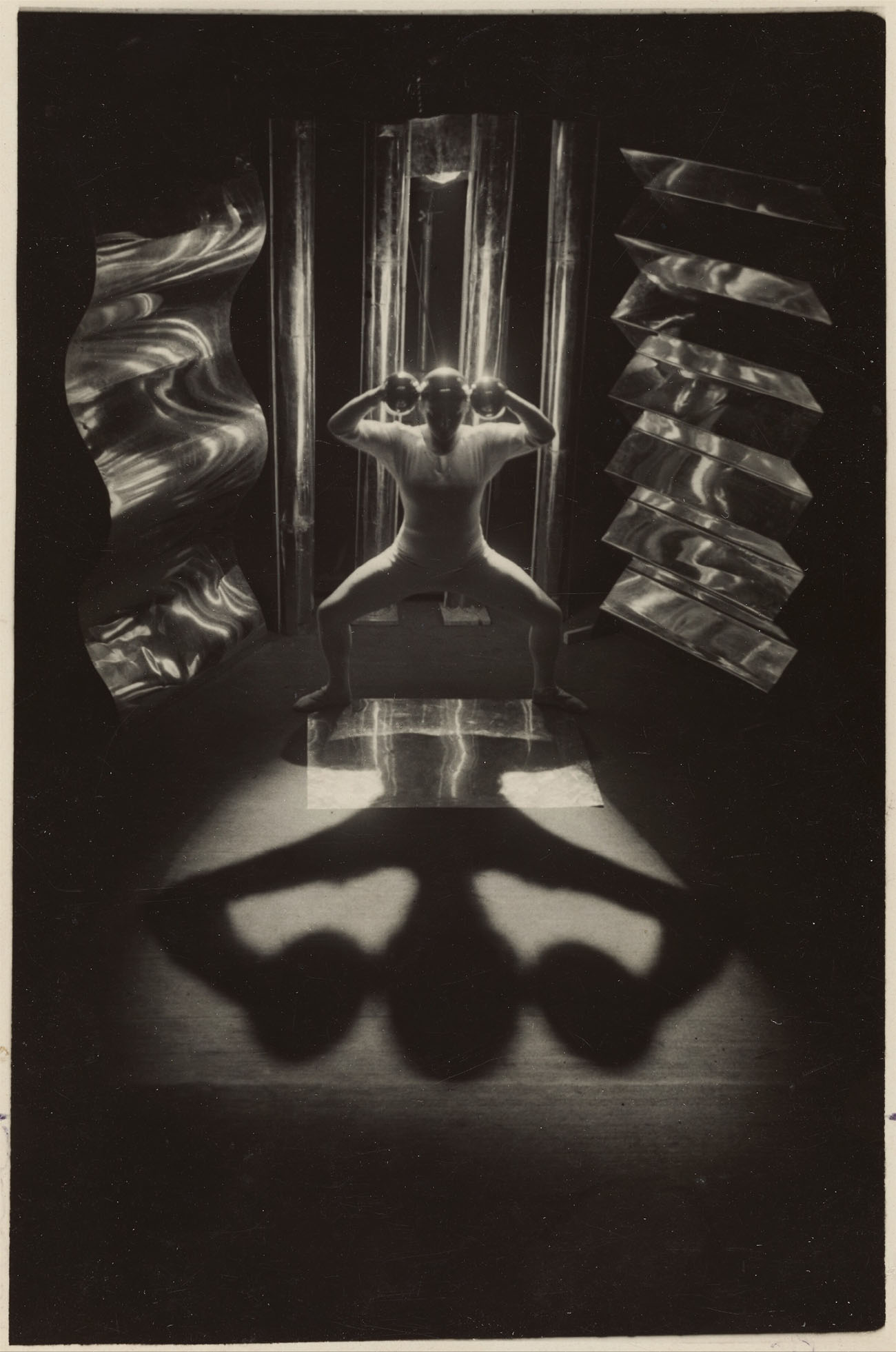
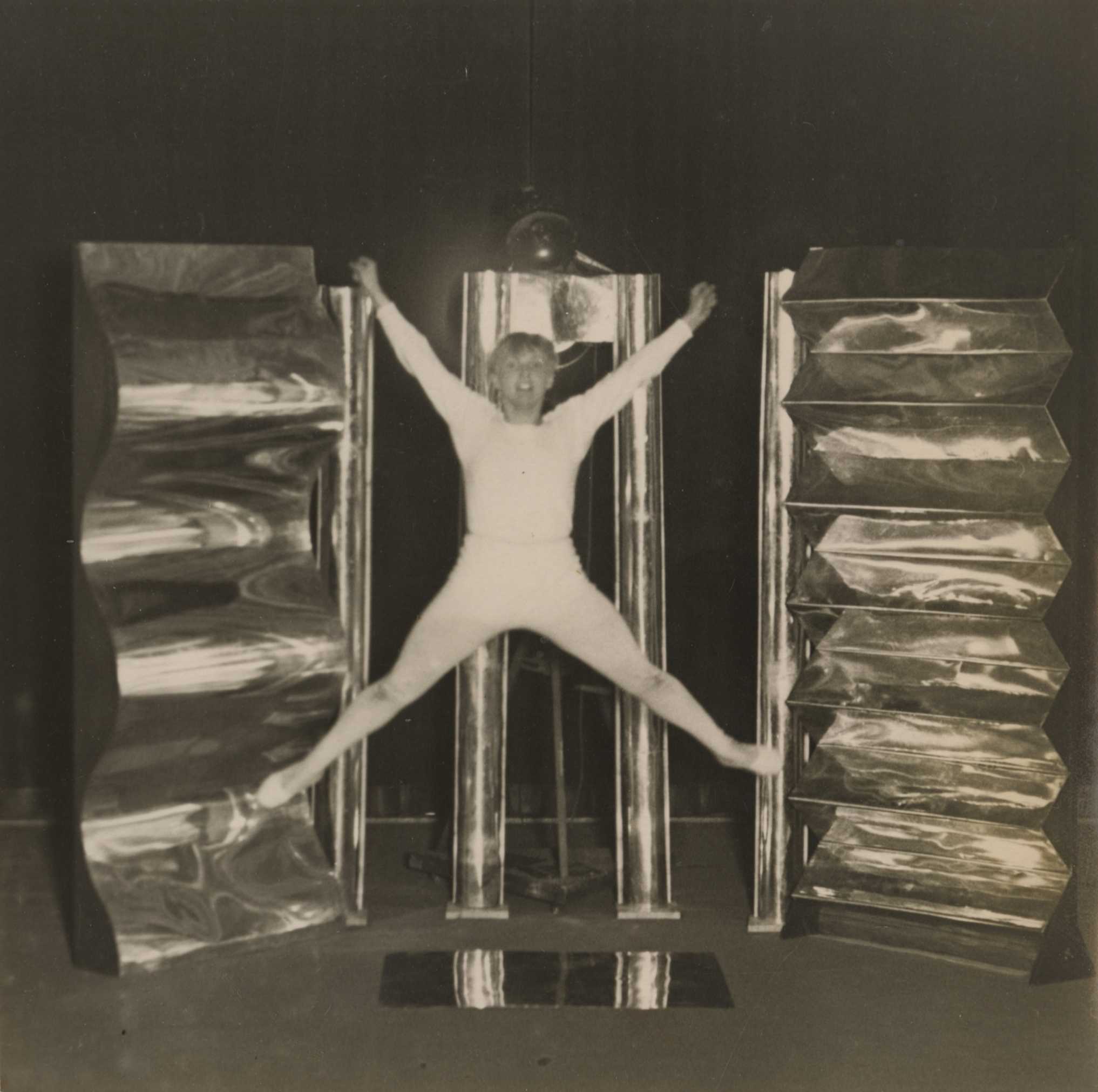
T. Lux Feininger (1910 – 2011) ~ [Metalltanz], Bauhaus Dessau, about 1928-1929 | src getty.edu
Karla Grosch’s performance of Metalltanz, or “Dance in Metal,” exploited the reflective properties of polished metal. The avant-garde performances produced by Oskar Schlemmer’s Stage Workshop at the Bauhaus School are seen today as significant forerunners of modern performance art and multimedia theater.
The photographer T. Lux Feininger studied at the Bauhaus with Schlemmer, under whose direction theater and dance became popular and important aspects of the German school’s program. [text from getty.edu]
T. Lux Feininger (1910 – 2011) ~ [Metalltanz]. Dance in Metal, by Oskar Schlemmer, performed by Karla Grosch, Dessau, ca. 1928-1929 | src Getty museumT. Lux Feininger ~ Untitled (Bauhaus Stage; Dance in Metal by Oskar Schlemmer, performed by Karla Grosch), ca. 1928 | src Kicken Galerie Berlin at Art Basel 2019
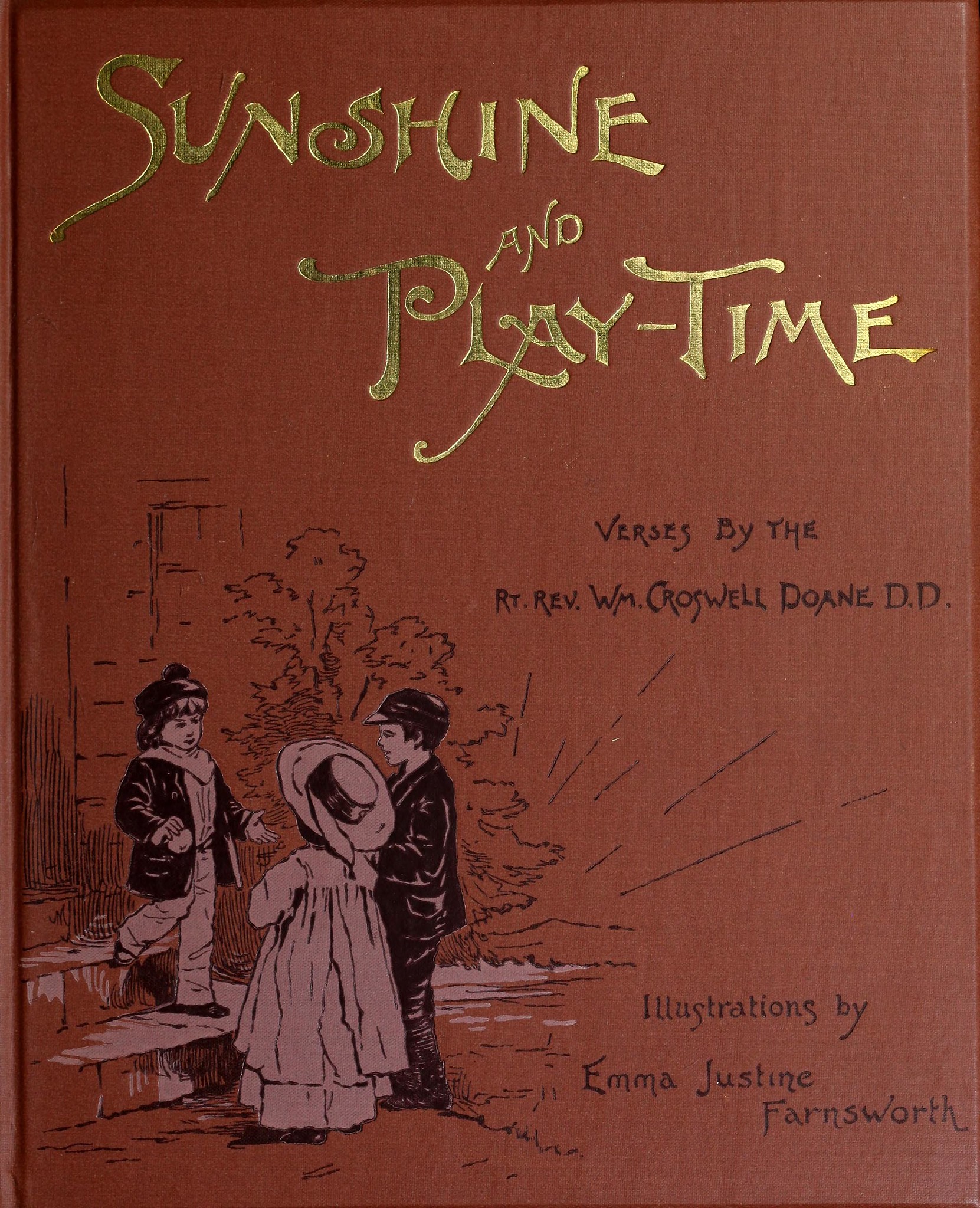
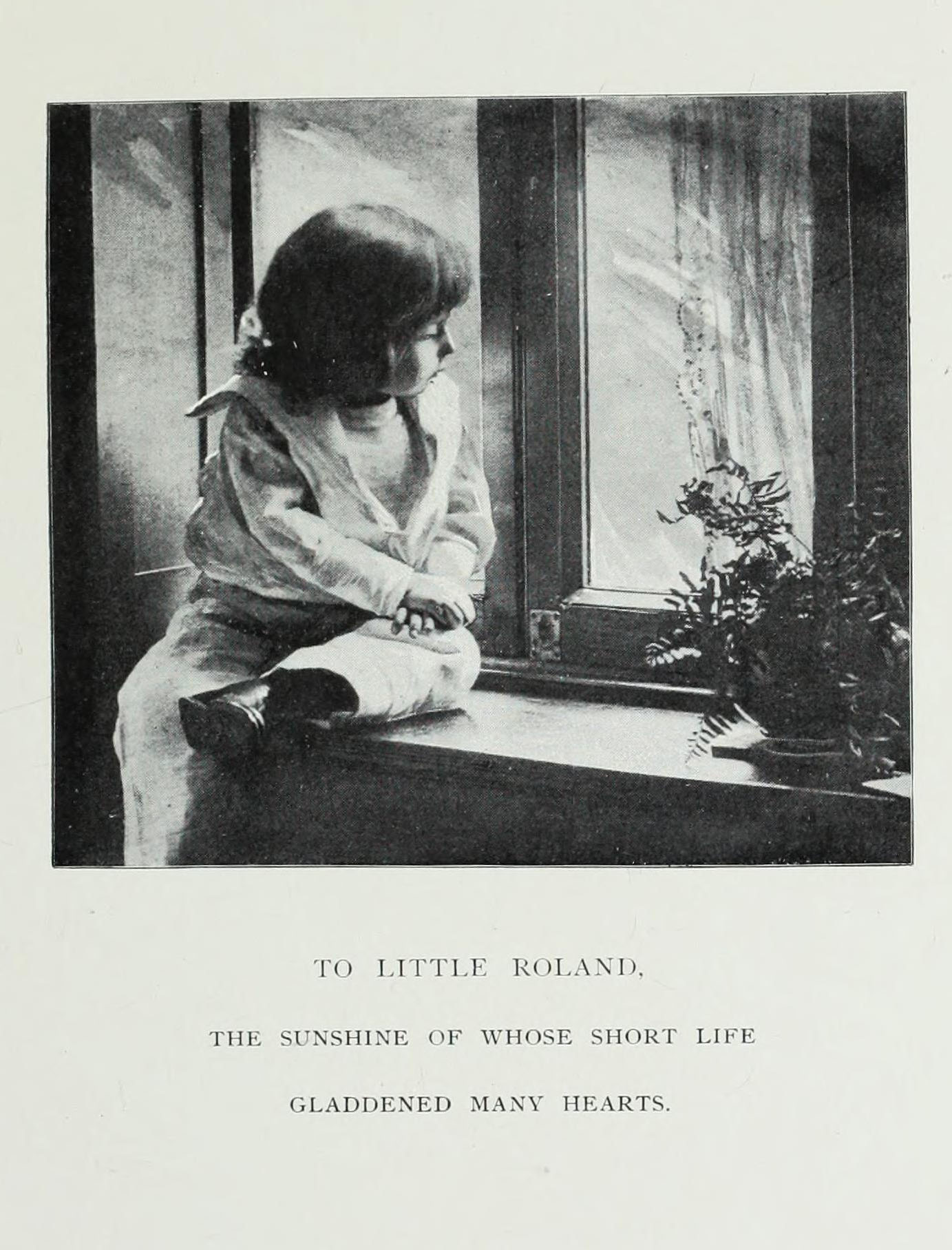
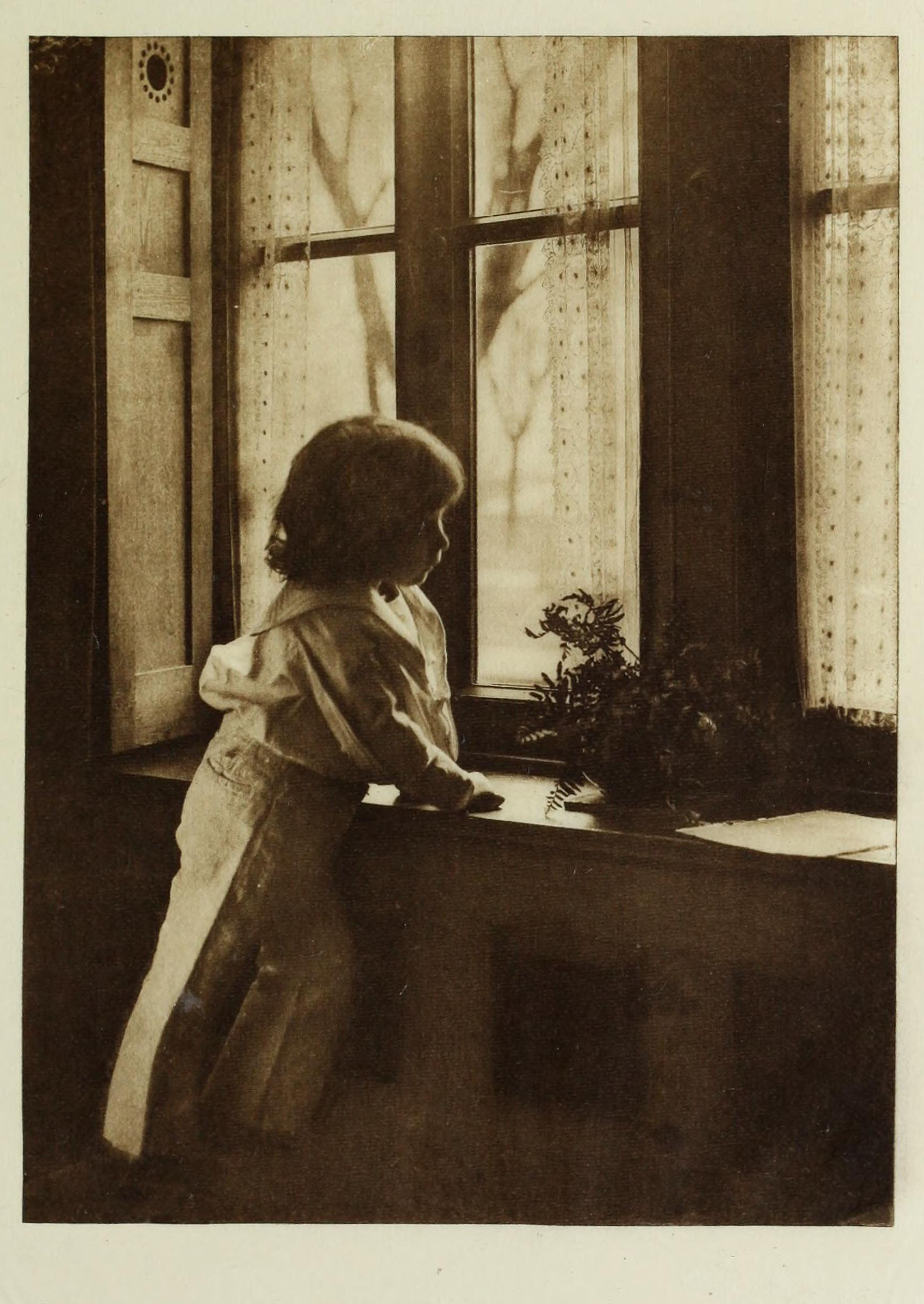
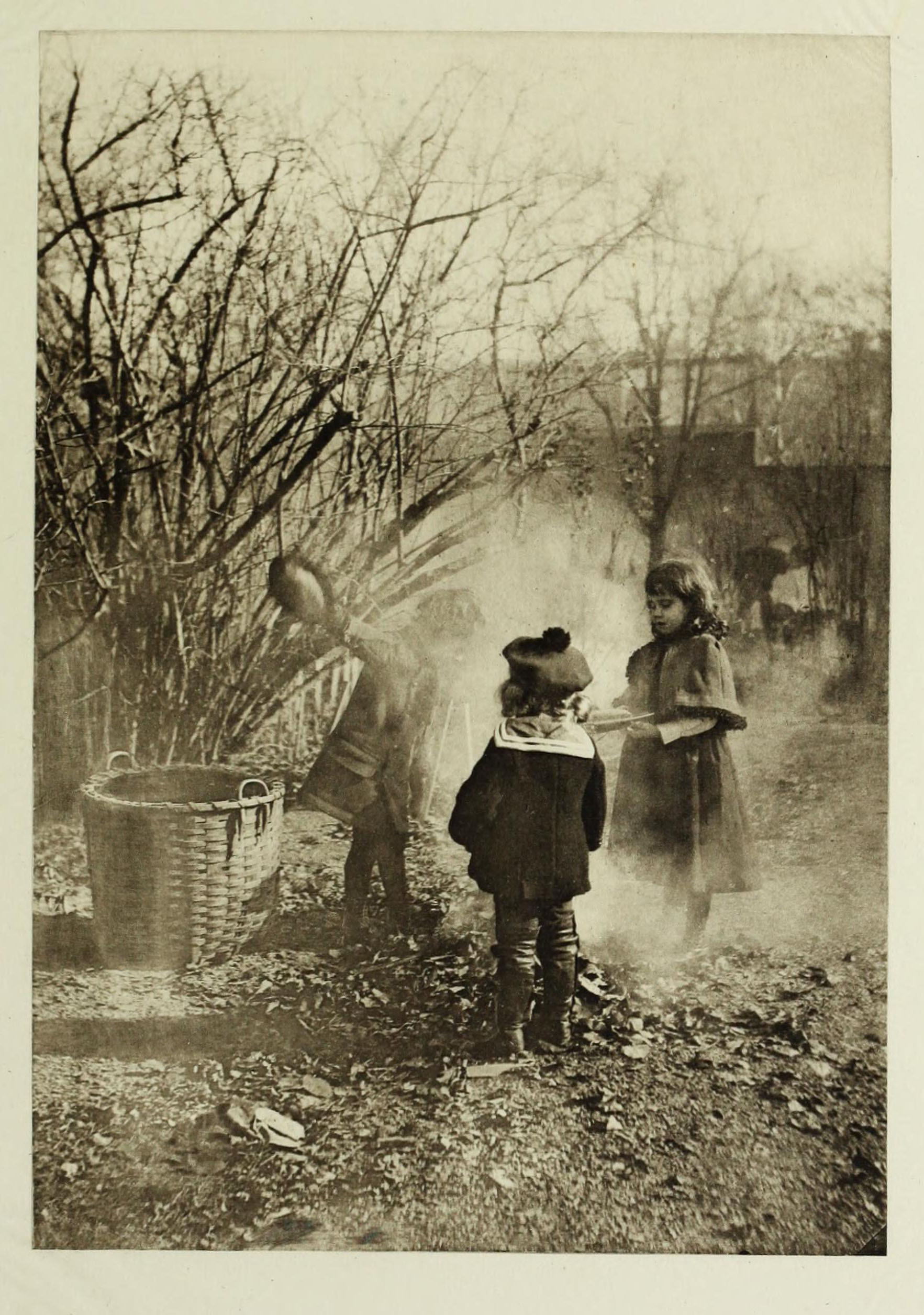
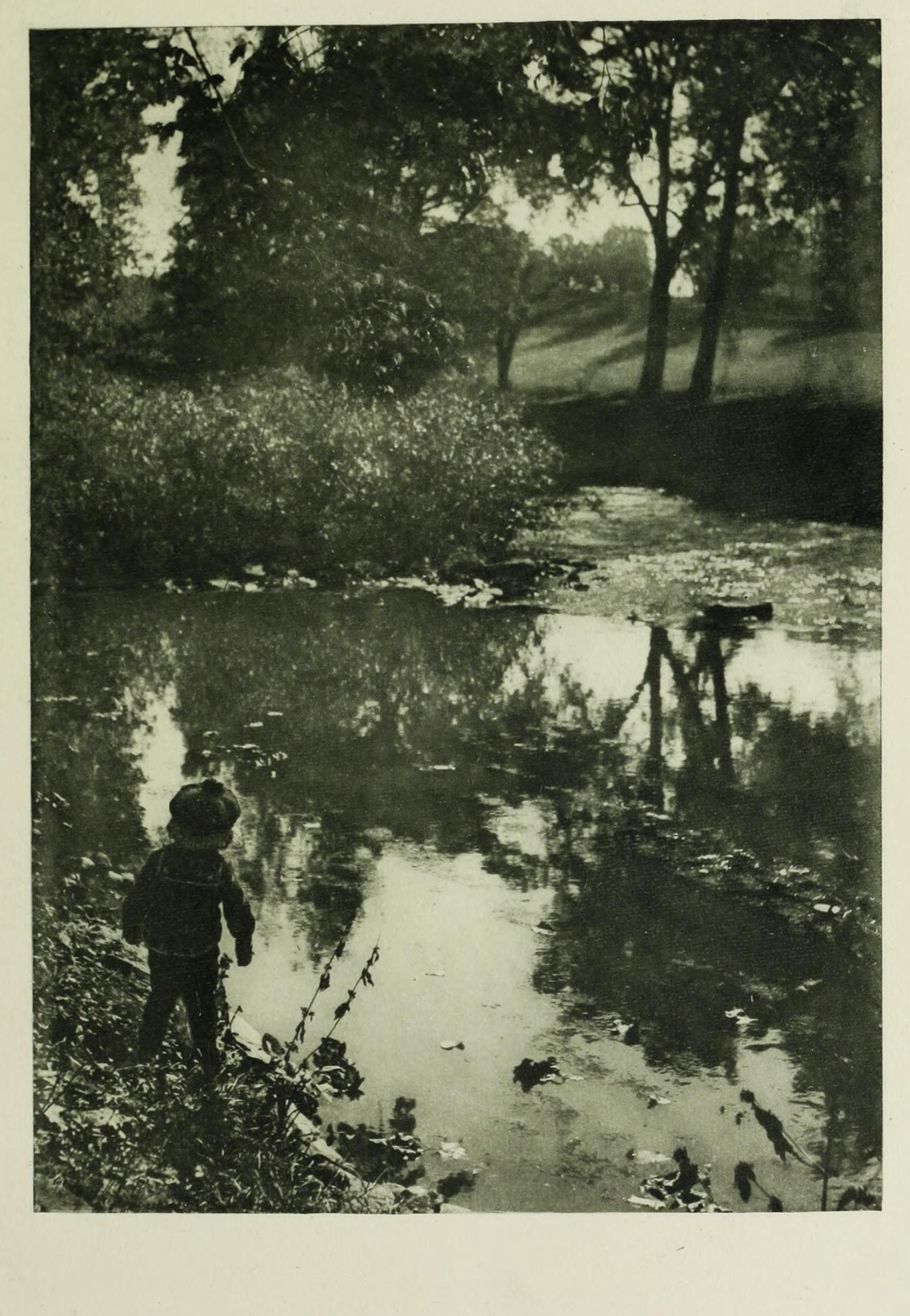
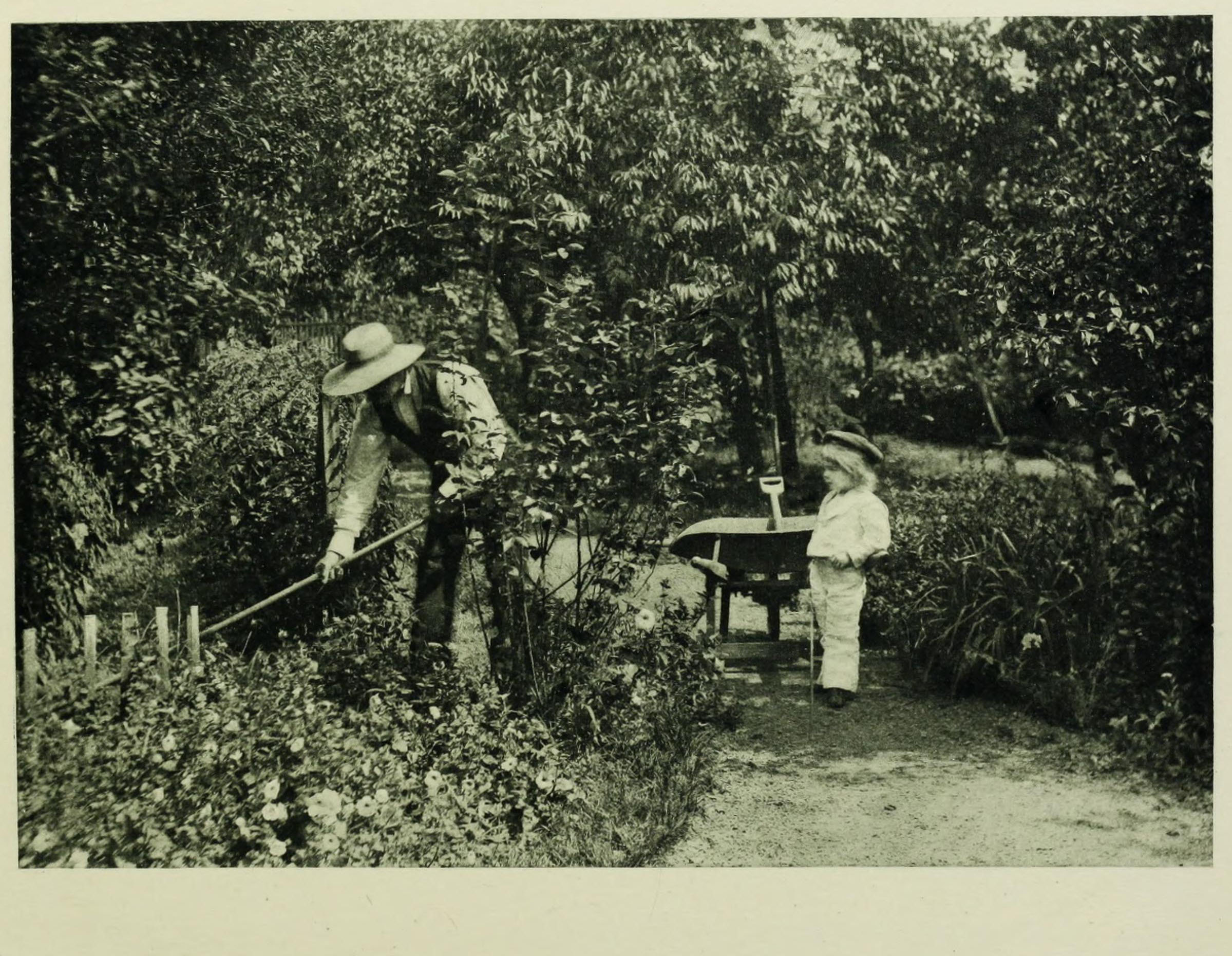
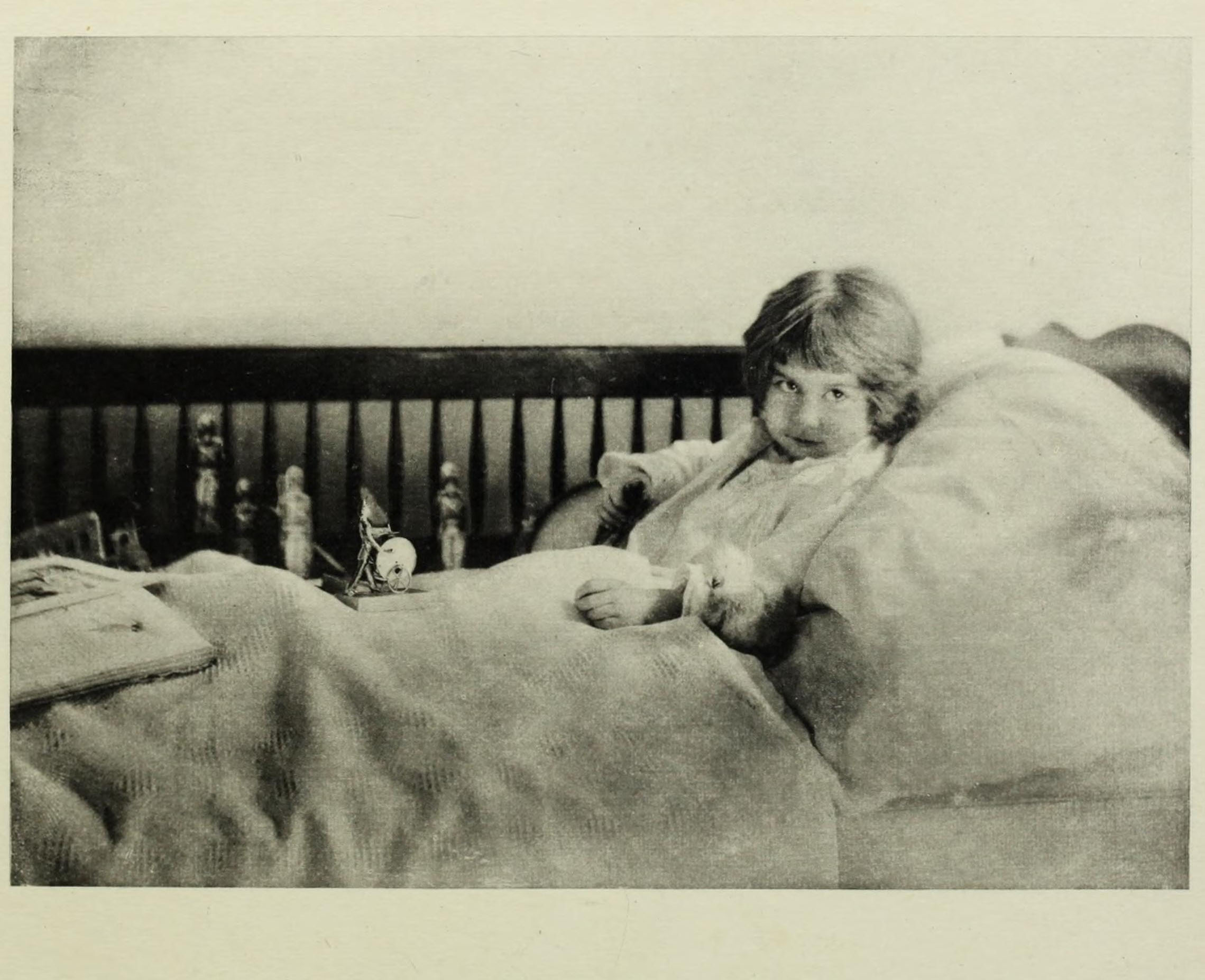
Emma Justine Farnsworth ~ From Sunshine and Playtime, 1893 | src internet archiveEmma Justine Farnsworth ~ From Sunshine and Playtime, 1893 | src internet archiveEmma Justine Farnsworth ~ From Sunshine and Playtime, 1893 | src internet archiveEmma Justine Farnsworth ~ From Sunshine and Playtime, 1893 | src internet archiveEmma Justine Farnsworth ~ From Sunshine and Playtime, 1893 | src internet archive
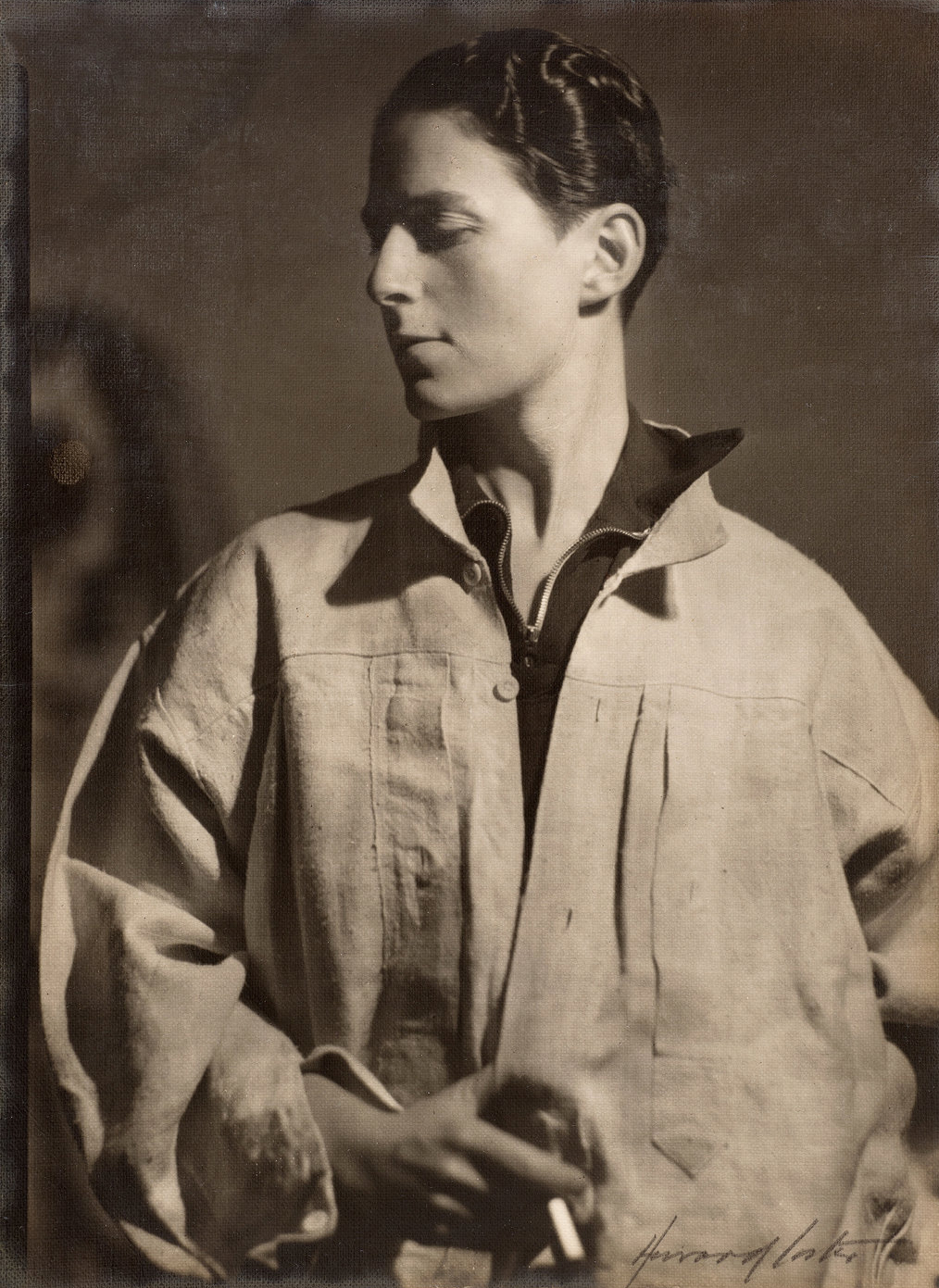
Peter depicts British painter Hannah Gluckstein, heir to a catering empire who adopted the genderless professional name Gluck in the early 1920s. By the time Brooks met her at one of Natalie Barney’s literary salons, Gluckstein had begun using the name Peyter (Peter) Gluck. She unapologetically wore men’s suits and fedoras, clearly asserting the association between androgyny and lesbian identity. Brooks’s carefully nuanced palette and quiet, empty space produced an image of refined and austere modernity. ~ The Art of Romaine Brooks, 2016
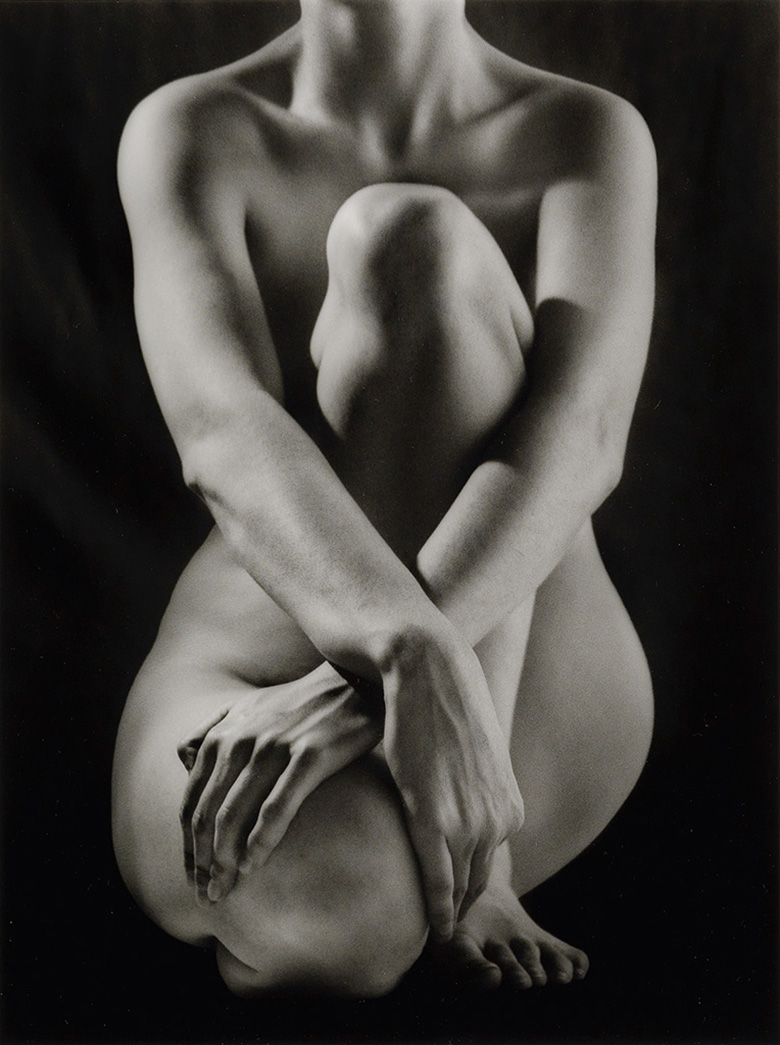
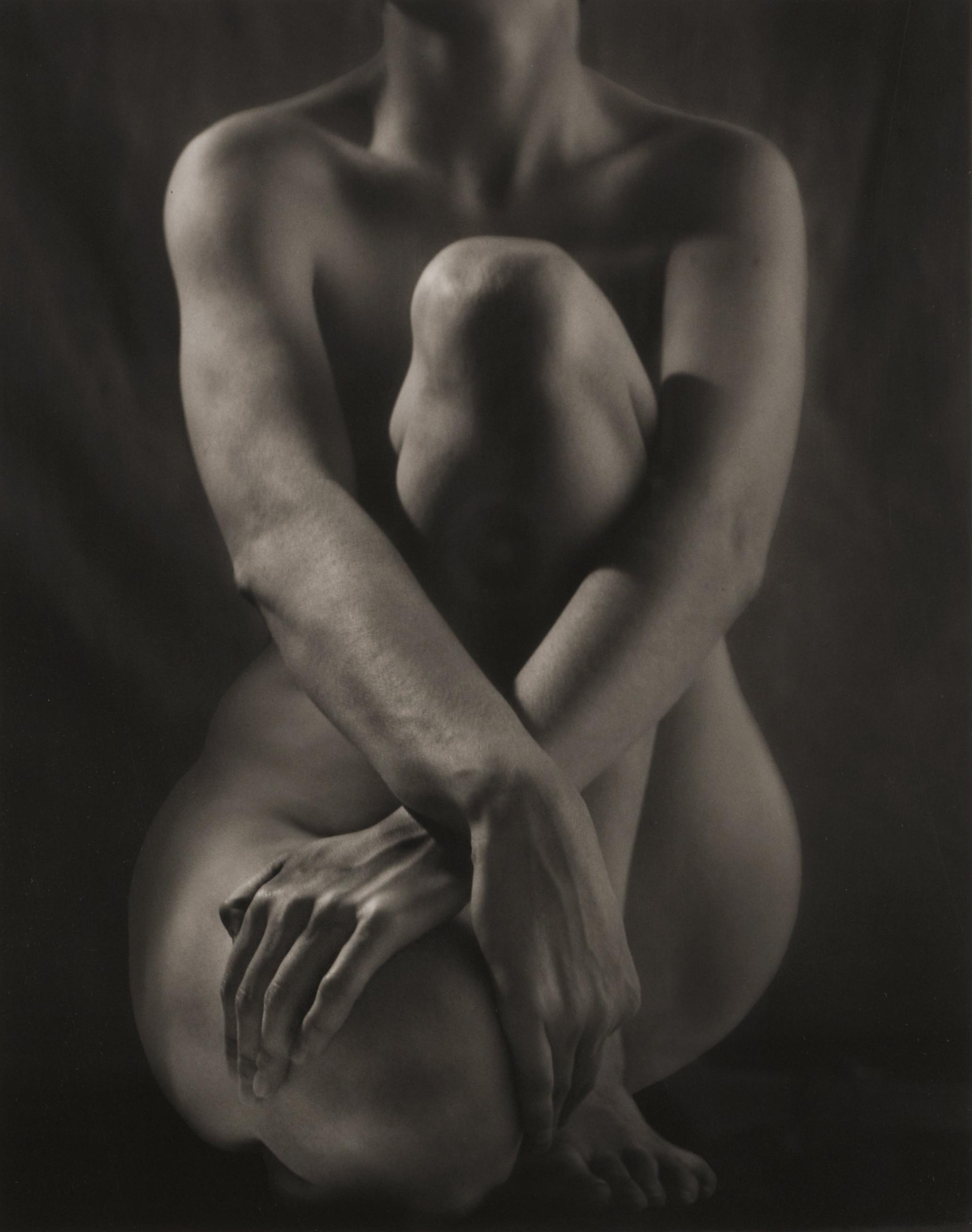
Ruth Bernhard ~ Classic Torso with Hands, 1952. | src Princeton Art Museum INV12612Ruth Bernhard ~ Classic Torso with Hands, 1952. | src Princeton Art Museum INV13053Ruth Bernhard ~ Classic Torso with Hands, 1952. | src Princeton Art Museum INV12636Ruth Bernhard ~ Classic Torso with Hands, 1952. | src Swann GalleriesRuth Bernhard ~ Classic Torso with Hands, 1952. | src Bonhams