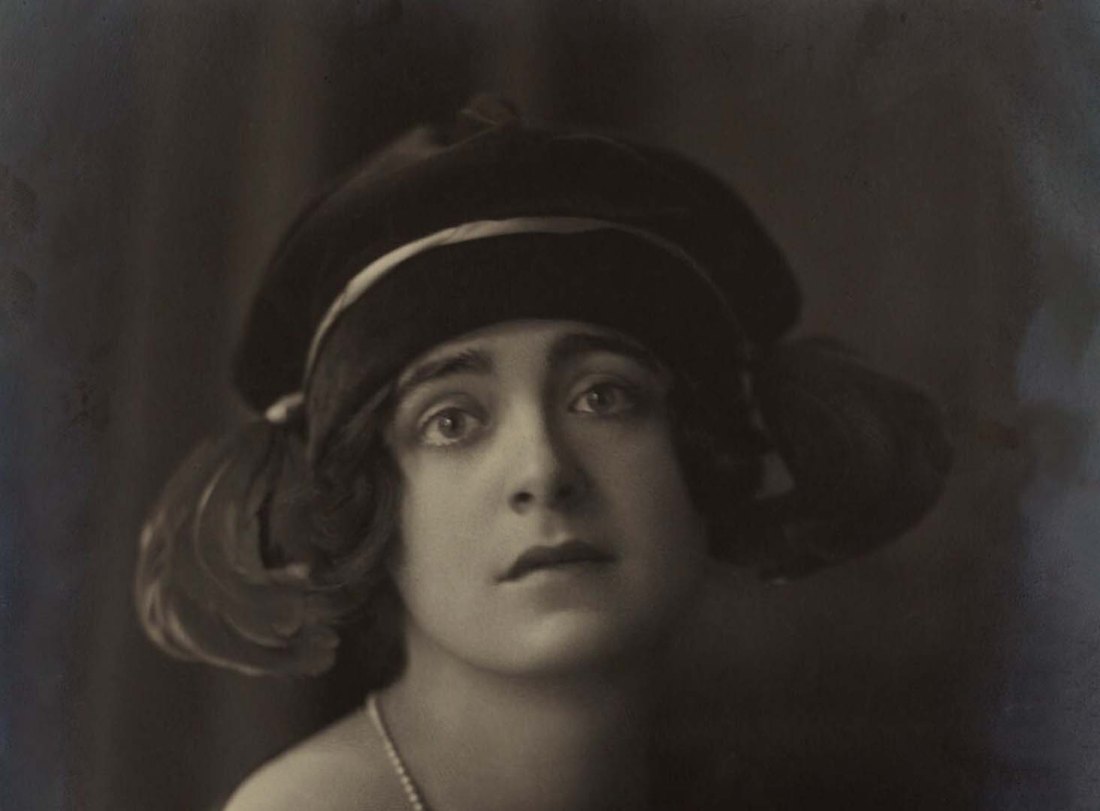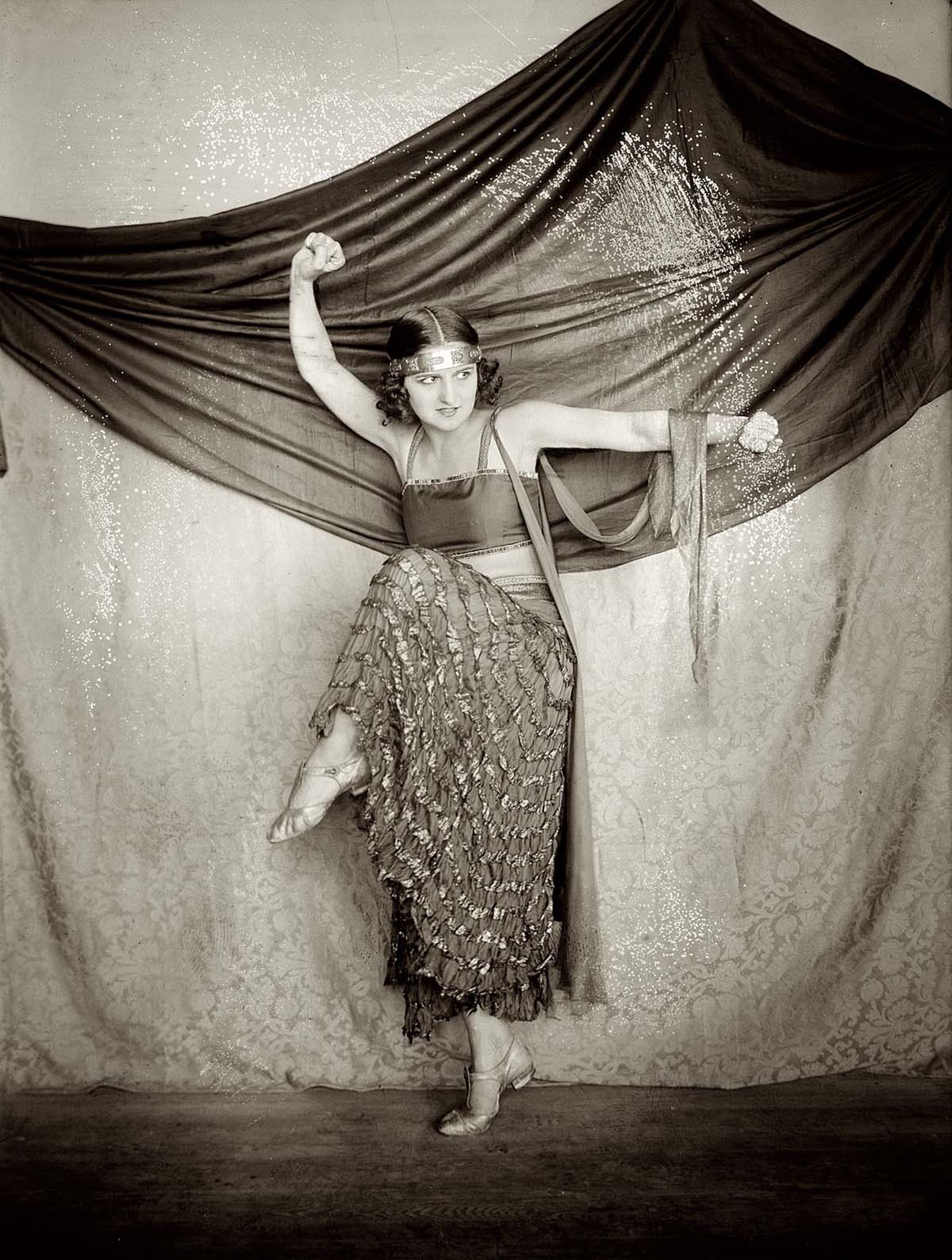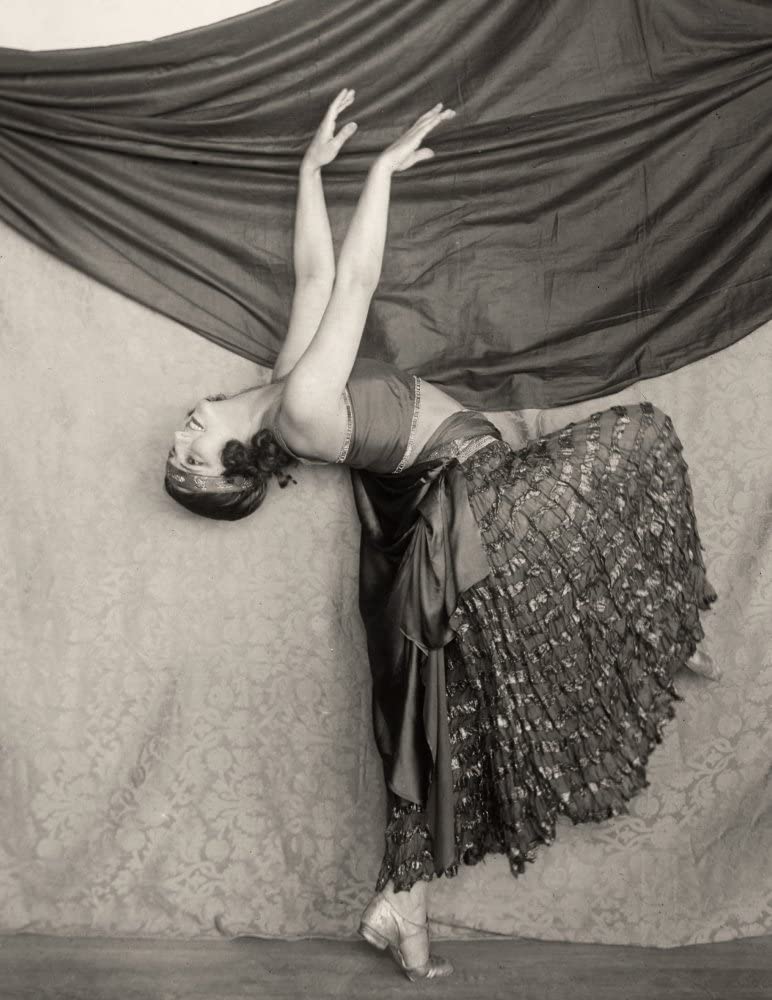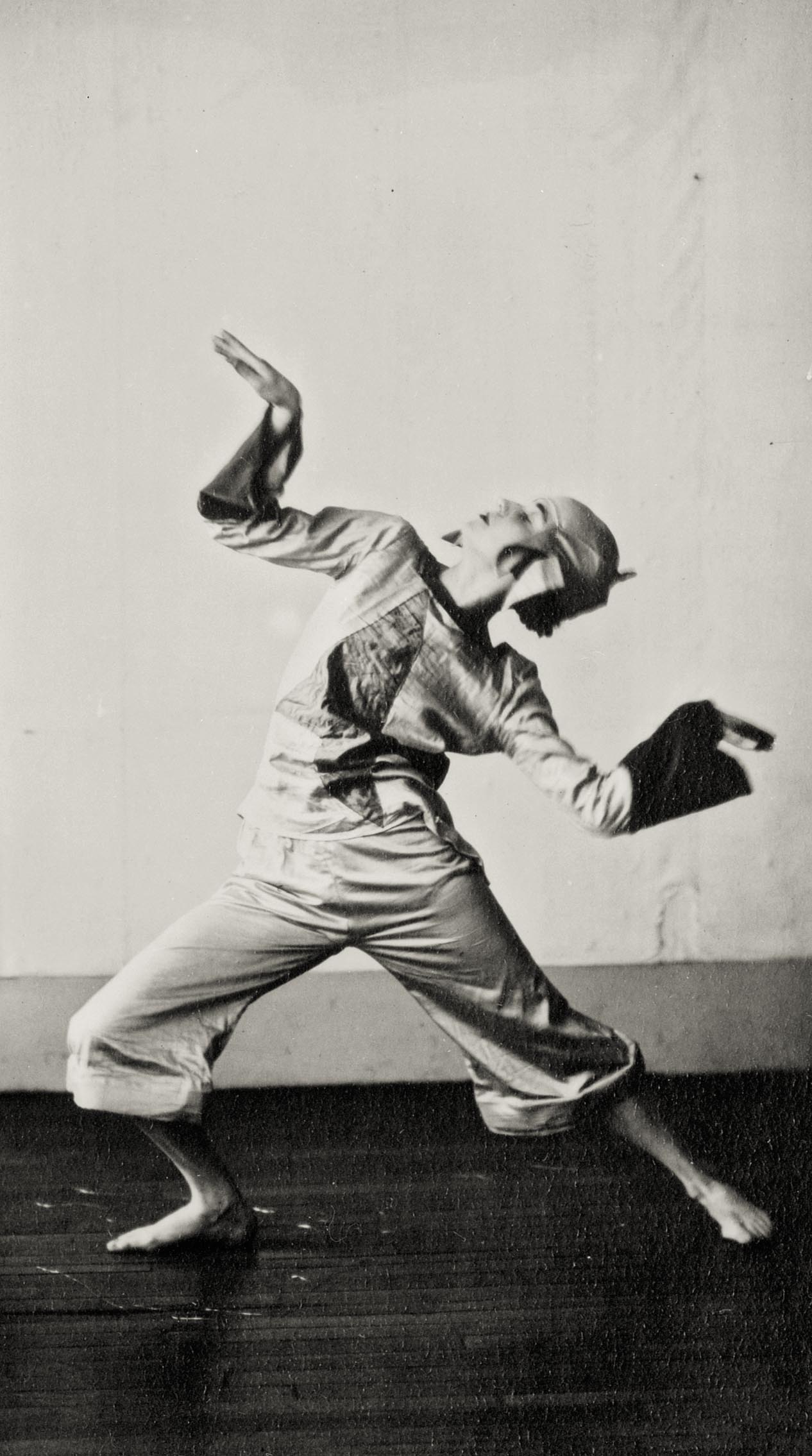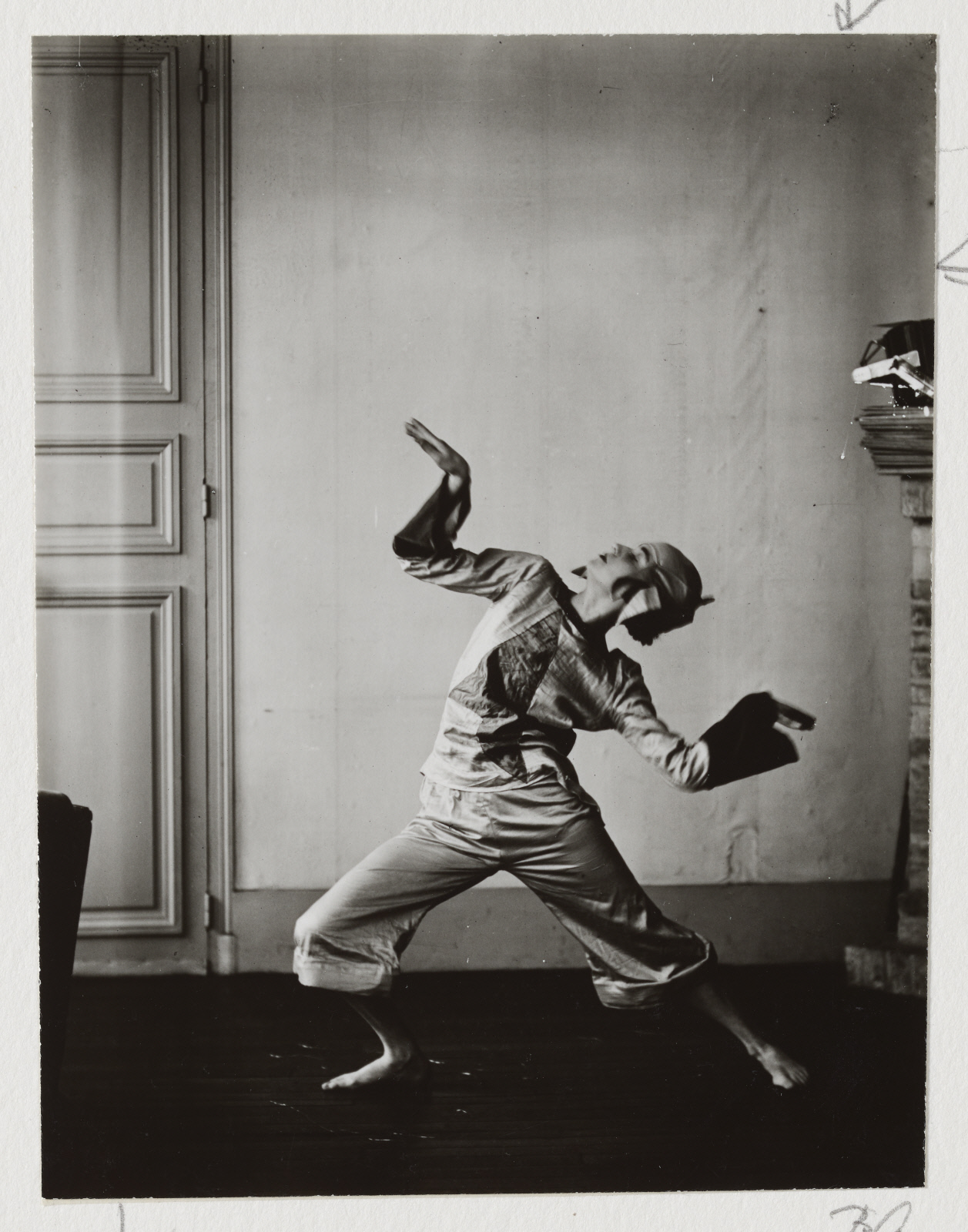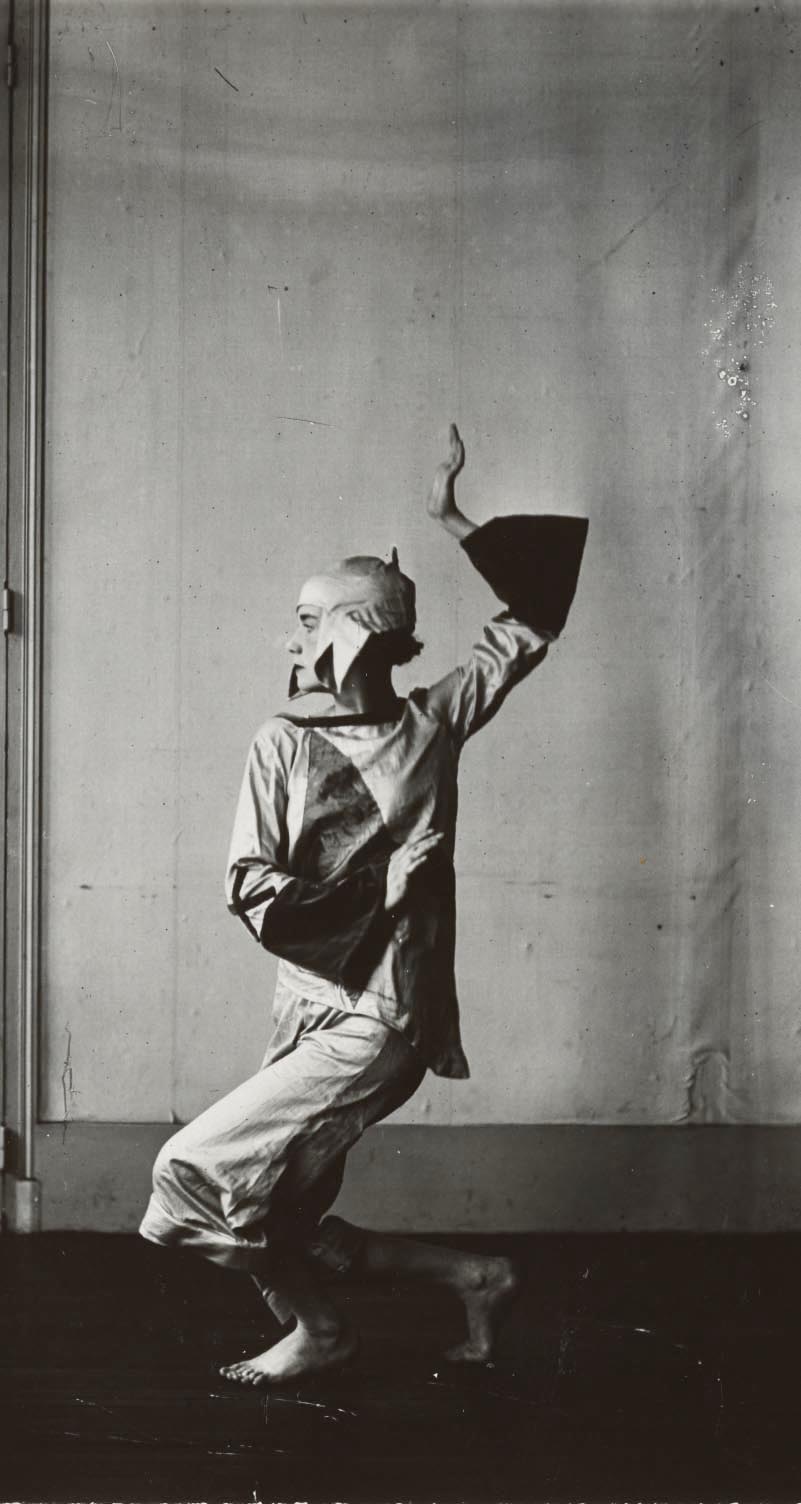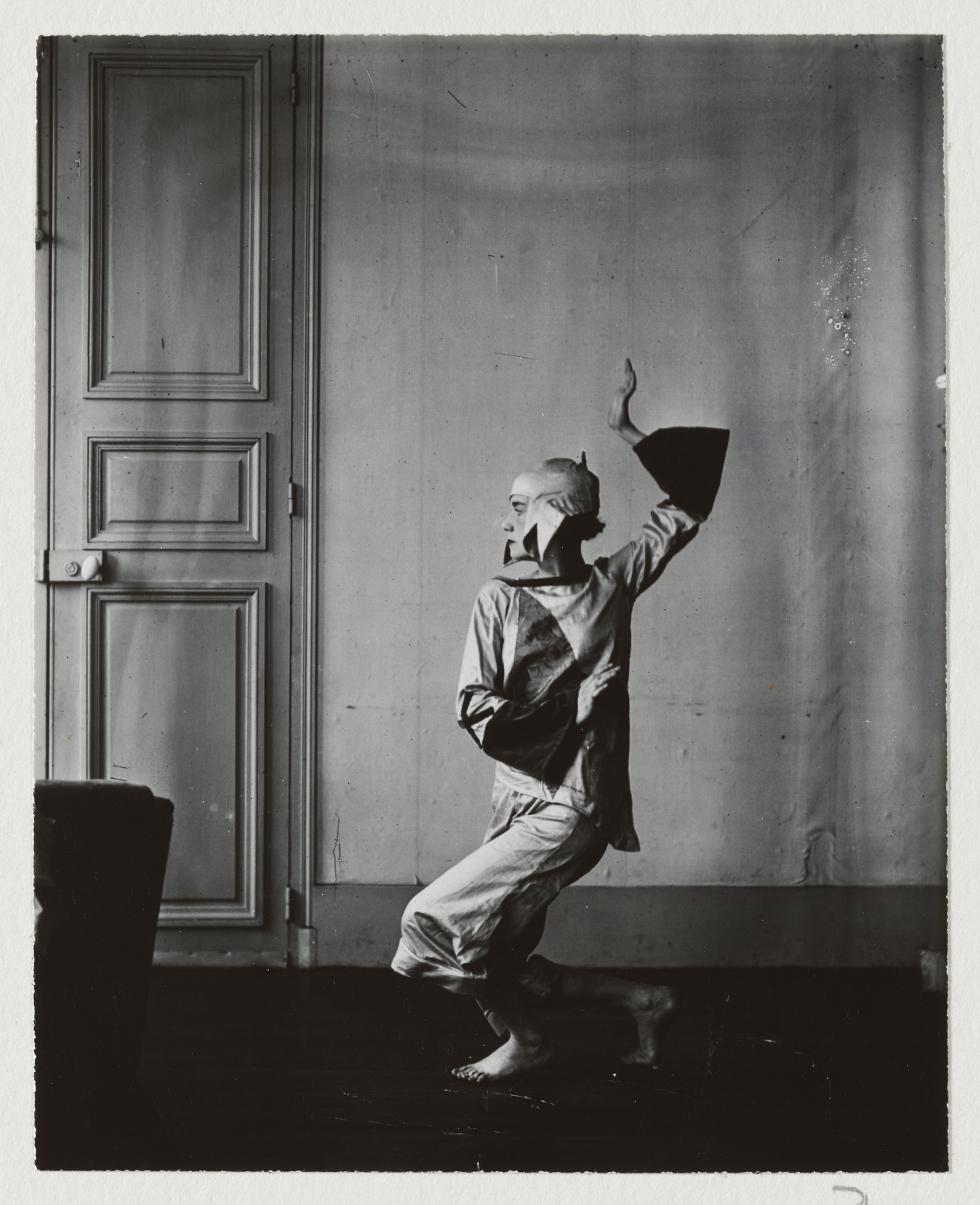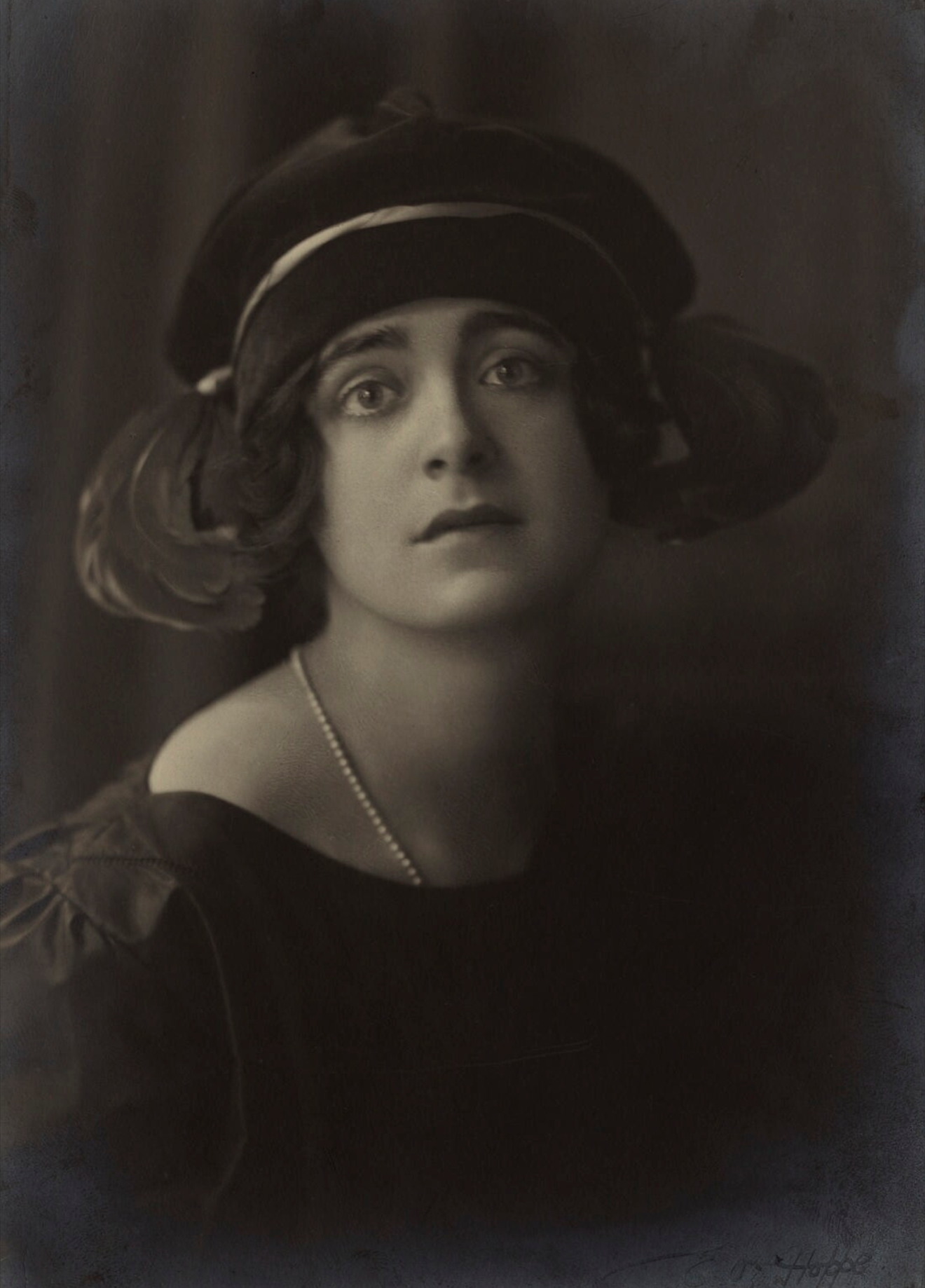
Harriet Cohen by Emil Otto Hoppé

portrait of harriet cohen by hoppe
Emil Otto Hoppé :: Harriet Cohen, vintage bromide print, 24 July 1920. Given by the sitter's sister, Myra Verney, 1992. | src NPG
Emil Otto Hoppé :: Harriet Cohen, vintage bromide print, 24 July 1920. Given by the sitter’s sister, Myra Verney, 1992. | src NPG
Emil Otto Hoppé :: Harriet Cohen, vintage bromide print, 24 July 1920. Given by the sitter's sister, Myra Verney, 1992. | src NPG
Emil Otto Hoppé :: Harriet Cohen, vintage bromide print, 24 July 1920. Given by the sitter’s sister, Myra Verney, 1992. | src NPG
Emil Otto Hoppé :: Harriet Cohen, vintage bromide print, 24 July 1920. Given by the sitter's sister, Myra Verney, 1992. | src NPG
Emil Otto Hoppé :: Harriet Cohen, vintage bromide print, 24 July 1920. Given by the sitter’s sister, Myra Verney, 1992. | src NPG

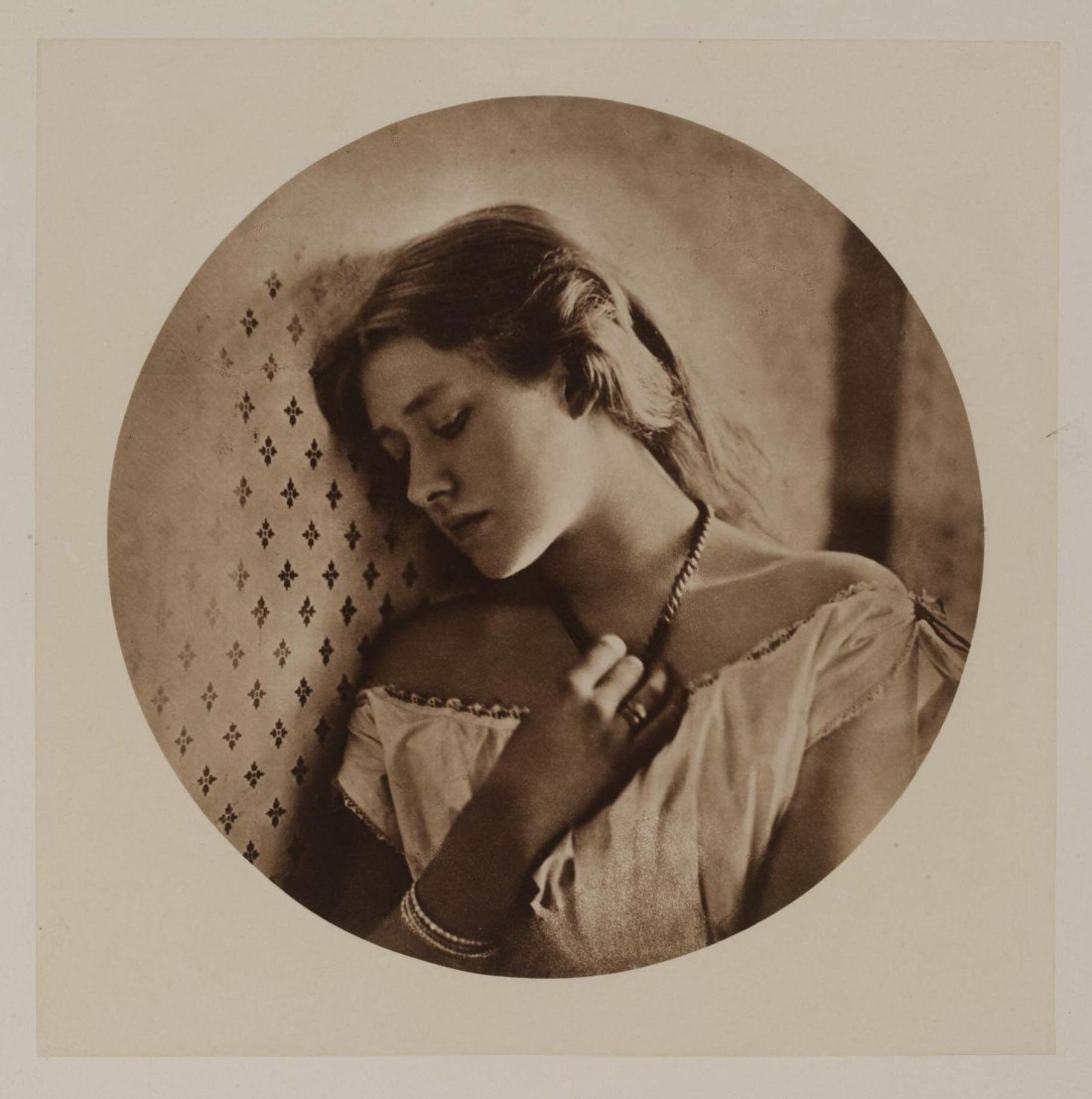
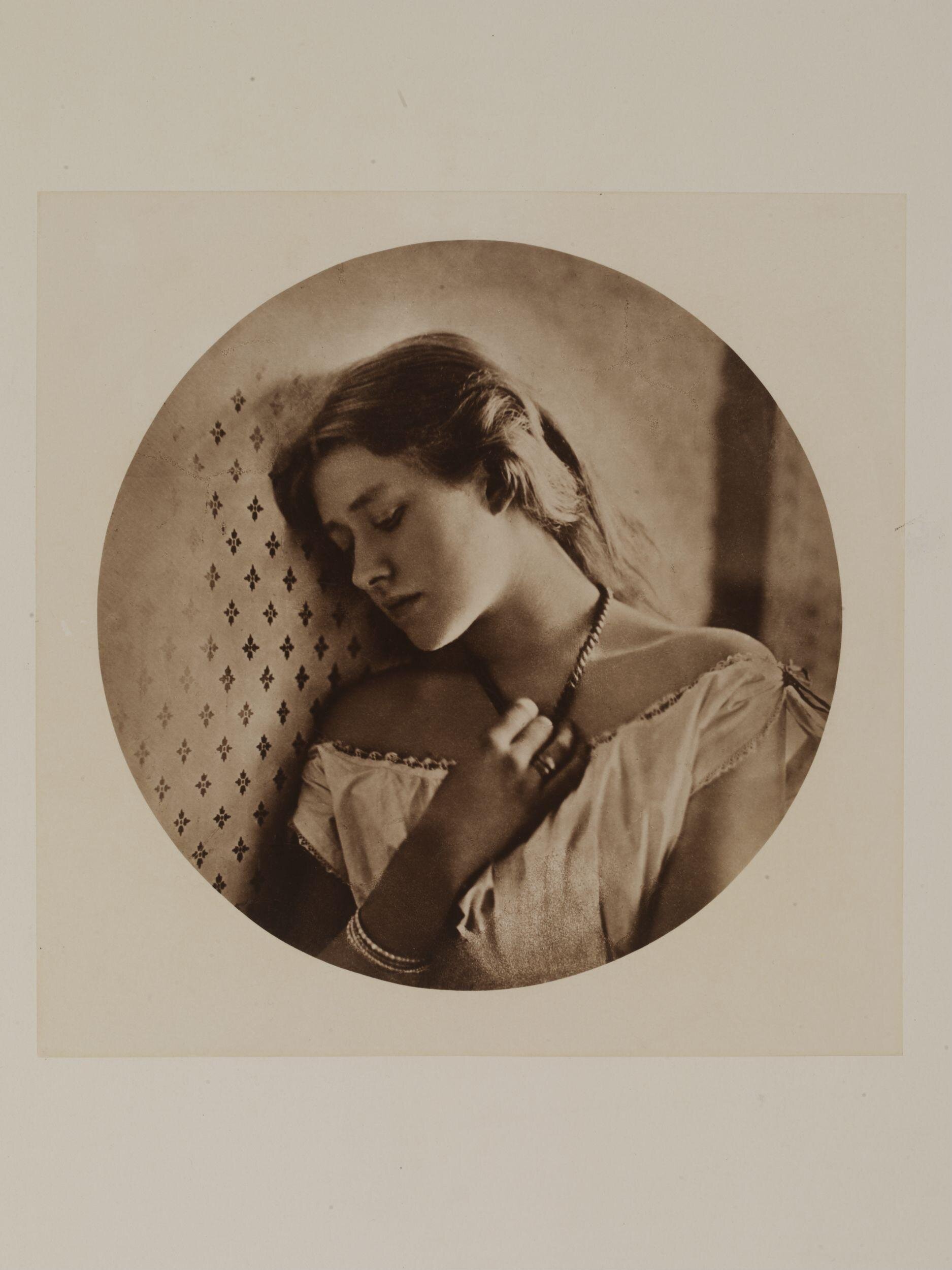
Ellen Terry at 16 by Cameron

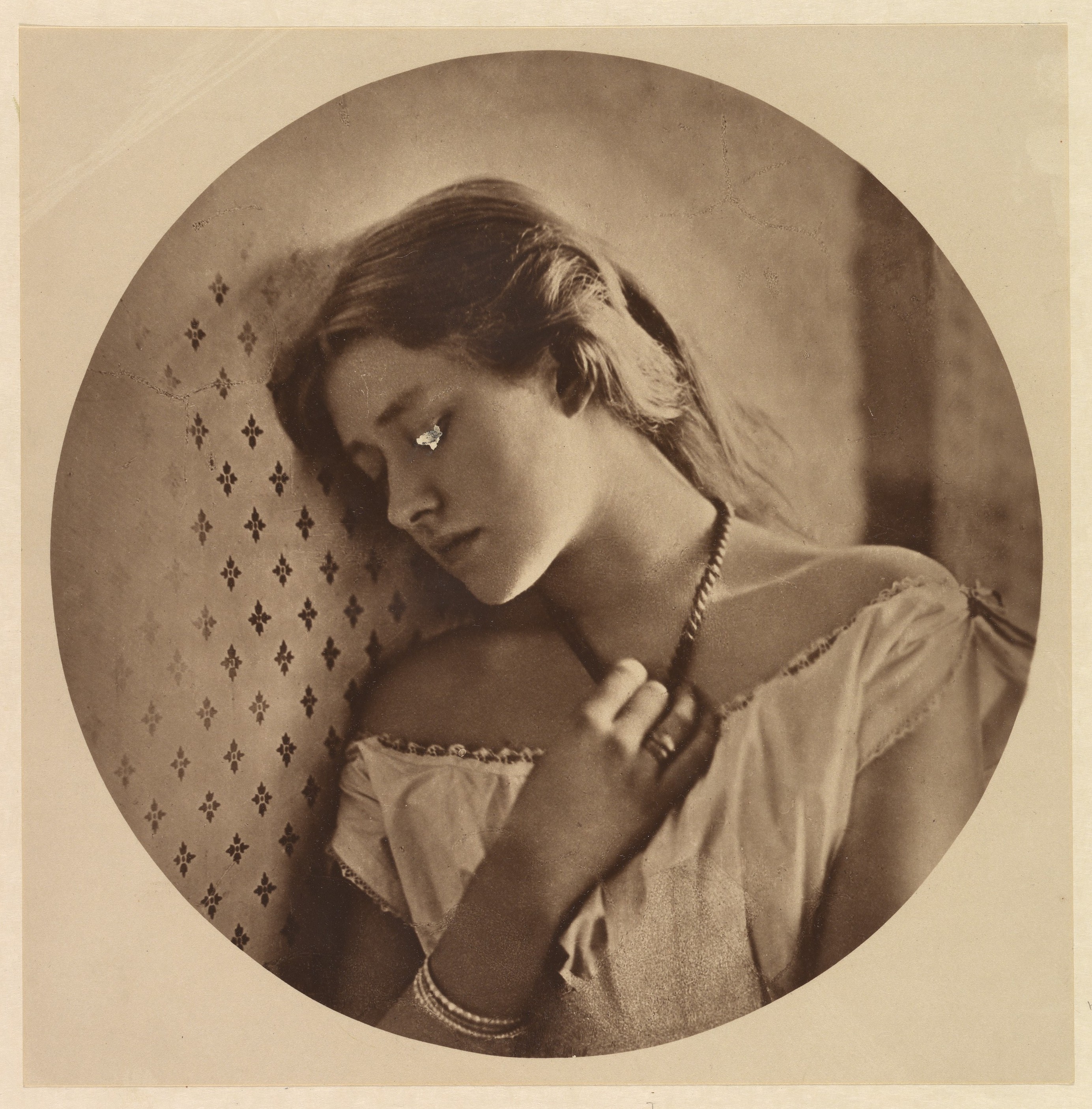
Julia Margaret Cameron :: Sadness, 1863-64 (Shakespearean Actress Dame Ellen Terry, Age 16) | Victoria & Albert Museum
Julia Margaret Cameron :: Sadness, 1863-64 (Shakespearean Actress Dame Ellen Terry, Age 16) Carbon print from copy negative | Victoria & Albert Museum. Royal Photographic Society. National Media Museum
Julia Margaret Cameron :: Sadness, 1863-64 (Shakespearean Actress Dame Ellen Terry, Age 16) | Victoria & Albert Museum
Julia Margaret Cameron :: Sadness, 1863-64 (Shakespearean Actress Dame Ellen Terry, Age 16) Carbon print. | Victoria & Albert Museum

Circular-shaped photograph of a standing woman, shown in profile from the waist up. Her head is leaning against an interior patterned wall and one of her hands is placed at her throat tugging at her necklace.

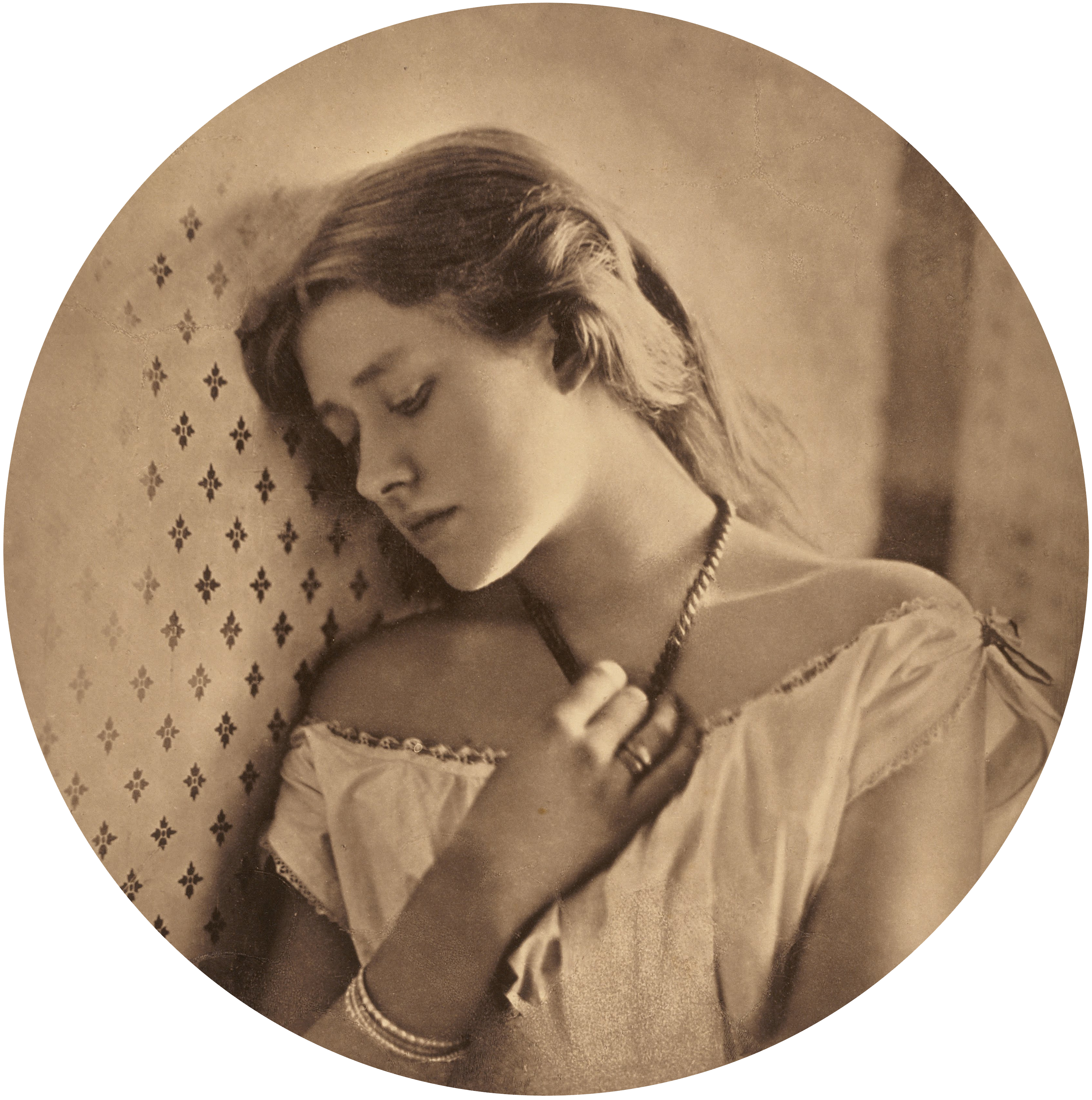
Julia Margaret Cameron :: Sadness, 1863-64 (Shakespearean Actress Dame Ellen Terry, Age 16) | Victoria & Albert Museum
Julia Margaret Cameron :: Sadness, 1863-64 (Shakespearean Actress Dame Ellen Terry, Age 16) Carbon print [full size] | V&A Museum
Julia Margaret Cameron :: Ellen Terry at Age Sixteen, 1864. Carbon print. LL/6758
Julia Margaret Cameron :: Ellen Terry at Age Sixteen, 1864. Carbon print. | src Luminous Lint: LL/6758
Julia Margaret Cameron :: [Ellen Terry at Age Sixteen] negative 1864; print about 1875. Carbon print. | The J. Paul Getty Museum

This image of Ellen Terry (1847-1928) is one of the few known photographs of a female celebrity by Julia Margaret Cameron. Terry, the popular child actress of the British stage, was sixteen years old when Cameron made this image. This photograph was most likely taken just after she married the eccentric painter, George Frederick Watts (1817-1904), who was thirty years her senior. They spent their honeymoon in the village of Freshwater on the Isle of Wight where Cameron resided.

Terry came from a theatrical family and had her stage debut at age nine. In 1862 she was introduced to Watts, who painted a double portrait of her with her elder sister Kate. In a union engineered by Cameron and her own sisters, Terry and Watts were married on February 20, 1864, when she was just sixteen. Within a year the couple had separated; they were formally divorced in 1877.

The pair spent their honeymoon at Freshwater, and most likely it was at this time that the portrait was made. While the possibility exists that Terry, as an actress, was striking a pose for Cameron, the picture’s title suggests the realization of a mismatched marriage. Terry’s anxiety is plainly evident—she leans against an interior wall and tugs nervously at her necklace. The lighting is notably subdued, leaving her face shadowed in doubt. In The Story of My Life (1909), Terry recalls how demanding Watts was, calling upon her to sit for hours as a model and giving her strict orders not to speak in front of distinguished guests in his studio.

Cameron’s uncertain technique is evidenced by the image loss at the lower center of the picture, where the collodion emulsion peeled away from the glass-plate negative. She must have created only a single negative at this sitting, since she presented this particular print as is in the Overstone Album. The negative was later rephotographed (with the damage repaired) and distributed commercially as a carbon print by the Autotype Company of London (see image above). This later version was also reproduced in 1913 in Alfred Stieglitz’s Camerawork. (*)

Cameron’s portrait echoes Watt’s study of Terry titled Choosing (1864, National Portrait Gallery, London). As in the painting, Terry is shown in profile with her eyes closed, an ethereal beauty in a melancholic dream state. In this guise, Terry embodies the Pre-Raphaelite ideal of womanhood rather than appearing as the wild boisterous teenager she was known to be. The round (“tondo”) format of this photograph was popular among Pre-Raphaelite artists. (*)
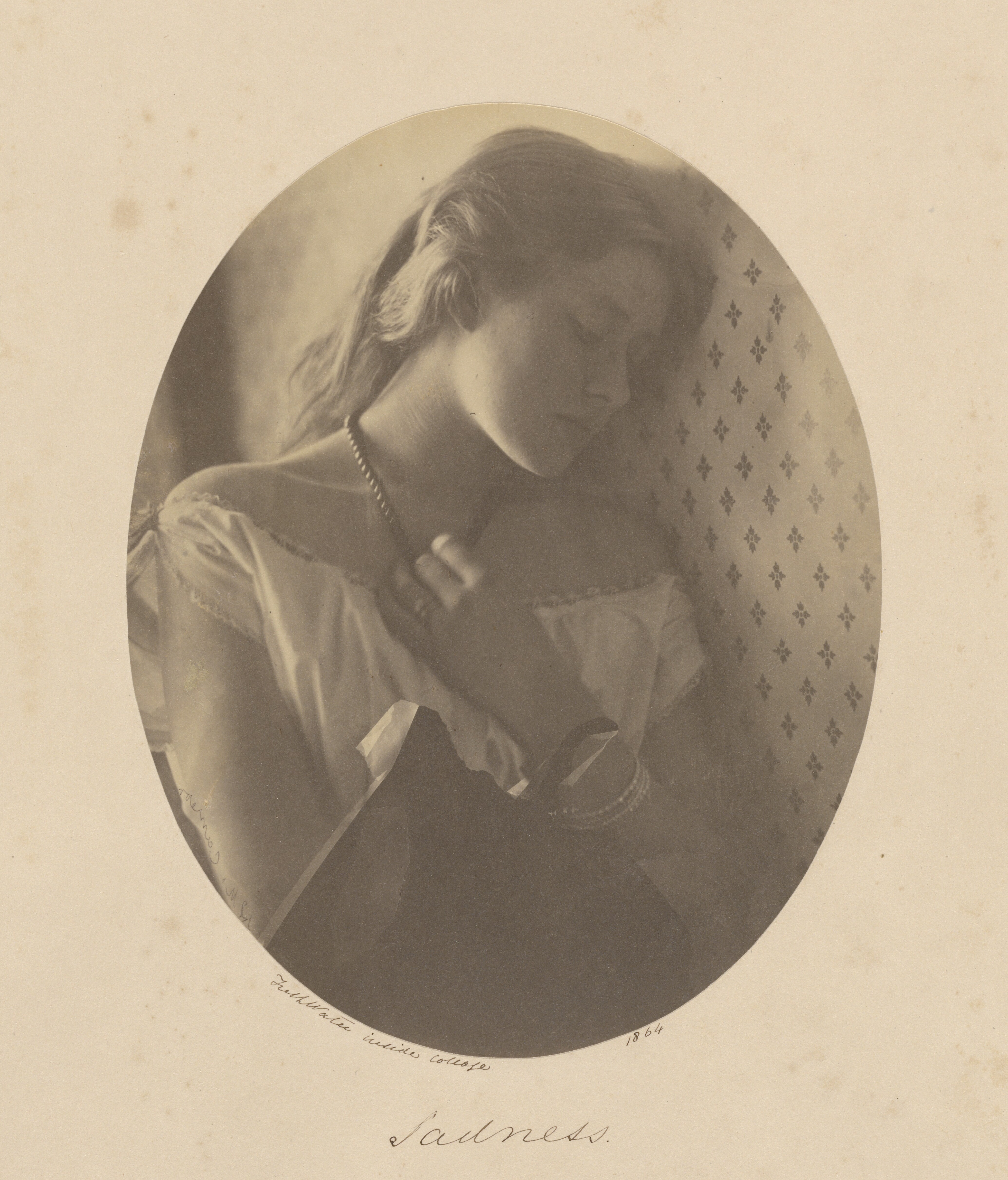
Julia Margaret Cameron :: Sadness, a study of Shakespearean actress Ellen Terry (1847-1928), 1864. Inscribed recto mount in ink "FreshWater, inside cottage" and dated. Albumen silver print. | The J. Paul Getty Museum
Julia Margaret Cameron :: Sadness, a study of Shakespearean actress Ellen Terry (1847-1928), 1864. Inscribed recto mount in ink “FreshWater, inside cottage” and dated. Albumen silver print. | The J. Paul Getty Museum

Cameron titled another print of this image Sadness (see image above), which may suggest the realization of a mismatched marriage. Terry’s anxiety is plainly evident—she leans against an interior wall and tugs nervously at her necklace. The lighting is notably subdued, leaving her face shadowed in doubt. In The Story of My Life (1909), Terry recalls how demanding Watts was, calling upon her to sit for hours as a model and giving her strict orders not to speak in front of distinguished guests in his studio.

This particular version was printed eleven years after Cameron first made the portrait. In order to distribute this image commercially, the Autotype Company of London rephotographed the original negative after the damage had been repaired. The company then made new prints using the durable, non-fading carbon print process. Thus, this version is in reverse compared to Sadness. Terry’s enduring popularity is displayed by the numerous photographs taken of her over the years. (*)
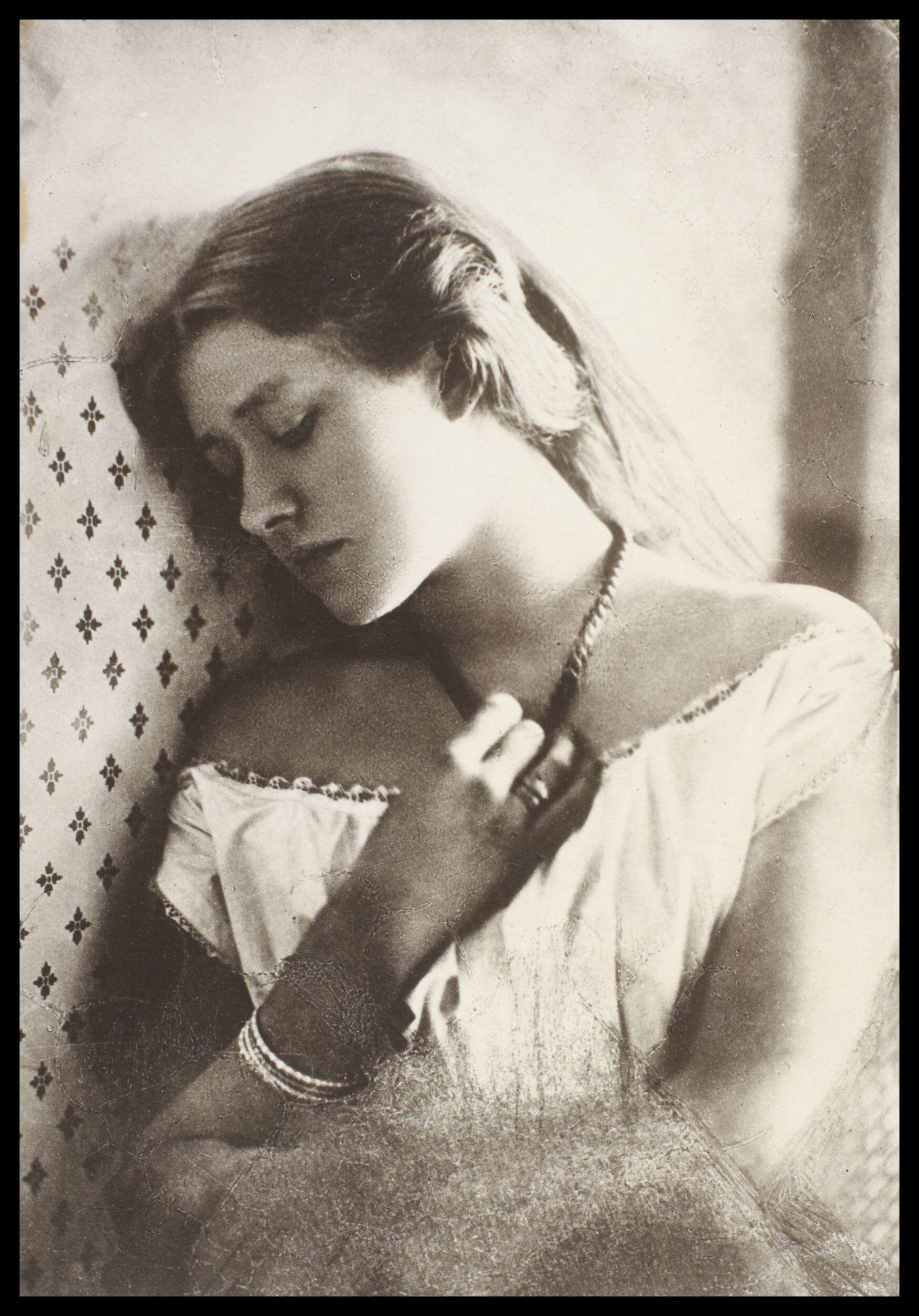
Julia Margaret Cameron :: Ellen Terry, at the age of sixteen, 1864 (taken) 1913 (ca, print). Carbon print. The Metropolitan Museum of Art: Accession Number: 49.55.323
Julia Margaret Cameron :: Ellen Terry, at the age of sixteen, 1864 (taken) 1913 (ca, print). Carbon print. | The Metropolitan Museum of Art
Julia Margaret Cameron :: Actress Ellen Terry,   27th February 1864. |  Guy Little Theatrical Photographs  V&AM
Julia Margaret Cameron :: Actress Ellen Terry, 27th February 1864. | Guy Little Theatrical Photographs V&AM

(*) quotations are from The J. Paul Getty Museum, links can be followed from the captions of image 5 and 6 of this post
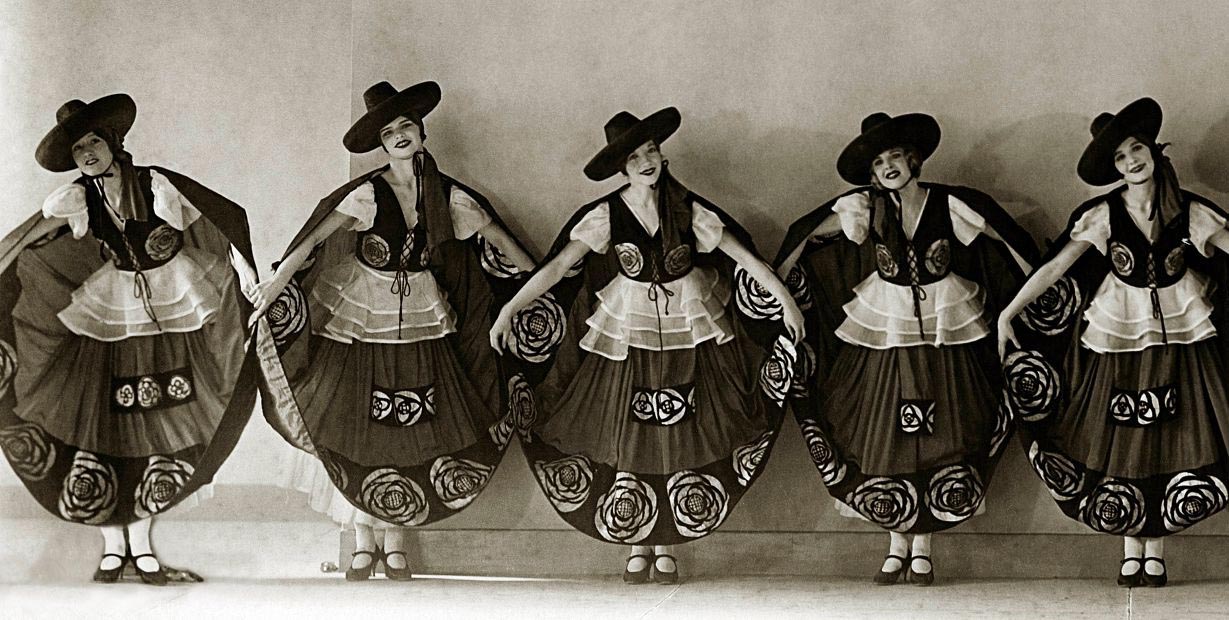
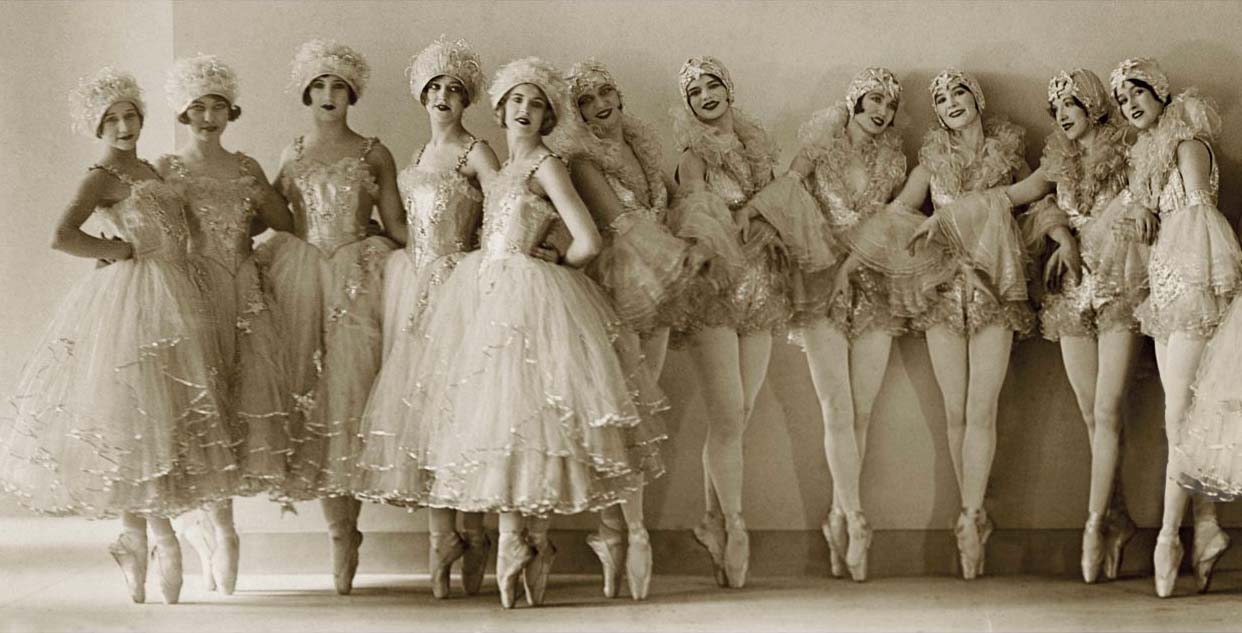
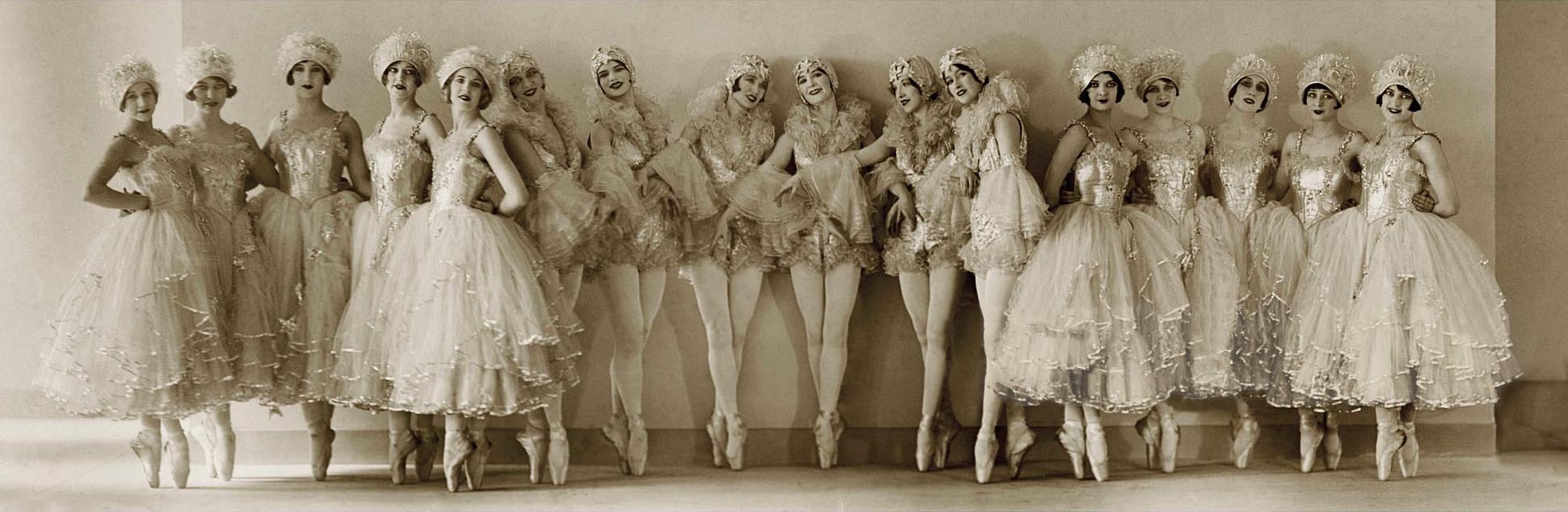
Albertina Rasch Girls Rio Rita

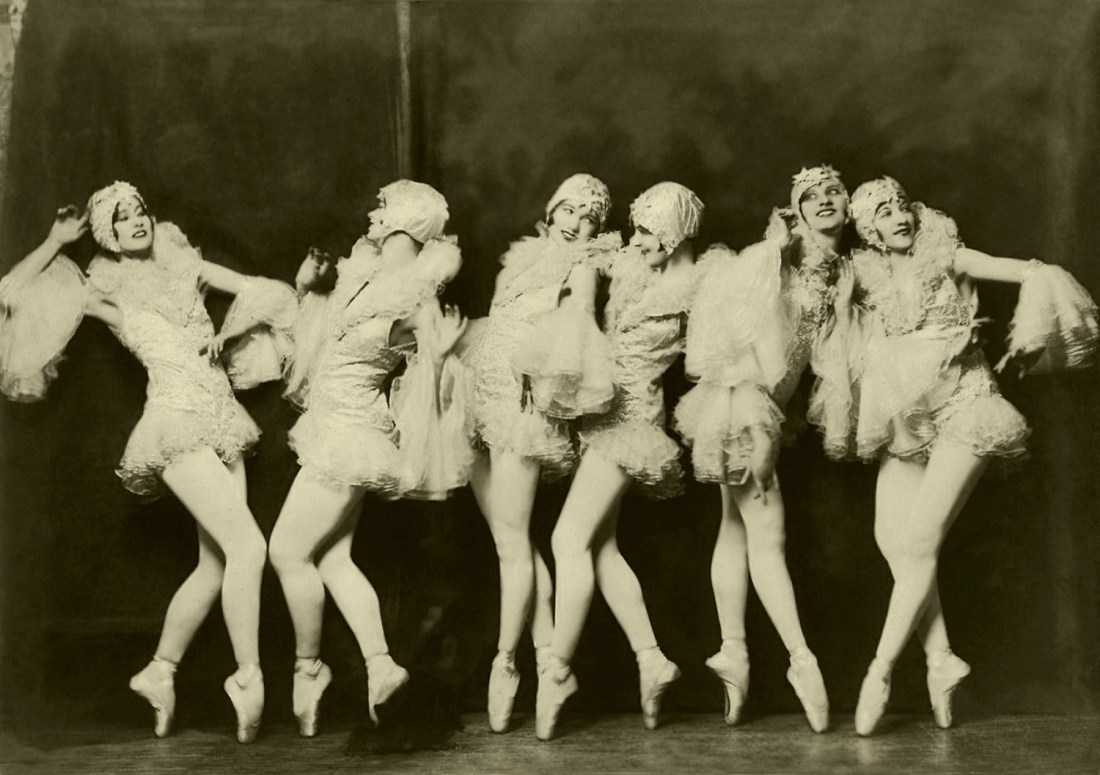
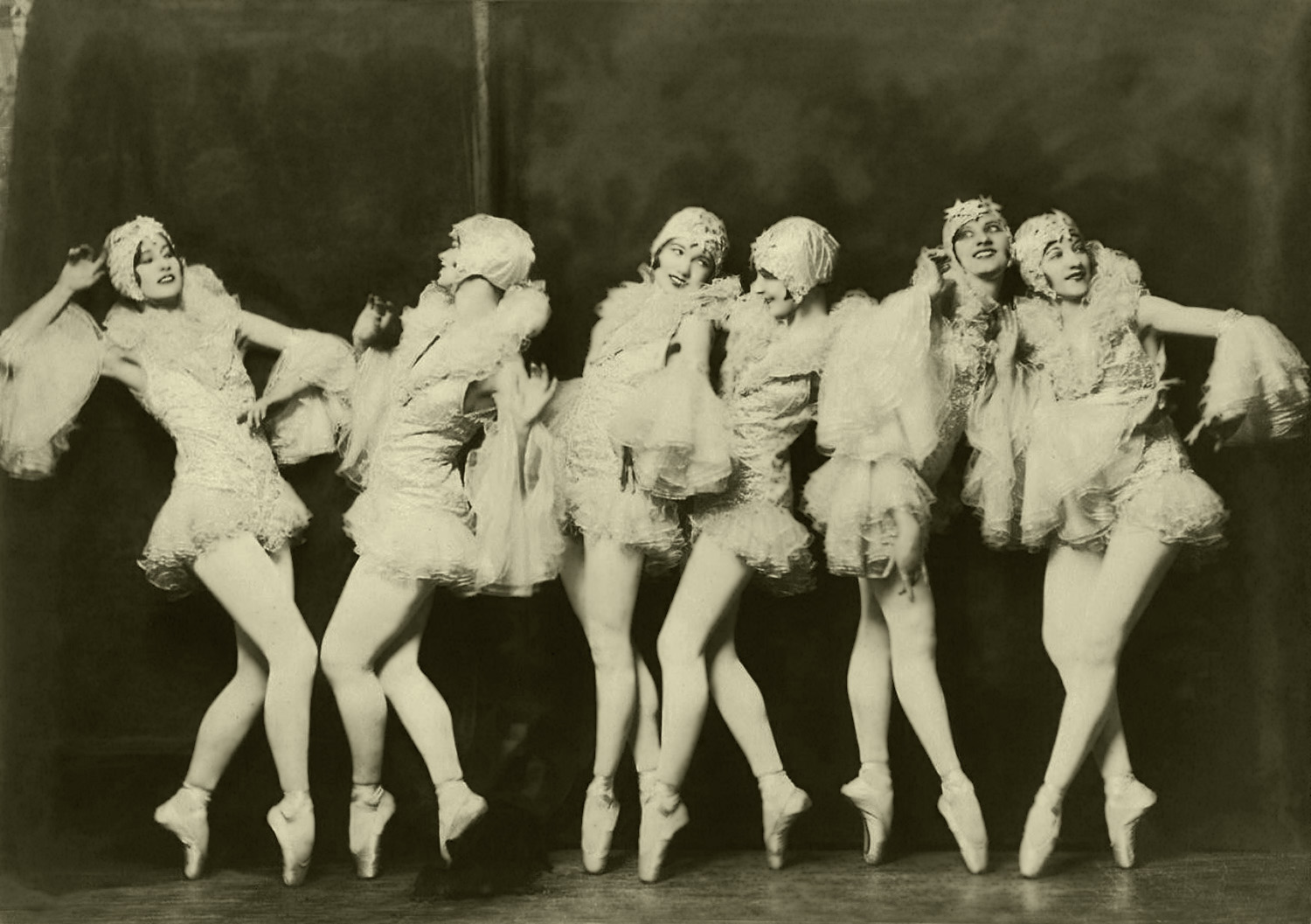
Albertina Rasch Dance Group in costume for Rio Rita (1927). Photographed by Alfred Cheney Johnson.
Albertina Rasch Dancers in costume for Rio Rita (1927). Photographed by Alfred Cheney Johnson.
The Albertina Rasch Girls, sixteen ballet dancers, standing on point, wearing white ballet costumes, for the production of Rio Rita, at The New Ziegfeld Theater. Published in Vanity Fair, April 1927 (Photo by Florence Vandamm / Condé Nast / Getty Images)
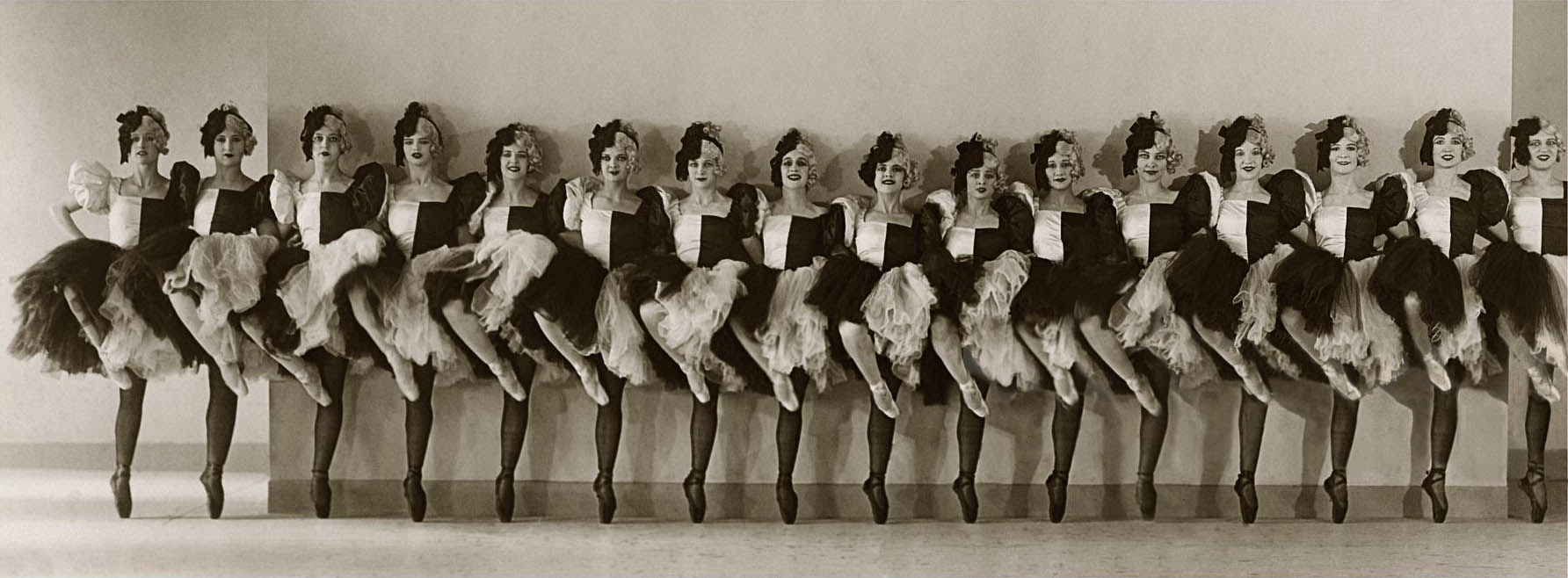
The Albertina Rasch Girls, sixteen ballet dancers, wearing Mexican-style costumes, in the production of Rio Rita, at The New Ziegfeld Theater. Published in Vanity Fair, April 1927 (Photo by Florence Vandamm / Condé Nast / Getty Images)
The Albertina Rasch Girls, sixteen ballet dancers, standing on point, wearing white ballet costumes, for the production of Rio Rita, at The New Ziegfeld Theater. Published in Vanity Fair, April 1927 (Photo by Florence Vandamm / Condé Nast / Getty Images)

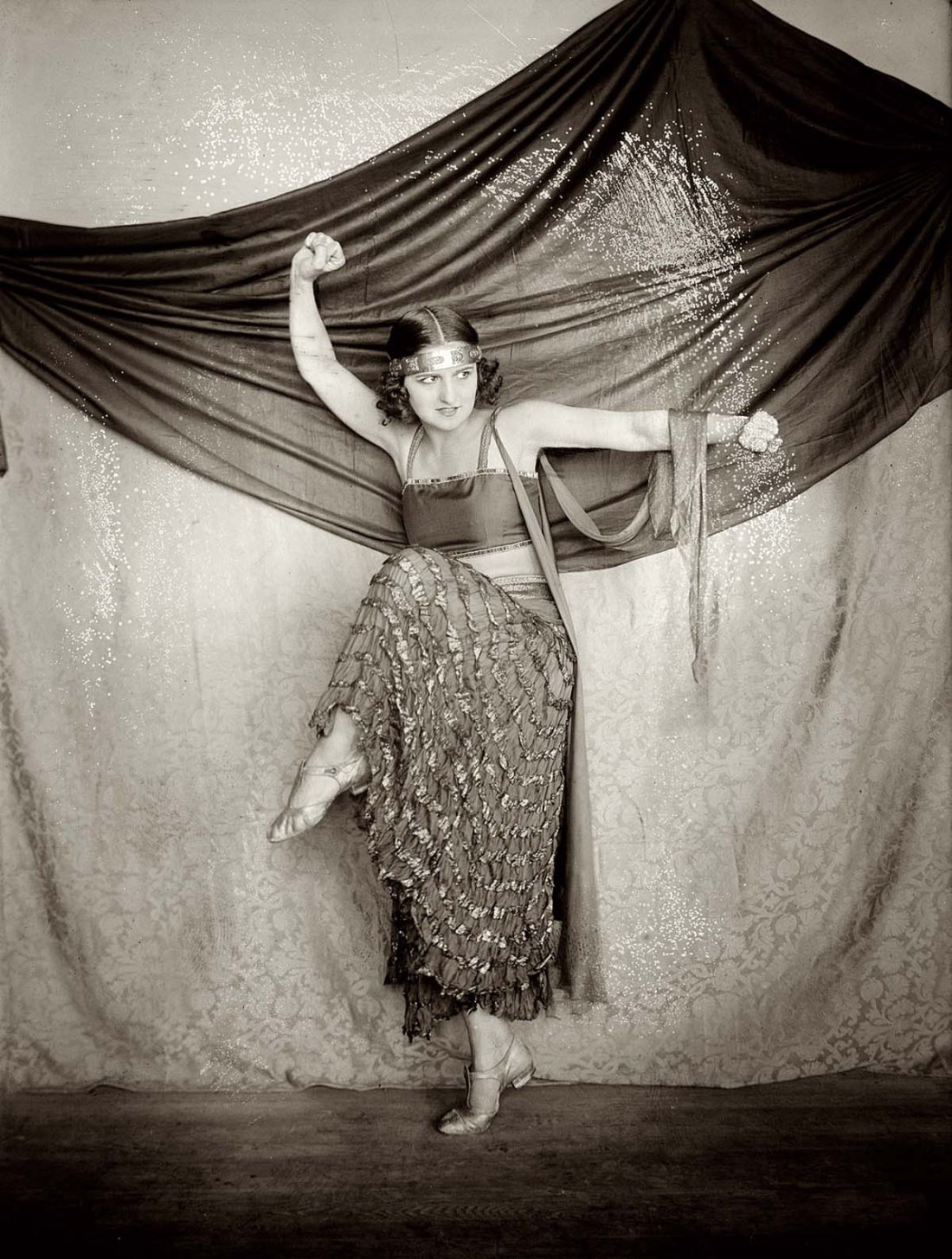
Albertina Rasch dancing

Albertina Rasch dancing, 1920s
"Rasch dancing" The Viennese ballerina and choreographer Albertina Rasch, glass negative. George Grantham Bain Collection. Shorpy date it 1915, while in the Library of Congress it's dated between 1920-1925.
“Rasch dancing” • The Viennese ballerina and choreographer Albertina Rasch, glass negative. George Grantham Bain Collection. Shorpy date it 1915, while in the Library of Congress it’s dated between 1920-1925.
The Viennese ballerina and choreographer Albertina Rasch, circa 1920. George Grantham Bain News Service | src Amazon
Photograph shows choreographer and dancer Albertina Rasch (1891-1967) dancing, between 1920-25. Glass negative. George Grantham Bain Collection. | src Library of Congress
 Photograph shows choreographer and dancer Albertina Rasch (1891-1967) dancing, between 1920-25. Glass negative. George Grantham Bain Collection. | src Library of Congress

Lucia Joyce portraits

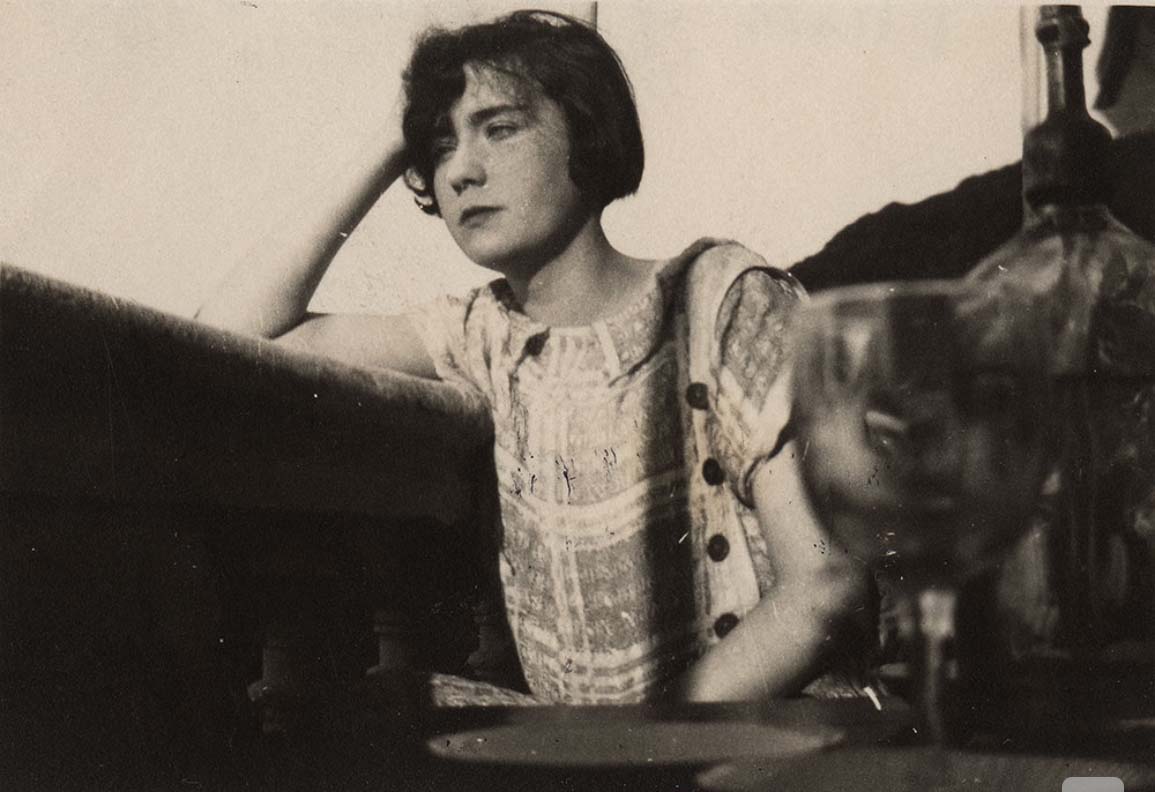
Lucia Joyce, Ostend, 1924. Courtesy of the Poetry Collection of the University Libraries, University at Buffalo. The Morgan Library & Museum
Lucia Joyce, Zurich, ca. 1917. From: Carol Loeb Schloss : Lucia Joyce : To Dance in the Wake (2003)

“Most accounts of James Joyce’s family portray Lucia Joyce as the mad daughter of a man of genius, a difficult burden. But in this important new book, Carol Loeb Shloss reveals a different, more dramatic truth: Lucia’s father not only loved her but shared with her a deep creative bond. His daughter, Joyce wrote, had a mind “as clear and as unsparing as the lightning.”” “Born at a pauper’s hospital in Trieste in 1907, educated haphazardly in Italy, Switzerland, and Paris as her penniless father pursued his art, Lucia was determined to strike out on her own. She chose dance as her medium, pursuing her studies in an art form very different from the literary ones celebrated in the Joyce circle and emerging, to Joyce’s amazement, as a harbinger of modern expressive dance in Paris. He described her then as a wild, beautiful, “fantastic being” who spoke to “a curious abbreviated language of her own” that he instinctively understood – for in fact it was his as well. The family’s only reader of Joyce’s work, Lucia was a child of the imaginative realms her father created. Even after emotional turmoil wreaked havoc with her and she was hospitalized in the 1930s, Joyce saw in her a life lived in tandem with his own.” “Though most of the documents about Lucia have been destroyed, Shloss has painstakingly reconstructed the poignant complexities of her life – and with them a vital episode in the early history of psychiatry, for in Joyce’s efforts to help his daughter he sought out Europe’s most advanced doctors, including Jung. Lucia emerges in Shloss’s account as a gifted, if thwarted, artist in her own right, a child who became her father’s tragic muse.”–Jacket, quoted from internet archive
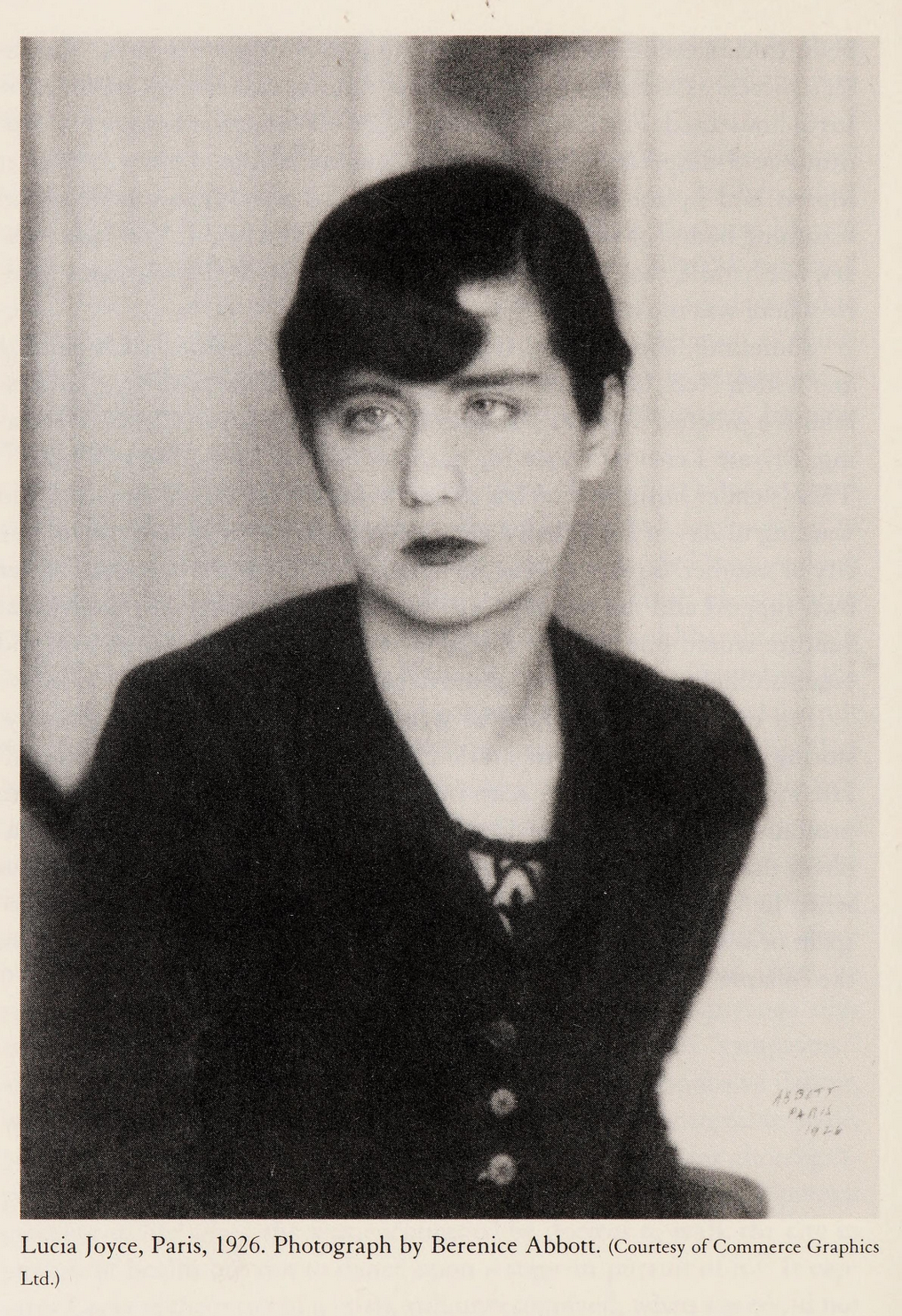
Bérénice Abbott :: Lucia Joyce, Paris, 1926. From: Carol Loeb Schloss : Lucia Joyce : To Dance in the Wake (2003)

Helen Tamiris by Cami Stone

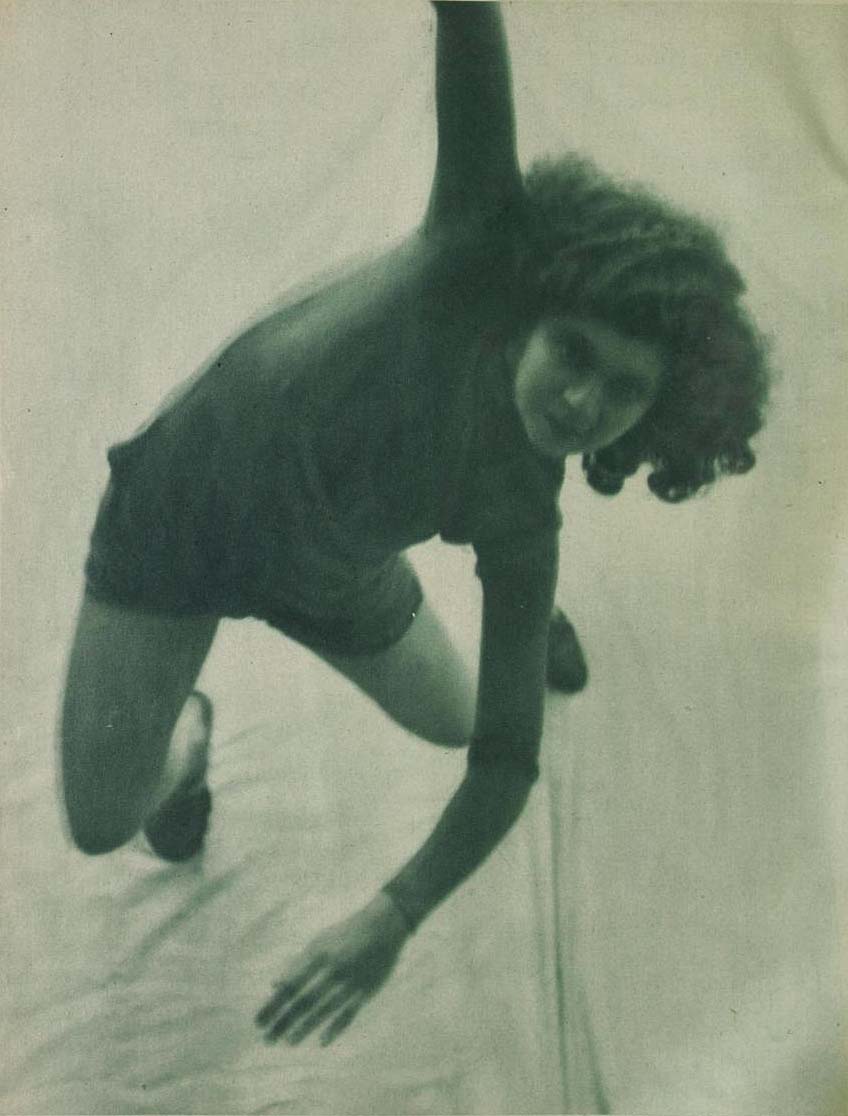
Cami Stone :: From the grid perspective. The American dancer Helen Tamiris. Scherl's Magazin, Band 6, Heft 2, February 1930
Cami Stone :: Aus der Schnürboden-Perspektive. Die amerikanische Tänzerin Tamiris. Scherl’s Magazin, Band 6, Heft 2, Februar 1930
Cami Stone :: From the grid perspective. The American dancer Helen Tamiris. Scherl's Magazin, Band 6, Heft 2, February 1930
Cami Stone :: From the grid perspective. The American dancer Helen Tamiris. Scherl’s Magazin, Band 6, Heft 2, February 1930

Sisters G by Spurr, 1931

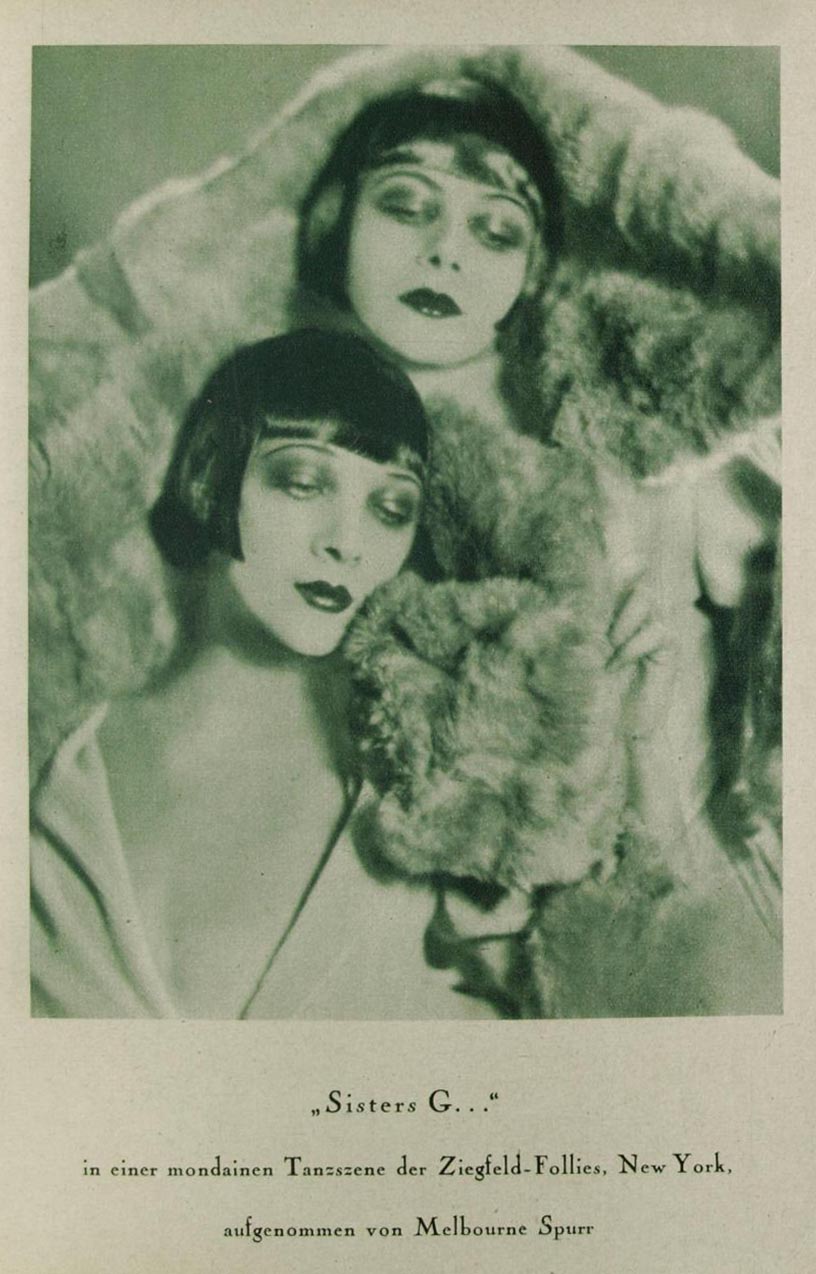
Melbourne Spurr :: Klara and Eleanor Gutchrlein. Single frame. Illustration. Das Magazin Band 7, H 79, March 1931
Melbourne Spurr :: Klara and Eleanor Gutchrlein. Einzelbild. Abbildung. Das Magazin  Band 7, H 79, März 1931
Melbourne Spurr :: Klara und Eleanor Gutchrlein. Einzelbild. Abbildung. Das Magazin Band 7, H 79, März 1931 (Detail)
Melbourne Spurr :: Klara and Eleanor Gutchrlein. Einzelbild. Abbildung. Das Magazin  Band 7, H 79, März 1931
Melbourne Spurr :: Klara and Eleanor Gutchrlein. Single frame. Illustration. Das Magazin Band 7, H 79, March 1931

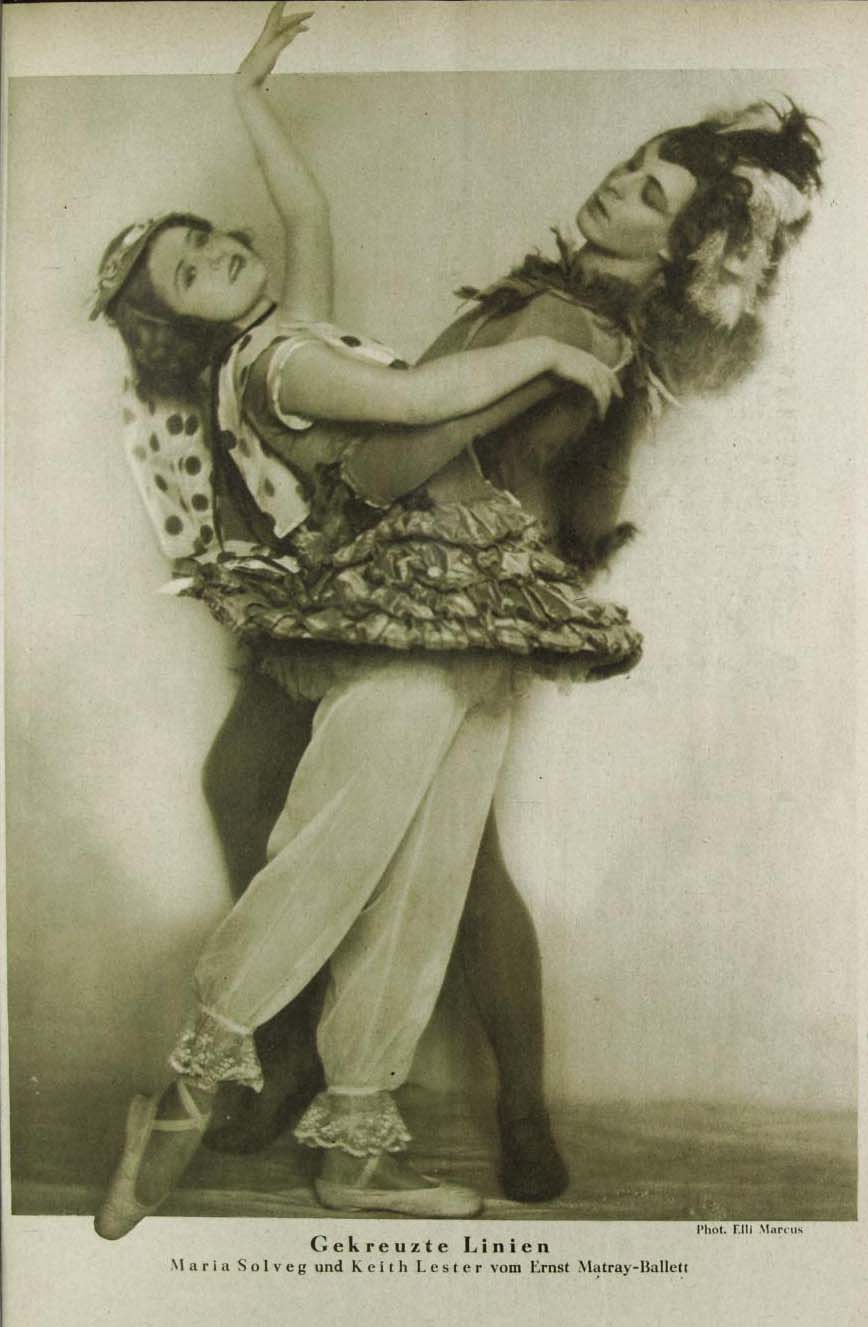
Crossed Lines. Matray Ballet

Elli Marcus :: Gekreuzte Linien. Maria Solveg und Keith Lester vom Ernst Matray Ballett. Scherl's Magazin Band 6, Heft 2, Februar 1930
Elli Marcus :: Gekreuzte Linien. Maria Solveg und Keith Lester vom Ernst Matray Ballett. Scherl’s Magazin Band 6, Heft 2, Februar 1930

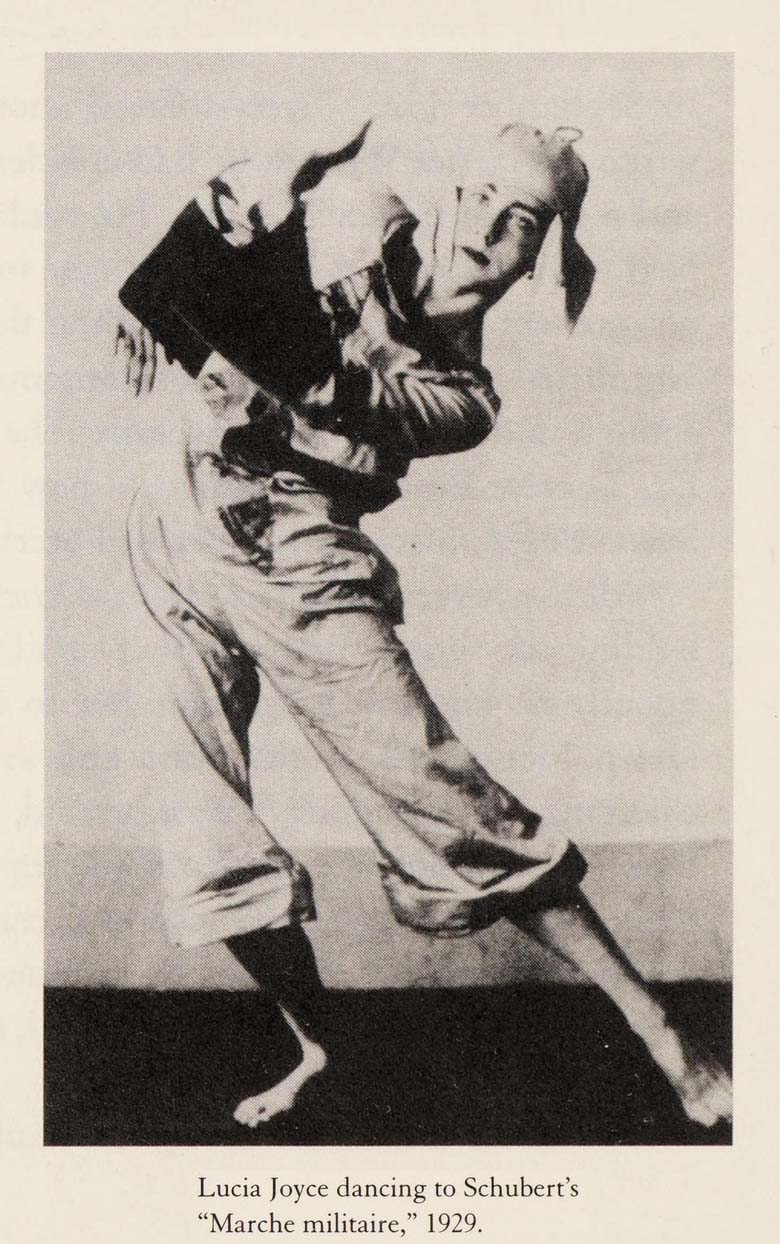
Lucia Joyce in Marche militaire

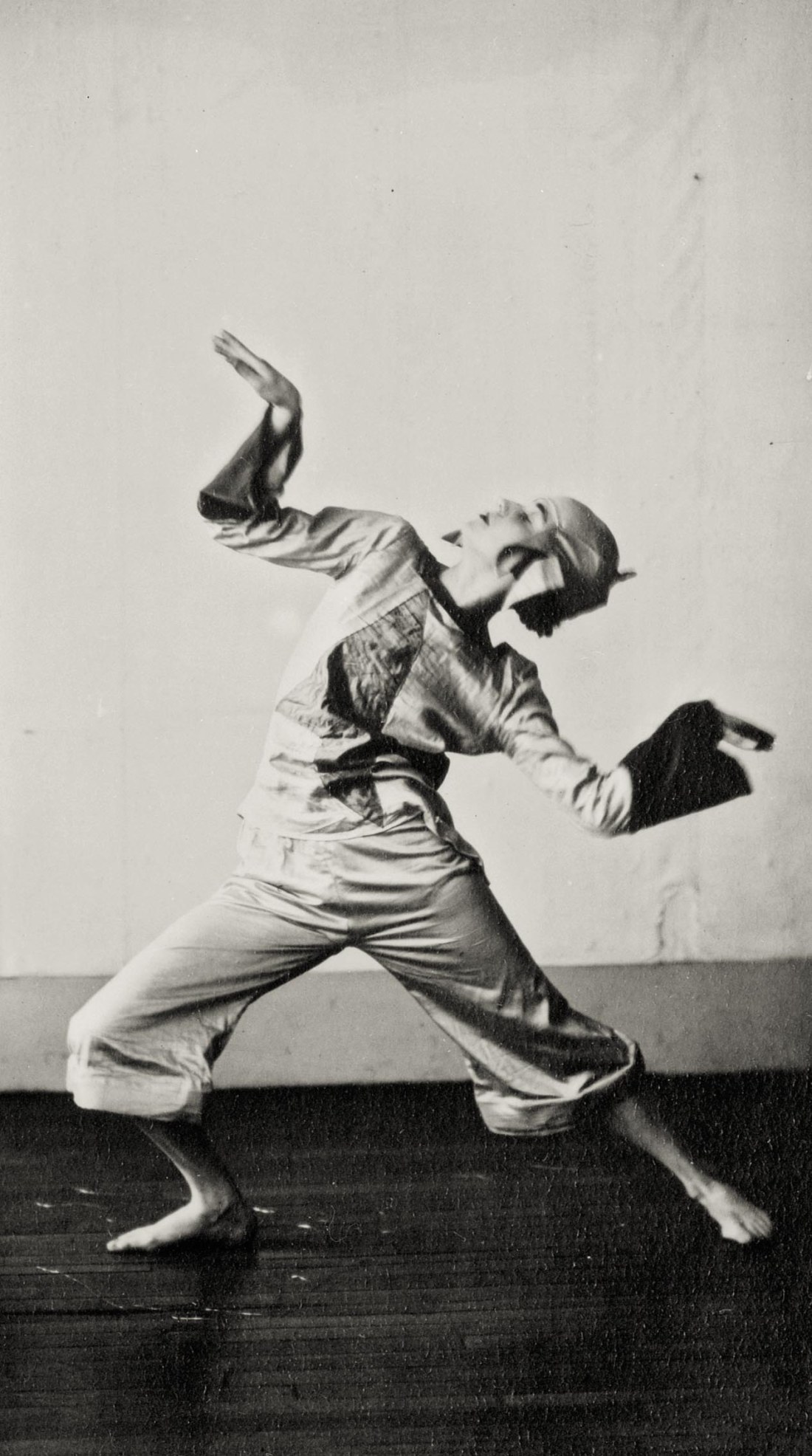
Bérénice Abbott :: Lucia Joyce dancing to Schubert's "Marche militaire", 1929. | src Raidió Teilifís Éireann, Ireland's National Public Service Media and IA: Lucia Joyce : to dance in the wake by Carol Loeb Schloss
Bérénice Abbott :: Lucia Joyce dancing to Schubert’s “Marche militaire”, 1929 | src Raidió Teilifís Éireann, Ireland’s National Public Service Media
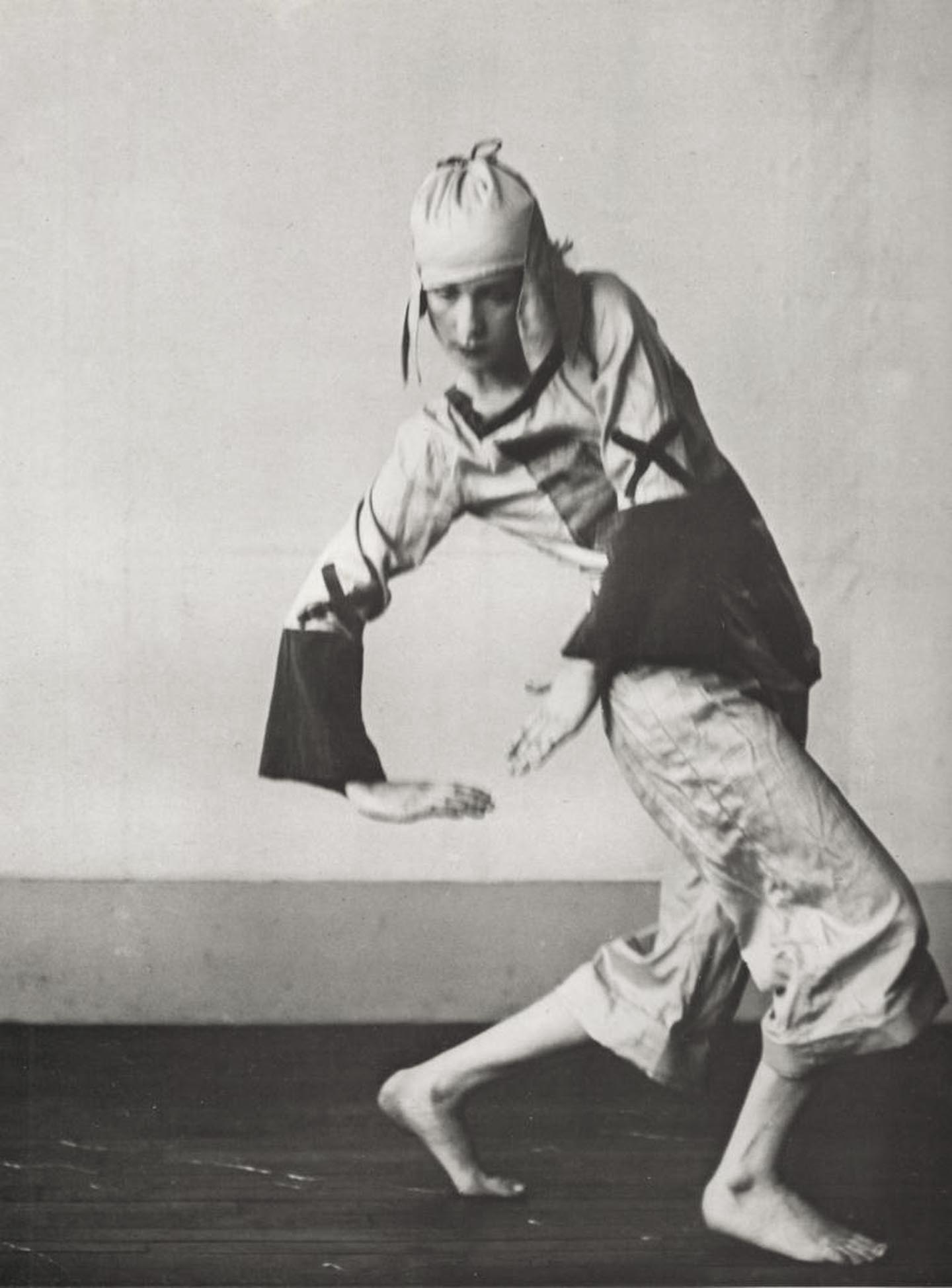
Berenice Abbott :: Portrait of Lucia Joyce, 1926–1927, printed 1982. Gelatin silver print. | src The Clark
Bérénice Abbott :: Lucia Joyce (in the same costume as above, probably dancing to Schubert’s “Marche militaire”), ca. 1927. | src AnOther Mag
Berenice Abbott :: Portrait of Lucia Joyce, 1926–1927, printed 1982. Gelatin silver print. | src The Clark
Berenice Abbott :: Portrait of Lucia Joyce (in the costume used for dancing to Schubert’s “Marche militaire”), 1926–1927, printed 1982. Gelatin silver print. | src The Clark
Berenice Abbott :: Portrait of Lucia Joyce, 1926–1927, printed 1982. Gelatin silver print. | src The Clark
Berenice Abbott :: Lucia Joyce dancing to Schubert's "Marche militaire", 1929. | src Lucia Joyce : to dance in the wake by Carol Loeb Schloss at IA
Berenice Abbott :: Lucia Joyce dancing to Schubert’s “Marche militaire”, 1929. | src Lucia Joyce : to dance in the wake by Carol Loeb Schloss at IA

Dancer Áine Stapleton talks about her film Horrible Creature, a ‘creative investigation’ of the life of Lucia Joyce
I’ve been creatively investigating the biography of Lucia Joyce (daughter of the writer James Joyce) since 2014, through both choreography and film.
Lucia once commented to a family friend in Paris that she wanted to ‘do something’. She wanted to make a difference and to creatively have an impact on the world around her. Dancing was her way of having an impact. She trained hard for many years and worked with various avant-garde teachers including Raymond Duncan. She created her own costumes, choreographed for opera, entered high profile dance competitions in Paris, and even started her own dance physical training business after apprenticing with modern dance pioneer Margaret Morris.
Until this time she had lived almost entirely under the control of her family, and had to share a bedroom with her parents well into her teens. I imagine that dancing must have been a revolutionary feeling for her, and would have offered her an opportunity to process her chaotic and sometimes toxic upbringing. It was during these dancing years that she was finally allowed to spend some time away from her family, but this freedom did not last long. Her father’s artistic needs and his sexist disregard for her career choice interrupted her training at a vital stage. She was forced to stop dancing, and the circumstances surrounding this time remain unclear. I do not believe that she herself made the decision to quit dancing. Lucia was incarcerated by her brother in 1934, and then remained in asylums for 47 years. She died in 1982 and is buried in Northampton England, close to her last psychiatric hospital.
I’ve read Lucia’s writings repeatedly over the last four years, and my opinion of her hasn’t changed. She was a kind, funny, intelligent, creative and loving person. After her father James’ death in 1941, she had one visit from her brother and no contact from her mother, yet she only writes good things about her family. She was consistently thankful to those people who made contact with her during her many years stuck in psychiatric care. She appreciated small offerings from friends, such as an additional few pounds to buy cigarettes, a radio to keep her company, a new pair of shoes or a winter coat, all of which seemed to offer her some comfort in her later years.
I have no interest in romanticising Lucia’s relationship with her father. I also don’t believe that she was schizophrenic. I think that whatever mental strain Lucia experienced was brought on by those closest to her. Her supposed fits of rage or out of the ordinary behaviour only brought to light her suffering. We know that many women have been mistreated and silenced throughout history. Why do we still play along with a romanticised version of abuse? And why is James and Lucia’s relationship, or ‘erotic bond’ as Samuel Beckett described it, regarded as an almost tragic love story?
Horrible Creature (2020) examines Lucia’s story in her own words, and also focuses on the environment which shaped her during this time. The work attempts to tap into that invisible energy that can provide each of us with a real sense of aliveness and connectedness to the world around us, even in moments of great suffering.
Quoted from Raidió Teilifís Éireann, Ireland’s National Public Service Media