Marie Haushofers Festspiel, 1899

Marie Haushofers Festspiel zum Ersten allgemeinen Bayrischen Frauentag in München, 18. - 21. Oktober 1899, 18.-21.10.1899
Marie Haushofer's festival for the first general Bavarian women's day in Munich, October 18-21, 1899
Die Amazonen. Szenenbild zu Marie Haushofers Schauspiel „Zwölf Culturbilder aus dem Leben der Frau“, 18.- 21. Oktober 1899, entstanden im berühmten Fotostudio Atelier Elvira in München. © Stadtarchiv München | Literatur Portal Bayern : Modernsein

Marie Haushofer presented roles that women had played in different eras and centuries. At the same time, she also traced the path of women in their cultural-historical development – from servitude and lack of culture, interrupted by a brief flash of female domination in the kingdom of the Amazons […] Read more below

The Amazons. Scene for Marie Haushofer’s play “Twelve Culture Pictures from the Life of Women” (October 18-21, 1899), created in the famous photo studio Atelier Elvira in Munich. © Munich City Archives

Evas Töchter. Münchner Schriftstellerinnen und die moderne Frauenbewegung 1894-1933

Eve’s daughters. Munich women writers and the modern women’s movement 1894-1933

Around 1900 profound changes took place in all areas of life. There is a new beginning everywhere, in the circles of art, literature, music and architecture. The naturalists are the first to search for new possibilities of representation. They are followed by other groups and currents: impressionism, art nouveau, neo-classical, neo-romantic and symbolism. Even if this epoch does not form a unit, one guiding principle runs through all styles: the awareness of a profound turning point in time.

It is generally known that before the turn of the century Munich became one of the most important cultural and artistic sites in Europe. What is less well known is that Munich has also become a center of the bourgeois women’s movement in Bavaria since the end of the 19th century. At this time, a lively scene of the women’s movement formed in the residence city, which subsequently gained great influence on the bourgeoisie throughout Bavaria.

Since 1894, Munich has been shaped by the modern women’s movement, which advocates the right to education and employment for women. At that time, the city was decisively shaped by women such as Anita Augspurg, Sophia Goudstikker, Ika Freudenberg, Emma Merk, Marie and Martha Haushofer, Carry Brachvogel, Helene Böhlau, Gabriele Reuter, Helene Raff, Emmy von Egidy, Maria Janitschek and many other women’s rights activists and writers and artists, all of whom are members of the Association for Women’s Interests, which is largely responsible for the spread of the modern women’s movement in Bavaria. At that time, they all set out in search of a new self-image for women, questioned the traditional role models in the bourgeoisie and attempted to redefine gender roles.

In this context, on October 1899 the First Bavarian Women’s day was celebrated. The crowning glory of the First General Bavarian Women’s Day in 1899 was a festive evening that took place on October 21, 1899 in the large hall of the then well-known Catholic Casino at Barer Straße 7.

The first part of the festive evening was the performance of an impressive festival play: Cultural images from women’s lives. Twelve group representations [„Zwölf Culturbilder aus dem Leben der Frau“]. The piece was written by the painter a poet Marie Haushofer (1871-1940) especially for this occasion. Sophia Goudstikker directed it and she also played a part. The majority of the roles were played by many other protagonists of the Munich women’s movement. A few days later, Sophia Goudstikker photographed the twelve group portraits in the Elvira photo studio (Atelier Elvira). She glued the photographs into a leather album entitled Marie Haushofer’s festival for the first general Bavarian women’s day in Munich. October 18-21, 1899 [Marie Haushofers Festspiel zum Ersten allgemeinen Bayrischen Frauentag in München, 18. – 21. Oktober 1899]. Those are the 13 surviving scene photos (group portraits) that documented the event; today they are part of the Munich City Archive (Stadtarchiv München).

In her festival play, Marie Haushofer presented roles that women had played in different eras and centuries. At the same time, she also traced the path of women in their cultural-historical development – from servitude and lack of culture, interrupted by a brief flash of female domination in the kingdom of the Amazons, to burgeoning knowledge, to work, freedom and finally the union of women who from then on did their work – but also have to assert powerfully achieved new social status through unity. The present represents the last group in which “modern women” appear in “modern professions”: telephone operators, bookkeepers, scholars, painters, etc. They are accompanied by the allegorical figures of Faith, Love, Hope (*) and the Spirit of Work (**) that liberates all women / working women. Finally, the female audience is called upon to work and to actively shape together the present role of women.

[(*) see photo on bottom of this post (last photo) / (**) last-but-one photo]

Further productions took place in Nuremberg in 1900 and on November 28 and 30, 1902 at the Bayreuth Opera.

But the festive evening of Bavarian Women’s Day did not end with the performance of the festival play. In the second part of the evening, “poems of modern women poets” were presented. There were works by Ada Negri, Lou Andreas-Salomé, Alberta von Puttkammer, Anna Ritter, Ricarda Huch and Maria Janitschek. The short prose text Nordic Birch by the Art Nouveau artist and writer Emmy von Egidy was also read.

[adapted text quoted (an translated) from : Evas Töchter : Frauenmut und Frauengeist : Literatur Portal Bayern]

Szenenfoto aus dem Festspiel, erstes Bild mit der Muse der Geschichtsschreibung Klio (gespielt von Sophia Goudstikker) und der Mutter Erde (gespielt von Therese Schmid) [The muse of history Klio (played by Sophia Goudstikker) and Mother Earth (played by Therese Schmid)]
Szenenfoto aus dem Festspiel, zweites Bild: die fünf weisen und die fünf törichten Jungfrauen [The five wise and the five foolish virgins]
Marie Haushofers Festspiel zum Ersten allgemeinen Bayrischen Frauentag in München, 18. – 21. Oktober 1899
Szenenfoto aus dem Festspiel, viertes Bild: Orientalinnen [Oriental women]
Marie Haushofers Festspiel zum Ersten allgemeinen Bayrischen Frauentag in München, 18. – 21. Oktober 1899
Szenenfoto aus dem Festspiel, fünftes Bild: Germanen und Velleda [Teutons and Velleda]
Szenenfoto aus dem Festspiel, sechstes Bild: zwei Benediktinerinnen, Knabe und “Roswitha” [Two Benedictine nuns, boy and “Roswitha”]
Marie Haushofers Festspiel zum Ersten allgemeinen Bayrischen Frauentag in München, 18. – 21. Oktober 1899
Szenenfoto aus dem Festspiel, siebtes Bild: Frauenlob wird zu Grabe getragen [The burial of Frauenlob]
Szenenfoto aus dem Festspiel, achtes Bild: Renaissance – Ariost, zwei Damen und ein Höfling [Renaissance – Ariosto, two ladies and a courtier]
Szenenfoto aus dem Festspiel, neuntes Bild: ein Mann, eine Frau und Kinder des 17. Jahrhunderts [A man, a woman and children of the 17th century]
Marie Haushofers Festspiel zum Ersten allgemeinen Bayrischen Frauentag in München, 18. – 21. Oktober 1899
Szenenfoto aus dem Festspiel, zehntes Bild: Königin Luise und ihre Kinder [Queen Louise and her children]
Szenenfoto aus dem Festspiel, elftes Bild: Verwundeter Soldat und zwei Krankenschwestern [Wounded soldier and two nurses]
Marie Haushofers Festspiel zum Ersten allgemeinen Bayrischen Frauentag in München, 18. – 21. Oktober 1899
Szenenfoto aus dem Festspiel, zwölftes Bild: der Geist der Arbeit [The Spirit of Work]
Szenenfoto aus dem Festspiel, dreizehntes Bild: Glaube, Liebe, Hoffnung [Faith, Love, Hope] source of all images Stadtarchiv München

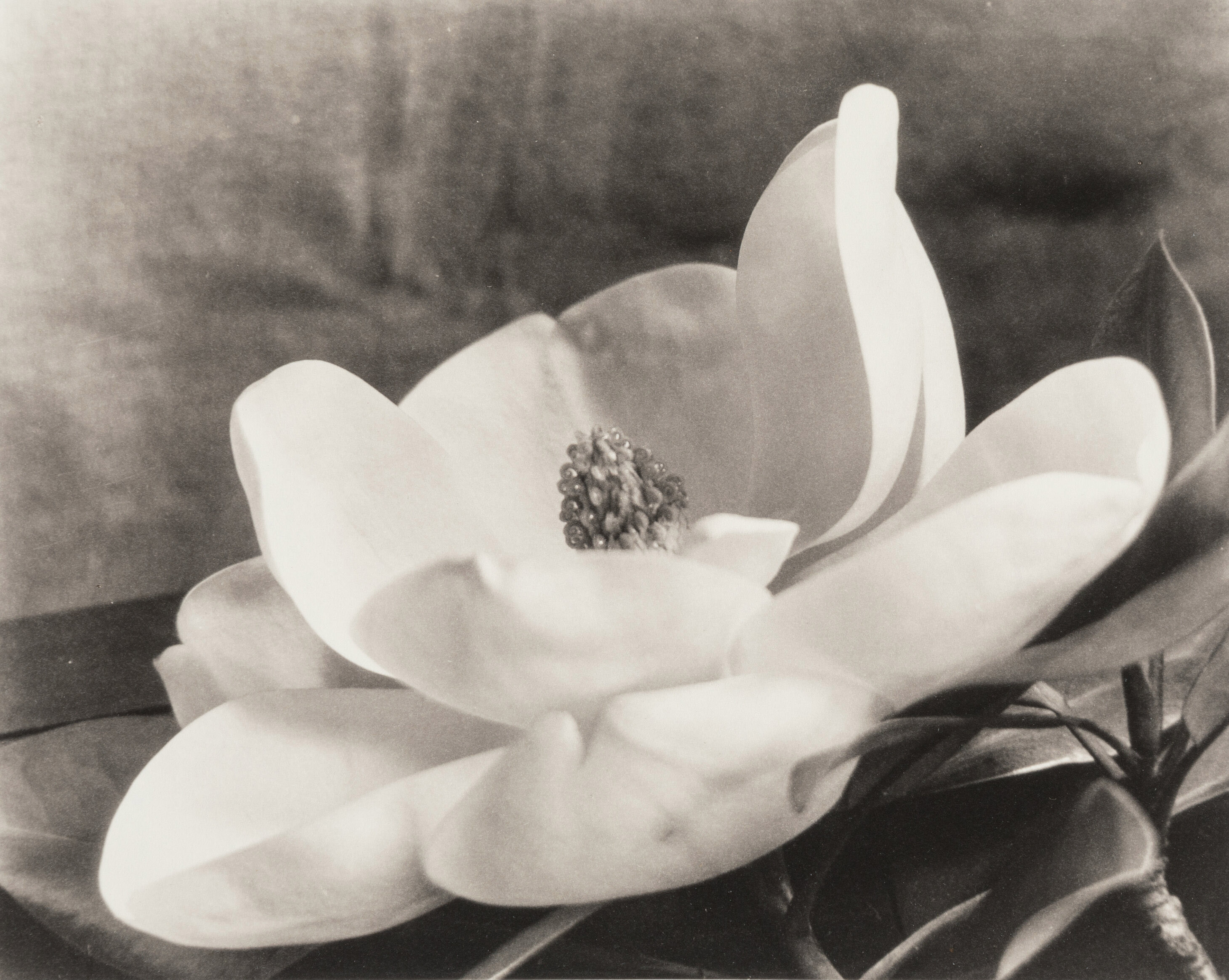
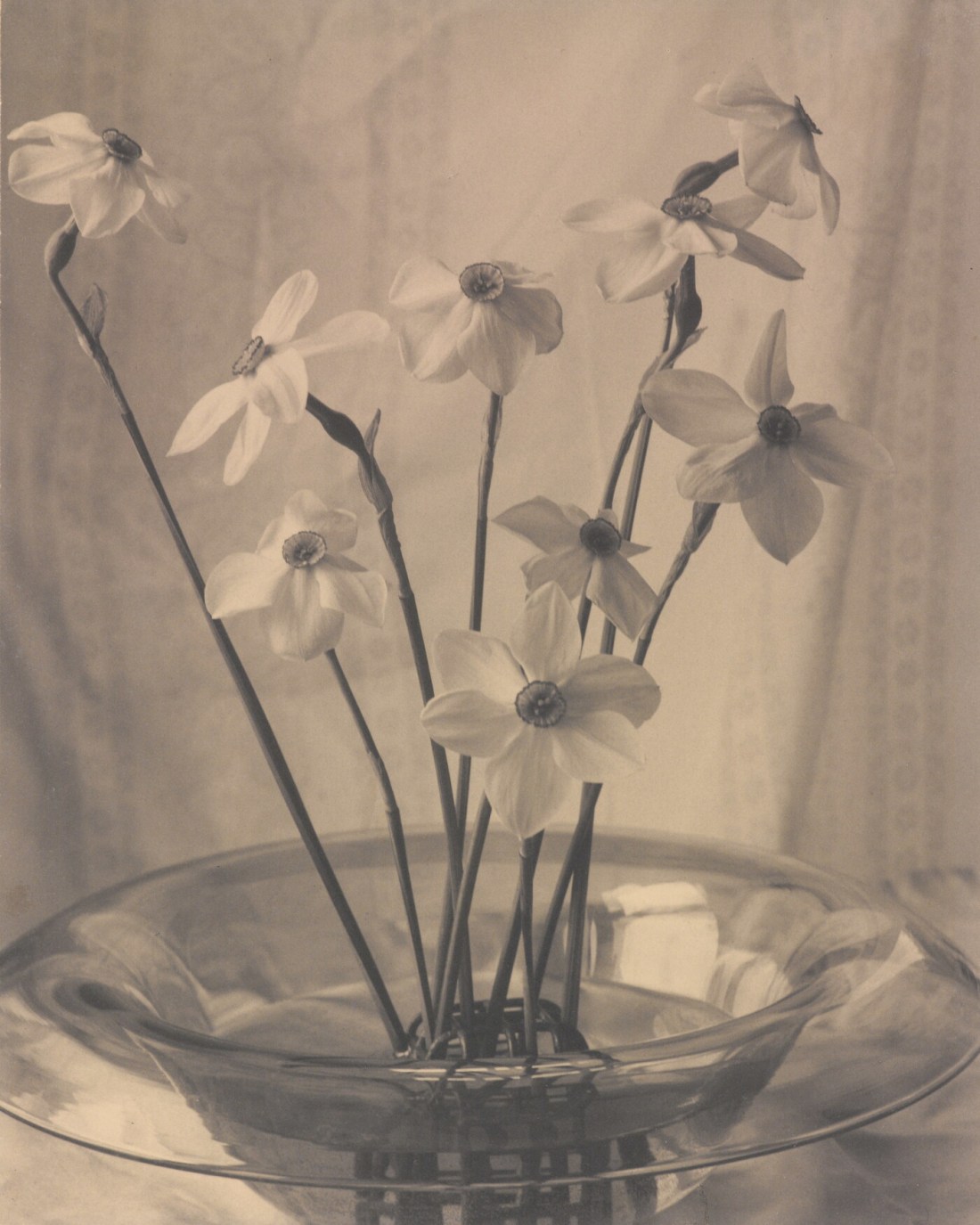
Narcissus by Laura Gilpin

LAURA GILPIN (1891–1979) Narcissus, 1926 platinum print, mounted on card signed and dated in pencil Christies
Laura Gilpin (1891–1979) :: Narcissus, 1926; platinum print, mounted on card signed and dated in pencil. | src Christie’s
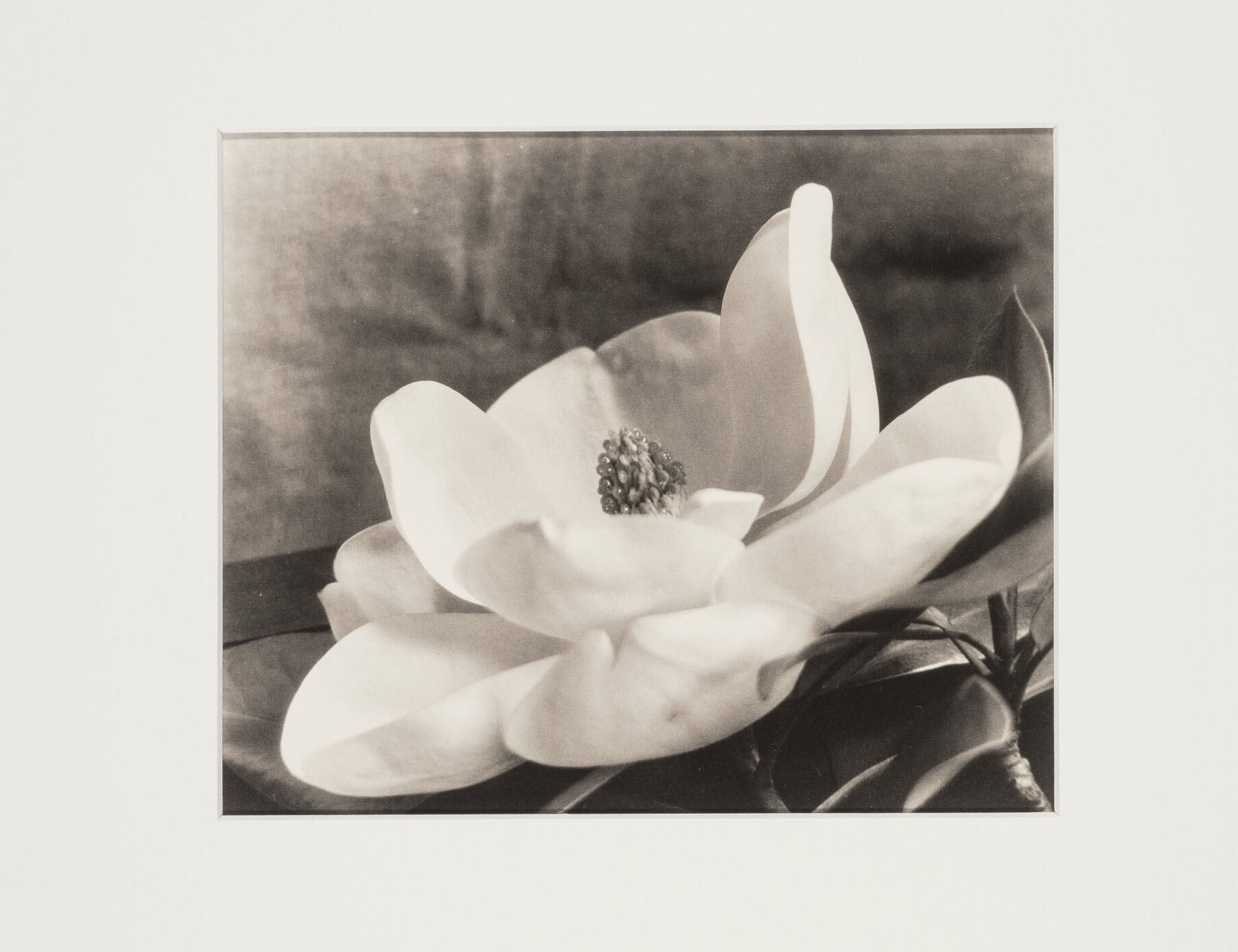
Laura Gilpin (American, 1891-1979) :: Narcisus, 1928. Platinum print. | src Bonhams
Print, Verso: 
u.l. to c.r. in ink: Narcissus \ 1926 [sic] \ Exhibited \ Brooklyn Institute of Arts & Sciences \ Oct. 1922 [sic] \ Photographic Society of Philadelphia \ Chicago Camera Club. 1929 (Feb) \ Omaha Camera Club \ Photo Pictorialists of Milwauke [sic] 1929 \ California Camera Club May 1929 \ Camera Club of New York. Dec 1-15 1928 \ Hon. Mention 8th Annual Competition American Photography
Laura Gilpin (1891-1979) :: Narcissus; 1928. Platinum print. | src Amon Carter Museum of American Art

On verso of the Amon Carter Museum version (above this), there are a list of exhibitions and awards : Print, Verso:
u.l. to c.r. in ink: Narcissus \ 1926 [sic] \ Exhibited \ Brooklyn Institute of Arts & Sciences \ Oct. 1922 [sic] \ Photographic Society of Philadelphia \ Chicago Camera Club. 1929 (Feb) \ Omaha Camera Club \ Photo Pictorialists of Milwauke [sic] 1929 \ California Camera Club May 1929 \ Camera Club of New York. Dec 1-15 1928 \ Hon. Mention 8th Annual Competition American Photography

Also, this additional information: u.c. on paper label: [printed]: A PHOTOGRAPH BY \ LAURA GILPIN \ SANTA FE, NEW MEXICO \ [typed]: A PLATINUM PRINT \ NARCISSUS \ 1928

Fritta Brod by Hess sisters

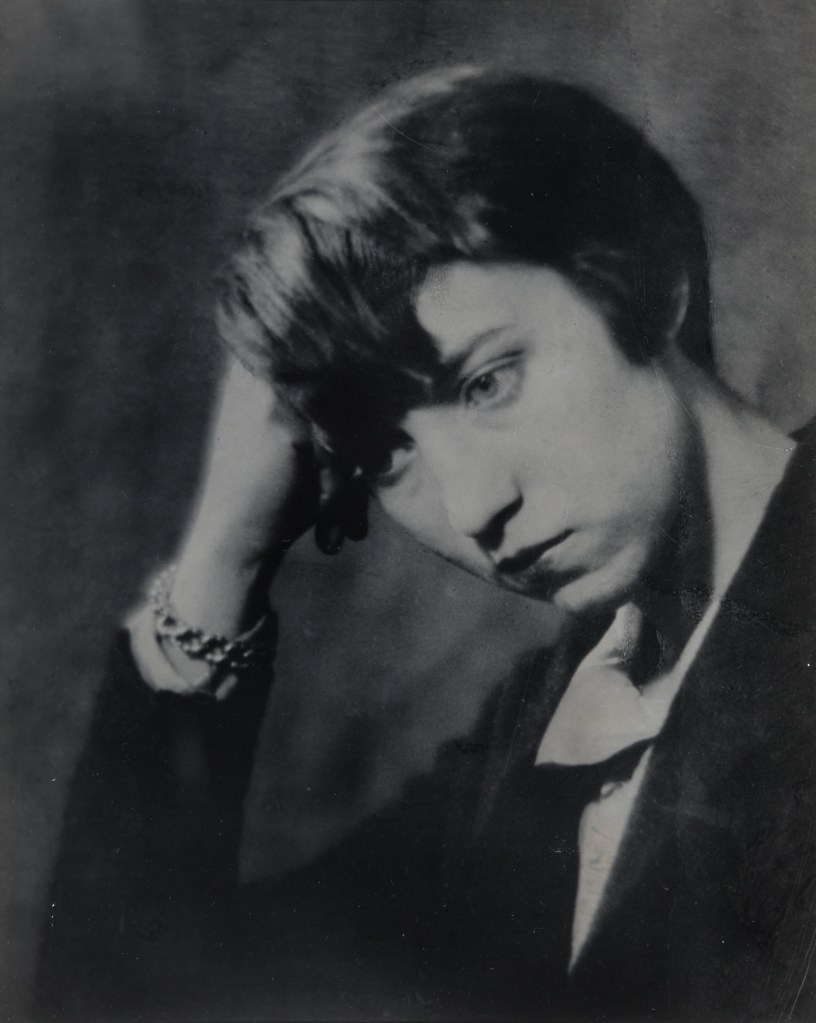
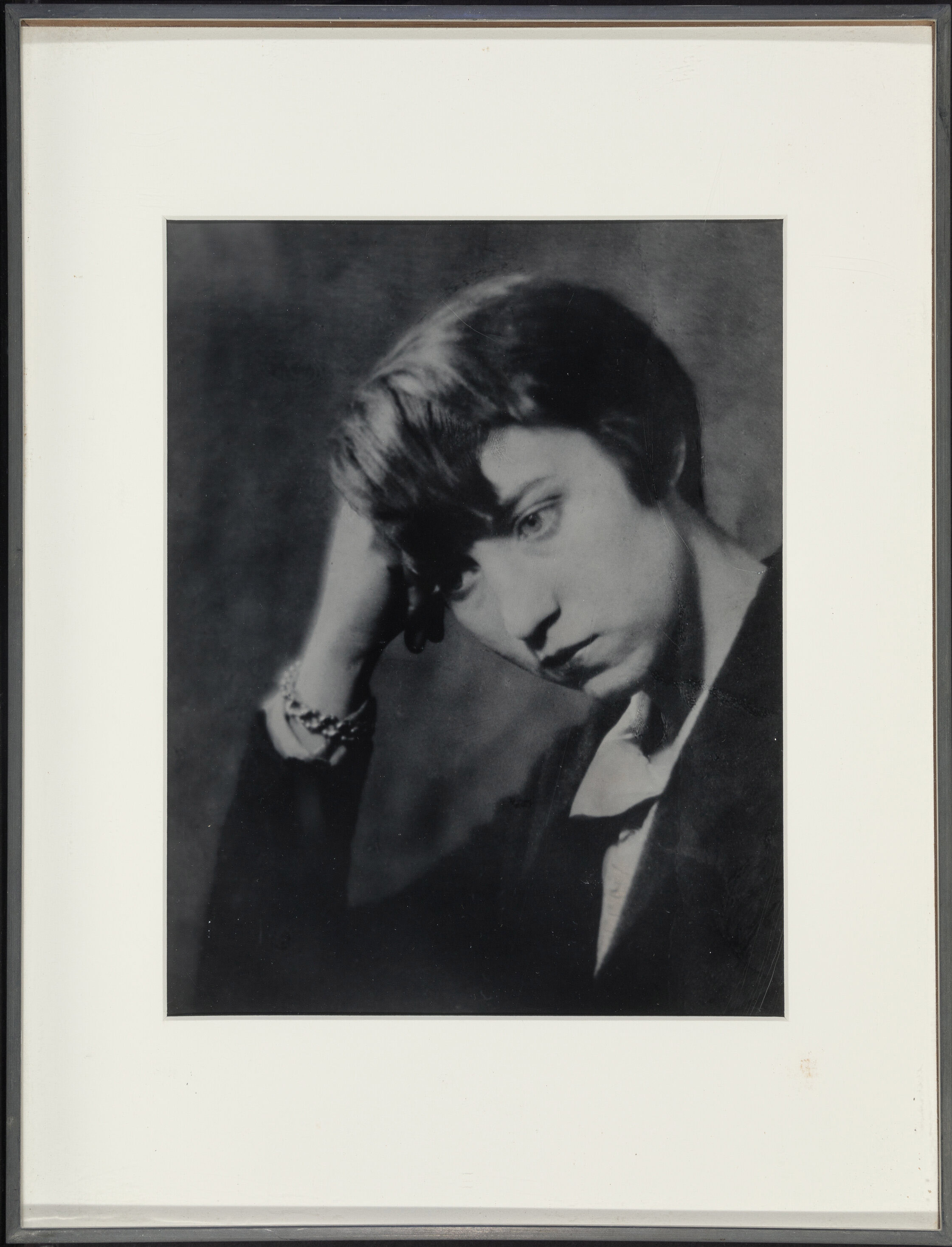
Nini & Carry Hess :: German actress Fritta Brod (1896-1988) in the play ‘The Chalk Circle’ by Klabund (pseudonym of Alfred Henschke), Staatstheater, 1930. (Photo by Nini & Carry Hess) | src Getty Images
Nini & Carry Hess :: Fritta Brod, Schauspielerin, role-picture with a hat, 1919. Published by: ‘Die Dame’ 21/1919. | src Getty Images

Catherine Larré · Anthèses

Catherine Larré :: « Anthèses » Musée de la Photographie Charles Nègre, dans le cadre de la Biennale des Arts de Nice | src ODLP
Catherine Larré :: « Anthèses » Musée de la Photographie Charles Nègre, dans le cadre de la Biennale des Arts de Nice | src ODLP
Catherine Larré :: « Anthèses » Musée de la Photographie Charles Nègre, dans le cadre de la Biennale des Arts de Nice | src ODLP
Catherine Larré :: « Anthèses » Musée de la Photographie Charles Nègre, dans le cadre de la Biennale des Arts de Nice | src ODLP
also on IG

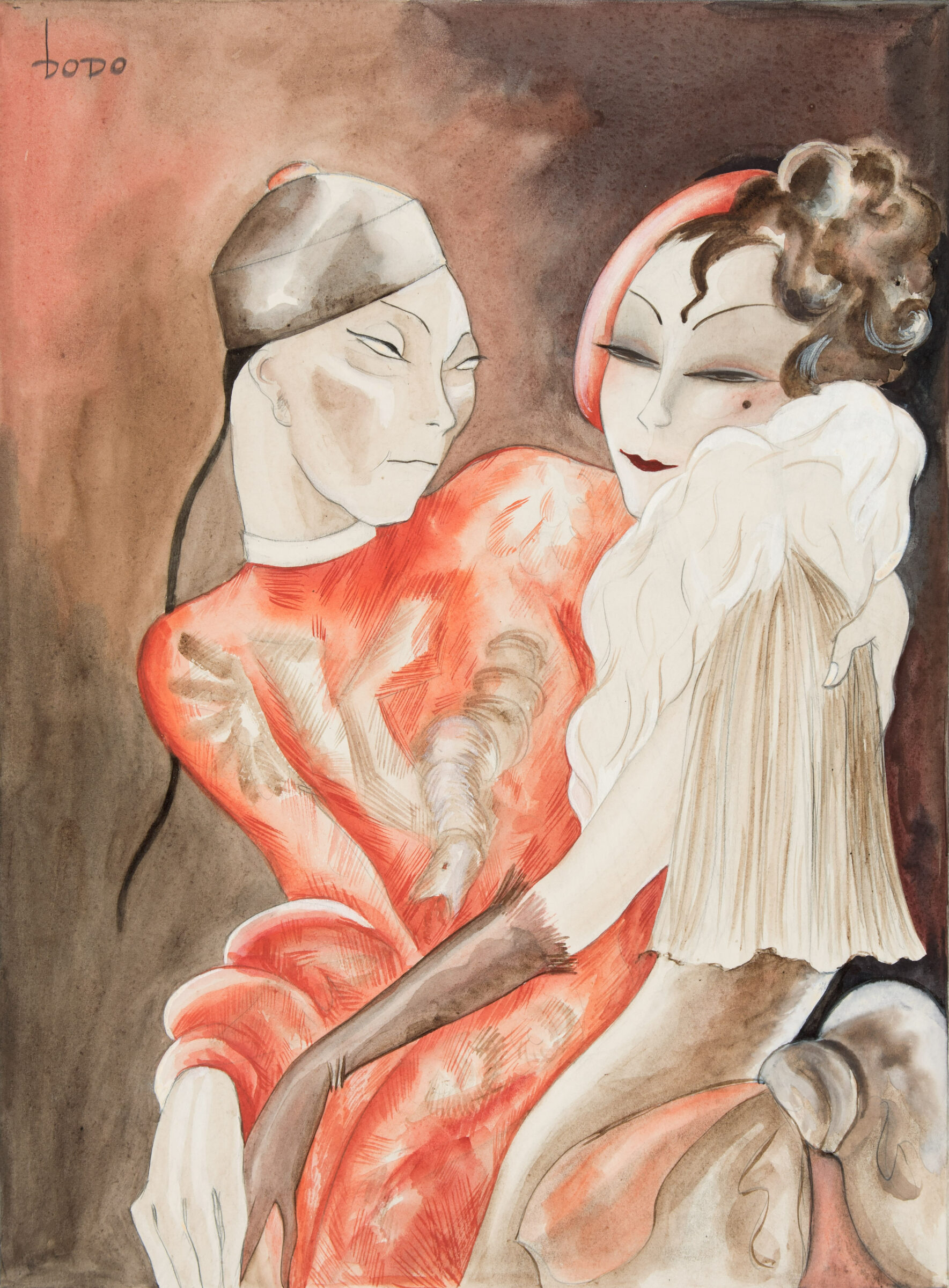
Drei Aquarelle von Dodo

Dodo (Dörte Clara Wolff) (Berlin 1907 - 1998 London)
Keine Chance. Aquarell u. Deckweiß über Bleistift auf chamoisfarbenem Karton. 1929. | src Lehr Kunstauktionen
Dodo (Dörte Clara Wolff) (Berlin 1907 – 1998 London)
Keine Chance. Aquarell u. Deckweiß über Bleistift auf chamoisfarbenem Karton. 1929. | src Lehr Kunstauktionen
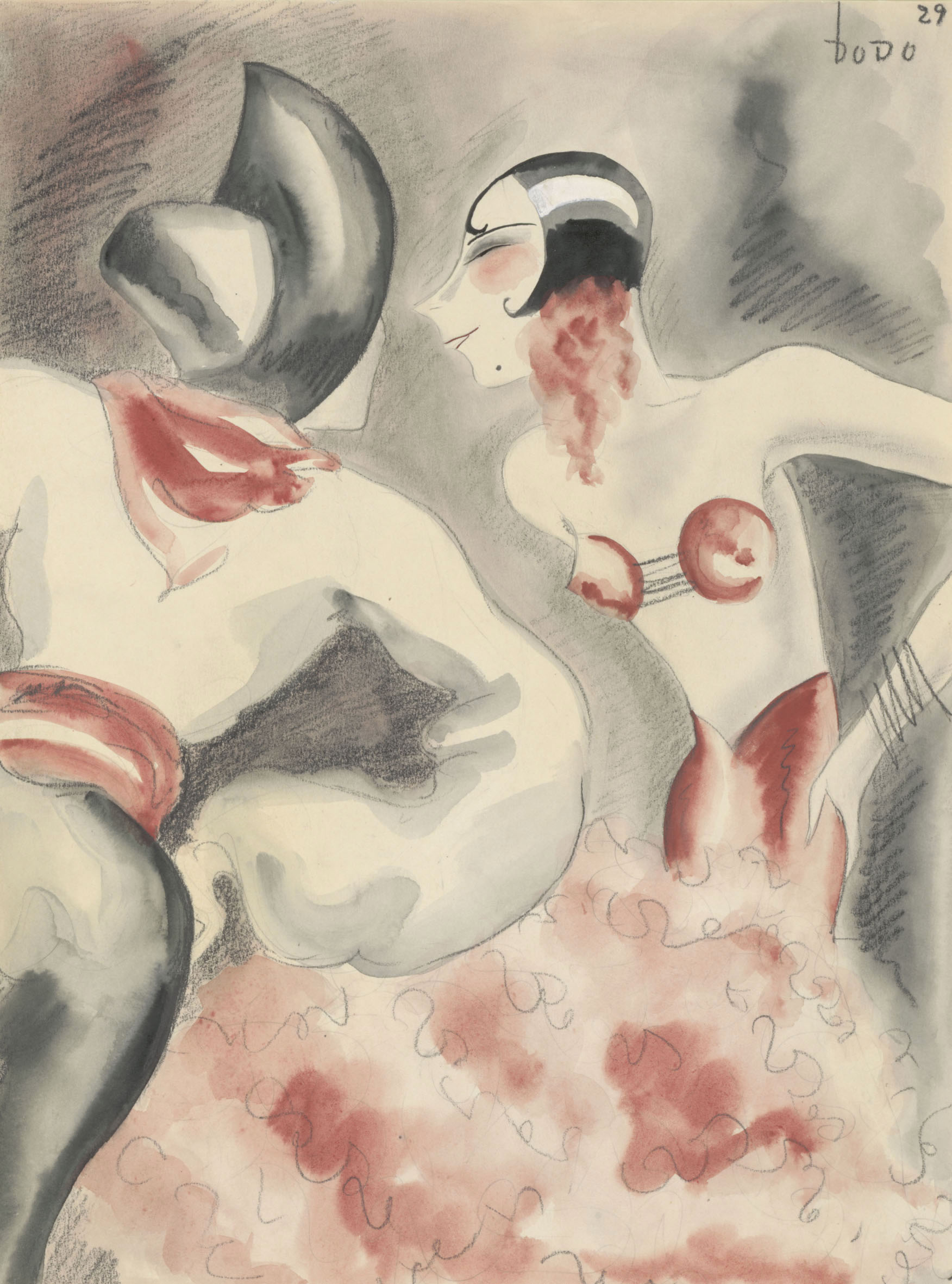
Dodo (Dörte Clara Wolff; 1907 - 1998) :: Revue-Tanzpaar, 1929. Zeichnung. | src Staatlichen Museen zu Berlin
Dodo (Dörte Clara Wolff; 1907 – 1998) :: Revue-Tanzpaar, 1929. Zeichnung. | src Staatlichen Museen zu Berlin
Dodo (Dörte Clara Wolff) :: Puppy Love, 1929. Gouache über Bleistift auf Karton. | src Kunkel Fine Art
Dodo (Dörte Clara Wolff) (Berlin 1907 - 1998 London)
Keine Chance. Aquarell u. Deckweiß über Bleistift auf chamoisfarbenem Karton. 1929. | src Lehr Kunstauktionen
Dodo (Dörte Clara Wolff) (Berlin 1907 – 1998 London)
Keine Chance. Aquarell u. Deckweiß über Bleistift auf chamoisfarbenem Karton. 1929. | src Lehr Kunstauktionen

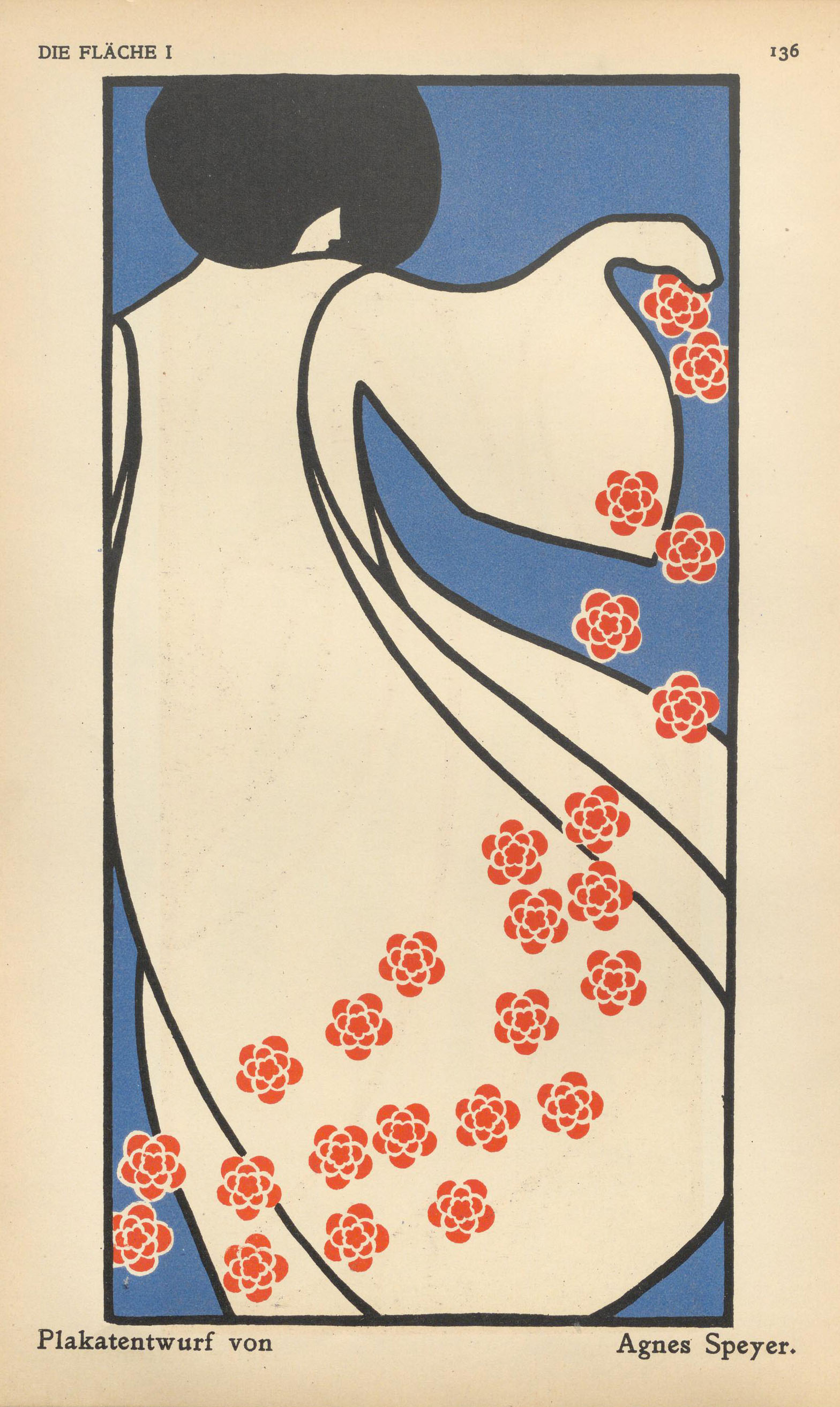
Plakatentwurf von Agnes Speyer

Plakatentwurf von Agnes Speyer
Die Fläche Entwürfe für decorative Malerei, Placate, Buch- und Druckausstattung | src ÖNB
Plakatentwurf von Agnes Speyer
Die Fläche Entwürfe für decorative Malerei, Placate, Buch- und Druckausstattung | src ÖNB

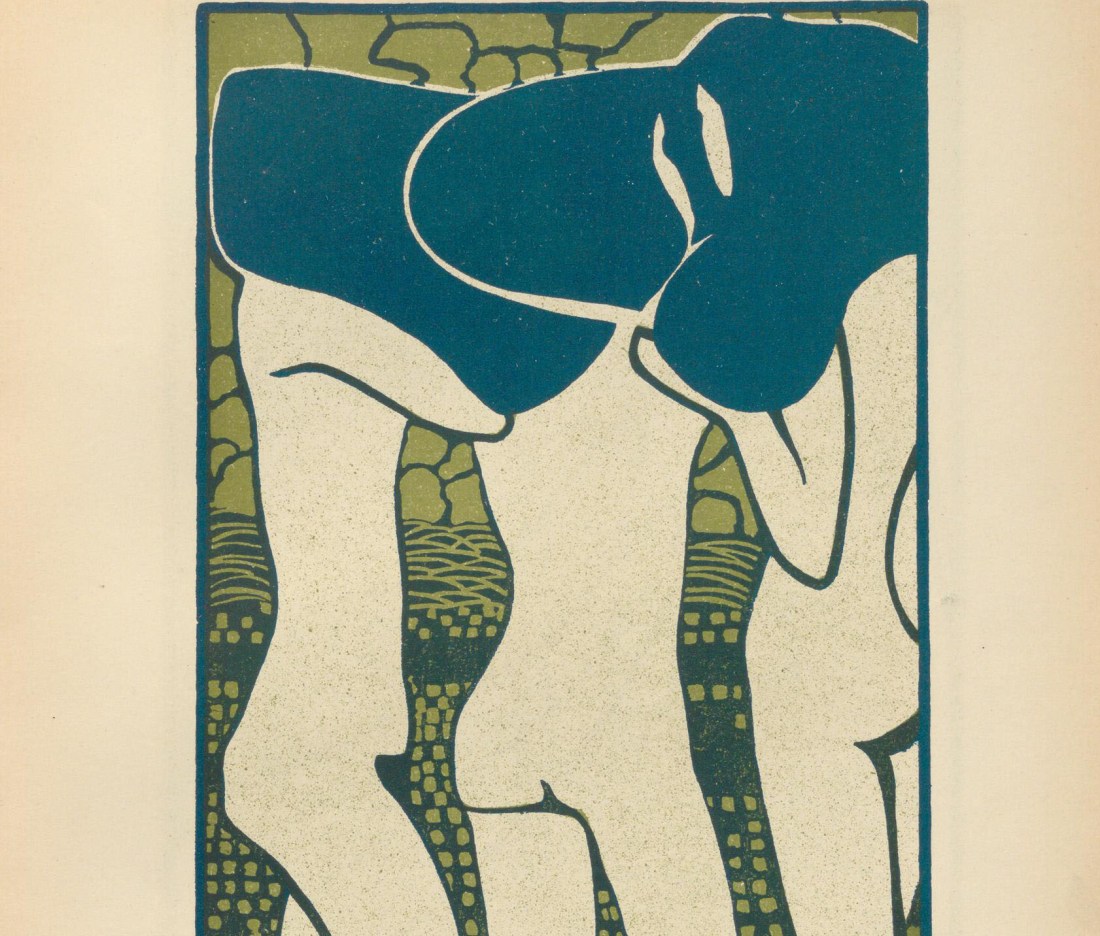
Die Fläche · Nelly Marmorek

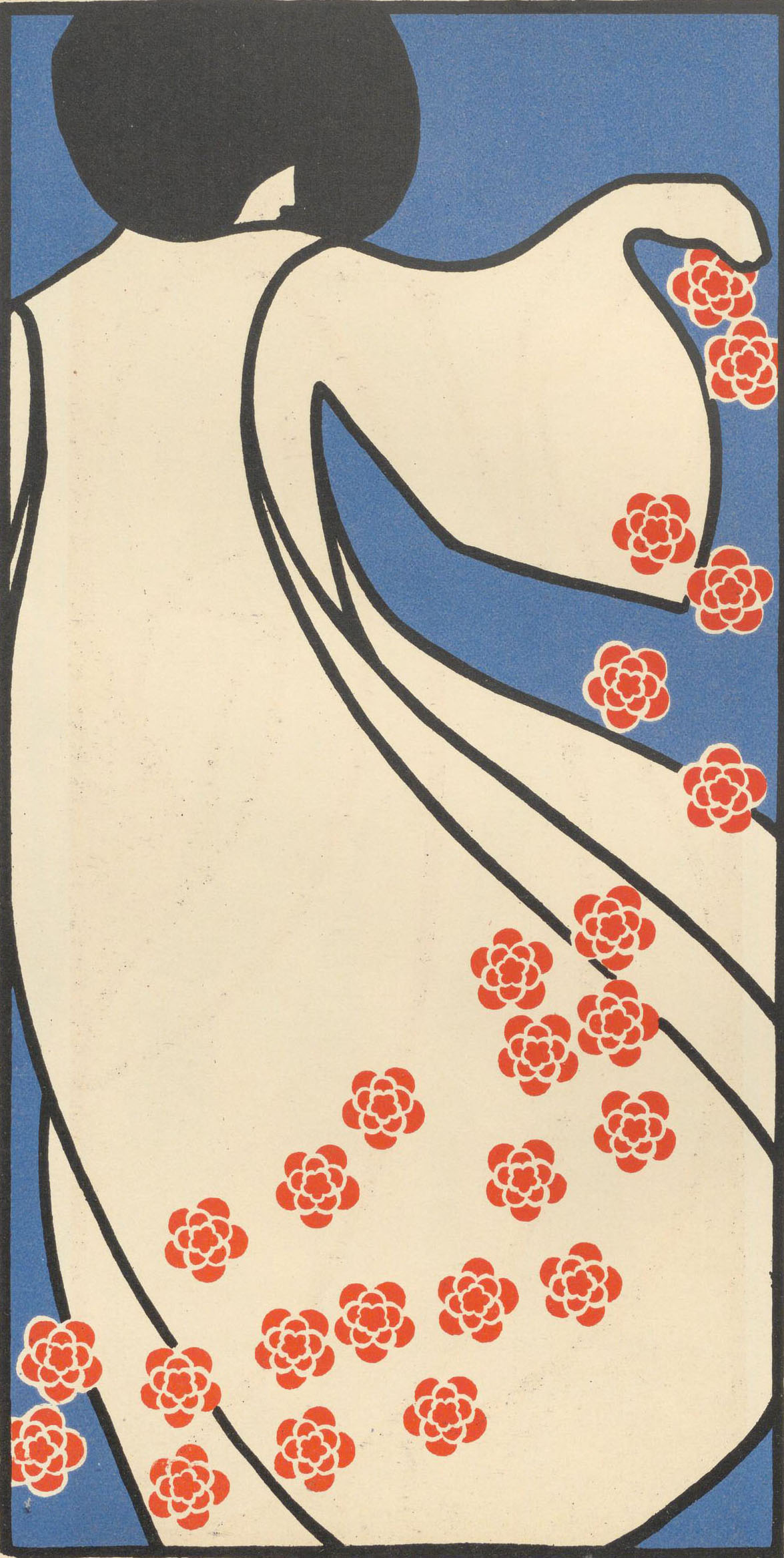
Plakatentwourf von Nelly Marmorek (1877 - 1944) Cornelia Nelly Marmorek (née Schwarz)
Die Fläche : Entwürfe für decorative Malerei, Placate, Buch- und Druckausstattung
Plakatentwurf von Nelly Marmorek (1877 – 1944) Cornelia Nelly Marmorek (née Schwarz)
Die Fläche : Entwürfe für decorative Malerei, Placate, Buch- und Druckausstattung(1903) | ÖNB
Plakatentwourf von Nelly Marmorek (1877 - 1944) Cornelia Nelly Marmorek (née Schwarz)
Die Fläche : Entwürfe für decorative Malerei, Placate, Buch- und Druckausstattung
Plakatentwurf von Nelly Marmorek (1877 – 1944) Cornelia Nelly Marmorek (née Schwarz)
Die Fläche : Entwürfe für decorative Malerei, Placate, Buch- und Druckausstattung (1903) | ÖNB

For a long time it was Nelly Marmorek’s fate that she was only known as the wife of the successful architect and committed Zionist Oskar Marmorek and as the daughter of the well-known banker Julius Schwarz. But even the few works of her that have survived show that she should be honored as an independent creative personality.

Nelly Marmorek was born Cornelia Schwarz on May 13, 1877 in Vienna and came from a very wealthy family of bankers on her father’s side. Apparently her mother, who was a sister of the well-known and successful composer Ignaz Brüll, brought in her musical talent. Nelly, as she was called, soon showed a talent for drawing and – supported by her art-loving family home, in which composers such as Gustav Mahler and Johannes Brahms and writers such as Arthur Schnitzler and Hugo von Hofmannsthal frequented – sought an artistic education.

In 1901 she began studying at the Vienna School of Applied Arts, where she was a student of Alfred Roller and Carl Otto Czeschka, among others. Her fellow students included Hilde Exner, Emma Schlangenhausen, Moriz Jung and Rudolf Kalvach. The fact that there is an original woodcut of hers in “Ver sacrum” and that she was able to publish four works in the portfolio “Die Fläche” shows that Marmorek was counted among the best of her year by her teachers.

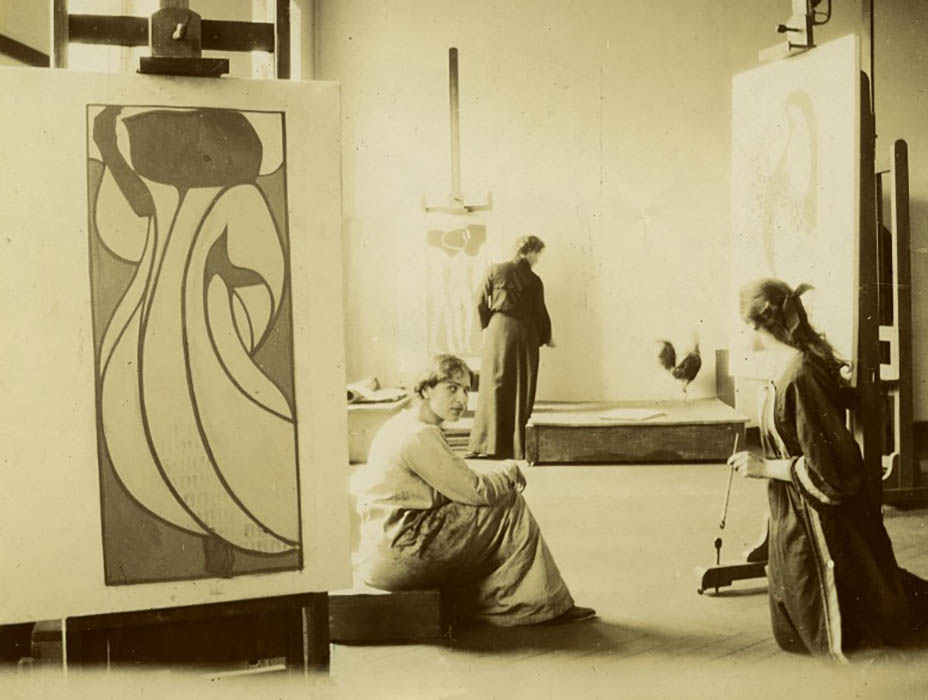
A photograph from the Roller class has been preserved in the archive of the University of Applied Arts in Vienna, in which both of the poster designs by Nelly Marmorek depicted in “Die Fläche” can be seen. The picture, which most likely shows the artist herself at work, also documents that the poster designs were not just small sketches, but were worked out in the original size.

Alfred Rollers Atelier mit den zwei Plakatentwürfen von Nelly Marmorek, um 1903. (Universität für angewandte Kunst Wien, Kunstsammlung und Archiv, Inv.Nr. 18.474/F), Ausschnitt

After Oskar Marmorek, to whom she had been married since 1897, committed suicide in 1909, Nelly Marmorek moved back to her parents’ apartment at Berggasse 13, where she was officially registered until 1928. However, she spent most of her time in France, where she studied painting with Henri Matisse and also took part in exhibitions.

Nelly Marmorek lived in Cannes during World War II. In 1942, southern France was occupied by German troops and now the Jews living here or who had fled here, like Nelly Marmorek, were exposed to the terror of the National Socialist rulers. Marmorek was no longer able to travel to the USA, and she died in Cannes on March 11, 1944.

After basic research, Ingrid Erb wrote in her study of Nelly Marmorek: “Nelly’s death certificate states the address Villa Baron, Avenue Isola Bella, Cannes. A cause of death is not noted. The Villa Baron was confiscated by the German troops during World War II and used by the Nazi occupying power as a headquarters. On March 14, 1944, Nelly Marmorek was buried in the Cimetière Le Grand Jas as a native on common ground with a five-year concession.”

quoted from: Austrian Posters / Nelly Marmorek

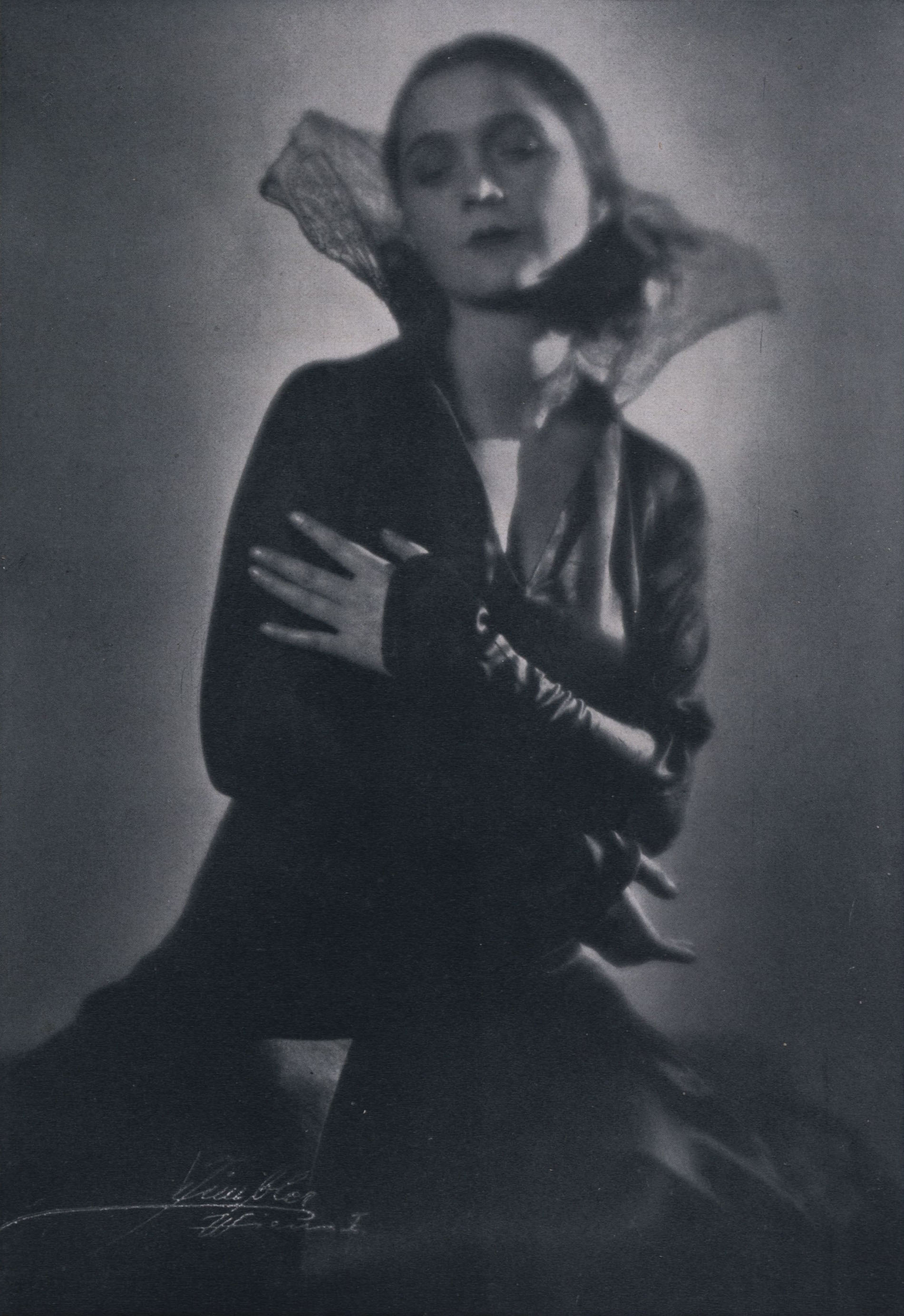
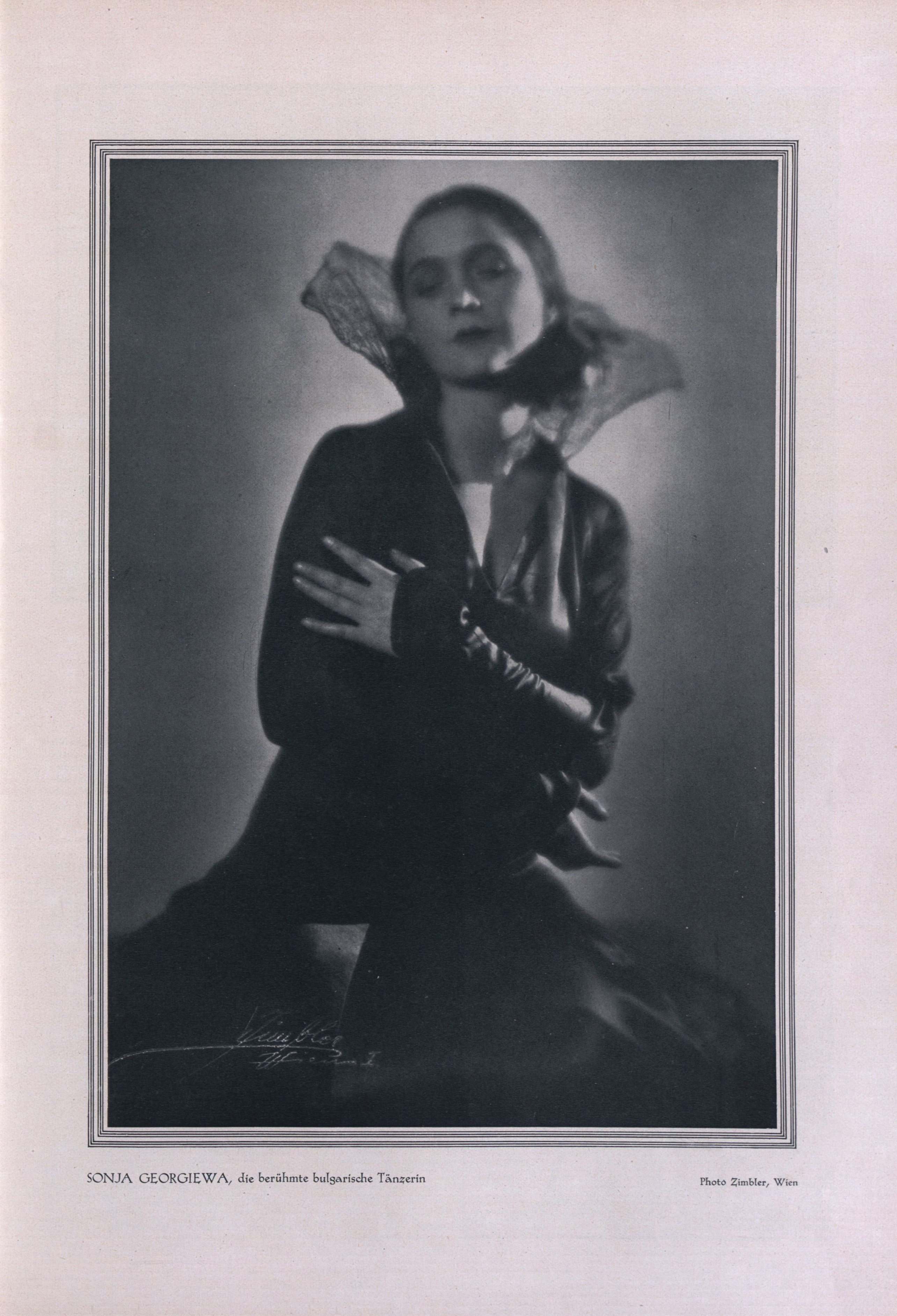
Sonja Georgiewa by Zimbler

Sonja Georgiewa, die berühmte bulgarische Tänzerin. Photo Zimbler, Wien. Moderne Welt, Jahrgang 10, Heft 12. März, 1929 | ÖNB
Sonya Georgieva, the famous Bulgarian dancer. Photo Zimbler, Wien. Moderne Welt, volume 10, issue 12. March 1929 | ÖNB
Sonja Georgiewa, die berühmte bulgarische Tänzerin. Photo Zimbler, Wien. Moderne Welt, Jahrgang 10, Heft 12. März, 1929 | ÖNB