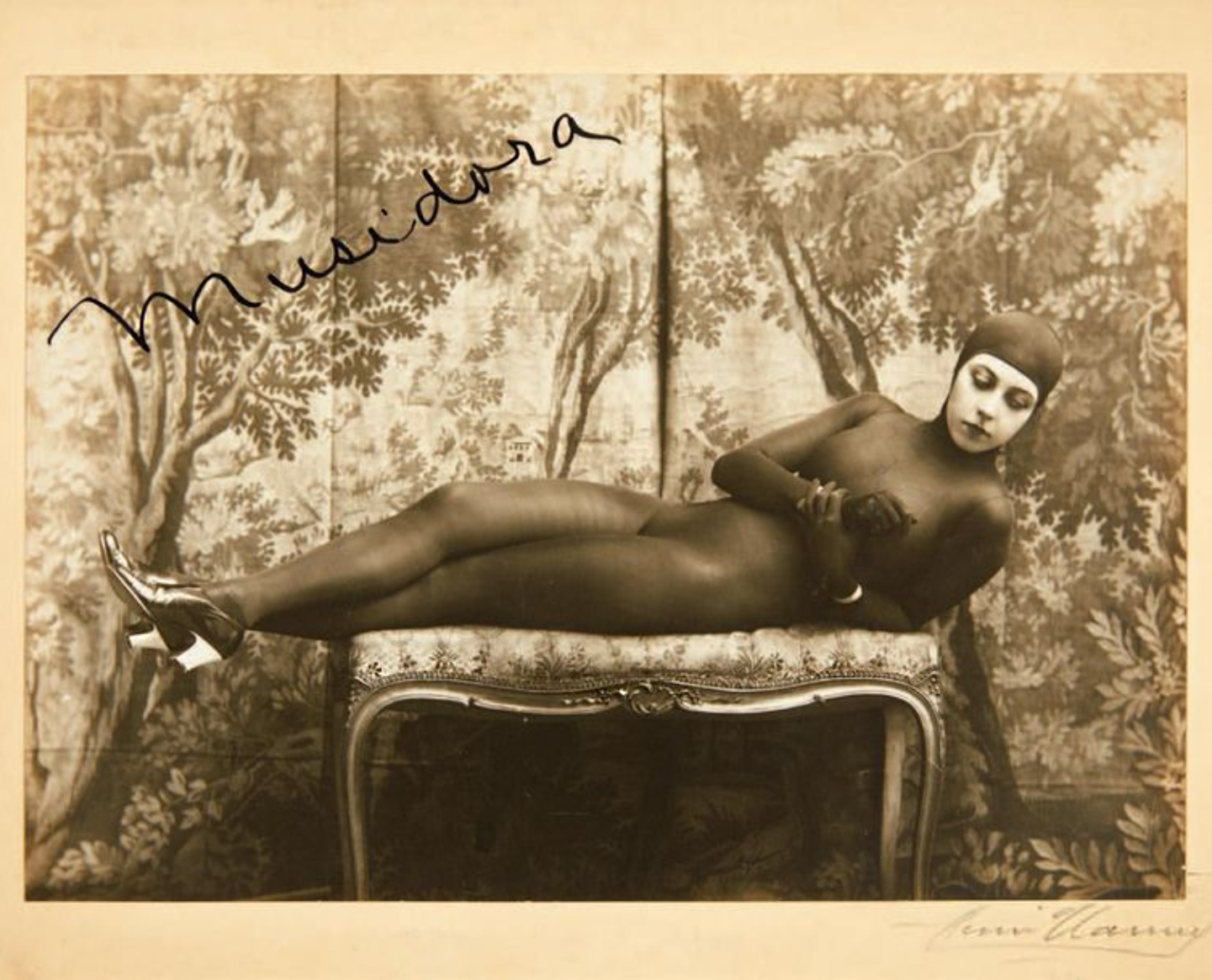
Published in: Revue Variétés: Le Surréalisme en 1929. Bruxelles, juin 1929. Famous special issue of the Brussels magazine Variétés devoted to Surrealism in 1929 by André Breton and Louis Aragon.
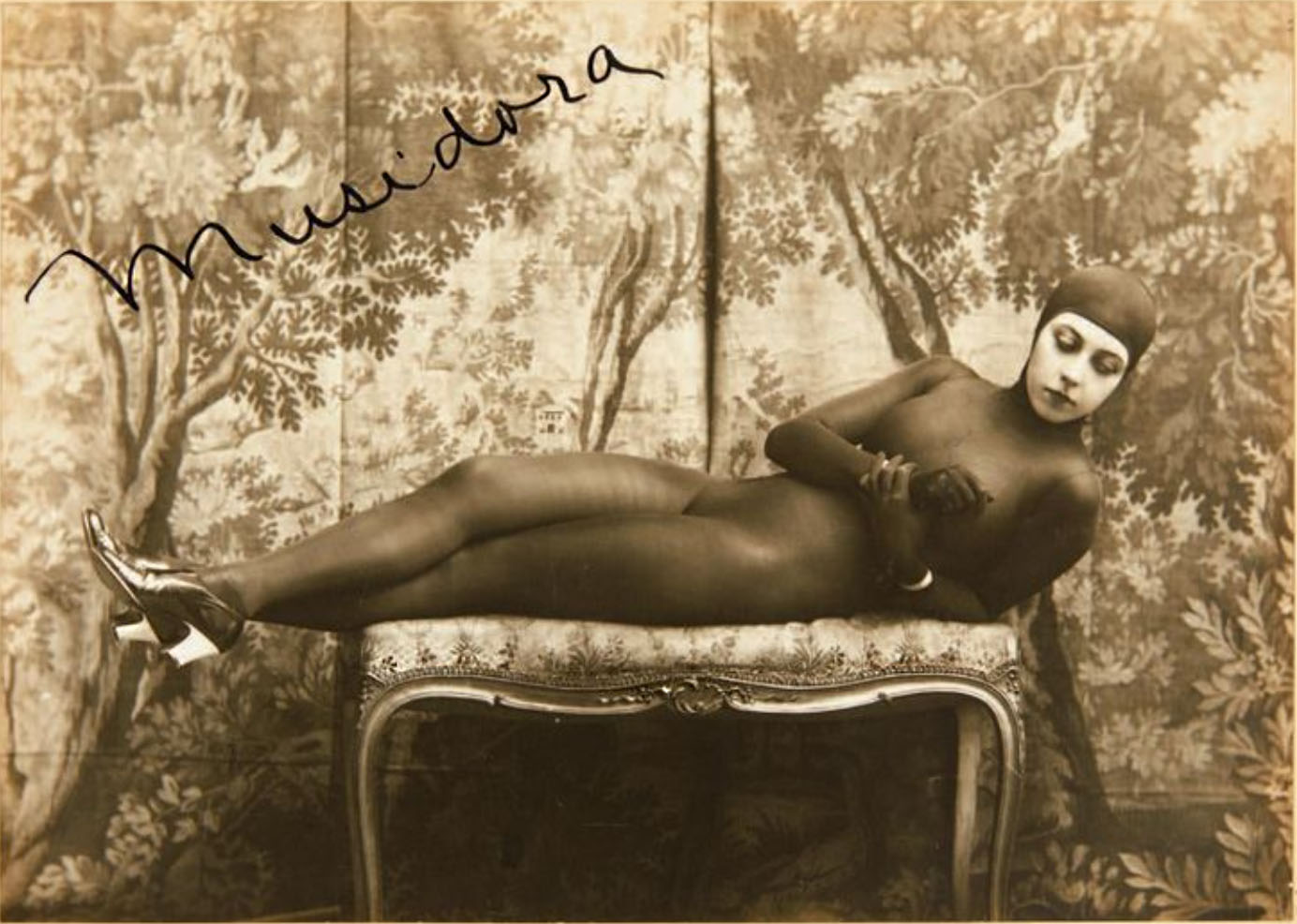
images that haunt us
Published in: Revue Variétés: Le Surréalisme en 1929. Bruxelles, juin 1929. Famous special issue of the Brussels magazine Variétés devoted to Surrealism in 1929 by André Breton and Louis Aragon.
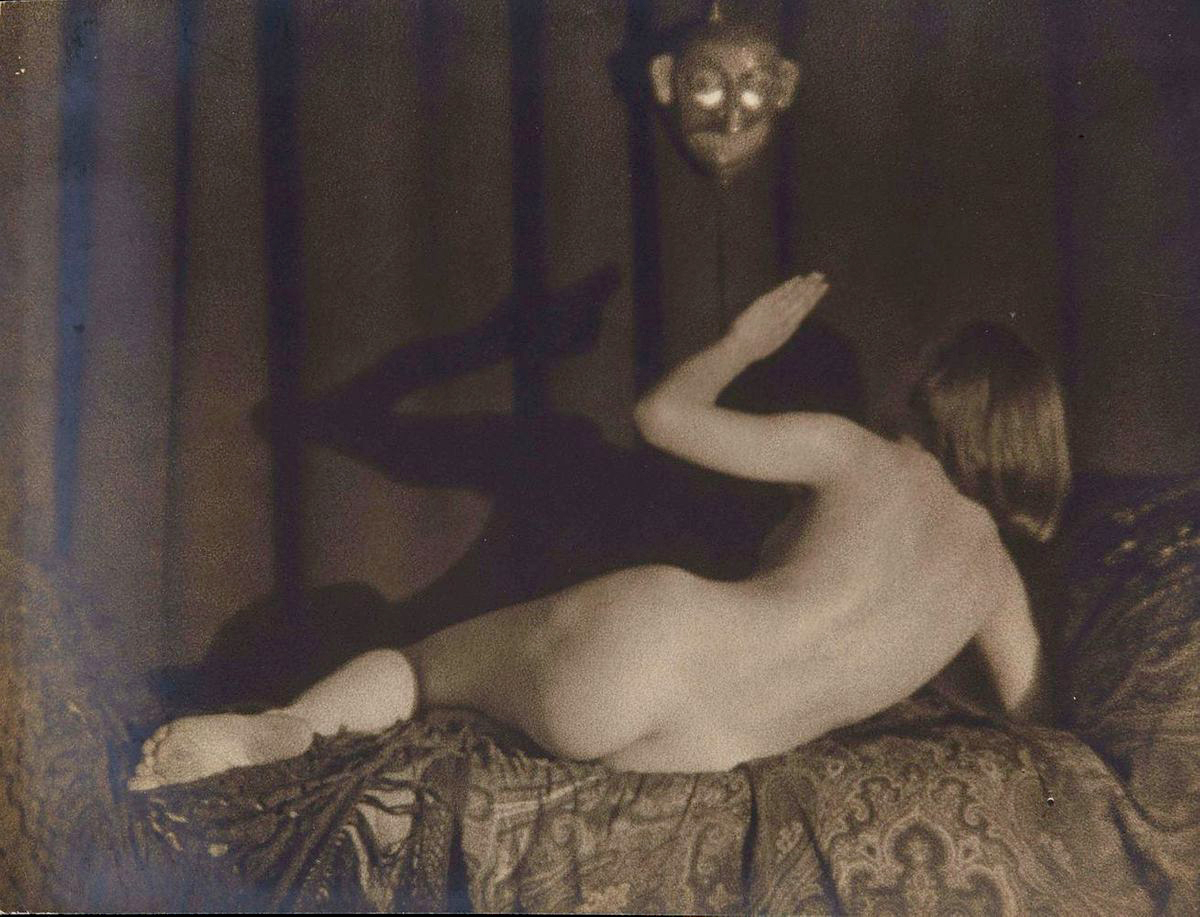
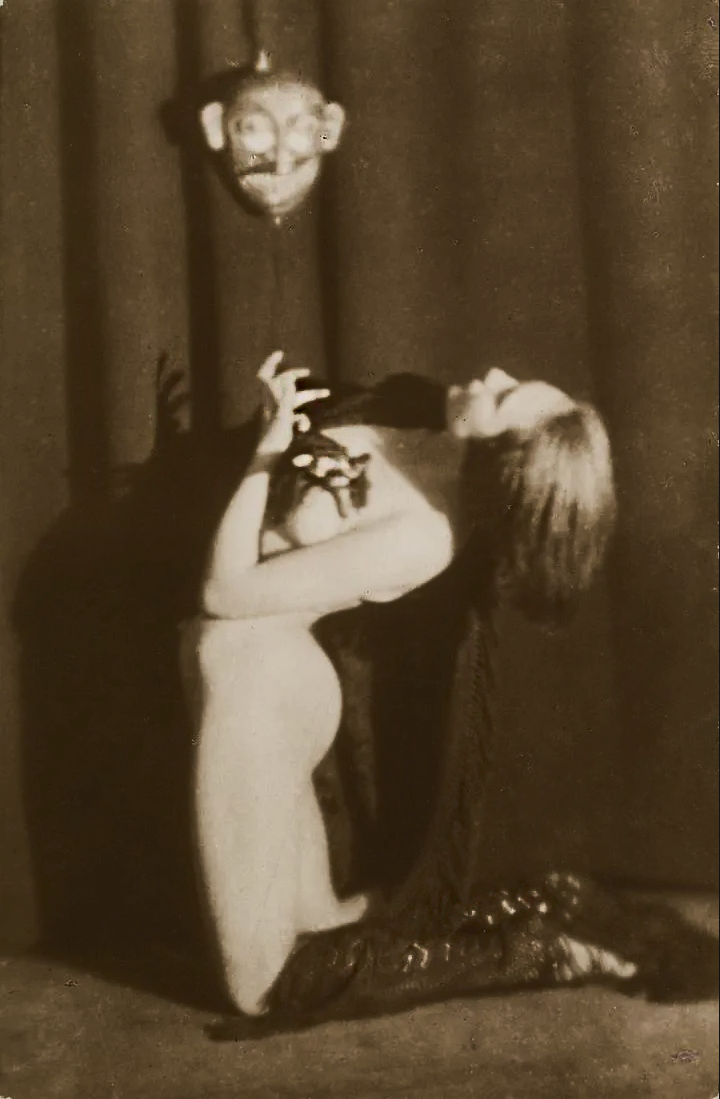


![Hannah Höch :: Fremde Schönheit [Strange beauty], Berlin, ca. 1929, original photographic collage on coloured paper signed H.H. (The Geneviève & Jean-Paul Kahn Library). | src la gazette drouot](https://unregardoblique.com/wp-content/uploads/2021/07/hannah-hoch-fremde-schonheit-strange-beauty-berlin-c.-1929-original-photographic-collage-on-coloured-paper-detail-src-la-gazette-drouot.jpg)
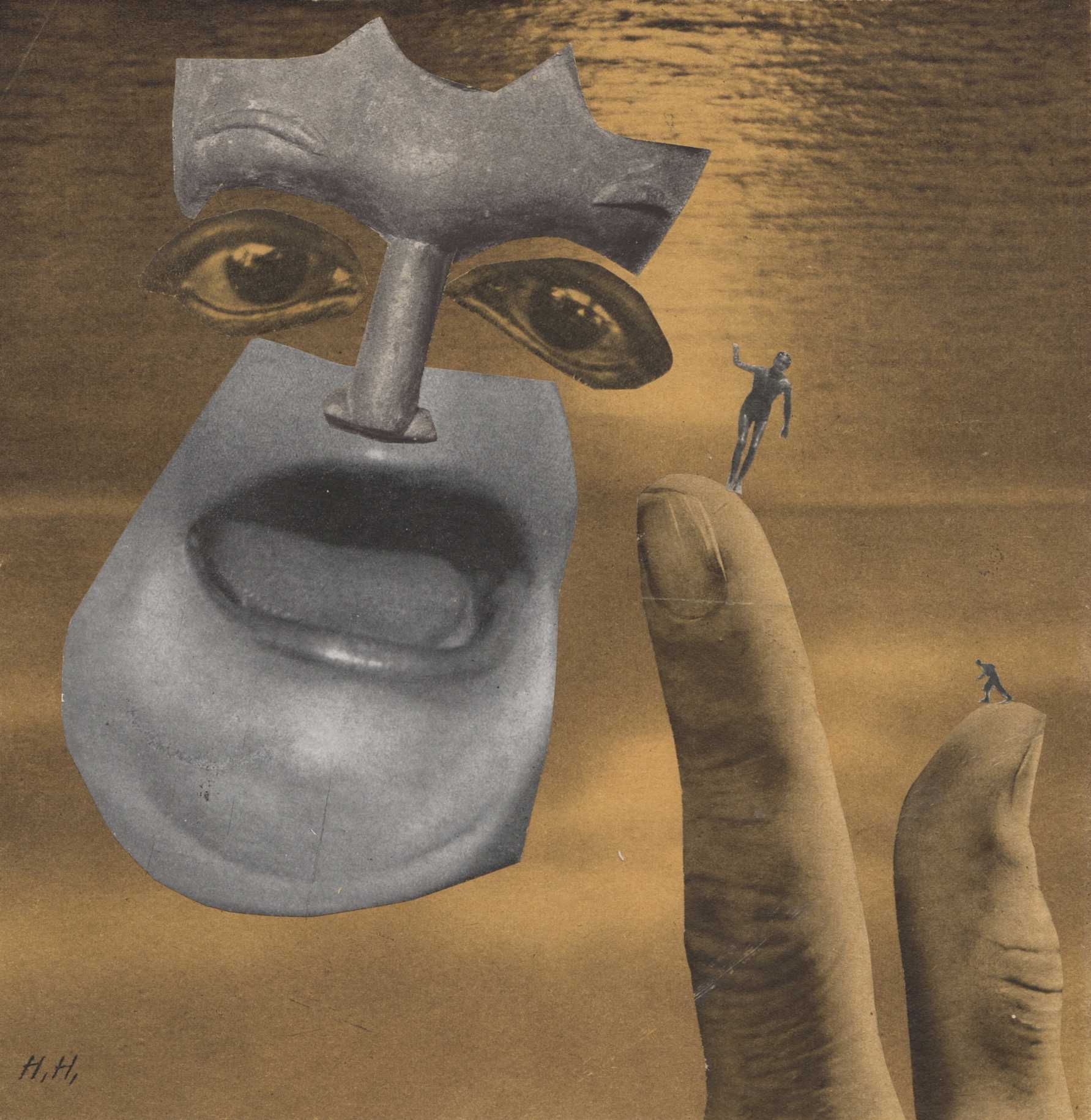
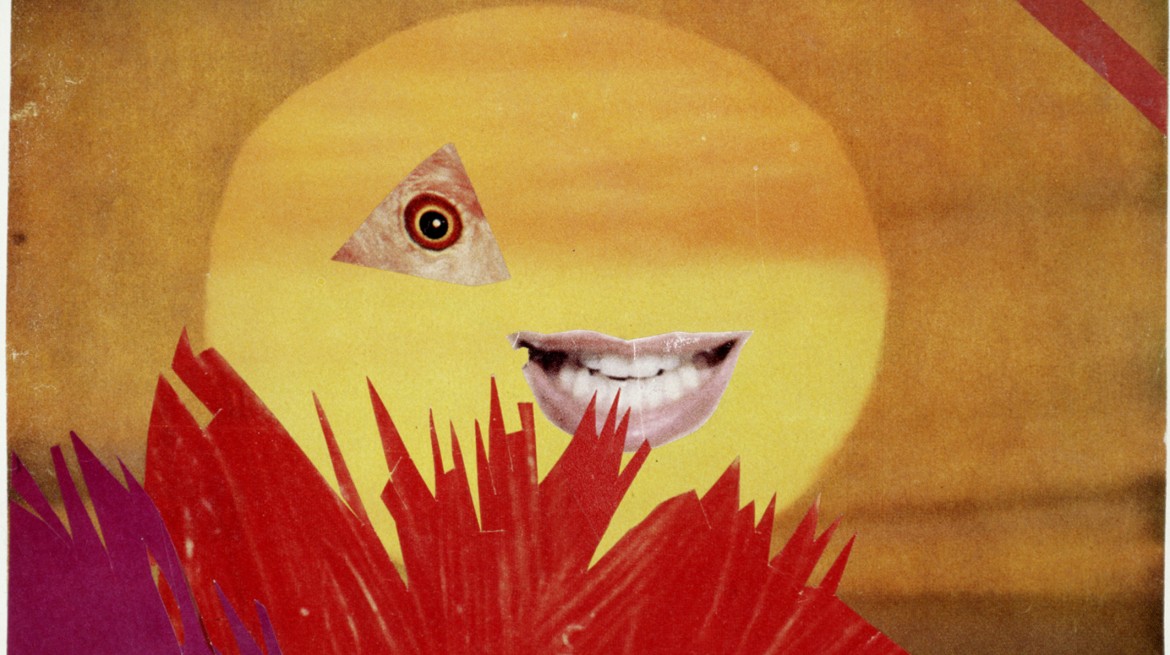
Hannah Höch was an artistic and cultural pioneer. A member of Berlin’s Dada movement in the 1920s, she was a driving force in the development of 20th century collage. Splicing together images taken from fashion magazines and illustrated journals, she created a humorous and moving commentary on society during a time of tremendous social change. Höch was admired by contemporaries such as George Grosz, Theo van Doesburg and Kurt Schwitters, yet was often overlooked by traditional art history. As the first major exhibition of her work in Britain, the show puts this inspiring figure in the spotlight.
The exhibition examines Höch’s extraordinary career from the 1910s to the 1970s. Starting with early works influenced by her time working in the fashion industry, it includes key photomontages such as High Finance (1923) which critiques the relationship between bankers and the army at the height of the economic crisis in Europe.
A determined believer in artistic freedom, Höch questioned conventional concepts of relationships, beauty and the making of art. Höch’s collages explore the concept of the ‘New Woman’ in Germany following World War I and capture the style of the 1920s avant-garde theatre. The important series ‘From an Ethnographic Museum’ combines images of female bodies with traditional masks and objects, questioning traditional gender and racial stereotypes.
Astute and funny, the exhibition reveals how Höch established collage as a key medium for satire whilst being a master of its poetic beauty. | quoted from Whitechapel Gallery



“Wenn jeder einen Körper hätte wie ich, würden alle nackt herumlaufen”: Ihre eigene Hüllenlosigkeit vertrat Berber mit großem Selbstbewusstsein – das Foto zeigt sie als “Salomé”. Gleichzeitig verwahrte sich die Tänzerin dagegen, in eine bestimmte Schublade gesteckt zu werden: “Ich bin keine Nackttänzerin”, betonte Berber im Dezember 1922 im Interview mit einem Wiener Journalisten. Der sich vor allem darüber freute, dass sie das Gespräch im Bett sitzend, mit vorn geöffneter Bluse, absolvierte.
“If everyone had a body like me, everyone would walk around naked”: Berber represented her own shamelessness with great self-confidence – the photo shows her as “Salomé”. At the same time, the dancer protested against being pigeonholed: “I’m not a nude dancer,” Berber emphasized in an interview with a Viennese journalist in December 1922. Who was particularly pleased that she sat in bed during the conversation, with her blouse open at the front.
quoted from Der Spiegel: Anita Berber : die Hohepriesterin des Lasters

Nackttänzerin Anita Berber : Die Skandalnudel der Zwanzigerjahre
Sie kokste und soff, schlief mit Männern und Frauen und bewarf Störer mit Champagnerflaschen: Anita Berber war selbst für die wilden Zwanziger zu wild. Die Exzentrikerin starb schon mit 29 – ausgezehrt, verarmt, unverstanden.
Berber war schon zwei Jahre tot, als Schriftsteller Klaus Mann diese Szene 1930 im Magazin “Die Bühne” schilderte. Sie zeigt, wie fragil die Skandalnudel war, und auch ihren sozialen Rang gegen Ende ihres Lebens: den eines Freaks, den die Haute Volée zwar gern auf der Bühne begaffte, sonst aber tunlichst mied. “Man wies mit dem Finger nach ihr, sie war vogelfrei”, schrieb Mann. “Sogar für das Nachkriegsberlin war sie zu weit gegangen.”
“Nachkriegserotik, Kokain, Salomé, letzte Perversität, solche Begriffe bildeten den Strahlenkranz ihrer Glorie”, urteilte Mann. Dabei war Anita Berber ursprünglich nicht nackt ins Rampenlicht gesprungen, um die Radaupresse zu beglücken. Sie wollte, dass ihr Talent entdeckt wird.
Berber war beileibe nicht die erste Nackttänzerin. Den Skandal sieht Theaterwissenschaftlerin Ulrike Traub darin, dass sie Hüllenlosigkeit mit der “bewussten Exposition des Hässlichen” kombinierte und so von Erotik abkoppelte.
quoted from Spiegel : Nackttänzerin Anita Berber : Die Skandalnudel der Zwanzigerjahre
Nude dancer Anita Berber : The scandalous nude of the 1920s
She did coke and drank, slept with men and women and threw champagne bottles at troublemakers: Anita Berber was too wild even for the Roaring Twenties. The eccentric died at the age of 29 – emaciated, impoverished, misunderstood.
Berber had already been dead for two years when writer Klaus Mann described this scene in the magazine “Die Bühne” in 1930. It shows how fragile the scandalous nude was, and also her social rank towards the end of her life: that of a freak, whom the haute volée liked to ogle on stage, but otherwise avoided as much as possible. “The finger was pointed at her, she was an outlaw,” Mann wrote. “She had gone too far even for post-war Berlin.”
“Post-war eroticism, cocaine, Salomé, ultimate perversity, such terms formed the aureole of their glory,” said Mann. Anita Berber didn’t originally jump into the limelight naked to please the rowdy press. She wanted her talent to be discovered.
Berber was by no means the first nude dancer. Theater scholar Ulrike Traub sees the scandal in the fact that she combined nakedness with the “conscious exposure of ugliness” and thus separated it from eroticism.
 un regard oblique