Cameron’s “very first success”

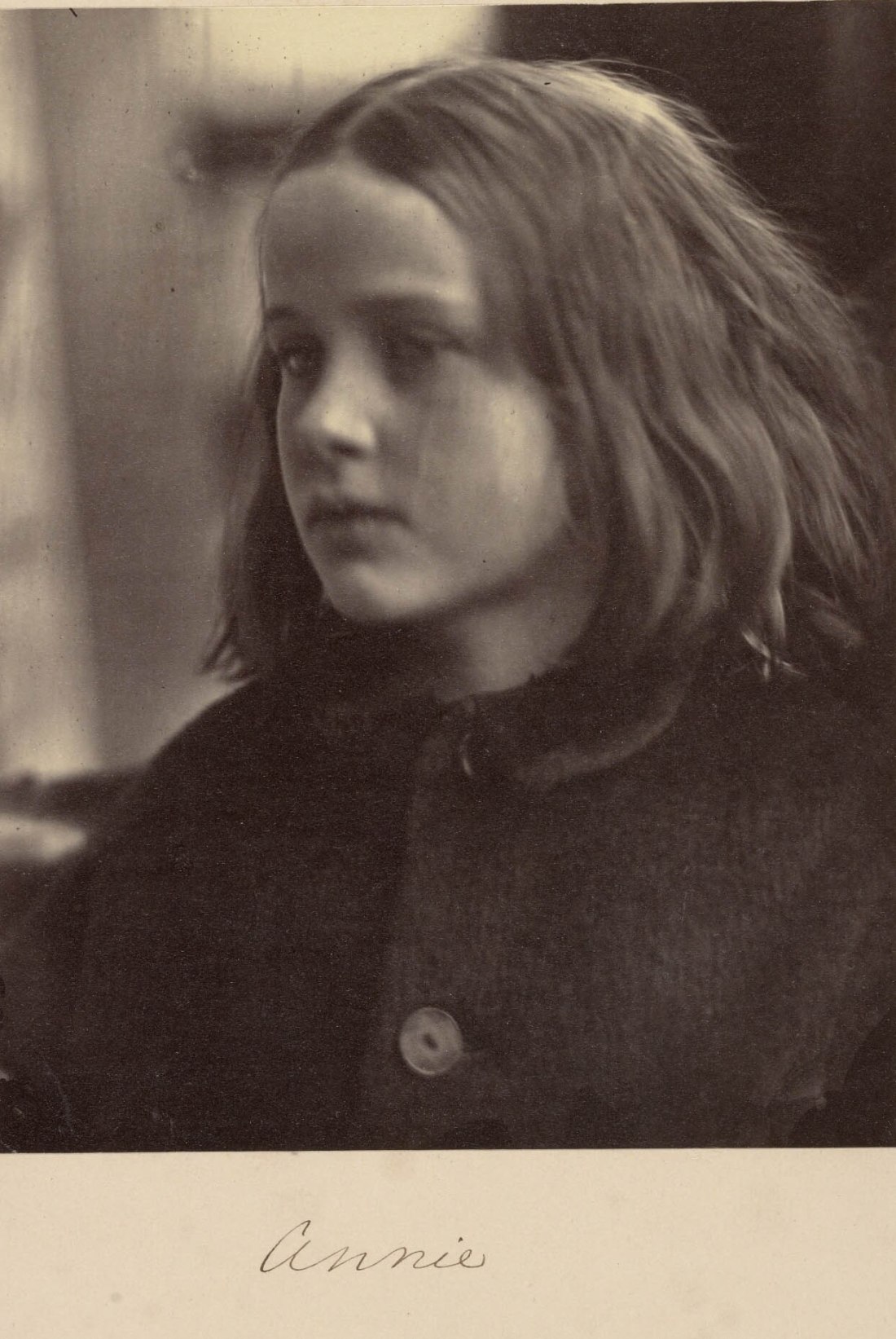
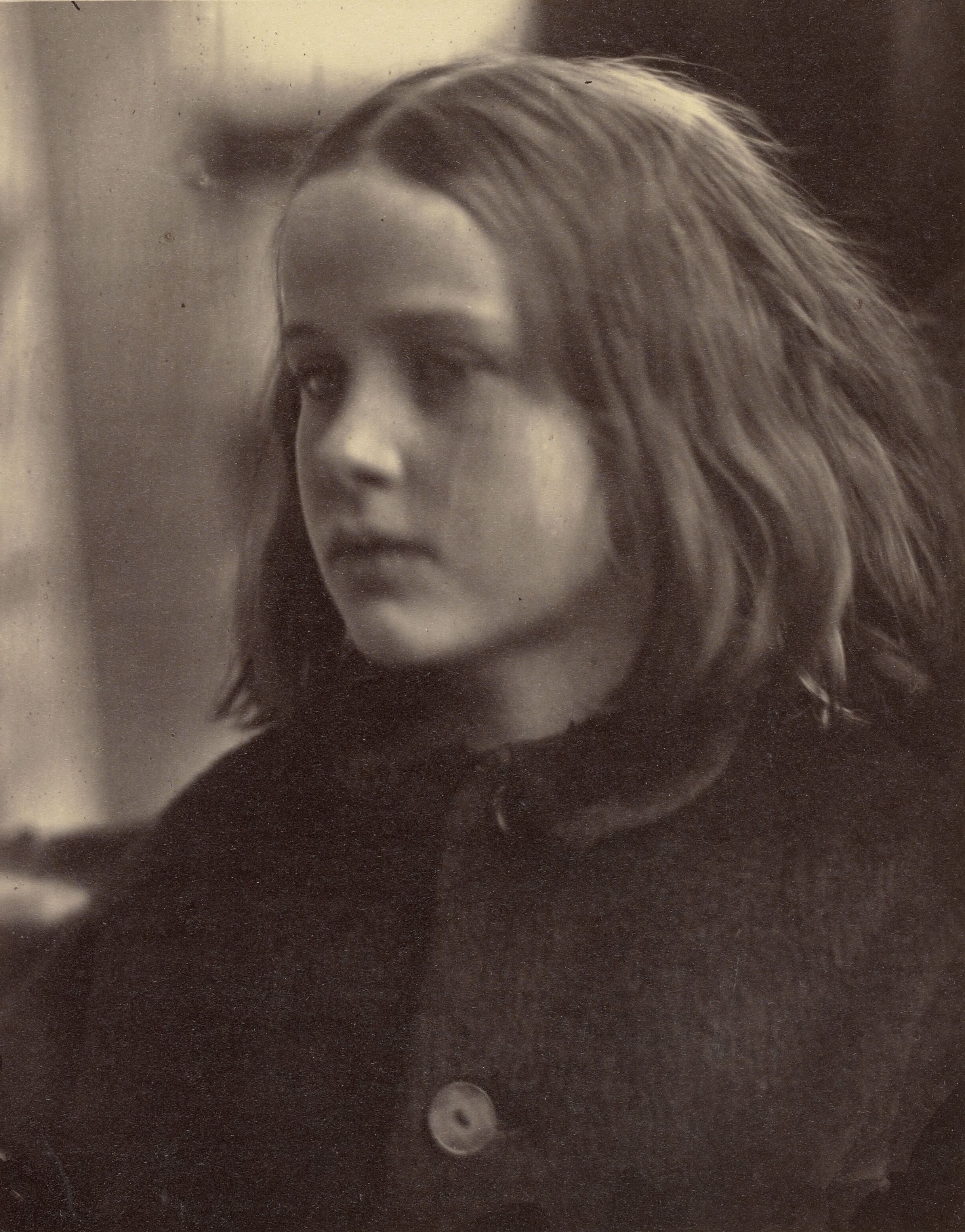
Julia Margaret Cameron :: Annie Philpot (1857-1936), Freshwater, Isle of Wight, England, January 1864.
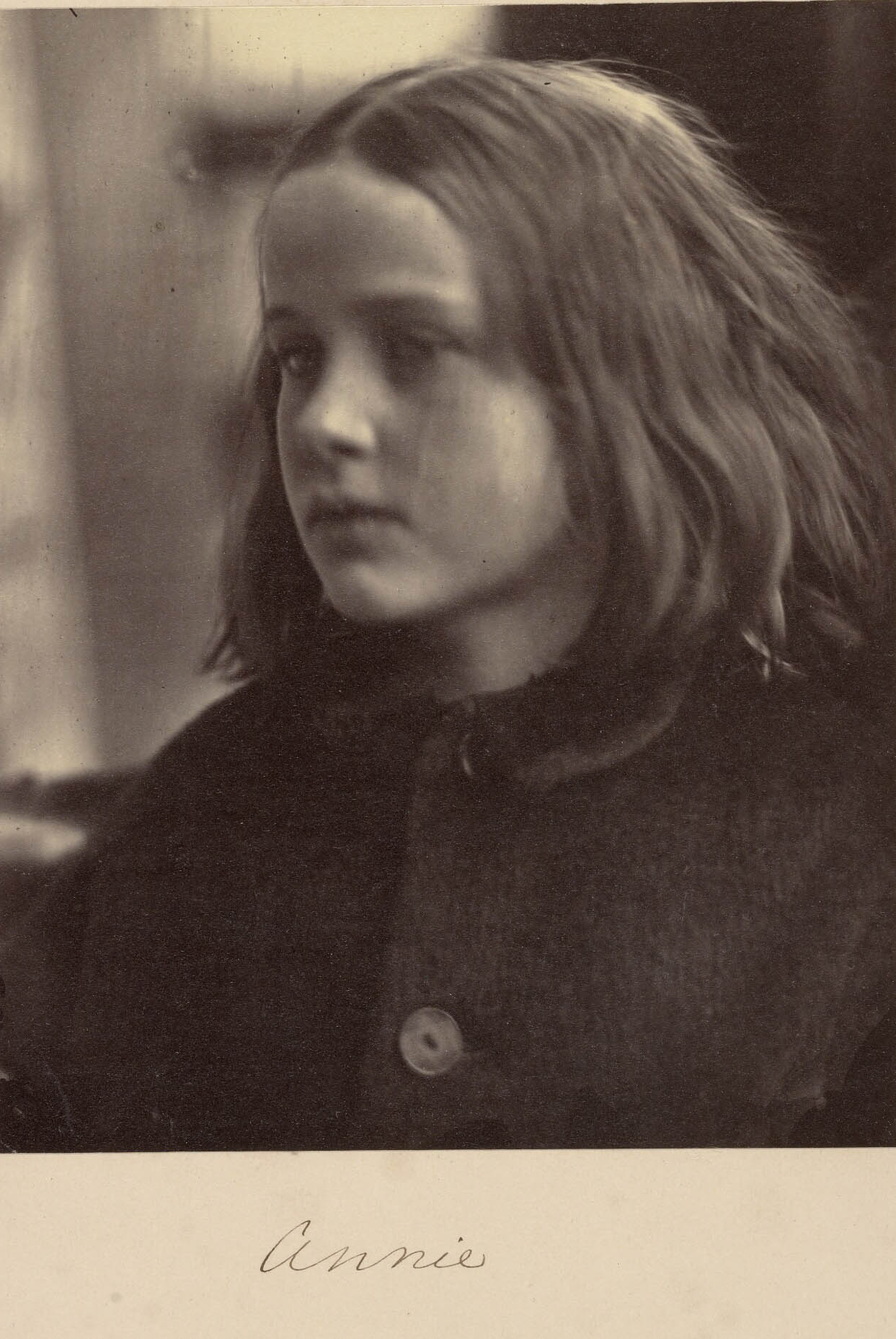
Julia Margaret Cameron :: Annie Philpot (1857-1936), Freshwater, Isle of Wight, England, January 1864. Albumen silver print.
Annie; Julia Margaret Cameron (British, born India, 1815 - 1879); January 1864; Albumen silver print; 17.9 × 14.3 cm (7 1/16 × 5 5/8 in.); 84.XZ.186.69; No Copyright - United States (http://rightsstatements.org/vocab/NoC-US/1.0/)
Julia Margaret Cameron (British, born India, 1815 – 1879) :: Annie; January 1864. Albumen silver print.
Julia Margaret Cameron :: Annie / "My very first success in Photography January 1864", January 1864. Albumen silver print.
Julia Margaret Cameron :: Annie / “My very first success in Photography January 1864”, January 1864. Albumen silver print.
Getty Open Content Program

In December 1863 Julia Margaret Cameron received the gift of a wooden box camera from her only daughter, Julia, and her son-in-law Charles Norman. She was forty-eight years old, a woman whose prodigious energies had been centered on raising her six children. Now, with her daughter married and her husband and three eldest sons away on her family coffee estates in Ceylon, she found herself at a transitional moment in her life. Taking up photography at this time, she began, in her own words “to arrest all beauty that came before me.”

Cameron’s retrospective written account of her career in photography, Annals of My Glass House (penned in 1874 and published posthumously in 1889), stresses the solitary nature of her early experiments: “I began with no knowledge of the art. I did not know where to place my dark box, how to focus my sitter, and my first picture I effaced to my consternation by rubbing my hand over the filmy side of the glass.” Despite this proclamation, Cameron may have already learned the basics of camera operation and chemistry from Oscar Gustave Rejlander, with whom she shared many mutual friends, most importantly Alfred Tennyson, her neighbor on the Isle of Wight. Another likely early tutor was her brother-in-law Lord Somers, an accomplished amateur photographer who made portraits of Cameron’s family circle.

After some three weeks of experimentation in the January cold of her studio at her home in Freshwater, Cameron created this portrait of Annie Philpot (1857-1936), the daughter of a local resident. She later recalled the circumstances surrounding its creation in Annals of My Glass House: “I was in transport of delight. I ran all over the house to search for gifts for the child. I felt as if she entirely had made the picture. I printed, toned, fixed and framed it, and presented it to her father that same day.” Cameron carefully trimmed this particular print for presentation in an album given to Lord Overstone in 1865. It is a picture of great simplicity and grace, conspicuously divided in terms of light and dark. The out-of-focus background and deep shadows around the model’s eyes were acceptable to Cameron, indicating that from the outset her criteria for “success” were notably out of step with convention. She proudly inscribed the picture’s mount “My very first success in photography.”

Adapted from Julian Cox. Julia Margaret Cameron, In Focus: Photographs from the J. Paul Getty Museum (Los Angeles: J. Paul Getty Museum, 1996), 10. © 1996 The J. Paul Getty Museum
Icelandic landscape, 1915

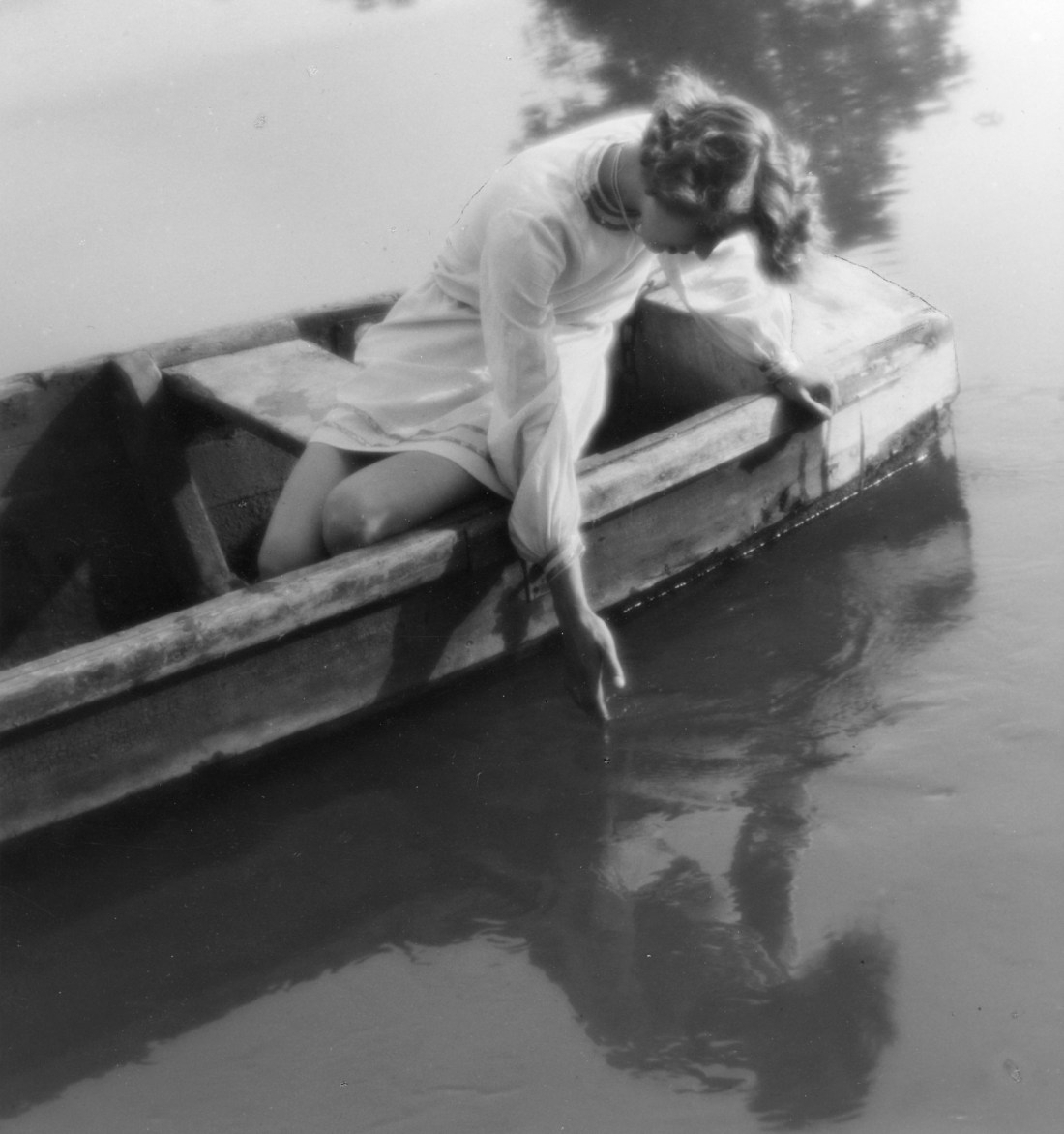
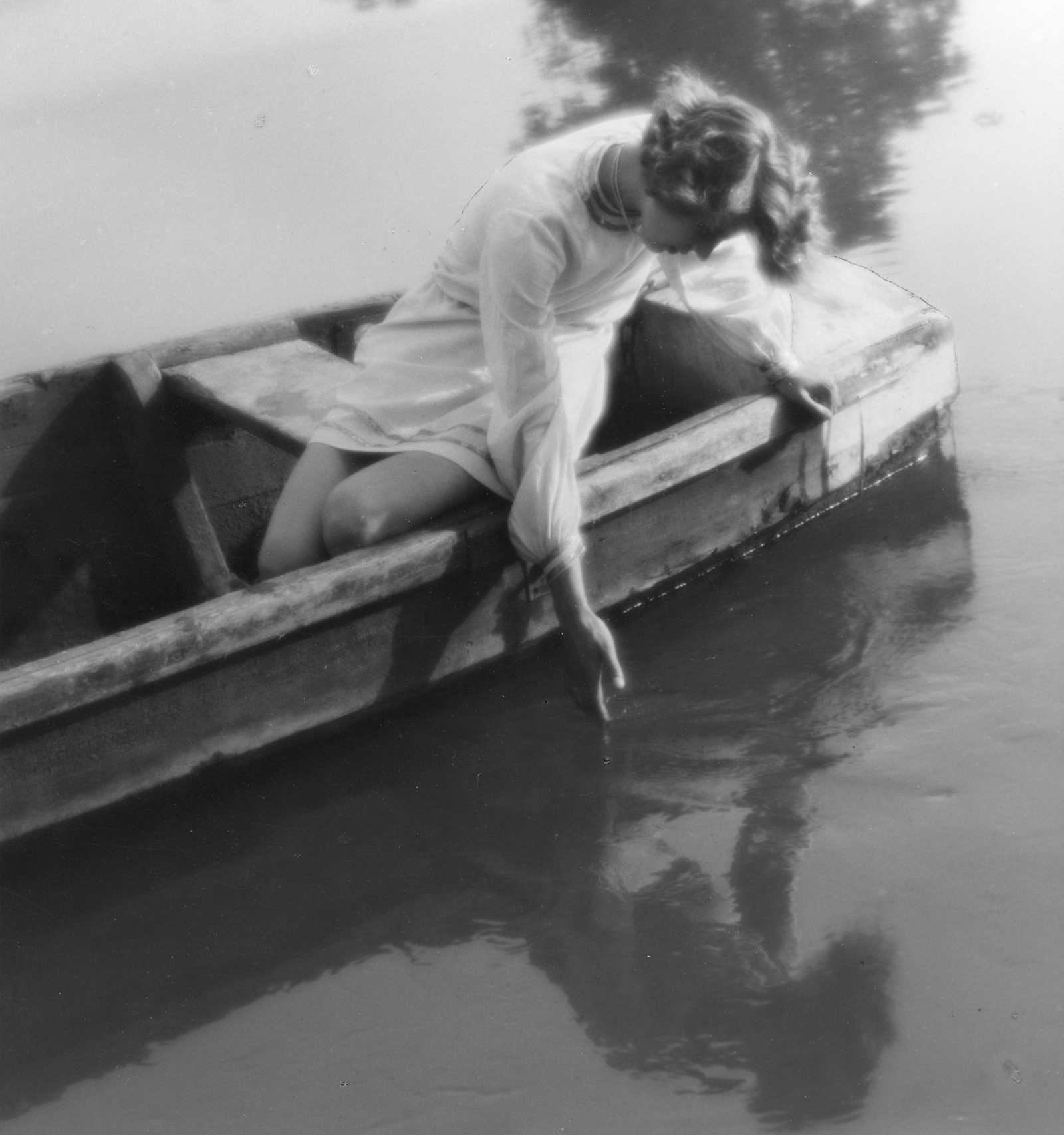
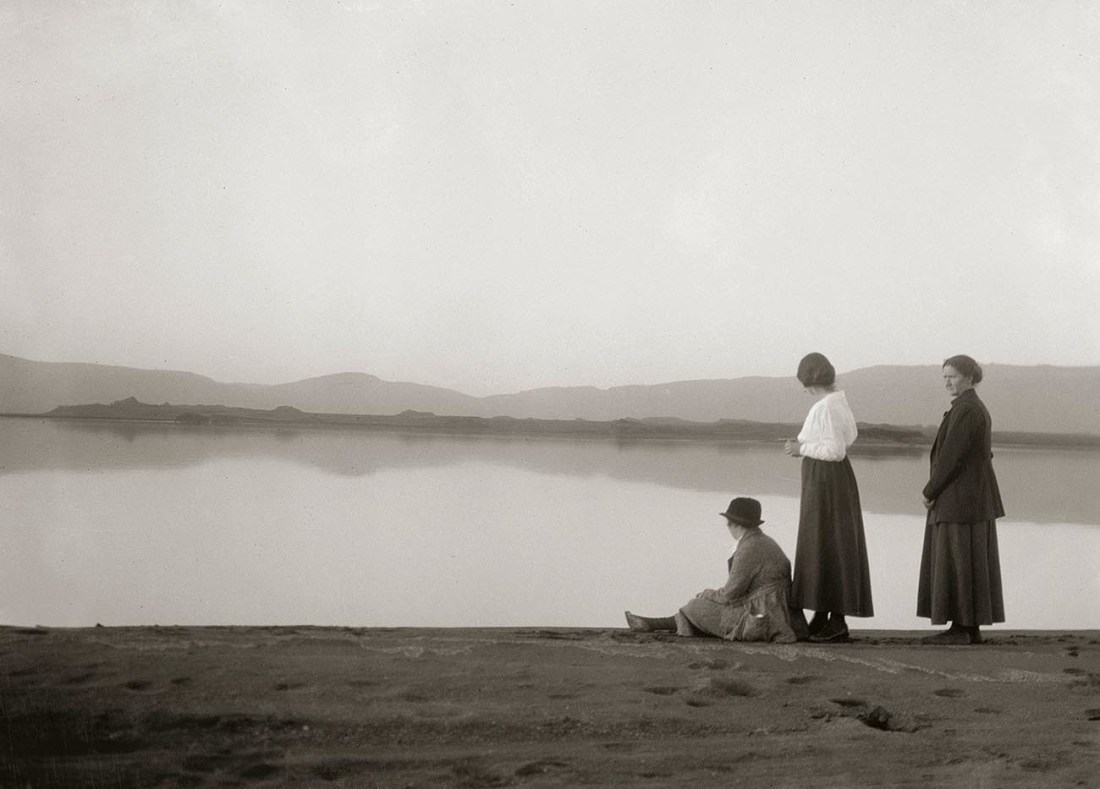
Sigriður Zoëga :: Women on the Banks of the Lake, 1915 © The National Museum of Iceland, Reykjavik. From: A World History of Women Photographers. Thames&Hudson. | src l'œil de la photographie
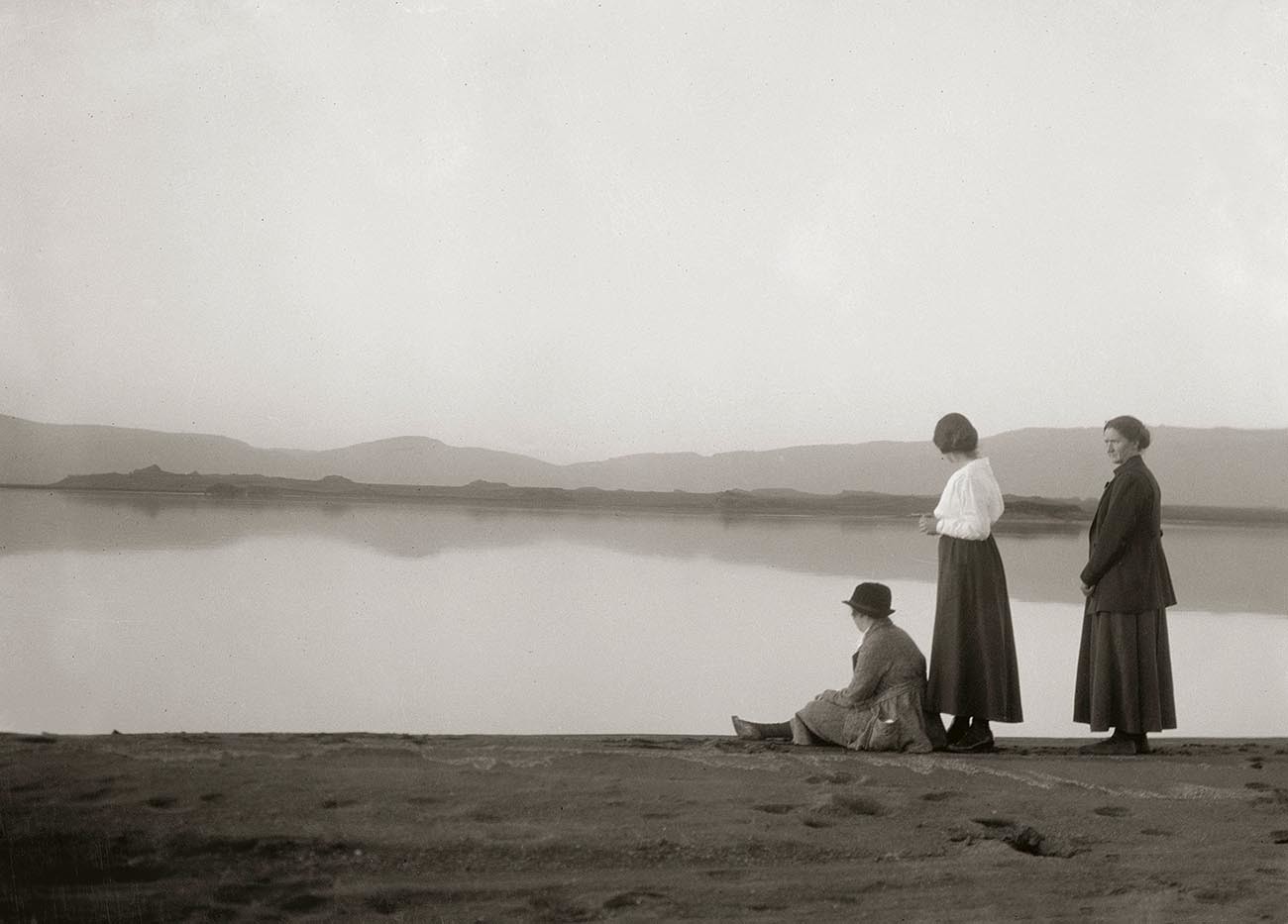
Sigriður Zoëga :: Þrjár konur við Ölfusá [Three women at Ölfusá] Three women on the Banks of the Lake, 1915 © The National Museum of Iceland, Reykjavik. From: A World History of Women Photographers. Thames&Hudson. | src l’œil de la photographie

Justema by Mather, ca. 1923

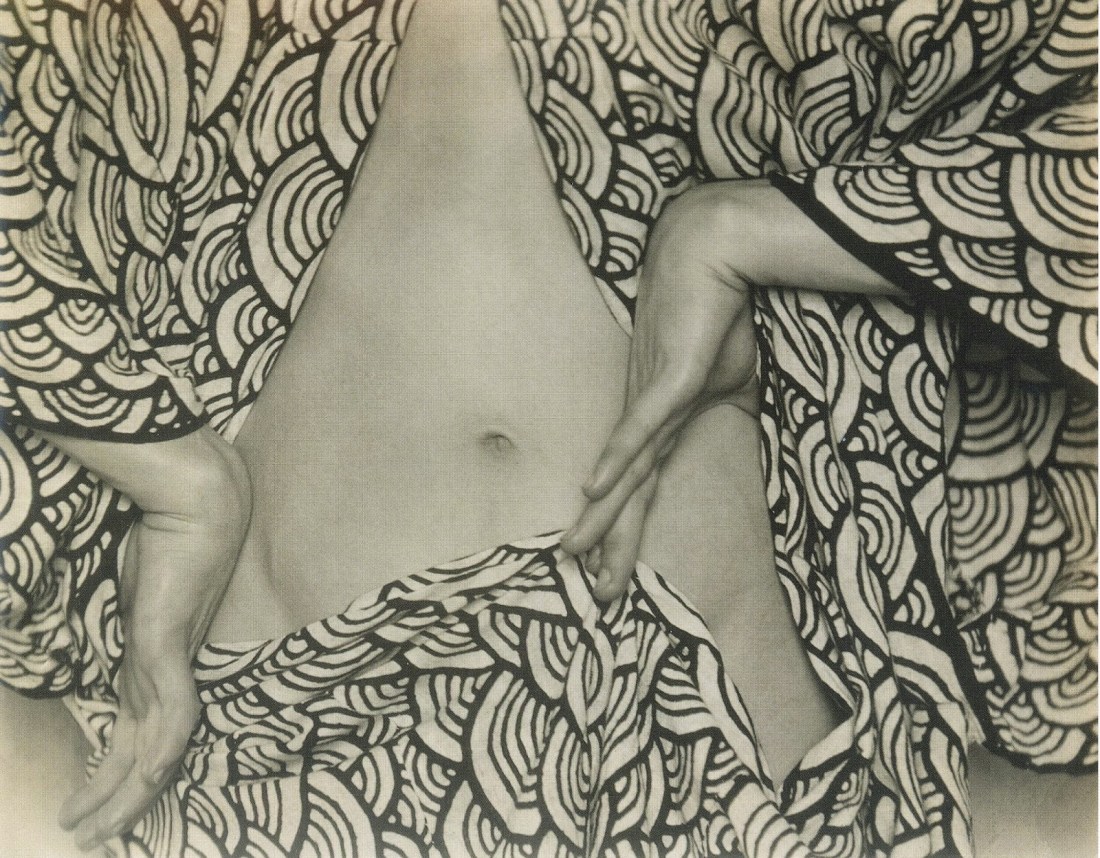
Margrethe Mather :: Semi-nude [Billy Justema Wearing a Kimono], ca. 1923. Center for Creative Photography. University of Arizona, Tucson
Margrethe Mather :: Semi-nude [Billy Justema wearing a Kimono]; ca. 1923. Center for Creative Photography. University of Arizona, Tucson

When Margrethe Mather (1885 or 1886-1952) met Billy Justema in 1922, she was 36 and he was 17. Through spending time with him, Mather found a way out of her grief over the unexpected suicide of her close friend Florence Deshon. Through their relationship, Justema searched for a state of mind that would allow him to define both his artistic path and his sexuality. Mather photographed him as an enigma, as he was at the time to himself, in the process creating a portfolio to rival that of Alfred Stieglitz’s images of Georgia O’Keeffe. I could point out the sure compositional structure that informs Billy Justema in a Kimono (above), the curves and angles that form a harmonious whole, all things typical of Mather’s work. [quoted from The Blue Lantern on blogspot]

B. Akesson by C. Rudolph

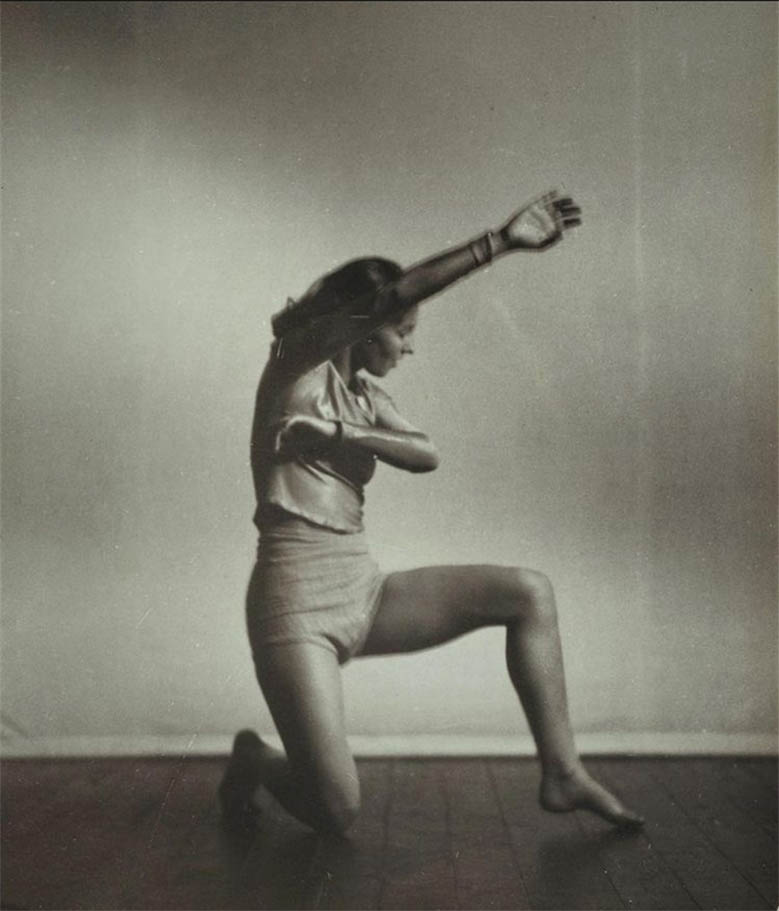
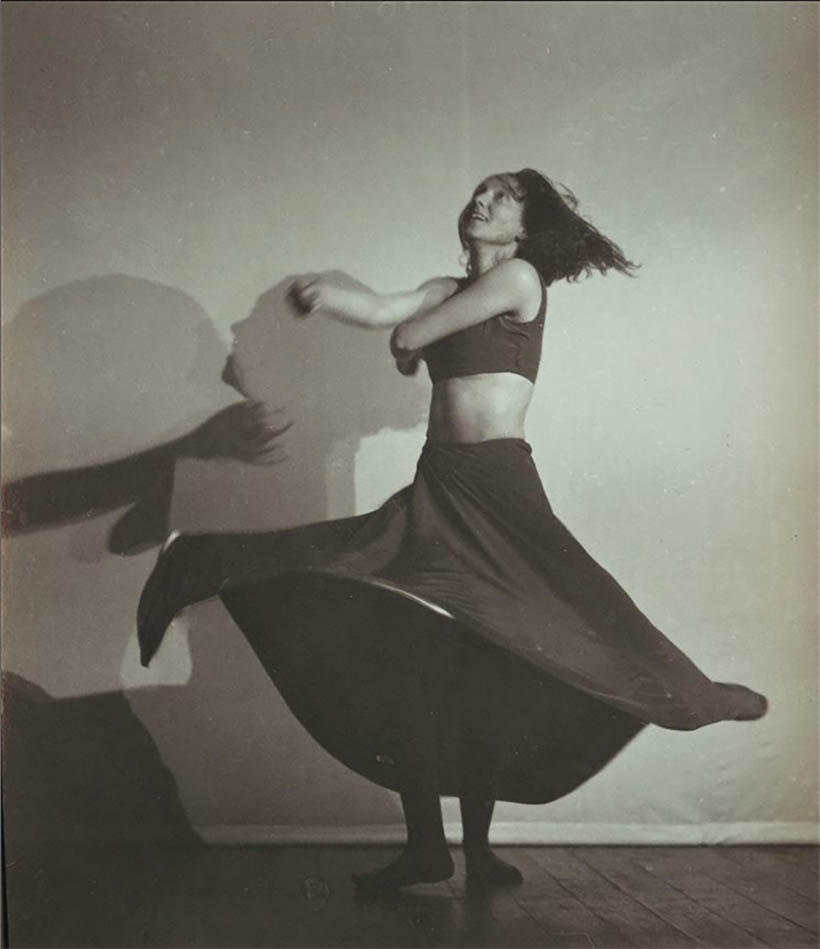
Birgit Åkesson (Akesson), foto: Charlotte Rudolph, Dresden. | src Dansmuseet • IG
Birgit Åkesson, foto: Charlotte Rudolph, Dresden. | src Dansmuseet • IG
Birgit Åkesson, foto: Charlotte Rudolph, Dresden. | src Dansmuseet IG
Birgit Åkesson, foto: Charlotte Rudolph, Dresden. | src Dansmuseet on IG
Birgit Åkesson, foto: Charlotte Rudolph, Dresden. | src Dansmuseet • IG
Birgit Åkesson, foto: Ch. Rudolph, Dresden. | src Dansmuseet on IG

Women reading, dancing, strolling

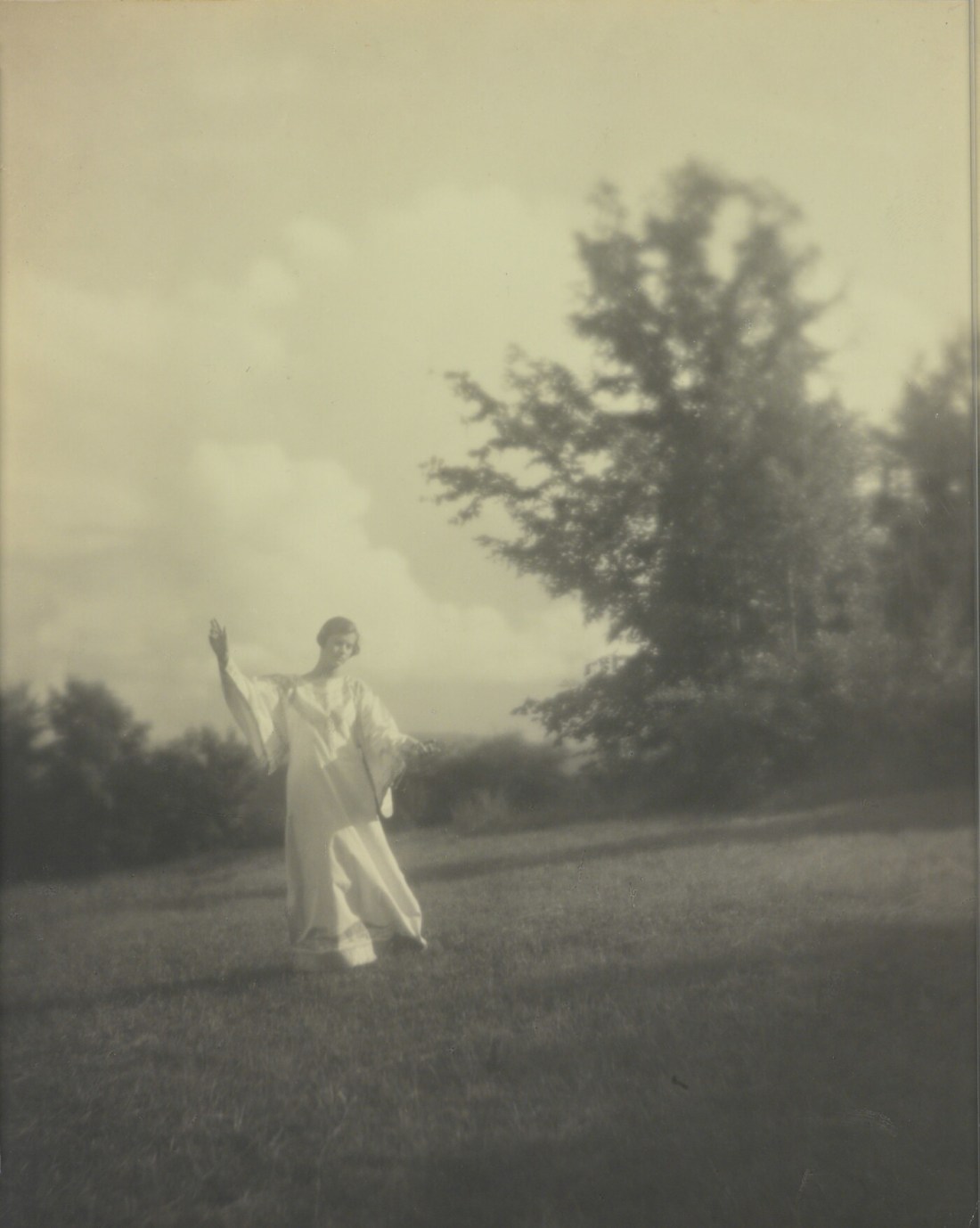
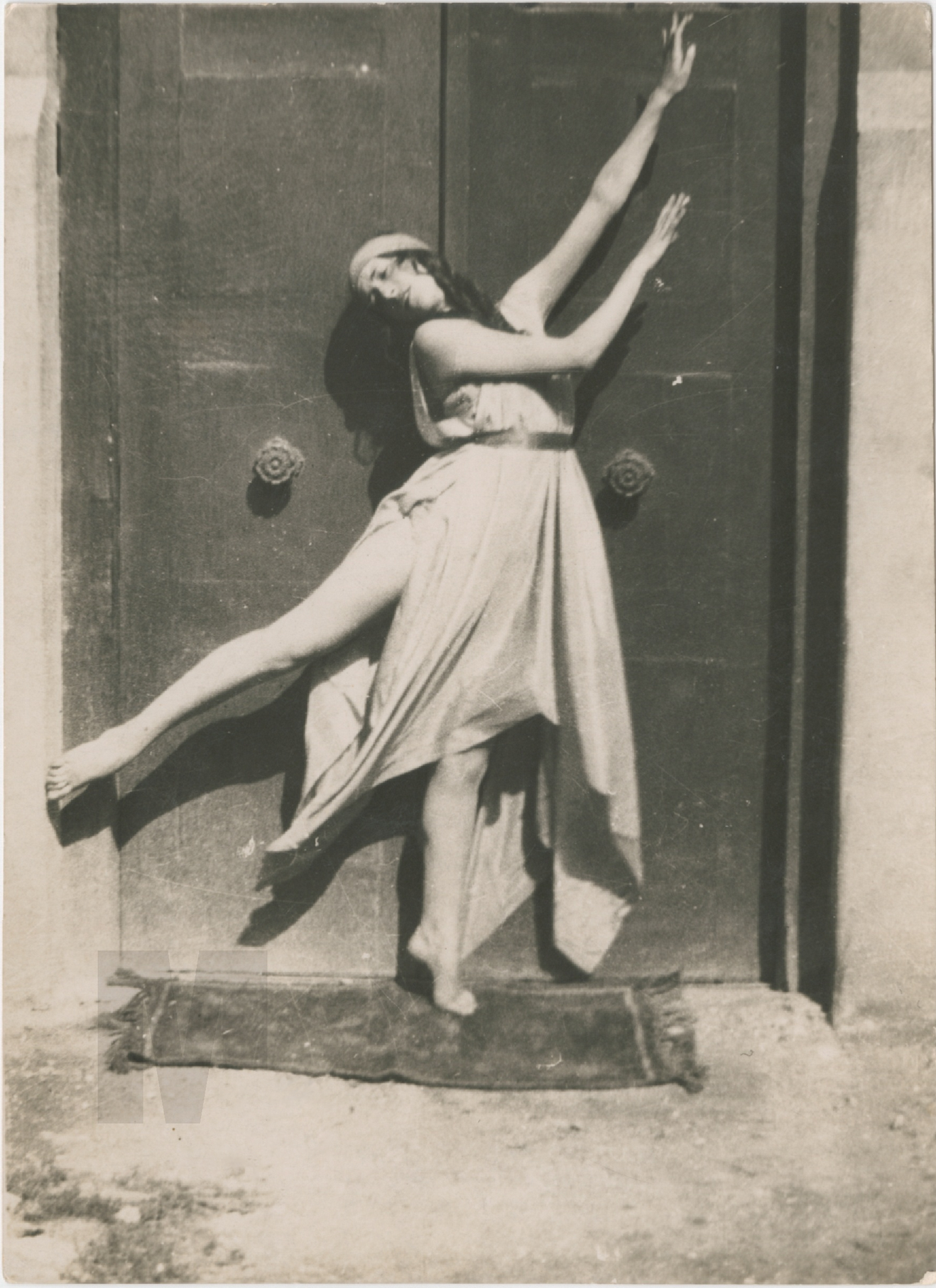
Clara Sipprell (1885-1975) :: [Woman in white dress, dancing outdoors]; 1960. Gelatin silver print. Amon Carter Museum
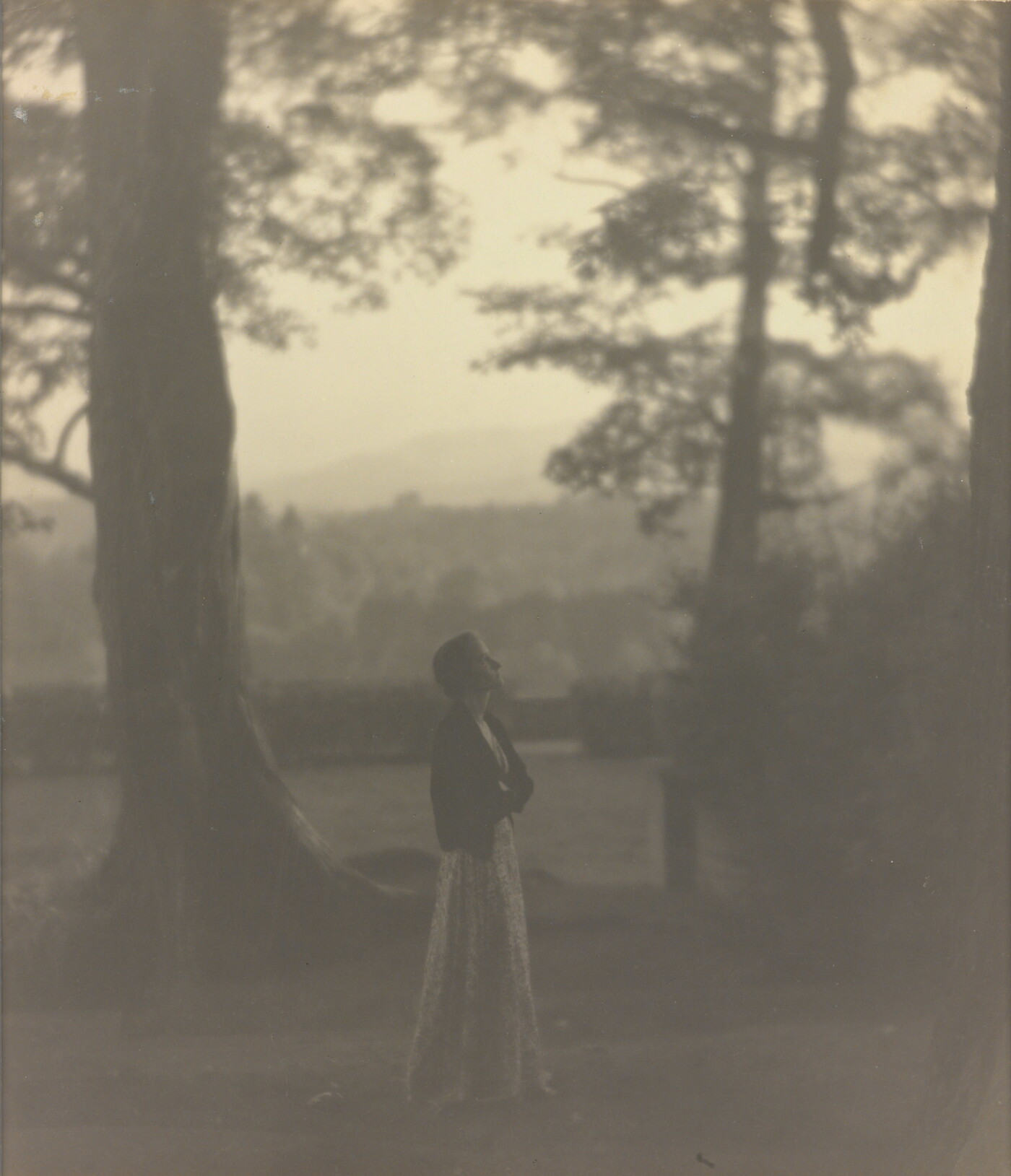
Clara Sipprell (1885-1975) :: [Woman among trees], 1930-1960. Amon Carter Museum of American Art
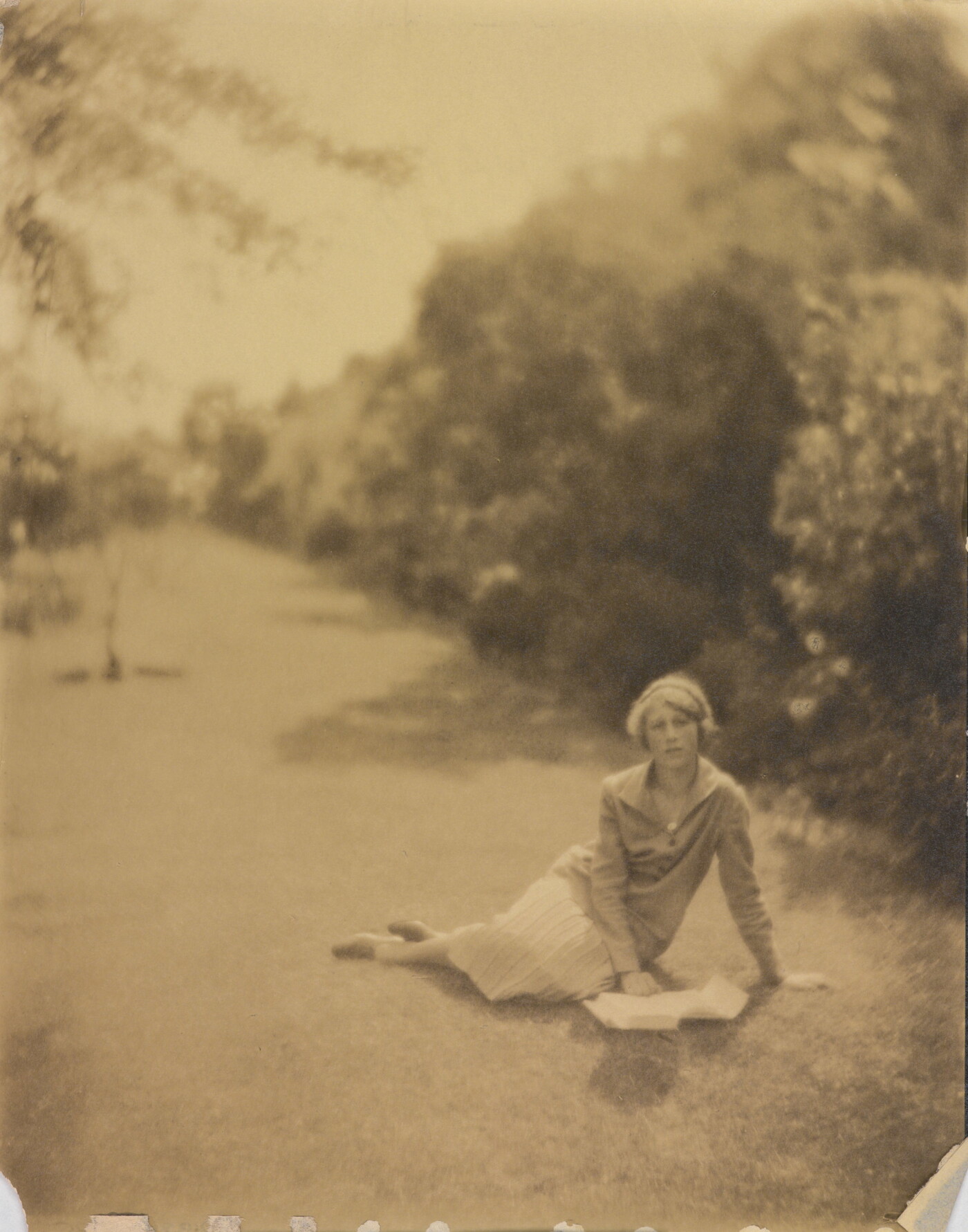
Clara E. Sipprell (1885-1975) :: [Woman reading outdoors], 1930-1960. Amon Carter Museum

The Breathing Dance, 1928

Ágnes Kalmár Kövesházi in The Breathing Dance [Lélegzőtáncban] (costume: Elsa Kalmár Kövesházi), Cikk-Cakk evenings, 1928, MTA BTK Institute of Art History | src Artmagazin

Breathing exercises played an important role in the Hungarian dance school. Air and breathing exercises also played a big role in Agnes Kövesházi’s life. Since she had lung disease, the regular practice healed the dancer’s body and soul. It is likely that this disease was also the inspiration for her choreography Breathing Dance [Lélegzőtáncban].

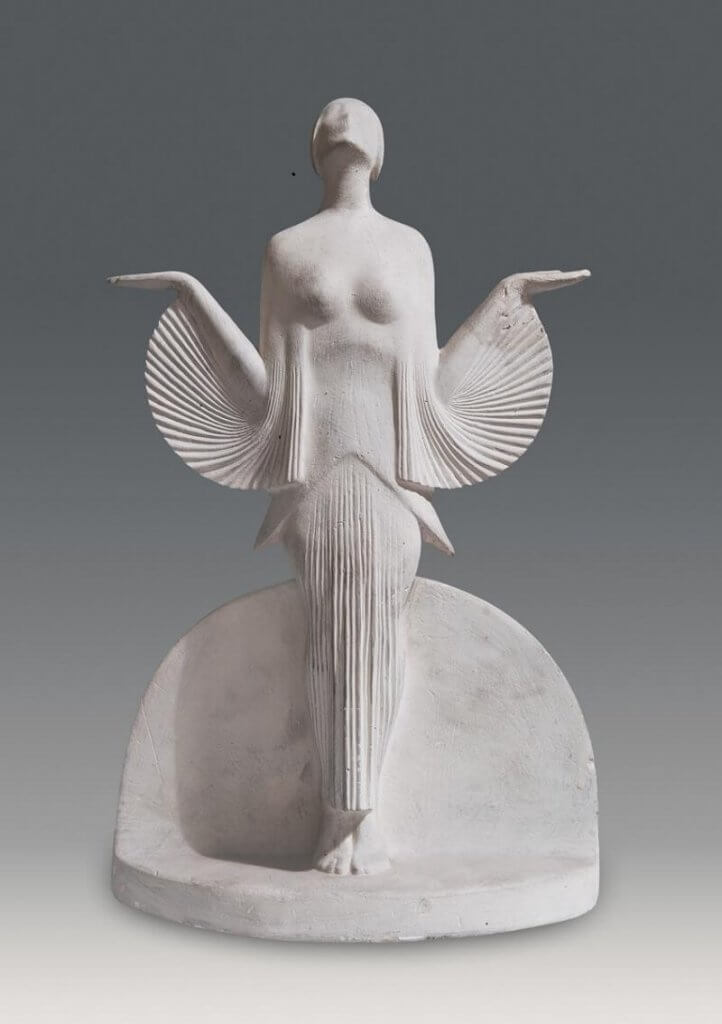
Around 1928, Elsa Kalmár Kövesházi made a plaster sculpture entitled “Breathing Dance” (image below). The sculpture was inspired by Ágnes Kövesházi, the sculptor’s daughter. In the 1920s, Agnes was the leading dancer of Alice Madzar’s artists movement and co-creator Ödön Palasofszky’s Quintessential Theatre. Her own dance composition, which ran under the same name, was the inspiration for her mother’s work. The photograph of Ágnes Kövesházi, in a position corresponding to the sculpture work of “Breathing Dance”, was also left for posterity. Her dress is the same fan-like as the sculpture. The costume was also made by Elsa Kalmár Kövesházi.

According to the idea of ​​Elza Kalmár Kövesházi, a costume should start from the character of the movement, amplifying its characteristics: her richly pleated costume, which visually emphasizes the movement of the body, conveys every breath of the dancer. She immortalized her daughter’s solo piece together with other choreographies of the Hungarian Artists Group (Csitsibua, Bilincsek) in sculpture, creating exceptionally beautiful art deco sculptures.

Elsa Kalmár Kövesházi :: Breathing Dance, 1928 (Ágnes Kalmár Kövesházi, gypsum, 28.3 cm, Hungarian National Gallery) | src Óbudai Antiksz
Elsa Kalmár Kövesházi :: Lélegzőtánc | Breathing Dance, 1928 (Ágnes Kalmár Kövesházi, plaster, 28.3 cm, Hungarian National Gallery) | src Óbudai Antiksz

Clara Sipprell · self-portraits

Clara Sipprell (1885-1975) ~ [Clara in a derby], ca. 1910. Additive color screen plate. | Amon Carter Museum P1984.1.698
Clara E. Sipprell (1885-1975) :: [Clara with a rose]; ca. 1910. Additive color screen plate (Autochrome). Amon Carter Museum
Clara Sipprell (1885-1975) ~ [Clara with a rose]; ca. 1910. Additive color screen plate (Autochrome). | Amon Carter Museum
Clara Sipprell (1885-1975) ~ [Clara in hat and fur coat], ca. 1910 , ca. 1910. Autochrome. | Amon Carter Museum P1984.1.696
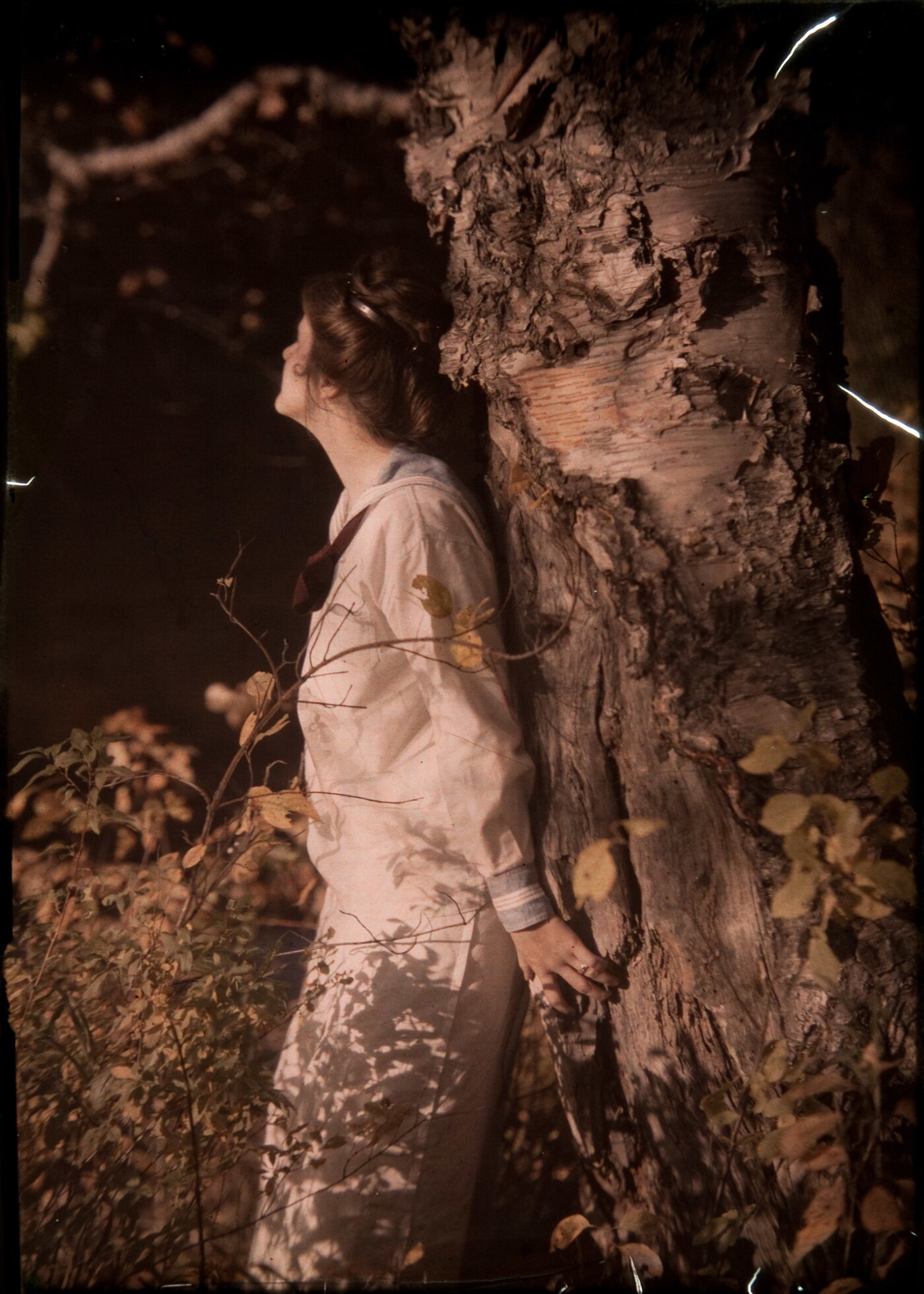
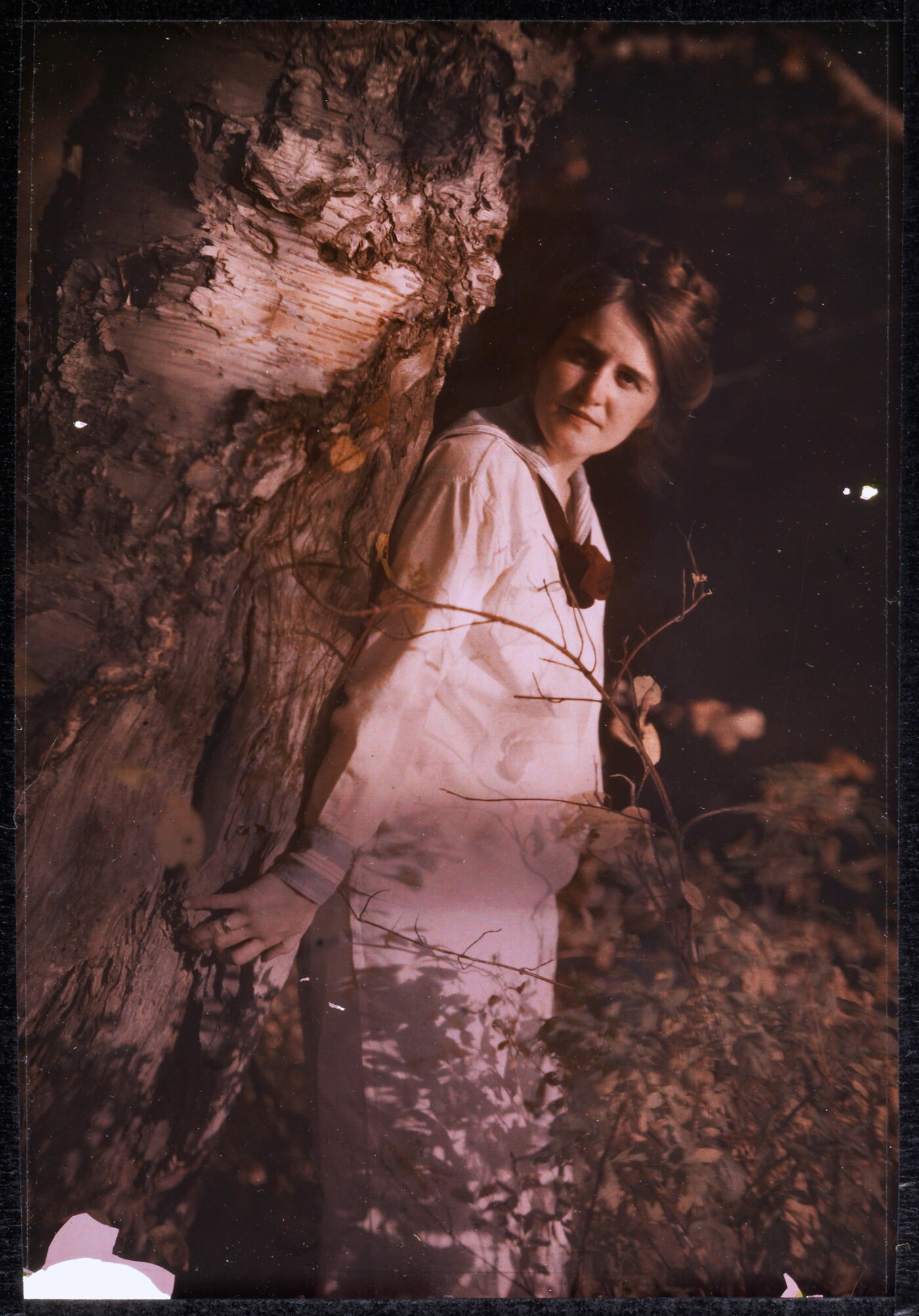
Clara Sipprell (1885-1975) ~ [Clara in middy blouse leaning against tree], ca. 1910. Additive color screen plate. | Amon Carter Museum
Clara Sipprell (1885-1975) ~ [Clara in middy blouse leaning against tree], ca. 1910. Autochrome. | Amon Carter Museum P1984.1.697

Il mistero di Persefone, 1929

Giannina Censi con il costume di scena di Il mistero di Persefone Teatro Licinium di Erba, 1929. | src Fondo G. Censi ~ Mart (*)
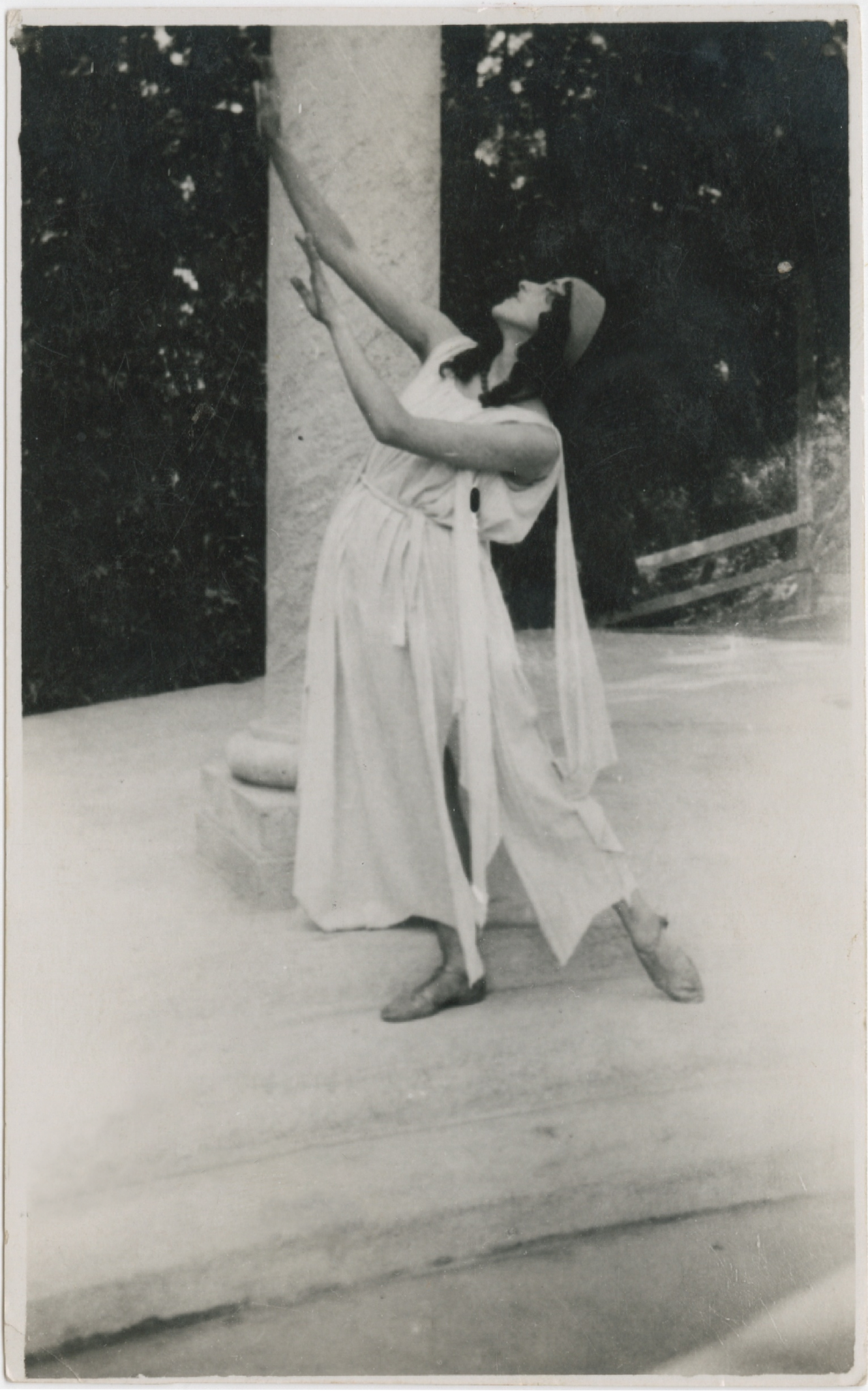
Giannina Censi con il costume di scena di Il mistero di Persefone Teatro Licinium di Erba, 1929. In verso nota ms. "Teatro Licinium. Erba" | src Fondo G. Censi ~ Mart
Giannina Censi con il costume di scena di Il mistero di Persefone Teatro Licinium di Erba, 1929. In verso nota ms. “Teatro Licinium. Erba” | src Fondo G. Censi ~ Mart
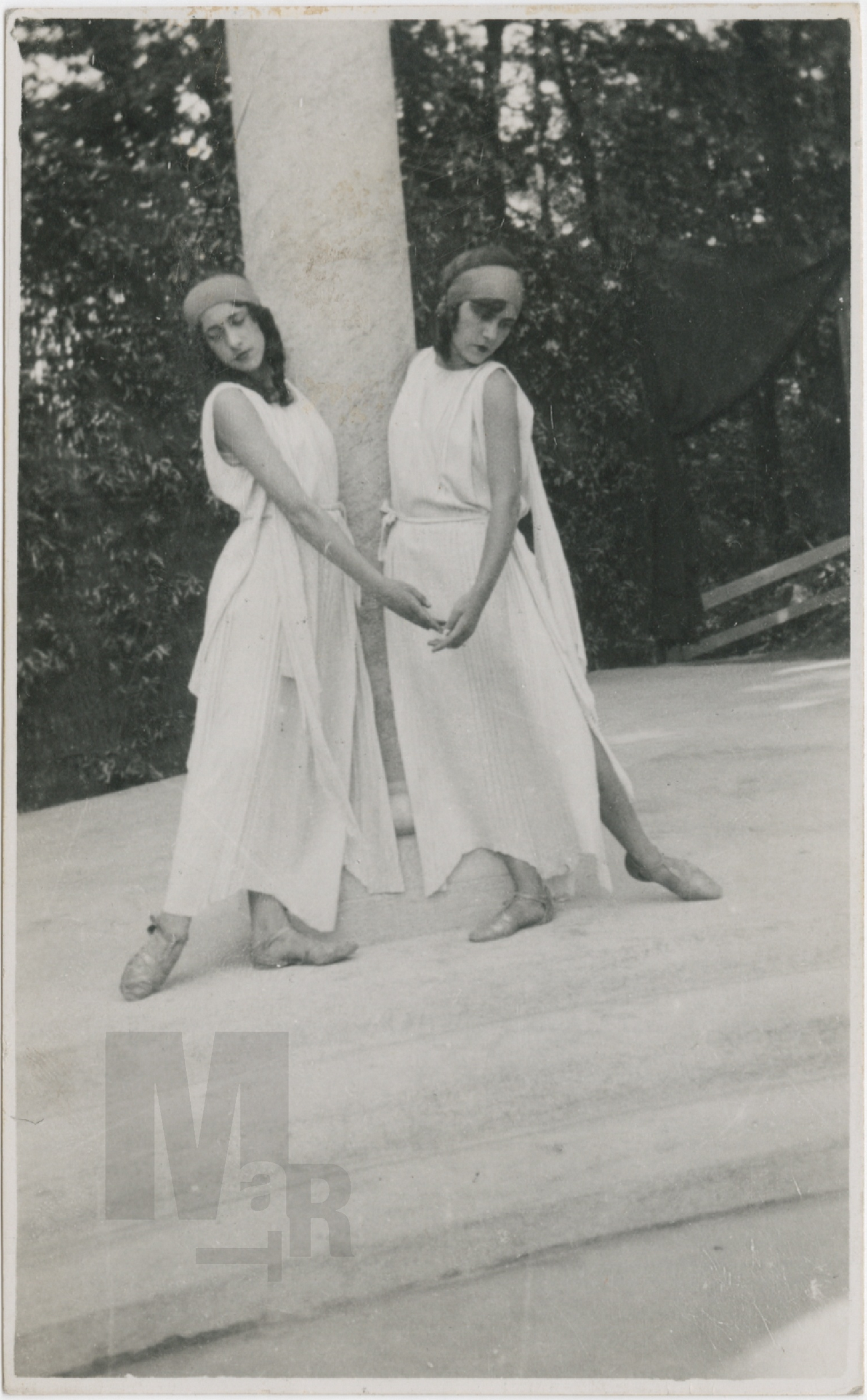
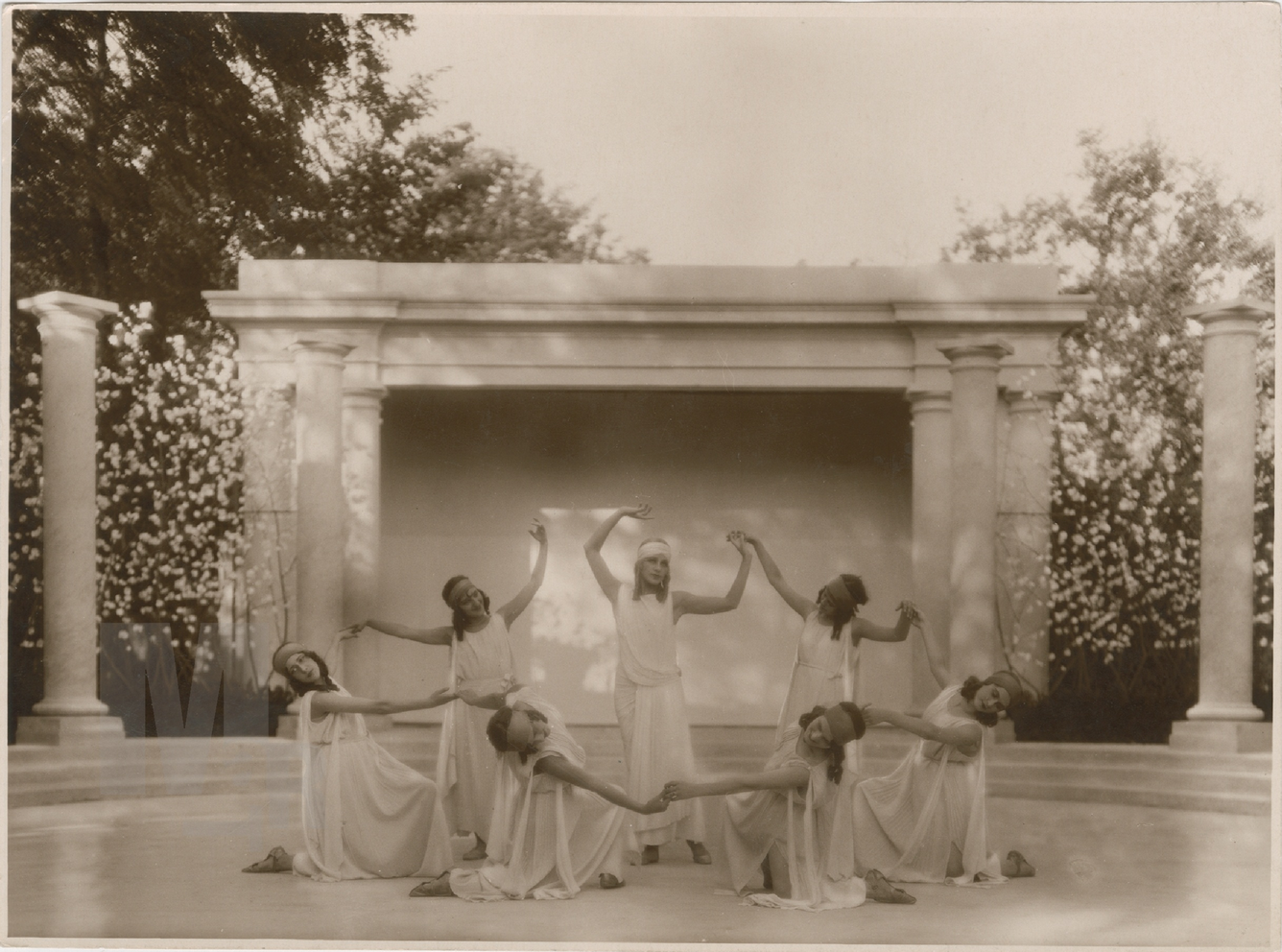
Scena tratta da Il mistero di Persefone al Teatro Licinium di Erba, 1929. In verso nota ms. "Il Mistero di Persefone - Teatro Licinium. Erba". | src Fondo G. Censi ~ Mart (**)
Scena tratta da Il mistero di Persefone al Teatro Licinium di Erba, 1929. In verso nota ms. “Il Mistero di Persefone – Teatro Licinium. Erba”. | src Fondo G. Censi ~ Mart (**)
Scena tratta da Il mistero di Persefone al Teatro Licinium di Erba, 1929 di Fot. Camuzzi. Milano. | src Fondo G. Censi ~ Mart (**)

(*) Pubblicata in Vaccarino E., (a cura di) Giannina Censi: danzare il futurismo. Milano: Electa; Museo di arte moderna e contemporanea di Trento e Rovereto, 1998, p. 15

(**) Pubblicata in Vaccarino E., (a cura di) Giannina Censi: danzare il futurismo. Milano: Electa; Museo di arte moderna e contemporanea di Trento e Rovereto, 1998, p. 85