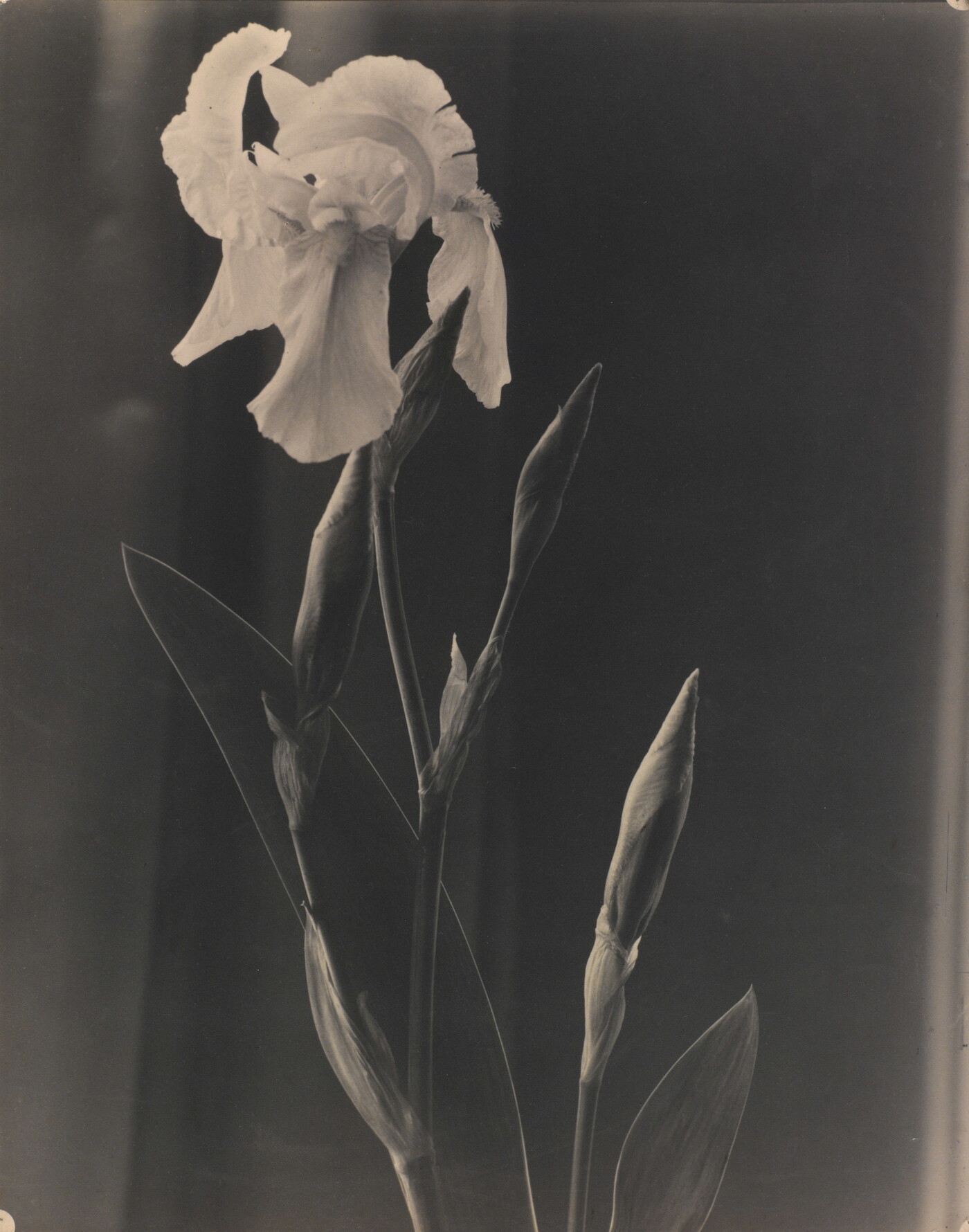
Laura Gilpin · Iris · 1926

Laura Gilpin (1891-1979) ~ White Iris [Colorado Springs, Colorado]; May 7, 1926. Hand-coated platinum print. | src Amon Carter Museum P1979.141.27
Laura Gilpin (1891-1979) ~ White Iris [Colorado Springs, Colorado]; May 7, 1926. Gelatin silver print. | src Amon Carter Museum P1979.141.23
Laura Gilpin (1891-1979) ~ [Iris]; 1920’s-1960’s. Platinum print. | src Amon Carter Museum of American Art (P1979.141.47)
Laura Gilpin (1891-1979) ~ White Iris [Colorado Springs, Colorado]; May 7, 1926. Handcoated platinum print. | src Amon Carter Museum of American Art P1979.141.24

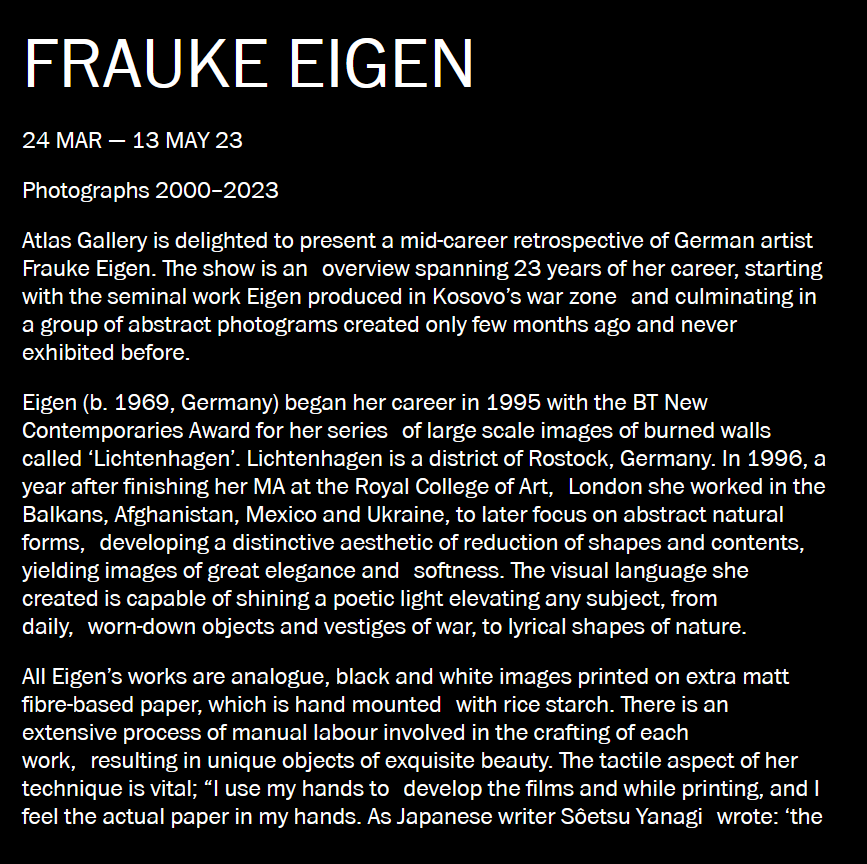
Frauke Eigen exhibit at Atlas

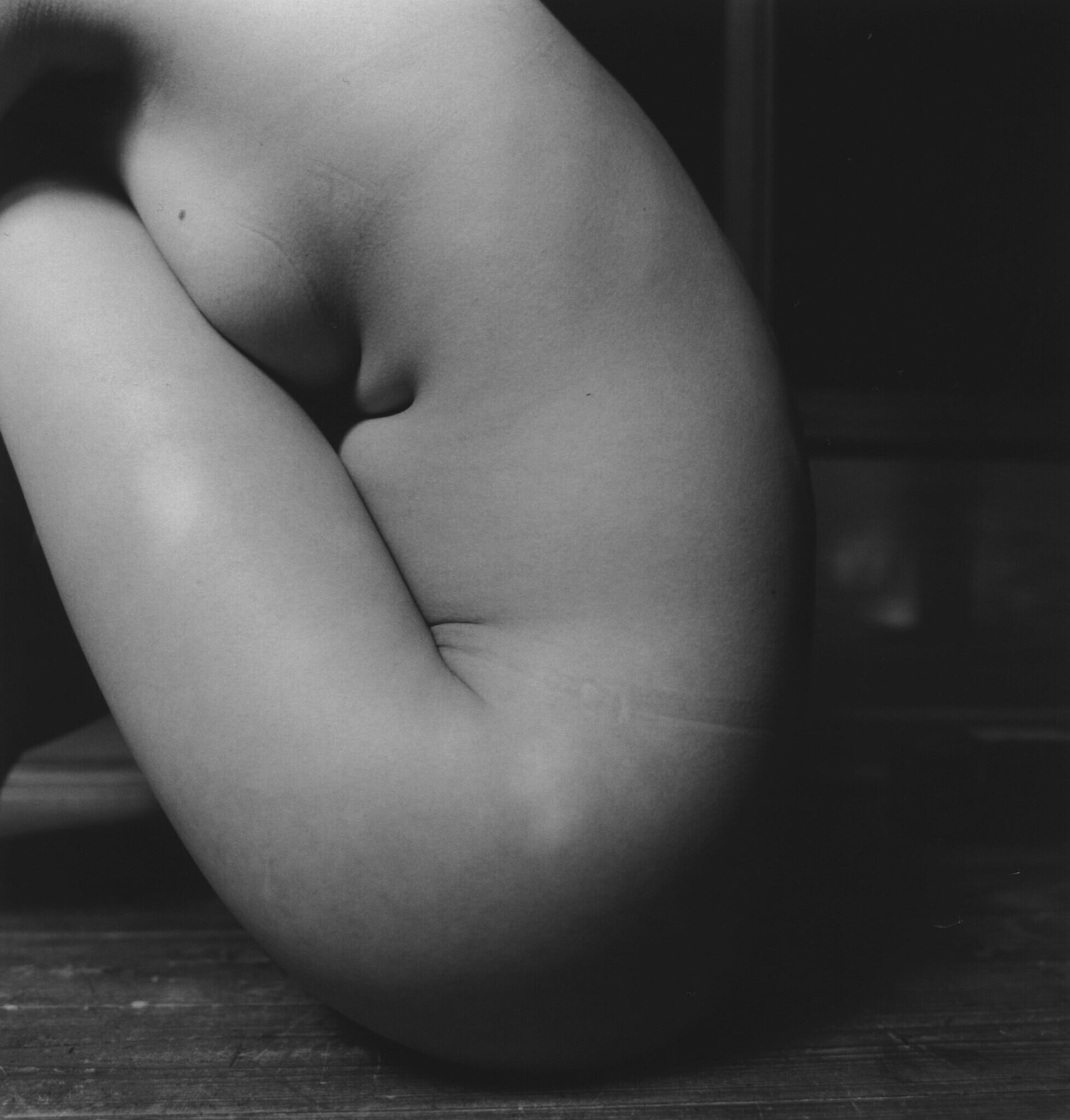
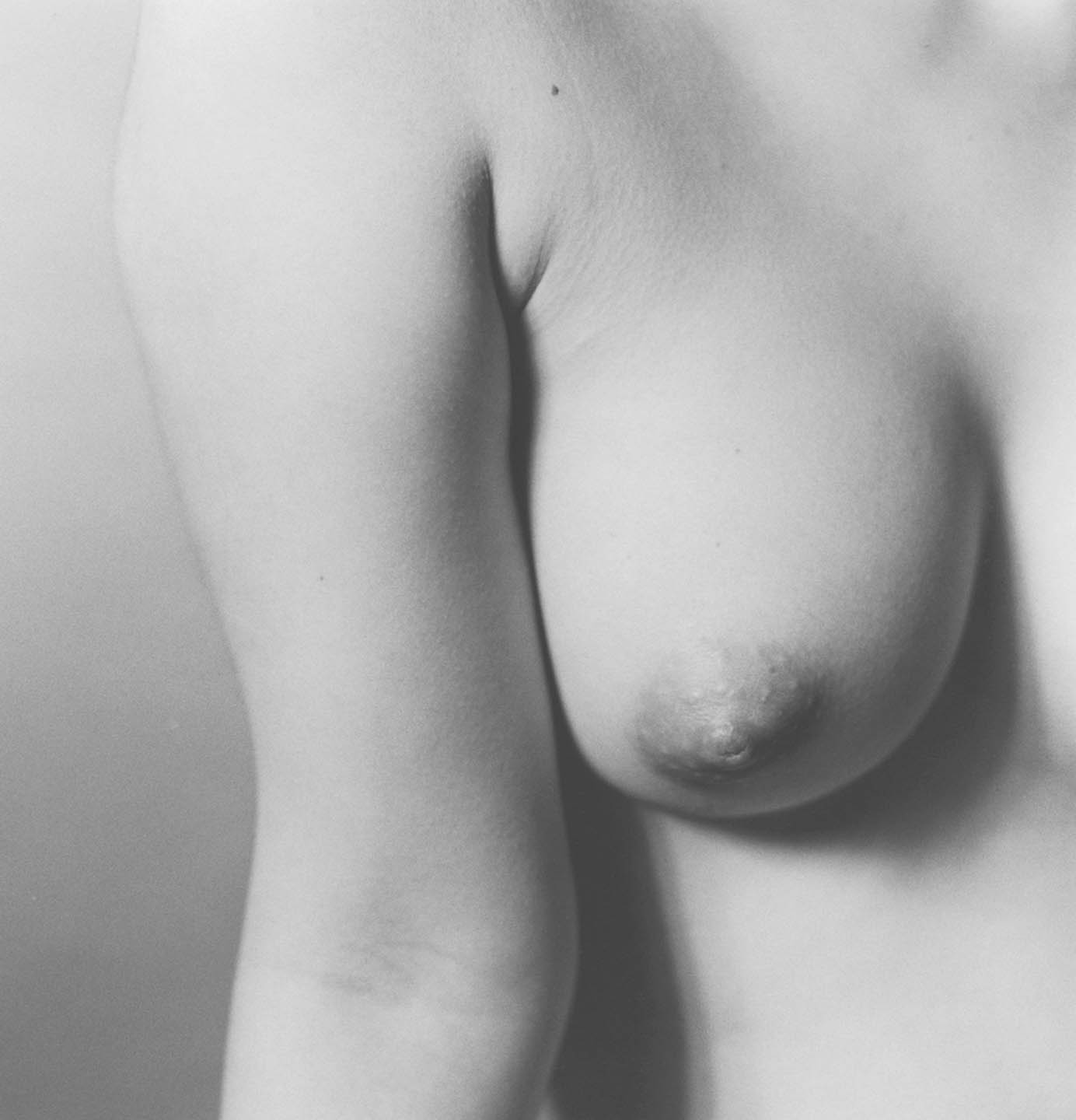
Frauke Eigen (b. 1969) ~ Mune, Japan, 2008. | src Atlas Gallery
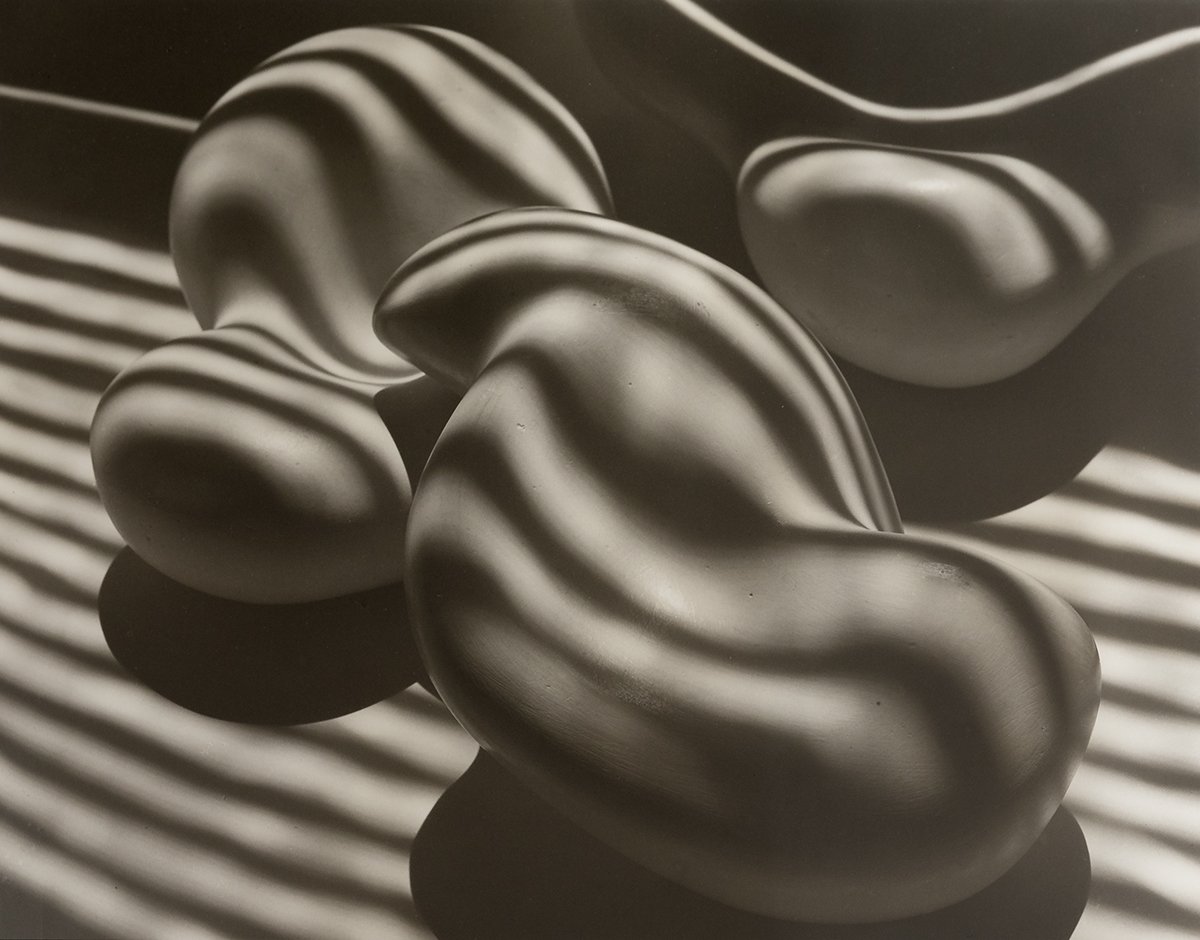
Frauke Eigen (b. 1969) ~ Katachi, Japan, 2008. | src Atlas Gallery
Frauke Eigen (b. 1969) ~ Kanpeki, Japan, 2009. | src Atlas Gallery
Screenshot from Atlas Gallery March 2023 exhibition
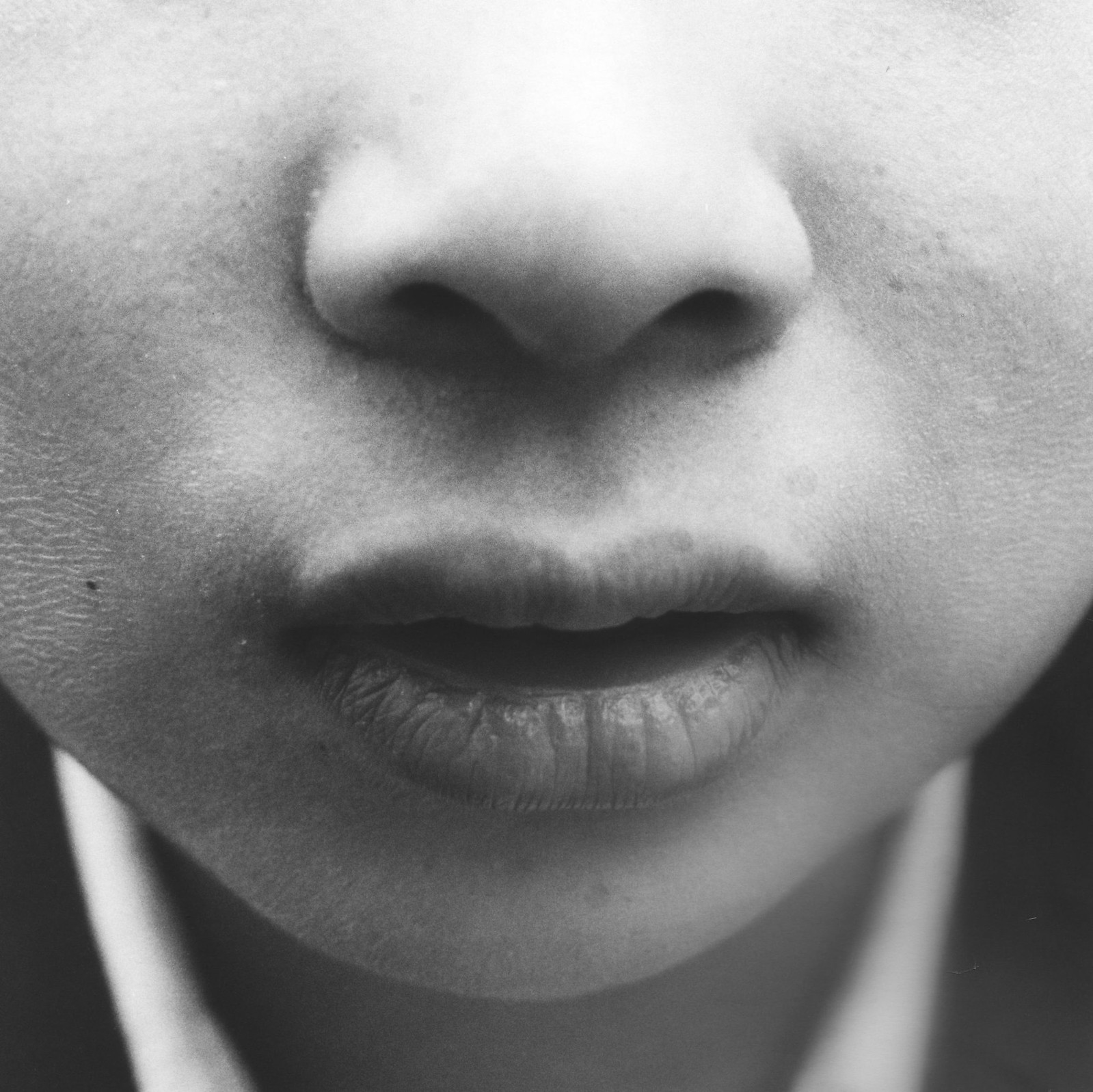
Frauke Eigen (b. 1969) ~ Kuchi, Japan, 2008. | src Atlas Gallery
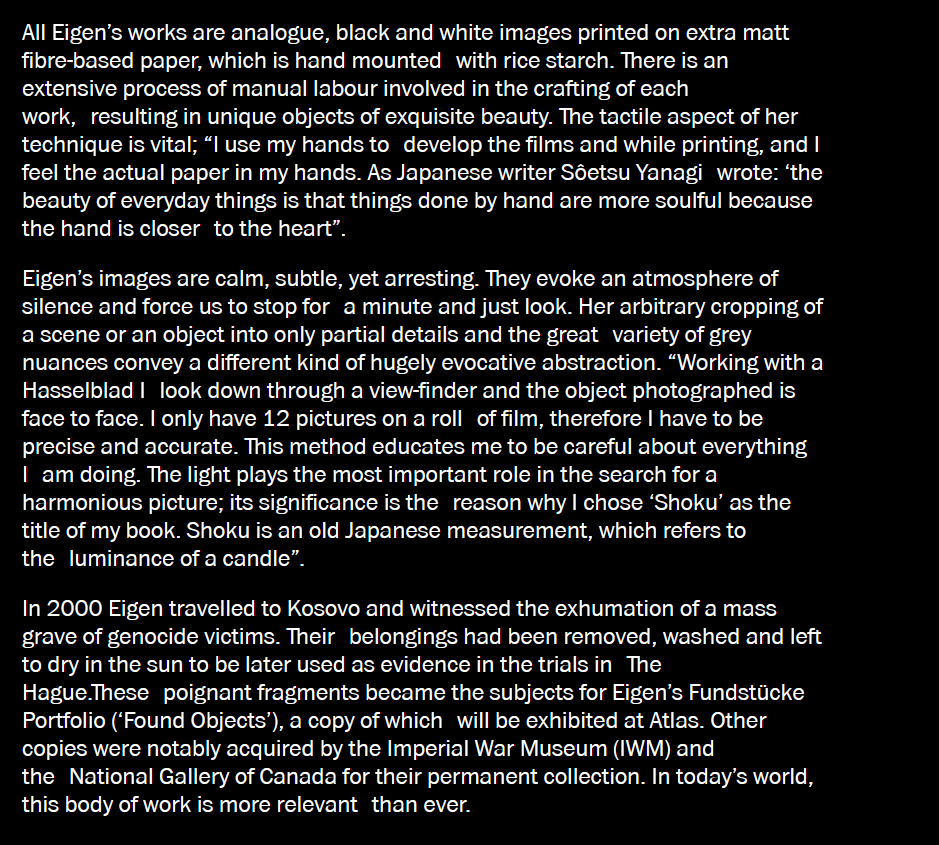
Screenshot from Atlas Gallery March 2023 exhibition
Frauke Eigen (b. 1969) ~ Kao, Japan, 2008. | src Atlas Gallery
Screenshot from Atlas Gallery March 2023 exhibition

Kyra Nijinsky by Ker-Seymer

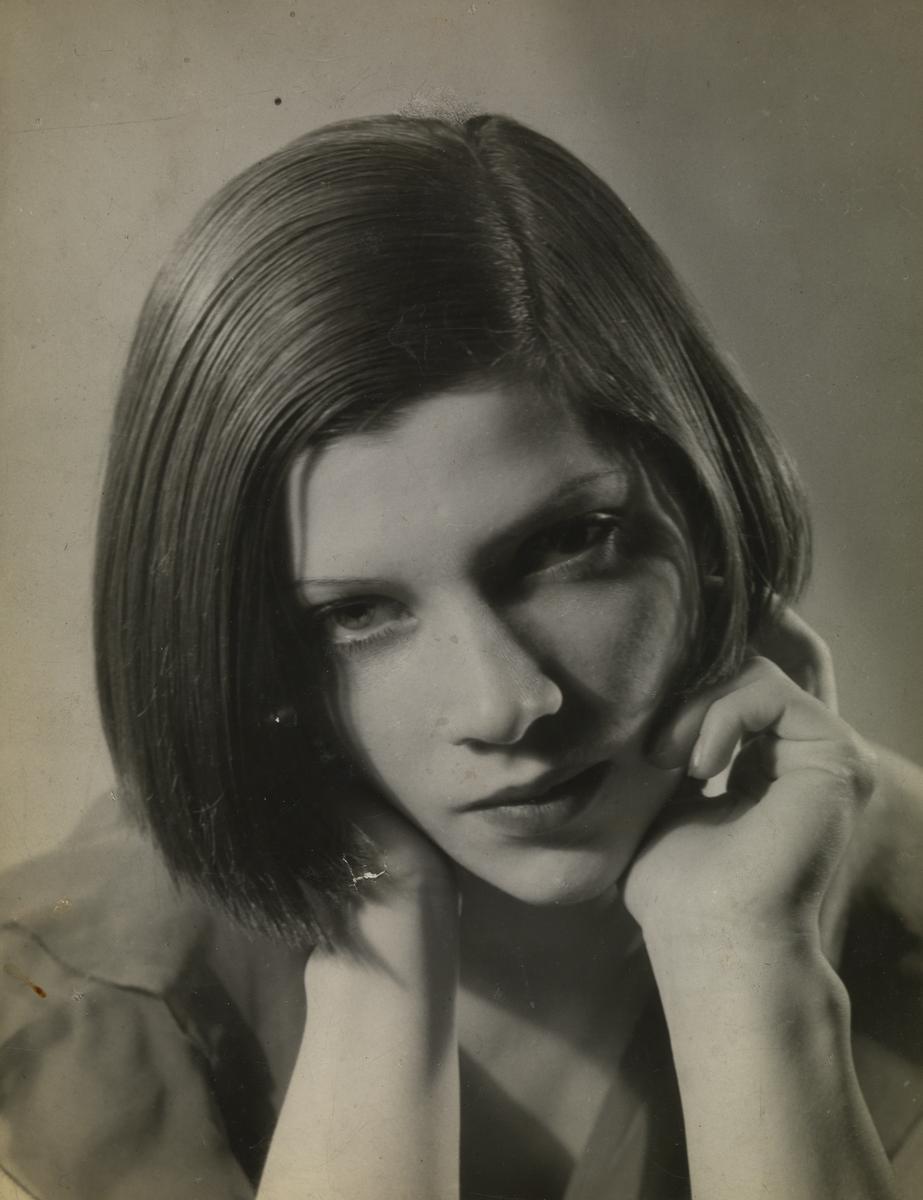
Barbara Ker-Seymer (1905-1993) ~ Photograph of Kyra Nijinsky [ca. 1930s] | src Tate Gallery
Barbara Ker-Seymer Photograph of Kyra Nijinsky [ca. 1930s] | src Tate Gallery
Barbara Ker-Seymer (1905-1993) ~ Photograph of Kyra Nijinsky [ca. 1930s] | src Tate Gallery

All images are by Barbara Ker-Seymer (1905–1993), retrieved from Tate gallery

Sitter: Kyra Nijinsky [ca. 1930]

Some photographs [seven out of a batch of nine] have been marked up with crop lines and areas for retouching.
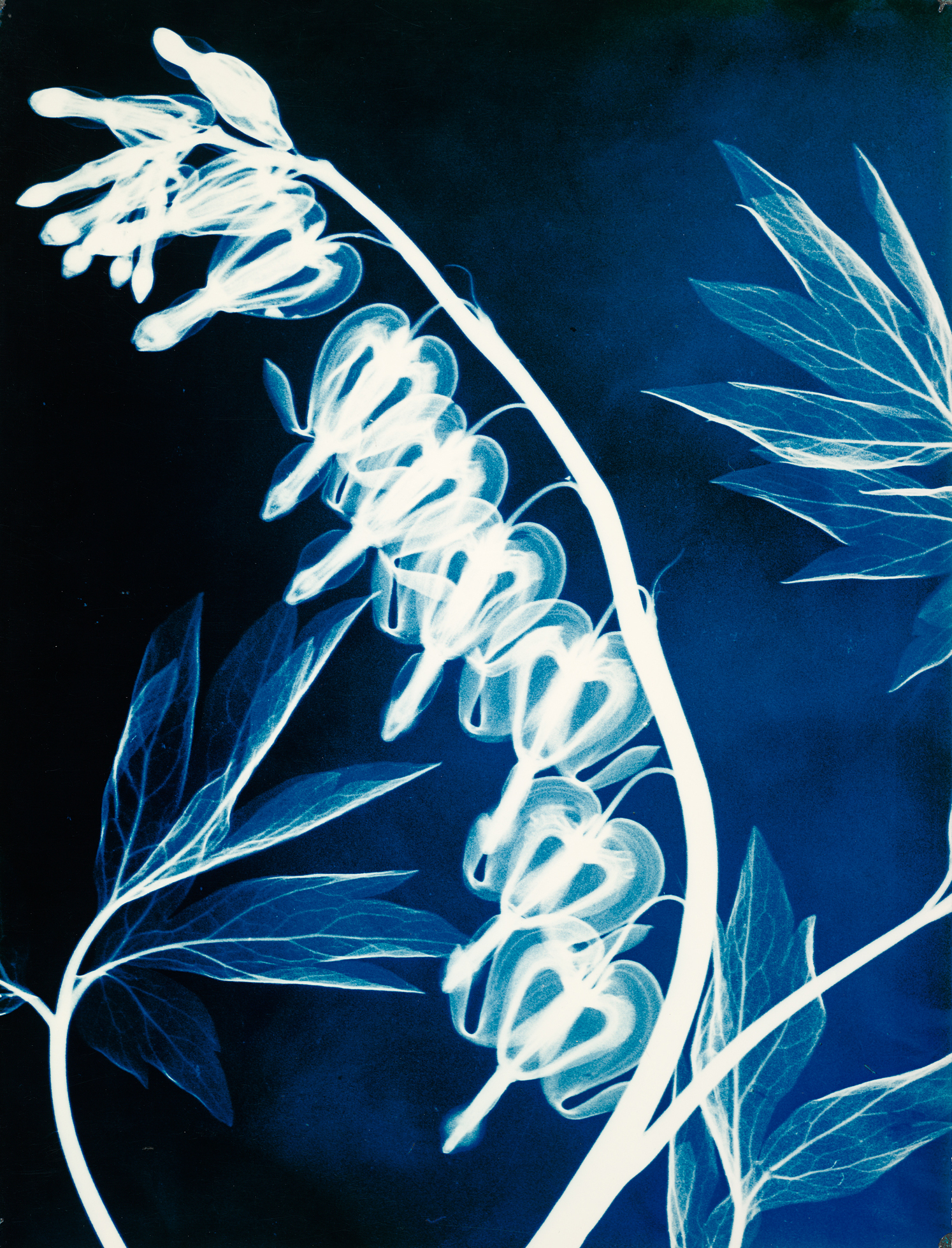
Hilja Raviniemi radiographs

Hilja Raviniemi ~ Untitled (Flowers), 1960s. Collection of the Finnish Museum of Fine Arts | src Valokuvamuseo · IG
Hilja Raviniemi ~ Shell design, 1970. Suomen valokuvataiteen museon kokoelma. | src Fall 2023 exhibition

Hilja Raviniemi (née Nieminen, 1915–1973) dedicated her life to art photography at a time when it was still a niche phenomenon in Finland. The art photography scenes consisted of amateur photographers’ clubs’ regional and international exhibitions.  Letters from international exhibitions addressed to “Mr. Hilja Raviniemi” show that photographers were assumed to be men. Hard work helped “Hili” rise to the top of the male-dominated world of amateur photographers’ clubs. She was the first woman to become chair of the Association of Finnish Camera Clubs, and she was awarded the international honEFIAP title, which was only allowed to be simultaneously carried by a select few photographers in the world.

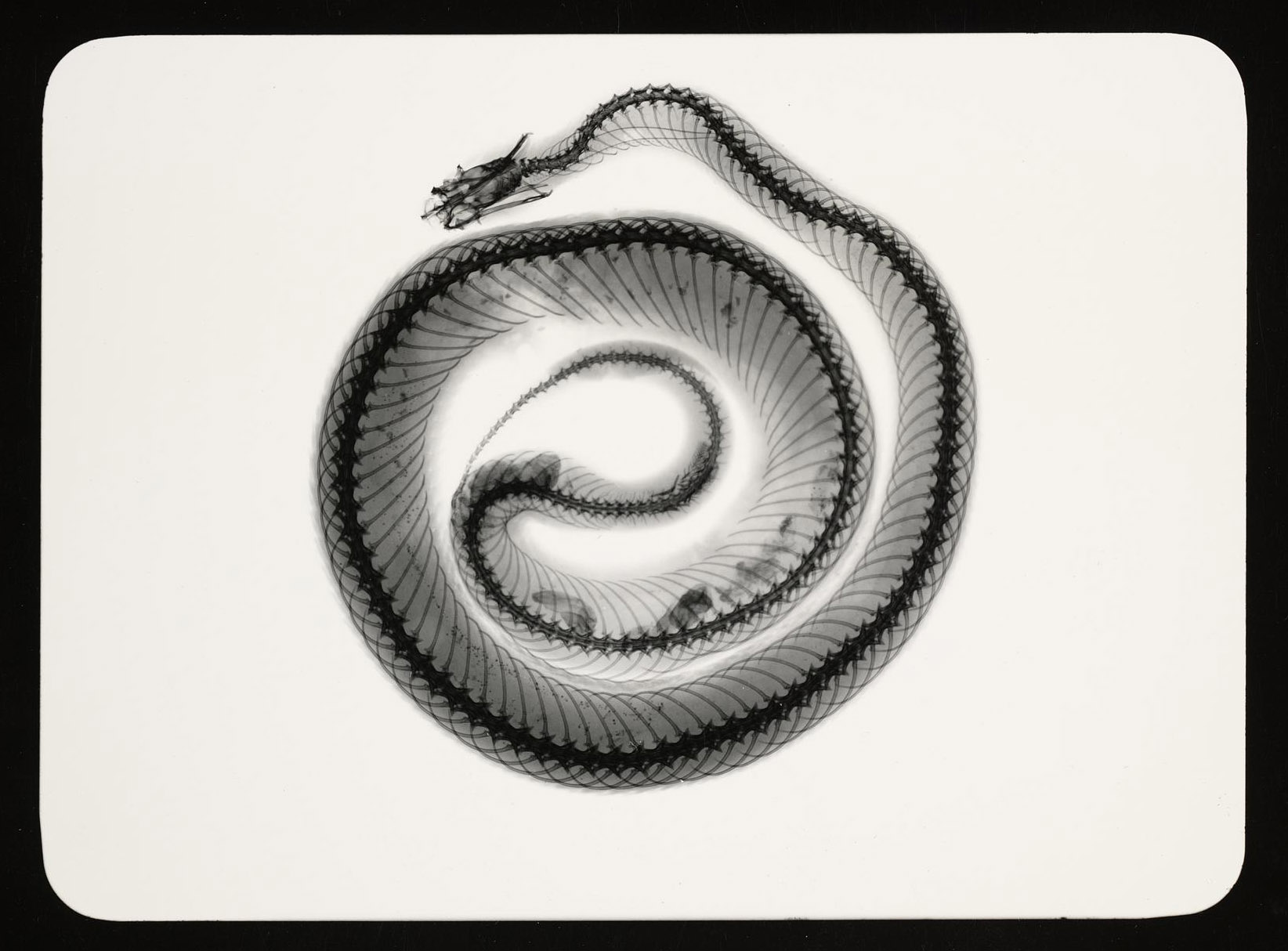
After her more traditional early work, Raviniemi explored the infinite creative possibilities offered by the darkroom, especially in the 1960s. Her recognizable blue era, which differed from the stark black-and-white art photography of the time, began in the late 1960s. Chemist by profession, Raviniemi was an ingenious artist in the darkroom. In addition to blue-tinted prints, she also created completely abstract photographic artworks using different techniques. Raviniemi’s workplace at the University of Helsinki photography department laboratory also allowed her to make the first artistic radiographic images in Finland. Hundreds of Raviniemi’s radiographic works have been preserved and make up an exceptional ensemble of works in the history of Finnish art photography. In the current exhibition, carefully constructed exhibition prints are accompanied by experimental material that grants us a glimpse of Raviniemi’s curious personality and sense of humor, along with eccentric pictures of cats.   

Hilja’s husband, chemist Eero Raviniemi (1911–1996) was also an accomplished photographer and pioneer of color photography in Finland. After Eero’s death, the Raviniemi family’s photography collection was donated to the Finnish Museum of Photography.

quoted from: Hilja Raviniemi: Sinisen kosketus (A Touch of Blue). Fall 2023 exhibition at the Finnish Museum of Photography (link)
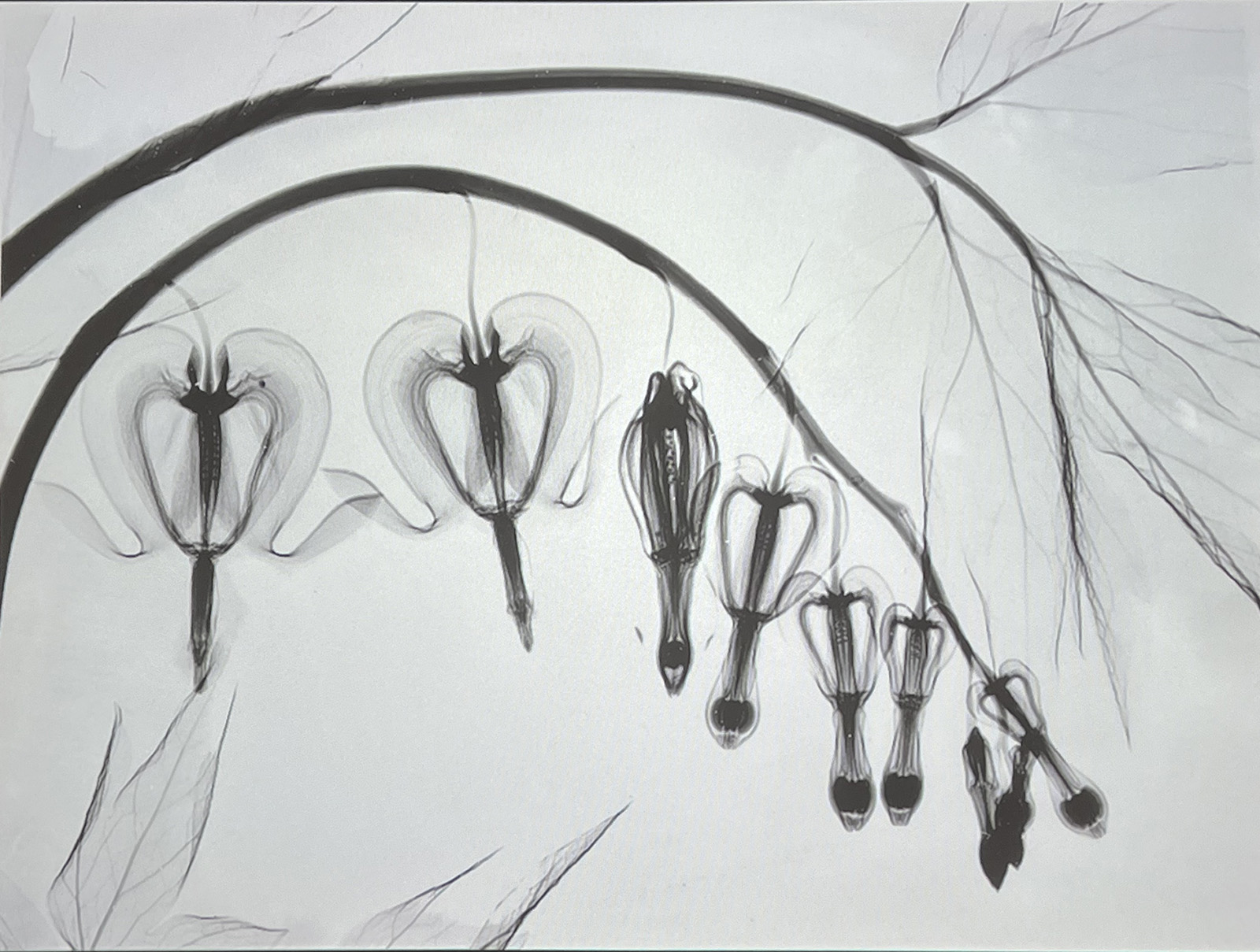
Hilja Raviniemi ~ Untitled (X-ray of flowers), 1960s. © Suomen valokuvataiteen museo | src own scan
Hilja Raviniemi ~ Röntgenkuvattu käärme, 1960-luku, hopeagelatiinivedos | X-rayed snake, 1960s, silver gelatin print
src Suomen valokuvataiteen museo ~ Finnish Museum of Photography.

A Gothic visual dialogue

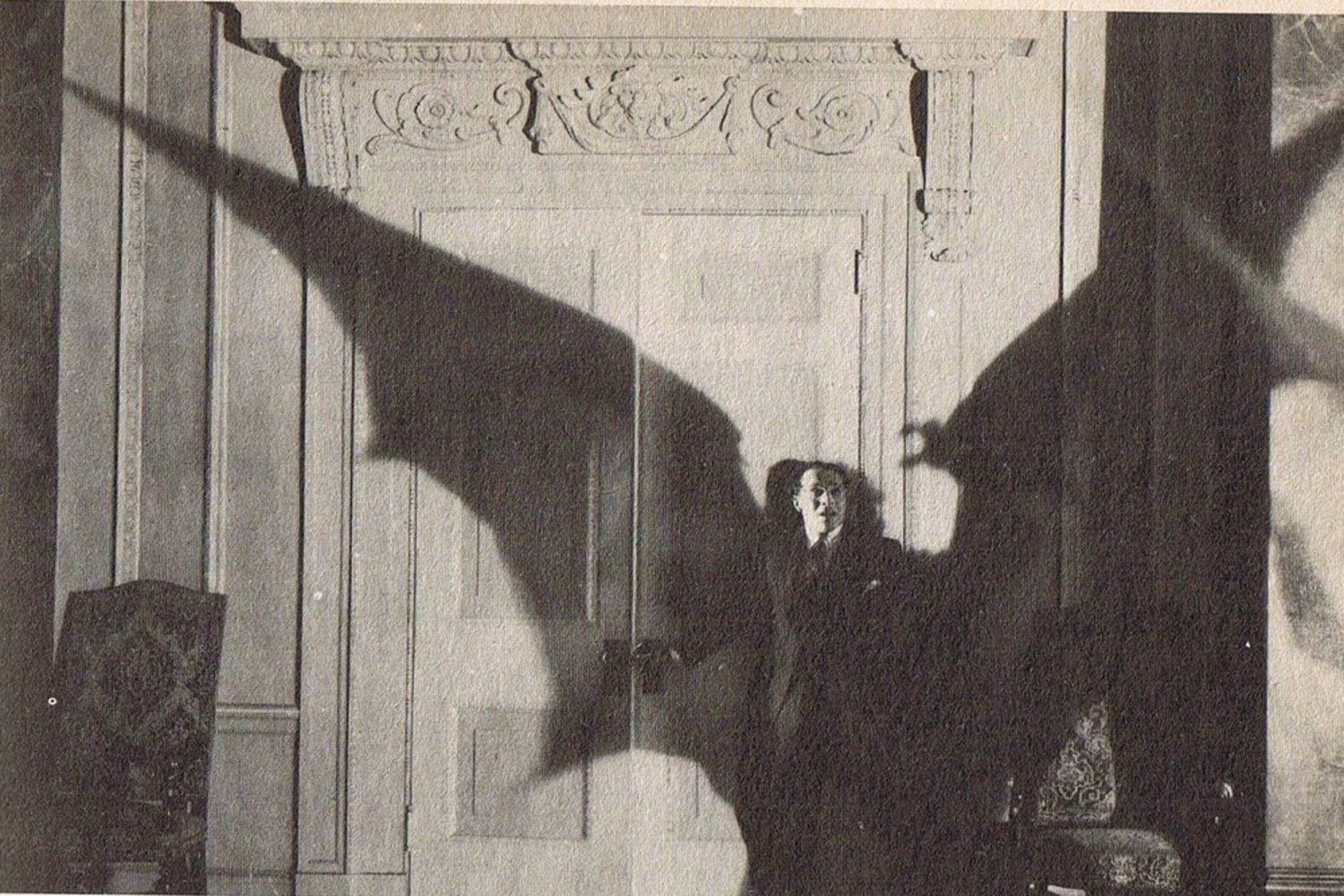
Film still from The Sorrows of Satan (D.W. Griffith, 1926), starring Adolphe Menjou, Carol Dempster, Ricardo Cortez and Lya de Putti
The screenplay was based on the Victorian gothic novel by Marie Corelli (1895)

Watch the film on YouTube ~ link to this scene : here

Nevertheless, our favorite scene takes place a few minutes before during the night in Geoffrey’s ominous mansion. Geoffrey’s wife, an exotic Russian princess in exile (Lya de Putti) confess Prince Lucio that she married Geoffrey only to be near him (Satan). Geoffrey awakens and creeps down the stairs to find his wife throwing herself at Lucio’s feet. It’s a suspenseful sequence with shadowy shots of the mansion that looks menacing. Link to scene

Read the novel on Project Gutenberg : The Sorrows of Satan or, The Strange Experience of One Geoffrey Tempest, Millionaire, A Romance : eBook
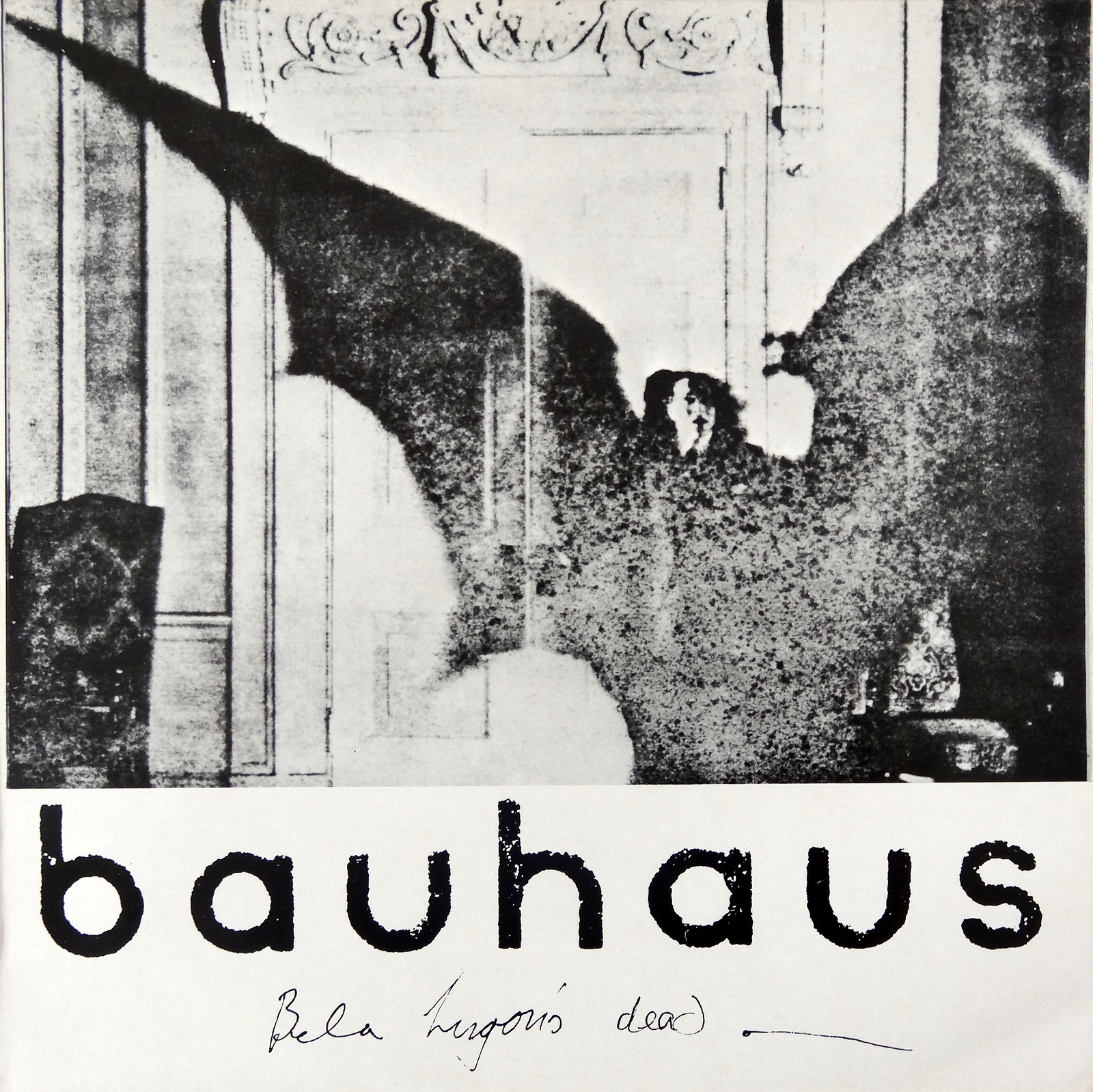
Cover design for Bela Lugosi’s Dead, the first single by the English post-punk band Bauhaus, released on 6 August 1979
It is often considered the first gothic rock record

Listen to «Bela Lugosi’s Dead» on Bauhaus Official YouTube channel

Fabienne Lloyd by van Vechten

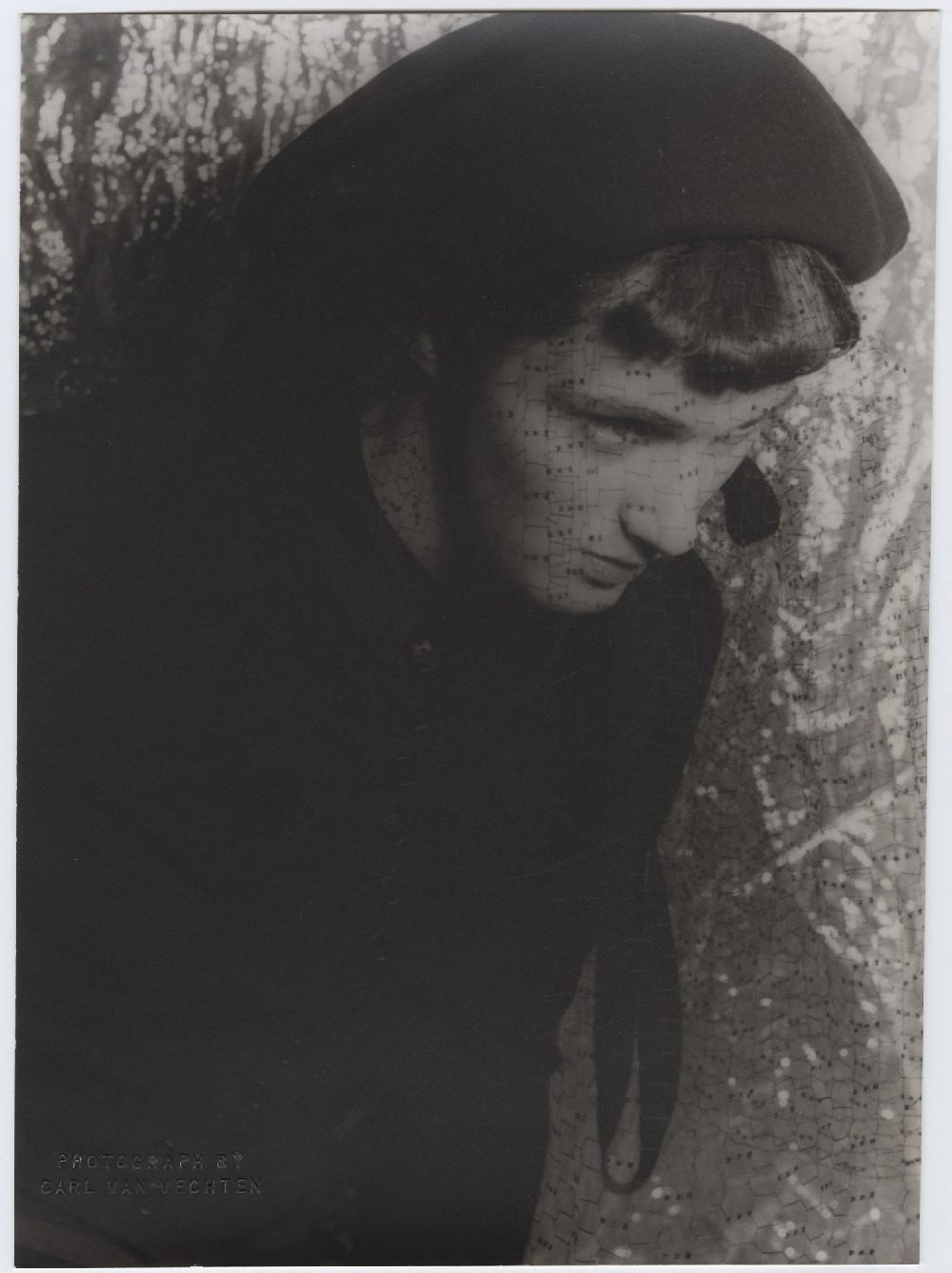
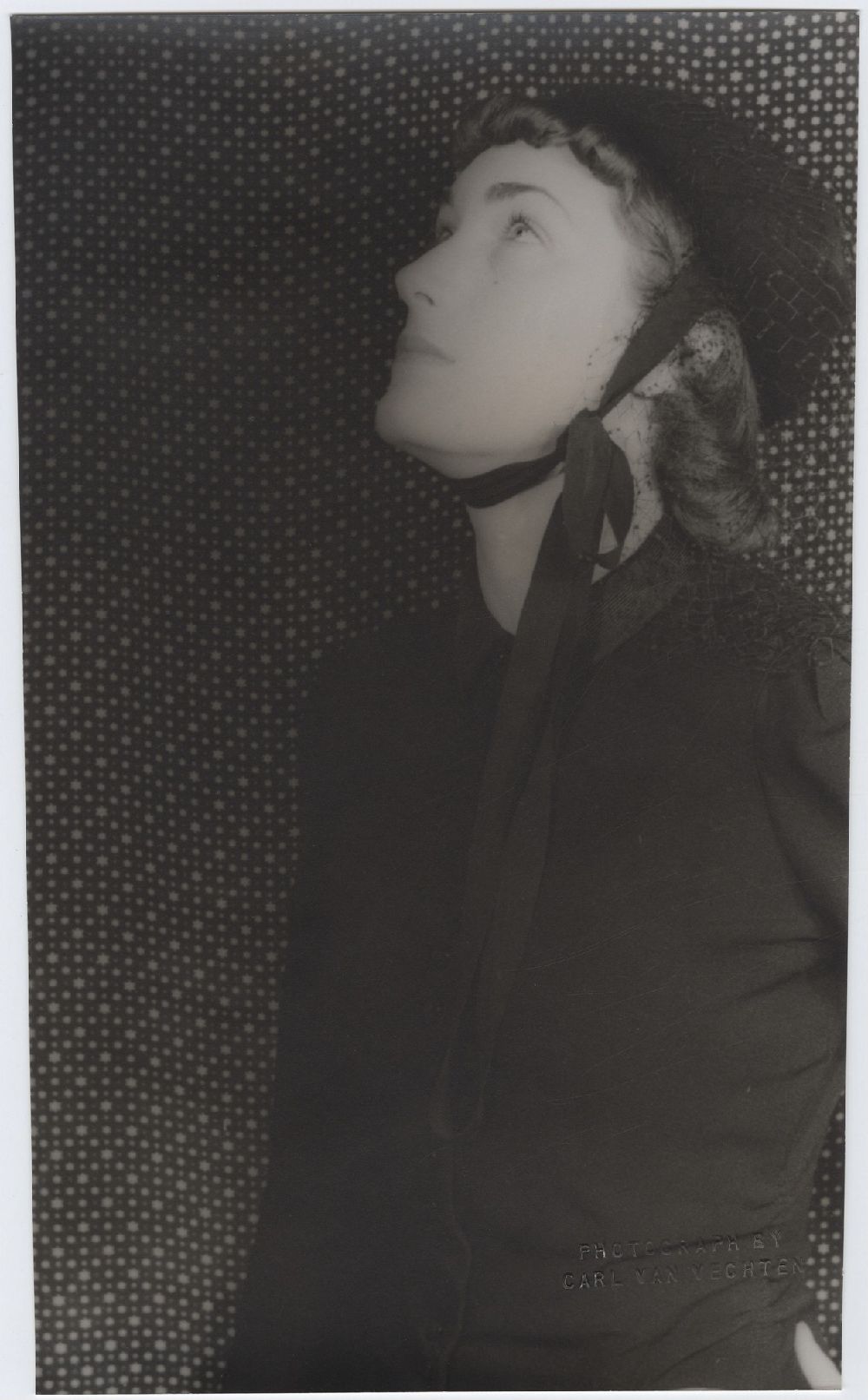
Carl van Vechten ~ Jemima Fabienne Cravan Lloyd (m. Benedict), December 19, 1937 | src Beinecke Library [DETAIL]
Carl van Vechten ~ Jemima Fabienne Cravan Lloyd (m. Benedict), December 19, 1937 | src Beinecke Rare Book and Manuscript Library ~ Yale University
Carl van Vechten ~ Jemima Fabienne Cravan Lloyd (m. Benedict), December 19, 1937
Carl van Vechten ~ Jemima Fabienne Cravan Lloyd (m. Benedict), December 19, 1937 | src Beinecke Rare Book and Manuscript Library ~ Yale University
Carl van Vechten ~ Jemima Fabienne Cravan Lloyd (m. Benedict), December 19, 1937
Carl van Vechten ~ Jemima Fabienne Cravan Lloyd (married, Benedict), December 19, 1937
Carl van Vechten ~ Jemima Fabienne Cravan Lloyd (m. Benedict), December 19, 1937 | src Beinecke Rare Book and Manuscript Library ~ Yale University

Fabienne (Fabi) Cravan Lloyd

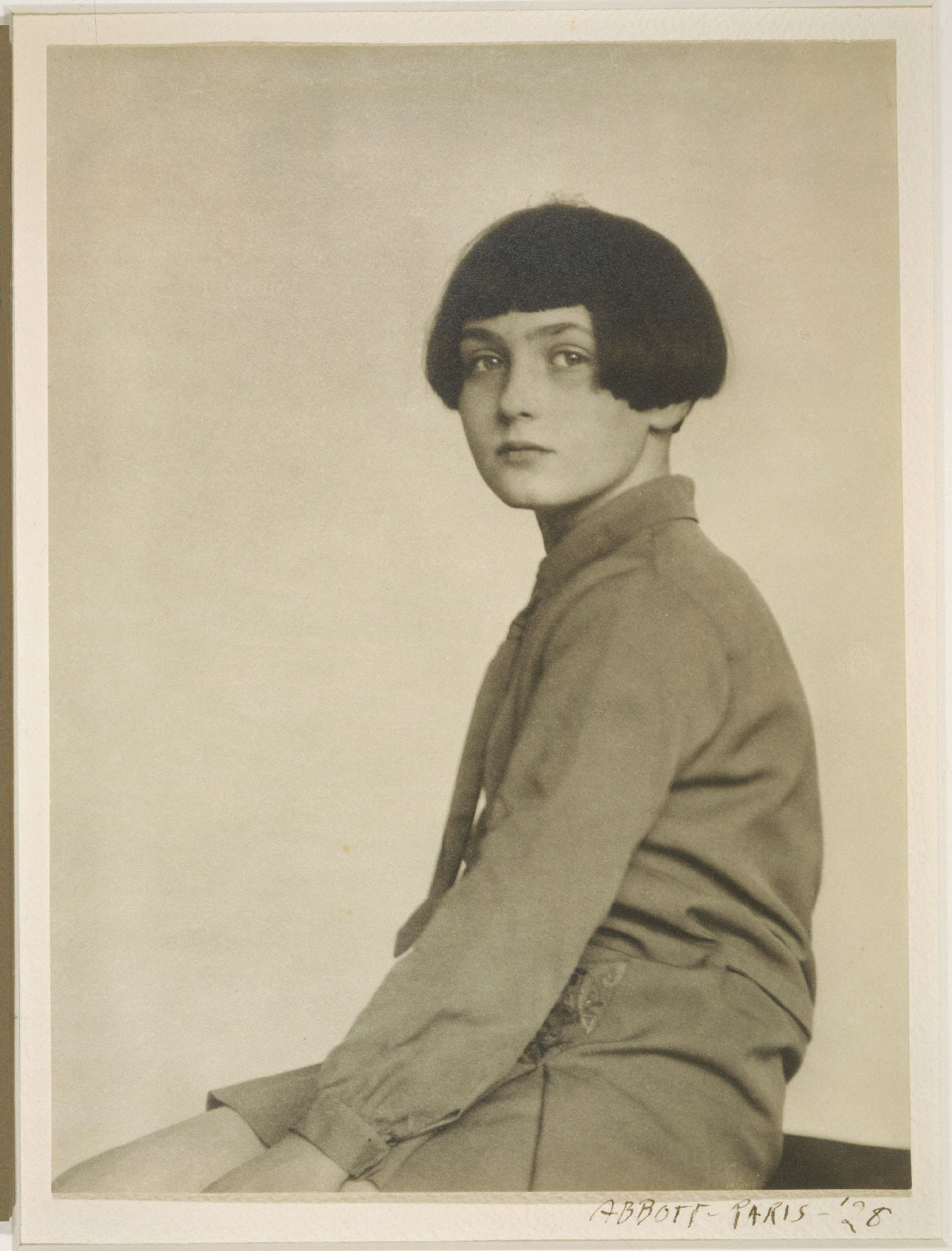
Berenice Abbott (1898–1991) ~ Fabienne Lloyd [Jemima Fabienne Cravan Lloyd], 1928. | src The Philadelphia Museum of Art

Fabienne Cravan Lloyd (Fabi) was the daughter of the Swiss writer, poet and boxer Arthur Cravan (born Fabian Avenarius Lloyd; 1887 – disappeared 1918) and the British-born artist (painter, writer and lamp designer) Mina Loy (born Mina Gertrude Löwy; 1882–1966).

After the disappearance of Arthur Cravan, Loy travelled back to England (from Buenos Aires), where she gave birth to her daughter, Fabienne, named after her father, on 5 April 1919.

Fabi (Fabienne), having inherited her parents’ artistic talent, but perhaps less of their volatility and wanderlust, worked as a designer, married twice, and had four children. As a seventy-eight-year-old widow, unwell and nearly blind, she committed suicide in 1997. Immortality, of a sort, had been secured more than half a century earlier, thanks to the cameras of her mother’s famous friends Man Ray and Carl Van Vechten. Their photographs of a young Fabi reveal a watchful, dark-haired girl with a perfect profile, an air of steely calm, and an eerie resemblance to the father she never met. (text adapted from Lapham’s Quarterly: The Vanishing Pugilist and the Poet. The marriage of twentieth-century avant-gardists Arthur Cravan and Mina Loy was blissfully happy—until his mysterious disappearance.)
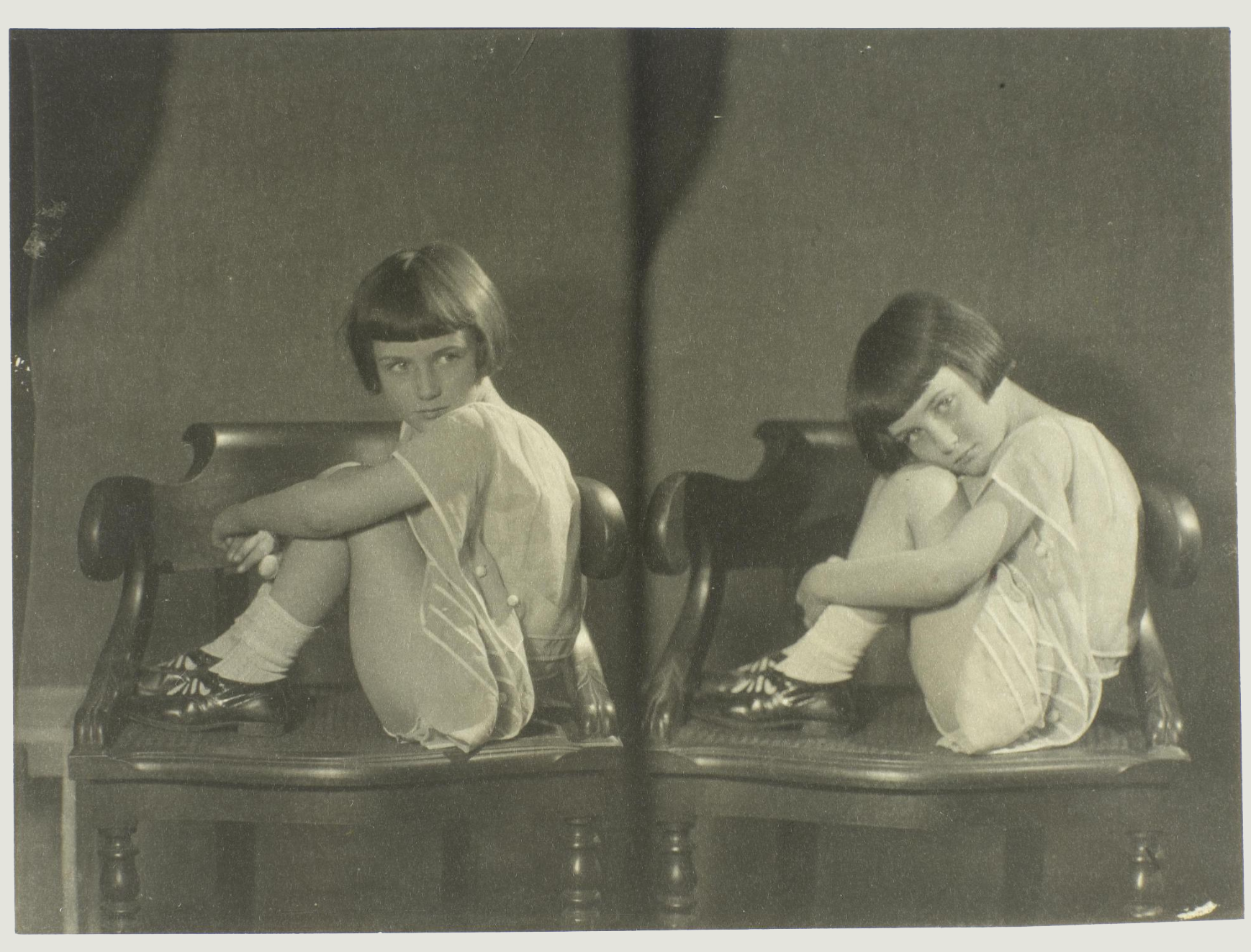
Man Ray (Emmanuel Radnitzky) ~ Jemima Fabienne Cravan Lloyd, vers 1925 | src Centre Pompidou
Berenice Abbott (1898–1991) ~ Fabienne Lloyd [Jemima Fabienne Cravan Lloyd], 1928. | src Lapham’s Quarterly

Wigman by Rudolph ca 1925

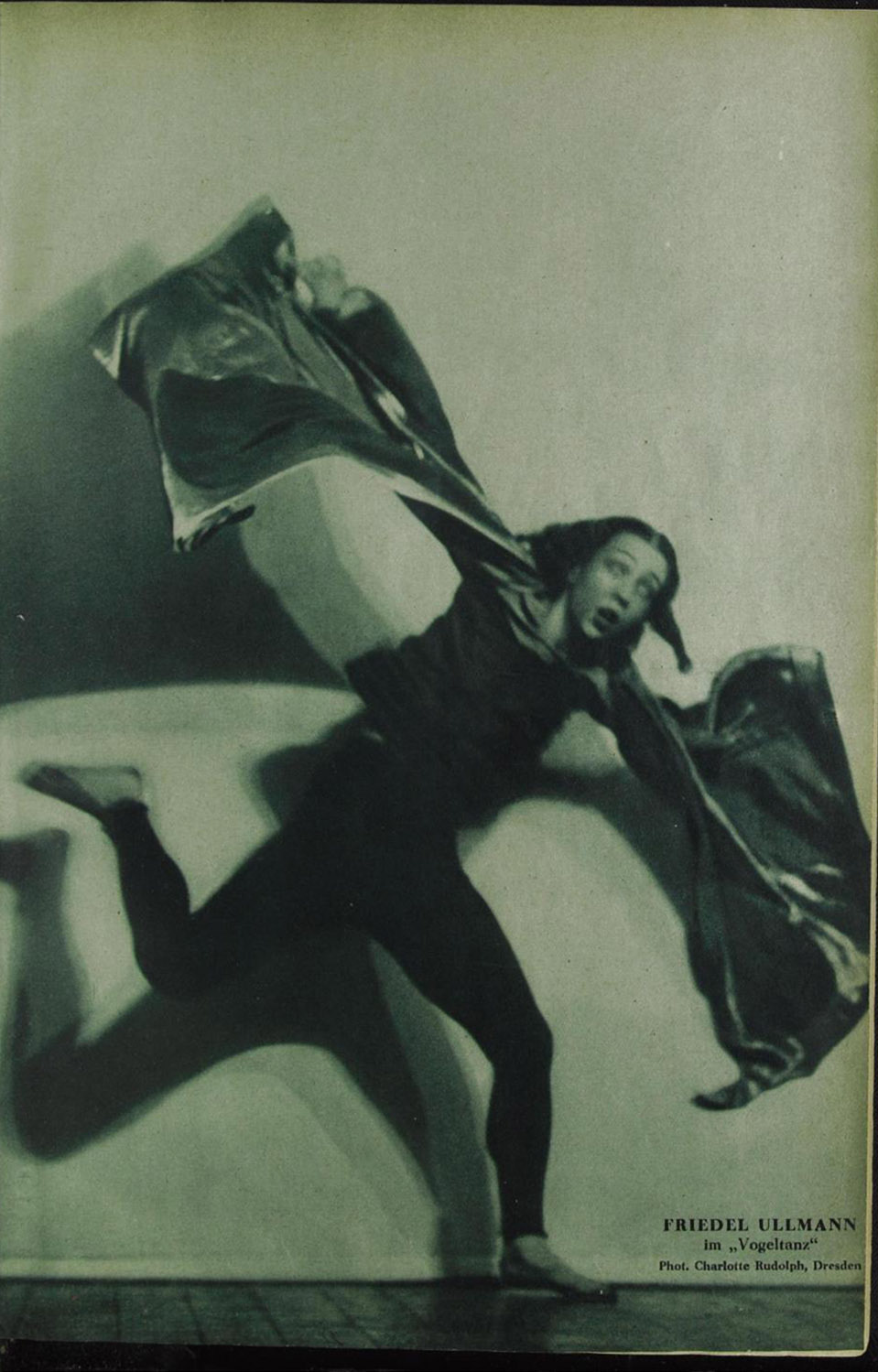
Charlotte Rudolph (1896-1983) ~ Mary Wigman in dance pose. Circa 1925. Vintage brown-toned gelatin silver print. | src Bassenge Auktionen ~ Fotografie des 19. – 21. Jahrhunderts
Charlotte Rudolph (1896-1983) ~ Mary Wigman in a dance pose ( probably from Die Zeremonielle Gestalt / Feierliche Gestalt). Circa 1925. Vintage brown-toned gelatin silver print. | src Bassenge Auktionen ~ Fotografie des 19. – 21. Jahrhunderts
Charlotte Rudolph (1896-1983) ~ Mary Wigman in dance pose (probably from Russian Songs / Russischen Liedern). Circa 1925. Vintage brown-toned gelatin silver print. | src Bassenge Auktionen ~ Fotografie des 19. – 21. Jahrhunderts