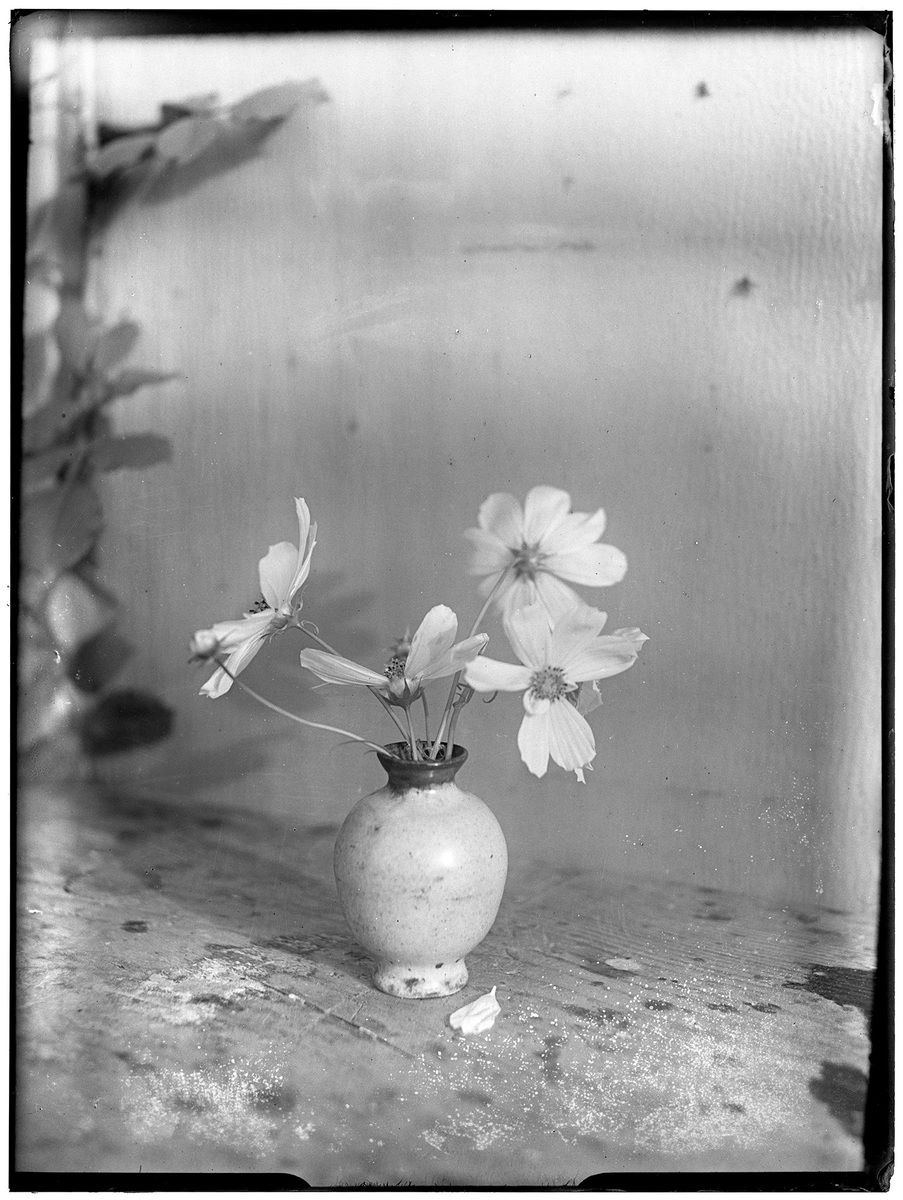
Blumenvasen um 1920

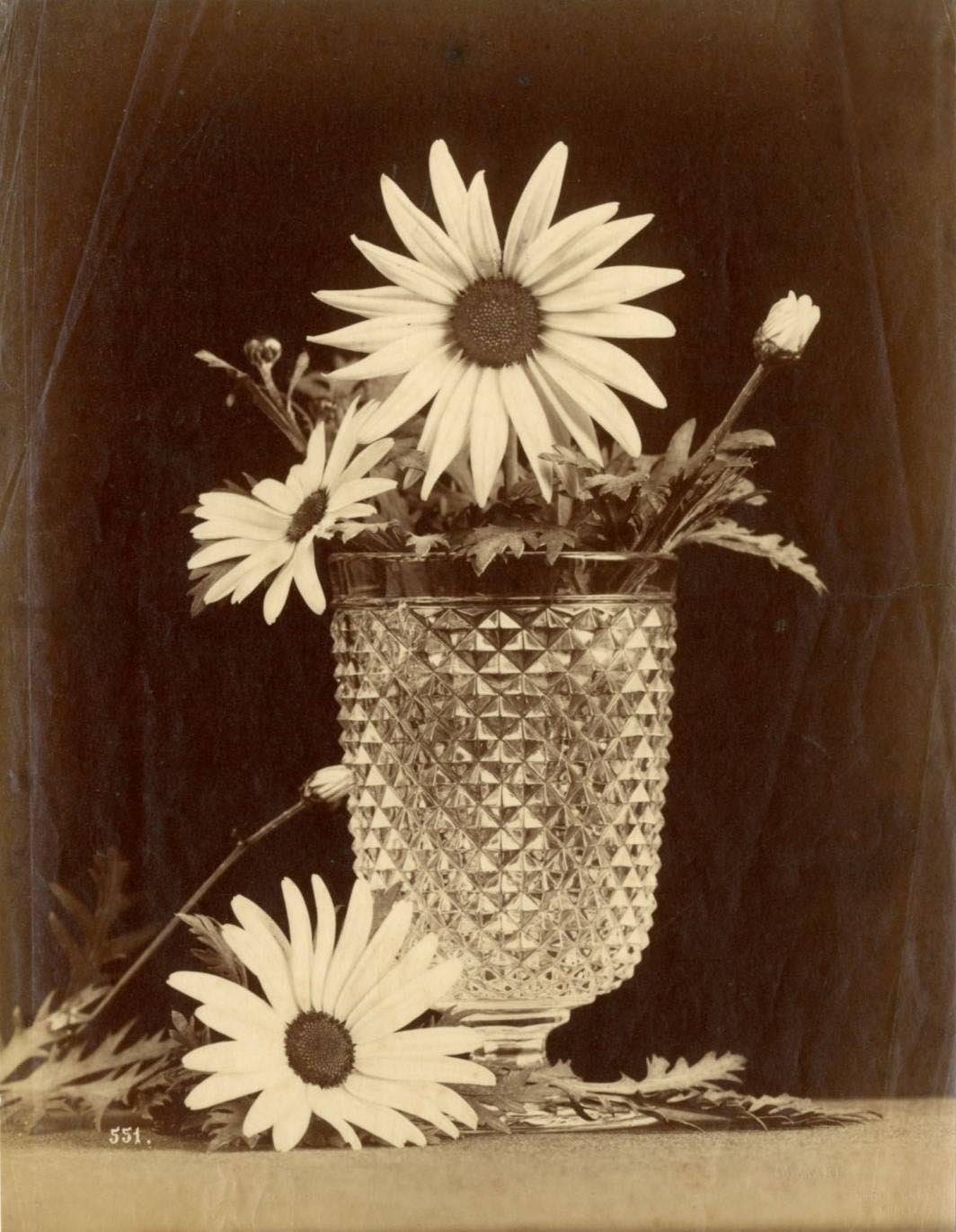
Anonym ~ o.T. (Blumenvase), 1920er Jahre | src Der Blumenstrauß: Die Vergängliche Pracht ~ Beck & Eggeling
Anonym ~ o.T. (Blumenvase) (Dahlien), 1920er Jahre | src A bouquet of flowers: Transient beauty ~ Beck & Eggeling

Der Blumenstrauß. Die vergängliche Pracht
Fotografie von den Anfängen bis heute

17. Mai bis 29. Juni 2024

anlässlich der düsseldorf photo+ Biennale for Visual and Sonic Media

Mit Nobuyoshi Araki, Max Baur, Boris Becker, Ute Behrend, Viktoria Binschtok, Peter Bömmels, Tim Berresheim, Natalie Czech, Michael Dannenmann, Sam Evans, Jan Paul Evers, Jitka Hanzlová, Axel Hütte, Leiko Ikemura, Benjamin Katz, Annette Kelm, Karin Kneffel, Maximilian Koppernock, August Kotzsch, Heinrich Kühn, Kathrin Linkersdorff, Robert Mapplethorpe, Hartmut Neumann, Roland Schappert, Luzia Simons, Josef Sudek, Michael Wesely, Dr. Wolff+Tritschler und einigen anonymen alten Fotoarbeiten.

Der Blumenstrauß als künstlerische Installation, die der Fotografie vorausgeht, steht im Fokus dieser Gruppenausstellung.

Als klassisches Thema des Stilllebens hat der Blumenstrauß seinen Reiz bis in die Gegenwart nicht verloren. Die arrangierten Fotos von Blumensträußen Mitte des 19. Jahrhunderts sind als Vorläufer der inszenierten Fotografie zu verstehen.
Mit diversen fotografischen Positionen wird der Bogen von historischer Fotografie, beispielsweise von Heinrich Kühn, bis hin zu computerbasierter Fotografie von Tim Berresheim gespannt. Anhand dieses Bildsujets wird auch die Veränderung der technischen und inhaltlichen Möglichkeiten von Fotografie aufgezeigt.

Die zeitgenössische „Blumenstraußfotografie“ geht weit über die Natur- oder Dokumentarfotografie hinaus. So haben die Fotokünstler in unterschiedlicher Ausprägung die skulpturale, malerische und konzeptuelle Möglichkeit dieses Stilllebens ausgelotet und hinterfragt.

Seit Beginn des 17. Jahrhunderts ist der Blumenstrauß in der Malerei als Stilleben in all seiner arrangierten Pracht gegenwärtig und oft sinnbildlich für die Vergänglichkeit allen Seins dargestellt. Die Fotografie hat die Möglichkeit, den Prozess des Vergänglichen zu begleiten, und oft sind es die bereits verwelkten Blumen, die einen besonderen Reiz in der Wirklichkeitswahrnehmung ausmachen. Nichts zeigt die Wirklichkeit frappierender als die Vergänglichkeit.

quoted from Der Blumenstrauß: Die Vergängliche Pracht ~ Beck & Eggeling

A Bouquet of Flowers. Transient Beauty
Photography from the beginnings to the present day

17th May until 29th June 2024

on the occasion of düsseldorf photo+ Biennale for Visual and Sonic Media

With Nobuyoshi Araki, Max Baur, Boris Becker, Ute Behrend, Viktoria Binschtok, Peter Bömmels, Tim Berresheim, Natalie Czech, Michael Dannenmann, Sam Evans, Jan Paul Evers, Jitka Hanzlová, Axel Hütte, Leiko Ikemura, Benjamin Katz, Annette Kelm, Karin Kneffel, Maximilian Koppernock, August Kotzsch, Heinrich Kühn, Kathrin Linkersdorff, Robert Mapplethorpe, Hartmut Neumann, Roland Schappert, Luzia Simons, Josef Sudek, Michael Wesely, Dr. Wolff+Tritschler and a selection of anonymous historical photographs.

The bouquet of flowers as an artistic installation that precedes photography is the focus of this group exhibition.

As a classic still life subject, the bouquet of flowers has not lost its appeal to the present day. The arranged photographs of bouquets of flowers in the mid-19th century are to be understood as precursors of staged photography.

With various photographic positions, the exhibition ranges from historical photography, for example by Heinrich Kühn, to computer-based photography by Tim Berresheim. This pictorial subject is also used to demonstrate the changes in the technical and content-related possibilities of photography.

Contemporary “bouquet photography” goes far beyond nature or documentary photography. Photographic artists have explored and scrutinized the sculptural, painterly and conceptual possibilities of this still life to varying degrees.

Since the beginning of the 17th century, the bouquet of flowers has been present in painting as a still life in all its arranged splendour, often symbolizing the transience of all existence. Photography has the opportunity to accompany the process of transience, and it is often the flowers that have already withered that create a special charm in the perception of reality. Nothing shows reality more strikingly than transience.
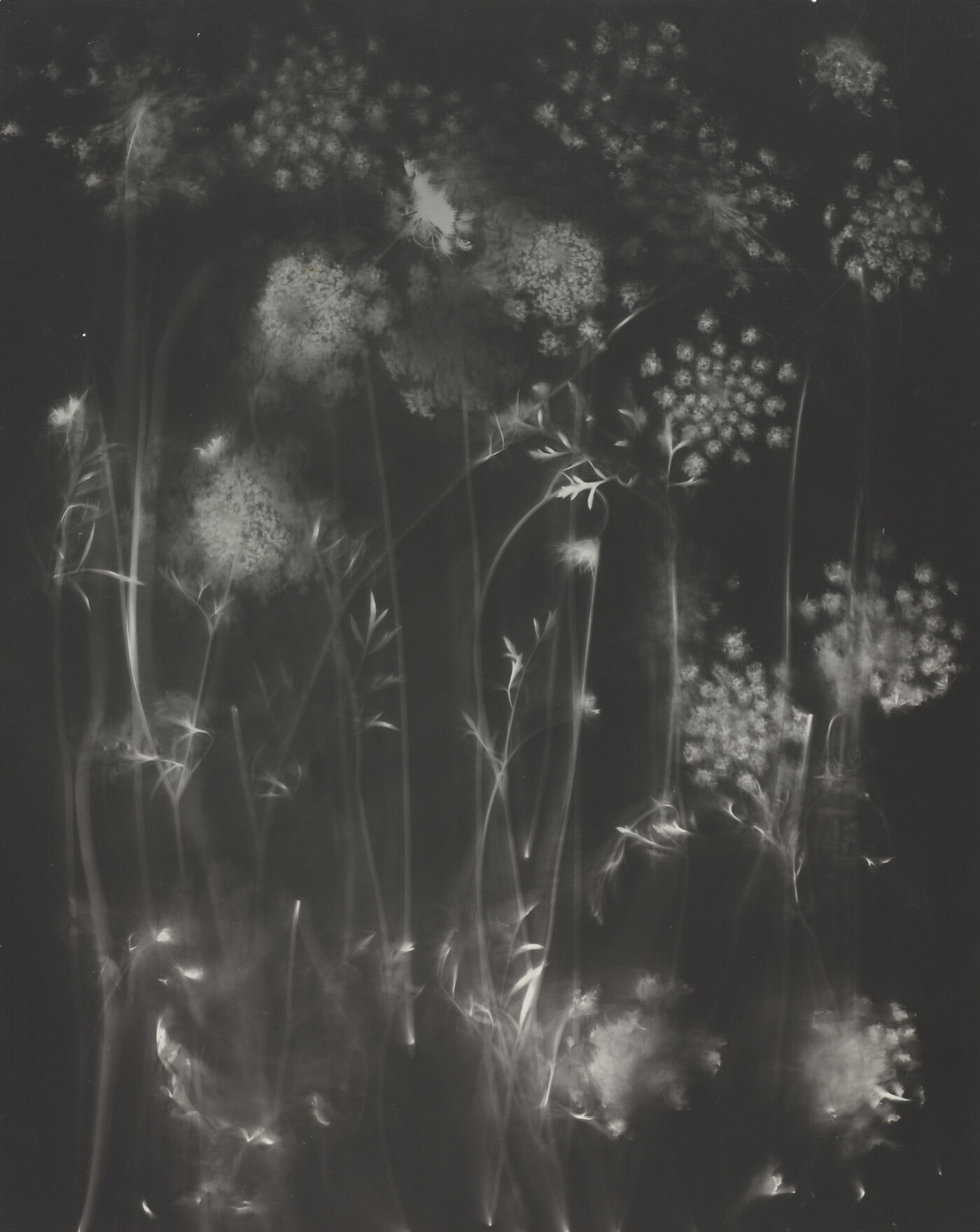
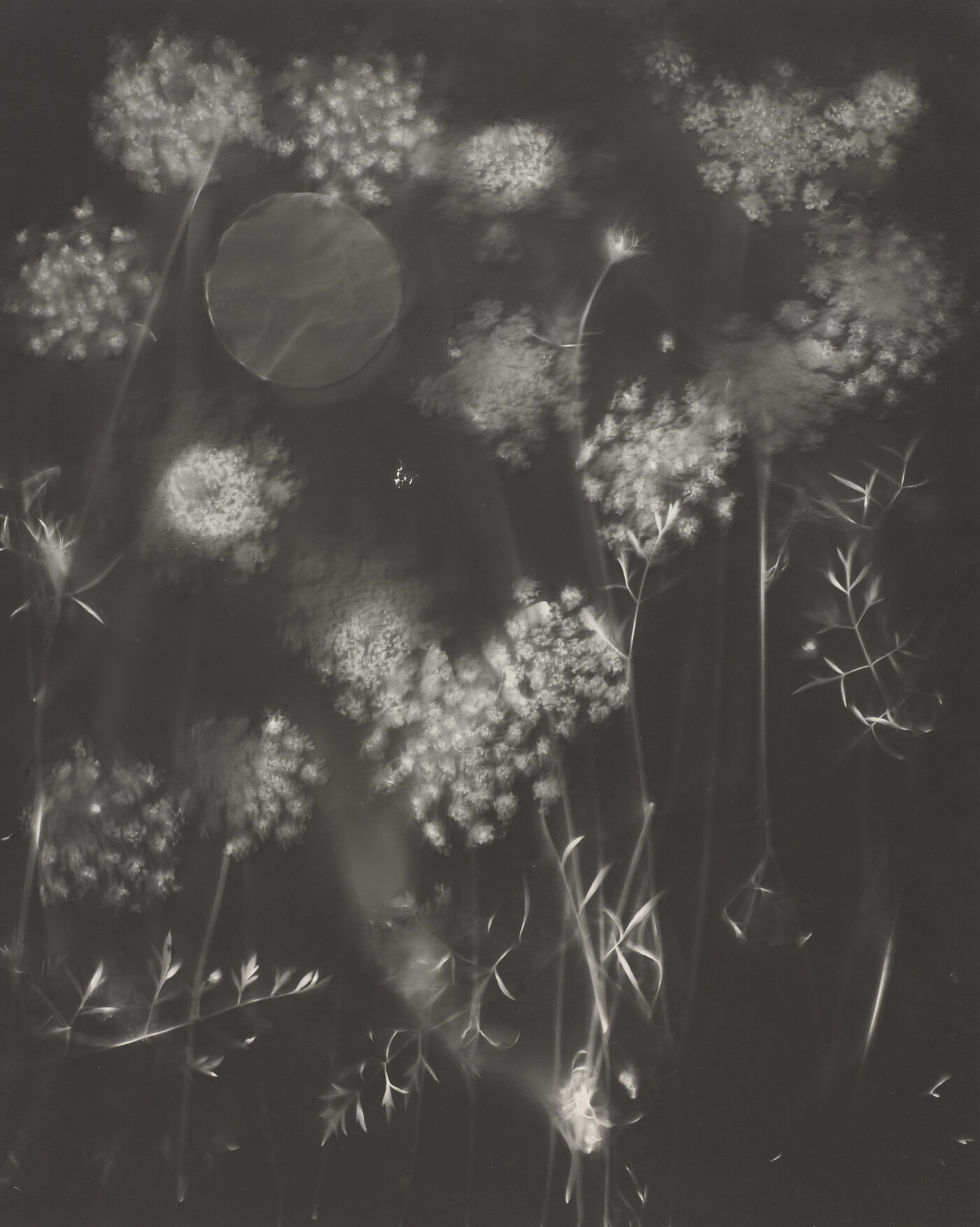
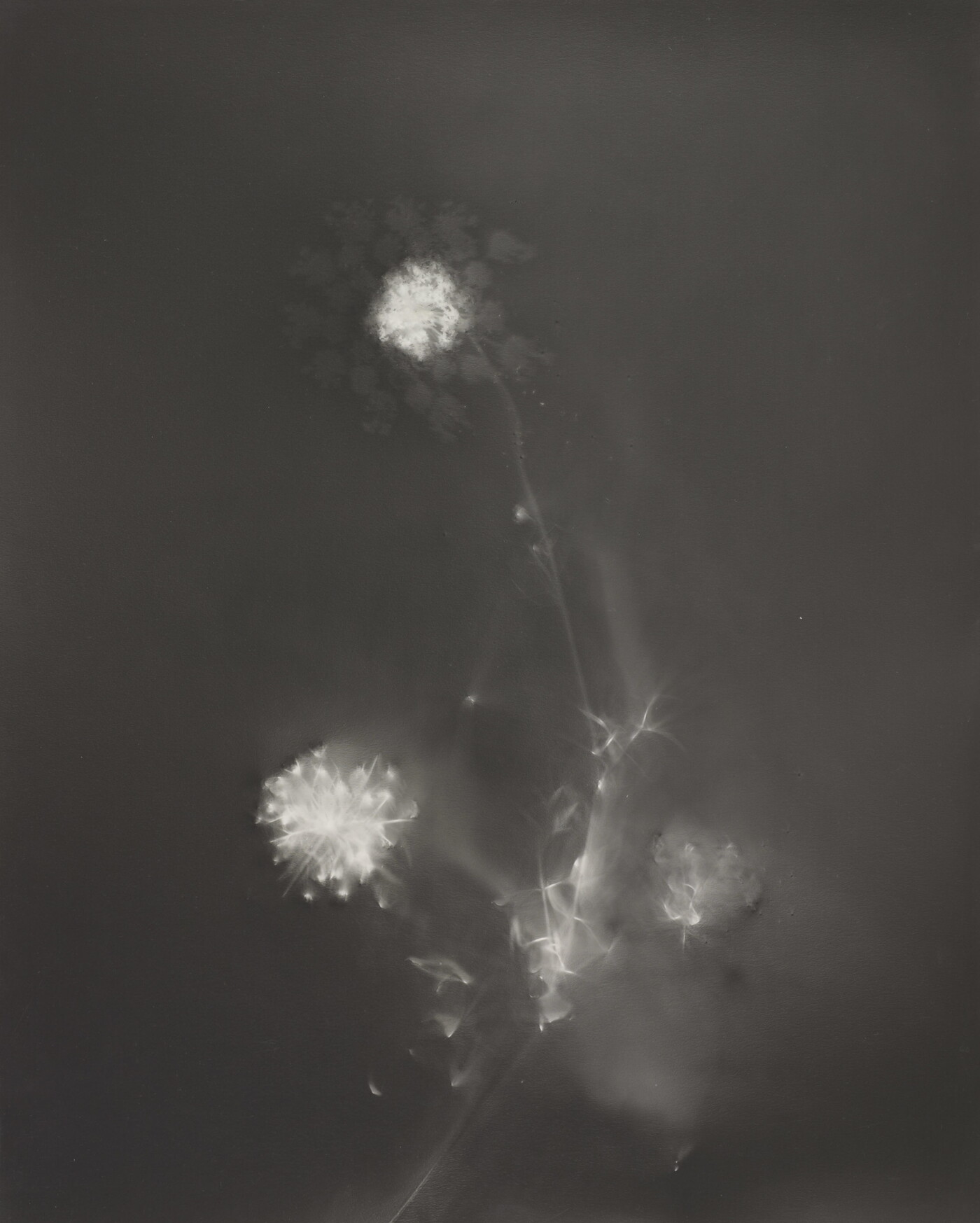
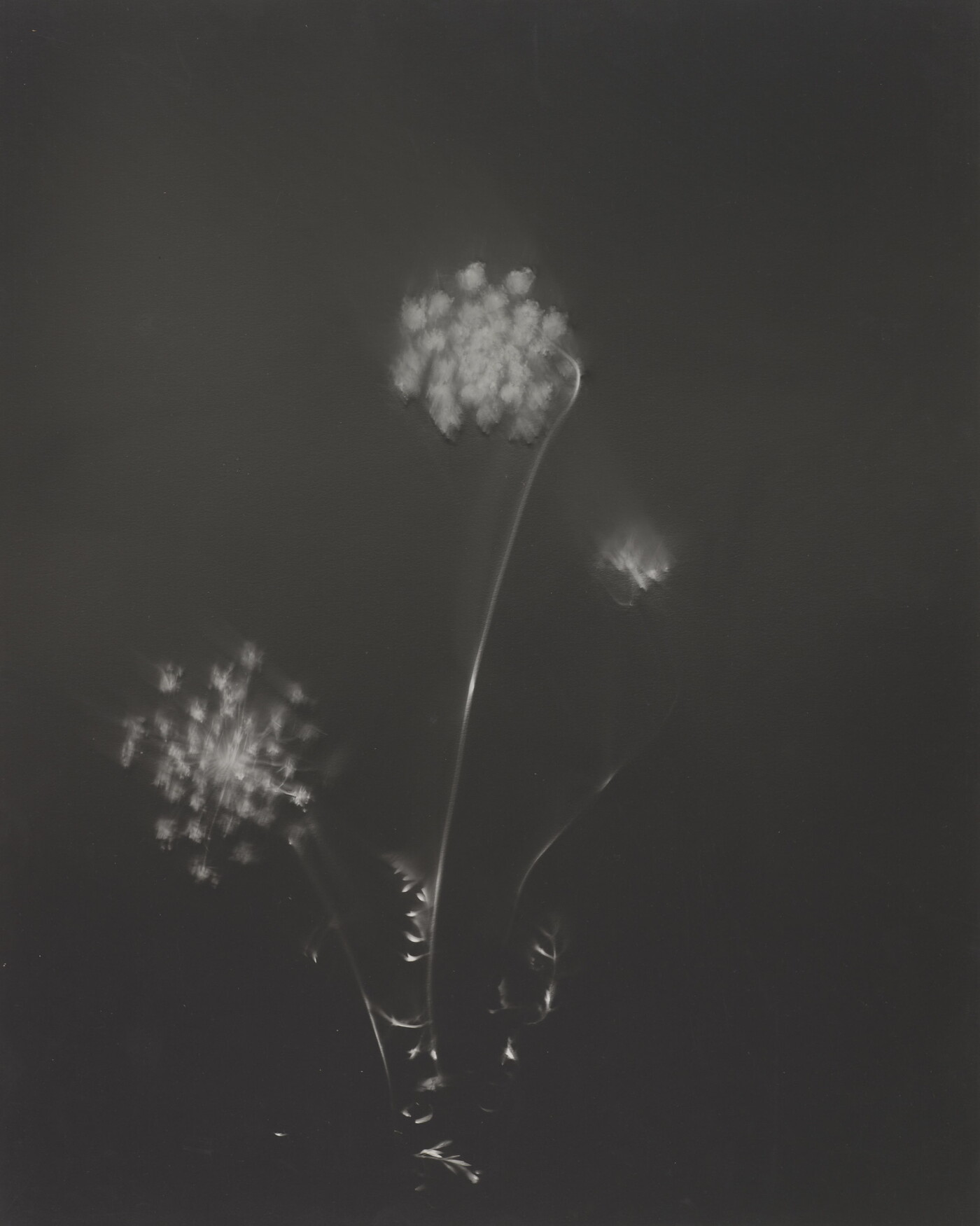
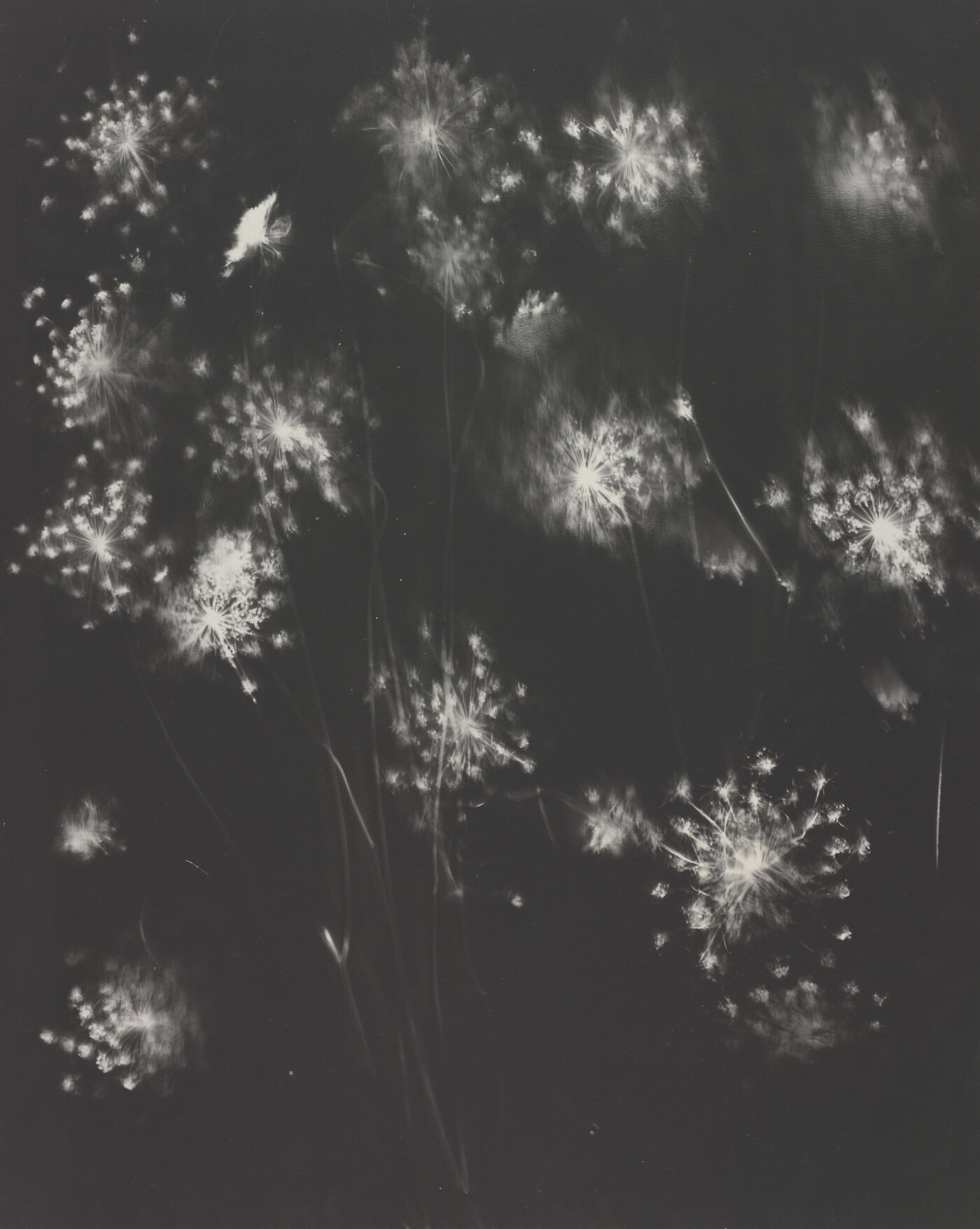
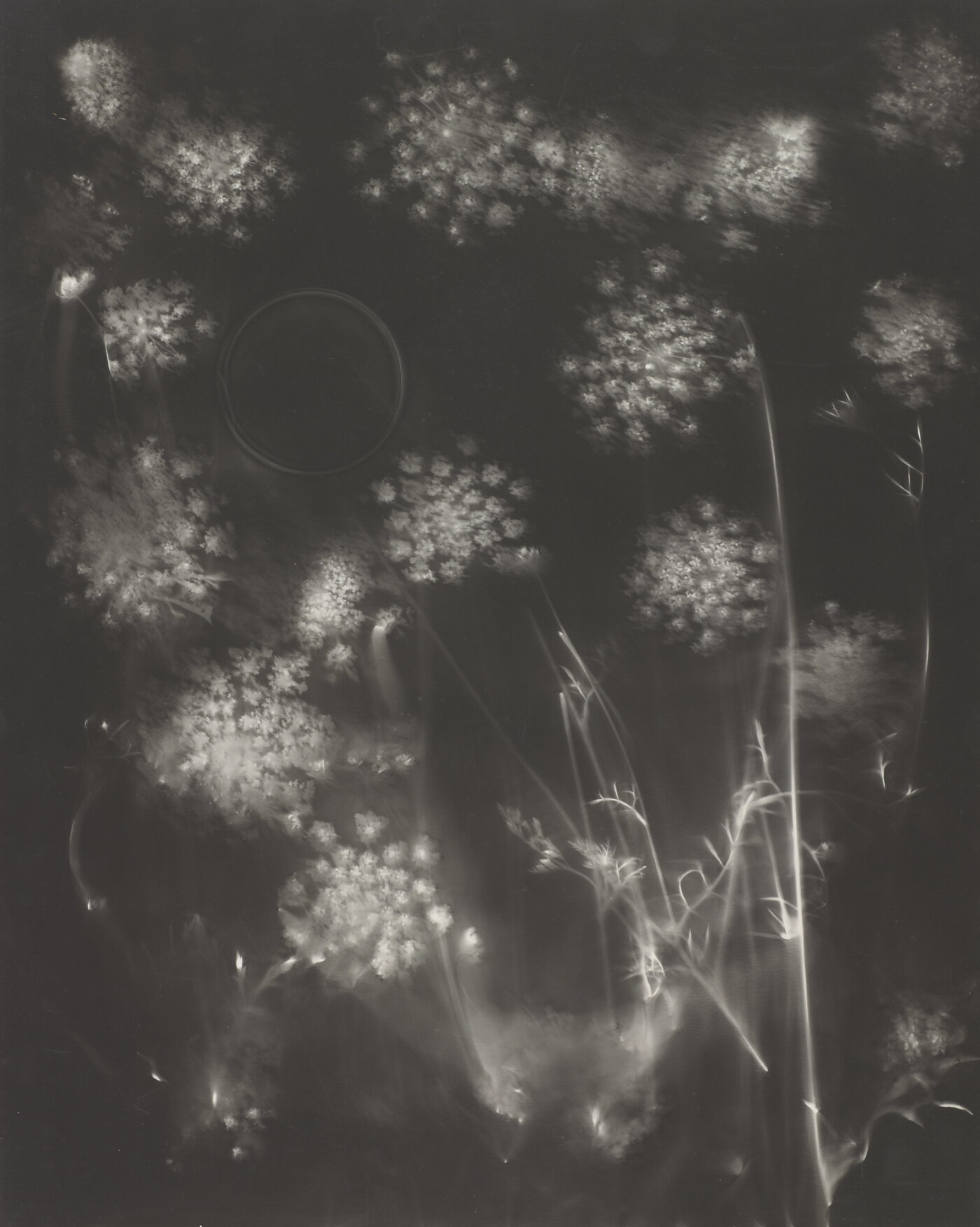
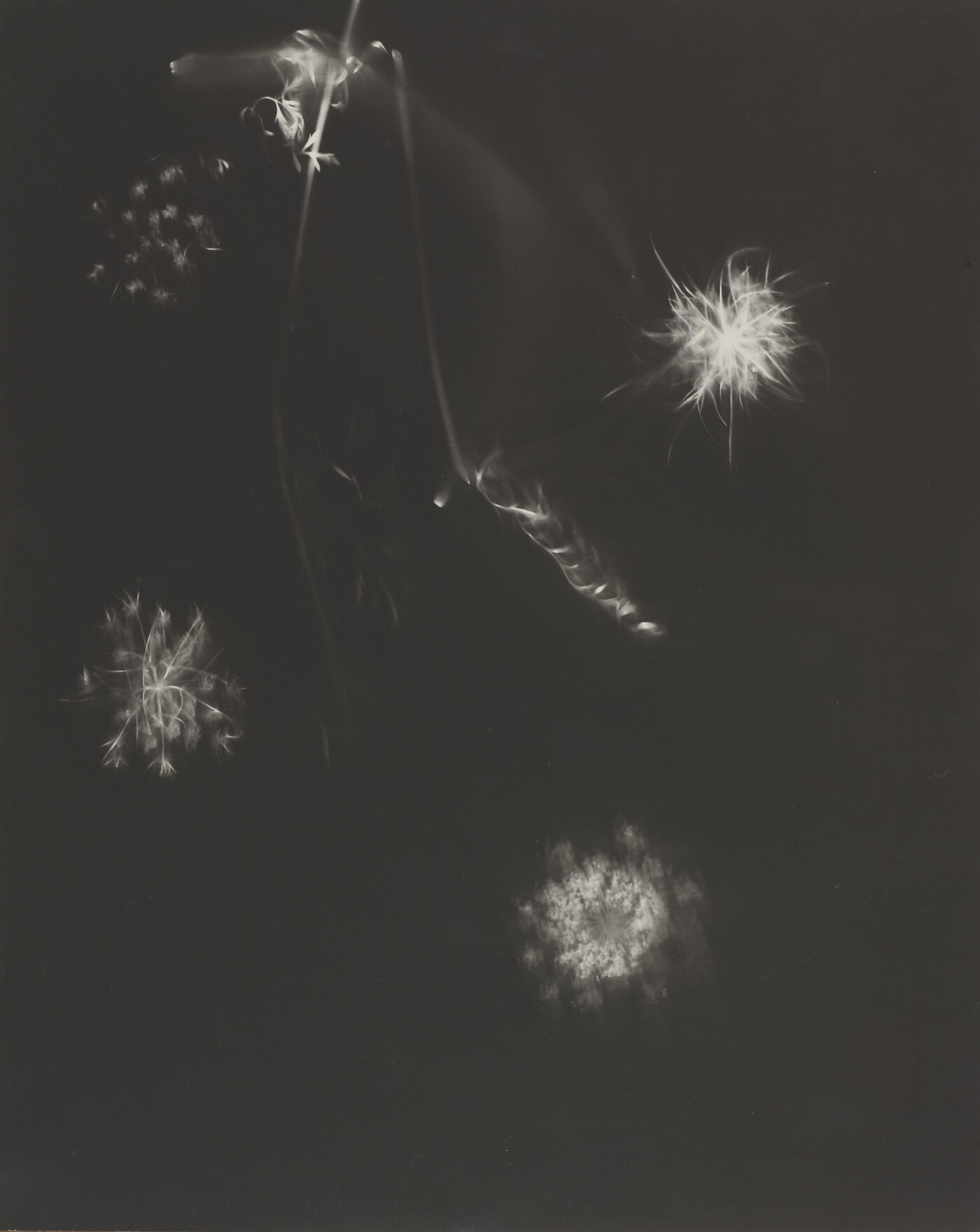
Flower photograms by Nell Dorr

Nell Dorr (1893-1988) ~ [Wildflowers view two], ca. 1940-1954. Photogram | src Amon Carter Museum
Nell Dorr (1893-1988) ~ [Wildflowers], ca. 1940-1954. Photogram. [Mother and Child 7] | src Amon Carter Museum
Nell Dorr (1893-1988) ~ [Wildflowers view five], ca. 1940-1954. Photogram. [Mother and Child 66] | src Amon Carter Museum
Nell Dorr (1893-1988) ~ [Wildflowers view seven], ca. 1940-1954. Photogram. [Mother and Child 83] | src Amon Carter Museum
Nell Dorr (1893-1988) ~ [Wildflowers view four], ca. 1940-1954 [Mother and Child 41] | src Amon Carter Museum
Nell Dorr (1893-1988) ~ [Wildflowers view four], ca. 1940-1954 [Mother and Child 41] | src Amon Carter Museum P1990.45.66
Nell Dorr (1893-1988) ~ [Wildflowers view three], ca. 1940-1954. Photogram. [Mother and Child 35] | src Amon Carter Museum
Nell Dorr (1893-1988) ~ [Wildflowers], ca. 1940-1954. Photogram | src Amon Carter Museum P1990.45.215
Nell Dorr (1893-1988) ~ [Wildflowers view nine], ca. 1940-1954. Photogram | src Amon Carter Museum
Nell Dorr (1893-1988) ~ [Wildflowers view eight], ca. 1940-1954. Photogram. [Mother and Child 84] | src Amon Carter Museum
Nell Dorr (1893-1988) ~ [Wildflowers view twenty-one], ca. 1940-1954. Photogram. Endpaper; right hand page
Nell Dorr (1893-1988) ~ [Wildflowers view fifteen], ca. 1940-1954. Photogram | src Amon Carter Museum
Nell Dorr (1893-1988) ~ [Wildflowers view six], ca. 1940-1954. Photogram. [Mother and Child 48-82] | src Amon Carter Museum

Girl in meadow by Sarra

Valentino Sarra (Italian, 1903-1982) ~ Girl in Meadow, 1930. Gelatin silver print | src heritage auctions
Valentino Sarra (Italian-American, 1903-1982) ~ Girl in Meadow, 1930. Gelatin silver print | src heritage auctions

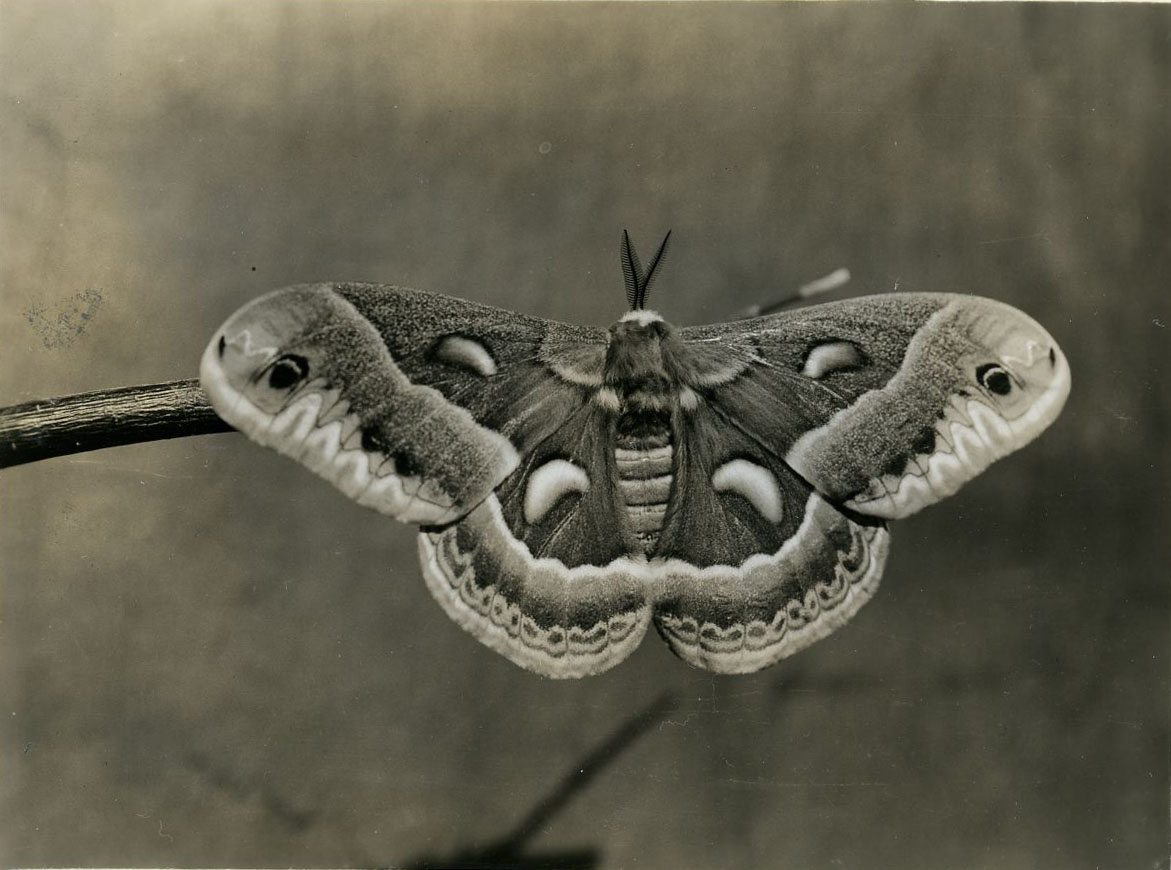
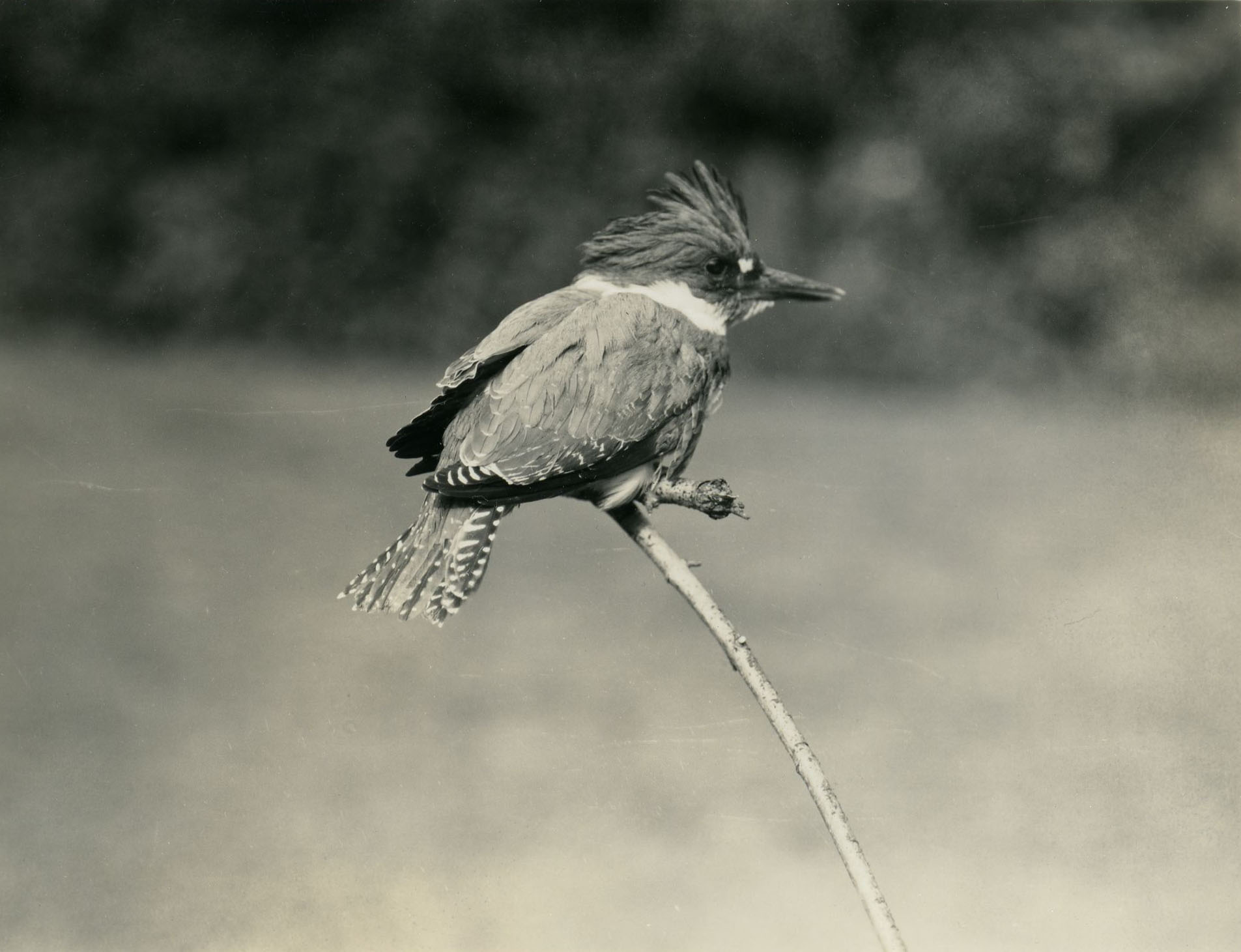
Nature photography (1939)

Cecropia (male and female) · Cecropia moths on end of stick. Acadia National Park, Maine, 22 March, 1939 | src NPG
Cecropia moth on end of stick. Acadia National Park, Maine, 22 March, 1939 | src National Park gallery
Reflection of Pemetic Mt. in Eagle lake. Acadia National Park, Maine, 5 June, 1939 | src National Park gallery
Kingfisher · Bird on stick. Acadia National Park, Maine, 18 July, 1939 | src National Parks gallery
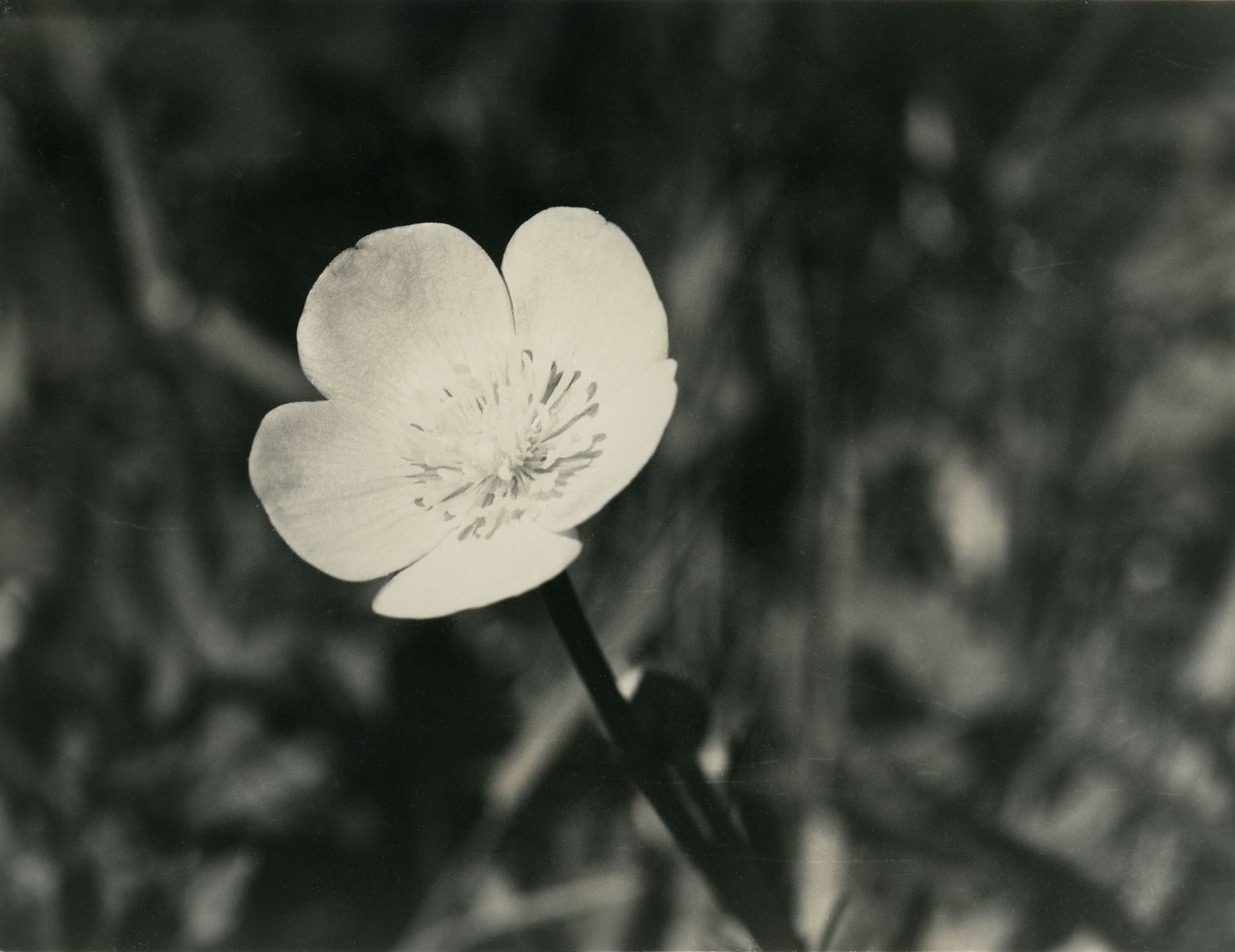
Buttercup, close-up (five pedaled flower). Acadia National Park, Maine, 13 June, 1939 | src National Parks gallery

Märzbecher von Walter Möbius

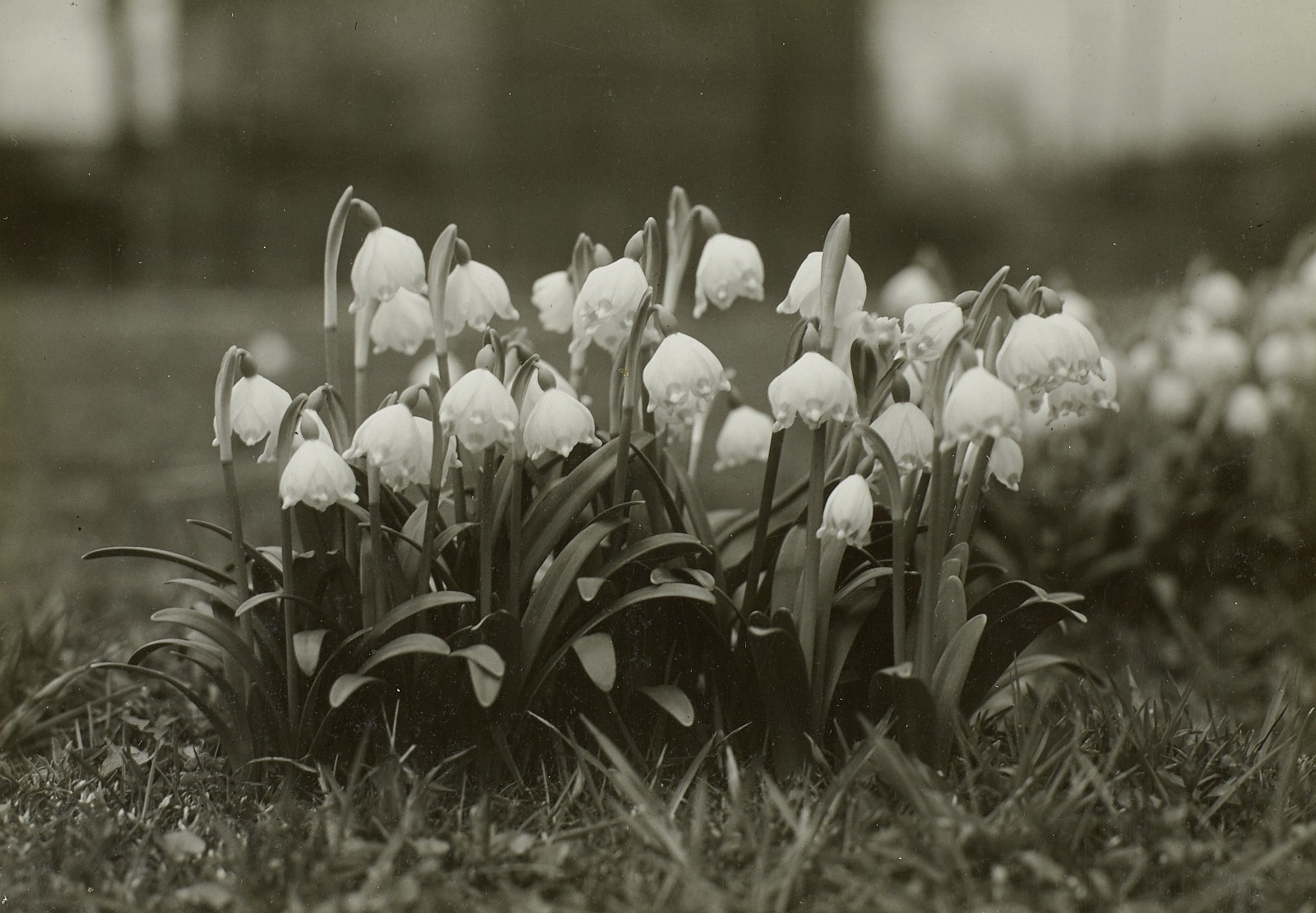
Walter Möbius :: Märzenbecher (Leucojum vernum) im Polenztal, Sächsische Schweiz, 1929 | src Deutsche Digitale Bibliothek
Walter Möbius :: Märzenbecher (Leucojum vernum) im Polenztal, Sächsische Schweiz, 1929 | src Deutsche Fotothek
Walter Möbius :: Frühlingsknotenblume (Leucojum vernum), auch Märzenbecher, Märzbecher, Märzglöckchen oder Großes Schneeglöckchen genannt, im Polenztal, um 1935 | src Deutsche Fotothek
Walter Möbius :: Märzenbecher (Leucojum vernum) im Polenztal, Sächsische Schweiz, 1929 | src Deutsche Fotothek

Adams Dogwood Blossoms

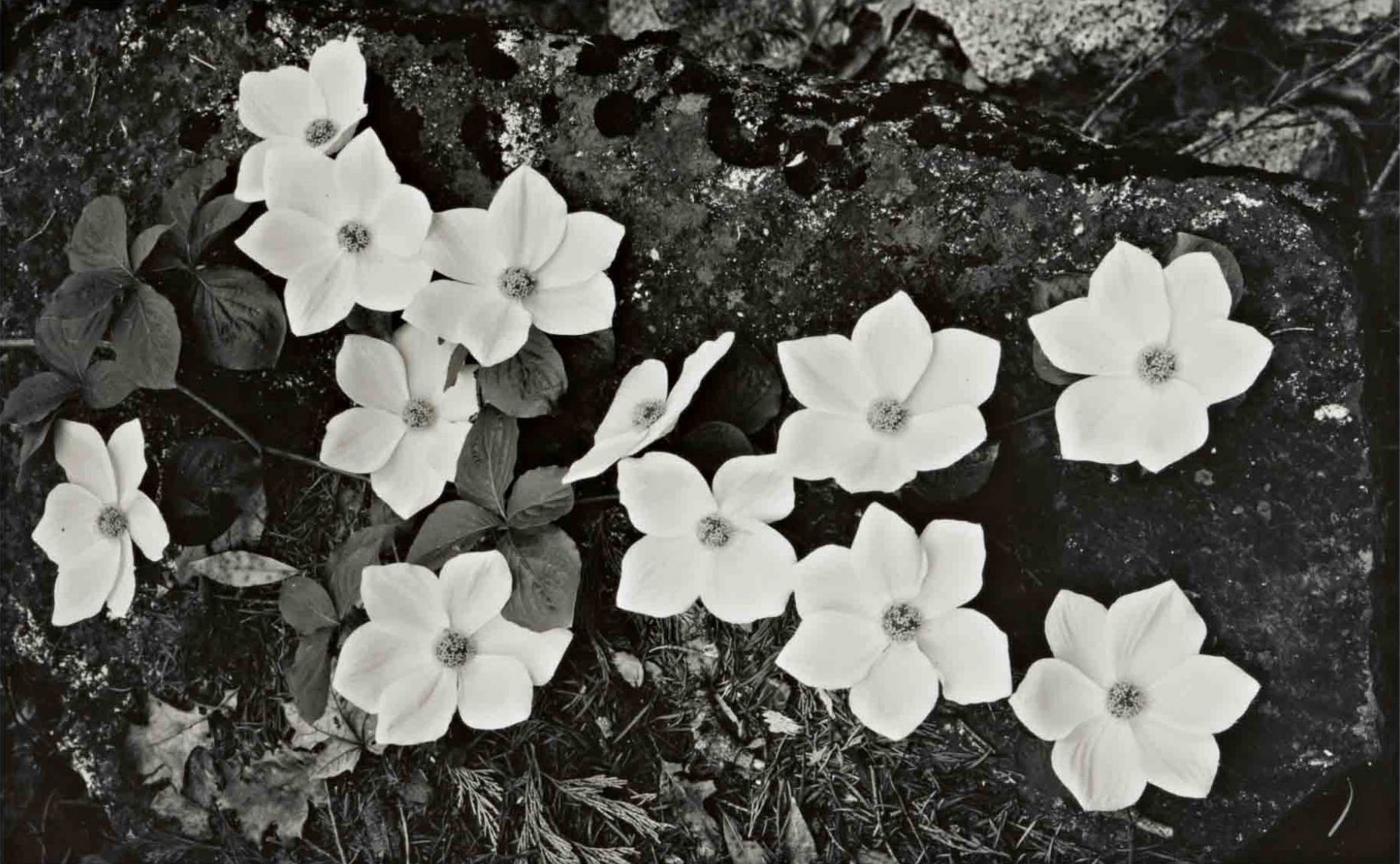
Ansel Adams (1902 – 1984) :: Plate XI: Dogwood Blossoms, 1938. Portfolio III: Yosemite Valley. San Francisco: Sierra Club, 1960. 16 gelatin silver prints; each signed. | src Christie’s
Ansel Adams (1902 – 1984) :: ‘Dogwood Blossoms, Yosemite’, ferrotyped gelatin silver print, mounted, signed in pencil on the mount, titled on the reverse, circa 1938, probably printed later. | src Sotheby’s
Ansel Adams (1902 – 1984) :: ‘Dogwood Blossoms, Yosemite’, ferrotyped gelatin silver print, ca. 1938 | src Sotheby’s

Remembering You · Hanabi

Paul Cupido :: Remembering You II, 2022 © Paul Cupido – Courtesy of Bildhalle Amsterdam | src l'œil de la photographie
Paul Cupido :: Remembering You II, 2022 © Paul Cupido – Courtesy of Bildhalle Amsterdam | src l’œil de la photographie
Paul Cupido :: Hanabi, 2022 © Paul Cupido – Courtesy of Bildhalle Amsterdam | src l'œil de la photographie
Paul Cupido :: Hanabi, 2022 © Paul Cupido – Courtesy of Bildhalle Amsterdam | src l’œil de la photographie

“Hana” means “flower” and  “bi” means “fire”, so “Hanabi” roughly translates to  “fire flowers”. The Japanese call fireworks Hanabi. The name suggests not only a physical resemblance, but also an existential one. Fireworks bloom, but only for a moment, dazzling onlookers before fading into oblivion.

Hanabi (lit. flower fire or fire flower) were popularised and developed during the resplendent days of Edo and have come to hold cultural significance in Japan both in physical displays and metaphorically as a symbol of ephemeral beauty.

Blossoms of Dock by Jaques

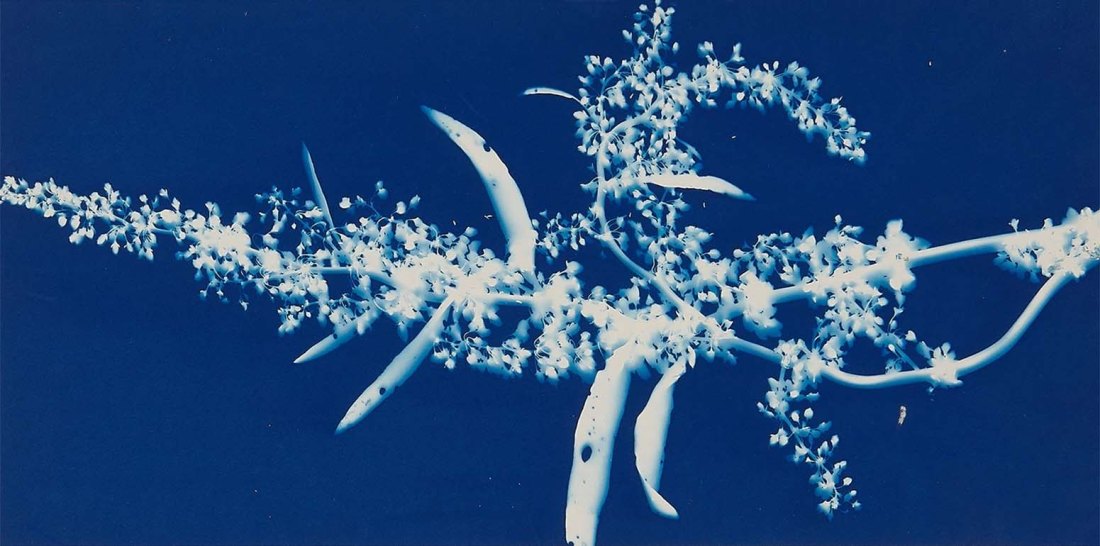
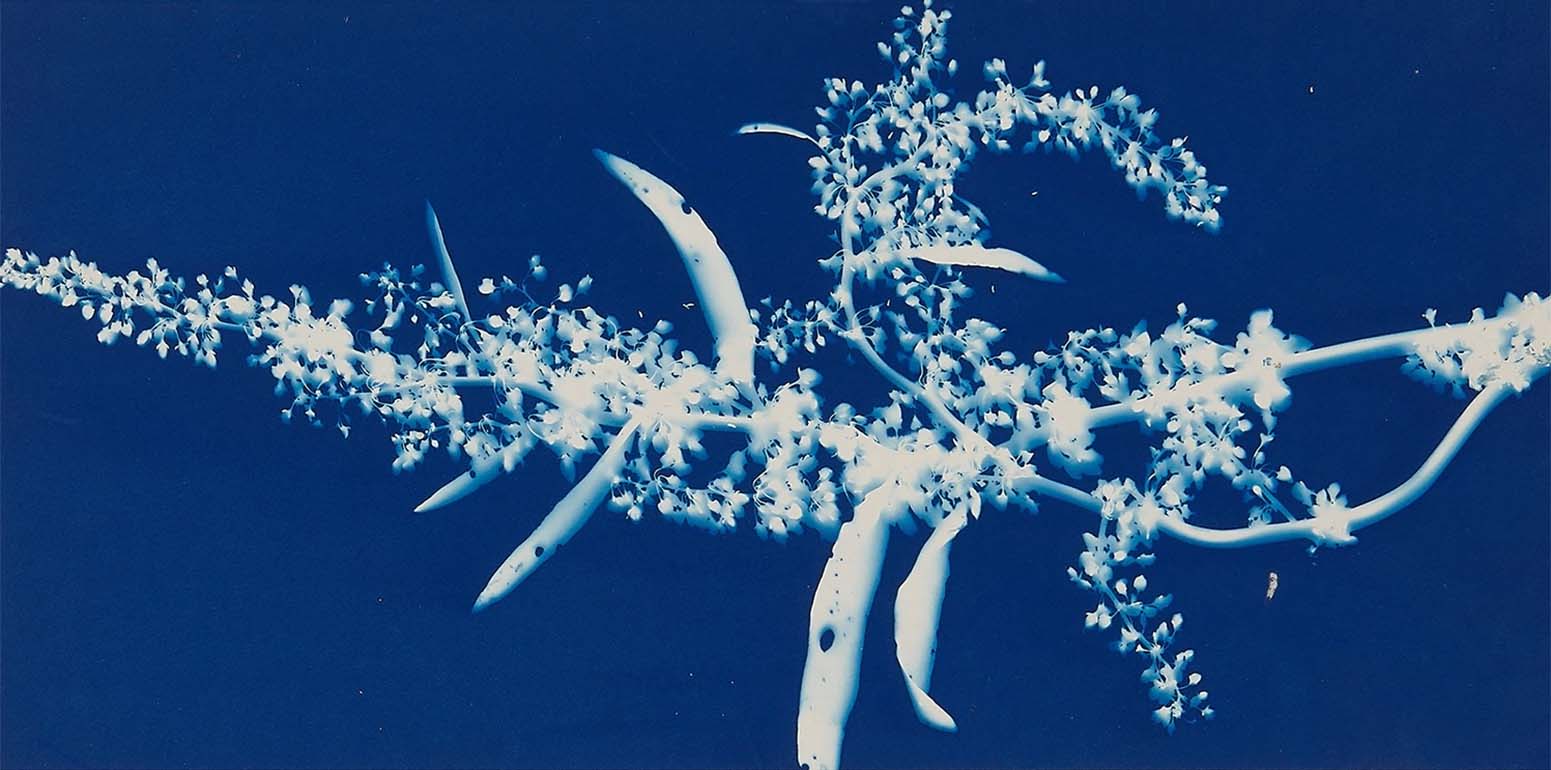
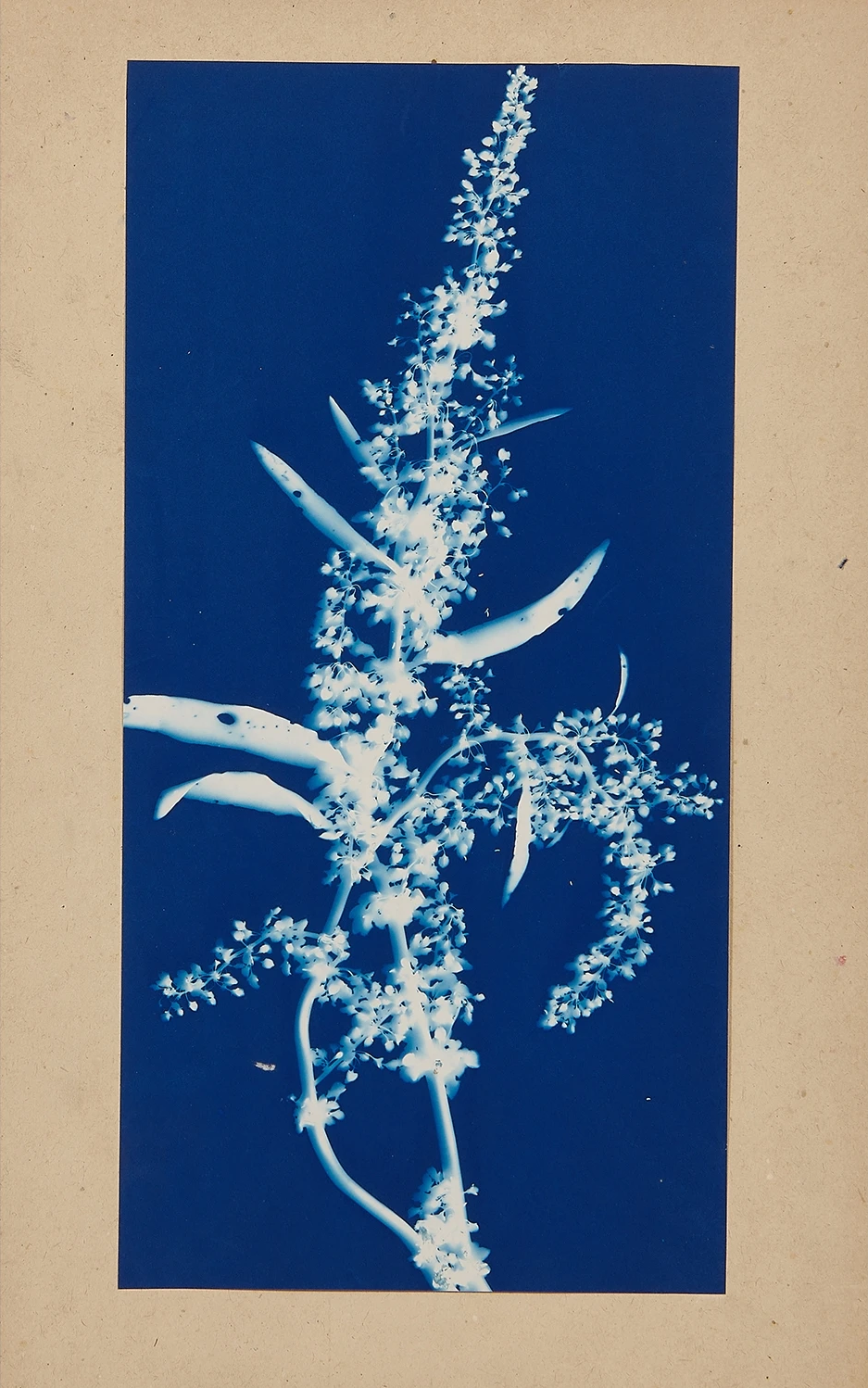
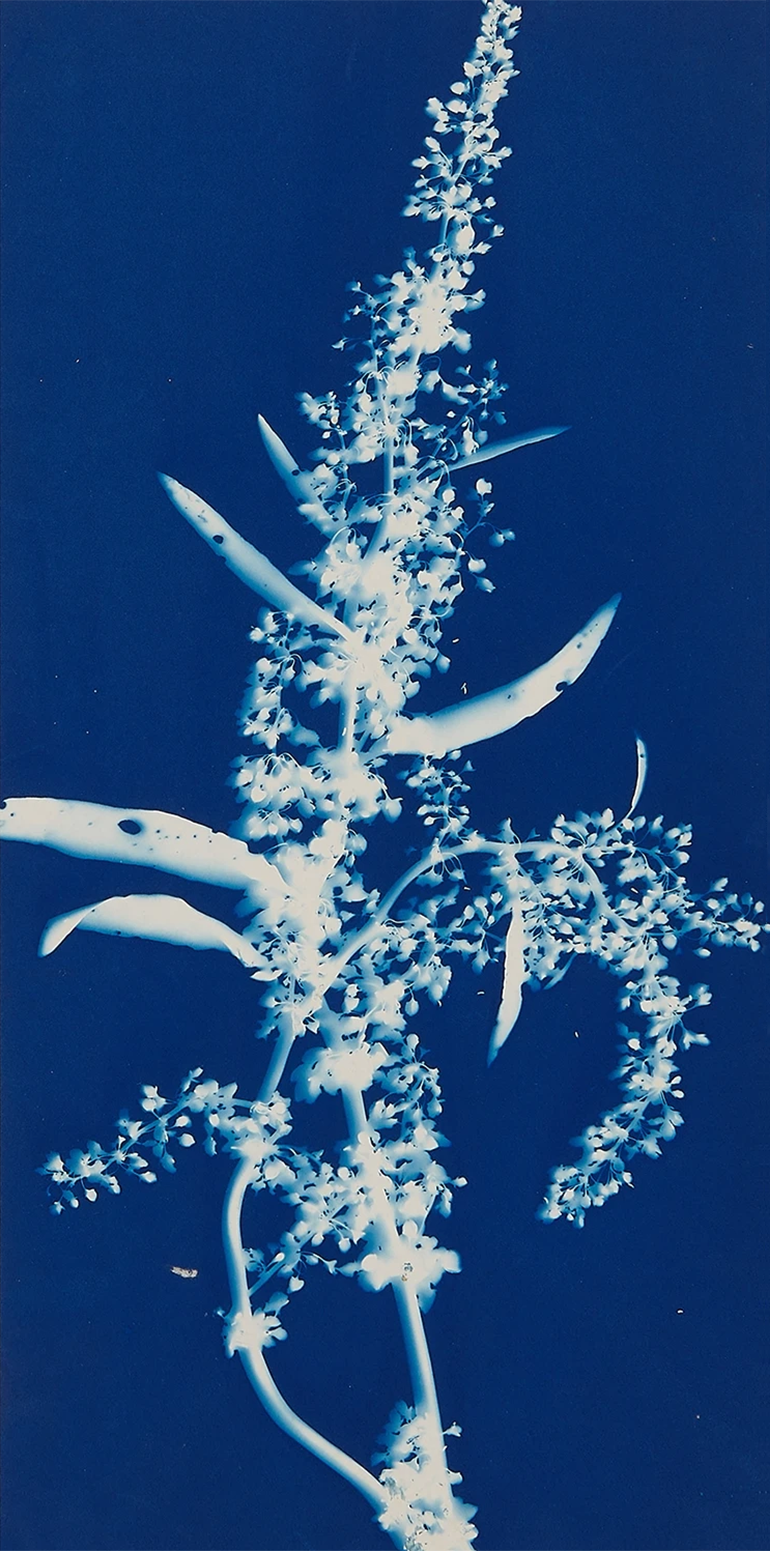
Bertha Evelyn Jaques :: Blossoms of Wild Dock, 1910. Cyanotype. | src MutualArt
Bertha Evelyn Jaques :: Blossoms of Dock, 1910. Cyanotype. | src MutualArt
Bertha Evelyn Jaques :: Blossoms of Wild Dock, 1910. Cyanotype. | src MutualArt
Bertha Evelyn Jaques :: Blossoms of Dock, 1910. Cyanotype. | src MutualArt
Bertha Evelyn Jaques :: Blossoms of Wild Dock, 1910. Cyanotype. | src MutualArt

Jaques was already a respected printmaker when she began making cyanotype photograms of wildflowers. An active member of the Wild Flower Preservation Society, she created over a thousand of these botanical images. Made without a camera by placing objects directly on sensitized paper and exposing it to light, the photogram is the least industrialized type of photography. Because prints were easy to produce by this method, it achieved wide popularity. Graphic artists often chose this form of print because of its rich Prussian blue color. Aligned with the antimodernist views of the late Victorian Arts and Crafts movement, Jaques’s work reflects a reverence for commonplace elements of nature and the beautifully crafted object.

Merry A. Foresta American Photographs: The First Century (Washington, D.C.: National Museum of American Art with the Smithsonian Institution Press, 1996). From Smithsonian American Art Museum (SAAM)

Bertha Evelyn Jaques :: Blossoms of Wild Dock, 1910. Cyanotype. | src MutualArt

Warburg by Warburg, ca. 1910

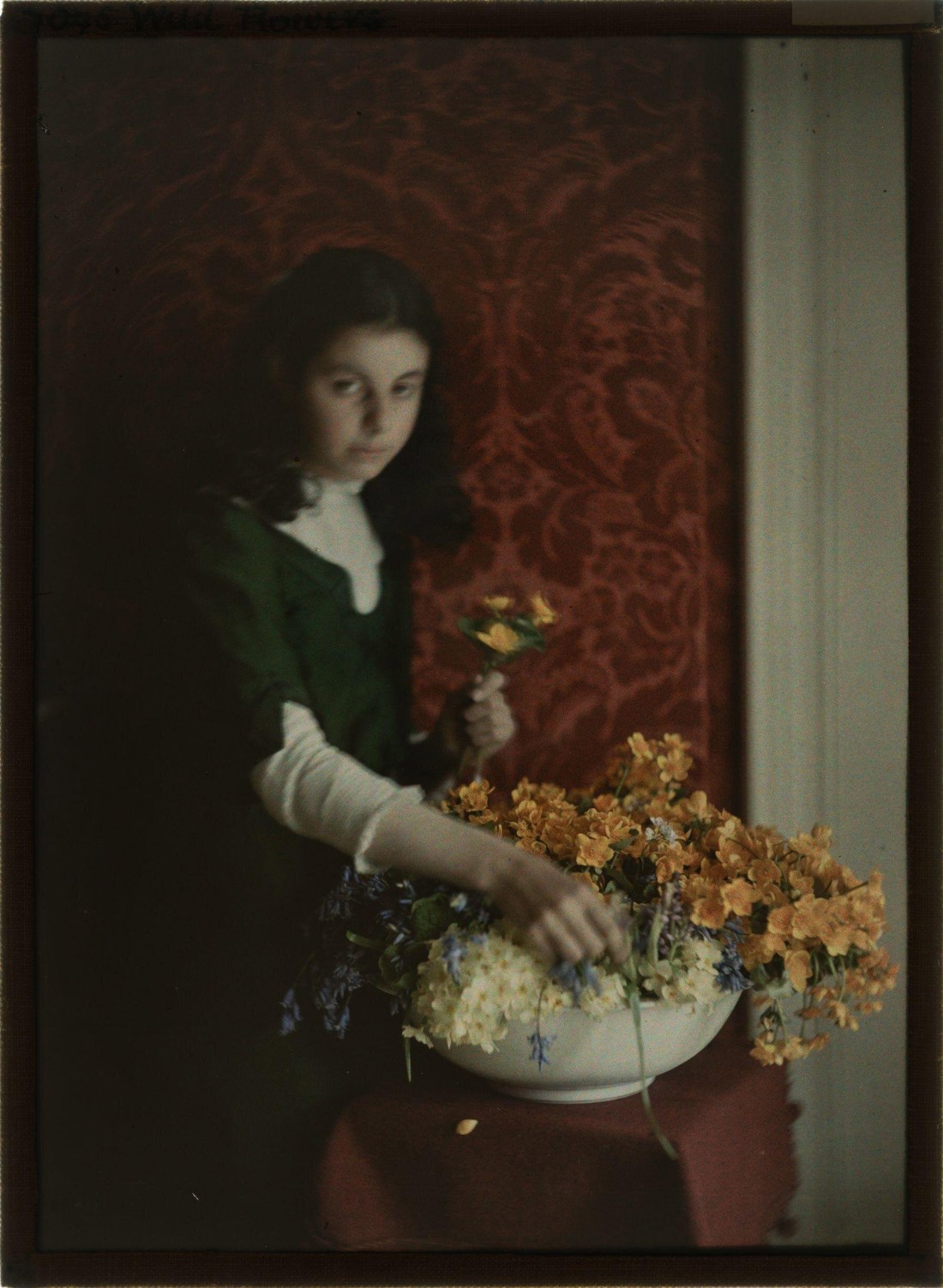
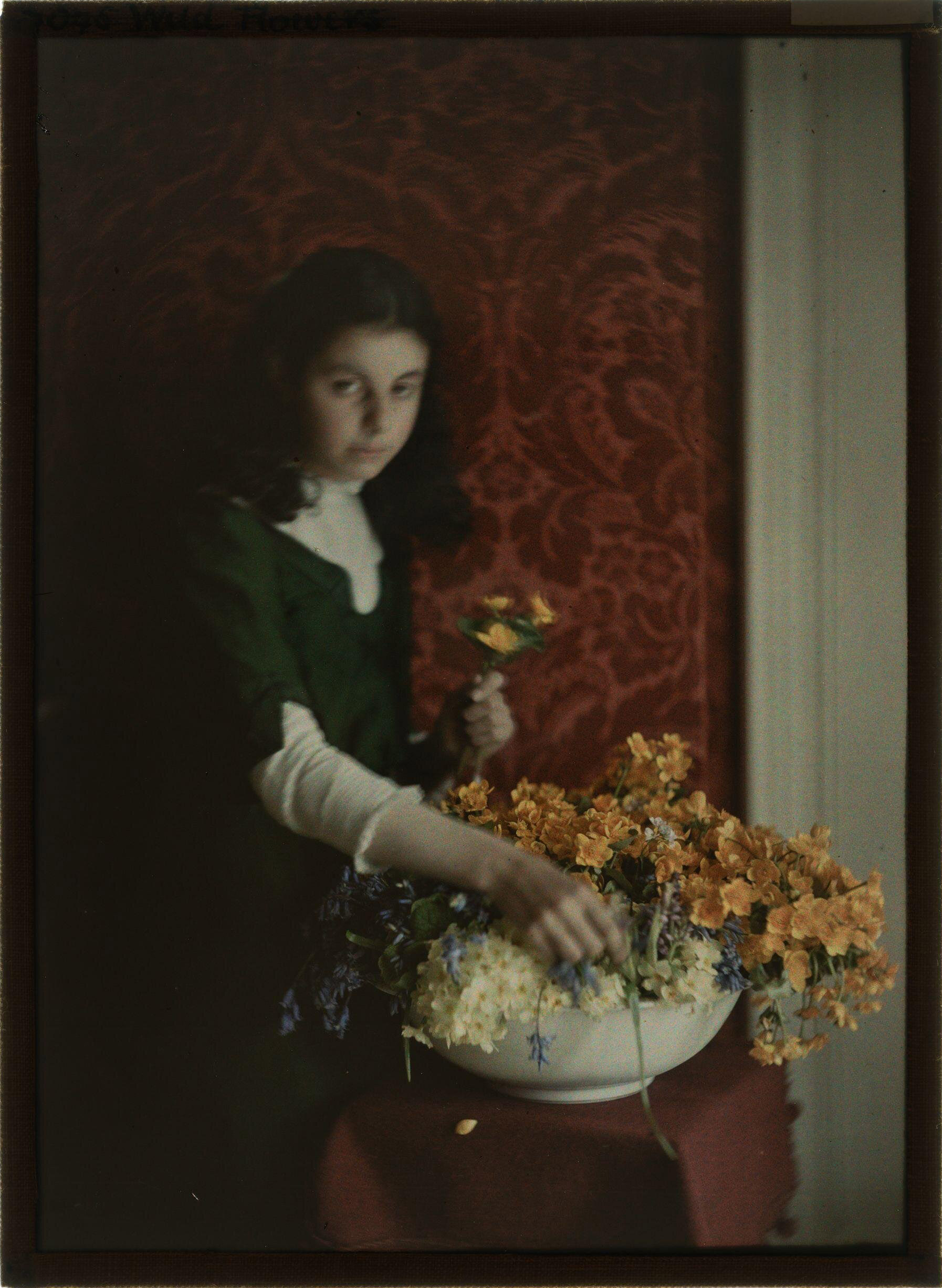
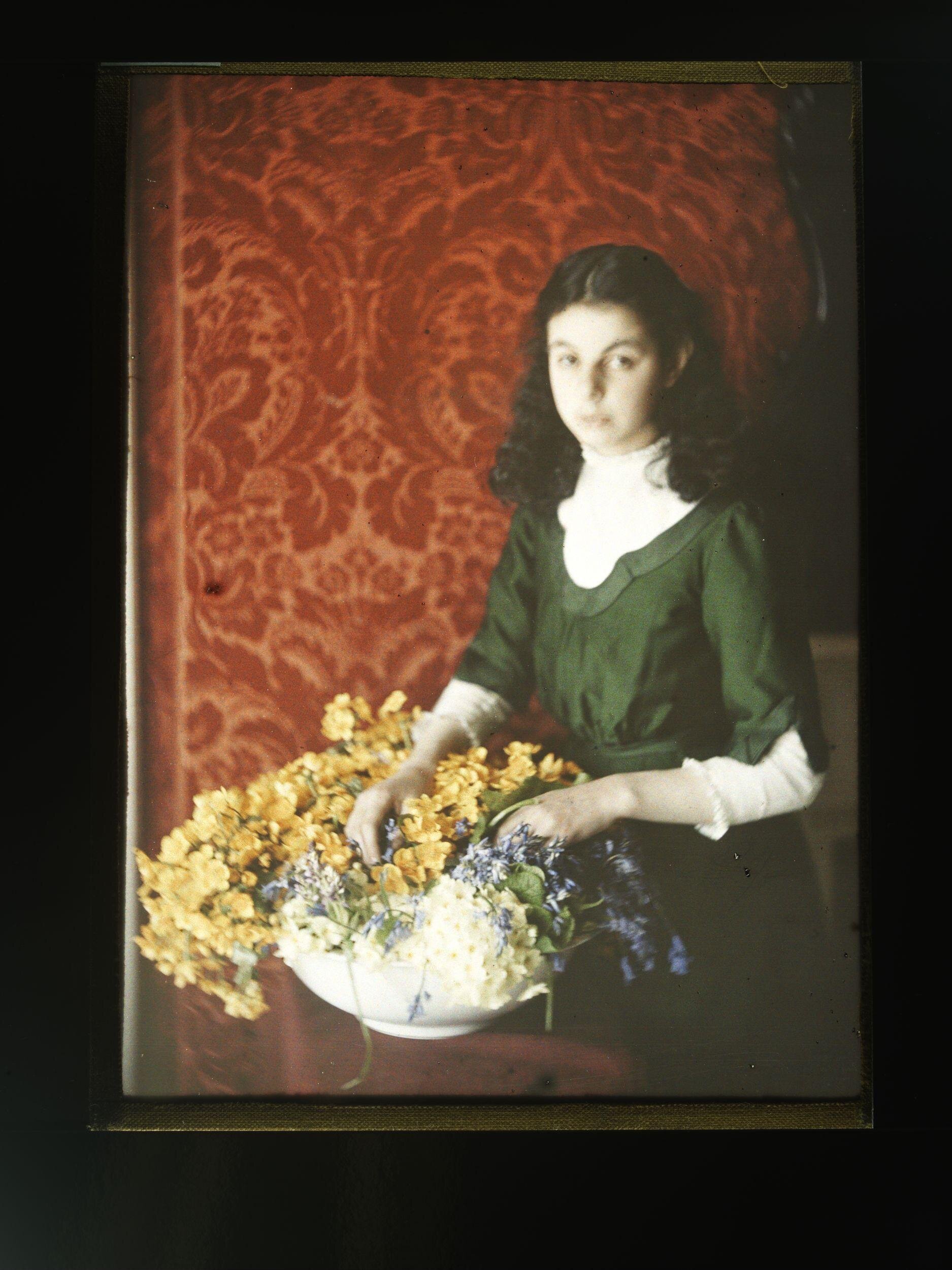
John Cimon Warburg :: Wild Flowers, ca. 1910. Autochrome. Photograph of Joan, the photographer's daughter, shown three-quarter length, standing in front of red wall paper. | src V&A Museum
John Cimon Warburg :: Wild Flowers, ca. 1910. Autochrome. Photograph of Joan, the photographer’s daughter, shown three-quarter length, standing in front of red wall paper. | src V&A Museum
John Cimon Warburg :: Marsh Marigolds, ca. 1910. Autochrome. | src V&A Museum
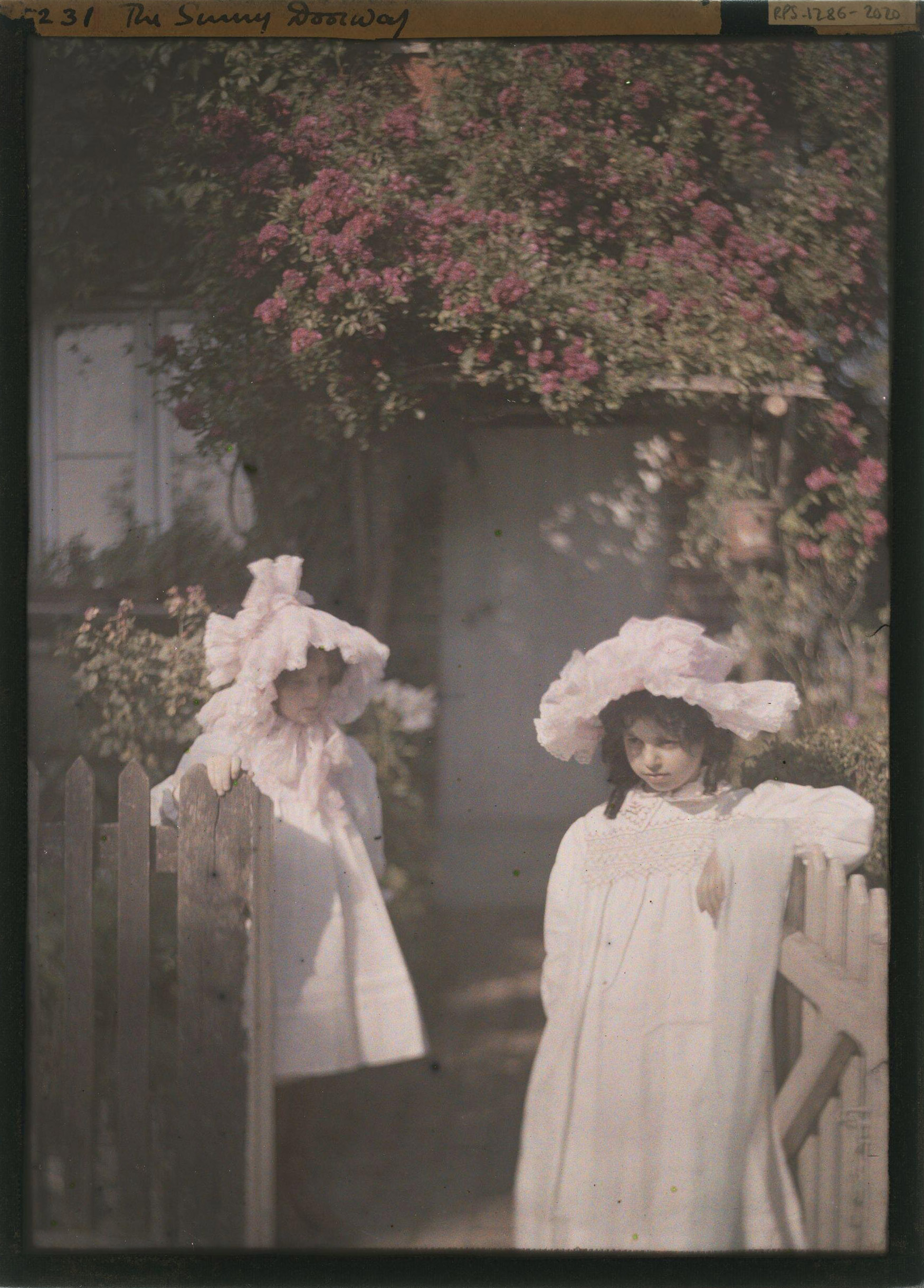
John Cimon Warburg :: ‘The Sunny Doorway’, ca. 1909, autochrome. | src V&A Museum
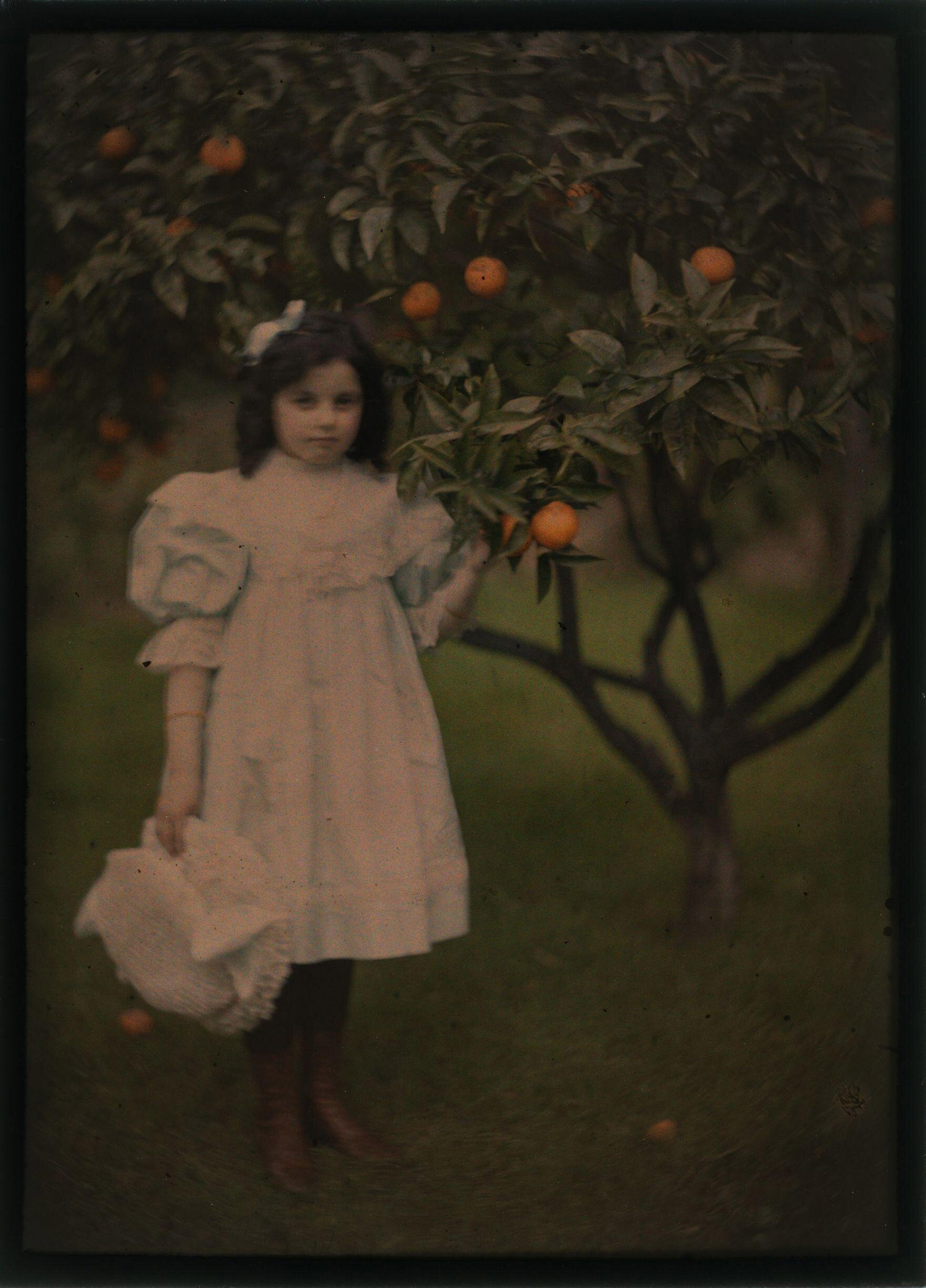
John Cimon Warburg :: 'Peggy by the Orange Tree', Autochrome, 1909. Photograph of a full length portrait of Warburg's daughter Peggy standing beside an orange tree. She wears a white dress and holds a white hat in her hand. She holds onto the orange tree with her other hand. | src V&A Museum
John Cimon Warburg :: ‘Peggy by the Orange Tree’, Autochrome, 1909. Photograph of a full length portrait of Warburg’s daughter Peggy standing beside an orange tree. She wears a white dress and holds a white hat in her hand. She holds onto the orange tree with her other hand. | src V&A Museum
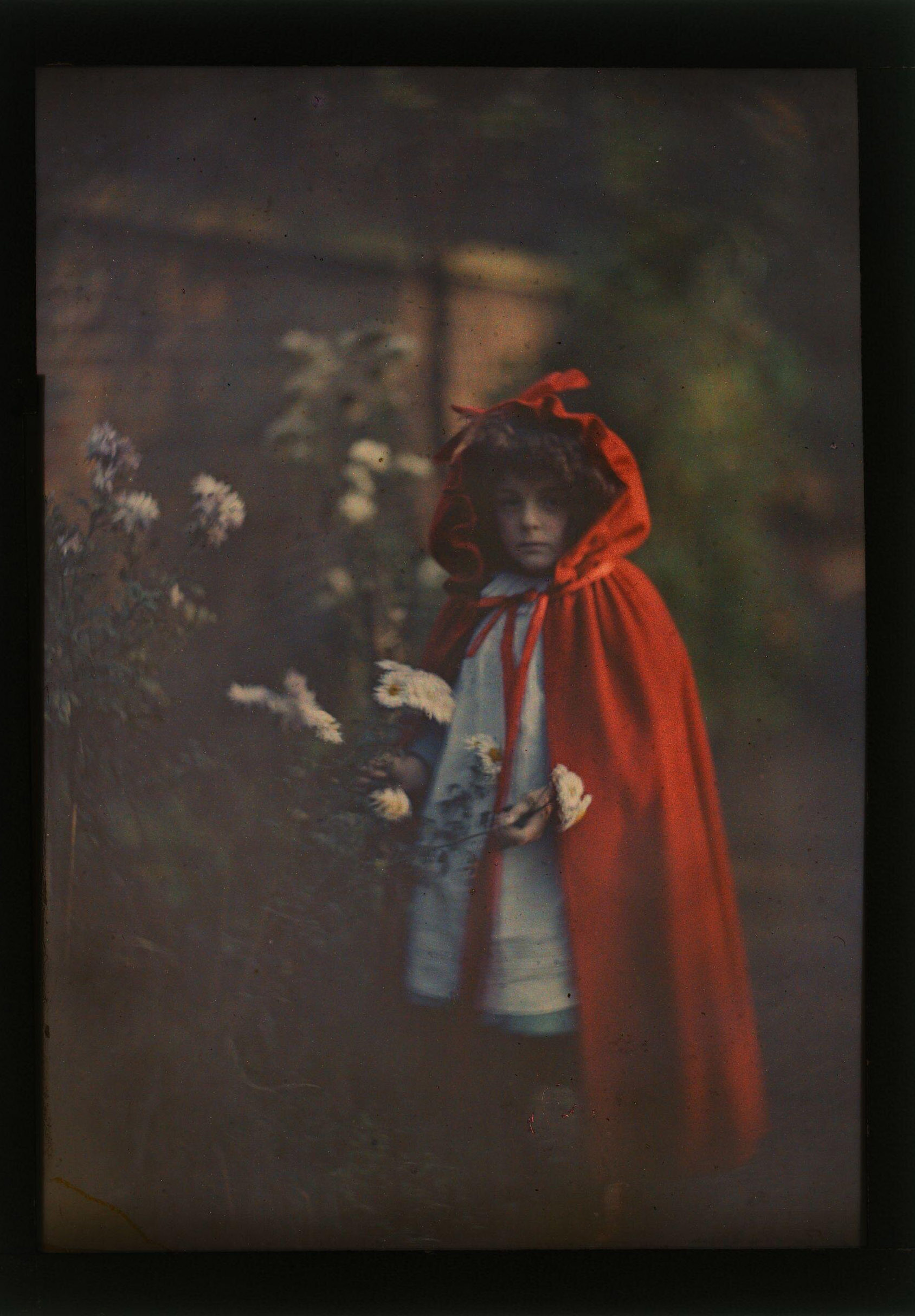
John Cimon Warburg :: ‘Joan in Red Riding Hood Cape with Basket’, autochrome, 6 November 1907. | src V&A Museum
Photograph of a near full length potrait of Warburg’s daughter Joan dressed in a Red Riding Hood cape. She stands beside a bush of white daisies. Warburg has annotated the plate with details regarding how the photograph was made.