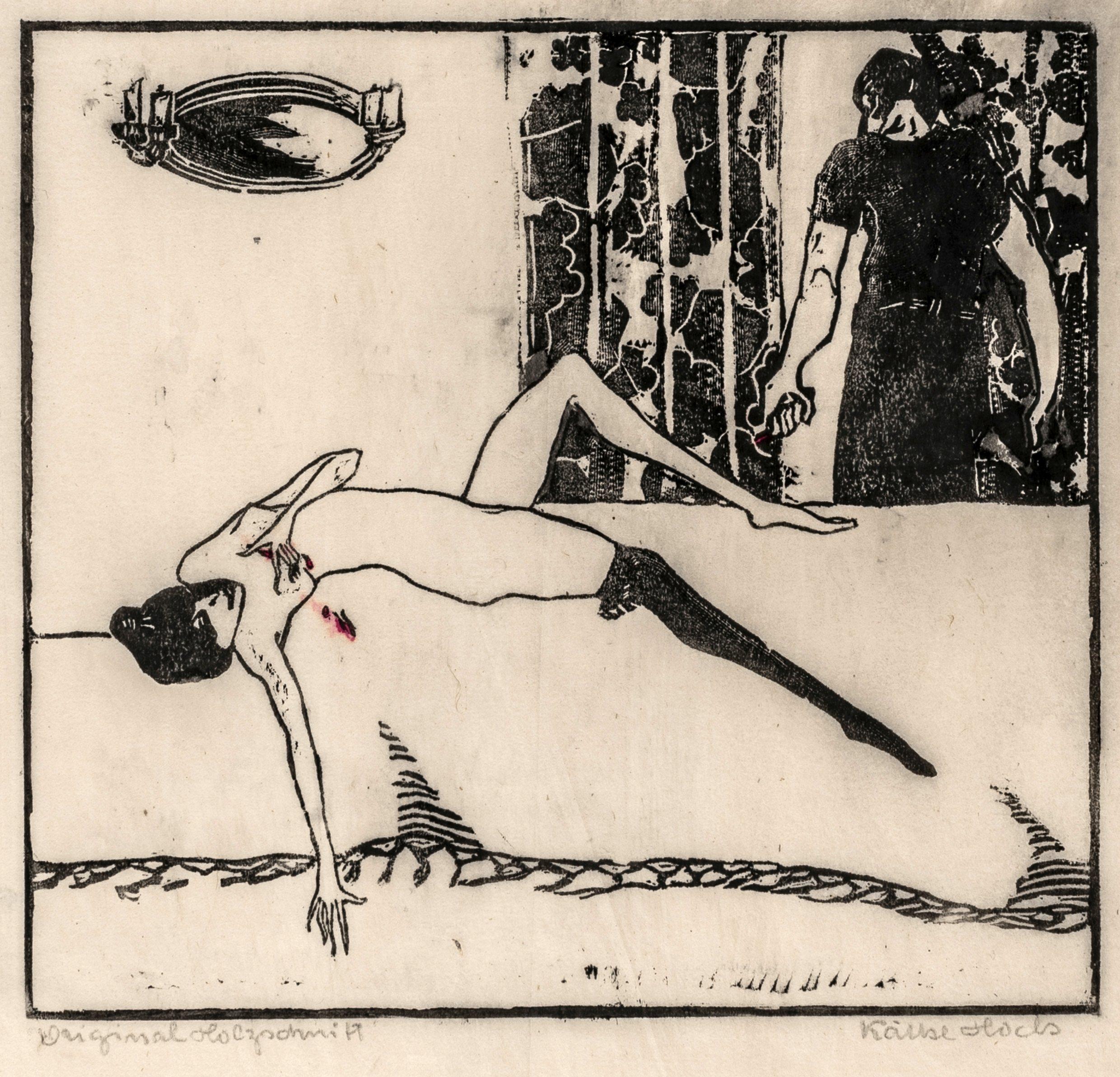
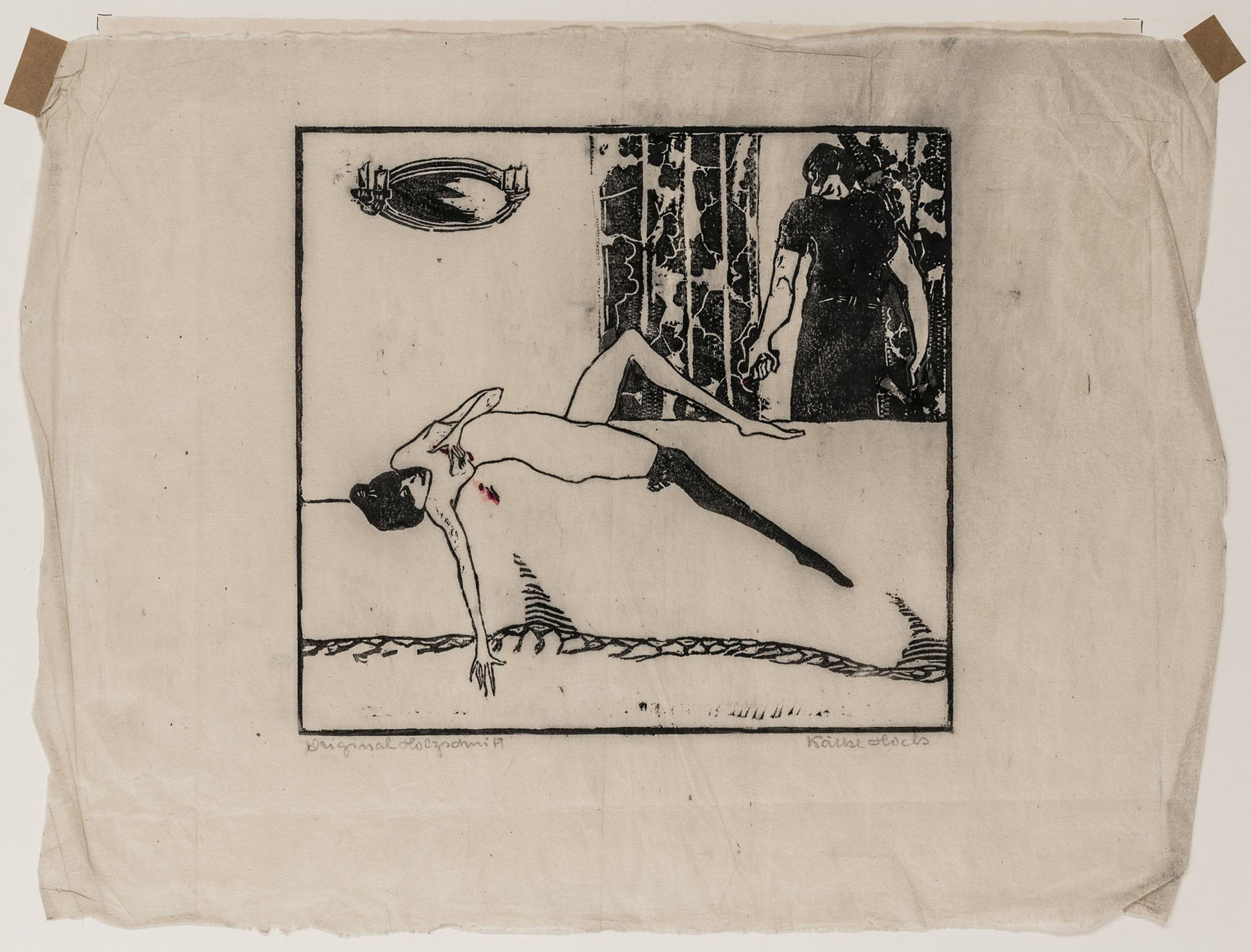
Käte Hoch (1873-1933) ~ Untitled (Reclining female nude), ca. 1910. Woodcut on thin Japan paper, with red coloring, probably added later. Inscribed “original woodcut” at the bottom left | src Nosbüsch & StuckeKäte Hoch (1873-1933) ~ Ohne Titel (Liegender weiblicher Akt). Holzschnitt auf dünnem Japan, mit punktuellem, wohl später hinzugefügtem roten Kolorit, um 1910 | src Nosbüsch & Stucke
Die deutsche Malerin Käte Hoch (1873-1933) studierte von 1891-1894 an der Münchner Damenakademie. Ab 1906 betrieb sie eine eigene Mal- und Zeichenschule in München und nahm u.a. an Ausstellungen der Münchner Secession und des Kunstvereins München teil. 1933 stürmte ein SA-Trupp ihre Wohnung und ihr Atelier in Schwabing, wobei der Großteil ihrer Werke zerstört wurde.
The German painter Käte Hoch (1873-1933) studied at the Munich Women’s Academy from 1891-1894. From 1906 she ran her own painting and drawing school in Munich and took part in exhibitions at the Munich Secession and the Munich Art Association, among others. In 1933, an SA troop stormed her apartment and studio in Schwabing, destroying most of her work.
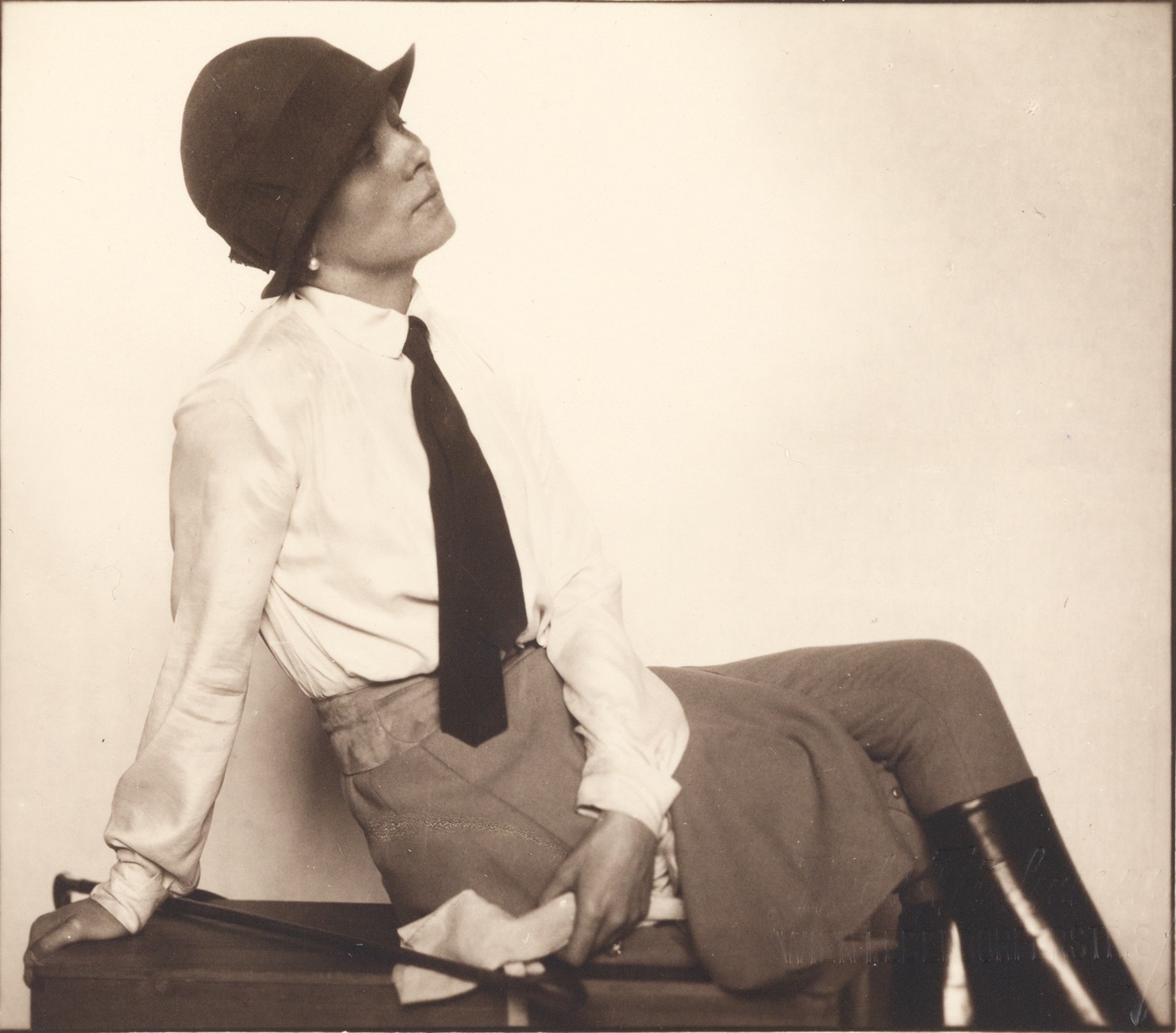
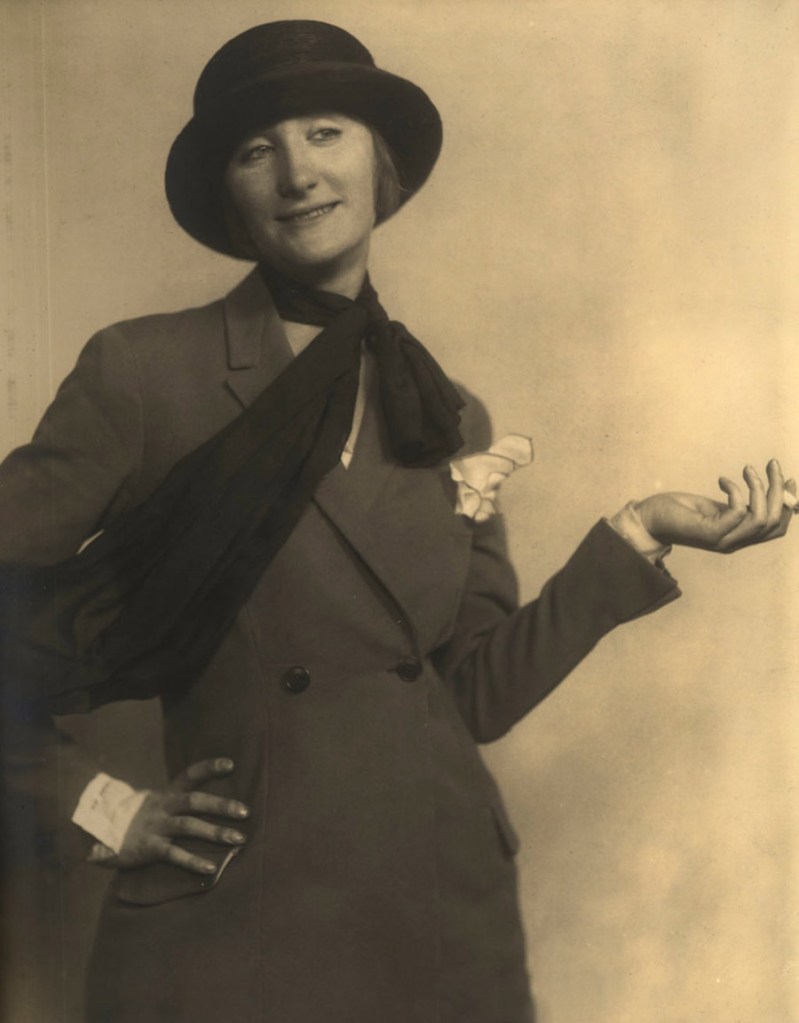
Trude Fleischmann (1895–1990) ~ Helene Thimig in riding outfit, Vienna, 1929. Vintage silver print, sepia-toned, on postcard paper | src OstlichtTrude Fleischmann (1895–1990) ~ Helene Thimig in riding outfit, Vienna, 1929. Vintage silver print, sepia-toned, on postcard paper
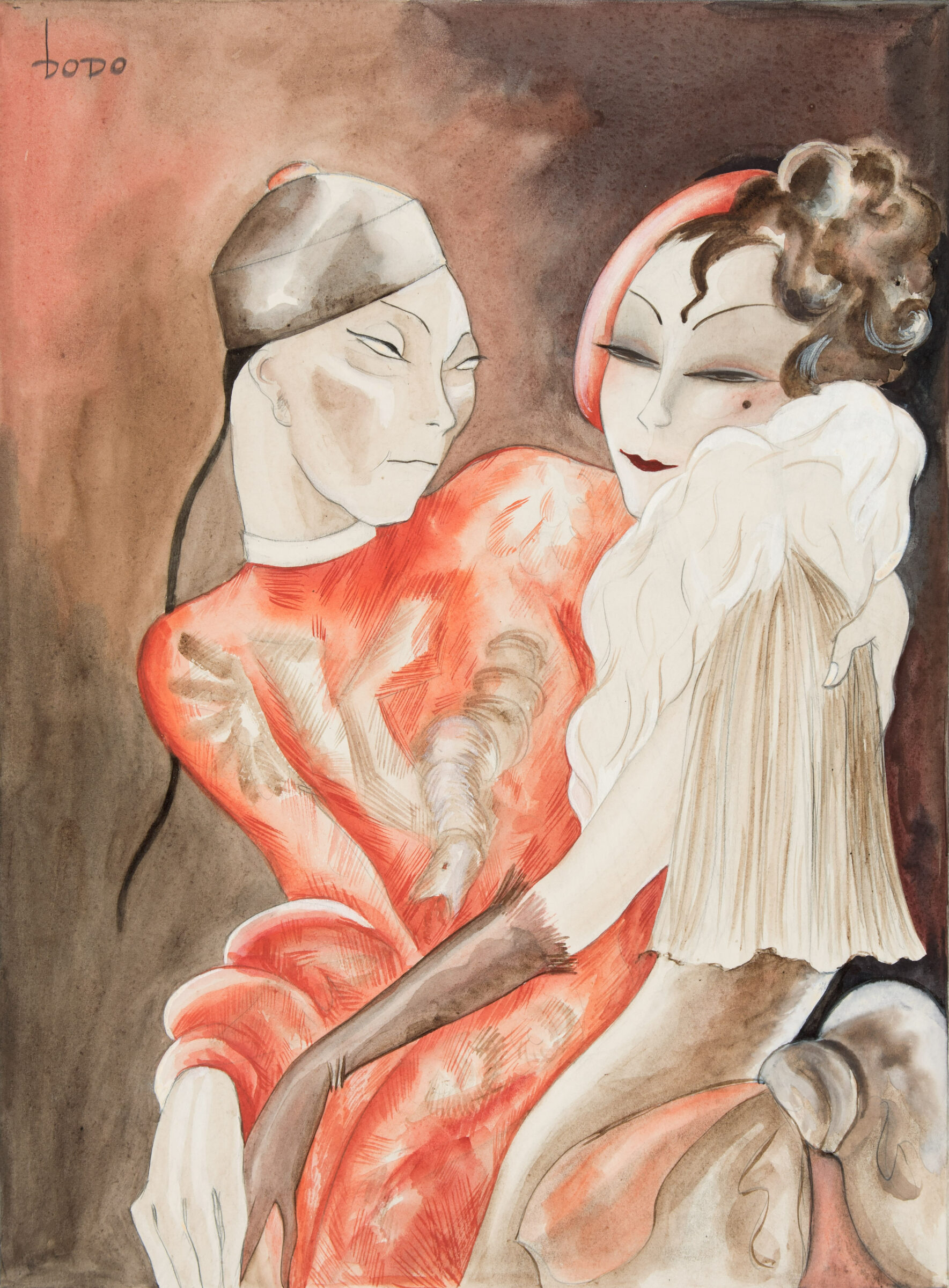
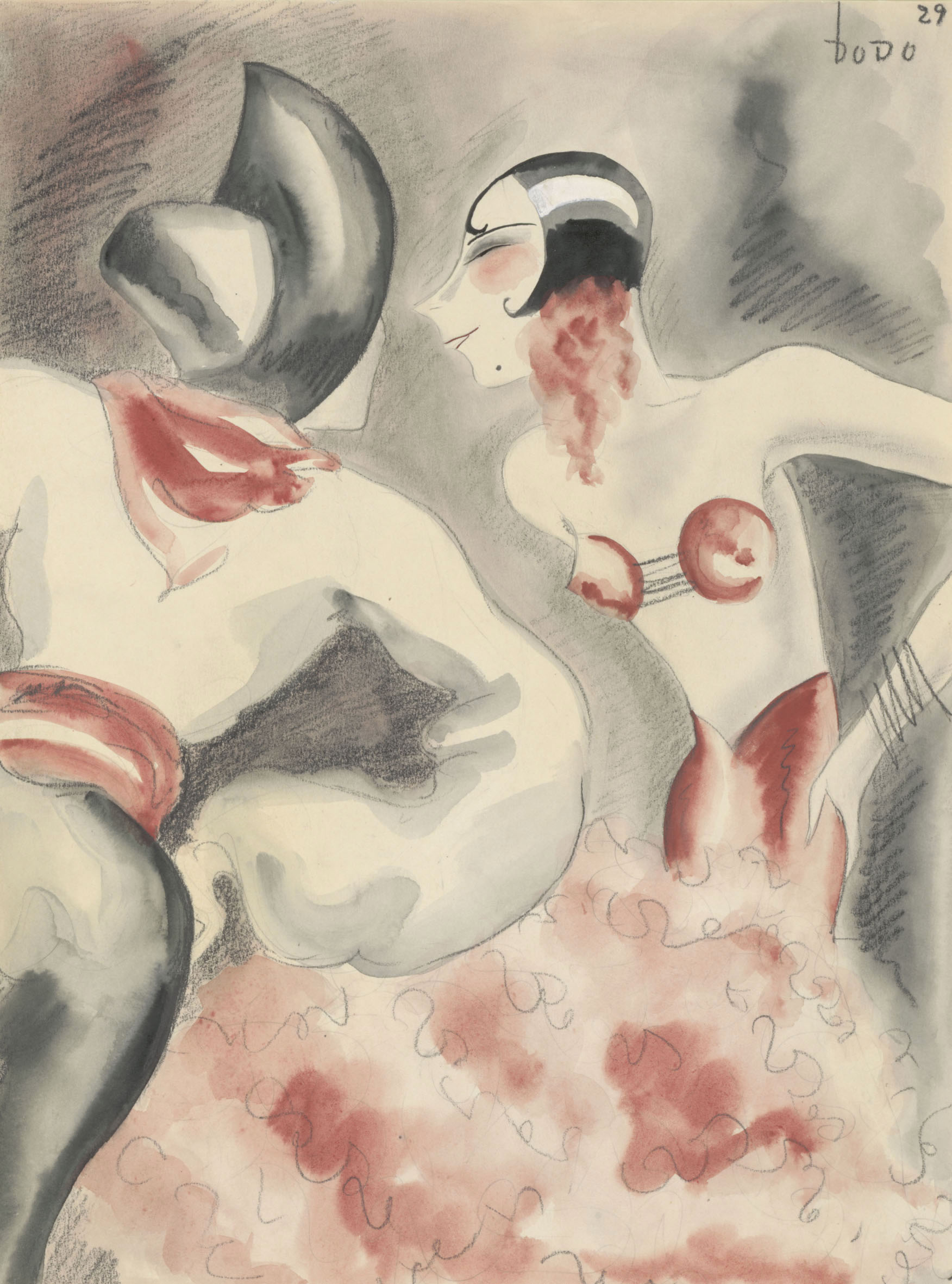
Dodo (Dörte Clara Wolff) (Berlin 1907 – 1998 London) Keine Chance. Aquarell u. Deckweiß über Bleistift auf chamoisfarbenem Karton. 1929. | src Lehr KunstauktionenDodo (Dörte Clara Wolff; 1907 – 1998) :: Revue-Tanzpaar, 1929. Zeichnung. | src Staatlichen Museen zu BerlinDodo (Dörte Clara Wolff) :: Puppy Love, 1929. Gouache über Bleistift auf Karton. | src Kunkel Fine ArtDodo (Dörte Clara Wolff) (Berlin 1907 – 1998 London) Keine Chance. Aquarell u. Deckweiß über Bleistift auf chamoisfarbenem Karton. 1929. | src Lehr Kunstauktionen
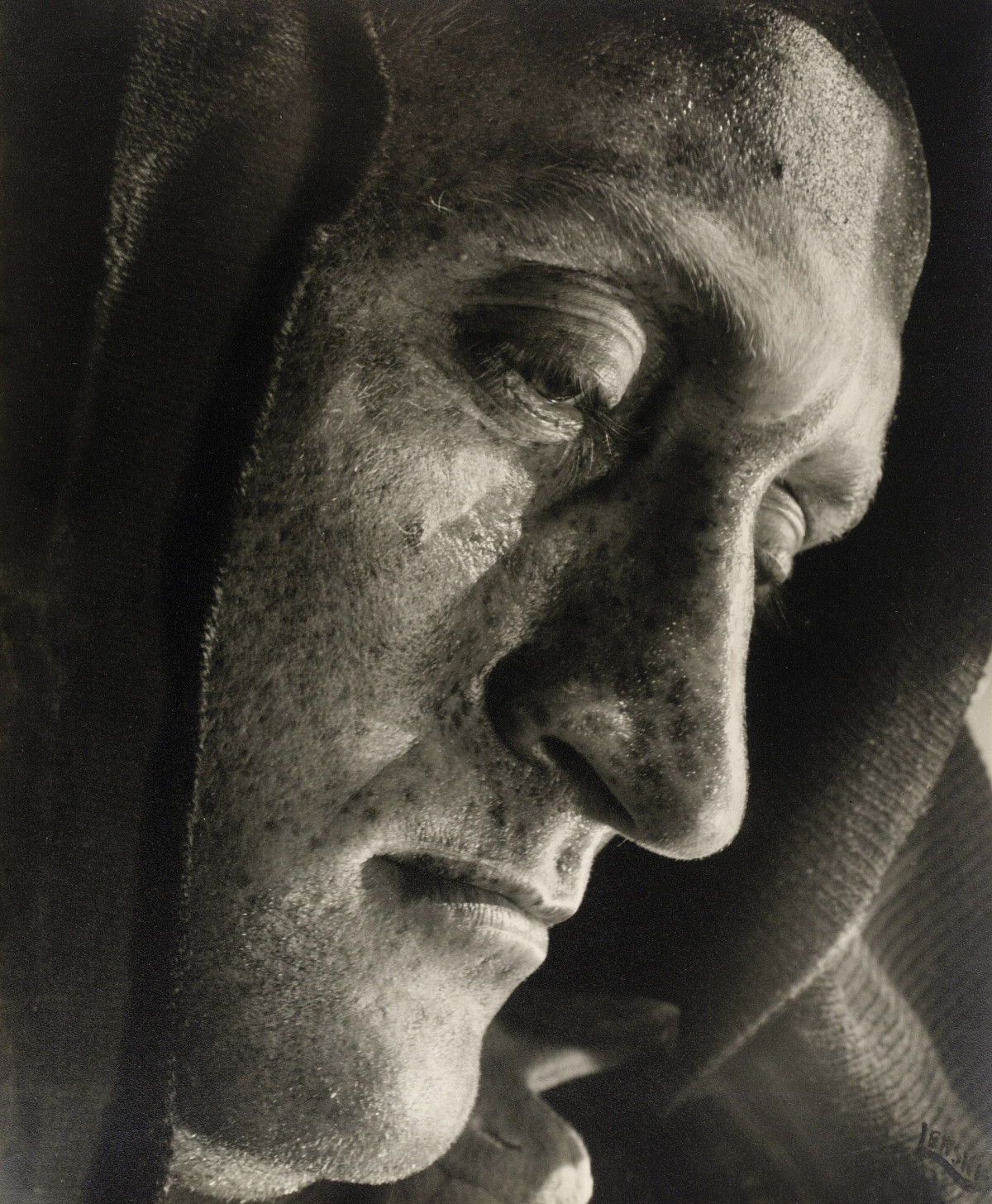
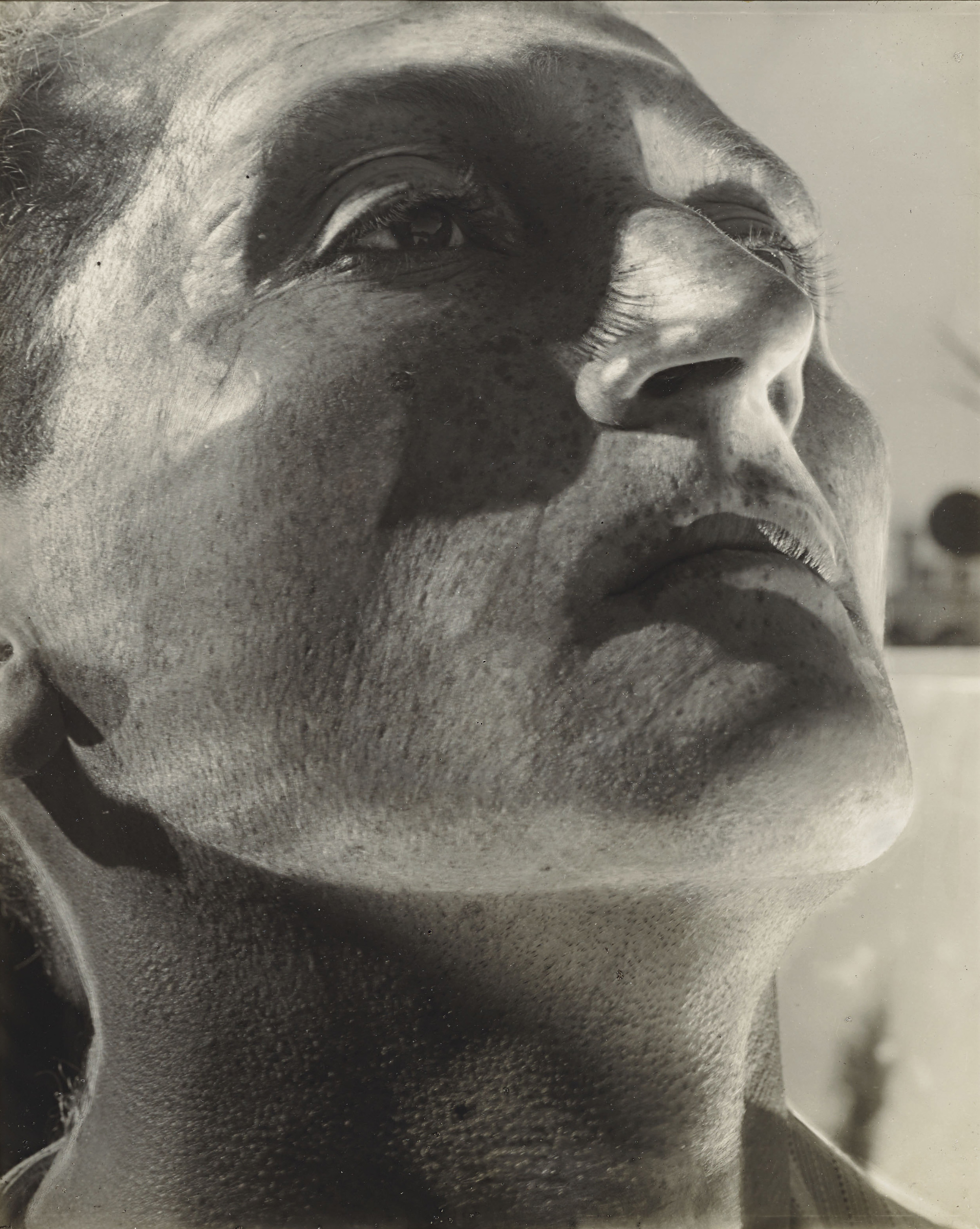
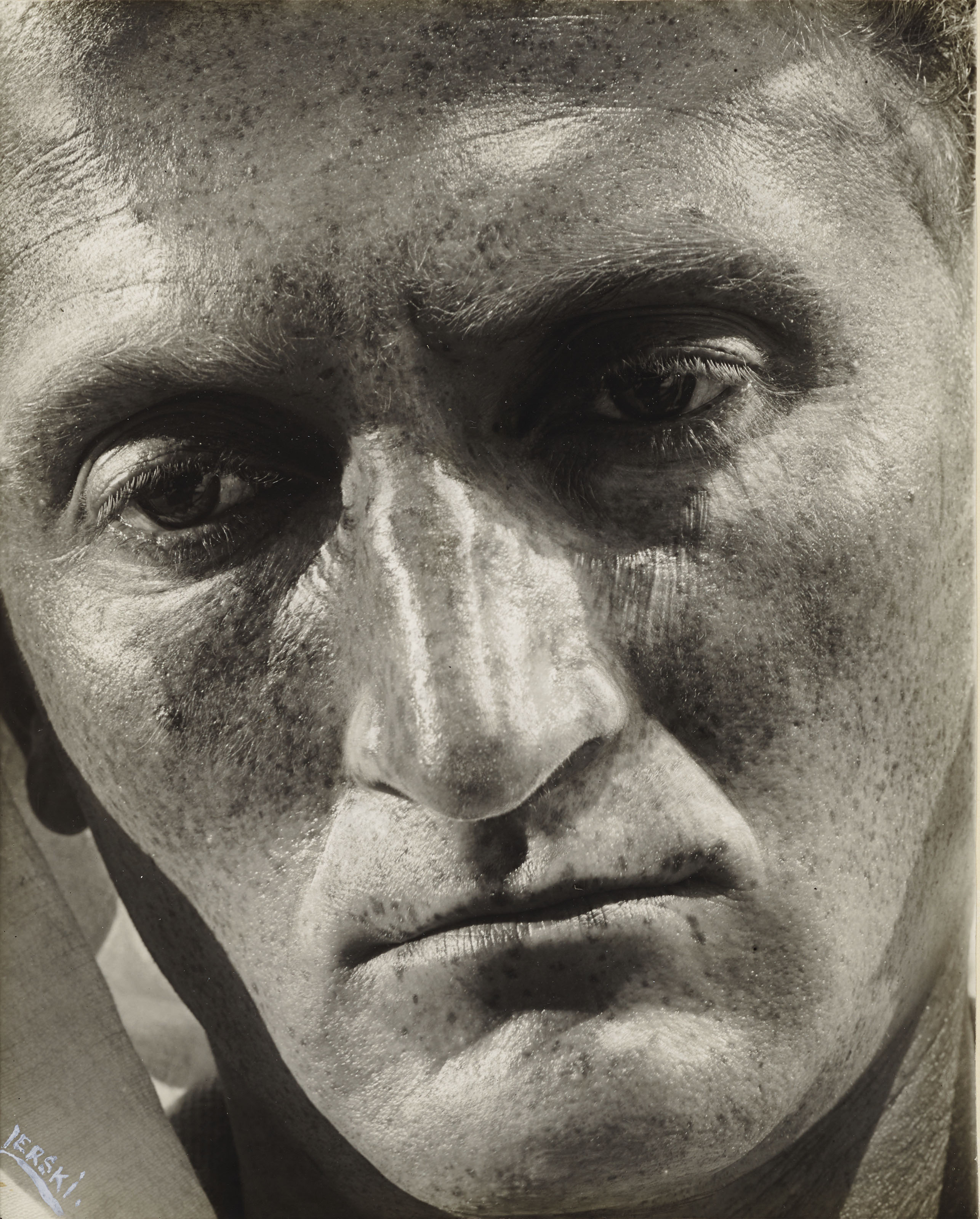
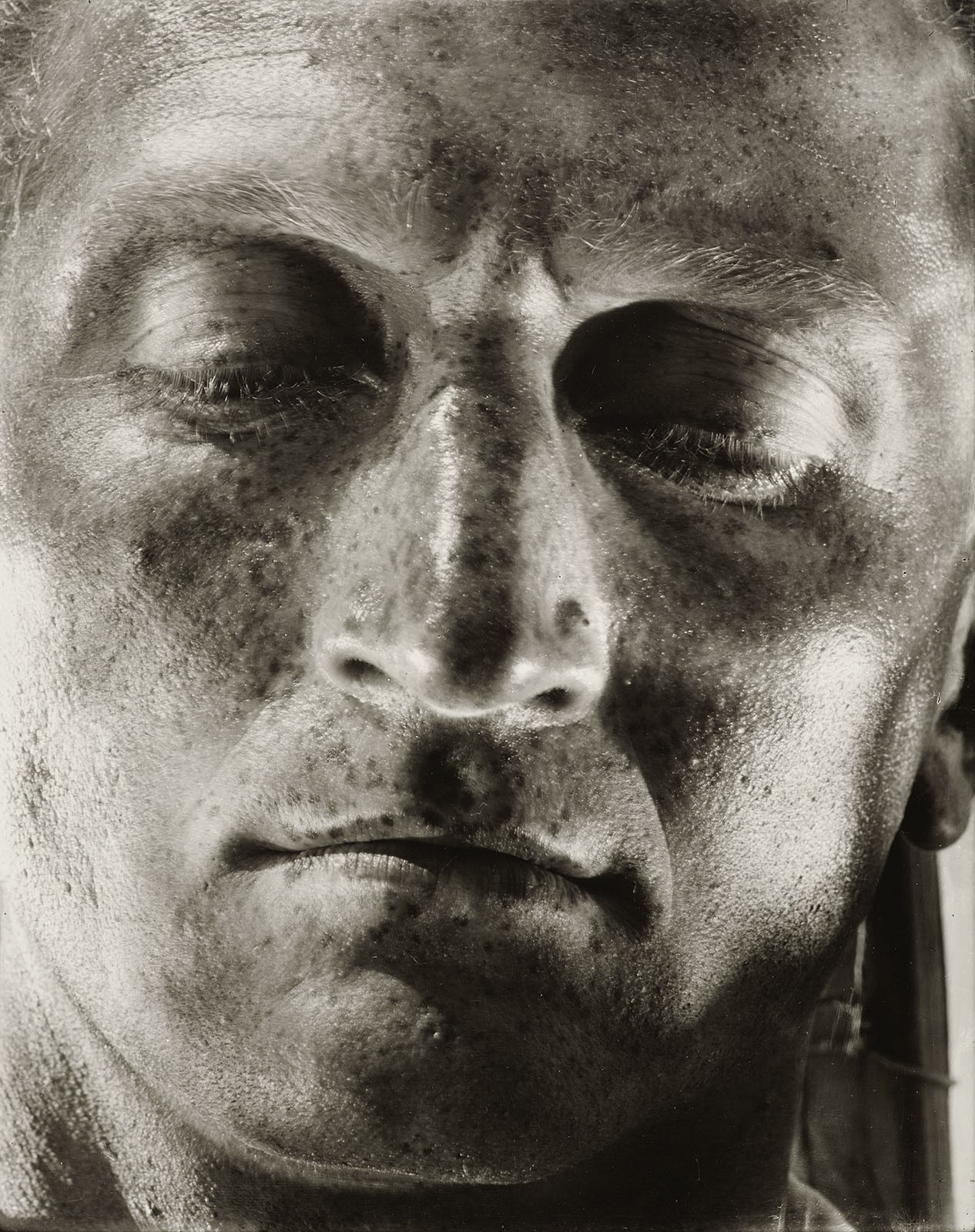
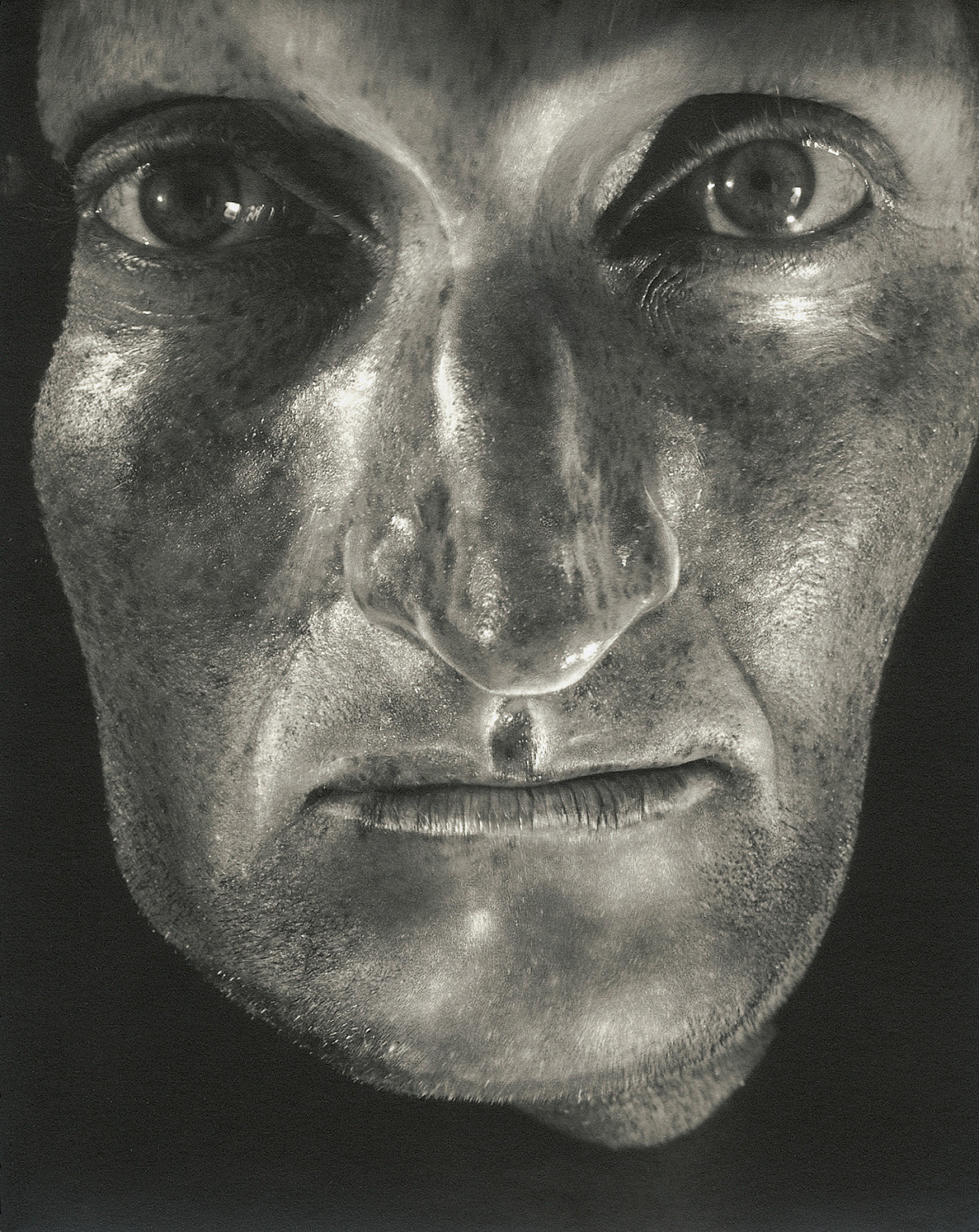
Helmar Lerski :: Verwandlungen durch Licht # 604, 1935-1936. Nachlass Helmar Lerski; Museum Folkwang, Essen & Albertina MuseumHelmar Lerski :: Untitled # 592, from Metamorphosis Through Light, Tel Aviv, 1936. | src Christie’sHelmar Lerski (1871–1956) :: Metamorphosis Through Light (572), Tel Aviv, 1936. | src Christie’sHelmar Lerski :: “Aus dem Werk” (“From the Factory”), from the “Verwandlungen des Lichts” (“Transformations of Light”) series, No. 540, 1936. Nachlass Helmar Lerski; Museum Folkwang, EssenHelmar Lerski :: Verwandlungen durch Licht # 537, 1935-1936. Nachlass Helmar Lerski; Museum Folkwang, Essen & Albertina MuseumHelmar Lerski :: Verwandlungen durch Licht # 536, 1935-1936. Nachlass Helmar Lerski; Museum Folkwang, Essen & Albertina MuseumHelmar Lerski :: Verwandlungen durch Licht # 885, 1935-1936. Nachlass Helmar Lerski; Museum Folkwang, Essen & Albertina Museum
Faces. The power of the human visage (2021)
Starting from Helmar Lerski’s outstanding photo series Metamorphosis through Light (1935/36), the exhibition Faces presents portraits from the period of the Weimar Republic.
The 1920s and ’30s saw photographers radically renew the conventional understanding of the classic portrait: their aim was no longer to represent an individual’s personality; instead, they conceived of the face as material to be staged according to their own ideas. In this, the photographed face became a locus for dealing with avant-garde aesthetic ideas as well as interwar-period social developments. And it was thus that modernist experiments, the relationship between individual and general type, feminist roll-playing, and political ideologies collided in—and thereby expanded—the general understanding of portrait photography.
Faces. Die Macht des Gesichts (2021)
Die Ausstellung Faces in der ALBERTINA präsentiert Porträts der deutschen Zwischenkriegszeit. Ausgangspunkt dafür ist Helmar Lerskis herausragende Fotoserie Verwandlungen durch Licht (1935/36).
In den 1920er- und 30er-Jahren erneuern Fotografinnen und Fotografen das Verständnis des klassischen Porträts radikal: Ihre Aufnahmen dienen nicht mehr der Darstellung der Persönlichkeit eines Menschen, sondern fassen das Gesicht als nach ihren Vorstellungen inszenierbares Material auf.
Über das fotografierte Gesicht werden sowohl ästhetische Überlegungen der Avantgarde als auch gesellschaftliche Entwicklungen der Zwischenkriegszeit dargestellt. Experimente mit neuer Formensprache, das Verhältnis zwischen Individuum und Typ, feministische Rollenspiele und politische Ideologien treffen aufeinander und erweitern damit das Verständnis der Porträtfotografie.
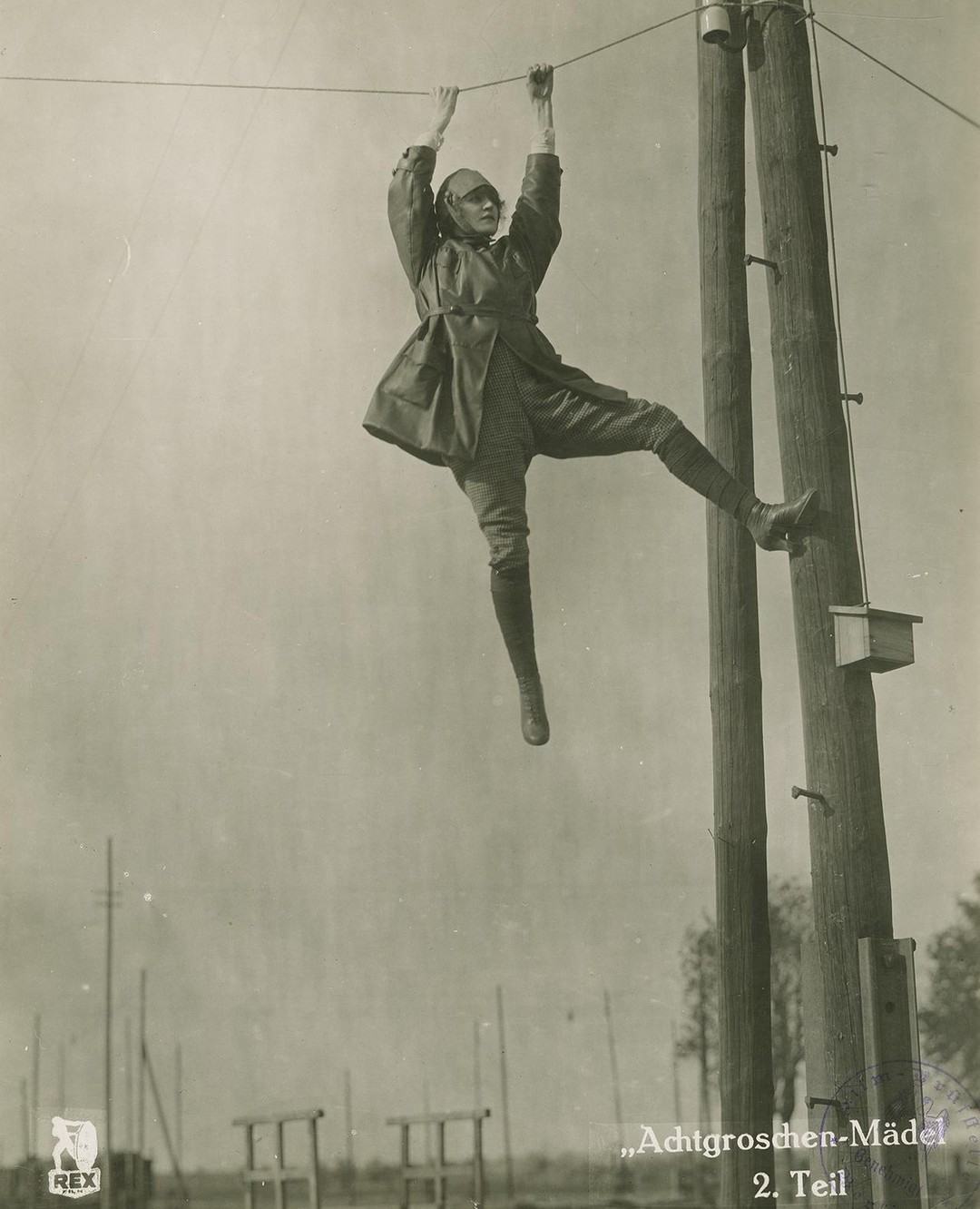
Edith Posca als Detektivin Miss Madge Henway – Drehbuch: Jane Bess Das Achtgroschenmädel. Jagd auf Schurken. 2. Teil (D 1921, Regie: Wolfgang Neff)⠀ Quelle : Deutsche Kinemathek – Fotoarchiv
Edith Posca as detective Miss Madge Henway – Screenplay: Jane Bess The Eight Penny Girl. Hunting Villains. 2nd part (D 1921, director: Wolfgang Neff) Source : Deutsche Kinemathek – photo archive
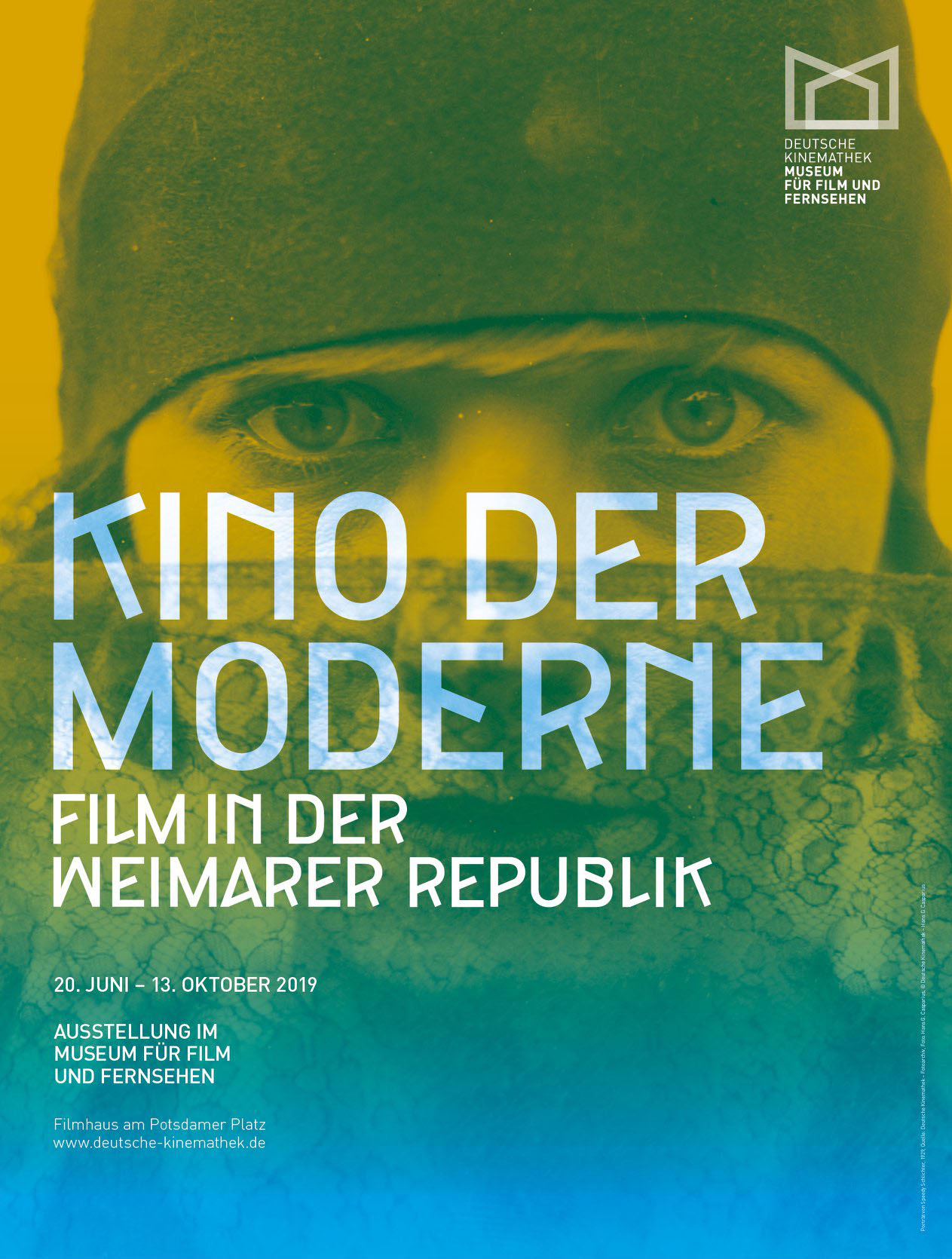
Kino der Moderne — Film in der Weimarer Republik (20.6.2019 – 13.10.2019)⠀ Wie keine andere Kunstform spiegelte das Kino den Zeitgeist der Moderne. Mode und Sport, Mobilität und urbanes Leben, Genderfragen und Psychoanalyse prägen die Filme einer Stilepoche, die auf die Filmästhetik der ganzen Welt Einfluss nahm.⠀ ⠀ Modern Cinema — Film in the Weimar Republic (6/20/2019 – 10/13/2019)⠀⠀ Like no other art form, cinema reflected the spirit of the modern era: fashion and sports, mobility and urban life, gender issues and the emergence of psychoanalysis characterize the films of the period, which would have a profound influence on international film aesthetics.⠀
Speedy Schlichter (b. Elfriede Elisabeth Koehler) – 1920s | src Deutsche KinemathekPlakat „Kino der Moderne“ Berlin 2019 – Speedy Schlichter (Elfriede Elisabeth Koehler) | Deutsche Kinemathek
100 Jahre Weimarer Republik, 100 Jahre Kino der Moderne: Wir blicken zurück auf das Kino der ersten deutschen Republik, beleuchten das Verhältnis von Film und Alltagskultur, die künstlerischen und technischen Erfindungen der Zeit und das Entstehen von Filmkritik und -theorie.
Wie keine andere Kunstform spiegelte das Kino den Zeitgeist der Moderne. Mode und Sport, Mobilität und urbanes Leben, Genderfragen und Psychoanalyse prägen die Filme einer Stilepoche, die auf die Filmästhetik der ganzen Welt Einfluss nahm.
Zahlreiche Drehbücher, Plakate, Requisiten und Kameras zeigen, wie der Film auf Literatur, Kunst, Architektur und gesellschaftliche Entwicklungen reagierte. Außerdem rücken wir das Wirken von Frauen hinter der Kamera in den Fokus und stellen 21 weibliche Filmschaffende vor.
In 23 Themenschwerpunkten führt die Ausstellung durch das Kino der »wilden 20er« – von den ersten Kinopalästen mitten hinein ins Babylon Berlin und bis zum jähen Ende der Kunstfreiheit unter den Nationalsozialisten.
100 years of Weimar Republic, 100 years of modern cinema – we look back at the relationship between cinema and everyday culture, the innovations of the film trade and the emergence of film criticism and theory in the 1920s.
Like no other art form, cinema reflected the spirit of the modern era: fashion and sports, mobility and urban life, gender issues and the emergence of psychoanalysis characterize the films of the period, which would have a profound influence on international film aesthetics.
Screenplays, posters, props and cameras highlight film’s references to literature, arts, architecture and social developments. The exhibition also sheds light on the work of women behind the camera. It presents 21 women professionals within the film industry who played decisive roles as producers, directors, screenwriters, or set designers.
Along 23 main topics, we lead you through the “roaring 20s” – from the first cinema palaces right into the heart of Babylon Berlin and to the sudden end of artistic freedom under the National Socialists.
Privatfoto von Margo Lion, from a Fotoalbum (1920-1932). From Marcellus Schiffer und Margo Lion Archiv at Akademie der KünstePrivatfoto von Margo Lion, from a Fotoalbum (1920-1932). From Marcellus Schiffer und Margo Lion Archiv at Akademie der KünsteRolf Mahrenholz ~ Margo Lion in den “Hetärengesprächen”(Dialogue of the Courtesans). Der Querschnitt B.7, H.8, August 1927 | src arthistoricumPrivatfoto von Margo Lion, from a Fotoalbum (1920-1932). From Marcellus Schiffer und Margo Lion Archiv at Akademie der KünsteAtelier Willinger :: Porträtfoto von Margo Lion, signiert (Seitenprofil). | src Akademie der Künste, BerlinPrivatfoto von Margo Lion, from a Fotoalbum (1920-1932). From Marcellus Schiffer und Margo Lion Archiv at Akademie der KünstePorträt und Atelierfoto von Margo Lion. Postkarte, signiert. | src Marcellus Schiffer und Margo Lion Archiv at Akademie der Künste
Privatfoto von Margo Lion, from a Fotoalbum (1920-1932). From Marcellus Schiffer und Margo Lion Archiv at Akademie der Künste, BerlinPrivatfoto von Margo Lion, from a Fotoalbum (1920-1932). From Marcellus Schiffer und Margo Lion Archiv at Akademie der Künste, BerlinPrivatfoto von Margo Lion, from a Fotoalbum (1920-1932). From Marcellus Schiffer und Margo Lion Archiv at Akademie der Künste, BerlinPrivatfoto von Margo Lion, from a Fotoalbum (1920-1932). From Marcellus Schiffer und Margo Lion Archiv at Akademie der Künste, BerlinPrivatfoto von Margo Lion, from a Fotoalbum (1920-1932). From Marcellus Schiffer und Margo Lion Archiv at Akademie der Künst, BerlinPrivatfoto von Margo Lion, from a Fotoalbum (1920-1932). From Marcellus Schiffer und Margo Lion Archiv at Akademie der Künste, BerlinPrivatfoto von Margo Lion, from a Fotoalbum (1920-1932). From Marcellus Schiffer und Margo Lion Archiv at Akademie der Künste, BerlinPrivatfoto von Margo Lion, from a Fotoalbum (1920-1932). From Marcellus Schiffer und Margo Lion Archiv at Akademie der Künste, Berlin














 un regard oblique