
images that haunt us

George Hurrell :: Gary Cooper, 1937 / source: lesicones du 7art
more [+] Gary Cooper posts
/
more [+] by this photographer
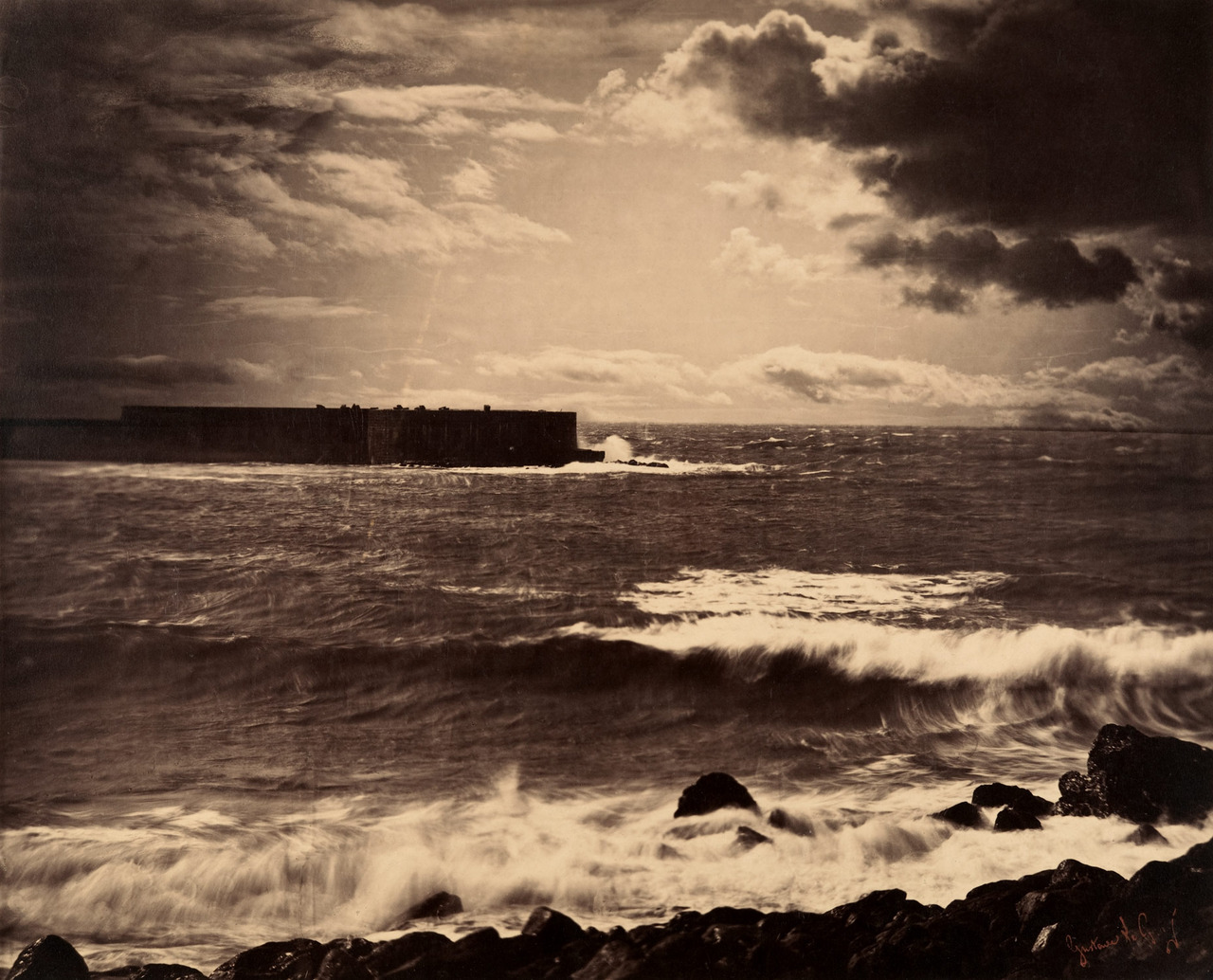
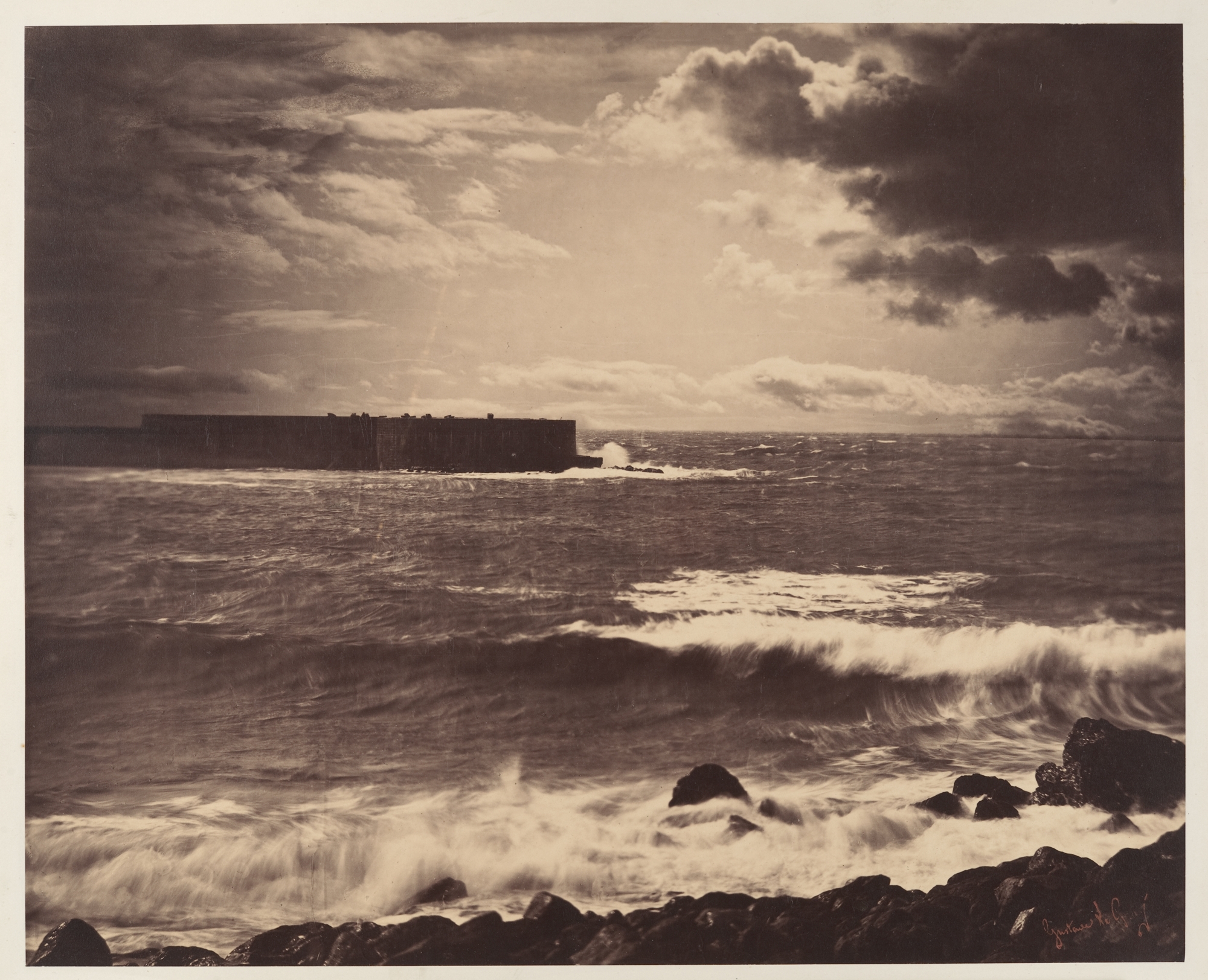
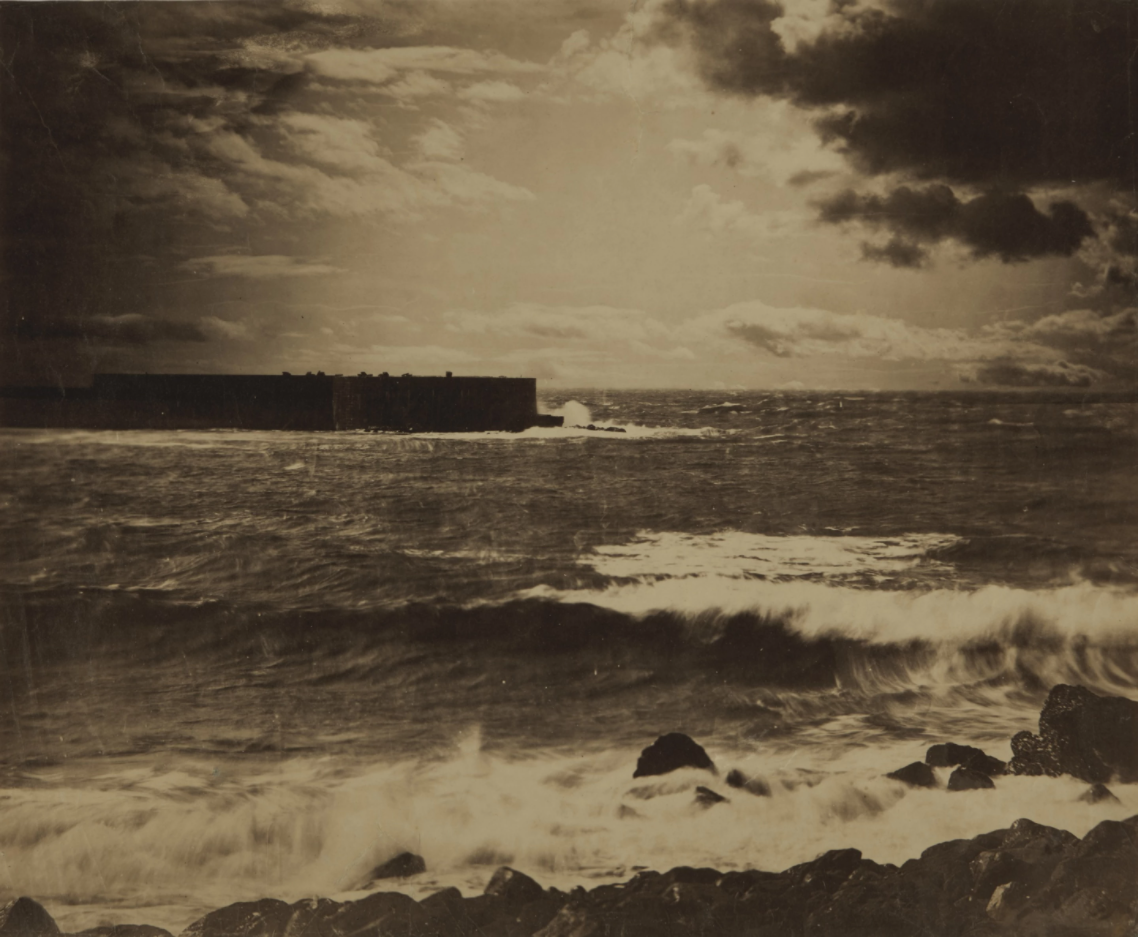
The dramatic effects of sunlight, clouds, and water in Le Gray’s seascapes stunned his contemporaries and immediately brought him international recognition. At a time when photographic emulsions were not equally sensitive to all colors of the spectrum, most photographers found it impossible to achieve proper exposure of both landscape and sky in a single picture. Le Gray solved this problem by printing two negatives on a single sheet of paper: one exposed for the sea, the other for the sky, and sometimes made on separate occasions or in different locations. Le Gray’s marine pictures caused a sensation not only because their simultaneous depiction of sea and heavens represented a technical tour de force, but also because the resulting poetic effect was without precedent in photography. / quoted from The Metropolitan Museum of Art.

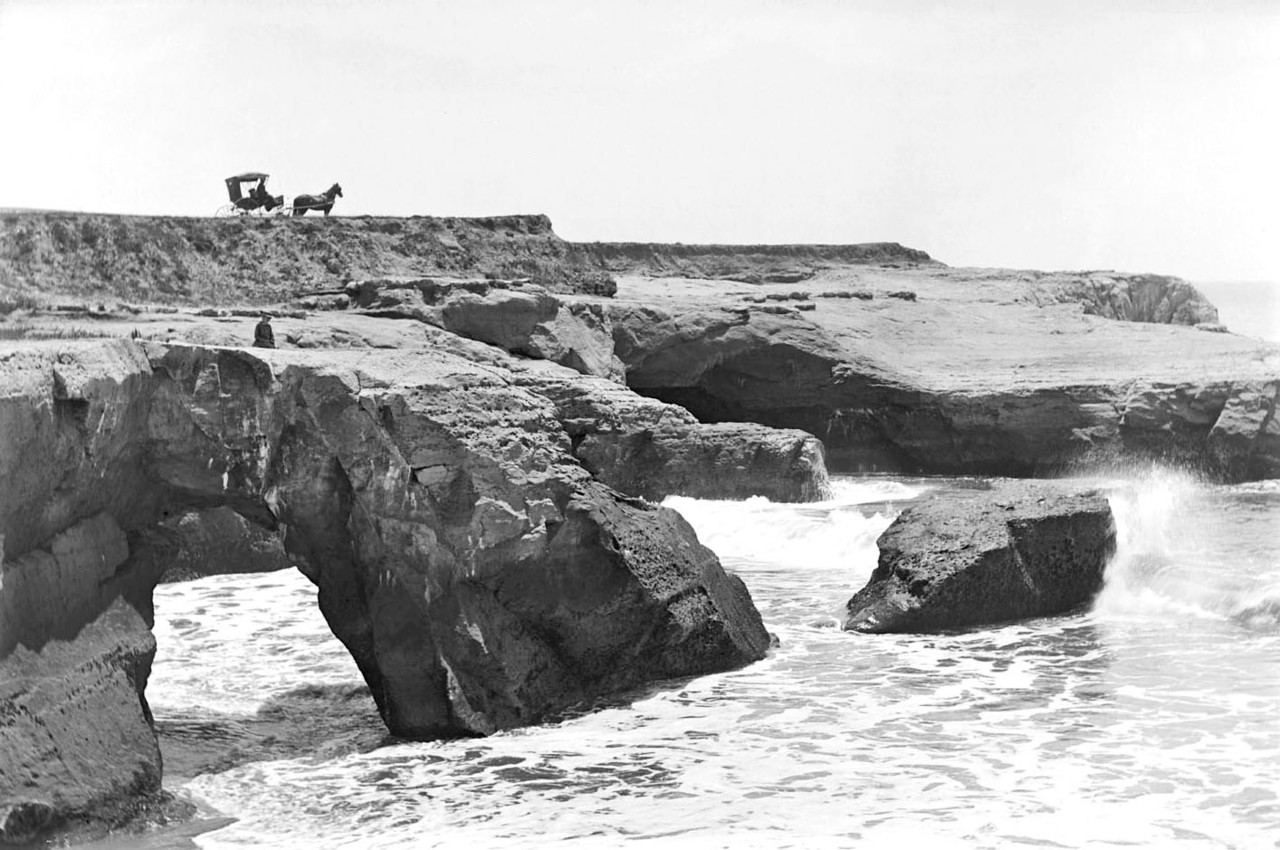
Horse and carriage on top of cliffs, Santa Cruz, California. Source: California Digital Archive. / via
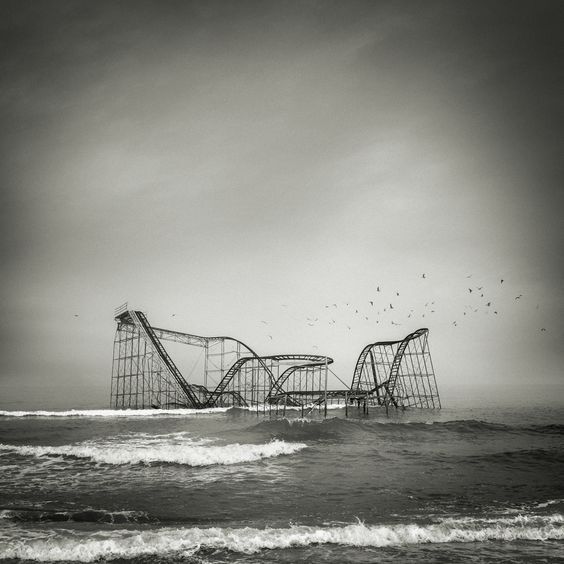
Joseph Romeo / via
art-is-art-community

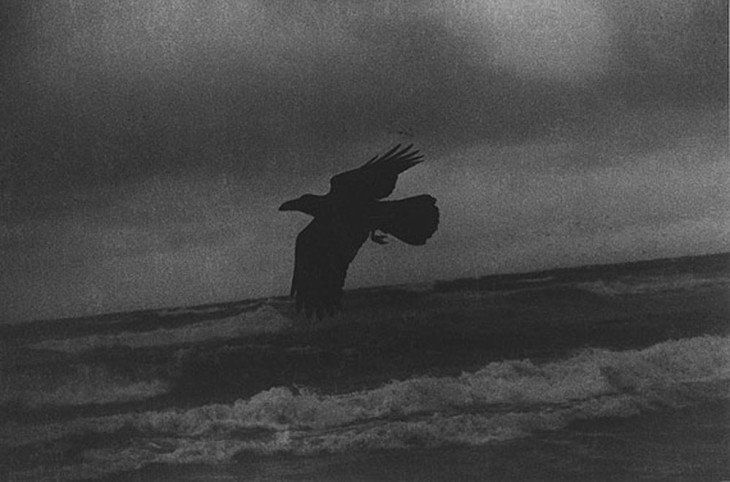

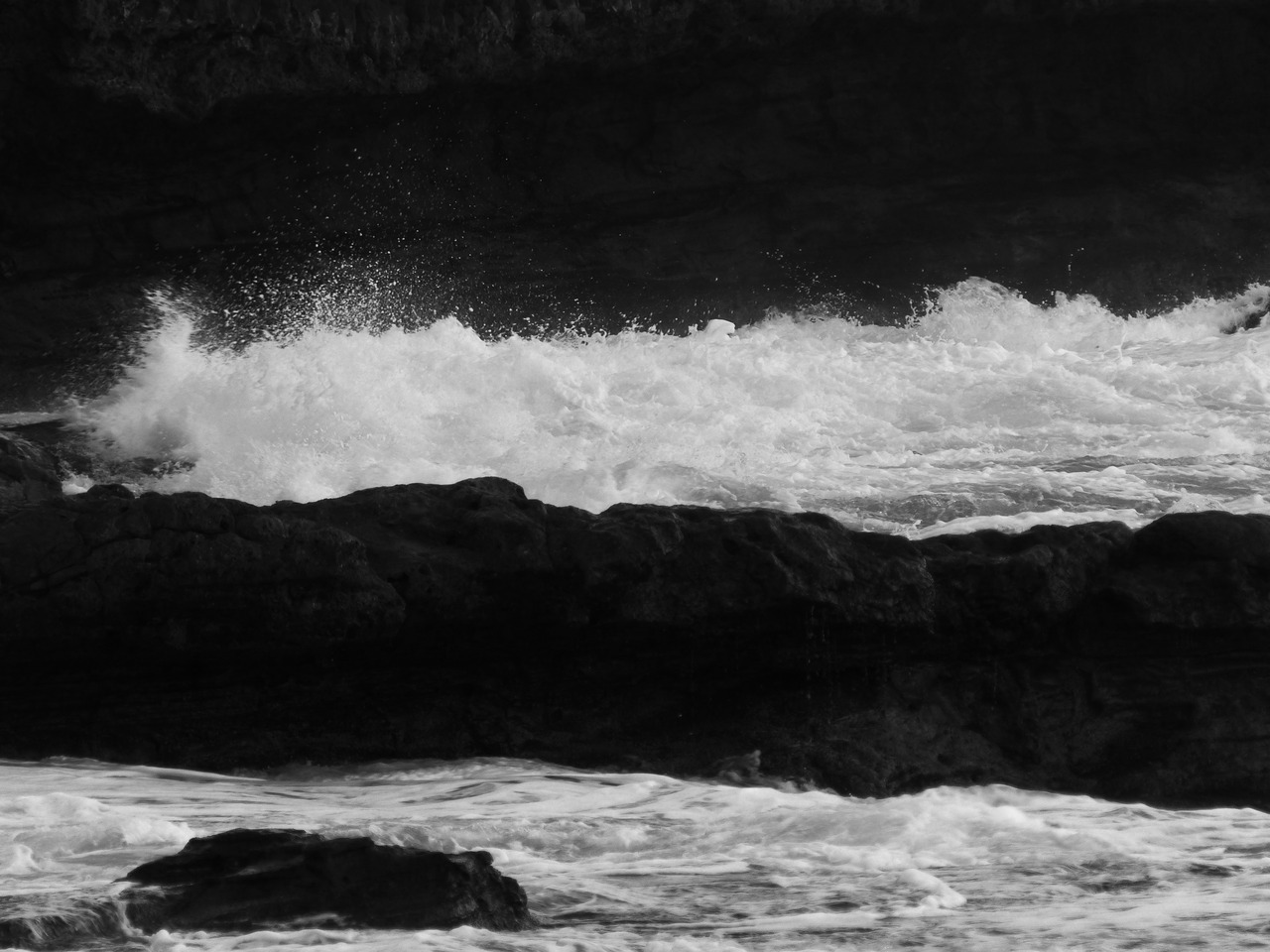
 un regard oblique