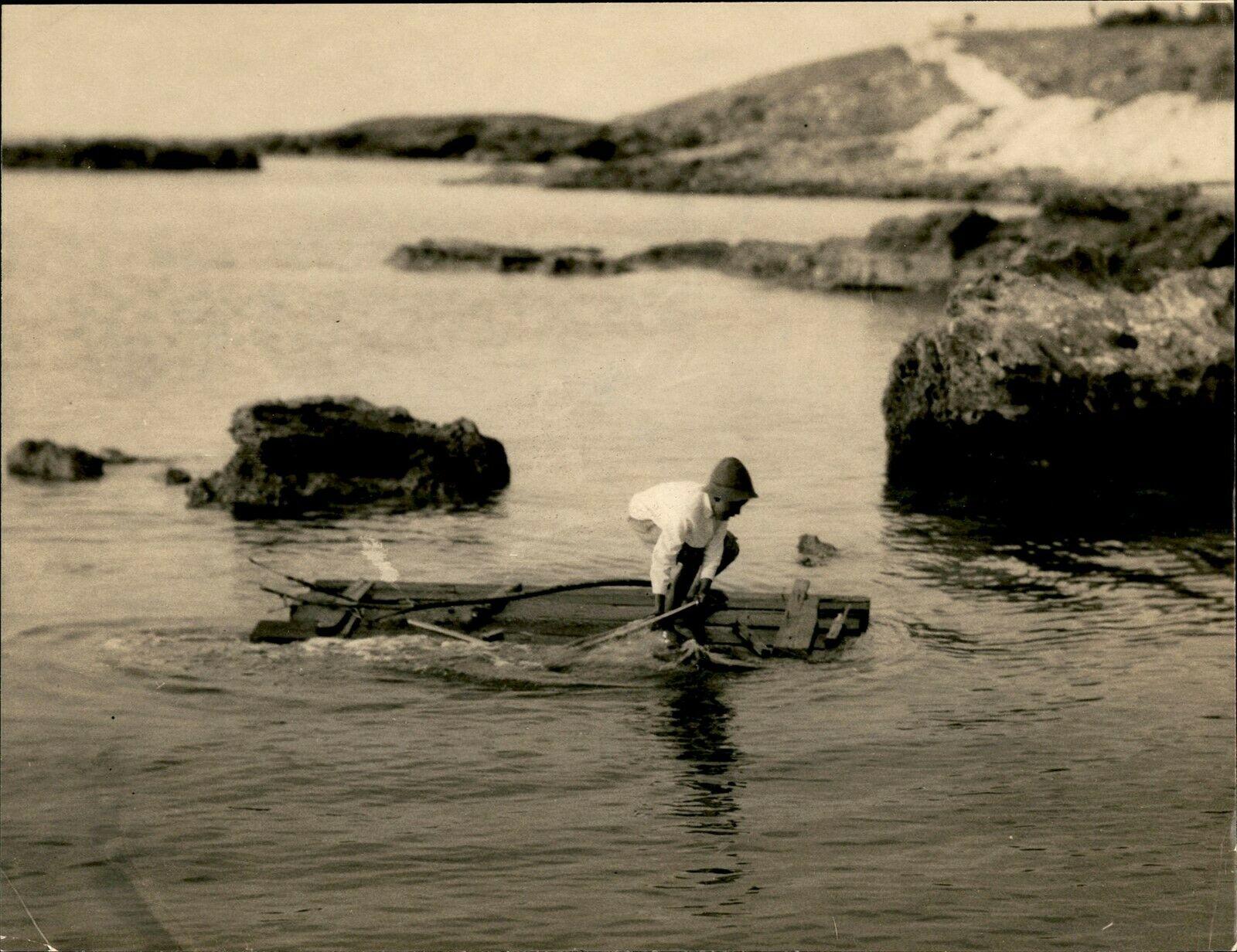
Stranded Boats · Finland 1926

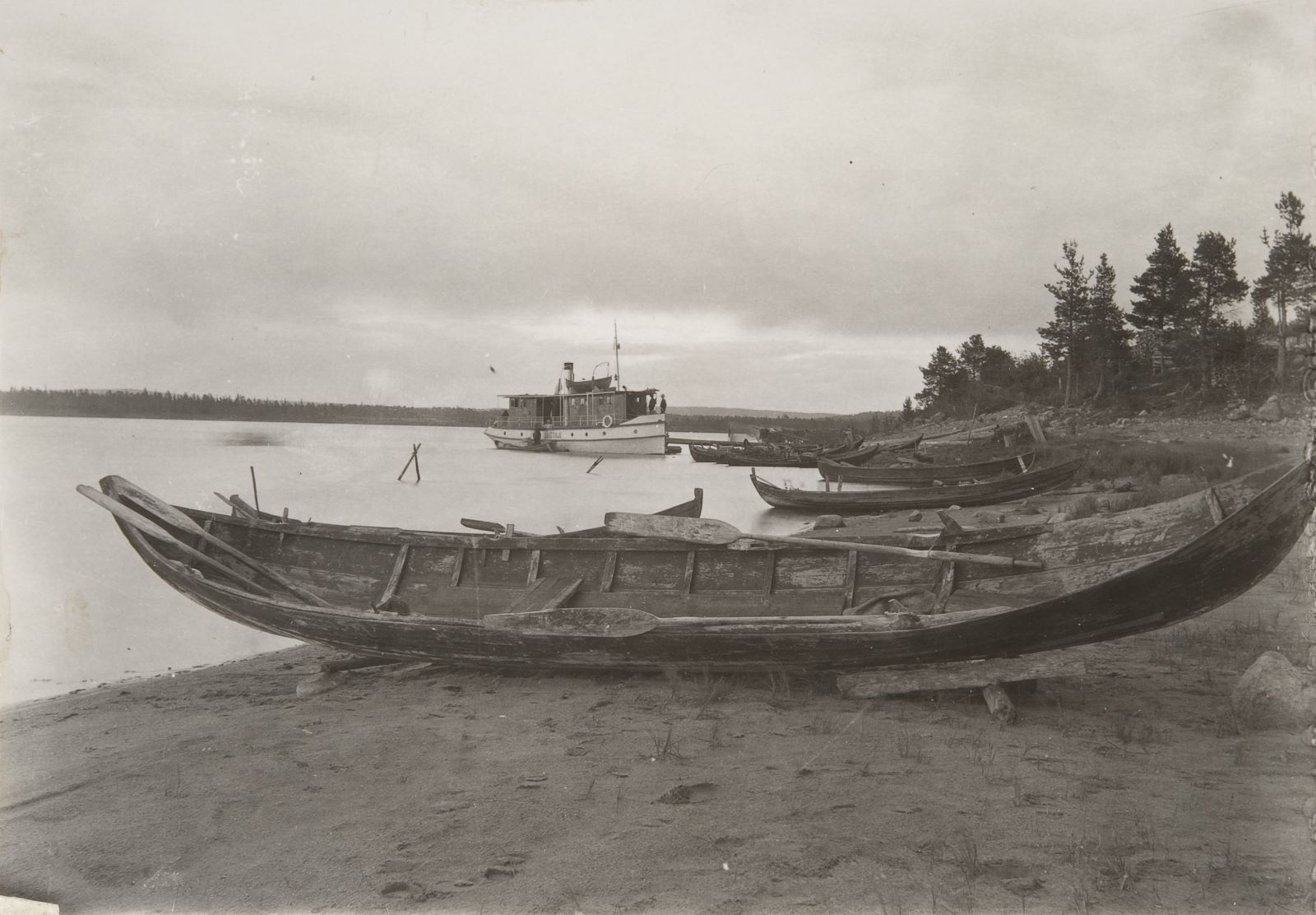
Ahti Rytkönen ~ Rowing boat on the shore of Hautajärvi, village in the background, Finland, 1926 | src FHA ~ museovirasto
Ahti Rytkönen ~ Soukka boat on the sandy beach in Räisälä, Kemijärvi, Finland, 1926 | src FHA ~ museovirasto

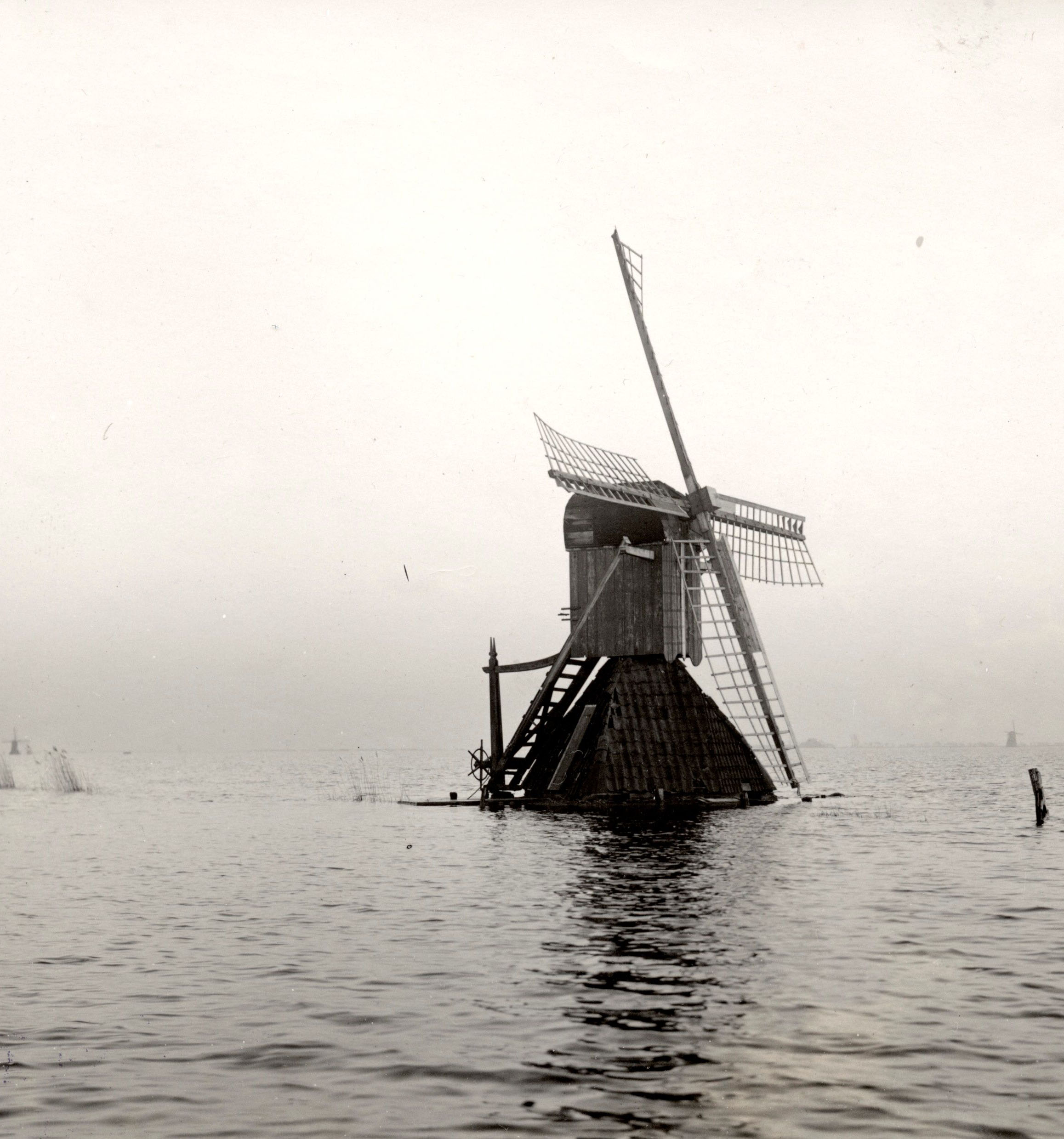
Dutch mill in the flood of 1926

Omringd door water staat deze molen in Friesland getroffen door de overstroming van 1926. Grouw, Nederland, 1926. Spaarnestad Photo | src Nationaal Archief
Detail from: Dutch mill facing the flood, Grouw, the Netherlands, 1926
Surrounded by water, this mill in Friesland faced the flood of 1926. Floods. Grouw, Netherlands, 1926. Spaarnestad Photo | src Het Geheugen

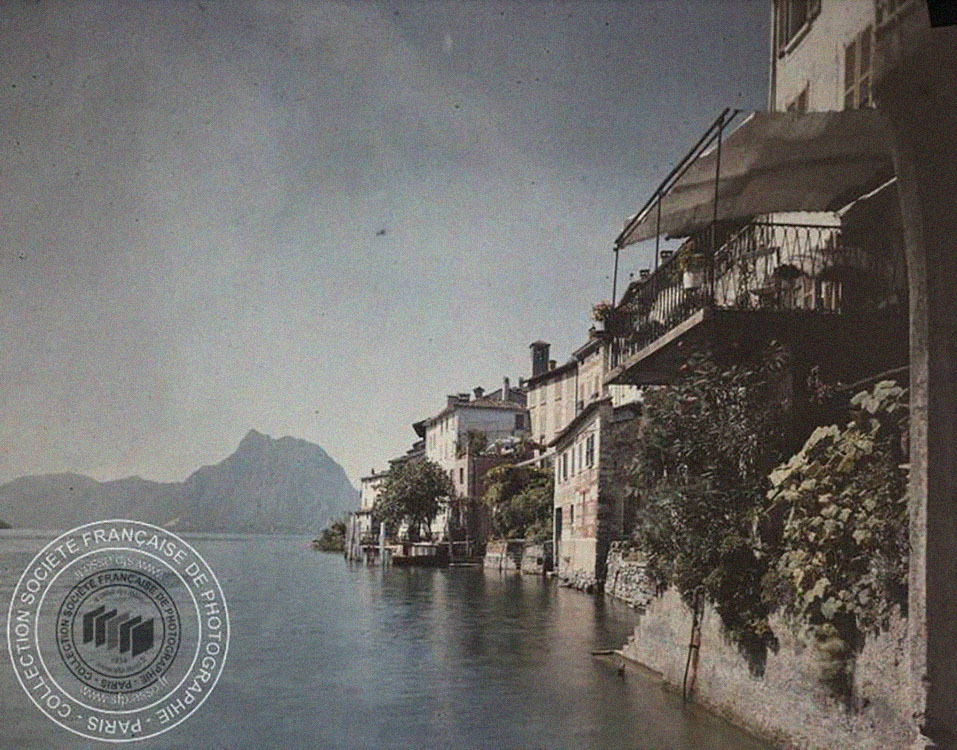
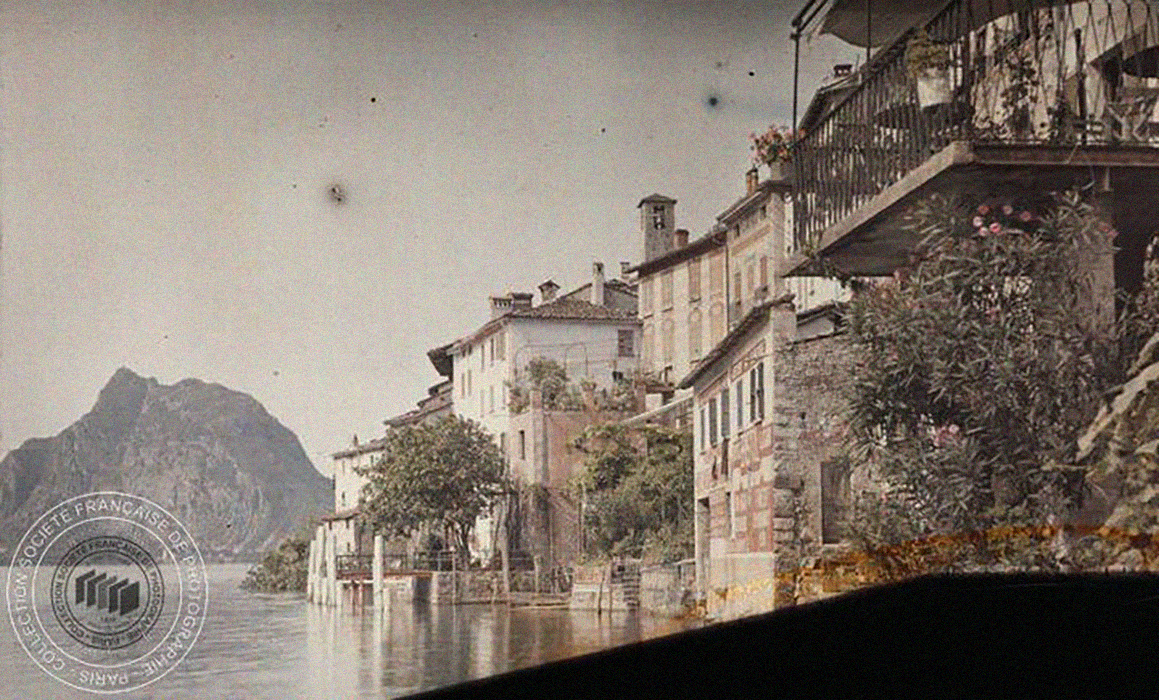
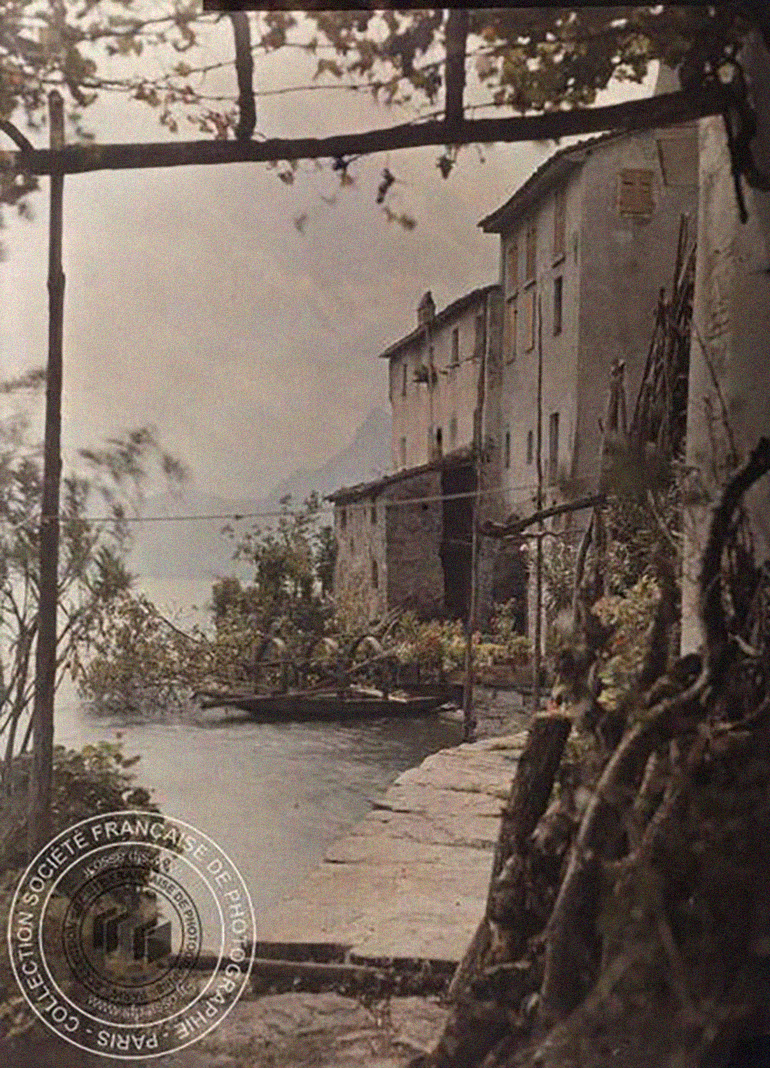
Au bord du lac de Lugano 1912

Louise Deglane (1868-1936) ~ Gandria [Maisons au bord du lac de Lugano, montagnes, Tessin, Suisse], 1912. Autochrome | src SFP
Louise Deglane ~ Gandria [Maisons au bord du lac de Lugano, Suisse], 1912. Plaque de verre Autochrome | src SFP
Louise Deglane ~ Gandria [Maisons au bord du lac de Lugano, montagnes, Suisse], 1912. Plaque de verre Autochrome | src SFP
Louise Deglane ~ Gandria [Maisons au bord du lac de Lugano, barque, montagnes, pergola, Tessin, Suisse], 1912. Plaque de verre Autochrome | src SFP
Louise Deglane ~ Gandria [Maisons au bord du lac de Lugano, barque, montagnes, pergola, Tessin, Suisse], 1912. Plaque de verre Autochrome | src SFP & ODLP

Northern landscapes ca 1880s

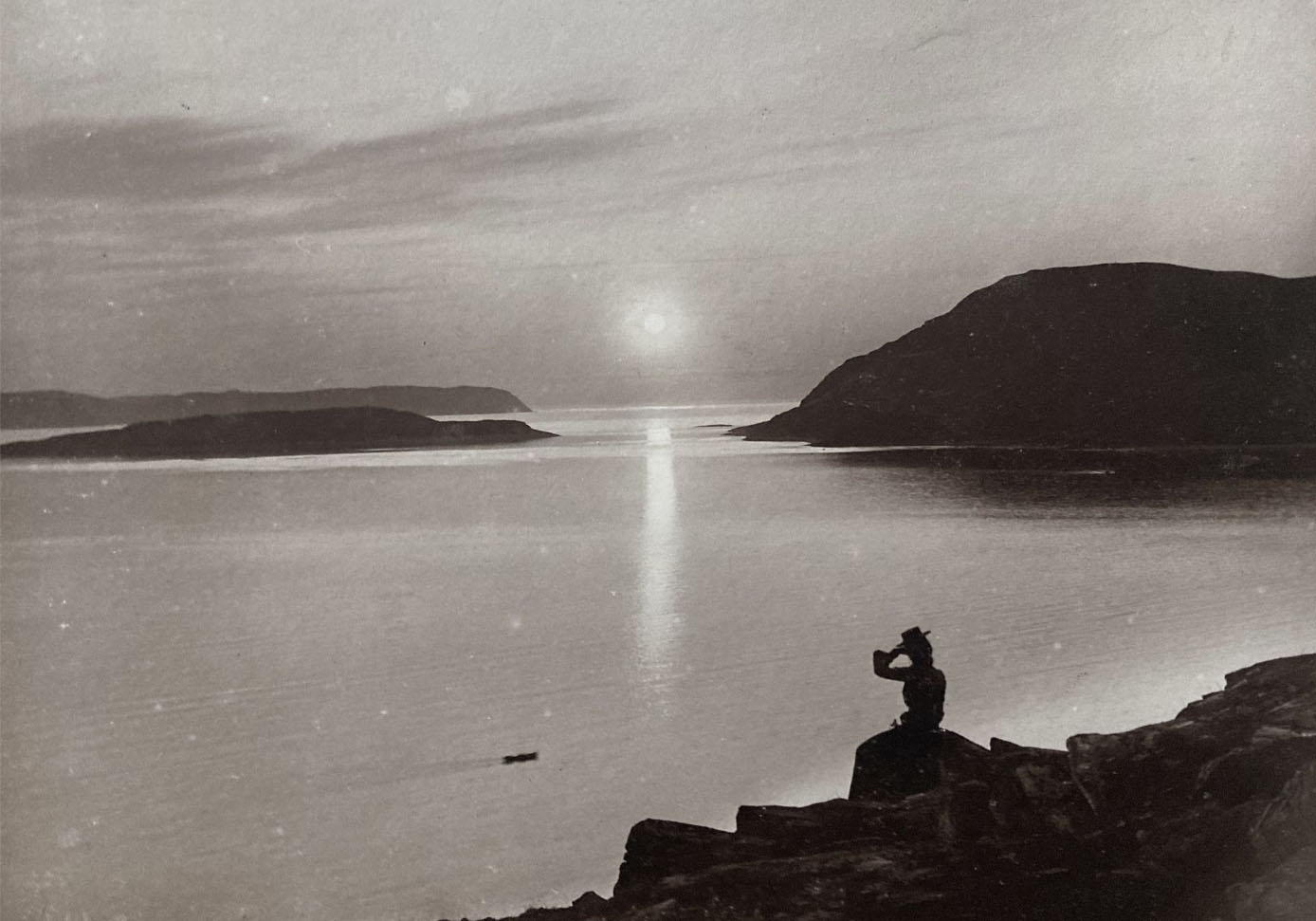
Axel Lindahl (1841-1906); Olaf Martin Peder Vaering (1837-1906) et divers ~ Suède. Norvège. Danemark, ca. 1870-1880 | src Ader
Axel Lindahl (1841-1906) ~ Nordfjord Brixdalsbrae Olden Isformer / Rich. Andvord, Eneret 1892 | src Ader
Axel Lindahl (1841-1906) ~ Romsdalen, Troldtinderne fra Vest – Rich. Andvord, Eneret 1892 | src Ader
Closer view from image on top; likely by Axel Lindahl

Toni Schneiders · on sealife

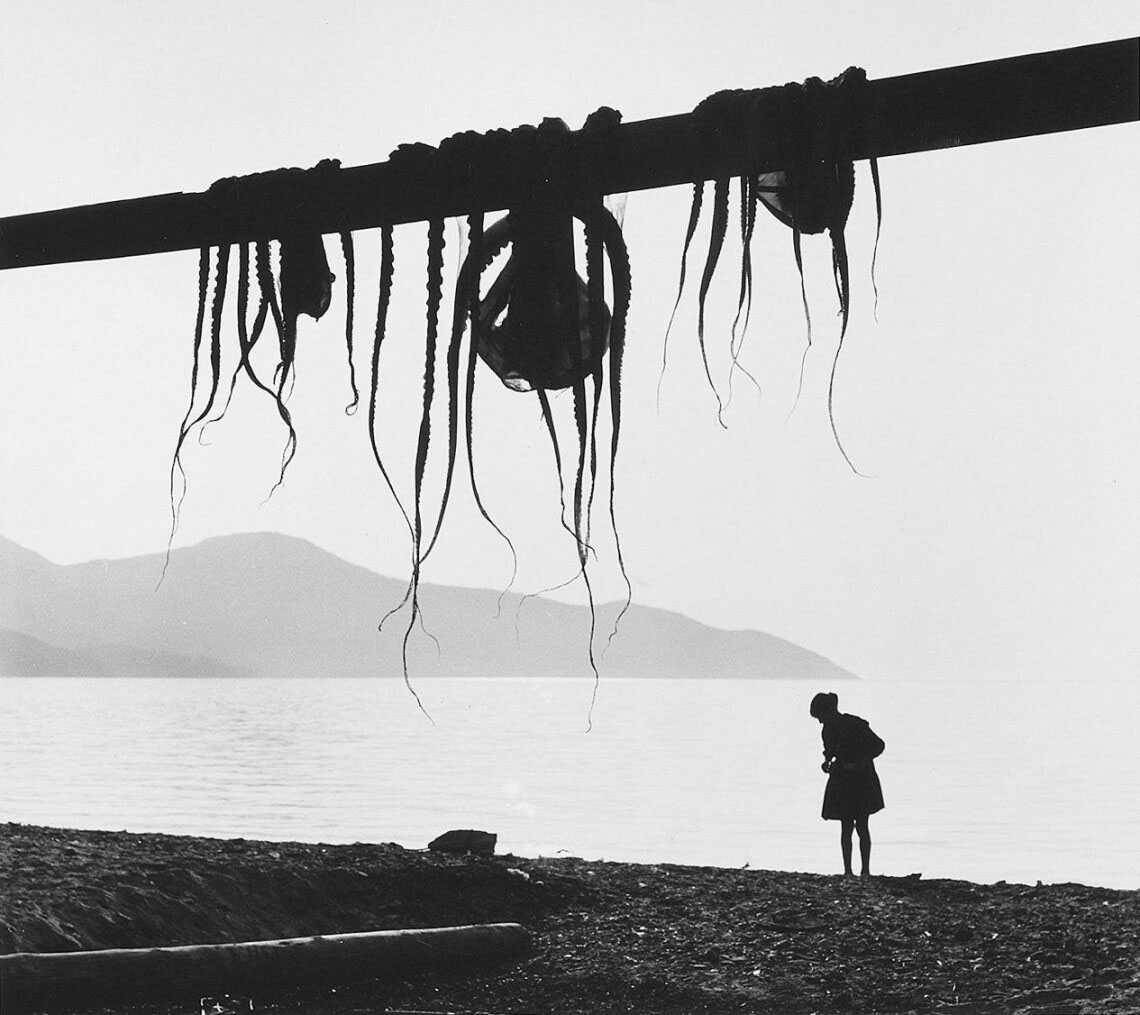
Toni Schneiders ~ Am Strand von Limena (On Limenas beach), Thassos, Mai 1961 | src Stiftung F.C. Gundlach ~ Schneiders archive

Toni Schneiders (1920-2006) is one of the great German photographers of the 20th century. With his formal, pictorial ambitions and his exciting motifs, he made a significant contribution to the renewal of photography after 1945. In 1949, he was a founding member of the fotoform group, which freed itself from the propaganda photography of the Nazi era through its artistic rigour and also set itself apart from the pleasing post-war photography, thus gaining international recognition.

Toni Schneiders’ photographs are characterized by formal rigour, virtuoso lighting and concentration on the essential pictorial elements [accentuating image details and emphasizing surface and line, including contour and structure]. But they are also permeated by the artist’s great interest in his subject, whom he depicts sometimes melancholically, sometimes poetically and sometimes cheerfully, but always with great empathy. In this way, Toni Schneiders succeeded in combining the rigour of fotoform, which was based on the New Objectivity of the 1920s, with his very personal, sometimes even humorous point of view. His photographs were published in more than 200 illustrated books.

The interplay of humanity, depth of content and formal rigour reflected in his work makes his works unique and a pleasure for the inclined viewer.

Text adapted from Stiftung F.C. Gundlach / Toni Schneiders bio
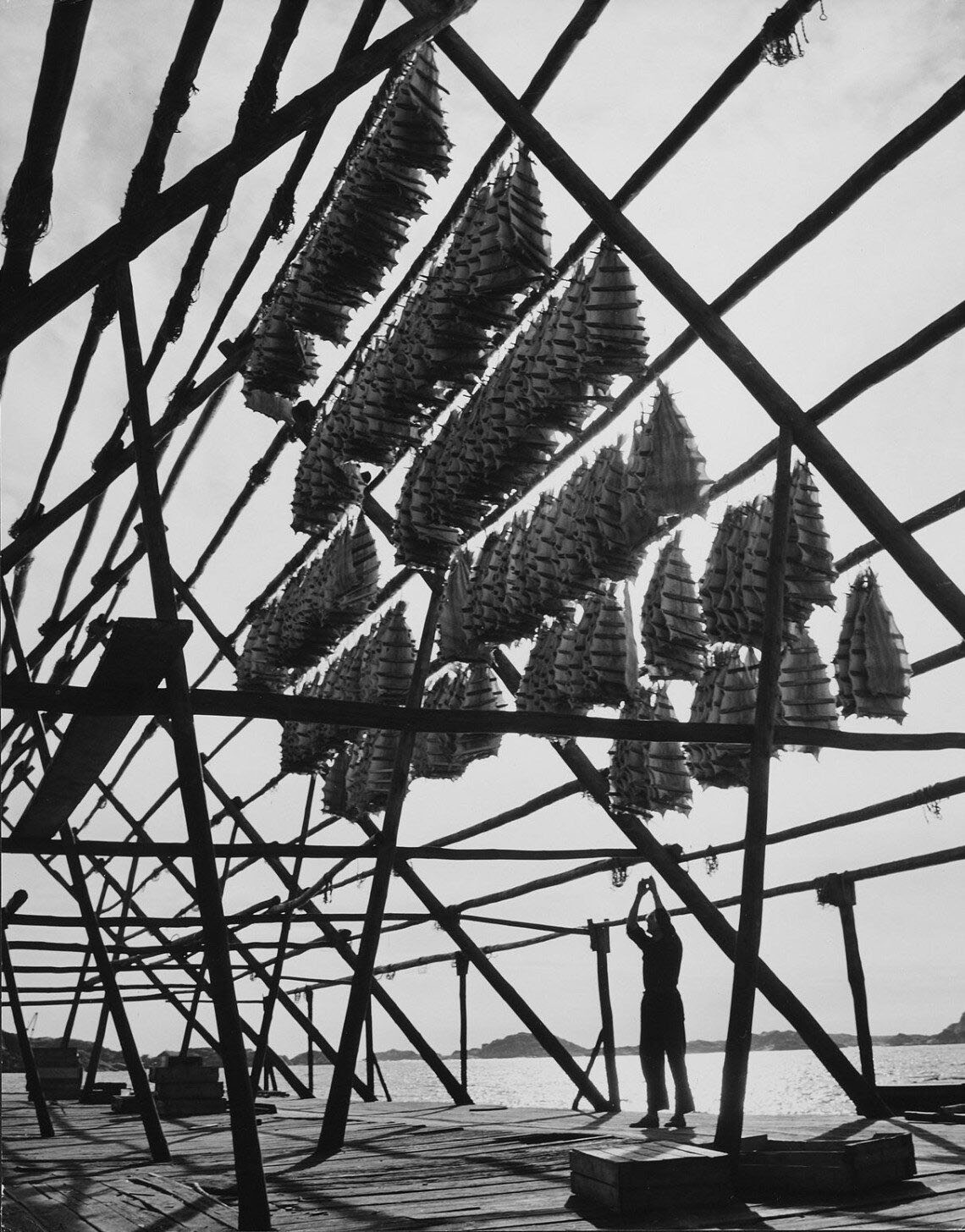
Toni Schneiders ~ Klippfisch (Rockfish). Bohuslän, Schweden, Aug. 1958 | src Stiftung F.C. Gundlach ~ Toni Schneiders archive
Toni Schneiders ~ Fischmarkt in Sesimbra, Portugal, 04-1968 | src Stiftung F.C. Gundlach ~ Toni Schneiders archiv
Toni Schneiders ~ Fishmarket in Sesimbra, Portugal, 04-1968 | src Stiftung F.C. Gundlach ~ Toni Schneiders archiv

Eugeni Forcano a Banyoles

Eugeni Forcano ~ De camí al mercat de Banyoles, 1960s | src eugeni forcano / mercat de banyoles (x)
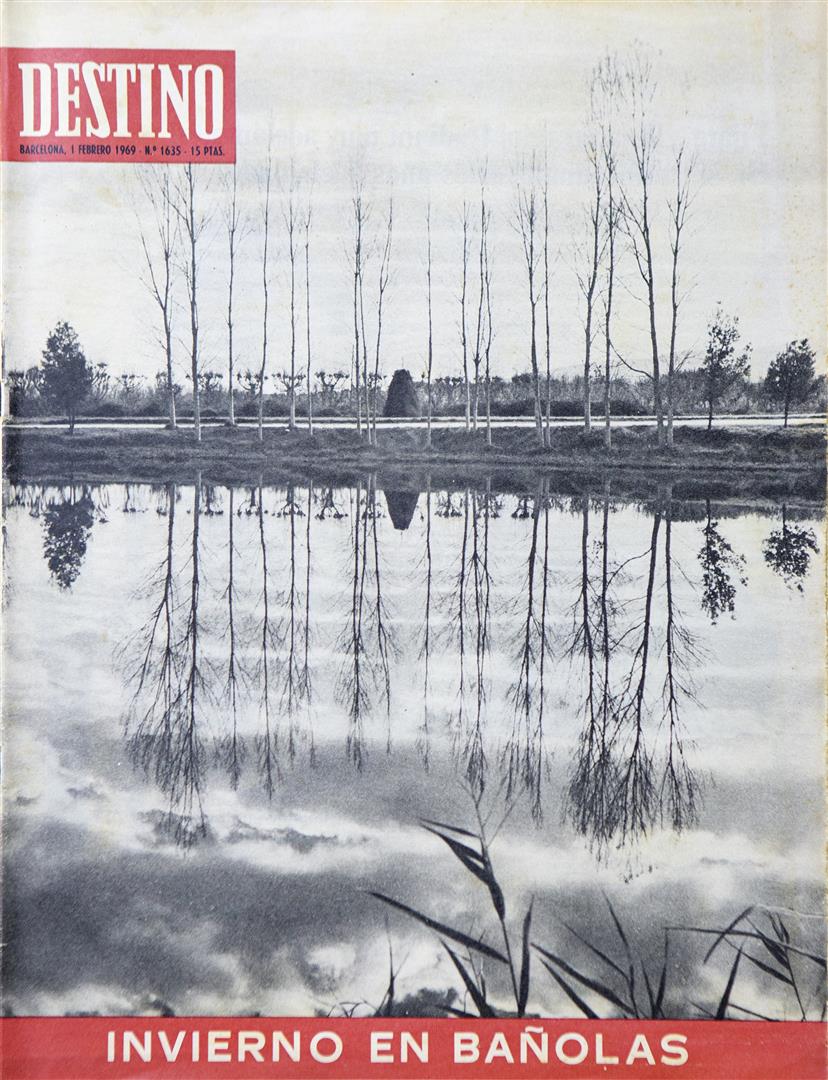
Eugeni Forcano ~ Hivern a Banyoles, Barcelona, febrer 1969 | src eugeni forcano
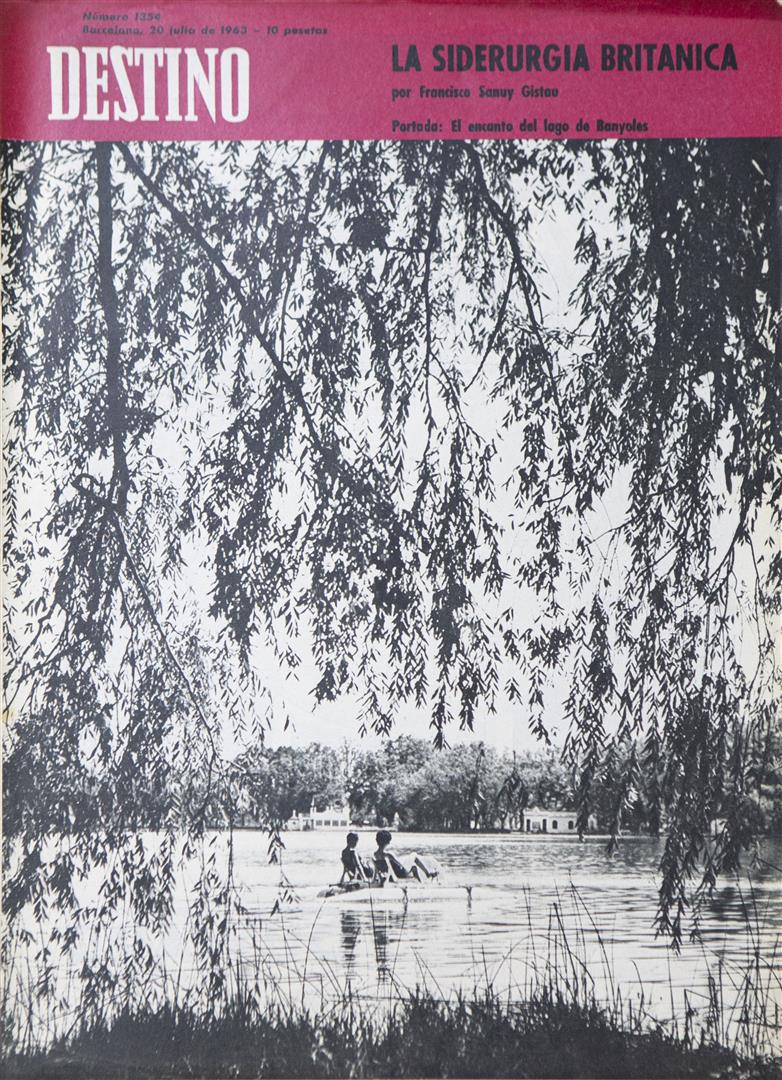
Eugeni Forcano ~ Llac de Banyoles, Barcelona, juliol 1963 | src eugeni forcano

Klimt and Flöge sisters in 1906

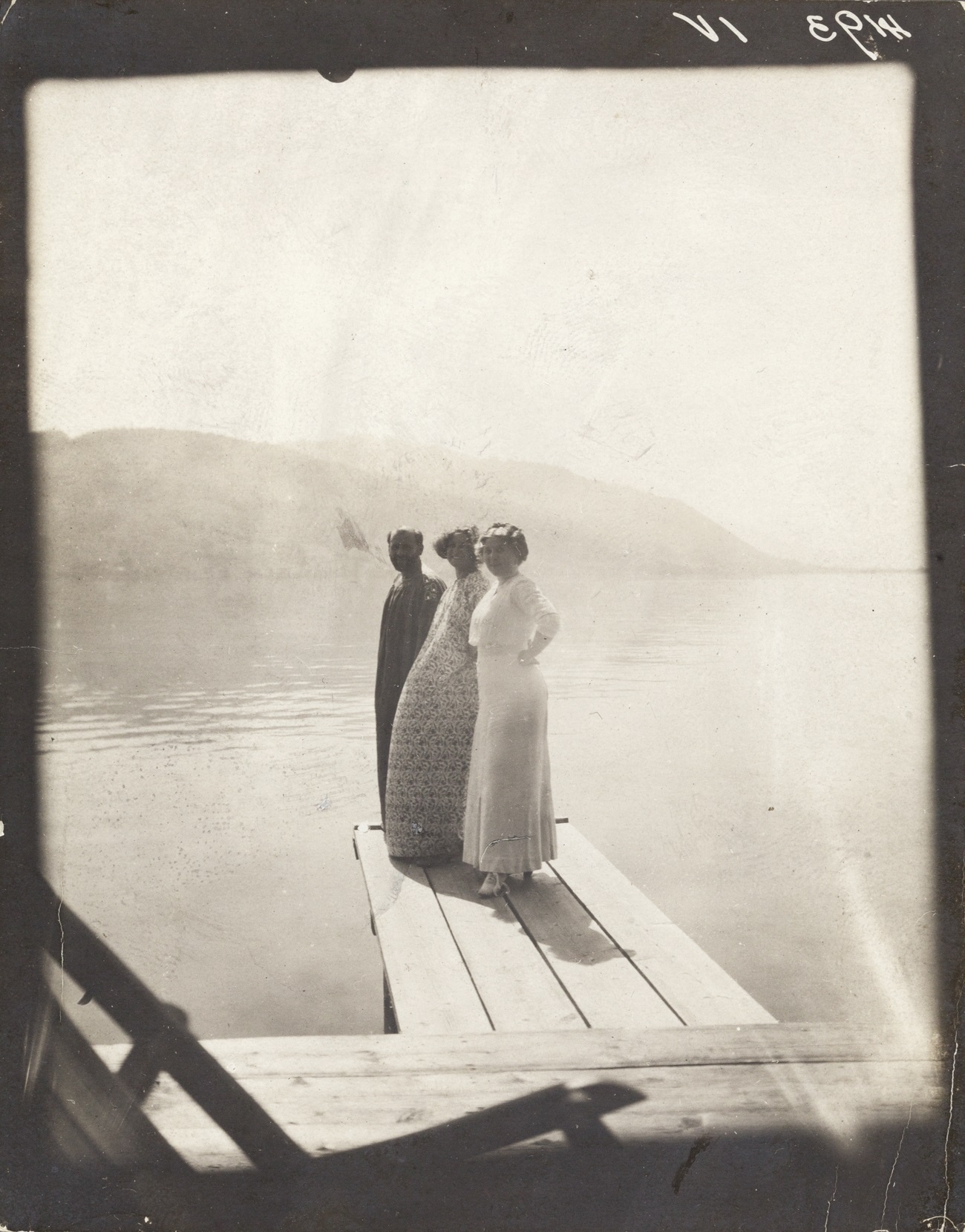
Anonymous. Gustav Klimt, Emilie und Helene Flöge, Litzlberg at Attersee, Austria, 1906 | src Ostlicht

Emilie Flöge spent many summers with Gustav Klimt at Lake Attersee from the 1890s on. Her sisters Pauline and Helene, with whom she opened the “Schwestern Flöge” fashion salon at Mariahilfer Strasse 1b in 1904, were often also part of the party. The salon, designed by Josef Hoffmann as a “Gesamtkunstwerk”, employed up to 80 seamstresses at the time of its greatest success and catered to the upper bourgeoisie. Helene Flöge was married to Ernst Klimt, the younger brother of Gustav Klimt, with whom he worked in a studio partnership.

This private photograph is captivating because of the contrast between the different silhouettes of the three figures, which reveals the emancipatory radicalism of the reform dress – in contrast to the usual dresses worn over a corset. Implicitly, as one might say, this also “quotes” the design element of repeated curved lines, as found in many of Gustav Klimt’s compositions. This is the only known print of this photograph [Negative number “4/93 IV” in the upper margin, handwritten annotated “Gustav Klimt Emilie Helene” in ink on the reverse.] | src Ostlicht

Icelandic Tideline

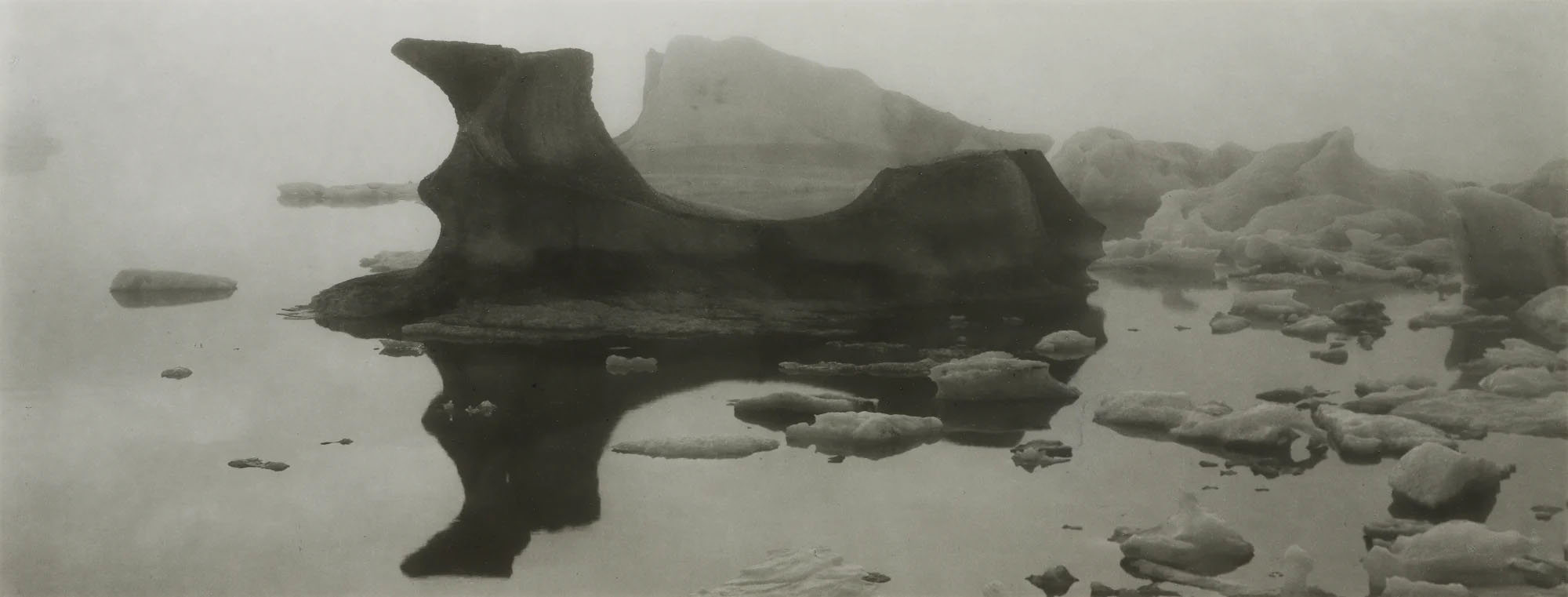
Michael A. Smith ~ Jokulsarlon, Iceland, 2004; from Tideline | src Seagrave gallery
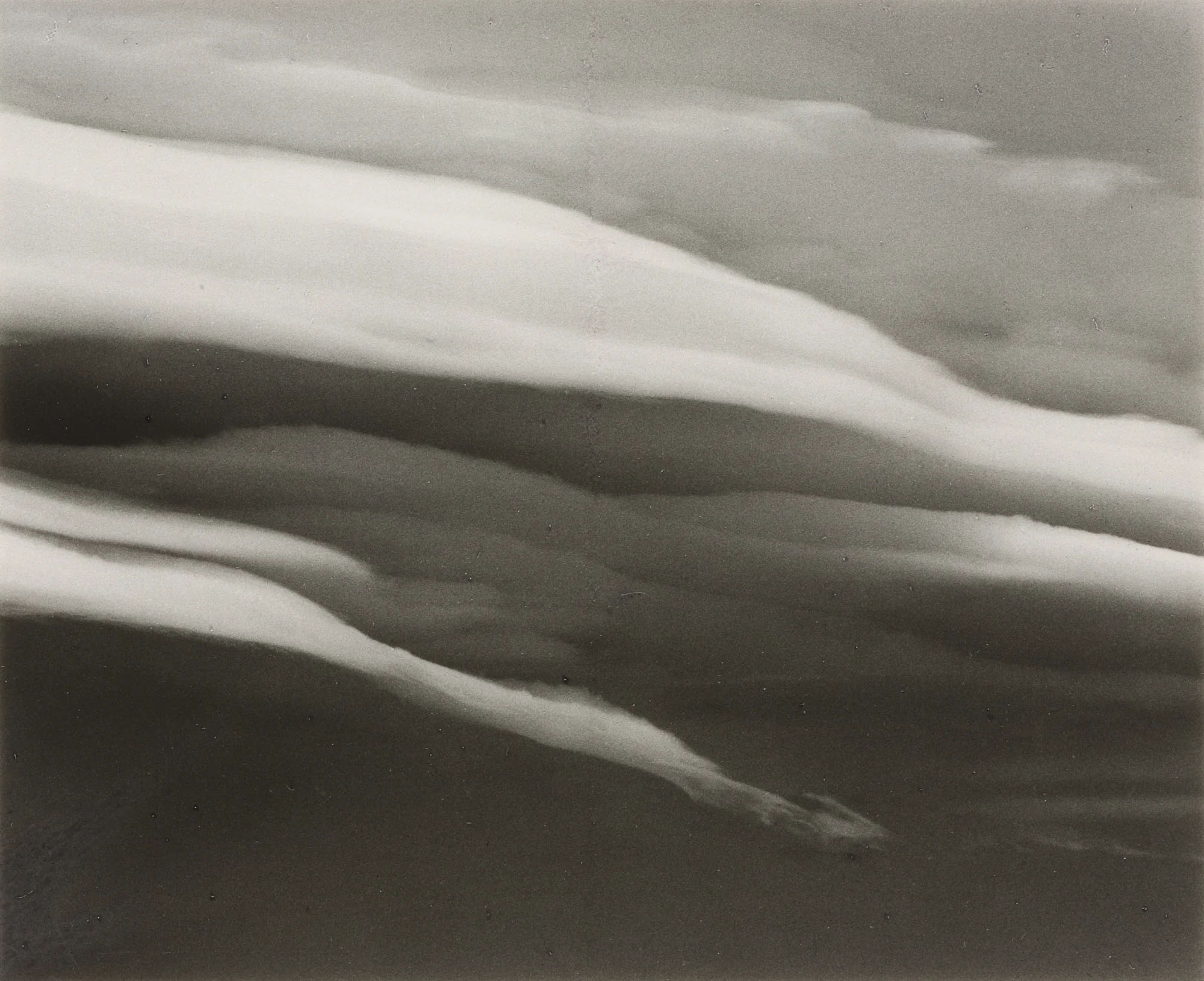
Paula Chamlee ~ Cloud, Jokulsarlon, Iceland, 2006. From Tideline | src Seagrave gallery
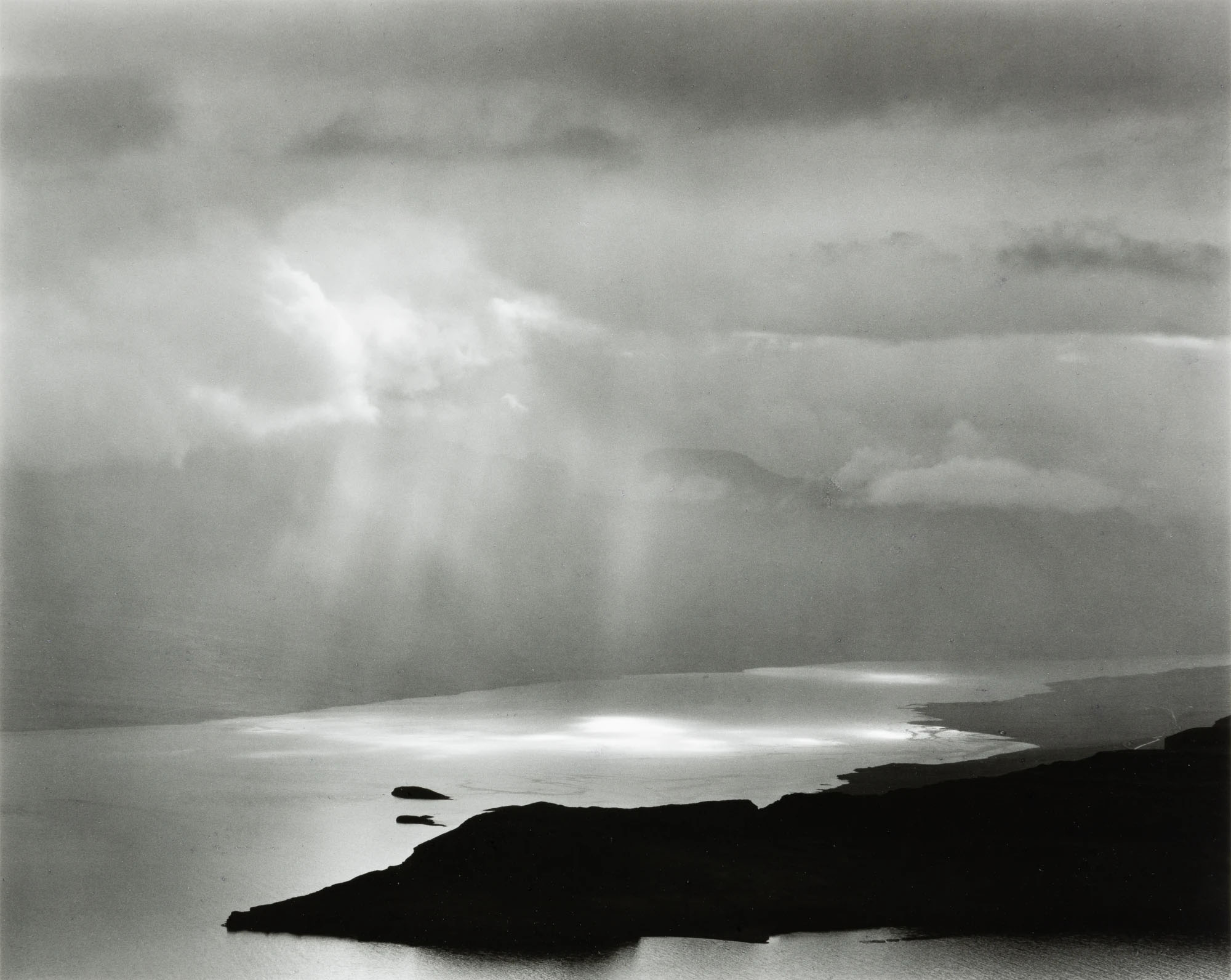
Paula Chamlee ~ Reydarfjordur, Iceland, 2004; from Tideline | src Seagrave gallery

Gymnastics at Tanhuvaara

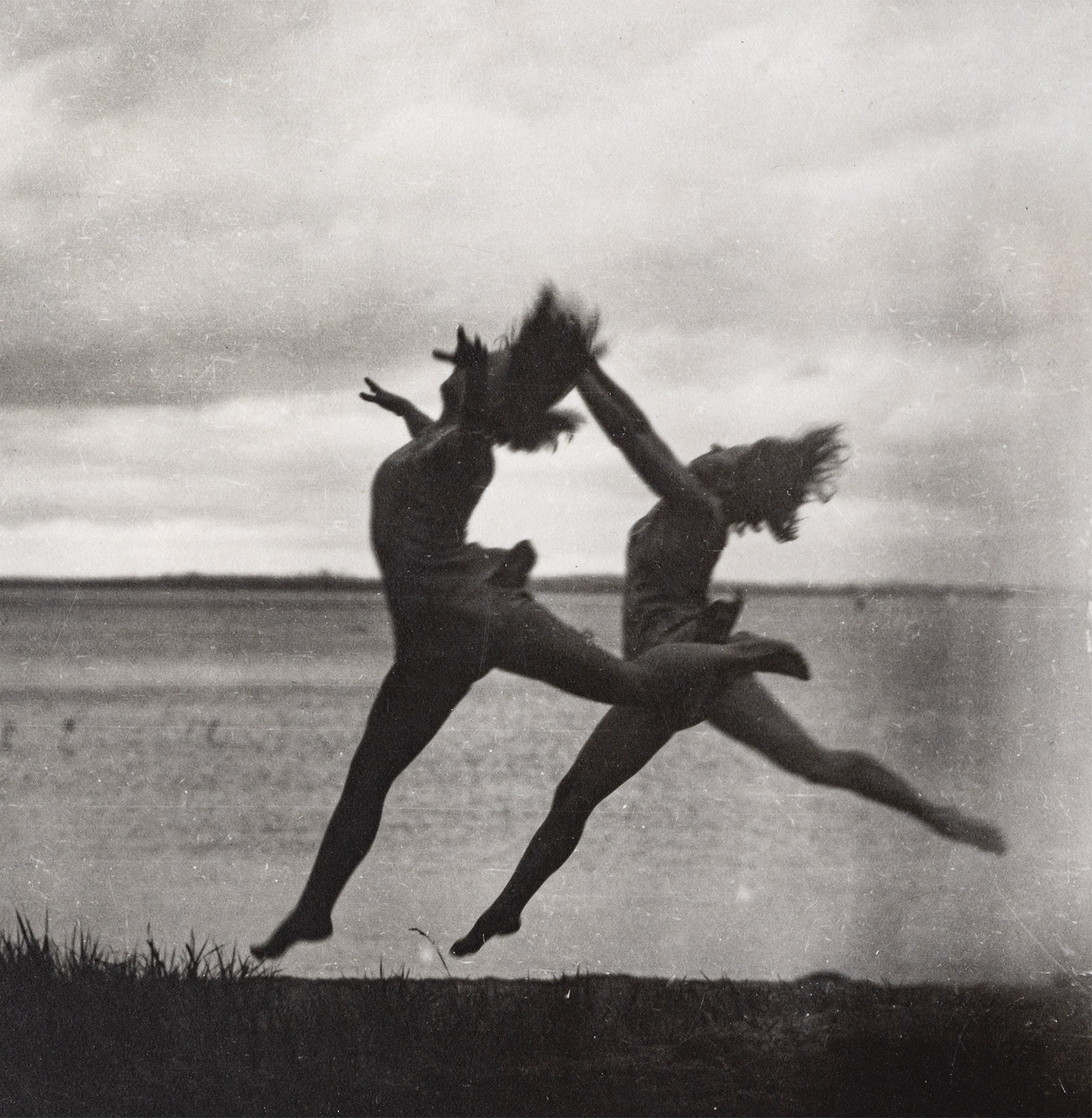
Gymnastics at Tanhuvaara, 1930. JOKA (Journalistinen kuva-arkisto) | src museovirasto
Water nymphs on a seaside rock (Finnish : Vedenneitoja rantakivellä) | src Museovirasto
Female gymnasts on a rock on the shore of Tanhuvaara gymnastics home in Pappilanniemi (the Bay of Vyborg) 1930.
Detail of image on top : Gymnastics at Tanhuvaara in 1930