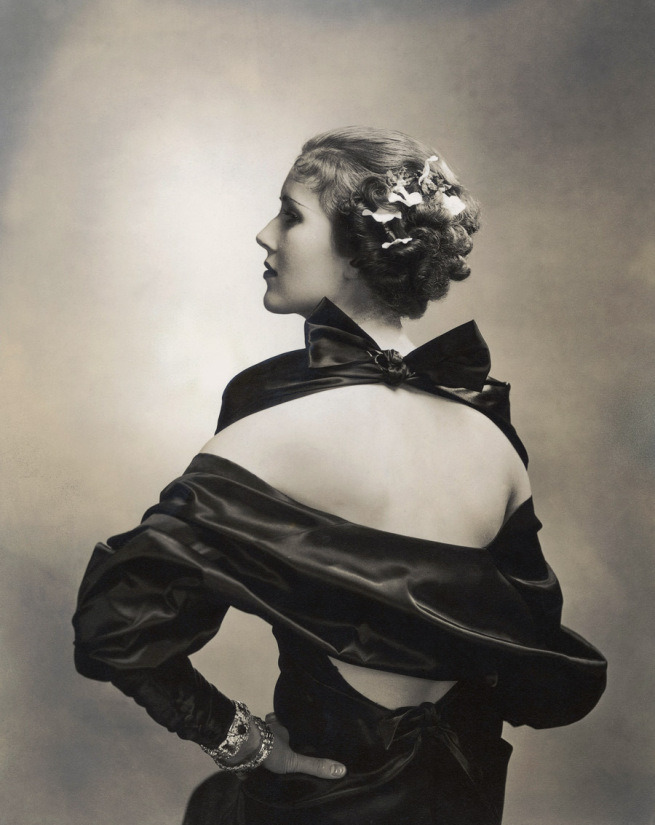
Edward Steichen :: Actress Mary Heberden, 1935. Gelatin silver photograph.
Courtesy Condé Nast Archive. src: ArtBlart
more [+] by this photographer
images that haunt us

Giancarlo Botti :: Romy Schneider, Paris, 1974
/ src: the art stack
more [+] by this photographer / more [+] Romy Schneider posts

Richard Avedon :: Jean Shrimpton at the Caryatid Porch of the Erechtheion, Parthenon, Athens, 1967
more [+] by this photographer
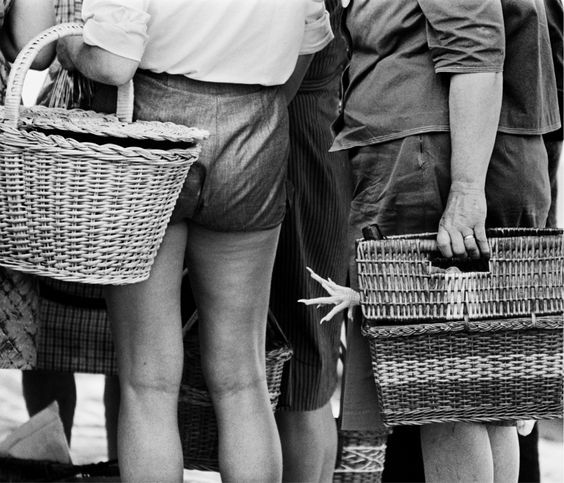
Eugeni Forcano i Andreu :: Pata que quiere tocar pierna / Paw that wants to touch leg, Banyoles, Girona, 1966 / src: Atrapar la vida
more [+] this photographer
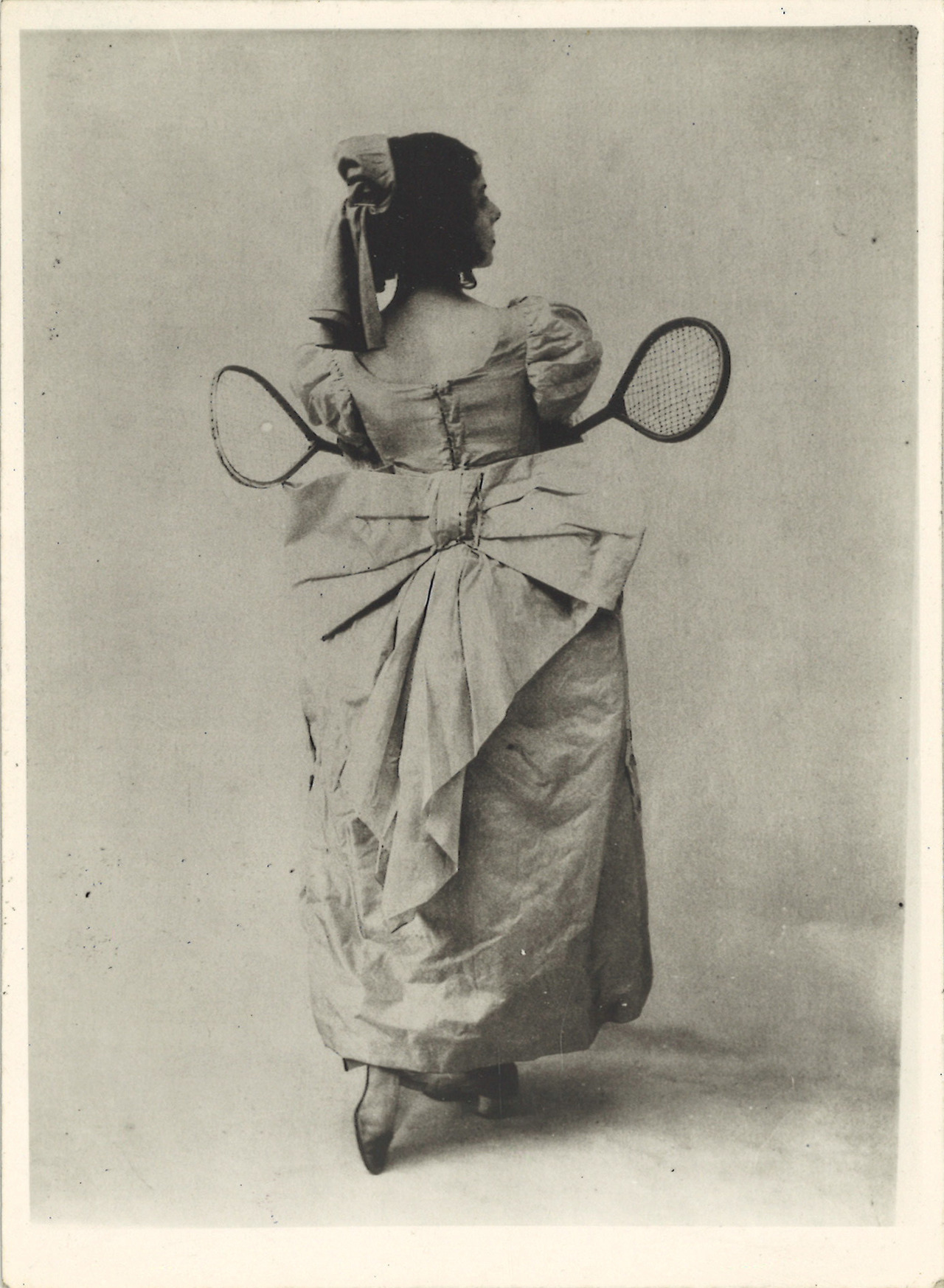
Dancer Ninette de Valois as ‘un joueur de volant’ [Badminton player] in Nijnska’s Les Facheux [The Annoying Ones]
(1924), given by the Diaghilev Ballets Russes. It was based on
Molière’s libretto for Beauchamps’ much earlier work of the same name
(1661). Photographer unknown. / src: Royal Ballet School
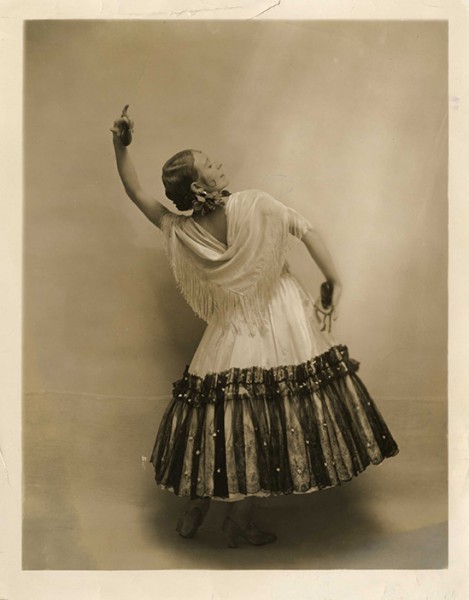
Dancer Lydia Sokolova
(1896–1974), born Hilda Munnings, was an English
ballerina who danced with the Diaghilev Ballets Russes for over 15 years
(from 1913), and became a Principal of the Company. Here, as the Miller’s Wife in Massine’s Le Tricorne [The Three-Cornered Hat], 1919. Photo: Lenare. / source: Royal Dance School
 https://embedr.flickr.com/assets/client-code.js
Kichiya-musubi, 1905
A Geisha dressed in the Genroku style, fashionable among Tokyo Geisha around 1905-1908. She is showing her obi, tied in the Kichiya-musubi style, a knot named after Kamimura Kichiya (or Uemura Kichiya I) who was a popular Kabuki Actor during the Genroku period (1680′s).
The Kichiya-musubi was in fact a particularly famous and popular knot, mentioned specifically in a number of poems. The knot is a relatively simple one, but with small lead weights hidden in the obi, weighing down the ends of the bow, so they drooped “like the ears of a … Chinese lion-dog.” / src: Blue Ruin
 https://embedr.flickr.com/assets/client-code.js
Koyakko showing her Obi, 1920′s
The very iki (stylish or chic) geisha Koyakko. During her subsequent career as the master dancer Hanayagi Sumi, an orchestral ballet entitled “Heavenly maiden and fisherman” was written for her, which she first performed in 1932. / src: Blue Ruin

Journal d’un curé de campagne (Diary of a Country Priest), directed by Robert Bresson,
France, 1951.
via ohwiewunderbar / src: ltno43
 un regard oblique