Siniestro turismo de guerra del ’38

Viajeros de la Ruta de Guerra n° 1 en recorrido por Cantabria y Asturias [Material gráfico] (ca. 1938) | Travelers of the War Route No. 1 on a tour in Cantabria and Asturias [Graphic material] | src europeana (original src Biblioteca Digital Hispánica)

Viajeros de la Ruta de Guerra n° 1 en recorrido por Cantabria y Asturias [Material gráfico]. Sólo algunas de las fotografías tienen, al verso, mecanografiado el nombre del fotógrafo (Marqués de Santa María del Villar), se deduce por la apariencia que el resto pueden ser del mismo fotógrafo. (ca. 1938). Las rutas de guerra eran itinerarios turísticos oficiales (creados en el verano de 1938 en plena Guerra Civil) dirigidos al público extranjero por la España denominada ‘liberada’. El bando nacional creó rutas turísticas de guerra para traer a visitantes extranjeros a las regiones que habían caído bajo su control con un doble propósito: propagandístico y económico (conseguir divisas).

Travelers of the War Route No. 1 on a tour in Cantabria and Asturias [Graphic material]. Only some of the photographs have, on the verso, the photographer’s name typed (Marqués de Santa María del Villar), it can be deduced from their appearance that the rest may be by the same photographer (ca. 1938). The war routes were official tourist itineraries (created in the summer of 1938 in the midst of the Civil War) aimed at the foreign public to visit the so-called ‘liberated’ Spain. The national side created tourist war routes to bring foreign visitors to the regions that had fallen under their control with a dual purpose: propagandist and economic (earning foreign exchange). [quoted from source]
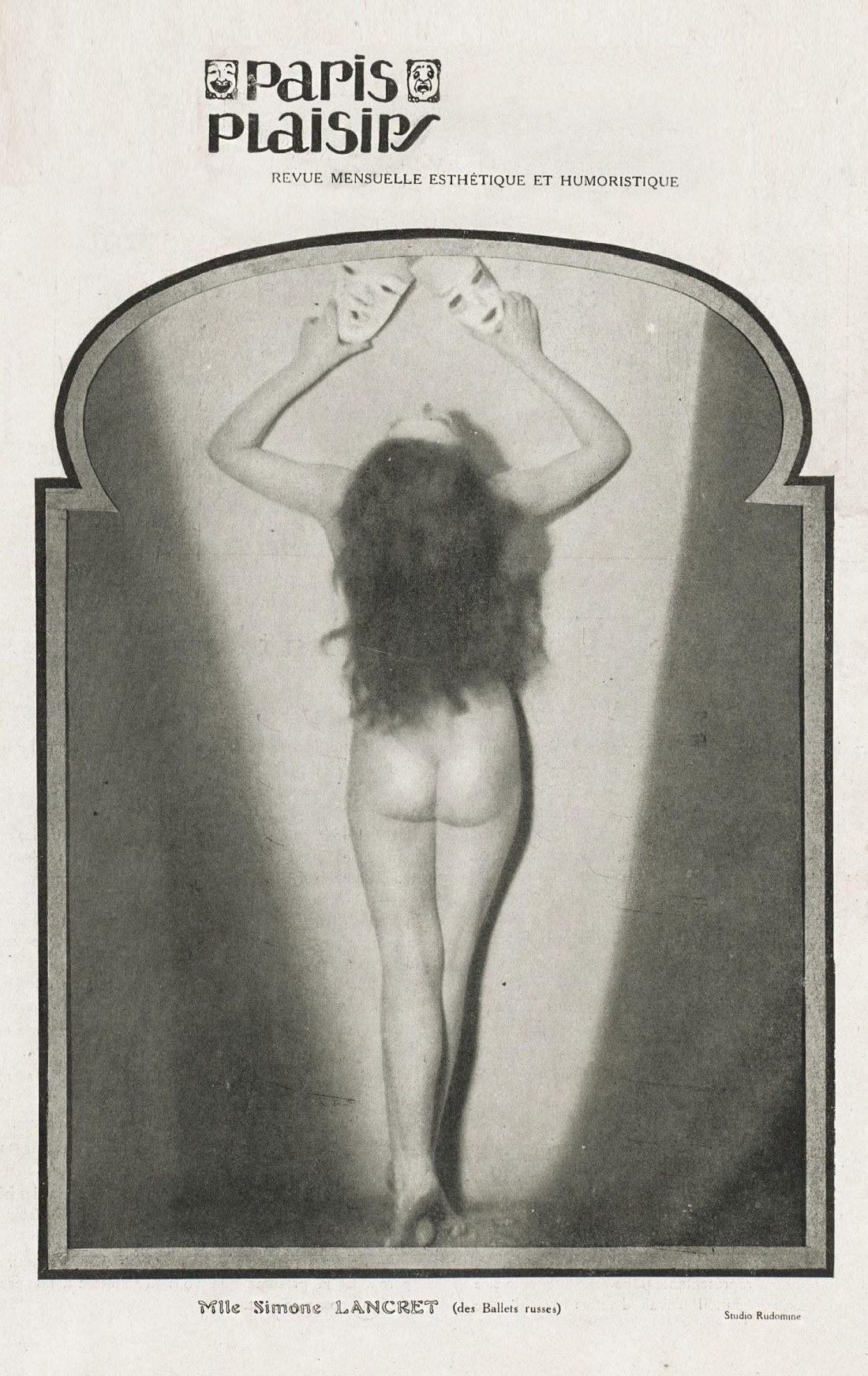
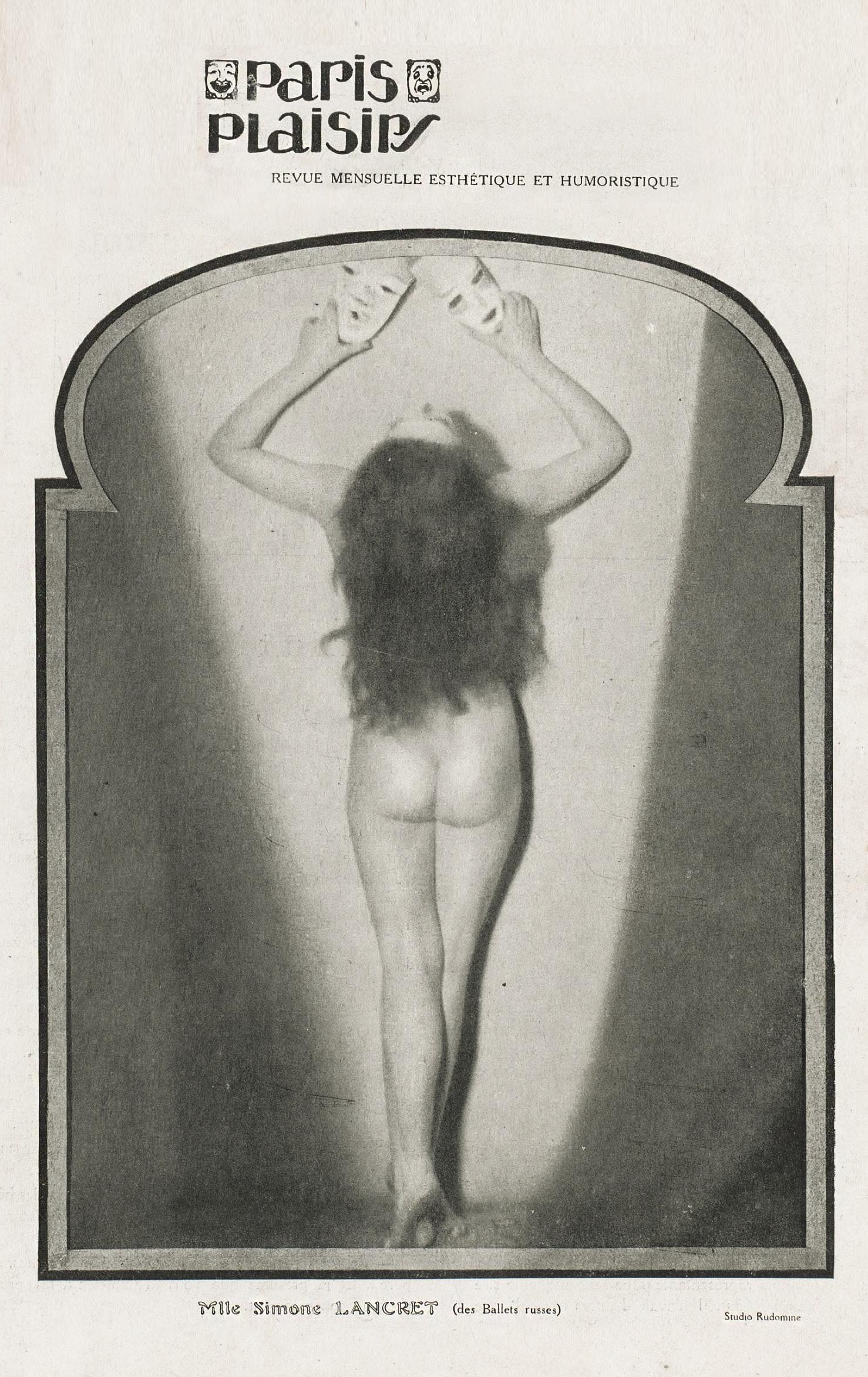
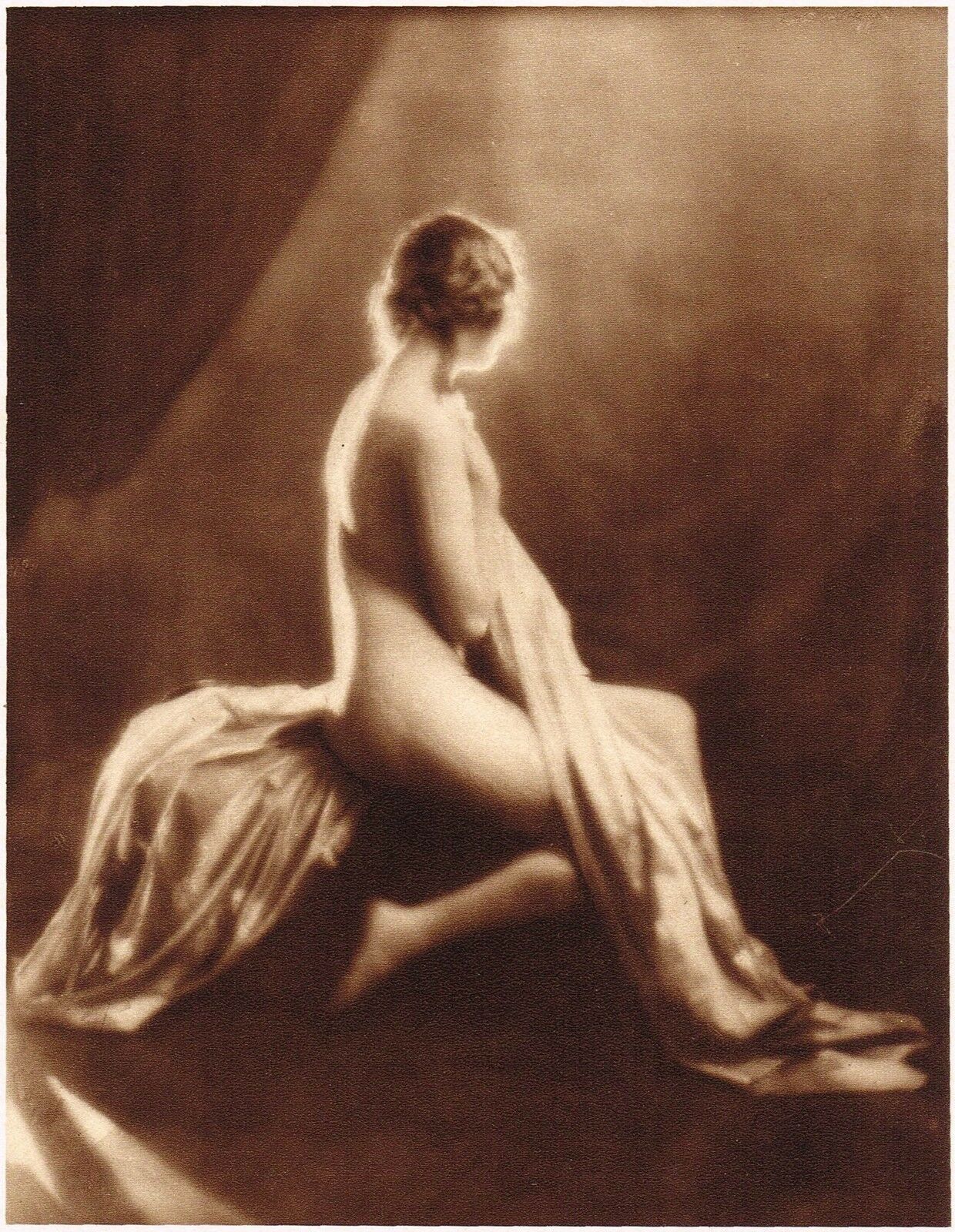
Simone Lancret par Rudomine

Mlle. Simone Lancret (des Ballets russes). Studio Rudomine. Paris-plaisirs: revue mensuelle esthétique et humoristique Nº 7. Décembre, 1922. | src BnF ~ Gallica

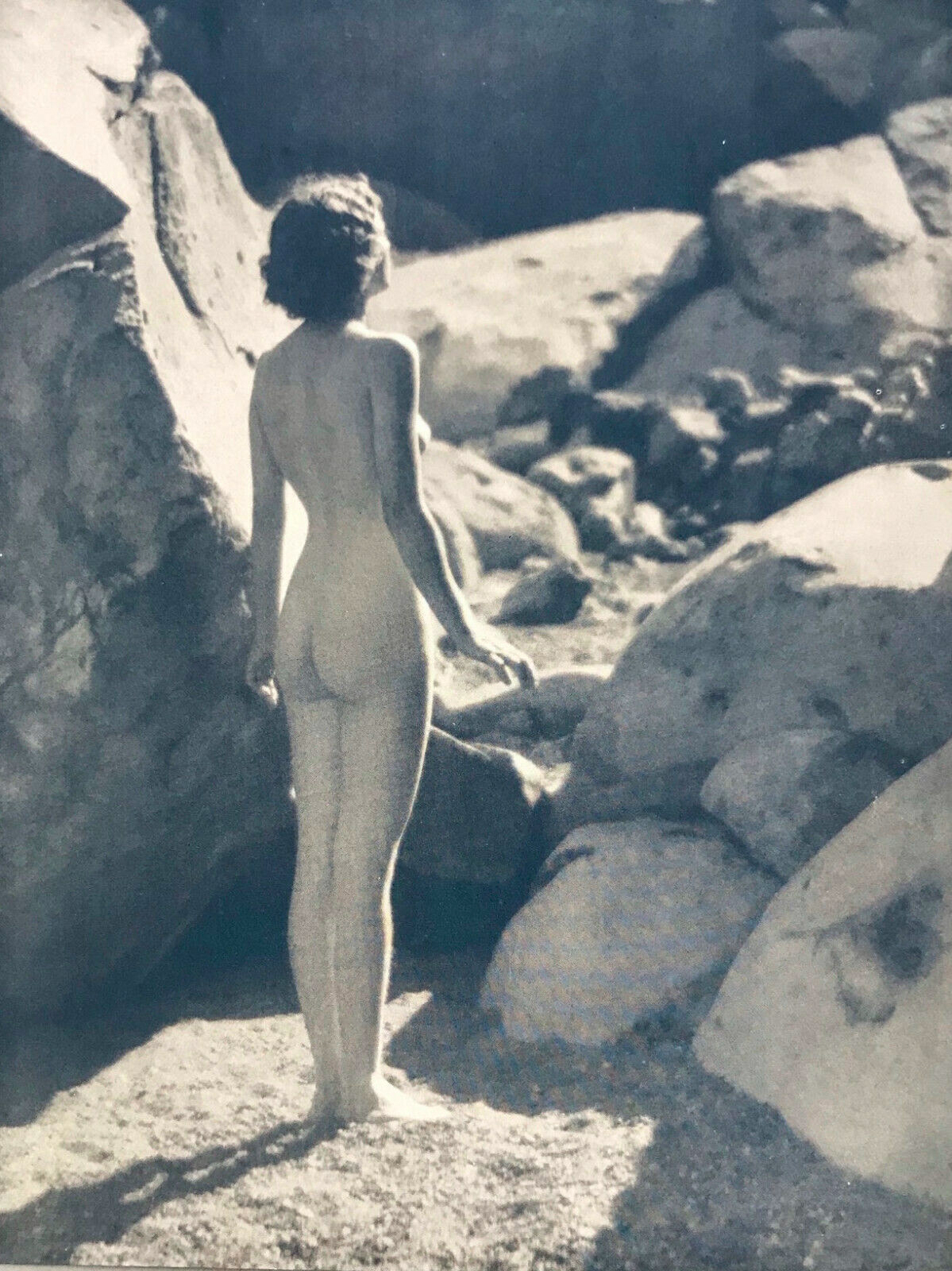
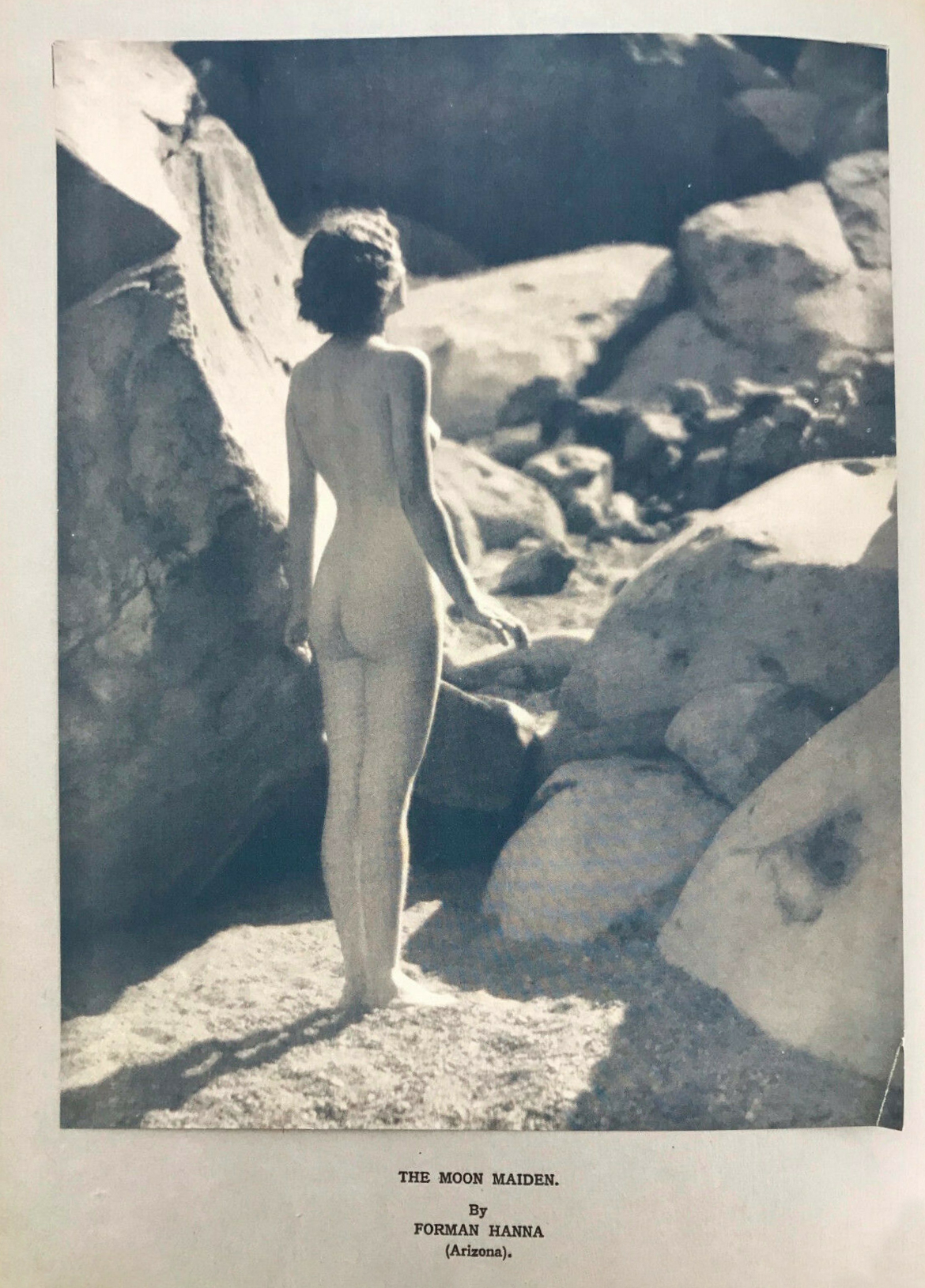
The Moon Maiden, 1933

Forman Hanna :: The Moon Maiden, 1933, halftone print from Photograms of the Year 1933, the annual publication of pictorial photography. | src eBay
Forman Hanna :: The Moon Maiden, 1933, halftone print from Photograms of the Year 1933, the annual publication of pictorial photography. Full page. | src eBay

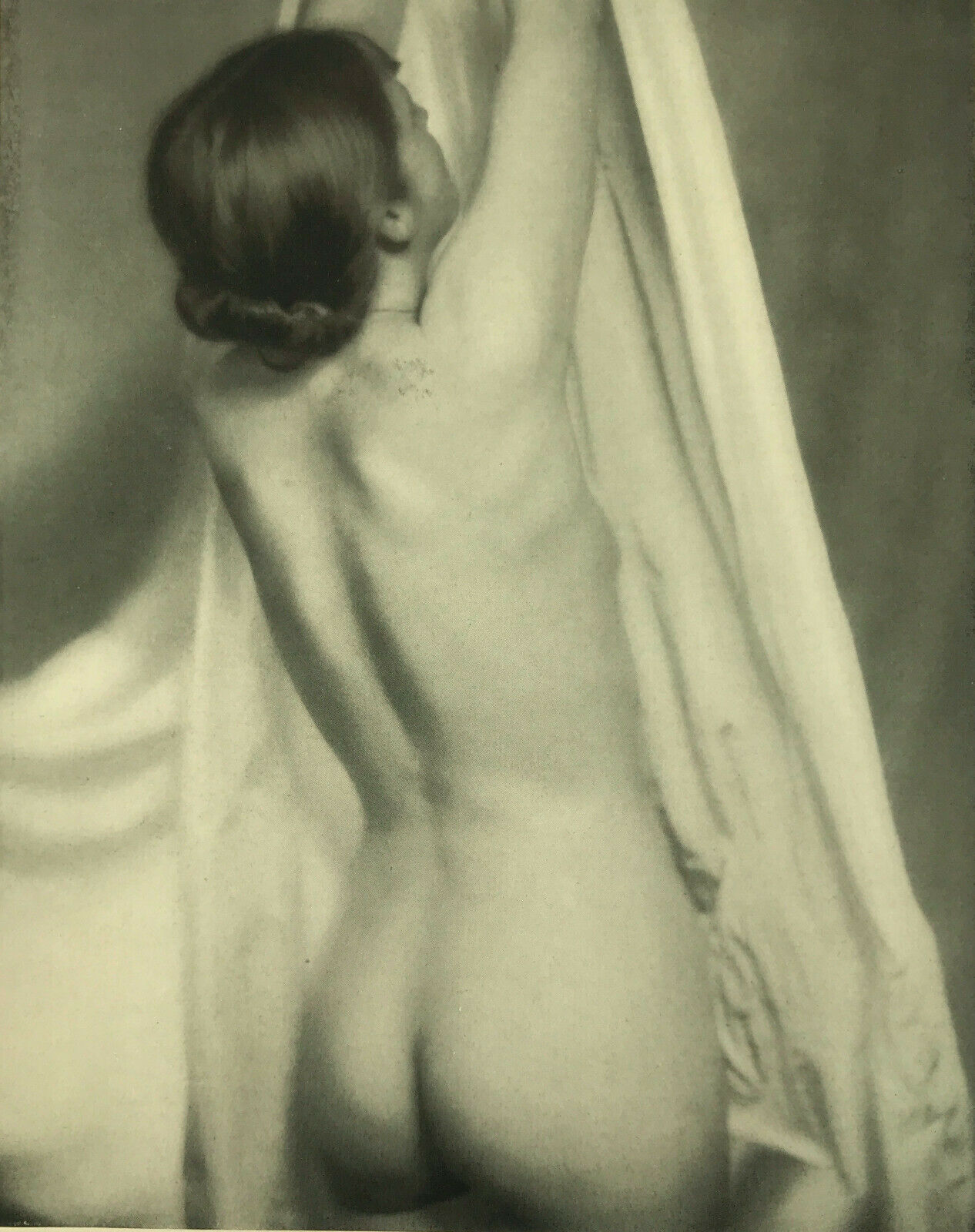
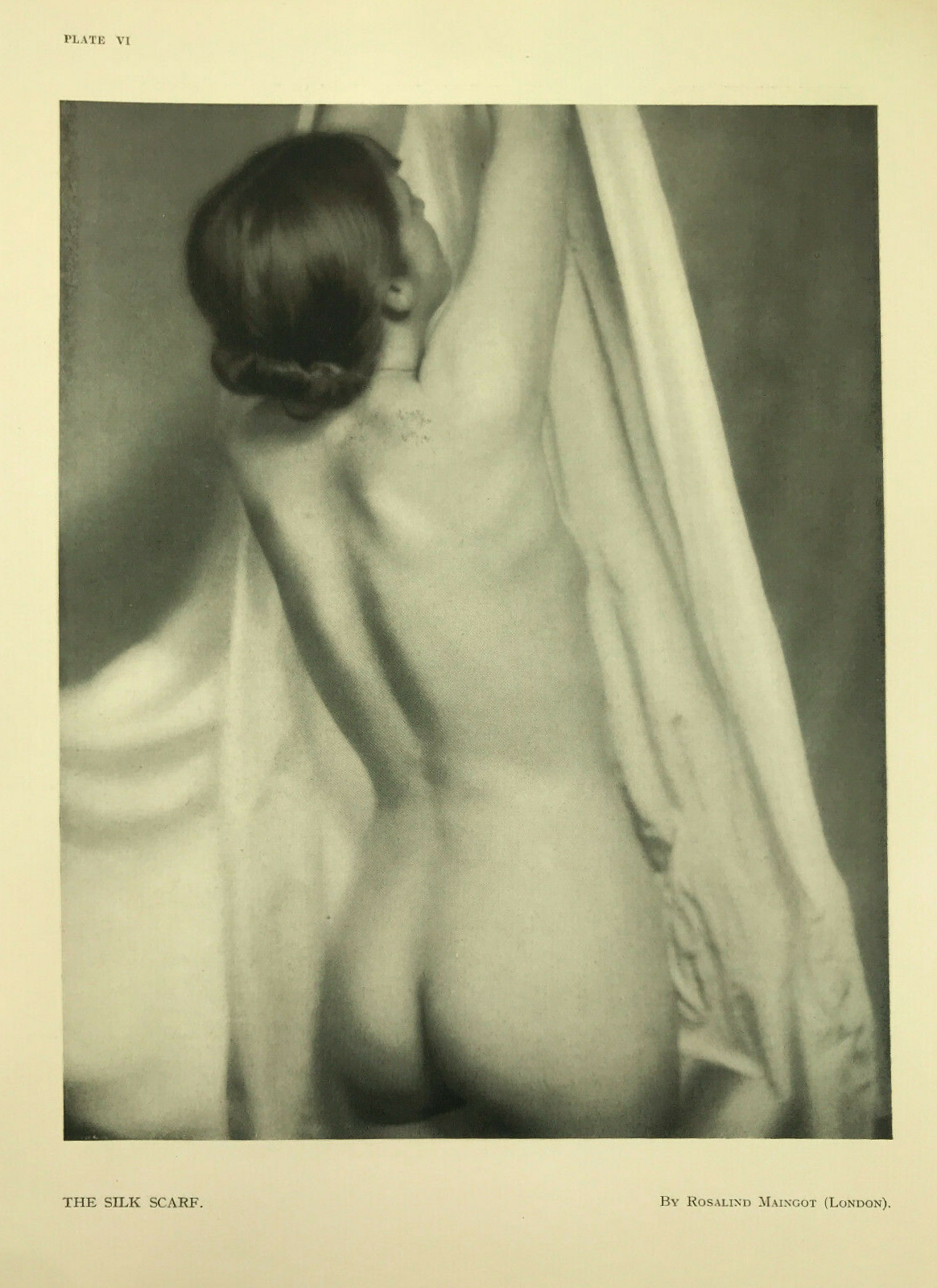
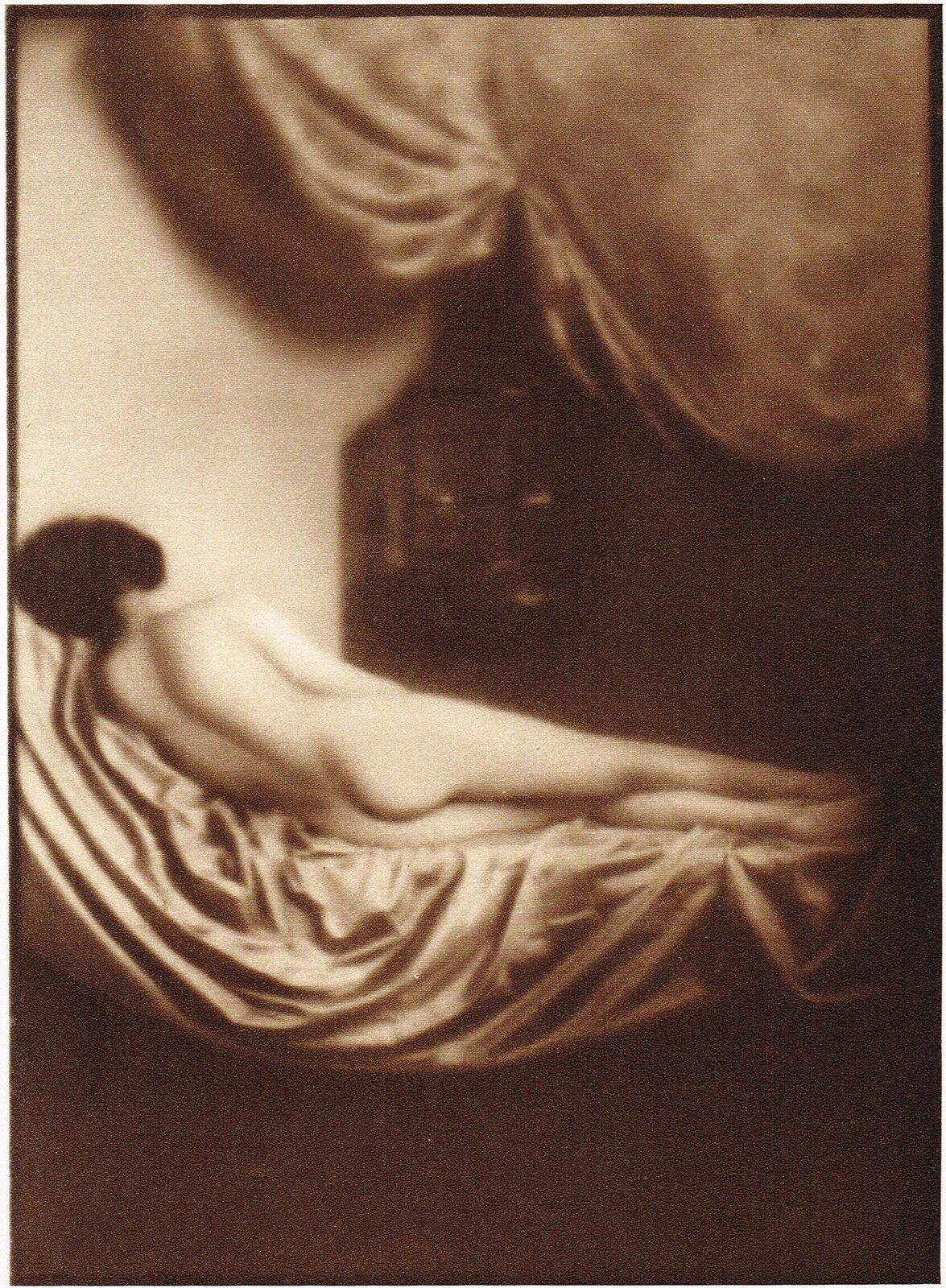
The Silk Scarf (Nude study), 1933

Rosalind Maingot (1894-1957) :: «The Silk Scarf» (Nude study), ca. 1933. From: Photograms of the Year 1933, the annual publication of pictorial photography. Plate VI. | src eBay
Rosalind Maingot (1894-1957) :: «The Silk Scarf» (Nude study), ca. 1933. Rosalind Maingot [FRPS] came into her photography career after a successful career as an actress. Born in Australia, Maingot studied at the London School of Photography after marrying a surgeon and settling in London. Her work includes figure studies, still lifes and flowers, but throughout her photographs of women, influences from her previous acting career can be seen both in terms of pose and emotion. The Camera Club Archive holds several works by Maingot, including some of her beautiful costume studies.
She later became a successful medical photographer, working alongside her husband, and was one of the key people involved in setting up the Royal Photographic Society’s Medical group.
She was one of the greatest of contemporary portrait photographers and one of the few women to be made a fellow of the Royal Photographic Society of Great Britain. | quoted from src eBay

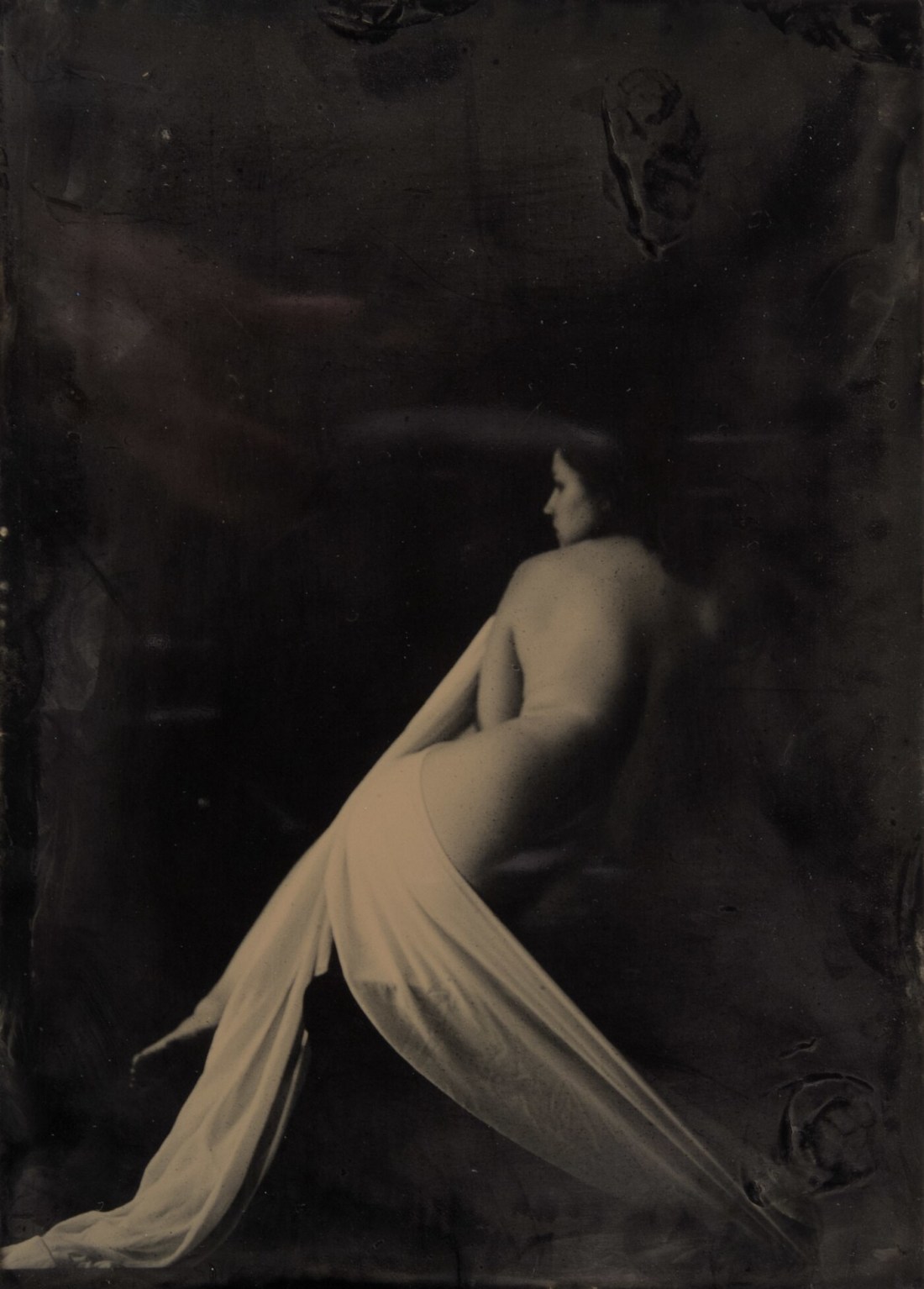
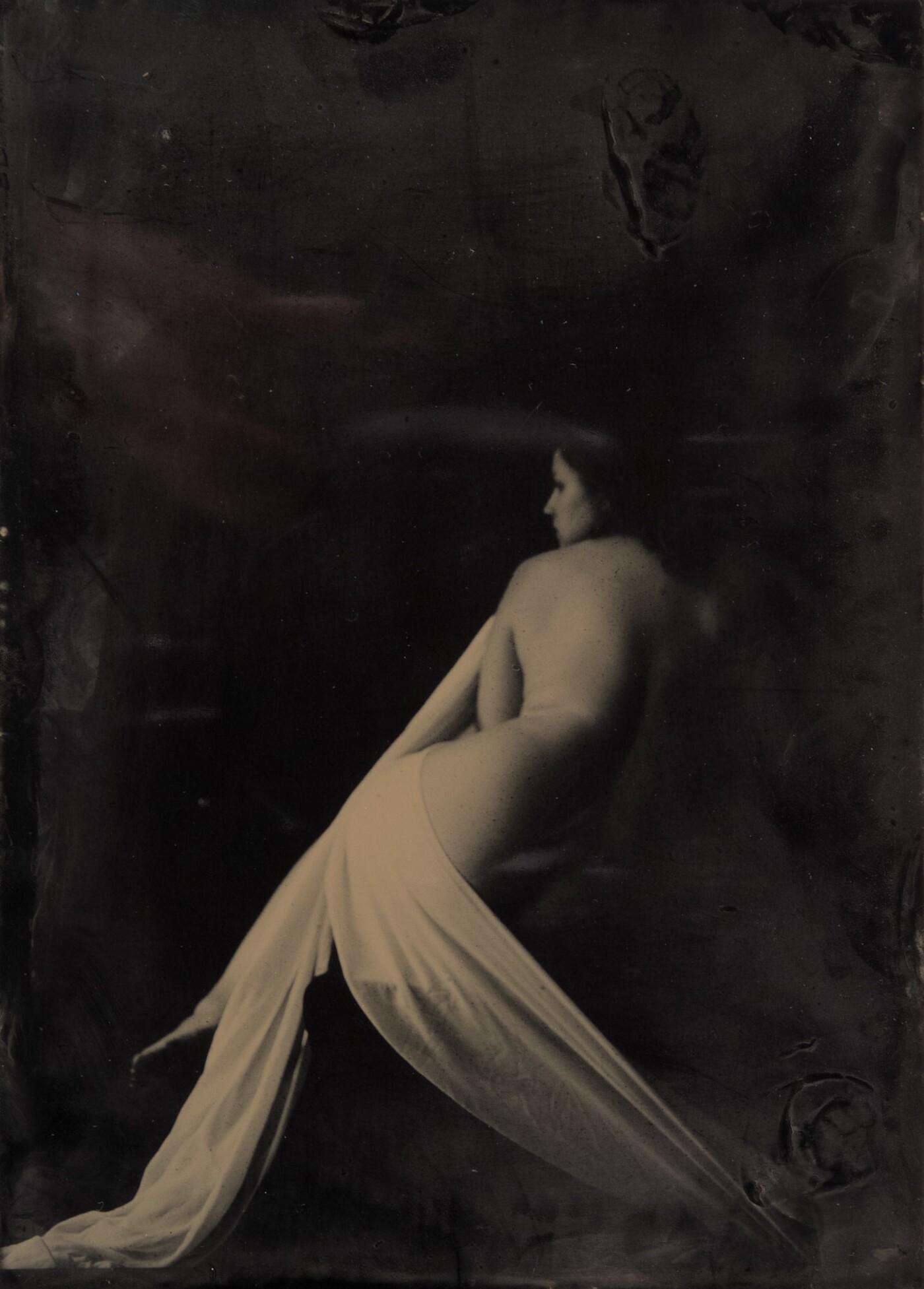
Seated Female Nude, 1998

nude de dos 1990s
Jayne Hinds Bidaut :: Seated Female Nude, 1998, printed 2006. Tintype. | src Amon Carter Museum

Inscriptions verso: seated female \ nude\ Jayne Hinds Bidaut \ Ferrotype Studio \ N.Y.C. \ Plate No. [in ink] 05

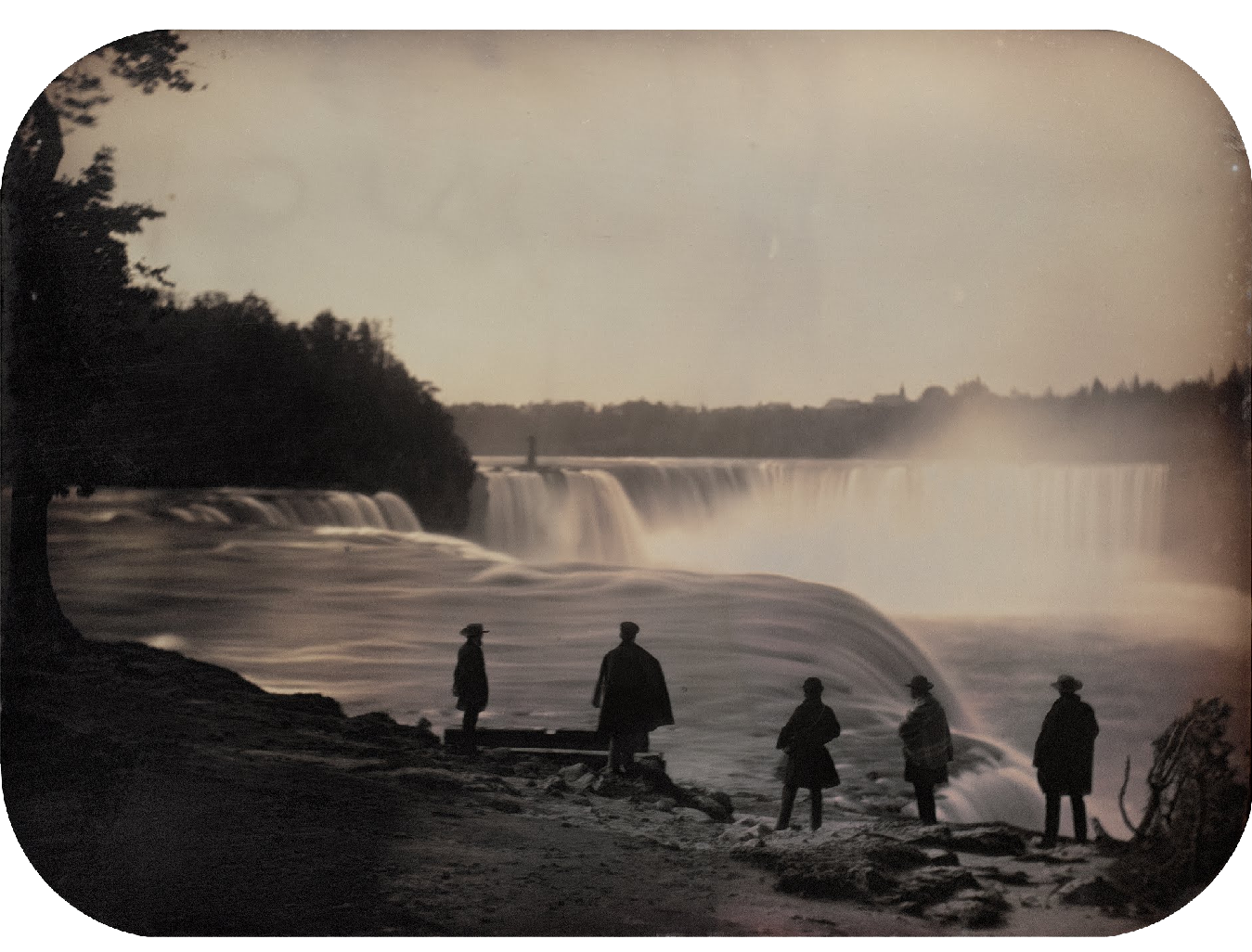
The Niagara Falls, ca. 1855

Platt D. Babbitt :: [Niagara Falls], ca. 1855. Daguerreotype in leather case. | src MFAH · Museum of Fine Arts Houston
Platt D. Babbitt (American, active 1840s–70s) :: The Niagara Falls, ca. 1850. Daguerreotype | src The Met
Platt D. Babbitt (American, active 1840s–70s) :: The Niagara Falls, ca. 1850. Daguerreotype in leather case | src The Met
Platt D. Babbitt (American, 1823 – 1879) :: [Scene at Niagara Falls]; about 1855. Daguerreotype.

In the 1800s Prospect Point at Niagara Falls was a popular destination for travelers in search of a transcendent encounter with nature. The falls were revered as a sacred place that was recognized by the Catholic Church in 1861 as a “pilgrim shrine,” where the faithful could contemplate the landscape as an example of divine majesty.

Platt D. Babbitt would customarily set up his camera in an open-sided pavilion and photograph groups of tourists admiring the falls without their knowledge, as he appears to have done here. Later he would sell the unsuspecting subjects their daguerreotype likenesses alongside the natural wonder. | quoted from Getty Museum

Platt D. Babbitt :: [Scene at Niagara Falls], ca. 1855. Daguerreotype | src Getty Museum Collection

Two well-dressed couples are seen from behind as they stand on the shore downstream from the falls, gazing at its majestic splendor. The silhouetted forms–women wearing full skirts and bonnets and carrying umbrellas and men in stovepipe hats–are sharply outlined against the patch of shore and expansive, white foam. | quoted from Getty Museum

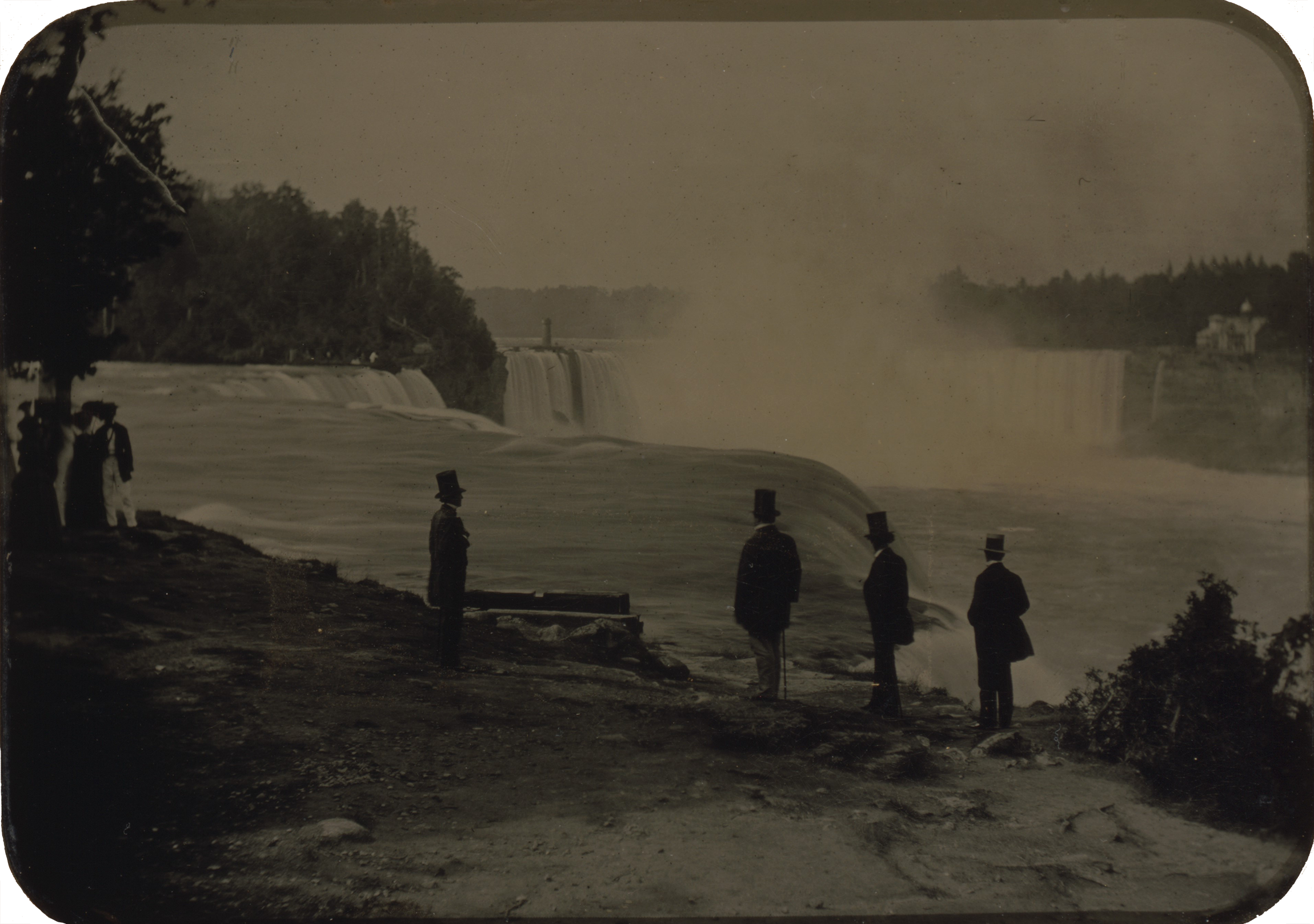
Platt D. Babbitt :: Photograph shows men in morning coats and top hats standing at the side of Niagara Falls [ca. 1854]
Platt D. Babbitt :: [Niagara Falls] [ca. 1854] whole-plate ambrotype on case | src Library of Congress
Photograph shows men in morning coats and top hats standing at the side of Niagara Falls.

American & British nude, 1920s

E. O. Hoppé :: American nude, 1920s. Photogravure. | src vintageads on eBay
Emil Otto Hoppé :: British nude, 1920s. Photogravure. | src vintageads on eBay

Silhouette from back, ca. 1965

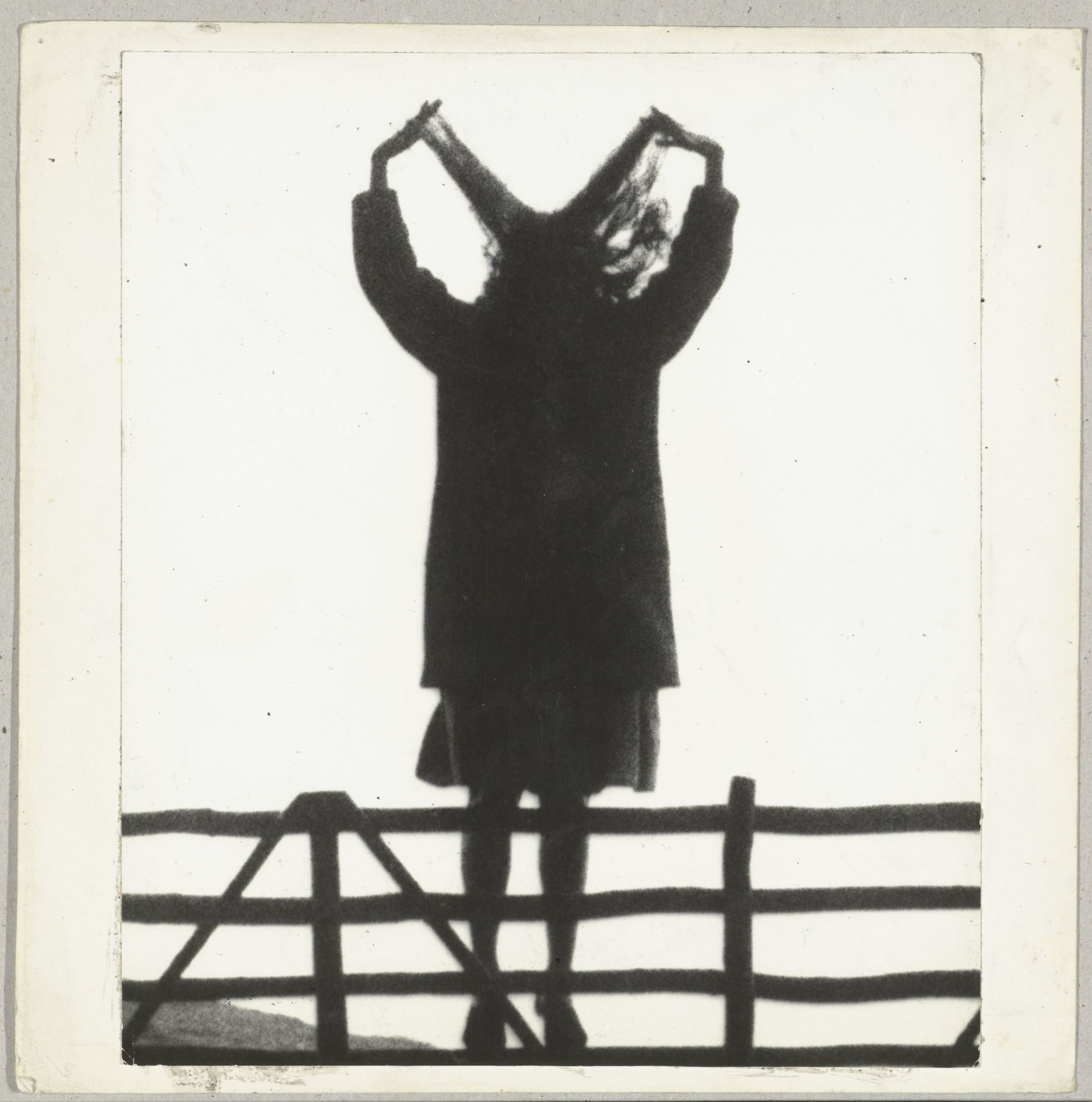
Sanne Sannes :: Silhouette of a Woman Wearing a Coat, Standing Behind a Wooden Fence, ca. 1964-1967. (description: Silhouette of a woman, dressed in a jacket, standing behind a wooden fence, lifting her long hair with both hands.) Part of the photobook: Dummy of Dagboek van een erotomaan (Dummy or Diary of an Erotomaniac) | src Rijksmuseum
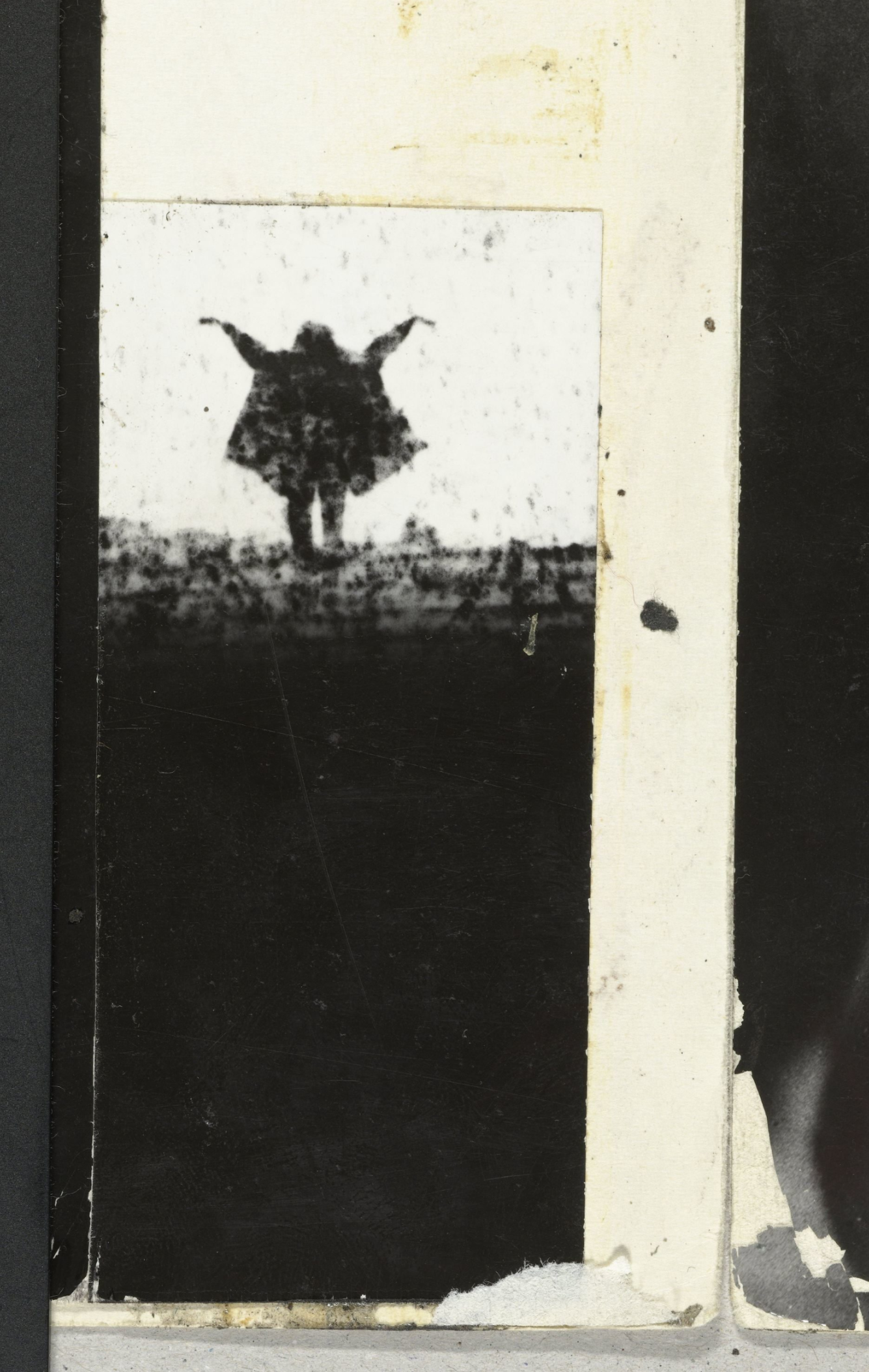
Sanne Sannes :: Blurry image of a standing figure in a wide coat with arms raised, ca. 1964-1967. Part of the photobook: Dummy of Dagboek van een erotomaan (Dummy or Diary of an Erotomaniac) | src Rijksmuseum

Frontispice de Odilon Redon

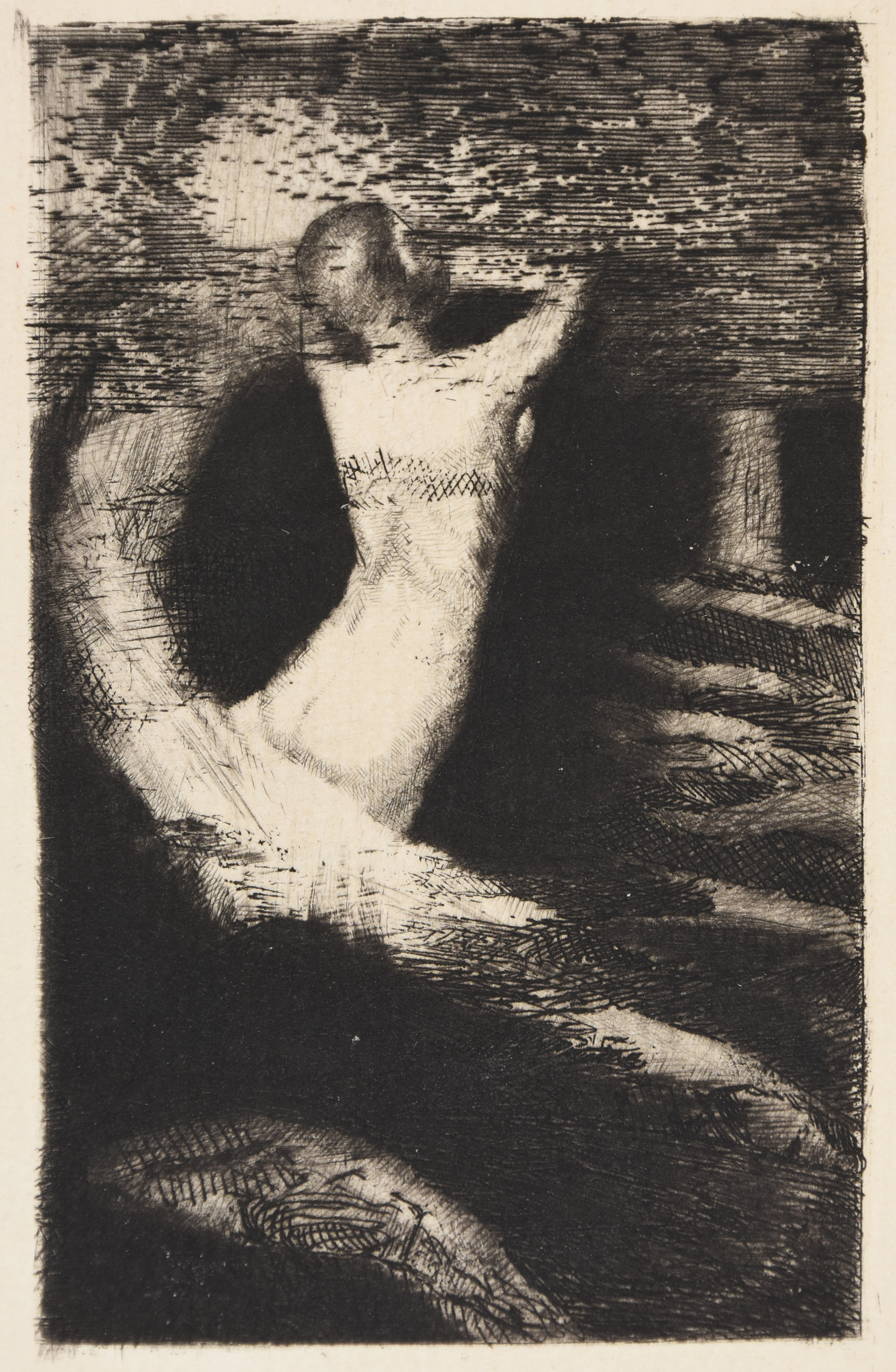
Frontispice symboliste de Odilon Redon à l’eau-forte et pointe sèche sur vergé, pour un ouvrage de l’auteur oublié Adrien Remacle (1849-1916). La passante. [Roman d’une âme]. Paris, Bibliothèque artistique et littéraire, 1892. Édition originale | src Arenberg Auctions