
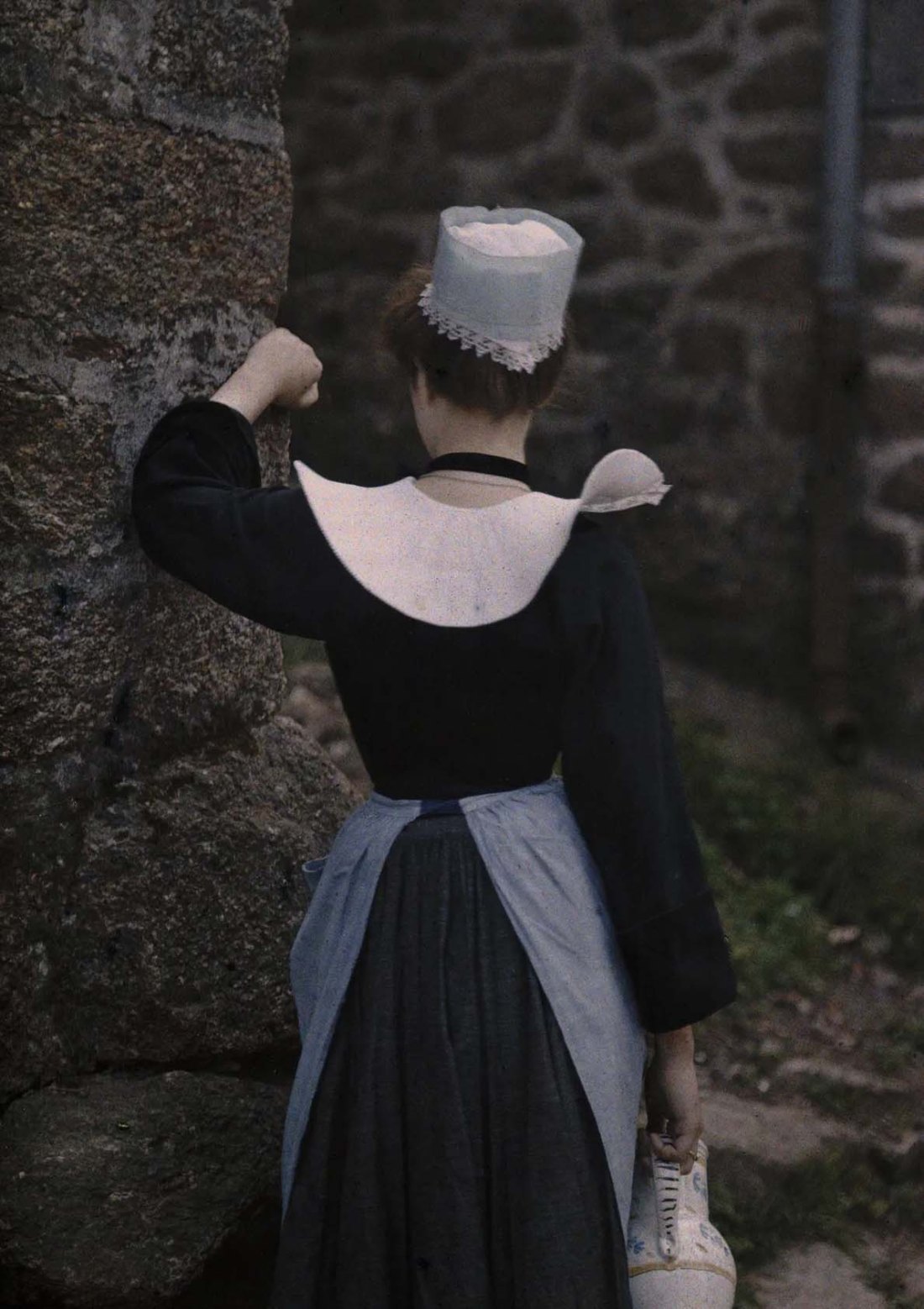
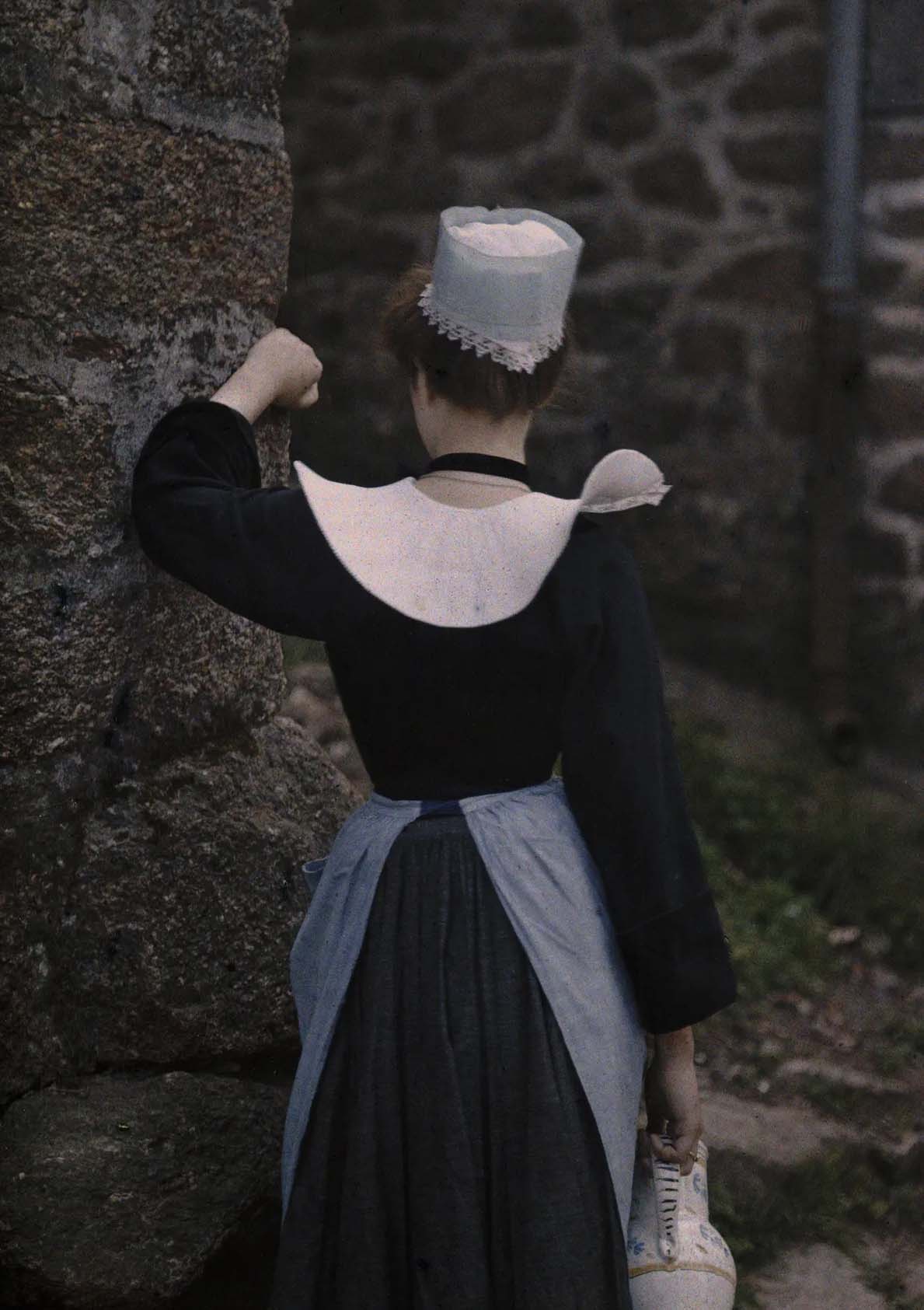
Four ladies in white (1908)

images that haunt us
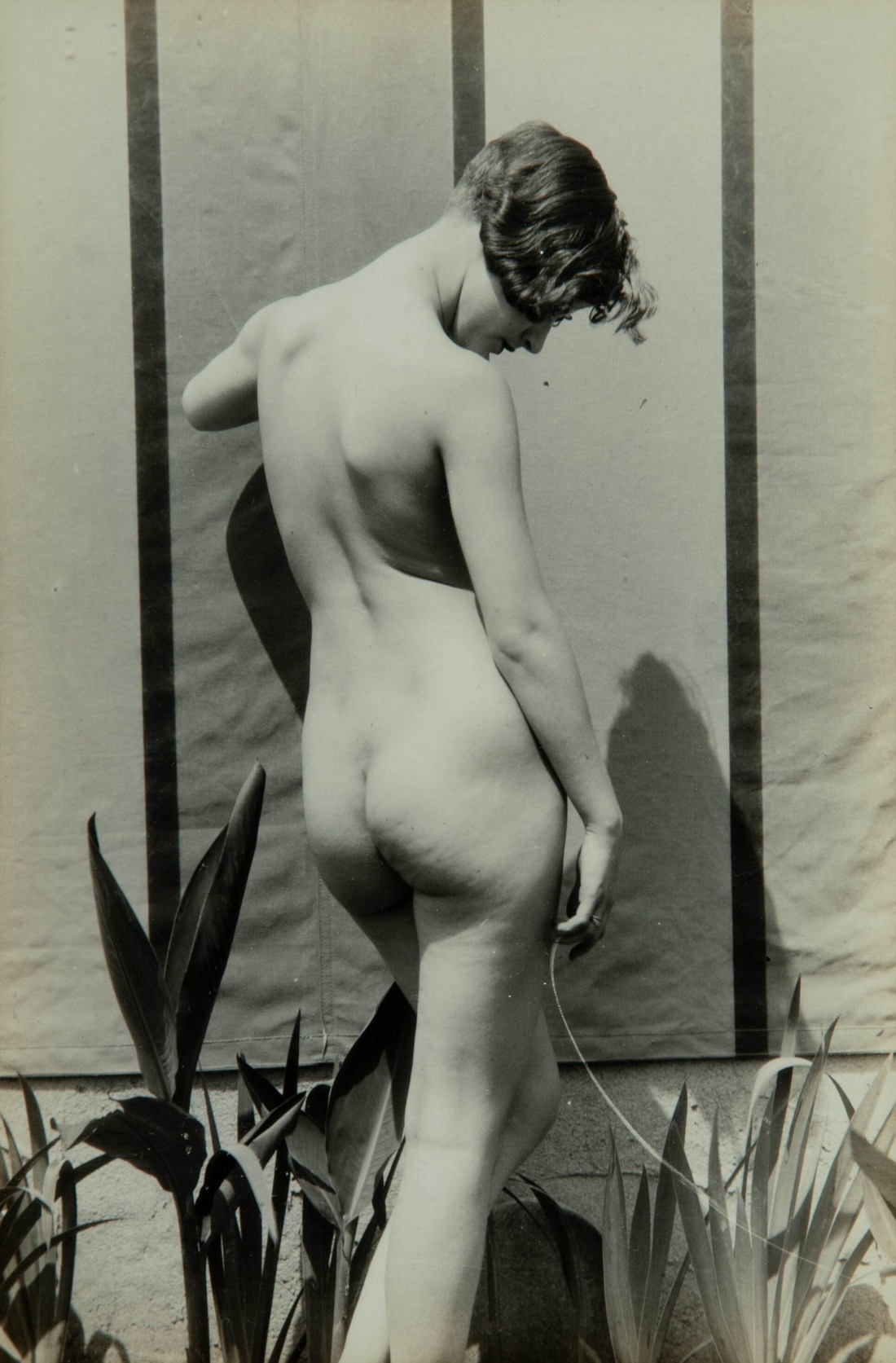
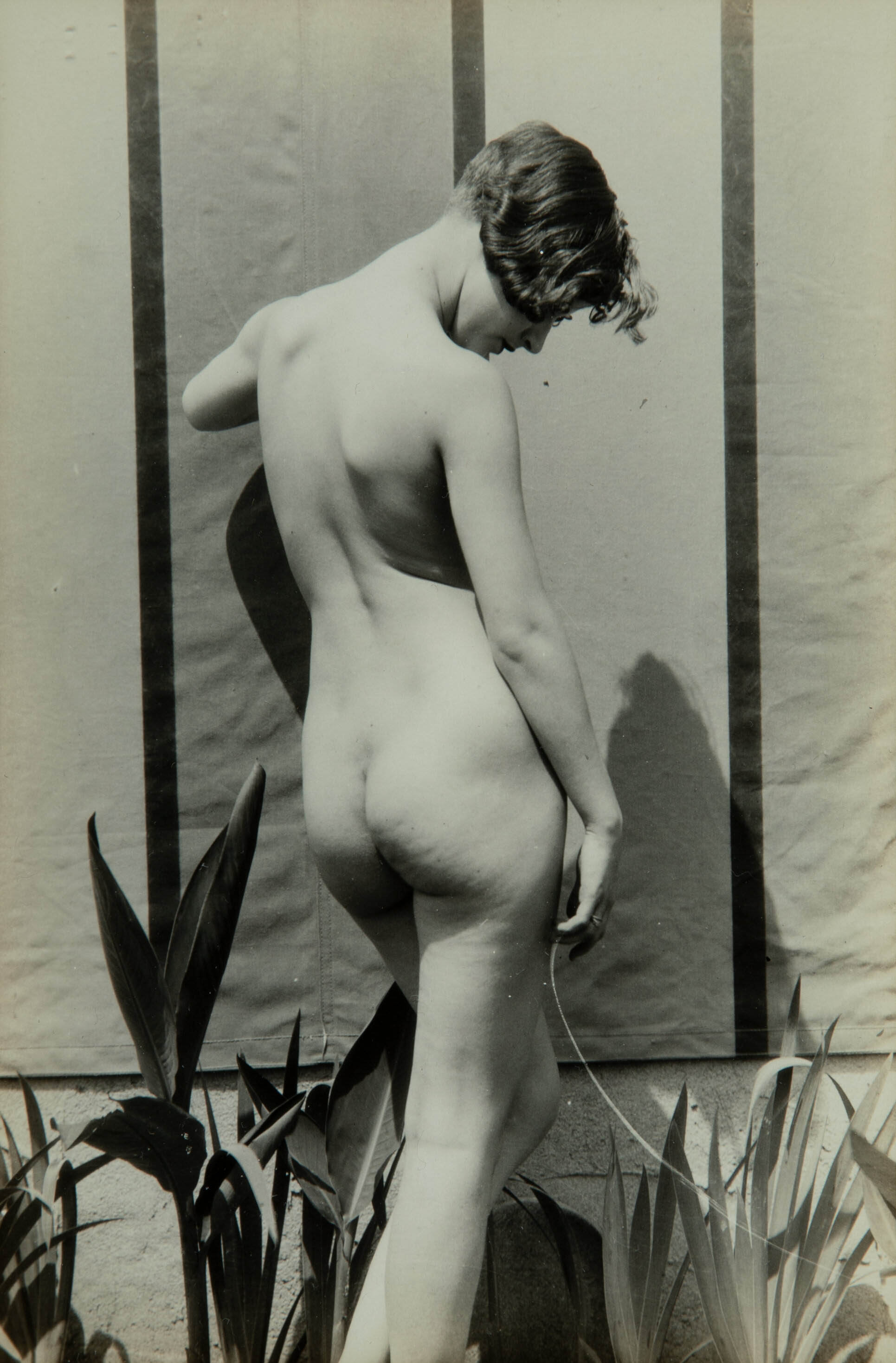
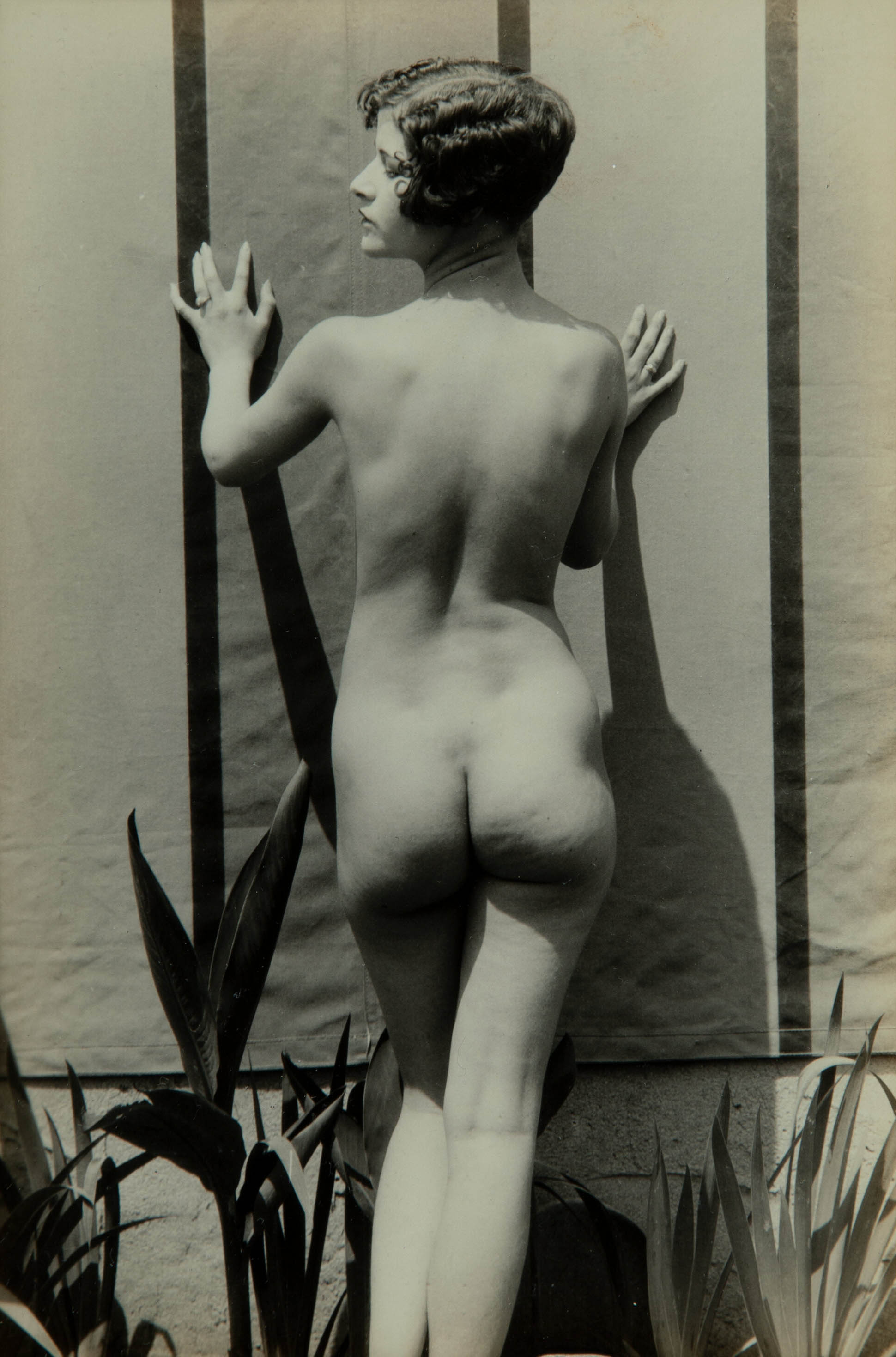

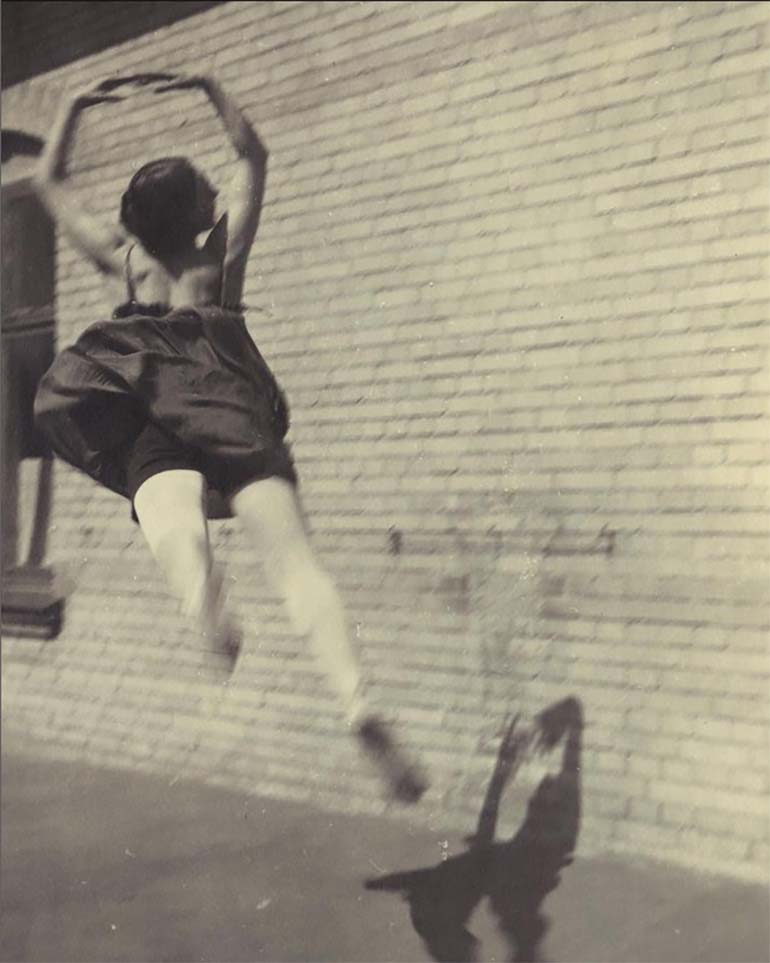
![Jenny Hasselquist på taket till [Jenny Hasselquist on the roof] Théâtre des Champs-Elysées, 29 oktober 1920, Jenny Hasselquists arkiv. | src Dansmuseet · IG](https://unregardoblique.com/wp-content/uploads/2022/05/jenny-hasselquist-pacc8a-taket-till-thecc81acc82tre-des-champs-elysecc81es-29-oktober-1920-jenny-hasselquists-arkiv-dansmuseet.ig_.png)


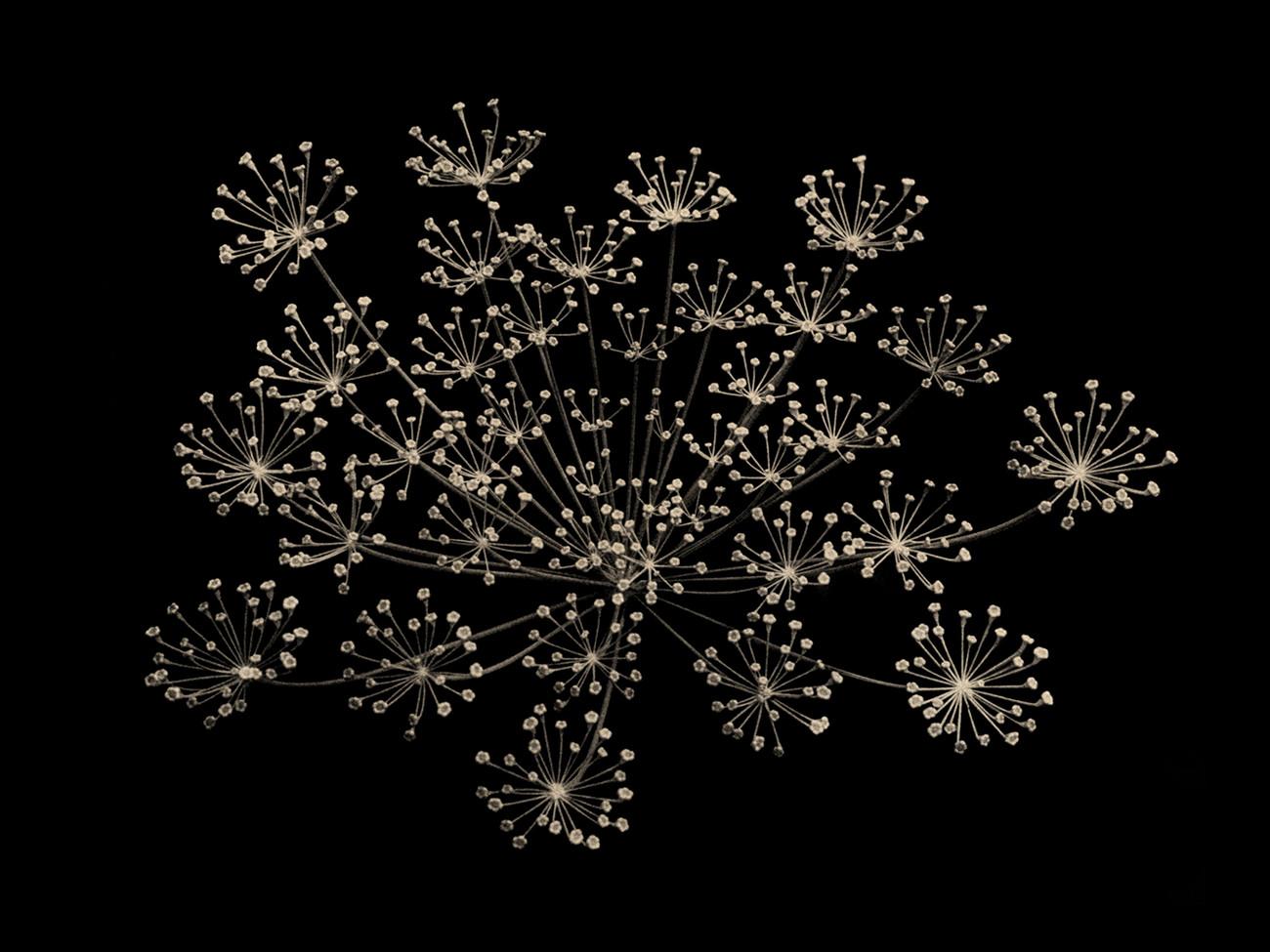
“Hana” means “flower” and “bi” means “fire”, so “Hanabi” roughly translates to “fire flowers”. The Japanese call fireworks Hanabi. The name suggests not only a physical resemblance, but also an existential one. Fireworks bloom, but only for a moment, dazzling onlookers before fading into oblivion.
Hanabi (lit. flower fire or fire flower) were popularised and developed during the resplendent days of Edo and have come to hold cultural significance in Japan both in physical displays and metaphorically as a symbol of ephemeral beauty.






 un regard oblique