Berg and Hoeg · herstory in a box

Marie Hoeg casually posing in her woolen underwear. Photo: Berg & Hoeg ca. 1895-1903. Glass plate negative
Marie Hoeg casually posing in her woolen underwear (back). Photo: Berg & Hoeg ca. 1895-1903
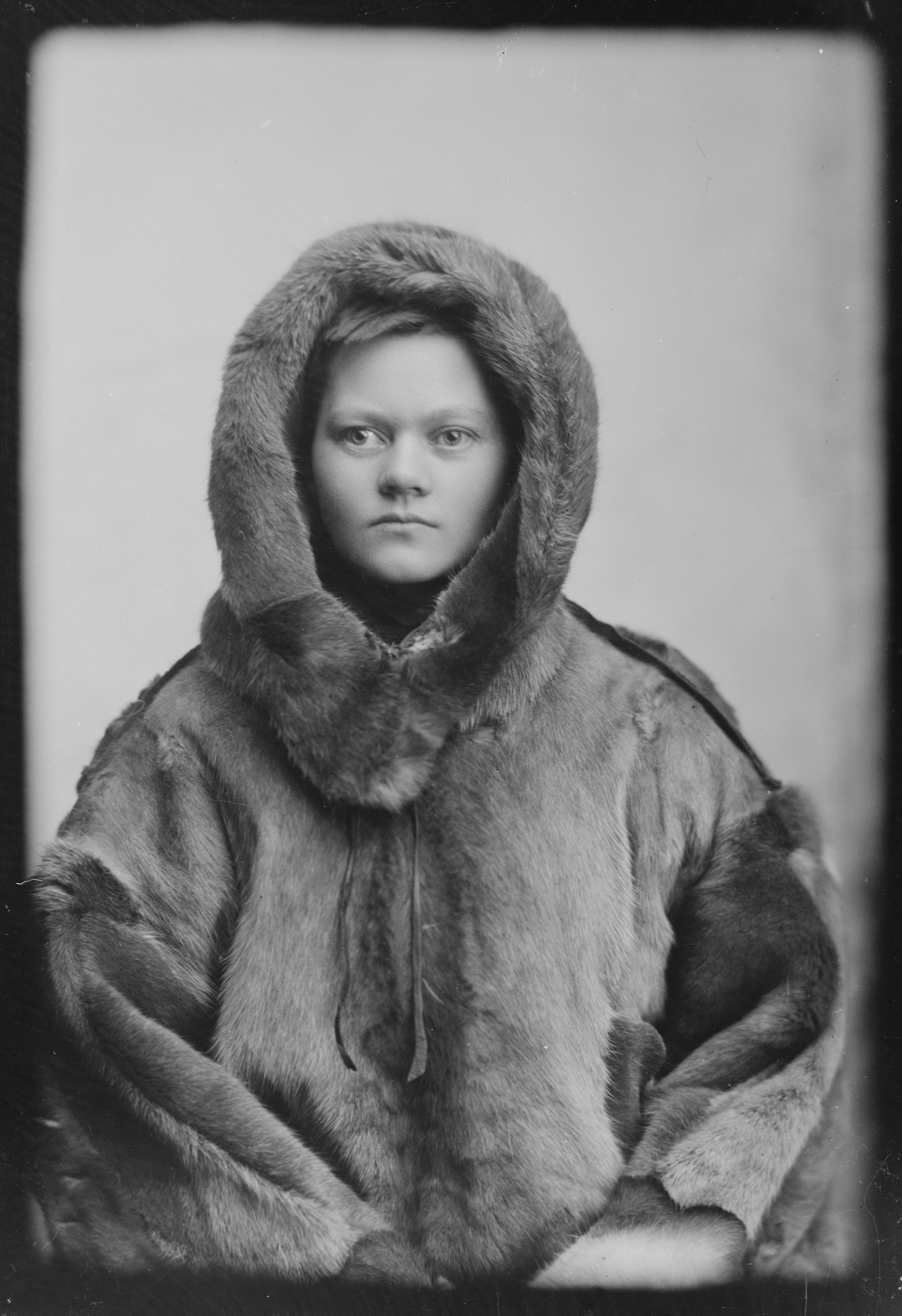
Marie Høeg posing as an Arctic explorer (Portrett av Marie Høeg i selskinnspels med hette). Photo: Berg & Hoeg ca. 1895-1903
Marie Hoeg as a young soldier with a sword (Marie Høeg i undertøy, som soldat med sverd). Photo: Berg & Hoeg ca. 1895-1903
Marie Høeg stuper kråke. Photo: Berg & Hoeg ca. 1895-1903 | src The Preus museum collection on Flickr
Med hendene på ryggen (Som soldat uten sverd)Photo: Berg & Hoeg ca. 1895-1903
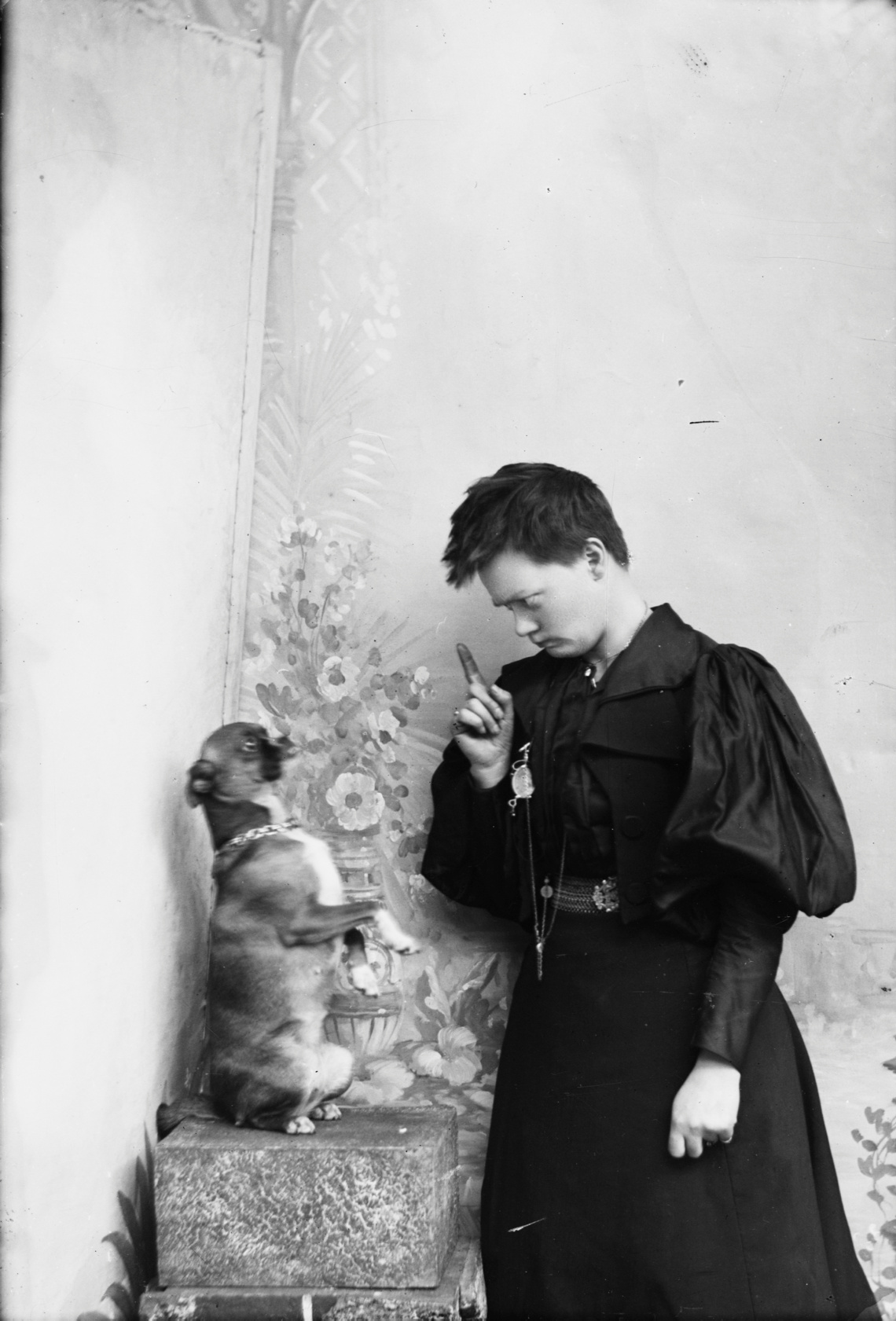
Marie Hoeg scolds the dog Tuss. Photo: Berg & Hoeg ca. 1895-1903. Glass plate negative
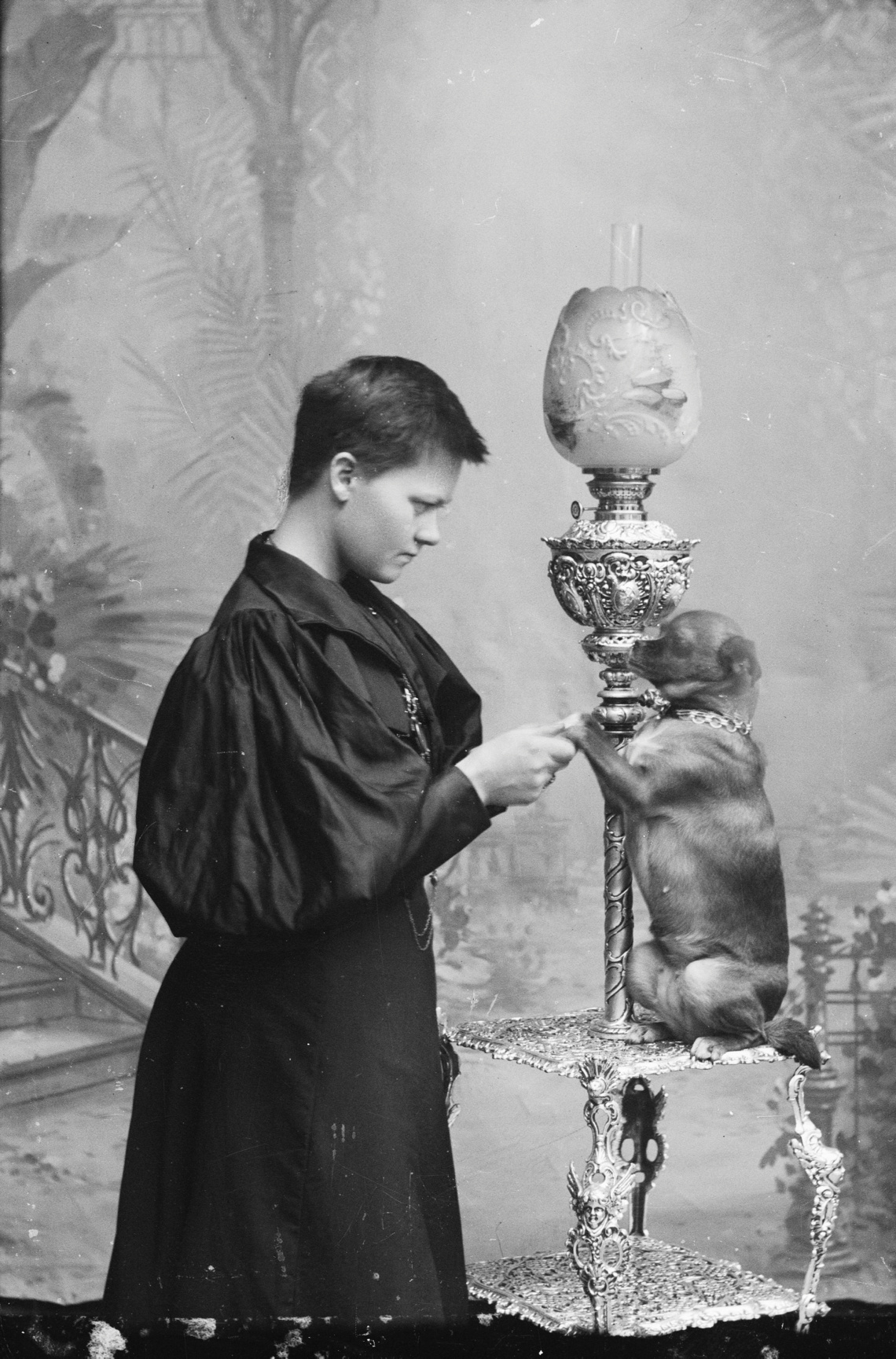
Marie Høeg greeting her dog Tuss (Marie Høeg hilser på hunden Tuss). Photo: Berg & Hoeg ca. 1895-1903. Glass plate negative
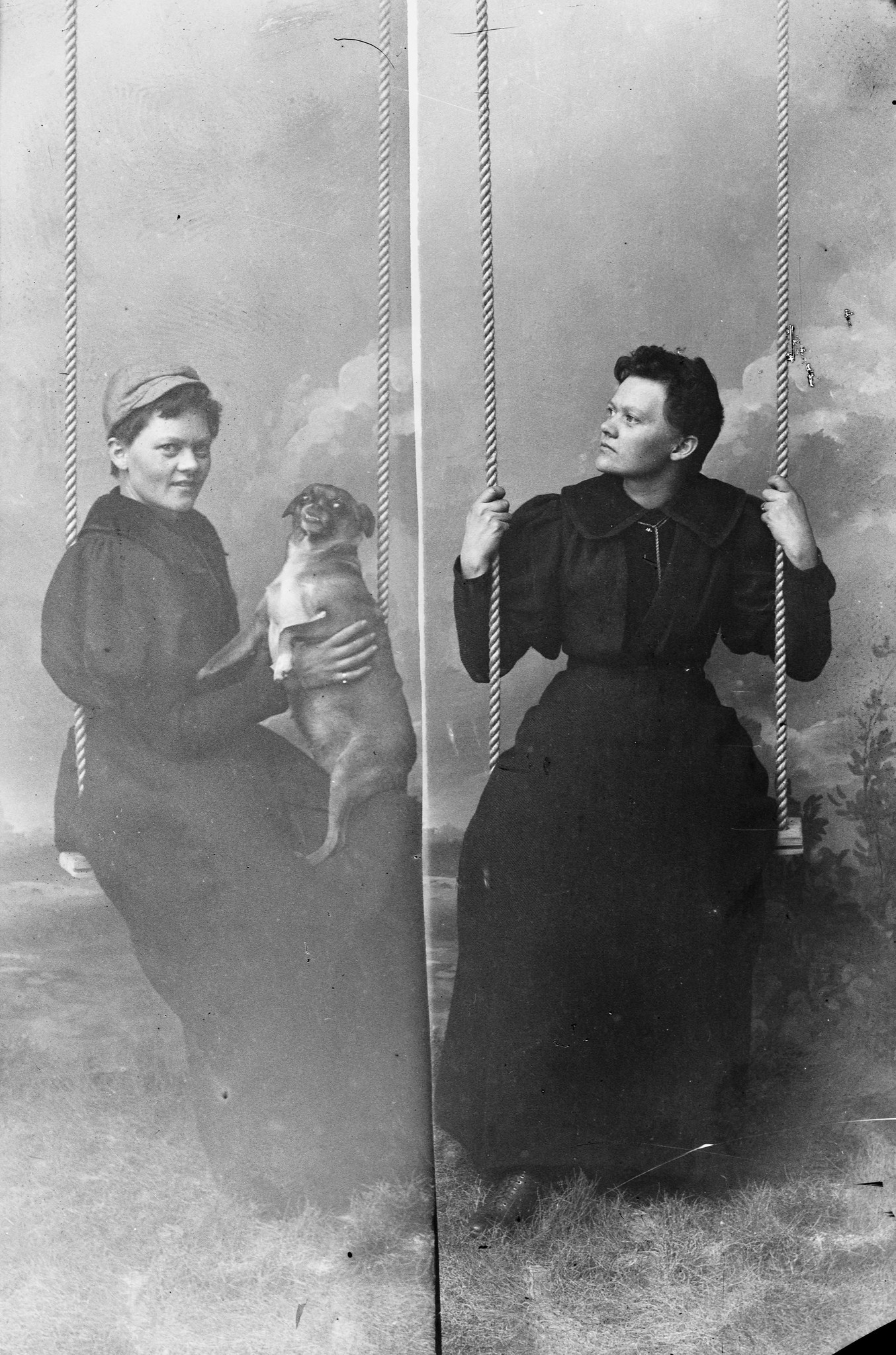
Composite photograph, Marie Høeg sitting on a swing (with Tuss. the dog). Two motives put together on one glass plate

In a box marked “private”, an amazing collection of glass plates were found 30 years ago, amongst the remnants of the two portrait photographers Marie Høeg (1866-1949) and Bolette Berg (1872-1944).

In 1895, they established the Berg & Høeg photography studio in Horten, Norway, where they took portraits and views of Horten and surroundings and lived on the proceeds from sales. At that time, photography was seen as a decent and acceptable profession for women, as it was a profession that demanded a certain amount of aesthetic sense – as part of the female nature.

Horten was a naval base with the main shipyard for the Norwegian navy and had a strong flow of people who needed photographs for celebration and recollection. Perhaps that is how the two photographers understood by the very process of portraiture how important it is to stage oneself and to what a large degree that contributes to how we are perceived.

The Preus museum collection has 440 glass negatives from Berg & Høeg. Among the cartons in the 1980s were discovered some on which had been written “private.” It is not unusual that photographers also have private photographs in their archives. But these were not ordinary keepsake pictures. They indicate that the two photographers, especially Marie Høeg, experimented with various gender roles.

Imagine the fun they must have had, cross-dressing and playing! At the same time, the images are deeply serious, as they reflect upon the expectations and attitudes towards women, and their lack of rights and freedom. We know that Høeg was the extrovert and started groups to fight for women’s rights. Bolette Berg was less in the public view. However, she must have been back of the camera in many of these photographs, which have attracted international notice.

We find several such boundary-breaking photographic projects in Europe and America around 1900. They correspond with women’s battle for full civil rights and the right to define their own identity. So these photographs are a part of an international history – or herstory – that has meaning and recognition value for all women, including now.
All images are digital reproductions of the original glass plates. Some of the plates have cracks and damages, left visible in the reproductions.

All images and text retrieved from The Preus museum on Flickr

Lament for Icarus by Draper

Herbert James Draper (1864-1920) :: Study of Florrie Bird for Naiad in The Lament for Icarus. Black and white chalks on grey paper.
Signed ‘Herbert Draper’ (lower left), inscribed with title (centre right). | src Bonhams
Herbert Draper (1863–1920) :: The Lament for Icarus, exhibited 1898. Oil on canvas. | DETAIL
Herbert Draper (1863–1920) :: The Lament for Icarus, exhibited 1898. Oil on canvas. | Tate Britain

Toilette par Andor Steiner

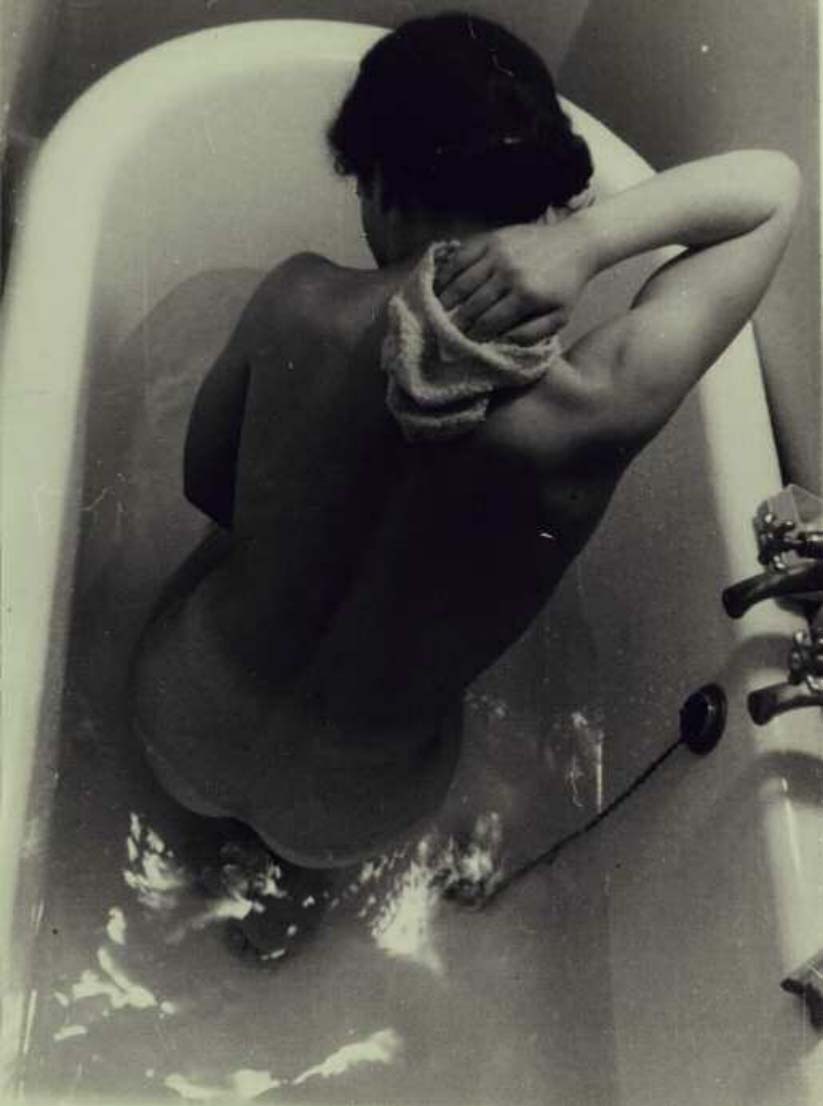
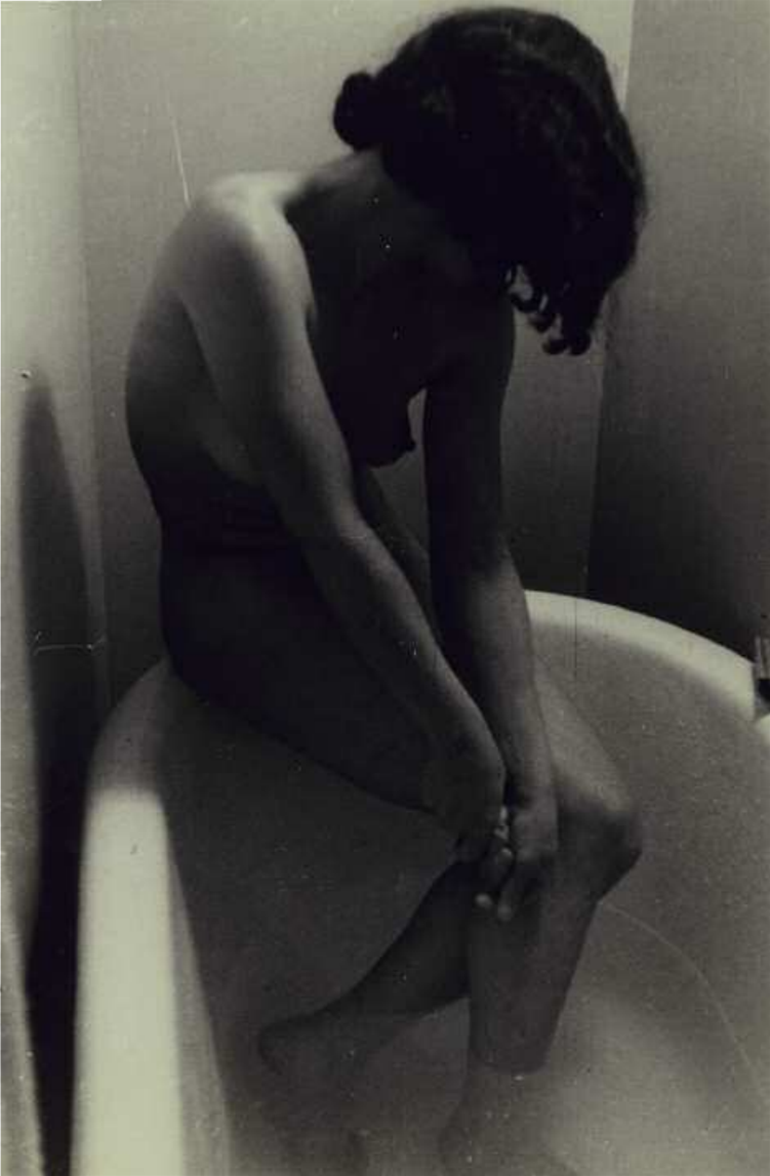
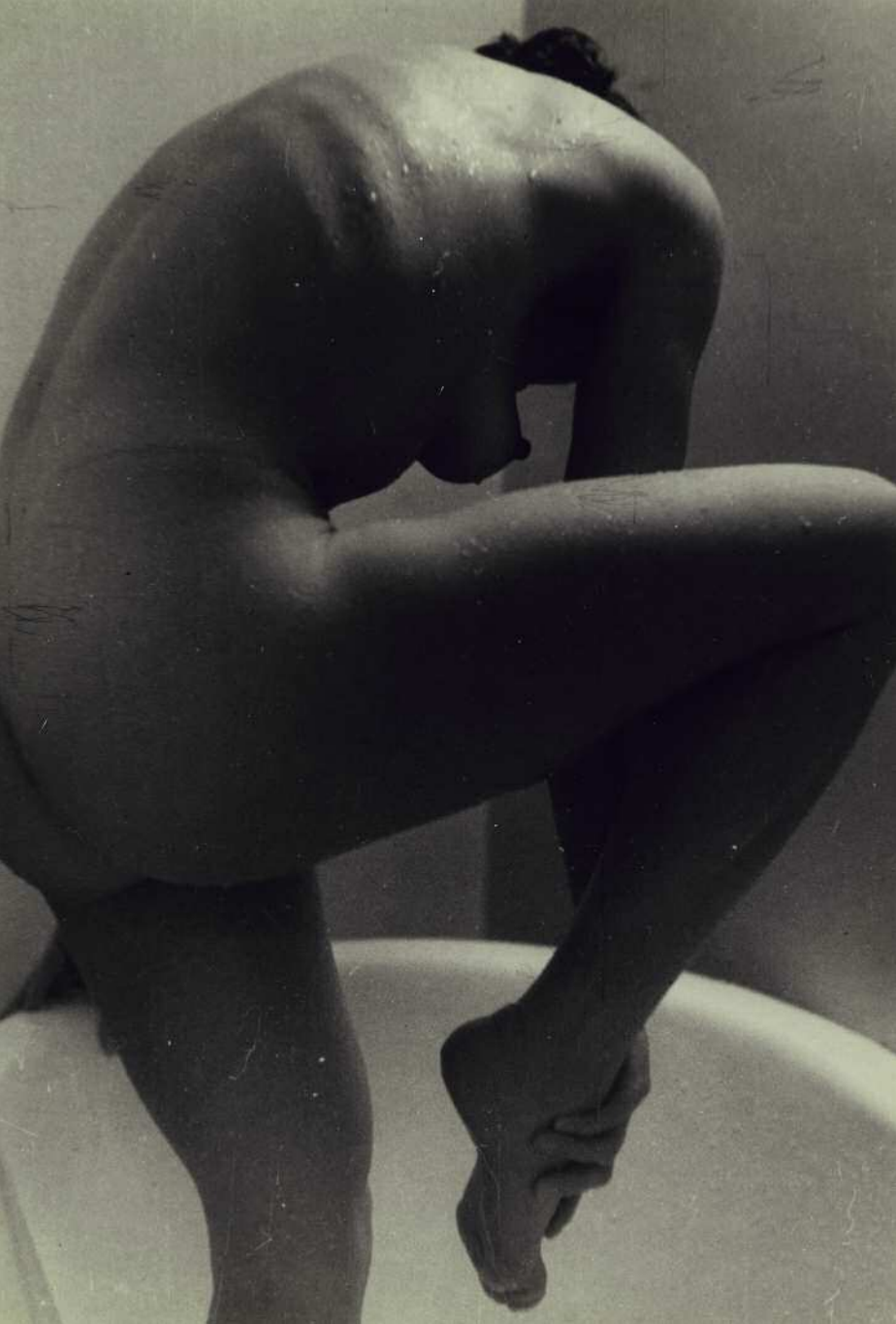
André Steiner :: Toilette, appartement de la rue Gambetta, Paris, circa 1930, tirage argentique. | src Giquello & Associés
André Steiner :: Toilette, appartement de la rue Gambetta, Paris, circa 1930 tirage argentique. | src Giquello & Associés
André Steiner :: Toilette, appartement de la rue Gambetta, Paris, circa 1930, tirage argentique. | src Giquello & Associés
André Steiner :: Toilette, appartement de la rue Gambetta, Paris, circa 1930 tirage argentique. | src Giquello & Associés
André Steiner :: Toilette, appartement de la rue Gambetta, Paris, circa 1930, tirage argentique. | src Giquello & Associés
André Steiner :: Toilette, appartement de la rue Gambetta, Paris, circa 1930 tirage argentique. | src Giquello & Associés
André Steiner :: Toilette, appartement de la rue Gambetta, Paris, circa 1930, tirage argentique. | src Giquello & Associés
André Steiner :: Toilette, appartement de la rue Gambetta, Paris, circa 1930 tirage argentique. | src Giquello & Associés
André Steiner :: Toilette, appartement de la rue Gambetta, Paris, circa 1930, tirage argentique. | src Giquello & Associés

Truempy dance school (1931)

Alfred Eisenstaedt :: Truempy dance school, 1931. Scanned by source (κώστας βακουφτσης) from photobook
Alfred Eisenstaedt :: Trümpy ballet school, 1931. Scanned by source (κώστας βακουφτσης) from photobook

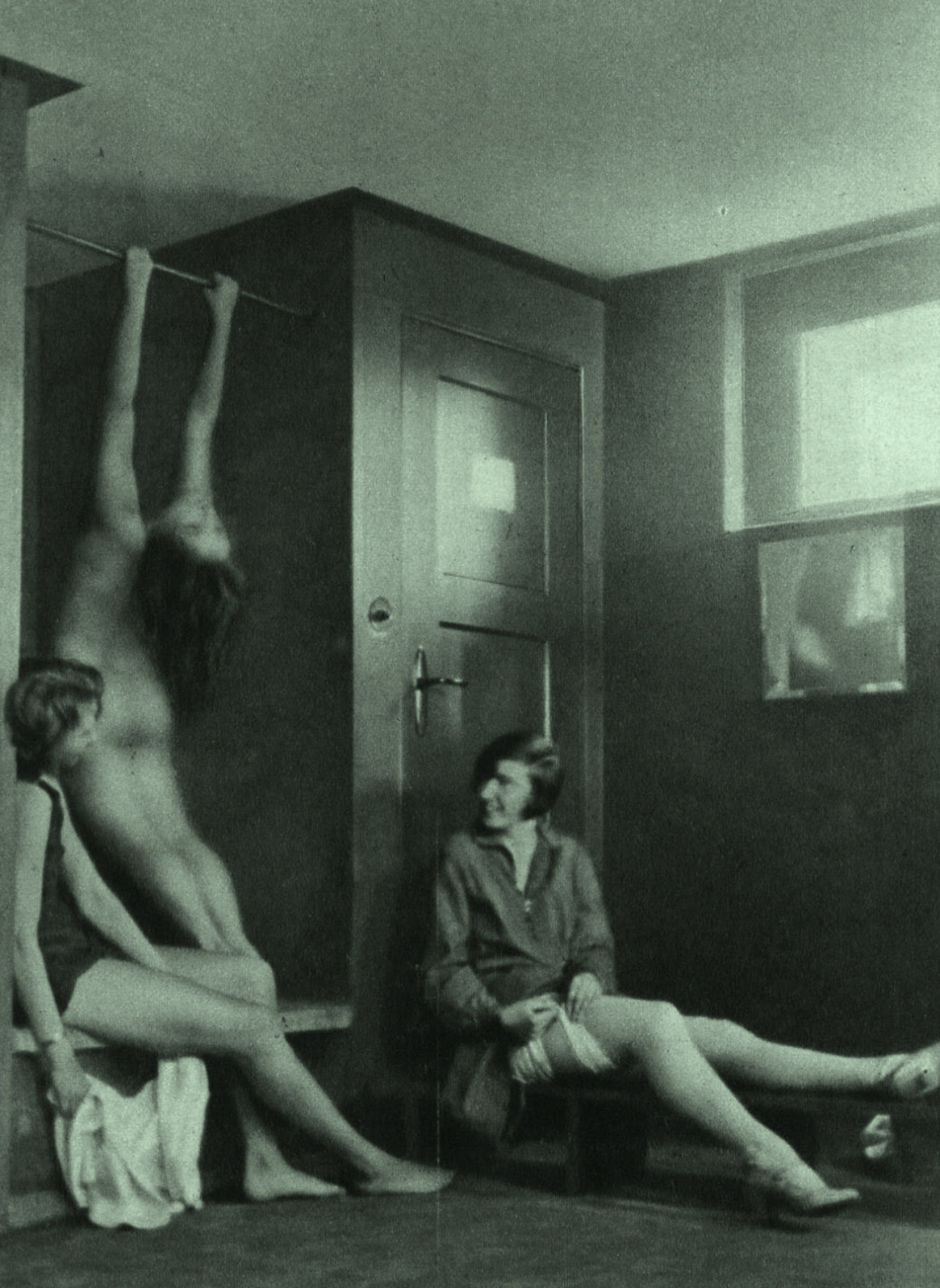
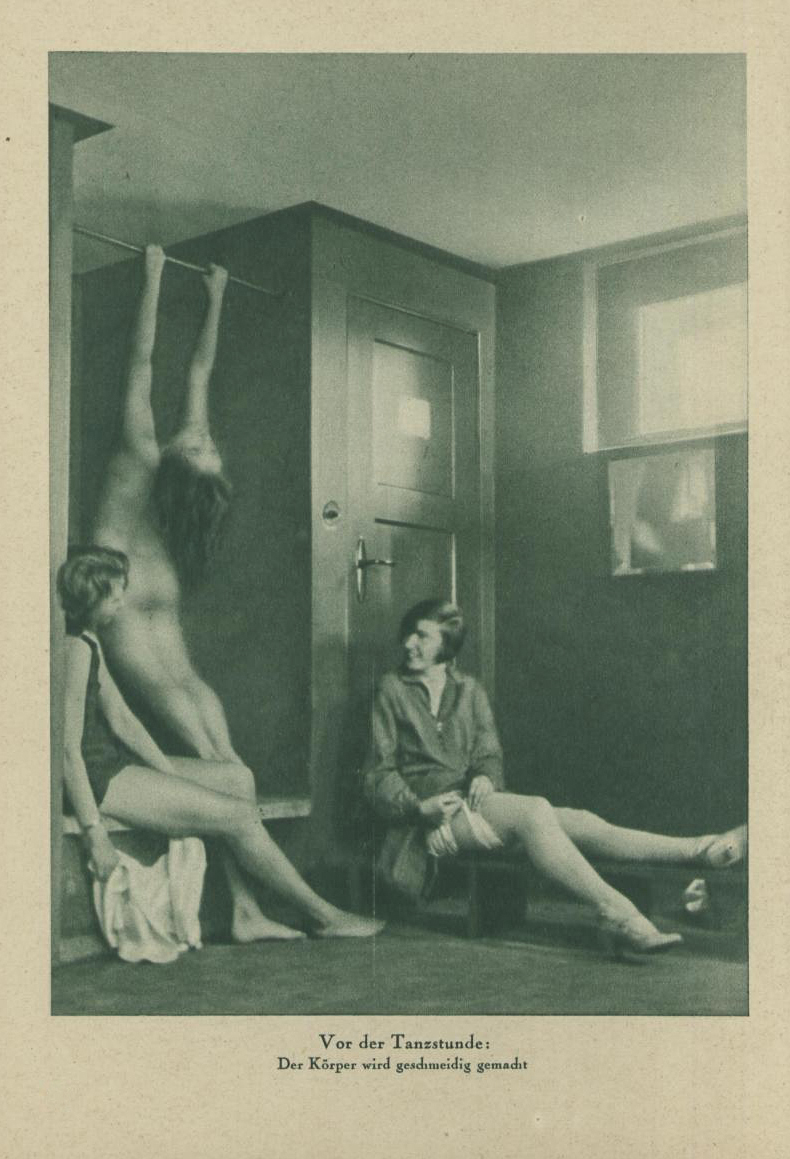
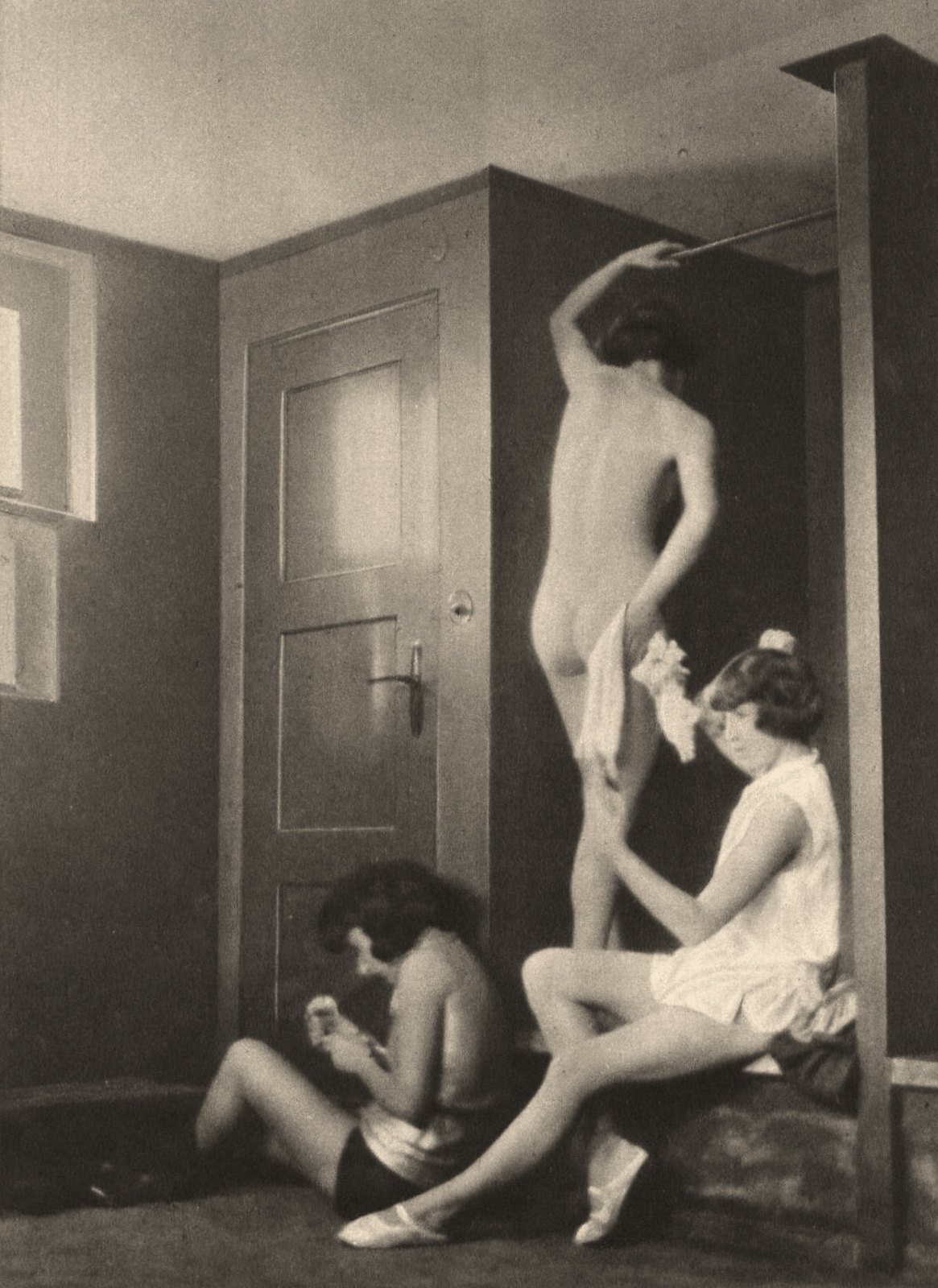
Tanzschule Berthe Trümpy, 1929

Hede Rohr :: Before the dance lesson. Dance students lounging in the dressing room, Tanzschule Trümpy, 1929. Uhu Magazin, Januar 1929, Band 5 Heft 4. | src Flickr
Hede Rohr :: Vor der Tanzstunde: Der Körper wird geschmeidig gemacht. Tanzschule Trümpy, 1929. Uhu Magazin, Januar 1929, Band 5 Heft 4. | src Flickr
Hede Rohr :: Dancers: snapshot in the dressing room (Berthe Trümpy dance school). Uhu Magazin, Januar 1929, Band 5 Heft 4. | src Flickr
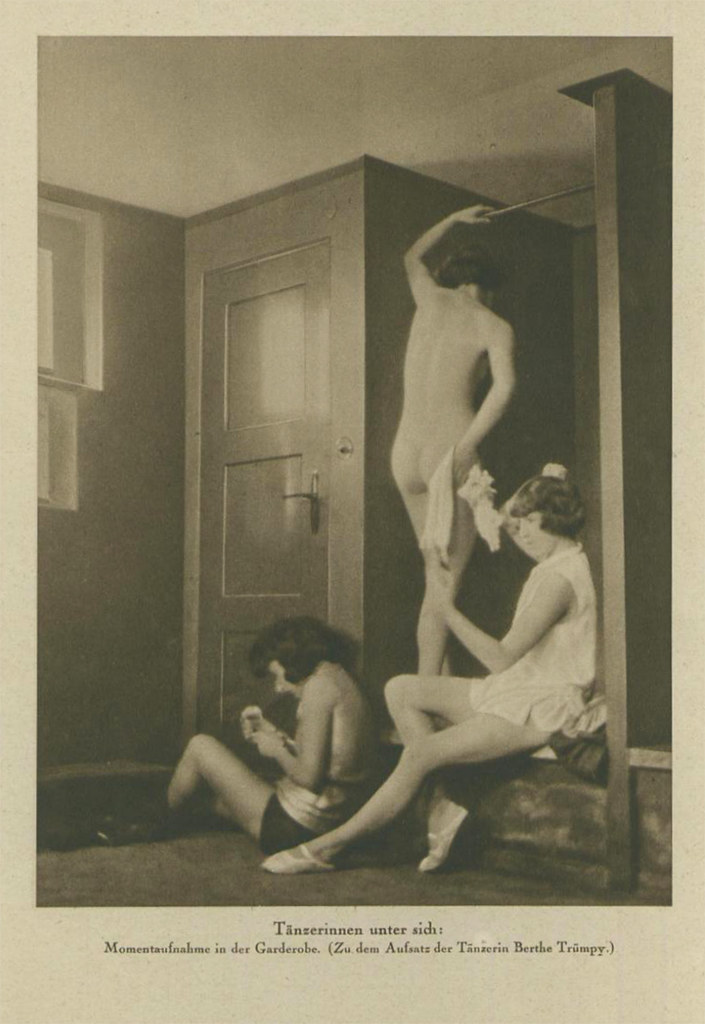
Hede Rohr :: Tänzerinnen unter sich, Momentaufnahme in der Garderobe. (Zu dem Aufsatz der Tänzerin Berthe Trümpy). Uhu Magazin, Januar 1929, Band 5 Heft 4. | src Flickr

Mary Nash in Diaphanous Dress

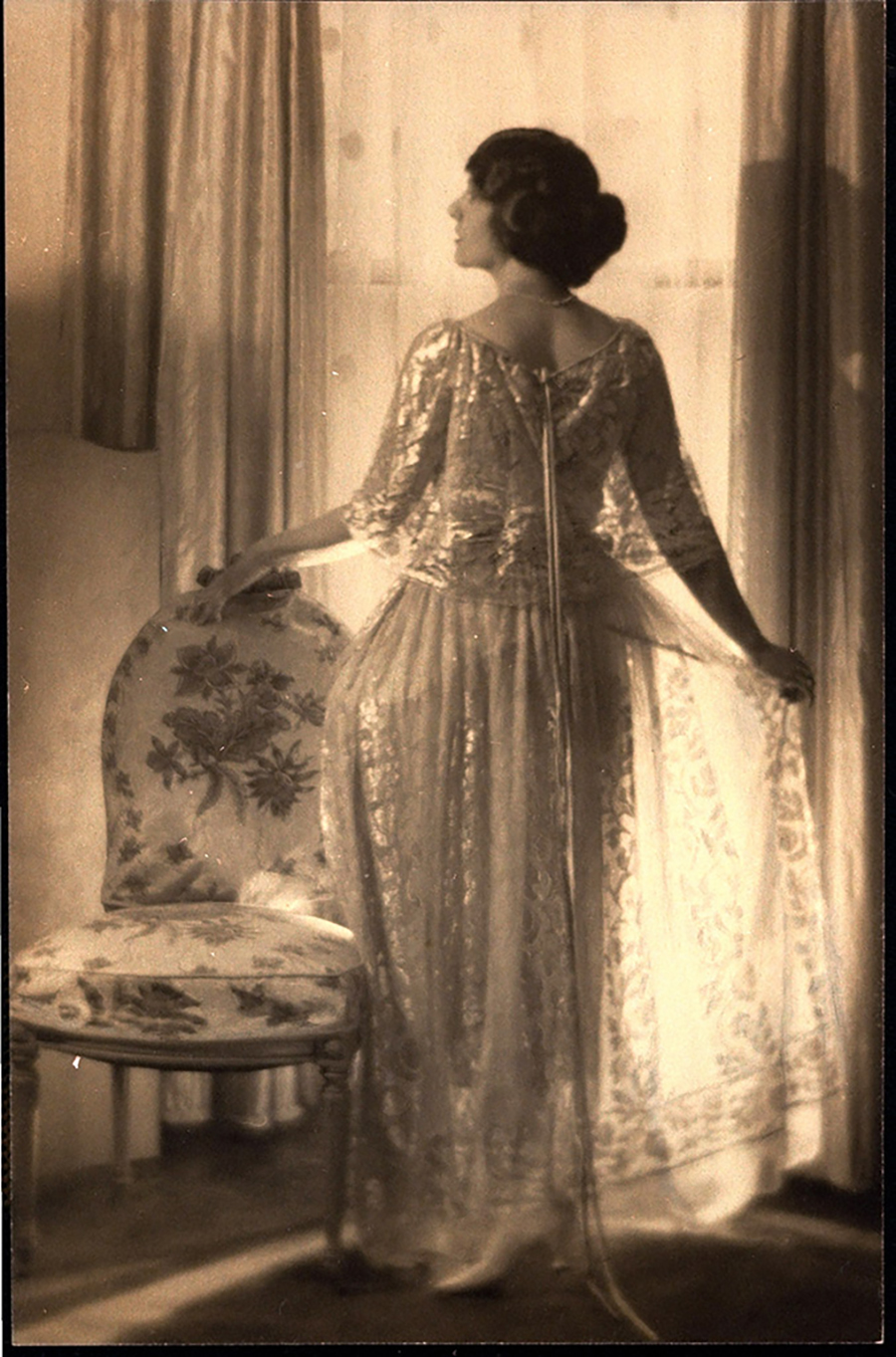
Martha Wynn Richards :: Actress Mary Nash Modeling a Diaphanous Dress, 1923, Wynn Richards, gelatin silver print. Courtesy of and © Condé Nast – Vogue, January 1, 1923. | src J. Paul Getty Museum

Nu allongé, 1949

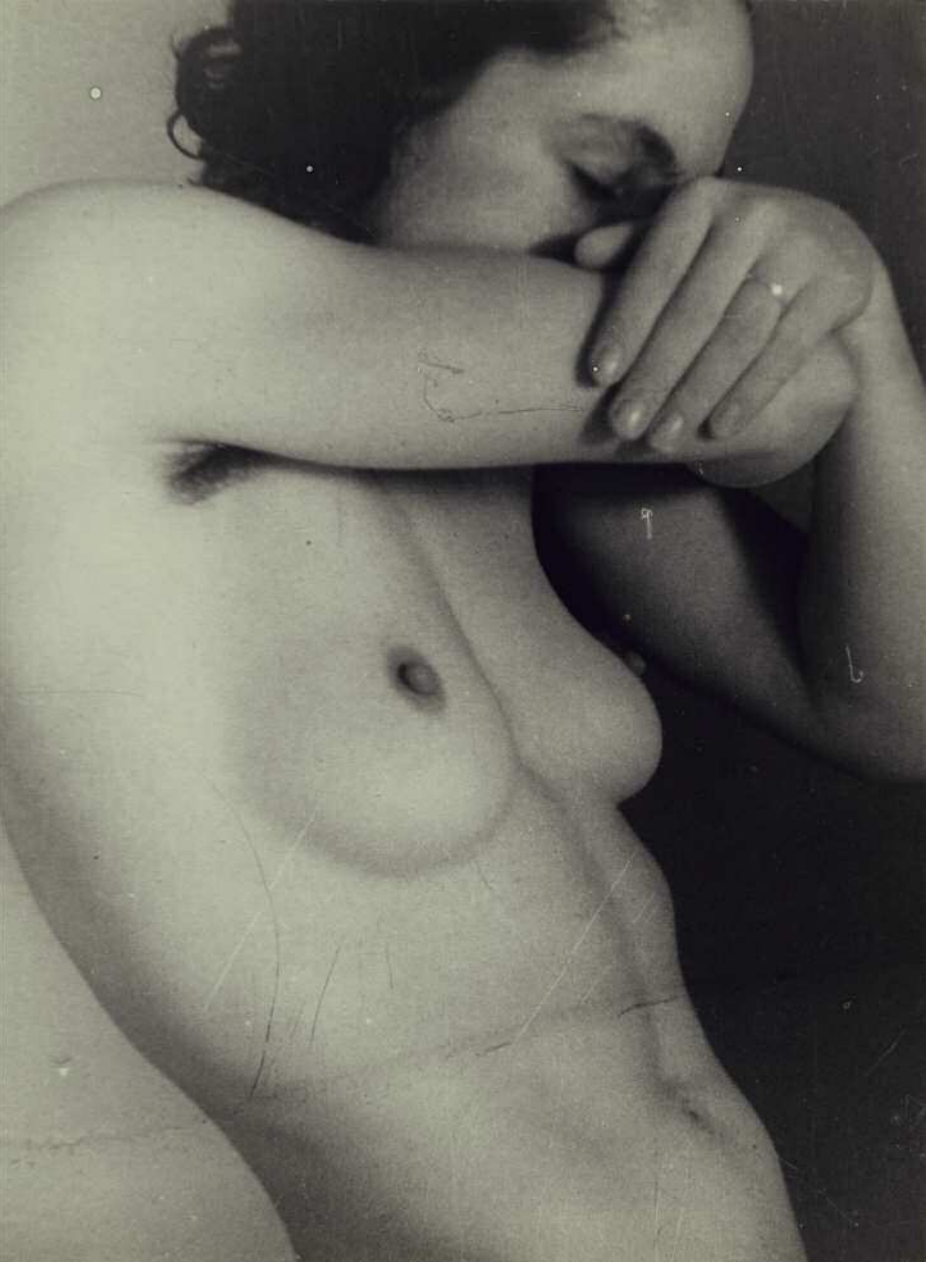
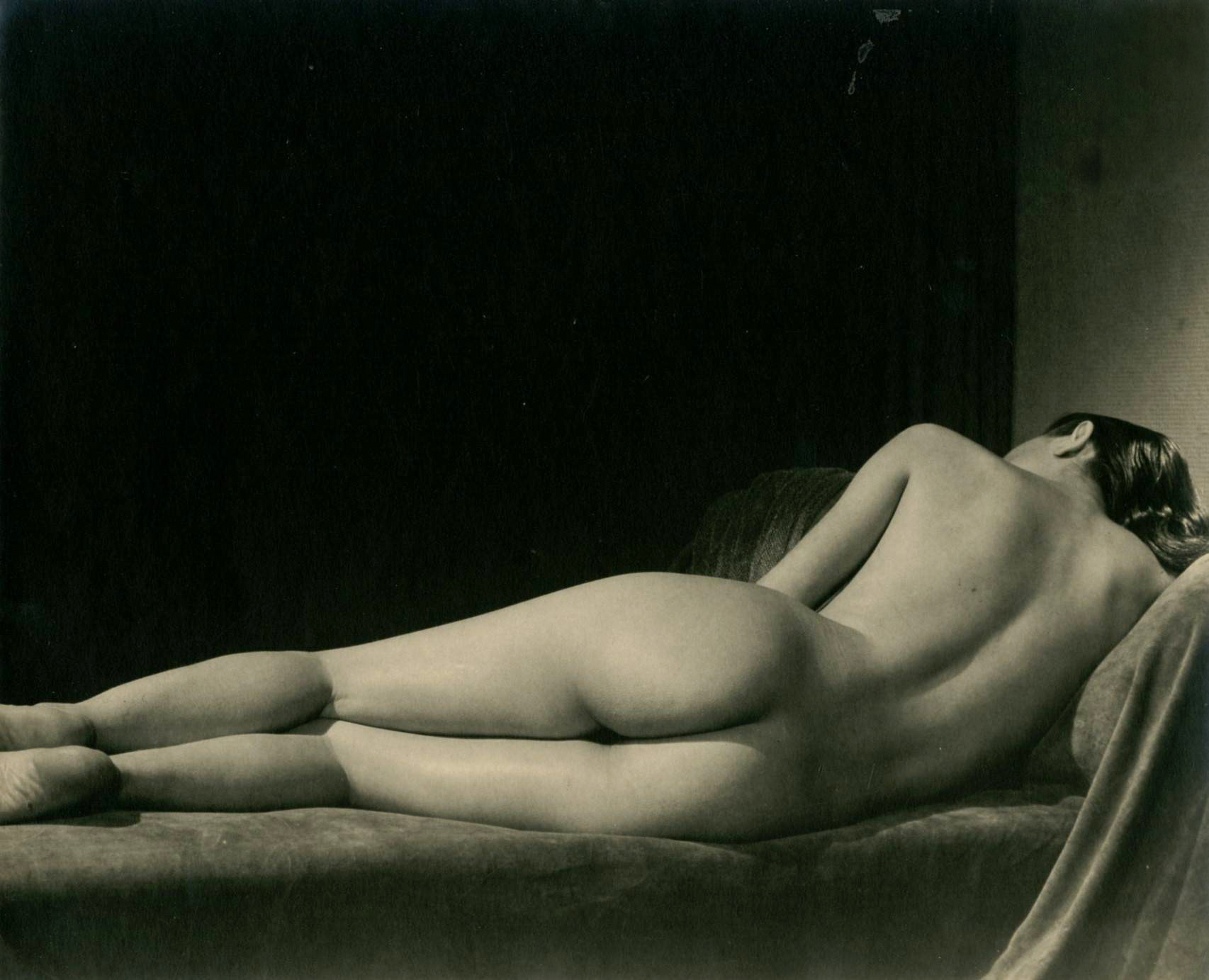
Roger Delpirou :: Nu de dos, allongé, 1949. Tirage argentique d’époque sur papier cartoline mat. | src MillonArtprecium
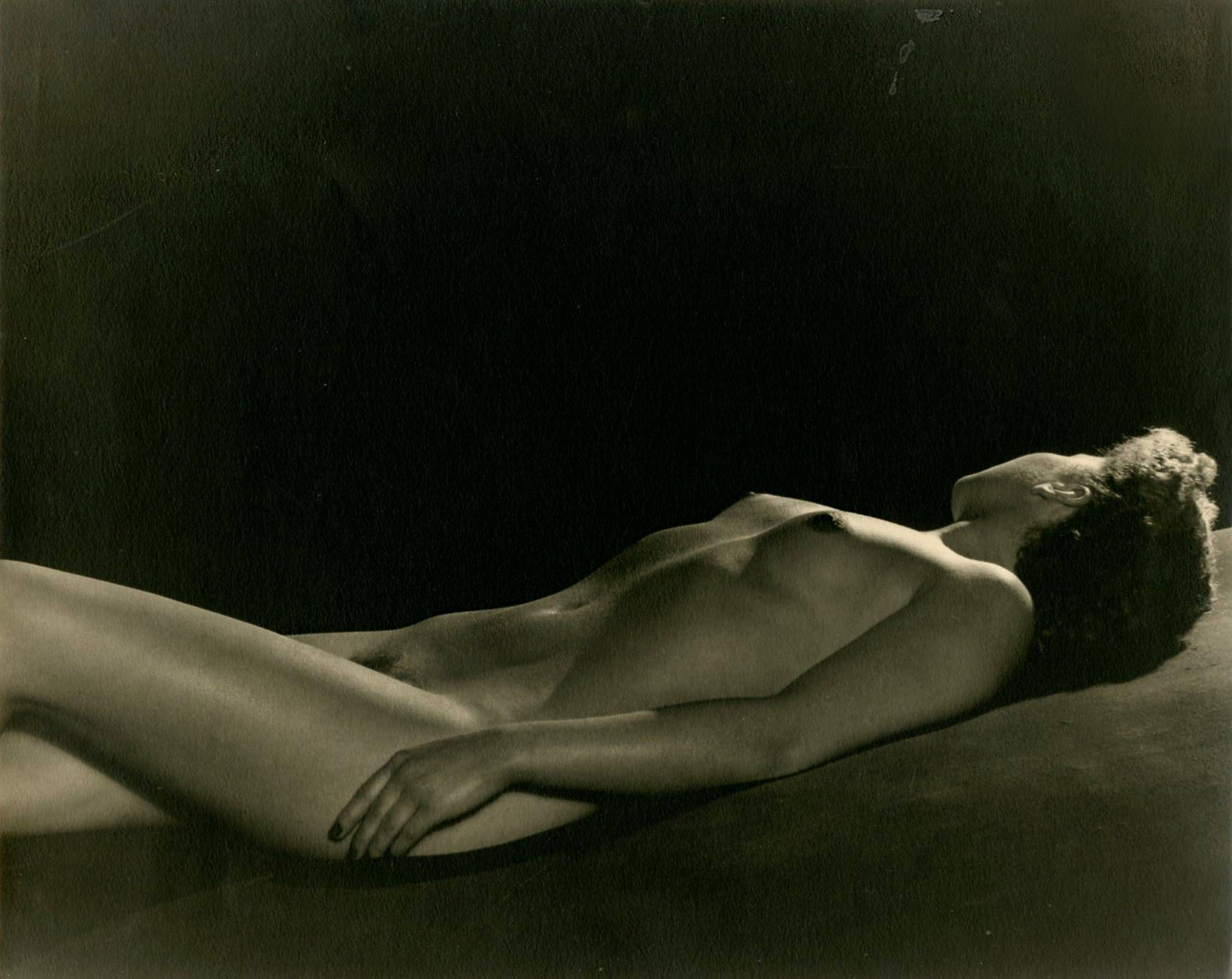
Roger Delpirou :: Nu allongé sur le dos, 1949. Tirage argentique d’époque monté sur papier cartoline mat. | src Photographies pour Tous