images that haunt us
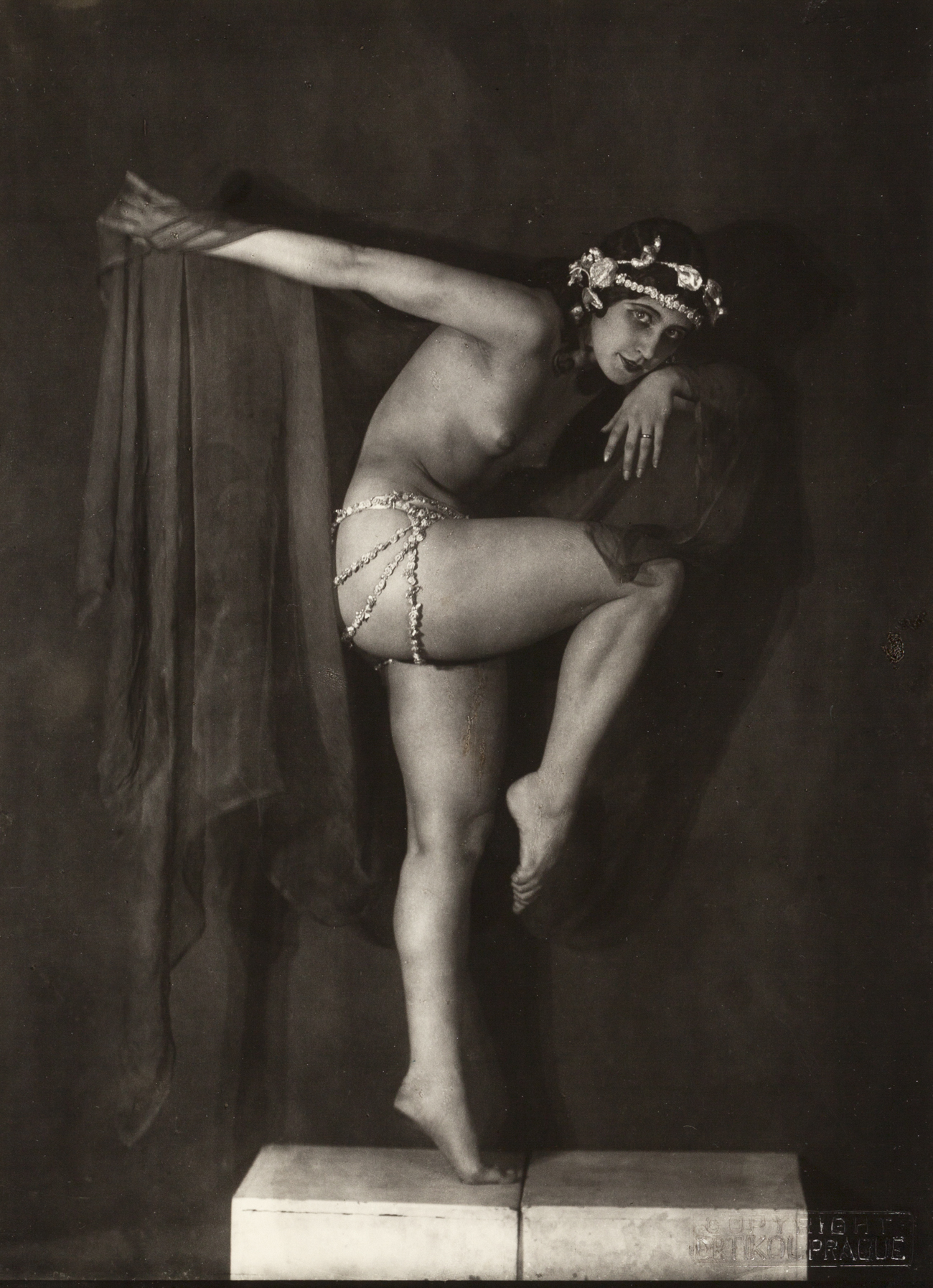


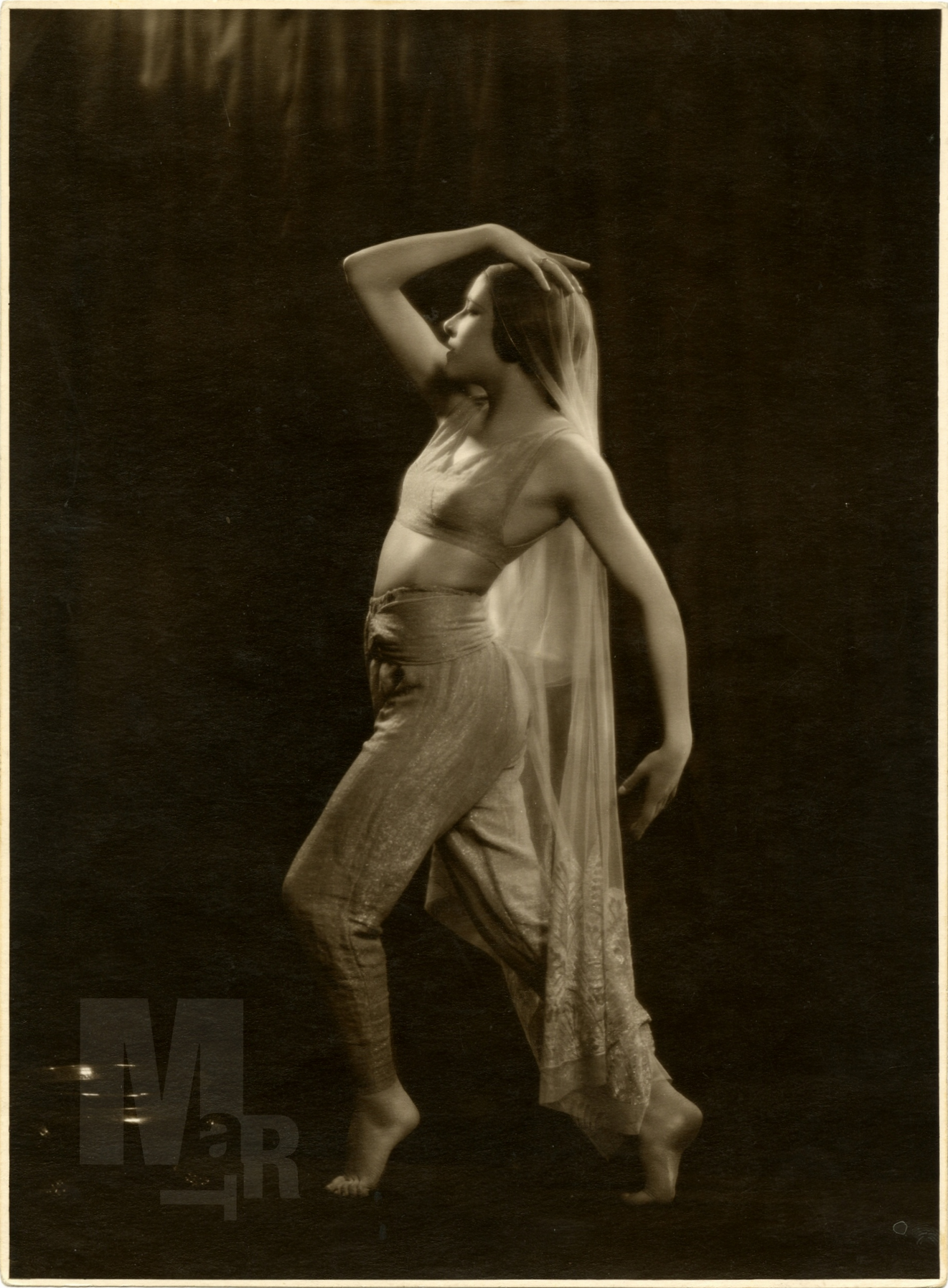
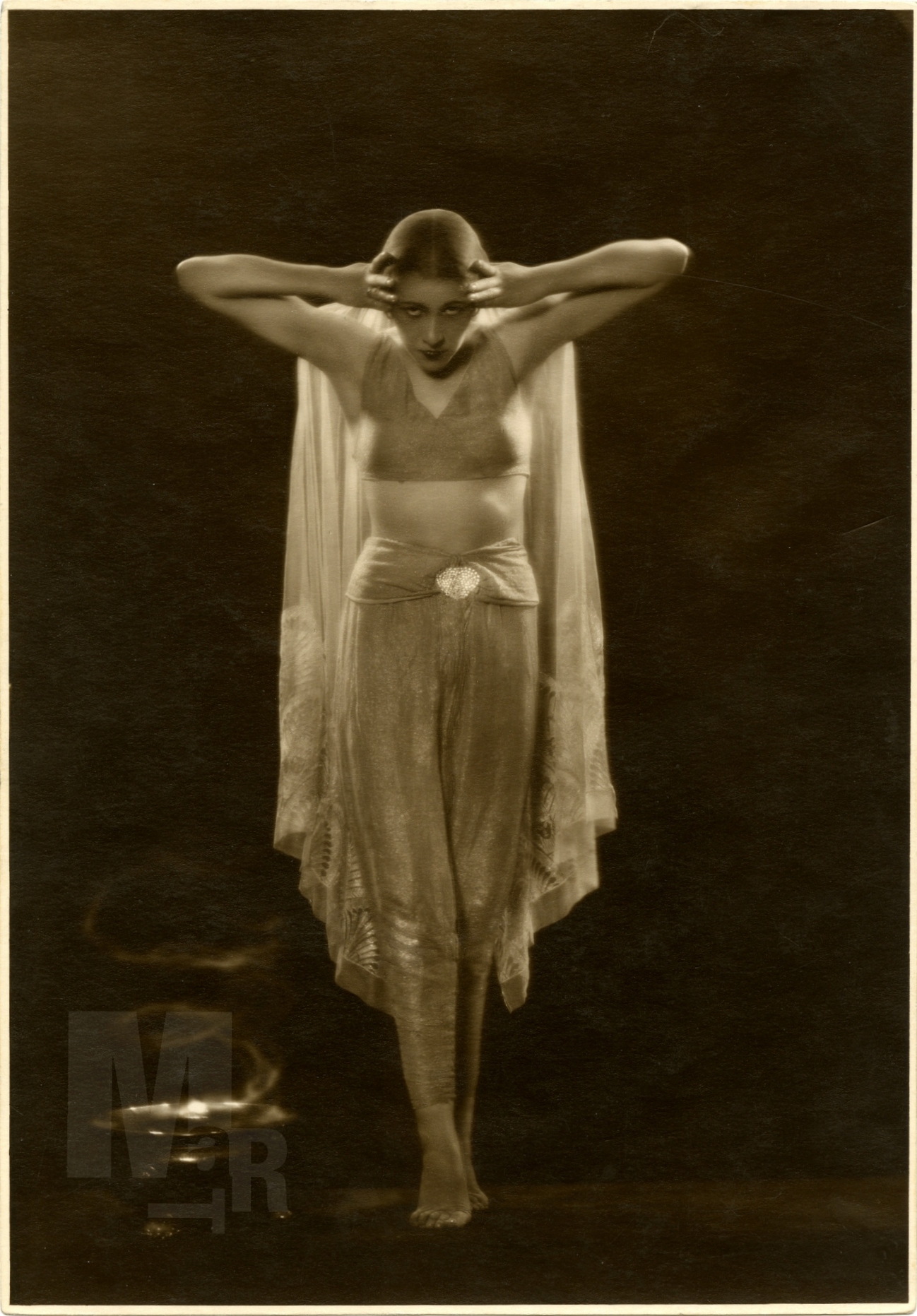
Pubblicata in Vaccarino E., (a cura di) Giannina Censi: danzare il futurismo. Museo di arte moderna e contemporanea di Trento e Rovereto, 1998 | src & © MART · Fondo Giannina Censi

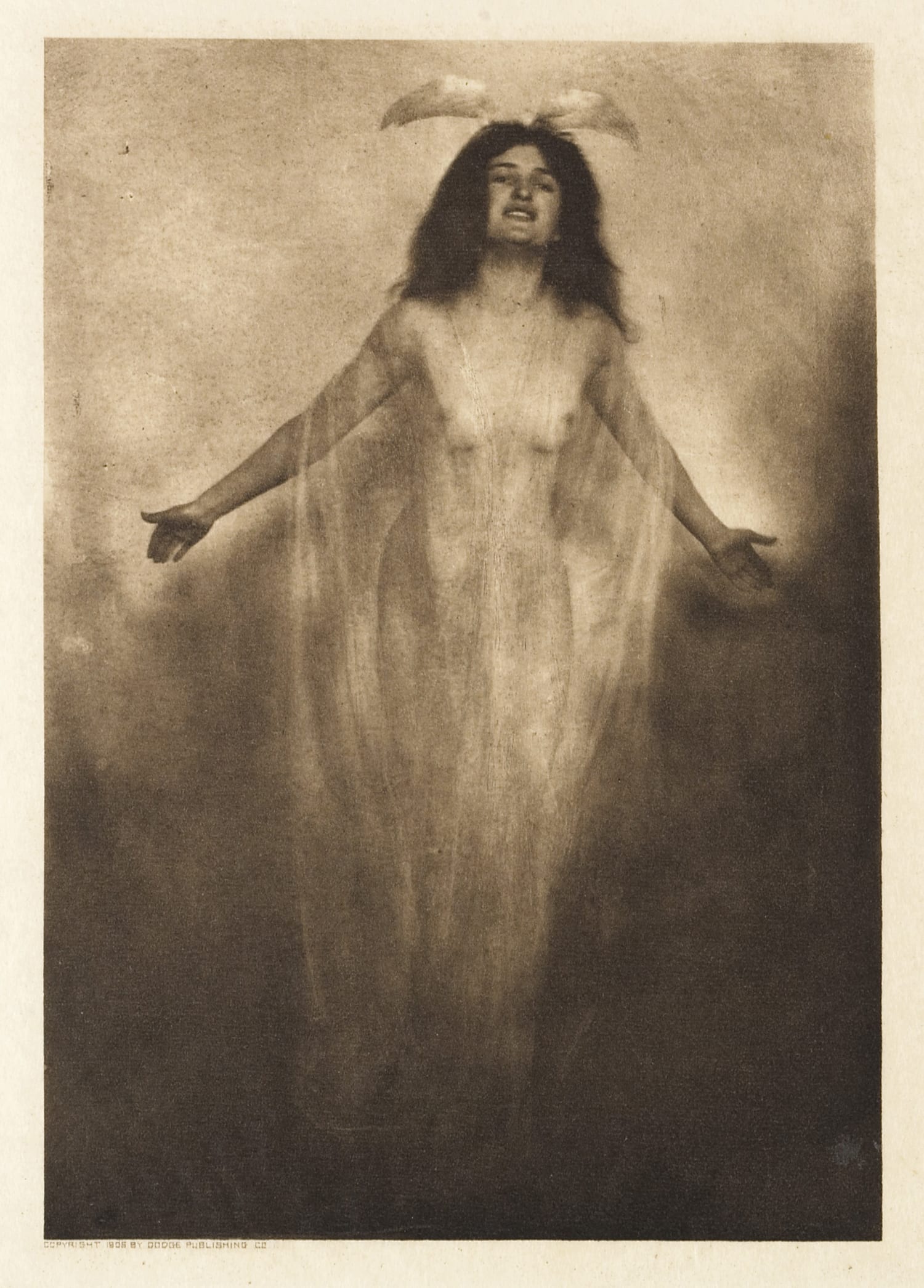

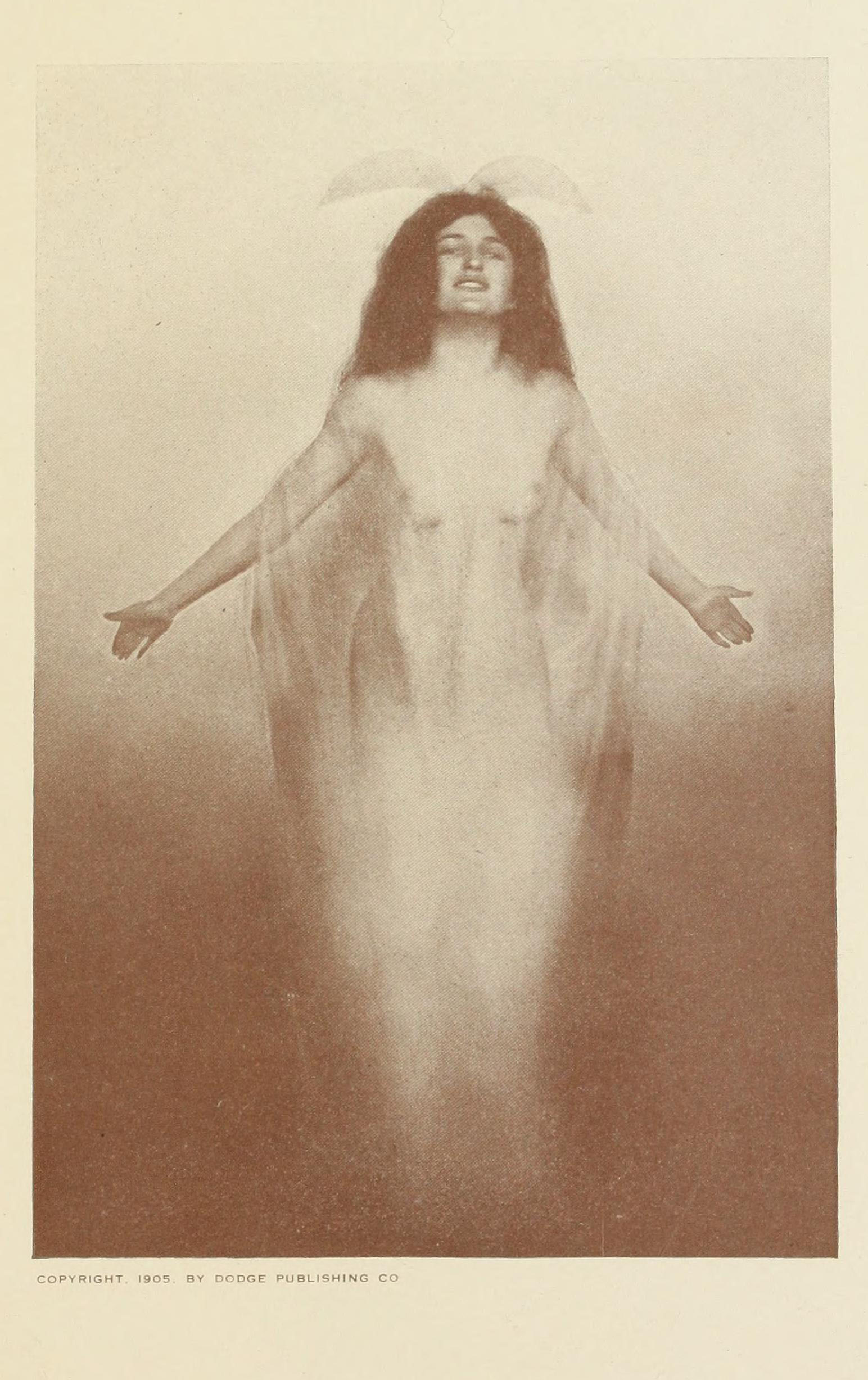
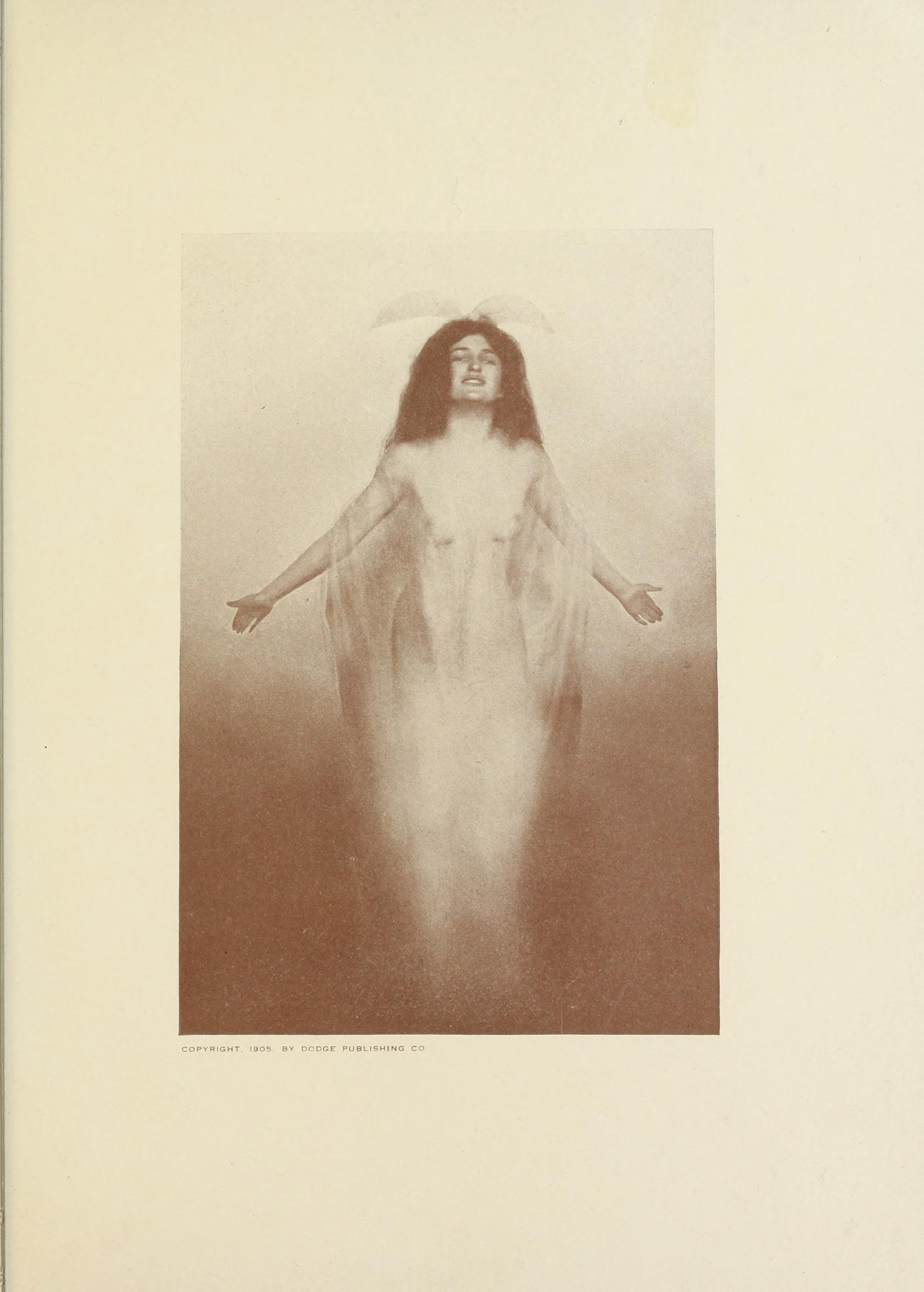
Hanscom achieved her luminous and daring visionary allegorical tableaux style through sophisticated manipulation of her photographs including combination printing and painting directly on the glass plate negatives. The delicate gravures are printed on tissue and tipped into the book which is notable for its Arts-and-Crafts design, the subjects (both nudes and artists of the time like Joachim Miller, George Sterling and George W. James).
The first edition was printed on at least two different types of tissue, one limp and thin, and the other stiff and parchment-like. Dodge published many subsequent editions with Hanscom’s photographic illustrations, in at least three smaller sizes, all with halftones, sometimes in color. In a 1912 edition, Blanch Cumming, another San Francisco photographer, was inexplicably also credited, although no additional illustrations appeared. In 1906, the San Francisco earthquake and fire destroyed Hanscom’s entire studio, including her Rubaiyat negatives. A decade later she provided similarly dreamy illustrations for an edition of Elizabeth Barrett Browning’s Sonnets from the Portuguese, but her Rubaiyat images represent most of Hanscom’s print legacy, as her silver prints are rare. [quoted from the Art of the Photogravure]
Publications of The Rubāīyāt of Omar Khayyām available online:
The Rubaiyát of Omar Kháyyám, 1905. Published by Dodge Publishing Co. Scanned by Getty Research Institute
The Rubaiyát of Omar Kháyyám, 1905. Published by Dodge Publishing Co. Scanned by University of California Libraries
The Rubaiyát of Omar Kháyyám, 1914. Published by Dodge Publishing Co. “Popular Edition“. Scanned by Getty Research Institute
The Rubaiyát of Omar Kháyyám, 1905. Published by Dodge Publishing Co. Plates on the Art of Photogravure
The Rubāīyāt of Omar Khayyām, 1912. New York : Dodge Publishing Co. Scanned by Cornell University Library, on Hathitrust



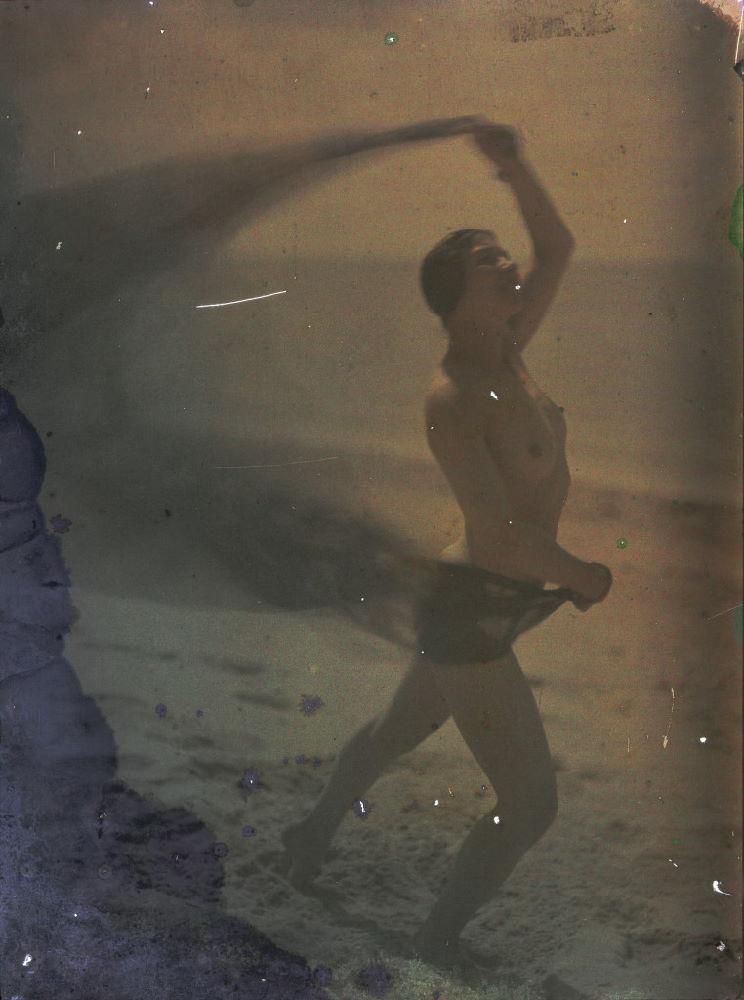
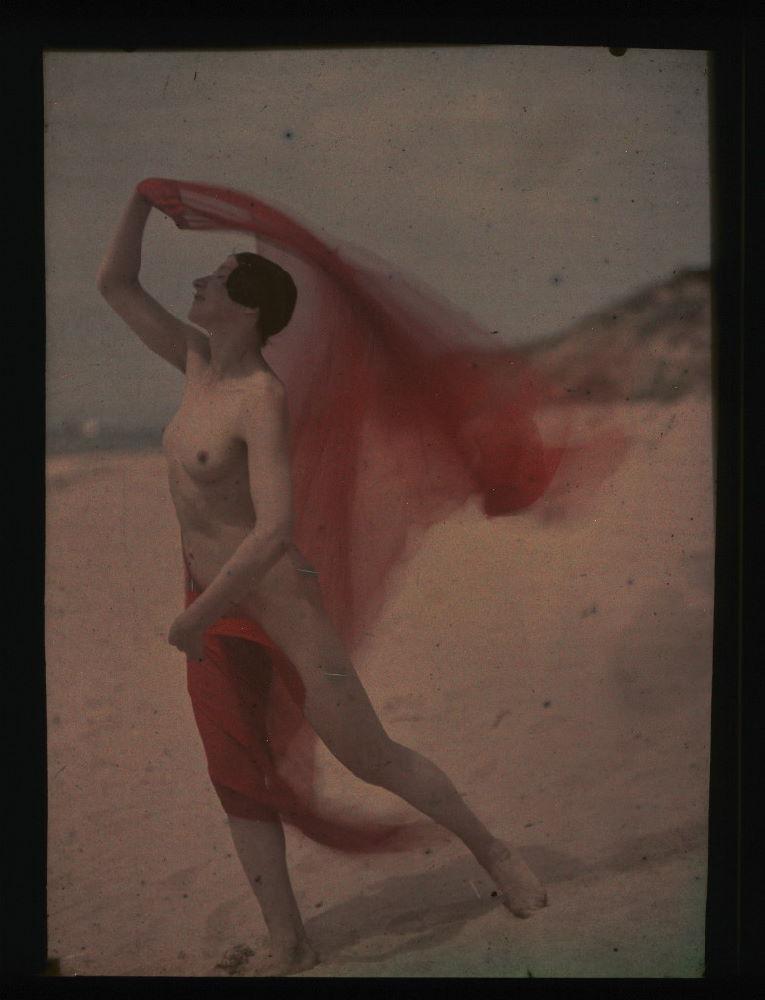
Tatiana, femme d’origine russe ayant servi de modèle à Louis Lessieux, pose sur un certain nombre de photographies autochromes dont cinq connues la représentant sur une plage de l’île d’Oléron.
Tatiana, a woman of Russian origin who served as a model for Louis Lessieux, poses in a number of Autochrome photographs, five of which are known to represent her on a beach on the island of Oléron. (quoted from source)

 un regard oblique