Potlatch Rabbits Parade · 1912

Frank A. Jacobs (1881-1979) ~ Golden Potlatch. Children’s parade. University playfield float. July 20, 1912 | src Seattle public library

The Golden Potlatch was a city-wide festival held in July organized by civic boosters hoping to capitalize on the success of the Alaska-Yukon-Pacific Exposition of 1909. The event continued for each of the next three summers before being suspended during wartime, and then was started up again as the Potlatch Festival from 1934 to 1941.

The name “Golden Potlatch” appropriates a Chinook Jargon word describing a Native ceremony of celebration and gift giving. It also reflects the importance of the Klondike gold rush to Seattle’s growth. Many organizers and participants in the Golden Potlatch dressed in stereotyped imitations of traditional Native attire, as part of a created Potlatch myth. The appropriation of Native culture in order to market products or events was one common example of discrimination and marginalization faced by Native peoples in the United States. Text quoted from University of Washington

Seattle Potlatch Parade showing people dressed as rabbits, 1912. Caption on image: Jacobs Photo 69. Potlatch, 1912
src Seattle public library; also on University of Washington

Description of the Golden Potlatch festival: “The success of the Alaska-Yukon-Pacific Exposition encouraged local boosters to plan another ambitious event to showcase the city. The Seattle Chamber of Commerce, the Advertising Club and the Press Club decided to create a civic celebration loosely modeled on the Northwest coastal Indian tribes’ potlatch, a ceremony of friendship and sharing. Seattle held its first Potlatch in 1911, but the Golden Potlatch of 1912 was a far greater festival, meant to attract visitors from far and near… The summer carnival was both a cynical exploitation and a madcap spectacle. The Potlatch shamelessly looted the heritage of Pacific Northwest Indian people. The Golden Potlatch began with the arrival of the ‘Hyas Tyee’ — or Big Chief — in his great war canoe, visiting the city from his home in the far north. The Tillikums of Elttaes (Seattle spelled backward) paraded the streets in white suits, their hats draped in battery-powered lights, glad handing any visitors who came their way. Bright-eyed members of the Press and Ad clubs, as well as the Chamber, slathered themselves in greasepaint, donned Chilkat blankets and pretended to be ‘tyees’ and ‘shamans.’ But the Golden Potlatch volunteers also offered a week of entertainment free to anyone in the city. Every day there was a different parade downtown — of the fraternal orders, the labor unions, the soldiers and sailors, or Seattle’s children. Daredevils flew ‘hydroplanes’ over Elliott Bay, and warships from the U.S. Pacific fleet anchored in the harbor.”(“‘Seattle Spirit’ soars on hype.” Sharon Boswell and Lorraine McConaghy, Seattle Times, March 10, 1996) quoted from Seattle public library

Nature photography (1939)

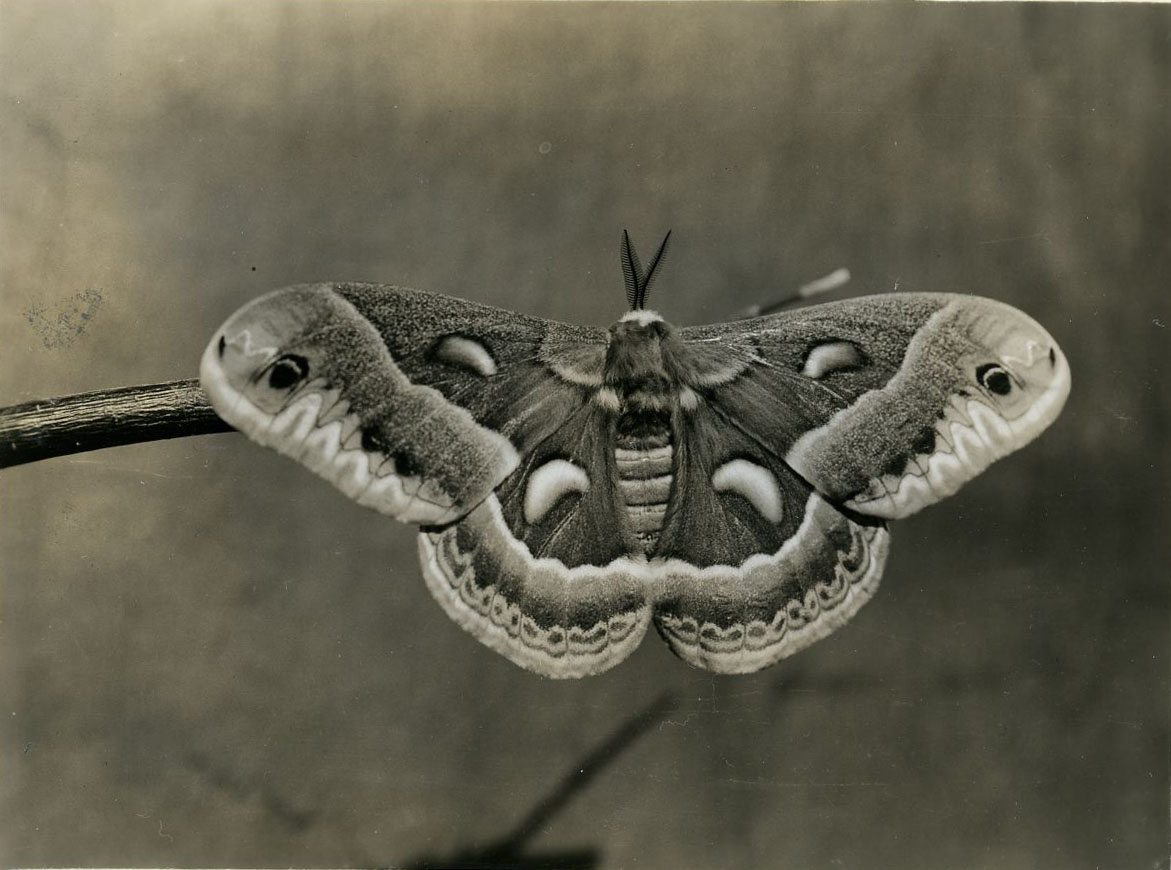
Cecropia (male and female) · Cecropia moths on end of stick. Acadia National Park, Maine, 22 March, 1939 | src NPG
Cecropia moth on end of stick. Acadia National Park, Maine, 22 March, 1939 | src National Park gallery
Reflection of Pemetic Mt. in Eagle lake. Acadia National Park, Maine, 5 June, 1939 | src National Park gallery
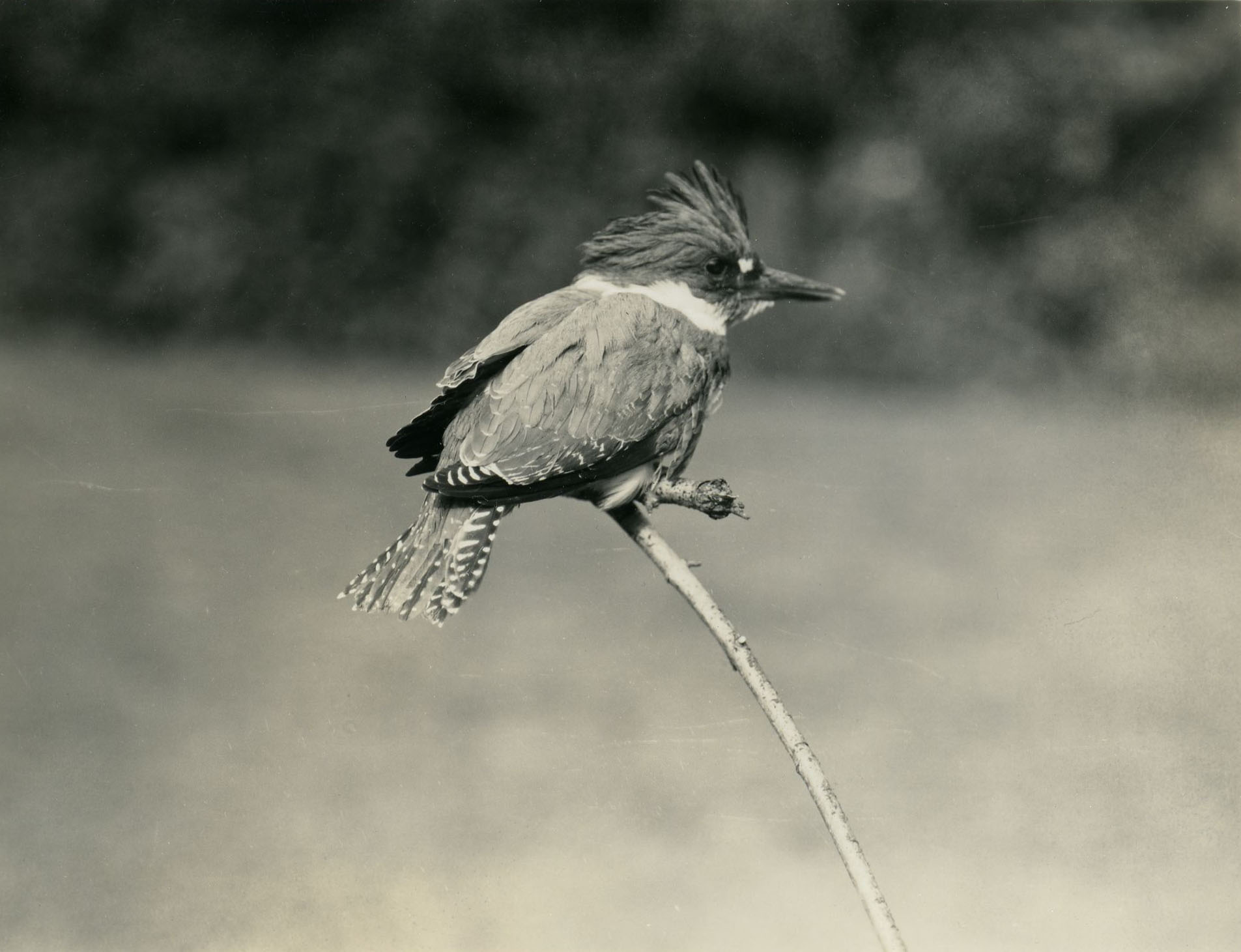
Kingfisher · Bird on stick. Acadia National Park, Maine, 18 July, 1939 | src National Parks gallery
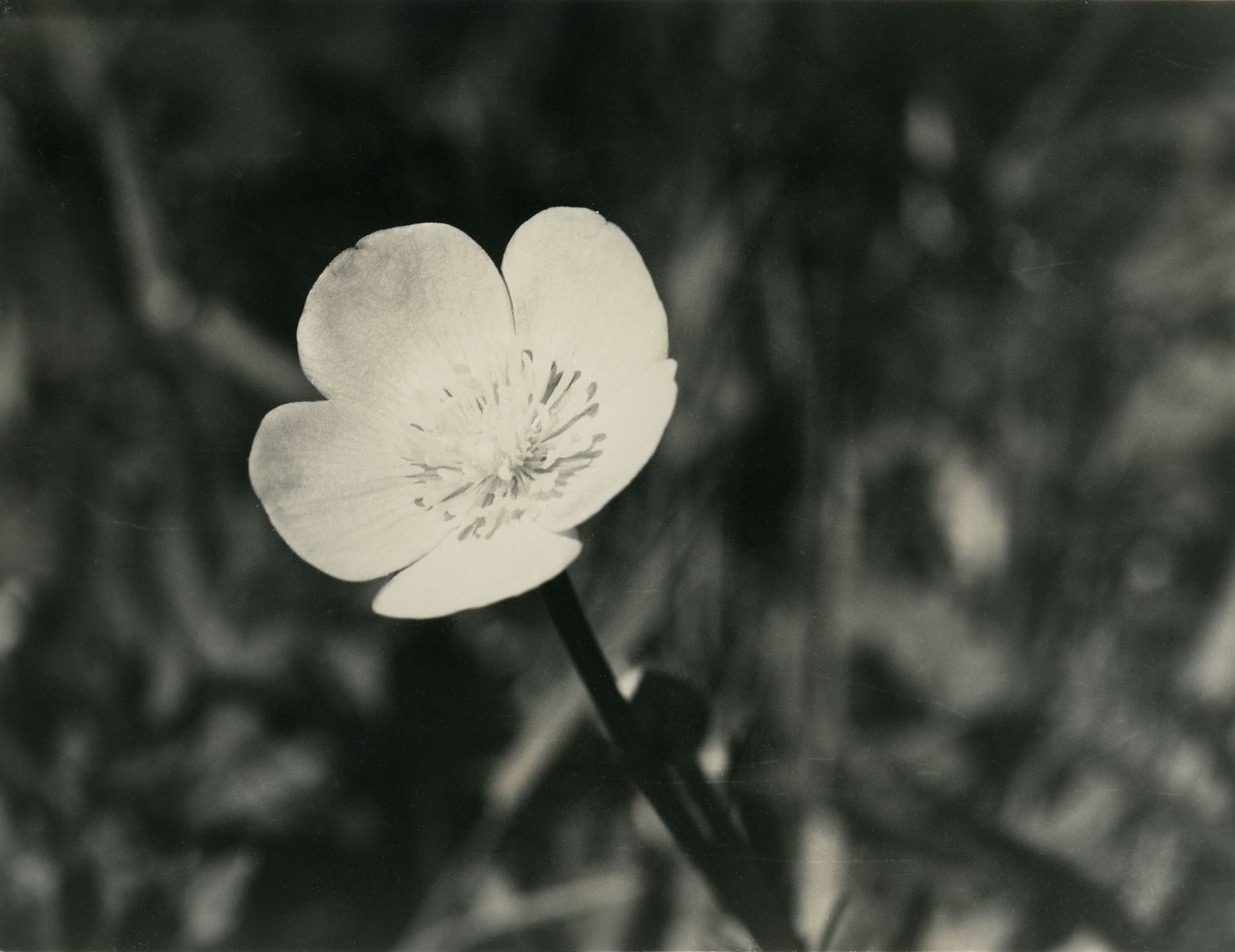
Buttercup, close-up (five pedaled flower). Acadia National Park, Maine, 13 June, 1939 | src National Parks gallery

Visual dialogue · Tornadoes

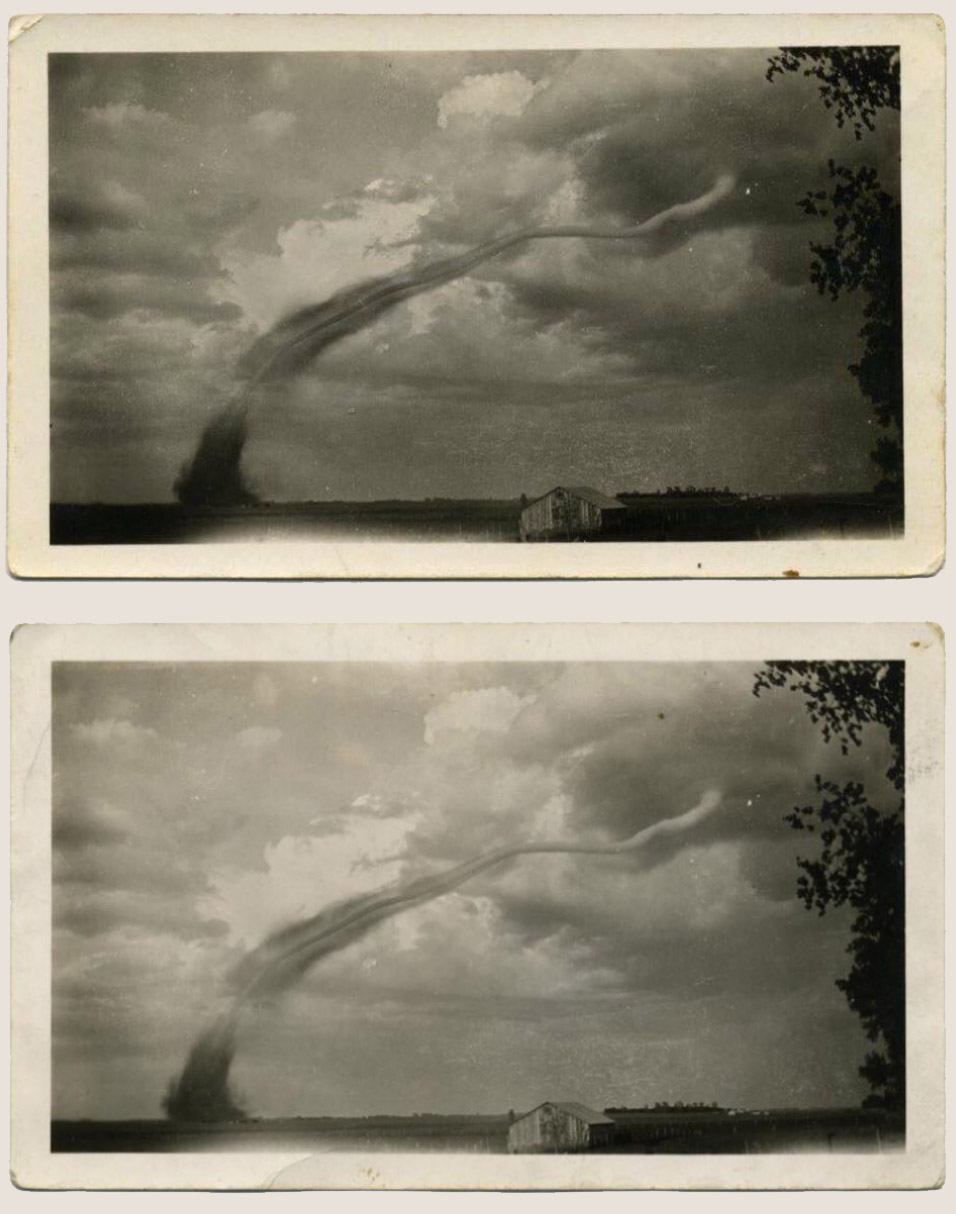
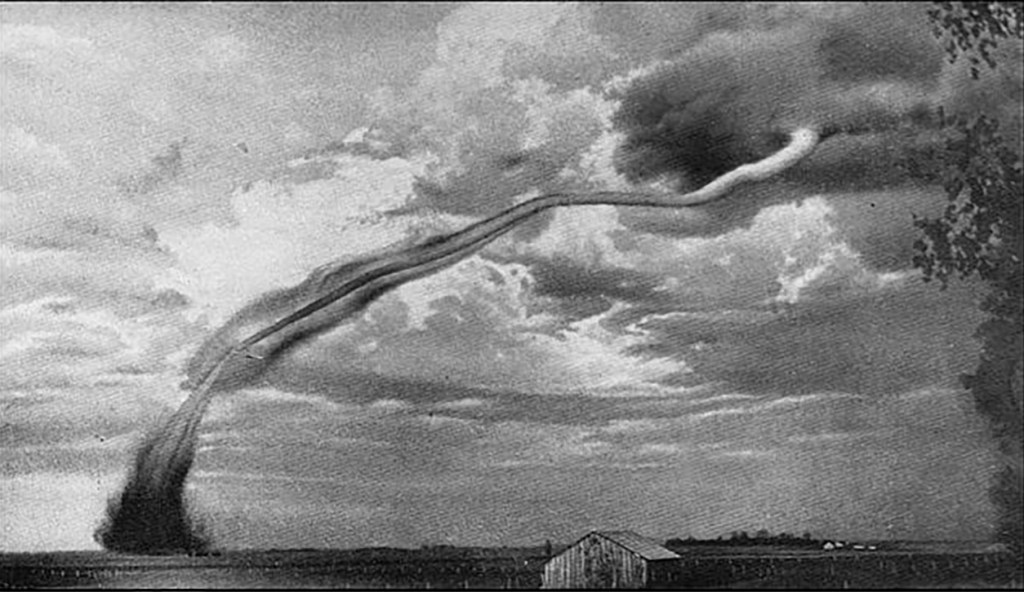
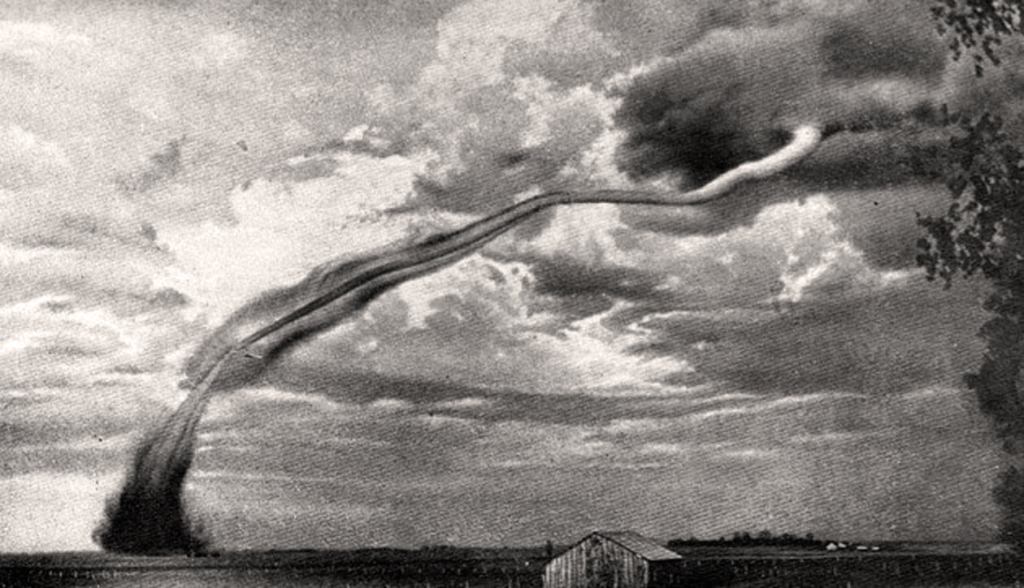
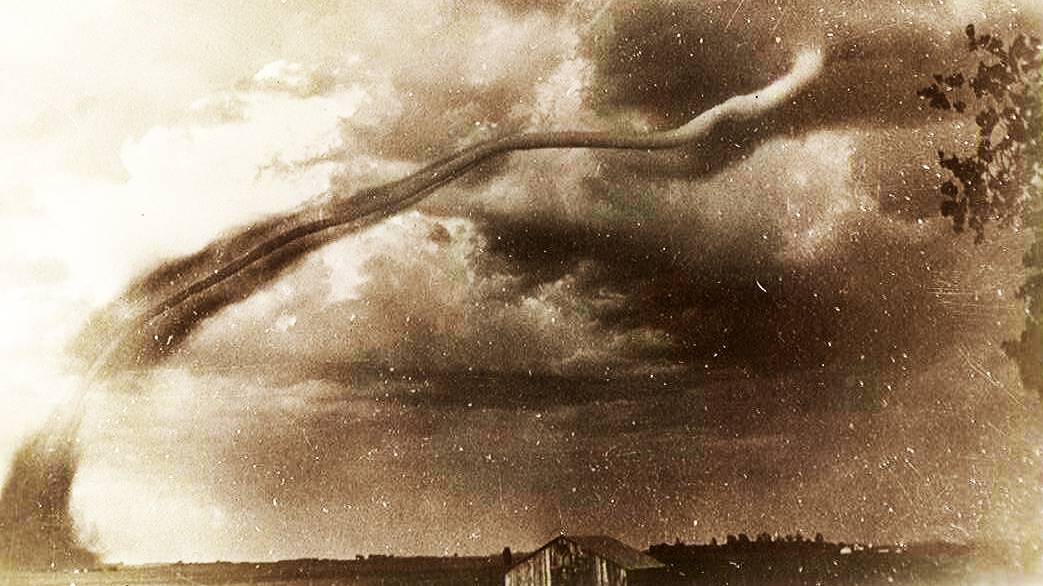
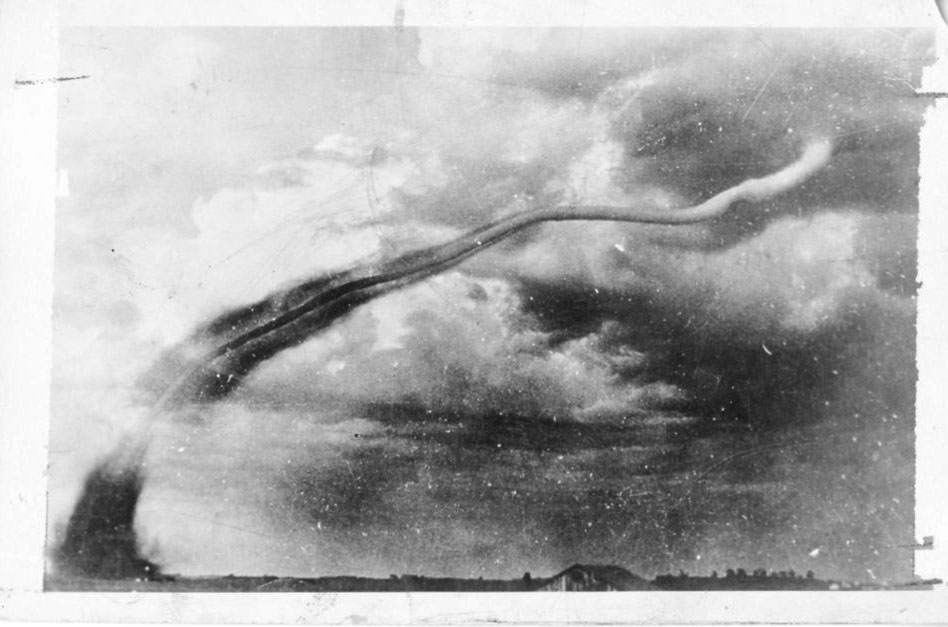
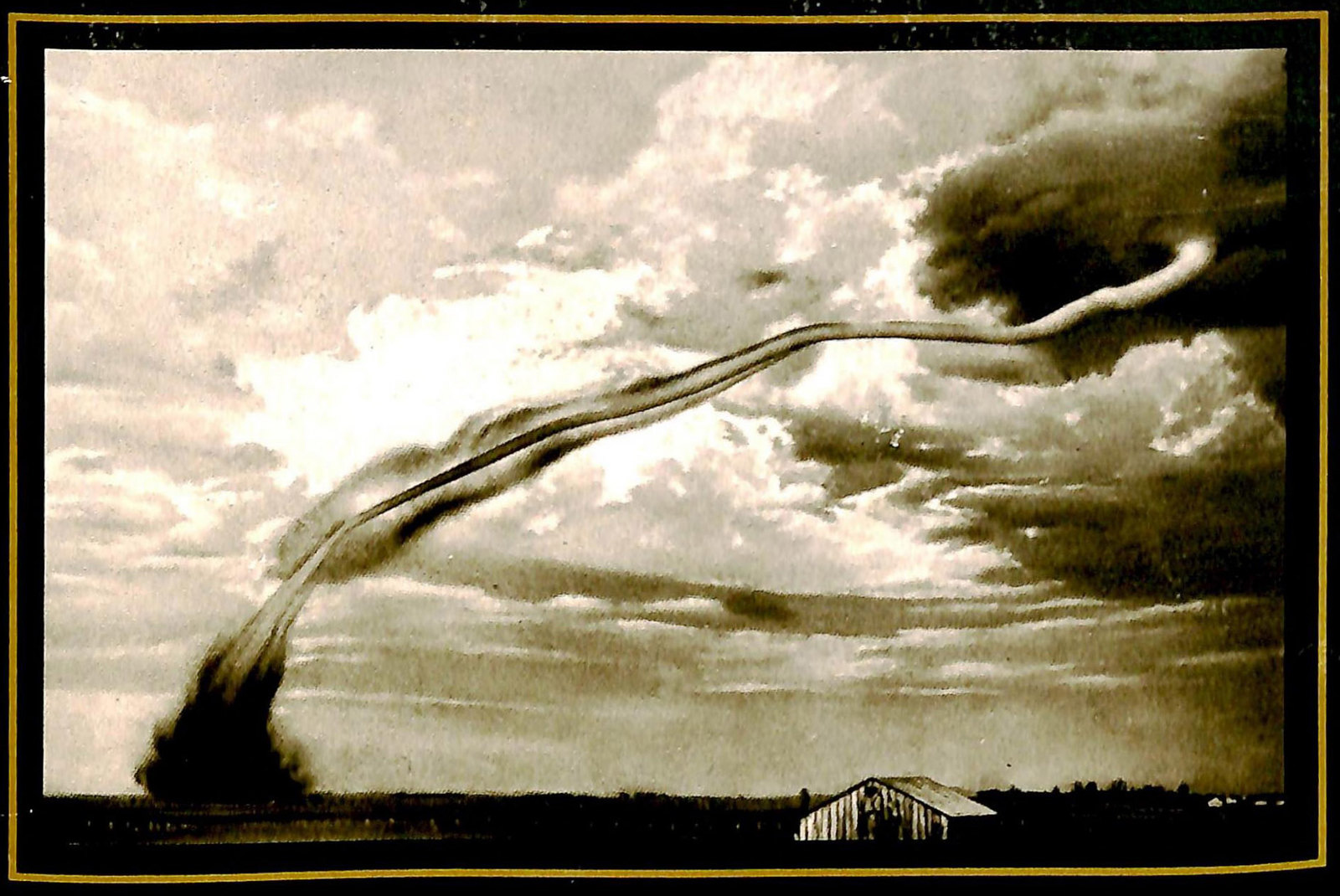
Tornado near Jasper, Minnesota, July 8, 1927 taken by 15 year old Lucille Handberg | src Billy Parrot Collection (view on Fb)

Two theories: the second tornado snapshot (on the bottom) had a Canedy’s Camera Shop 1927 date stamp on the verso. Canedy’s was in South Dakota and sold local souvenir snapshots (Bad Lands, Black Hills, etc…) between the 1920s – 1940s. It is also probable that when 15-year old Lucille Handberg took this photo her neighbor, who was an engineer, recognized its importance and sent copies to scientists around the country and these could be two of those. text adapted from source : Billy Parrot

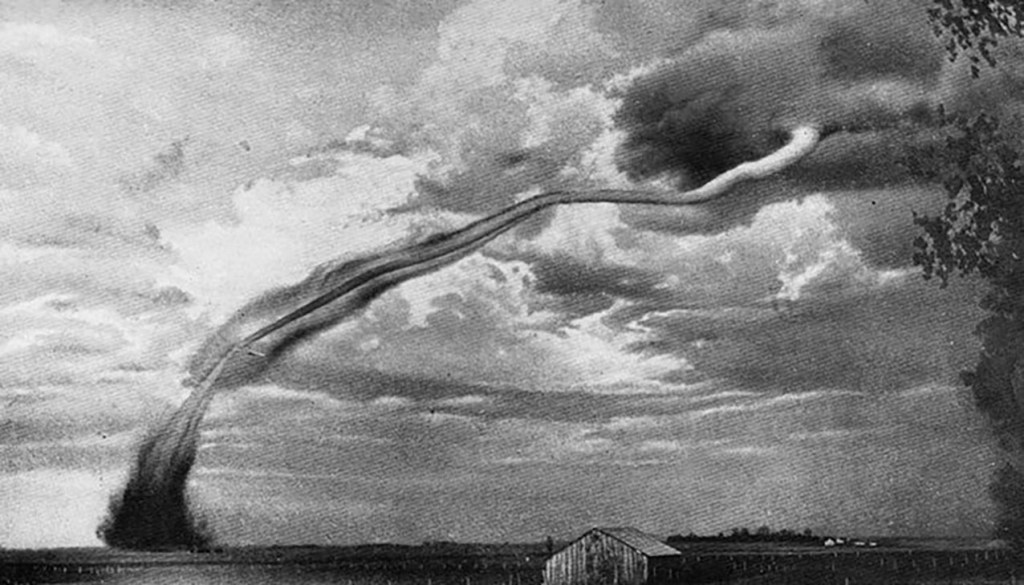
The images above this line are most probably scanned from newspapers of the time, we were not able to find the original source. The second image is from The Gallery of Natural Phenomena, where you can read more about the circumstances in which the photo was shot. [x]

Only the image below can be reached on the Library of Congress.

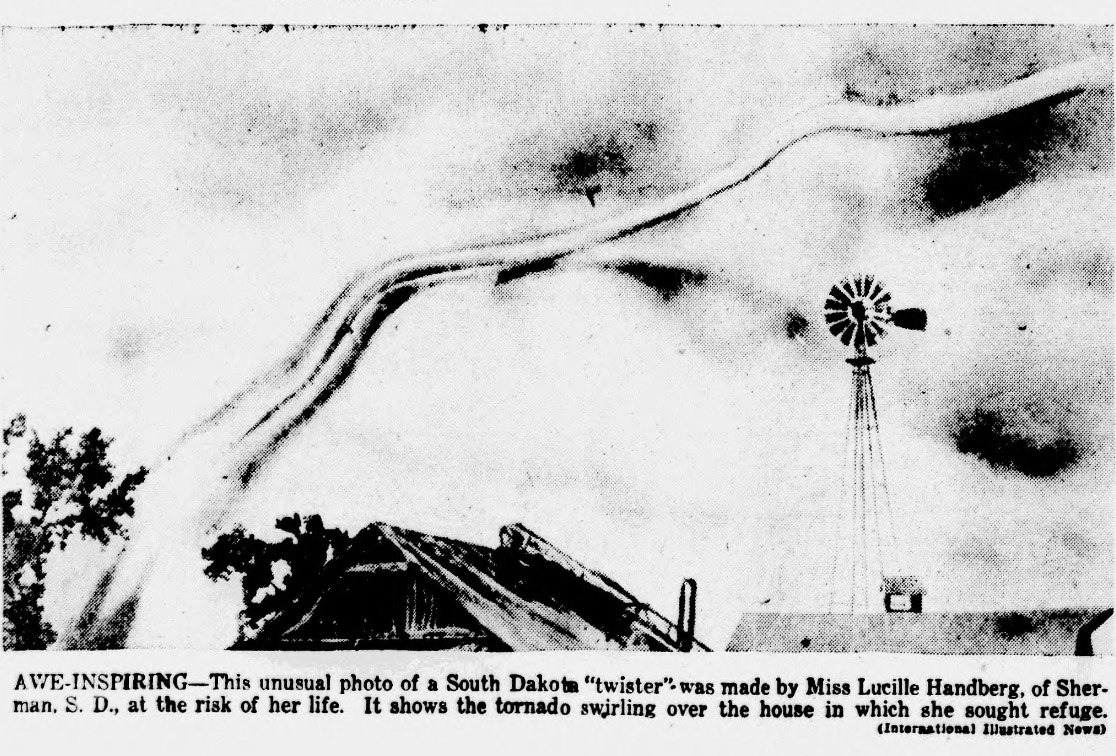
AWE-INSPIRING – This unusual photo of a South Dakota “twister” was made by Miss by Lucille Handberg at the risk of her life.
Published in New Britain Herald (New Britain, Conn.), August 6, 1928, page 14 | src Library of Congress
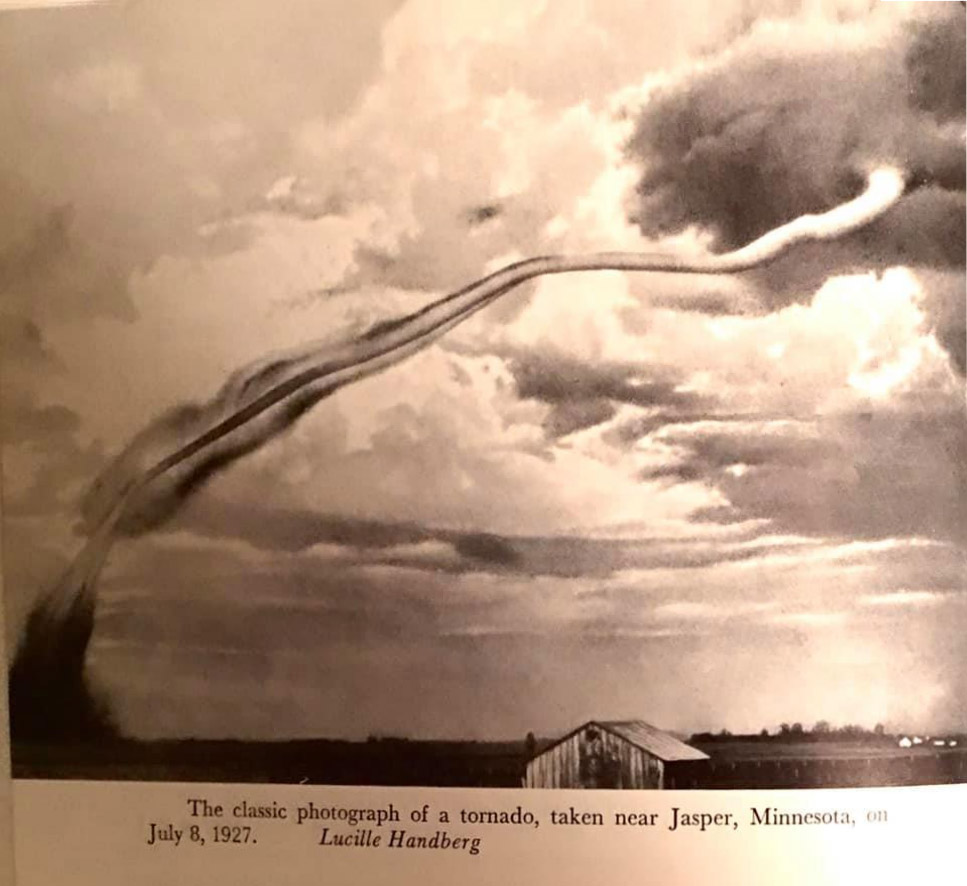
The classic photograph of a tornado taken near Jasper, Minnesota, on July 8, 1927 (Lucille Handberg) – Scan

Controversy arises : Jasper tornado of 1927 is, according to South Dakota Public Broadcasting (based on information from Siouxland Heritage Museums), the Sioux Falls tornado of 1932…

… view two images below.

The Deadly Sioux Falls Tornado of 1932. Siouxland Heritage Museums | src images of the Past
The Deadly Sioux Falls Tornado of 1932. Siouxland Heritage Museums | src South Dakota Public Broadcasting
Image of the famous tornado used on the cover of book ‘The Breath of God’ by Swami Chetanananda [作者] (1988) | src amazon
Image from the cover of book ‘The Breath of God’ by Swami Chetanananda, retrieved from internet archive
Cover of book ‘The Breath of God’ by Swami Chetanananda, retrieved from internet archive
Cover of Tinderbox, the seventh album by English rock band Siouxsie and the Banshees, released on 21 April, 1986
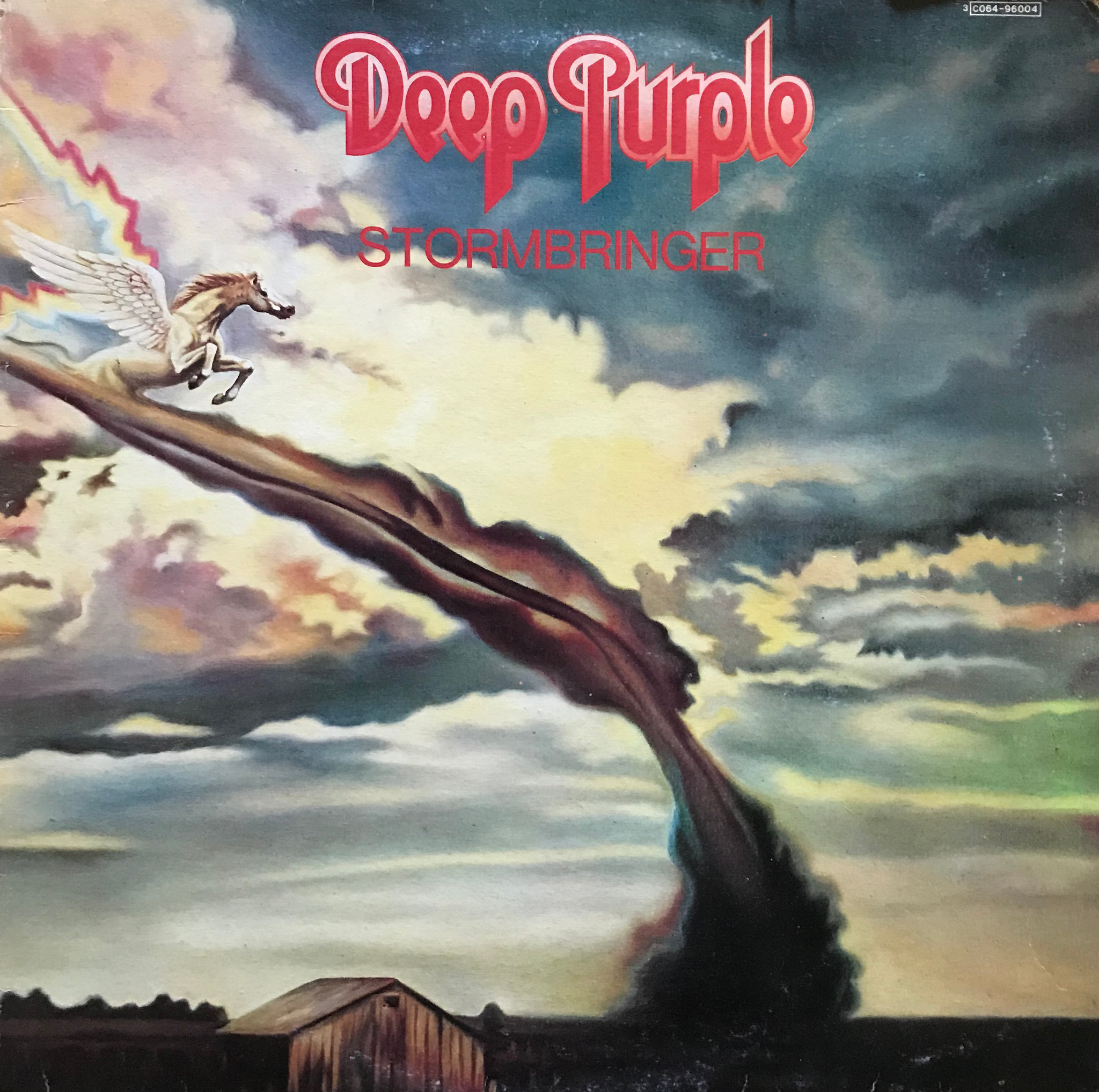
Cover design of the album Stormbringer by Deep Purple (1974)
Cover of Bitches Brew, a studio double album by jazz musician Miles Davis, released on 30 March, 1970

John Dominis ::

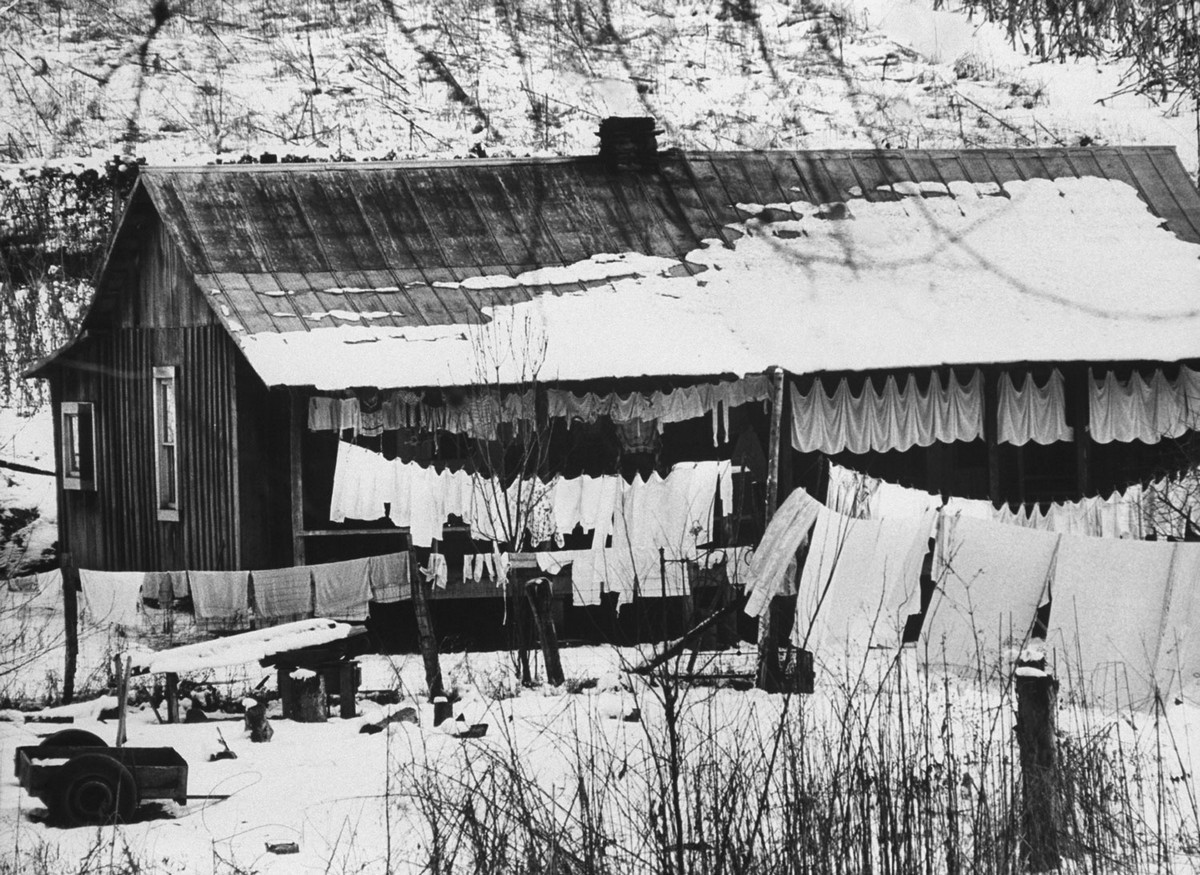
Not published in LIFE. Appalachia, eastern Kentucky, 1964.

Dominis shot an extraordinary 12-page feature for the Jan. 31, 1964, issue of Life, titled “The Valley of Poverty” — one of the very first substantive reports in any American publication on President Lyndon Johnson’s nascent War on Poverty.

/ sources:

livejournal and Time.com

more [+] by this photographer