Beatrice Wood, Mama of Dada

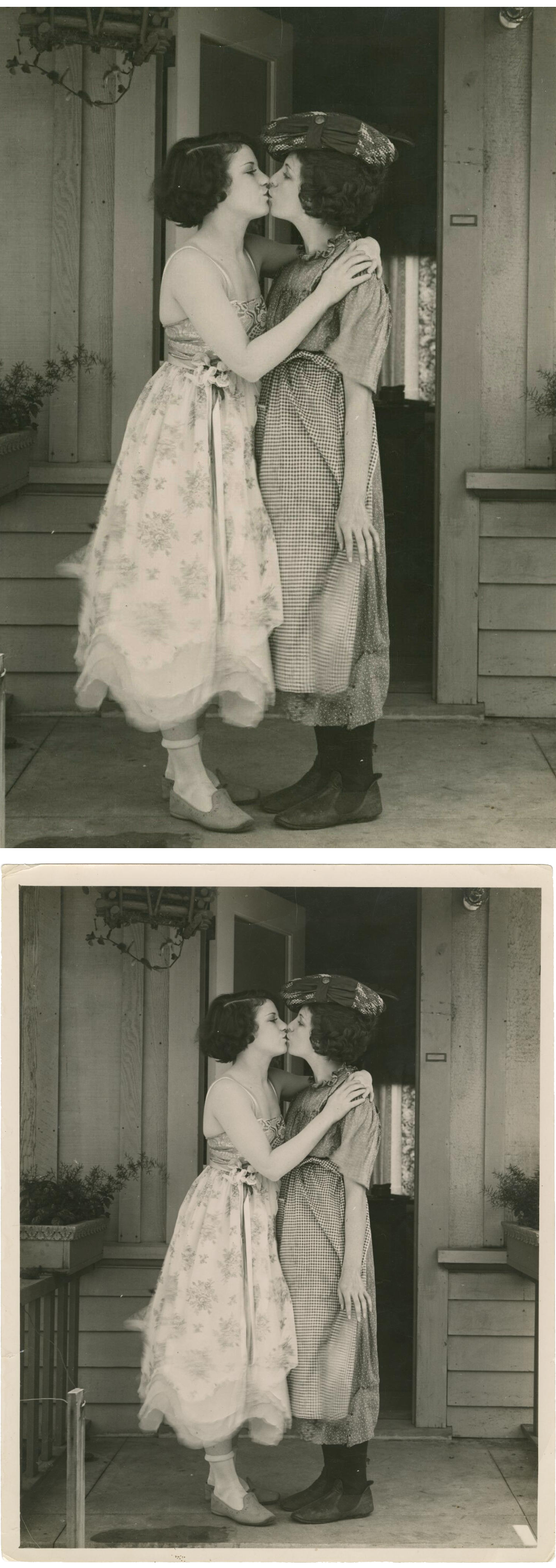
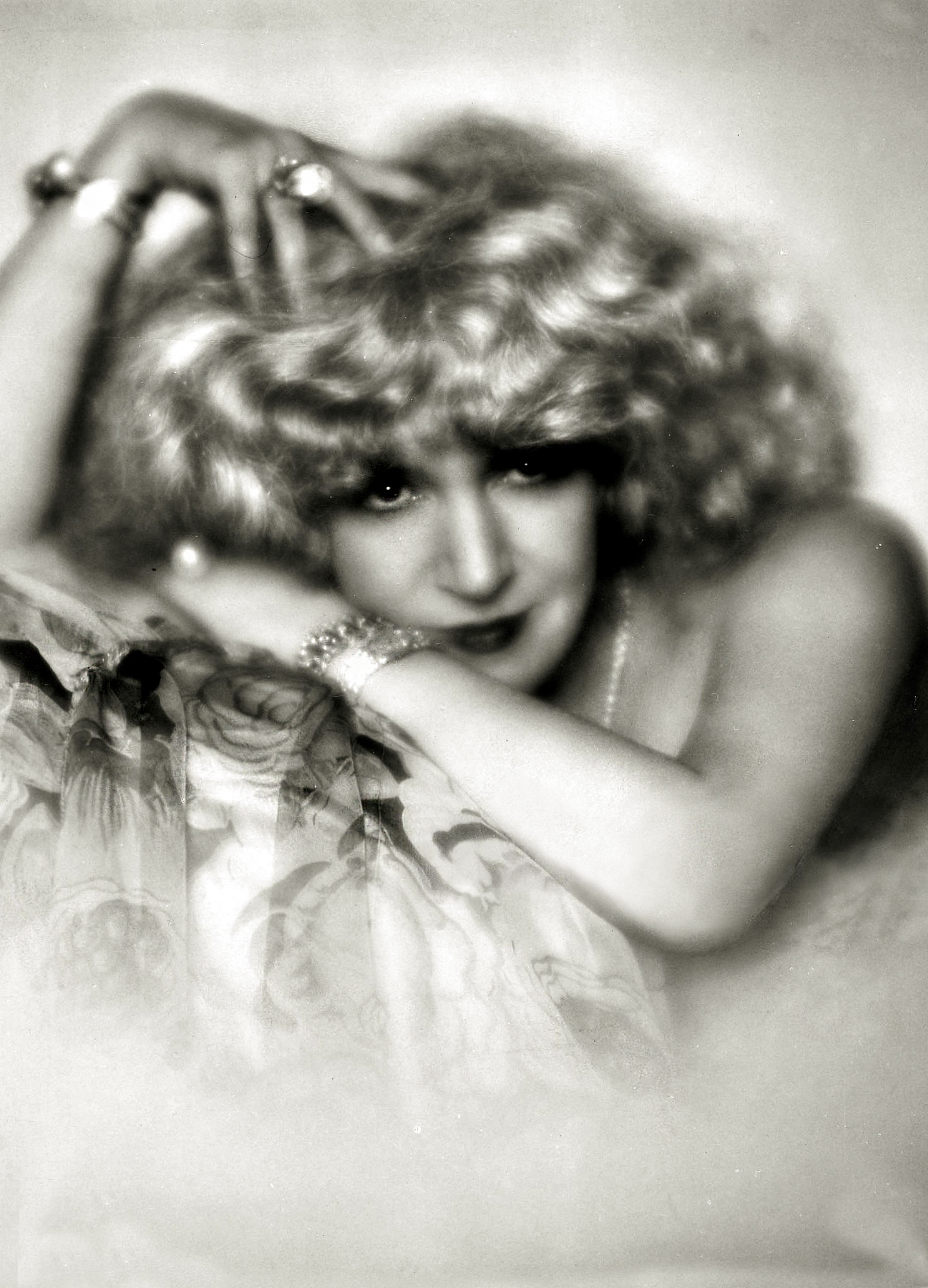
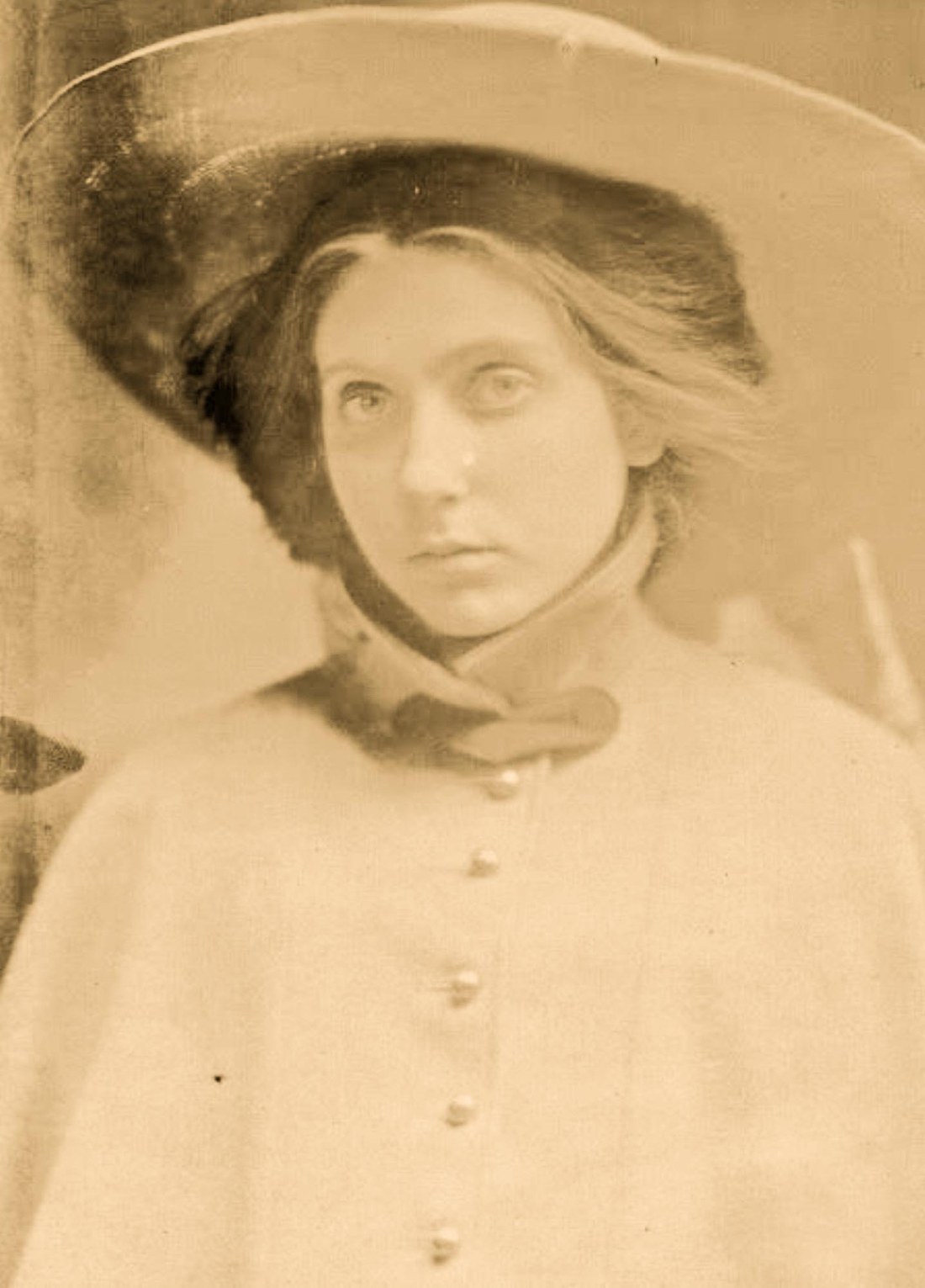
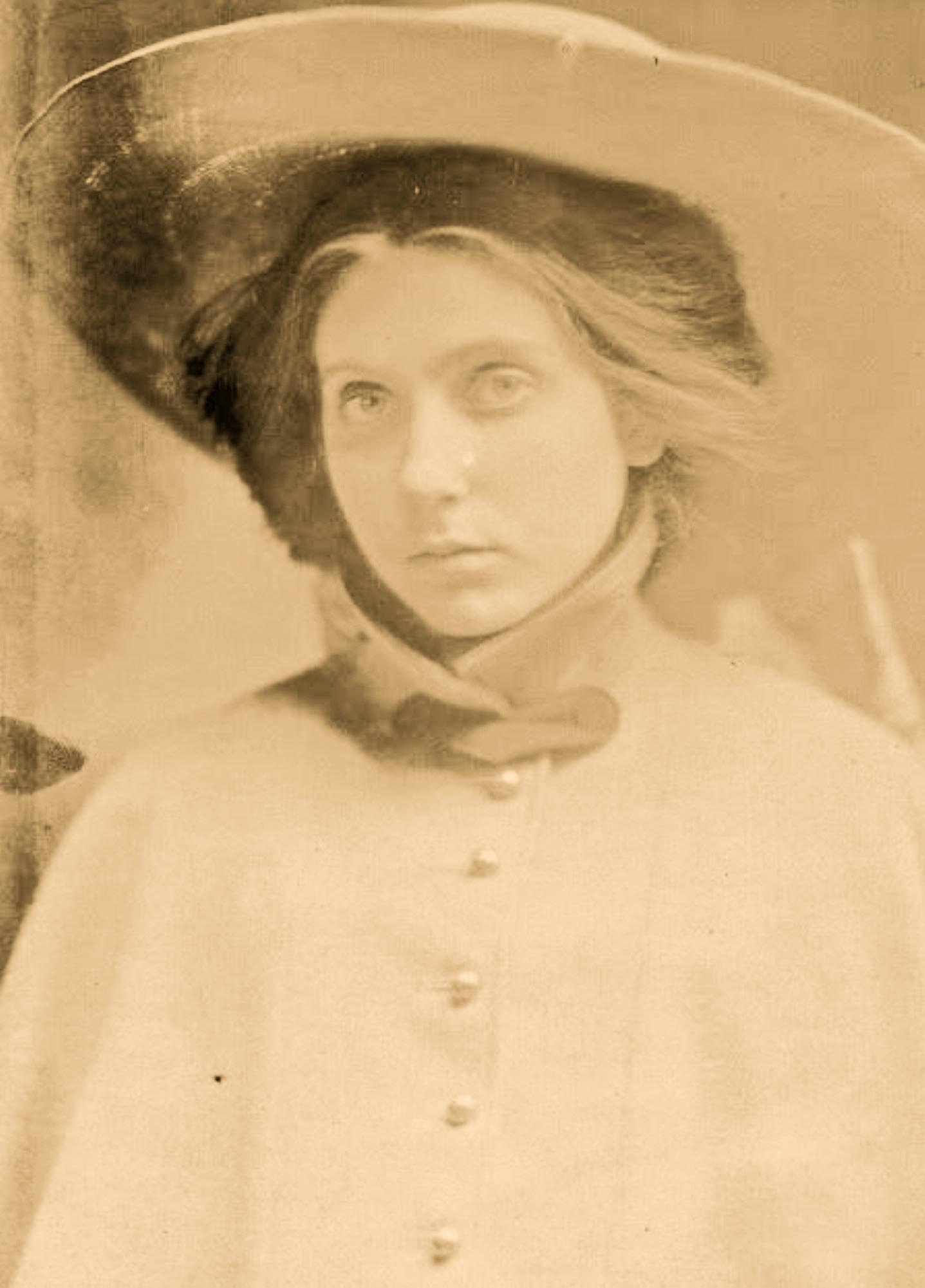
Beatrice Wood (1893-1998), 1908 | src Beatrice Wood Center for the Arts

“My life is full of mistakes. They’re like pebbles that make a good road.” ~ Beatrice Wood

Beatrice Wood (1893-1998), 1908 | src Beatrice Wood Center fot the Arts, also on Wikimedia

“There are three things important in life:

Honesty, which means living free of the cunning mind.
Compassion, because if we have no concern for others, we are monsters.
Curiosity, for if the mind is not searching, it is dull and unresponsive.”

~ Beatrice Wood
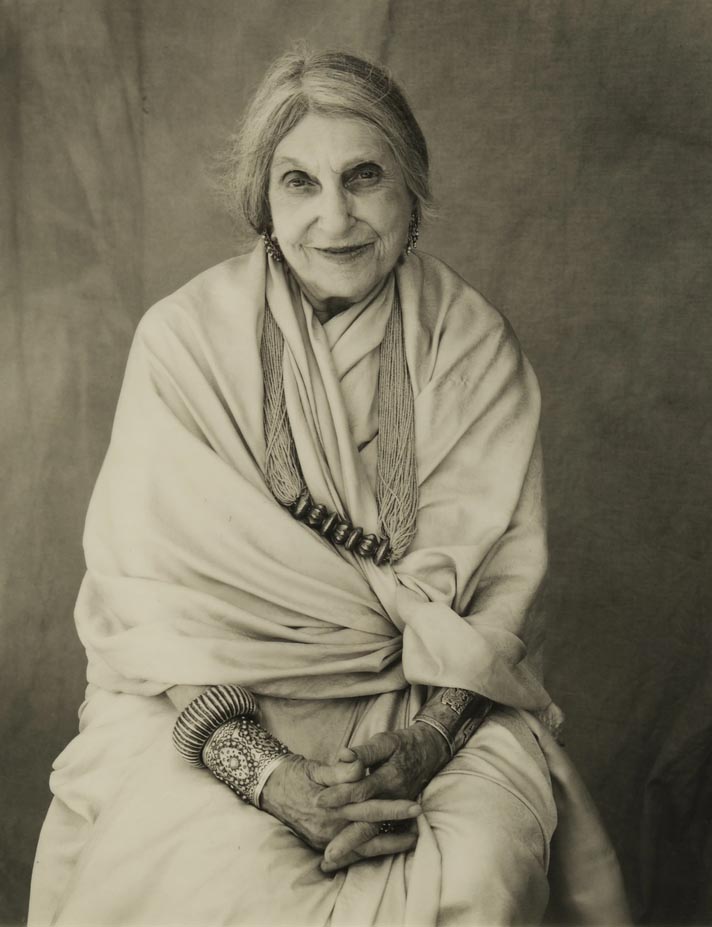
Beatrice Wood (1893-1998) | Photo by Tony Cunha | src Beatrice Wood Center for The Arts

Beatrice Wood, aka the “Mama of Dada” was born into a wealthy San Francisco family in 1893. Defying her family’s Victorian values, she moved to France to study theater and art. On the brink of WWI, her parents brought a reluctant Beatrice back to New York, where her mother did everything within her power to discourage her plans for a career on the New York stage. Despite this, Beatrice’s fluency in French led her to join the French National Repertory Theater, where she played over sixty ingénue roles under the stage name “Mademoiselle Patricia” to save her family’s name and reputation.

Wood’s involvement in the Avant-Garde began in these years with her introduction to Marcel Duchamp and later to his friend Henri-Pierre Roché, a diplomat, writer and art collector. Roché, a man fourteen years her senior, joined the duo, becoming creatively (and romantically) entangled. Together they wrote and edited The Blind Man (and the Rongwrong magazine), a magazine that poked the conservative art establishment and helped define the Dada art movement.

Marcel Duchamp brought Beatrice into the world of the New York Dada group, which existed by the patronage of art collectors Walter and Louise Arensberg. The Arensbergs’ home became the center of legendary soirees that included leading figures of the time including Francis Picabia, Mina Loy, Man Ray, Charles Demuth, Joseph Stella, Charles Sheeler and the composer Edgard Varèse.

Beatrice Wood’s career as an artist of note began when she created an abstraction to tease Duchamp that anyone could create modern art. Duchamp was impressed by the work, arranging to have it published in a magazine and inviting her to work in his studio. It was here that she developed her style of spontaneous sketching and painting that continued throughout her life.

Following the formation of the Society of Independent Artists in 1917, Beatrice exhibited work in their Independents exhibition. [text extracted from Wikipedia entry and Beatrice Wood Center for the Arts]
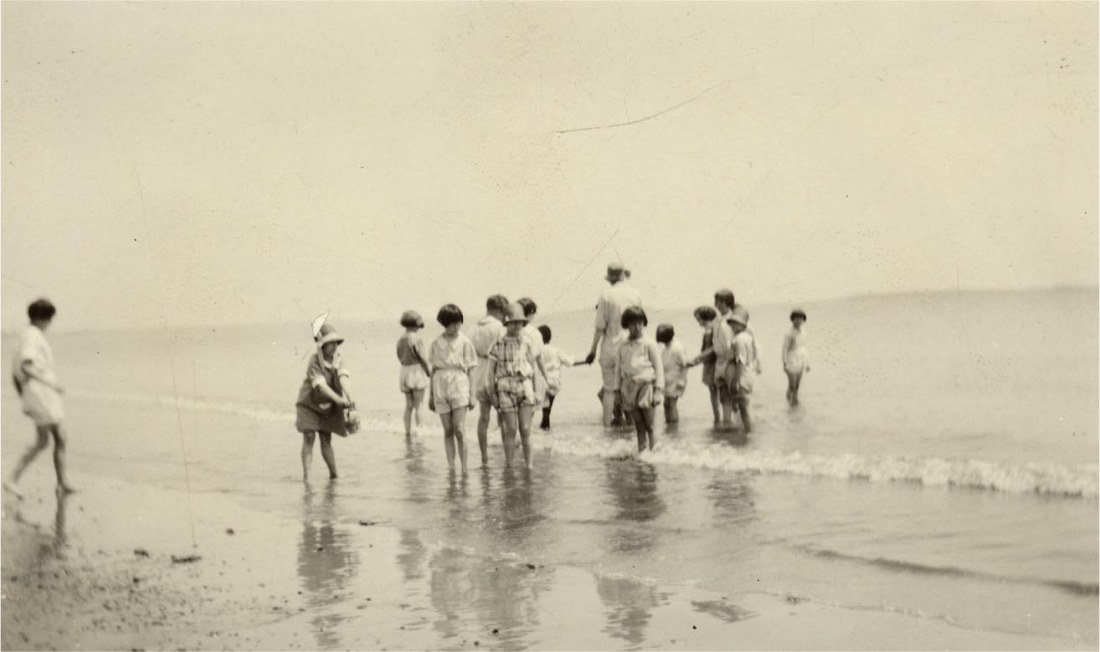
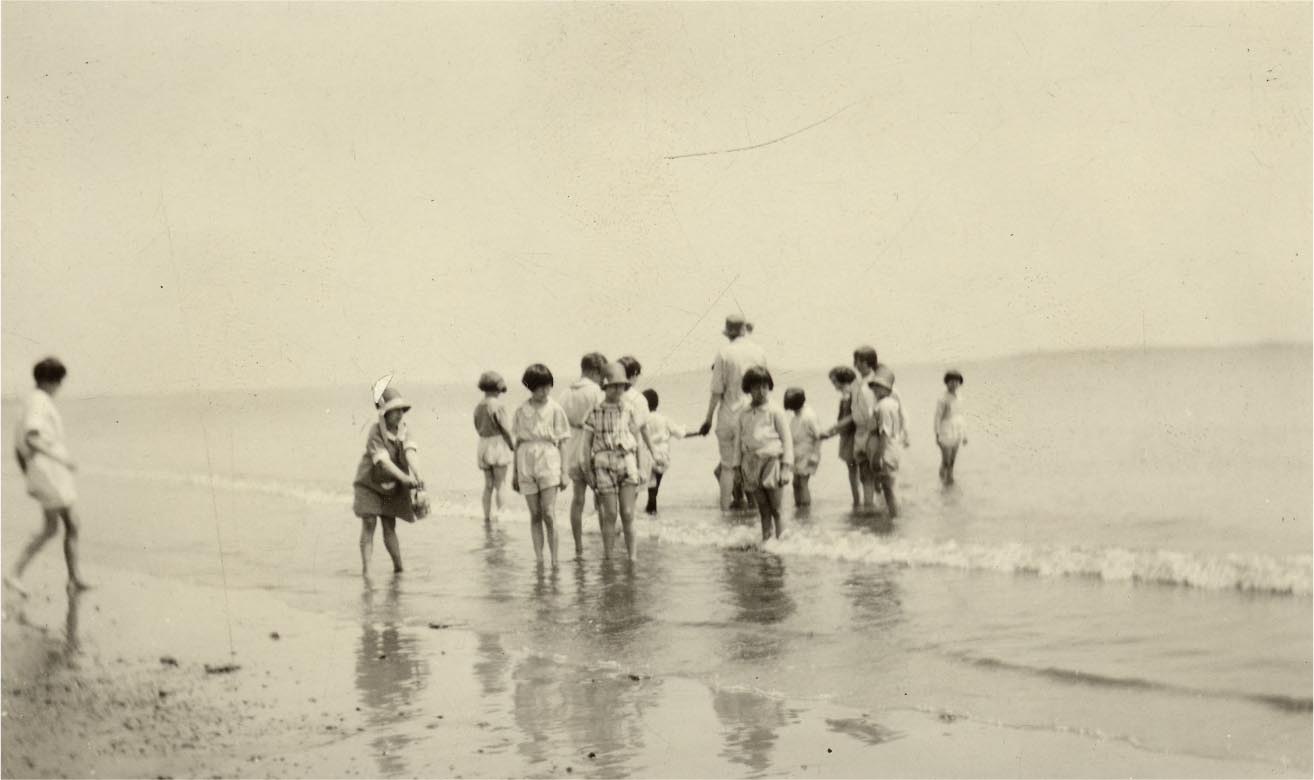
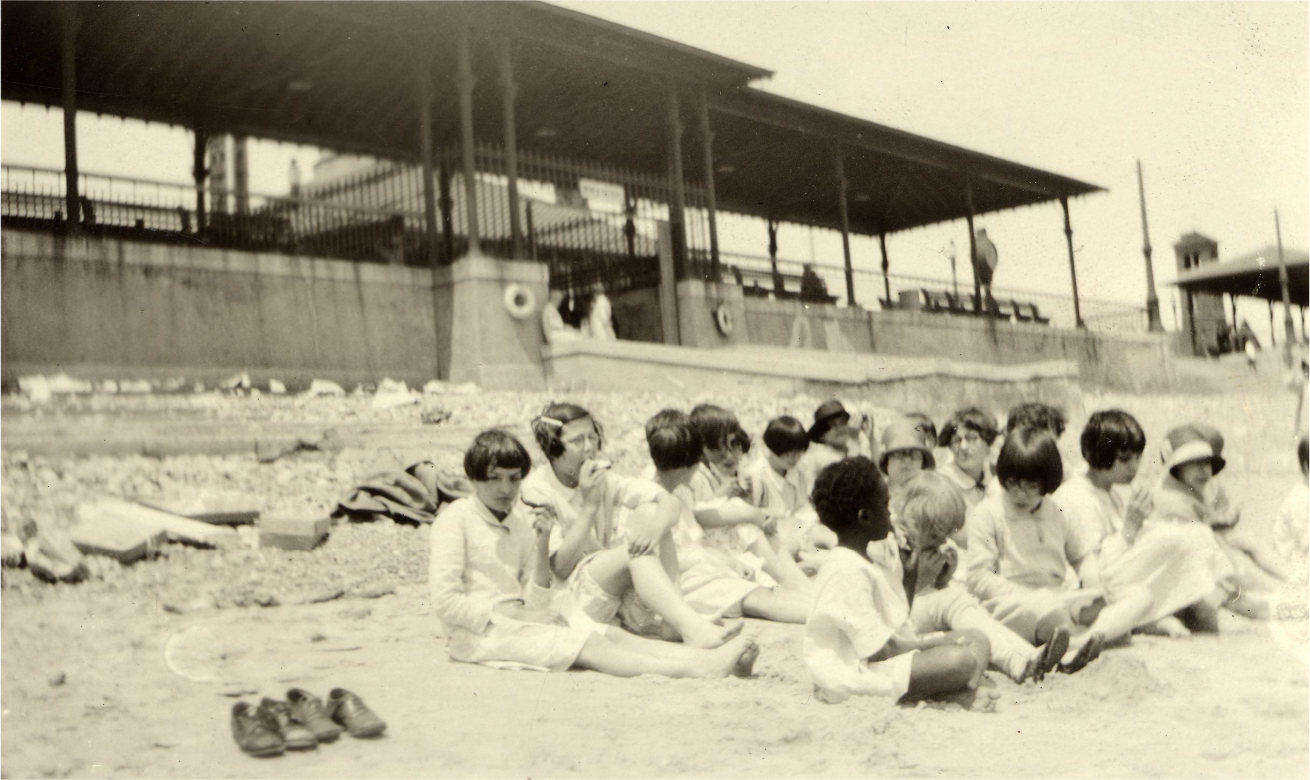
Blind children at Revere Beach

Perkins School for the Blind students in the water at Revere Beach on June 11th, 1928. bathers, beach scene
Perkins School for the Blind students in the water at Revere Beach on June 11th, 1928. | src Digital Commonwealth
Perkins School for the Blind students having a picnic on Revere Beach on June11th, 1928. | src Digital Commonwealth

Anita Berber as a poetess

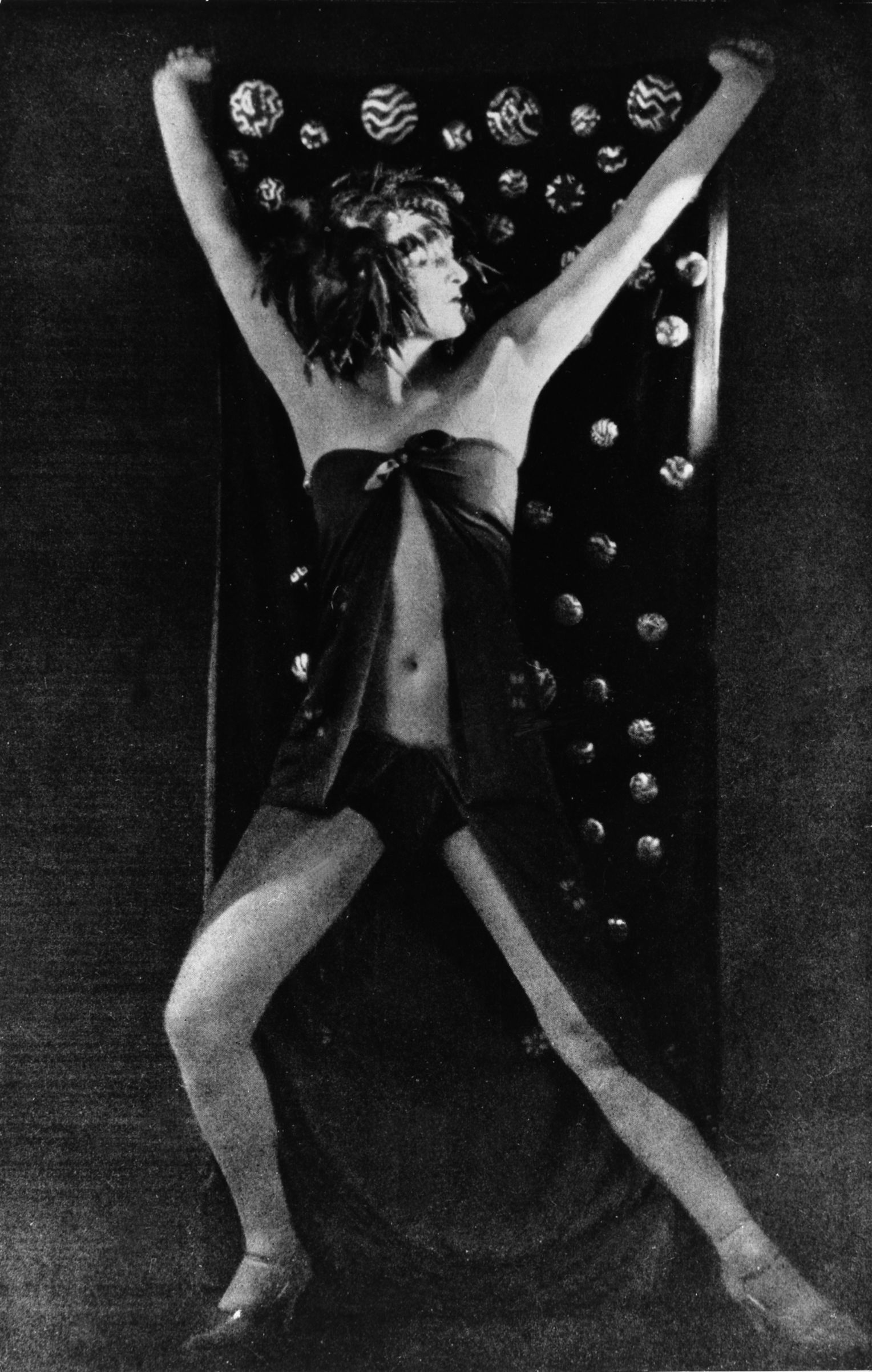
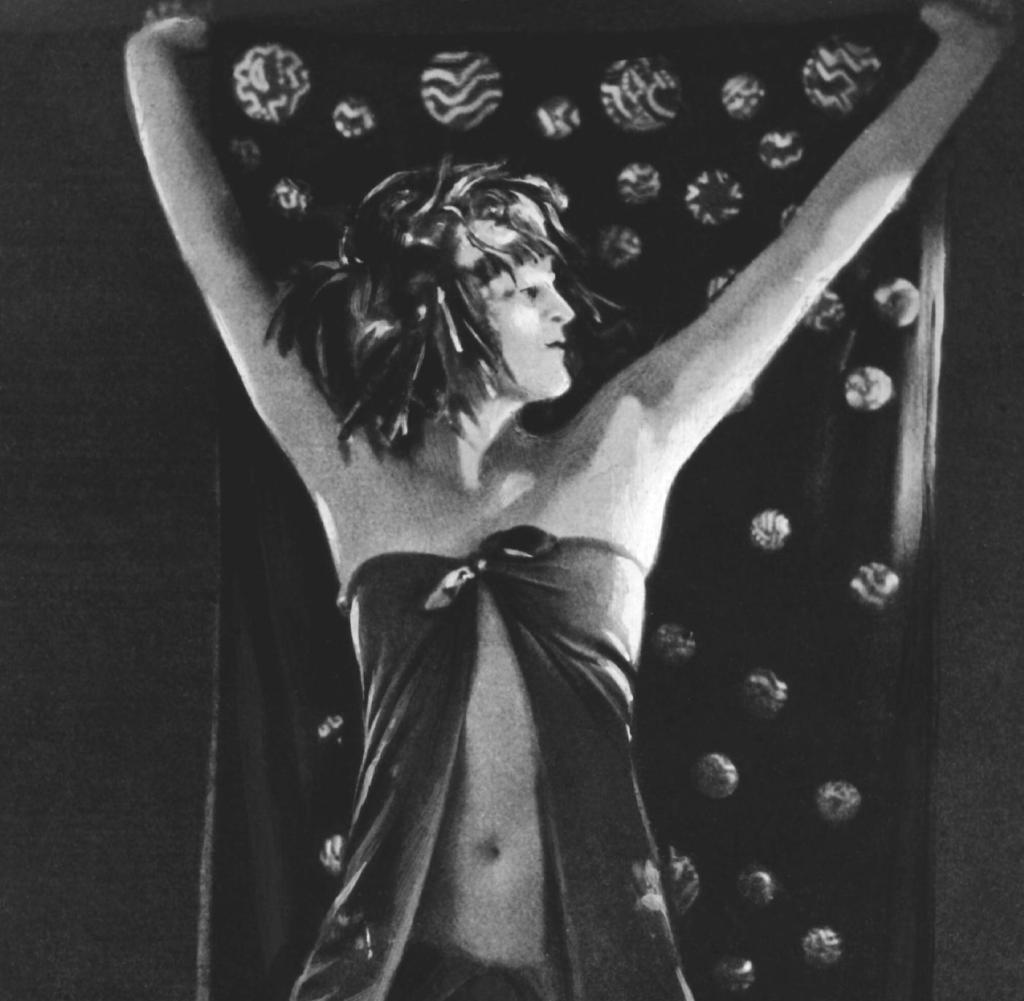
Tänzerin und Schauspielerin Anita Berber, Rollenporträt, undtiert. (Photo © Ullstein Bild | src Getty Images
Tänzerin und Schauspielerin Anita Berber, Rollenporträt, undtiert. | src Welt.de

Anita Berber Dichterin: Die offen bisexuelle Anita Berber tanzte und provozierte nicht nur, sondern betätigte sich auch als Lyrikerin. In ihrem Gedicht “Orchideen” etwa heißt es: “Ich küsste und kostete jede bis zum Schluss / Alle alle starben an meinen roten Lippen / An meinen Händen / An meiner Geschlechtslosigkeit / Die doch alle Geschlechter in sich hat / Ich bin blass wie Mondsilber.”

Anita Berber as a poetess: The openly bisexual Anita Berber not only danced and provoked, but also was as a poet. In her poem “Orchids”, for example, it says: “I kissed and tasted each one to the end / All died on my red lips / On my hands / On my genderlessness / Which has all genders in it / I am pale as moon silver.”

quoted from Der Spiegel: Anita Berber – die Hohepriesterin des Lasters

Foujita painting, 1910s-1950s

Léonard Tsuguharu Foujita (藤田 嗣治) painting his model and wife Youki (Lucie Badoud), 1931 | src getty images
Léonard Tsuguharu Foujita (藤田 嗣治) painting a dancer of the Folies Bergère, 1931. (Photo by Ullstein Bild) | src getty images
Léonard Tsuguharu Foujita painting the actress Blanche Dergan, 1927-1930. (Photo by Ullstein Bild) | src getty images
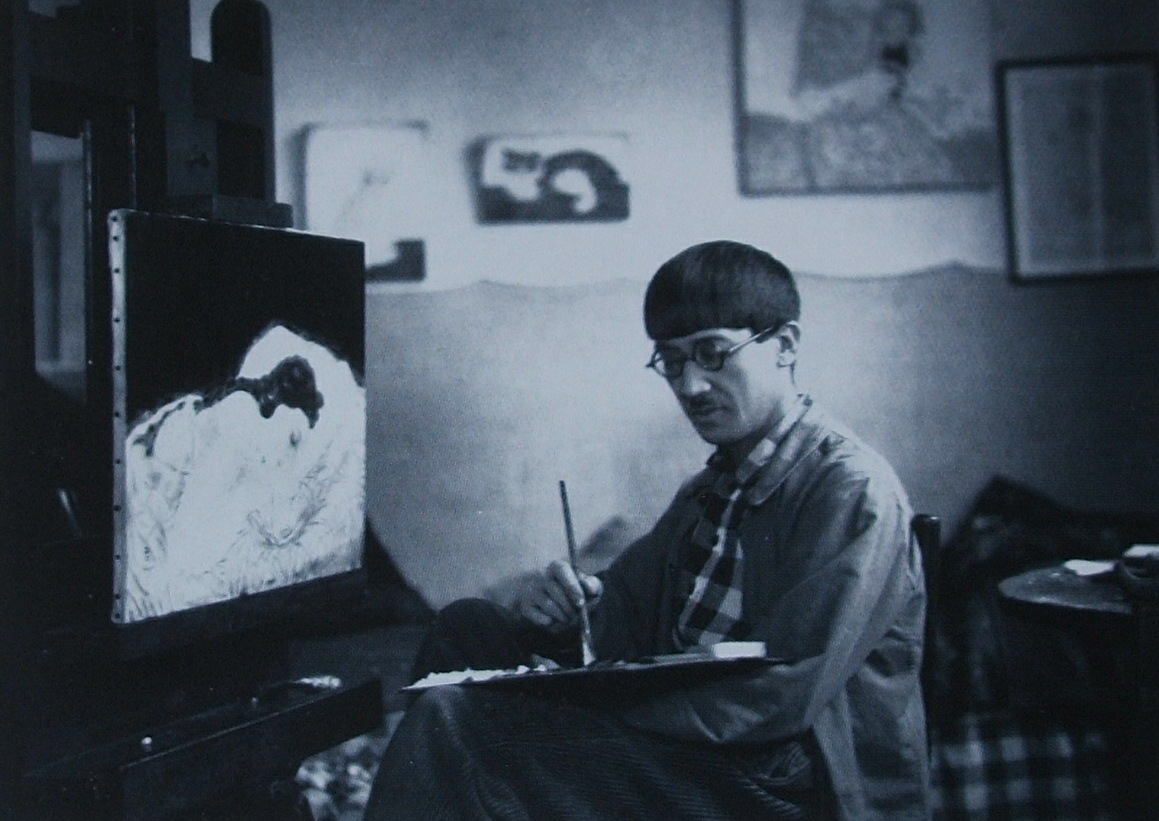
Jean Agélou (1878–1921) ~ Léonard Tsuguharu Foujita (1886-1968) in his studio, 1917 | src Robert Desnos
Tsuguharu Foujita (藤田 嗣治) painting Keiko Kishi, Cannes, May 16th, 1958. (Photo: Keystone-France) | src getty images

Leni Riefenstahl in Das blaue Licht

Leni Riefenstahl in Das blaue Licht – Eine Berglegende aus den Dolomiten (La lumière bleue, The Blue Light), 1932. Regie: Leni Riefenstahl und Béla Balázs. Uncredited set photographer. | src Ader

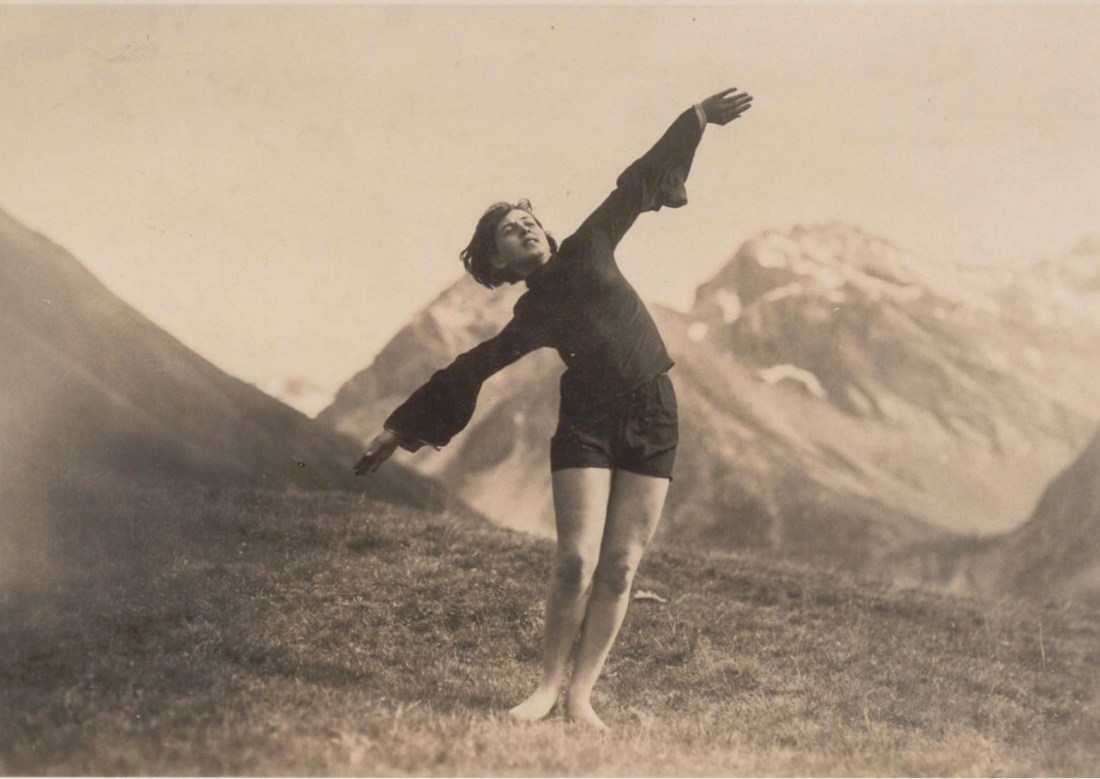
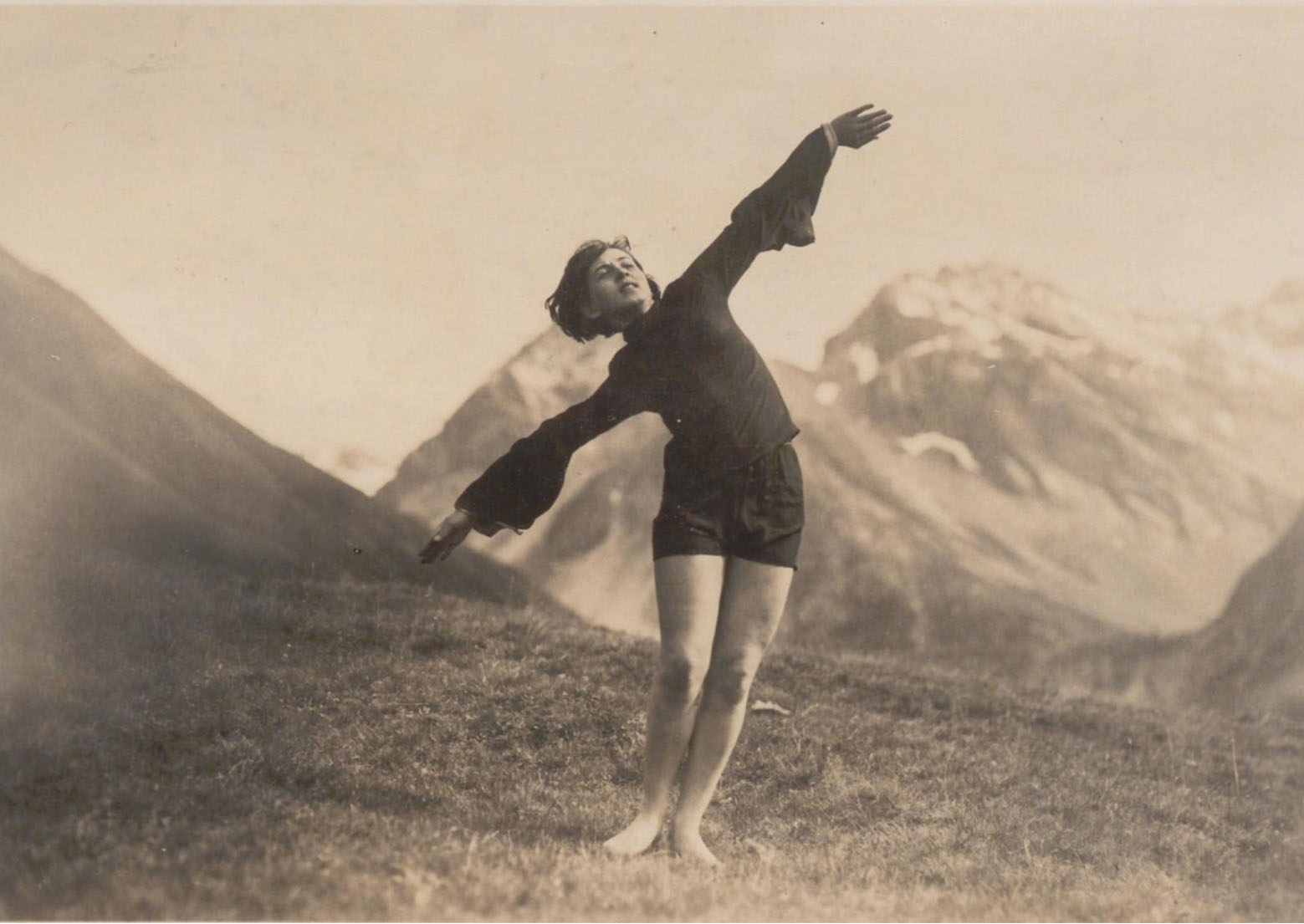
Rose-Marie Bachofen um 1925

From: Rose-Marie Bachofen Fotoalbum 'Jugend' © Münchner Stadtbibliothek, 2020 | src Monacensia in Hildebrandhaus
Rose-Marie Bachofen (Rose-Marie Bonsels), Schweiz, um 1925. from Fotoalbum Jugend © Münchner Stadtbibliothek, 2020 | src Monacensia in Hildebrandhaus

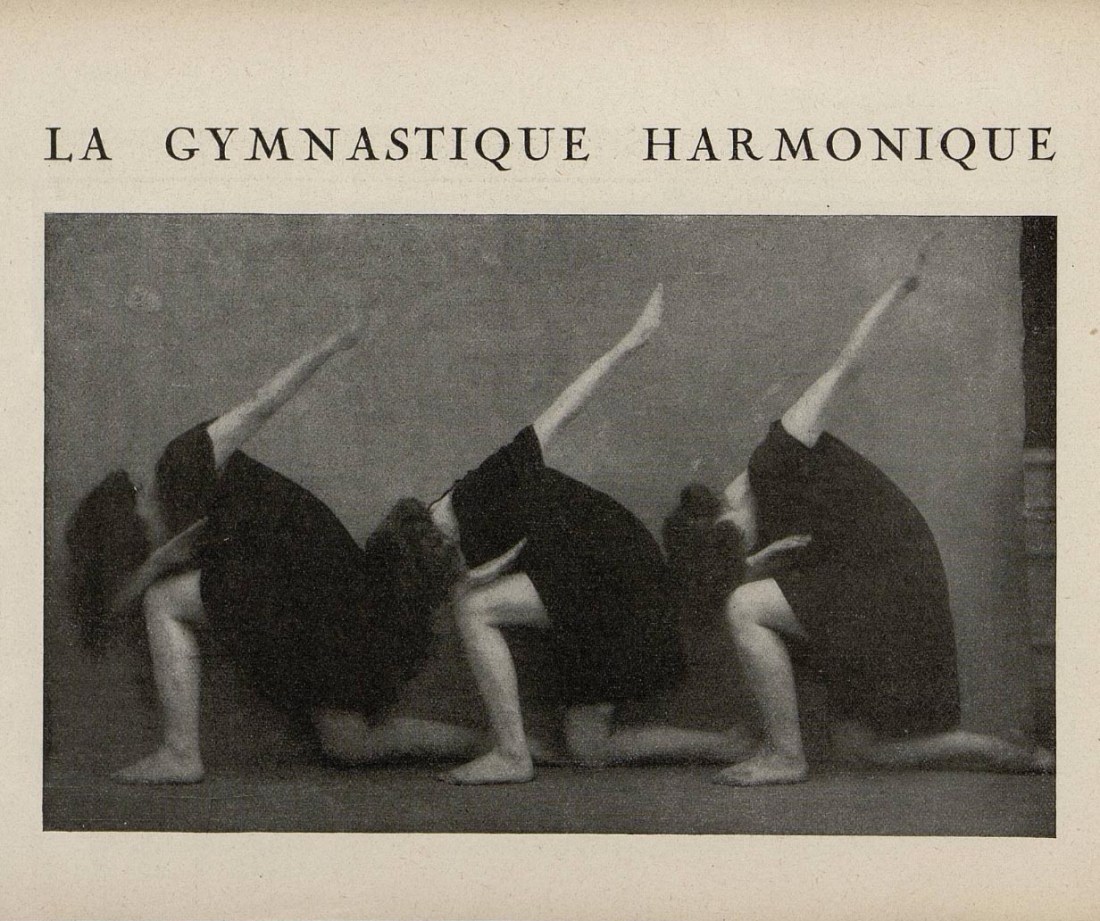
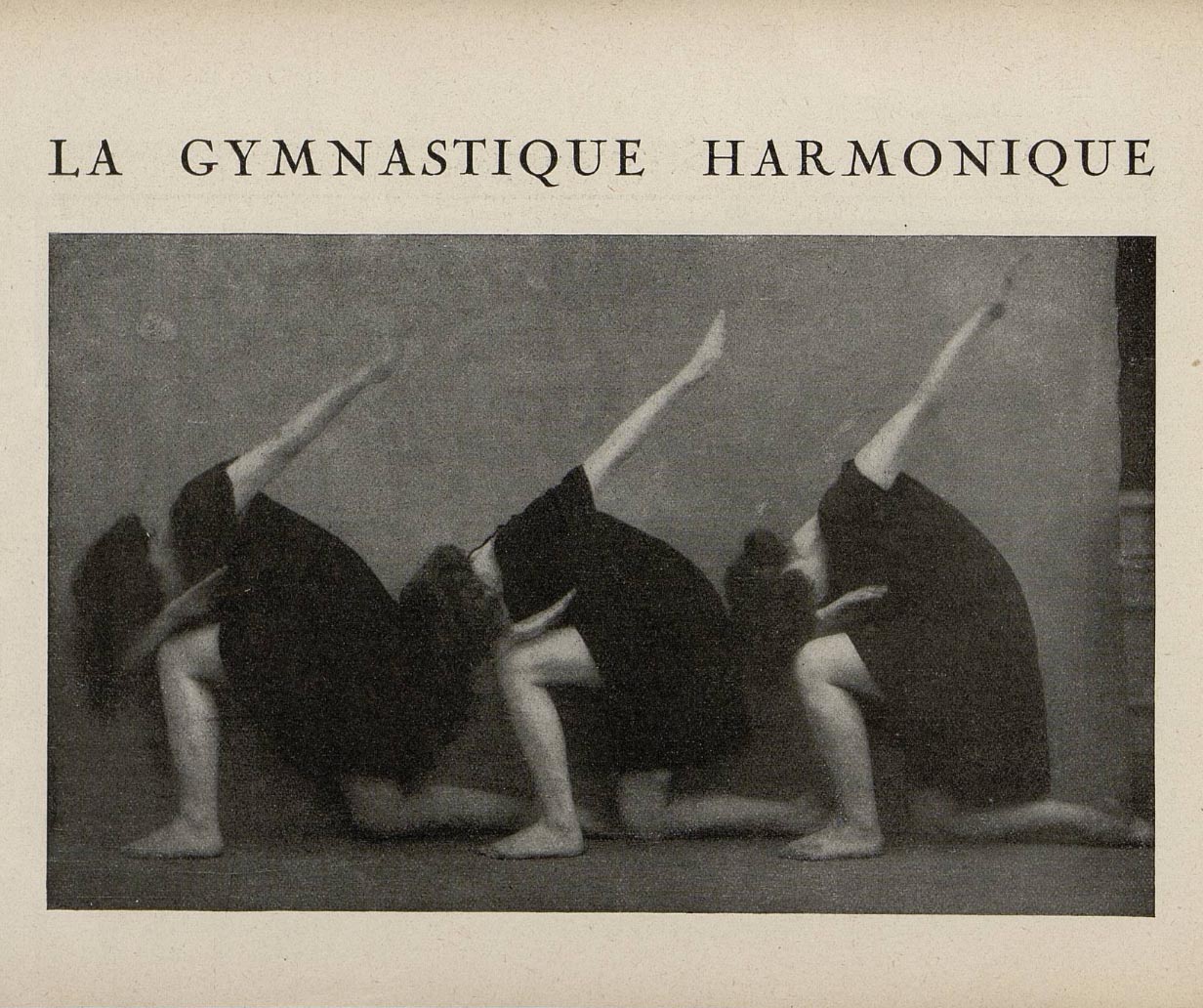
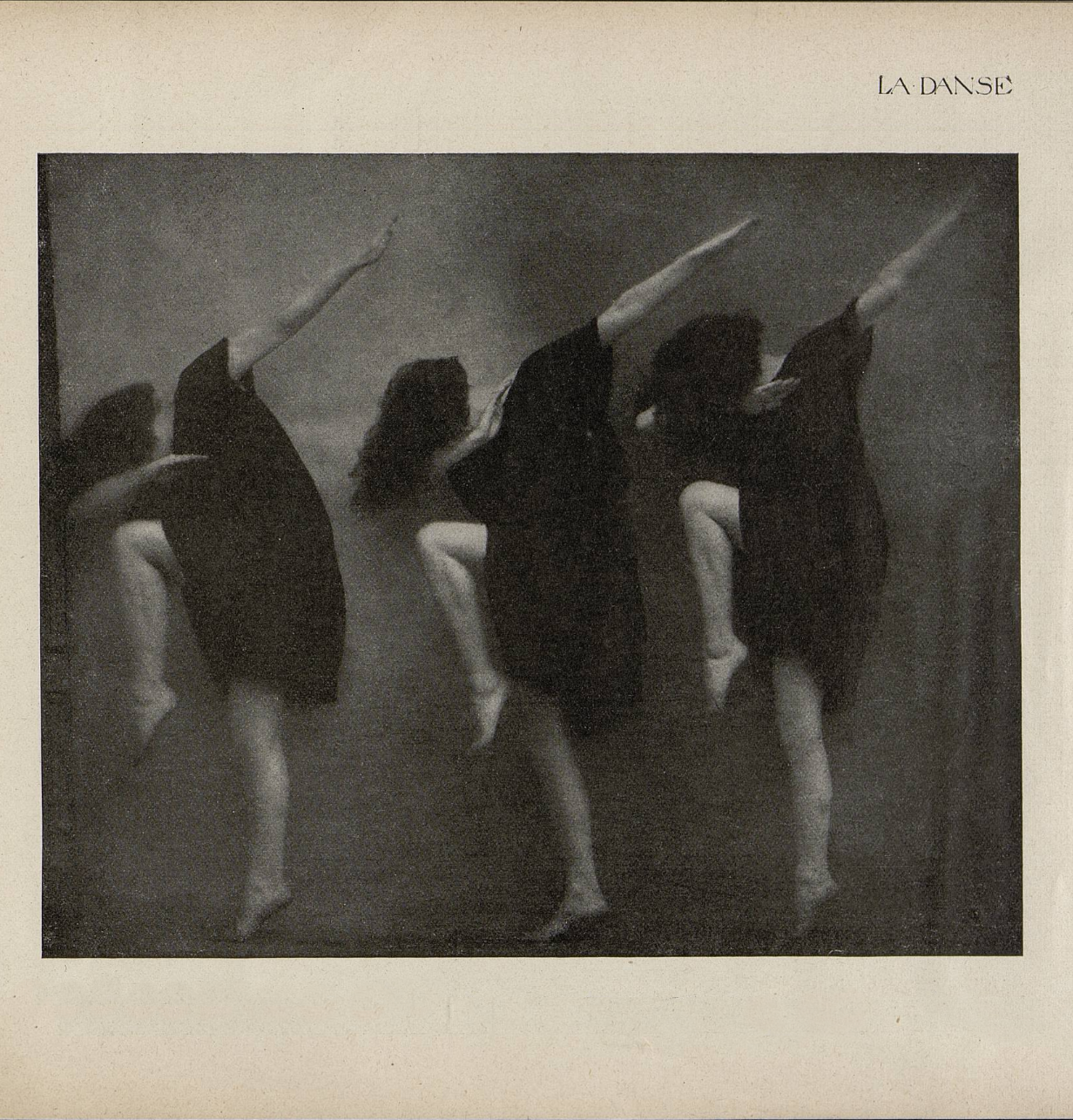
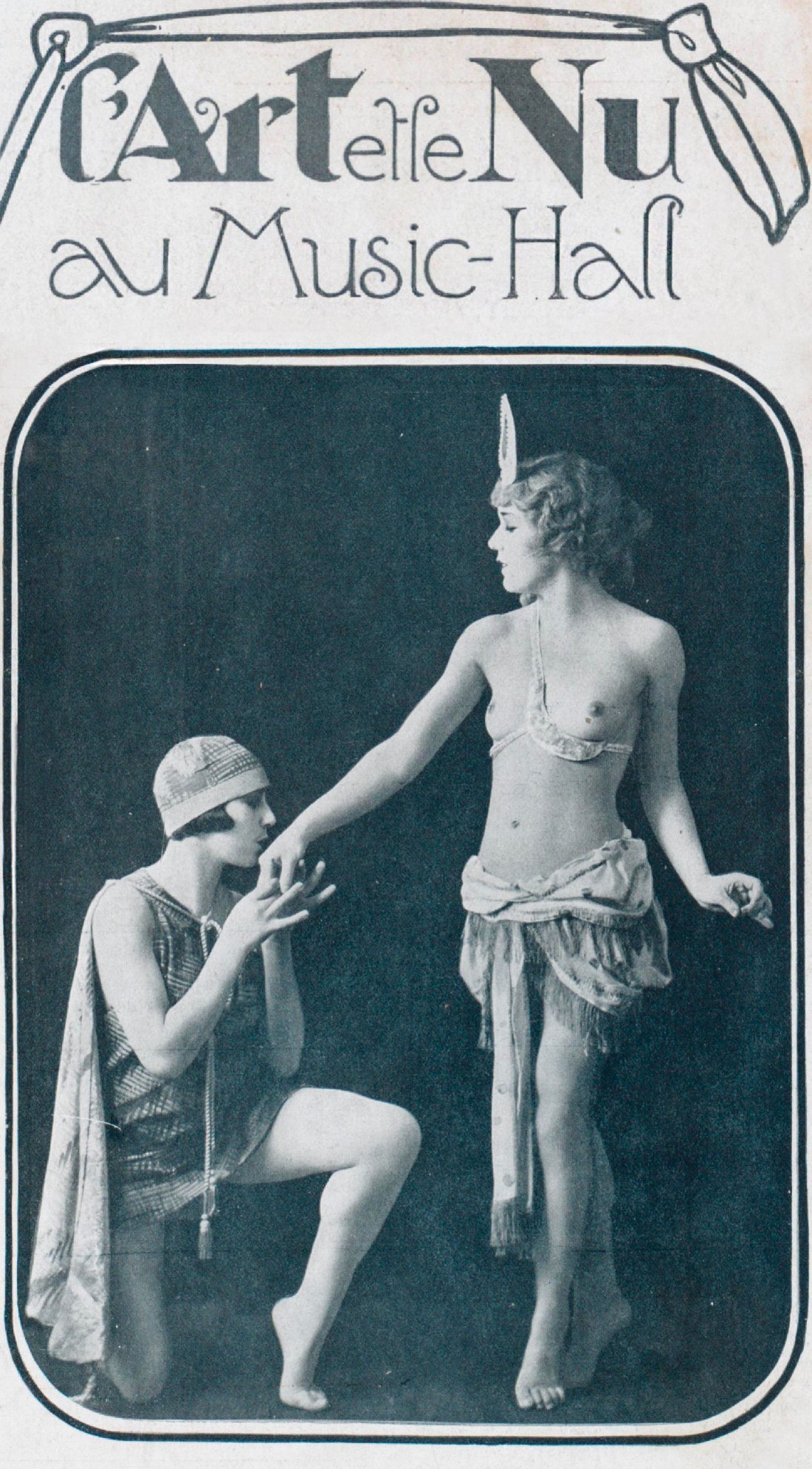
L’Art et le Nu au Music-Hall

"L'Art et le Nu au Music-Hall". Paris-plaisirs: revue mensuelle esthétique et humoristique. Janvier, 1925. | src BnF ~ Gallica
"L'Art et le Nu au Music-Hall". Paris-plaisirs: revue mensuelle esthétique et humoristique. Janvier, 1925. | src BnF ~ Gallica [uncredited photographer]
“L’Art et le Nu au Music-Hall”. Paris-plaisirs: revue mensuelle esthétique et humoristique. Janvier, 1925. | src BnF ~ Gallica