Nature photography (1939)

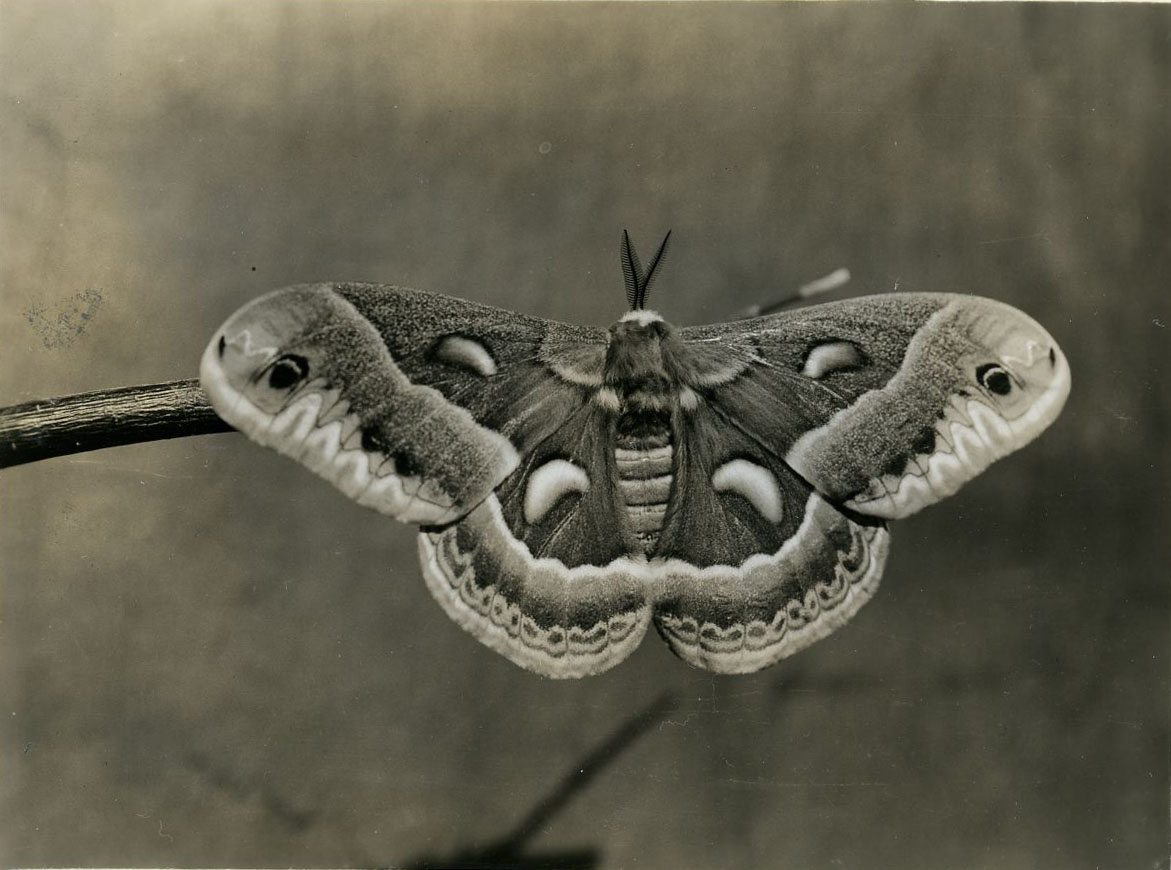
Cecropia (male and female) · Cecropia moths on end of stick. Acadia National Park, Maine, 22 March, 1939 | src NPG
Cecropia moth on end of stick. Acadia National Park, Maine, 22 March, 1939 | src National Park gallery
Reflection of Pemetic Mt. in Eagle lake. Acadia National Park, Maine, 5 June, 1939 | src National Park gallery
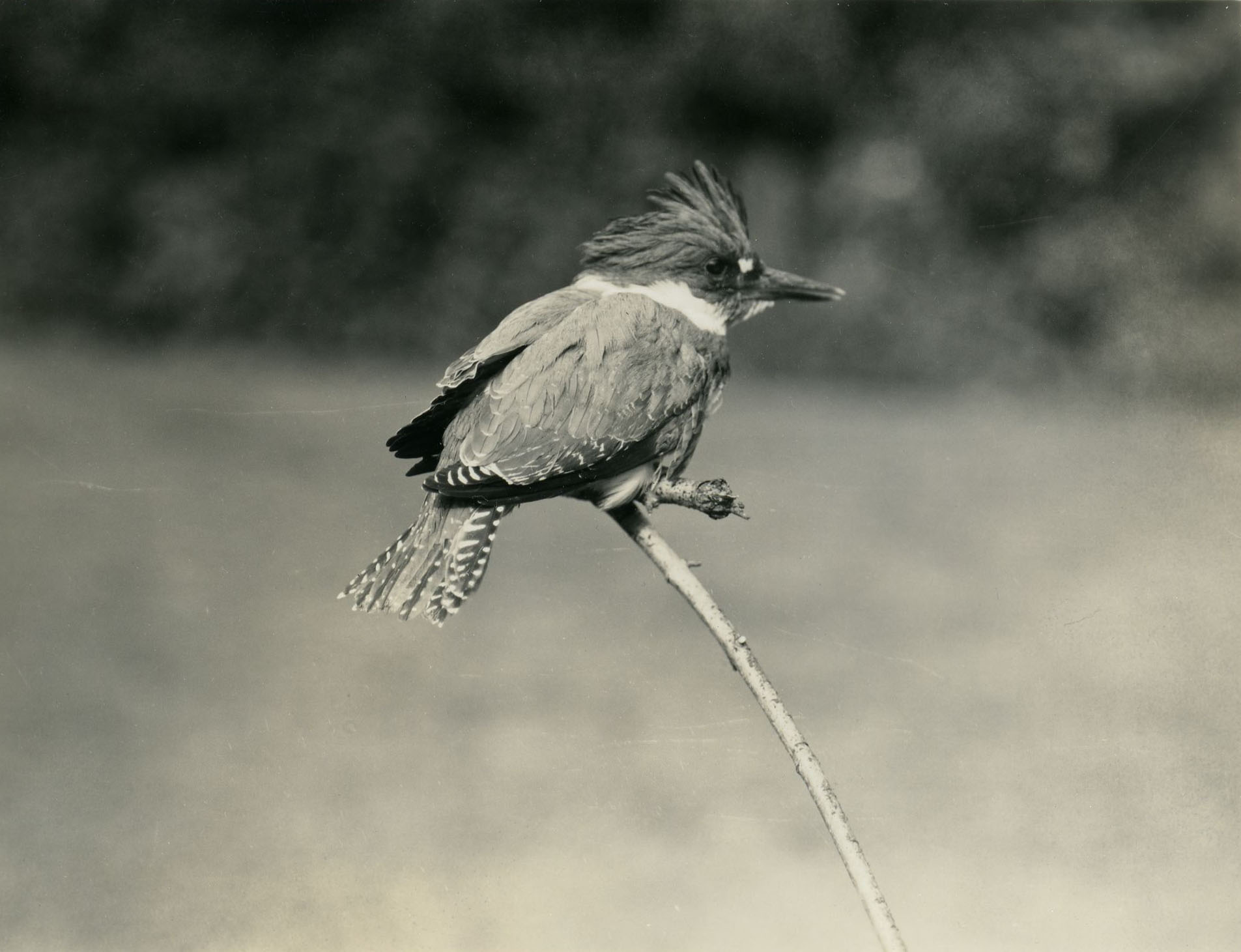
Kingfisher · Bird on stick. Acadia National Park, Maine, 18 July, 1939 | src National Parks gallery
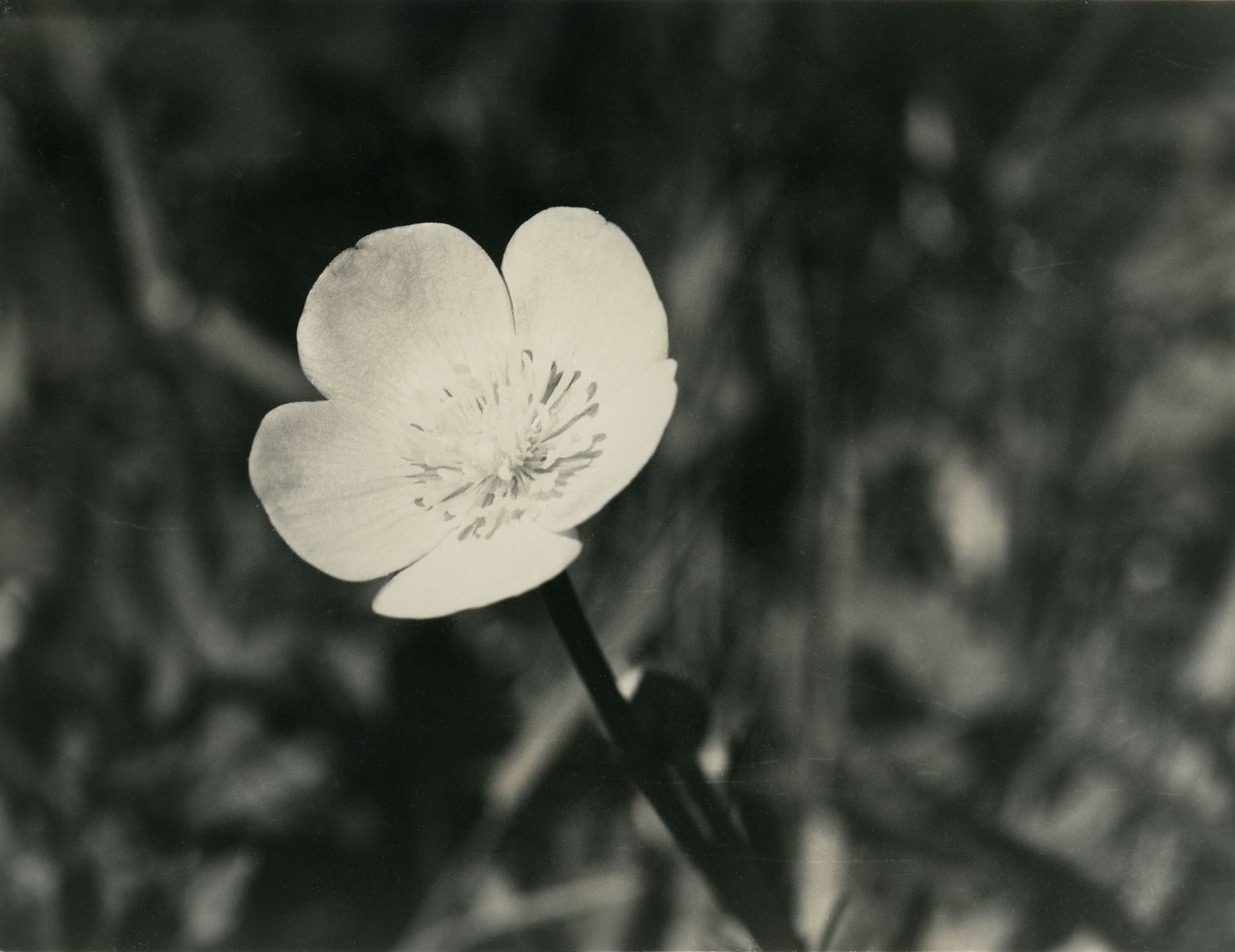
Buttercup, close-up (five pedaled flower). Acadia National Park, Maine, 13 June, 1939 | src National Parks gallery

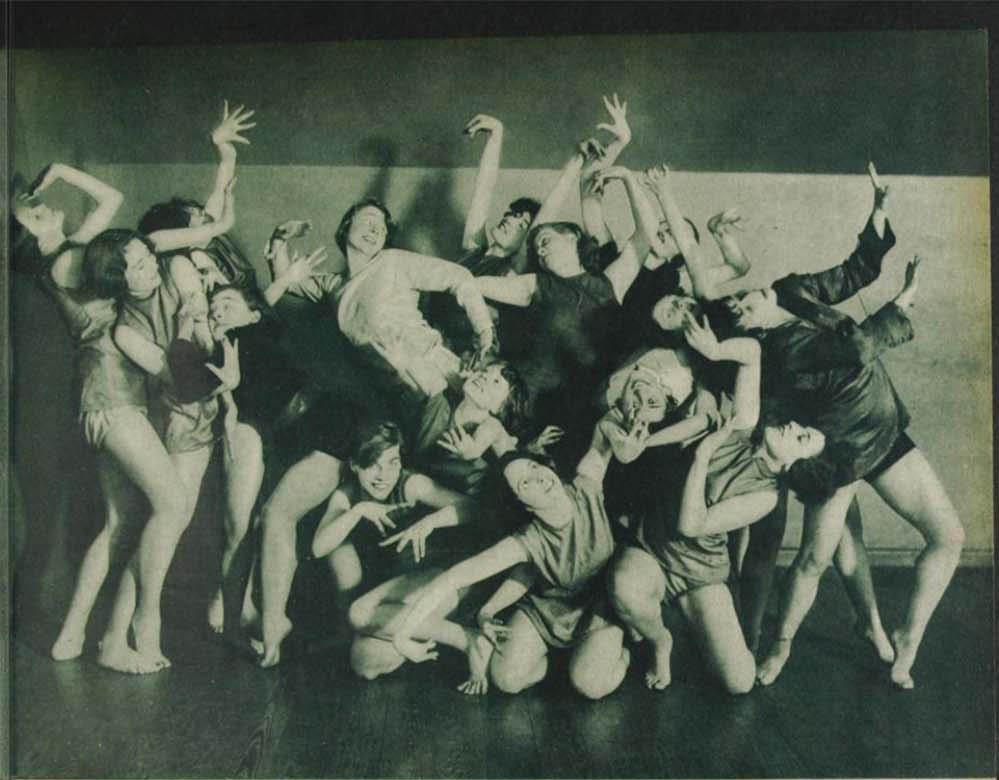
Eine Berliner Tanzschule

Kammertanz-Gruppe Skoronel: Bizarres Getümmel | Skoronel chamber dance group : Bizarre hustle and bustle

Retrieved from the article:

Der klingende Baum. Eine Berliner Tanzschule. Scherl’s Magazin Band 5, H. 11, November 1929

The Ringing Tree. A Berlin dance school. Scherl’s magazine volume 5, issue 11, November 1929
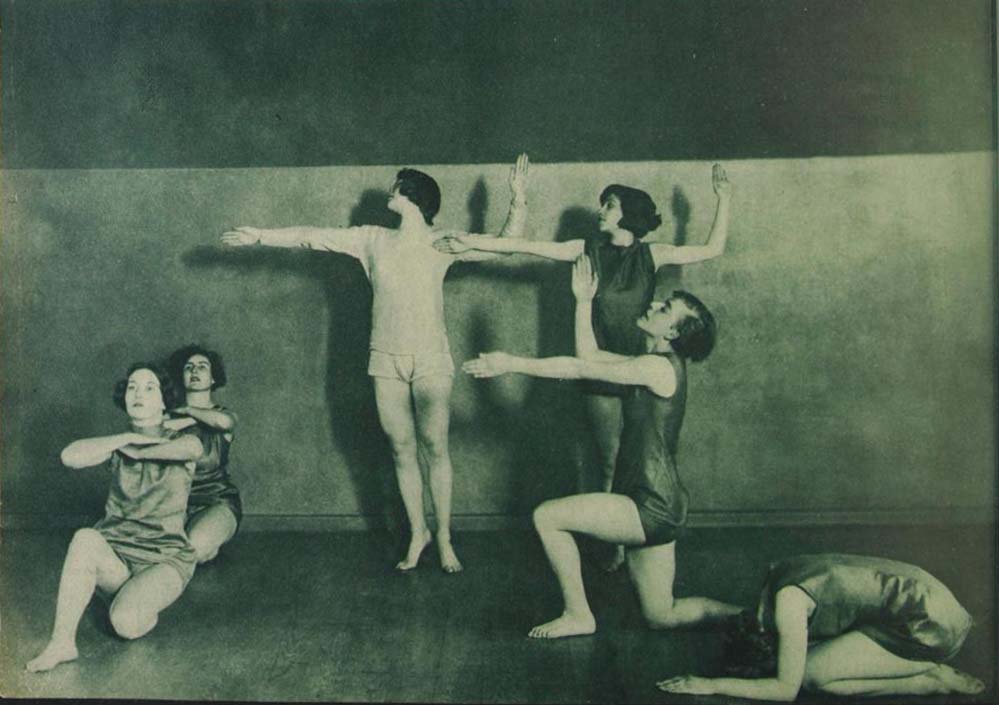
Strenge Kompositionen | Rigorous compositions

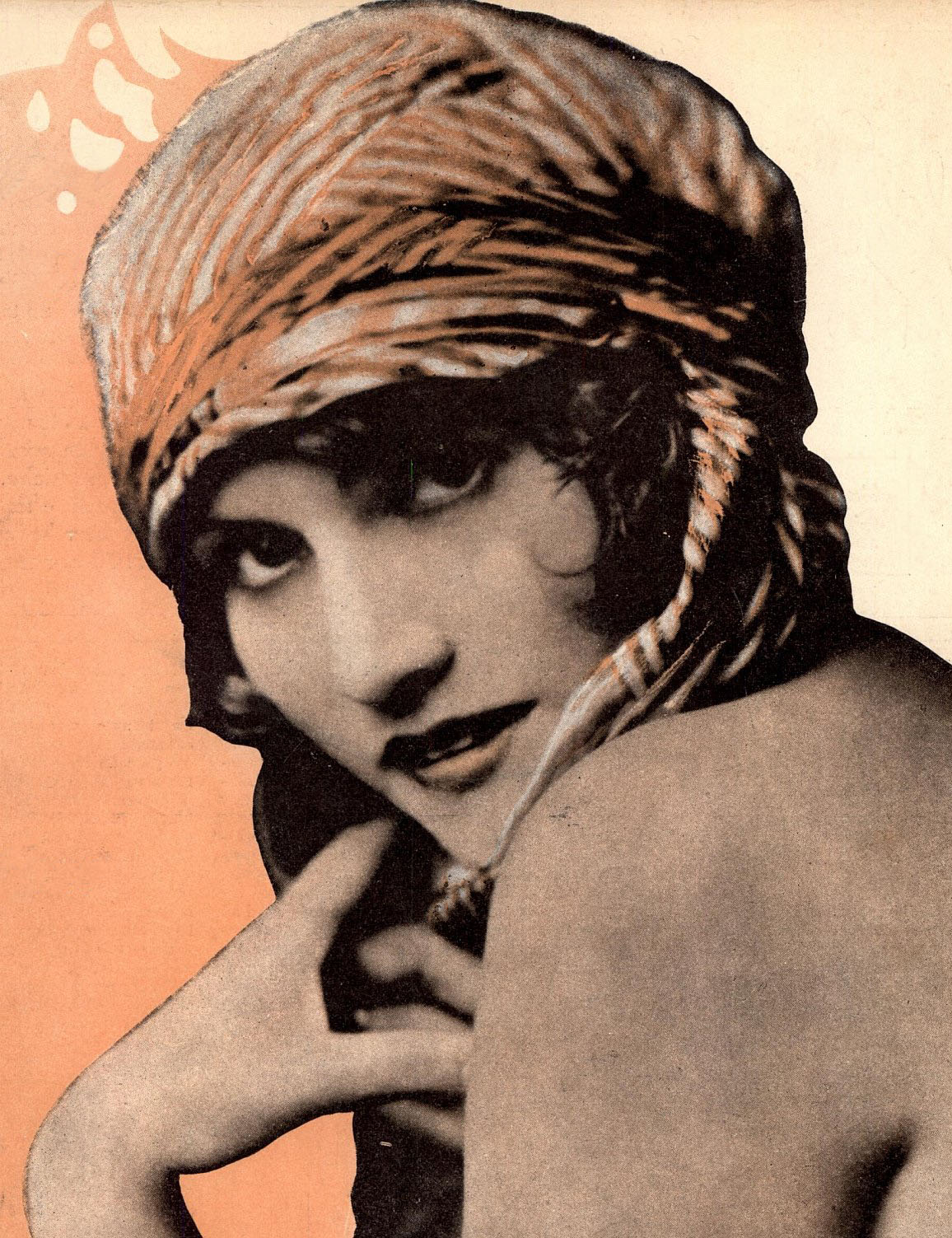
Milča Mayerová, ca. 1926

Dancer Milča Mayerová, ca. 1926. From : Pestrý Týden (Colorful Week) / Prague, Wednesday, December 29, 1926
Dancer Milča Mayerová, ca. 1926. From : Colorful Week / Prague, Wednesday, December 29, 1926
Tanečnice Milča Mayerová ca. 1926 ~ Pestrý Týden / V Praze ve středu dne 29. prosince 1926 | src Moravská zemská knihovna v Brně
Dancer Milča Mayerová, ca. 1926. From : Pestrý Týden (Colorful Week) / Prague, Wednesday, December 29, 1926
Tanečnice Milča Mayerová ca. 1926 ~ Pestrý Týden / V Praze ve středu dne 29. prosince 1926 | src Moravská zemská knihovna v Brně

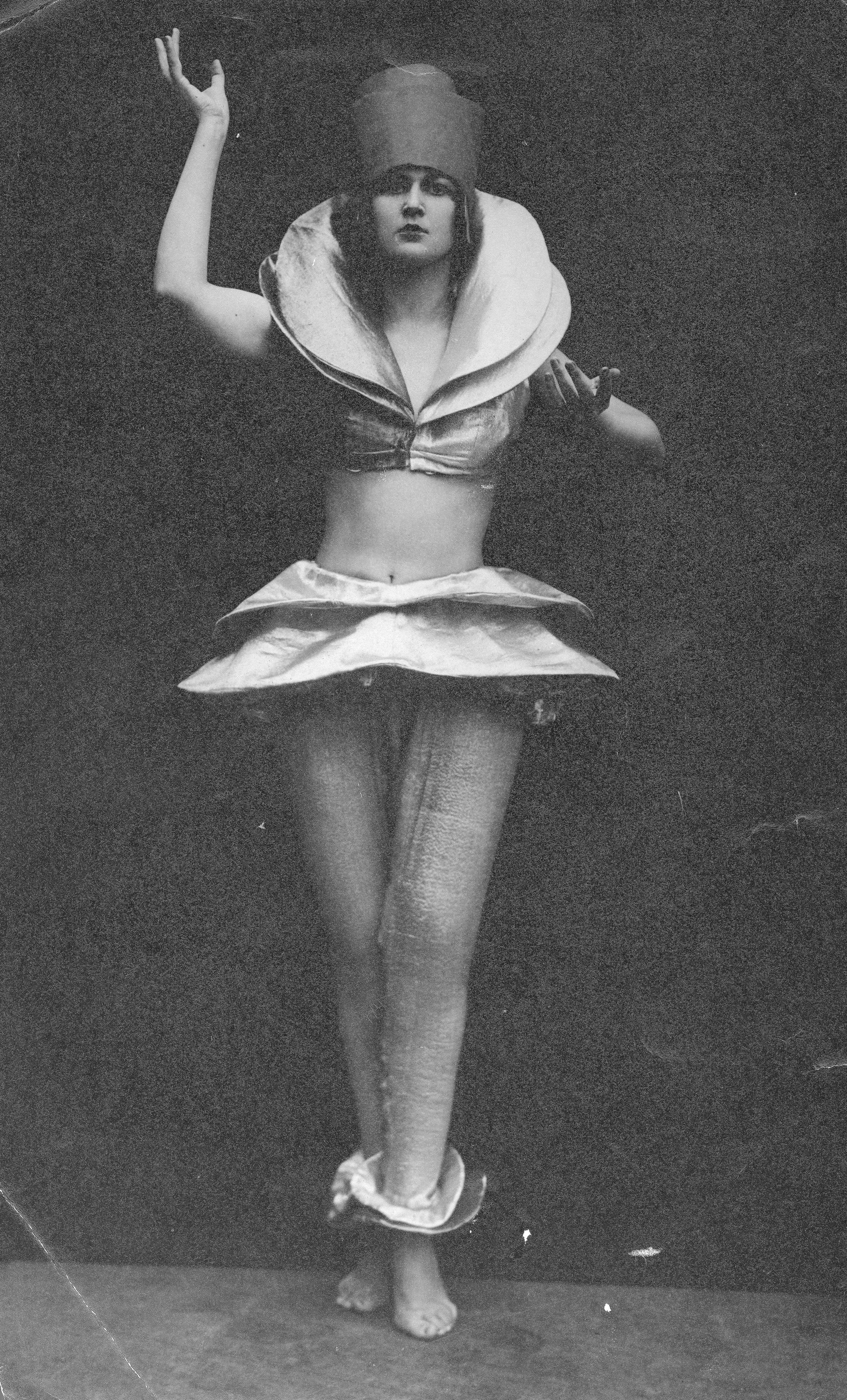
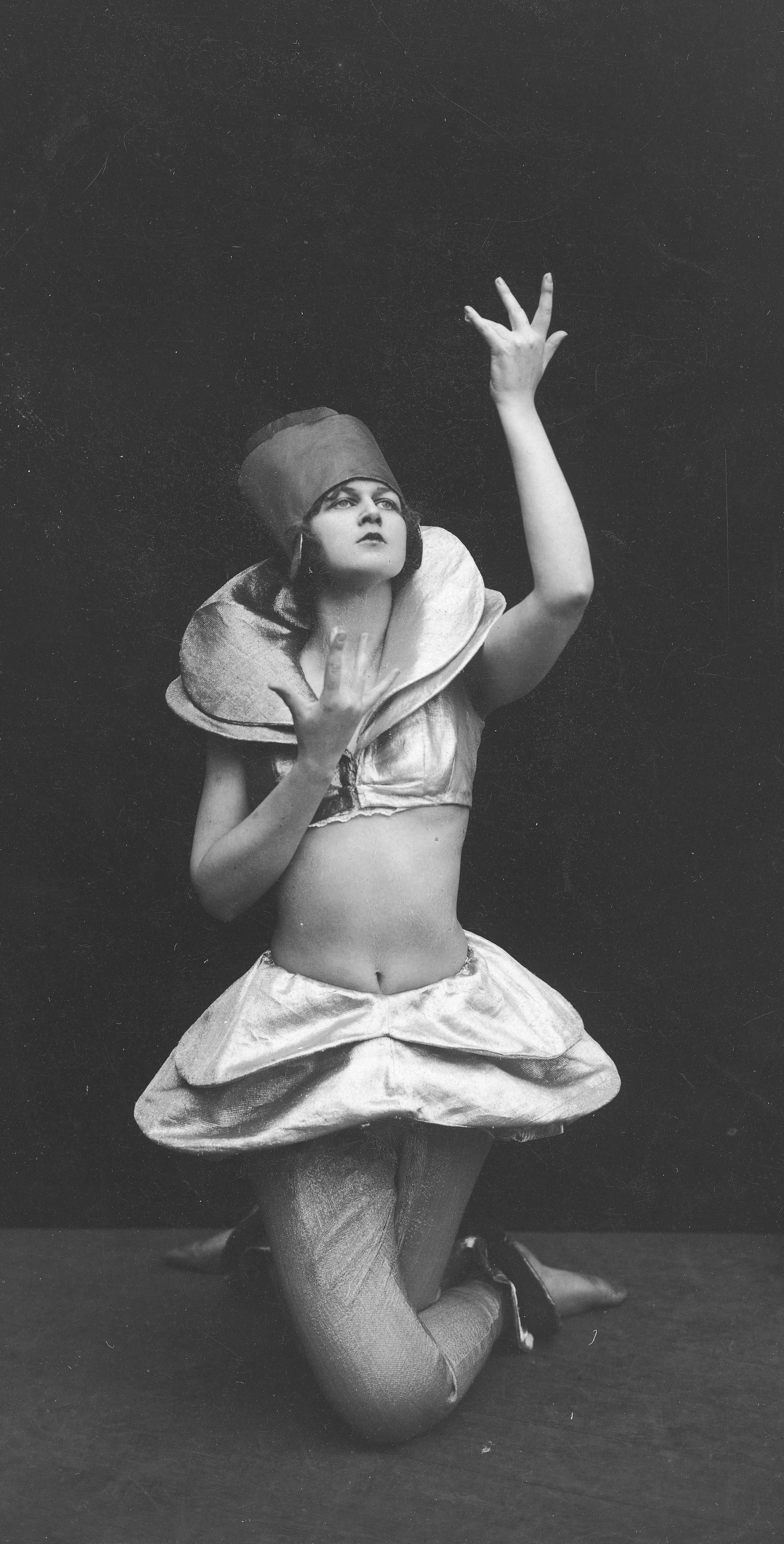
Ludmiła Bojarska 1926-1927

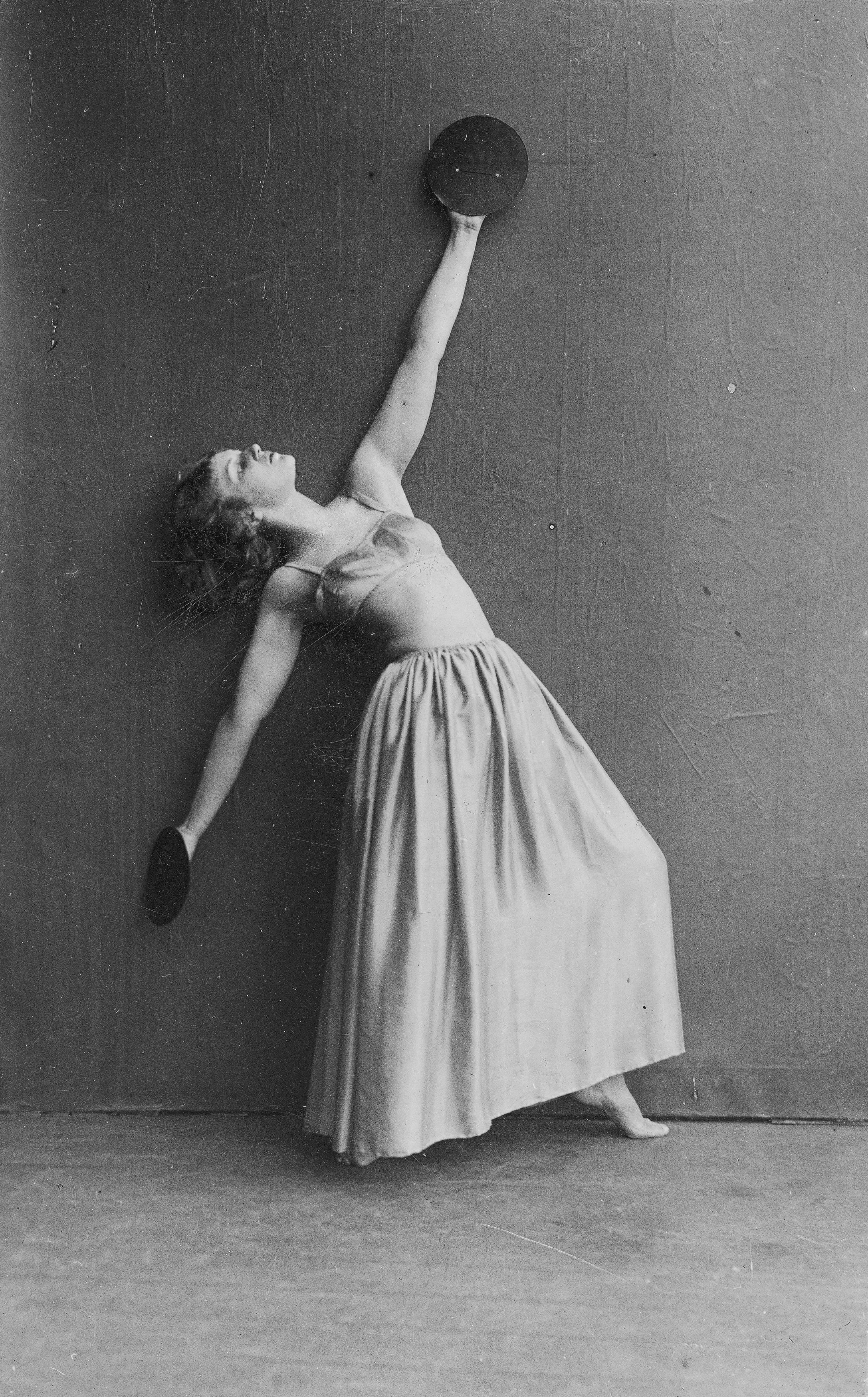
Ludmiła Bojarska, tancerka. Fotografia sytuacyjna wykonana w atelier, 1926
Lyudmila Bojarska, dancer. Role portrait taken in an atelier, 1926
Ludmiła Bojarska, tancerka. Fotografia sytuacyjna wykonana w atelier (w tańcu ‘Kwiat’), 1927
Lyudmila Bojarska, dancer. Role portrait taken in an atelier (in the ‘Flower’ dance), 1927

All images above this line are, according to source, in Public domain: Narodowe Archiwum Cyfrowe
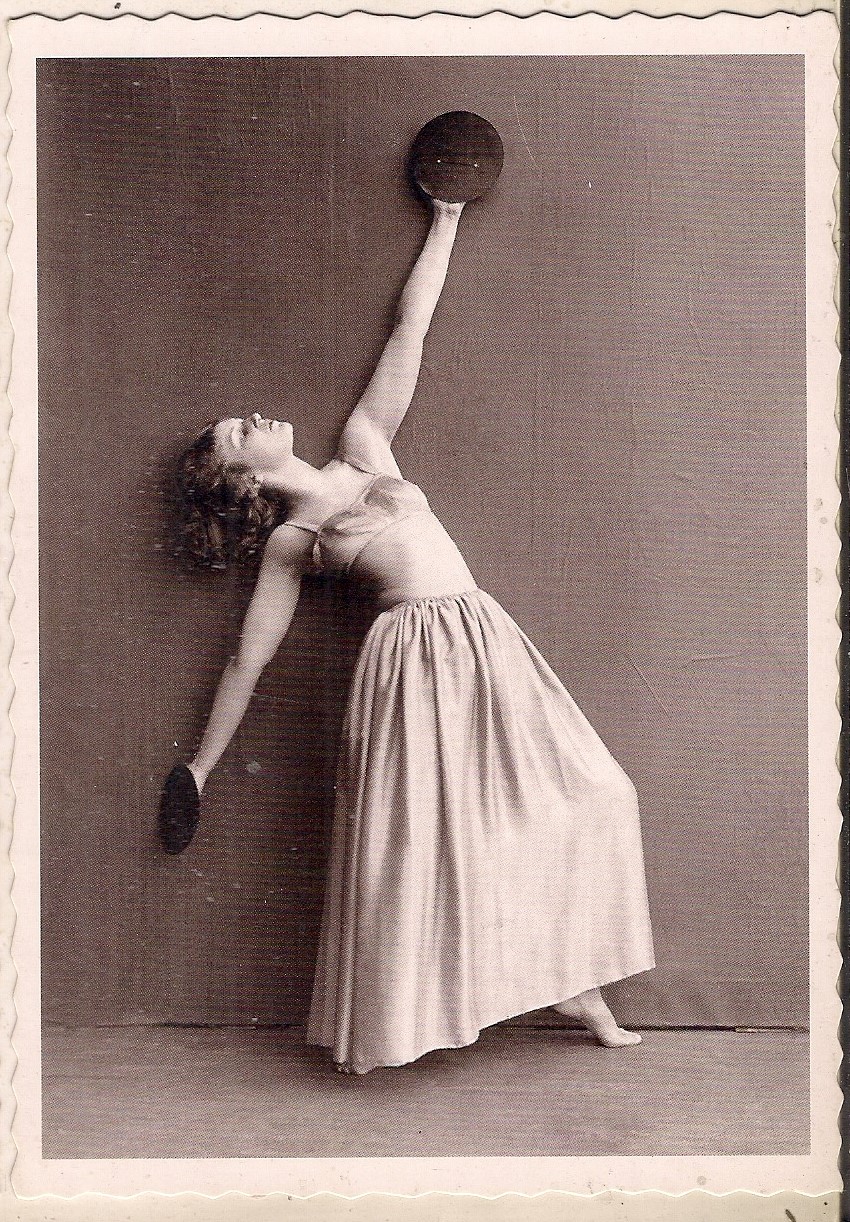
LUDMIŁA BOJARSKA Tancerka. Warszawa, 1926. pocztówka | postcard

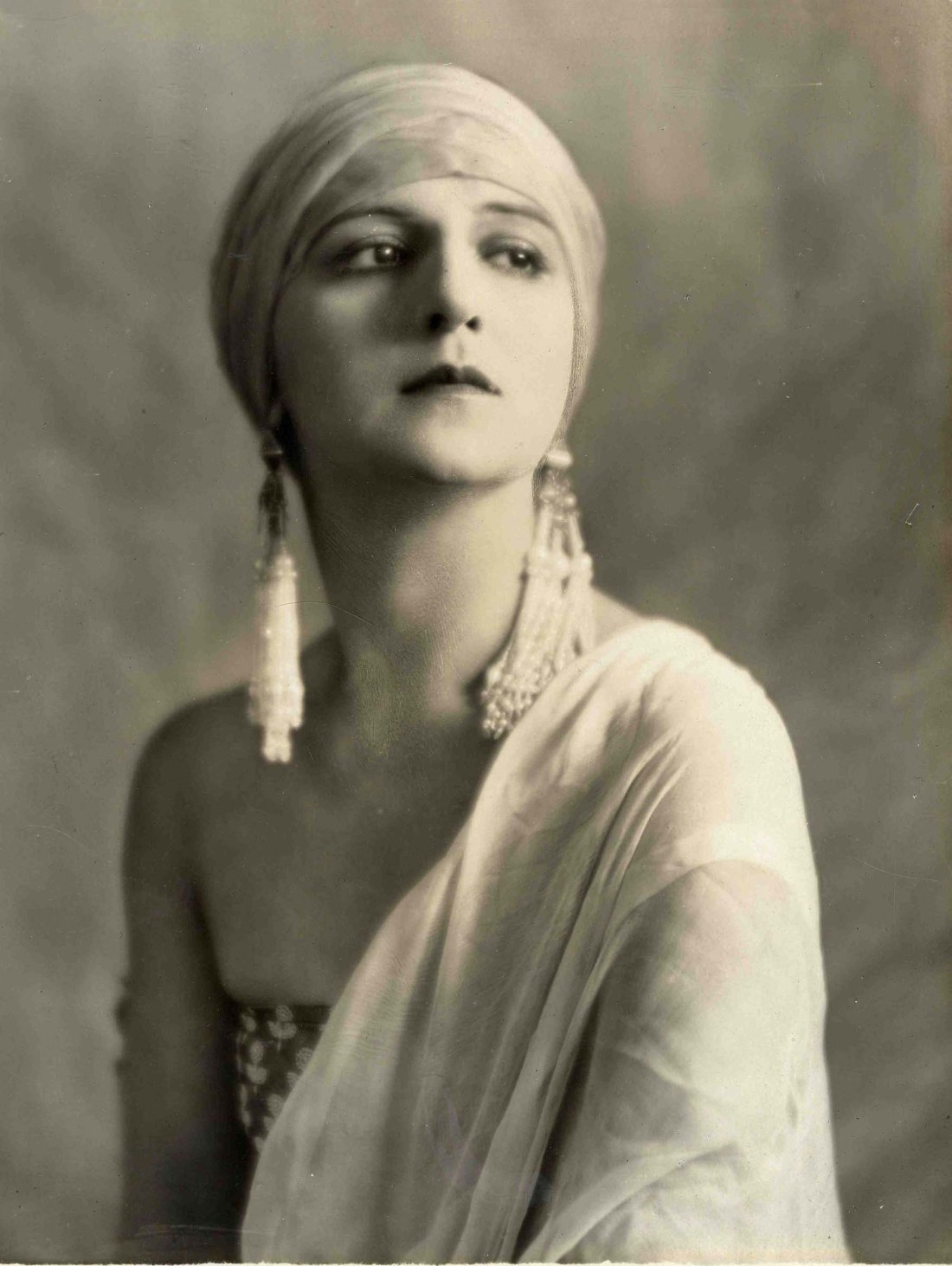
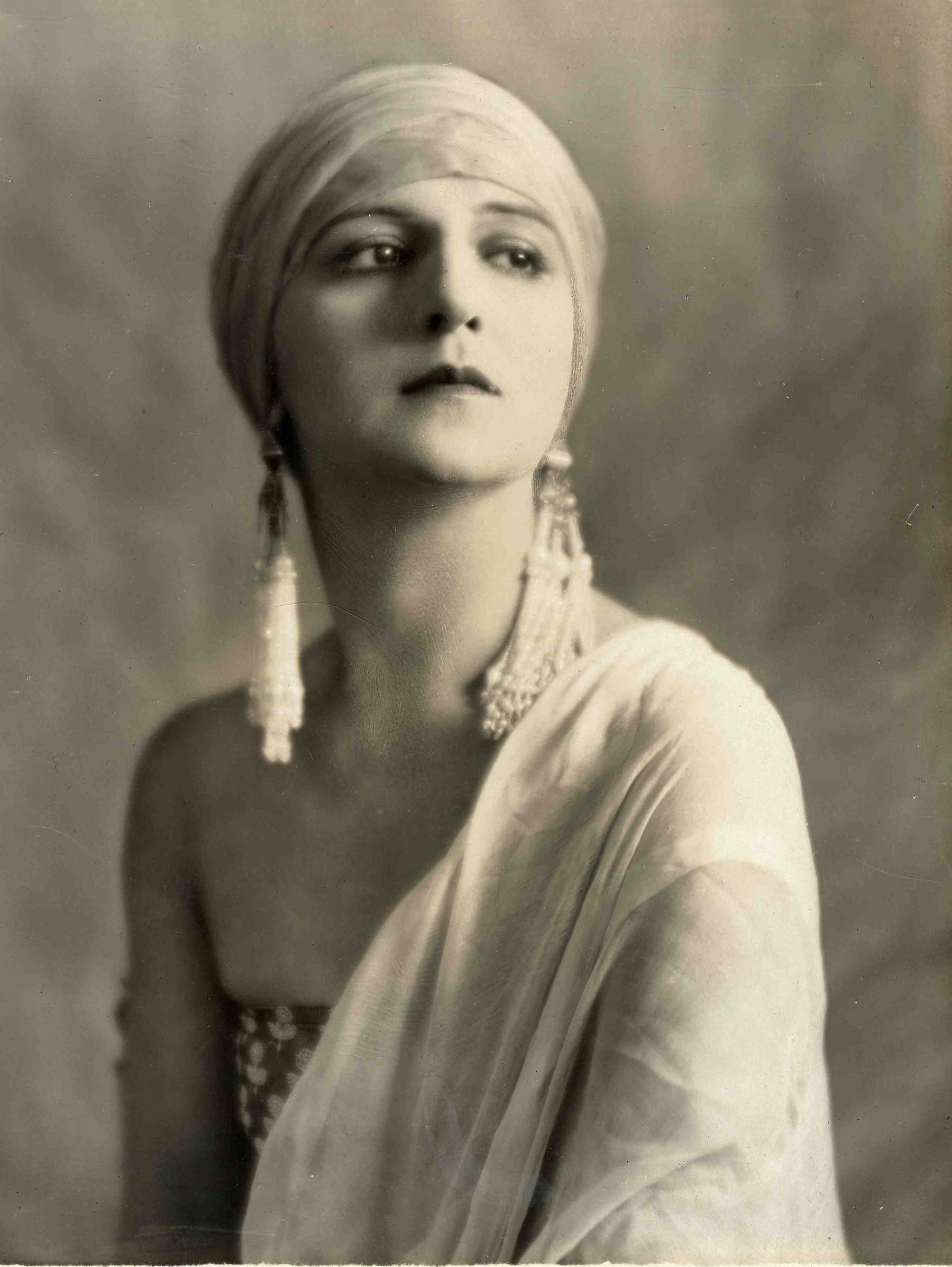
Eleanor (Buchla) Danced

Eleanor Danced! A live show that tells the amazing story of Eleanor Buchla Kubinyi, pioneer of modern dance © Cleveland Public Library | src cleveland.com
Eleanor Danced! A live show that tells the amazing story of Eleanor Buchla Kubinyi, pioneer of modern dance © Cleveland Public Library | src cleveland.com (for higher resolution see image on bottom of this post)

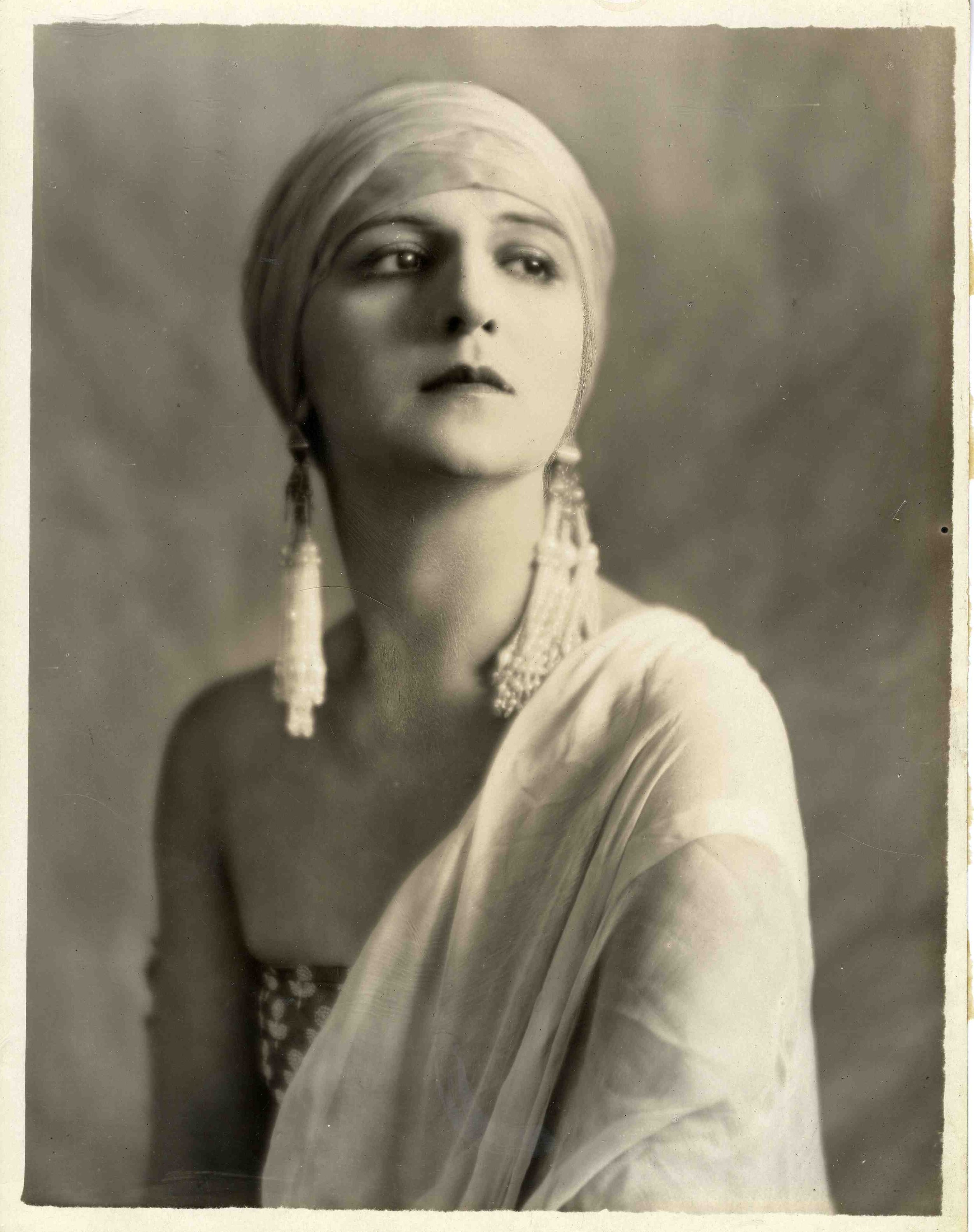
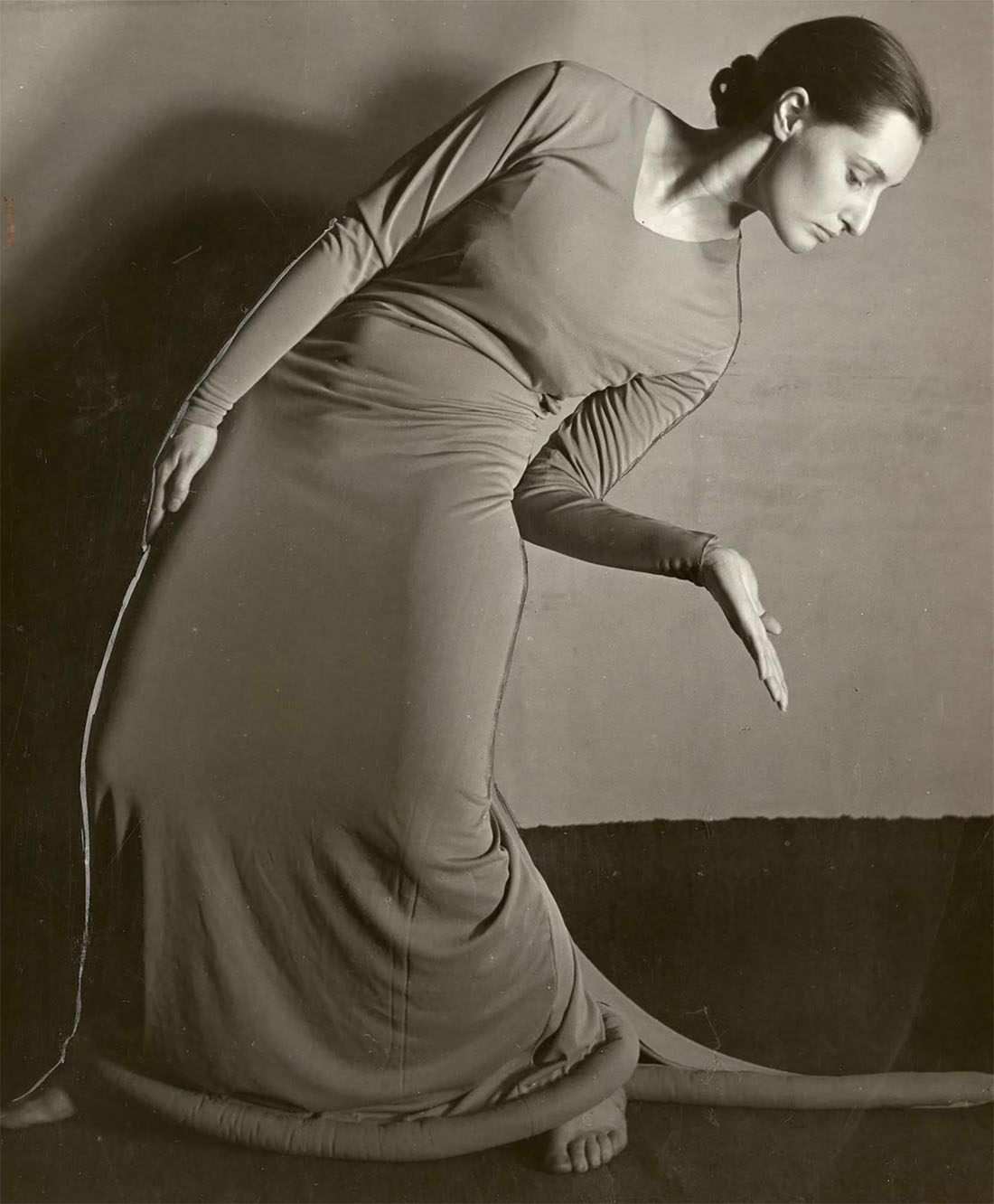
Eleanor Buchla (1910–1972) the first local dancer to gain a large audience, who began, c. 1931, performing her own choreography. Buchla’s dances,  reportedly acclaimed by dance critics throughout the country, were a mixture of modern dance and Hungarian folk dance. She was the featured performer at the State of Ohio’s first dance symposium, hosted in 1933 by Ohio University, that drew students and devotees of modern dance from Ohio State, Wesleyan, Oberlin, Cincinnati, Kent State, the University of Virginia and the City of Detroit. Set to the music of Debussy, Chopin, Kodaly and the beloved Hungarian violinist and composer Jenö Hubay (1858–1937), her dancing evoked for Athens critic Forest Hopkins by turns the simplicity of Greek sculpture and the “severe and stylized [spirit of] Egyptian art. In some art circles,” said Hopkins, “Miss Buchla’s dancing is called modern, perhaps because of its free use of the entire body, particularly the torso, yet it is classic in conception. It carries refinement of form and simplicity of design molded successfully with the music.” She had studied ballet as a young girl and then in the late 1920s discovered modern dance.

“Buchla’s work as a whole merits high praise,” Cleveland Plain Dealer music critic Herbert Elwell wrote, “and there is no doubt about her success in her concert here, for the spectators lingered in their seats and clamored for more.” He praised “the subtle grace, the objectivity, the persuasive and suggestive immobility characteristic of [her] style.” Her physical beauty evoked for him “classic models,” while her arresting “personality made what she does seem important and interesting. Her dancing is sculpturesque in slow motion, and a sense of beauty is created in every line, which shows grace of movement. The impression at any moment is one of sculpture liquified and flowing with life.”

A strong proponent for dance in the schools, Buchla not only opened Cleveland’s first modern dance studio but also began a dance curriculum in the city’s summer playgrounds. She provided the choreography (and directed a number of  productions) for several area theaters, including the Hudson Players, the Peninsula Players and, for six years, Cain Park in Cleveland Heights, and was instrumental in cultivating the first

Modern Dance Association, which was founded in 1934. An interesting footnote: Buchla was the sister-in-law of celebrated Cleveland artist Kalman Kubinyi. In the 1960s she and her husband Julius Kubinyi joined other Ohio families in providing temporary homes for Hungarian refugees in the wake of the uprising against the communist government. Though both Eleanor and Julius were born in America, they learned Hungarian from their parents and visited Hungary. In 1943 she played a key role in founding the Peninsula Library, on whose board she served until shortly before her death in 1972. / quoted from past masters project

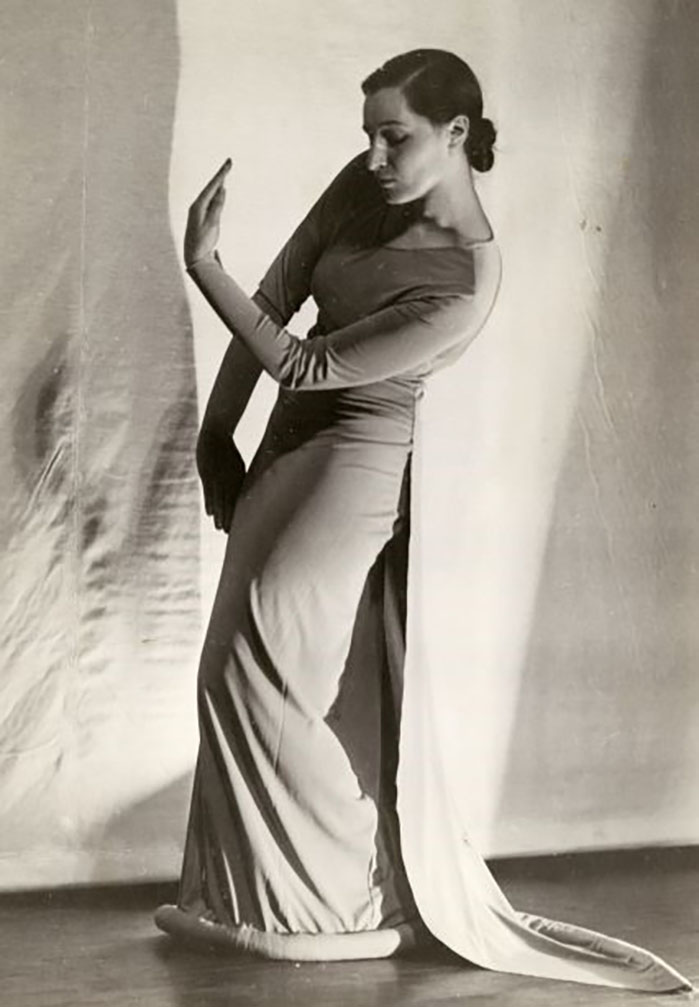
Eleanor Danced! A live show that tells the amazing story of Eleanor Buchla Kubinyi, pioneer of modern dance © Cleveland Public Library | src cleveland.com
Eleanor Buchla, pioneer of modern dance © Cleveland Public Library | src cleveland.com
Eleanor Buchla, pioneer of modern dance © Cleveland Public Library | src Cleveland Public Library
Eleanor Danced! A live show that tells the amazing story of Eleanor Buchla Kubinyi, pioneer of modern dance © Cleveland Public Library
Eleanor Danced! A live show that tells the amazing story of Eleanor Buchla Kubinyi, pioneer of modern dance / hi-res

A. Rasch portrait and postcard

albertina rasch portrait probably 1920s
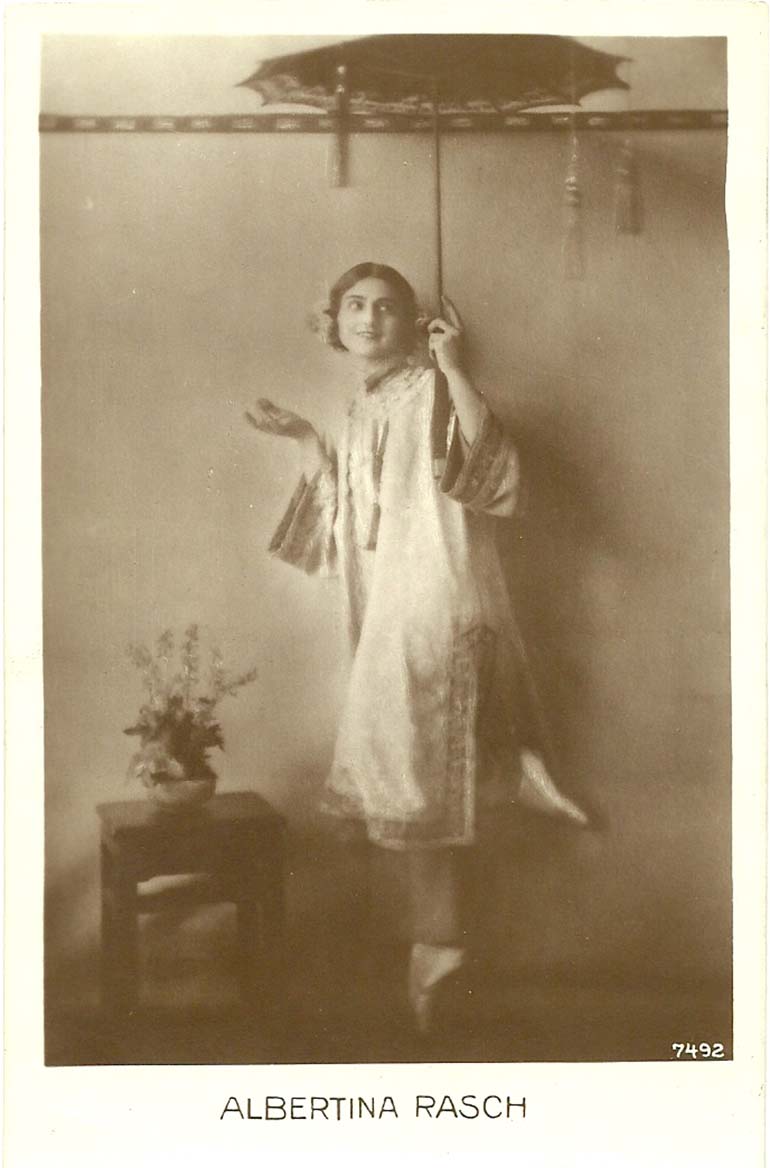
Albertina Rasch (1891-1967), prima ballerina at the Hippodrome and later choreographer of the Albertina Rasch dancers who performed between vaudeville acts in the mid-1920s. | src Hippodrome research blog
Austrian-American dancer and choreographer Albertina Rasch (1891-1967). German postcard, nº 7492. Collection: Didier Hanson

Ice skater (1926)

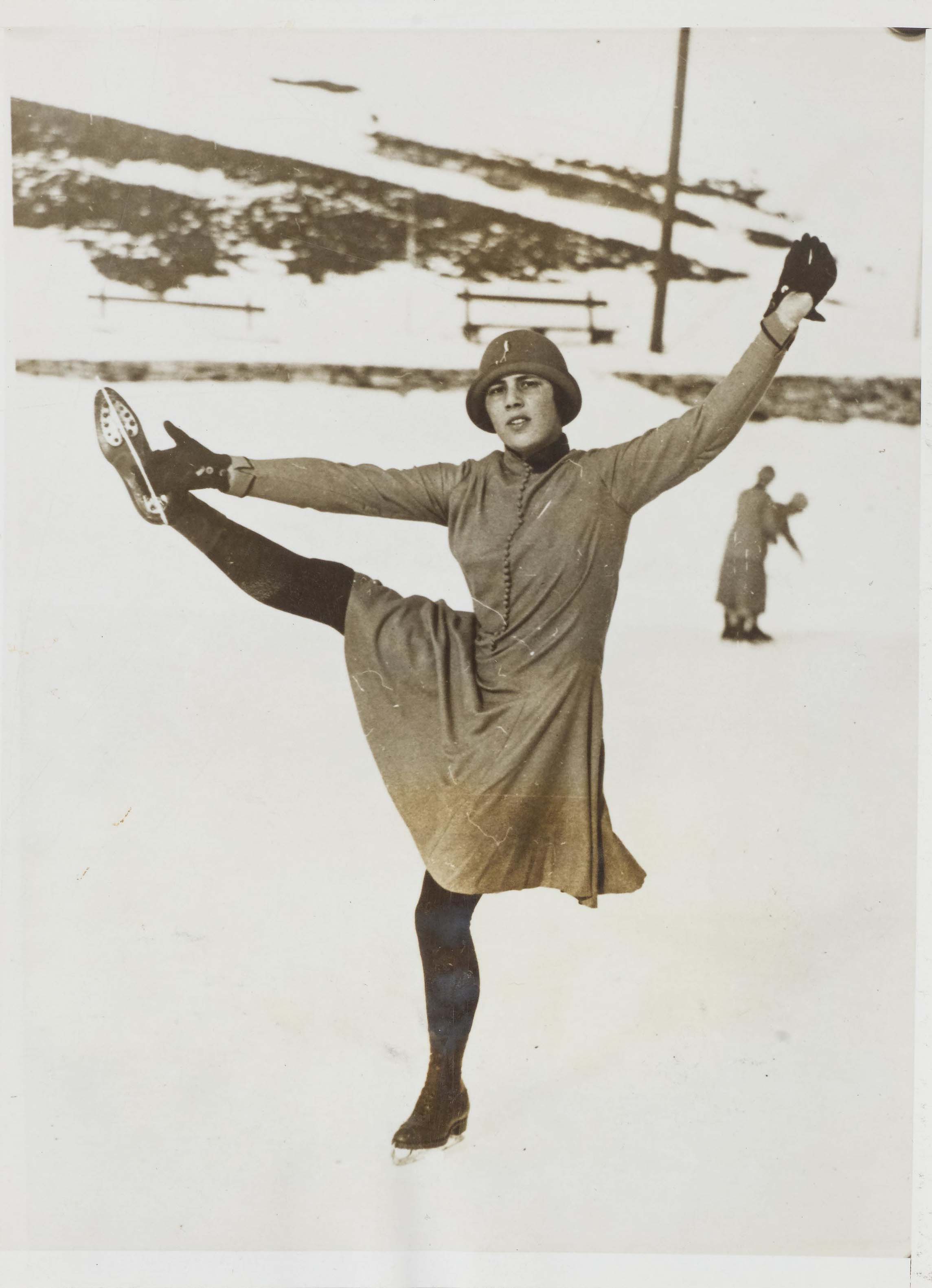
Figure skating, 1926. Portrait of the Canadian athlete Diana Kingsmill Wright (1908-1982) on ice skates in Mürren. (ACME News-pictures) | src Koller Auktionen
Figure Skating“, 1926. Portrait of the Canadian athlete Diana Kingsmill Wright (1908-1982) on ice skates in Mürren. (ACME News-pictures) | src Koller Auktionen

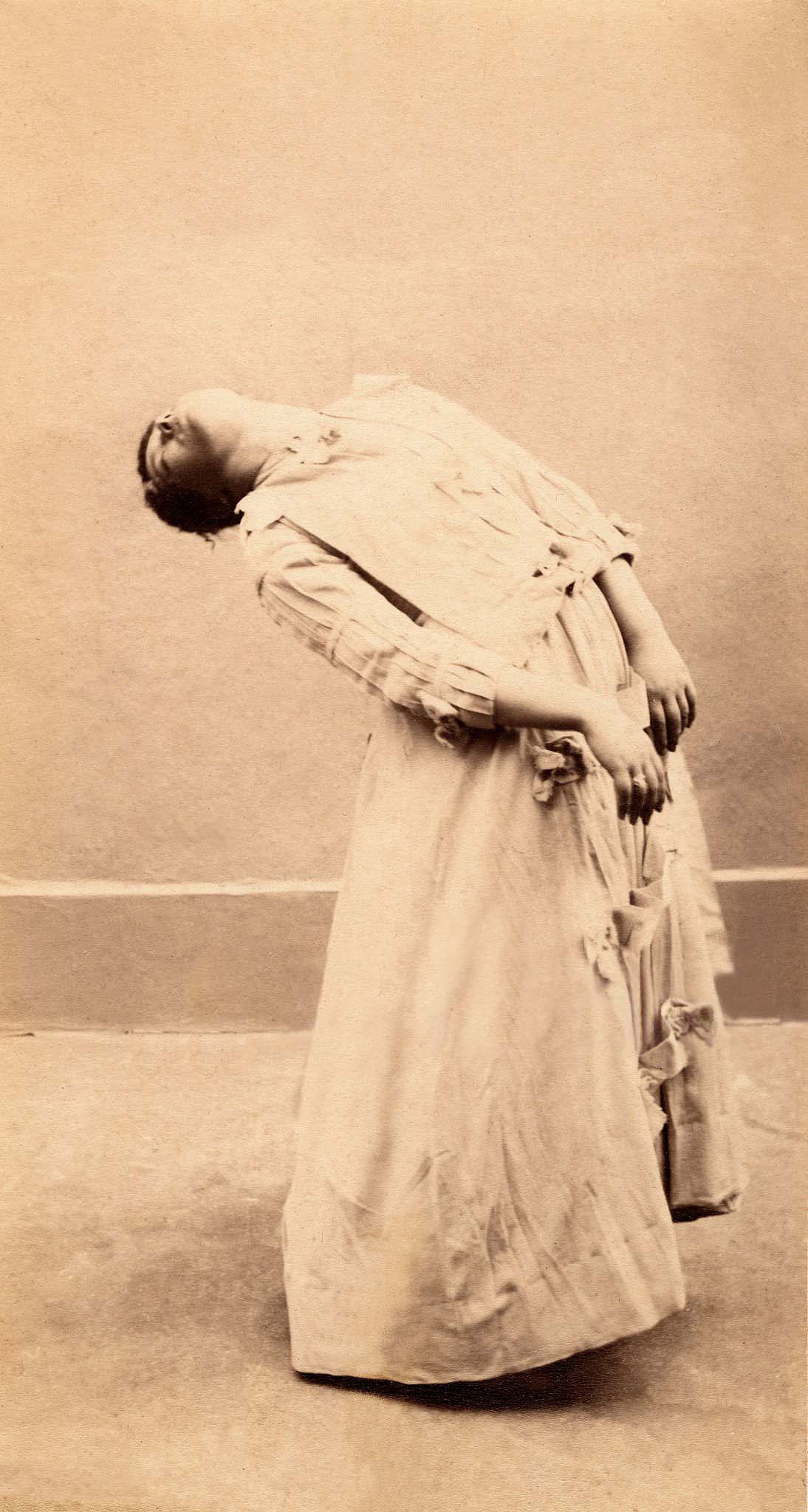
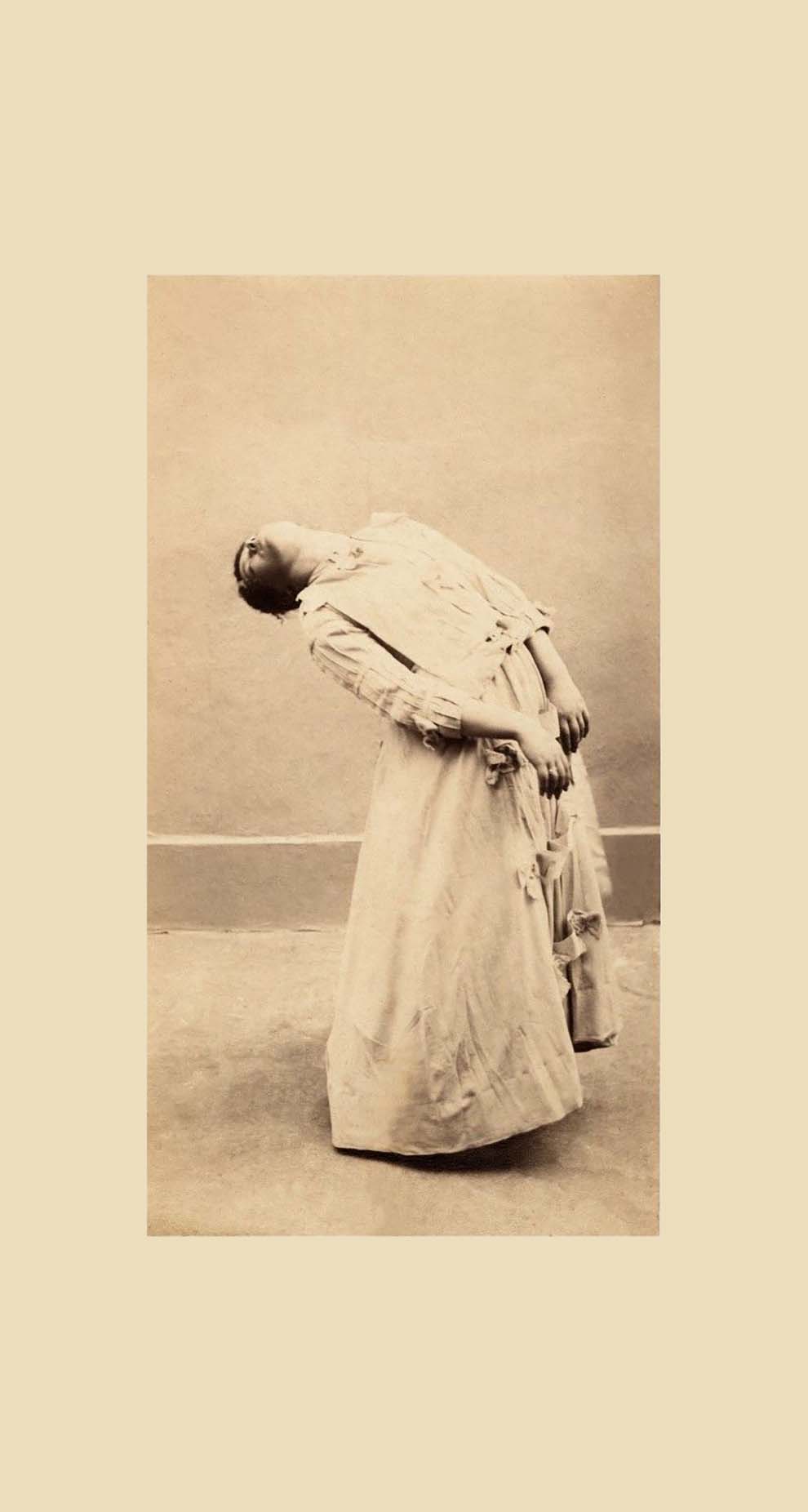
Psychiatrie-Patientin, 1890

Eine junge Psychiatrie-Patientin in einem ekstatischen Zustand, aufgenommen am 2. Januar 1890 in einer französischen Klinik. | Young woman in an ecstatic condition, France, ca. 1890. Image © adoc-photos Corbis via Spiegel
Eine junge Psychiatrie-Patientin in einem ekstatischen Zustand, aufgenommen am 2. Januar 1890 in einer französischen Klinik. | Young woman in an ecstatic condition, France, ca. 1890. Image © adoc-photos Corbis via Spiegel Geschichte
Young woman in an ecstatic condition (France); ca. 1890. Image © adoc-photos Corbis via Getty Images
A young psychiatric patient in an ecstatic state, photographed on January 2, 1890 in a French clinic. | Spiegel Geschichte

Hypnotized: Some psychologists diagnosed at the end of the 19th century that specially women were at particular risk of infection from the “Wagner virus” because of their weaker nerves. His music can trigger hysteria or “inappropriate sexual arousal”. Quoted from article