
Saburo Ueda :: Windy Day, unknown date / src invaluable via
images that haunt us
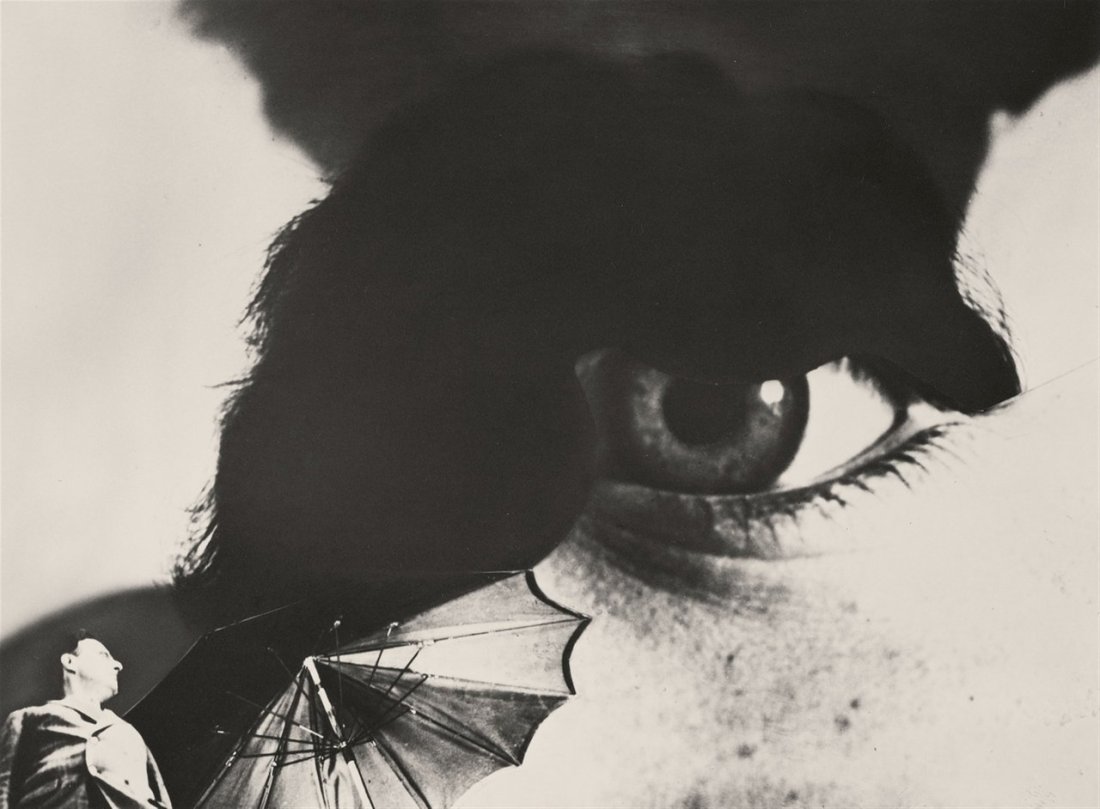
Anton Stankowski :: Foto-Auge (Photo-Eye), 1927. Photomontage. Gelatin silver print. | src Cleveland Museum of Art: John L. Severance Fund.

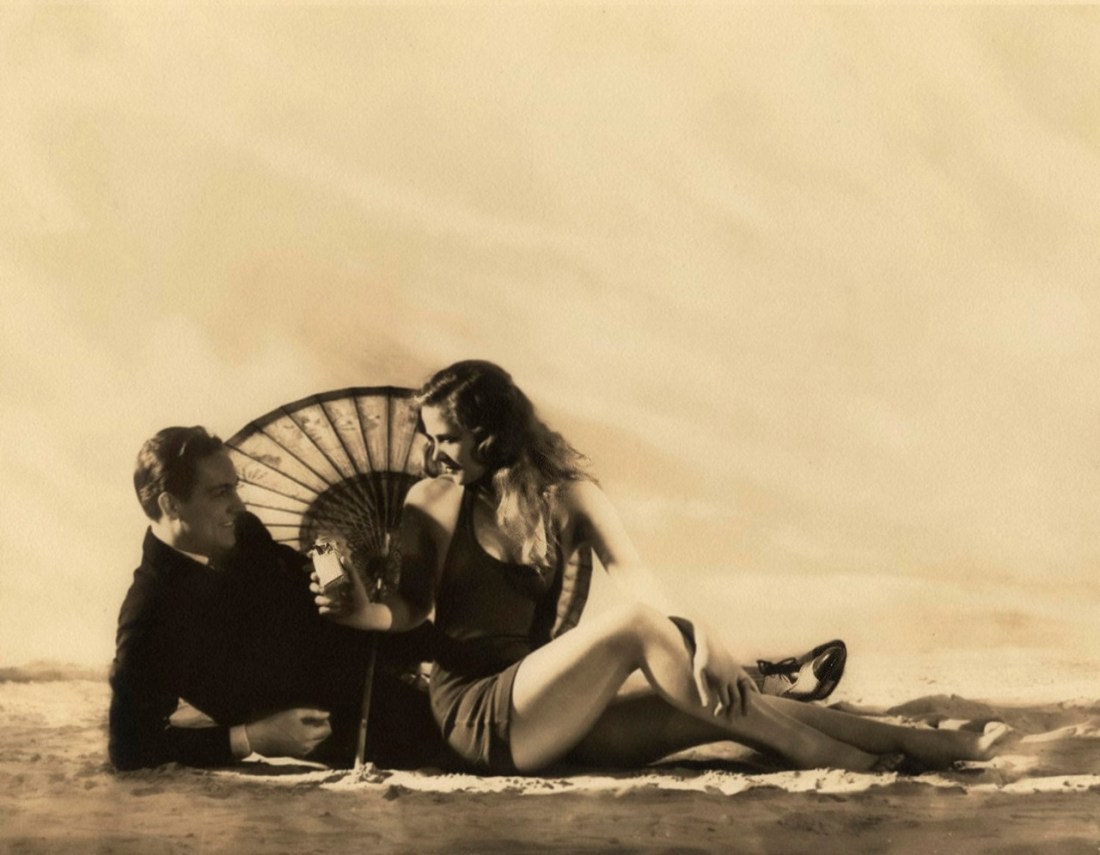
Vintage photograph of bathers protecting themselves with a parasol while bathing, 1920′s. / src: sunshinevintagephoto
 https://embedr.flickr.com/assets/client-code.js
Kichiya-musubi, 1905
A Geisha dressed in the Genroku style, fashionable among Tokyo Geisha around 1905-1908. She is showing her obi, tied in the Kichiya-musubi style, a knot named after Kamimura Kichiya (or Uemura Kichiya I) who was a popular Kabuki Actor during the Genroku period (1680′s).
The Kichiya-musubi was in fact a particularly famous and popular knot, mentioned specifically in a number of poems. The knot is a relatively simple one, but with small lead weights hidden in the obi, weighing down the ends of the bow, so they drooped “like the ears of a … Chinese lion-dog.” / src: Blue Ruin

Swallows in Flight Obi. This postcard dates to around the 1920′s or 1930′s. In Japan, the swallow is a traditional symbolic image for meekness, gentleness, sweetness and grace. It is also an emblem of spring. / via
firsttimeuser / src: Flickr

Gabriel Moulin :: “Circus Day” skit from the Ice Follies, 1950 / source and hi-res: Washington Libraries

 un regard oblique