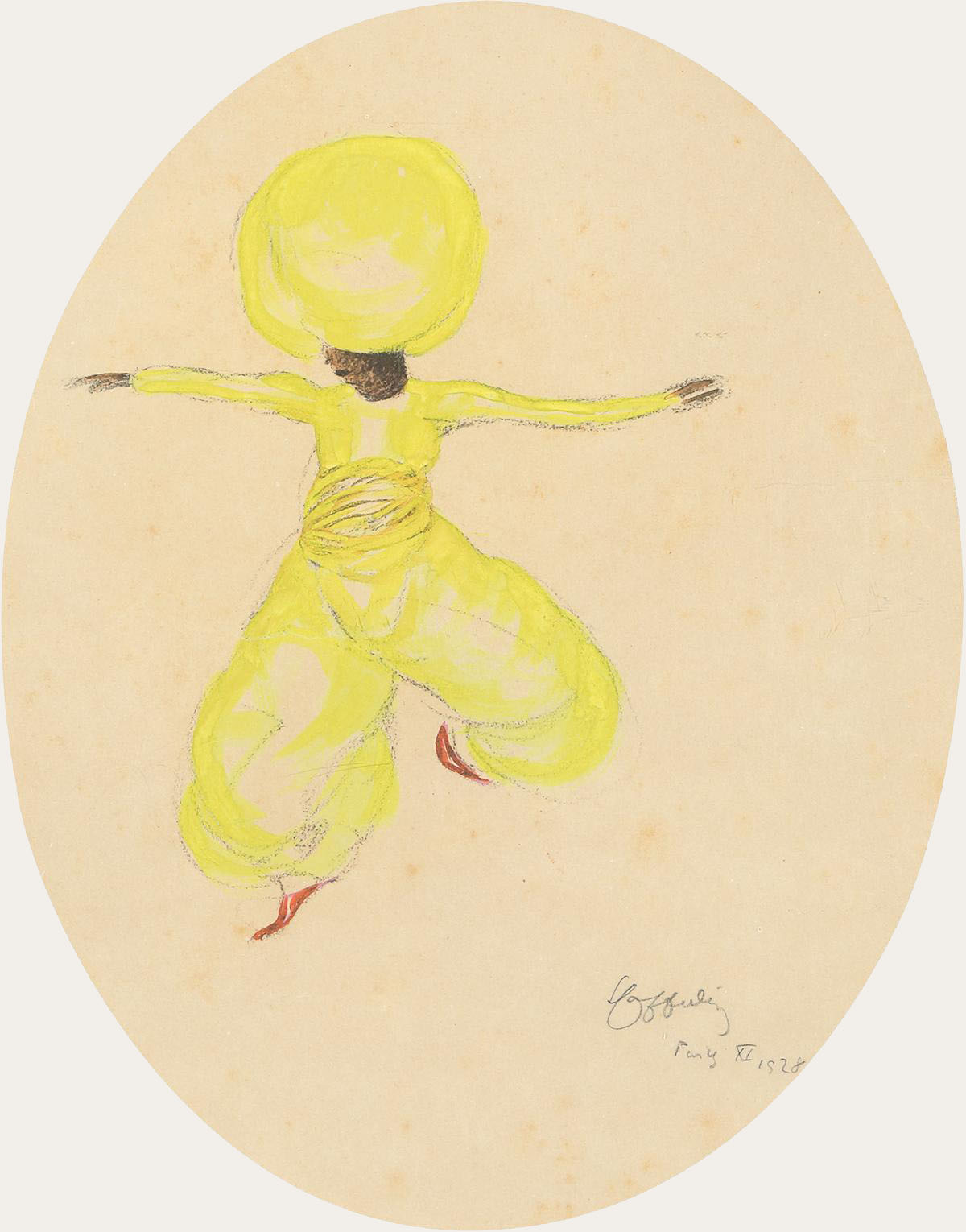
Leonetto Cappiello (1875-1942) ~ A dancer in motion wearing a futuristic headpiece and billowing wide pants, 1928. Watercolor and pencil drawing | src invaluableLeonetto Cappiello (1875-1942) ~ Folies Bergere poster, 1900s | src RetroGraphik
Leonetto Cappiello: The Father of Modern Advertising Poster
Leonetto Cappiello (1875 – 1942) was an Italian poster artist who lived much of his life in Paris, France. With no formal training in art, he emerged as one of the leading Italian artist and caricaturist in Paris that eventually succeeded the other famous lithographers such as Henri Toulouse-Lautrec (1864-1901), Jules Cheret (1836-1932) and Alphonse Mucha (1860-1939) as the leading advertising poster designer in Paris.
Talented Cappiello started his arts career as a caricature artist in 1896 illustrating for French journals like Le Rire, Le Cri de Paris, Le Sourire, L’Assiette au Beurre, La Baionnette, Femina, and others. His first album of caricatures, Lanterna Magica, was made in 1896. His early caricature style was seen to be influenced by Henri Toulouse-Lautrec, which was already the most famous artist of the time.
Today, arts historians list him as one of the most influential poster artist in the history of poster art as many would agree that he is also known as the “Father of Modern Advertising Poster”. As advertising posters were the main medium of communication during the time, Paris streets were saturated with many types of advertising posters, all trying hard to engage the increasingly distracted eyes. There was a need to rethink how poster as a medium need to be relevant and engage the faster pace of the 20th century.
Leonetto Cappiello (1875-1942) ~ Turbaned dancer in midair wearing a bright yellow outfit, 1928. Watercolor and charcoal drawing | src invaluableLeonetto Cappiello (1875-1942) ~ Asti Cinzano poster, 1910s | src RetroGraphik
The Cappiello Style
Cappiello is credited to revolutionize the old thinking of poster illustration during his time. His concept of poster art was simple, to simply engage audience faster by creating unconventional visual impact. He was the first poster artist to boldly experiment and innovate new graphical styles at the time. His presentation was straight forward with use of enlarged bold subjects with unconventional colors,contrasted by the very dark background, which make his art “pop out”. By doing so he moved away from illustrating intricate details in his artworks, which was famous at the time as Art Nouveau movement was popular.
Between 1901 and 1914, he created several hundred posters in a style that revolutionized the art of poster design. Cappiello redesigned the fin-de-siècle pictures into images more relevant to the faster pace of the 20th century.
His new functionalist style of graphic art, in which a single bold image would be used to grab the viewer’s attention. This graphic design proved highly effective, not only in drawing attention to the product but also in building a brand. It made Cappiello the acknowledged master of the advertising poster in his time for almost 20 years. | src RetroGraphik
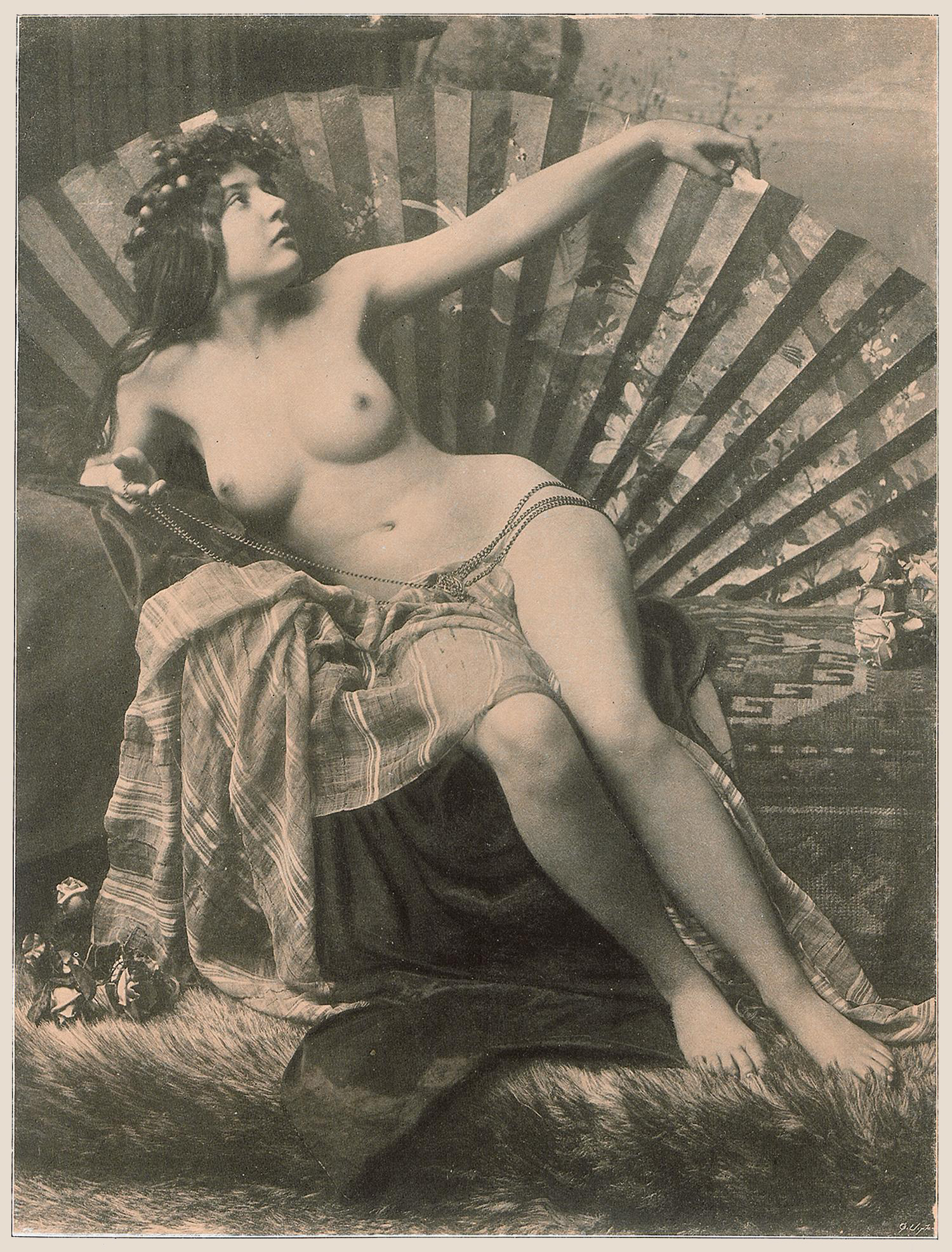
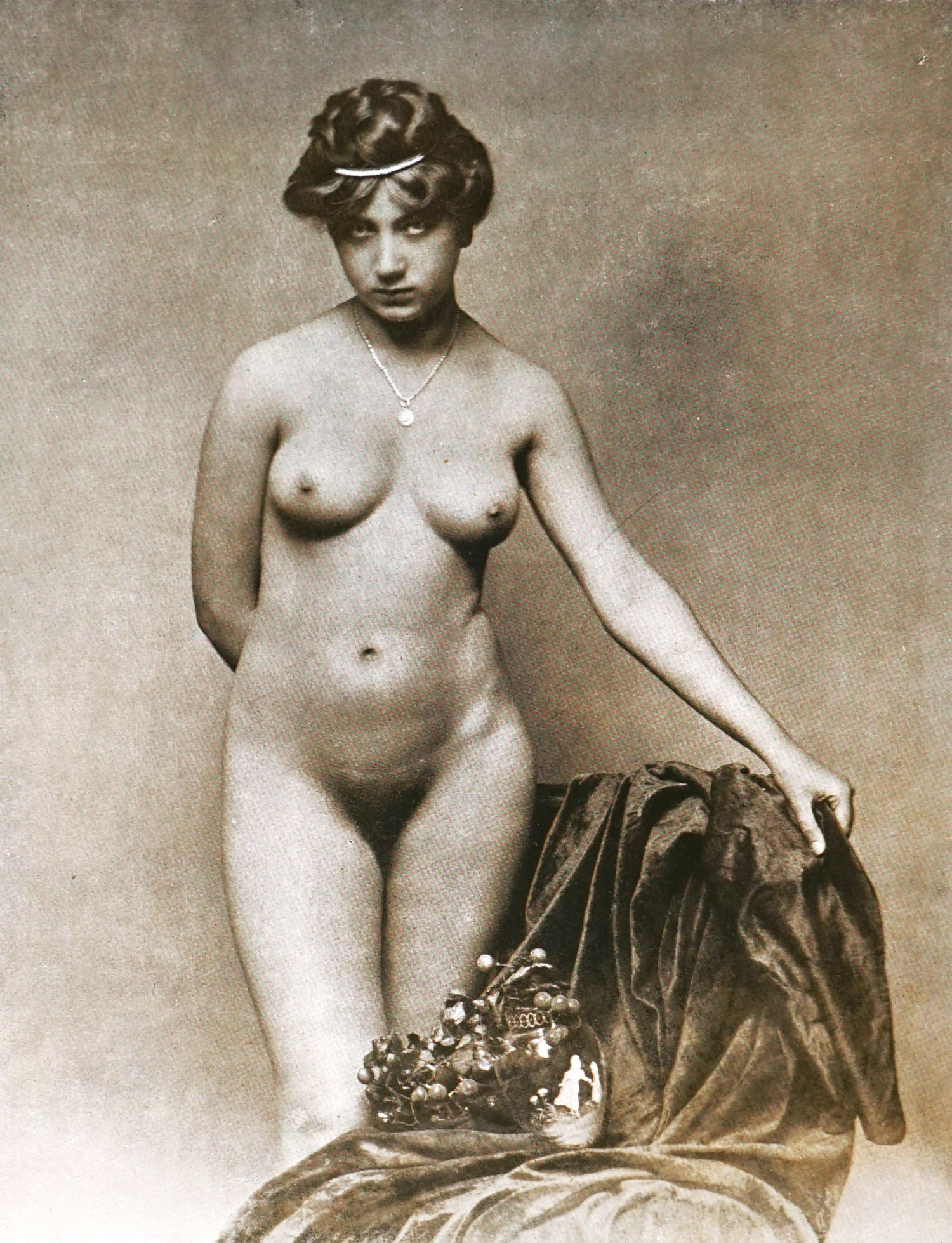
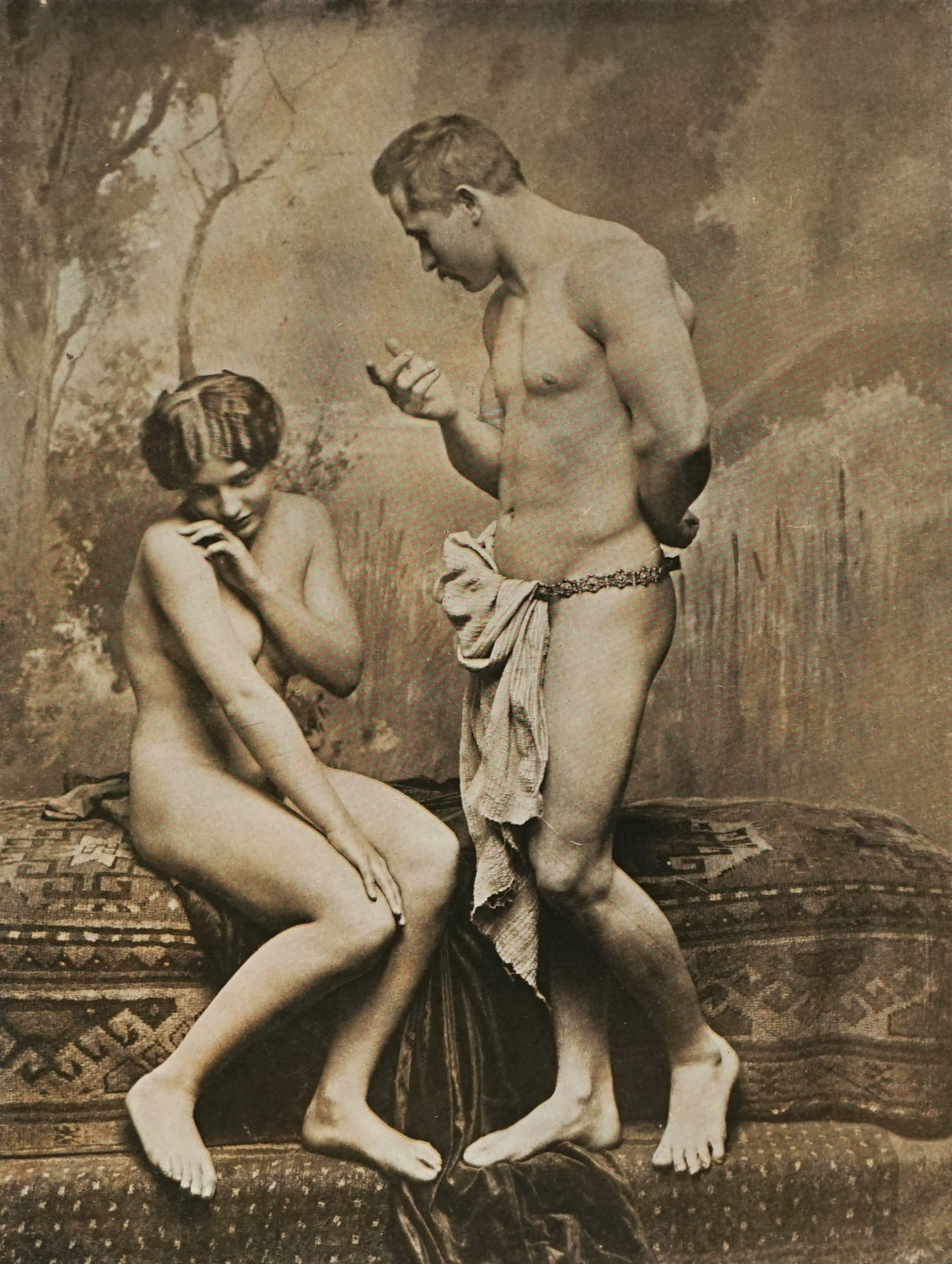
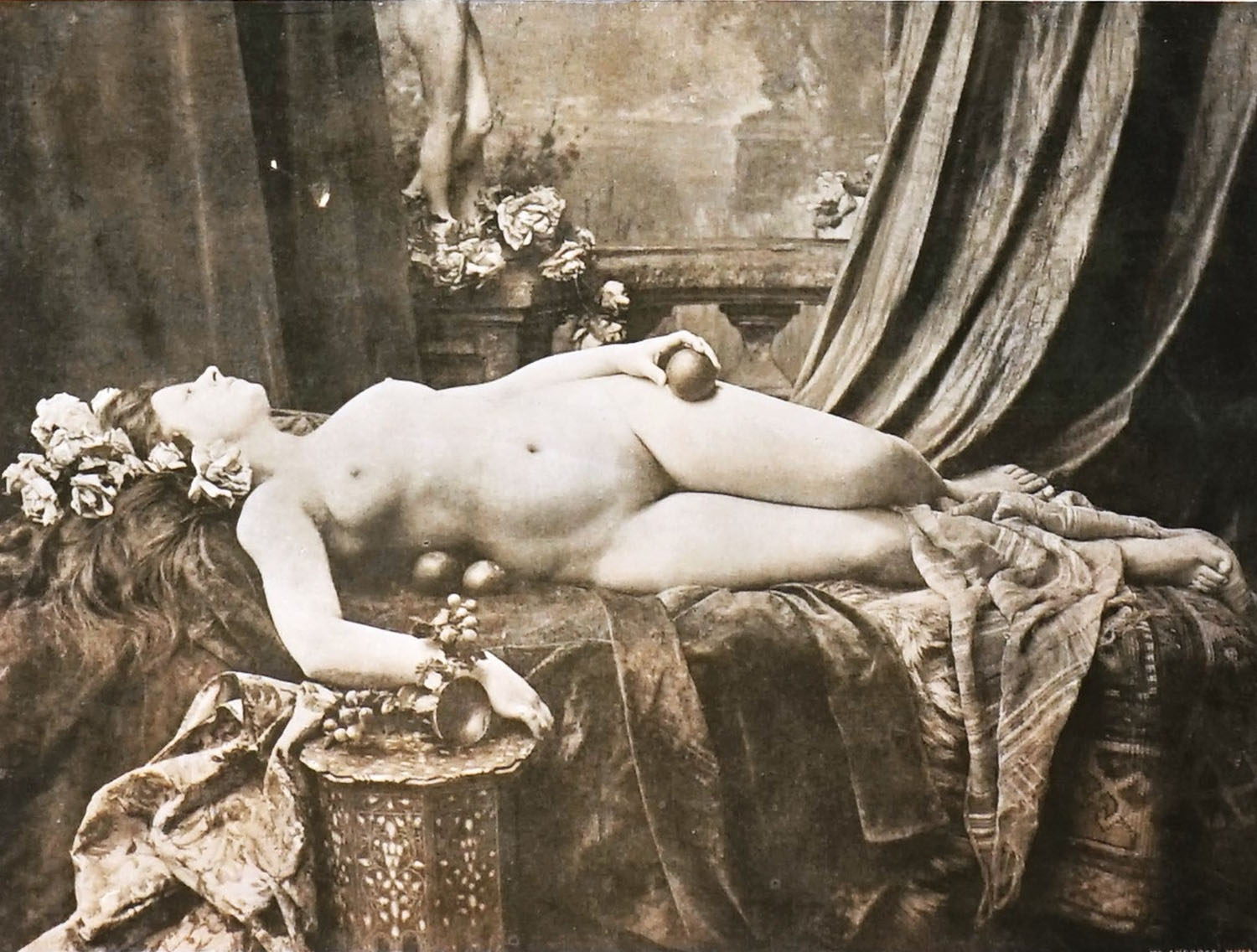
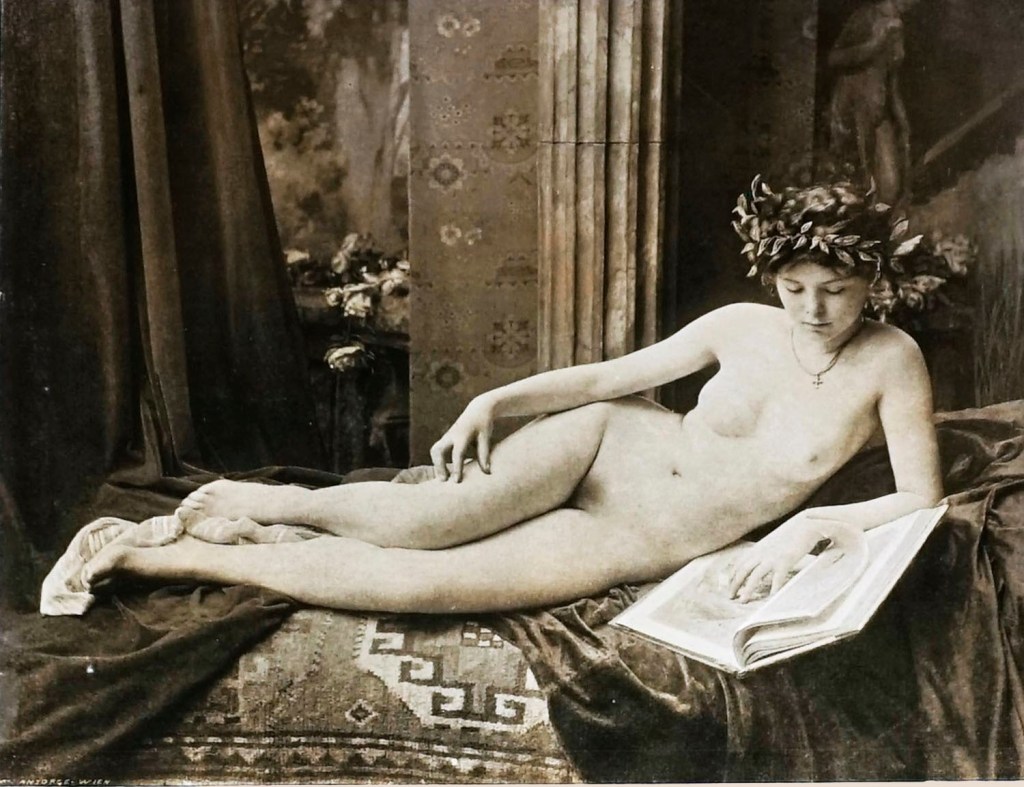
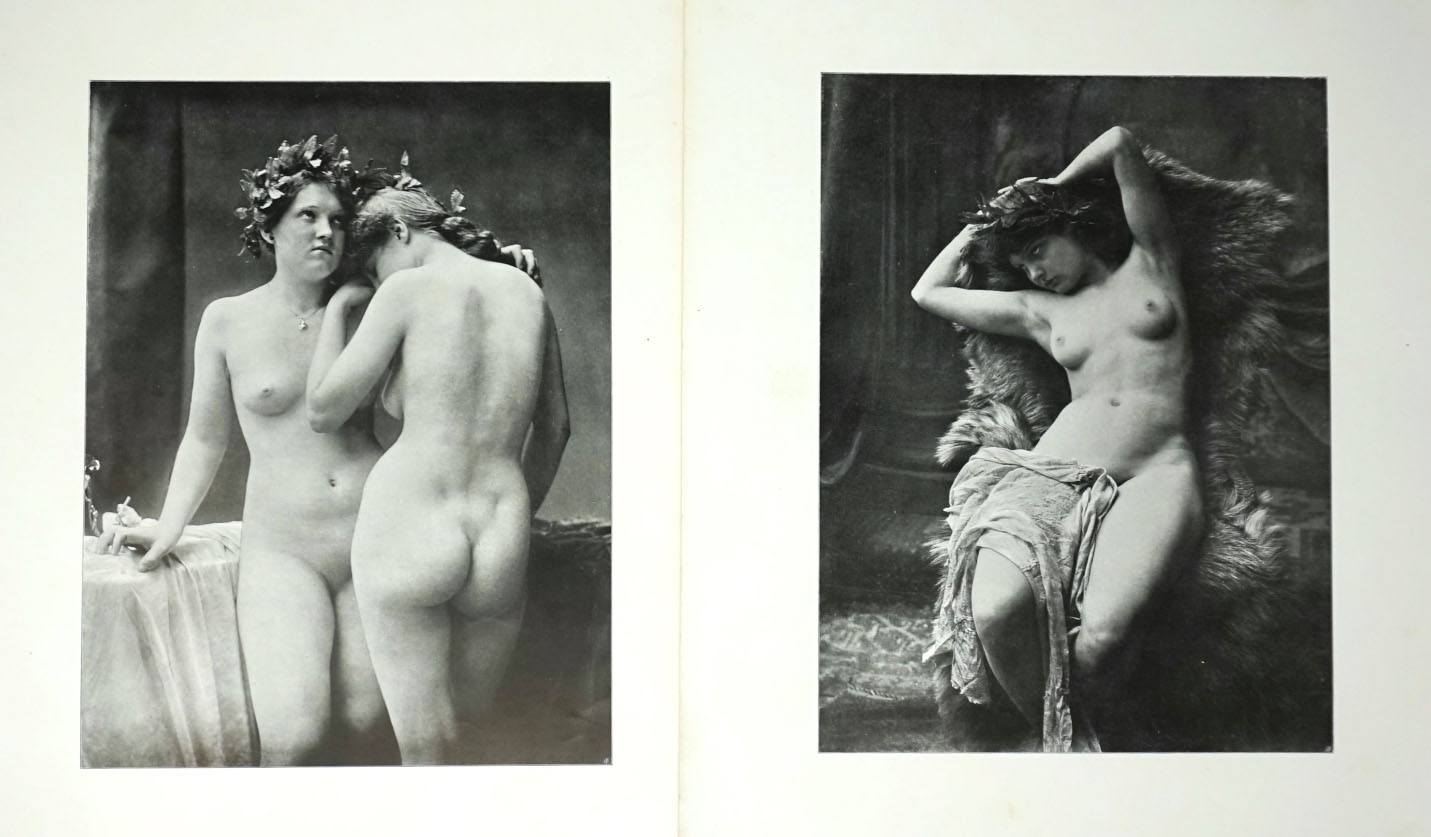
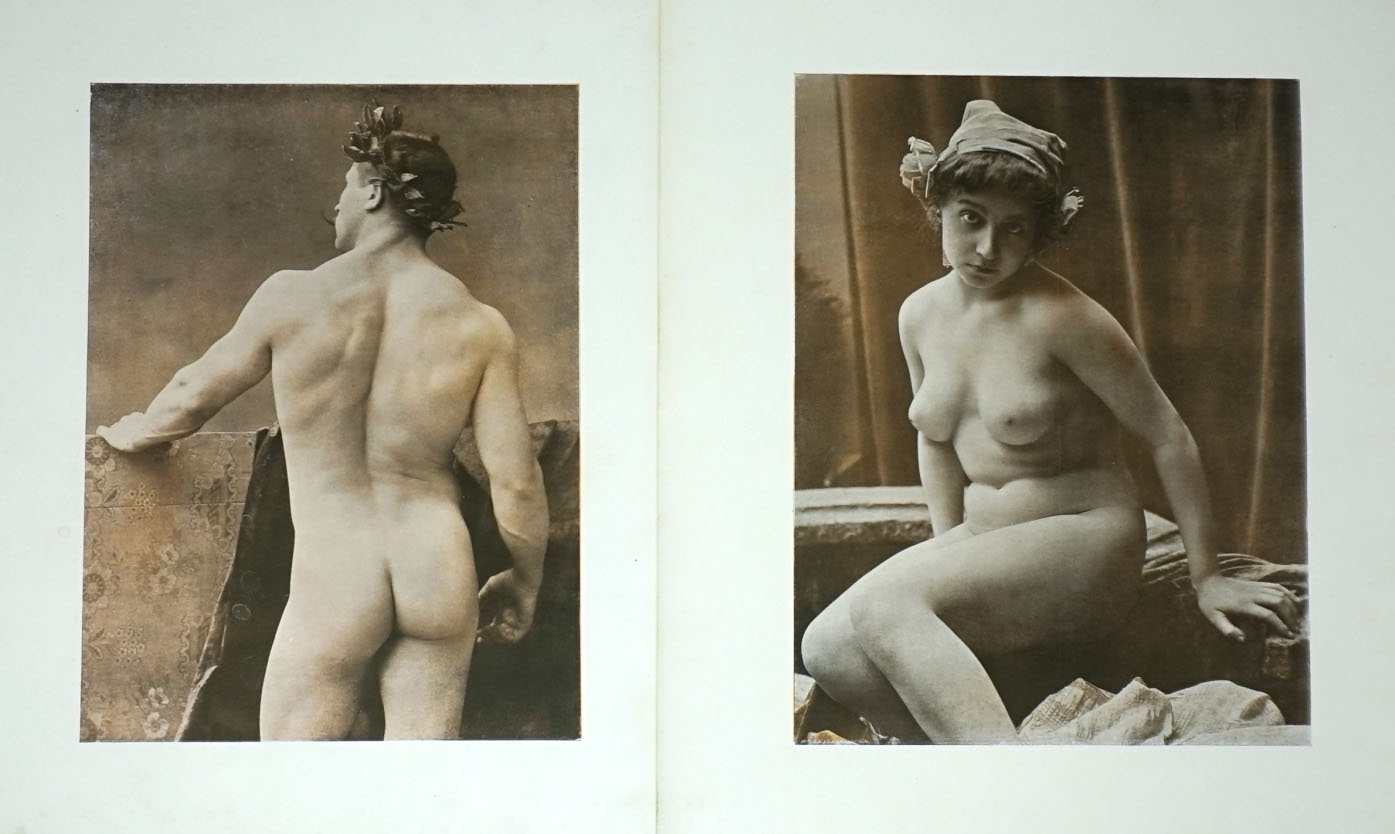
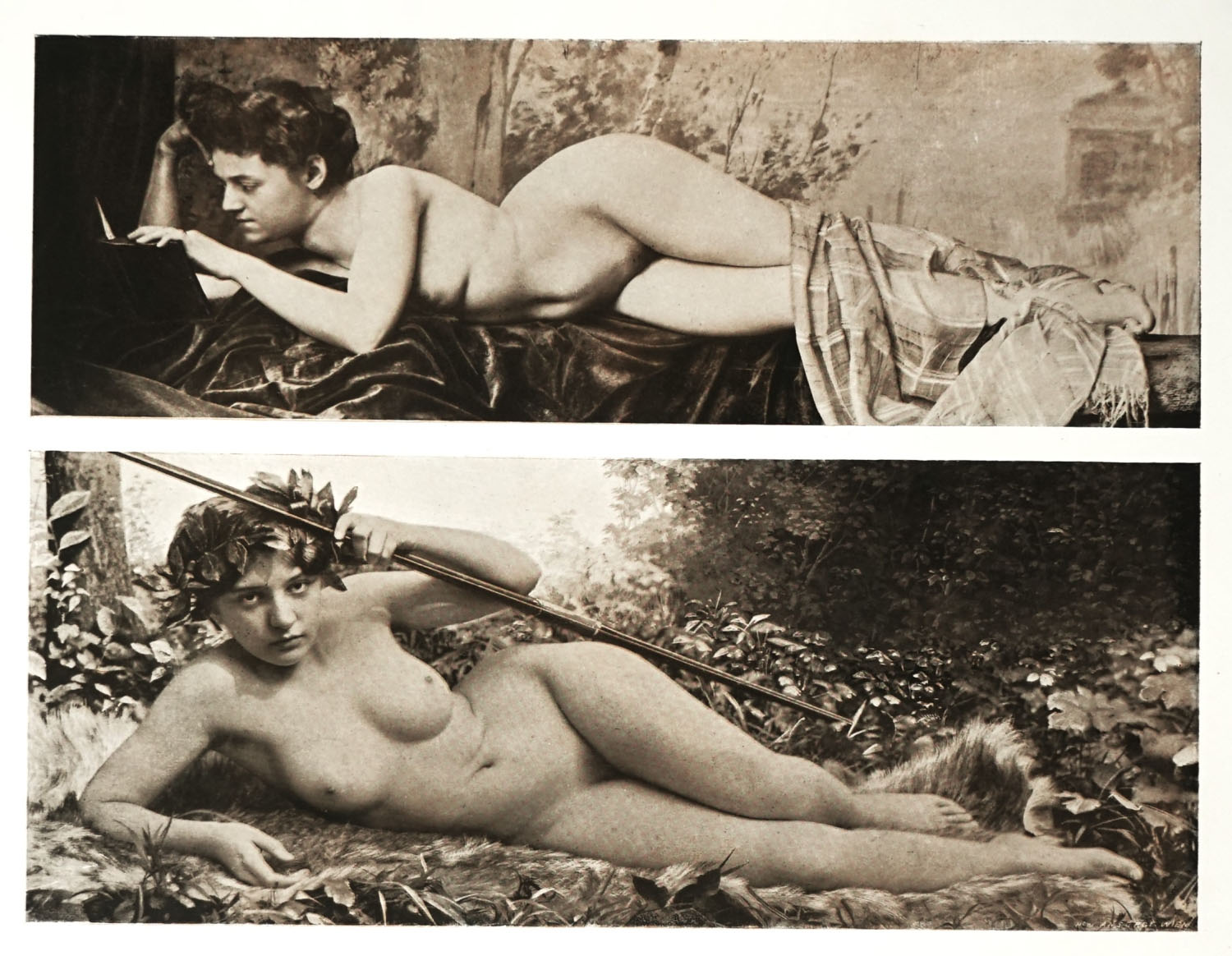
Eduard Büchler & Johann Riediger ~ Der Wiener Akt, Serie I (Wien, Otto Schmidt, 1906) | src Bassenge AuktionenEduard Büchler & Johann Riediger ~ Der Wiener Akt, Serie I (Wien, Otto Schmidt, 1906) | src Bassenge AuktionenEduard Büchler & Johann Riediger ~ Der Wiener Akt, Serie I (Wien, Otto Schmidt, 1906) | src Bassenge AuktionenEduard Büchler & Johann Riediger ~ Der Wiener Akt, Serie I (Wien, Otto Schmidt, 1906) | src Bassenge AuktionenDer Wiener Akt, Serie I. Eduard Büchler & Johann Riediger (Wien, Otto Schmidt, 1906) | src Bassenge AuktionenDer Wiener Akt, Serie I. Eduard Büchler & Johann Riediger (Wien, Otto Schmidt, 1906) | src Bassenge AuktionenDer Wiener Akt, Serie I. Eduard Büchler & Johann Riediger (Wien, Otto Schmidt, 1906) | src Bassenge Auktionen
Der Wiener Akt, Serie I. Fotografische Aufnahmen nach der Natur gestellt von Kunstmaler Eduard Büchler aufgenommen von Johann Riediger (Deckeltitel)
Seltenes Mappenwerk mit 24 Aktphotographien nach Motiven des Wiener Jugendstilmalers Eduard Büchler (1861-1958)
Rare portfolio with 24 nude photographs based on motifs by the Viennese Art Nouveau painter Eduard Büchler (1861-1958).
Eduard Büchler & Johann Riediger ~ Der Wiener Akt, Serie I (Wien, Otto Schmidt, 1906) | src Bassenge AuktionenEduard Büchler & Johann Riediger ~ Der Wiener Akt, Serie I (Wien, Otto Schmidt, 1906) | src Bassenge AuktionenEduard Büchler & Johann Riediger ~ Der Wiener Akt, Serie I (Wien, Otto Schmidt, 1906) | DetailEduard Büchler & Johann Riediger ~ Der Wiener Akt, Serie I (Wien, Otto Schmidt, 1906) | src Bassenge AuktionenEduard Büchler & Johann Riediger ~ Der Wiener Akt, Serie I (Wien, Otto Schmidt, 1906) | src Bassenge Auktionen
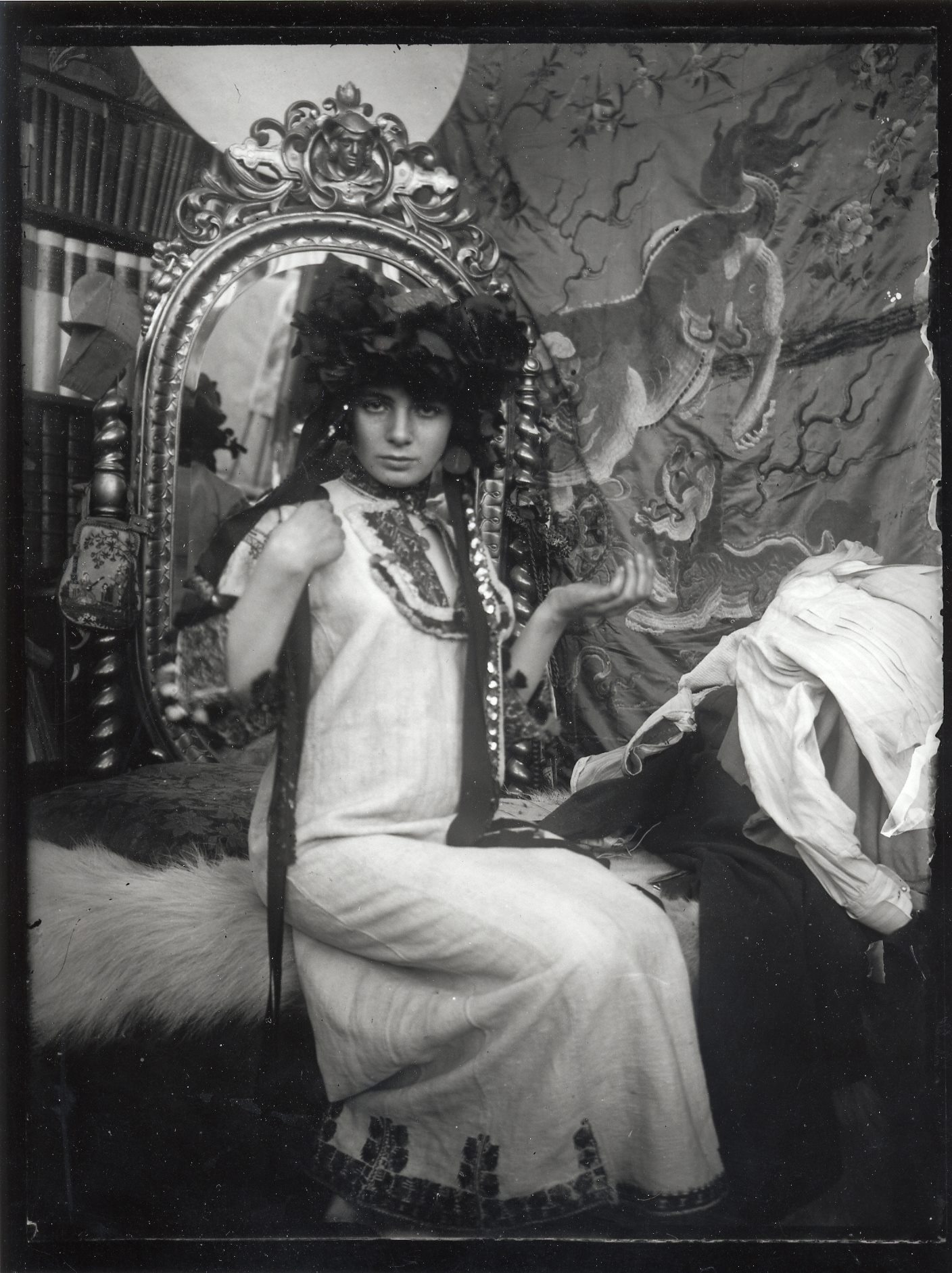
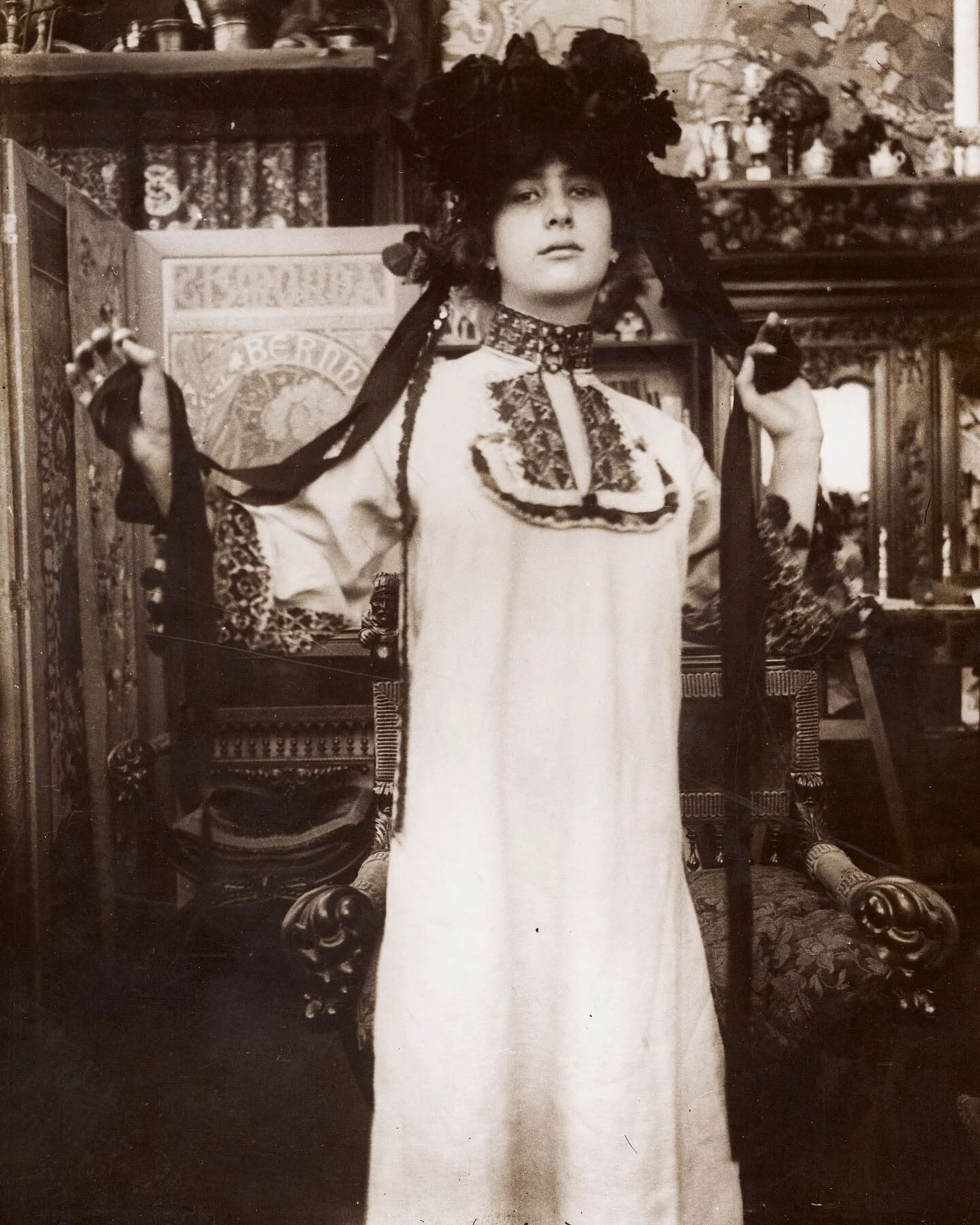
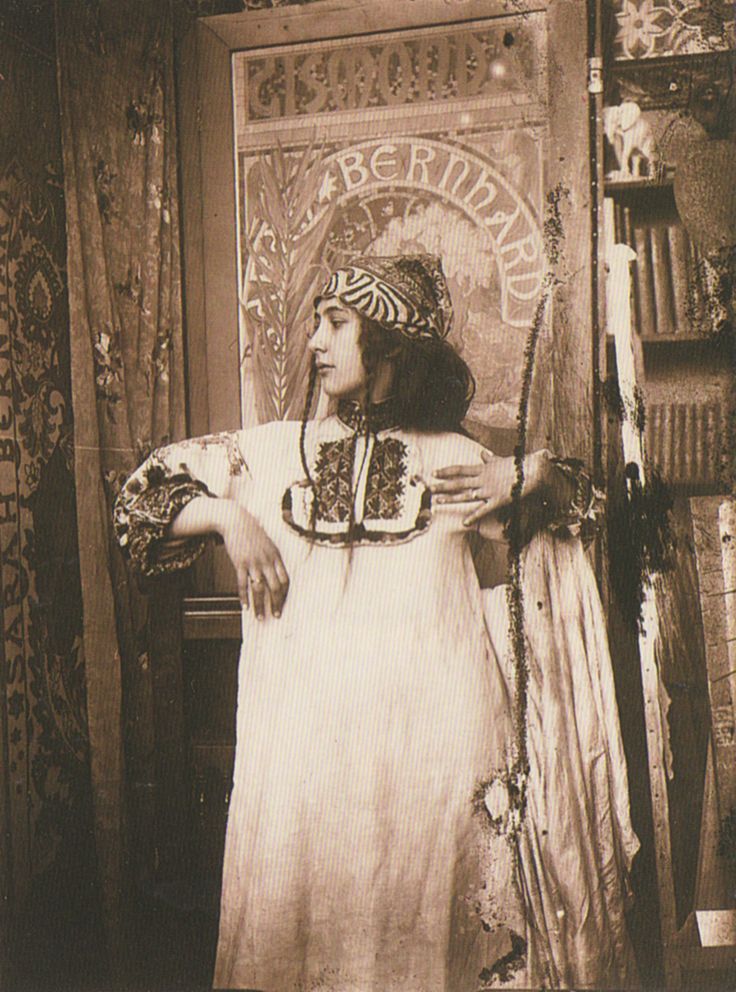
Alphonse Mucha (1860-1939) ~ A model in Mucha’s studio on the Rue du Val-de-Grâce, dressed in a traditional Bohemian folk costume, circa 1900 | src Mucha-Museum PragueAlphonse Maria Mucha (1860-1939) ~ Model in a long white Bohemian folk robe and a hat with ribbons, Paris, 1899Alphonse Mucha (1860-1939) ~ Model posing at Mucha’s studio on Rue du Val-de-Grâce, Paris, ca. 1901
Wilhelm von Gloeden (1856-1931) ~ Boy [Giacomo Lanfranchi] dressed as a girl, with cloak of cloth over head, Taormina, Sicily, 1906. Albumen silver print from glass negative | src The MetWilhelm von Gloeden~ [Boy dressed as girl in Gypsy lace shawl], ca. 1900 | src Palmer Museum of Art of The Pennsylvania State University
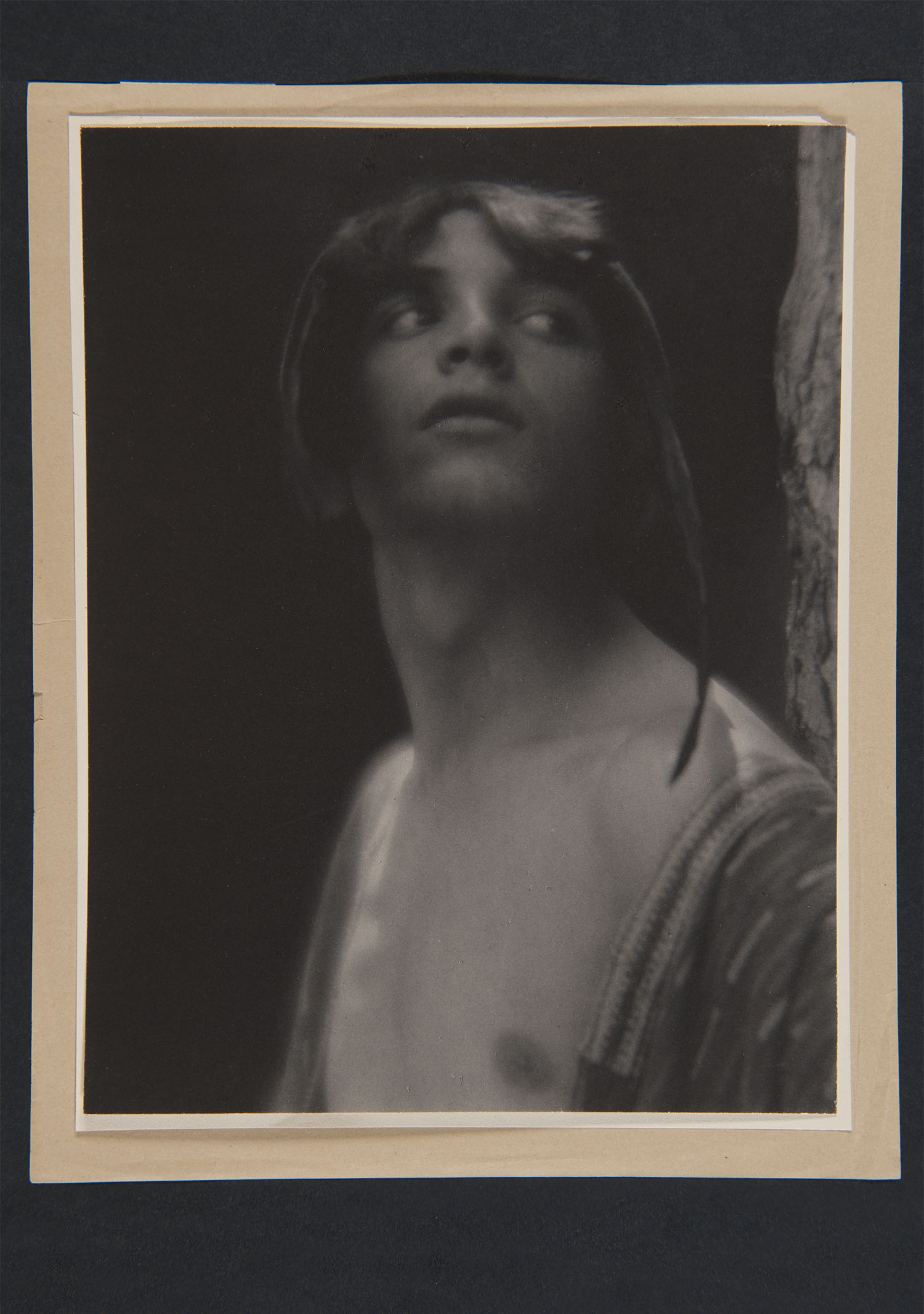
Fred Holland Day (1864-1933) ~ Youth in winged hat and robe, 1907. Platinum print | src Library of CongressFred Holland Day (1864-1933) ~ Youth in winged hat, cropped at the chest, 1907. Platinum print | src Library of CongressFred Holland Day (1864-1933) ~ Youth in winged hat and robe, 1907. Platinum print | src Library of Congress
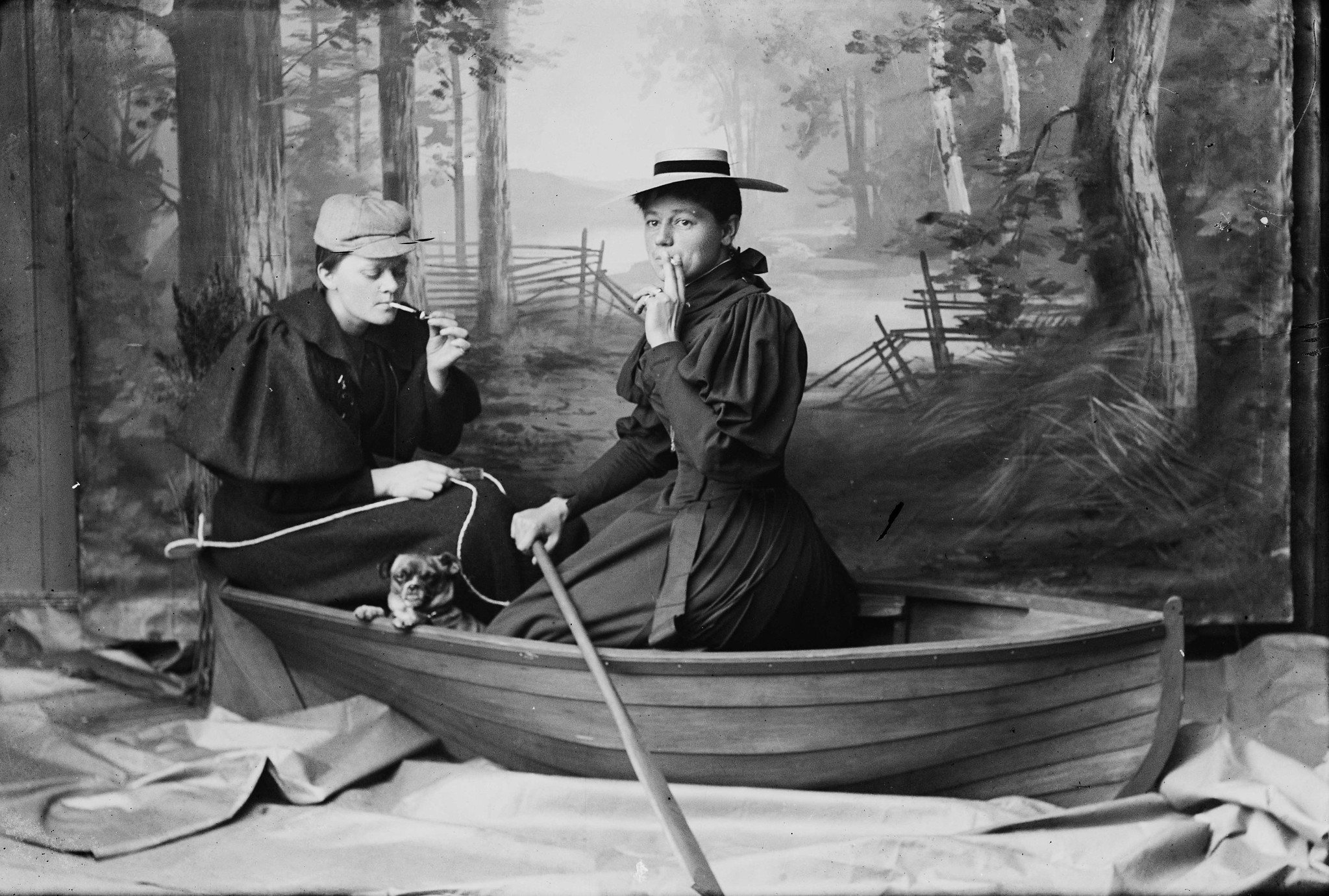
Marie Høeg and Ingeborg Berg in a rowing boat. Photo: Berg & Hoeg ca. 1895-1903 The Preus museum collection on Flickr
In a box marked “private”, an amazing collection of glass plates were found 30 years ago, amongst the remnants of the two portrait photographers Marie Høeg (1866-1949) and Bolette Berg (1872-1944).
Marie Høeg and Bolette Berg in a rowing boat. Photo: Berg & Hoeg, ca. 1895-1903 | src Preus museum
In 1895, they established the Berg & Høeg photography studio in Horten, Norway, where they took portraits and views of Horten and surroundings and lived on the proceeds from sales. At that time, photography was seen as a decent and acceptable profession for women, as it was a profession that demanded a certain amount of aesthetic sense – as part of the female nature.
Horten was a naval base with the main shipyard for the Norwegian navy and had a strong flow of people who needed photographs for celebration and recollection. Perhaps that is how the two photographers understood by the very process of portraiture how important it is to stage oneself and to what a large degree that contributes to how we are perceived.
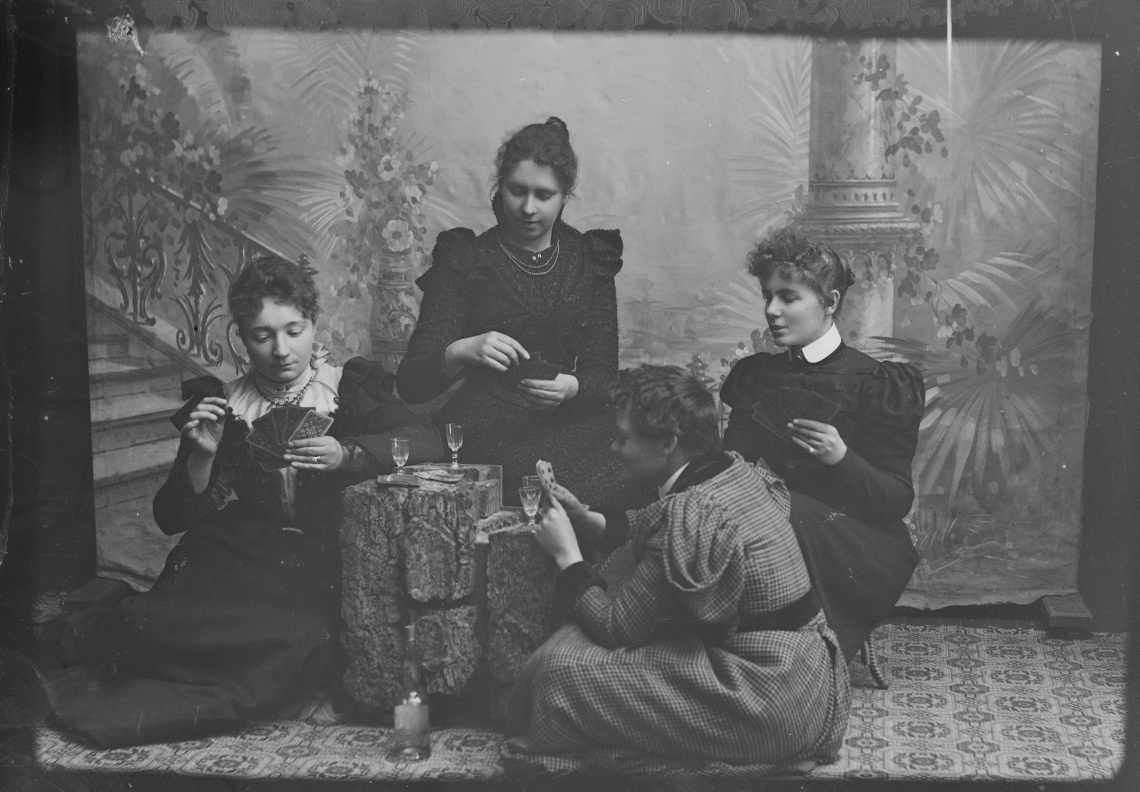
Ingeborg Berg, Julie Antonsen and Trine Ulriksen having a nice time together, sitting on the floor drinking and card-playing, doing the things “nice girls” shouldn’t do. Marie Høeg, sitting at the back with a hat on. Ingeborg Berg, Julie Antonsen and Trine Ulriksen having a nice time together with Marie Høeg, sitting in front to the right. Photo: Berg & Hoeg, ca. 1895-1903
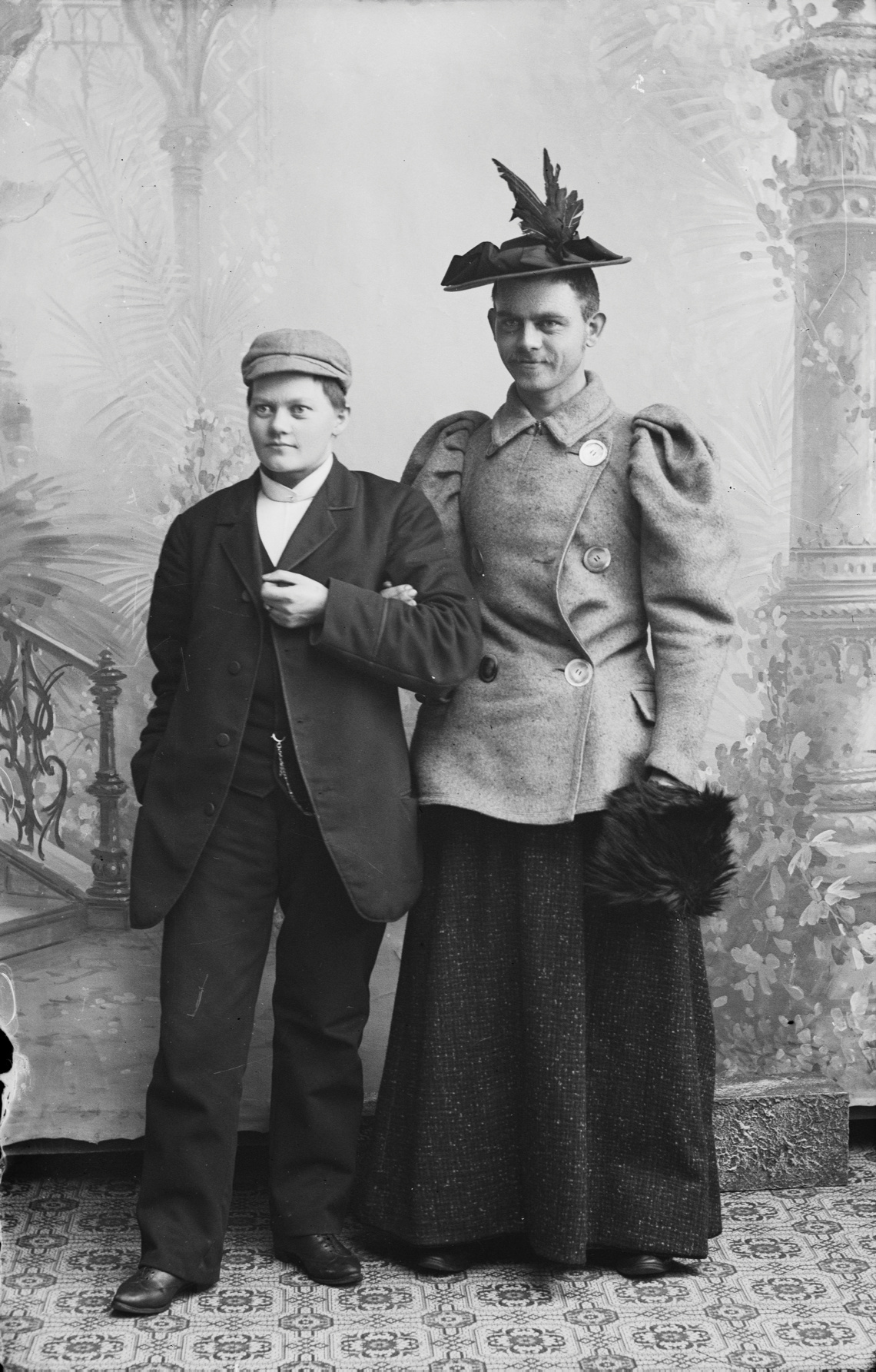
The Preus museum collection has 440 glass negatives from Berg & Høeg. Among the cartons in the 1980s were discovered some on which had been written “private.” It is not unusual that photographers also have private photographs in their archives. But these were not ordinary keepsake pictures. They indicate that the two photographers, especially Marie Høeg, experimented with various gender roles.
Imagine the fun they must have had, cross-dressing and playing! At the same time, the images are deeply serious, as they reflect upon the expectations and attitudes towards women, and their lack of rights and freedom. We know that Høeg was the extrovert and started groups to fight for women’s rights. Bolette Berg was less in the public view. However, she must have been back of the camera in many of these photographs, which have attracted international notice.
Marie Hoeg posing with her brother Karl in the studio. Photo: Berg & Hoeg, ca. 1895-1903Marie Høeg utkledt som mann, med pelslue. Helfigur. / Marie dressed as a man. Photo: Berg & Hoeg, ca. 1895-1903Marie Høeg’s brother Karl posing in women clothes with an umbrella. Photo: Berg & Hoeg, ca. 1895-1903
We find several such boundary-breaking photographic projects in Europe and America around 1900. They correspond with women’s battle for full civil rights and the right to define their own identity. So these photographs are a part of an international history – or herstory – that has meaning and recognition value for all women, including now. All images are digital reproductions of the original glass plates. Some of the plates have cracks and damages, left visible in the reproductions. (quoted from the Album description)
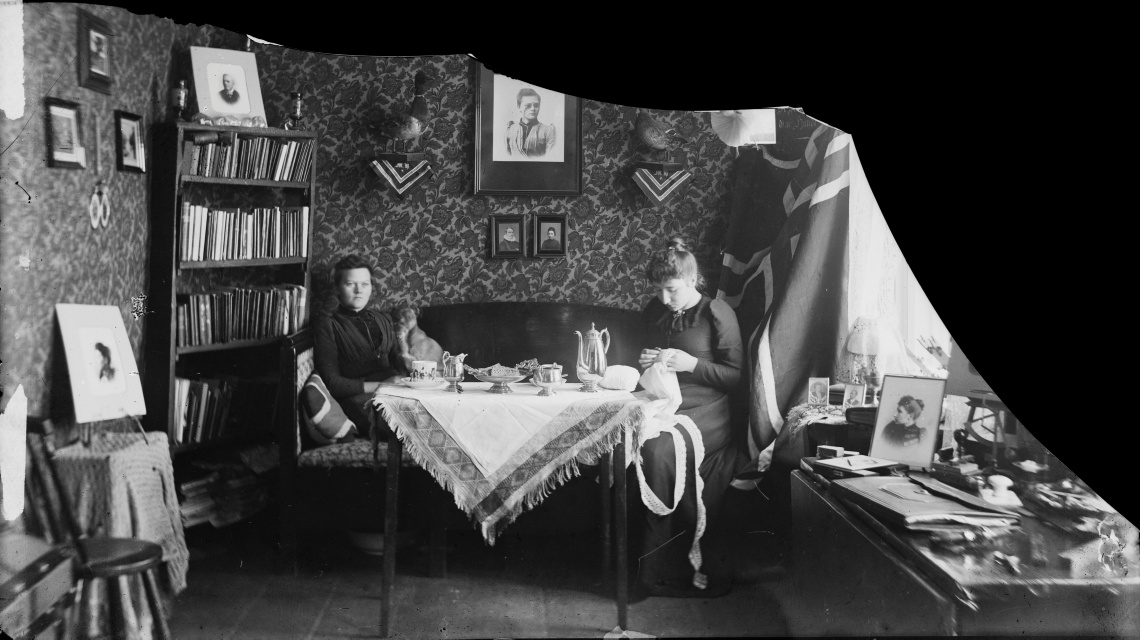
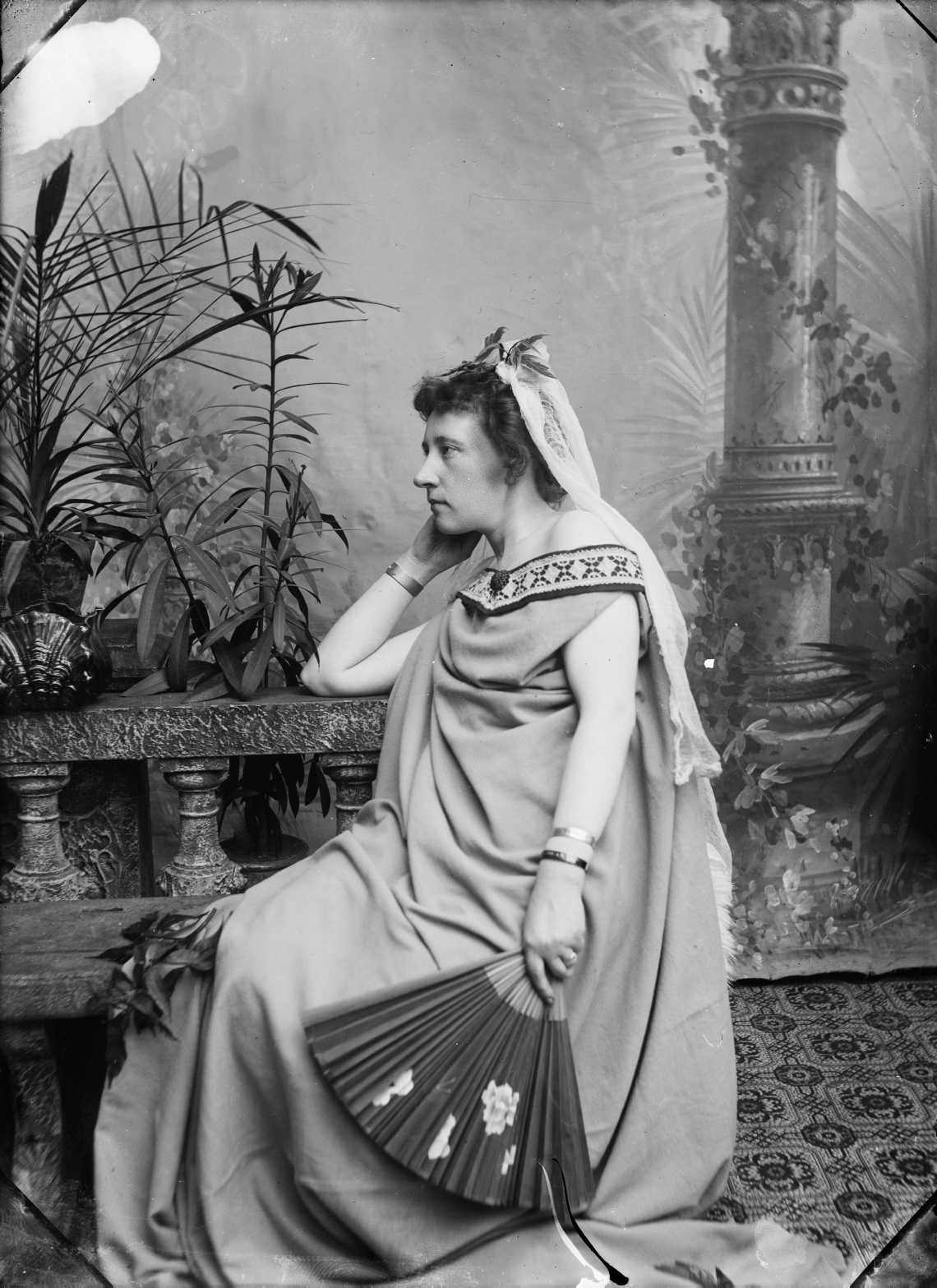
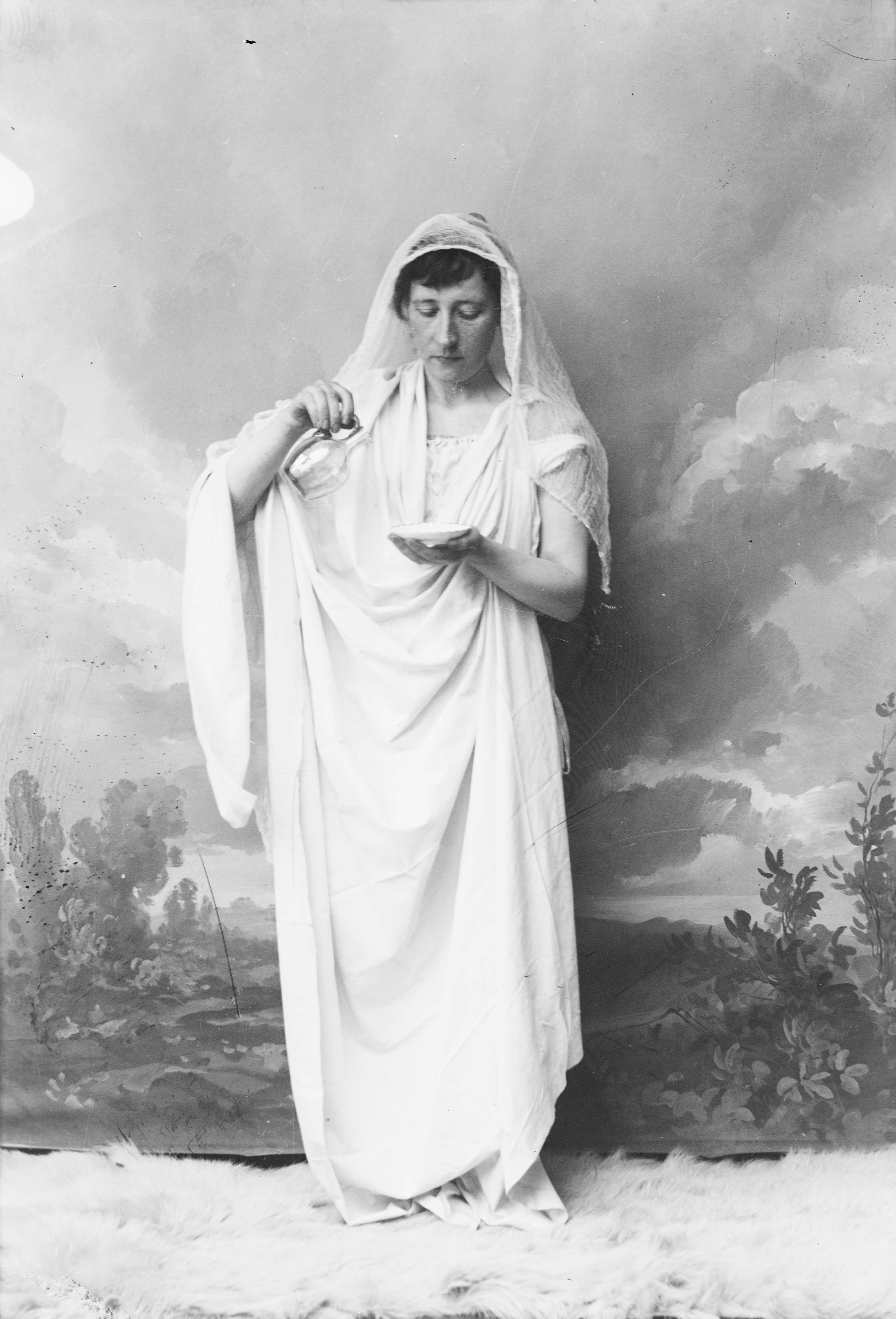
Marie Høeg and Bolette Berg in their home sitting on sofa. Photo: Berg & Hoeg, ca. 1895-1903Staged portrait of one of Bolette Berg’s five sisters. Photo: Berg & Hoeg, ca. 1895-1903“Vestalinne II”. One of Bolette Berg’s five sisters. Photo: Berg & Hoeg, ca. 1895-190
All images from this post were retrieved from The Preus museum collection hosted on Flickr. Link to album (x)
Marie Haushofer presented roles that women had played in different eras and centuries. At the same time, she also traced the path of women in their cultural-historical development – from servitude and lack of culture, interrupted by a brief flash of female domination in the kingdom of the Amazons […] Read more below
Evas Töchter. Münchner Schriftstellerinnen und die moderne Frauenbewegung 1894-1933
Eve’s daughters. Munich women writers and the modern women’s movement 1894-1933
Around 1900 profound changes took place in all areas of life. There is a new beginning everywhere, in the circles of art, literature, music and architecture. The naturalists are the first to search for new possibilities of representation. They are followed by other groups and currents: impressionism, art nouveau, neo-classical, neo-romantic and symbolism. Even if this epoch does not form a unit, one guiding principle runs through all styles: the awareness of a profound turning point in time.
It is generally known that before the turn of the century Munich became one of the most important cultural and artistic sites in Europe. What is less well known is that Munich has also become a center of the bourgeois women’s movement in Bavaria since the end of the 19th century. At this time, a lively scene of the women’s movement formed in the residence city, which subsequently gained great influence on the bourgeoisie throughout Bavaria.
Since 1894, Munich has been shaped by the modern women’s movement, which advocates the right to education and employment for women. At that time, the city was decisively shaped by women such as Anita Augspurg, Sophia Goudstikker, Ika Freudenberg, Emma Merk, Marie and Martha Haushofer, Carry Brachvogel, Helene Böhlau, Gabriele Reuter, Helene Raff, Emmy von Egidy, Maria Janitschek and many other women’s rights activists and writers and artists, all of whom are members of the Association for Women’s Interests, which is largely responsible for the spread of the modern women’s movement in Bavaria. At that time, they all set out in search of a new self-image for women, questioned the traditional role models in the bourgeoisie and attempted to redefine gender roles.
In this context, on October 1899 the First Bavarian Women’s day was celebrated. The crowning glory of the First General Bavarian Women’s Day in 1899 was a festive evening that took place on October 21, 1899 in the large hall of the then well-known Catholic Casino at Barer Straße 7.
The first part of the festive evening was the performance of an impressive festival play: Cultural images from women’s lives. Twelve group representations [„Zwölf Culturbilder aus dem Leben der Frau“]. The piece was written by the painter a poet Marie Haushofer (1871-1940) especially for this occasion. Sophia Goudstikker directed it and she also played a part. The majority of the roles were played by many other protagonists of the Munich women’s movement. A few days later, Sophia Goudstikker photographed the twelve group portraits in the Elvira photo studio (Atelier Elvira). She glued the photographs into a leather album entitled Marie Haushofer’s festival for the first general Bavarian women’s day in Munich. October 18-21, 1899 [Marie Haushofers Festspiel zum Ersten allgemeinen Bayrischen Frauentag in München, 18. – 21. Oktober 1899]. Those are the 13 surviving scene photos (group portraits) that documented the event; today they are part of the Munich City Archive (Stadtarchiv München).
In her festival play, Marie Haushofer presented roles that women had played in different eras and centuries. At the same time, she also traced the path of women in their cultural-historical development – from servitude and lack of culture, interrupted by a brief flash of female domination in the kingdom of the Amazons, to burgeoning knowledge, to work, freedom and finally the union of women who from then on did their work – but also have to assert powerfully achieved new social status through unity. The present represents the last group in which “modern women” appear in “modern professions”: telephone operators, bookkeepers, scholars, painters, etc. They are accompanied by the allegorical figures of Faith, Love, Hope (*) and the Spirit of Work (**) that liberates all women / working women. Finally, the female audience is called upon to work and to actively shape together the present role of women.
[(*) see photo on bottom of this post (last photo) / (**) last-but-one photo]
Further productions took place in Nuremberg in 1900 and on November 28 and 30, 1902 at the Bayreuth Opera.
But the festive evening of Bavarian Women’s Day did not end with the performance of the festival play. In the second part of the evening, “poems of modern women poets” were presented. There were works by Ada Negri, Lou Andreas-Salomé, Alberta von Puttkammer, Anna Ritter, Ricarda Huch and Maria Janitschek. The short prose text Nordic Birch by the Art Nouveau artist and writer Emmy von Egidy was also read.
[adapted text quoted (an translated) from : Evas Töchter : Frauenmut und Frauengeist : Literatur Portal Bayern]
Szenenfoto aus dem Festspiel, erstes Bild mit der Muse der Geschichtsschreibung Klio (gespielt von Sophia Goudstikker) und der Mutter Erde (gespielt von Therese Schmid) [The muse of history Klio (played by Sophia Goudstikker) and Mother Earth (played by Therese Schmid)]Szenenfoto aus dem Festspiel, zweites Bild: die fünf weisen und die fünf törichten Jungfrauen [The five wise and the five foolish virgins]Marie Haushofers Festspiel zum Ersten allgemeinen Bayrischen Frauentag in München, 18. – 21. Oktober 1899 Szenenfoto aus dem Festspiel, viertes Bild: Orientalinnen [Oriental women]Marie Haushofers Festspiel zum Ersten allgemeinen Bayrischen Frauentag in München, 18. – 21. Oktober 1899 Szenenfoto aus dem Festspiel, fünftes Bild: Germanen und Velleda [Teutons and Velleda]Szenenfoto aus dem Festspiel, sechstes Bild: zwei Benediktinerinnen, Knabe und “Roswitha” [Two Benedictine nuns, boy and “Roswitha”]Marie Haushofers Festspiel zum Ersten allgemeinen Bayrischen Frauentag in München, 18. – 21. Oktober 1899 Szenenfoto aus dem Festspiel, siebtes Bild: Frauenlob wird zu Grabe getragen [The burial of Frauenlob]Szenenfoto aus dem Festspiel, achtes Bild: Renaissance – Ariost, zwei Damen und ein Höfling [Renaissance – Ariosto, two ladies and a courtier]Szenenfoto aus dem Festspiel, neuntes Bild: ein Mann, eine Frau und Kinder des 17. Jahrhunderts [A man, a woman and children of the 17th century]Marie Haushofers Festspiel zum Ersten allgemeinen Bayrischen Frauentag in München, 18. – 21. Oktober 1899 Szenenfoto aus dem Festspiel, zehntes Bild: Königin Luise und ihre Kinder [Queen Louise and her children]Szenenfoto aus dem Festspiel, elftes Bild: Verwundeter Soldat und zwei Krankenschwestern [Wounded soldier and two nurses]Marie Haushofers Festspiel zum Ersten allgemeinen Bayrischen Frauentag in München, 18. – 21. Oktober 1899 Szenenfoto aus dem Festspiel, zwölftes Bild: der Geist der Arbeit [The Spirit of Work] Szenenfoto aus dem Festspiel, dreizehntes Bild: Glaube, Liebe, Hoffnung [Faith, Love, Hope] source of all images Stadtarchiv München
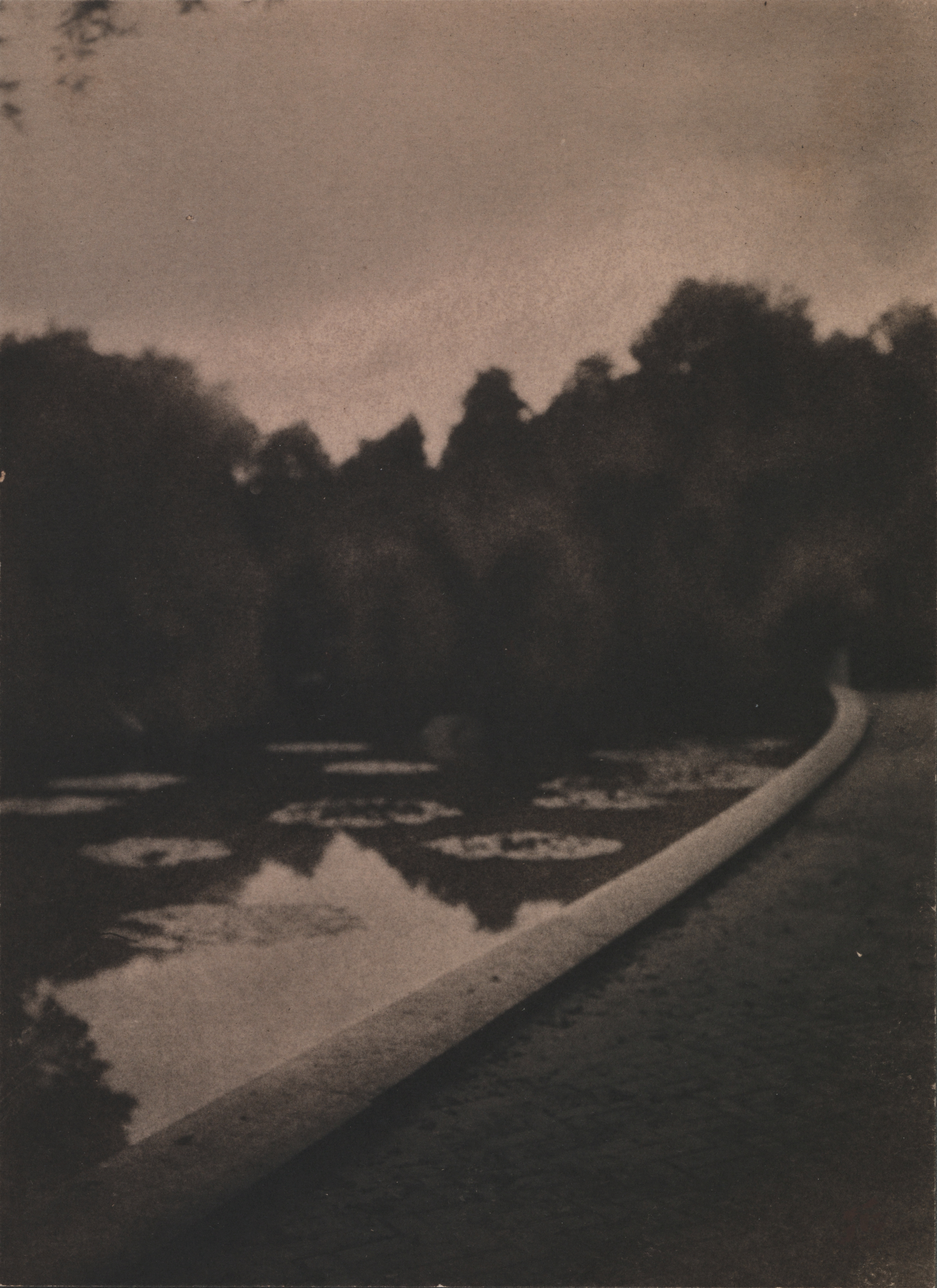
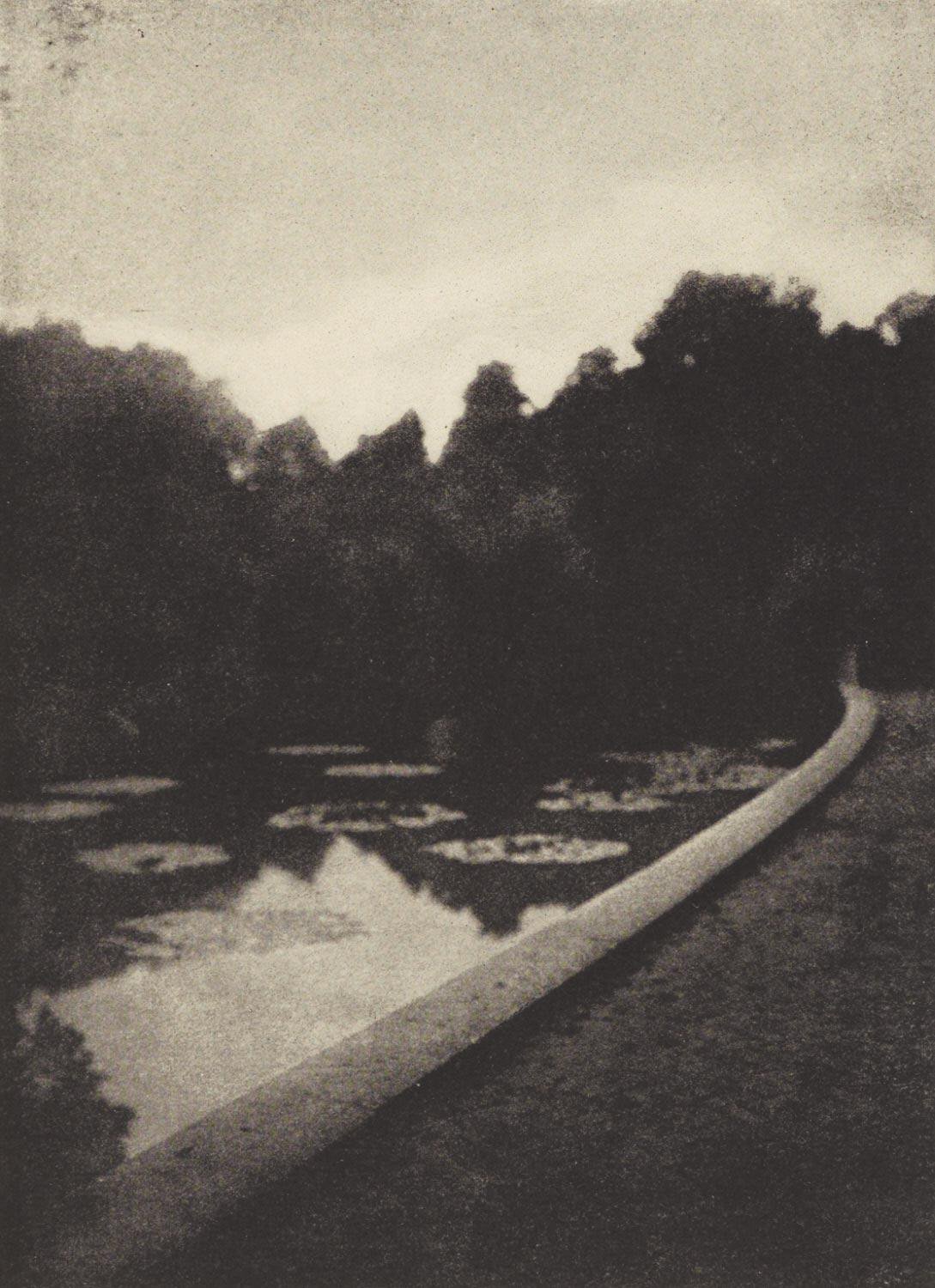
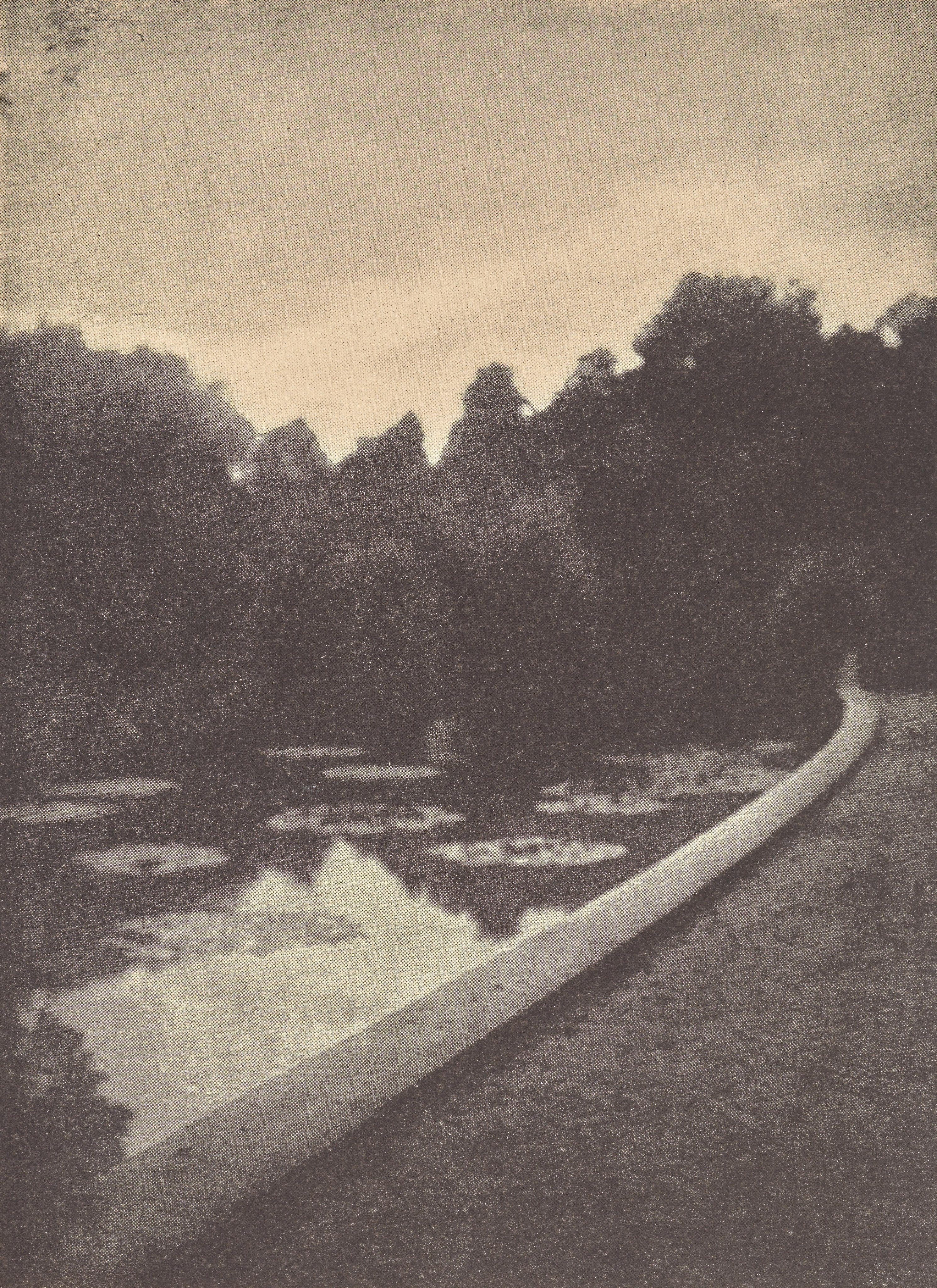
Joseph T. Keiley (American, 1869–1914) :: A Garden of Dreams, 1899, glycerine and platinum print. | src Buffalo AKG Art MuseumJoseph T. Keiley (American, 1869–1914) :: A Garden of Dreams, 1907. Halftone. From Camera Work | src Philadelphia Museum of ArtJoseph T. Keiley (1869–1914) :: A Garden of Dreams, 1907. Halftone. From the journal Camera Work | src Philadelphia Museum of Art
French coastal scene depicting a man and three women amongst rock pools near the sea, 1895. (Photo by Universal History Archive / Universal Images Group) | src Getty ImagesFrench coastal scene depicting two women [and a dog] amongst rock pools near the sea, 1895. (Photo by Universal History Archive / Universal Images Group) | src Getty Images


















 un regard oblique