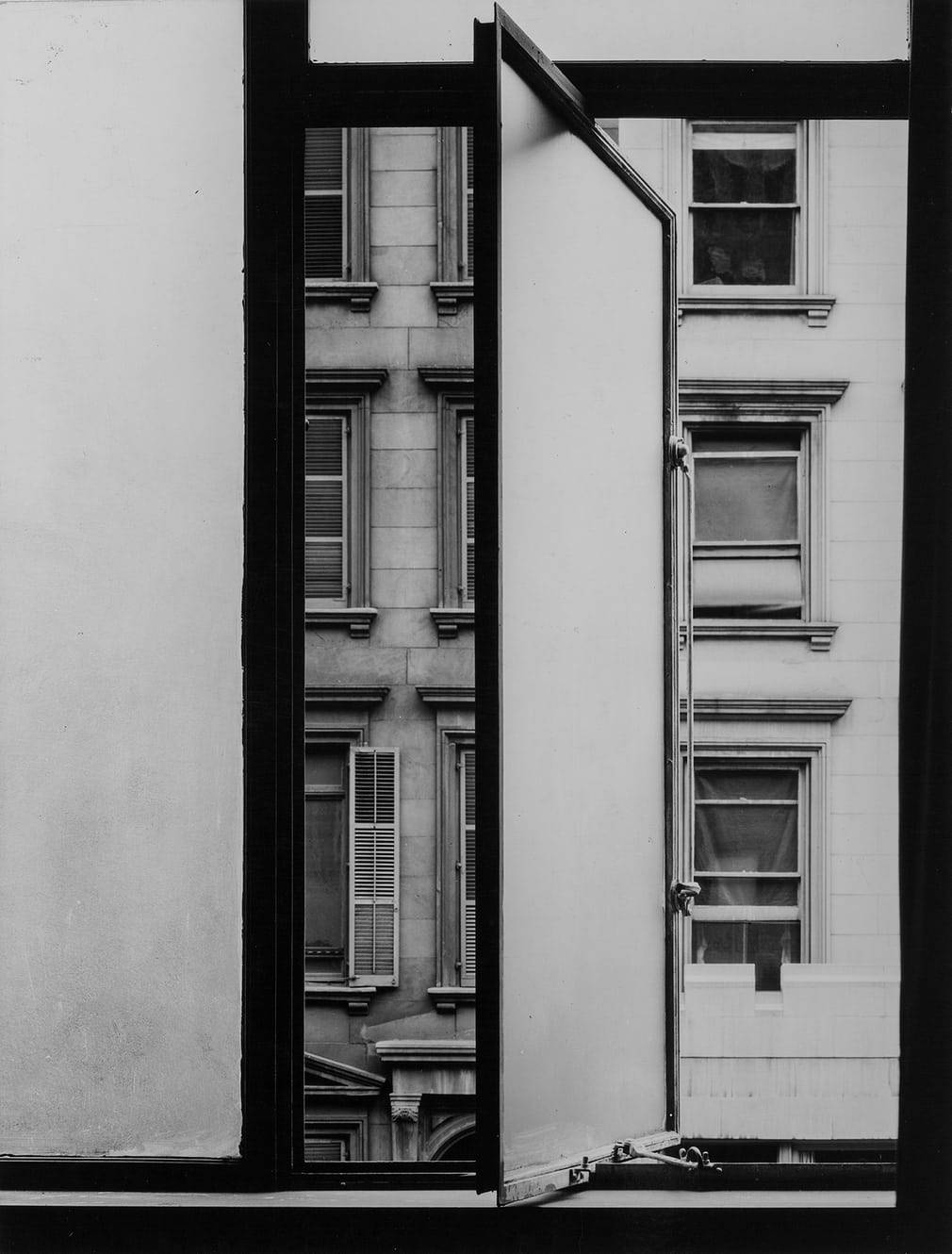
Leslie Gill :: Studio Window, West 56th Street, NYC, ca. 1938 / src: The Guardian. In the early years, the presence of windows in photographs was driven by necessity: photography in its infancy required great amounts of light, and windows obliged. This history may have mattered little to Leslie Gill when he created this tightly framed masterpiece, which looks almost as if someone has opened up a panel in one of Piet Mondrian’s canvases to discover the real world hidden behind it. Courtesy Robert Mann Gallery.
Mike Langford :: Summer Storm, unknown place or date. / source: mikelangford.co.nz
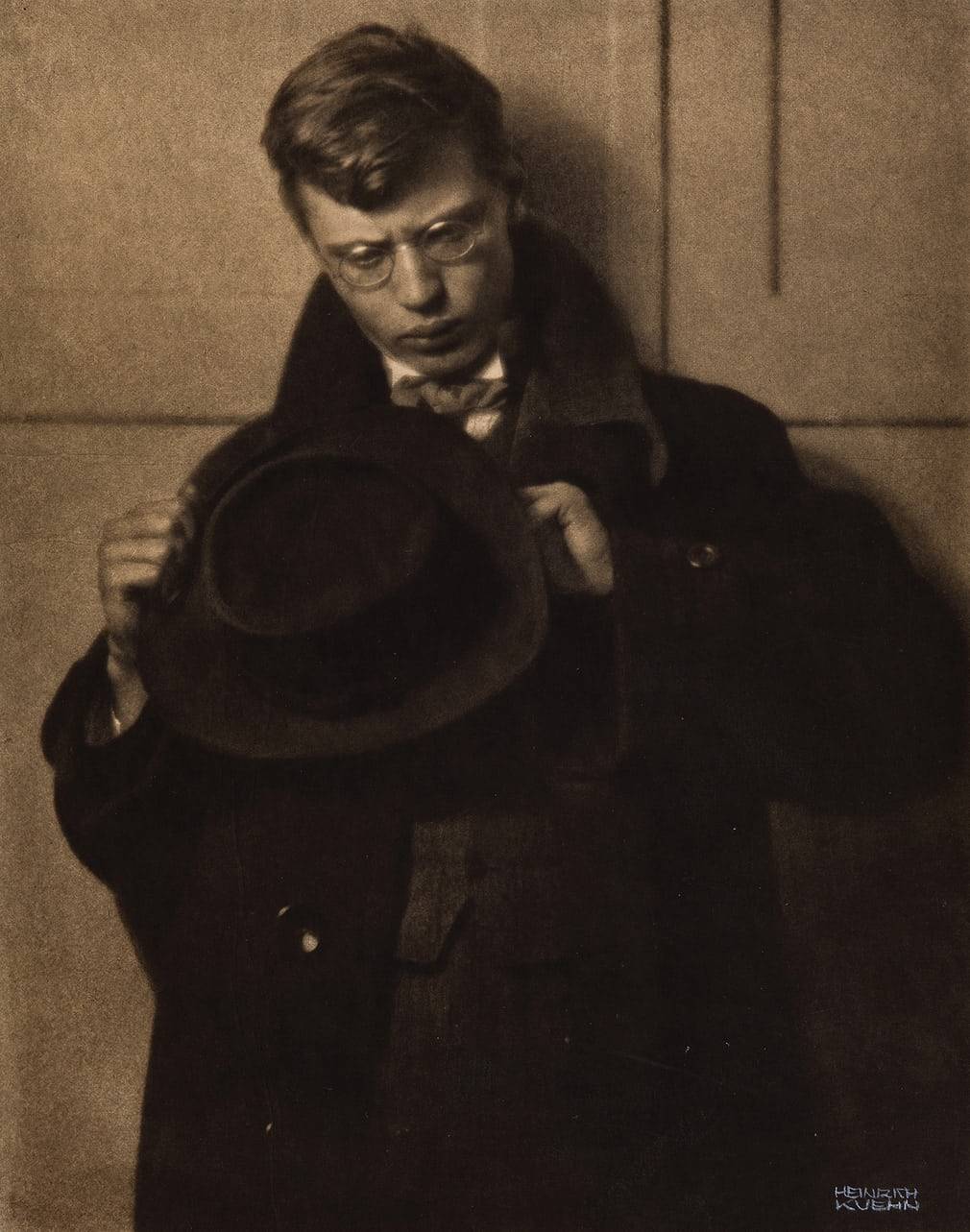
Heinrich Kühn :: Portrait of the Artist’s Son, Walter, ca. 1905 / source
Heinrich Kühn was one of the most influential amateur photographers in Vienna. Careful attention is paid to the repetition of circular shapes – Walter’s glasses, hat, coat buttons – that punctuate the broader expanses of dark or light earth-toned patches of colour. The tone in the photograph is the result of a complex printing process in which pigment was adhered to the surface of the paper through exposure to light. Courtesy Kicken Berlin Gallery and The Guardian.
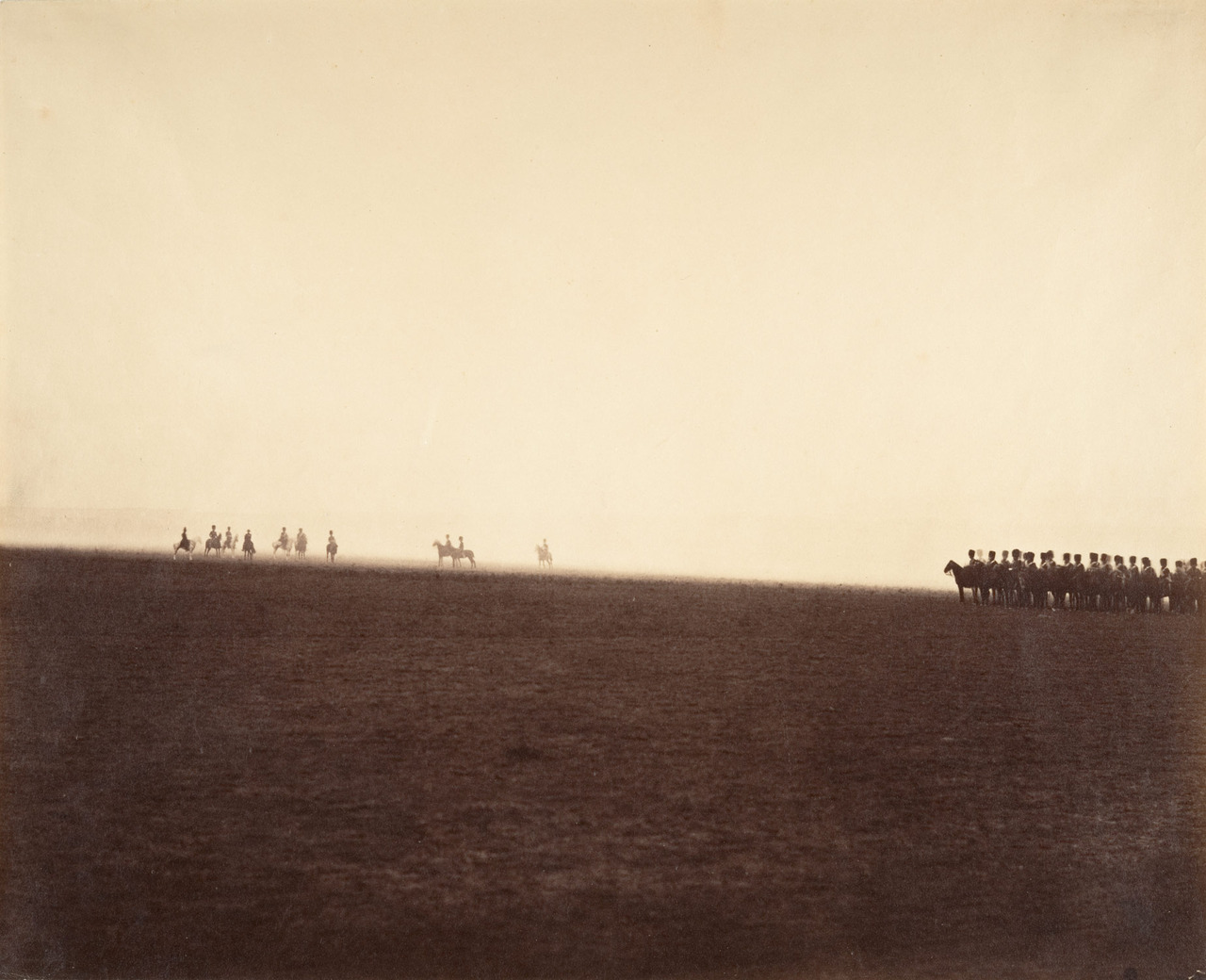
Gustave Le Gray :: [Cavalry Maneuvers, Camp de Châlons], 1857. Albumen silver print from glass negative. | src The Met
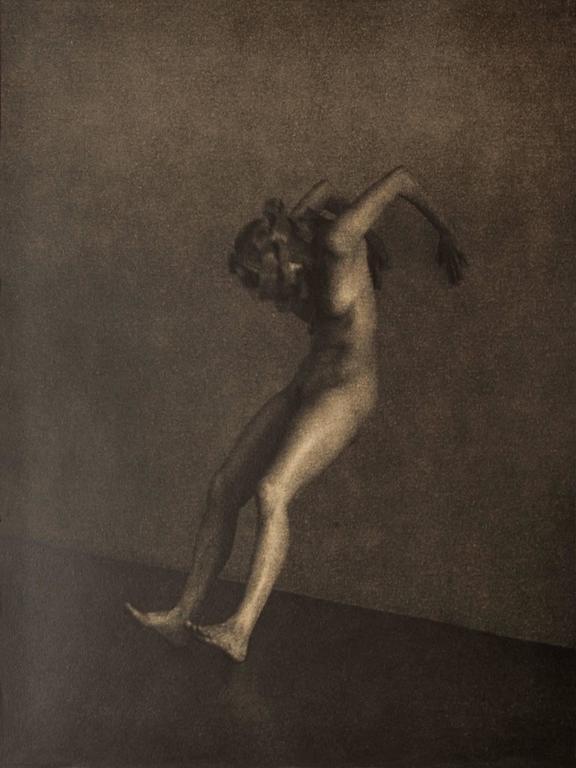
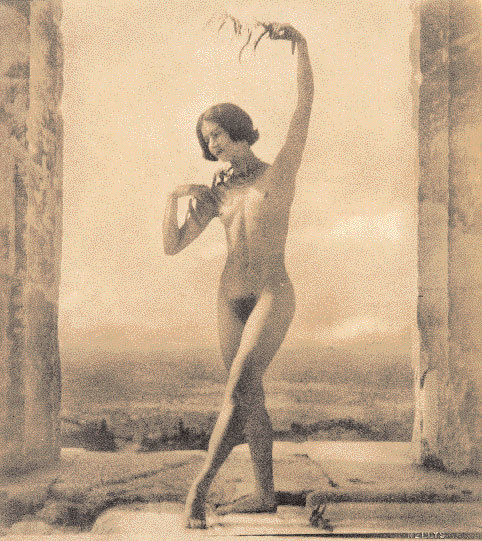
Nelly’s (Elli Sougioultzoglou-Seraïdari) :: Dancer Mona Paeva,
naked at the Acropolis holding only a small olive strand, Athens,
Greece, 1927 / source: lifo.gr and 69magazine
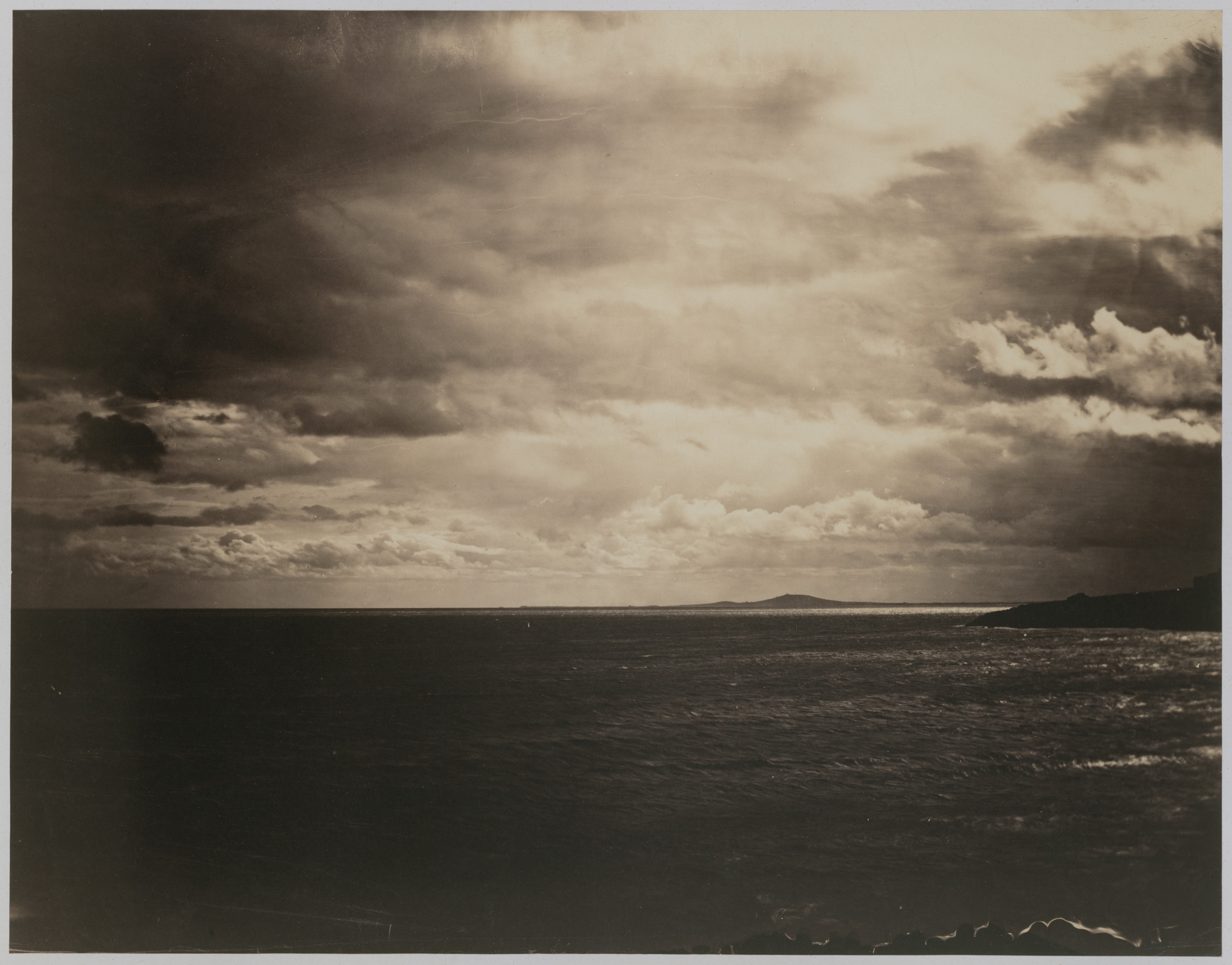
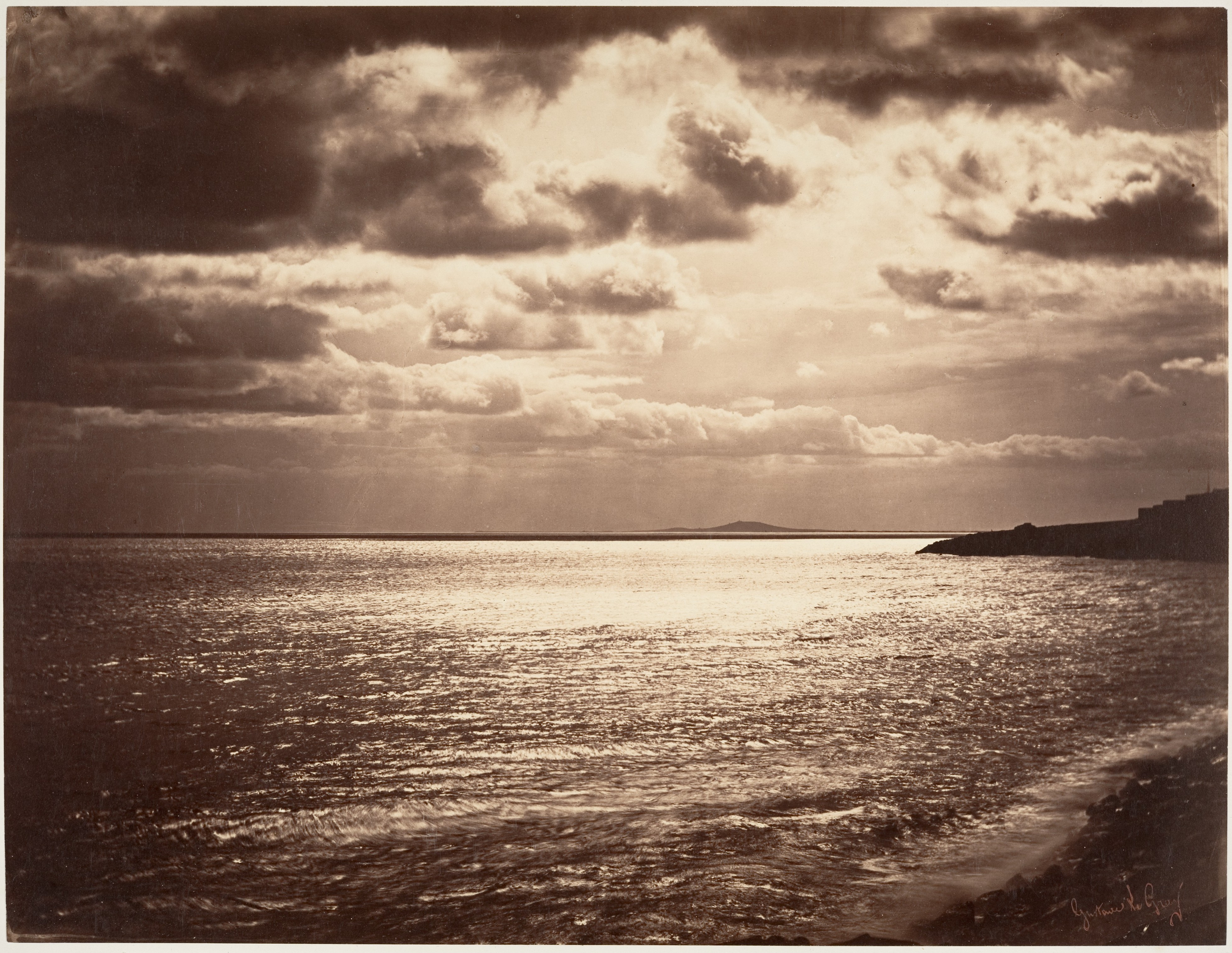
Gustave Le Gray ::Mediterranean with Mount Agde, 1857. Albumen silver print from two glass negatives. | src The MetGustave Le Gray :: Mer Méditerranée – Sète, 1857. Albumen silver print from two glass negatives. | src The Met
The dramatic effects of sunlight, clouds, and water in Gustave Le Gray’s Mediterranean and Channel coast seascapes stunned his contemporaries and immediately brought him international recognition. At a time when photographic emulsions were not equally sensitive to all colors of the spectrum, most photographers found it impossible to achieve proper exposure of both landscape and sky in a single picture; often the mottled sky of a negative was painted over, yielding a blank white field instead of light and atmosphere. In many of his most theatrical seascapes, Le Gray printed two negatives on a single sheet of paper–one exposed for the sea, the other for the sky, sometimes made on separate occasions or at different locations. Although the relationship of sunlight to reflection in this example was carefully considered and the two negatives skillfully printed, one can still see the joining of the two negatives at the horizon. Le Gray’s marine pictures caused a sensation not only because their simultaneous depiction of sea and heavens represented a technical tour de force, but because the resulting poetic effect was without precedent in photography. / quoted from The Met
Edward Steichen :: Tamaris with a large Art Deco scarf, 1925. Gelatin silver photograph. | src l’oeil de la photographie


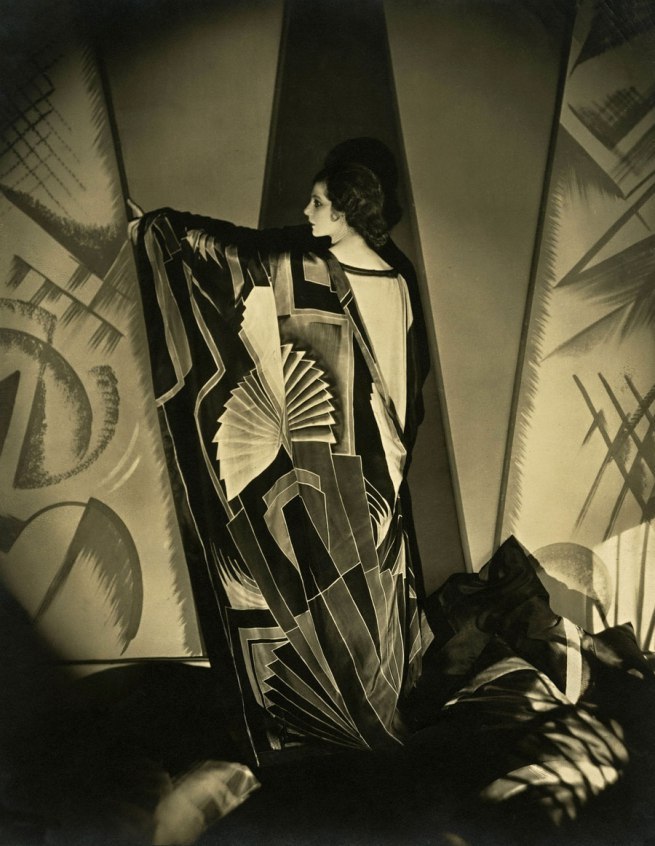
 un regard oblique