Ragazzo travestito da ragazza

Wilhelm von Gloeden (1856-1931) ~ Boy [Giacomo Lanfranchi] dressed as a girl, with cloak of cloth over head, Taormina, Sicily, 1906. Albumen silver print from glass negative | src The Met
Wilhelm von Gloeden ~ [Boy dressed as girl in Gypsy lace shawl], ca. 1900 | src Palmer Museum of Art of The Pennsylvania State University

Henry P. Bosse · Cyanotypes

Henry P. Bosse (1844 – 1903) ~ Mouth of Wisconsin River, 1885, Cyanotype | src The Metropolitan Museum of Art
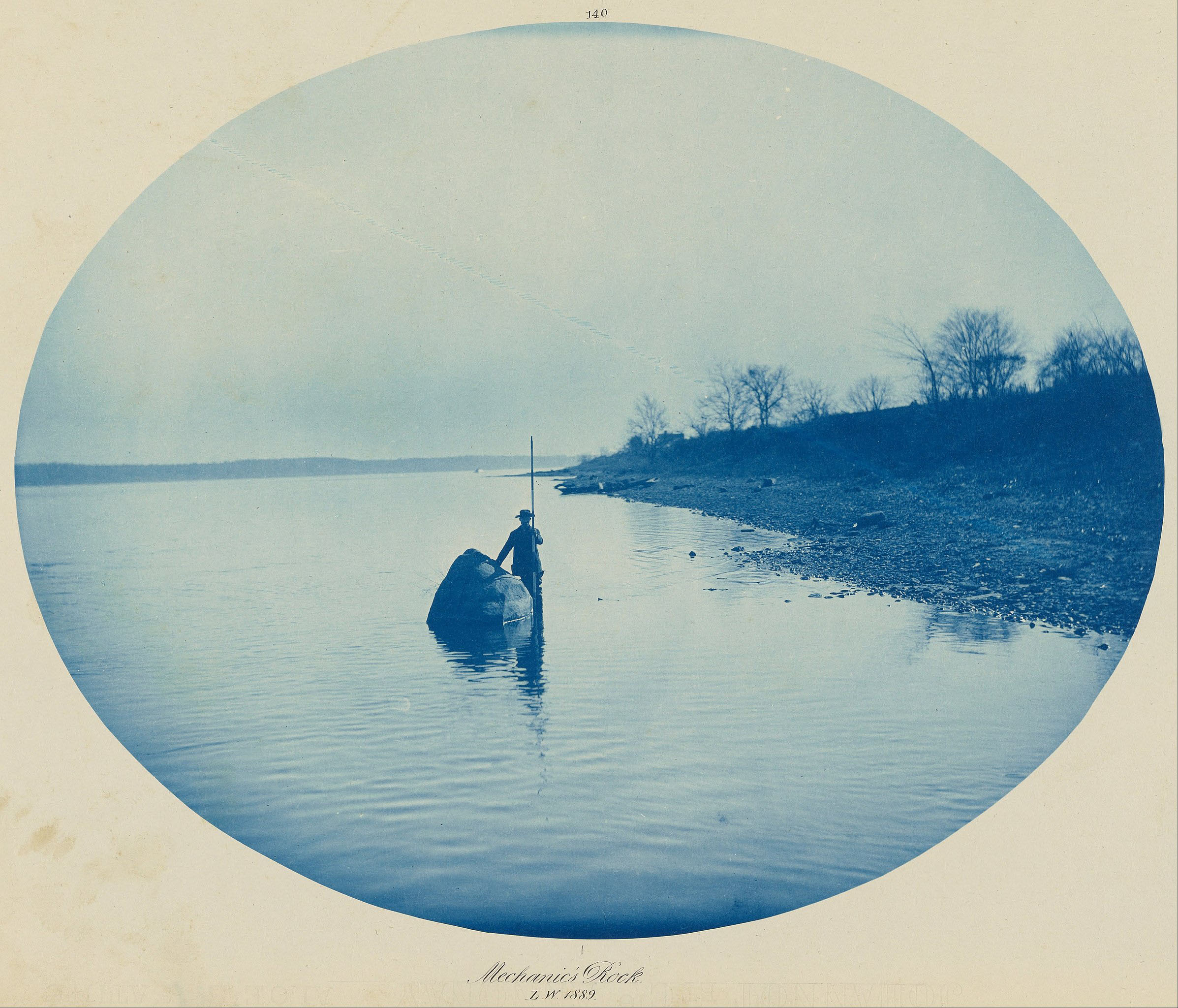
Henry Peter Bosse (1844 – 1903) ~ Mechanic’s Rock, Low Water, 1889. Cyanotype | src Getty Museum
Man walking through low water in river.
Henry Bosse (1844-1903) ~ Broken Closing Dam in Shokokon Slough, 1891. Cyanotype depicting a figure sitting on wooden posts next to a break in a river dam. From the series “Views on the Mississippi River” | src Revere auctions
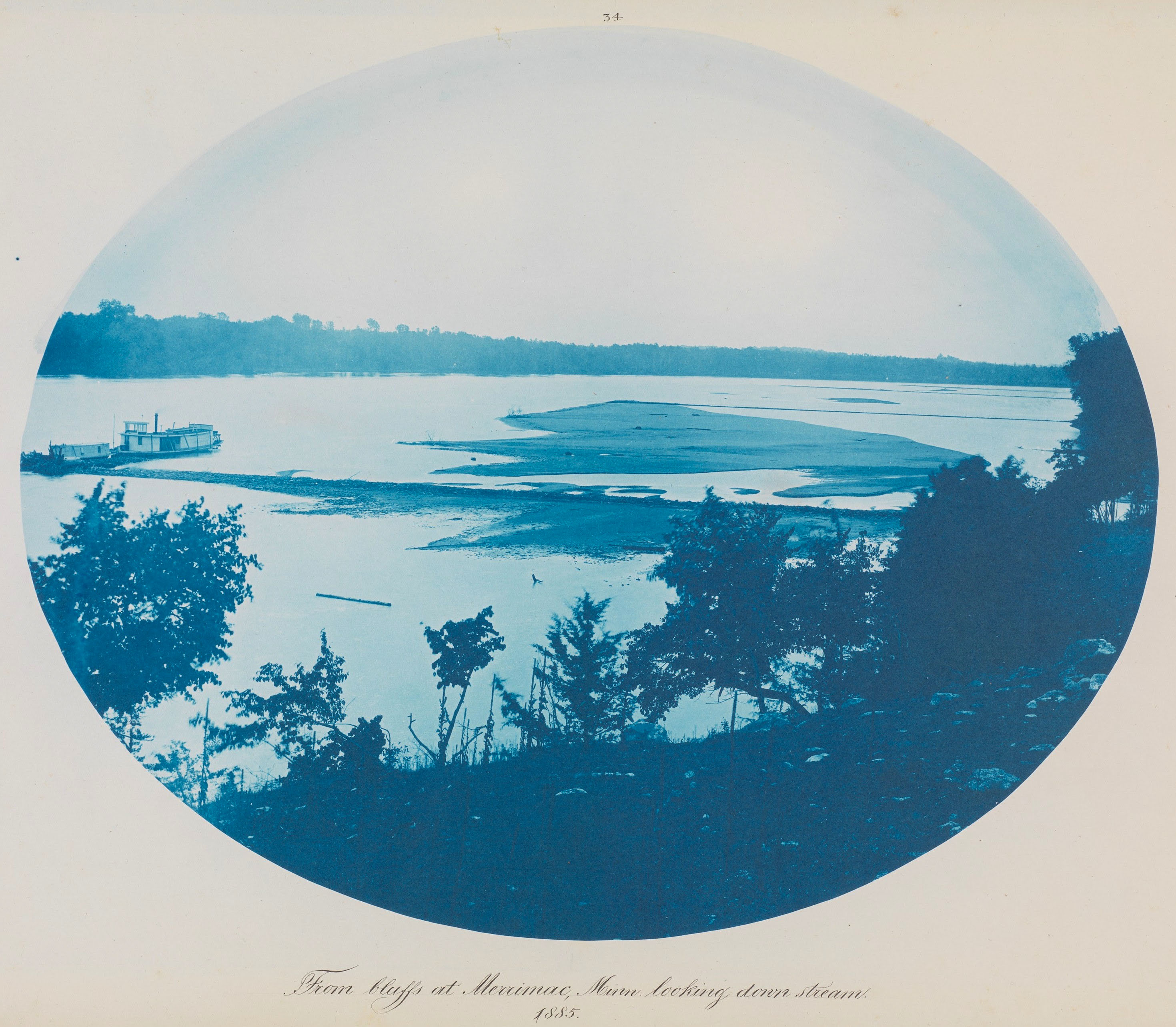
Henry P. Bosse ~ No. 34. From Bluffs at Merrimac, Minnesota Looking Down Stream, 1885. Cyanotype | src The Met
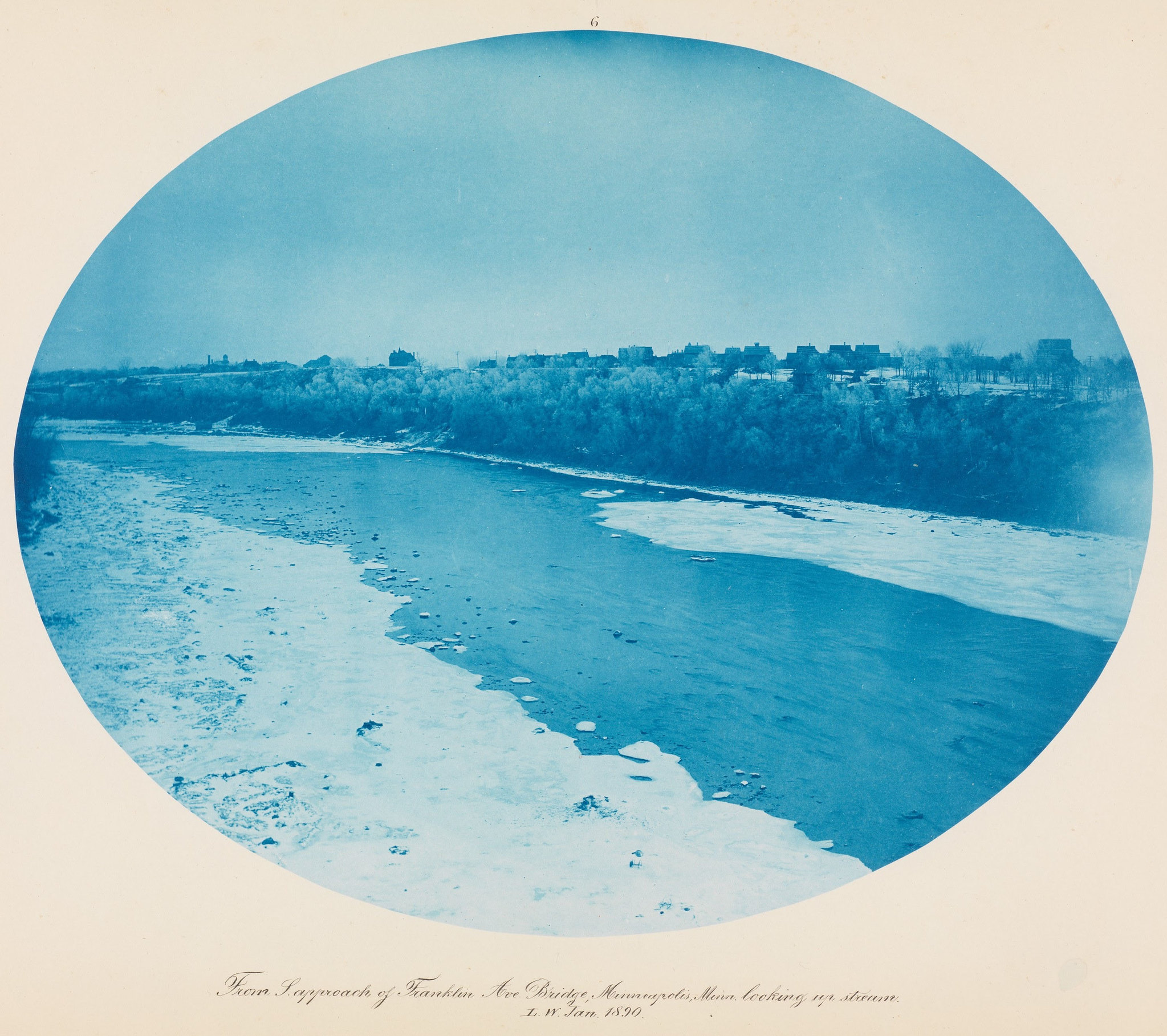
No. 6. From South Approach of Franklin Ave Bridge, Minneapolis, Minnesota Looking Up Stream (Low Water), Jan. 1890 | The Met
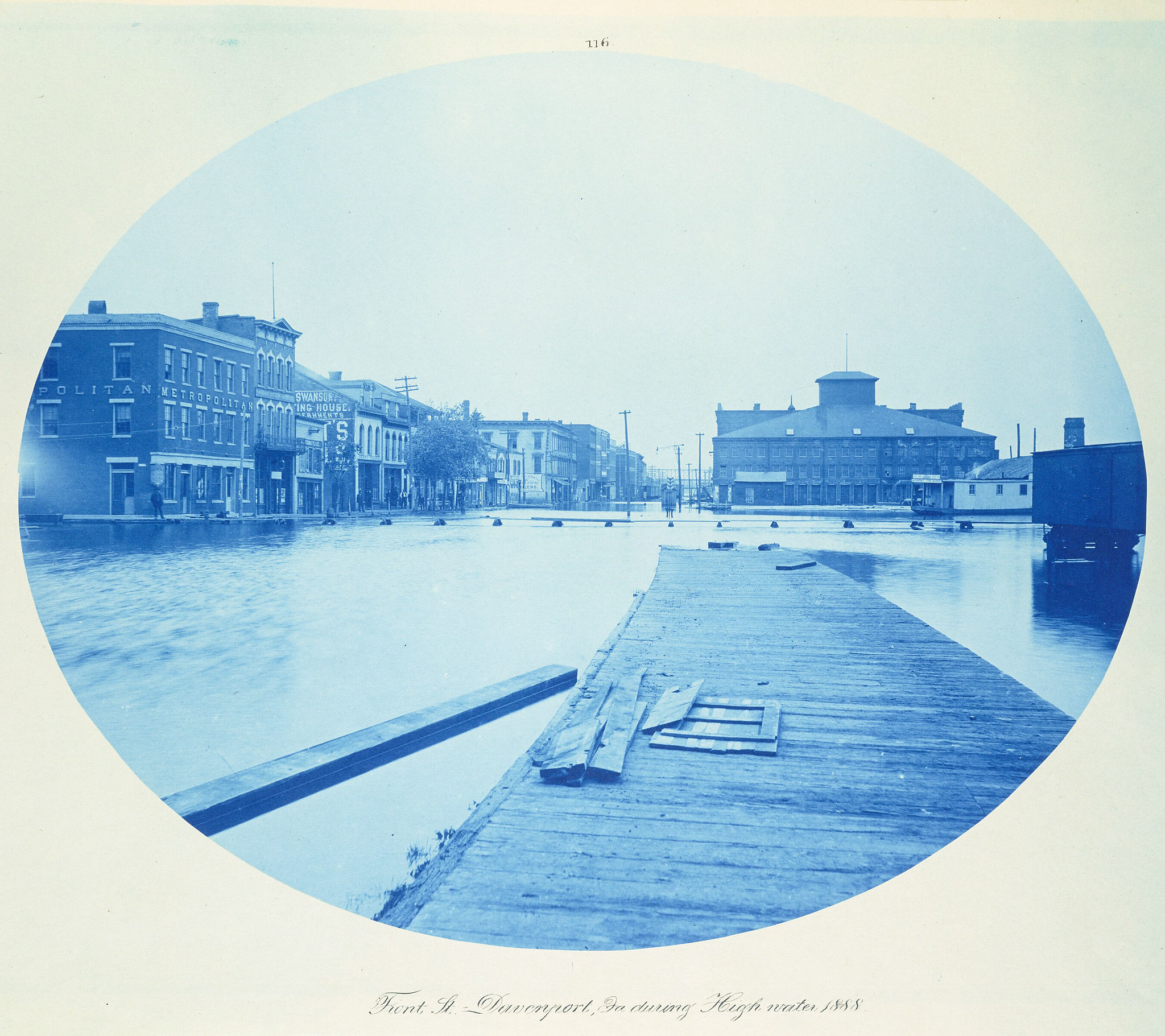
Henry Peter Bosse (1844 – 1903) ~ Front Street – Davenport, Iowa, during High Water, 1888. Cyanotype | src Getty Museum
No. 193a. Old Ponton Bridge at Prairie du chien, Wisconsin, 1885 (Cyanotype) | src The Metropolitan Museum of Art
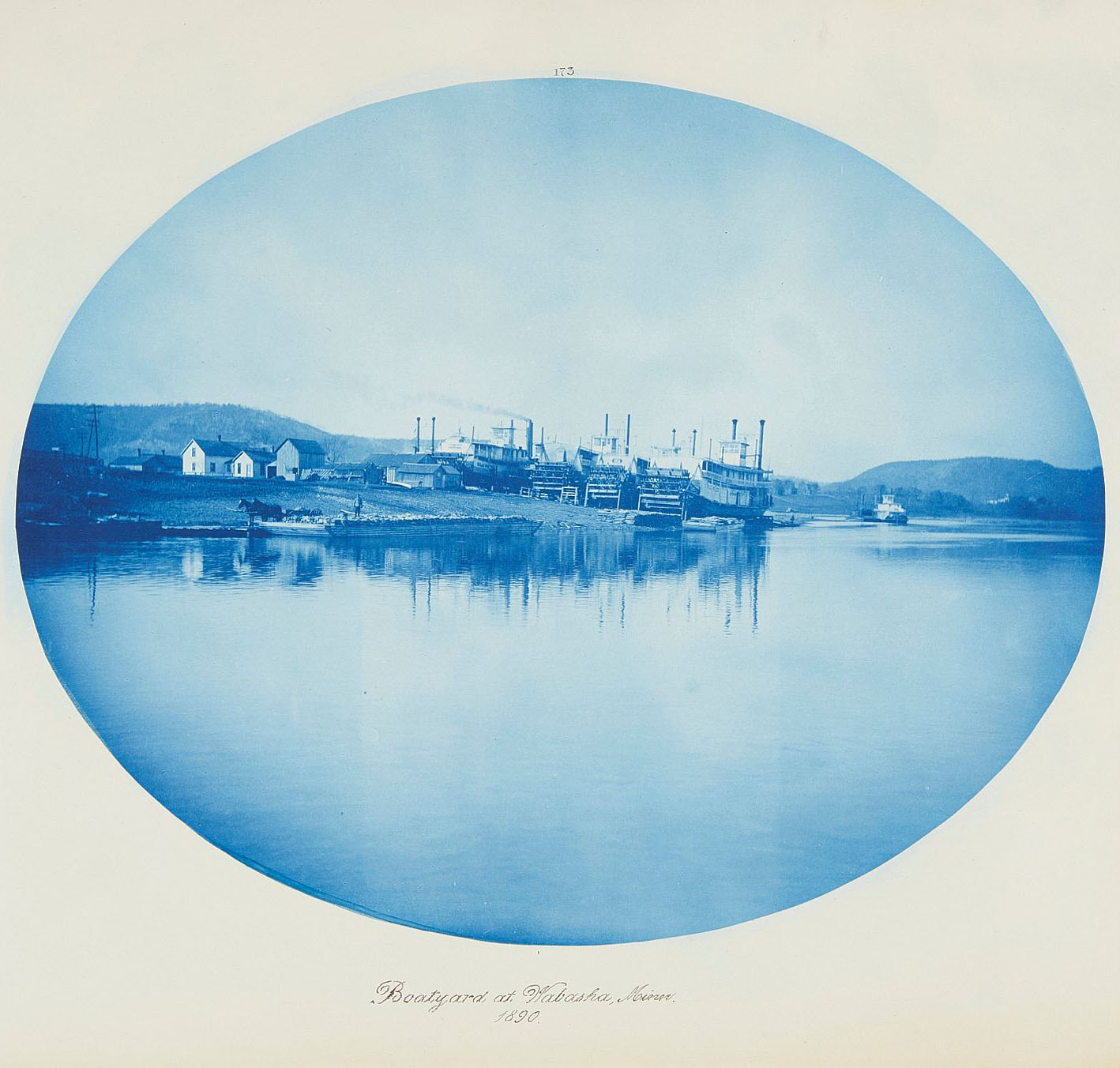
Henry Bosse (1844-1903) ~ Boatyard at Wabasha, Minn. depicting a riverfront landscape, 1890. Cyanotype | src Revere auctions
Henry P. Bosse (1844-1903) ~ Raftboat “Ten Brook”, 1885. Cyanotype from Views on the Mississippi | src Amon Carter museum

Portrait by Florestine Perrault

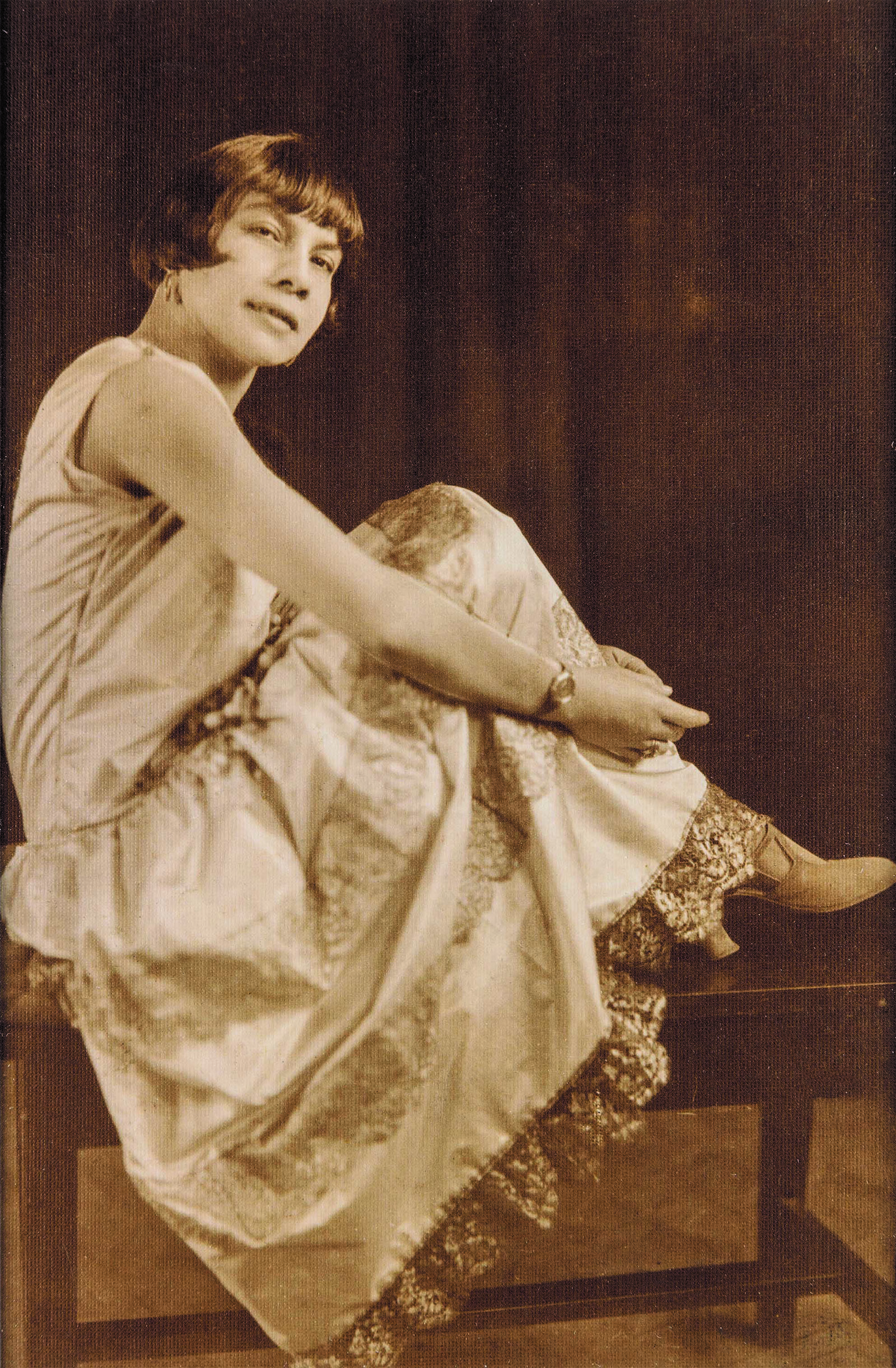
Florestine Perrault Collins :: Portrait of Mae Fuller Keller, gelatin silver print, early 1920s. From: The New Woman Behind the Camera (2021) at The Met
Florestine Perrault Collins :: Portrait of Mae Fuller Keller, gelatin silver print, early 1920s. From: The New Woman Behind the Camera (2021). | src The Brooklyn Rail
Florestine Perrault Collins :: Portrait of Mae Fuller Keller, early 1920s. From: The New Woman Behind the Camera (2021) at The Metropolitan Museum of Art
Florestine Perrault Collins :: Portrait of Mae Fuller Keller, early 1920s. From: The New Woman Behind the Camera (2021). | src The Met

Wrack (seaweed), 1839

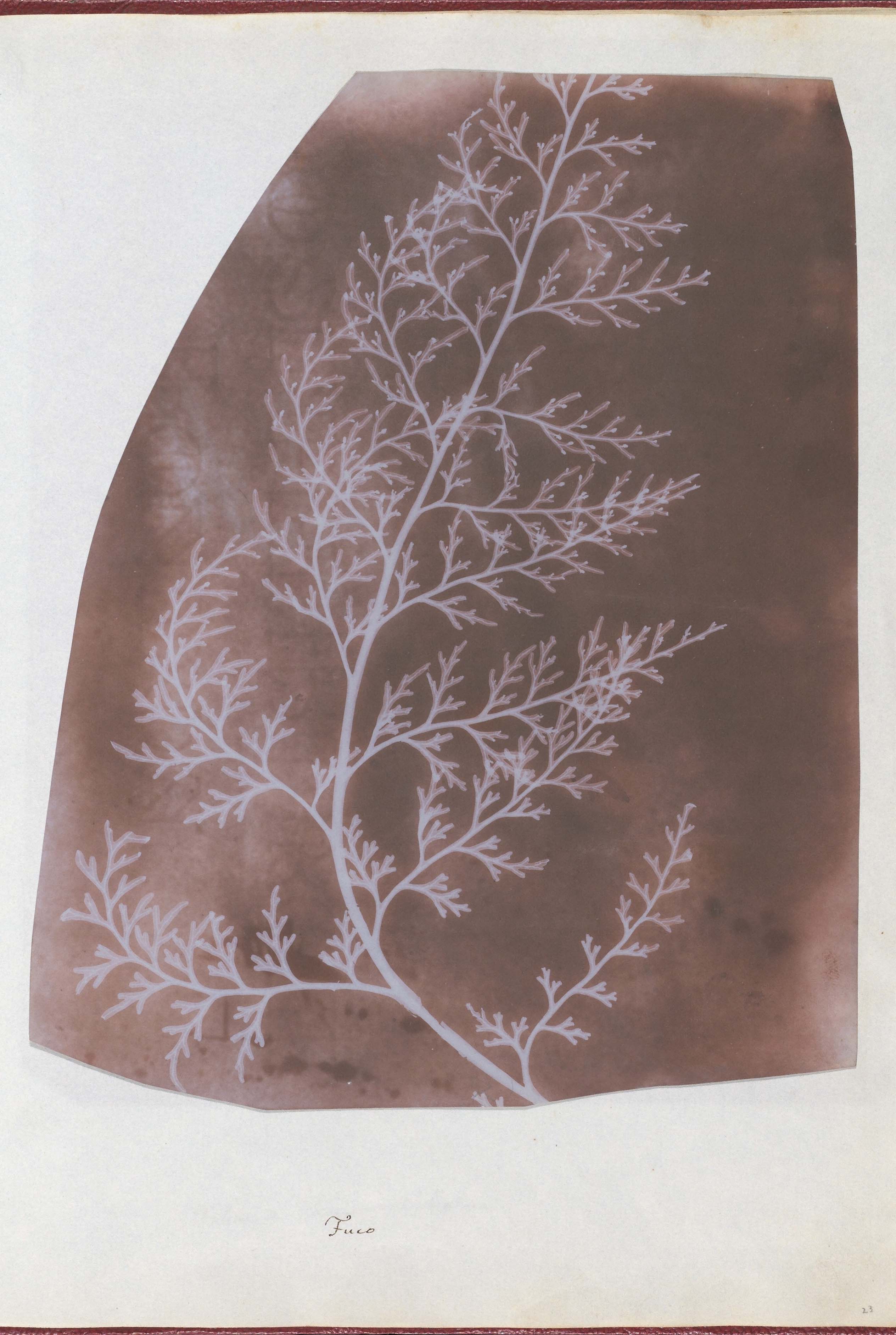
William Henry Fox Talbot :: Wrack (seaweed). Salted paper print, 1839. Photogenic drawing. | src The Met

This evanescent trace of a biological specimen, among the rarest of photographs, was made by William Henry Fox Talbot just months after he first presented his invention, photography—or “photogenic drawing,” as he called it—to the public.  Talbot’s earliest images were made without a camera; here a piece of slightly translucent seaweed was laid directly onto a sheet of photosensitized paper, blocking the rays of the sun from the portions it covered and leaving a light impression of its form.

Plants were often the subject of Talbot’s early photographs, for he was a serious amateur botanist and envisioned the accurate recording of specimens as an important application of his invention. The “Album di disegni fotogenici,” in which this print appears, contains thirty-six images sent by Talbot to the Italian botanist Antonio Bertoloni in 1839–40. It was the first important photographic work purchased by the Metropolitan Museum. [quoted from source]